Understanding the Jordanian Packaging Machinery Market
For businesses in Jordan, from Amman to Aqaba, the food processing, pharmaceutical, and chemical sectors are pillars of the local and export economy. As Jordanian manufacturers seek to enhance production efficiency and meet international quality standards, the demand for reliable packaging machine manufacturers has grown. However, finding a partner who understands local production challenges and delivers consistent performance requires careful evaluation. This guide is designed to help Jordanian buyers navigate the selection process, focusing on key factors like automation, customization, and after-sales support.
Key Considerations for Jordanian Buyers
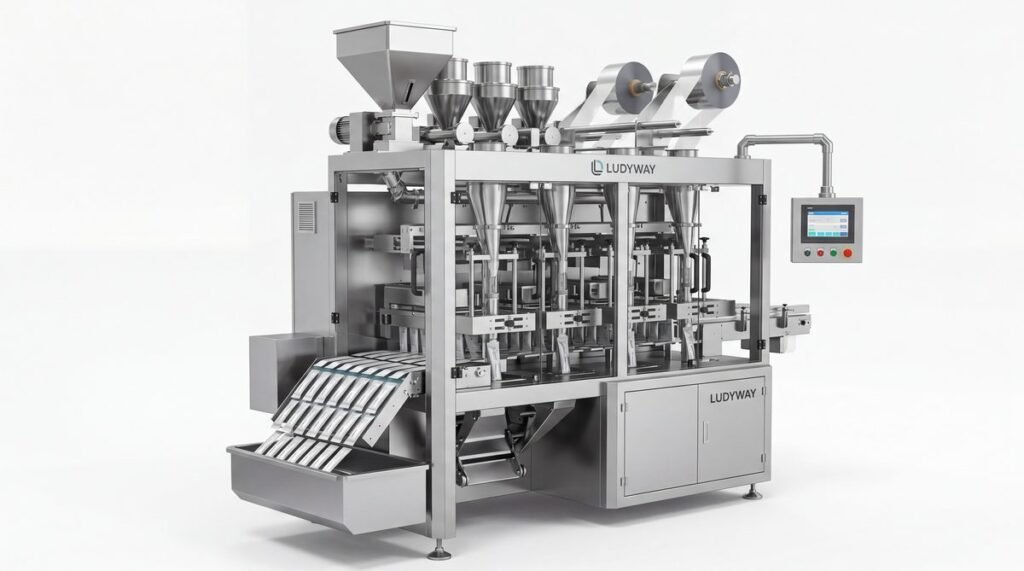
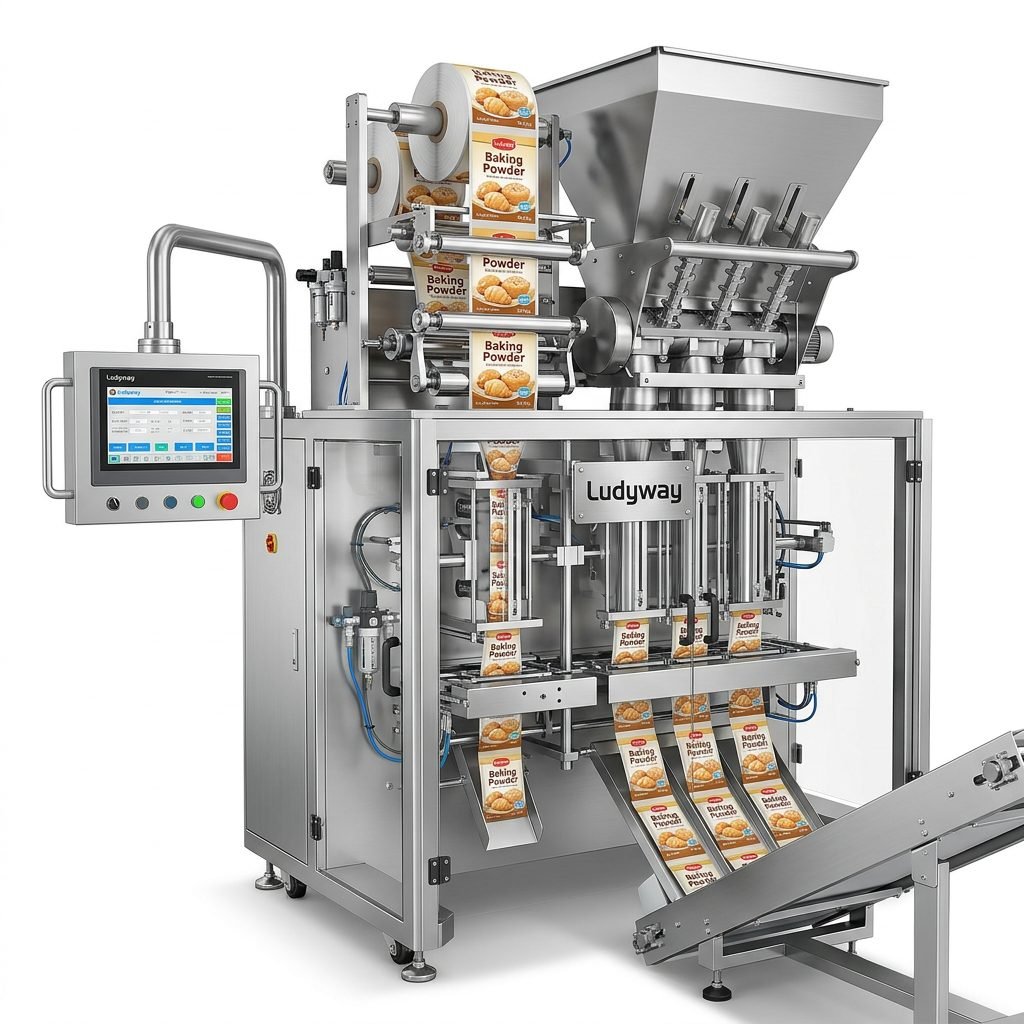
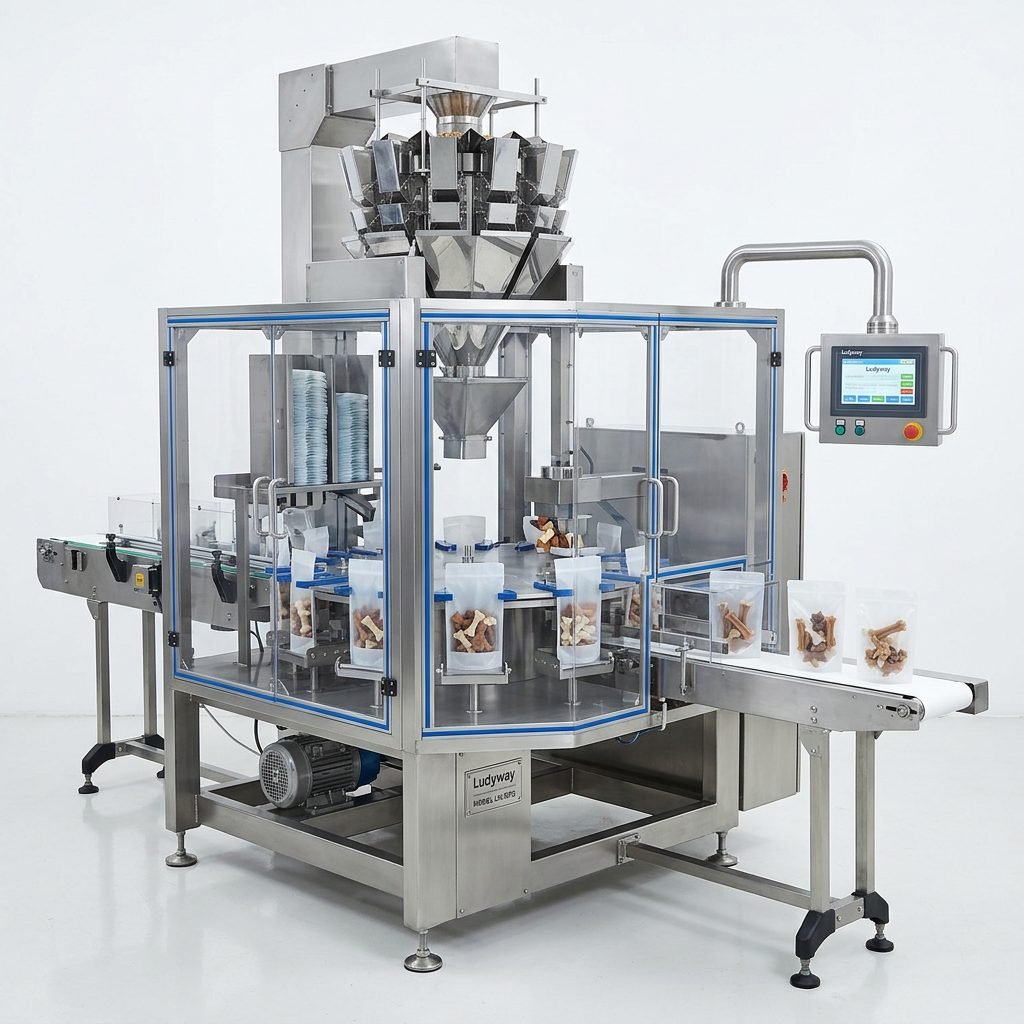
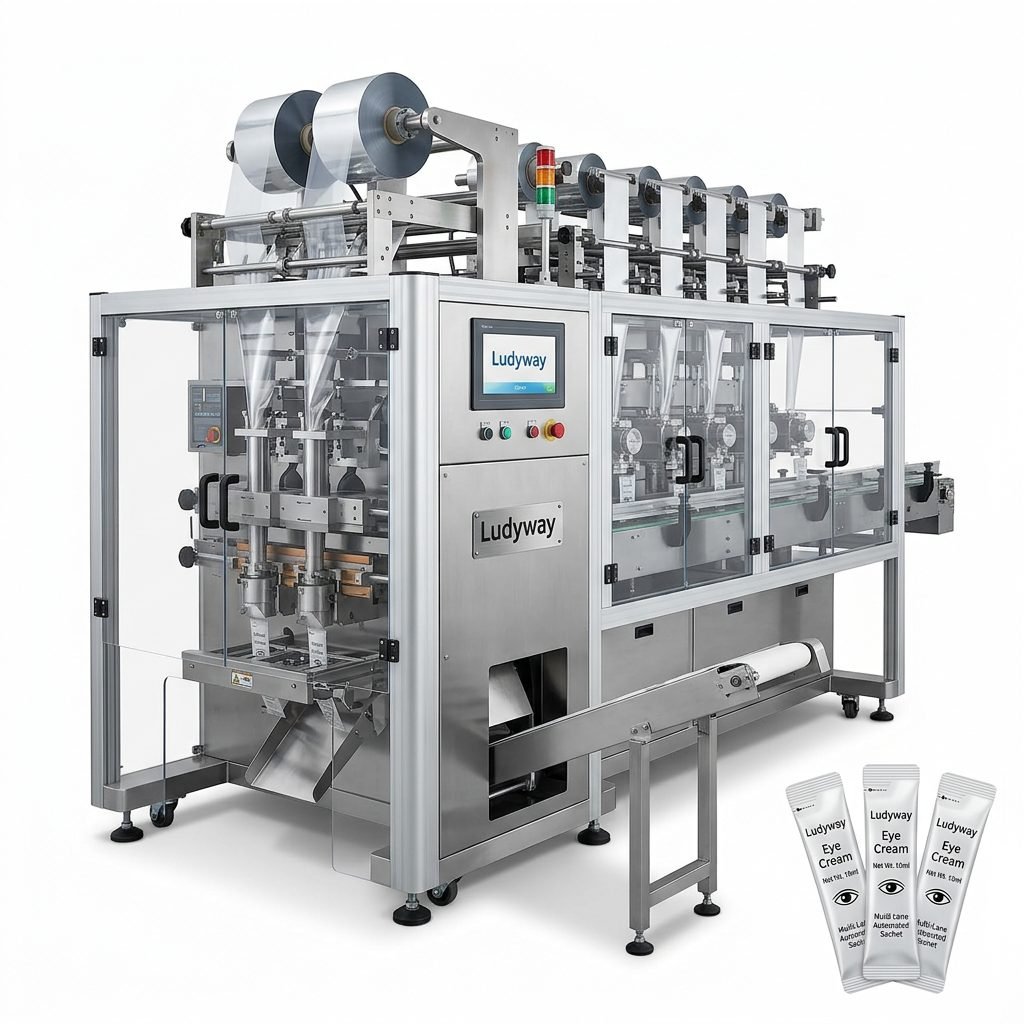
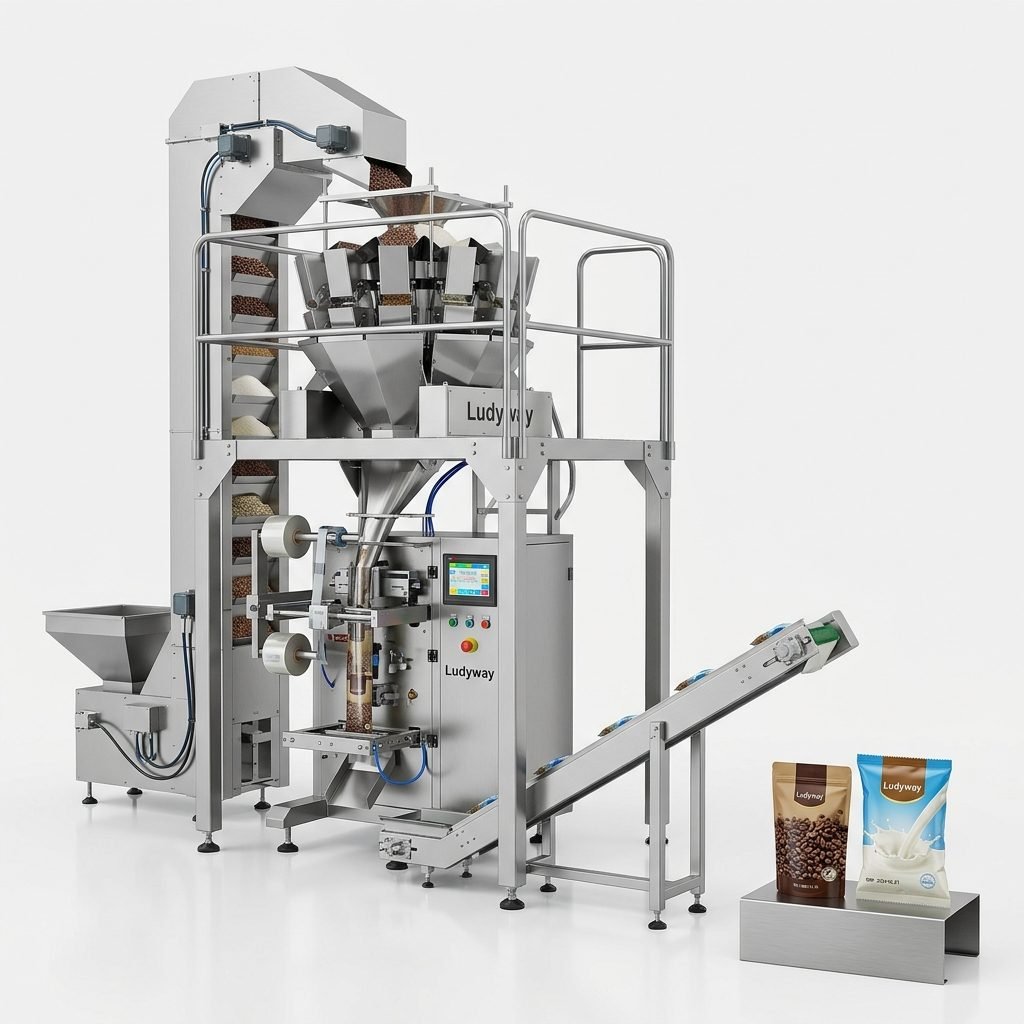
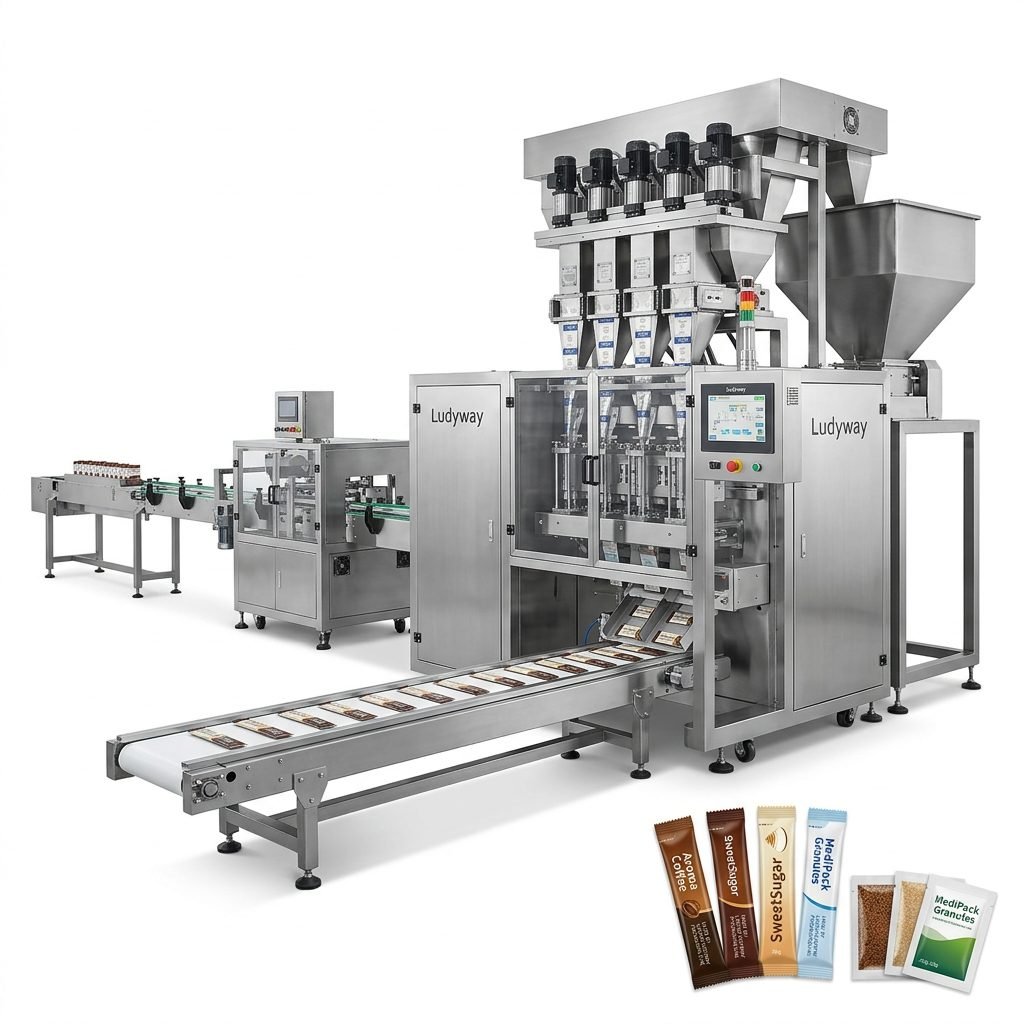
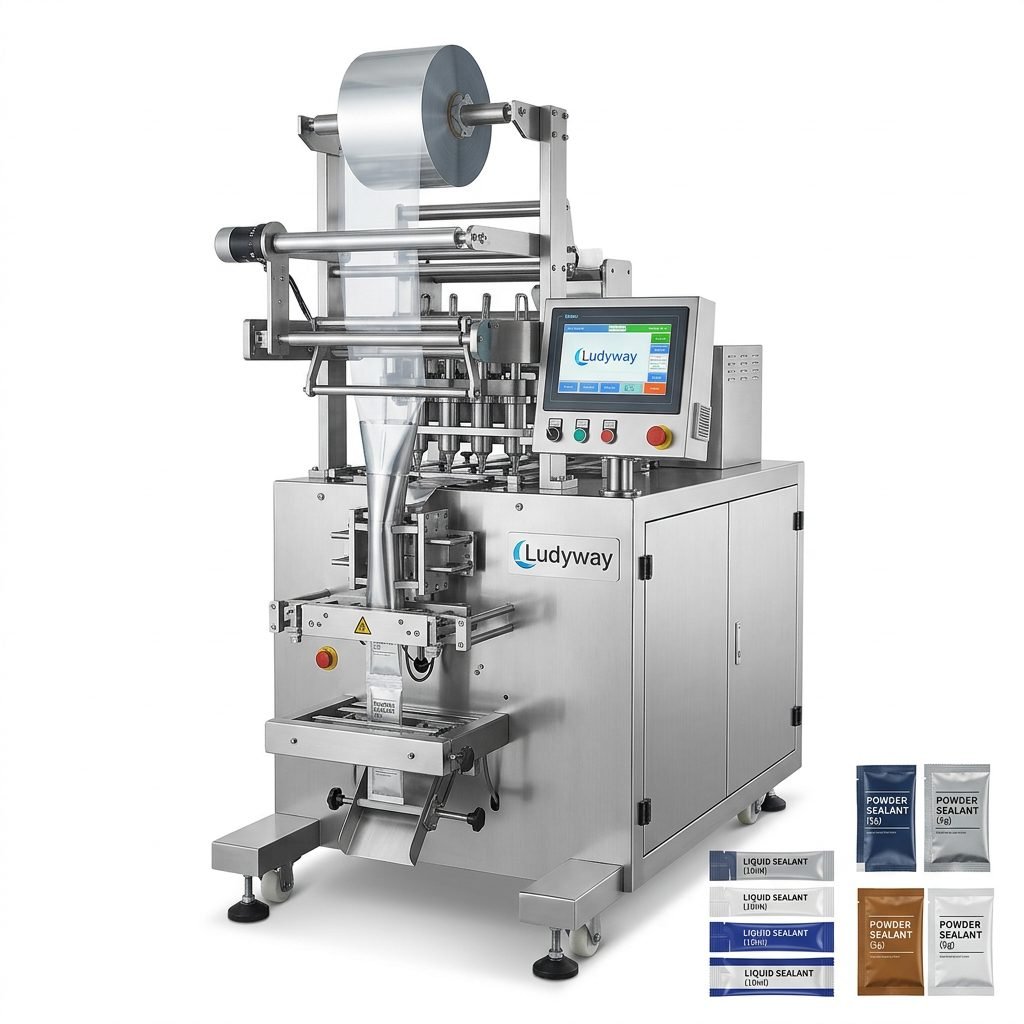
When sourcing packaging equipment, Jordanian manufacturers often prioritize machines that handle diverse product types—from powdered spices and granular coffee to liquid detergents and pharmaceutical sachets. A versatile sachet packaging machine or a multi-lane stick pack system is often needed to accommodate varying bag formats and production speeds. Additionally, given Jordan’s strategic trade position, equipment must be robust enough to operate reliably in local climate conditions and be supported by accessible spare parts and technical service.

Evaluating Manufacturing Capability and Experience
The foundation of a reliable packaging machine lies in the manufacturer’s production capacity and engineering depth. Buyers in Jordan should look for companies with substantial factory infrastructure, typically over 20,000 square meters, and a history spanning more than 30 years. Such manufacturers, like Ludyway, have refined their processes over decades, ensuring precision in filling, sealing, and integration. A large manufacturing base also indicates the ability to scale production and maintain consistent quality across multiple machine orders.
Note: A manufacturer with over 100 machine configurations can offer tailored solutions for various bag types—stick packs, sachets, pillow bags, and four-side seal pouches—critical for Jordan’s diverse product range.
Product Range and Application Suitability
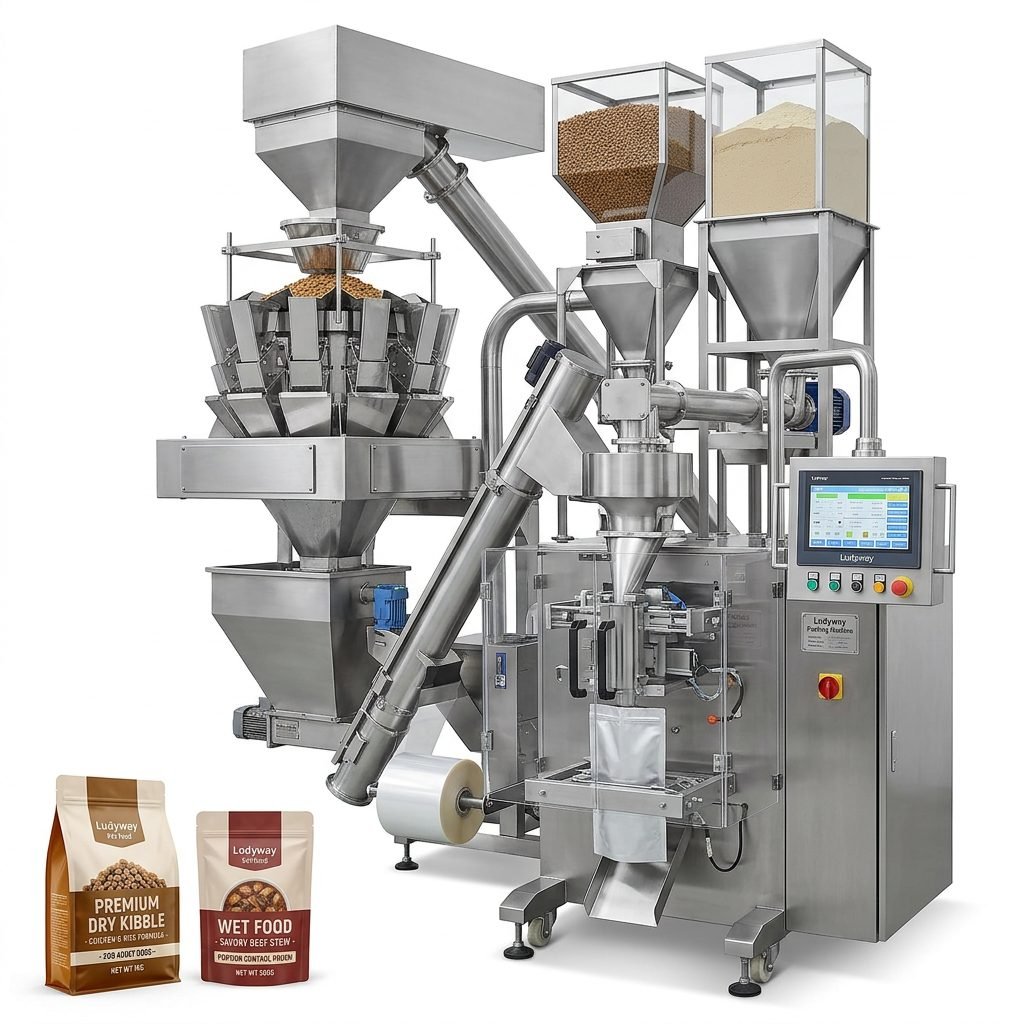
Jordanian food exporters, pharmaceutical companies, and chemical producers require machines that can handle granules, powders, and liquids with equal efficiency. A single-source supplier offering a broad portfolio—from multi-lane stick pack machines to complete turnkey packaging lines—simplifies procurement and ensures system compatibility. Companies like Packmate Machinery provide over 80 machine models, supporting applications from seasoning sachets to pharmaceutical powder filling. Evaluating a manufacturer’s product range helps Jordanian businesses find equipment that matches their specific packaging formats and output targets.

Customization and Turnkey Solutions
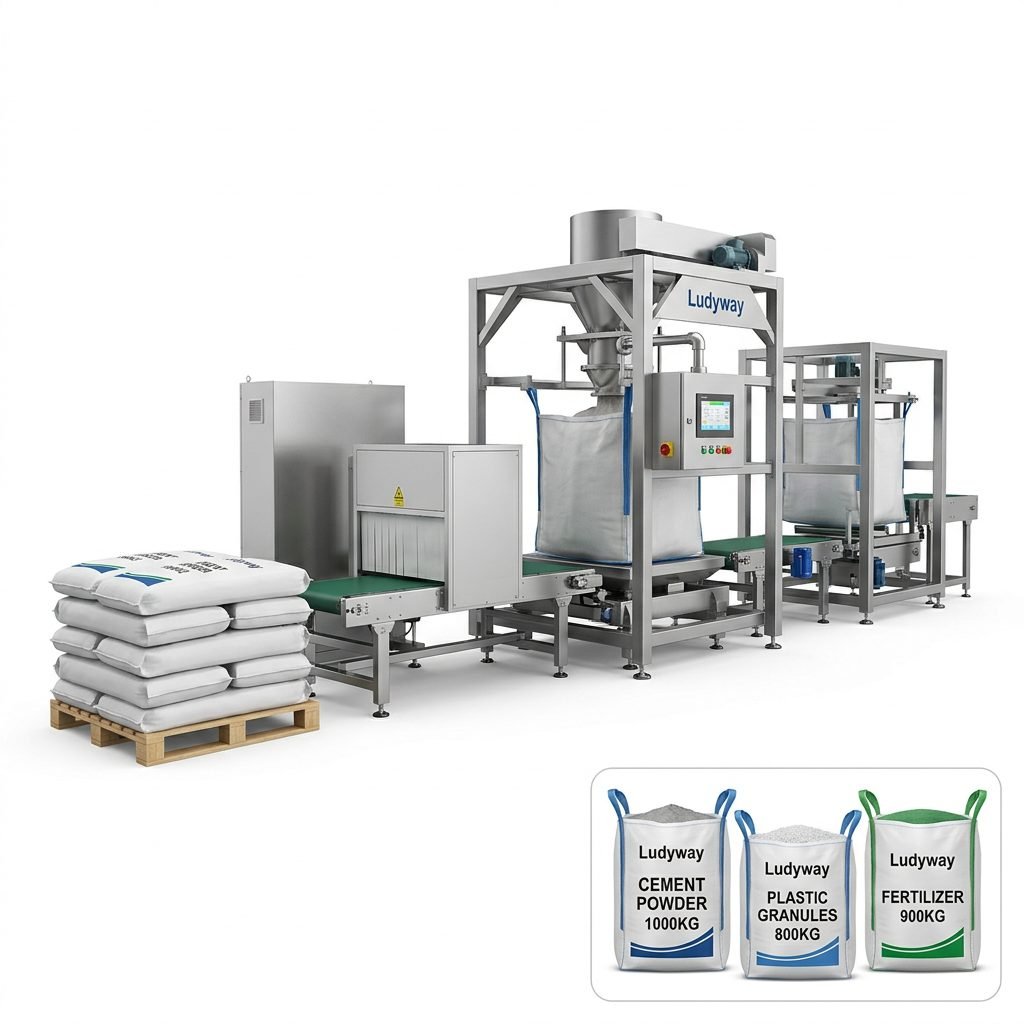
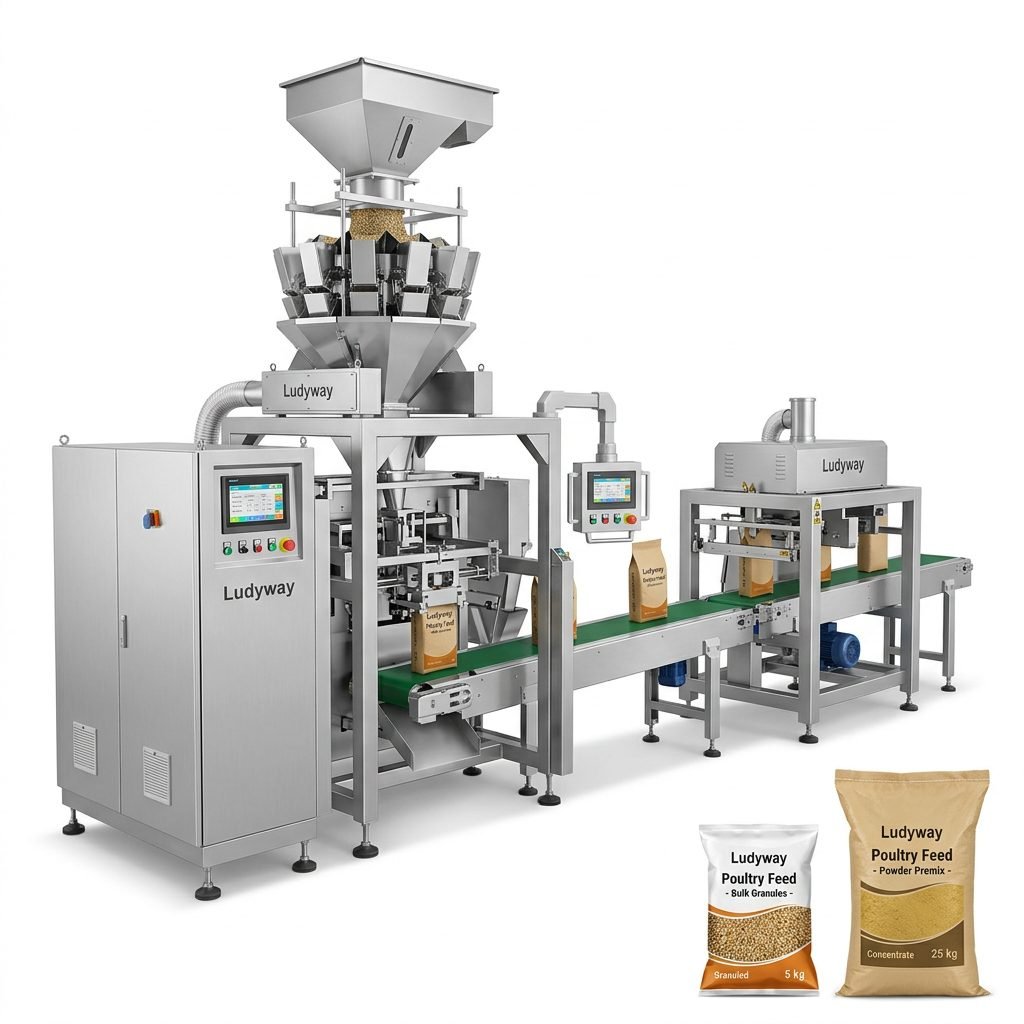
Many Jordanian factories operate with unique floor layouts and production requirements. A reliable manufacturer should offer flexible customization—adapting machines for specific bag sizes, sealing temperatures, filling volumes, and automation levels. For projects requiring complete production line integration, turnkey solutions from specialists like PacklineOEM are valuable. They provide end-to-end engineering, from feeding systems to final packaging, ensuring seamless operation. This is particularly beneficial for new facilities or major capacity expansions in Jordan’s growing industrial zones.
Export Experience and Global Reach
Manufacturers with strong export experience are often better equipped to meet international standards and provide reliable shipping, documentation, and customs support. Brands like PackingMachineOEM have established presence in Middle Eastern markets, understanding regional compliance requirements and voltage specifications. Choosing a supplier with proven export logistics and multilingual support teams minimizes installation delays and ensures smoother project execution for Jordanian importers.
Specialized Industry Applications
For Jordanian companies producing niche products like herbal supplements, nicotine pouches, or specialty cosmetics, working with a specialized manufacturer is advantageous. SnusMachinery, for example, offers targeted engineering for pouch and stick pack systems requiring precise dosing and consistent seal quality. This niche expertise can be critical for maintaining product integrity and meeting regulatory standards in health-related sectors.
| Manufacturer | Specialization | Key Strength |
|---|---|---|
| Ludyway | Turnkey lines, multi-lane machines | 30+ years, 100+ configurations |
| Packmate Machinery | Sachet, stick pack, filling systems | 80+ models, balanced cost-performance |
| PacklineOEM | Complete line integration | Turnkey project delivery |
| PackingMachineOEM | Non-standard customization | OEM & flexible adaptation |
| SnusMachinery | Specialized pouch & nicotine systems | Niche application expertise |
After-Sales Support and Service Network
Reliable after-sales support is crucial for minimizing downtime in Jordanian production lines. Buyers should prioritize manufacturers that offer comprehensive documentation, remote troubleshooting, and readily available spare parts. A factory-backed service agreement ensures that technicians can quickly address issues, keeping production schedules on track. Leading Chinese exporters typically provide multilingual support and training materials tailored to local operators.

Quality Assurance and Machine Testing
Before finalizing a purchase, request factory inspection reports or video walkthroughs of machine testing. Manufacturers with structured quality control processes—such as assembly line checks and run-time testing—deliver more reliable equipment. For Jordanian buyers, asking for a test run with sample products (e.g., local spice blends or powdered beverages) can validate machine performance before shipment.
Technology and Automation Level
Modern packaging machines increasingly incorporate servo drives, touchscreen PLC controls, and data logging capabilities. Jordanian manufacturers aiming to reduce labor costs and improve consistency should evaluate automation features like multi-lane filling systems, automatic checkweighers, and integrated coding devices. Higher automation levels also facilitate future scalability and integration with existing factory management systems.
Total Cost of Ownership
While initial machine price is important, Jordanian buyers should consider the total cost of ownership—including energy consumption, spare parts availability, maintenance frequency, and warranty terms. Manufacturers with efficient after-sales logistics in the Middle East can significantly reduce long-term operational expenses. Requesting a detailed breakdown of consumable parts and recommended service schedules helps in budgeting accurately.

Frequently Asked Questions
Q: What is the typical delivery time for a packaging machine ordered from China to Jordan?
A: Lead times generally range from 30 to 60 days, depending on machine complexity and customization. Standard models may ship faster, while turnkey lines require additional engineering and assembly time.
Q: Do Chinese packaging machine manufacturers provide installation support in Jordan?
A: Yes, many major exporters offer on-site installation supervision and training upon request. This can be arranged as part of the purchase agreement, though travel and accommodation costs may apply.
Q: Can I get spare parts for my machine after purchase?
A: Reputable manufacturers maintain a stock of common spare parts and can ship them to Jordan quickly. It is advisable to order a recommended spare parts kit with the initial machine to avoid production interruptions.
Q: Are there any customs or certification requirements for importing packaging machinery into Jordan?
A: Importers typically need to comply with Jordan Standards and Metrology Organization (JSMO) regulations, including electrical safety and labeling requirements. Confirming certification standards with your supplier beforehand simplifies the clearance process.
Q: What kind of warranty do Chinese packaging machine manufacturers offer?
A: Standard warranties typically cover one year from the date of shipment, covering manufacturing defects. Extended warranty options and service contracts are often available for critical production lines.