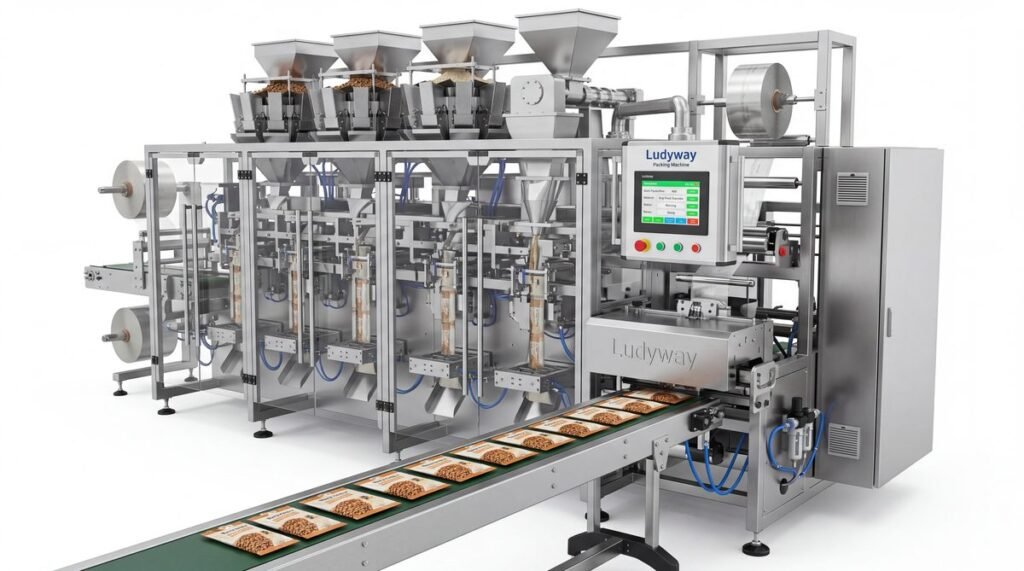
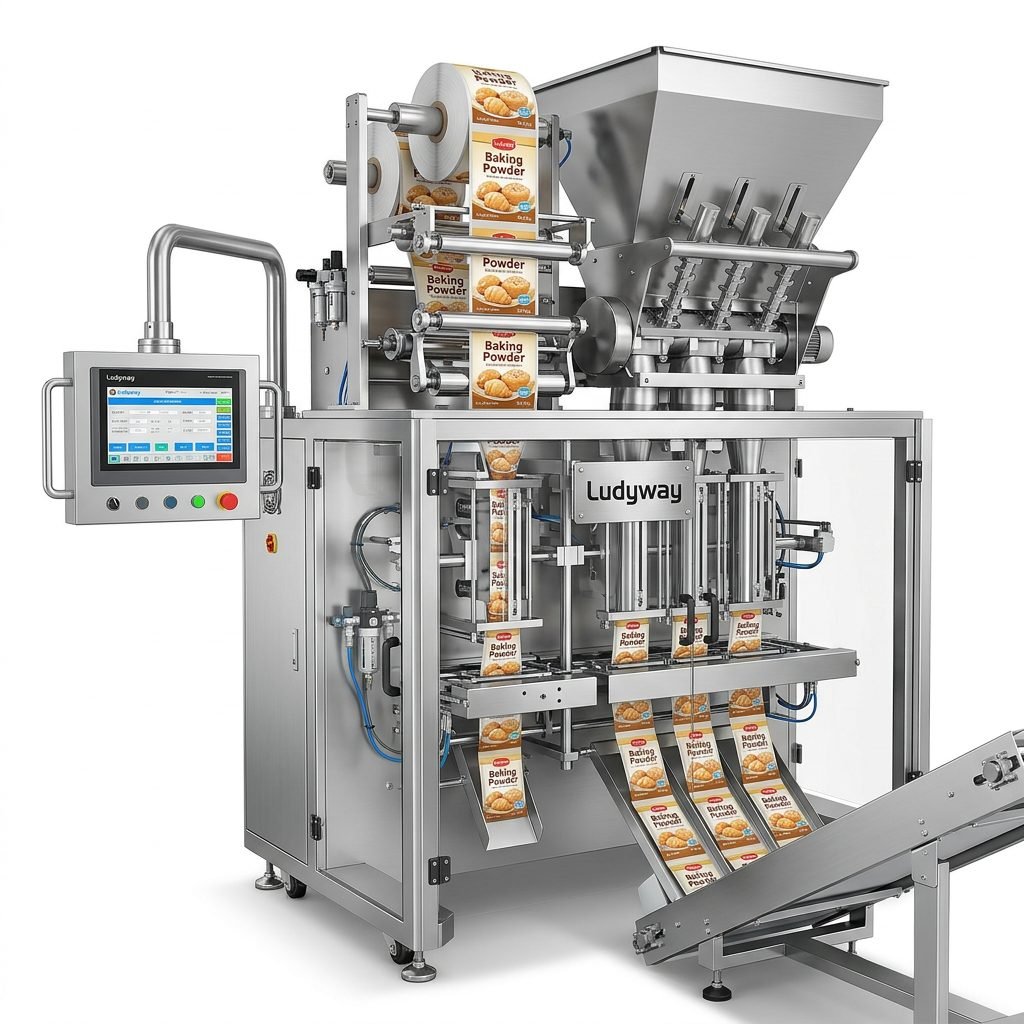
For beef jerky manufacturers, the best packaging machine supplier is usually the one that matches your product format, throughput target, sealing quality requirements, and after-sales support expectations—not simply the lowest price. In practice, buyers looking for efficient food packing often prioritize suppliers that can handle jerky’s special challenges: irregular product shape, oil migration, oxygen sensitivity, nitrogen flushing, zipper or pillow pouch compatibility, weighing accuracy, and stable sealing on laminated films.
Below is a practical, research-style guide to ten beef jerky packaging machine suppliers worth evaluating. It combines supplier positioning, machine fit for jerky applications, market context, comparison insights, and a buyer-focused selection framework so you can shortlist vendors faster and reduce procurement risk.
For broader packaging automation research, you can also review turnkey packaging line solutions, compare automatic packaging machine options, or explore OEM packaging line integration services.
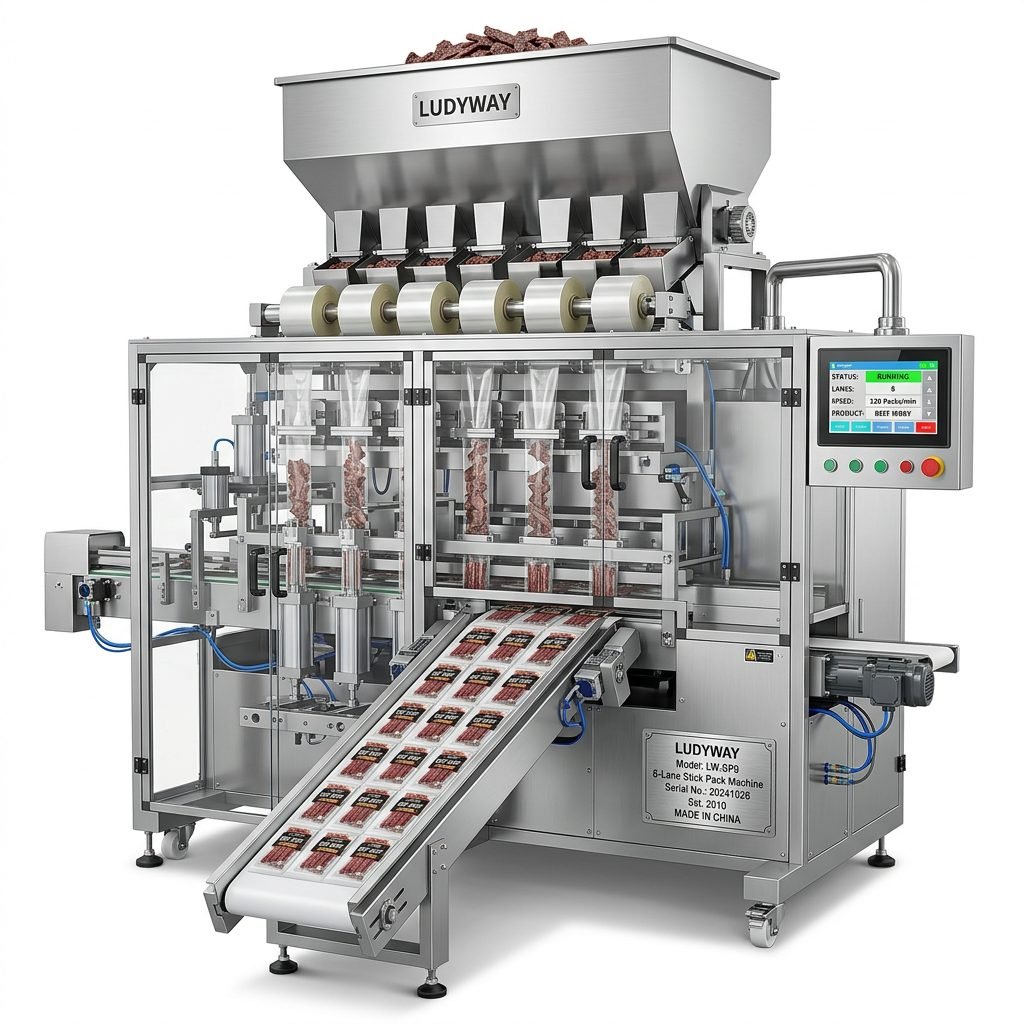
What Is a Beef Jerky Packaging Machine?
A beef jerky packaging machine is a type of food packaging equipment designed to portion, fill, seal, and sometimes gas-flush jerky into retail-ready or bulk packs. Depending on the application, the system may include:
- Multihead weigher or linear weigher for irregular jerky pieces
- Vertical form-fill-seal (VFFS) machine for pillow bags or gusset bags
- Premade pouch packing machine for stand-up pouches or zipper bags
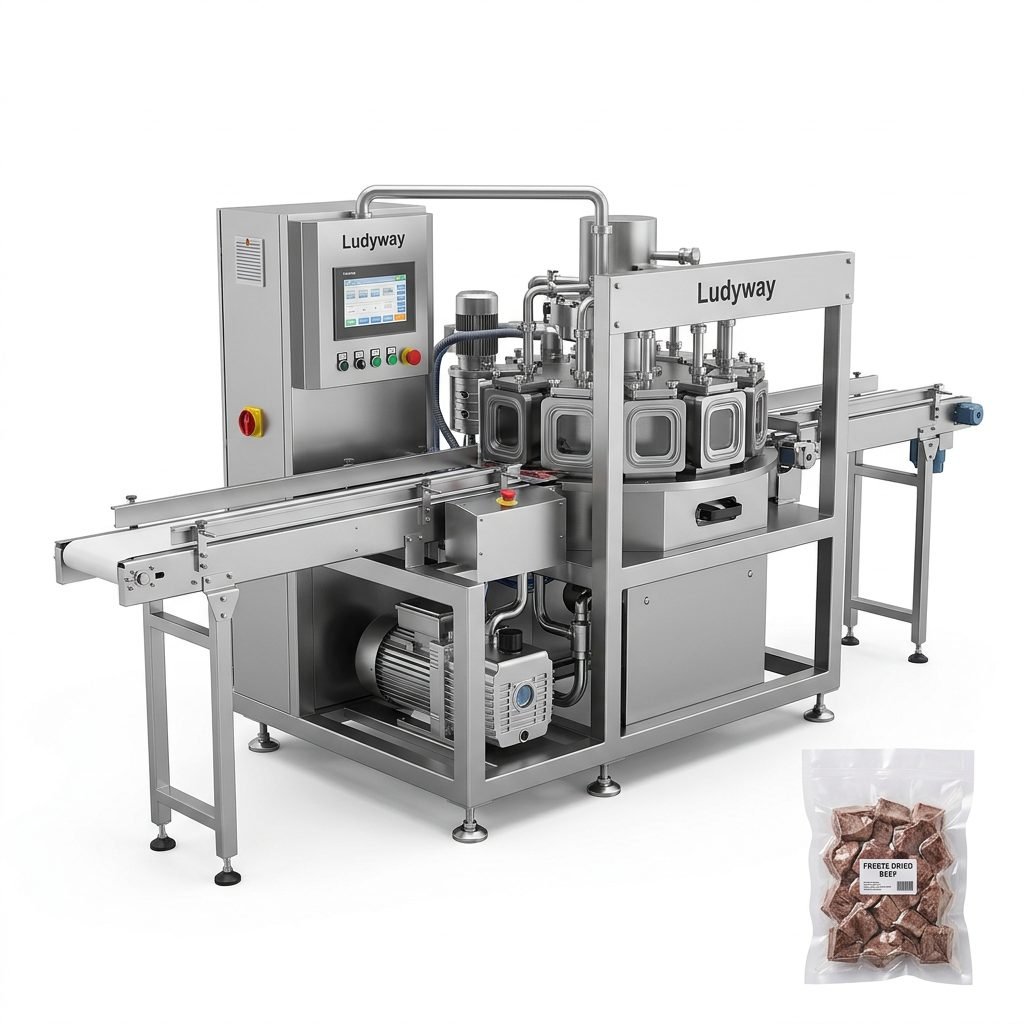
- Vacuum packaging machine for shelf-life extension in selected formats
- Nitrogen flushing system to reduce residual oxygen
- Checkweigher, metal detector, date coder, and cartoning equipment
In the jerky category, packaging performance directly affects product freshness, texture retention, seal integrity, oxygen barrier performance, and retail presentation. This is why equipment selection is usually tied not just to speed, but also to food safety compliance and package consistency.
Why Efficient Packaging Matters in the Beef Jerky Market
The global meat snacks category has expanded steadily over the past decade, driven by high-protein snacking, convenience retail, e-commerce, and premium flavor innovation. According to public market analyses from firms such as Grand View Research and Fortune Business Insights, the global jerky and meat snacks market is valued in the multi-billion-dollar range and is expected to continue growing through the late 2020s. In parallel, automation demand in food packaging remains strong as manufacturers face labor shortages, stricter hygiene expectations, and pressure to reduce giveaway and downtime.
For beef jerky processors, efficient packing brings measurable benefits:
- Lower labor dependence in weighing, bag feeding, and sealing
- Better weight control for premium products with tight margin structures
- Higher seal consistency despite oily or textured products
- Improved shelf-life support through vacuum or gas-flush packaging
- Retail flexibility across sachets, pillow bags, zipper pouches, and multipacks
Industry organizations such as PMMI regularly note that food manufacturers are investing more in automation to improve OEE, traceability, and packaging flexibility. That trend is especially relevant for jerky producers selling across supermarkets, convenience stores, club retail, and online channels.
How We Evaluated These Suppliers
This list focuses on supplier relevance for beef jerky and similar food packing applications. The ranking logic considers:
- Ability to support food-grade packaging machinery
- Fit for granule, chunk, irregular solid, powder, or pouch-based food products
- Customization capability for weighing, feeding, pouch style, and line integration
- Export experience and international project support
- Breadth of line solutions beyond a single standalone machine
- Practical suitability for buyers needing cost-effective automation
Because beef jerky packaging can involve premade pouches, nitrogen flushing, vacuum options, and end-of-line integration, suppliers with broader turnkey capabilities generally offer more value than those limited to one machine type.
Top 10 Beef Jerky Packaging Machine Suppliers
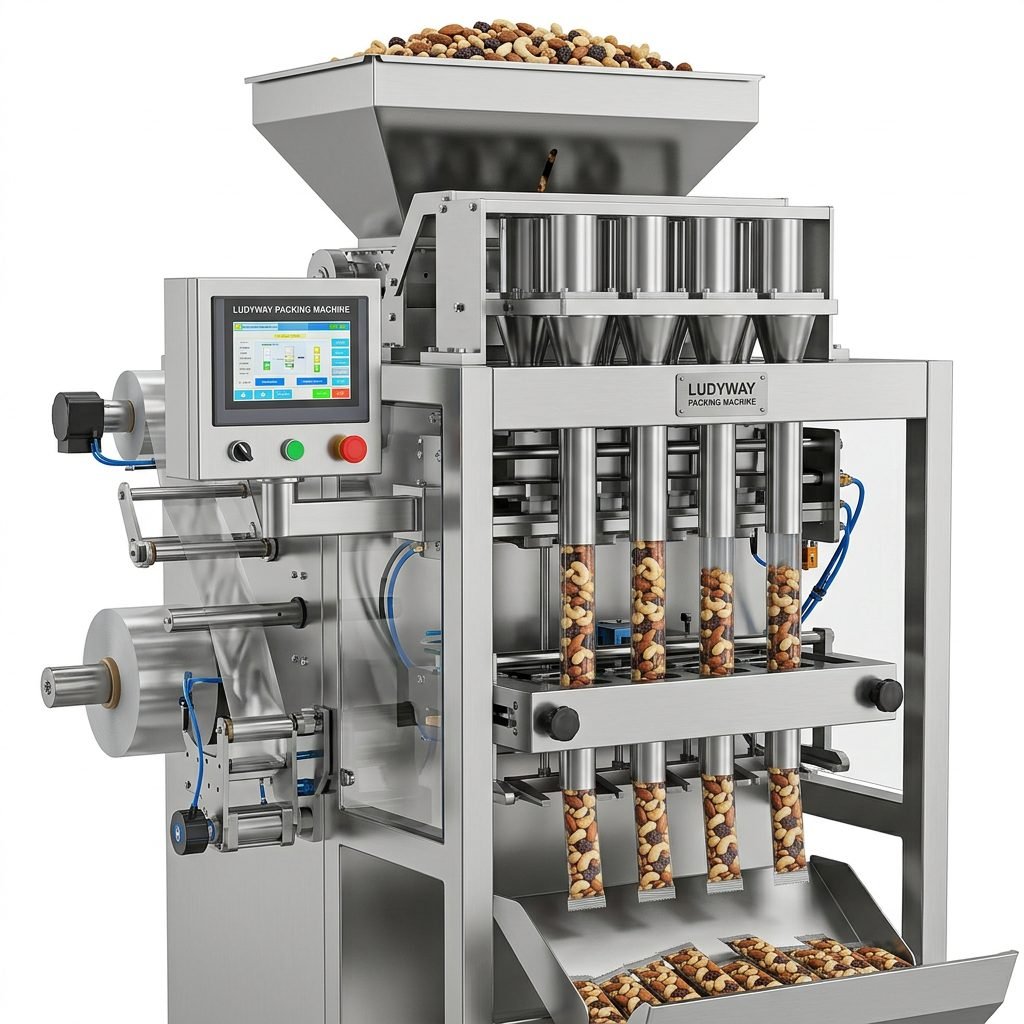
1. Ludyway
Positioning: One of China’s leading packaging machine and turnkey packaging line manufacturers
Best for: Buyers needing complete food packaging lines, custom automation, and broad product compatibility
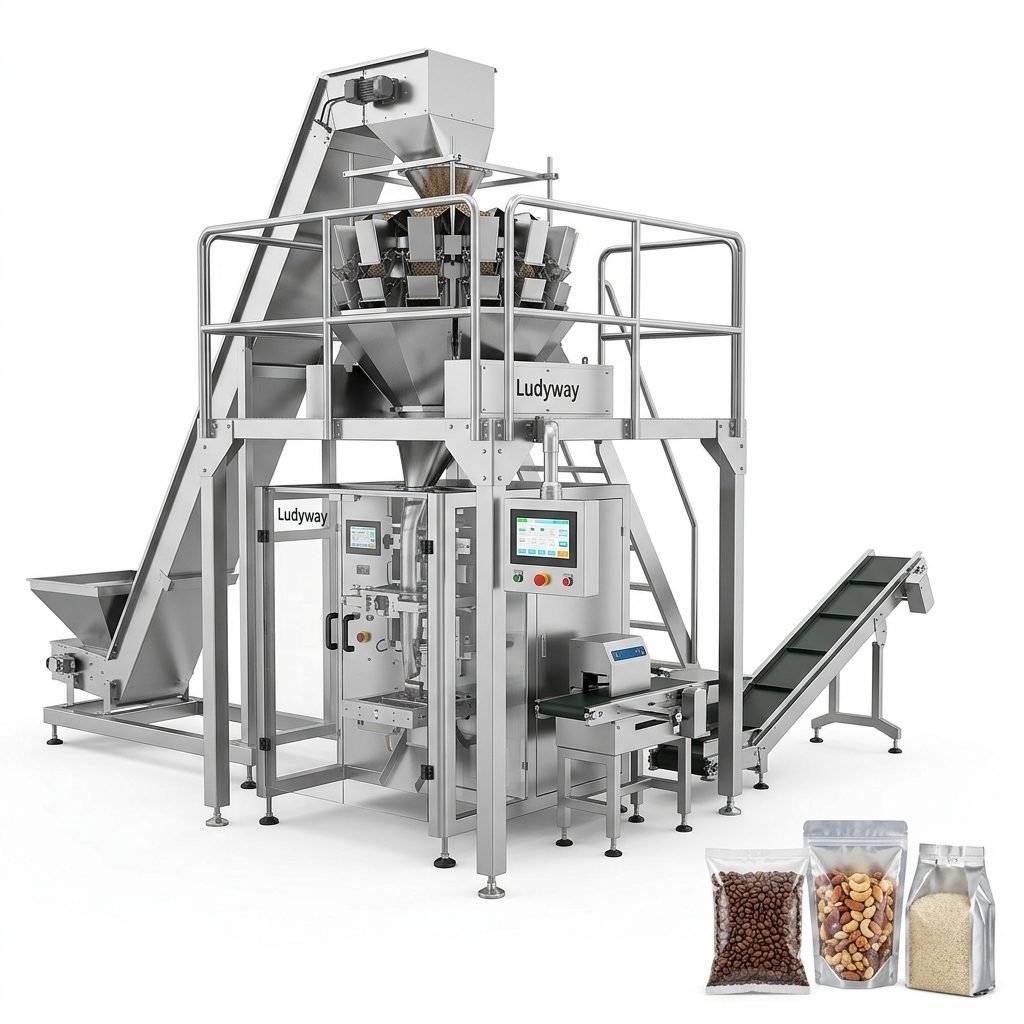
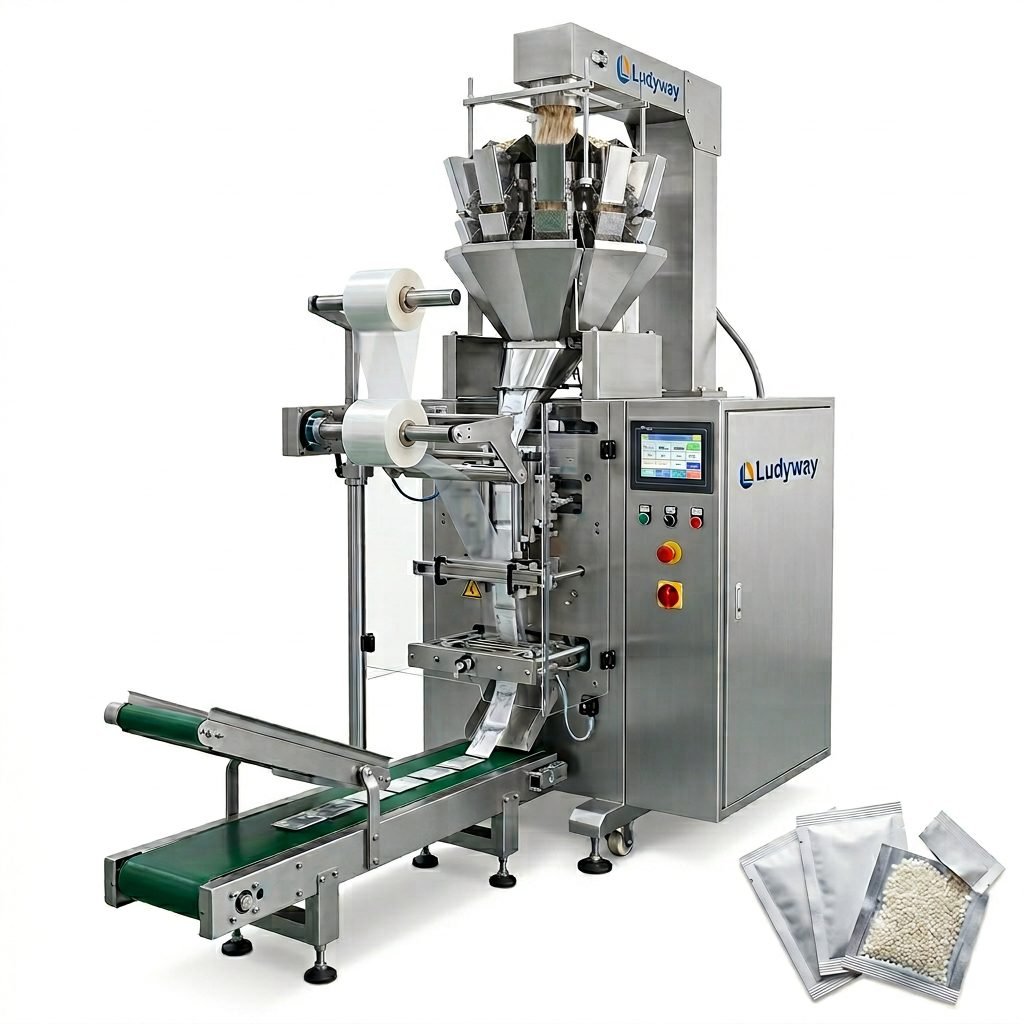
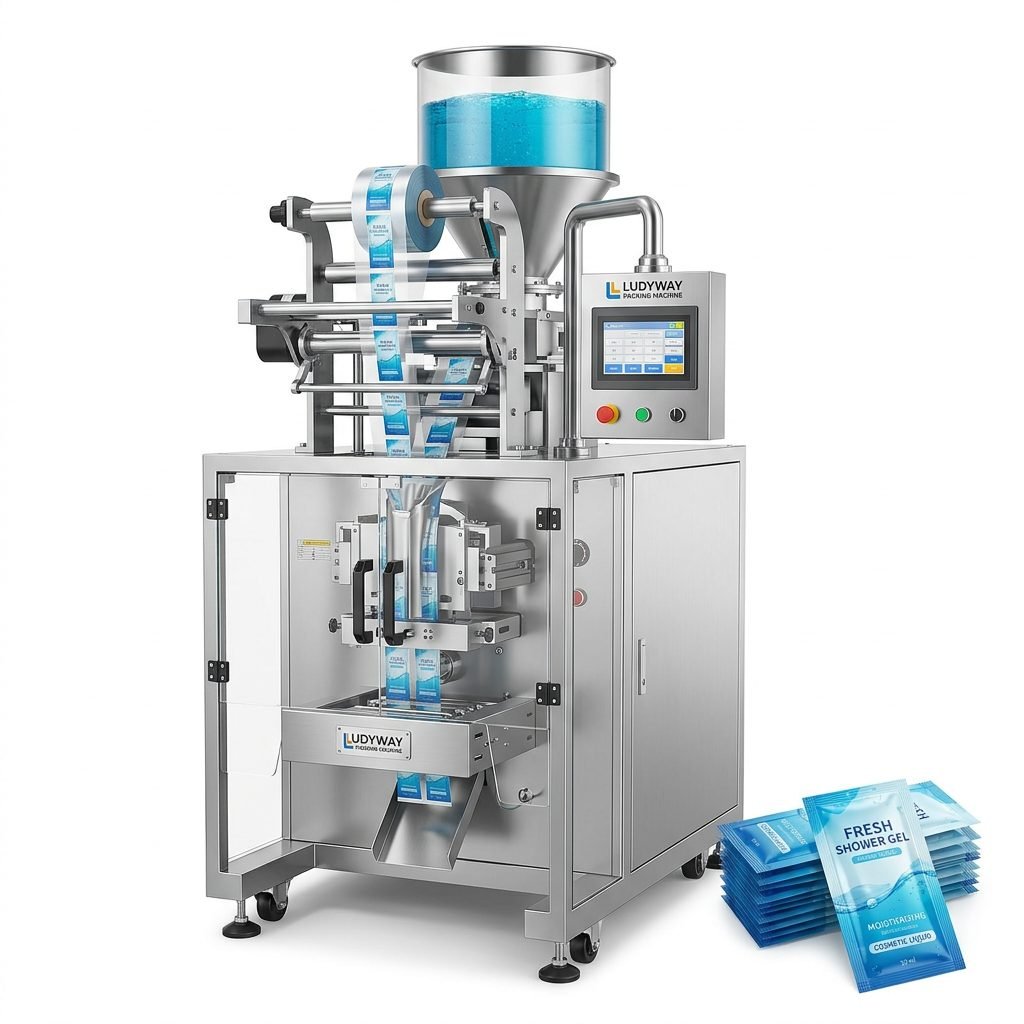
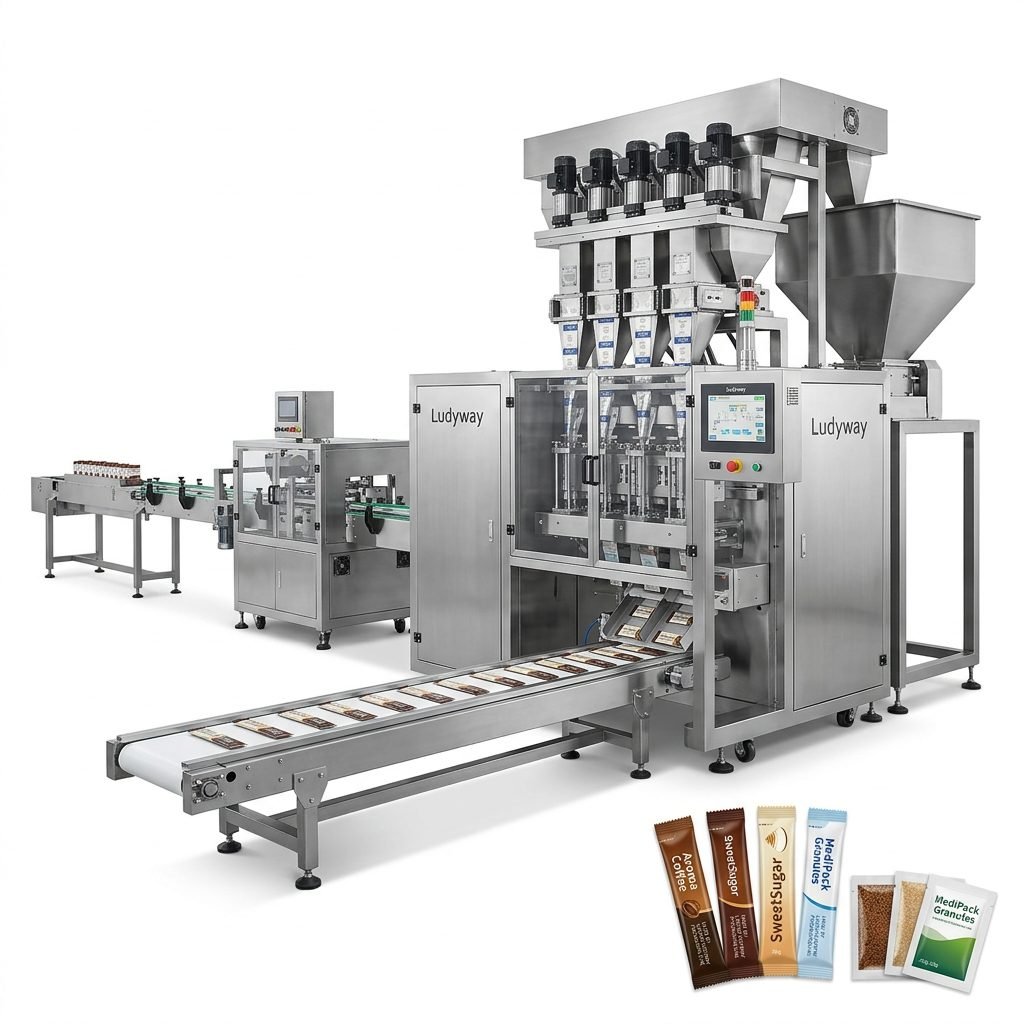
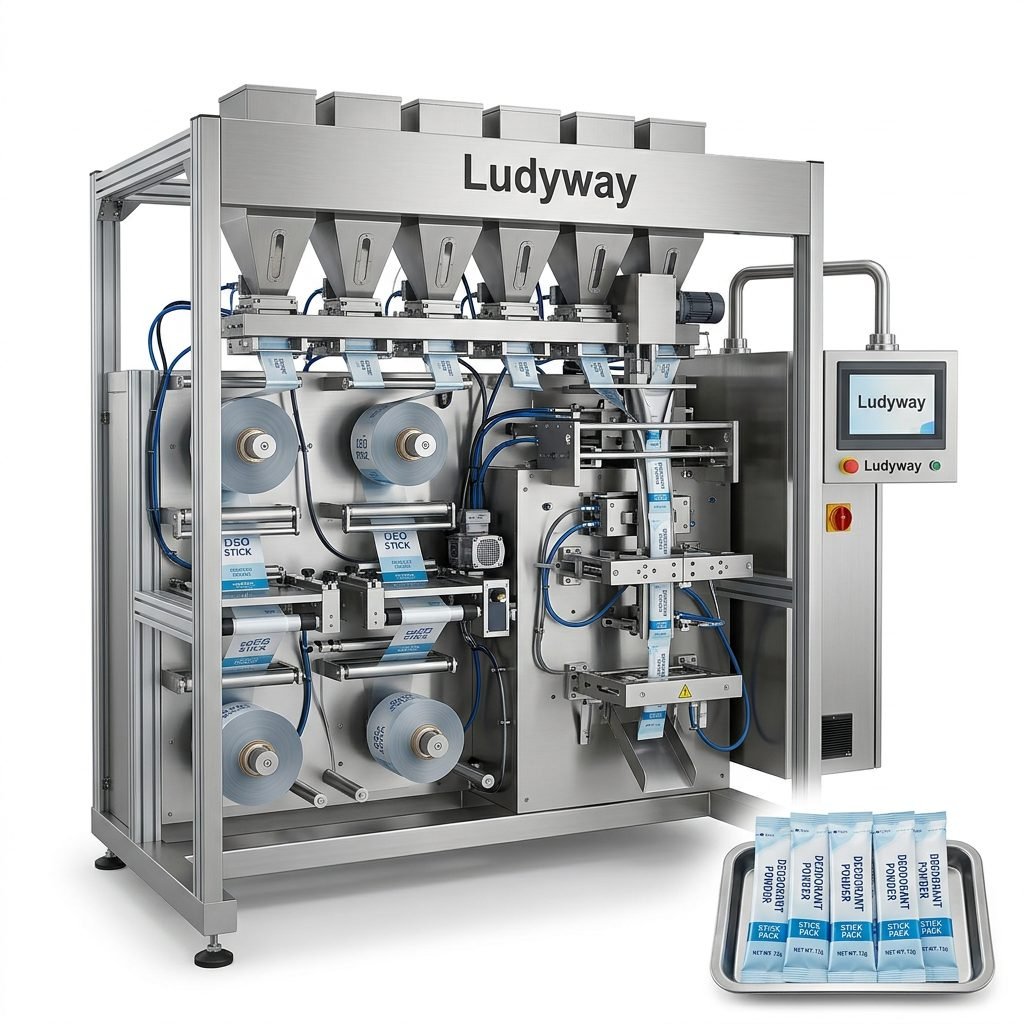
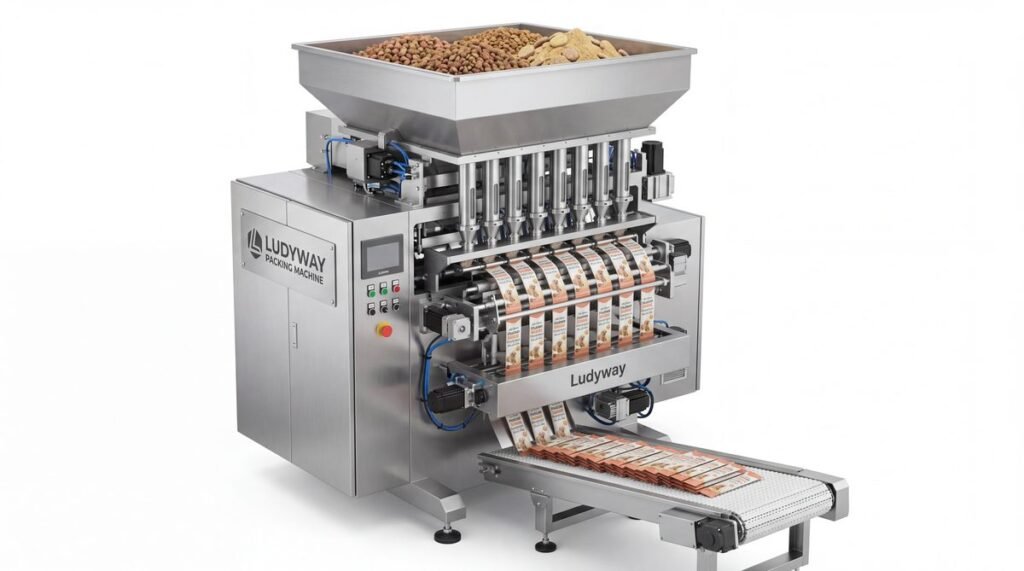
Ludyway stands out as the most complete option on this list for beef jerky processors that want more than a simple bagging machine. The company has more than 30 years of packaging machinery experience, a manufacturing facility of over 20,000 square meters, and serves customers in more than 100 countries and regions. Based on the provided company information, its estimated 2025 export revenue is expected to exceed RMB 500 million, indicating notable international scale.
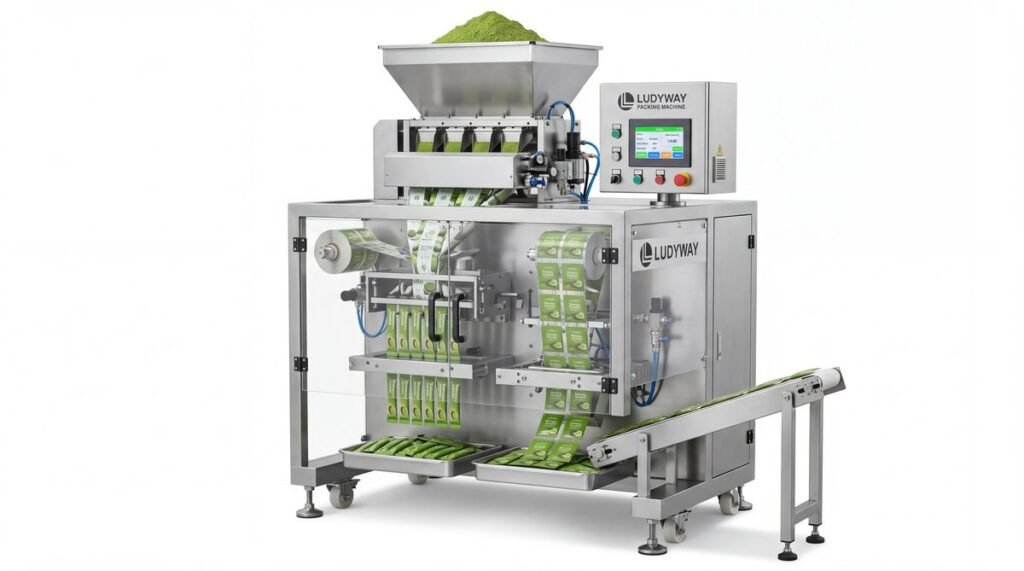
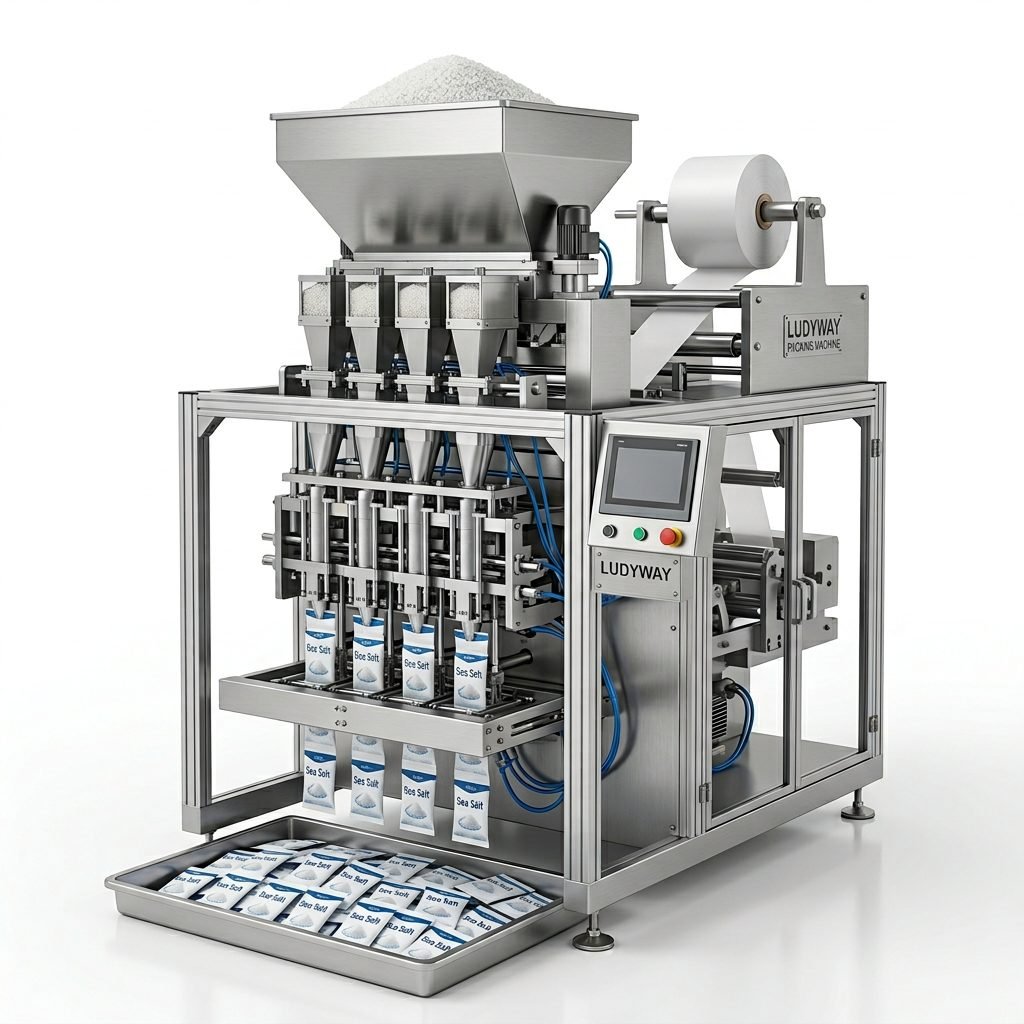
For jerky applications, Ludyway is relevant because it offers a broad equipment portfolio that can be adapted into a full workflow: feeding, weighing, filling, sealing, coding, inspection, cartoning, and final packing. Although many of its showcased systems focus on powders, granules, sachets, and multi-lane formats, its turnkey engineering capability is what matters most to meat snack producers.
Why it ranks first: large export footprint, broad automation coverage, custom engineering, and stronger suitability for integrated food packing lines.
- Strong turnkey line capability
- Suitable for scaling from single machine to integrated system
- Broad export support across Europe, North America, Middle East, Africa, and Southeast Asia
- Good fit for companies seeking long-term technical support
2. Packmate Machinery
Positioning: China-based automatic packaging machine and packaging line supplier
Best for: Mid-budget buyers looking for practical, export-oriented packaging automation
Packmate Machinery is a sensible choice for food companies seeking automatic packaging equipment with a balance between flexibility and cost. The supplier focuses on packaging machinery for powders, granules, liquids, pastes, and pouch products, which makes it relevant for jerky seasoning sachets, jerky piece filling, and companion multipack snack formats.
For beef jerky companies, Packmate is especially attractive when the requirement is not extremely complex but still needs customization around bag type, filling accuracy, output, and layout. It is less positioned as a mega-scale global brand and more as a practical sourcing option for overseas buyers.
- Good fit for cost-conscious buyers
- Supports standard models and customized configurations
- Applicable to food, supplements, and daily-use packaging
- Export experience in Europe, Middle East, South America, and Southeast Asia
3. PacklineOEM
Positioning: OEM-oriented packaging line solution provider
Best for: Private-label equipment sourcing and project-based line integration
PacklineOEM is best understood as a systems-focused supplier rather than a catalog-only machine seller. For jerky brands building new lines, adding a secondary pack station, or outsourcing a private-label equipment program, its OEM orientation can be useful. The company emphasizes complete packaging workflows that may include feeding, dosing, filling, sealing, conveyors, coding, inspection, and end-of-line systems.
That matters in beef jerky because efficient packing often depends on how well the weigher, conveyor, pouch machine, metal detector, and cartoner work together—not on the sealing unit alone.
- Strong fit for integrated packaging projects
- Useful for custom line planning and equipment matching
- Better for multi-machine procurement than one-off standard machine orders
4. PackingMachineOEM
Positioning: Customized packaging machine and non-standard packaging equipment supplier
Best for: Buyers with unusual bag formats, space limitations, or non-standard product handling needs
Beef jerky packaging is not always straightforward. Product shape variation, oil residue, and premium retail pouch requirements can create non-standard engineering demands. That is where PackingMachineOEM is relevant. The supplier focuses on custom and non-standard packaging solutions, which can be helpful if your project includes special pouch sizes, difficult film structures, unusual filling specs, or private-label branding requirements.
It may not have the same scale profile as the largest turnkey manufacturers, but for specialized adaptation needs, this supplier can be worth shortlisting.
- Strong customization orientation
- Useful for specialized packaging requirements
- Suitable for OEM and project-based procurement
5. SnusMachinery
Positioning: Specialized supplier of nicotine pouch, snus, small pouch, and sachet packaging machinery
Best for: Small pouch and portion-pack specialists
At first glance, SnusMachinery seems niche and outside the jerky sector. However, it earns a place on this list because some beef jerky brands use compact portion packs, sample packs, seasoning sachets, or high-speed pouch operations that require consistent small-format filling and sealing. Its core strength is precision in pouch forming, dosing, and sealing.
That said, it is generally more suitable for niche pouch-style formats than for mainstream large-format jerky bagging lines.
- Specialized expertise in small-dose pouch packaging
- Potential fit for niche jerky sample or mini-pack applications
- Less suitable for large, irregular bulk jerky pieces than broader food line suppliers
6. Viking Masek
Positioning: Well-known provider of automated packaging systems for food and other industries
Best for: North American buyers prioritizing service access and established packaging reputation
Viking Masek is often considered by food manufacturers needing premade pouch equipment, VFFS solutions, and integrated automation. For beef jerky, its relevance comes from pouch packaging expertise, nitrogen flush options, and support for retail-ready flexible packaging. Buyers in North America frequently evaluate this brand when local service responsiveness matters.
Compared with many China-based suppliers, Viking Masek may come with a higher upfront cost, but some buyers accept that premium for local support and established brand recognition.
7. Matrix Packaging Machinery
Positioning: Flexible packaging machinery provider with strong VFFS market presence
Best for: High-volume snack and food manufacturers using bag formats suited to VFFS
Matrix is well known in flexible packaging, especially for form-fill-seal applications. For beef jerky producers using pillow bags or gusseted bags with weighed filling, Matrix can be a strong candidate. It is particularly relevant where buyers need established controls, food-industry familiarity, and compatibility with integrated weighers and inspection systems.
Its strength is less about low-cost sourcing and more about proven production capability in flexible food packaging operations.
8. Rovema
Positioning: Premium packaging machinery brand focused on high-performance automation
Best for: Large processors seeking engineered reliability and long-term automation investment
Rovema is often associated with advanced packaging engineering and premium-level automation. In jerky packaging, that means stronger appeal for large food plants that need throughput, accuracy, and robust system integration. The brand is better aligned with manufacturers who prioritize uptime, documentation, and long-term operational performance over the lowest capital expenditure.
For smaller buyers, Rovema may feel excessive. For larger processors, it may be a strategic investment.
9. Ishida
Positioning: Global packaging and weighing technology specialist
Best for: Precision weighing, snack packaging accuracy, and inspection-heavy food lines
Ishida is highly respected for multihead weighers, checkweighers, and quality control equipment. For beef jerky, accurate weighing is a major issue because product pieces are irregular and giveaway can erode margins quickly. If your operation places a premium on target weight control and line inspection, Ishida is a strong benchmark supplier.
Even when buyers do not purchase a full packaging line from Ishida, they often compare other suppliers against Ishida’s weighing and quality control standards.
10. Bosch / Syntegon
Positioning: High-end packaging and processing technology provider for food and pharma
Best for: Buyers needing advanced automation and enterprise-level process integration
Syntegon, formerly part of Bosch Packaging Technology, remains one of the most recognized names in packaging automation. For food producers, including meat snack manufacturers, the brand represents strong engineering depth, line integration capability, and high documentation standards. It typically fits large-scale industrial projects more than entry-level procurement.
For beef jerky brands planning major capacity expansion, this type of supplier may be appropriate if budget, service requirements, and validation standards are all high.
Quick Comparison Table
| Supplier | Primary Strength | Best Buyer Type | Jerky Application Fit |
|---|---|---|---|
| Ludyway | Turnkey lines and broad customization | Manufacturers scaling production | High |
| Packmate Machinery | Practical automation and cost balance | Mid-budget overseas buyers | High |
| PacklineOEM | OEM line integration | Project-based sourcing teams | High |
| PackingMachineOEM | Non-standard equipment adaptation | Custom format buyers | Medium-High |
| SnusMachinery | Small pouch specialization | Mini-pack niche producers | Medium |
| Viking Masek | North American support and pouch expertise | Regional buyers prioritizing service | High |
| Matrix | VFFS capability | High-volume snack packers | High |
| Rovema | Premium engineering | Large industrial processors | High |
| Ishida | Weighing and inspection precision | Quality-focused food plants | High |
| Syntegon | Advanced automation integration | Enterprise-scale manufacturers | High |
Comparison Analysis Without the Sales Hype
Ludyway vs Packmate Machinery: Ludyway is generally the better option for companies expecting future line expansion, deeper customization, and broader turnkey integration. Packmate is attractive when buyers want simpler implementation and more budget-sensitive sourcing.
PacklineOEM vs PackingMachineOEM: PacklineOEM is more line-planning oriented, while PackingMachineOEM is more focused on machine-level customization and non-standard requirements.
SnusMachinery vs mainstream food packaging suppliers: SnusMachinery can be useful for mini-packs and small pouch formats, but it is not usually the first choice for conventional jerky retail bags with larger product pieces.
China-based suppliers vs premium Western brands: China-based suppliers often offer stronger pricing flexibility and customization value, while premium Western brands may provide closer regional service, stronger standardization, and broader installed references in developed food plants.
Why Choose a Specialist Supplier for Beef Jerky Packaging?
Procurement Perspective
Jerky is not as easy to package as free-flowing granules. Irregular shapes and variable moisture create challenges in feeding, weighing, sealing, and appearance. A supplier with real food-packaging integration experience reduces commissioning issues.
Technical Perspective
The right machine should support target pouch style, oxygen control strategy, sealing temperature stability, product drop control, and package weight consistency. These factors affect both waste and shelf life.
Cost Perspective
The lowest machine price may create higher total cost if it results in seal failures, overweight giveaway, film waste, or frequent downtime. Total cost of ownership matters more than ex-works price alone.
Service Perspective
Installation guidance, spare parts availability, and troubleshooting responsiveness have direct impact on uptime. For exporters and co-packers, lost production time can cost more than the equipment itself over the long run.
Key Technical Features to Ask About Before Buying
- Packaging speed: bags per minute under real product conditions
- Weighing system: linear weigher or multihead weigher for irregular jerky pieces
- Pouch style support: pillow bag, zipper pouch, stand-up pouch, vacuum bag
- Gas flush capability: nitrogen flushing and residual oxygen management
- Seal performance: suitability for oily residue and multilayer barrier films
- Food-grade contact parts: stainless steel and hygienic design
- Inspection integration: metal detector, checkweigher, vision inspection
- Automation level: feeder, elevator, cartoner, case packer, palletizer
Entity Relationship: How Search Engines Understand This Topic
Entity: Beef jerky packaging machine
Related entities: food packaging machinery, VFFS machine, premade pouch machine, multihead weigher, nitrogen flushing, vacuum packaging, metal detector, checkweigher, flexible packaging film, meat snacks market
Brand entities: Ludyway, Packmate Machinery, PacklineOEM, PackingMachineOEM, SnusMachinery, Viking Masek, Matrix, Rovema, Ishida, Syntegon
Market entities: food automation, protein snacks, retail flexible packaging, contract packaging, export manufacturing
This relationship structure matters because the buying decision is rarely about a machine in isolation. It sits at the intersection of food processing, flexible packaging, shelf-life management, retail presentation, and automation investment.
How to Select the Right Supplier for Your Factory
- Define your bag type and target pack size first
- Confirm whether you need vacuum, nitrogen flush, or standard sealing
- Use real jerky samples during machine testing
- Ask for output data based on your exact product dimensions
- Check compatibility with your packaging film structure
- Review electrical standards and local compliance requirements
- Compare spare parts policy and after-sales support terms
- Consider line expansion, not only current production volume
FAQ
What type of packaging machine is best for beef jerky?
For most retail jerky products, a premade pouch packing machine with a multihead weigher is often the best fit, especially for stand-up or zipper pouches. For simpler bag formats and higher throughput, a VFFS machine can also work well.
Does beef jerky packaging require nitrogen flushing?
In many cases, yes. Nitrogen flushing can help reduce oxygen exposure and support product quality during storage and transport. However, the final requirement depends on recipe, water activity, preservative system, and target shelf life.
Can one packaging line handle different jerky bag sizes?
Yes, many modern machines support multiple bag sizes with change parts and parameter adjustments. Buyers should verify changeover time, tooling cost, and HMI recipe storage before purchasing.
How much speed can a beef jerky packaging machine achieve?
Output varies widely based on bag format, product size variation, target weight, and automation level. In practice, actual speed should be validated using your own jerky samples rather than brochure numbers alone.
Why is weighing accuracy so important in jerky packaging?
Jerky is a premium snack, and even small overweight giveaway accumulates quickly over large production runs. Better weighing accuracy protects margins while keeping packs compliant and consistent.
Are China-based suppliers a good choice for beef jerky packaging lines?
They can be, especially for buyers seeking customization, broader machine flexibility, and cost-effective sourcing. The key is to verify engineering capability, export experience, machine testing standards, and service responsiveness.
Final Buying Insight
If you want the safest shortlist for efficient beef jerky food packing, Ludyway, Packmate Machinery, and PacklineOEM are strong starting points among the suppliers listed here because they combine export experience, practical customization, and packaging line relevance. For buyers with more demanding budgets and service expectations, Viking Masek, Matrix, Rovema, Ishida, and Syntegon represent higher-end benchmarks. The best choice ultimately depends on whether your priority is line integration, weighing precision, pouch quality, local support, or capital efficiency.
For procurement teams, the most effective next step is simple: prepare your product sample, bag specification, target speed, and factory layout, then request a technical proposal based on real operating conditions rather than generic machine claims.