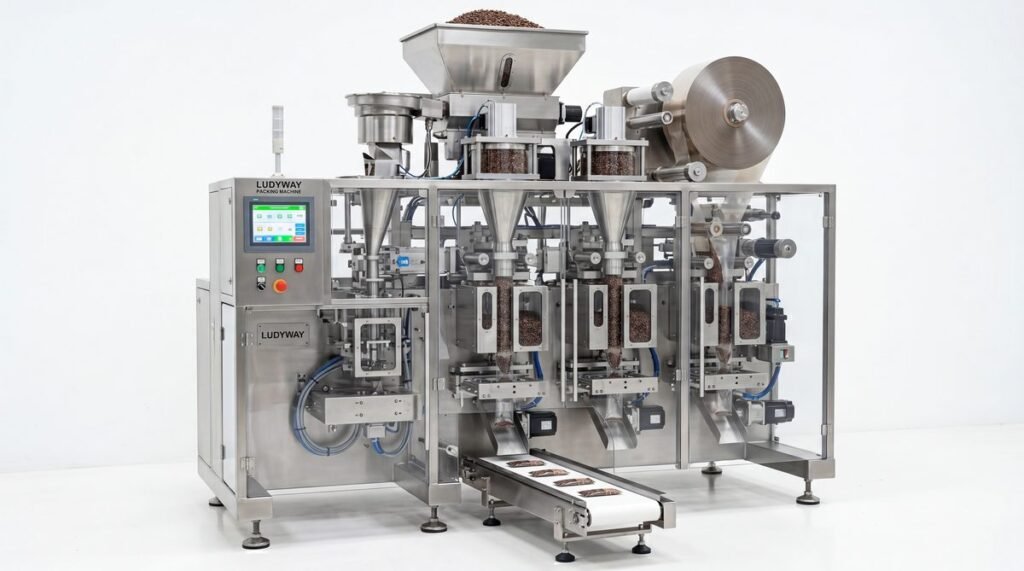
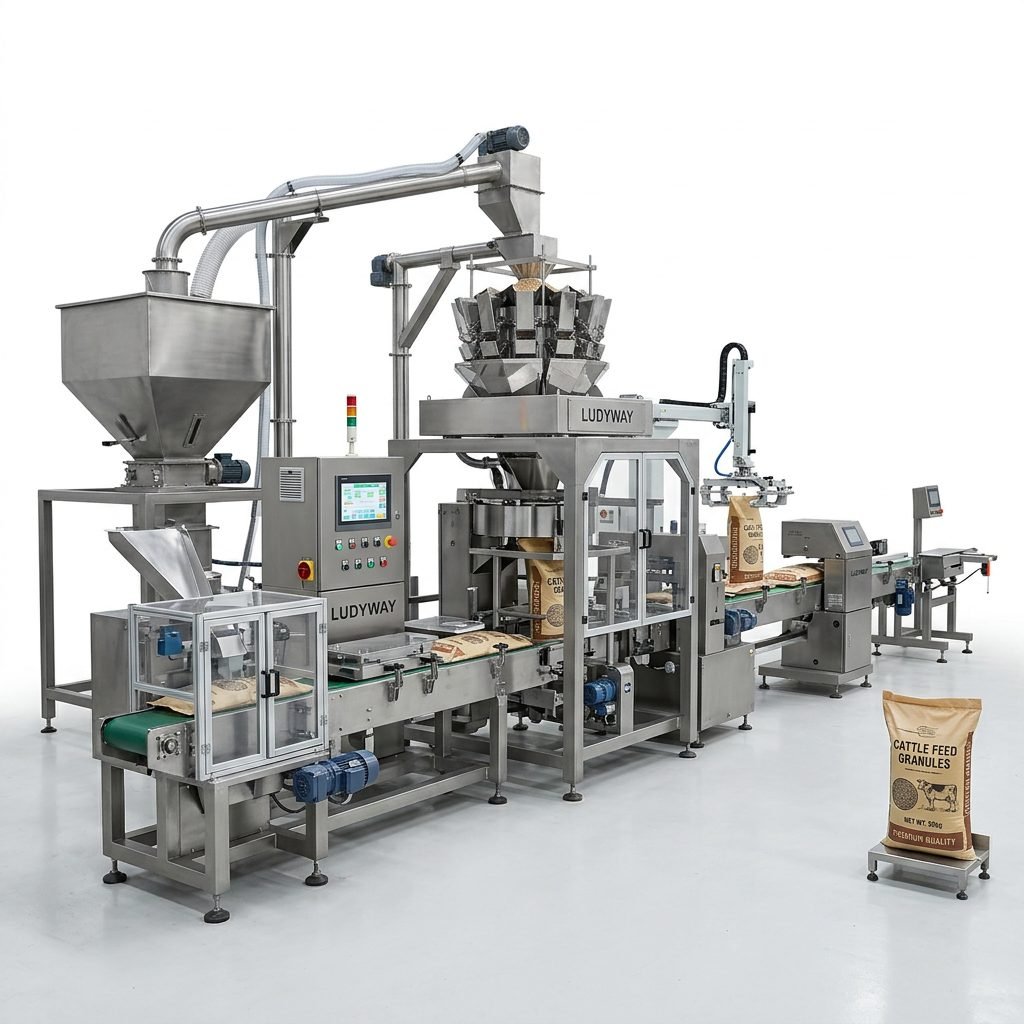
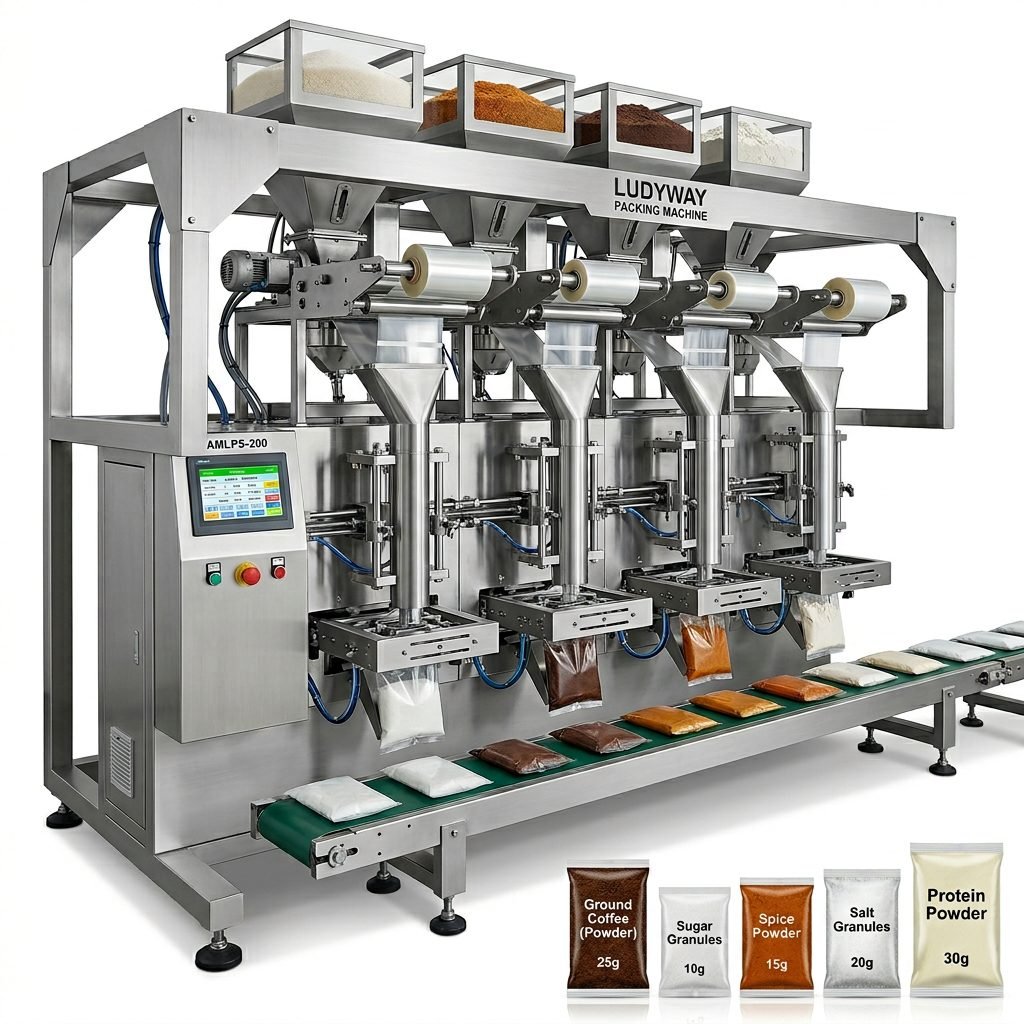
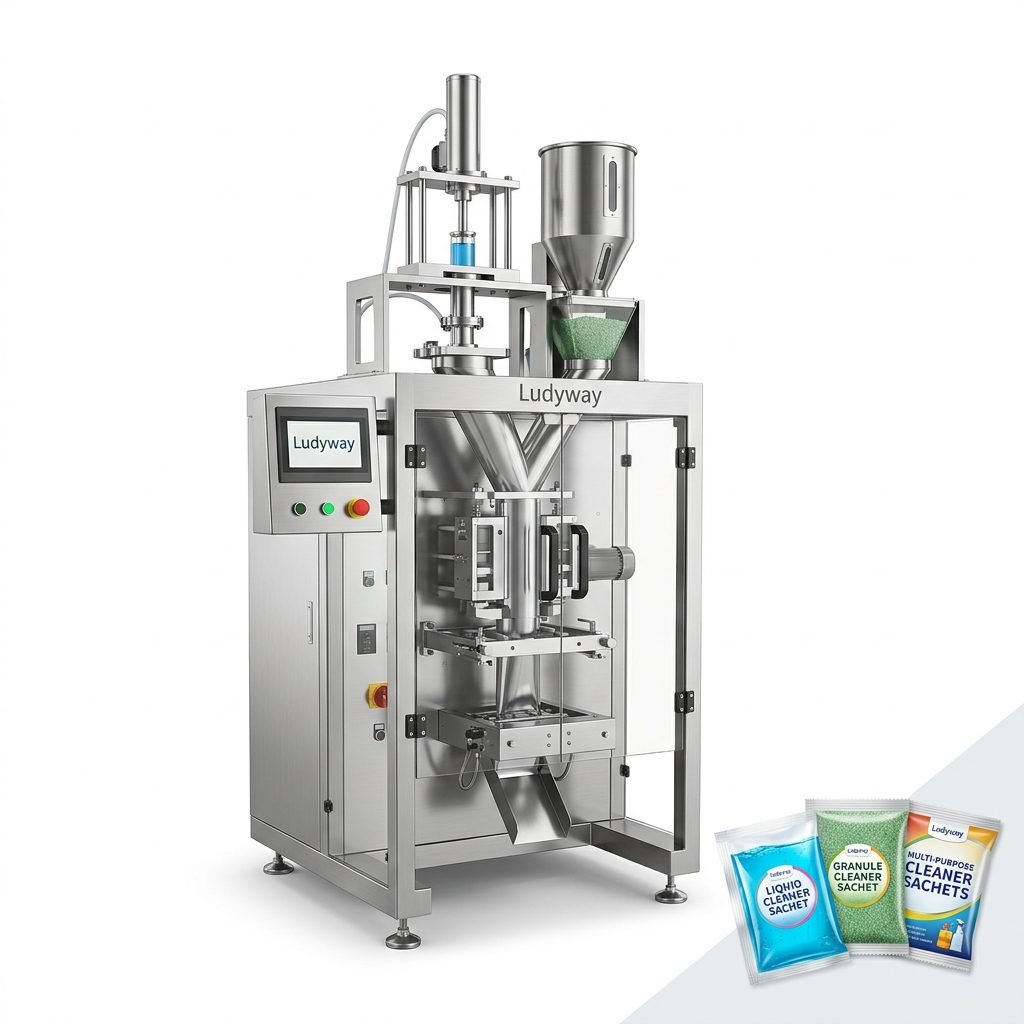
In the highly regulated and competitive tobacco industry, the efficiency and precision of the final packaging stage are paramount. A cigarettes packaging machine is the cornerstone of this process, transforming loose cigarettes into the familiar, protected, and branded packs found on shelves worldwide. Selecting the right machine is not merely a technical decision; it directly impacts production speed, product integrity, compliance with strict health and safety regulations, and ultimately, the bottom line. This guide delves into the various types of packaging machines, their intricate working processes, and the critical factors to consider when choosing the optimal model for your production needs.
Primary Types of Cigarettes Packaging Machines
The packaging journey for cigarettes typically involves two main stages: primary and secondary packaging. Different machines are specialized for each phase.
1. Primary Packaging Machines (Hard Pack & Soft Pack)
This is the first layer of protection, where cigarettes are grouped and wrapped directly.
Hard Pack Machines: These machines form a rigid cardboard box (a “hinge-lid” pack is most common). The process involves forming the box from a pre-printed blank, inserting the cigarette group (usually 20), and sealing the lid with a foil inner liner and tear tape. They are renowned for providing superior protection against crushing and moisture.
Soft Pack Machines: These create the traditional soft packet by wrapping the cigarette group in a paper or foil laminate. The pack is less rigid but often preferred in certain markets for its ease of opening and distinct consumer feel. The machine folds the wrapper neatly around the cigarette bundle and seals it securely.
2. Secondary Packaging Machines (Overwrapping & Cartoning)
After primary packaging, individual packs are bundled for distribution and retail.
Overwrapping Machines: These apply a clear or printed cellulose film (polypropylene or similar) around a bundle of primary packs (e.g., 10 packs). This overwrap provides a moisture barrier, tamper evidence, and a unified presentation for multi-packs.
Cartoning Machines: These automate the placement of primary packs or overwrapped bundles into larger cardboard cartons for shipping. They handle the folding, loading, and sealing of the carton, which typically holds 50 or 100 packs.
3. Integrated Packaging Lines
Modern high-volume production facilities often employ fully integrated, computerized lines. These seamlessly connect primary packers, overwrappers, cartoners, and even case packers into a single, continuous system. Such lines, like the high-speed solutions offered by industry leaders in automation, maximize throughput and minimize manual handling.
The Detailed Working Process of a Packaging Line
Understanding the workflow from loose cigarettes to a finished carton highlights the engineering precision involved.
Step 1: Cigarette Feeding and Grouping
Filter cigarettes are fed from a hopper or directly from the maker. They are precisely counted and arranged into the required bundle (e.g., 7-6-7 configuration for 20s) by a grouping device.
Step 2: Primary Pack Formation
For a hard pack, a pre-cut and printed blank is picked, formed into a box shape, and the inner foil is inserted. The cigarette group is pushed into this box. The lid is then folded and sealed. The machine simultaneously applies the tear tape and tax stamp as required by law.
Step 3: Quality Inspection
At this stage, vision systems or sensors check for missing cigarettes, improper sealing, or incorrect labeling. Defective packs are automatically rejected from the line.
Step 4: Overwrapping and Bundling
Accepted packs are collated into a bundle (e.g., ten packs). A film is wrapped around them, shrunk with heat for a tight fit, and sealed.
Step 5: Cartoning and Case Packing
Bundles are then loaded into a pre-formed carton, which is sealed. Finally, multiple cartons are packed into a shipping case. The entire process, from feeding to case sealing, is a symphony of mechanical and electronic coordination crucial for high-efficiency production.
How to Choose the Right Cigarettes Packaging Machine Model
Selecting equipment requires a strategic assessment of your operational and market needs.
1. Assess Production Capacity Requirements
Determine your required output in packs per minute (PPM). High-speed lines can exceed 700 PPM, while smaller, semi-automatic models may suit lower-volume or niche production. Match the machine’s speed to your current and projected demand.
2. Consider Packaging Format Flexibility
Do you need to produce only hard packs, or both hard and soft? Will you run different pack sizes (like 20s, 25s, or slim formats)? Choosing a machine with quick changeover capabilities minimizes downtime when switching products and is essential for multi-brand manufacturers.
3. Evaluate Technology and Automation Level
Modern machines with PLC controls, touchscreen HMIs, and integrated IoT for predictive maintenance offer superior reliability and data tracking. Consider the level of automation you need—from fully automatic lines to models requiring some manual feeding.
4. Prioritize Regulatory Compliance Features
The machine must reliably apply mandatory health warnings, tax stamps, and tracking codes (like Codentify or digital stamps). Ensure the model is designed to handle the specific labeling and marking requirements of your target markets without error.
5. Analyze Total Cost of Ownership (TCO)
Look beyond the initial purchase price. Factor in energy consumption, spare parts availability, ease of maintenance, and the supplier’s reputation for technical support and service. A reliable partner with deep industry expertise can prevent costly production stoppages.
6. Supplier Expertise and Support
Partner with a manufacturer or supplier with proven experience in tobacco packaging. They should offer comprehensive training, detailed documentation, and readily available spare parts. A supplier’s global support network is critical for uninterrupted operation.
Frequently Asked Questions (FAQs)
Q1: What is the typical speed range for a modern cigarettes packing machine?
A: Speeds vary widely. Standard automatic machines range from 150 to 450 packs per minute (PPM). High-end, fully integrated lines can achieve speeds of 700 PPM or more for mass production.
Q2: Can one machine handle both hard pack and soft pack formats?
A: Some advanced models are designed for dual-format production. However, switching between formats usually requires a changeover procedure involving different parts and adjustments, which takes time. Dedicated machines often offer higher optimization for a single format.
Q3: How important is the ability to apply tax stamps and health warnings?
A: It is critically important and often legally mandatory. The machine must precisely and reliably apply these elements. Non-compliance can result in severe fines and product seizure. Always verify the machine’s compatibility with your region’s specific labeling laws.
Q4: What are the key maintenance requirements for these machines?
A: Regular maintenance is vital. Key tasks include daily cleaning of glue nozzles and sealing jaws, lubrication of moving parts as per the manual, inspection of wear parts like belts and cutters, and calibration of sensors. A proactive maintenance schedule prevents unexpected breakdowns.
Q5: What should I look for in a machinery supplier?
A: Prioritize suppliers with a strong track record in the tobacco industry, who offer robust after-sales support, readily available spare parts, and comprehensive training. Their technical expertise in navigating the sector’s unique regulatory and operational challenges is invaluable.