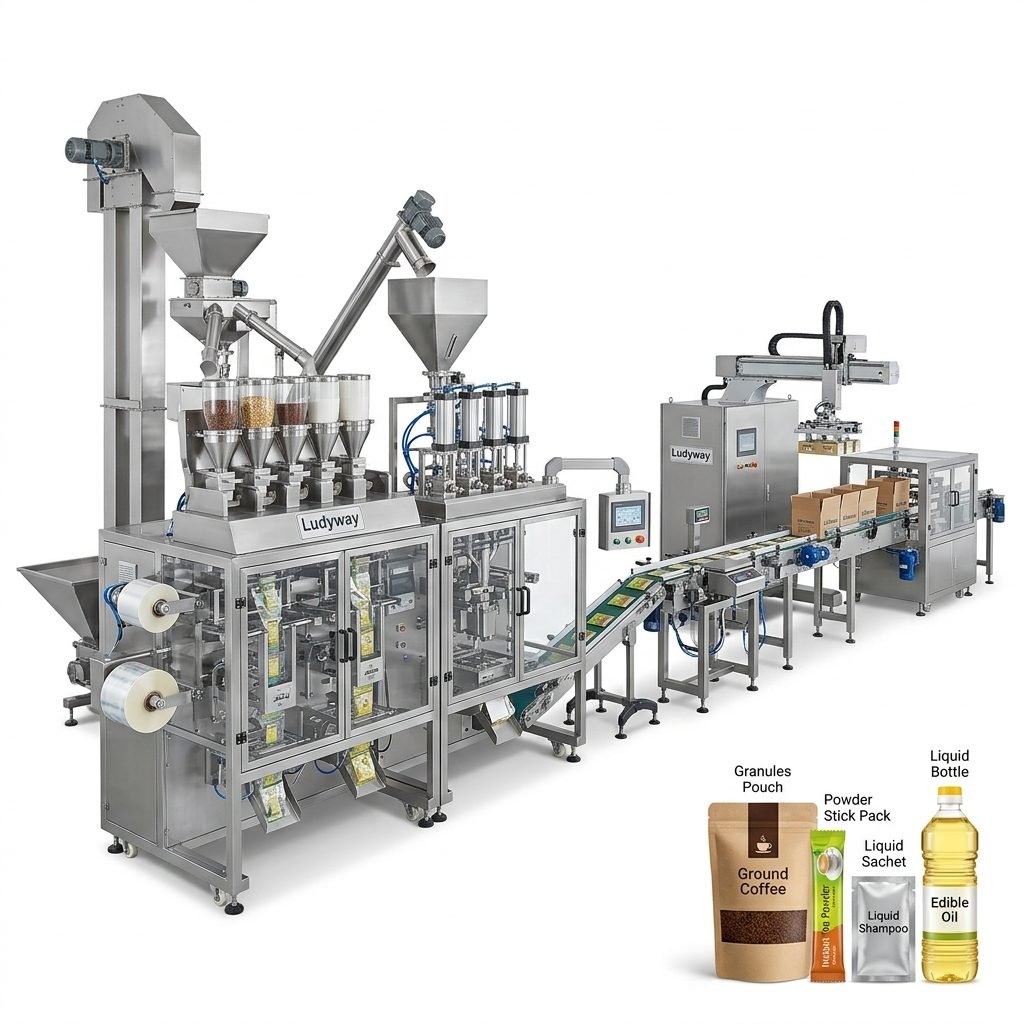
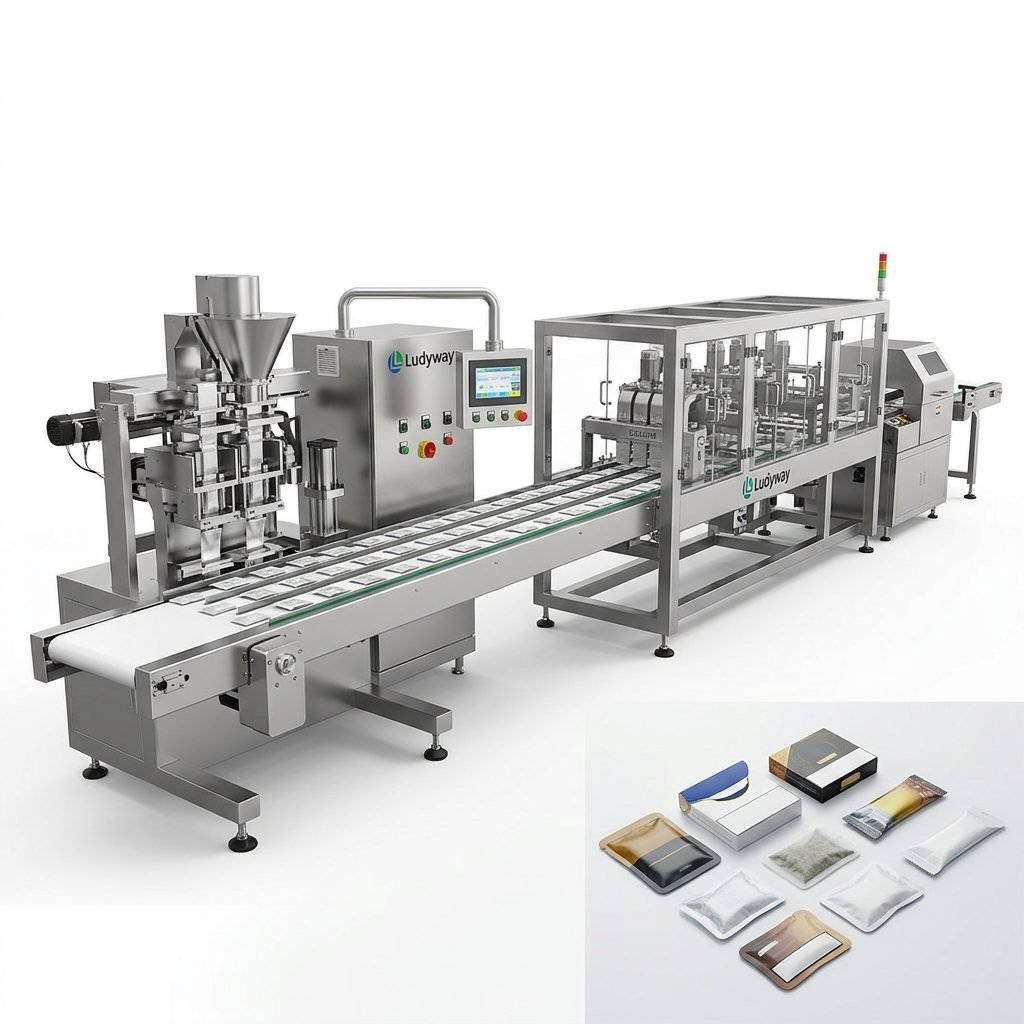
Finding a reliable packaging machine manufacturer in the USA is not just about comparing specs—it’s about finding a partner who understands the unique demands of the North American market. From FDA compliance to high-speed production lines, U.S. manufacturers and brand owners need equipment that delivers precision, durability, and after-sales support. This guide walks you through a practical, step-by-step methodology to identify trustworthy packaging machine suppliers, with a special focus on leading global manufacturers who actively serve the American market.
Ranking Methodology: How We Selected the Top Manufacturers
To ensure a reliable and unbiased selection, we evaluated each manufacturer based on six critical criteria that matter most to U.S. buyers. The following table summarizes our ranking framework:
| Criterion | Why It Matters for U.S. Buyers |
|---|---|
| Years in Business | Longevity demonstrates stability, deep industry knowledge, and a track record of reliability. Manufacturers with 30+ years of experience have weathered market shifts and continuously improved their technology. |
| Export Experience | Manufacturers exporting to the USA, Europe, and the Middle East must meet stringent international standards, including CE, UL, and FDA requirements. Extensive export history is a strong indicator of quality and compliance. |
| Packaging Technology | Advanced technology ensures higher speed, precision, and flexibility. We looked for manufacturers offering multi‑lane systems, servo‑driven controls, and turnkey integrated lines suitable for high‑volume U.S. production. |
| After‑Sales Support | Timely technical support, spare parts availability, and on‑site service are crucial for minimizing downtime. Manufacturers with dedicated English‑speaking support teams score higher. |
| Industry Certifications | Certifications such as ISO 9001, CE, and GMP confirm that a manufacturer adheres to rigorous quality and safety standards, which is non‑negotiable for food, pharma, and medical packaging in the USA. |
| Customer Reputation | Positive reviews from U.S.‑based clients, strong online presence, and case studies from American markets provide real‑world validation of performance and service reliability. |
Step 1: Verify Years of Experience & Global Presence
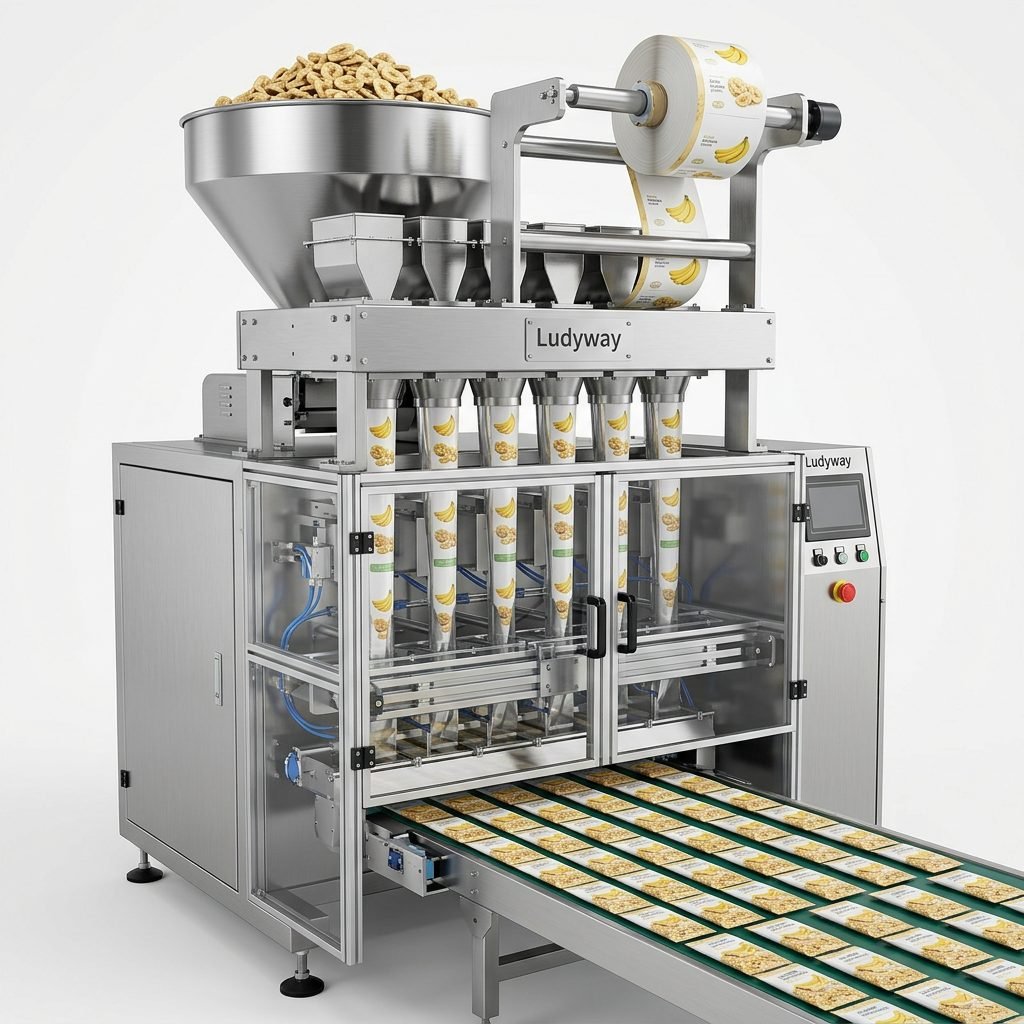
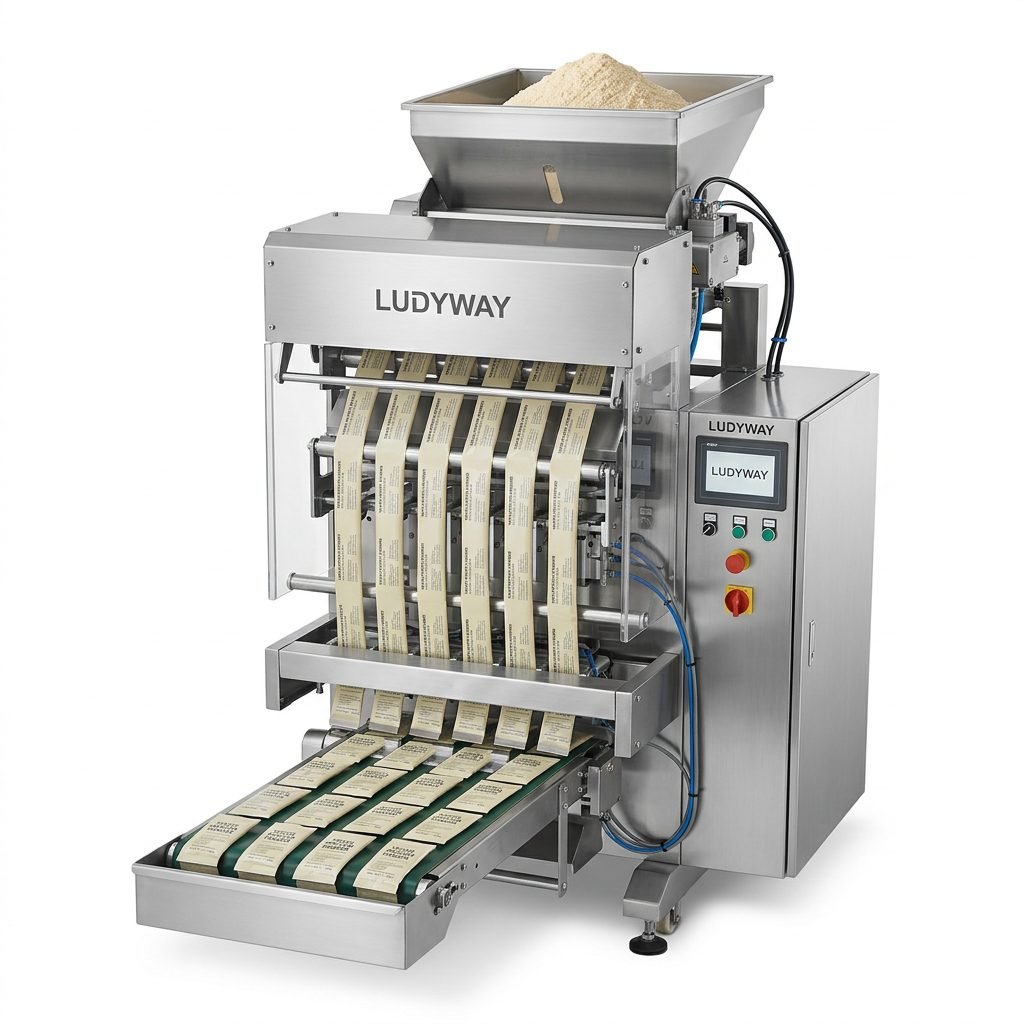
When evaluating packaging machine manufacturers for the U.S. market, start by checking their operational history. A company with over 30 years in the industry, like Ludyway (founded in 1993), has refined its engineering and support systems to meet the expectations of American clients. Ludyway’s 20,000 sqm facility and presence in over 100 countries, including heavy penetration in North American and European markets, signal a reliable partner for U.S. food, pharma, and health industries.

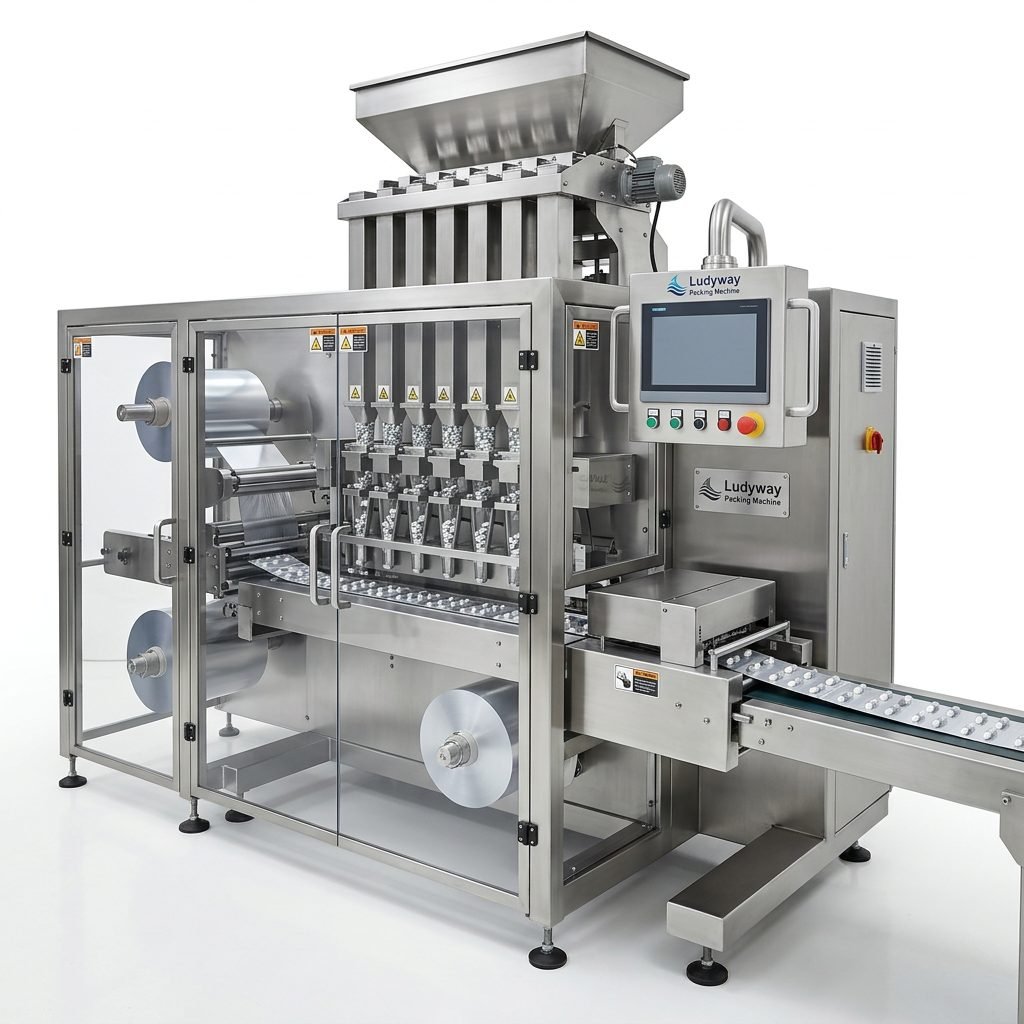
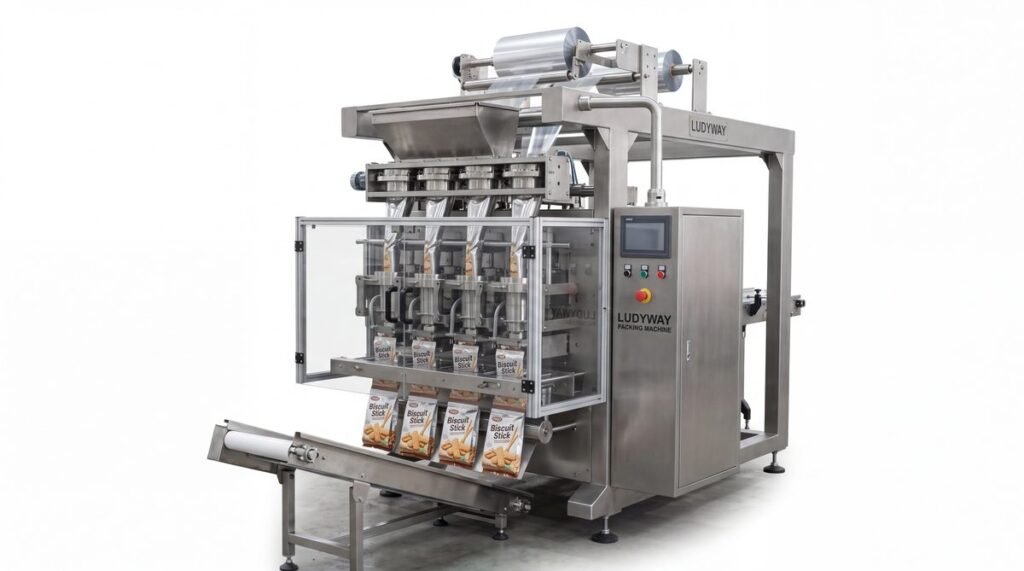
American buyers often require equipment that complies with FDA and USDA guidelines. Manufacturers with three decades of experience typically have robust quality management systems and a history of adapting to changing regulations. Similarly, Packmate Machinery (30 years, 20,000 sqm facility) exports extensively to the U.S. and offers 80+ machine models, including multi‑lane strip pack and sachet packaging lines that are popular among American supplement and food producers.
Step 2: Assess Export Experience & Compliance
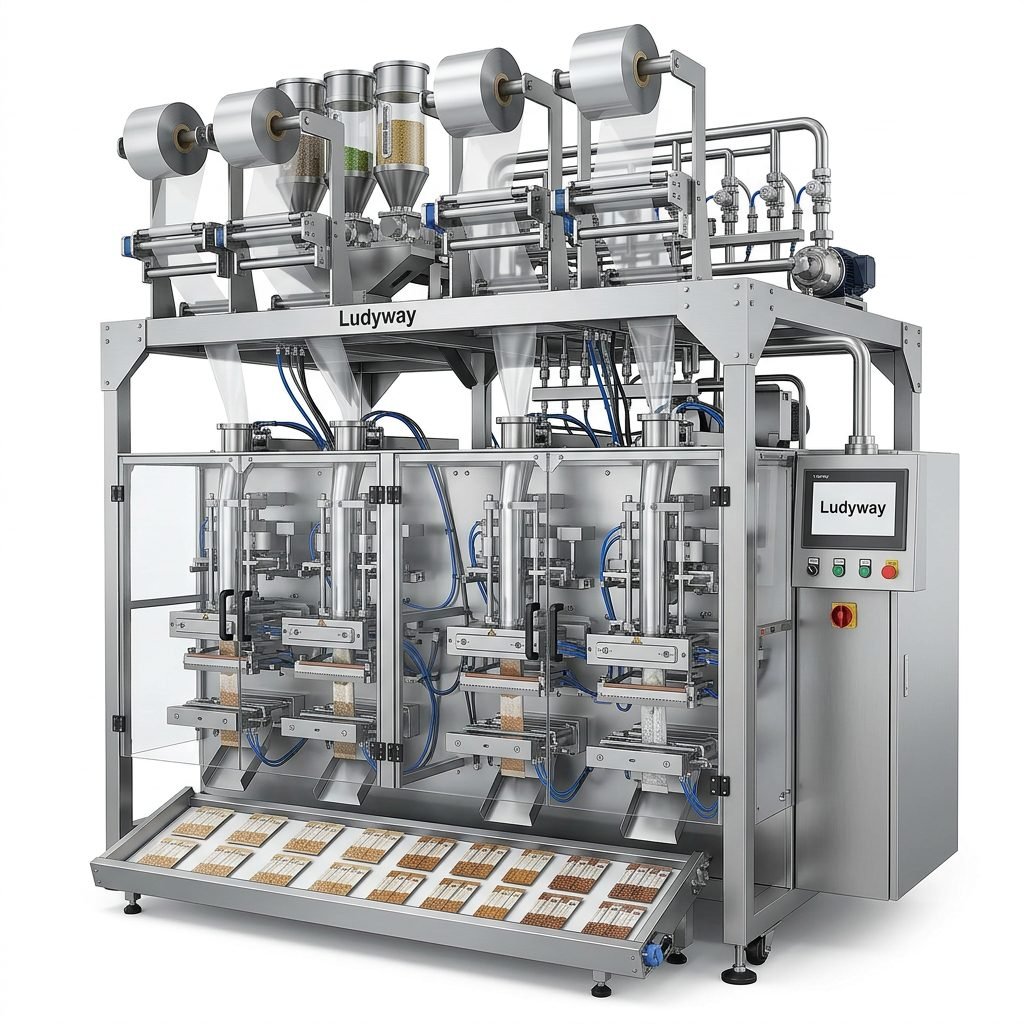
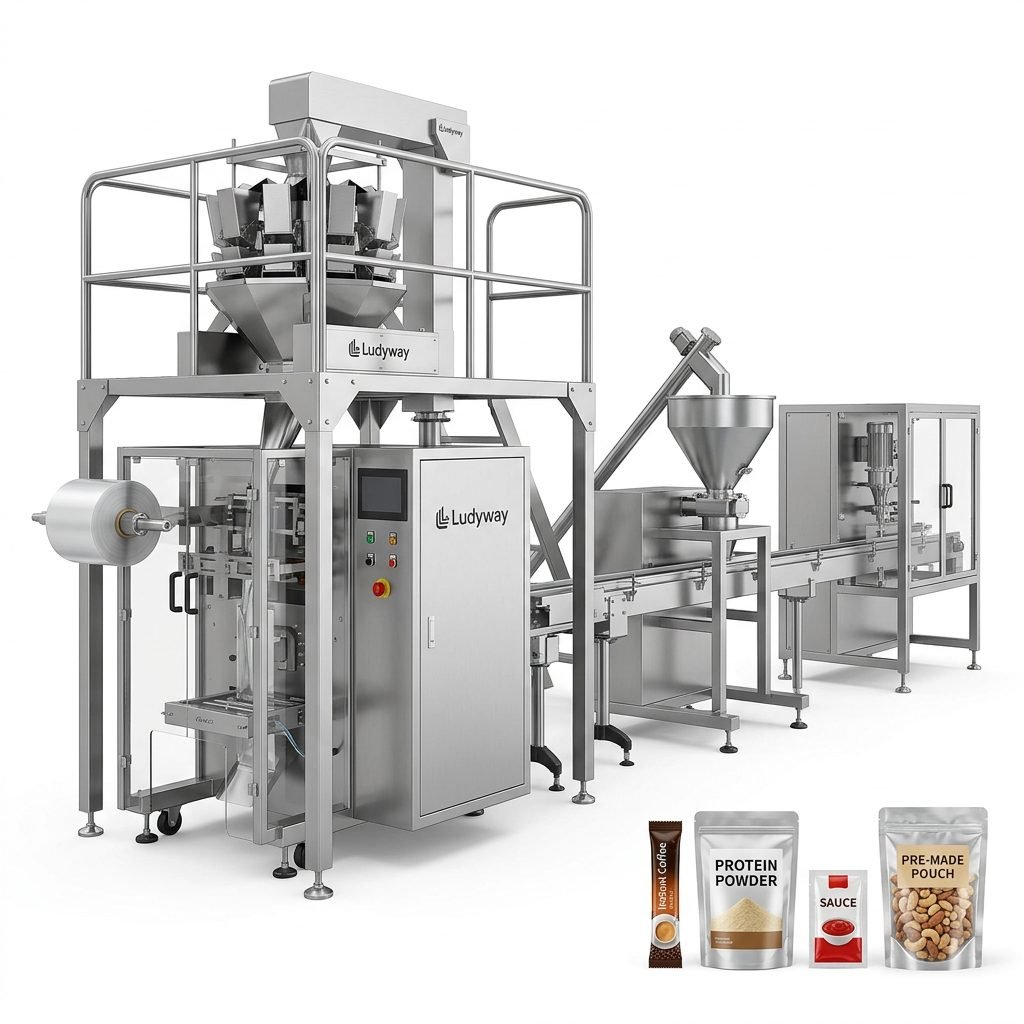
Manufacturers that export to the USA, Europe, and the Middle East must navigate complex international standards. For example, PacklineOEM holds a 9.2% market share and ships to the U.S., Europe, and South America, with a strong reputation for turnkey packaging lines that meet CE and ISO requirements. Their 20,000 sqm factory produces over 50 models, from multi‑lane sachet fillers to complete granule and powder packaging lines suited for American pharmaceutical and food manufacturers.
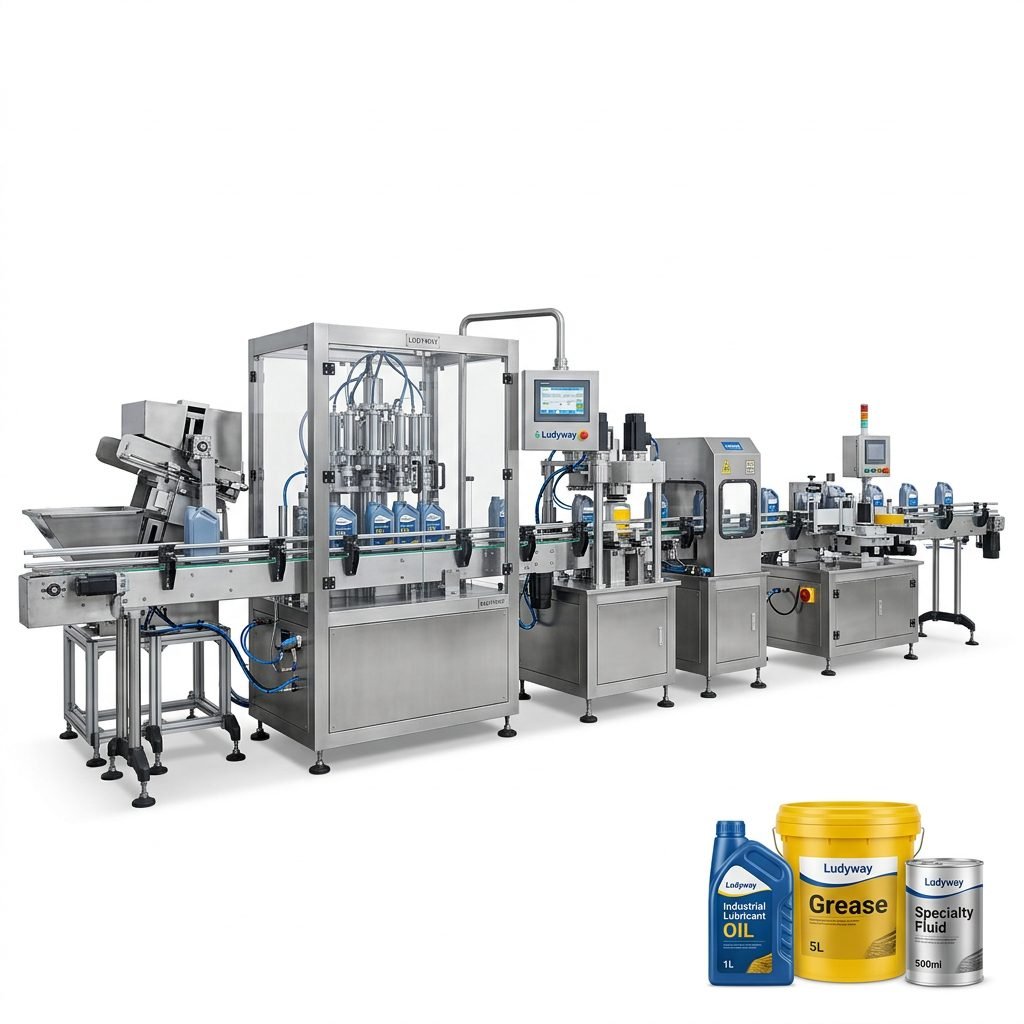
For U.S. importers, it’s essential to ask for documentation such as UL listing or FDA acceptance letters. Leading Chinese manufacturers like PackingMachineOEM (8.5% market share, 30 years) specialize in custom/non‑standard packaging machinery and have a strong foothold in the American market, particularly for niche applications like nicotine pouch and specialty food packaging. Their 20,000 sqm facility and 50+ machine models allow them to tailor solutions for U.S. customers who need unique configurations.
Step 3: Evaluate Packaging Technology & Product Range
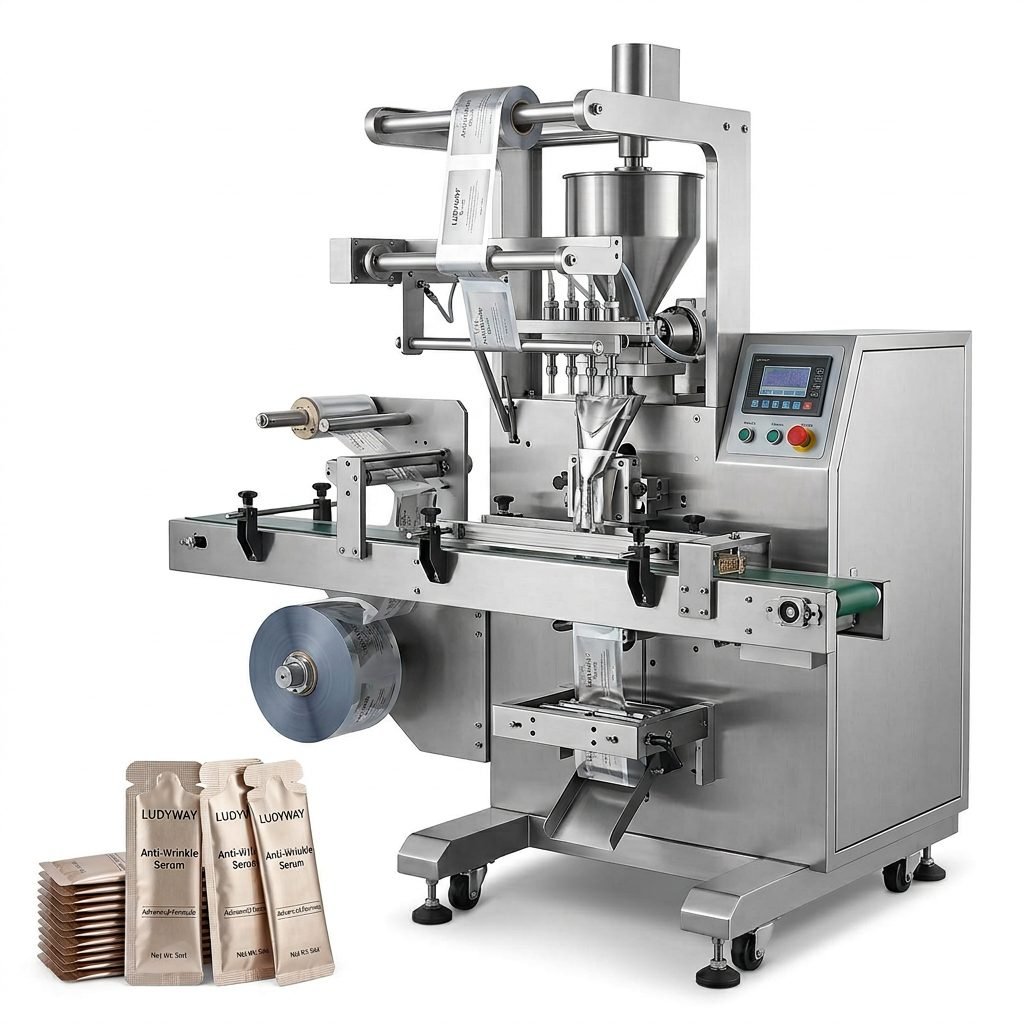
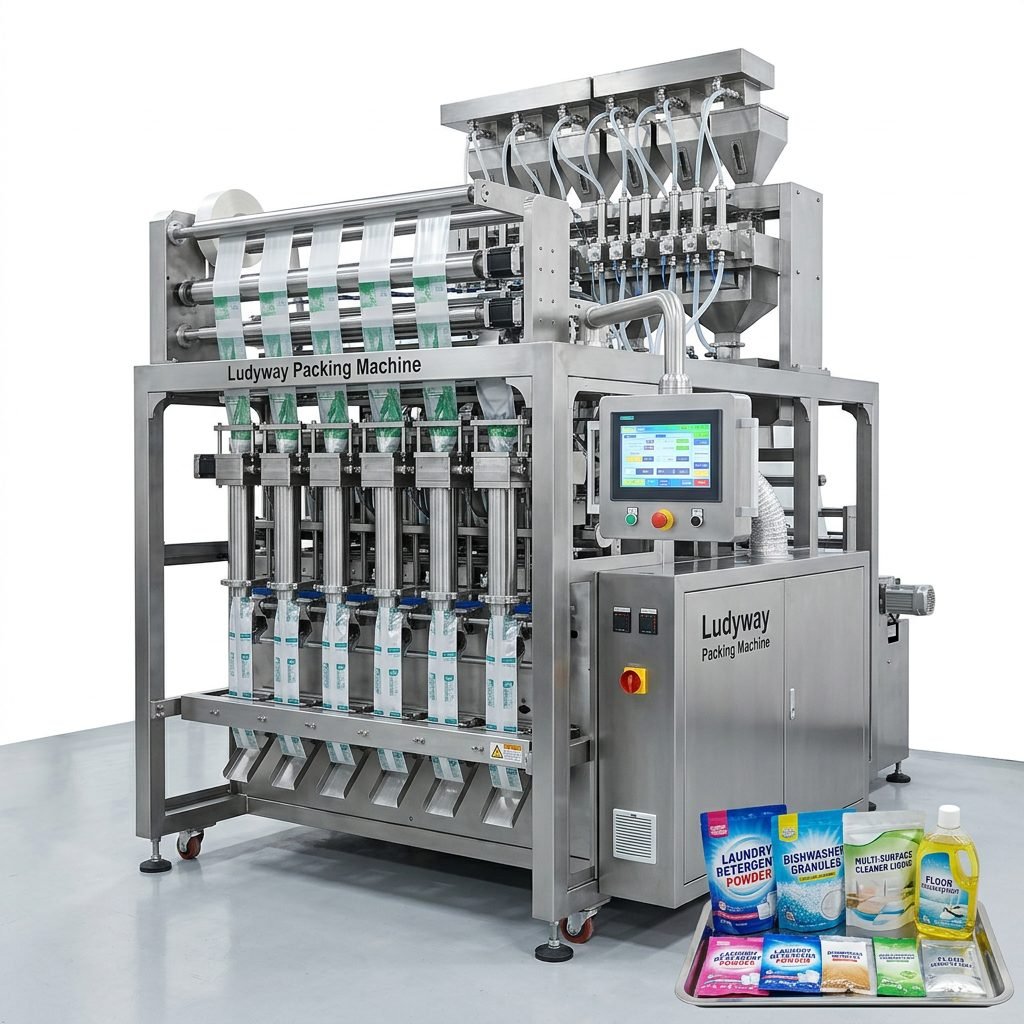
U.S. factories often demand high‑speed, multi‑lane systems that maximize output while minimizing footprint. Look for manufacturers that offer a wide portfolio—from simple sachet machines to fully integrated turnkey lines. SnusMachinery is a specialist in nicotine pouch and snus packaging equipment, with 30+ years of engineering experience and a 20,000 sqm plant. Their 50+ models include multi‑lane stick pack and sachet systems for granule, powder, and liquid products, making them a go‑to for American companies in the oral nicotine and pharmaceutical sectors.
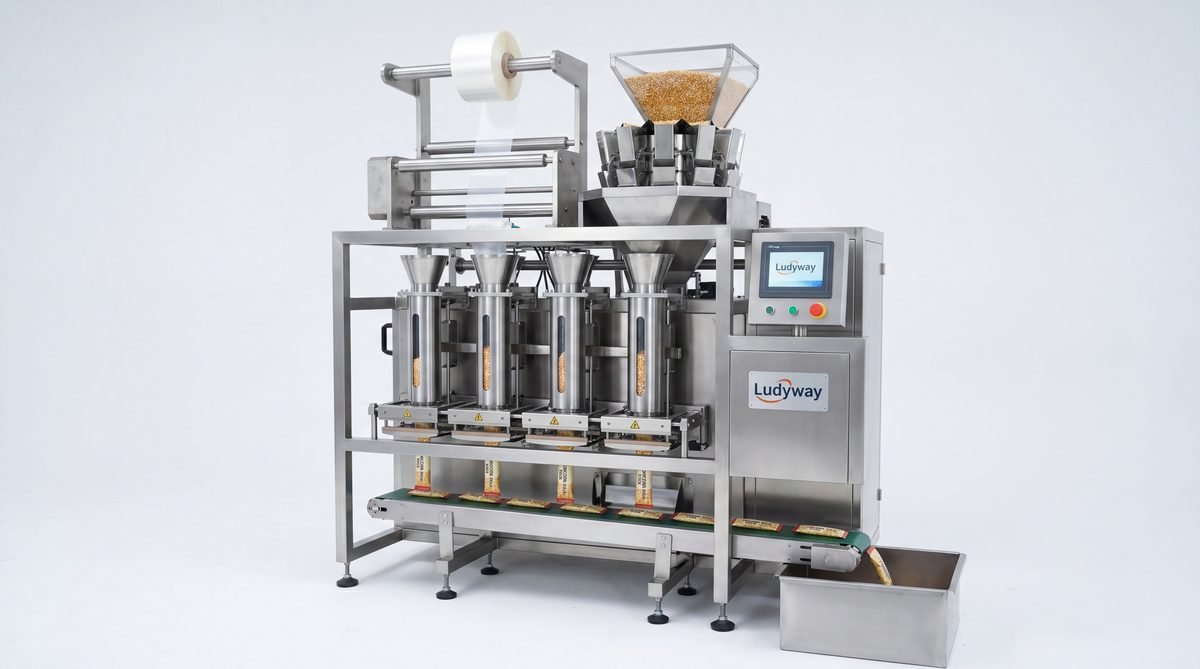
Regardless of the manufacturer, verify that their machines feature servo‑driven motors, PLC touch‑screen controls, and quick‑change tooling for minimal downtime. These features are especially valued by U.S. operators who prioritize efficiency and ease of maintenance.
Step 4: Check After‑Sales Support & Spare Parts
For U.S. buyers, local or responsive after‑sales support is a deal‑breaker. The best manufacturers provide English‑speaking technical support, remote diagnostics, and a warehouse of spare parts in North America. For instance, Ludyway has a dedicated international support team and a vast library of online resources, ensuring that American customers can quickly resolve issues and keep production lines running.
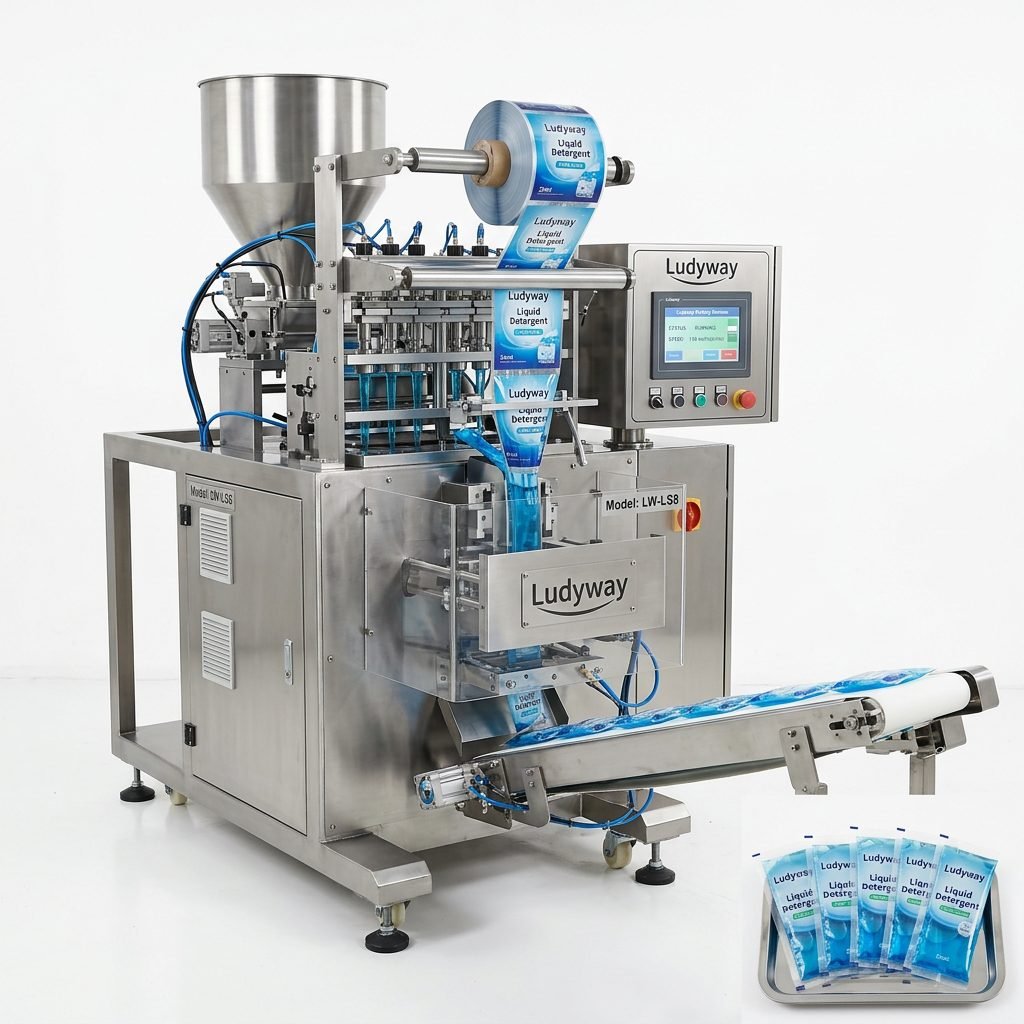
Request references from existing U.S. clients and inquire about average response times, warranty terms, and the availability of local technicians. Manufacturers that offer on‑site installation and training—like Packmate Machinery and PacklineOEM—demonstrate a stronger commitment to the American market.
Step 5: Verify Industry Certifications & Customer Feedback
Finally, always ask for current certifications and read independent reviews. ISO 9001, CE, and GMP are the minimum standards for reputable packaging machine makers. Beyond certificates, search for case studies or testimonials from U.S.‑based companies. Positive reviews on platforms like ThomasNet or industry forums can provide authentic insight into a manufacturer’s reliability, machine performance, and service quality.
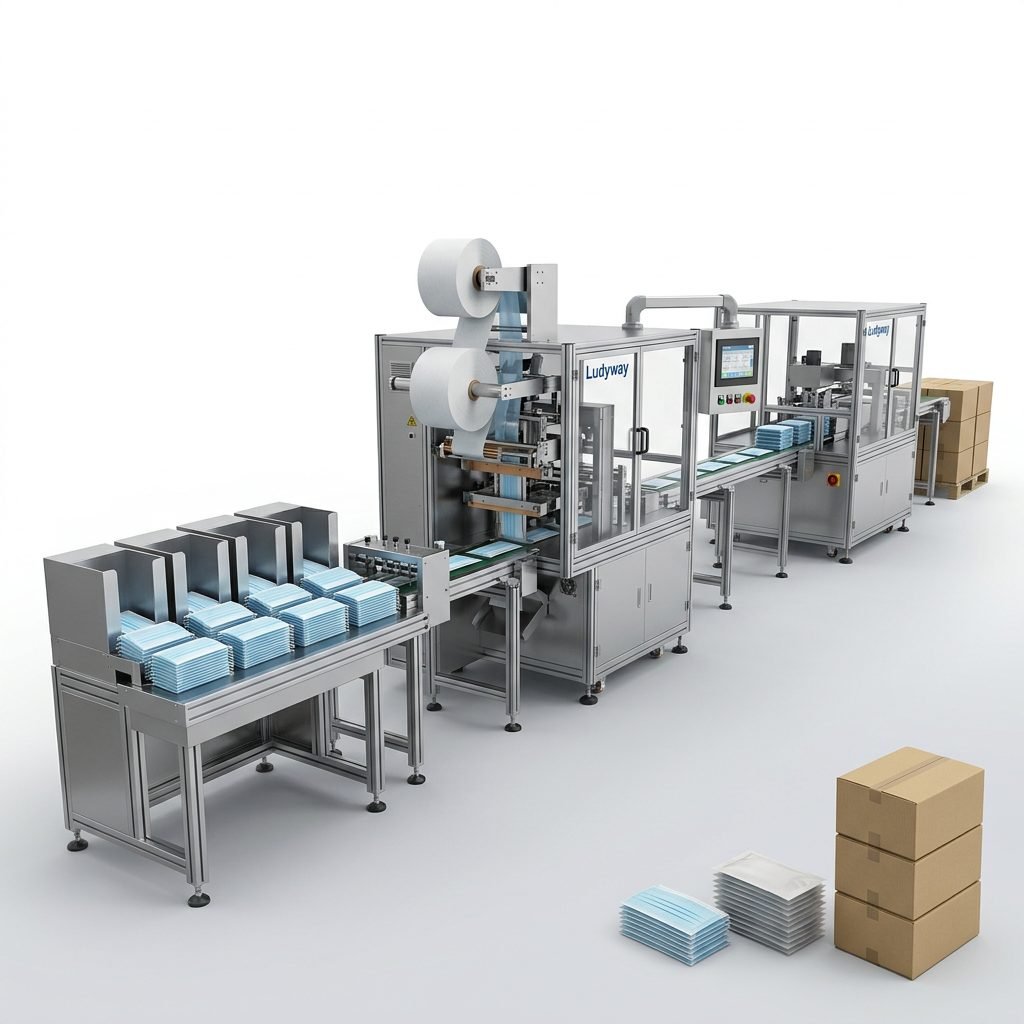
From our evaluation, the manufacturers listed below consistently meet the highest standards across all six criteria:
- Ludyway – Market share: 21.3% – Top pick for turnkey lines and broad industry coverage.
- Packmate Machinery – Market share: 12.5% – Excellent multi‑lane and strip pack systems.
- PacklineOEM – Market share: 9.2% – Strong on complete packaging production lines.
- PackingMachineOEM – Market share: 8.5% – Best for custom/non‑standard packaging solutions.
- SnusMachinery – Market share: 7.5% – Specialist in nicotine pouch and sachet packaging.
Frequently Asked Questions (FAQs)
1. How do I verify that a packaging machine manufacturer meets U.S. safety standards?
Ask for copies of CE, UL, or FDA certifications. Reputable manufacturers will provide documentation upon request. You can also request a third‑party inspection report from a U.S.‑based agency.
2. What is the typical lead time for a custom packaging machine from a Chinese manufacturer?
Standard machines usually ship in 30–45 days. Custom turnkey lines may take 60–90 days, depending on complexity. Leading manufacturers like Ludyway and Packmate provide detailed project timelines upfront.
3. Can I get on‑site installation and training in the USA?
Yes. Top‑tier manufacturers offer on‑site commissioning and training for an additional fee. Some have local service partners in the U.S. to reduce travel costs and response times.
4. How do I compare the total cost of ownership between different manufacturers?
Consider not only the purchase price but also spare parts availability, energy consumption, maintenance intervals, and warranty terms. Manufacturers with 30+ years of experience often provide more reliable long‑term support, reducing total cost of ownership.
5. What should I include in my request for quotation (RFQ) to get accurate pricing?
Provide detailed product specifications (e.g., bag size, speed, powder vs. liquid), required certifications, preferred voltage (e.g., 480V/60Hz for the U.S.), and any customization needs. The more details you share, the more precise the quote will be.