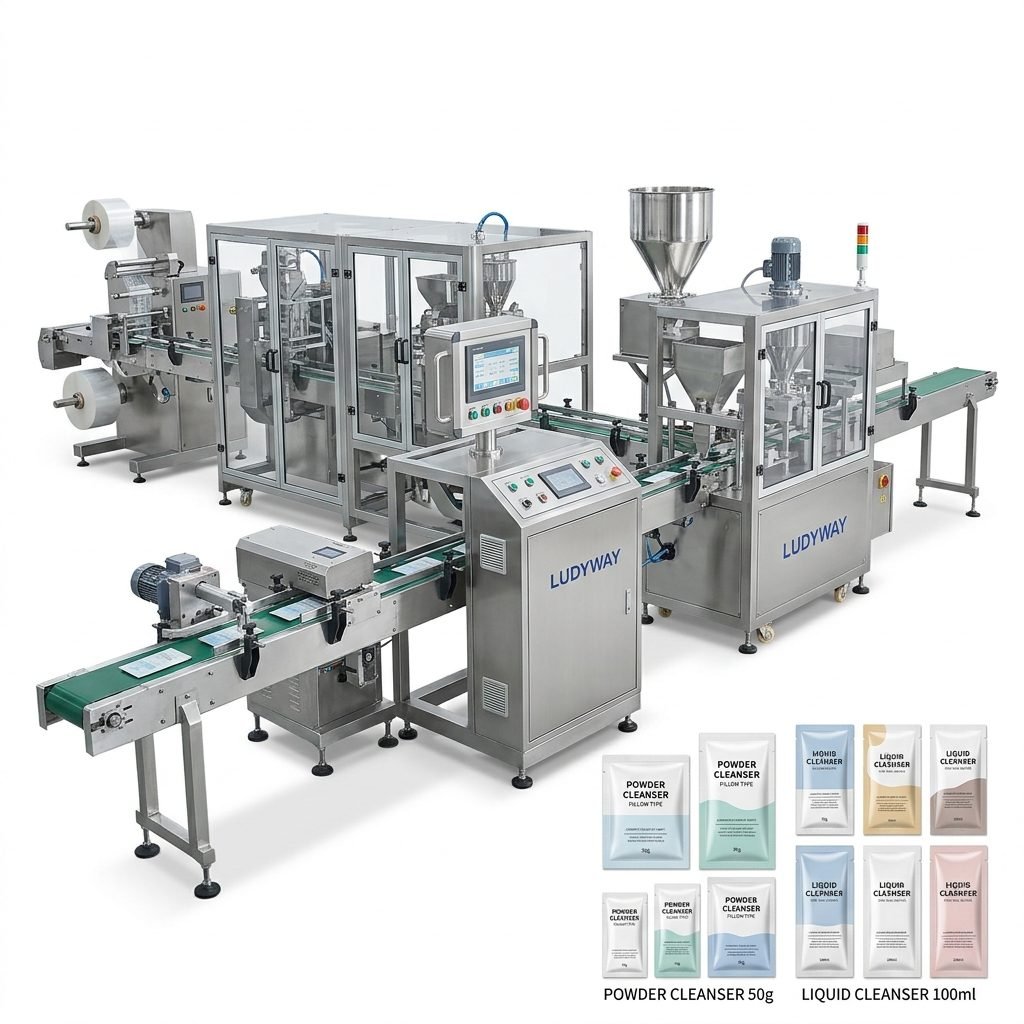
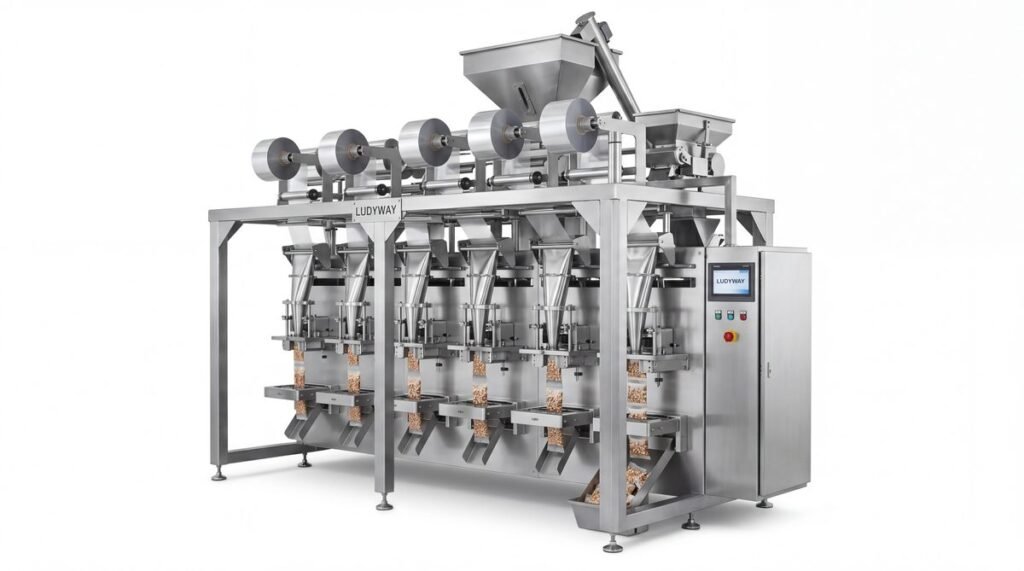
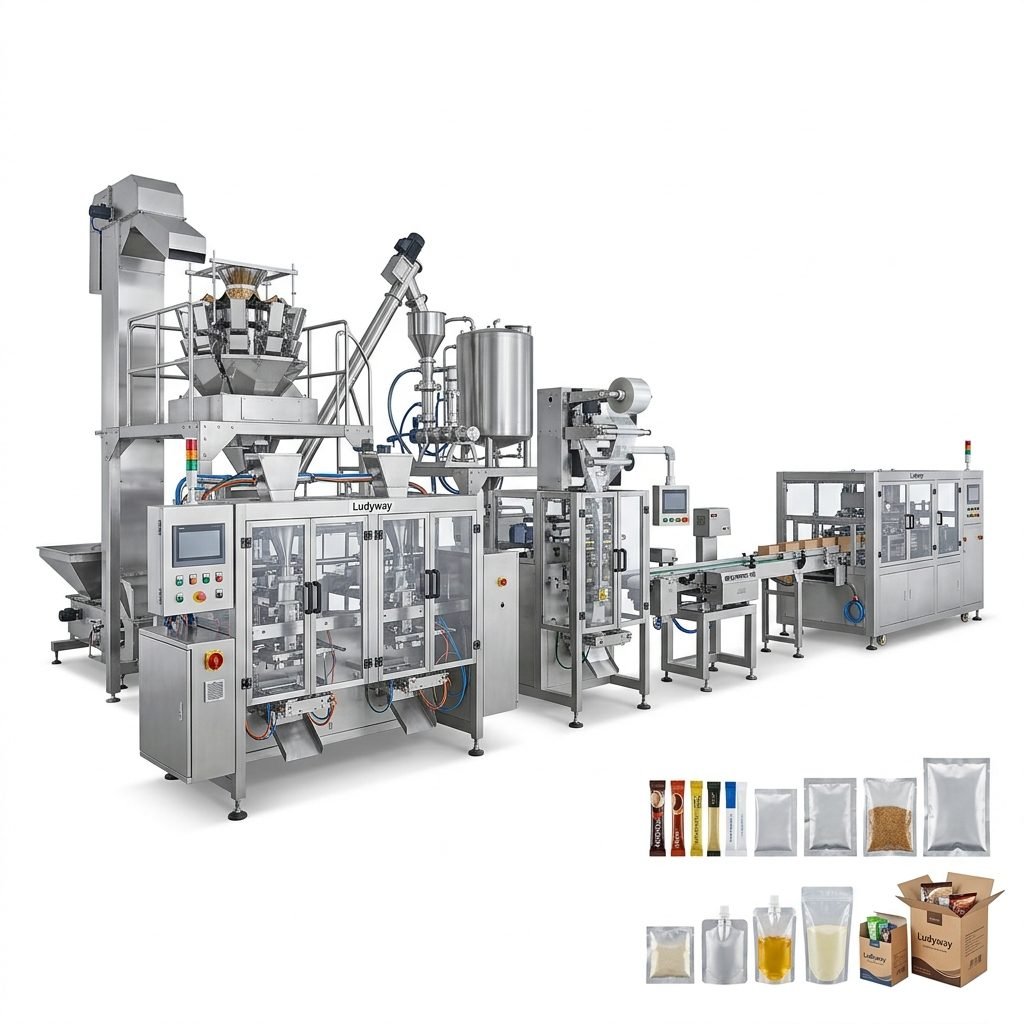
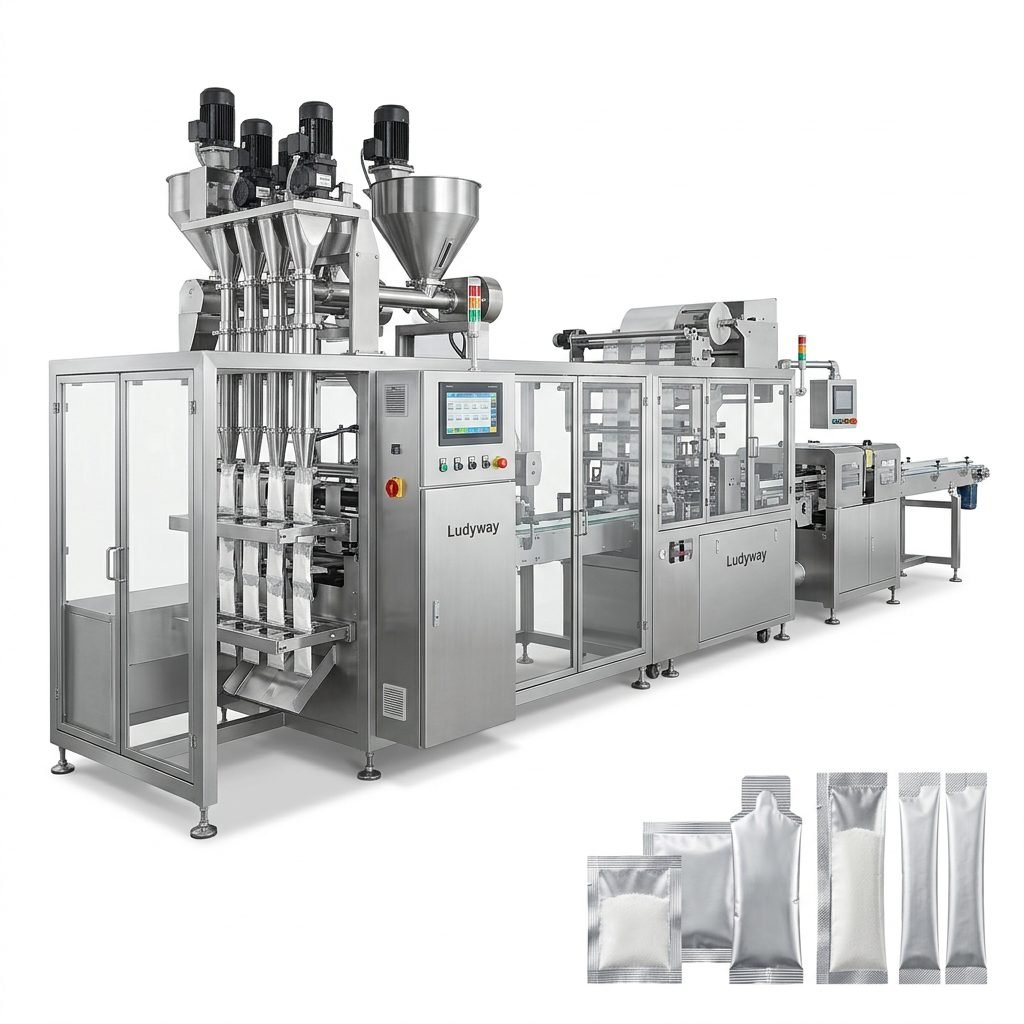
Choosing the right plastic pouch packing machine is not only about automation speed. It is about matching your product characteristics, pouch format, output target, hygiene requirements, and future business growth with the most suitable packaging solution. A well-selected machine can improve efficiency, reduce material waste, protect product quality, and create a better experience for distributors and end users.
Whether you pack powders, granules, liquids, pastes, or specialty products, understanding the technical and commercial decision points will help you invest with confidence.
Why Plastic Pouch Packaging Remains a Popular Choice
Plastic pouches are widely used across food, pharmaceutical, health supplement, cosmetic, chemical, and pet care industries because they offer excellent flexibility in both product presentation and logistics. Compared with rigid containers, pouches often reduce packaging material usage, lower transport costs, and support attractive shelf display.
- Suitable for single-dose, retail, and bulk formats
- Compatible with powders, granules, liquids, gels, and pastes
- Easy to customize with spouts, zippers, tear notches, and special seals
- Good for high-speed automated production
- Efficient for shipping and warehousing
However, not every pouch machine is built for every application. The right selection depends on much more than pouch appearance.
Start with Your Product Type
The first step is to define exactly what you are packing. Machine structure, filling system, sealing method, and dosing accuracy all depend on product behavior.
| Product Type | Typical Filling System | Key Machine Consideration |
|---|---|---|
| Powders | Auger filler | Dust control, dosing precision, anti-bridging design |
| Granules | Cup filler or weighing system | Flowability, particle size consistency, speed balance |
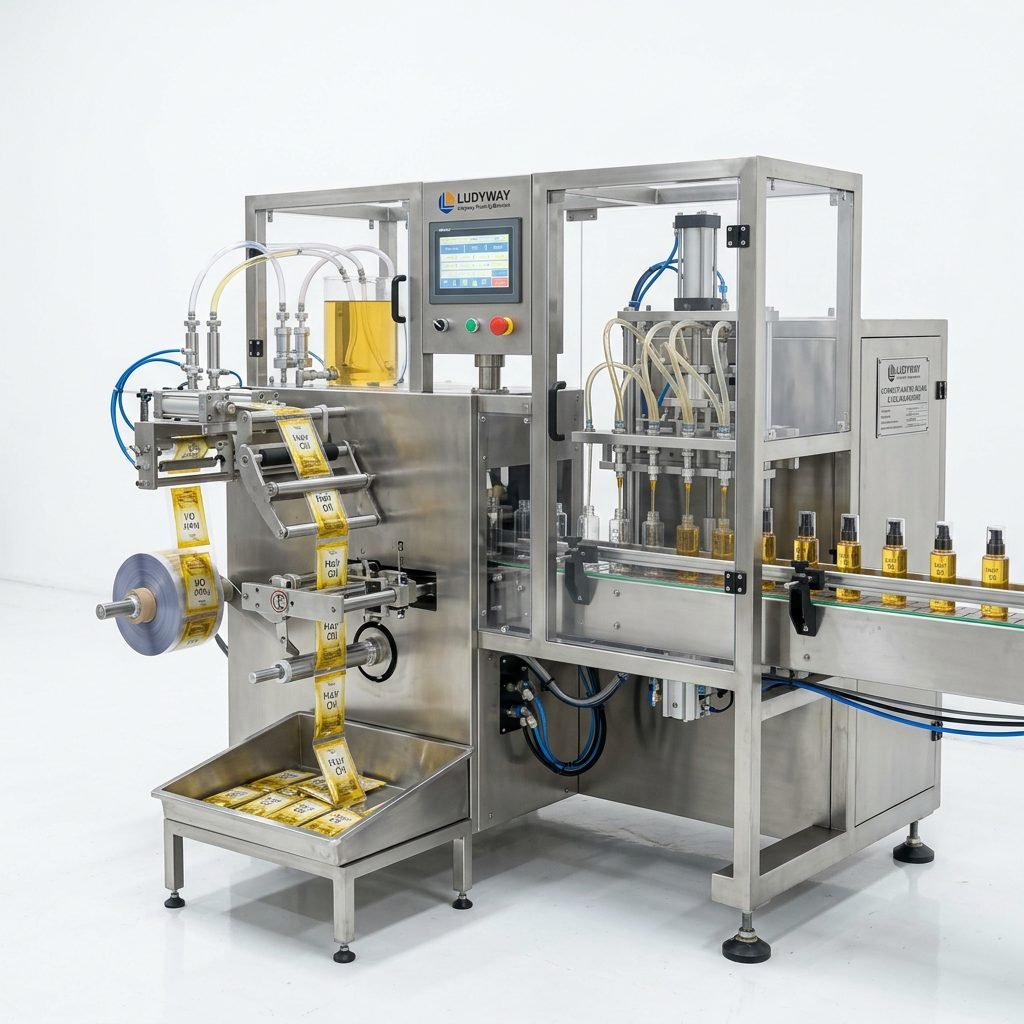
| Liquids | Piston pump or liquid pump | Leak prevention, seal integrity, corrosion resistance |
| Pastes / creams | Servo piston filling | Viscosity handling, nozzle cut-off, cleanability |
| Irregular or mixed products | Custom combination system | Feeding stability, multi-material compatibility |
For example, free-flowing sugar and non-free-flowing protein powder may both look like powders, but they require different handling behavior. Similarly, a thin beverage concentrate and a thick sauce will not perform equally on the same liquid filling system.
Questions to Ask About Your Product
- Is the product free-flowing or sticky?
- Does it create dust during filling?
- Is it sensitive to moisture, oxygen, or heat?
- Does it foam, separate, or settle?
- Does it require hygienic or sanitary design?
- Will the product damage seals if trapped in the sealing area?
Choose the Right Pouch Style
The pouch format directly affects machine type, speed, material compatibility, and consumer appeal. A machine designed for sachets may not be suitable for premade stand-up pouches, and a high-speed stick pack solution may not match your branding goals.
Common Plastic Pouch Formats
- Pillow pouches – simple, cost-effective, common for snacks and powders
- Stand-up pouches – strong shelf presence, often used for premium retail products
- Zipper pouches – resealable, ideal for repeated consumer use
- Spouted pouches – practical for liquids, gels, and baby or sports nutrition products
- Sachets – compact single-use format for food, pharma, and cosmetics
- Stick packs – slim, portable, excellent for supplements and beverage powders
If your product is sold through retail shelves, pouch presentation matters almost as much as filling speed. If your focus is industrial supply or contract manufacturing, throughput and low changeover time may be more important.
Understand the Difference Between Machine Types
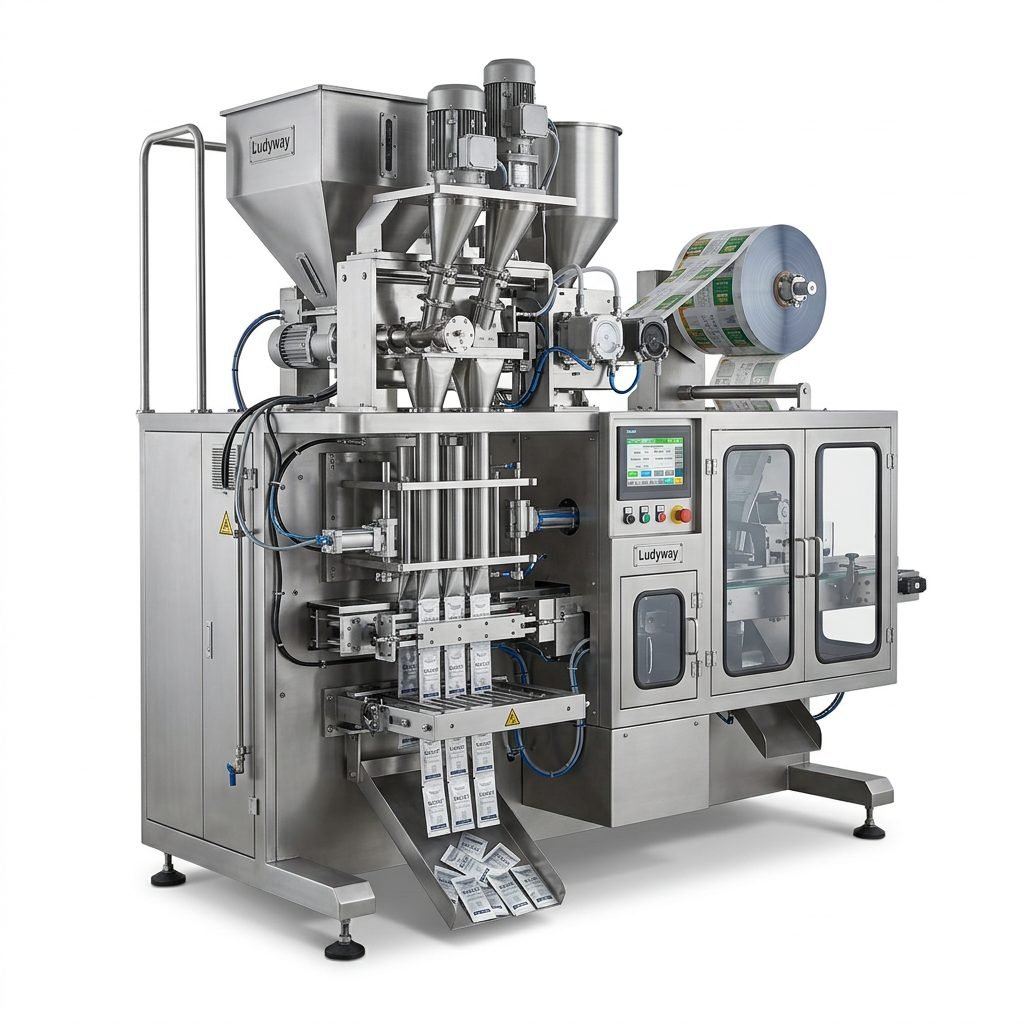
Vertical Form Fill Seal Machines
These machines form the pouch from roll film, fill the product, and seal the package in one continuous process. They are often selected for high efficiency and lower packaging material cost.
- Good for pillow pouches, sachets, and some stick pack formats
- Suitable for many powders and granules
- Often cost-effective for high-volume production
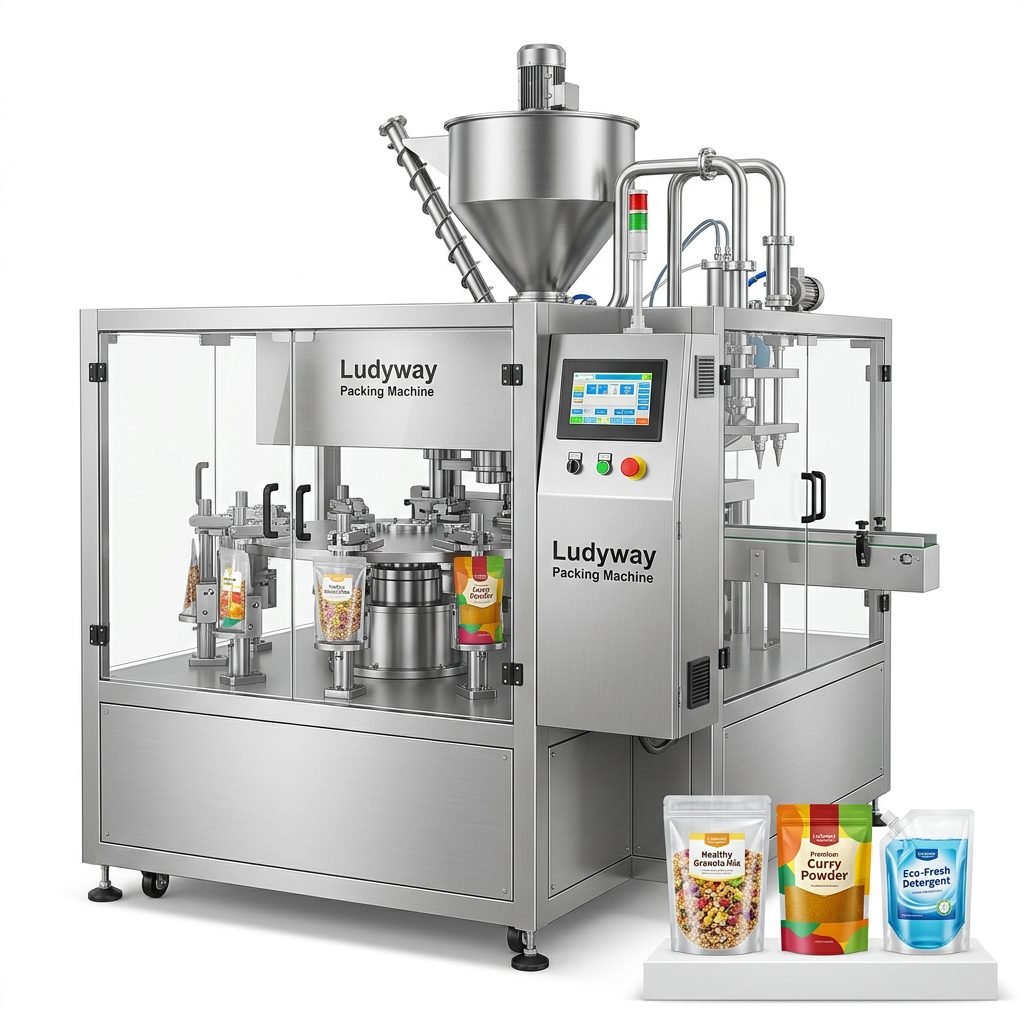
Premade Pouch Packing Machines
These systems pick up preformed pouches, open them, fill them, and seal them. They are commonly chosen for stand-up pouches, zipper pouches, and premium retail packaging.
- Ideal for high-end pouch appearance
- Good for liquids, powders, granules, and mixed products
- Better for complex pouch styles and value-added features
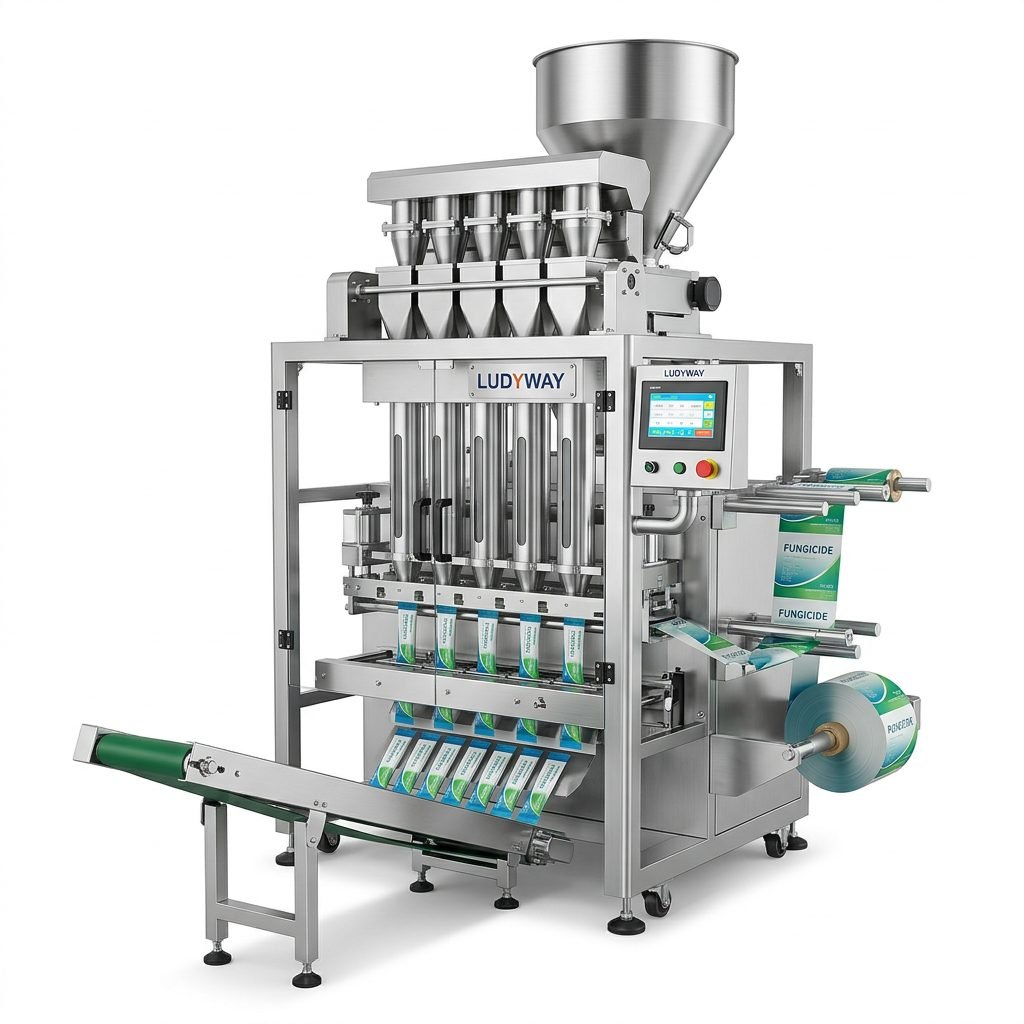
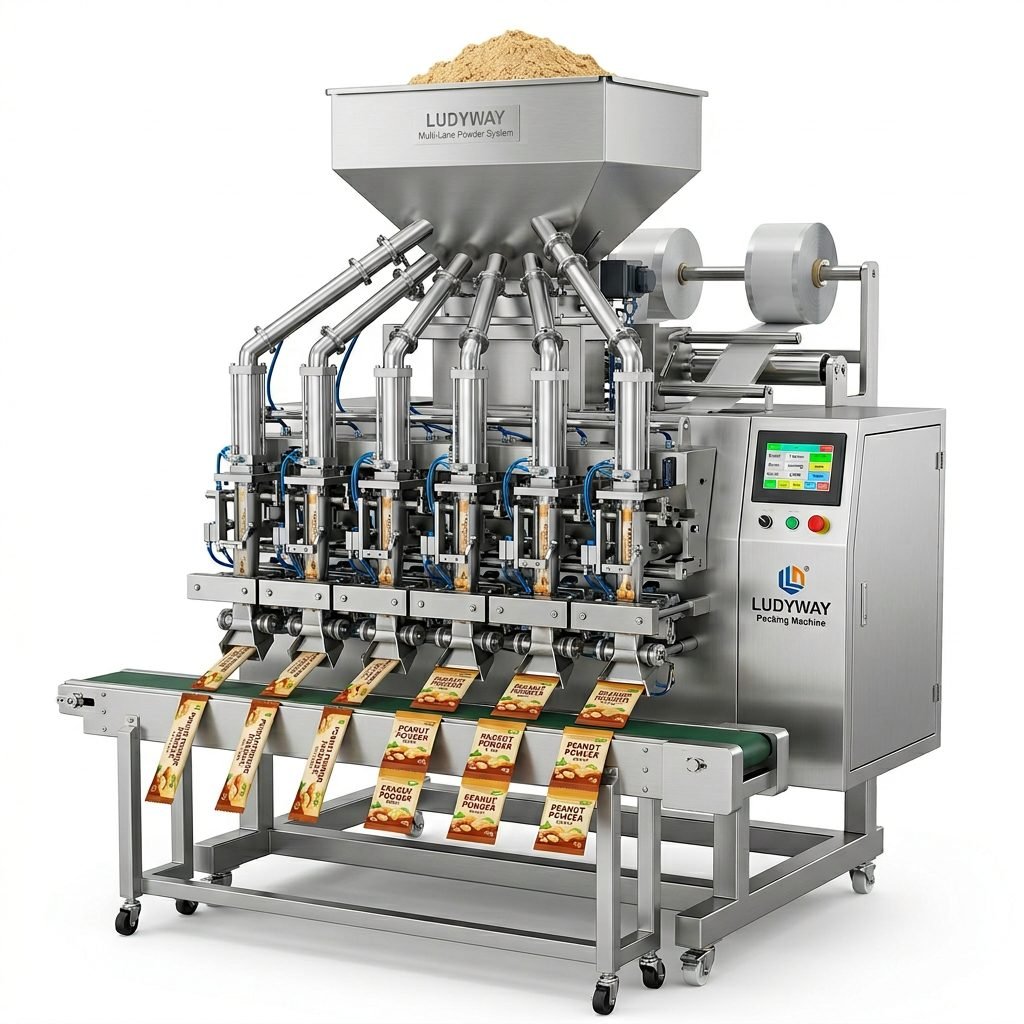
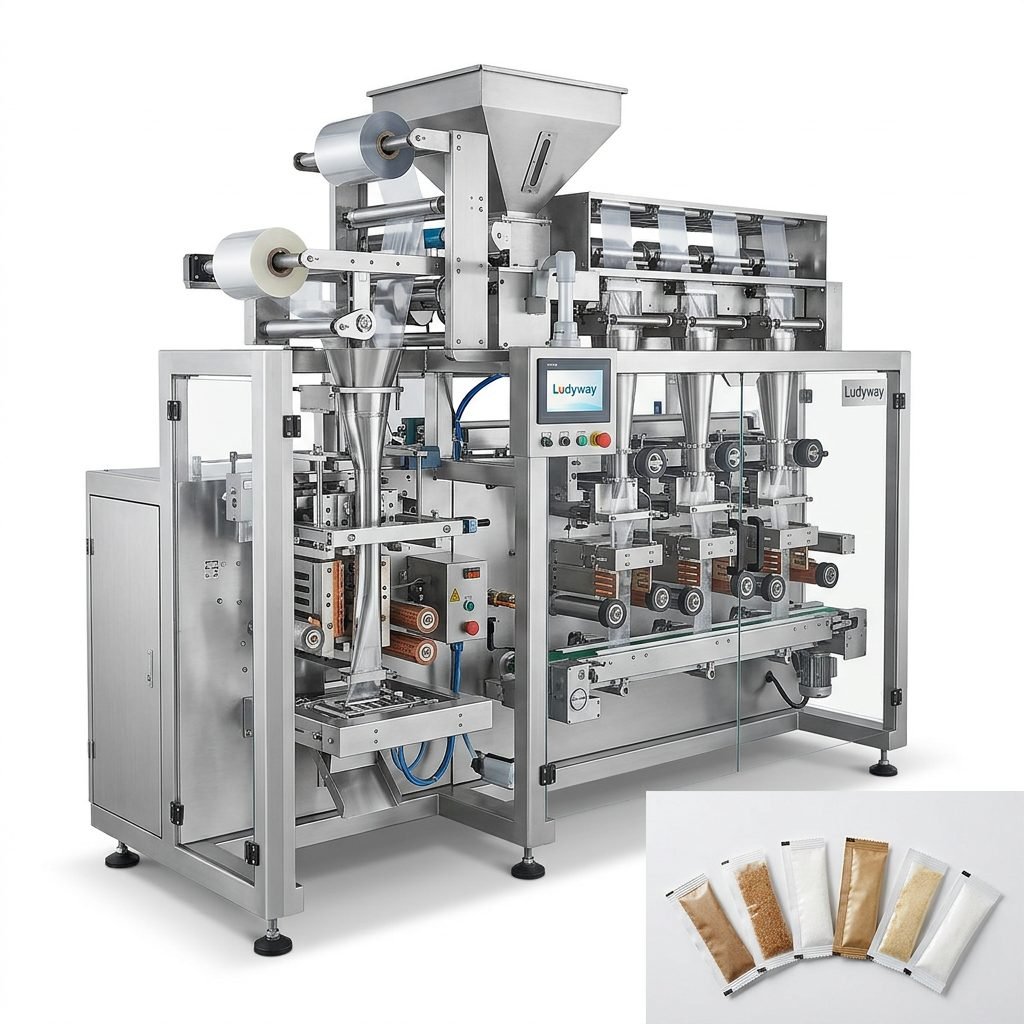
Multi-Lane Sachet and Stick Pack Machines
These machines are designed for high-speed production of small-dose packs. They are widely used in pharmaceuticals, health supplements, instant drinks, condiments, and personal care products.
- High output in compact single-serve formats
- Excellent for mass-market products
- Require stable product feeding and precise lane control
Match the Machine to Your Production Capacity
One of the most common purchasing mistakes is buying based only on current output or only on maximum budget. The better approach is to compare current demand, peak season demand, and projected growth over the next 3 to 5 years.
| Production Scenario | Recommended Approach |
|---|---|
| Startup or pilot production | Flexible machine with easy changeover and moderate speed |
| Growing mid-size brand | Scalable semi-auto to full-auto system with upgrade path |
| High-volume manufacturer | Fully automated high-speed line with inspection and end-of-line integration |
| Multi-product contract packer | Versatile machine with fast format switching and broad application range |
If you expect SKU expansion, choose a machine with flexible tooling, servo adjustment, recipe storage, and easy cleaning. This can reduce downtime and protect your long-term ROI.
Pay Attention to Filling Accuracy and Seal Quality
Packaging quality is not measured by speed alone. In many industries, poor filling precision or weak seals create hidden losses that are far more expensive than the machine itself.
Why Accuracy Matters
- Reduces product giveaway
- Helps maintain label compliance
- Improves batch consistency
- Supports customer trust
Why Seal Quality Matters
- Prevents leakage and contamination
- Protects shelf life
- Maintains brand appearance
- Reduces returns and complaints
For powders and granules, product particles in the seal area can be a major issue. For liquids and sauces, accurate cut-off and anti-drip design are essential. For heat-sensitive films, seal temperature control must be stable and repeatable.
Consider Packaging Material Compatibility
Not all plastic films behave the same way. The machine must work smoothly with your selected pouch material, laminate structure, thickness, and sealing layer.
- PE, PET, BOPP, aluminum-laminated films, and multilayer structures may require different sealing settings
- Recyclable or mono-material films may need more precise temperature and tension control
- Thicker premium pouch materials may affect opening, filling, and sealing performance
Always ask for machine testing with your real packaging material rather than relying only on standard samples. Film behavior under production conditions is a critical decision factor.
Check Hygiene, Cleaning, and Industry Compliance Needs
Food, pharmaceutical, nutraceutical, and cosmetic applications often require stricter machine design standards than general industrial products. If your product is sensitive, the machine should support easy cleaning and contamination control.
Important Features to Review
- 304 or 316 stainless steel contact parts
- Tool-free disassembly where possible
- Dust extraction or enclosed filling zones
- CIP or easy-wash design for liquid systems
- Validation-ready controls for regulated sectors
- Safety guarding and operator protection systems
A machine that is difficult to clean will create more downtime and quality risk over time. In regulated sectors, this can directly affect audits and customer approvals.
Evaluate Automation Beyond the Main Machine
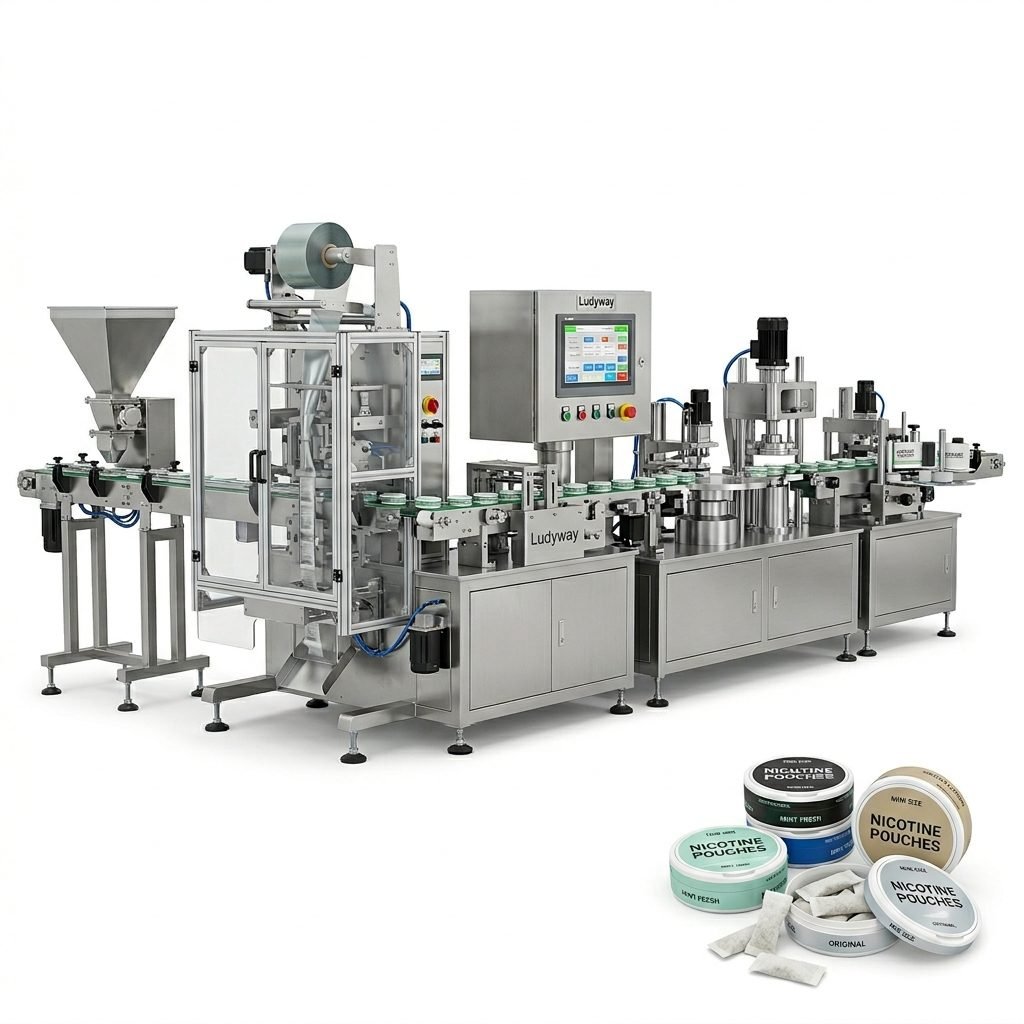
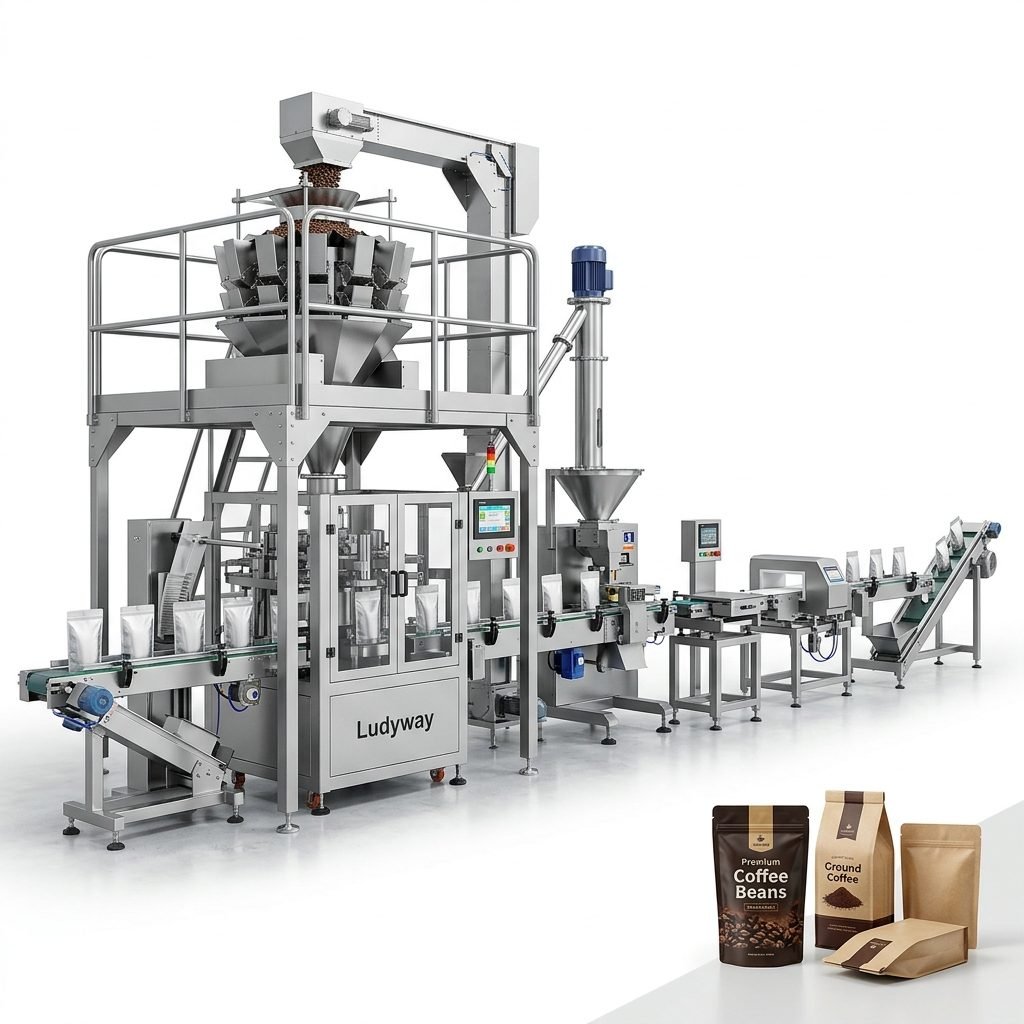
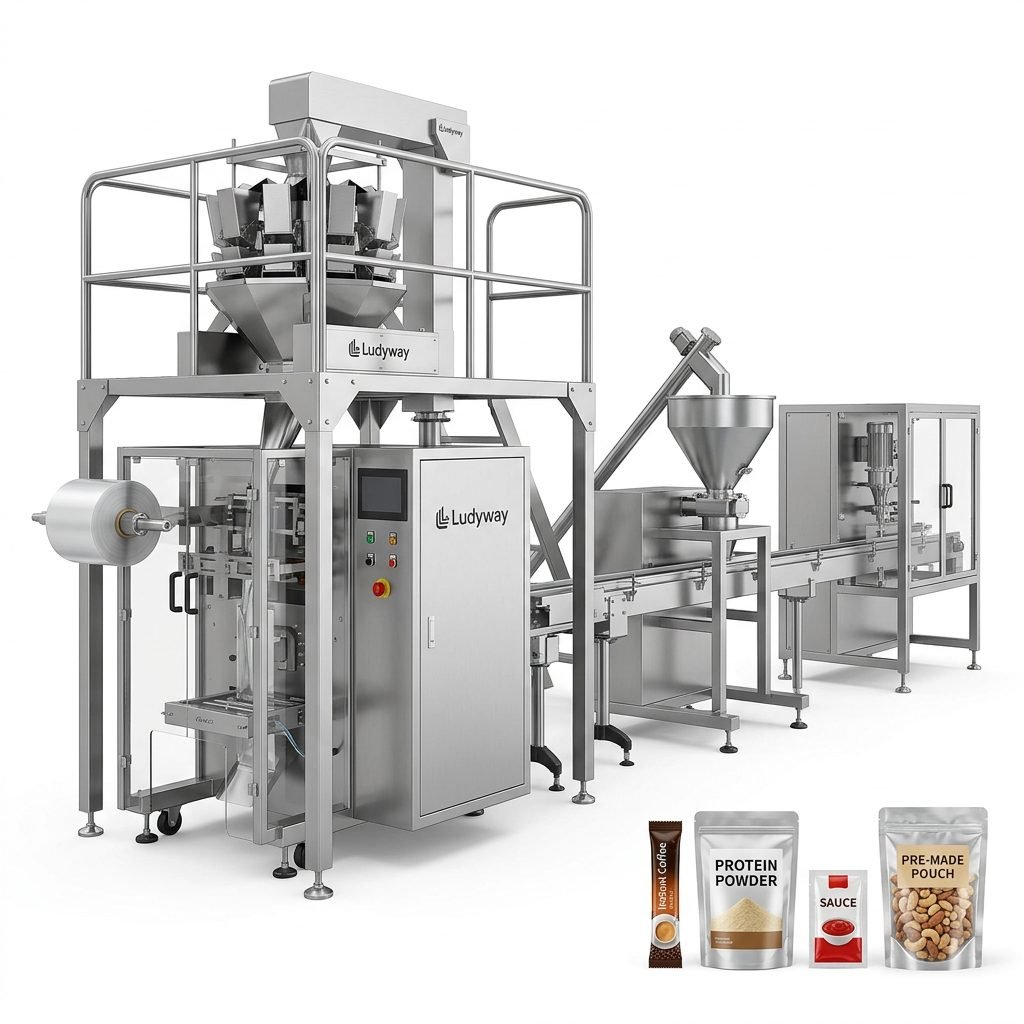
A pouch packing machine should not be viewed as an isolated unit. In many factories, the best solution is a complete packaging line that connects feeding, filling, sealing, inspection, coding, cartoning, case packing, and palletizing.
Useful Line Components
- Vacuum feeders, screw conveyors, or bucket elevators
- Checkweighers and metal detectors
- Date coding and labeling systems
- Pouch sorting and counting systems
- Cartoning and case packing machines
- Palletizing and conveying systems
If your labor cost is rising or output targets are increasing, a turnkey approach often delivers better consistency than adding isolated machines step by step.
Do Not Ignore Changeover Time
If you run multiple pouch sizes or many product SKUs, changeover efficiency becomes a major cost factor. A machine with slightly lower top speed but faster adjustment may outperform a faster machine in real daily production.
Look for features such as:
- Servo-driven adjustment
- Recipe memory for different SKUs
- Quick-release components
- Easy access to forming and sealing areas
- Simple operator interface
Key Questions to Ask Before Buying
- What pouch types and sizes can the machine handle?
- What products has it already been proven on?
- What is the real production speed with my product, not just the theoretical speed?
- What filling accuracy can be achieved?
- Can the machine run my packaging film or premade pouch material?
- How long does changeover take between SKUs?
- What spare parts and after-sales support are available?
- Can the machine integrate with upstream and downstream equipment?
- What certifications or compliance features are available?
- Can the supplier provide testing videos or factory acceptance tests?
How to Judge a Reliable Supplier
The machine itself is important, but supplier capability is equally critical. You need a manufacturer that can support testing, customization, installation, training, spare parts, and long-term technical assistance.
When evaluating suppliers, review:
- Manufacturing experience and export background
- Industry specialization
- Customization ability
- Factory scale and engineering strength
- Service response and documentation quality
- Ability to provide full lines, not just standalone units
For buyers looking for scalable pouch packaging solutions, Ludyway plastic pouch packing machine solutions are often considered for food, pharmaceutical, health supplement, cosmetic, chemical, and pouch-based applications due to the company’s broad machine portfolio, turnkey line capability, and more than 30 years of manufacturing experience.
Common Buying Mistakes to Avoid
- Choosing only by price instead of lifecycle value
- Ignoring product characteristics during testing
- Overbuying speed but underestimating changeover needs
- Not checking seal performance with real packaging material
- Forgetting future line integration needs
- Underestimating after-sales service importance
Final Selection Checklist
| Selection Point | What to Confirm |
|---|---|
| Product compatibility | Flow, viscosity, dust, particle size, sensitivity |
| Pouch format | Sachet, stick pack, pillow pouch, stand-up pouch, zipper pouch |
| Speed requirement | Current demand and future capacity target |
| Accuracy and sealing | Tolerance, leak prevention, seal consistency |
| Material compatibility | Film structure, thickness, sealing performance |
| Cleaning and compliance | Hygiene design, stainless steel parts, regulatory needs |
| Expandability | Integration with conveyors, coding, cartoning, inspection |
| Supplier support | Testing, installation, training, spare parts, service response |
The best plastic pouch packing machine is the one that fits your product, pouch style, output plan, and long-term business strategy. By focusing on real production needs instead of only headline speed or purchase price, you can select a packaging solution that improves efficiency today while giving your brand room to grow tomorrow.