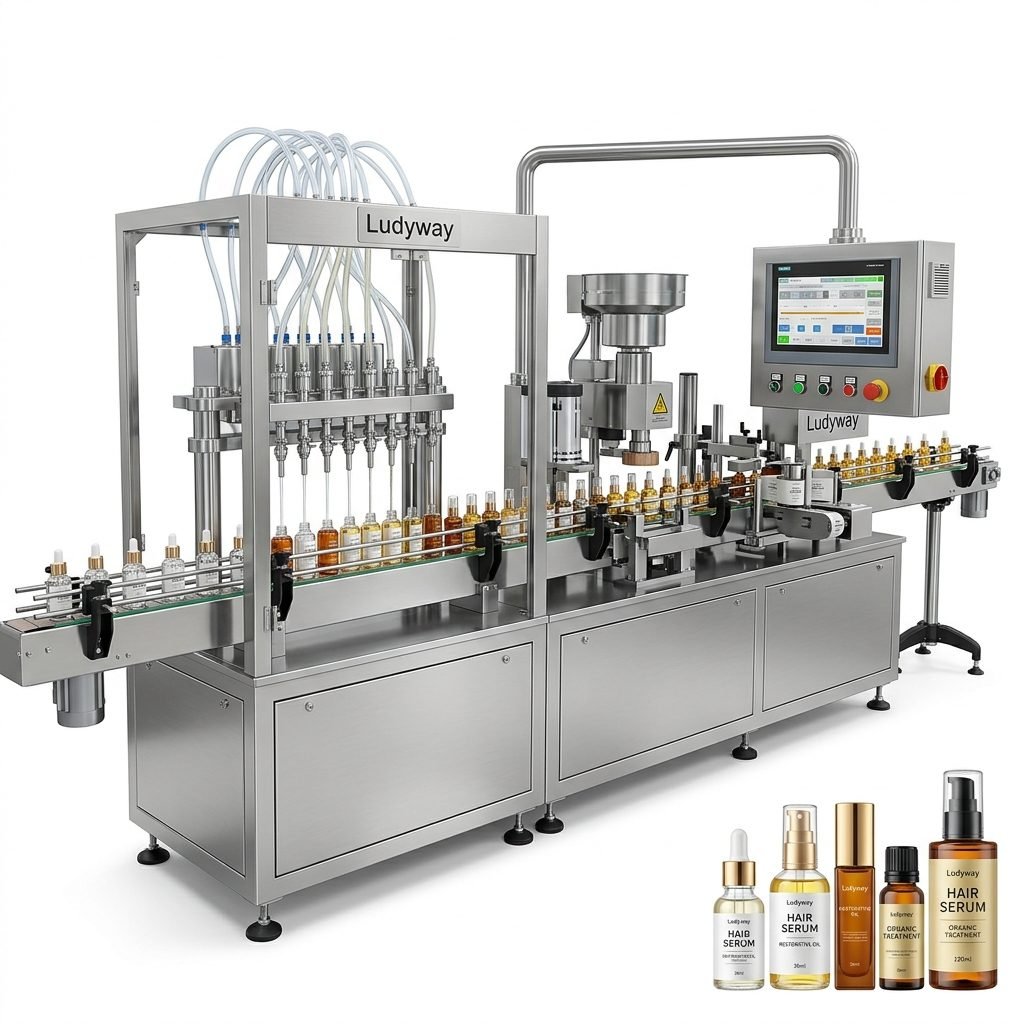
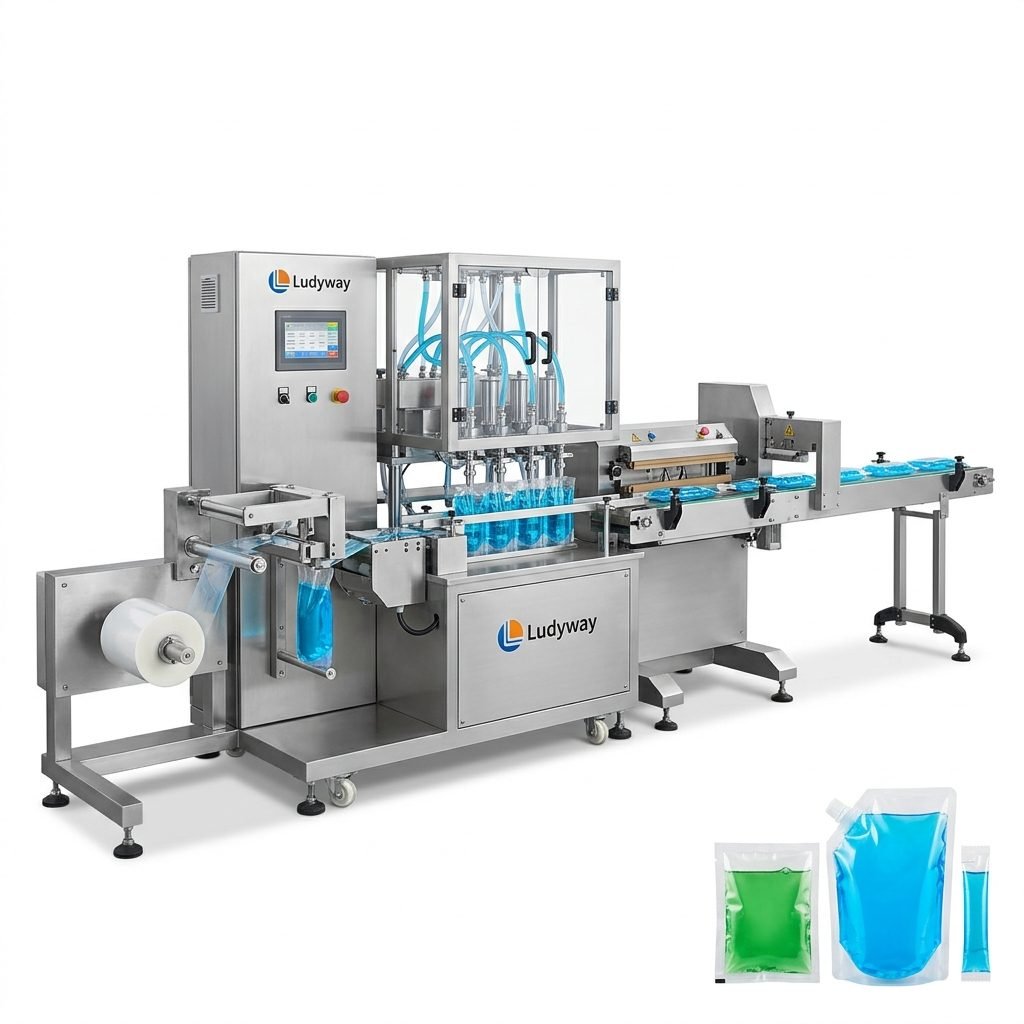
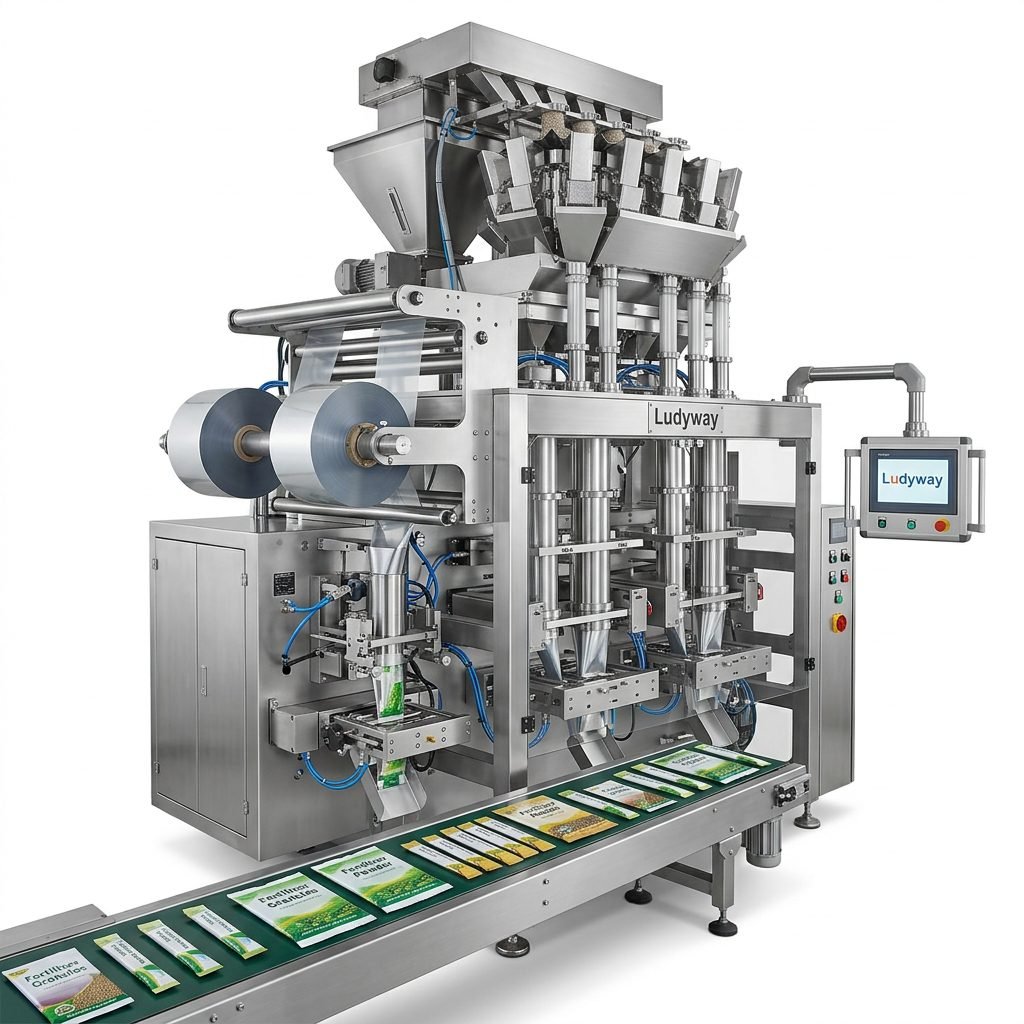
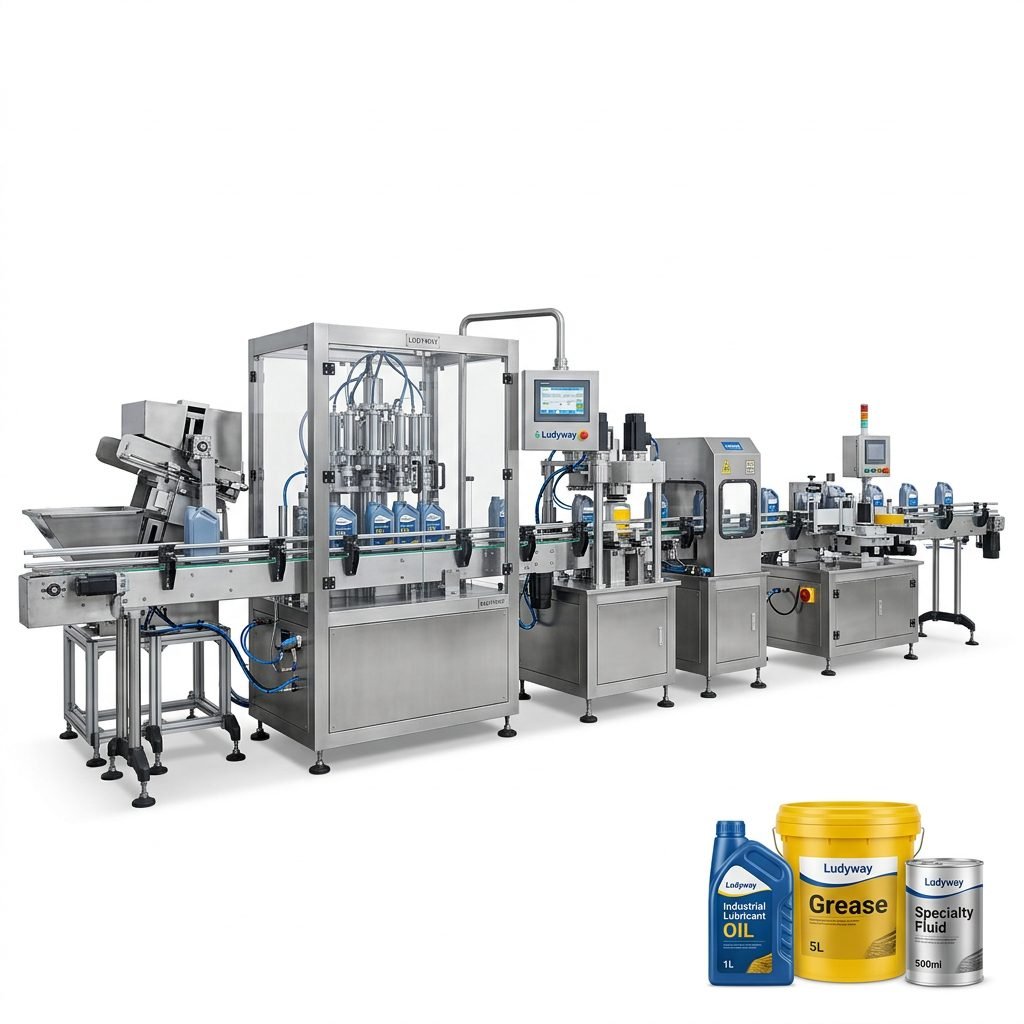
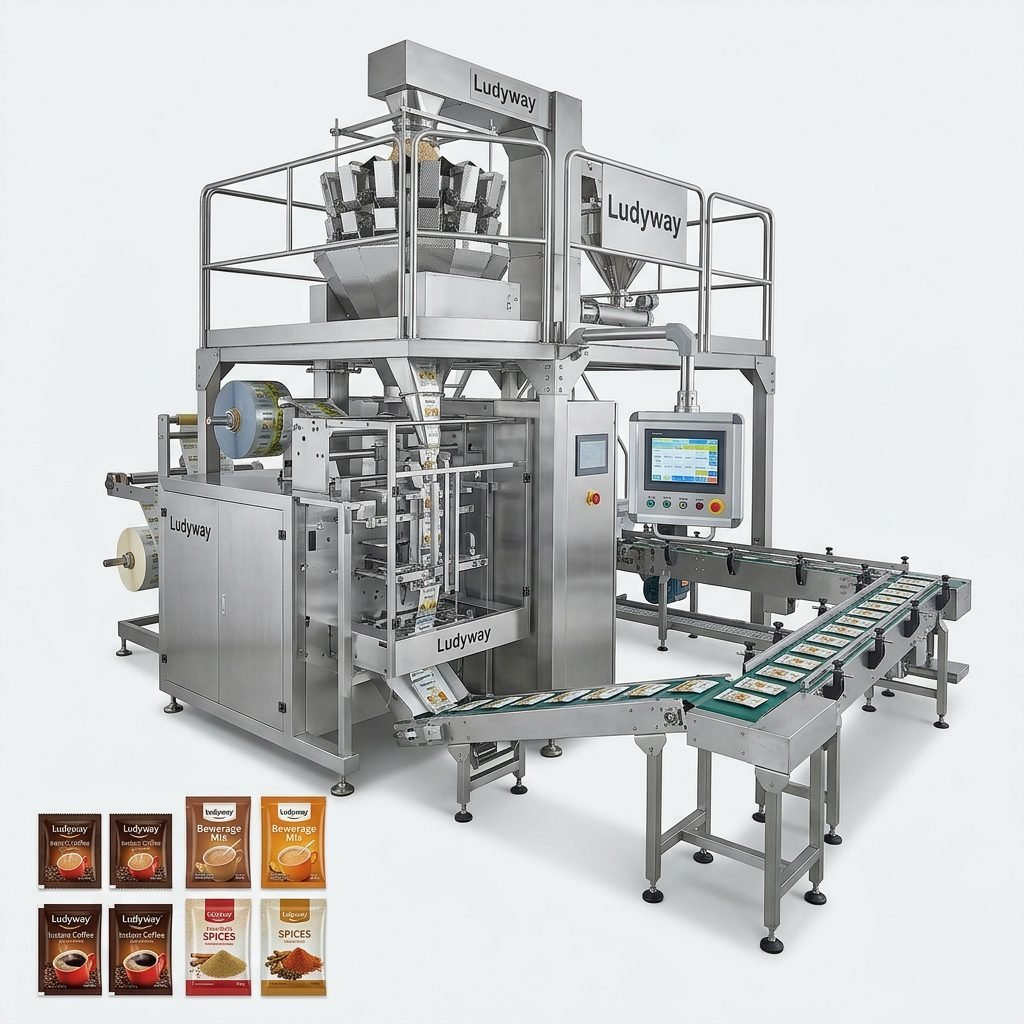
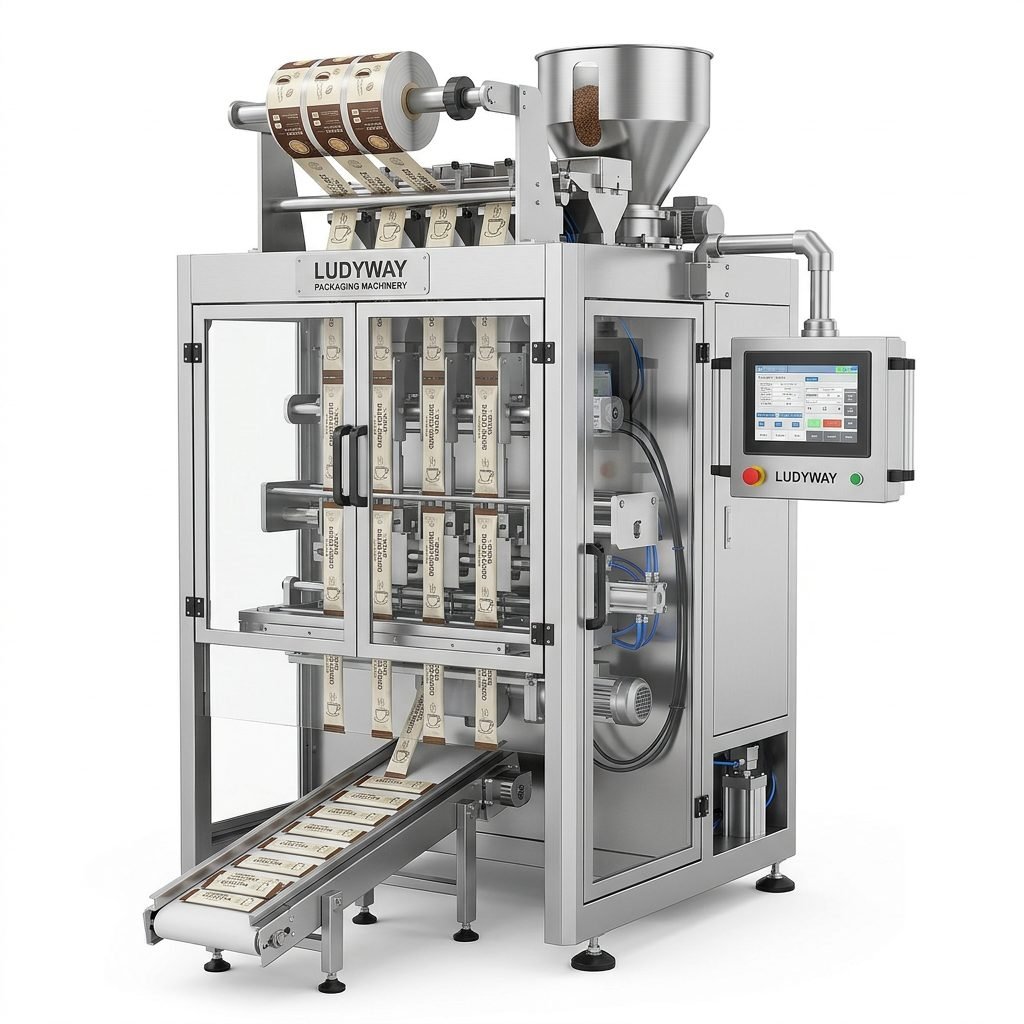
In today’s competitive manufacturing landscape, maximizing the throughput of your packaging equipment is not just an operational goal—it’s a critical business imperative. Throughput, defined as the rate at which a packaging line produces finished, packaged goods over a given period, directly impacts your bottom line, customer satisfaction, and market responsiveness. Whether you operate a high-speed sachet line for food products or a precision stick pack system for pharmaceuticals, inefficiencies can lead to costly downtime, wasted materials, and missed opportunities.
This guide delves into practical, actionable strategies to boost your packaging line’s efficiency and output. We’ll move beyond theoretical concepts and focus on the tangible steps you can take to identify bottlenecks, optimize processes, and leverage technology for sustained performance gains.
Key Insight:
True throughput improvement is a holistic endeavor. It requires a combination of machine optimization, human factors, and data-driven management. Focusing on just one area often yields limited, unsustainable results.
1. Conduct a Comprehensive Line Audit and Bottleneck Analysis
You cannot improve what you do not measure. The first step to increasing throughput is a thorough audit of your entire packaging process. This involves mapping every step, from product infeed to case sealing, and timing each operation.
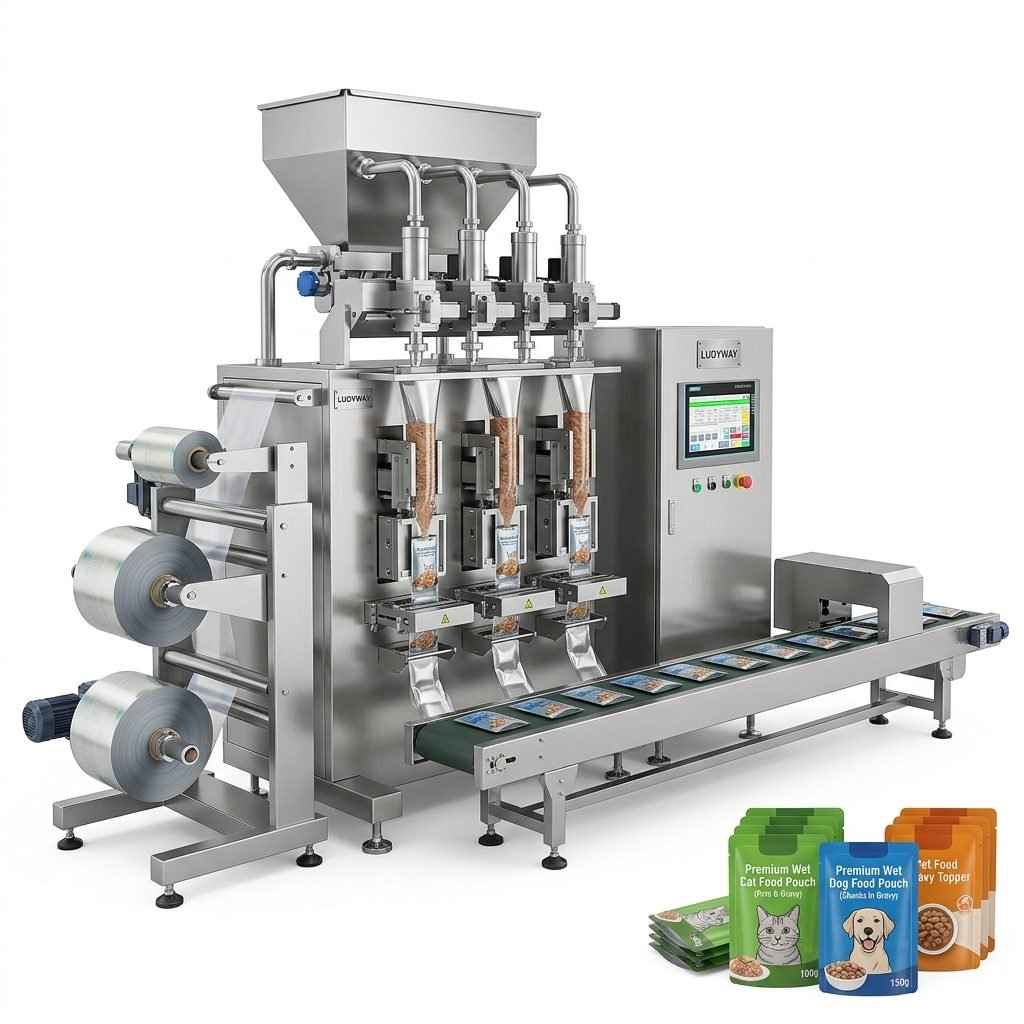
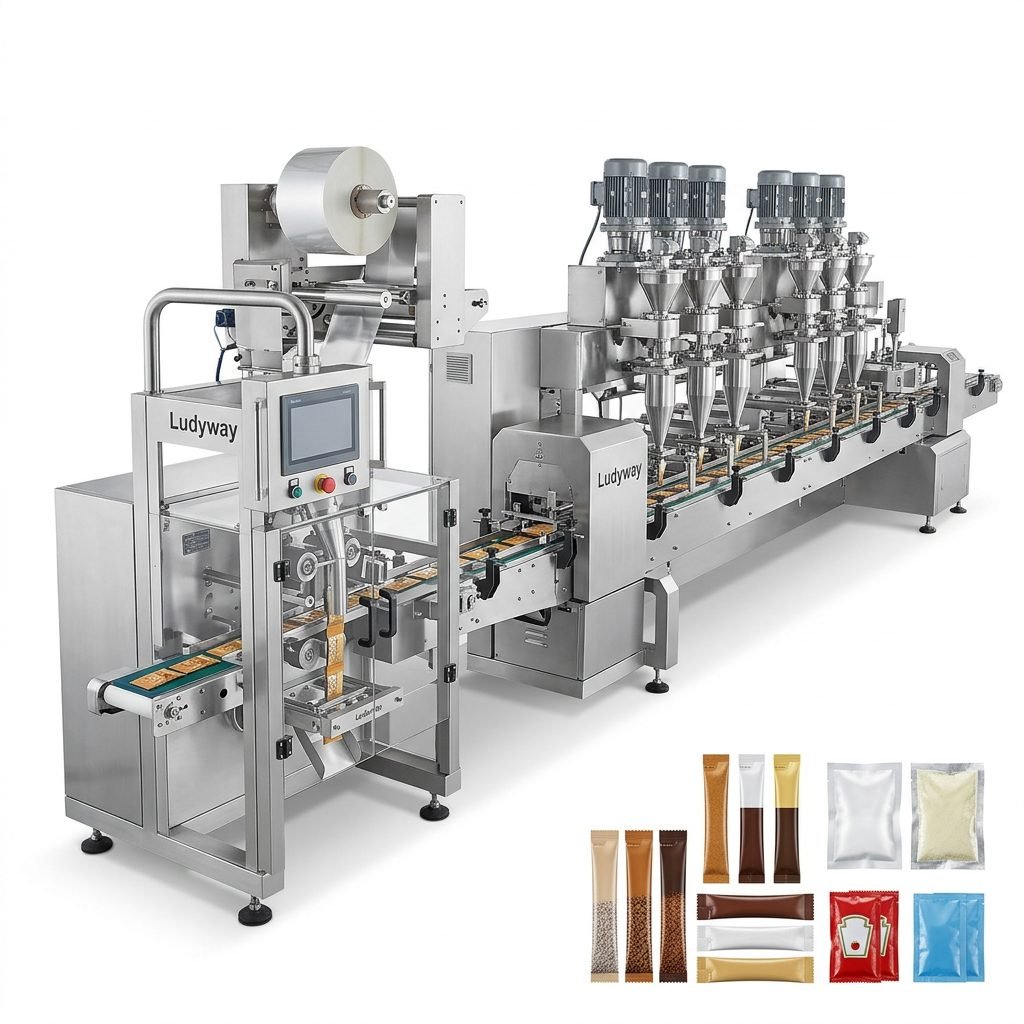
- → Identify the Constraint: Use tools like OEE (Overall Equipment Effectiveness) to track availability, performance, and quality. The slowest point in your line (the bottleneck) dictates the maximum throughput for the entire system. This could be a primary machine like a multi-lane stick pack machine, or a supporting process like manual carton erection.
- → Analyze Micro-Stoppages: Often, more throughput is lost through frequent, short stops (e.g., misaligned film, minor jams) than through major breakdowns. Log these events meticulously.
- → Review Material Flow: Inefficient product or packaging material handling before and after the primary packer creates variability and waiting time.
Actionable Tip: The “Five Whys” for Downtime
When a stoppage occurs, don’t just fix it and restart. Ask “why” repeatedly to find the root cause. For example: The machine stopped (1) because a seal was weak. Why? (2) The film was wrinkled. Why? (3) The film unwind tension was inconsistent. Why? (4) The brake mechanism is wearing. Why? (5) Lack of preventive maintenance on the unwind station. Addressing the root cause (point 5) prevents future recurrence.
2. Optimize Machine Setup and Changeover (SMED)
For lines running multiple SKUs, changeover time is a massive thief of productive capacity. Implementing Single-Minute Exchange of Die (SMED) principles can dramatically increase available run time.
SMED Implementation Stages:
1. Separate Internal & External Setup: Internal setup tasks can only be done when the machine is stopped (e.g., changing a forming collar). External tasks can be done while the machine is running (e.g., pre-heating sealing jaws, preparing tools and parts for the next job). Strive to convert internal tasks to external.
2. Streamline All Operations: Standardize tools, use quick-release clamps instead of bolts, implement color-coding and visual guides for adjustments, and create detailed, checklist-based changeover procedures.
3. Parallelize Activities: Can two operators perform tasks simultaneously during changeover? Proper training and task design make this possible.
Modern intelligent packaging machines often feature quick-change part systems and recipe memory, which are invaluable for reducing changeover complexity and time.
3. Leverage Automation and Smart Technology
Strategic automation addresses labor shortages, improves consistency, and unlocks higher speeds. Consider these upgrades:
- → Automated Product Feeding & Handling: Replace manual dumping with vibratory feeders, screw feeders, or servo-driven pumps for powders and liquids. This ensures a consistent, uninterrupted supply to the packaging machine, eliminating one of the most common causes of speed fluctuation.
- → Integrated Vision Inspection Systems: Install cameras to check for fill level, seal integrity, date/batch code presence, and label placement. Rejecting defective packs inline prevents them from causing jams downstream and ensures only good product moves to secondary packaging, speeding up the overall flow.
- → IoT and Data Analytics: Machines equipped with sensors and connectivity can provide real-time data on speed, temperature, pressure, and motor current. Analyzing this data helps predict maintenance needs (preventing unplanned stops) and fine-tunes machine parameters for optimal performance with different materials.
Case in Point: End-of-Line Automation
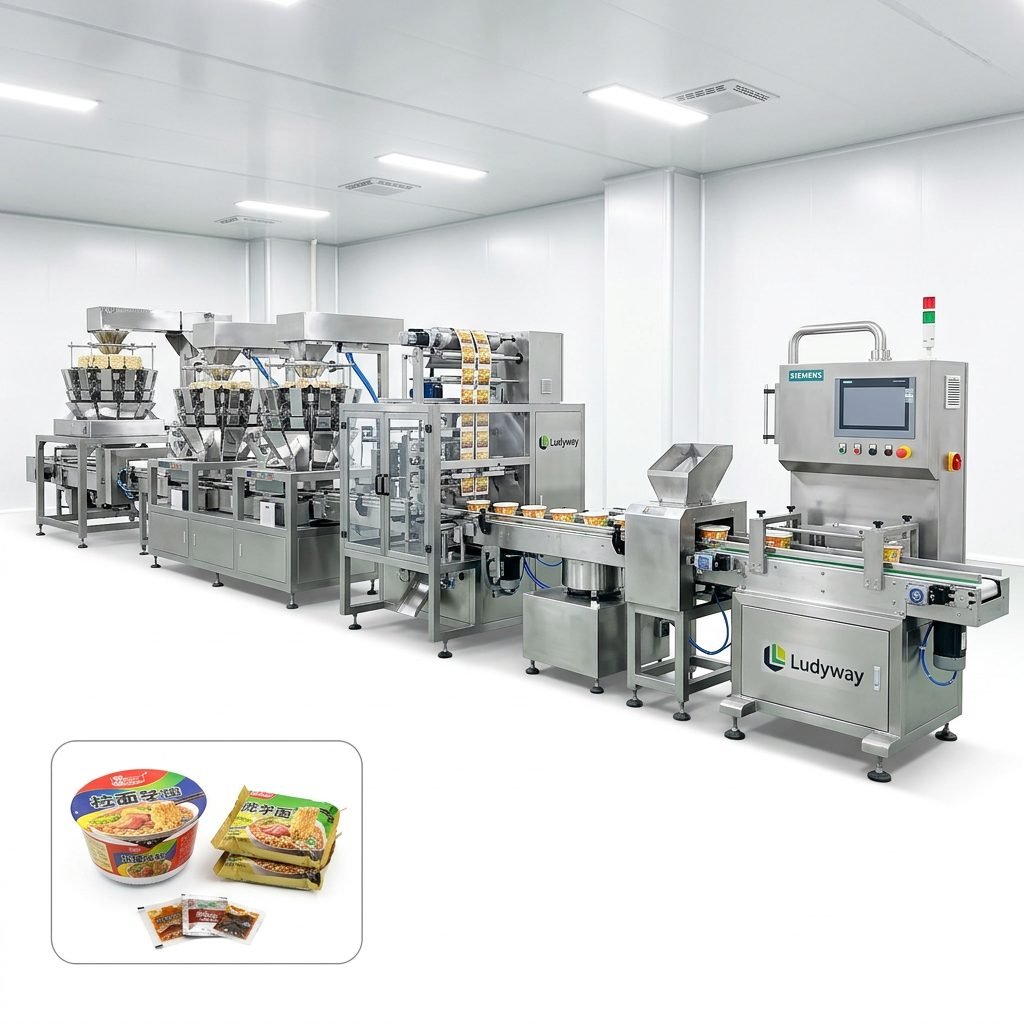
Often, the bottleneck shifts downstream after optimizing the primary packer. Automating cartoning, case packing, and palletizing can yield significant throughput gains. A complete turnkey production line solution designed with balanced speeds across all stations is the ultimate goal.
4. Implement Robust Preventive Maintenance (PM)
Reactive maintenance (“run-to-failure”) is the enemy of high throughput. A disciplined PM program is your best defense against catastrophic downtime and performance degradation.
Essential PM Activities for Packaging Equipment:
- Daily/Weekly: Cleaning of sealing jaws, film paths, and product contact parts; lubrication of chains and guides; inspection of belts and drives for wear.
- Monthly/Quarterly: Calibration of scales and sensors; checking and tightening of electrical connections; inspection of pneumatic systems for leaks.
- Annually: Major overhaul as per manufacturer’s guidelines, including replacement of high-wear components like pump seals or cutting blades before they fail.
Pro Tip: Base your PM schedule on actual machine runtime (hours) rather than calendar time. A machine running 24/7 needs more frequent attention than one used for a single shift.
5. Focus on Operator Training and Engagement
Your operators are the eyes and ears of the line. A well-trained, engaged operator can prevent small issues from becoming big problems and can fine-tune a machine for peak performance.
Invest in comprehensive training that goes beyond basic start/stop procedures. Operators should understand:
- The fundamental mechanics and adjustment points of the machine.
- How material properties (e.g., film coefficient of friction, powder flowability) affect machine behavior.
- Basic troubleshooting for common faults.
- The financial impact of throughput and quality on the business.
Empower them to perform minor adjustments and participate in continuous improvement (Kaizen) initiatives. Their frontline insights are invaluable for identifying improvement opportunities.
6. Optimize Packaging Materials and Design
The machine is only one part of the system. The packaging materials themselves can limit throughput.
- Film/Web Quality: Consistent gauge, low friction coefficient, and good sealant properties are crucial for reliable high-speed operation. Poor-quality film leads to wrinkles, breaks, and weak seals, forcing you to run slower.
- Package Design for Manufacturing (DFM): Collaborate with your packaging engineers and machine supplier early in the design process. A sachet shape that is easy to form and cut, or a stick pack with robust seals, will run significantly faster and more reliably than a complex, delicate design.
- Material Handling at the Machine: Ensure film rolls and other consumables are easy and quick to load. Large reel diameters or automatic splicing units can reduce the frequency of material changeovers.
Putting It All Together: A Continuous Cycle
Increasing packaging equipment throughput is not a one-time project but a culture of continuous improvement. It follows a simple cycle: Measure → Analyze → Improve → Standardize → Repeat. By systematically applying the strategies above—auditing your line, attacking changeovers, embracing smart technology, maintaining proactively, investing in people, and optimizing materials—you can build a packaging operation that is not only faster but also more reliable, agile, and cost-effective.
Partnering with an experienced provider like Ludyway Machinery, which brings decades of practical experience in designing and optimizing packaging lines for diverse global markets, can provide the expert guidance and reliable equipment needed to turn these strategies into tangible, lasting results. Their focus on tailored automation solutions ensures your throughput gains are sustainable and aligned with your specific production goals.
Frequently Asked Questions (FAQs)
Q1: What is the single biggest factor limiting packaging line throughput?
A: While it varies by line, unbalanced line speeds are a common culprit. If your primary bagging machine can run at 200 bags/minute, but your cartoner can only handle 150/minute, your maximum throughput is capped at 150. The key is to identify and upgrade the bottleneck station.
Q2: Can we increase throughput without buying new machines?
A: Absolutely. Significant gains are often achievable through optimization of existing assets. Focus on reducing changeover time (SMED), implementing a rigorous preventive maintenance program to reduce micro-stoppages, and retraining operators for better efficiency. These “soft” improvements frequently yield a 10-25% throughput increase with minimal capital expenditure.
Q3: How does OEE relate to throughput?
A: OEE (Overall Equipment Effectiveness) is the gold standard metric for measuring productive capacity. It is calculated as Availability x Performance x Quality. A low OEE score directly indicates lost throughput. Improving any of the three factors—by reducing downtime (Availability), increasing speed and reducing minor stops (Performance), or reducing defects (Quality)—will directly increase your throughput.
Q4: Are automated inspection systems worth the investment for throughput?
A: Yes, especially for high-speed lines. While they represent an upfront cost, they prevent defective packs from causing jams in downstream equipment like cartoners, which can lead to lengthy, complex clearing procedures and major downtime. They also reduce the need for manual inspection, freeing up operators for more value-added tasks and ensuring consistent output quality at high speeds.
Q5: How important is operator skill in maximizing throughput?
A: Critically important. A skilled operator can make precise adjustments to handle tricky materials, perform faster and more accurate changeovers, and diagnose issues before they cause a full stop. They are the adaptive element that ensures the automated system runs smoothly. Investing in deep, ongoing operator training often has one of the highest returns on investment for throughput improvement.