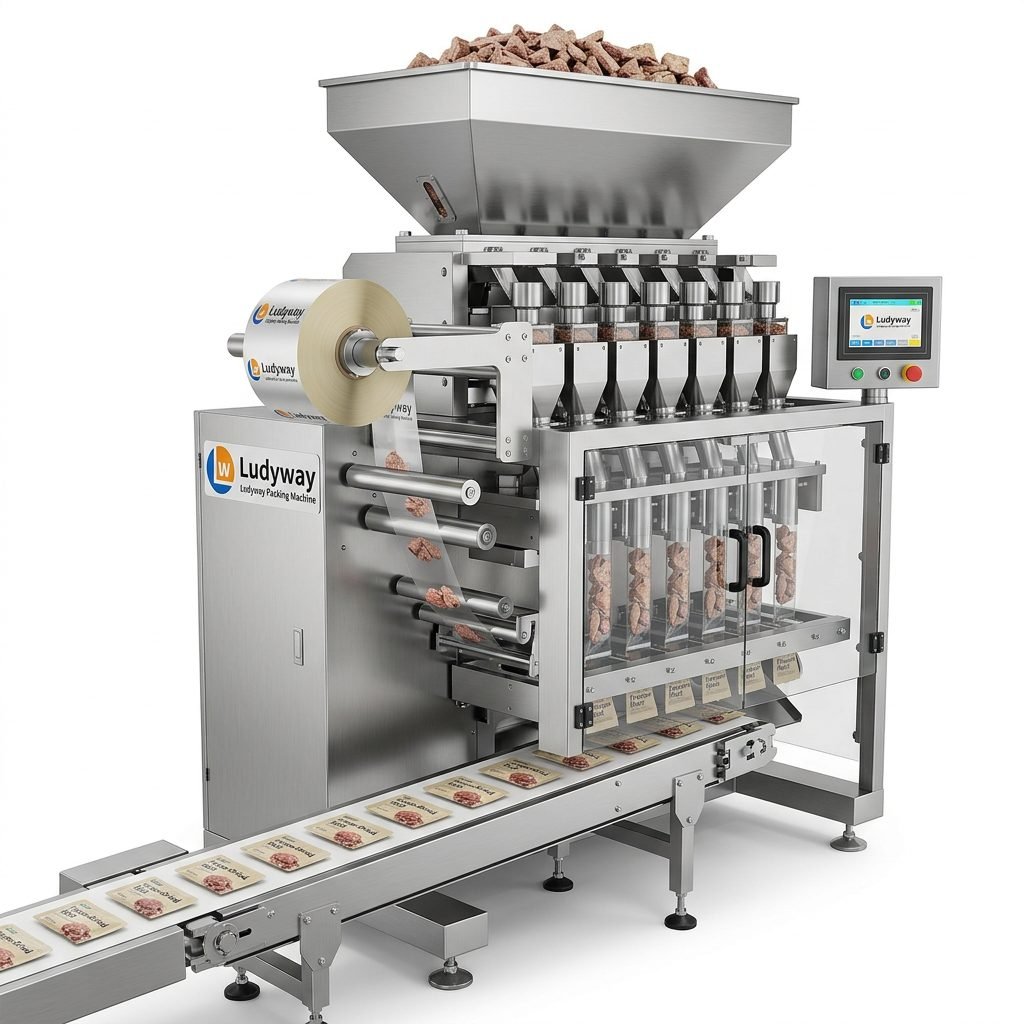
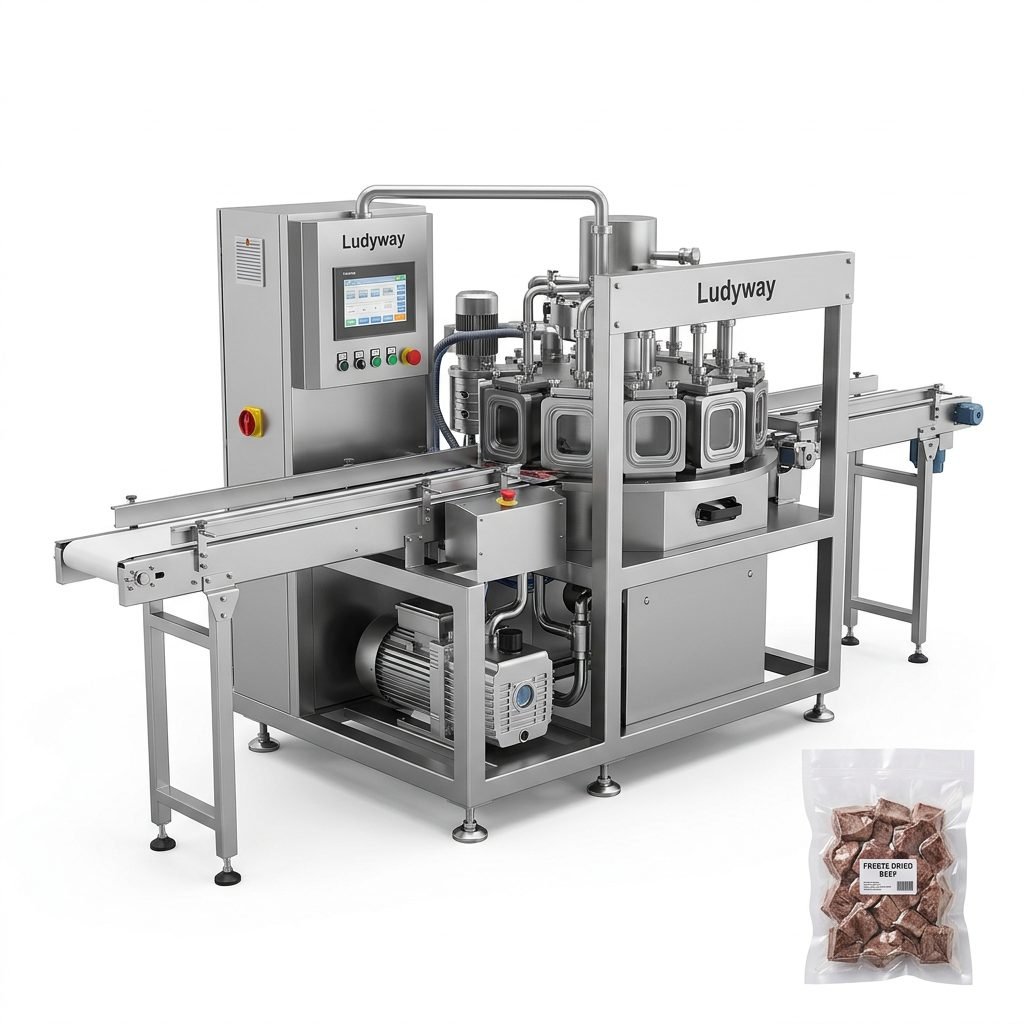
Modern packaging operations depend on machines that deliver speed, consistency, hygiene, and long-term reliability. Whether you pack powders, granules, liquids, pastes, or pouch-based products, the right packaging machine can improve production efficiency, reduce waste, support compliance, and create a better final presentation for your brand.
From food factories and pharmaceutical facilities to cosmetics and chemical production plants, packaging equipment is no longer just a supporting tool. It has become a core part of competitive manufacturing strategy. Businesses that invest in efficient packaging systems are often better positioned to scale output, control labor costs, and maintain stable product quality across every batch.
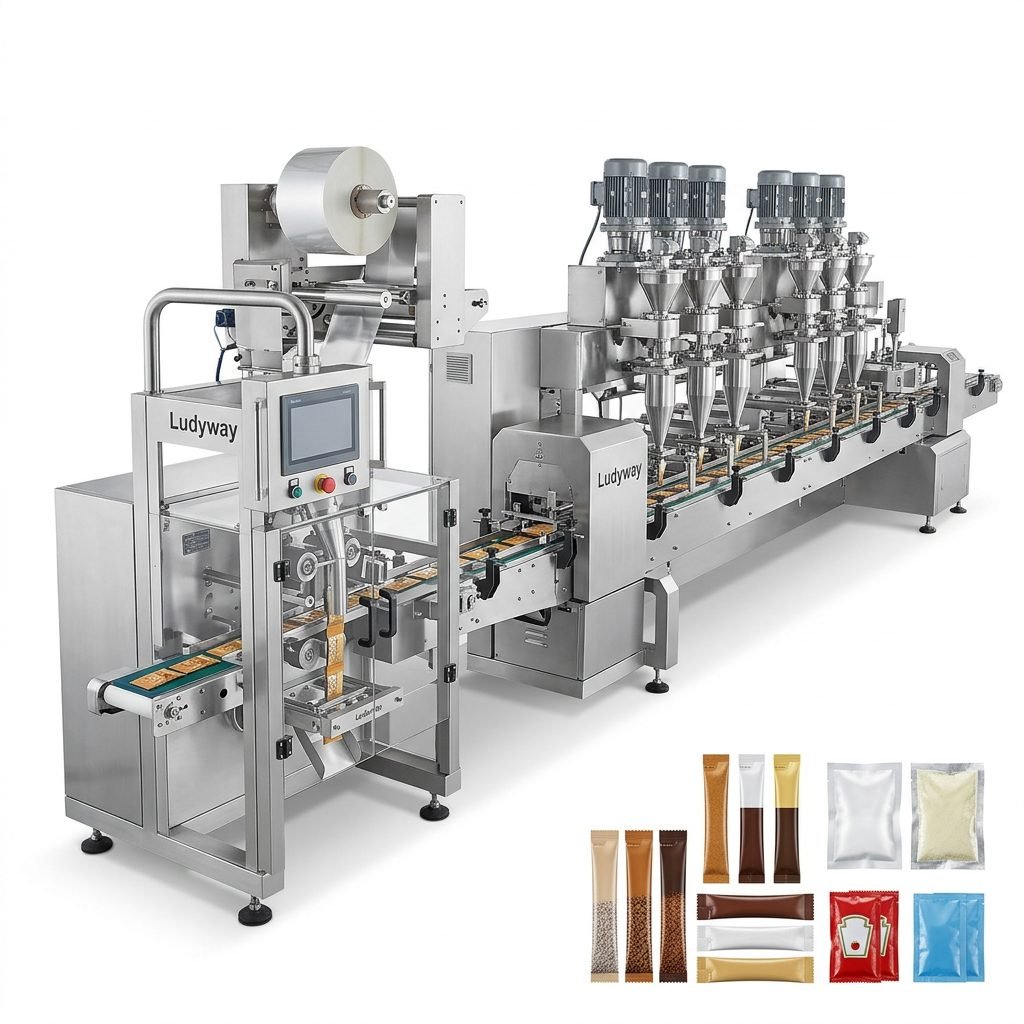
Why Packaging Machines Matter in Modern Manufacturing
Packaging is where product protection, production efficiency, and customer experience meet. A well-designed machine does more than seal a pouch or fill a sachet. It helps ensure that every pack is filled accurately, sealed properly, labeled clearly, and delivered in a format suitable for transport, storage, and retail display.
- Improved throughput for growing production demand
- Better filling accuracy and less product giveaway
- Reduced manual intervention and labor intensity
- More stable sealing and packaging appearance
- Higher production hygiene and process control
- Compatibility with automated feeding, coding, cartoning, and palletizing
For manufacturers handling high-volume or multi-SKU production, automation can make the difference between bottlenecks and smooth continuous output.
Common Types of Packaging Machines
The packaging machinery market includes a wide range of systems designed for different materials, pack styles, and production targets. Choosing the correct category is the first step in building an effective packaging solution.
| Machine Type | Suitable Products | Typical Packaging Formats |
|---|---|---|
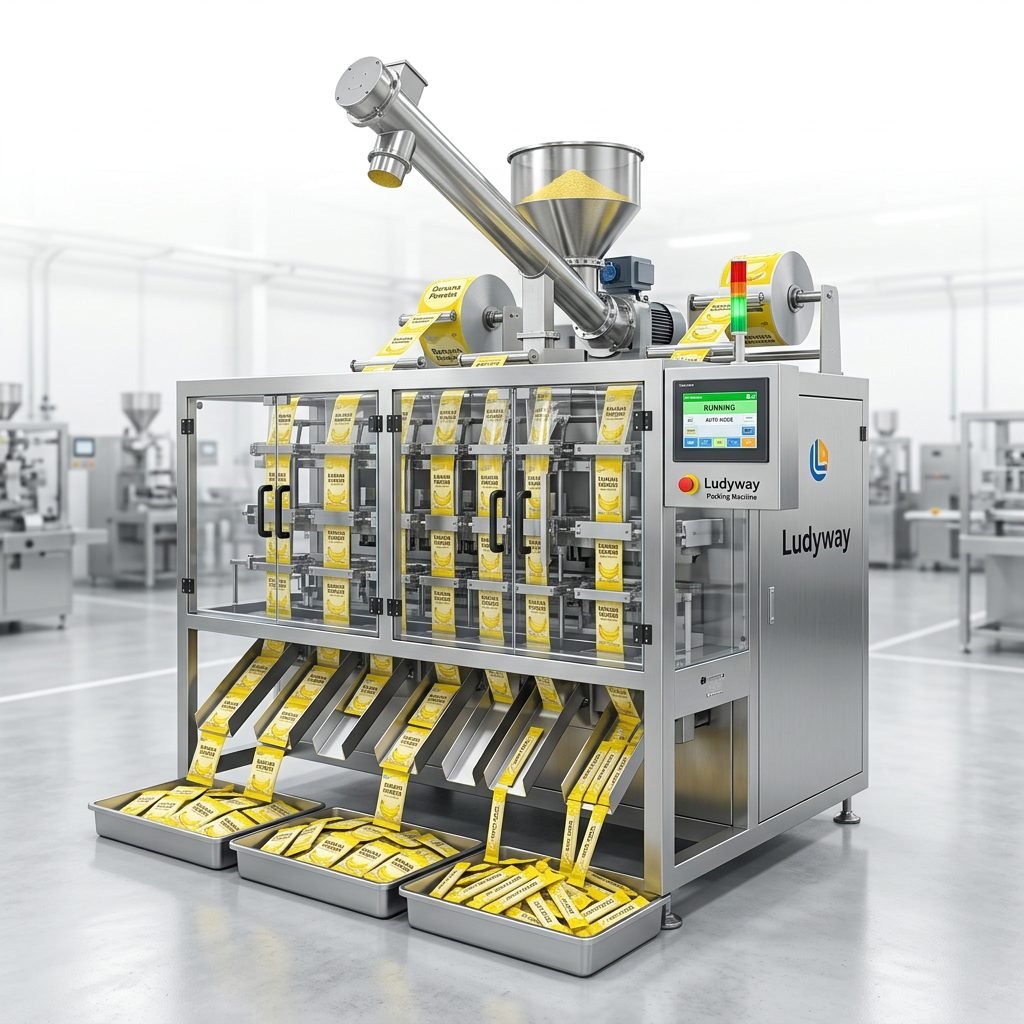
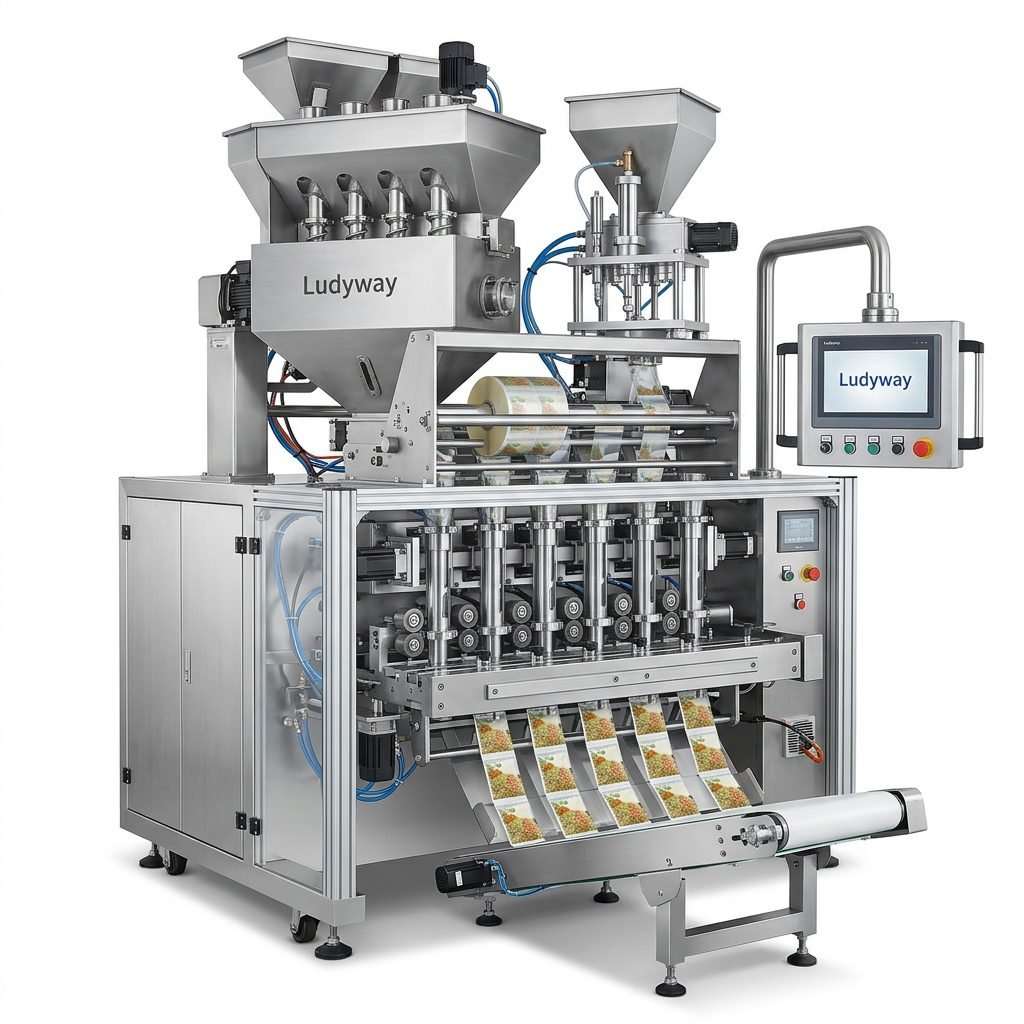
| Multi-lane stick pack machines | Powders, granules, liquids | Stick packs |
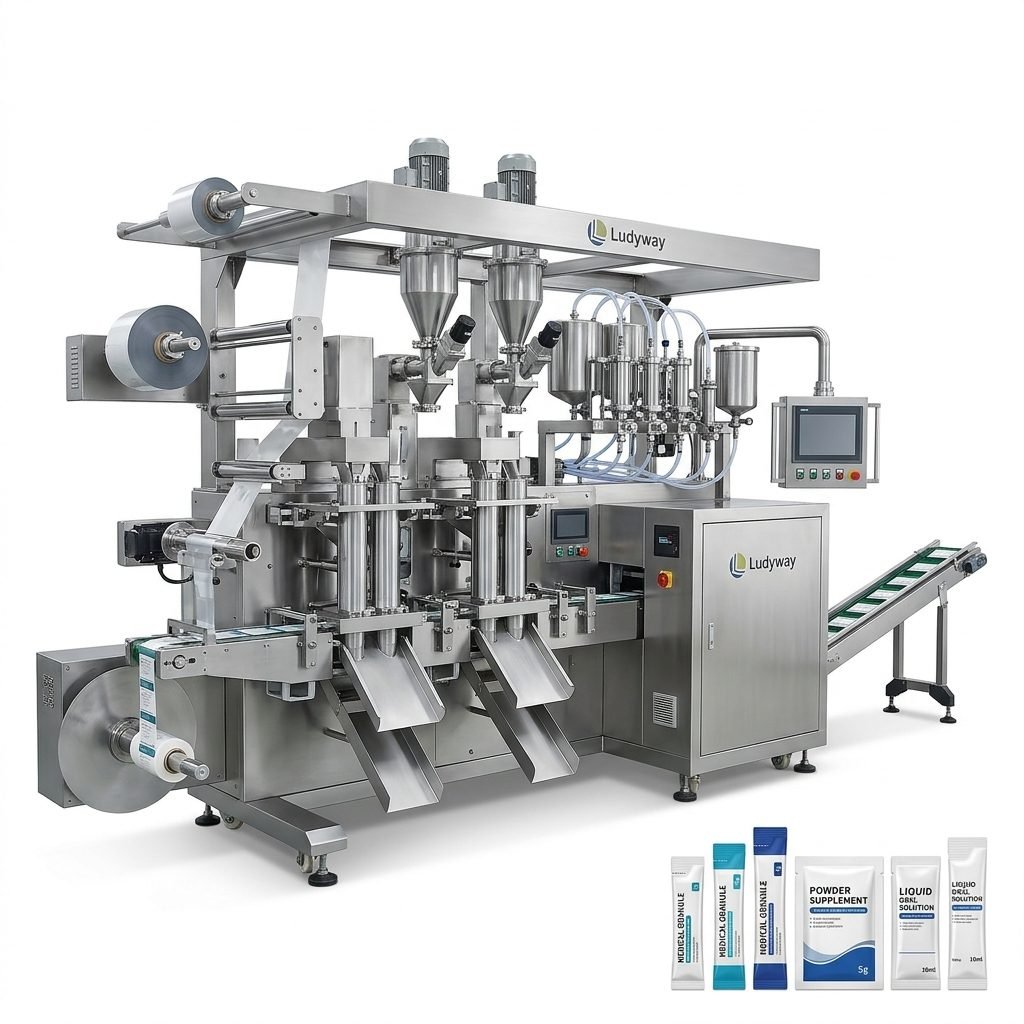
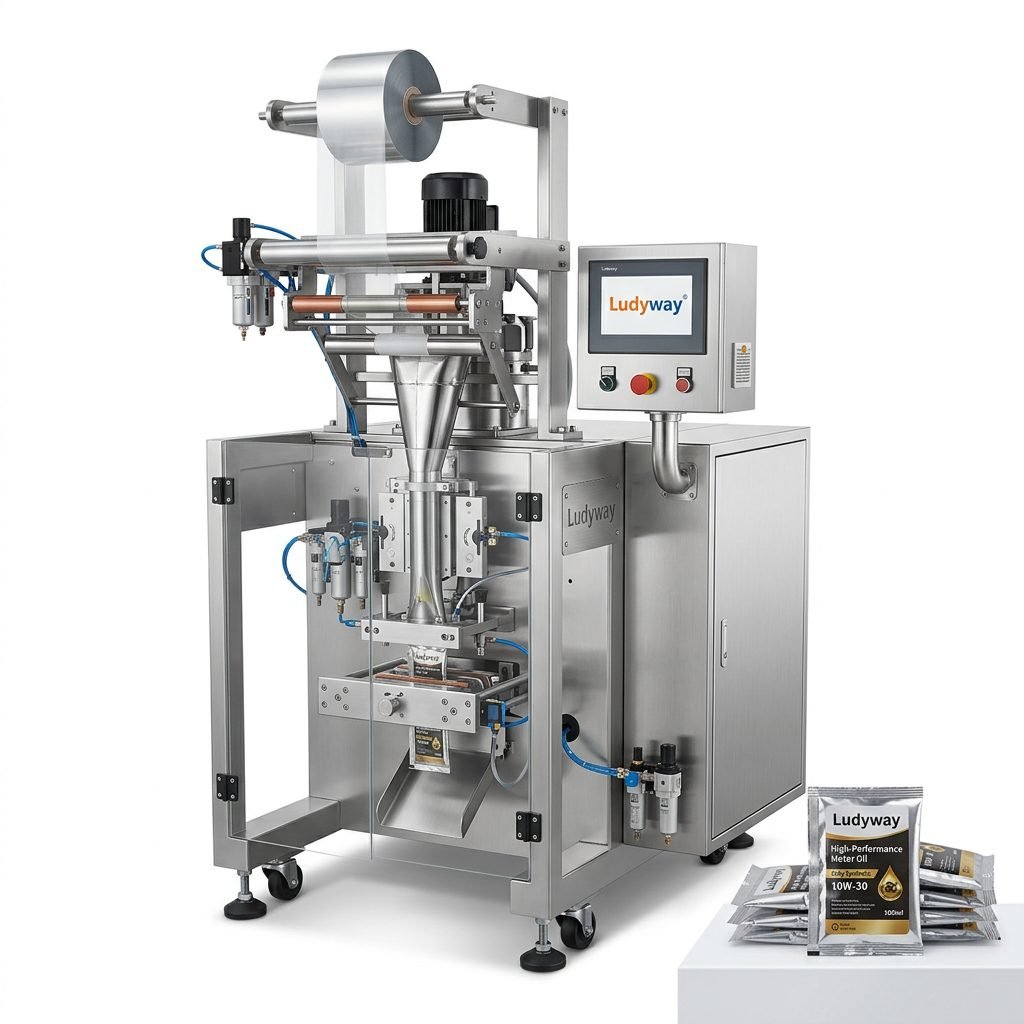
| Sachet packing machines | Sauces, seasonings, supplements, creams | 3-side or 4-side seal sachets |
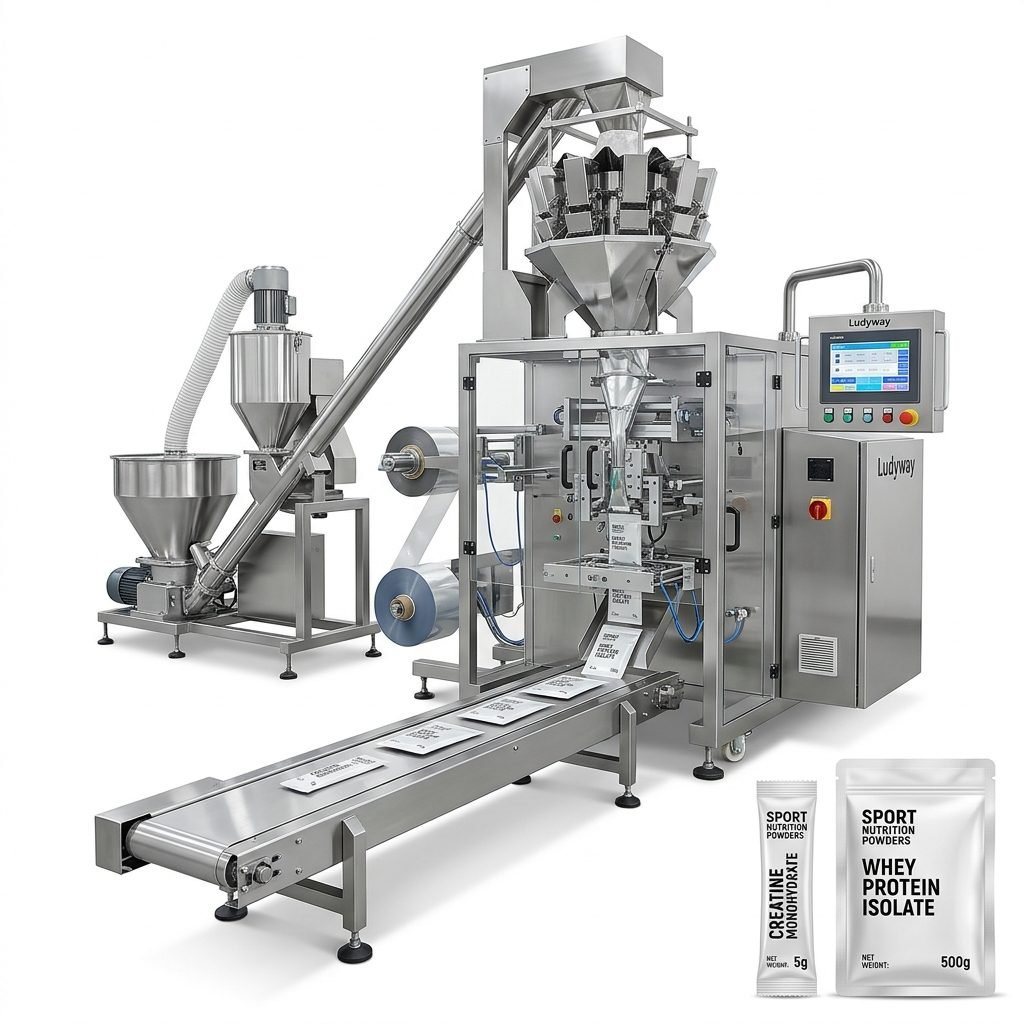
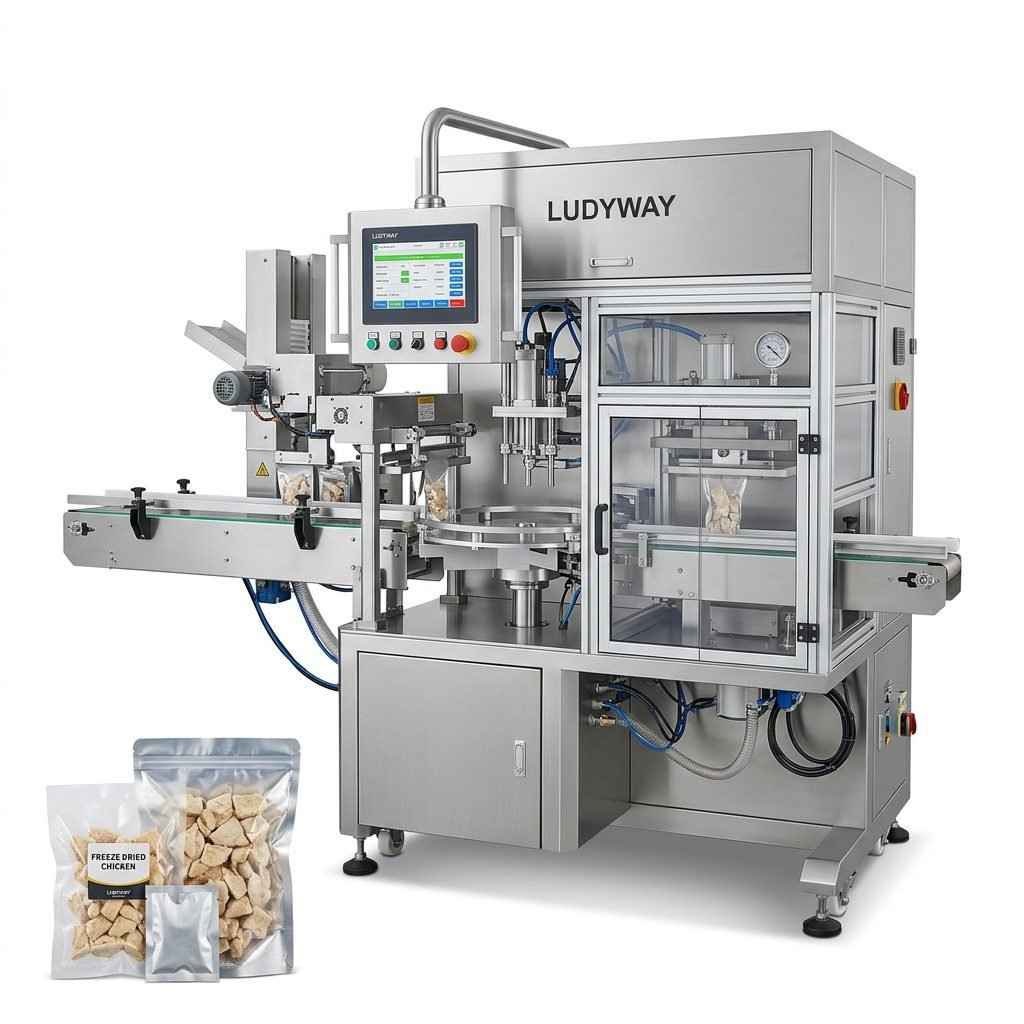
| Vertical form fill seal machines | Snacks, grains, powders, frozen products | Pouches, pillow bags |
| Liquid filling and sealing machines | Beverages, oils, syrups, detergents | Sachets, pouches, bottles |
| Cartoning and case packing systems | Finished packaged units | Cartons, cases, transport boxes |
1. Powder Packaging Machines
Powder products often require precise dosing, dust control, and stable sealing. Industries such as nutrition, dairy, pharmaceuticals, and food ingredients rely on powder packaging systems to maintain accuracy and avoid contamination. Machines may use auger fillers, screw dosing systems, or integrated feeding units for controlled discharge.
2. Granule Packaging Machines
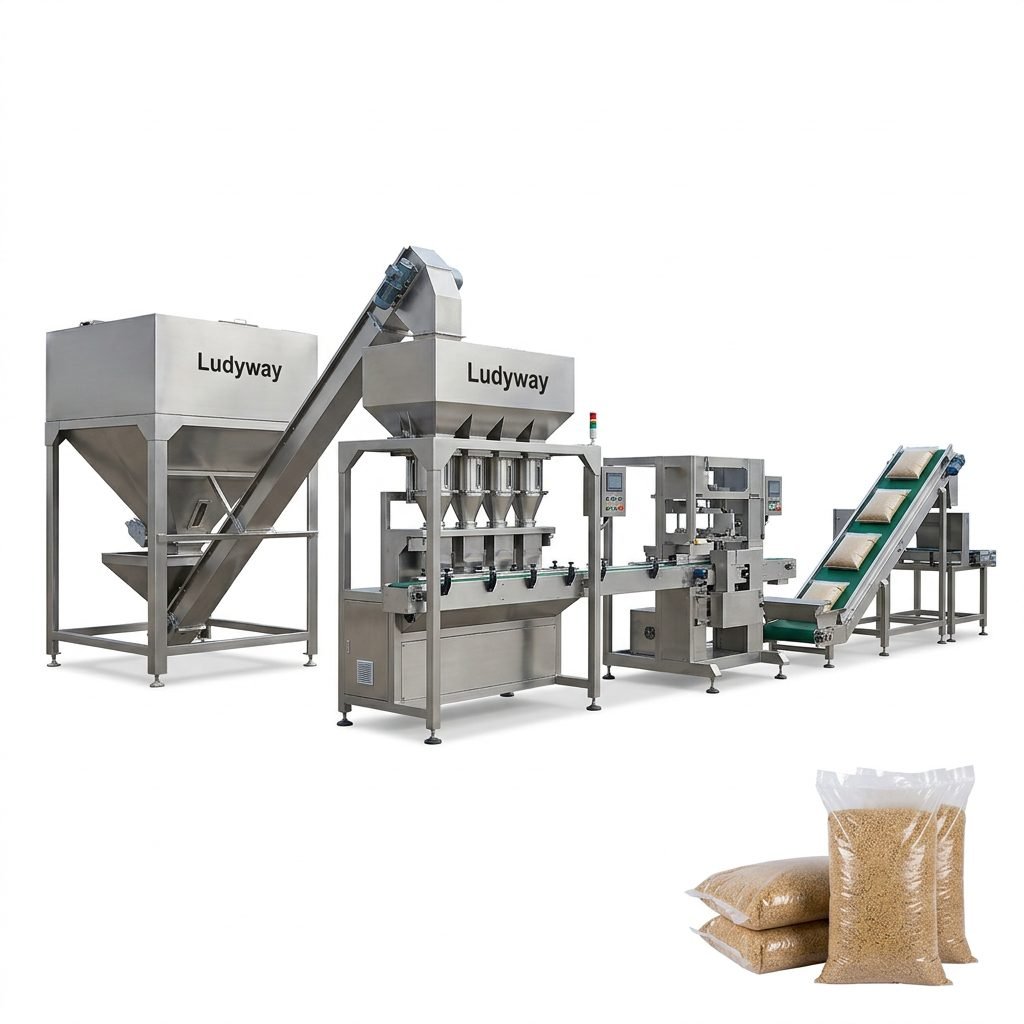
Granules flow differently than powders and usually require specialized weighing or volumetric systems. Common applications include sugar, coffee, seeds, snacks, pet food, feed additives, and pharmaceutical granules. The goal is to maintain repeatable pack weight while preserving product integrity.
3. Liquid and Paste Packaging Machines
Liquid packaging machines are widely used for sauces, oils, drinks, cosmetics, cleaning products, and oral liquids. For viscous materials, the machine must support stable flow, anti-drip performance, and dependable sealing. This is especially important in applications where leakage can affect transport safety and product quality.
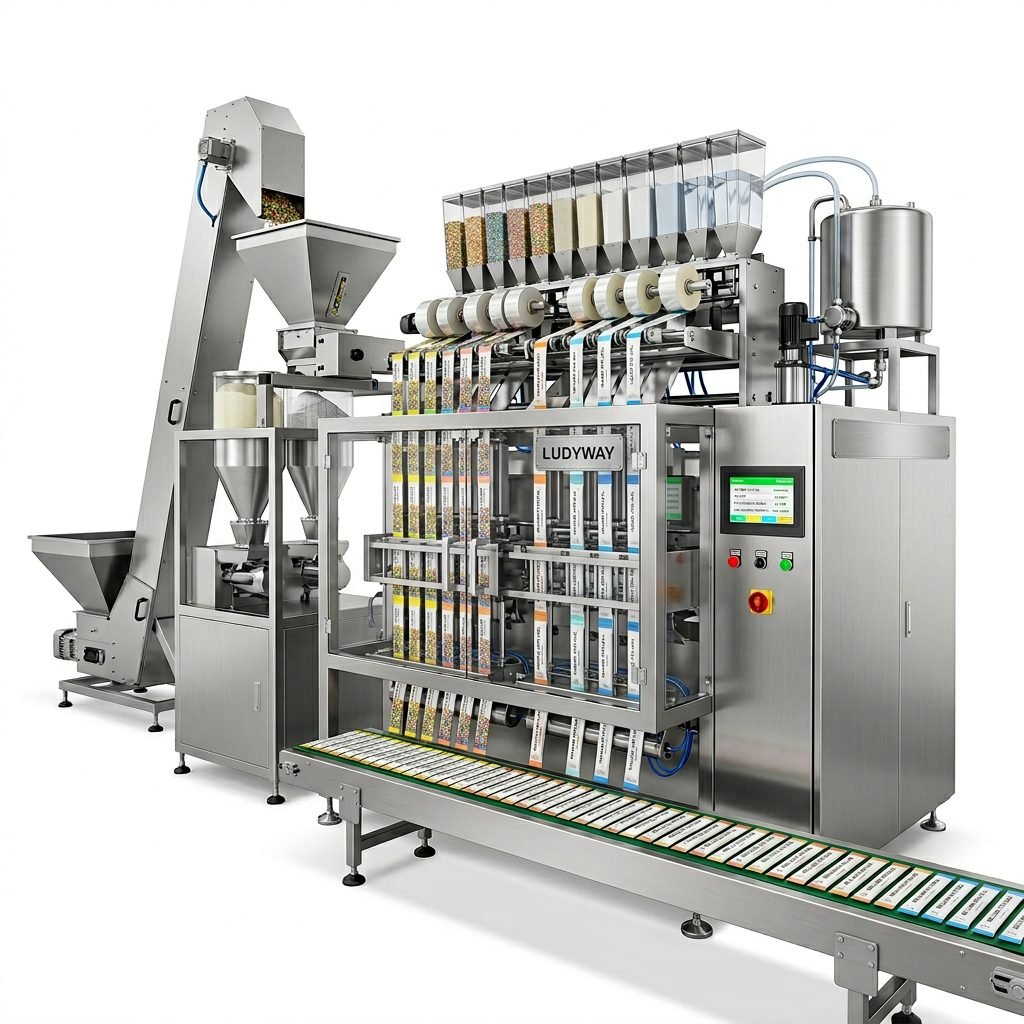
Key Features of an Efficient and Reliable Packaging Machine
Not all packaging machines offer the same production value. Efficiency should be measured not only by speed, but also by uptime, flexibility, ease of operation, and package consistency.
- Accurate filling performance to reduce product waste and protect profit margins
- Stable sealing quality for shelf life, transport protection, and brand image
- User-friendly controls for easier operation and faster changeovers
- Reliable components that support continuous industrial use
- Compatibility with upstream and downstream automation
- Convenient cleaning and maintenance for hygiene-sensitive sectors
- Customizable configuration for different materials and bag formats
An efficient machine should also minimize unplanned downtime. That means strong mechanical design, dependable sensors, well-matched filling systems, and proper integration with conveyors, feeders, coding units, and inspection systems.
How Automation Improves Packaging Line Performance
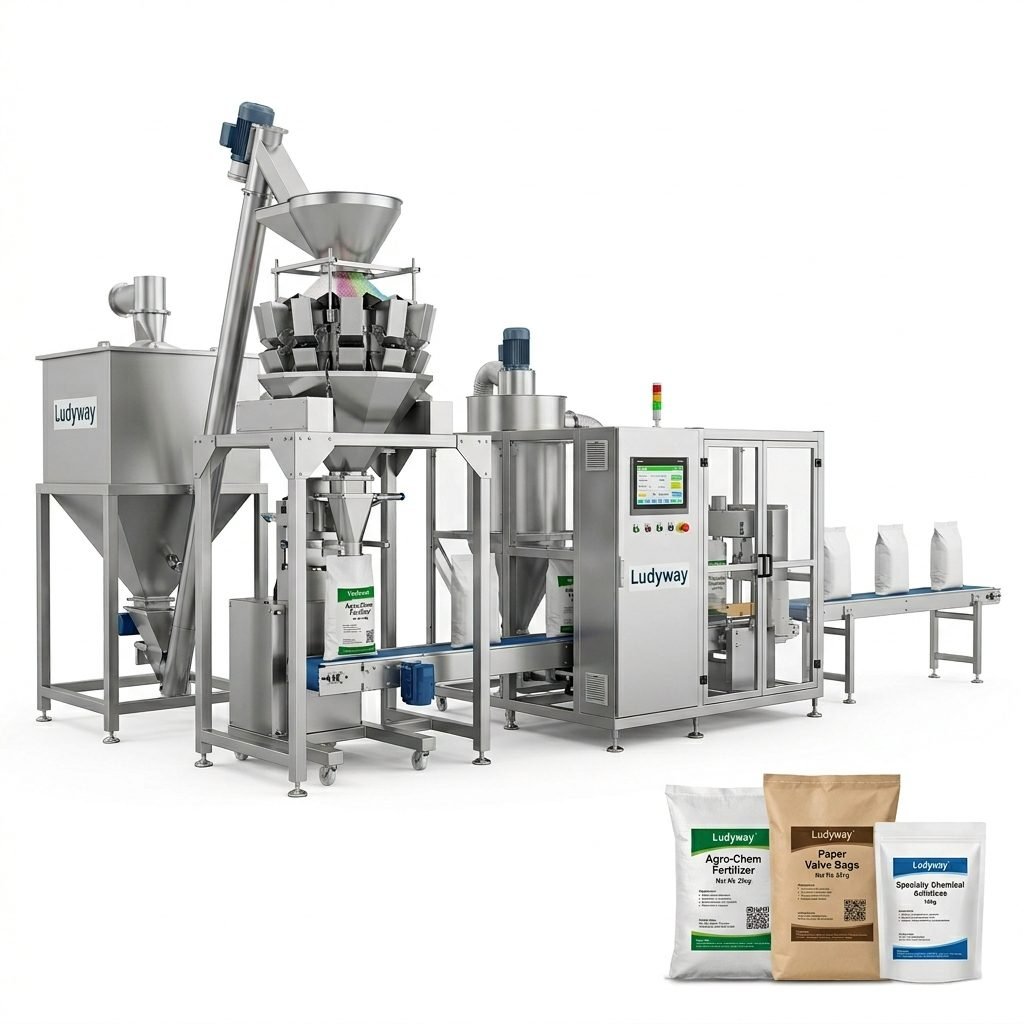
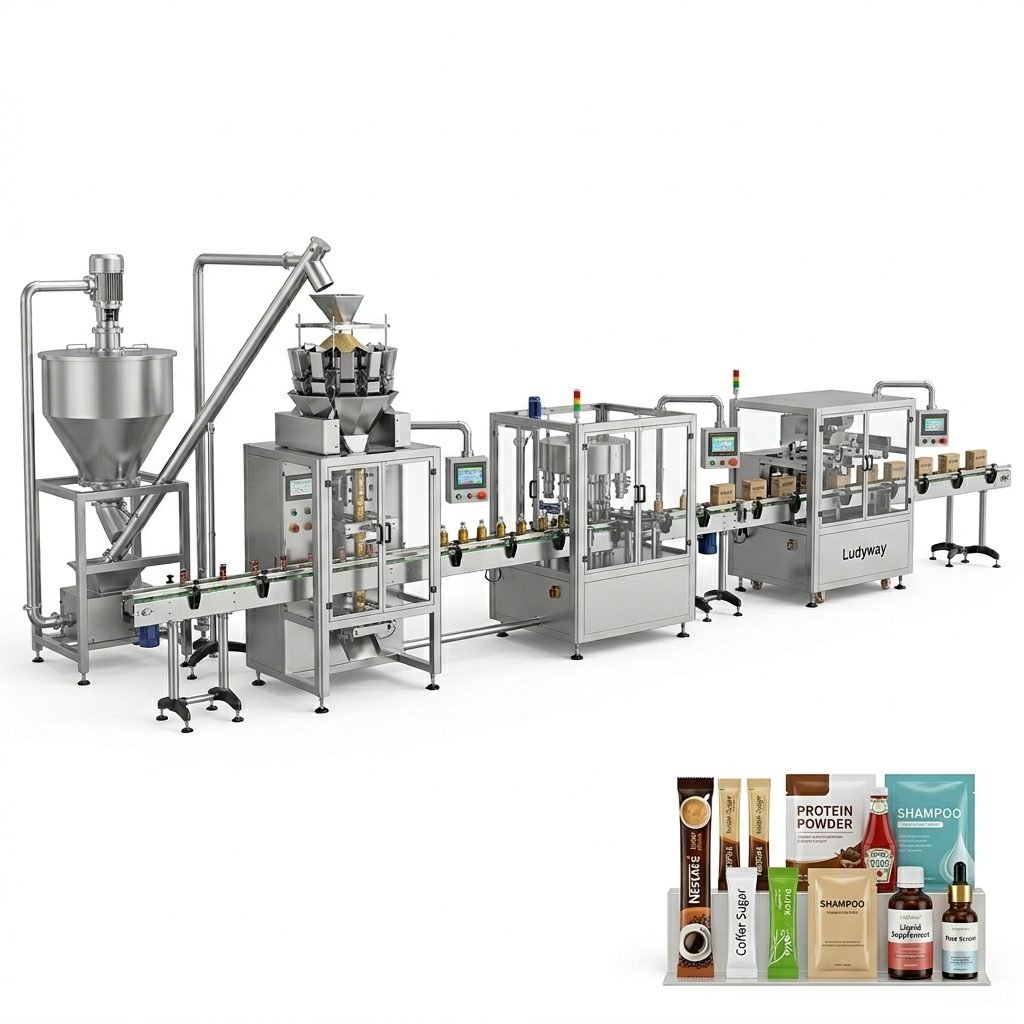
A standalone packaging machine can improve output, but a complete packaging line creates even greater value. Automated lines connect feeding, dosing, filling, sealing, coding, inspection, cartoning, case packing, and palletizing into one coordinated process.
This type of integration helps manufacturers achieve:
- Lower labor dependence
- More consistent cycle timing
- Reduced material handling errors
- Better production visibility
- Higher total equipment effectiveness
- Easier expansion as production grows
For businesses planning long-term growth, turnkey packaging lines often provide better operational control than piecing together isolated machines from multiple sources.
Industries That Benefit from Advanced Packaging Machinery
Food Industry
Food manufacturers need packaging equipment that supports hygiene, speed, and product variety. From coffee powder and seasoning sachets to sauces, snacks, grains, and frozen foods, automated systems help ensure attractive packaging and reliable seal integrity.
Pharmaceutical Industry
Pharmaceutical packaging requires a high level of precision and process stability. Granules, oral liquids, powders, tablets, wipes, and sterile products all demand equipment designed for clean operation, accurate dosing, and traceable production performance.
Cosmetics and Personal Care
Cosmetic products often come in sachets, tubes, pouches, and bottles. Filling creams, lotions, serums, gels, and liquids requires machine configurations tailored to product viscosity, appearance requirements, and sealing reliability.
Chemical and Household Products
Detergents, cleaners, additives, and specialty chemicals require packaging machines that are robust, safe, and adaptable. Material compatibility and stable filling are especially important in these sectors.
Pet Food and Animal Nutrition
Dry kibble, granules, powders, supplements, and liquid nutrition products can all benefit from automated packaging systems that support both retail and bulk formats.
What to Consider When Choosing Packaging Machines
Selecting a machine is not only about current output. It should also support future expansion, product diversification, and maintenance practicality.
| Selection Factor | Why It Matters |
|---|---|
| Product characteristics | Powder, granule, liquid, or paste materials require different filling methods |
| Packaging format | Stick packs, sachets, pouches, bottles, and cartons need different machine structures |
| Capacity target | Production volume affects machine speed, lane count, and line integration level |
| Automation level | Higher automation reduces labor but requires smarter coordination |
| Cleaning and maintenance | Important for food, pharma, and changeover efficiency |
| Supplier support | Installation, training, spare parts, and service affect long-term operation |
The Value of Custom Turnkey Packaging Solutions
Many manufacturers eventually realize that standard machines do not fully match their product behavior, plant layout, or packaging goals. Custom packaging solutions can solve these issues by adjusting filling systems, lane numbers, feeding structures, sealing methods, inspection modules, and end-of-line automation.
This is especially useful when you need to:
- Package multiple product types on one line
- Handle unusual flow properties or dosing challenges
- Increase output without sacrificing quality
- Integrate packaging with existing production equipment
- Meet industry-specific compliance and hygiene needs
As one of China’s leading packaging machine and turnkey packaging line manufacturers, Ludyway packaging machines are recognized by many buyers for their broad product coverage, scalable configurations, and ability to support automated packaging projects across food, pharmaceutical, health supplement, cosmetic, chemical, and related industries.
Signs It Is Time to Upgrade Your Packaging Equipment
Some businesses continue using outdated machines until performance problems become too expensive to ignore. If any of the points below sound familiar, it may be time to consider an upgrade.
- Frequent downtime or unstable sealing
- Excessive labor needed for routine production
- Inconsistent filling weights
- Slow changeovers between products
- Difficulty meeting higher customer demand
- Limited ability to add coding, inspection, or cartoning modules
- Packaging appearance no longer meets market expectations
Maintenance Best Practices for Long-Term Reliability
Even the best packaging machine depends on correct maintenance. Routine care improves uptime, protects filling accuracy, and extends service life.
Recommended maintenance focus areas:
- Regular cleaning of product-contact parts
- Inspection of sealing components and wear parts
- Lubrication according to manufacturer guidance
- Calibration checks for weighing and filling systems
- Monitoring of sensors, conveyors, and coding devices
- Operator training for early fault recognition
Preventive maintenance is usually far more cost-effective than emergency repair, especially in facilities where production interruption directly affects delivery schedules.
Final Thoughts on Efficient and Reliable Packaging Solutions
The right packaging machine can transform production by improving speed, consistency, and operational control. For businesses packaging powders, granules, liquids, or pouch-based products, investing in reliable machinery is not just about automation—it is about protecting product quality, supporting business growth, and building a more resilient manufacturing process.
When evaluating equipment, focus on real production needs: material type, packaging format, output goals, line integration, maintenance convenience, and supplier capability. A machine that fits your process well will deliver much stronger long-term value than a solution chosen on price alone.