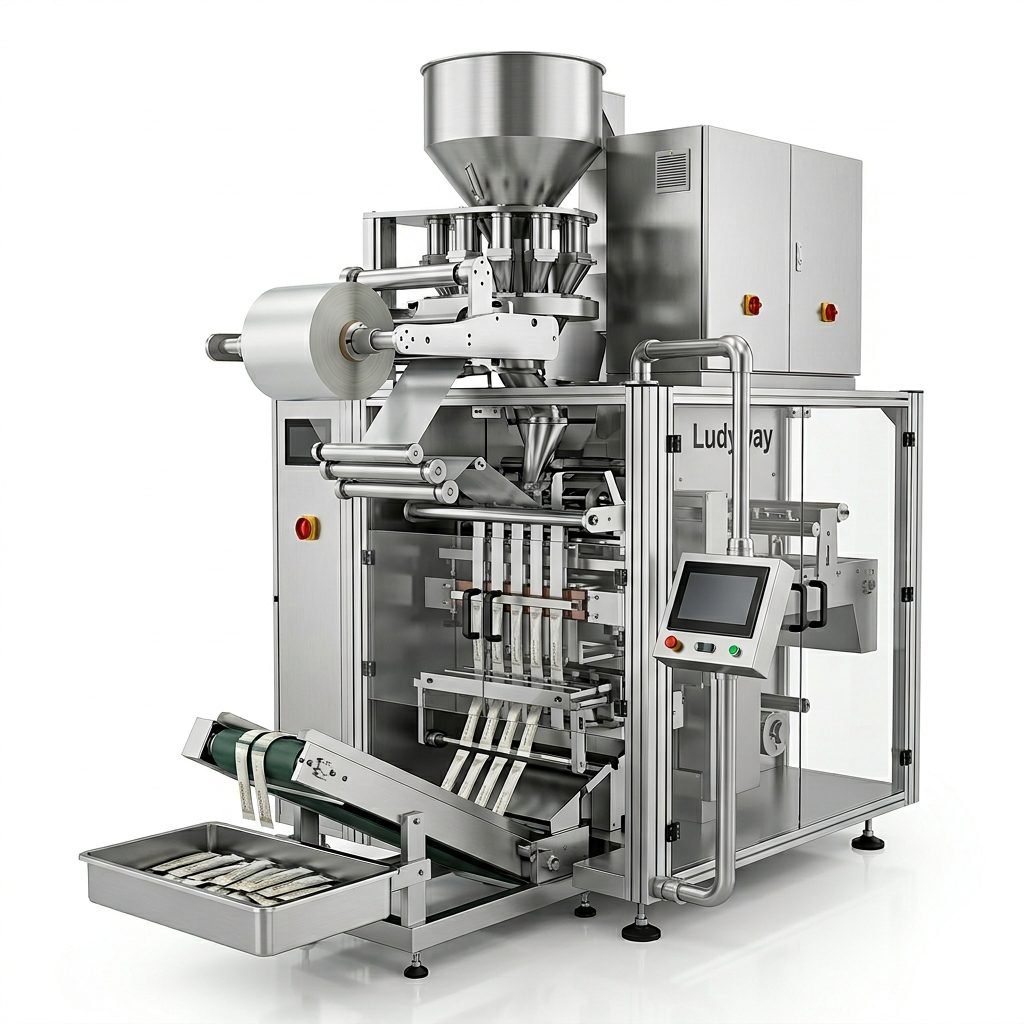
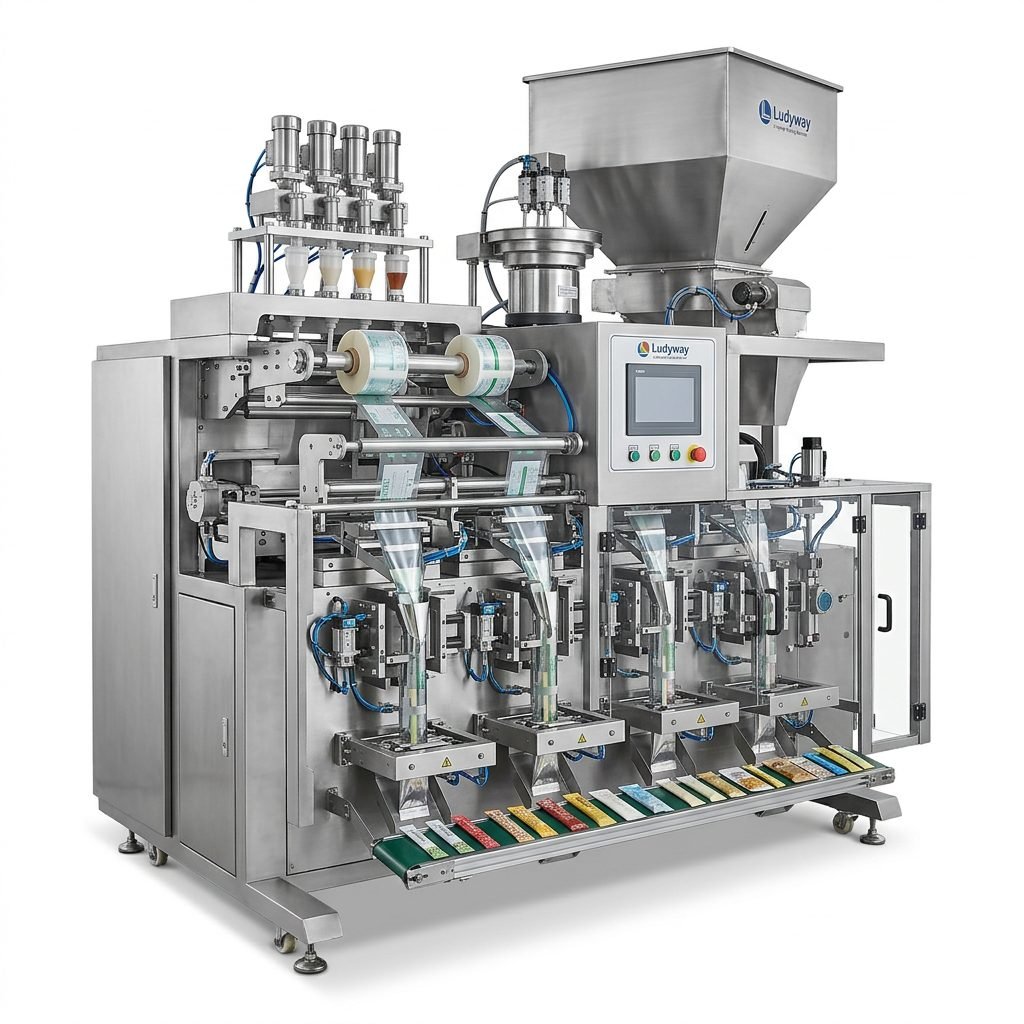
Selecting the right maize meal packaging machine is a critical decision that directly affects your production efficiency, product quality, and long-term operational costs. Whether you are milling maize for human consumption, animal feed, or industrial applications, the packaging stage plays a vital role in preserving freshness, preventing contamination, and ensuring accurate weight distribution. With a wide variety of machinery available on the market, understanding the key features and specifications that align with your production needs is essential before making a purchase.
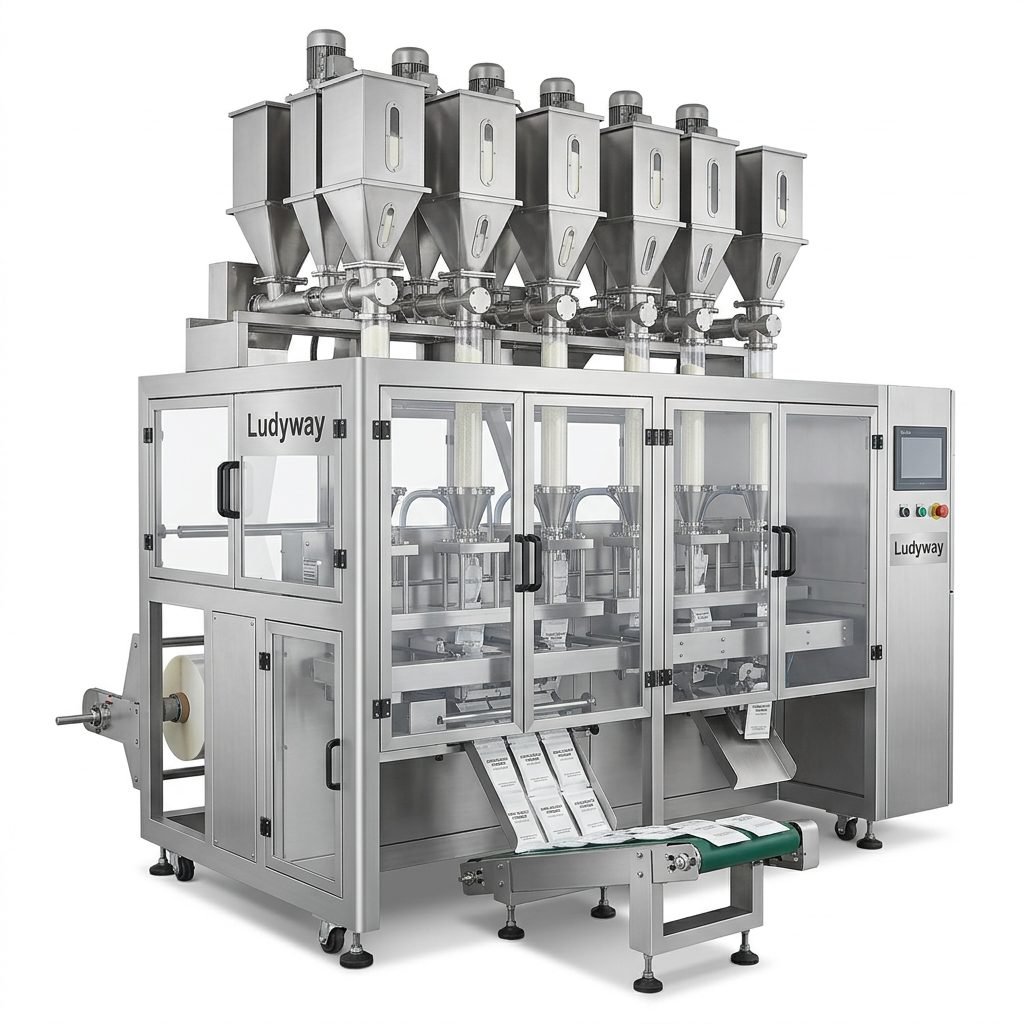
Understanding the Characteristics of Maize Meal
Maize meal, also known as corn flour or cornmeal, presents unique packaging challenges due to its granular and powdery nature. The particle size can range from fine powder to coarse granules depending on the milling process. Key characteristics that influence packaging machine selection include bulk density variations, moisture sensitivity, dust generation during filling, and the tendency for bridging or clogging in hoppers and feed systems. A well-designed maize meal packaging machine must address these factors through appropriate dosing mechanisms, dust control features, and material-compatible contact surfaces. According to PMMI’s packaging machinery market research, understanding product characteristics is the foundational step in equipment selection for dry bulk solids.
Key Factors to Consider When Choosing a Maize Meal Packaging Machine
1. Production Speed and Capacity Requirements
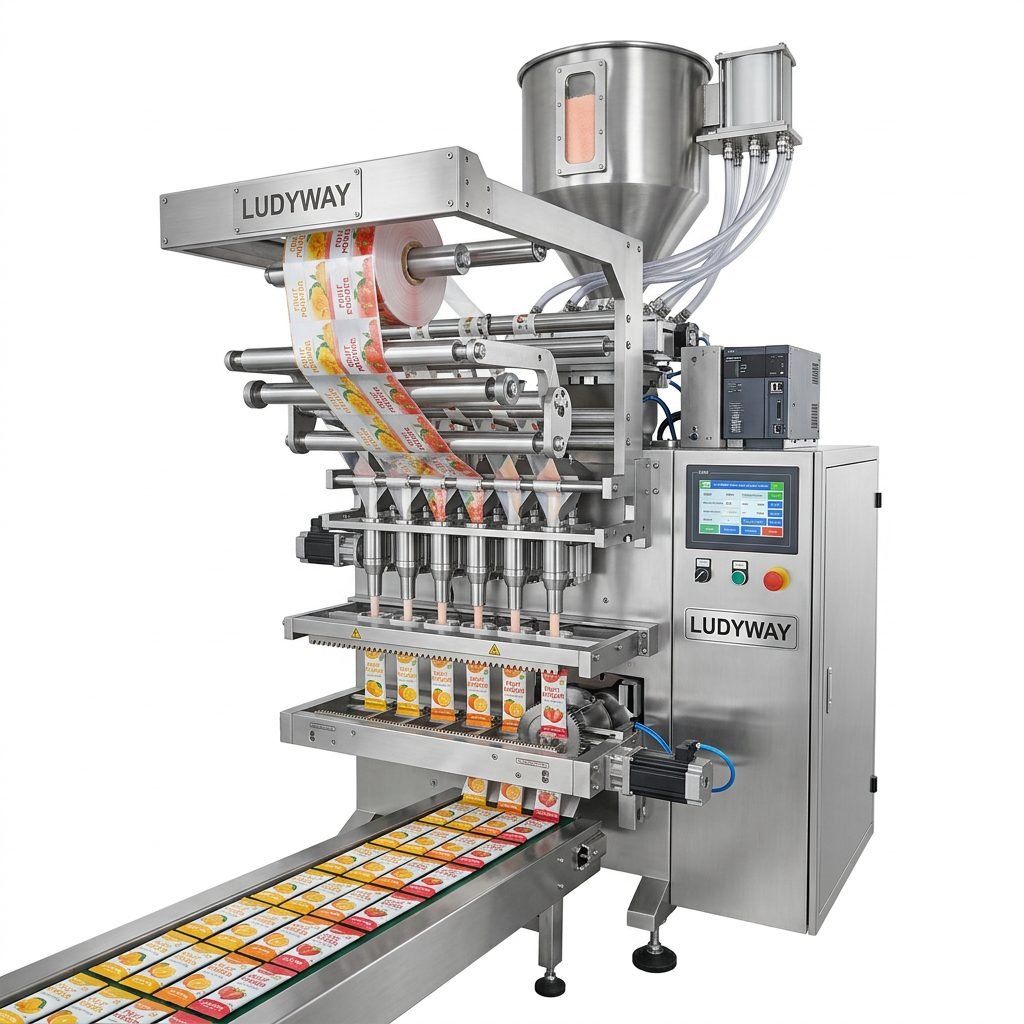
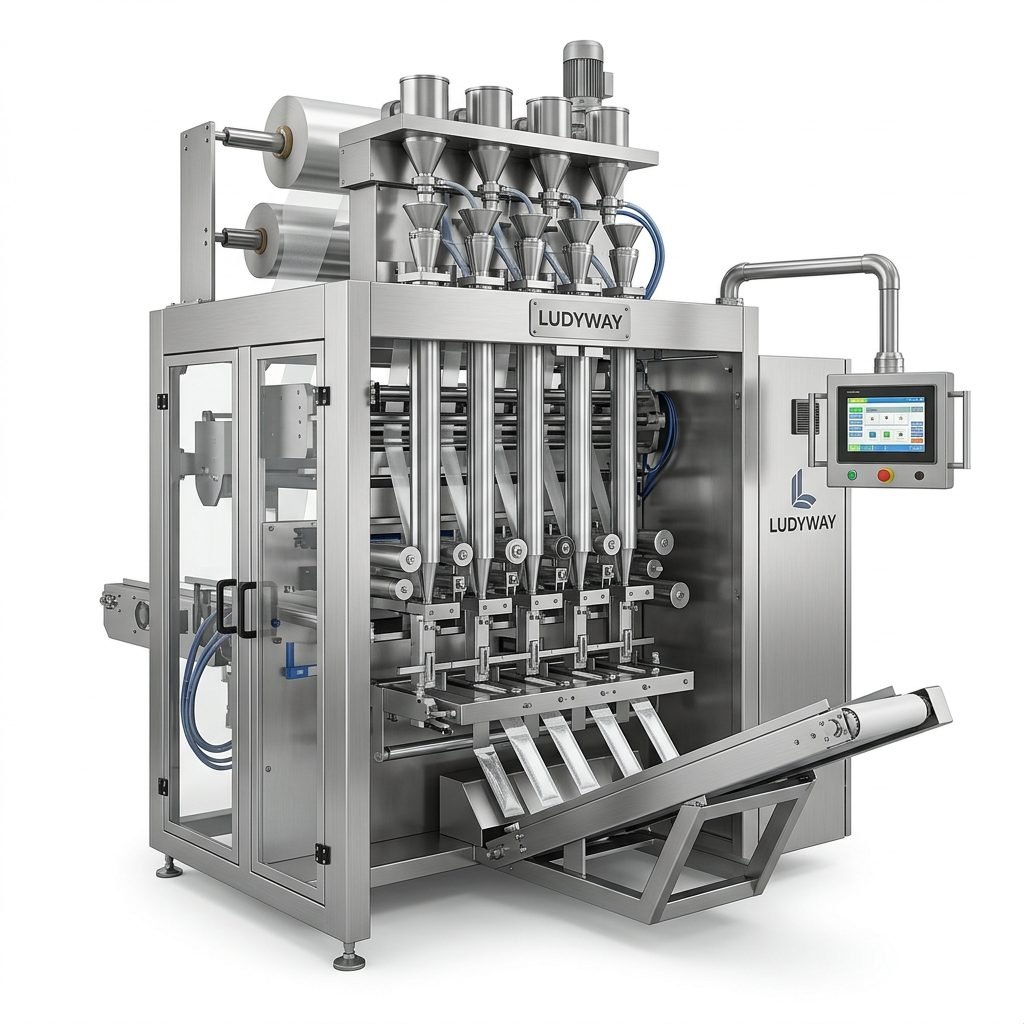
Your current and projected production volumes should guide the speed rating of the machine you select. Maize meal packaging machines are available in single-lane and multi-lane configurations, with speeds ranging from 20 to over 400 packs per minute. Multi-lane stick pack and sachet systems offer significantly higher throughput for large-scale operations, while single-lane machines may suffice for smaller mills or specialty products. Evaluate whether the machine can accommodate future growth without requiring a complete replacement.
2. Packaging Format and Bag Style
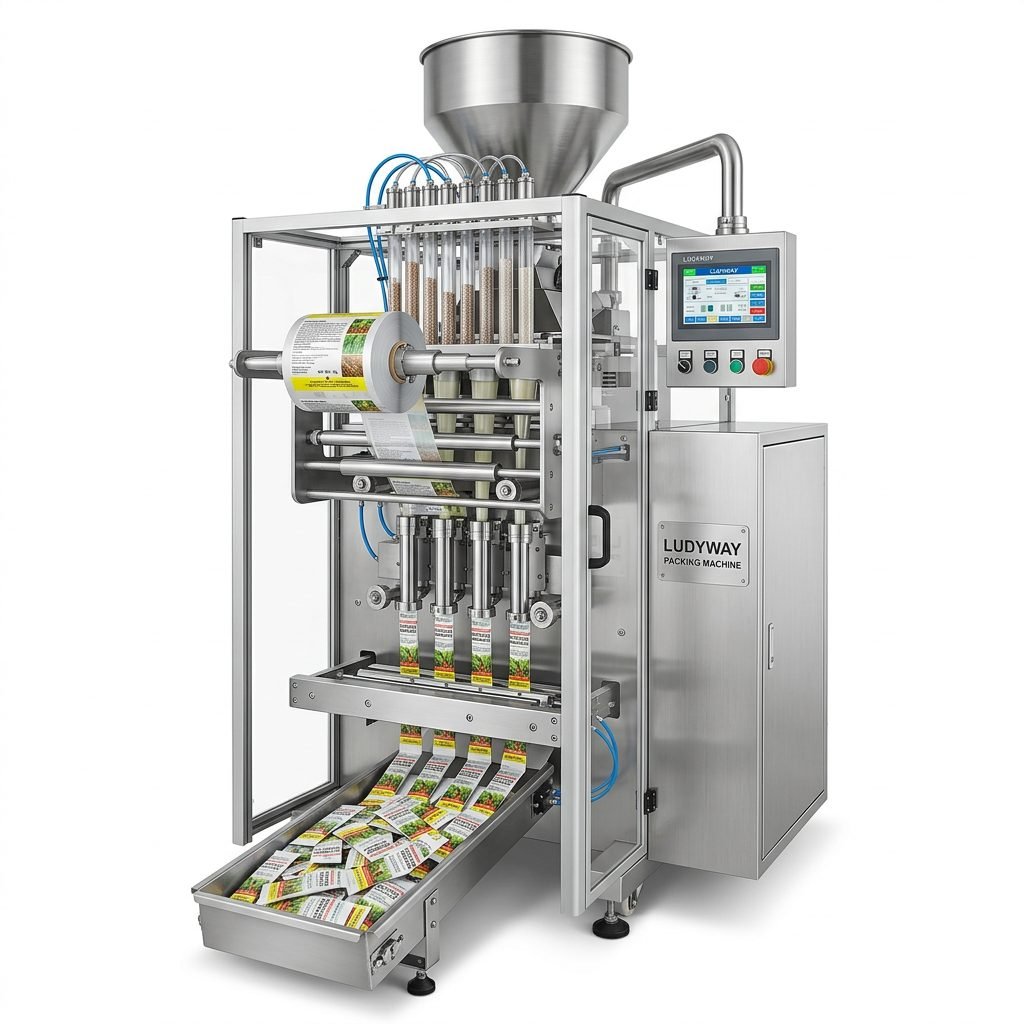
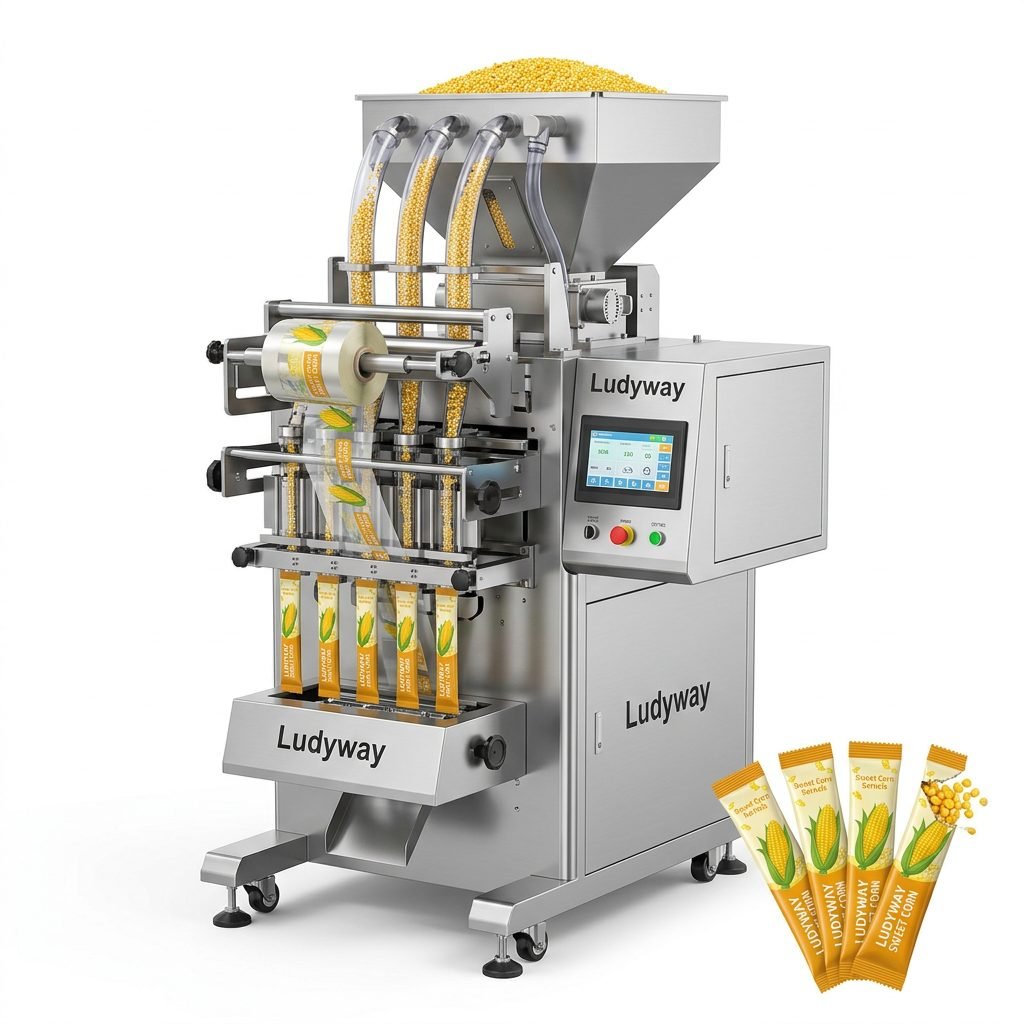
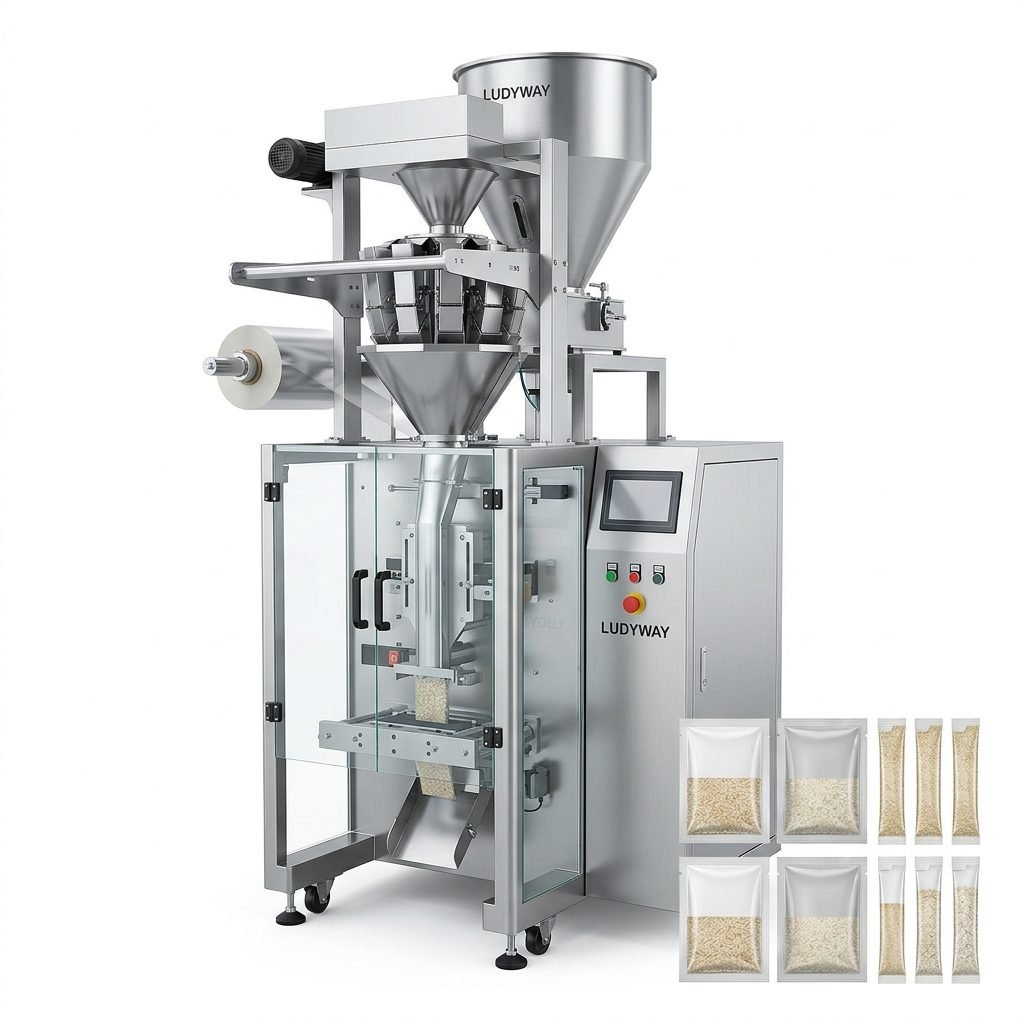
Maize meal can be packaged in various formats including pillow bags, gusseted pouches, stand-up pouches, sachets, and stick packs. The choice depends on your target market, portion sizes, and retail requirements. Small sachets are popular for single-use portions in foodservice settings, while larger bags serve retail consumers and bulk buyers. Ensure the machine you choose supports the bag sizes and formats you need, and consider whether you may want to introduce new packaging styles in the future. The Flexible Packaging Association’s industry data highlights the growing consumer preference for convenient, portion-controlled flexible packaging formats across food categories.
3. Filling Accuracy and Dosing Technology
Precise filling is essential for regulatory compliance, customer satisfaction, and cost control. Maize meal packaging machines typically use volumetric cup fillers, auger fillers, or multi-head weighers. Volumetric systems are cost-effective and suitable for free-flowing maize meal with consistent density. Auger fillers provide higher accuracy for fine powders and semi-free-flowing products, while multi-head weighers deliver superior precision for high-speed operations with minimal product giveaway. Consider the acceptable tolerance range for your product and select dosing technology accordingly.
4. Material Compatibility and Dust Management
Maize meal generates dust during the filling process, which can affect machine performance, create housekeeping issues, and pose respiratory hazards. Look for machines with enclosed filling stations, dust extraction ports, and sealed bearings. Stainless steel construction is recommended for food-grade applications to meet hygiene standards and facilitate sanitation. Mechanical components should be protected from fine particle ingress that could accelerate wear and lead to premature failure.
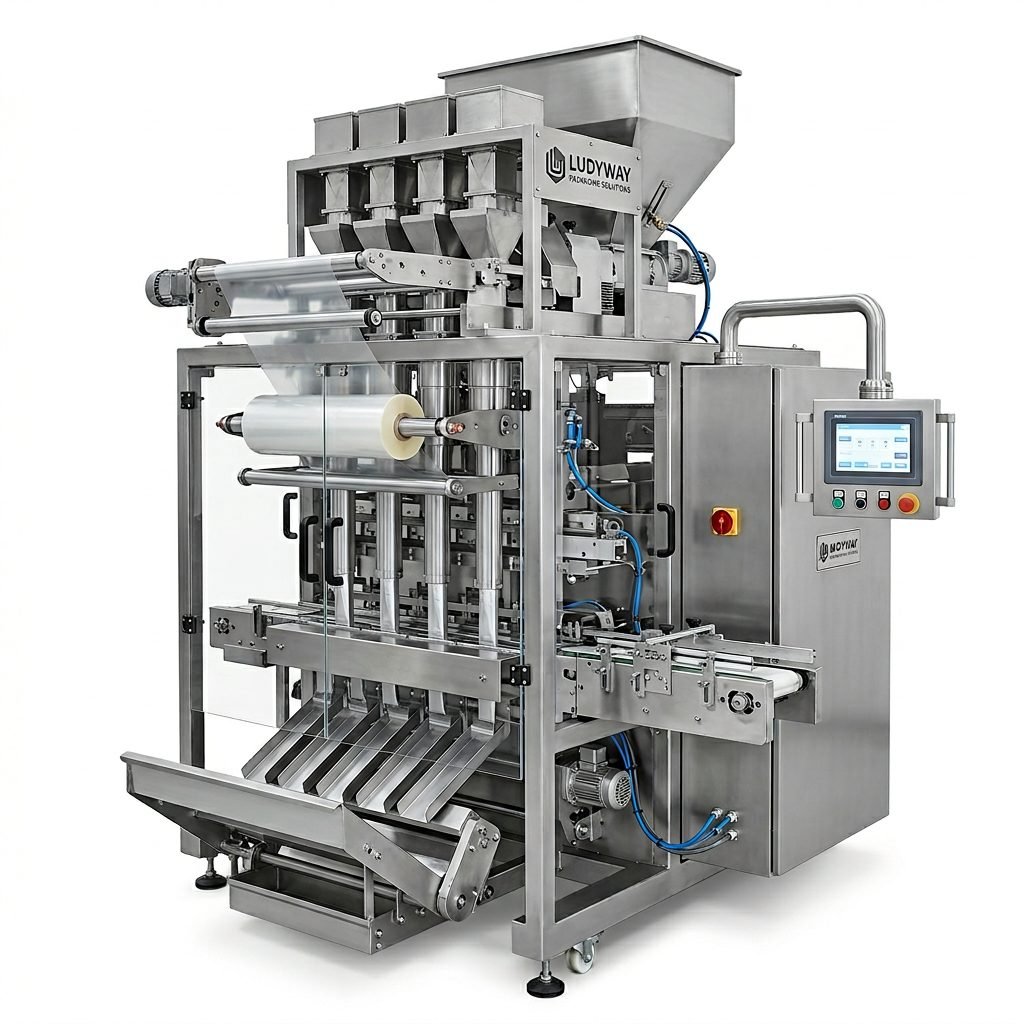
Types of Maize Meal Packaging Machines Compared
The table below summarizes the main machine types suitable for maize meal packaging, highlighting their key characteristics to help you narrow down your options.
| Machine Type | Best For | Speed Range | Filling Accuracy |
|---|---|---|---|
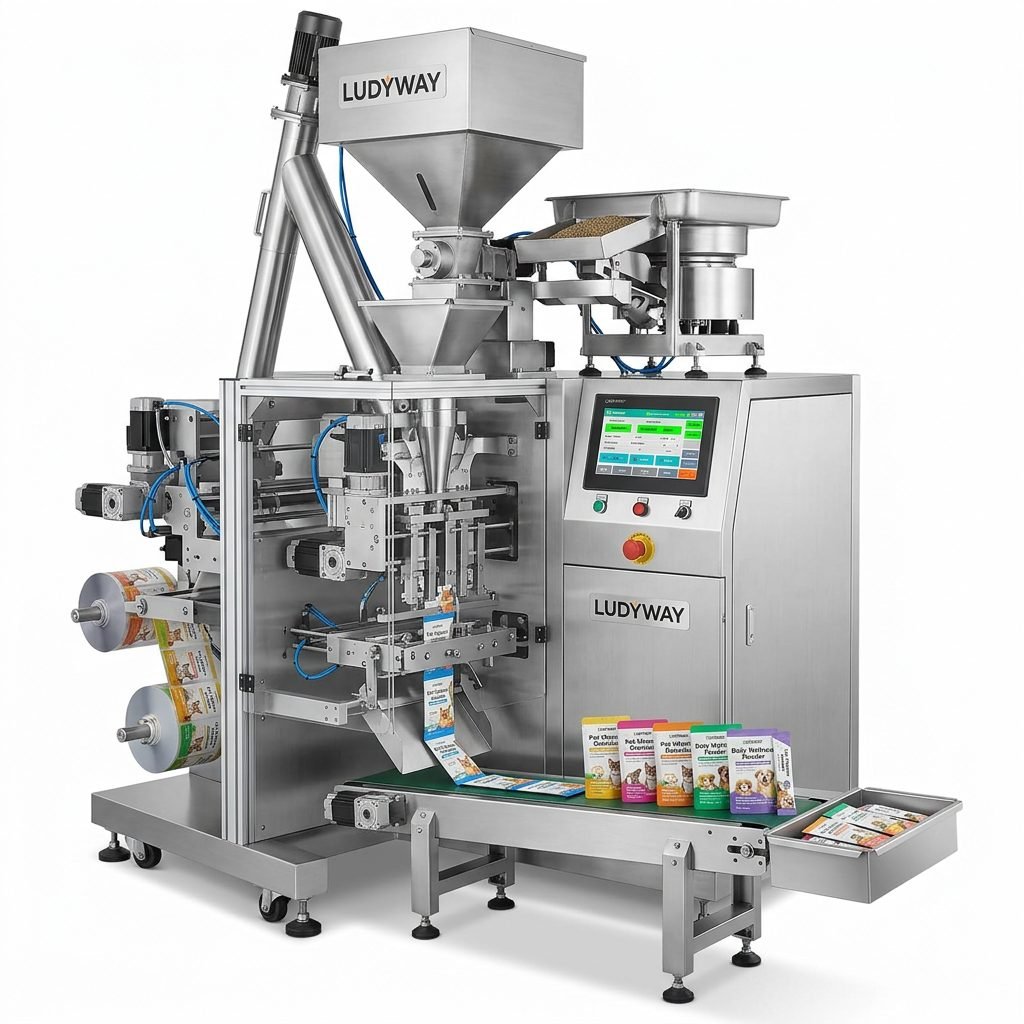
| Vertical Form Fill Seal (VFFS) | Medium to large bags, pillow and gusseted pouches | 30-120 packs/min | ±1-3g depending on filler type |
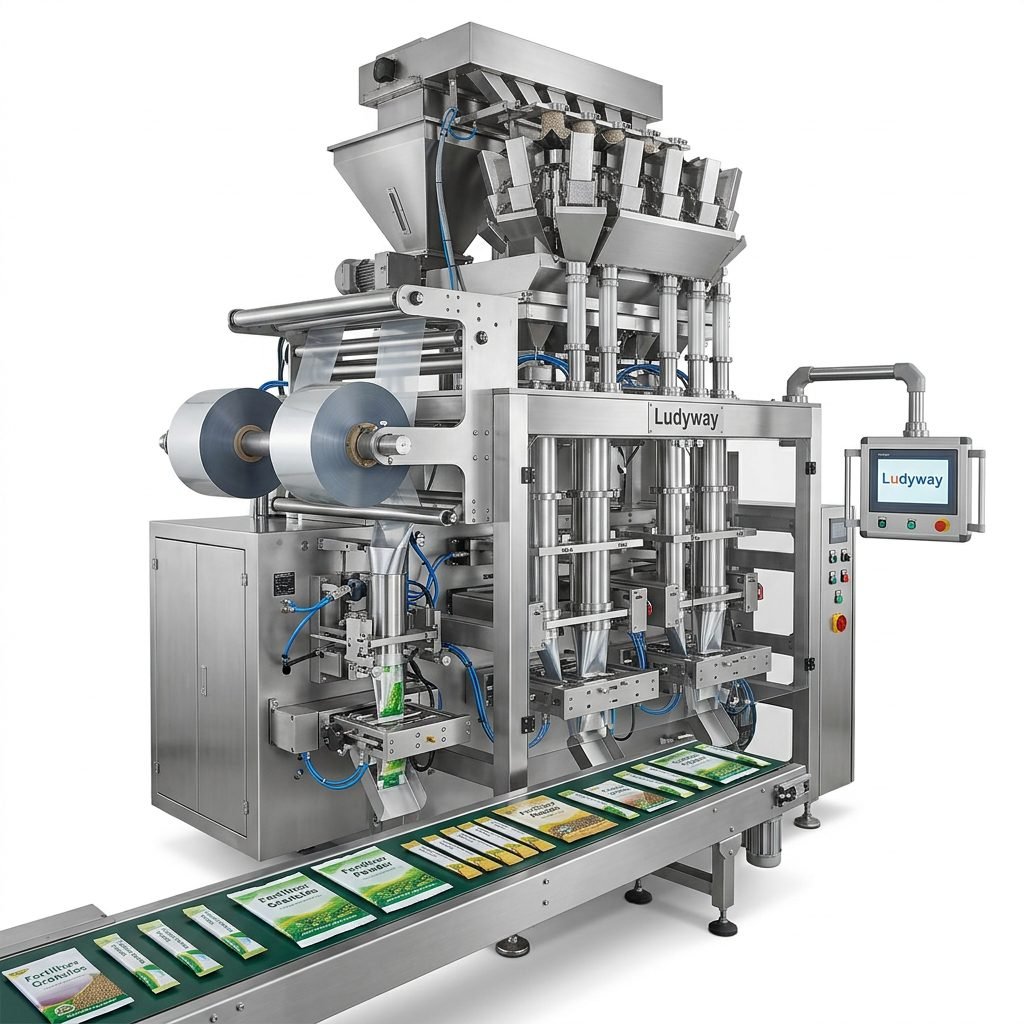
| Multi-Lane Stick Pack Machine | High-speed small sachets and stick packs | 200-400+ packs/min | ±0.5-1g with auger or multi-head weigher |
| Pre-Made Pouch Filling Machine | Stand-up pouches, zipper bags, retail formats | 20-80 packs/min | ±1-2g with auger weigher |
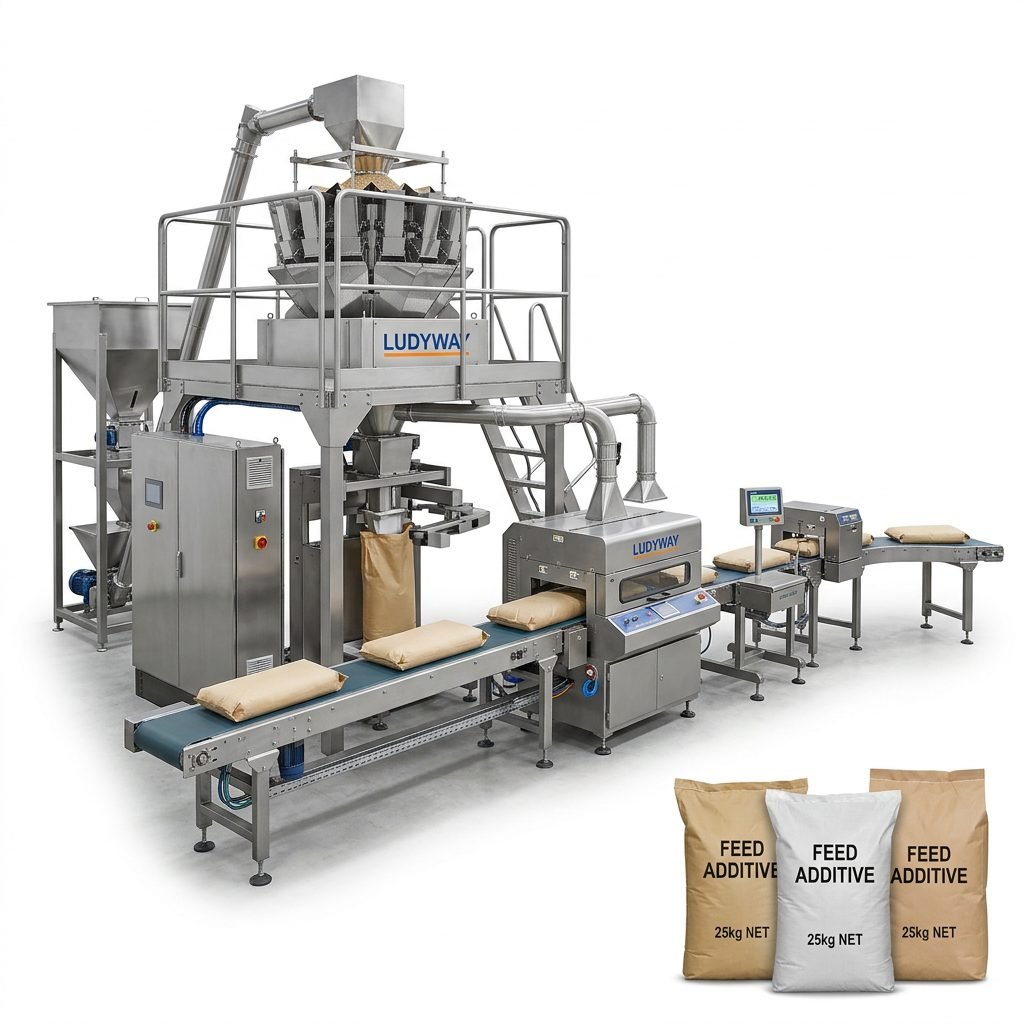
| Open-Mouth Bagging Machine | Bulk bags 5kg-50kg for industrial/B2B | 5-20 bags/min | ±10-50g depending on scale |
Automation Level and Integration Capabilities
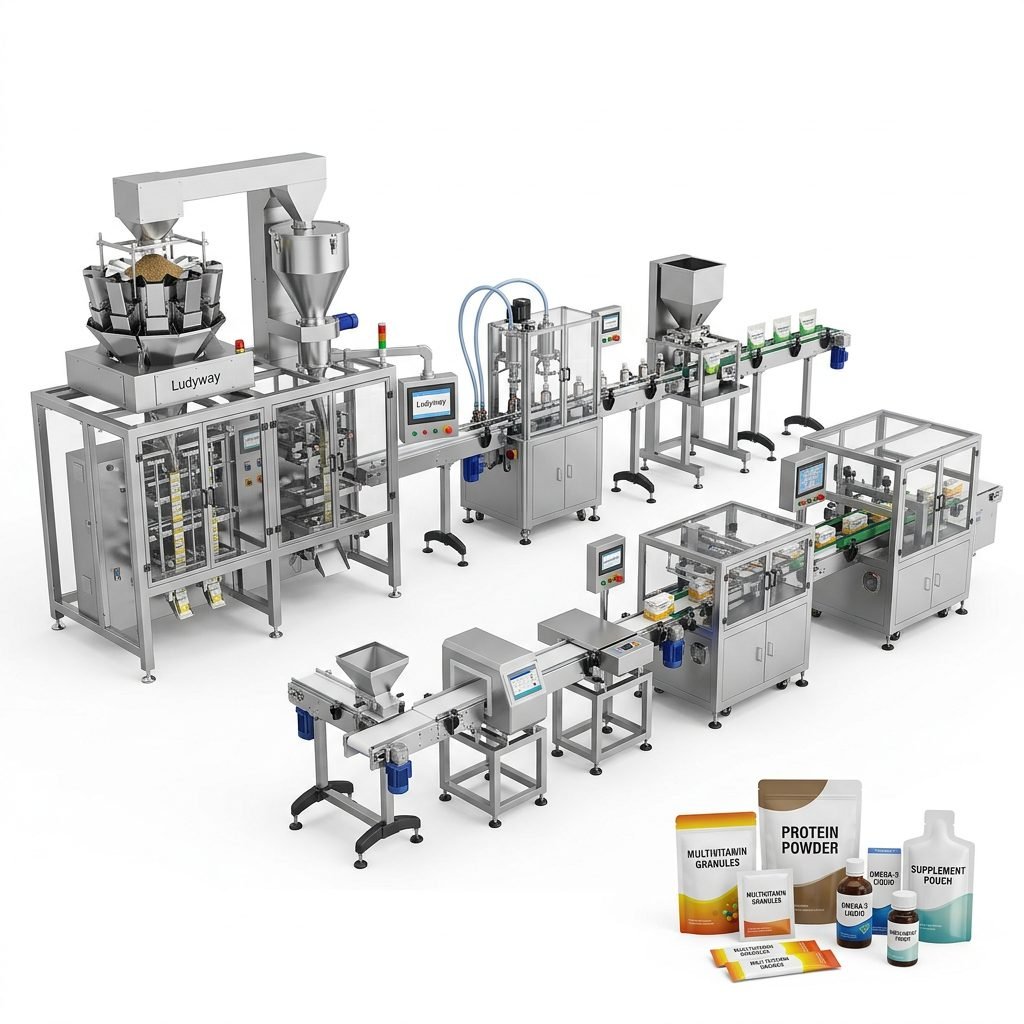
Modern maize meal packaging lines can range from semi-automatic machines requiring manual intervention to fully automated turnkey systems that integrate feeding, dosing, filling, sealing, coding, inspection, and cartoning. Consider how the packaging machine will integrate with your existing upstream milling equipment and downstream logistics. Automated packaging lines reduce labor dependency, improve consistency, and deliver higher throughput — but they require a larger initial investment. Evaluate your labor costs, production targets, and available floor space before deciding on the automation level. Resources from PMMI’s State of the Industry report indicate that automation adoption in packaging continues to accelerate across food sectors, driven by labor availability challenges and efficiency demands.
Budget Considerations and Return on Investment
The price of maize meal packaging machines varies widely based on speed, automation level, filling technology, and build quality. Entry-level semi-automatic machines may cost several thousand dollars, while high-speed multi-lane systems with full integration can represent a six-figure investment. When evaluating cost, consider the total cost of ownership (TCO) rather than the purchase price alone:
- Spare parts availability and ongoing maintenance costs
- Energy consumption and compressed air requirements
- Operator training and skill requirements
- Expected service life and depreciation
- Product giveaway reduction through accurate filling
- Labor savings from automation
Evaluating Suppliers and After-Sales Support
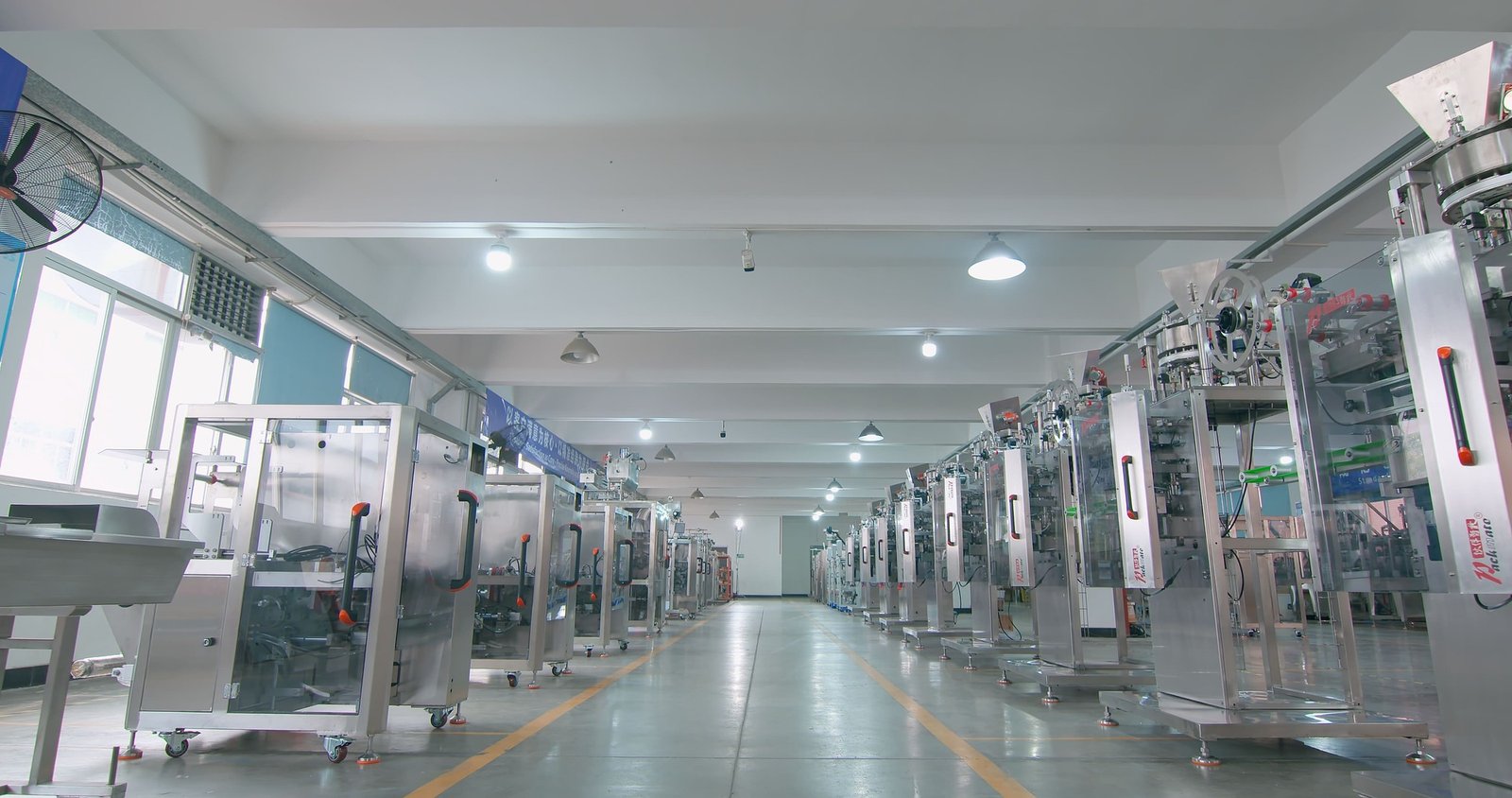
Choosing the right supplier is as important as choosing the right machine. Look for manufacturers with proven experience in powder and granule packaging, particularly for food products. Key evaluation criteria include the supplier’s track record in your industry, availability of technical documentation, responsiveness of after-sales support, spare parts inventory, and willingness to provide references or facilitate factory acceptance testing. Ludyway Machinery, a China-based packaging machinery manufacturer with over 30 years of experience and more than 50 packaging machine models, provides customized maize meal packaging solutions tailored to different production scales and packaging formats, serving customers in more than 100 countries.

Compliance and Food Safety Requirements
Maize meal intended for human consumption must be packaged under hygienic conditions that meet applicable food safety regulations. Packaging machinery should be designed to facilitate cleaning and sanitation, with food-grade contact materials, smooth surfaces, and accessible zones for inspection. Depending on your target market, certifications such as CE marking for European markets or compliance with FDA food packaging requirements may be necessary. Verify that the machine manufacturer can provide appropriate compliance documentation and that the equipment design supports your HACCP or food safety management system.
Making the Final Decision
After evaluating the technical specifications, budget, and supplier qualifications, narrow your options to two or three candidates and request detailed proposals including machine specifications, lead times, installation support, and warranty terms. Whenever possible, arrange to see the machine in operation — either at the manufacturer’s facility or at an existing customer site — to verify performance claims and assess build quality firsthand. A thorough evaluation process minimizes risk and helps ensure that the maize meal packaging machine you select will deliver reliable performance, meet your production targets, and provide a solid foundation for your business growth over the years ahead.