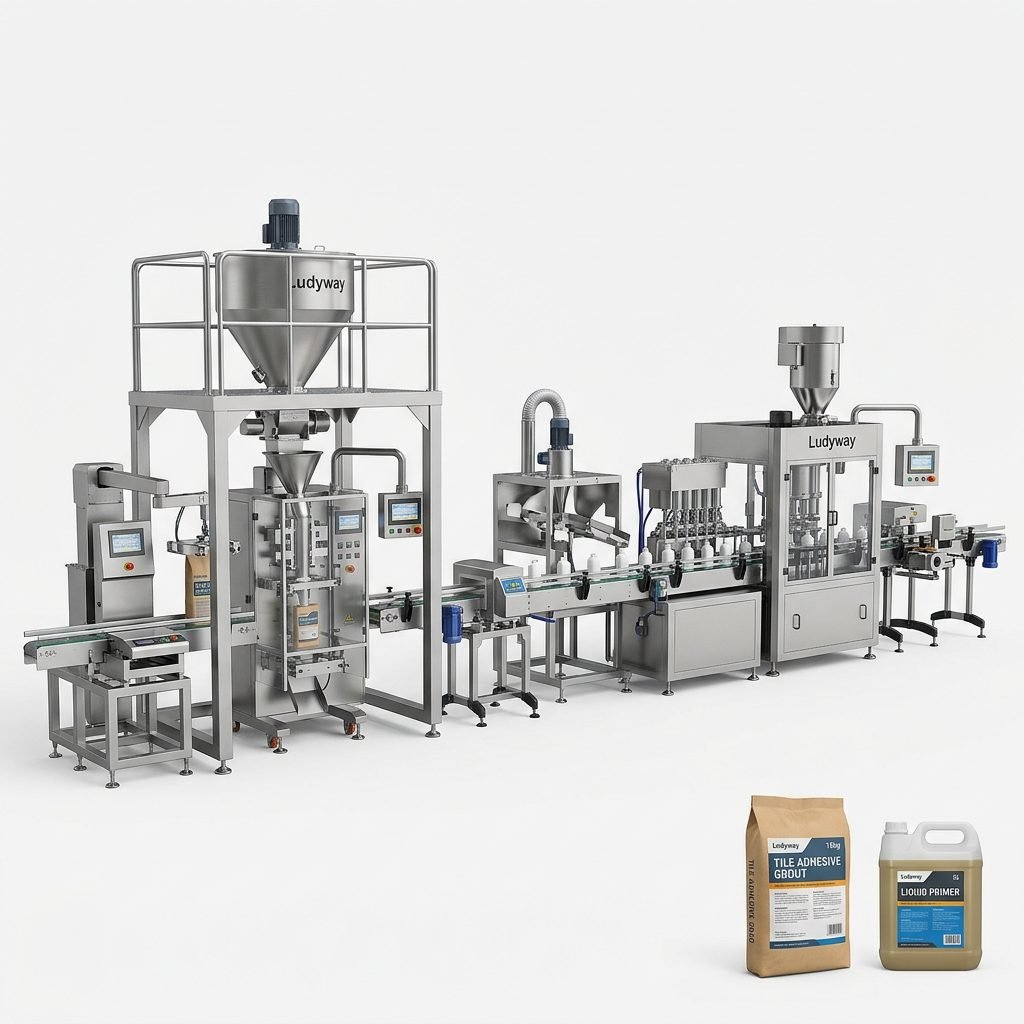
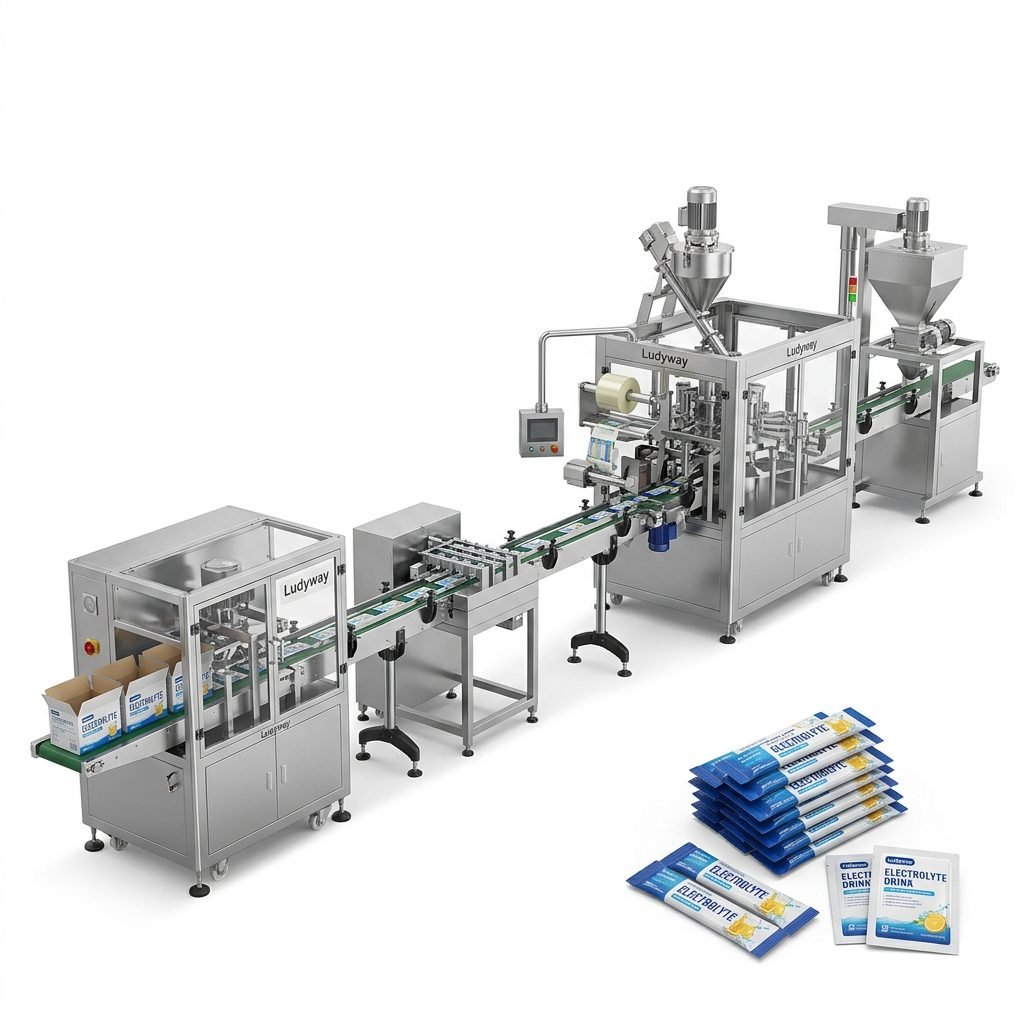
Proper maintenance of a bread packaging machine is essential for ensuring consistent product quality, extending equipment lifespan, and minimizing costly downtime. Whether you are packaging sliced bread, buns, or specialty bakery products, a well-maintained packaging system operates more efficiently and reduces the risk of contamination. This guide provides actionable cleaning and maintenance tips to keep your bread packaging equipment running at peak performance.
Why Routine Maintenance Matters
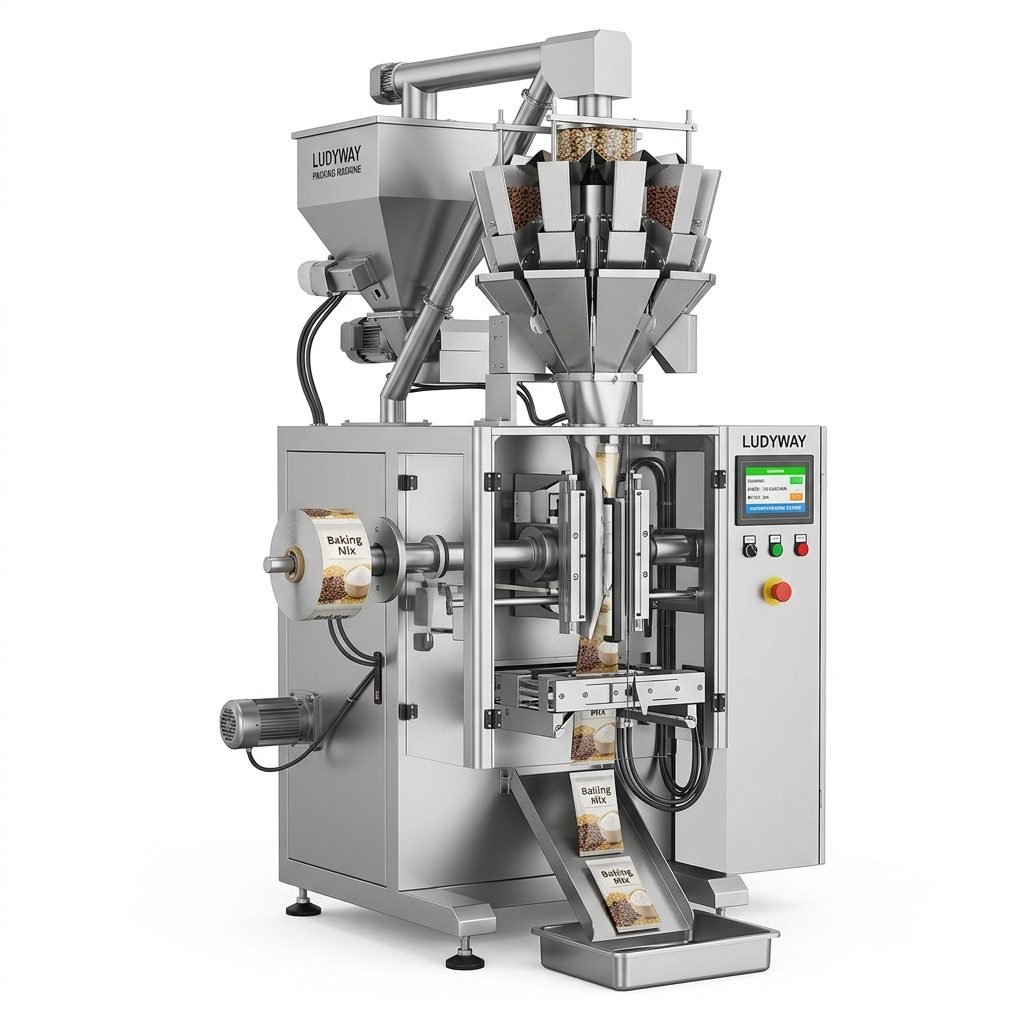
Bread packaging machines handle delicate food products that are prone to crumbling and moisture absorption. Accumulated bread crumbs, dust, and oil residues can compromise sealing integrity, lead to packaging defects, and attract pests. Regular cleaning not only preserves food safety compliance but also prevents mechanical wear on critical components such as heat sealers, conveyor belts, and sensors. According to PMMI packaging industry resources, implementing a structured maintenance program can extend machinery life by up to 30%.
Daily Cleaning Procedures
At the end of each production shift, operators should perform the following daily cleaning tasks:
- Remove all visible bread crumbs and flour residues from the machine surfaces using a soft-bristle brush or vacuum with a HEPA filter.
- Wipe down stainless steel surfaces with food-grade sanitizing wipes or a mild detergent solution. Avoid abrasive cleaners that can scratch protective coatings.
- Inspect and clean the heat sealing jaws to remove any baked-on residue that may affect seal quality.
- Clear any debris from photo-eye sensors and proximity switches to ensure accurate detection and timing.
- Check the film cutting blades for sharpness and cleanliness; dull blades can cause uneven cuts and packaging waste.
Weekly Maintenance Checklist
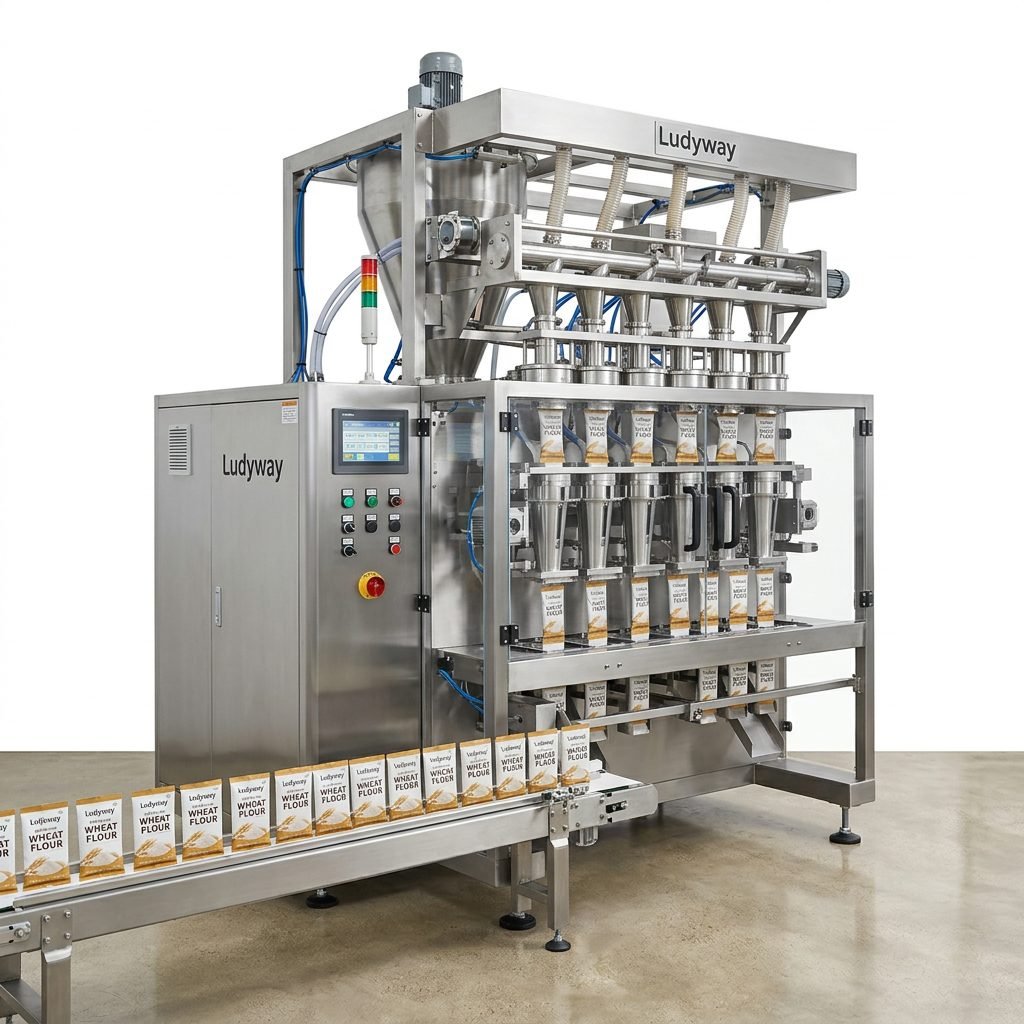
Designate a specific day each week for a more thorough inspection of your bread packaging equipment. Key areas to address include:
- Sealing System: Check the temperature calibration of heat sealers and verify that the sealing pressure is uniform across the entire jaw surface. Uneven sealing can lead to product spoilage.
- Conveyor Belts: Inspect for signs of fraying, misalignment, or excessive wear. Tension should be adjusted according to the manufacturer’s specifications.
- Lubrication Points: Apply food-grade lubricant to chain drives, bearings, and moving joints. Avoid over-lubrication, which can attract dust and debris.
- Pneumatic Systems: Drain any moisture from air filters and check for leaks in tubing and connections. Clean compressed air is critical for consistent machine operation.
- Electrical Connections: Visually inspect wiring harnesses, connectors, and control panels for signs of looseness or corrosion.
Monthly and Quarterly Maintenance Tasks
Beyond weekly checks, a deeper maintenance routine should be scheduled monthly or quarterly depending on production volume. The following table outlines recommended tasks and their frequency:
| Task | Frequency | Key Focus Areas |
|---|---|---|
| Replace Worn Sealing Bands | Monthly | Check for cracks, discoloration, or uneven heating patterns |
| Deep Clean Film Feed Rollers | Monthly | Remove adhesive buildup and dust accumulation |
| Calibrate Temperature Controllers | Quarterly | Verify accuracy against a calibrated thermometer |
| Inspect Gearboxes and Drive Motors | Quarterly | Check oil levels, listen for unusual noise, and monitor vibration |
| Replace Air Filters and Pneumatic Components | Quarterly | Ensure optimal airflow and prevent moisture contamination |
| Full System Audit and Software Update | Annually | Review PLC programs, HMI settings, and safety interlocks |
Troubleshooting Common Bread Packaging Machine Issues
Even with diligent maintenance, problems can arise. Understanding common issues and their solutions helps operators respond quickly:
Inconsistent Seal Quality
If seals appear weak or uneven, first check the sealing temperature and dwell time settings. Contaminated sealing jaws or worn Teflon coatings can also cause poor seals. Clean the jaws thoroughly and replace any damaged protective coatings. Refer to Flexible Packaging Association resources for guidance on packaging material compatibility and sealing parameters.
Film Tracking and Wrinkling Problems
Film misalignment often stems from improper roller tension or debris on the film path. Inspect all rollers, remove any adhesive residue, and verify that the film unwind mechanism is functioning smoothly. Ensure the correct film specifications are being used for the specific bread product.
Product Jamming in the Feeding System
Bread products can vary in size and shape, leading to occasional jams. Regularly calibrate product guides and ensure that infeed conveyors are synchronized with the packaging cycle. Worn belts or misaligned timing screws should be replaced promptly.

Safety Precautions During Maintenance
Safety must always be the top priority when servicing any packaging machinery. Follow these essential safety protocols:
- Always disconnect power and lock out the machine before performing any cleaning or maintenance task.
- Allow hot sealing surfaces to cool completely before touching them to avoid burns.
- Wear appropriate personal protective equipment (PPE), including cut-resistant gloves and safety glasses.
- Never bypass safety interlocks or operate the machine with guards removed.
- Train all operators on emergency stop procedures and location of fire extinguishers.
Documentation and Record-Keeping
Maintaining detailed maintenance logs is a best practice that supports compliance with food safety standards such as those outlined by the FDA food packaging regulations. Record the date, type of maintenance performed, parts replaced, and any observations. This documentation helps identify recurring issues and plan proactive interventions.
Partnering with a Reliable Equipment Manufacturer
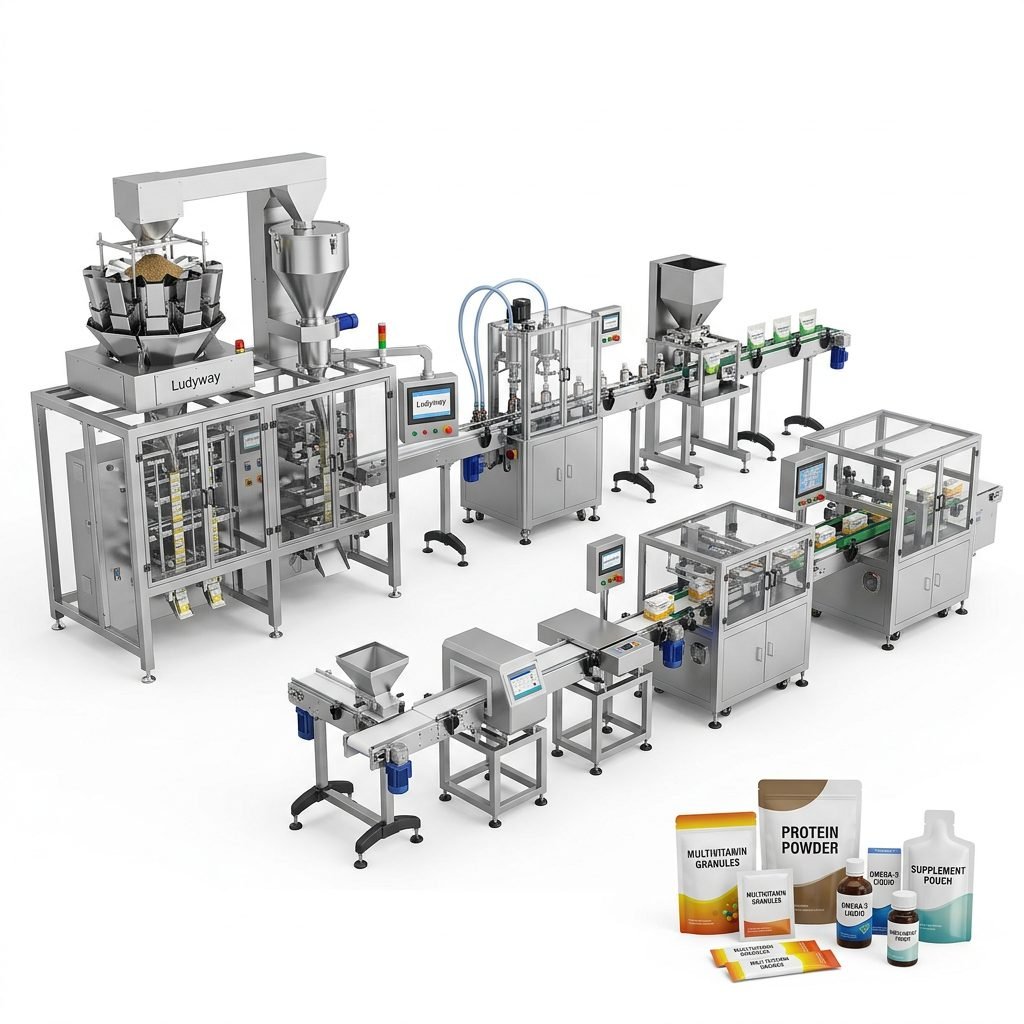
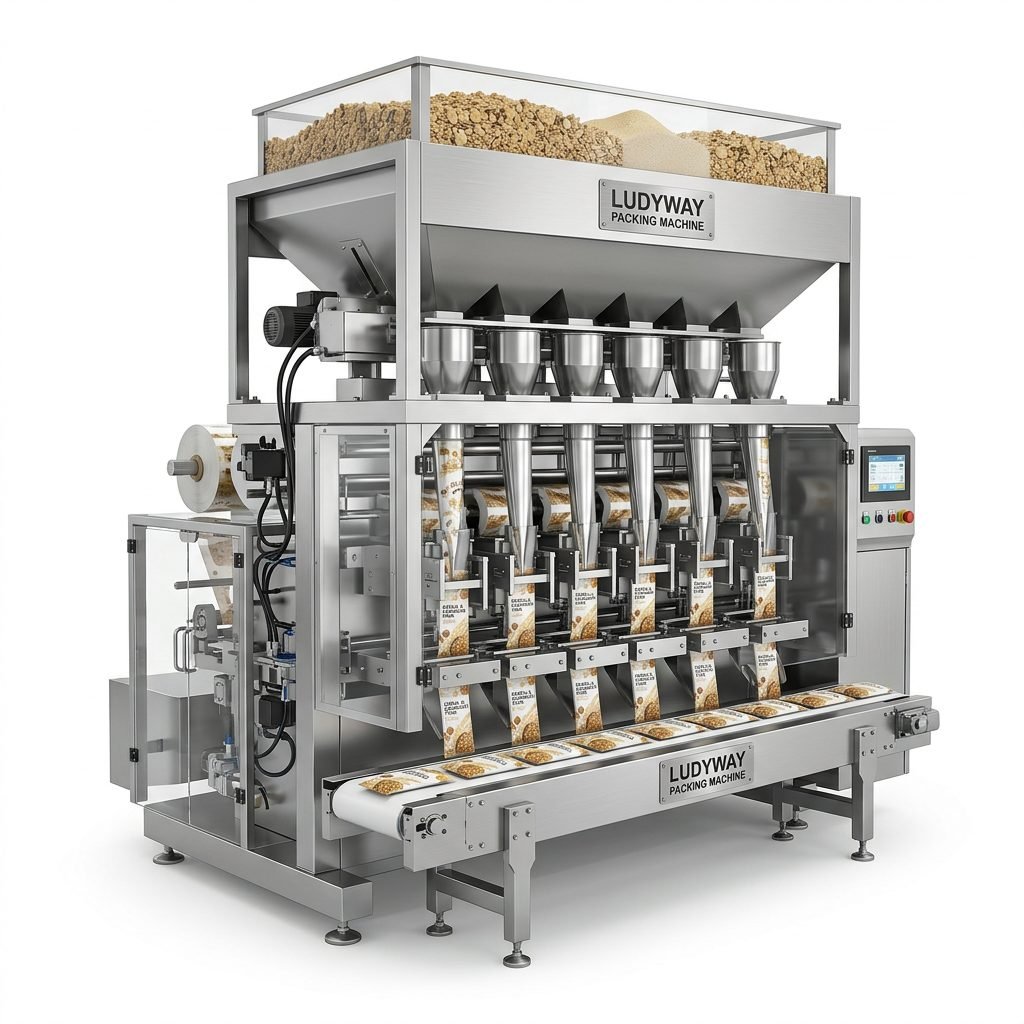
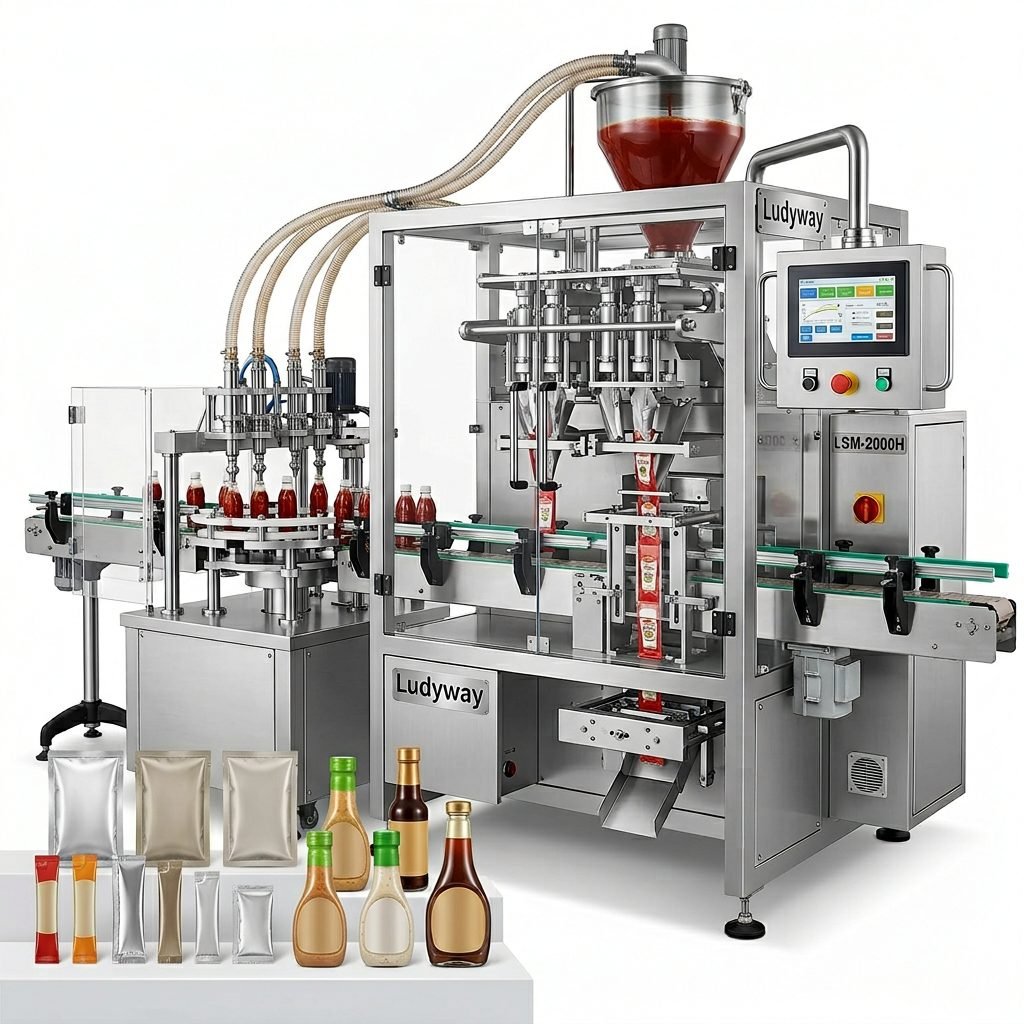
When investing in a bread packaging machine, selecting a manufacturer with strong technical support and after-sales service is critical. Ludyway, one of the largest packaging machine manufacturers in China with over 30 years of industry expertise, provides comprehensive maintenance training, spare parts availability, and remote troubleshooting support to help food manufacturers maintain optimal equipment performance. Working with an experienced supplier ensures that your packaging line remains reliable, efficient, and compliant with international quality standards.
Final Recommendations
A consistent and well-documented maintenance program is the foundation of reliable bread packaging operations. By following daily, weekly, monthly, and quarterly routines, operators can significantly reduce unplanned downtime and maintain high packaging quality. Keep spare parts inventory for critical components, invest in operator training, and establish a relationship with your equipment manufacturer for ongoing technical support. These proactive steps will help your bakery or food processing facility achieve long-term operational success.