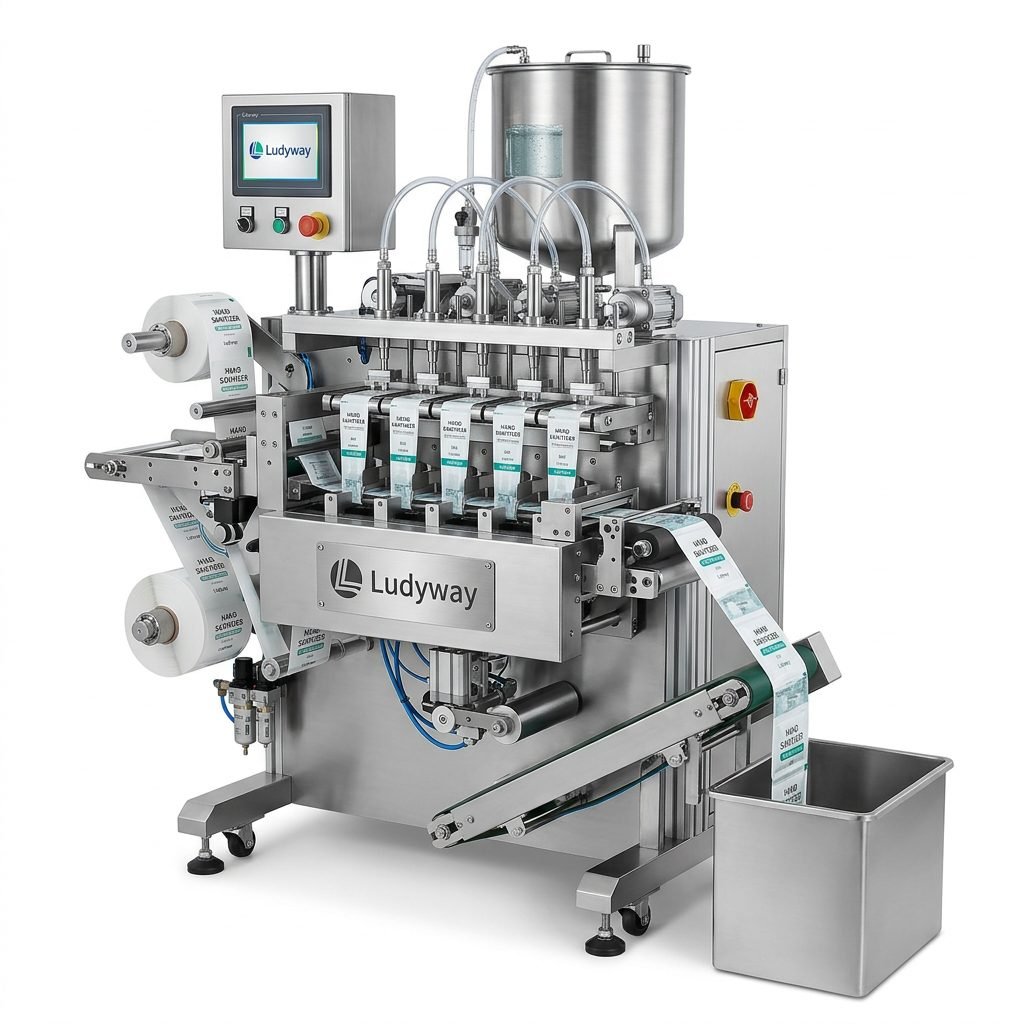
For bakeries relying on automated packaging systems, keeping your equipment in top condition is not just about longevity—it’s about ensuring consistent portioning, preventing contamination, and maintaining maximum throughput. A well-maintained bakery packaging machine can dramatically reduce downtime and protect your bottom line. This guide provides a systematic approach to cleaning, inspection, and maintenance schedules.
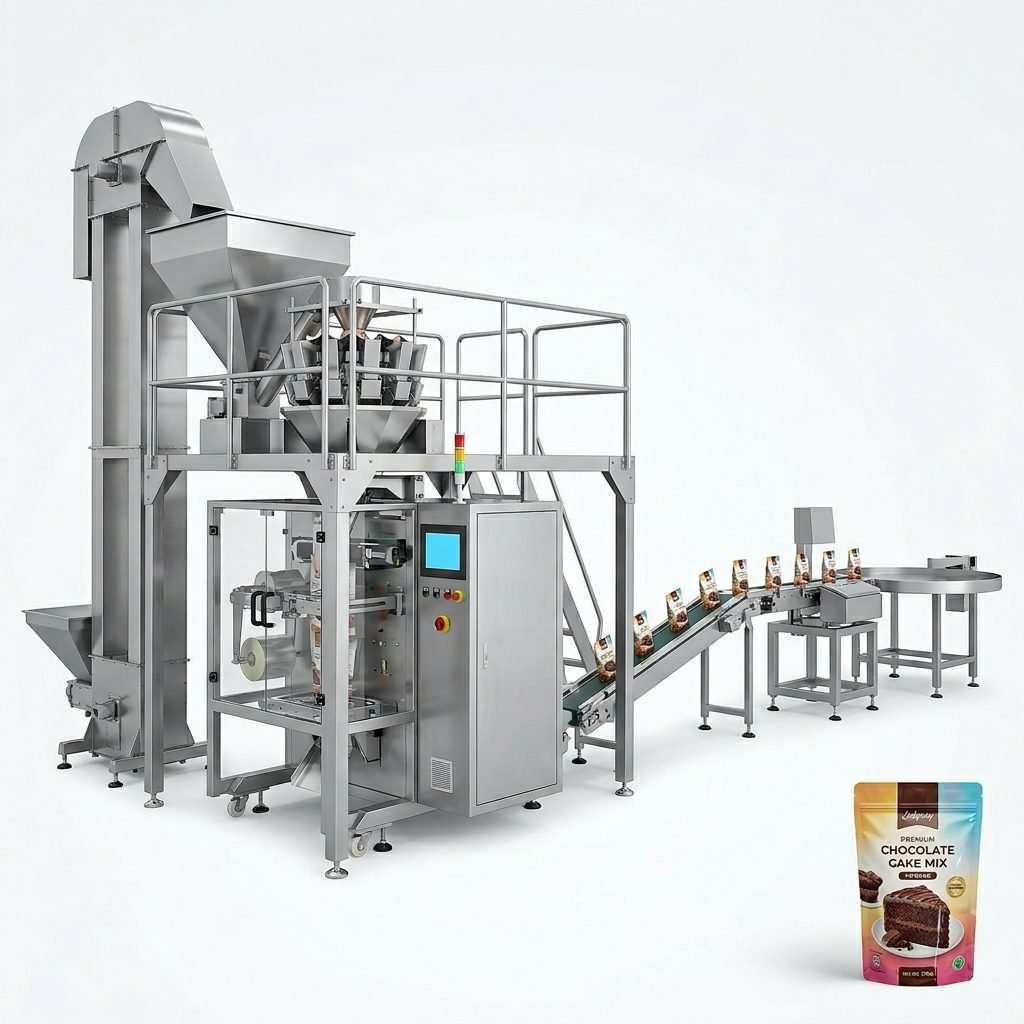
Why Regular Maintenance is Critical for Bakery Equipment
Bakery environments present unique challenges. Flour dust, sugar particles, and oil residues can quickly accumulate, leading to sensor failures, sticky sealing jaws, and inaccurate fills. Without a strict protocol, minor issues can escalate into catastrophic equipment failure. A proactive strategy ensures that your packaging line operates at peak efficiency while meeting strict food safety regulations.
Daily Cleaning Protocol
The end of every production day should conclude with a thorough cleaning. Never use high-pressure water jets directly on the machine, as moisture can damage electronics.
- Disconnect Power: Always lock out and tag out the power source before touching any internal components.
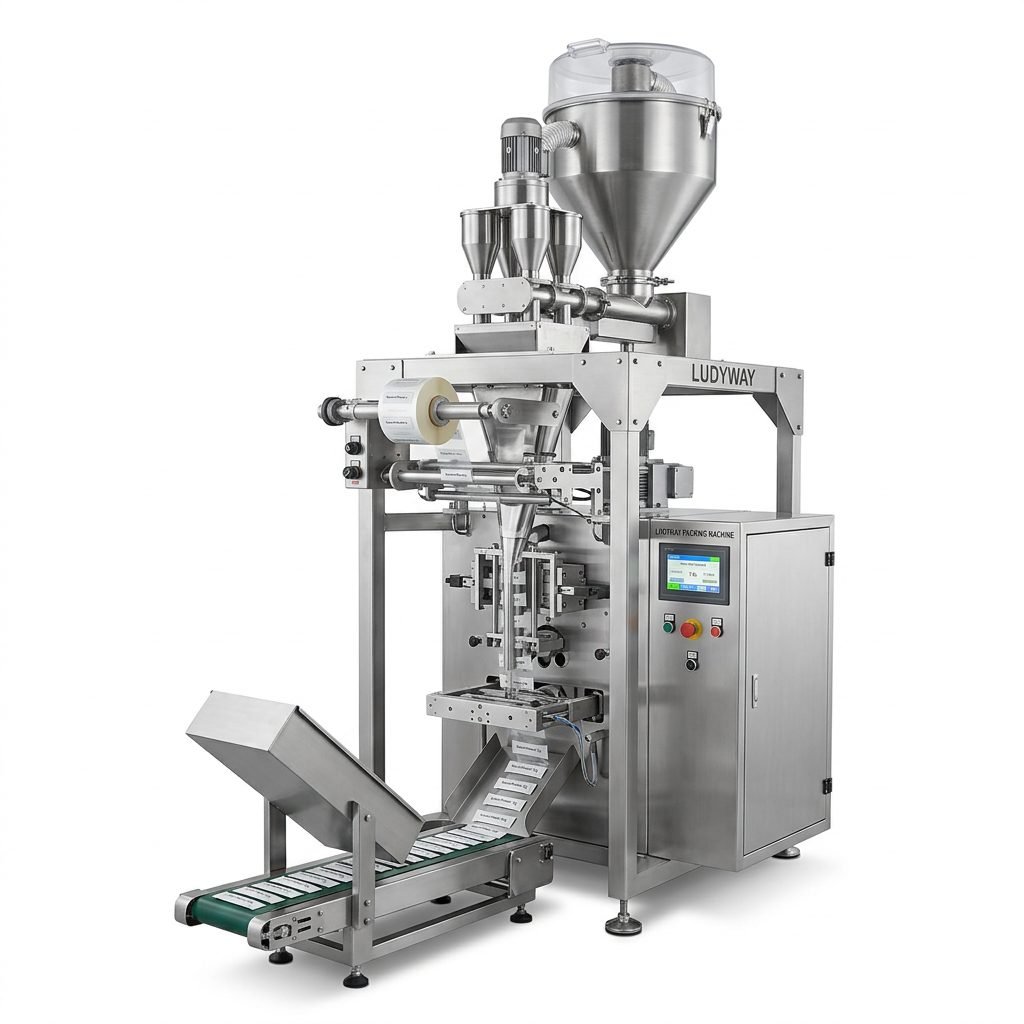
- Remove Loose Debris: Use a vacuum or a soft, dry brush to remove crumbs, flour dust, and broken pieces from the forming tube and filling areas.
- Wipe Down Surfaces: Use a food-grade sanitizer on surfaces that contact the packaging film. Pay special attention to the sealing jaws and Teflon/PTFE coatings to prevent sticky buildup.
- Clean Photo-Eyes: Dusty sensors are a leading cause of film tracking errors. Gently wipe optical sensors with a lint-free cloth.
Weekly Inspection Checklist
Beyond daily cleaning, a deeper weekly check prevents long-term drift in performance.
| Zone | Inspection Points | Action |
|---|---|---|
| Sealing System | Check for wear on Teflon tape, scratches on the sealing bar | Replace damaged Teflon immediately; polish minor scratches |
| Film Unwinding | Tension arms, rubber rollers, static buildup | Clean rubber rollers with alcohol; check tension spring integrity |
| Pneumatic Lines | Moisture in traps, loose fittings, air leaks | Drain water traps; listen for hissing sounds during idle |
Quarterly Deep Maintenance
Every three months, or according to your production volume, schedule a professional deep maintenance session. This involves opening guarded panels to access drive chains, belts, and internal wiring.
- Lubrication: Refer to the manufacturer’s manual for specific food-grade grease points. Over-lubricating bearings can attract dust, so apply sparingly.
- Belt Tension: Check the timing belts for the main motor and film pull belts. A slipping belt can cause bag length errors.
- Electrical Tightening: Thermal cycling can loosen terminal screws. Retorque all power connections to prevent overheating and intermittent faults.
- Calibration: Validate the load cell if you are filling by weight. Use a certified test weight to ensure accuracy, particularly for high-value baked goods where product give-away can eat into margins.

Common Issues and Troubleshooting
Understanding common failure modes helps operators react faster. Here are specific scenarios encountered in baked goods packaging:
1. Inconsistent Bag Length (Slippage)
If you notice varying lengths, do not immediately adjust the settings. First, clean the film feed rollers thoroughly. Oily residues from croissants or cakes often transfer to the rollers, reducing friction. Check that the forming collar fits correctly and that the film path is unobstructed.
2. Leaking Seals (End Seals)
A leaking end seal usually indicates a dirty sealing jaw or incorrect temperature setting. Do not simply increase the temperature, as excessive heat can burn thinner films used for bread bags. Remove the jaw, scrub off carbonized sugar, and re-verify the setpoint with a thermometer.
Lubrication and Mechanical Care
Proper lubrication is critical. Use only H1-rated food-grade lubricants for incidental contact areas. Keep a detailed log of when lubricants were changed. For heavily utilized lines, inspect the rotary film sealing head for play. Any wobble indicates worn bearings that require immediate attention to prevent total jaw failure.
Pro Tip: Always keep a spare set of sealing jaws, Teflon tape, and heating cartridges in stock. These are considered high-wear items in a high-speed bakery setup.
Professional Maintenance and Support
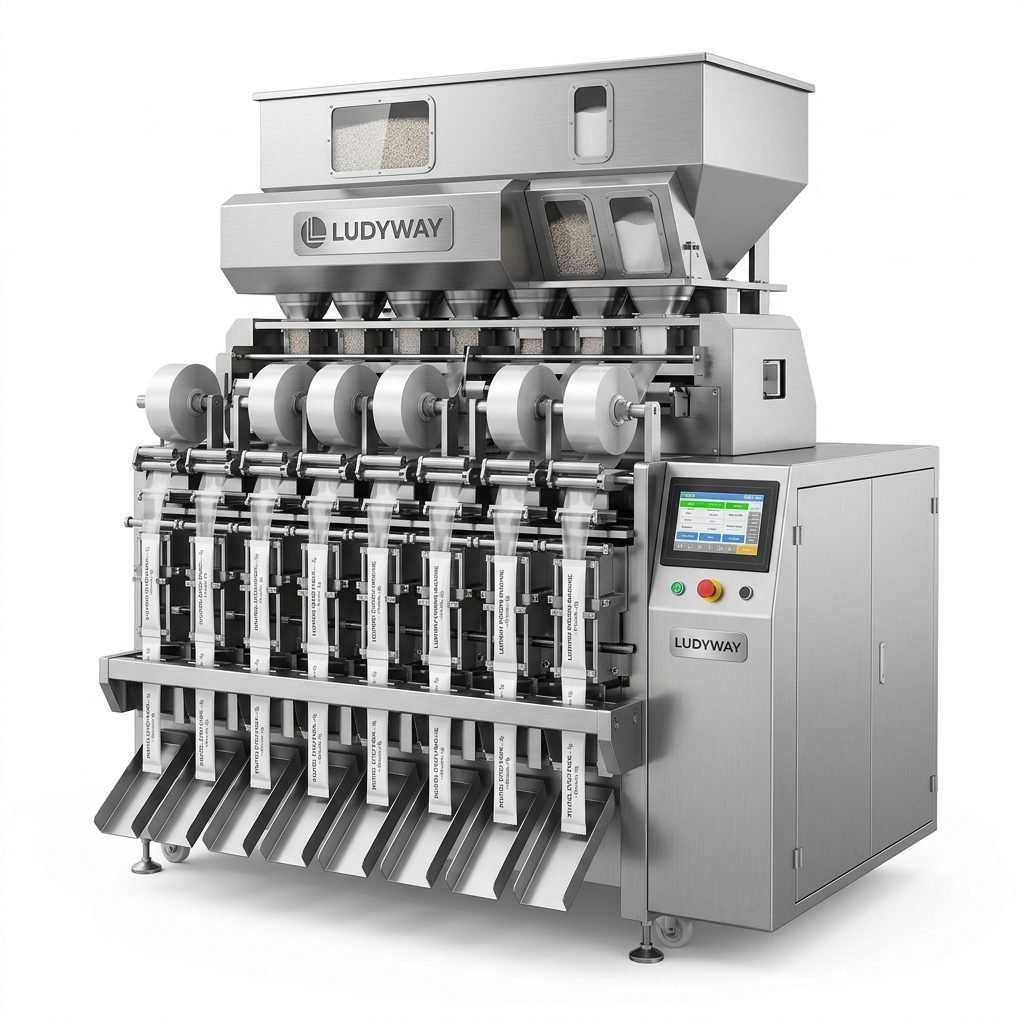
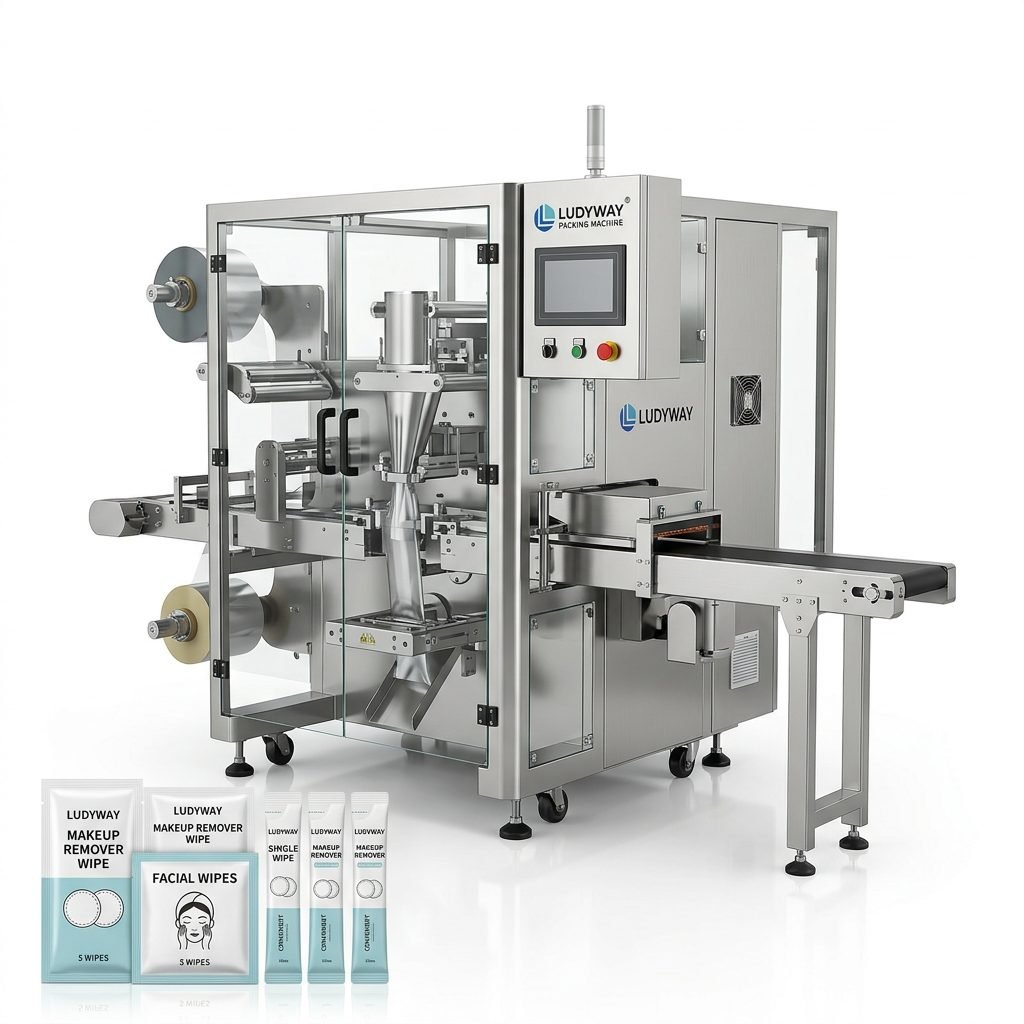
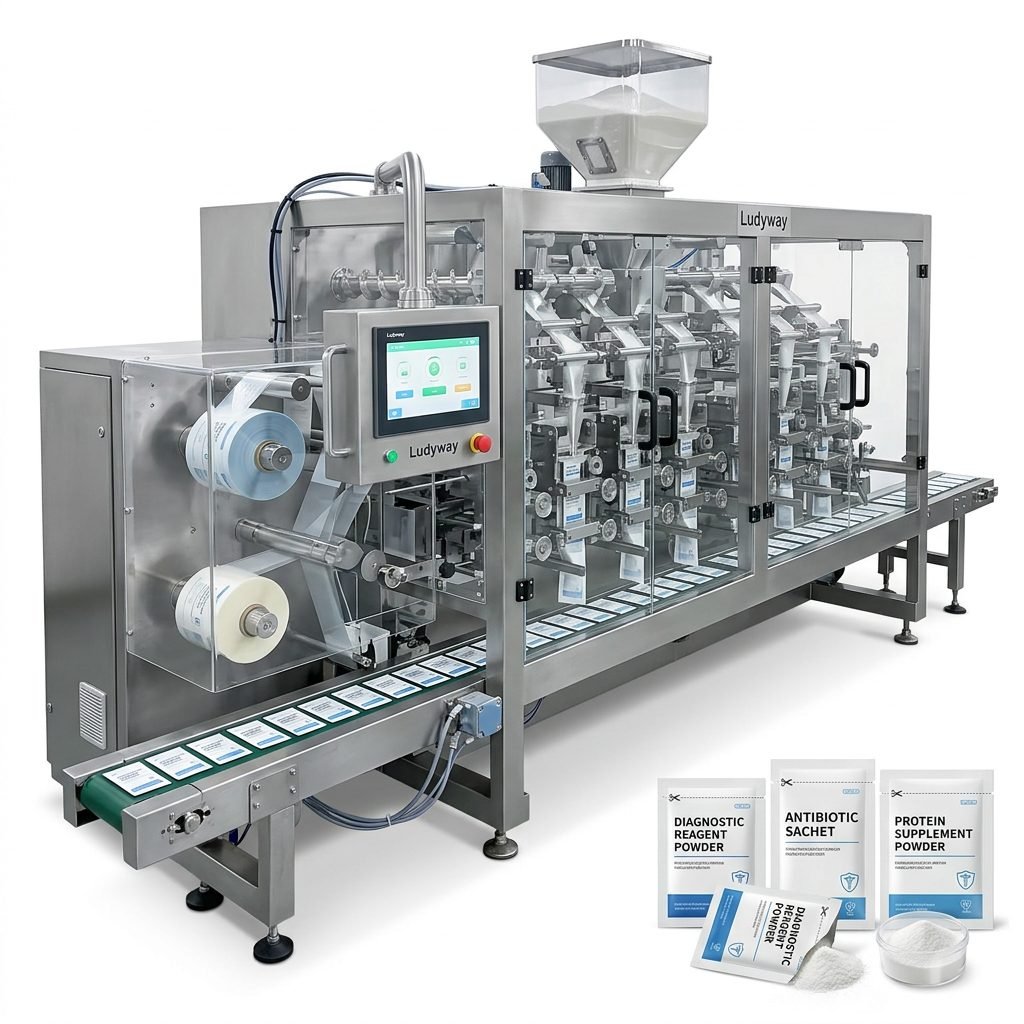
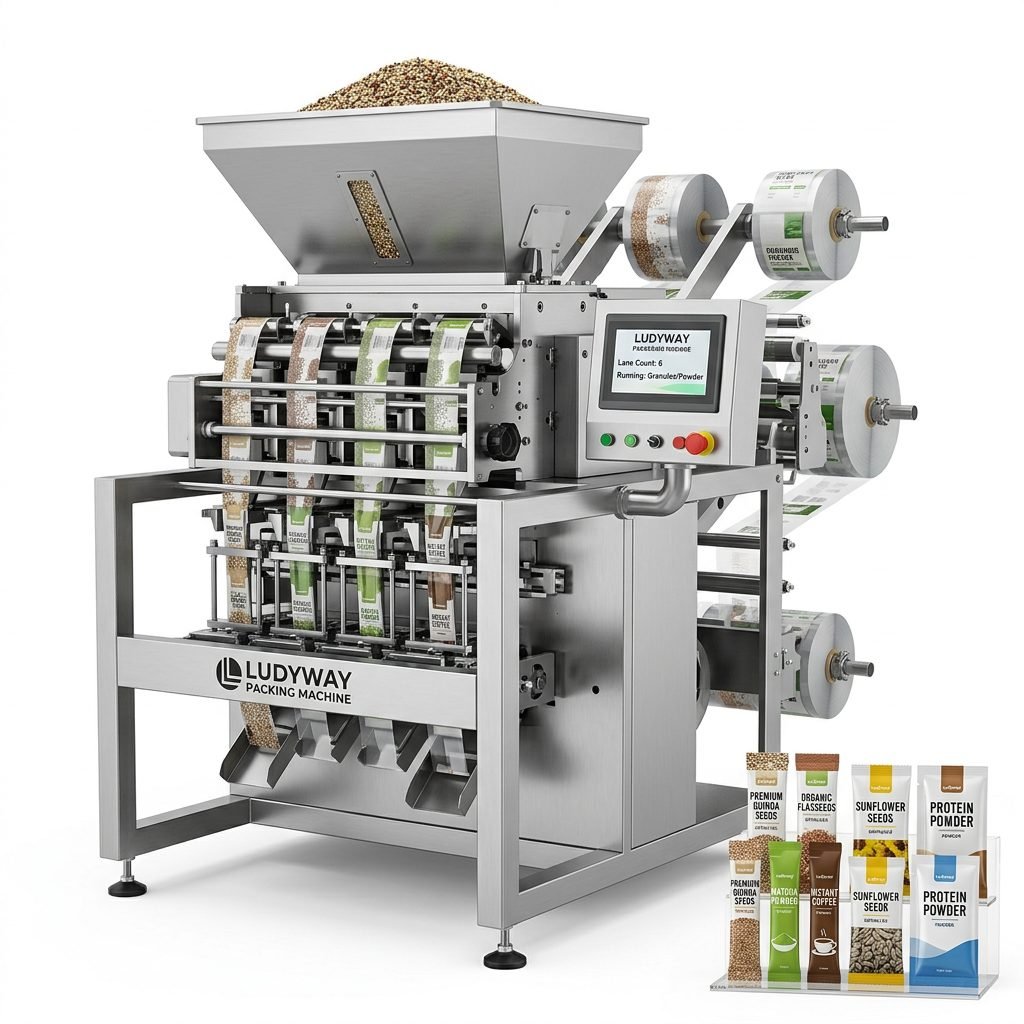
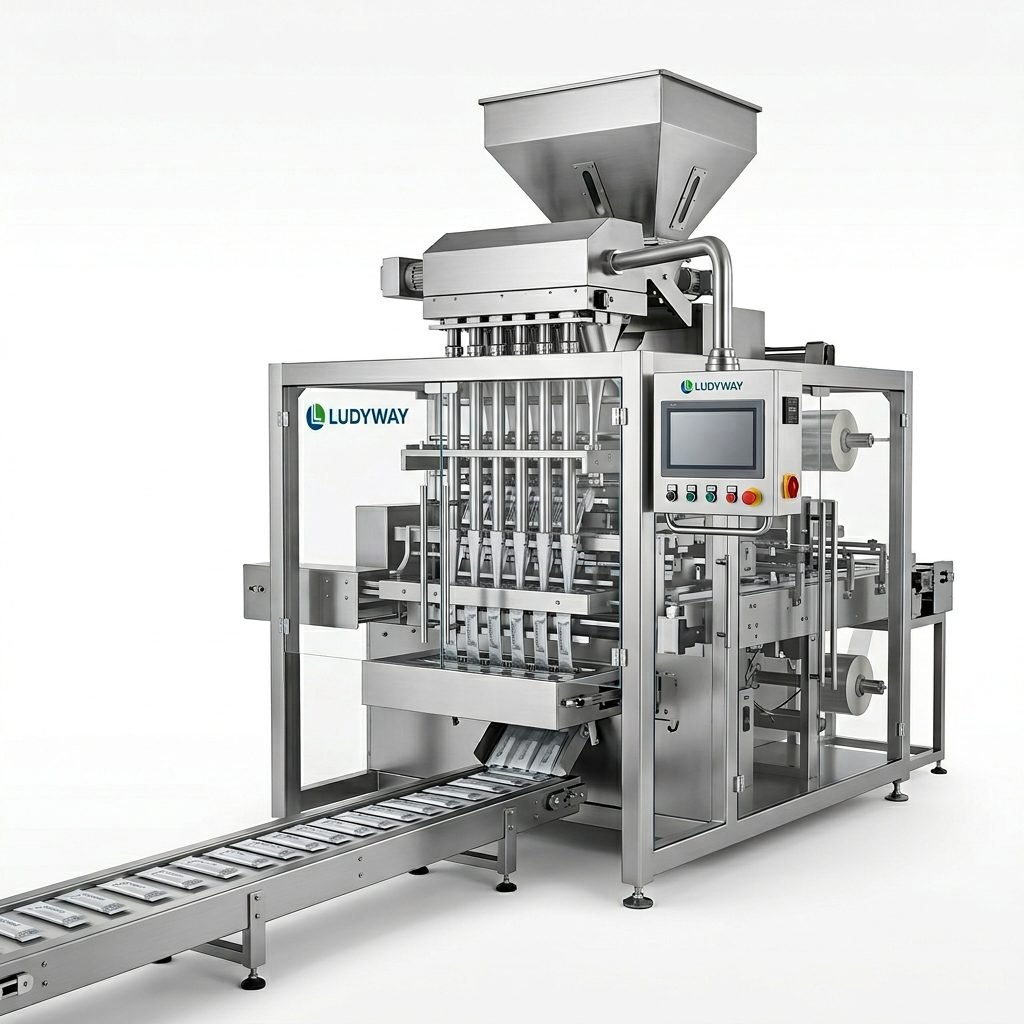
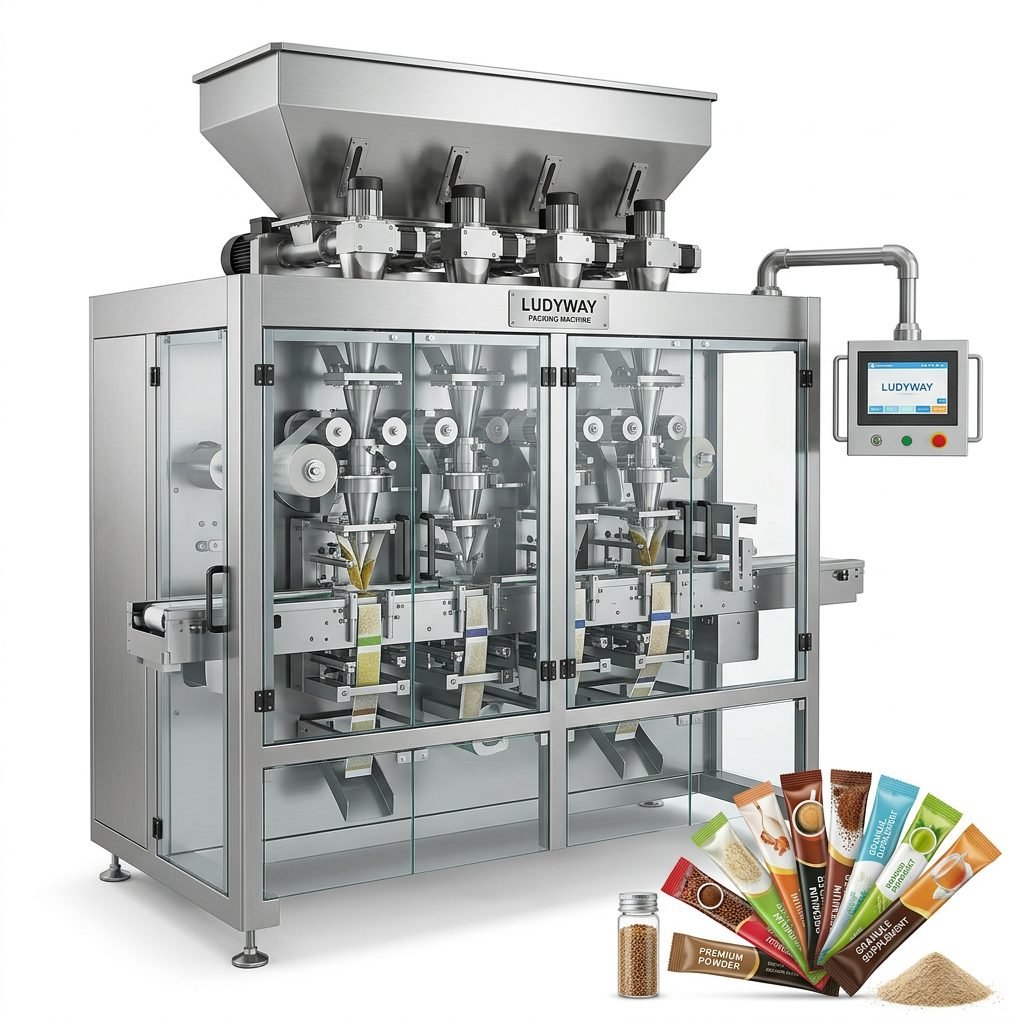
While internal housekeeping handles daily care, an annual service by a certified technician ensures the machine meets original specifications. Companies like Ludyway, a leading packaging machine manufacturer, provide comprehensive technical support and genuine spare parts to keep systems running at peak performance. Investing in expert servicing for your multi-lane stick pack systems extends asset life significantly.
| Maintenance Task | Recommended Frequency | Priority Level |
|---|---|---|
| Clean forming tube and collar | Daily / Product Changeover | High |
| Inspect Teflon tape and sealing jaw | Weekly | Critical |
| Lubricate bearings and chain drives | Quarterly (or 500 operating hours) | Medium |
| Full electrical and PLC check | Annually | Medium |
Ensuring Food Safety Compliance
Maintenance logs are essential for HACCP and FDA audits. Every cleaning action, part replacement, and calibration should be documented. Ensure that maintenance staff understand allergen protocols; dedicated sachet packaging machines for gluten-free or nut-free products require isolated tools and utensils to prevent cross-contamination during repairs.
By prioritizing these essential cleaning and maintenance tips, operators can ensure their bakery packaging equipment remains reliable, efficient, and safe for years to come.