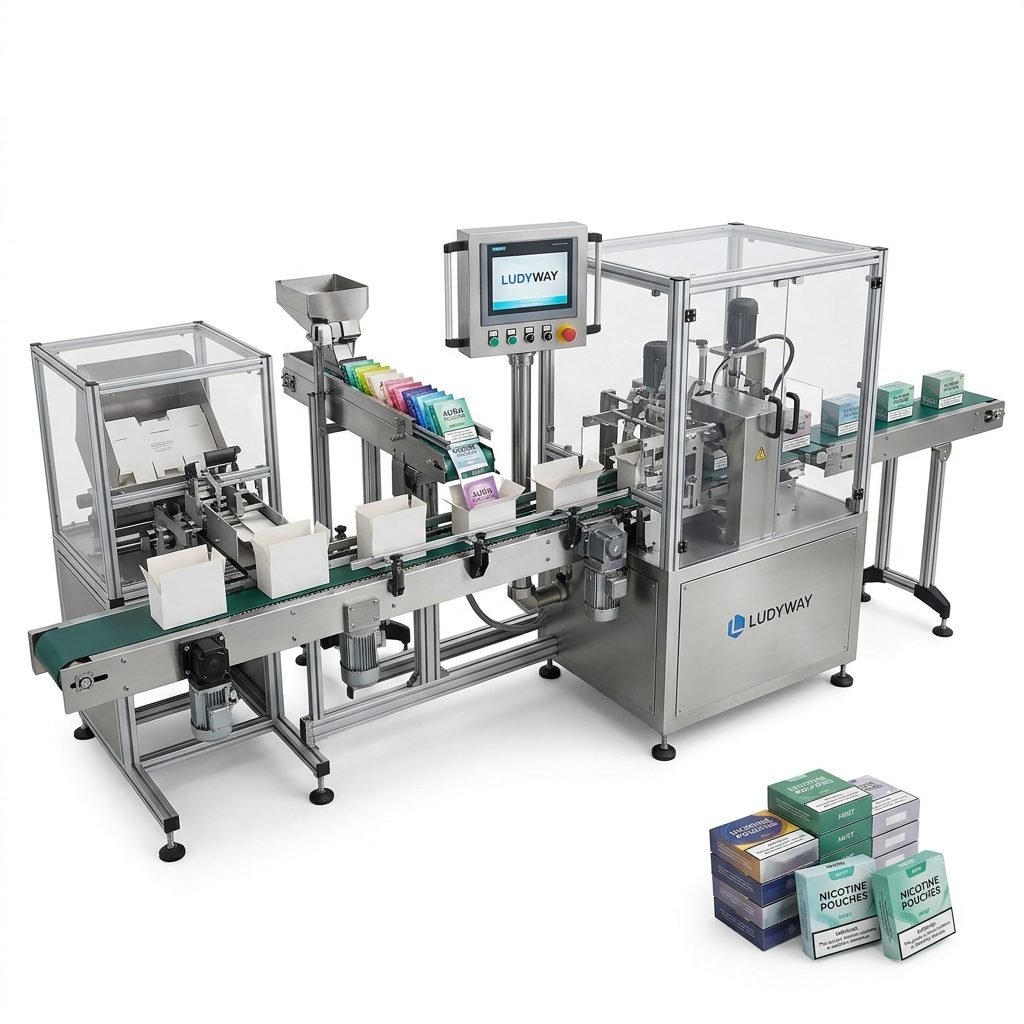
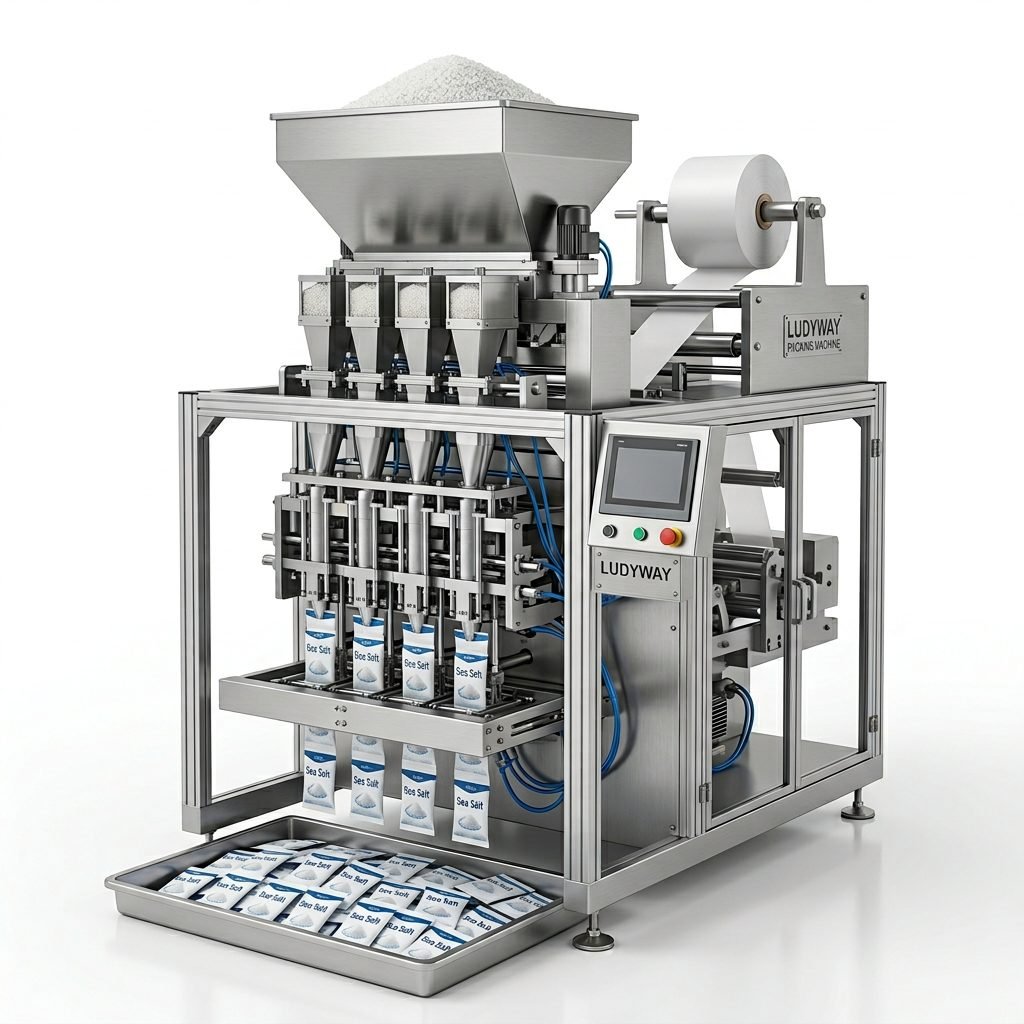
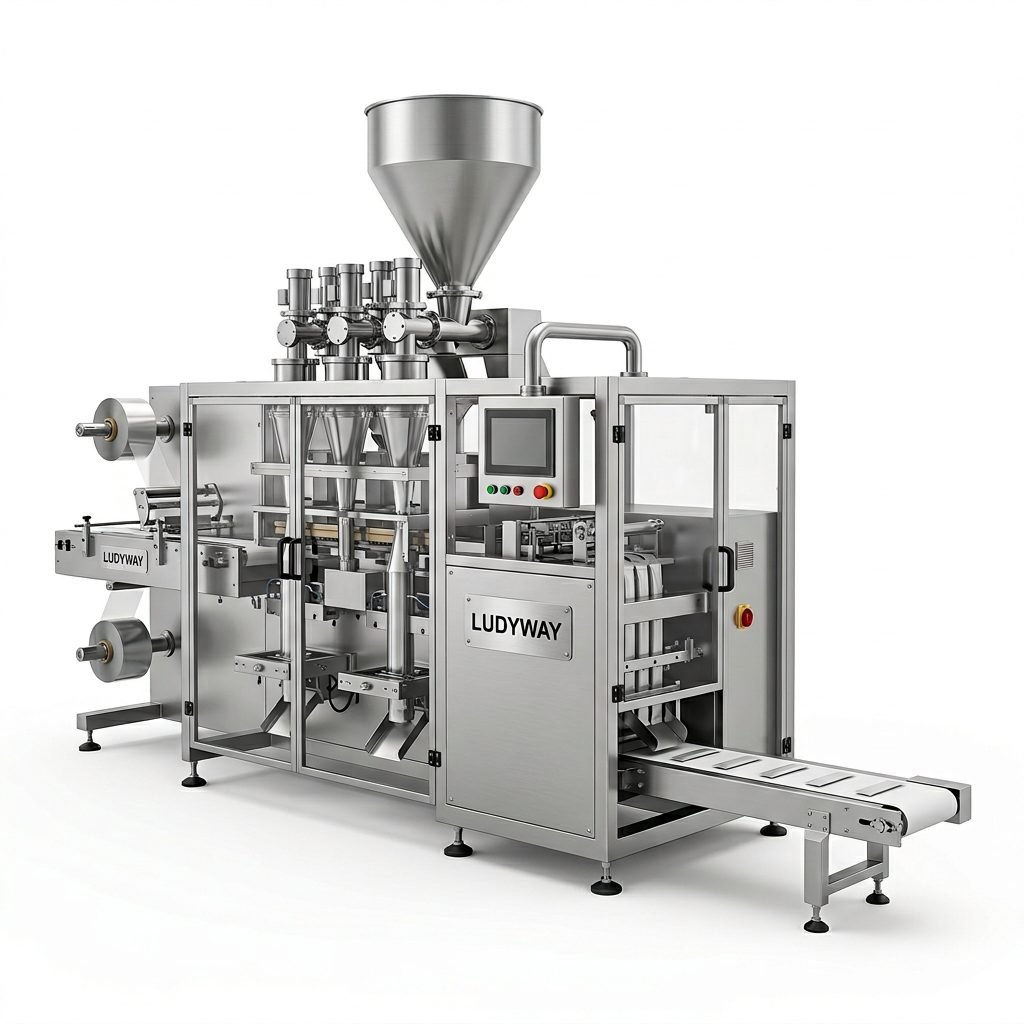
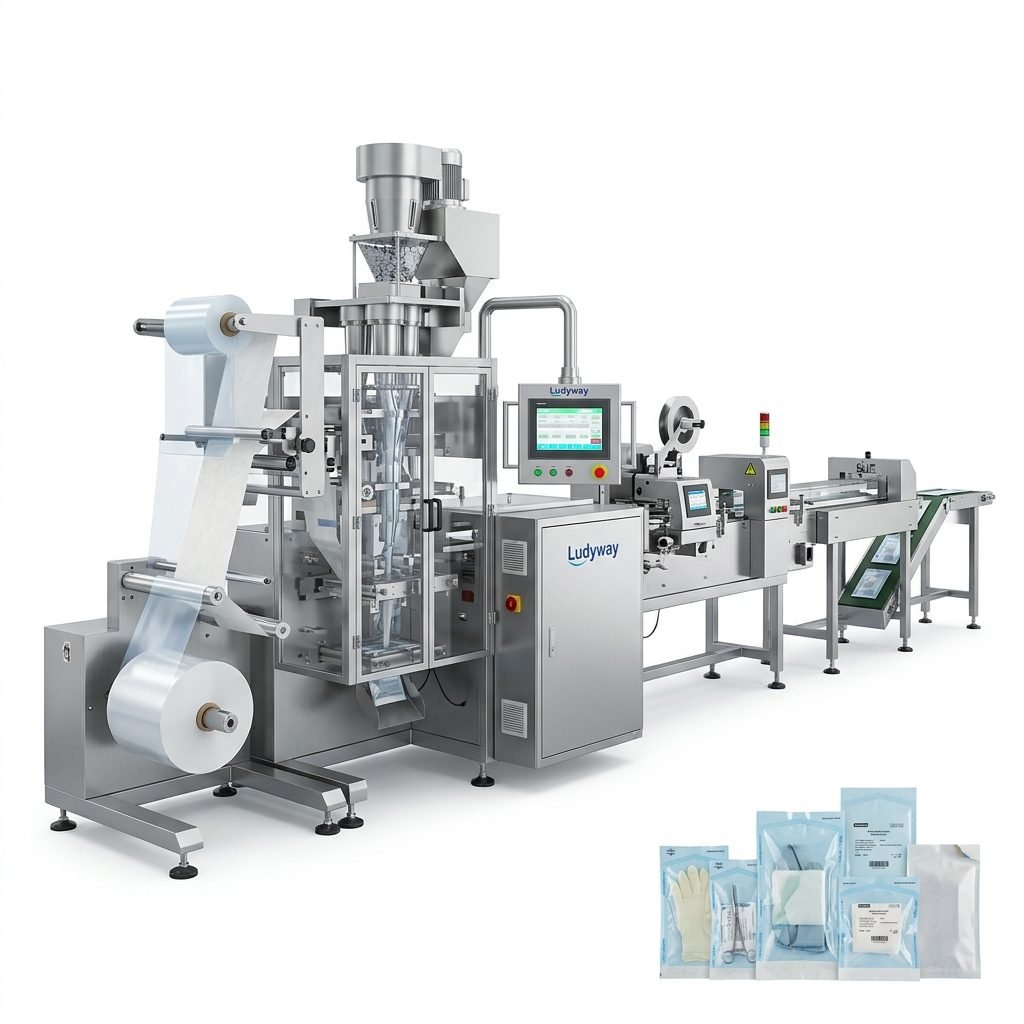
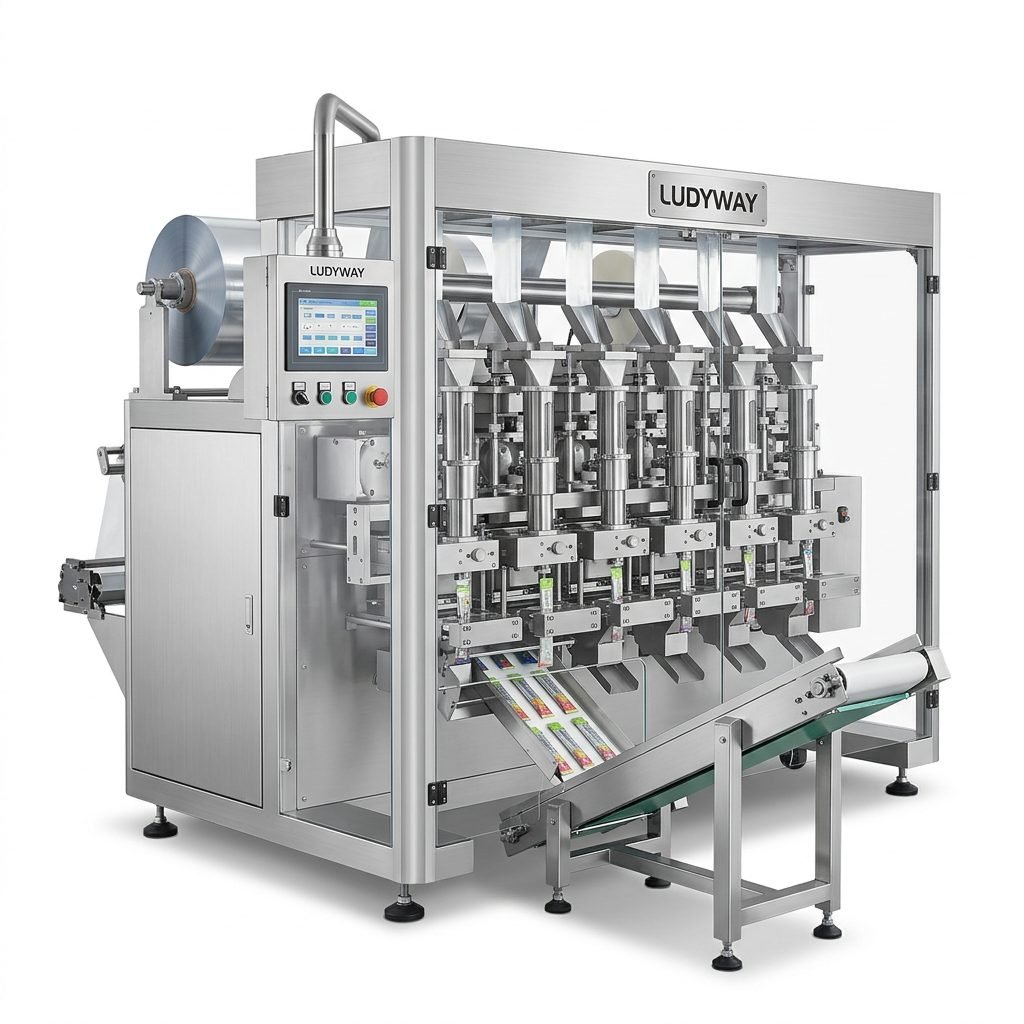
Proper maintenance is the cornerstone of reliable bale packing machine performance. Whether you operate a single unit or a full packaging machine manufacturer line, a structured upkeep routine significantly extends equipment lifespan, reduces costly downtime, and ensures consistent output quality. Neglecting routine care often leads to mechanical failures, misaligned seals, and unexpected production halts that impact your bottom line.

Understanding Your Bale Packing Machine Components
Before diving into maintenance procedures, familiarize yourself with the critical components that require regular attention. A typical bale packer consists of the feeding system, compression chamber, hydraulic or mechanical pressing unit, strapping or wrapping mechanism, and the control panel. Each of these subsystems has unique wear patterns and lubrication needs. The hydraulic system, in particular, demands consistent monitoring of fluid levels and filter conditions. Operators who understand how these elements interact can detect early signs of trouble before they escalate into major repairs.
Daily Maintenance Checklist for Optimal Operation
Daily inspections form the foundation of preventive maintenance. Implementing a consistent daily routine takes only 15 to 20 minutes but can prevent the majority of unexpected breakdowns. According to PMMI packaging industry resources, facilities that adhere to daily checklists report up to 30% fewer unscheduled maintenance events compared to those relying solely on reactive repairs.
- Visual Inspection: Walk around the entire machine and check for loose bolts, worn cables, oil leaks, or unusual residue buildup around seals and joints.
- Clean Debris: Remove dust, fiber fragments, and strapping material remnants from the compression chamber, feed rollers, and wrapping station. Accumulated debris can cause jams and sensor malfunctions.
- Sensor Function Check: Verify that all photoelectric sensors and limit switches respond correctly. Dirty or misaligned sensors are among the most common causes of intermittent stoppages.
- Lubrication Points: Apply lubricant to all designated grease nipples and oil points as specified in the manufacturer’s manual. Over-lubrication can be just as harmful as under-lubrication.
- Safety Systems Test: Confirm that emergency stops, safety interlocks, and guarding systems are fully operational before starting production.

Weekly and Monthly Maintenance Tasks
Beyond daily checks, a more thorough inspection should occur on a weekly and monthly basis. These tasks address components that wear gradually and may not show immediate symptoms. Skipping these deeper inspections often results in cumulative damage that becomes expensive to repair. The ISO packaging standards recommend documented maintenance logs to track trends and predict component lifespan accurately.
Lubrication Schedule and Best Practices
Proper lubrication is arguably the most critical maintenance activity. Each bearing, chain, and sliding surface has a specific lubrication interval. Use only manufacturer-recommended grease and oil grades. Mixing incompatible lubricants can cause chemical breakdown and accelerated wear. Keep a detailed lubrication log noting dates, lubricant types used, and any anomalies observed during application. For hydraulic systems, check oil cleanliness regularly and replace filters according to the prescribed schedule—contaminated hydraulic fluid is responsible for a large percentage of pump and valve failures.
Belt Tension and Chain Inspection
Drive belts and chains transfer power throughout the bale packing machine. Inspect belts for cracks, fraying, or glazing on the contact surfaces. Check chain tension and look for stiff links or uneven wear patterns on sprockets. A chain that has stretched beyond its service limit will wear sprockets rapidly and should be replaced immediately. Properly tensioned belts and chains not only last longer but also improve energy efficiency and reduce motor strain.
Common Bale Packing Machine Issues and Troubleshooting
Even well-maintained equipment can develop problems. Recognizing symptoms early allows for timely intervention before production is affected. The table below outlines frequent issues encountered with bale packing machines and their typical causes. Always consult your equipment manual and follow lockout-tagout procedures before performing any diagnostic work.
| Symptom | Possible Cause | Recommended Action |
|---|---|---|
| Inconsistent bale density | Worn compression plates or hydraulic pressure fluctuation | Inspect hydraulic pump output; check plate alignment |
| Strapping failures or breakage | Misaligned strapping head or incorrect tension settings | Recalibrate tension; clean strapping track guides |
| Unusual noise during compression | Worn bearings, insufficient lubrication, or loose mounting bolts | Lubricate all pivot points; tighten fasteners; inspect bearings |
| Control panel error codes | Sensor fault, wiring issue, or PLC logic error | Reference error code manual; check sensor connections |
| Slow cycle times | Low hydraulic fluid, clogged filters, or pump wear | Check fluid level and filter condition; test pump output pressure |
Seasonal Maintenance Considerations
Environmental conditions significantly affect bale packing machine performance. In humid climates, moisture can condense inside pneumatic lines and electrical enclosures, leading to corrosion and short circuits. Install moisture traps on air supply lines and check desiccant breathers on hydraulic reservoirs regularly. In cold environments, hydraulic fluid viscosity increases, potentially causing sluggish operation during startup. Allow adequate warm-up time and consider using synthetic hydraulic fluids rated for low-temperature performance. Facilities in dusty or dirty environments should increase the frequency of filter changes and seal inspections, as abrasive particles accelerate wear on all moving surfaces.
When to Call a Professional Service Technician
While routine maintenance can be handled by in-house personnel, certain situations warrant professional attention. If you encounter recurring fault codes that resist troubleshooting, persistent hydraulic leaks, or structural cracks in the frame or compression chamber, contact a qualified technician immediately. Attempting complex repairs without proper training can void warranties and create safety hazards. For comprehensive support and packaging equipment expertise, partnering with an experienced manufacturer ensures access to genuine spare parts and factory-trained service personnel. Companies like Ludyway provide ongoing technical support and maintenance training for their global customer base, helping operators maximize equipment uptime and return on investment.

Documentation and Spare Parts Management
Maintaining accurate maintenance records is essential for warranty compliance and long-term reliability tracking. Document every inspection, repair, and part replacement with dates and technician names. This historical data helps identify recurring issues and predict when components are approaching end-of-life. Additionally, keep an inventory of critical spare parts on hand, including common wear items such as bearings, seals, belts, filters, and sensor units. The PMMI business intelligence resources highlight that proactive spare parts management reduces mean time to repair (MTTR) by up to 50% compared to facilities that order parts only after a failure occurs. Having the right parts available when needed minimizes production disruptions and keeps your bale packing machine running at peak efficiency.
Conclusion: Building a Maintenance Culture
Sustaining long-lasting bale packing machine performance requires more than occasional attention—it demands a culture of proactive maintenance. Train all operators to recognize early warning signs, empower them to perform basic upkeep tasks, and establish clear escalation procedures for more serious issues. Regular maintenance is an investment that pays dividends through extended equipment life, reduced operating costs, and consistent product quality. By following the structured approach outlined above and referencing ISO packaging and distribution standards, your operation can achieve reliable, efficient bale packing production for years to come.
For additional guidance on packaging and processing technologies, explore industry-leading resources from PMMI and the Flexible Packaging Association for the latest standards and best practices.