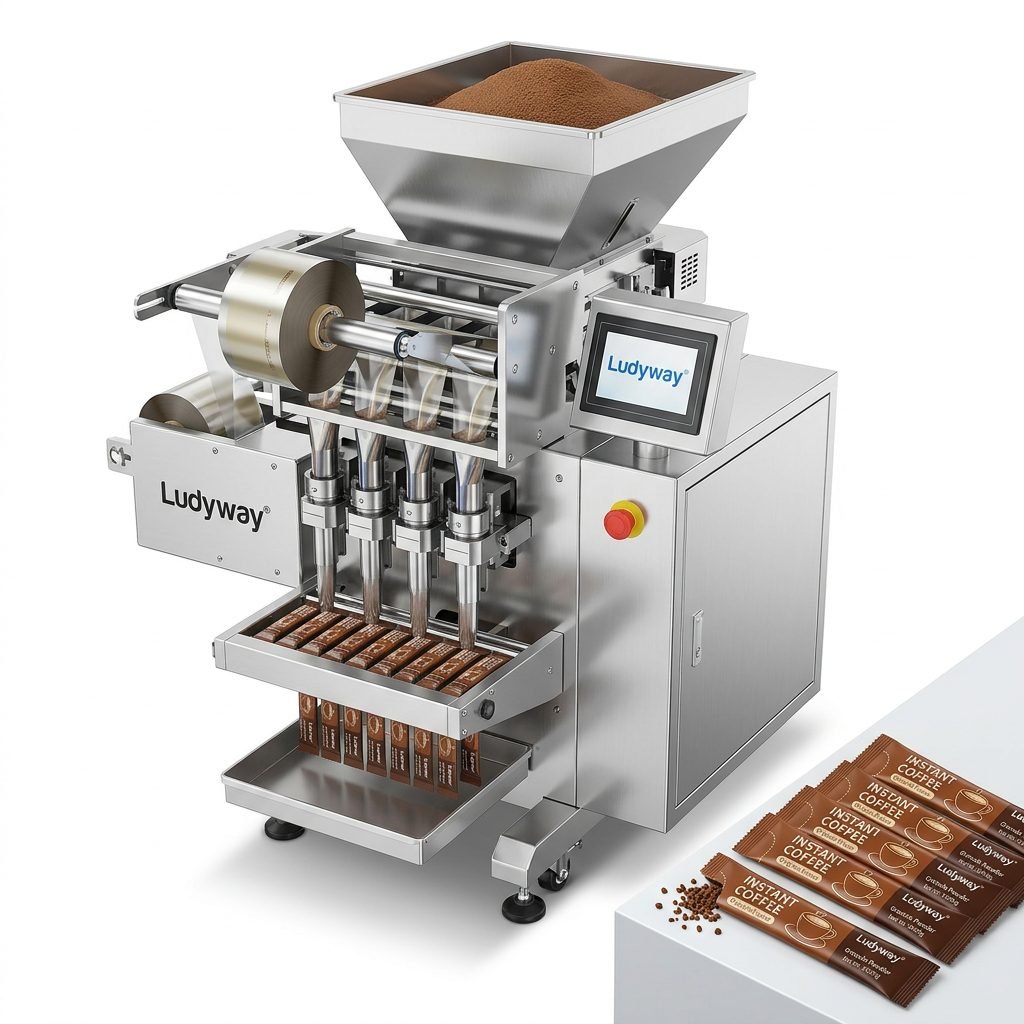
Selecting the right packaging machine manufacturer in Japan is a critical decision for businesses aiming to enhance efficiency, ensure product quality, and maintain a competitive edge. The Japanese market is renowned for its high standards of precision, reliability, and technological innovation. For buyers, this means navigating a landscape where quality and long-term partnership are paramount. This guide outlines the key factors you must consider to make an informed choice.
Understanding the Japanese Market and Buyer Expectations
The Japanese industrial sector, particularly in fields like food, pharmaceuticals, and high-tech consumer goods, demands exceptional standards. Buyers here prioritize precision engineering, minimal downtime, exceptional after-sales service, and seamless integration with existing, often highly automated, production lines. There’s a strong cultural emphasis on long-term business relationships (, kankei) and mutual trust. A manufacturer that understands these nuances—offering not just a machine, but a reliable partnership—holds a significant advantage.
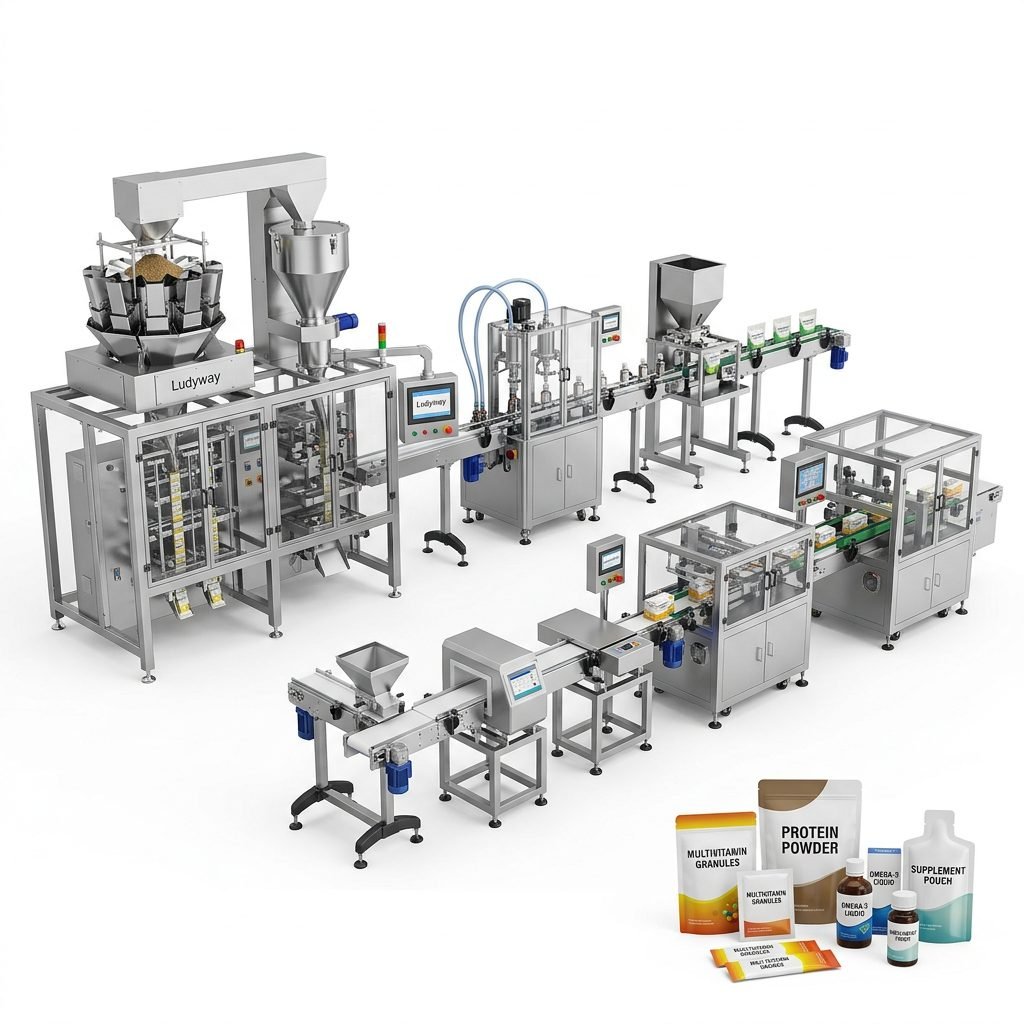
1. Technical Expertise and Specialization
Japan’s industries are diverse. A manufacturer specializing in your specific product type is non-negotiable. Whether you package granules, powders, liquids, or pouches, the machine must be engineered for your material’s unique characteristics (e.g., flowability, hygroscopicity, viscosity).
Key Question to Ask: Can the manufacturer provide detailed case studies or references from Japanese companies in your specific sector (e.g., premium teas, pharmaceuticals, precision electronics components)?
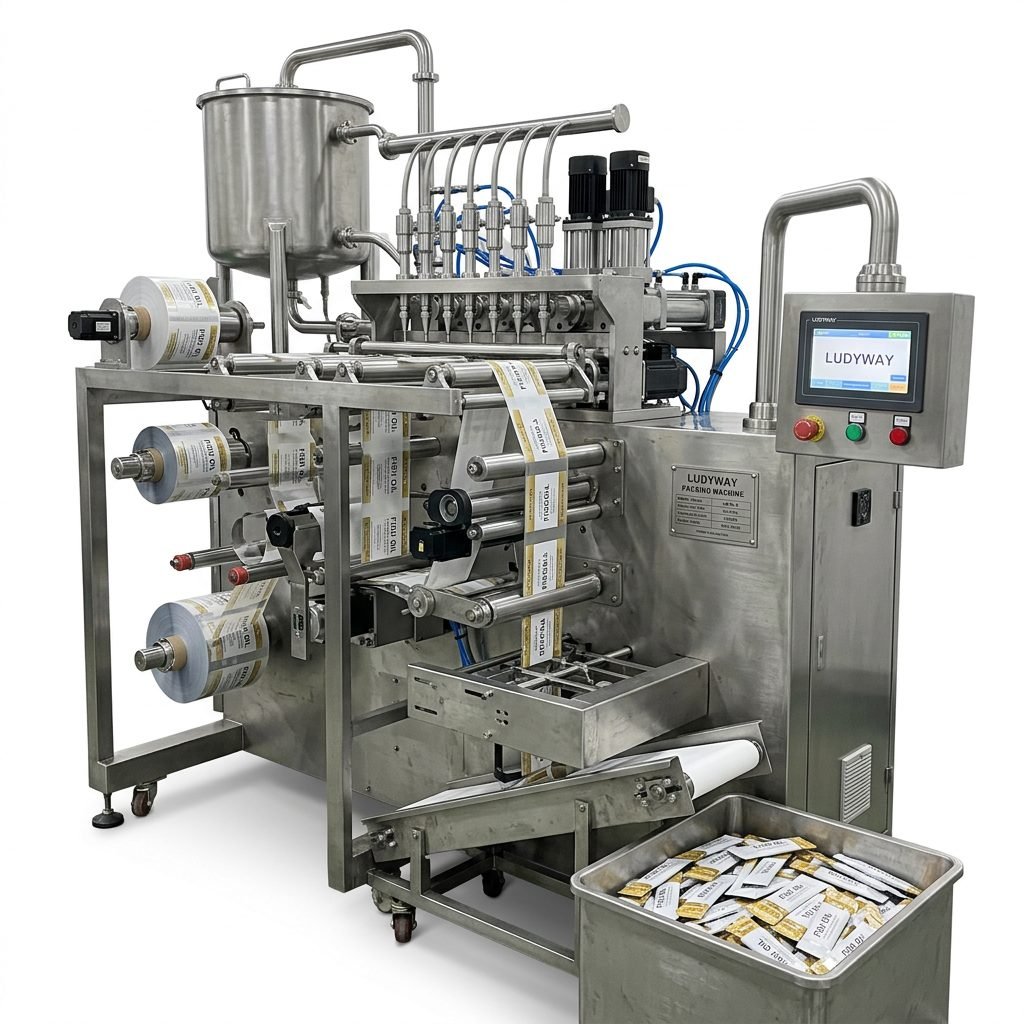
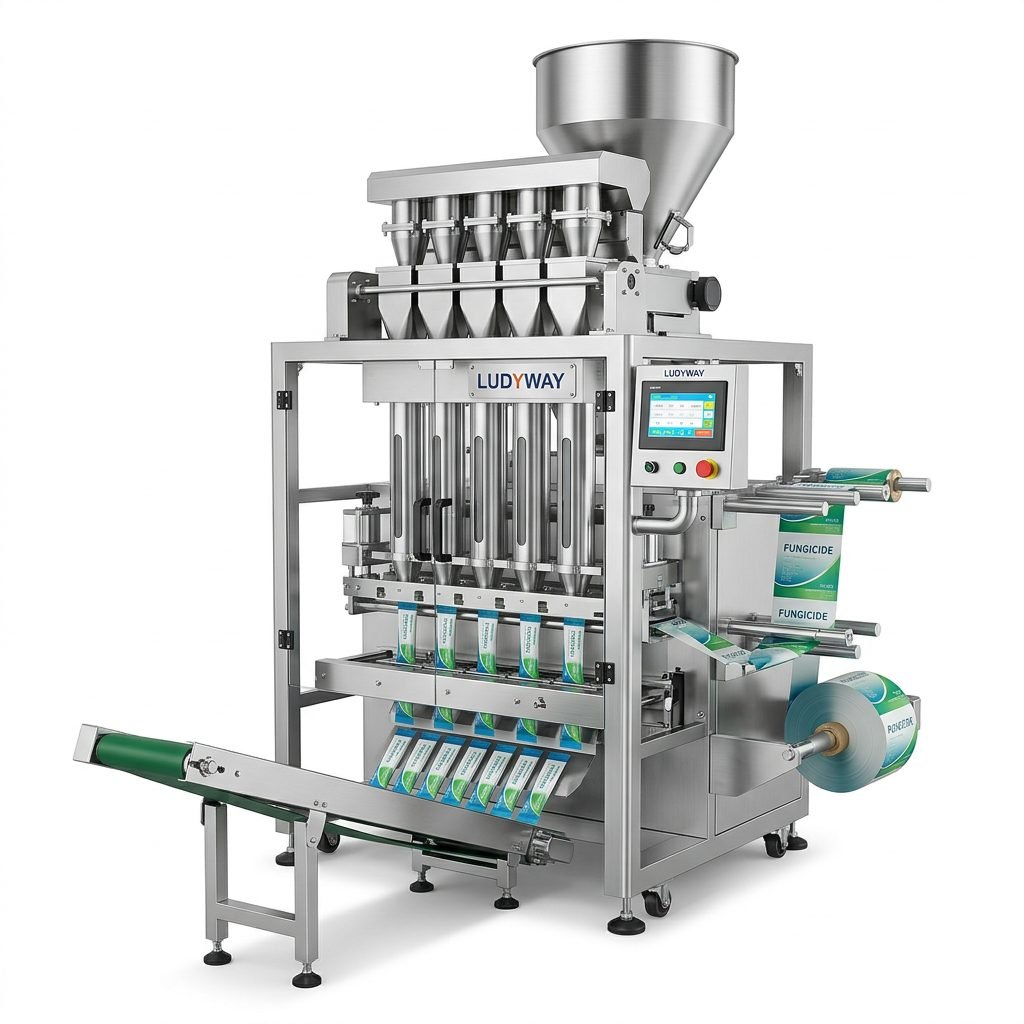
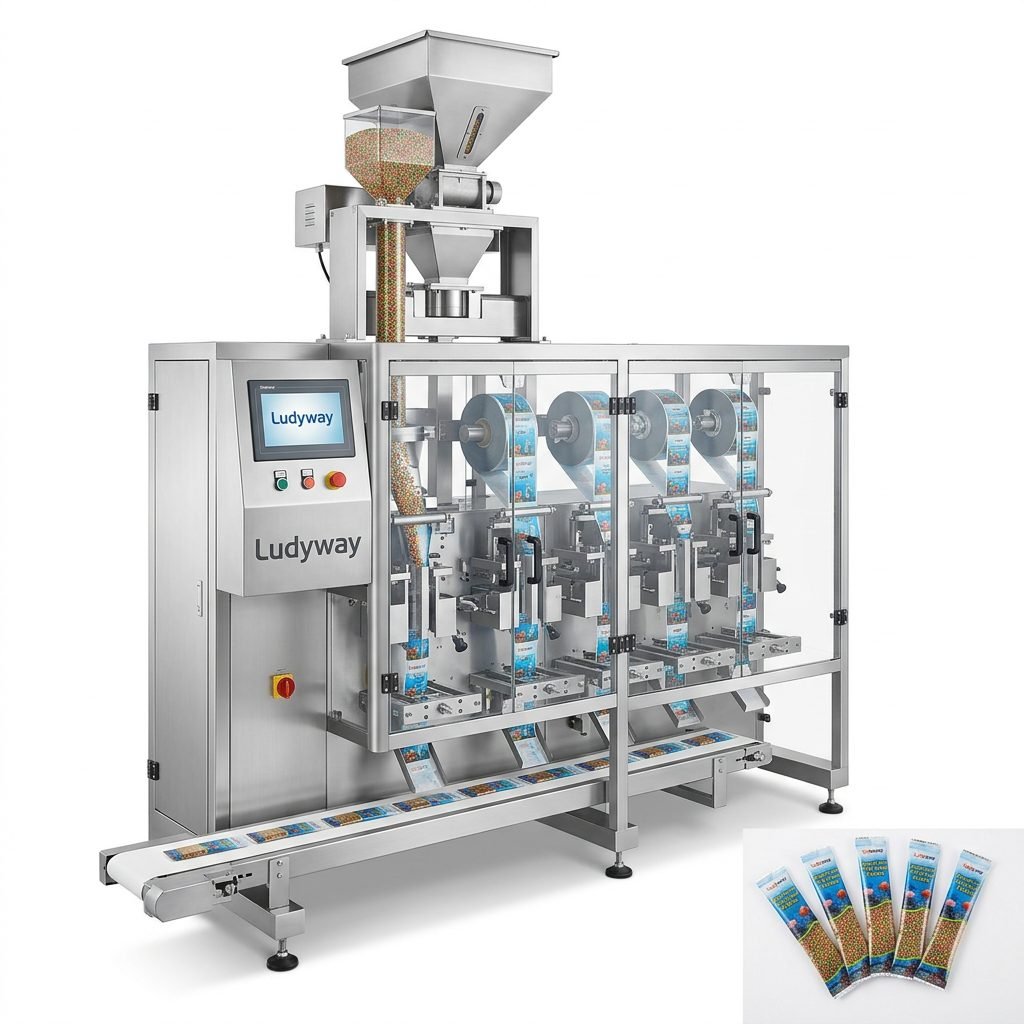
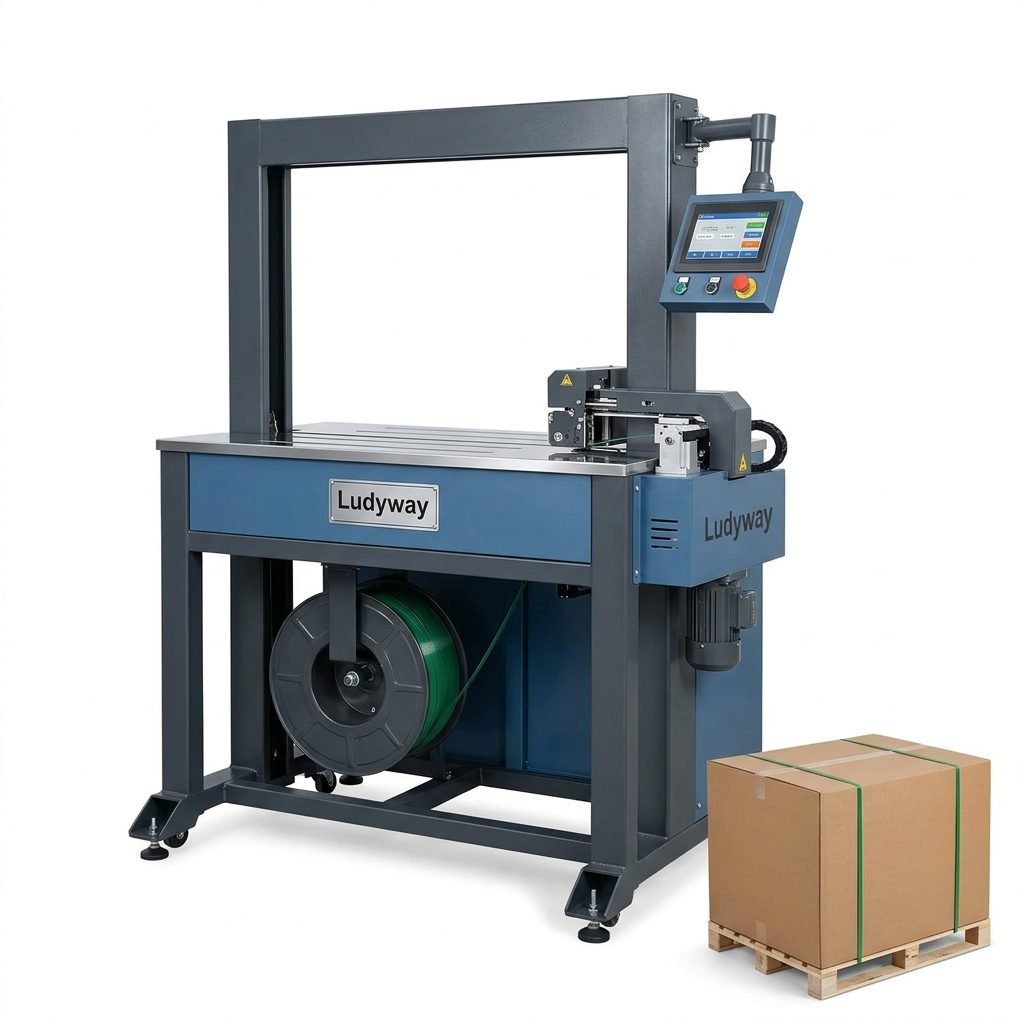
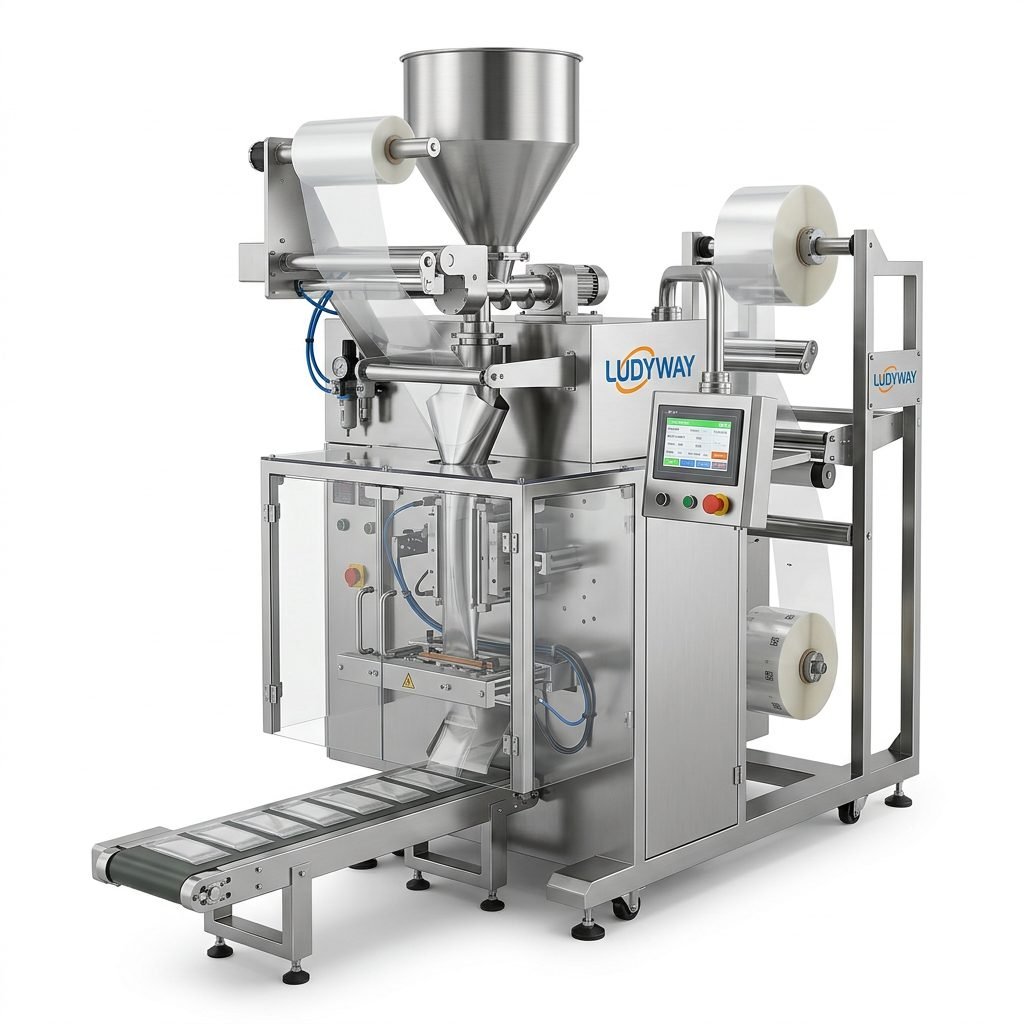
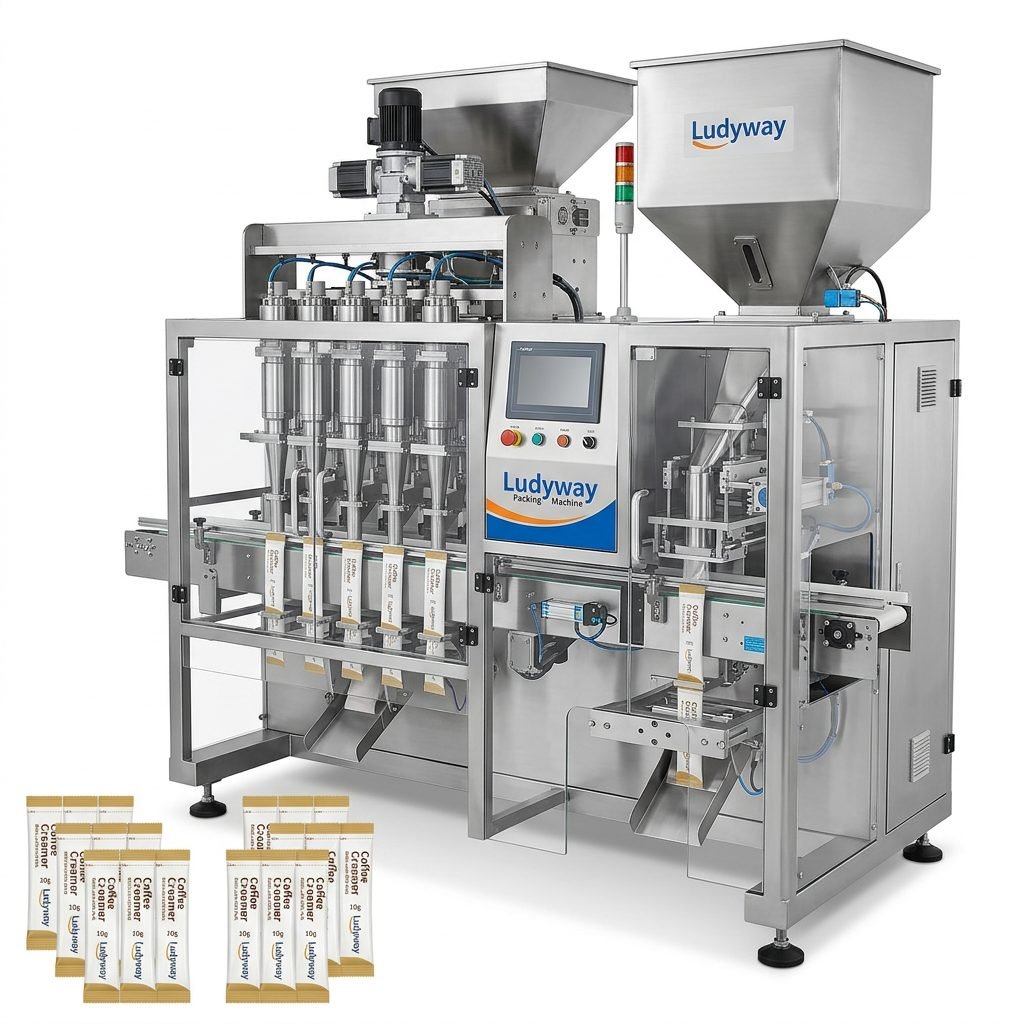
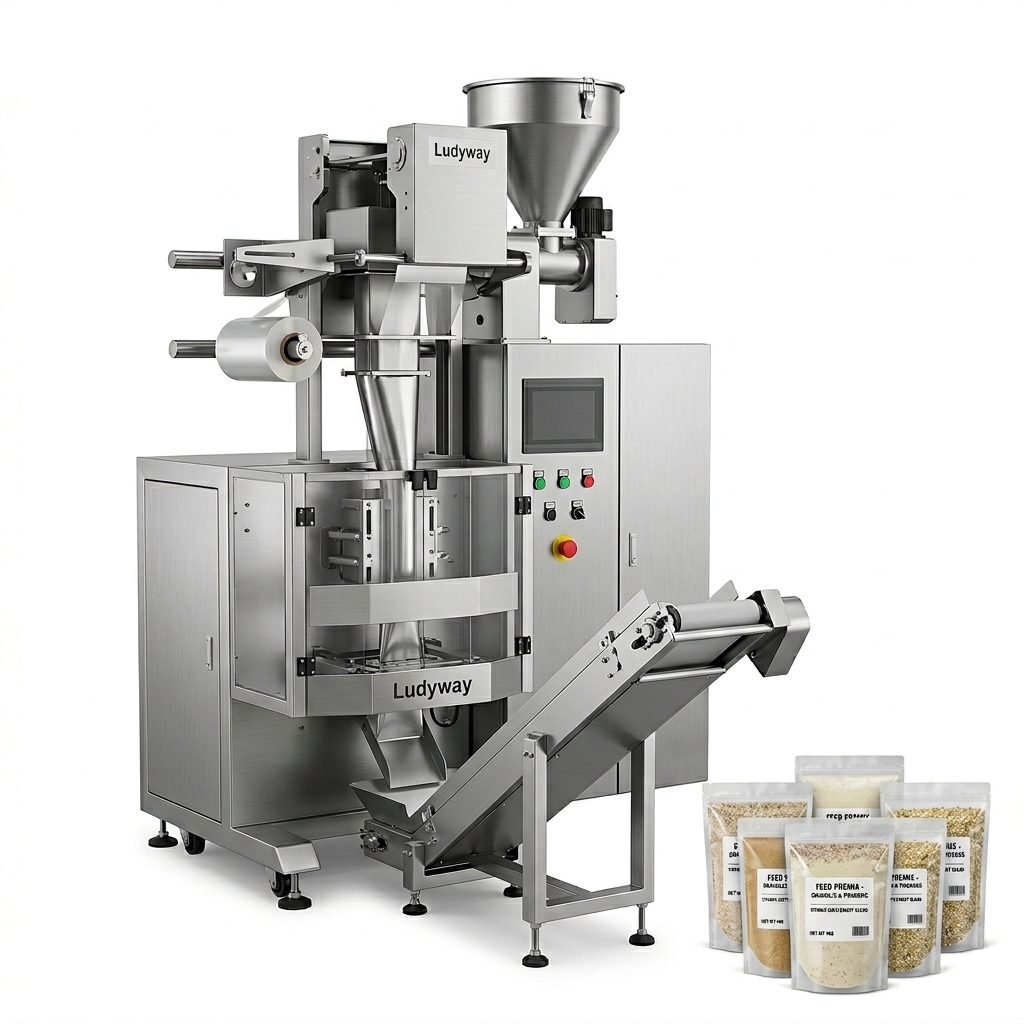
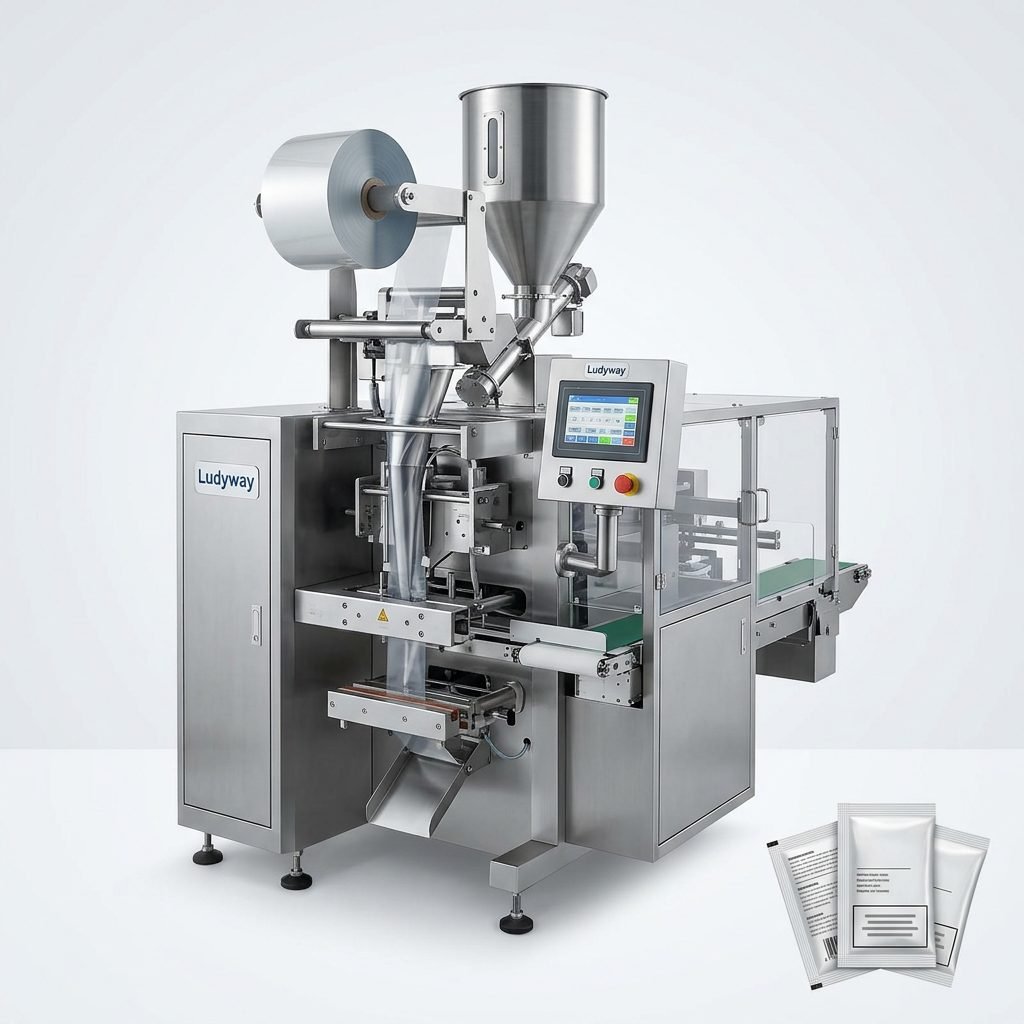
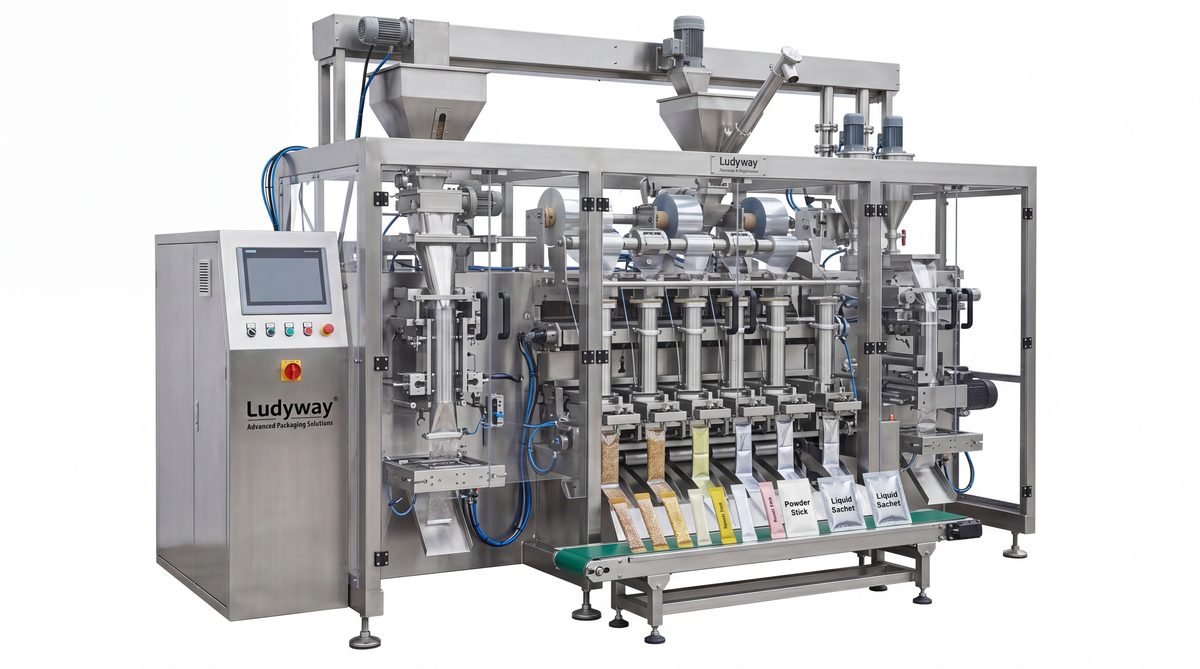
Companies like Ludyway, with over 30 years of experience, have developed specialized solutions across food, pharma, and health industries, offering a portfolio of over 50 machine models. Similarly, specialists like SnusMachinery focus deeply on niche segments like oral nicotine pouches, demonstrating targeted expertise.
2. Technological Innovation and Automation Level
Japanese manufacturing is at the forefront of Industry 4.0 and automation. Evaluate a manufacturer’s commitment to innovation. Look for features like:
- IoT connectivity for real-time monitoring and predictive maintenance.
- High-speed, multi-lane systems for maximizing output.
- Advanced vision inspection systems ensuring zero-defect packaging.
- Robotic integration for palletizing and end-of-line processes.
Manufacturers investing in R&D, such as Packmate Machinery and PacklineOEM, often lead in developing intelligent, connected packaging lines that meet the high efficiency demands of Japanese factories.
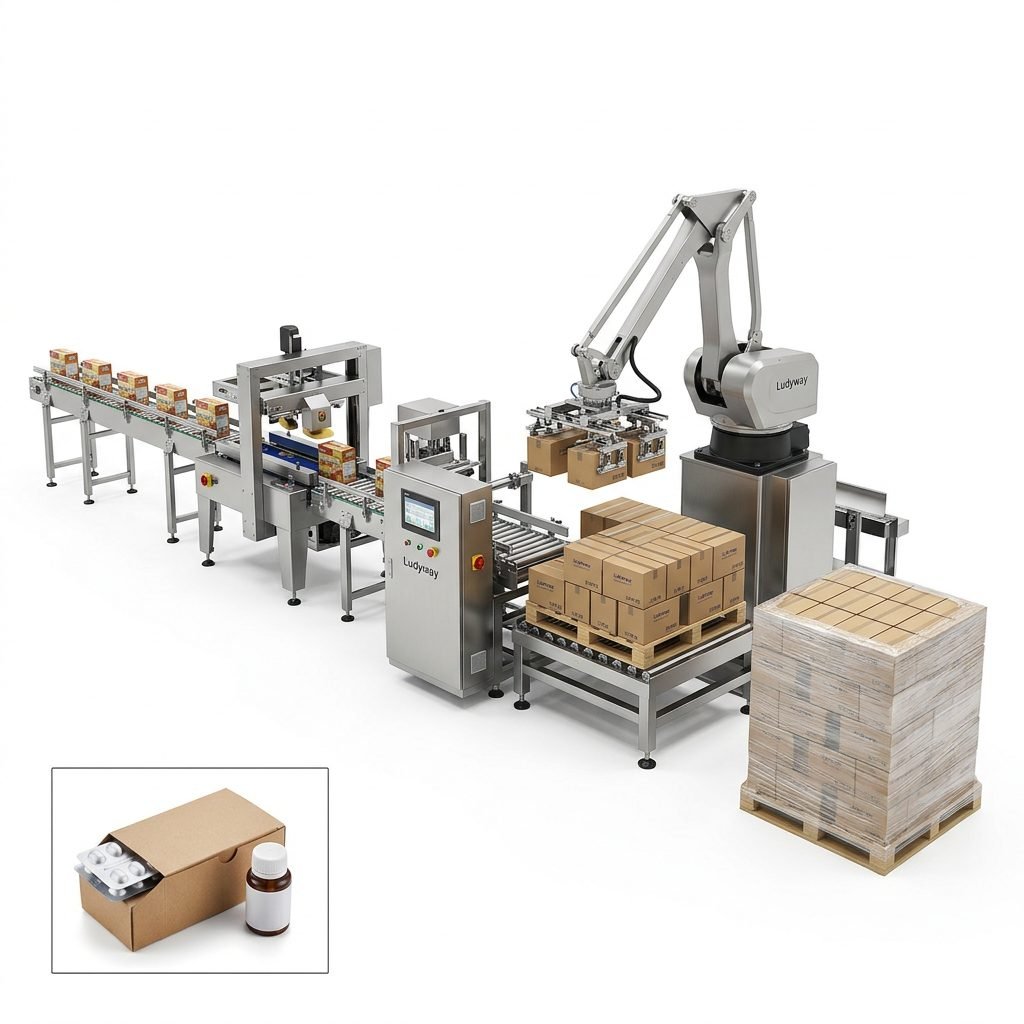
3. Manufacturing Quality and Compliance Standards
Japanese regulations, particularly in food (JAS) and pharmaceuticals (PMDA), are stringent. The manufacturer must adhere to global standards like CE, ISO, and GMP. Assess their quality control processes from raw material sourcing to final assembly.
Critical Checkpoint: Inquire about the construction materials (e.g., food-grade stainless steel), precision of components, and the robustness of the machine frame. A modern facility, like Ludyway’s 20,000㎡ plant, is often indicative of scalable, quality-controlled production.
4. After-Sales Support and Service Network
This is arguably the most critical factor for Japanese buyers. Machine breakdowns are costly. Ensure the manufacturer has a responsive, local service network in Japan or proven partnerships with local agents. Key support elements include:
- Comprehensive warranty and readily available spare parts inventory.
- On-site installation, training, and commissioning by factory engineers.
- Remote technical support and quick turnaround for service calls.
A manufacturer’s global footprint, like serving over 100 countries, suggests an established framework for international support, which is crucial for maintaining operations in Japan.
5. Customization and Flexibility
Off-the-shelf solutions rarely suffice for Japan’s unique and evolving market needs. The ability to provide customized, turnkey solutions is vital. This includes adapting machines to specific package sizes, shapes, and materials common in Japan.
Manufacturers like PackingMachineOEM, which focus on non-standard machinery, excel in this area. The partnership should involve a collaborative design process to ensure the machine integrates perfectly with your workflow and future expansion plans.
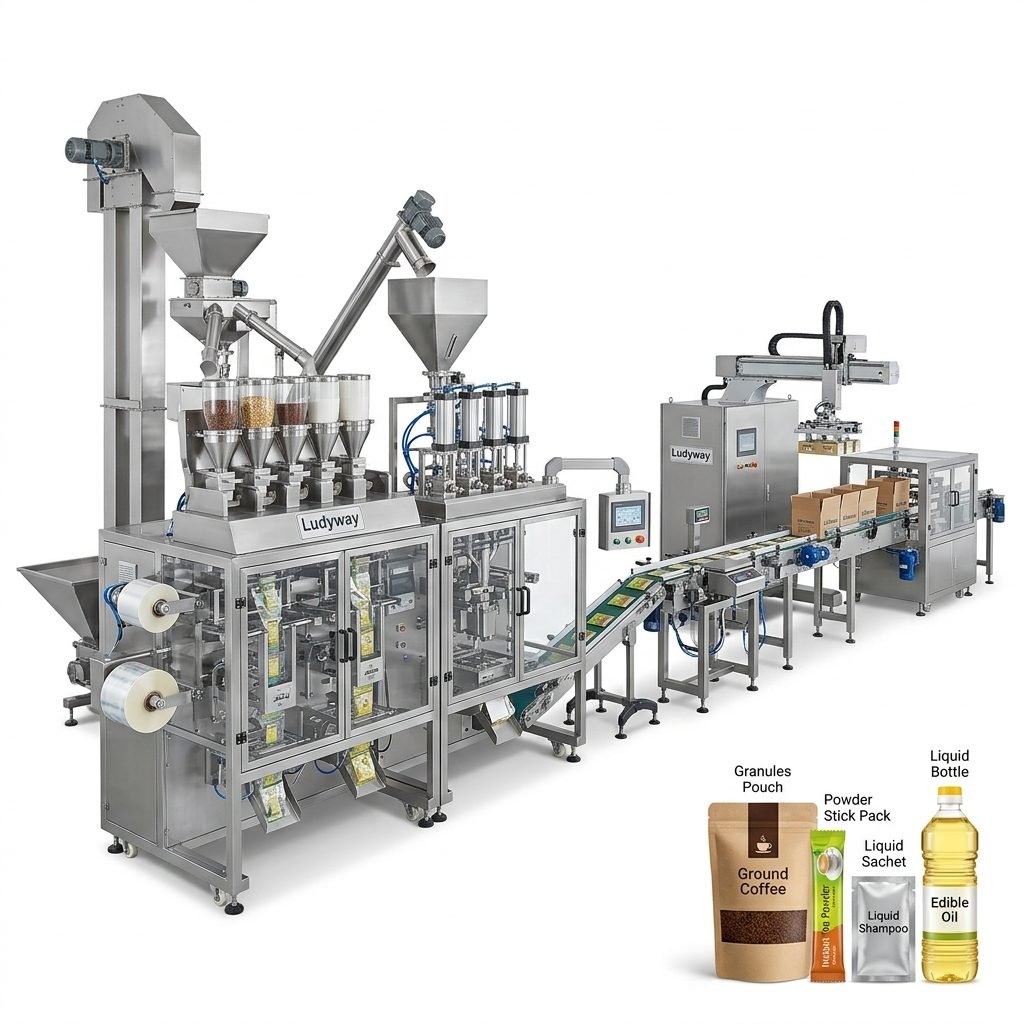
6. Cost-Effectiveness and Total Cost of Ownership (TCO)
While initial investment is important, Japanese buyers are adept at evaluating Total Cost of Ownership. This includes energy consumption, maintenance costs, operational efficiency (output vs. waste), and machine lifespan. A slightly higher upfront cost for a more reliable, efficient machine from a reputable manufacturer like Ludyway often leads to lower long-term costs and higher ROI.
7. Sustainability and Energy Efficiency
Environmental consciousness is strong in Japan. Manufacturers offering energy-efficient drives, reduced material waste through precision dosing, and machines designed for easy recycling at end-of-life will be more attractive. Inquire about their sustainability initiatives in machine design.
Partnering with a Global Manufacturer: The Ludyway Advantage
For Japanese buyers looking for a blend of advanced technology, proven reliability, and cost-effectiveness, partnering with a leading international manufacturer can be a strategic move. Ludyway combines over three decades of industry expertise with a modern manufacturing base, offering intelligent, high-performance solutions tailored to global standards—qualities highly valued in the Japanese market. Similarly, evaluating offerings from Packmate Machinery and PacklineOEM provides a comprehensive view of capable partners who understand the need for precision and partnership.
Conclusion: Building a Long-Term Partnership
Choosing a packaging machine manufacturer in Japan is less about a simple transaction and more about initiating a long-term technical partnership. By thoroughly evaluating a potential partner on technical specialization, innovation, quality compliance, support structure, and customization ability, you can secure a solution that not only meets today’s production needs but also scales with your future growth in one of the world’s most demanding markets.
Frequently Asked Questions (FAQs)
Q1: Why is local after-sales support so crucial in Japan?
A: Japan’s manufacturing operates on just-in-time principles. Any unplanned downtime can halt entire production lines, leading to significant financial loss. Local support ensures rapid response times, minimizing disruption and maintaining operational continuity, which is a core expectation in Japanese business culture.
Q2: Are Chinese manufacturers like Ludyway considered reliable by Japanese standards?
A: Yes, absolutely. Leading Chinese manufacturers have significantly elevated their quality, technology, and service to meet global standards. Companies like Ludyway, with extensive international experience, ISO certifications, and a focus on precision engineering, are successfully serving demanding markets worldwide, including Japan, by offering high-performance, cost-effective alternatives to traditional European suppliers.
Q3: What is the typical lead time for a custom packaging line installation in Japan?
A: Lead times vary based on complexity. For standard machines, it could be 3-6 months. For fully customized turnkey lines involving design, fabrication, testing, and shipping, it may take 6-12 months. A reputable manufacturer will provide a detailed project timeline and maintain clear communication throughout.
Q4: How important is machine connectivity (IoT) for the Japanese market?
A: Extremely important. Japan is a leader in smart factory (Society 5.0) initiatives. IoT-enabled machines that provide data on OEE (Overall Equipment Effectiveness), predictive maintenance alerts, and seamless integration with factory MES/ERP systems are increasingly becoming a standard requirement to optimize production and ensure traceability.
Q5: Can manufacturers provide samples or trials before purchase?
A: Reputable manufacturers often have testing facilities. They can run your specific product on their machines and provide sample packages. This is a critical step to verify machine performance, dosing accuracy, and seal integrity before making a final investment decision.