Investing in the right pizza packaging machine is a critical decision for food manufacturers, pizzerias scaling into retail, and co-packers across the United States. The U.S. pizza market is projected to maintain steady growth, driven by rising demand for frozen pizzas, take-and-bake options, and portion-controlled foodservice formats. Whether you are packaging whole pizzas, slices, pizza kits, or related components such as seasoning packets and sauce sachets, selecting equipment that balances speed, hygiene, and flexibility directly impacts your operational efficiency and product shelf appeal.
This guide walks you through every essential factor — from machine types and regulatory requirements to cost analysis and supplier evaluation — so you can make a confident, informed purchase.

1. Understanding Your Pizza Packaging Requirements
Before comparing machine specifications, clearly define your production goals. Consider the following questions:
- Product format: Are you packaging whole pizzas, single slices, pizza kits with multiple components, or ancillary items like seasoning packets and sauce sachets?
- Packaging style: Do you need flow wrapping for frozen pizzas, shrink wrapping for fresh pizzas, cartoning for take-and-bake products, or multi-lane sachet packaging for portion-controlled toppings?
- Production volume: What is your target output per minute or per shift? This determines whether a semi-automatic or fully automatic system is appropriate.
- Material compatibility: What packaging materials will you use — polyethylene, polypropylene, laminated films, or corrugated board?
- Facility constraints: What is your available floor space, ceiling height, and utility configuration?
Clearly answering these questions helps narrow down equipment categories and avoids costly mismatches. For manufacturers seeking comprehensive production solutions, working with an experienced packaging machine manufacturer that offers turnkey systems can significantly streamline this evaluation process.
2. Types of Pizza Packaging Machines Available in the U.S. Market
The U.S. packaging machinery landscape offers several equipment categories relevant to pizza production. Understanding the distinctions is essential for matching machine capabilities to your product line.
2.1 Flow Wrapping Machines
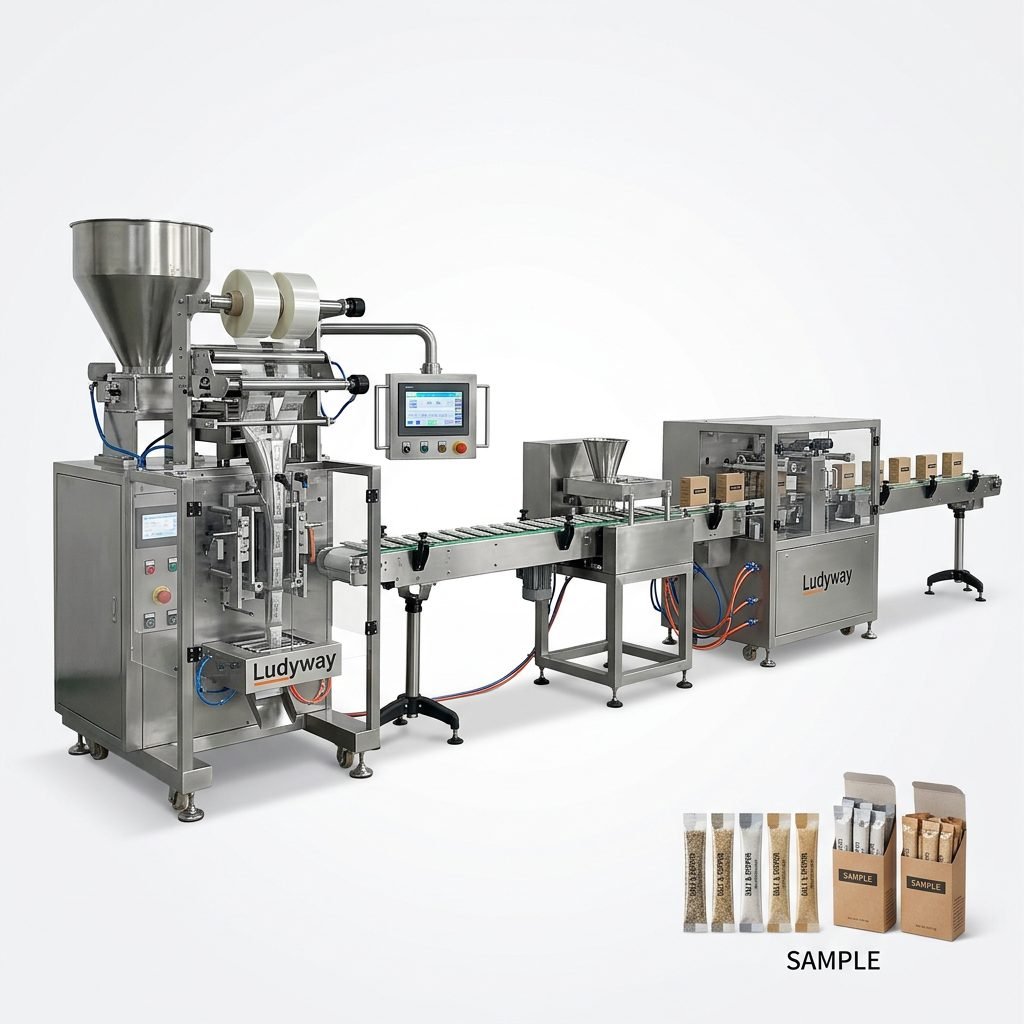
Flow wrappers are the most common choice for frozen and refrigerated pizzas. They create a tight seal around the product using horizontal form-fill-seal technology. Modern flow wrappers can handle various pizza diameters and thicknesses, with adjustable film tension and sealing temperature controls. High-speed models can achieve outputs exceeding 100 packages per minute, making them ideal for large-scale frozen pizza manufacturers.
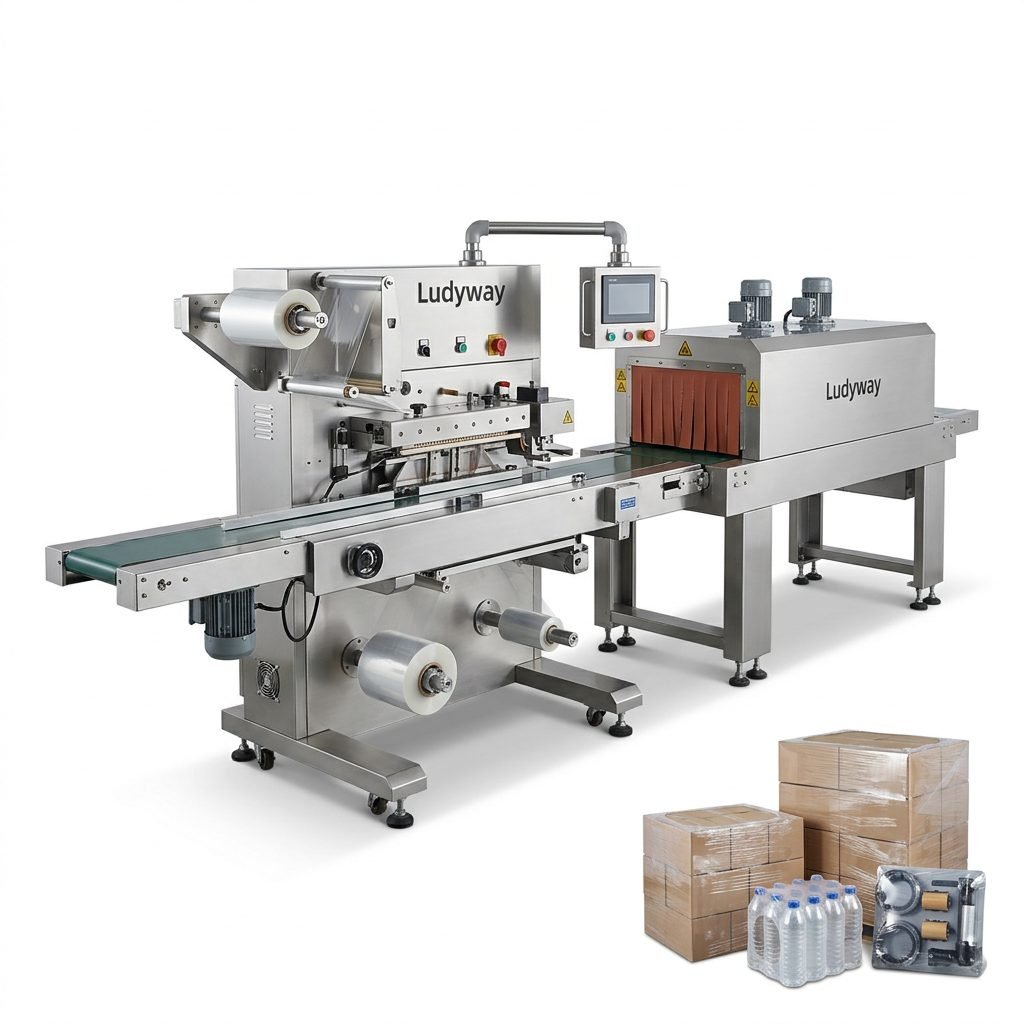
2.2 Shrink Wrapping Systems
Shrink wrapping is widely used for fresh pizzas displayed in retail deli sections. The process involves loosely wrapping the pizza in film and passing it through a heat tunnel, where the film shrinks tightly around the product. This method provides excellent product visibility and tamper evidence. Many U.S. grocery chains specify shrink-wrapped packaging for their private-label pizza programs.
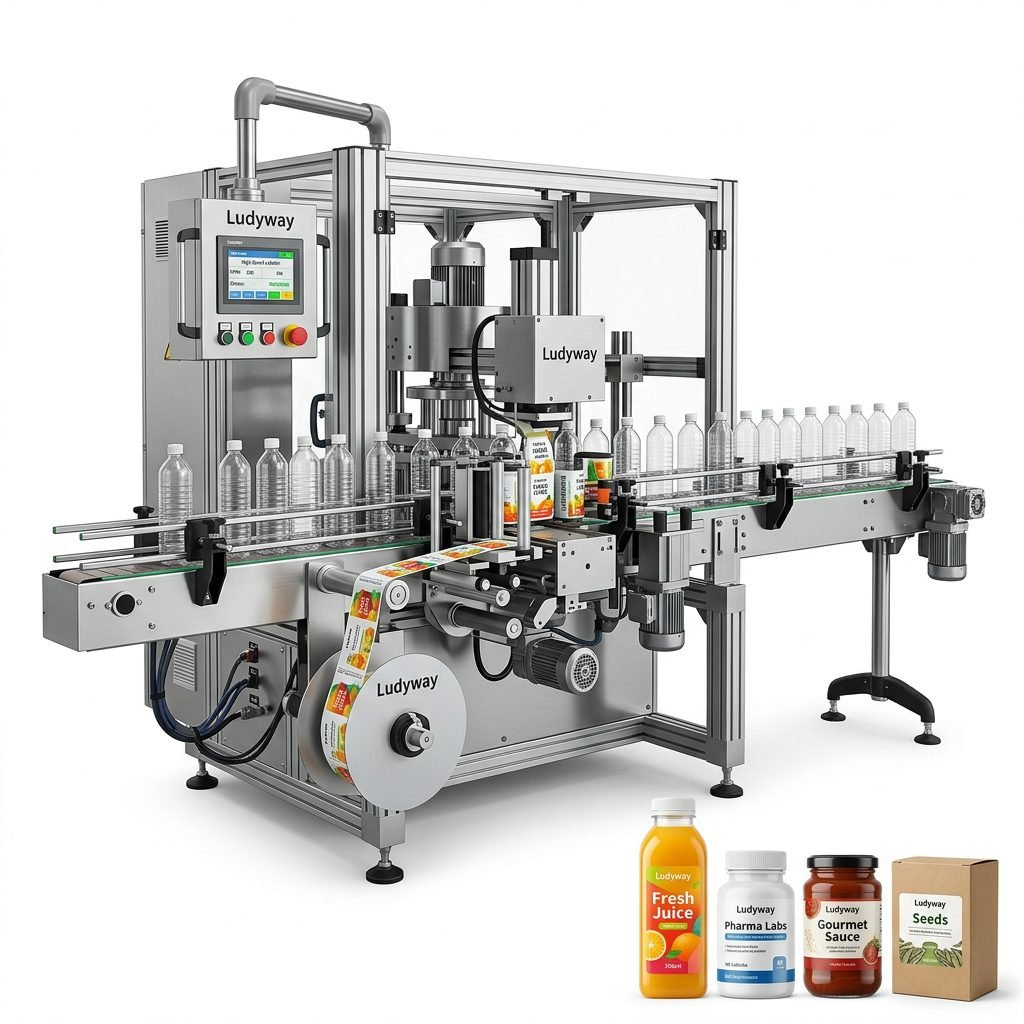
2.3 Cartoning and Case Packing Machines
For premium and take-and-bake pizza brands, cartoning equipment forms, fills, and seals paperboard cartons automatically. These systems can integrate with upstream flow wrappers or operate as standalone units. Automated cartoning lines reduce manual labor and ensure consistent carton presentation, which is critical for brand image on crowded retail shelves.

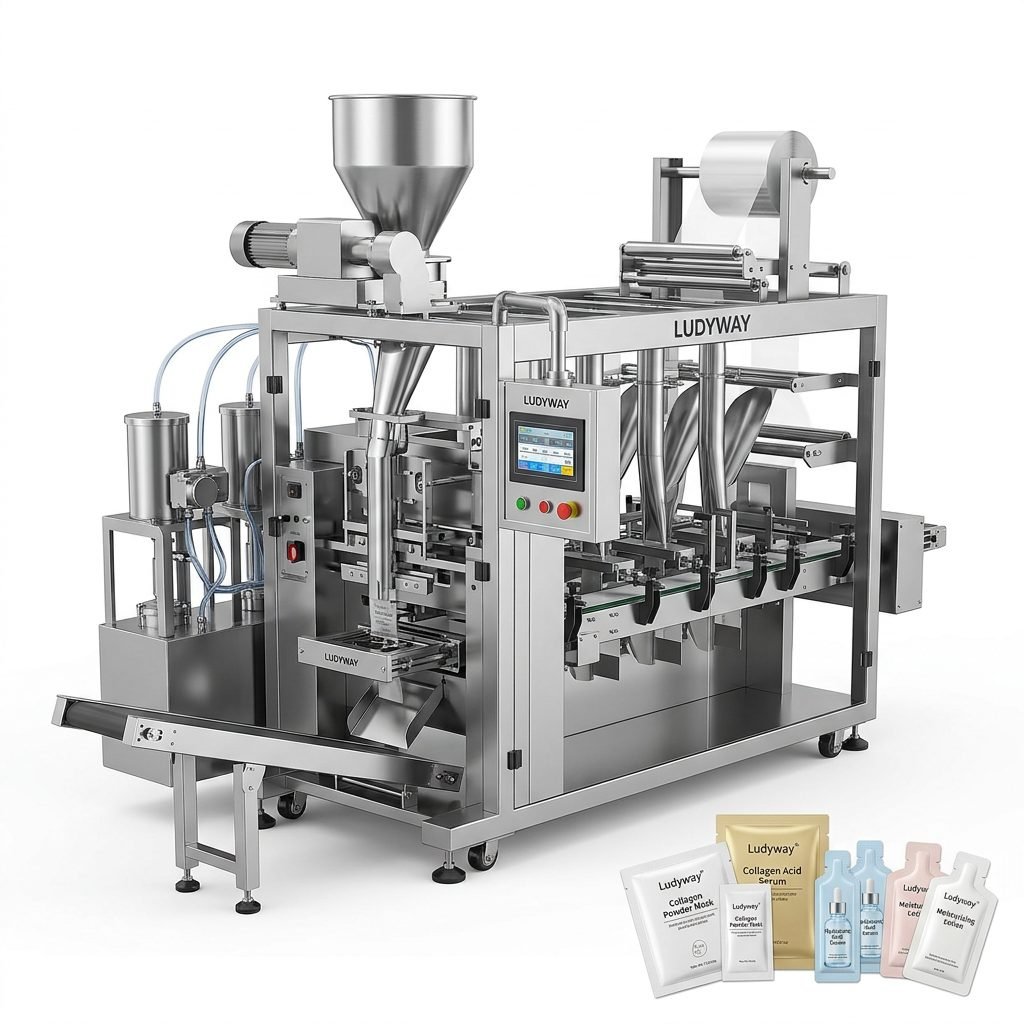
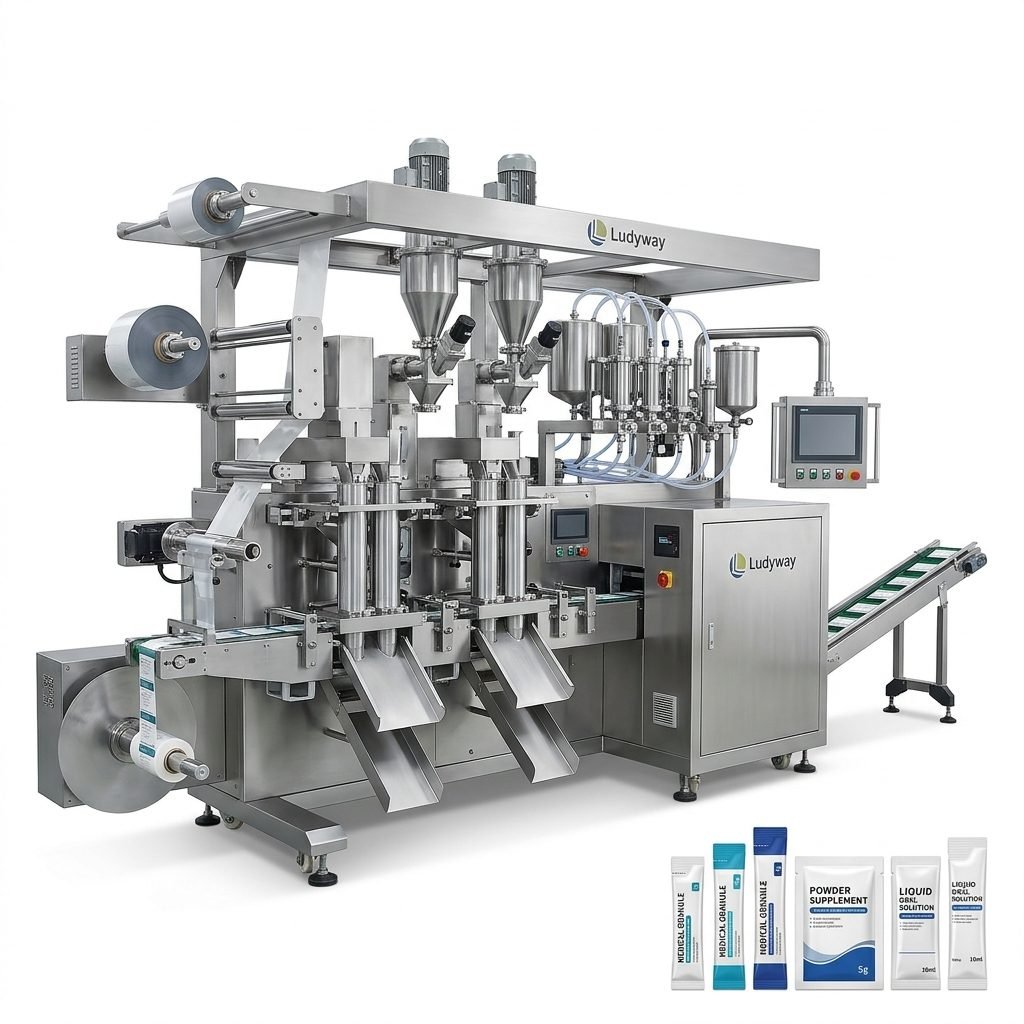
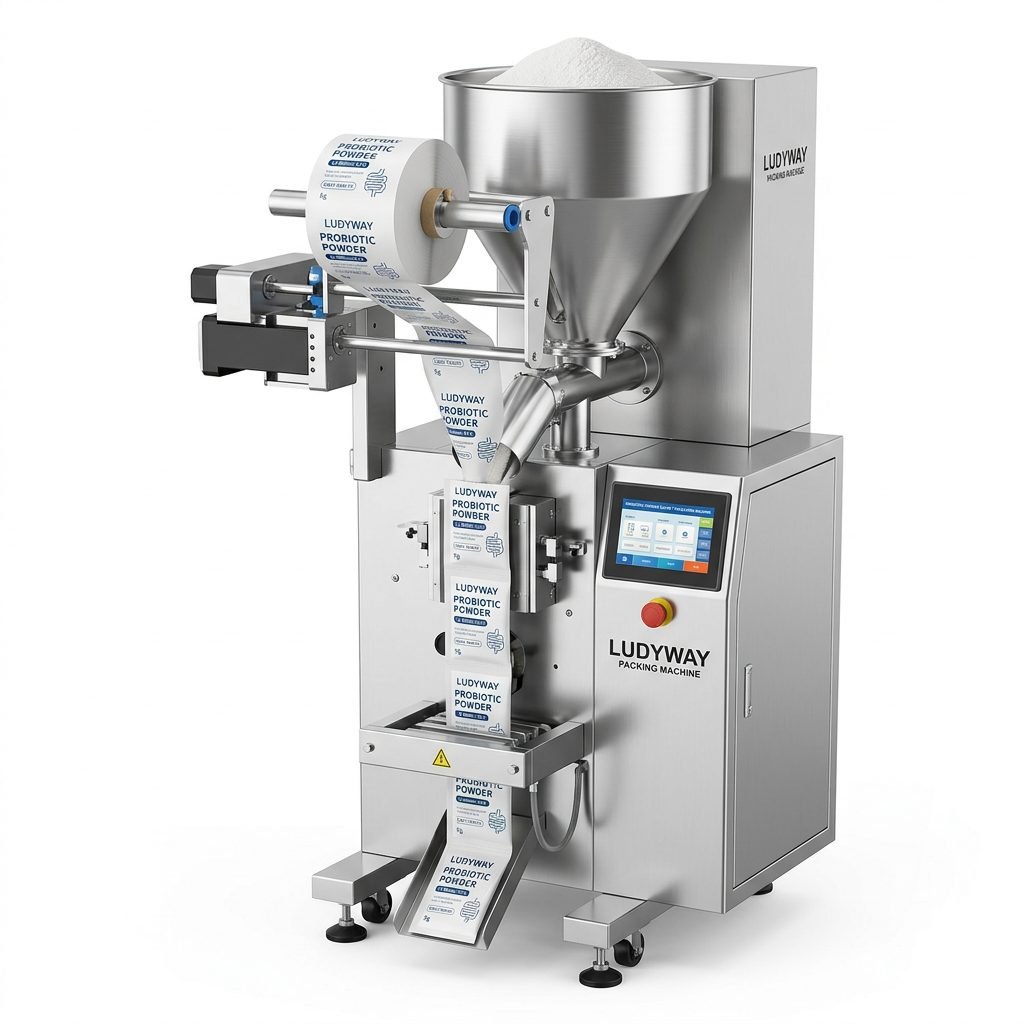
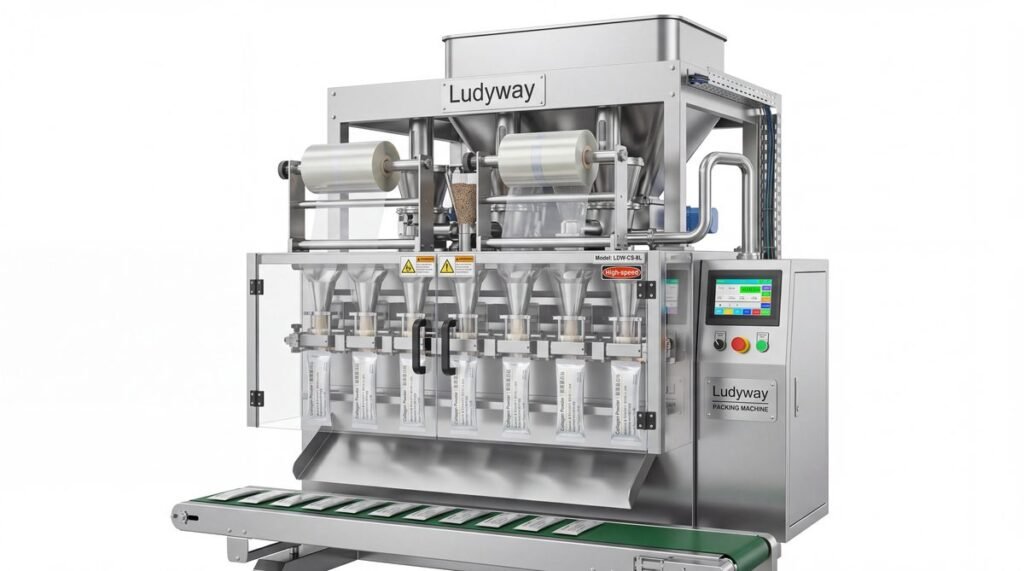
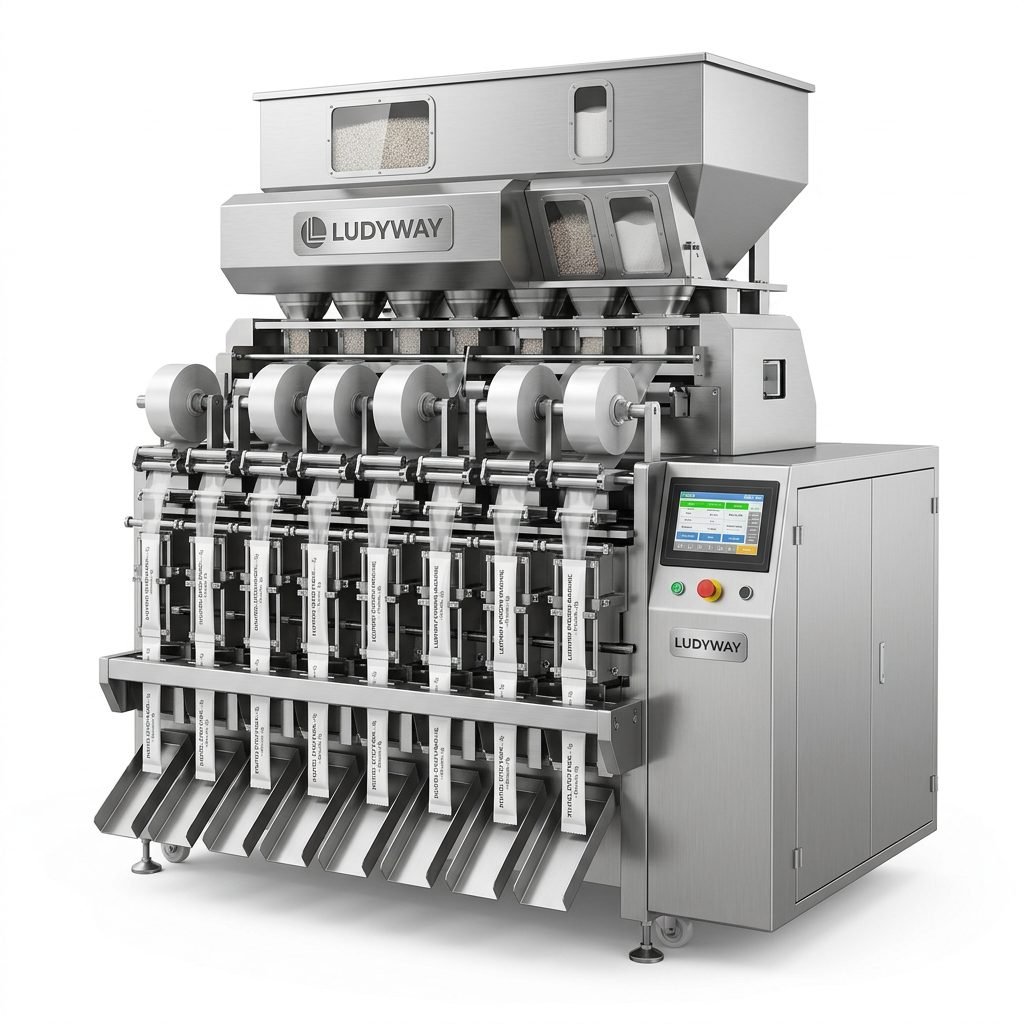
2.4 Sachet and Stick Pack Machines for Pizza Components
Many pizza kits and foodservice packs include separate portions of sauce, cheese seasoning, or crushed red pepper. Multi-lane sachet and stick pack machines excel at producing these small-format packages at high speeds. These systems are also used for packaging instant pizza crust mixes and powdered topping blends. According to industry data from the PMMI – The Association for Packaging and Processing Technologies, the demand for flexible packaging formats continues to outpace rigid container growth in the food sector.
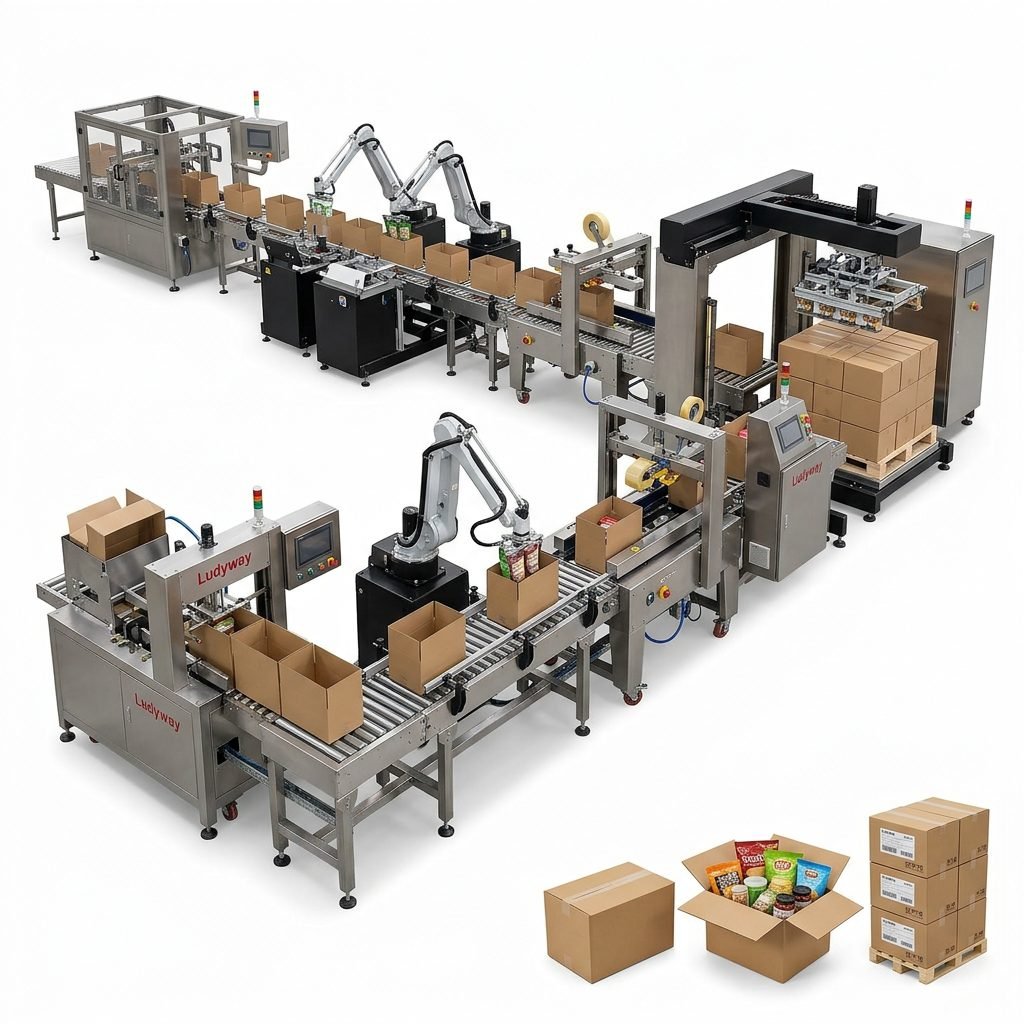
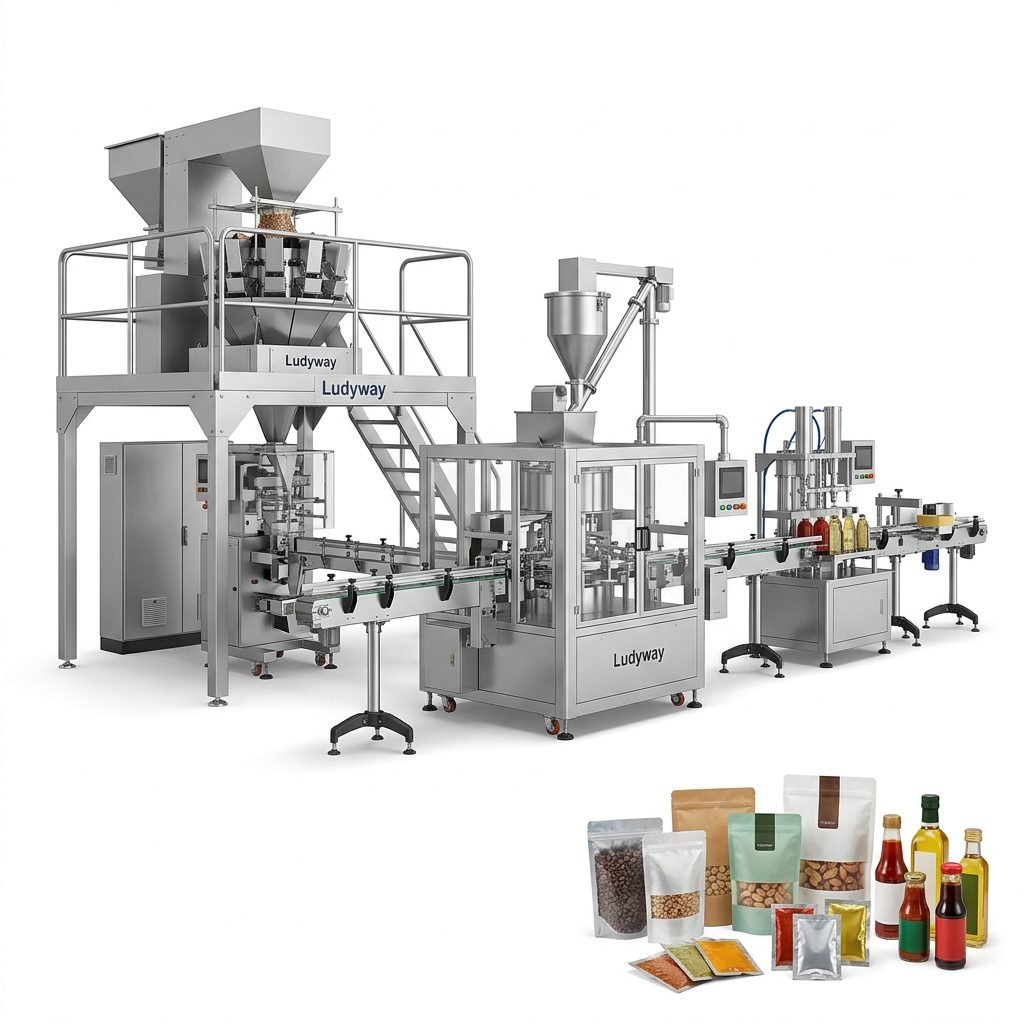
2.5 Complete Turnkey Packaging Lines
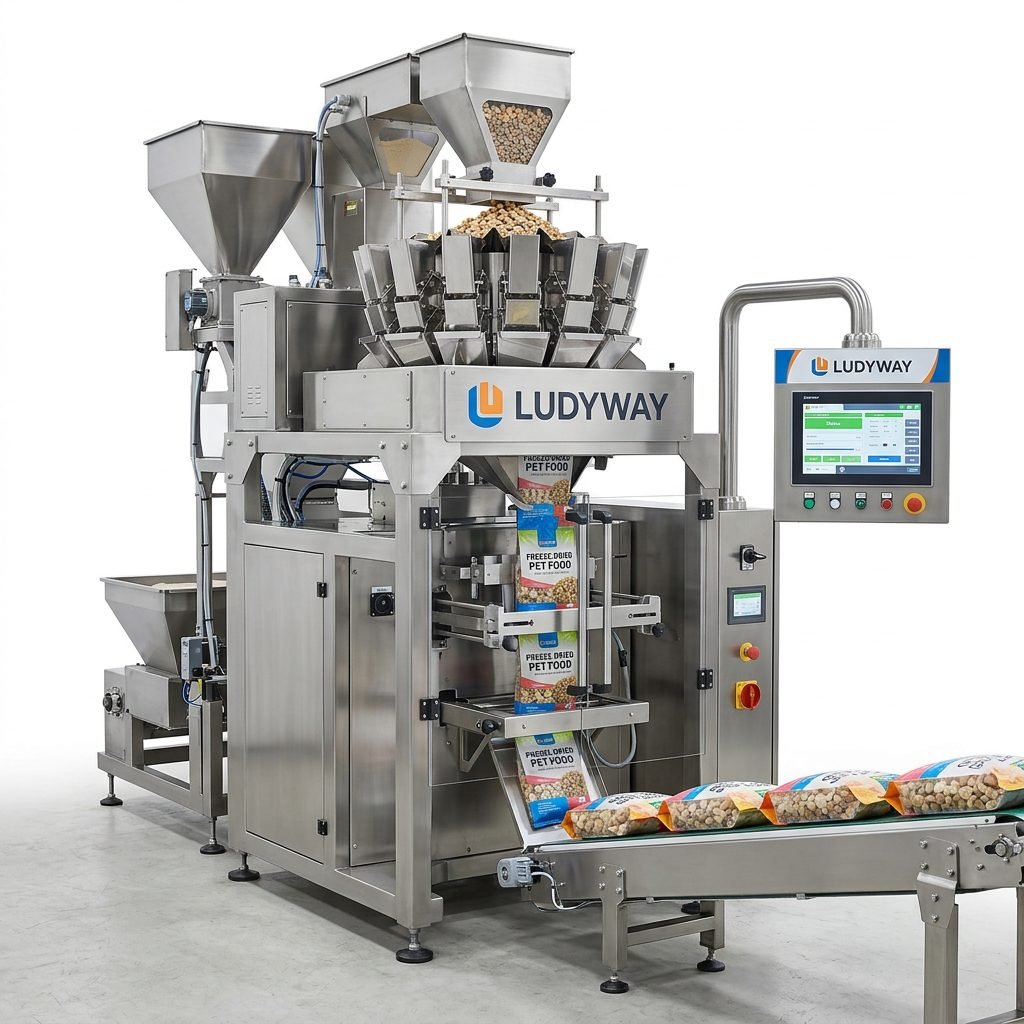
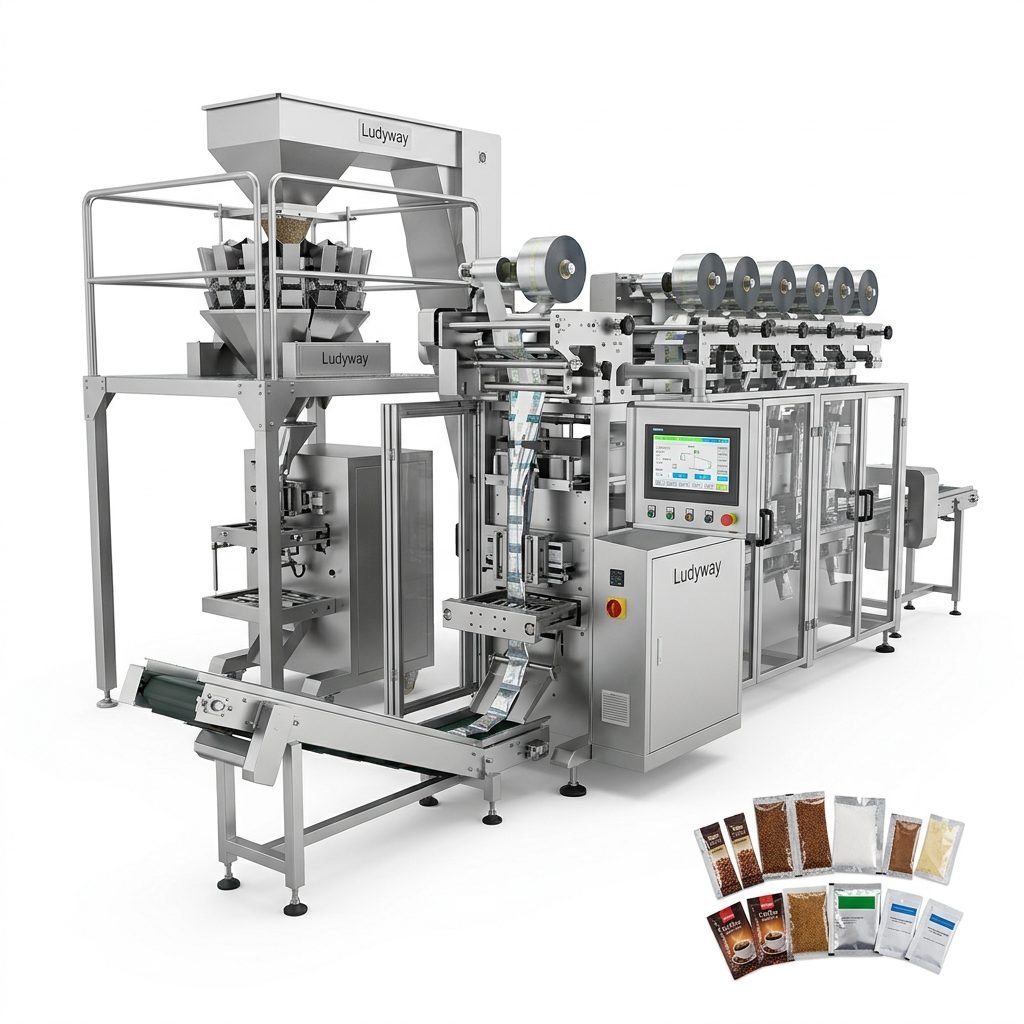
For manufacturers looking to scale rapidly, turnkey lines integrate multiple machines — flow wrappers, cartoners, case packers, palletizers, and inspection systems — into a seamless production flow. These lines are custom-engineered to match specific product dimensions and throughput targets. Turnkey solutions reduce integration risk and provide single-source accountability for performance.
3. Key Factors to Consider Before Purchasing
Evaluating a pizza packaging machine requires a systematic approach that goes beyond the initial purchase price. The following table summarizes the most critical evaluation criteria:
| Evaluation Factor | Why It Matters | Key Questions to Ask |
|---|---|---|
| Speed and Throughput | Directly impacts production capacity and labor efficiency | What is the rated output per minute? Can it sustain peak production across multiple shifts? |
| Changeover Flexibility | Enables packaging multiple pizza sizes or formats on one line | How long does a full changeover take? Are adjustments tool-less or tool-required? |
| Material Compatibility | Determines film options and packaging quality | What film gauges and materials are supported? Can it handle sustainable or recyclable films? |
| Hygiene and Sanitation | Critical for FDA and USDA compliance in food packaging | Is the machine built with washdown-capable components? Are there crevice-free surfaces? |
| Automation Level | Balances capital investment against ongoing labor costs | How many operators are required? Can it integrate with robotic loading and vision inspection? |
| Service and Support | Minimizes downtime and protects your investment | What is the warranty period? Are spare parts stocked in the U.S.? Is remote diagnostics available? |
4. Regulatory Compliance and Food Safety Standards
All pizza packaging equipment sold and operated in the United States must comply with relevant regulations enforced by the U.S. Food and Drug Administration (FDA). Key compliance areas include:
- FDA 21 CFR Part 110: Current Good Manufacturing Practice (CGMP) requirements for food contact surfaces and equipment design.
- FDA Food Contact Substances: Packaging materials that come into contact with pizza must be composed of approved substances. Refer to the official FDA Food Packaging and Food Contact Substances resource for detailed guidance.
- USDA FSIS: If your pizza contains meat or poultry ingredients, additional USDA Food Safety and Inspection Service requirements apply to the packaging environment.
- NSF/ANSI Standards: Many U.S. buyers require equipment certified to NSF/ANSI food equipment standards, which validate cleanability and material safety.
Additionally, sustainability regulations are evolving rapidly. The European Commission – Packaging and Packaging Waste Regulation offers a forward-looking framework that increasingly influences U.S. packaging strategies, especially for companies with export markets.
5. Cost Analysis and ROI Considerations
The total cost of ownership for a pizza packaging machine extends far beyond the invoice price. A comprehensive financial analysis should account for:
- Capital expenditure: Machine purchase price, shipping, import duties (if applicable), and installation costs.
- Operational costs: Labor requirements, film and material consumption rates, energy usage, and routine maintenance expenses.
- Downtime risk: The cost of lost production during breakdowns, and the availability of local technical support.
- Longevity and resale value: Well-built machines from reputable manufacturers retain value and can serve reliably for 10–15 years with proper maintenance.
Many U.S. food companies achieve full ROI within 18–36 months when upgrading from manual or semi-automatic packaging to fully automated turnkey packaging lines. The key driver is labor savings combined with increased throughput and reduced film waste.
6. Selecting a Reliable Supplier
Choosing the right equipment supplier is as important as choosing the right machine. Evaluate potential partners using these criteria:
- Industry experience: How many years has the supplier been manufacturing packaging equipment? Do they have specific experience with food and pizza packaging applications?
- U.S. references: Can they provide case studies or references from U.S.-based food manufacturers?
- Technical support: Do they offer installation, training, and ongoing technical support in the United States?
- Customization capability: Can they engineer custom solutions for unique pizza formats or packaging materials?
- Parts availability: Are critical spare parts warehoused domestically, or do they require international shipping?
Leading suppliers often demonstrate their capabilities at major industry events such as PACK EXPO International and PACK EXPO Las Vegas, organized by PMMI. Attending these exhibitions allows you to see machines in operation, meet engineering teams, and compare multiple suppliers side by side. Information on upcoming events is available through the PACK EXPO International website.
7. Installation, Training, and After-Sales Support
A successful packaging line implementation depends heavily on proper installation and operator training. When negotiating your purchase, confirm that the supplier provides:
- On-site installation supervision: Certified technicians who oversee machine placement, utility connections, and initial calibration.
- Operator training programs: Hands-on training for your production team, covering daily operation, changeover procedures, and basic troubleshooting.
- Preventive maintenance schedules: Documented maintenance plans that extend machine life and prevent unplanned downtime.
- Remote diagnostics: Modern packaging machines often support remote connectivity, allowing supplier technicians to diagnose issues without an on-site visit.
- Spare parts kits: A recommended inventory of wear parts and critical components to keep on hand.
8. Future-Proofing Your Investment
The U.S. packaging industry is evolving toward greater automation, sustainability, and digital integration. When purchasing a pizza packaging machine, consider these trends:
- Sustainable packaging materials: Machines compatible with recyclable, compostable, or lightweight films position your brand for future regulatory and consumer demands.
- IIoT and data integration: Industrial Internet of Things capabilities enable real-time production monitoring, predictive maintenance alerts, and integration with plant-wide manufacturing execution systems.
- Modular design: Equipment with modular architecture can be upgraded incrementally as your production needs evolve, protecting your initial investment.
For additional industry insights, the Flexible Packaging Association – Industry Resources provides valuable data on packaging trends, sustainability initiatives, and regulatory developments affecting the U.S. food packaging sector. The ISO – Packaging Standards library also offers internationally recognized guidelines that many U.S. buyers reference when specifying equipment requirements.
9. Making the Final Decision
After evaluating machine types, compliance requirements, costs, and suppliers, synthesize your findings into a structured comparison. Create a weighted scorecard that prioritizes factors aligned with your business objectives — whether that means maximizing throughput, minimizing changeover time, or ensuring long-term serviceability. Request detailed proposals from shortlisted suppliers that include:
- Complete equipment specifications and performance guarantees
- Detailed line layout drawings showing utility connections and operator access
- Total cost of ownership projections over a 5-year period
- Installation timeline and training program outline
- Warranty terms and post-warranty service agreement options
Taking a methodical approach to equipment procurement reduces risk and ensures that your pizza packaging machine delivers consistent, reliable performance for years to come. The U.S. market offers a wide range of domestic and international equipment options, and investing time in thorough due diligence pays dividends in production efficiency, product quality, and bottom-line profitability.
| Decision Stage | Recommended Action |
|---|---|
| Requirements Definition | Document product formats, target throughput, packaging materials, and facility constraints |
| Market Research | Attend PACK EXPO events, review PMMI resources, and consult industry publications |
| Supplier Shortlisting | Evaluate manufacturers based on experience, U.S. references, and technical support capabilities |
| Proposal Review | Compare detailed proposals using a weighted scorecard aligned with business priorities |
| Final Validation | Conduct factory acceptance testing, review warranty terms, and finalize installation plans |
By following this complete guide, U.S. food manufacturers and pizza producers can navigate the equipment purchasing process with clarity and confidence. The right packaging machine not only protects your product and extends shelf life but also enhances brand presentation and operational efficiency — making it a strategic asset in an increasingly competitive market.