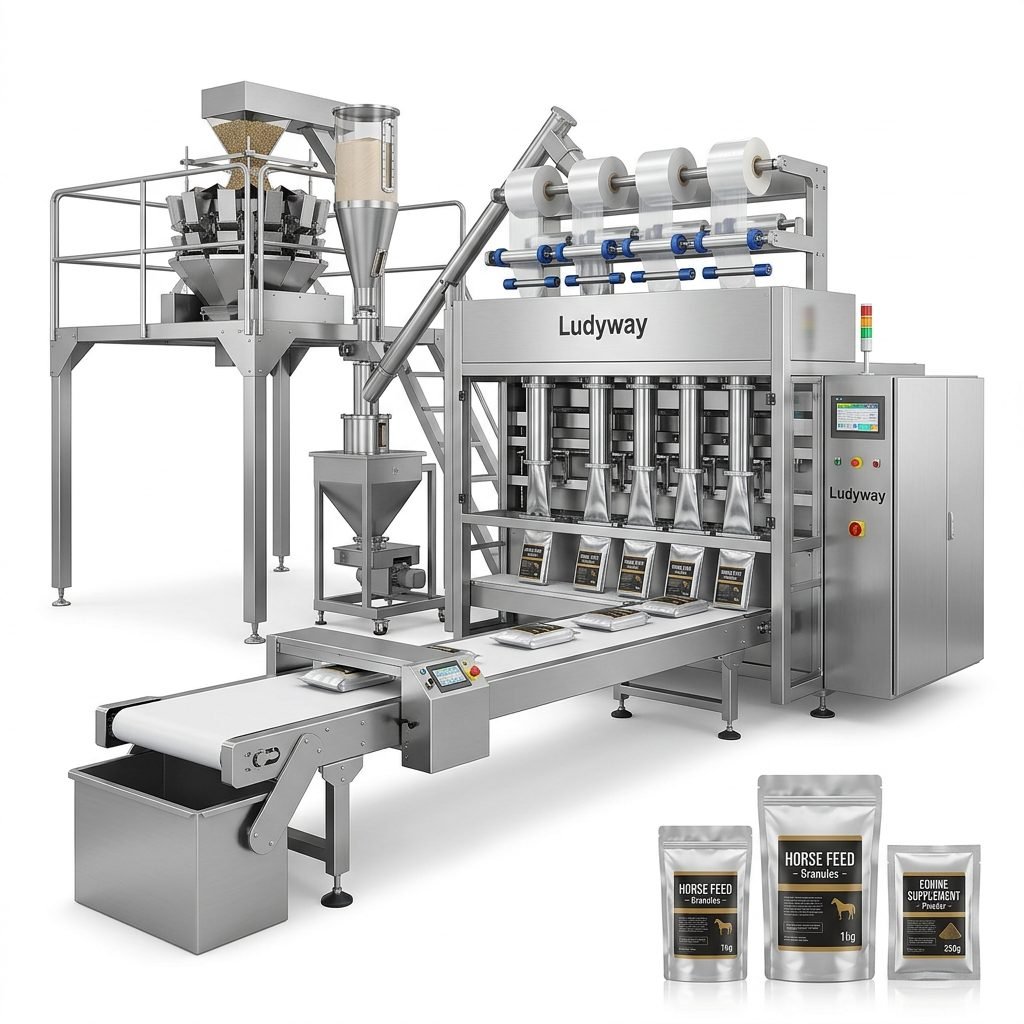
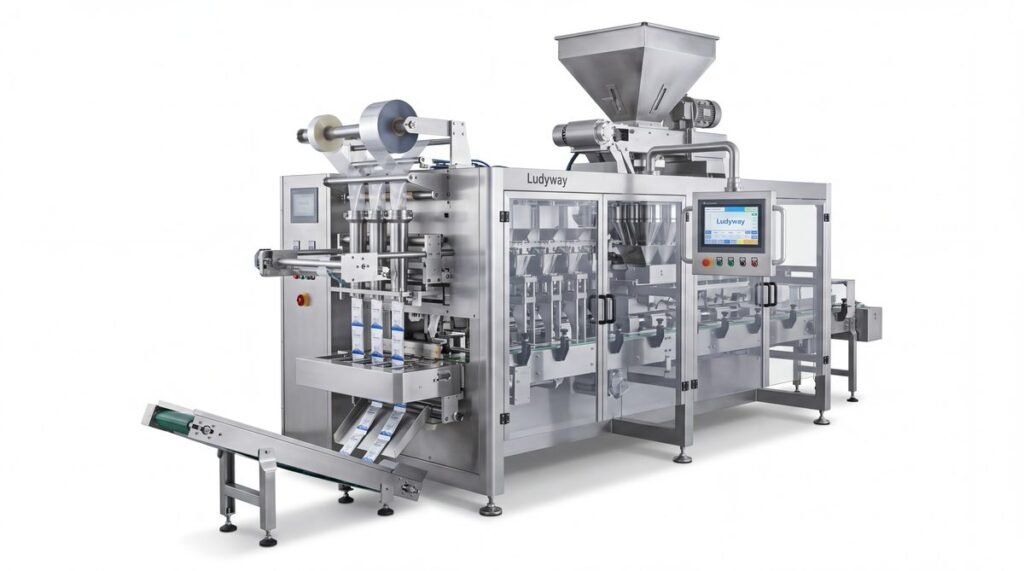
Investing in a silver foil packaging machine is a significant decision for manufacturers in the food, pharmaceutical, cosmetic, and chemical industries. Silver foil—often referring to aluminum foil or metallized film laminates—offers exceptional barrier properties against moisture, oxygen, and light, making it a preferred choice for products that demand extended shelf life and premium presentation. However, selecting the right equipment requires a methodical evaluation of your production needs, material specifications, and long-term operational goals. This guide walks you through every critical factor to help you make an informed purchase.
Understanding Silver Foil Packaging Machines
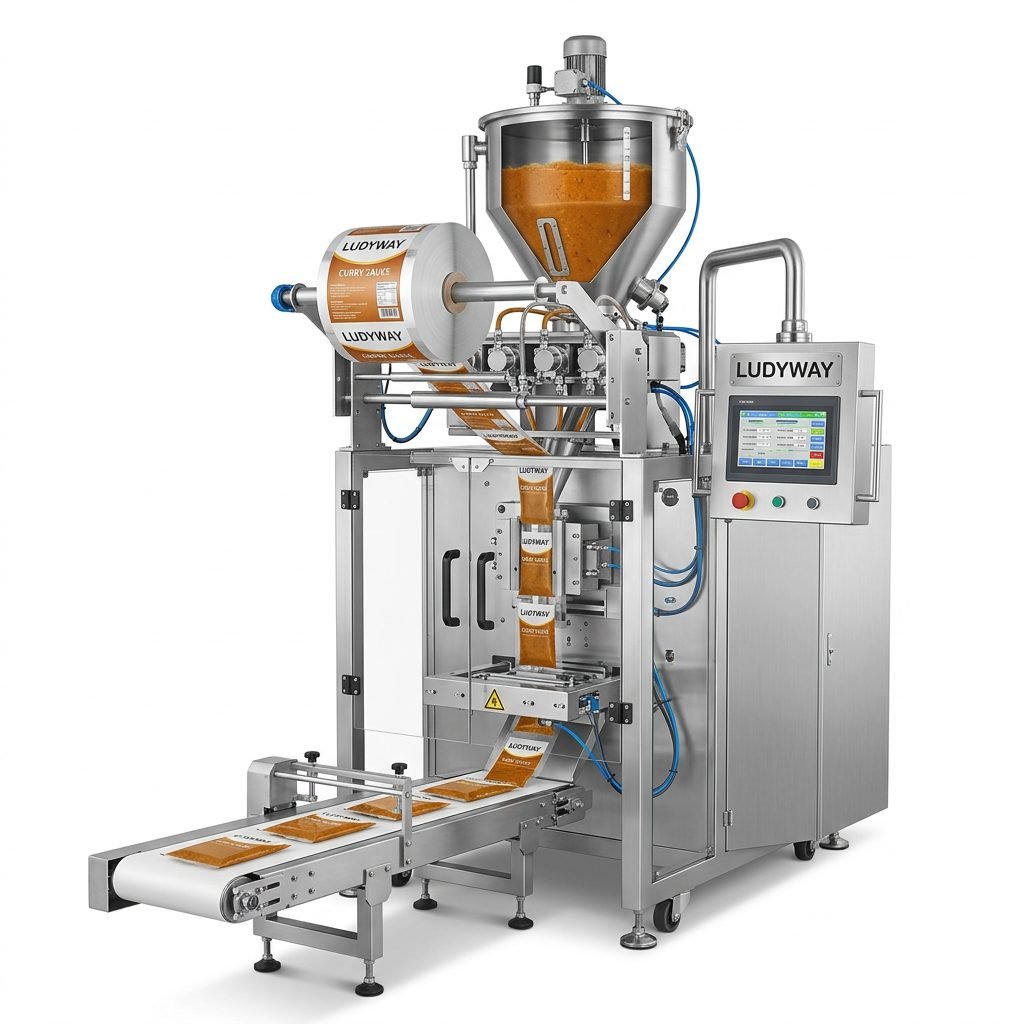
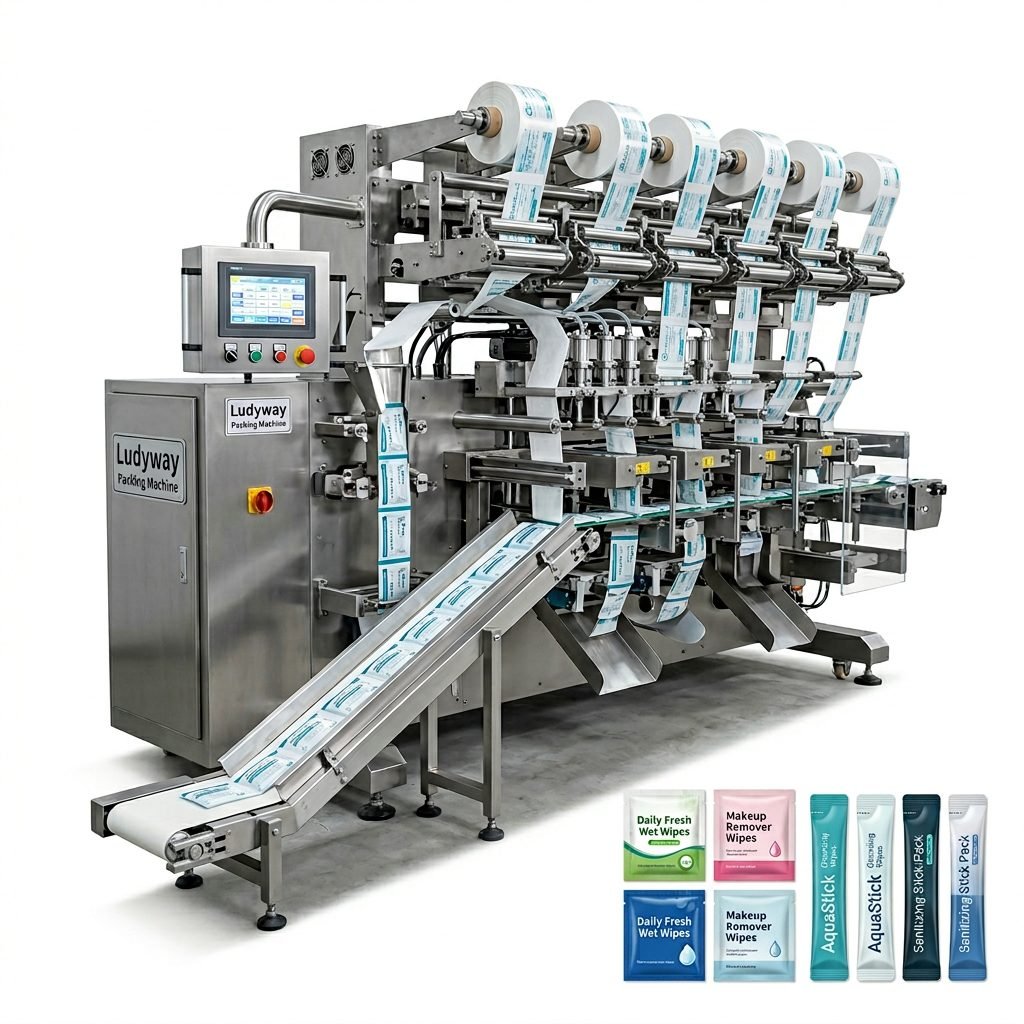
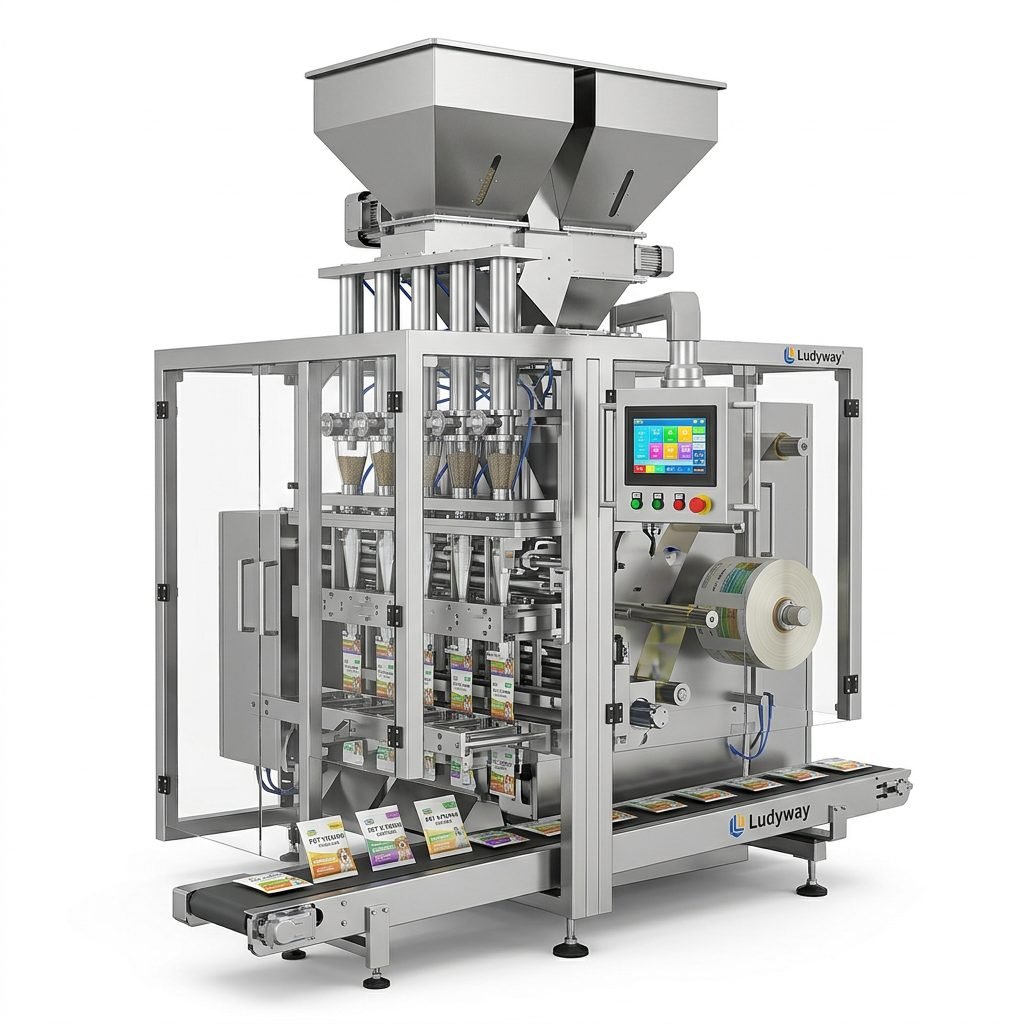
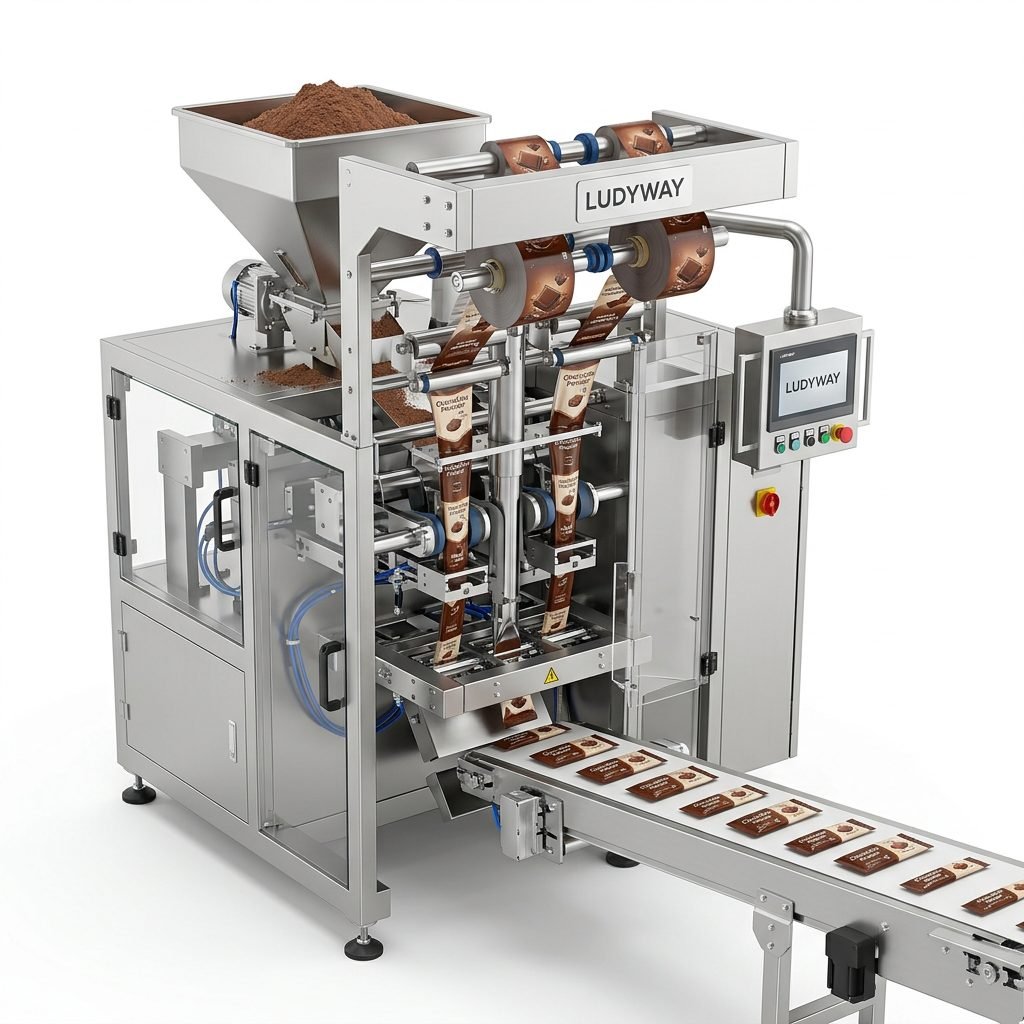
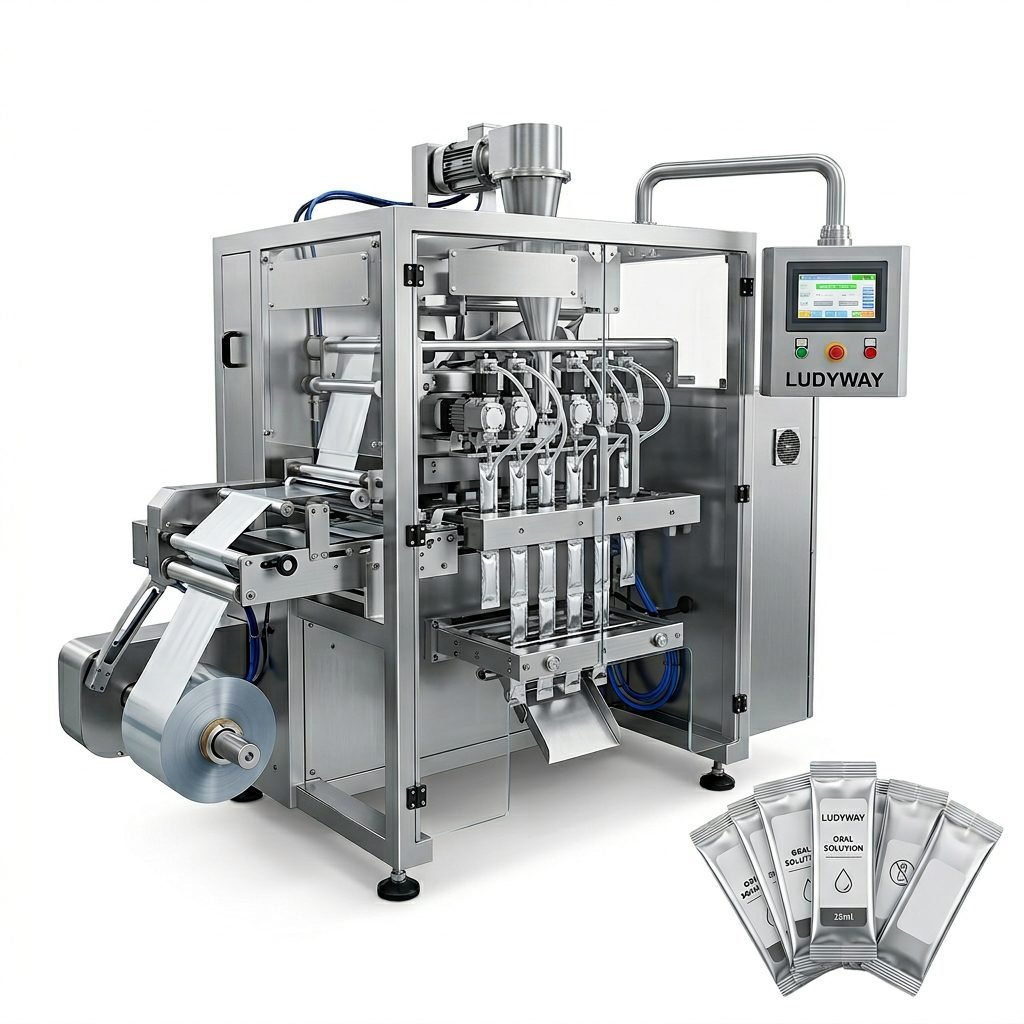
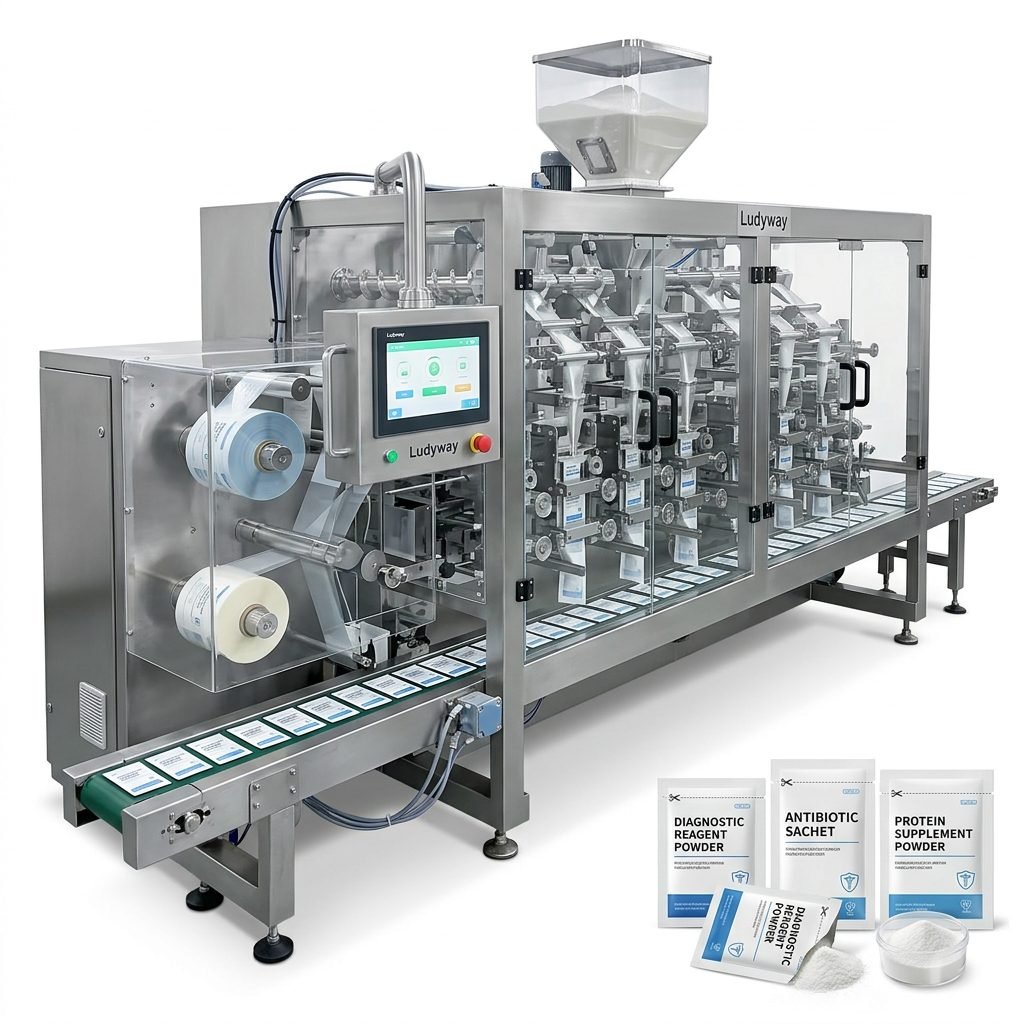
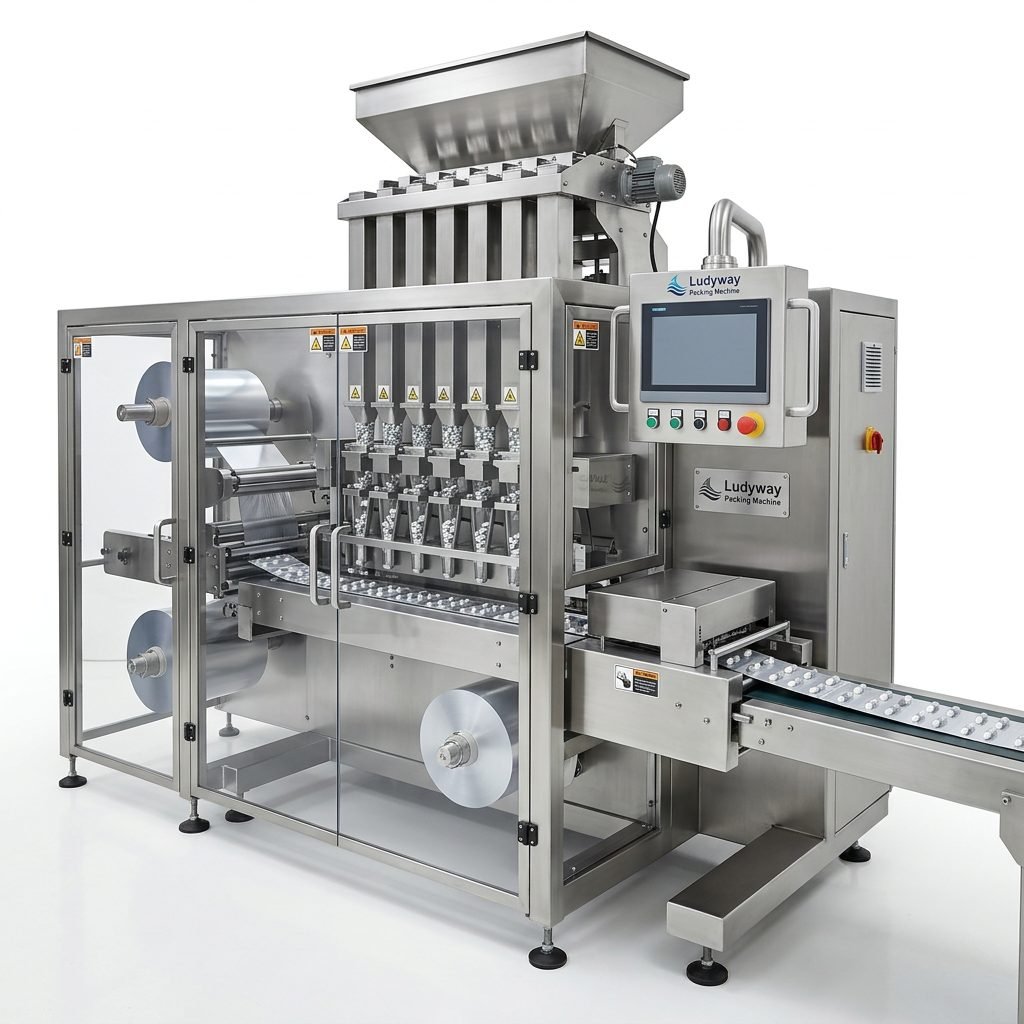
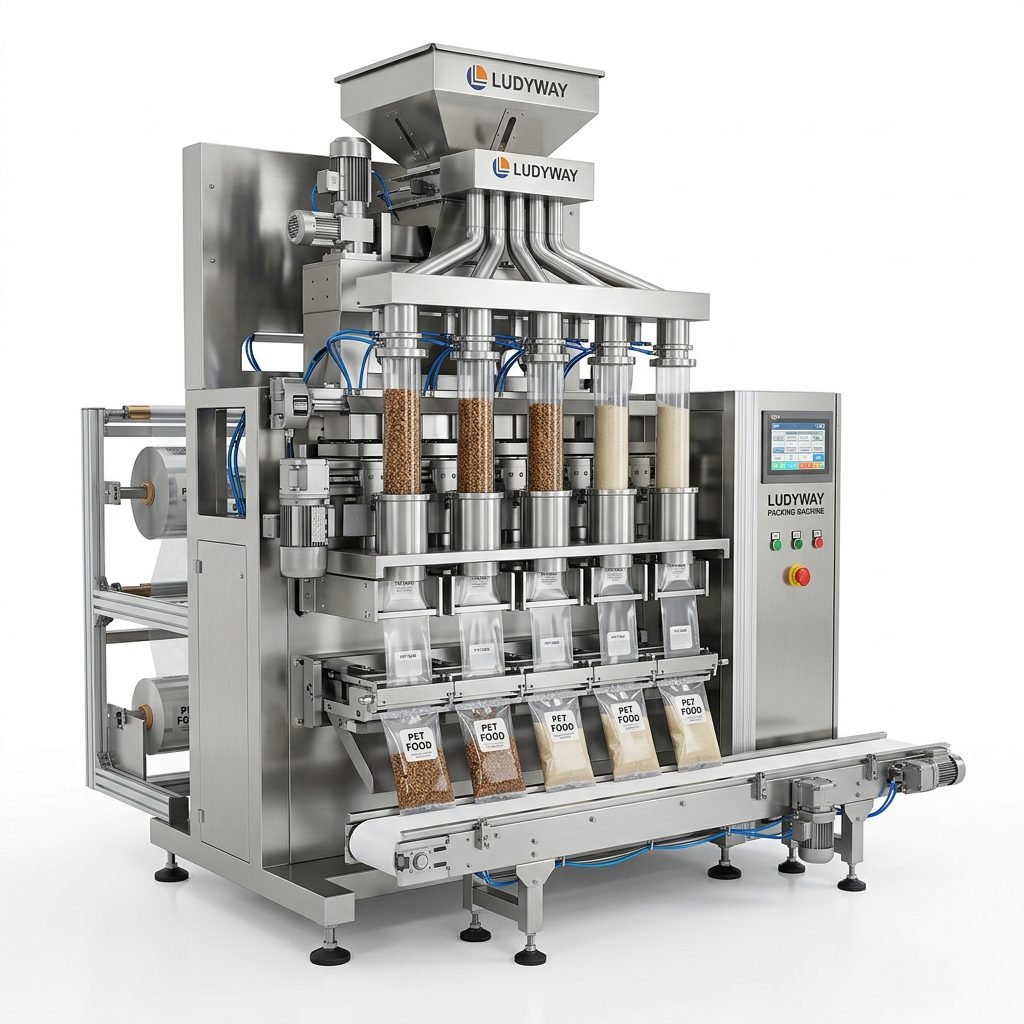
Silver foil packaging machines are designed to form, fill, and seal packages using foil-based materials. These machines can handle a variety of formats including sachets, stick packs, pouches, and blister packs. The core function involves unwinding the foil laminate, forming it into the desired shape, filling the product, and sealing it with heat or pressure. Depending on the application, machines may be configured for single-lane or multi-lane operation, significantly impacting throughput. The choice between vertical form-fill-seal (VFFS) and horizontal form-fill-seal (HFFS) configurations is one of the first decisions you will need to make, as each suits different product types and packaging formats.
Key Factors to Consider Before Purchasing
1. Product Characteristics and Compatibility
The physical properties of your product—whether it is a powder, granule, liquid, paste, or solid—directly determine the dosing and filling mechanism required. Auger fillers work well for fine powders, volumetric cup fillers suit free-flowing granules, and piston fillers are ideal for liquids and creams. When packaging with silver foil materials, you must also consider the product’s sensitivity to heat, as the sealing process involves applying temperature and pressure. Corrosive or oily products may require stainless steel contact parts and specialized sealing jaws to ensure consistent seal integrity over time. For guidance on material compatibility and regulatory requirements, refer to FDA packaging and food contact substances standards.
2. Production Speed and Output Requirements
Your current and projected production volumes should guide the speed specification of your machine. Single-lane machines typically produce 30 to 80 packs per minute, while multi-lane systems can achieve 200 to over 600 packs per minute by running multiple lanes simultaneously. However, higher speeds demand more sophisticated film tracking, tension control, and sealing systems. It is essential to balance throughput with reliability—a machine running at maximum capacity continuously may experience more downtime than one operating at 70-80% of its rated speed. Consult PMMI packaging machinery market research for industry benchmarks on production efficiency.
3. Packaging Format and Bag Dimensions
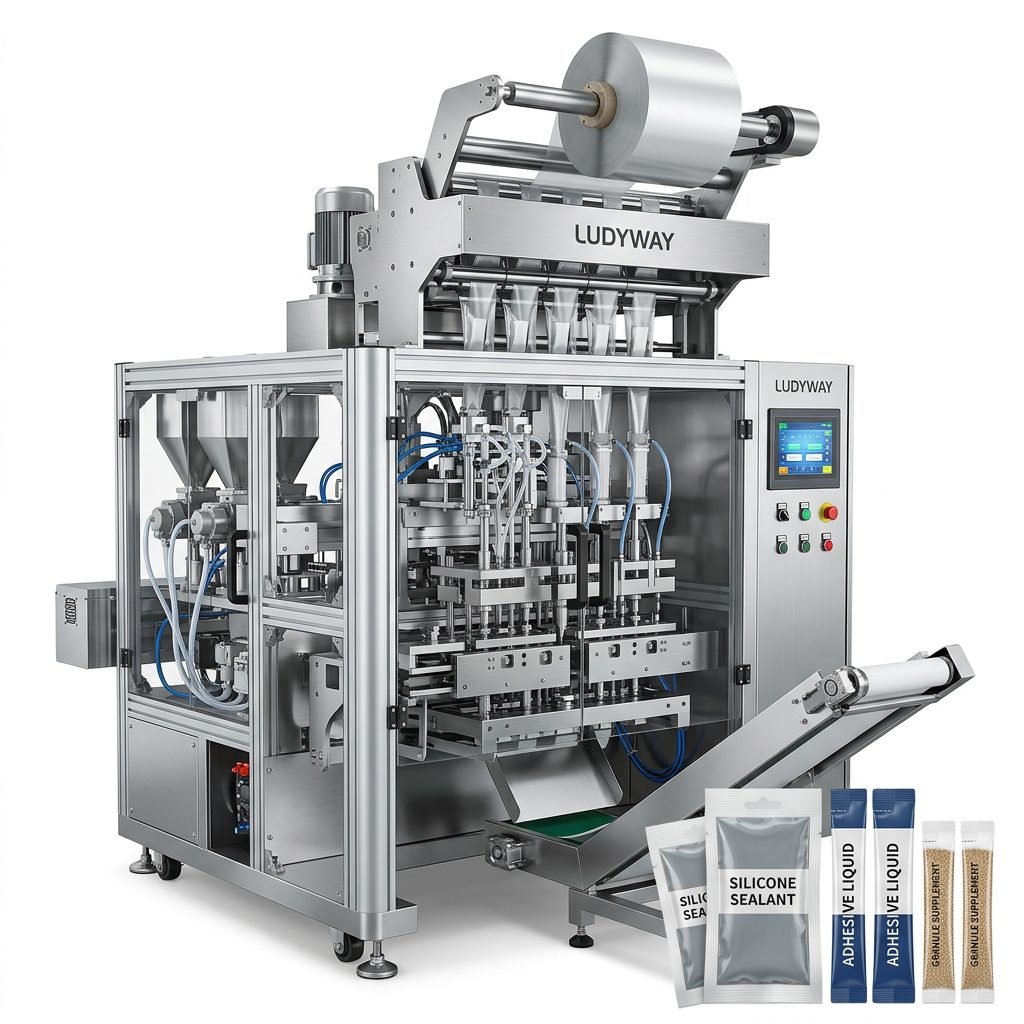
Silver foil packaging machines can produce various bag styles including pillow bags, gusseted bags, stand-up pouches, three-side-seal sachets, and four-side-seal stick packs. Each format has different tooling requirements. Most machines offer adjustable bag width and length within a defined range, but if you plan to run multiple formats, look for machines with quick-changeover features and minimal change parts. The thickness of the foil laminate—typically ranging from 40 to 150 microns—also affects the sealing parameters and the type of sealing jaws required.
4. Automation and Control Systems
Modern silver foil packaging machines come with varying degrees of automation. PLC-controlled systems with touchscreen HMI allow operators to store recipes, adjust parameters digitally, and monitor production data in real time. Advanced machines may include automatic film splicing, web alignment sensors, and servo-driven motors for precise control over film feeding and sealing. Integration capabilities with upstream dosing systems and downstream cartoning or case packing equipment should also be evaluated if you are planning a fully automated packaging line. The ISO packaging standards provide useful reference points for automation quality and consistency.
Technical Specifications Comparison
The following table outlines key technical parameters to compare when evaluating different silver foil packaging machines:
| Specification | Entry-Level | Mid-Range | High-End Industrial |
|---|---|---|---|
| Speed (packs/min) | 30-60 | 80-200 | 200-600+ |
| Lane Configuration | 1-4 lanes | 4-8 lanes | 8-16+ lanes |
| Bag Length Range | 50-180 mm | 50-300 mm | 50-400+ mm |
| Foil Thickness | 40-80 microns | 40-120 microns | 40-150 microns |
| Control System | Basic PLC | PLC + HMI Touchscreen | Advanced PLC + IoT + Remote Monitoring |
| Sealing Type | Heat seal (single zone) | Multi-zone heat seal | Servo-controlled multi-zone with gas flushing |
| Changeover Time | 30-60 minutes | 15-30 minutes | 5-15 minutes (quick-change) |
Evaluating Build Quality and Regulatory Compliance
Build quality directly impacts machine longevity and maintenance costs. Look for machines constructed with heavy-duty steel frames, stainless steel product contact surfaces, and components from recognized industrial automation suppliers. For pharmaceutical and food applications, the machine should comply with GMP (Good Manufacturing Practice) standards and be designed for easy cleaning and sanitation. Certifications such as CE marking for European markets or UL compliance for North America may be necessary depending on your location. The Flexible Packaging Association provides extensive resources on industry standards and regulatory updates that can inform your compliance strategy.
Cost Analysis and Return on Investment
The purchase price of a silver foil packaging machine varies widely based on configuration, speed, and automation level. However, the total cost of ownership (TCO) extends far beyond the initial capital expenditure. Consider these cost components:
- Equipment cost: The base machine price plus optional modules and tooling
- Installation and commissioning: On-site setup, calibration, and operator training
- Packaging material waste: Machines with precise film tracking and tension control reduce foil waste, which is a significant ongoing cost
- Maintenance and spare parts: Availability of replacement parts and the complexity of routine servicing
- Energy consumption: Servo-driven systems tend to be more energy-efficient than pneumatic alternatives
- Labor savings: Automated machines can reduce the number of operators required, often achieving payback within 12-24 months
Choosing a Reliable Packaging Machinery Partner
Selecting the right supplier is as important as choosing the right machine. A reputable manufacturer should offer customized engineering support, comprehensive documentation, and responsive after-sales service. Look for companies with a proven track record, verified customer testimonials, and the ability to provide turnkey packaging solutions that integrate seamlessly with your existing production line. Ludyway Machinery is a China-based packaging machinery manufacturer with more than 30 years of experience, a 20,000-square-meter manufacturing facility, and a portfolio of over 50 packaging machine models. With a team of over 130 professionals serving customers in more than 100 countries, Ludyway combines engineering expertise, automation technology, and application experience to develop customized packaging solutions for diverse industries including food and beverage, pharmaceuticals, cosmetics, chemicals, and animal feed. The company is expected to achieve export revenue of more than RMB 500 million (approximately US$69 million) in 2025, with plans to surpass RMB 1 billion (approximately US$138 million) by 2026, reflecting its growing global presence and manufacturing capabilities. For detailed insights on global packaging machinery growth trends, refer to this industry analysis.
Questions to Ask Potential Suppliers
- What is the expected service life of the machine under normal operating conditions?
- Do you provide on-site installation, commissioning, and operator training?
- What is the lead time for standard and customized machine configurations?
- How do you handle spare parts supply and emergency technical support?
- Can the machine be upgraded or reconfigured for future packaging format changes?
- Do you offer remote diagnostic capabilities for faster troubleshooting?
Making the Final Decision
Choosing the right silver foil packaging machine requires a holistic evaluation that goes beyond comparing price tags. Start by clearly defining your product characteristics, target output, and packaging format requirements. Assess the machine’s compatibility with your chosen foil laminates and its ability to maintain seal integrity at your required production speed. Factor in regulatory compliance, total cost of ownership, and the supplier’s capability to provide long-term technical support. By taking a structured approach—and partnering with an experienced manufacturer that understands your industry—you can secure a packaging solution that delivers consistent performance, protects your product, and supports your business growth for years to come. For further reading on packaging industry trends and machinery standards, visit PMMI’s comprehensive packaging industry resources.