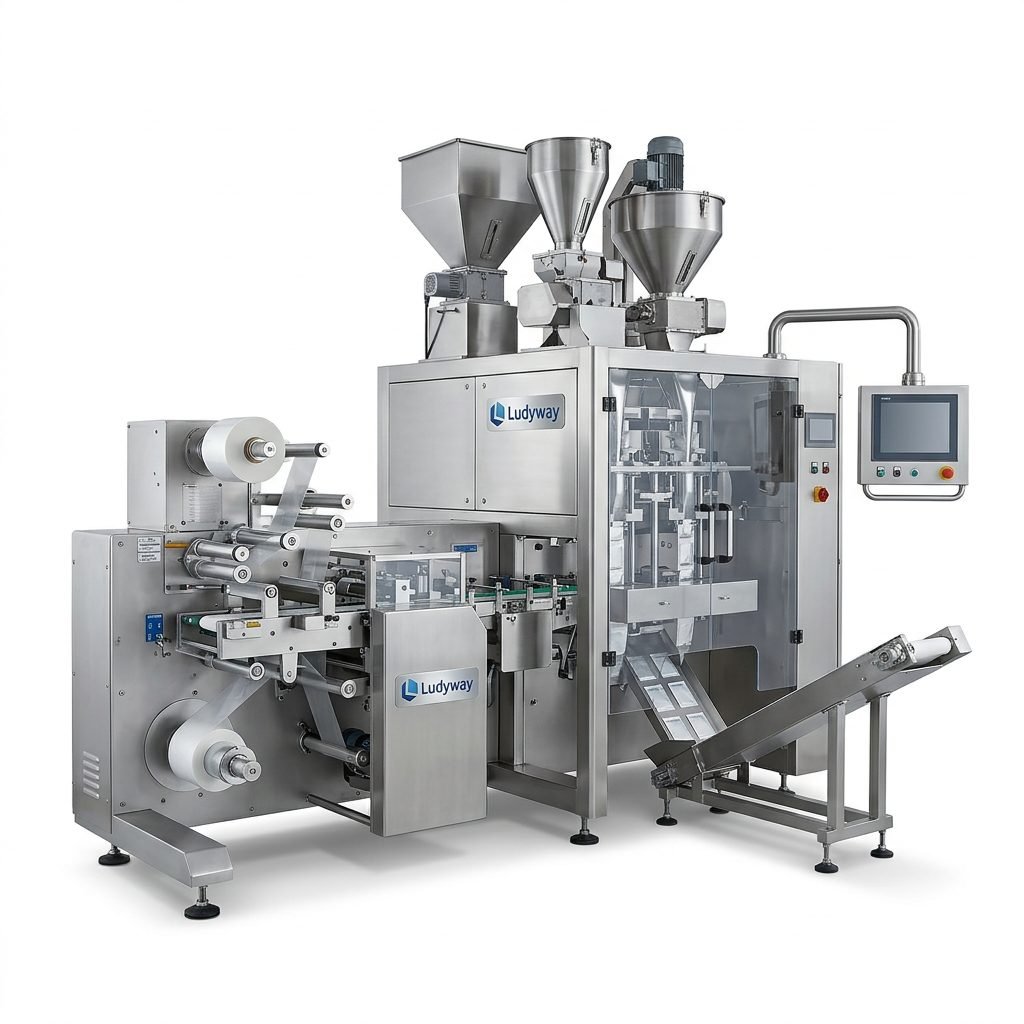
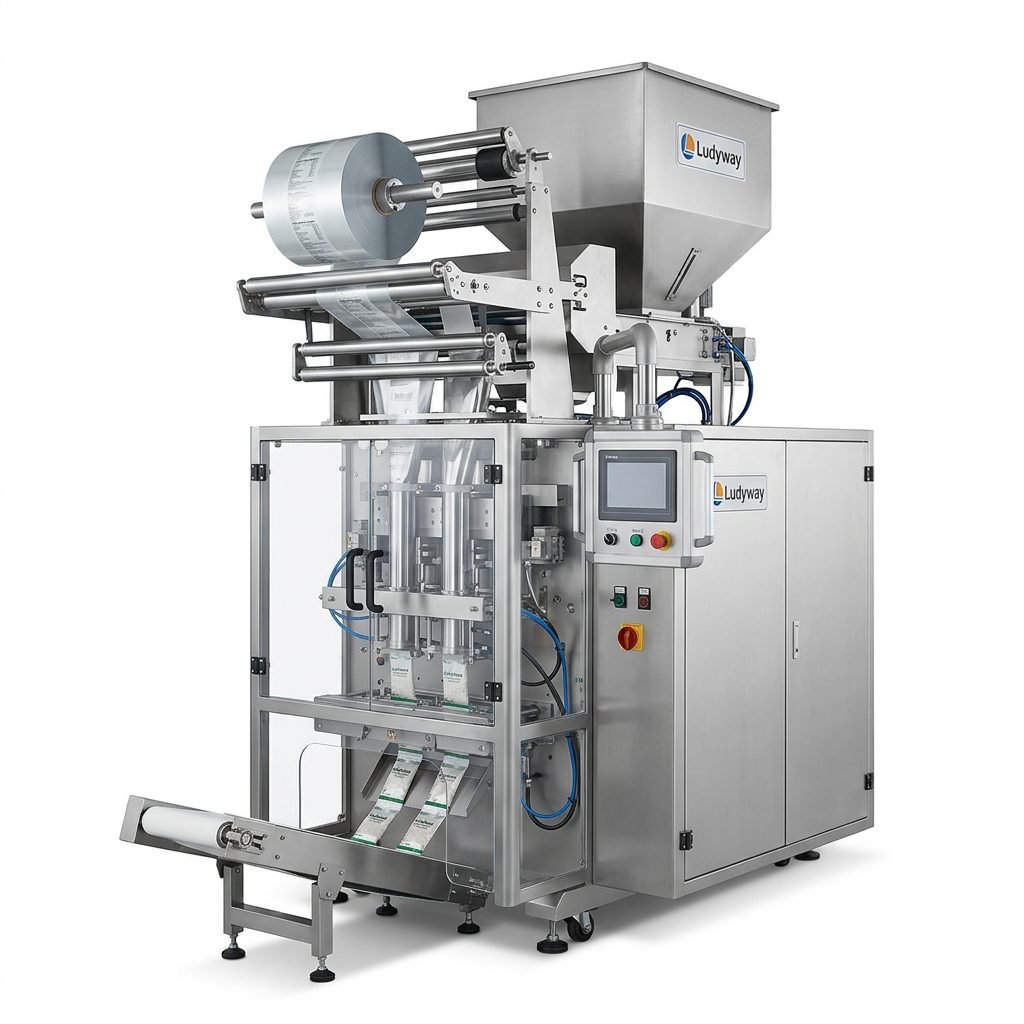
Proper maintenance is the cornerstone of maximizing the lifespan and efficiency of your coconut oil packing machine. Without a consistent upkeep routine, equipment degradation accelerates, leading to costly downtime and compromised product quality. This guide outlines the critical daily, weekly, and monthly checks required to keep your production line running at peak performance.
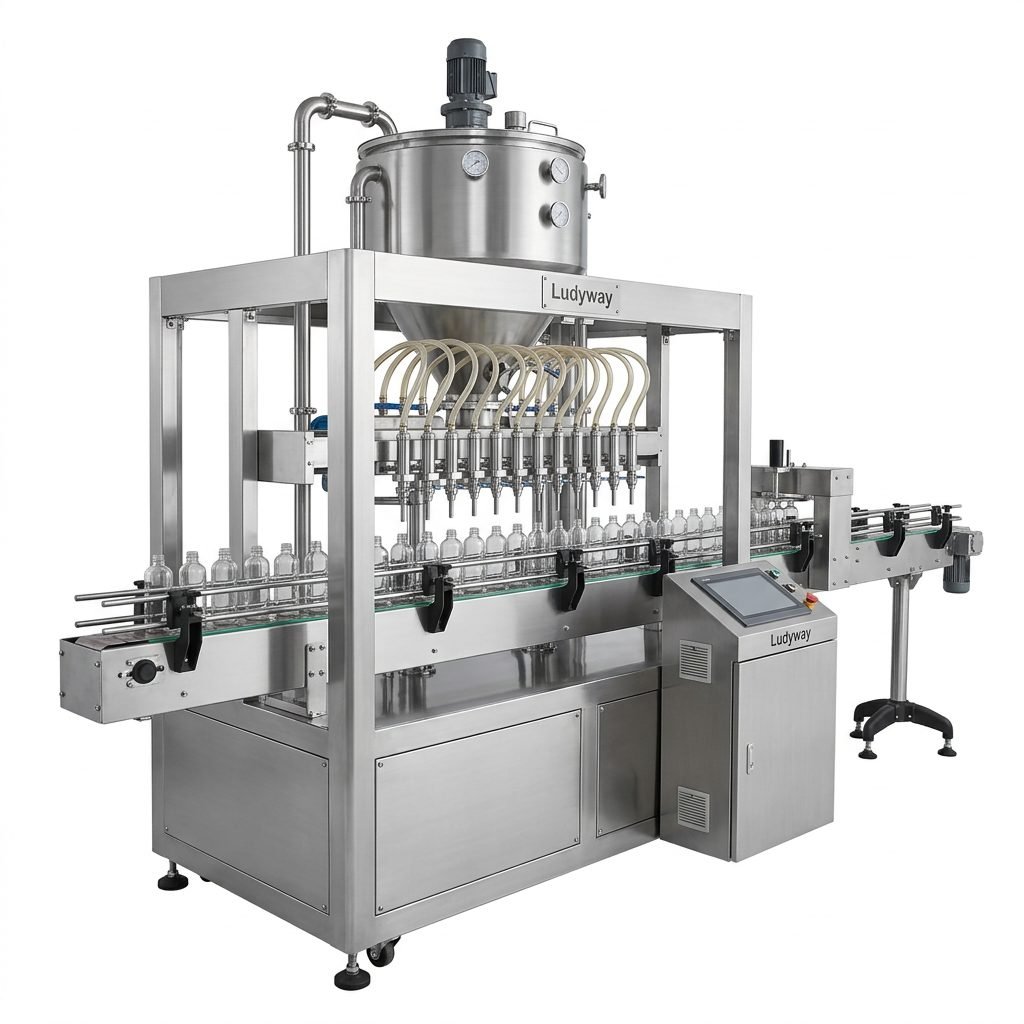
The Foundation of Daily Cleaning Routines
Coconut oil tends to solidify at room temperature, which makes daily cleaning non-negotiable. Residual oil left on seal jaws, fill nozzles, or conveyors hardens and causes mechanical strain. Operators should follow a strict end-of-shift shutdown procedure.
- Clean fill heads immediately: Run a warm cleaning solution through the system to prevent blockages in the dosing unit.
- Wipe down seal jaws: Use a soft cloth and food-grade solvent to remove carbonized oil buildup, ensuring the heat transfer remains uniform.
- Inspect photo-eye sensors and wipe away any film dust to prevent erratic film tracking.
Weekly Inspection of Pneumatic and Sealing Components
A systematic weekly inspection prevents the gradual drift of machine parameters. Focus on the interaction between mechanical movement and temperature control. Overheating is a common issue when air filters are clogged.
Pneumatic System Checks
Drain the air filter trap to remove moisture. Check cylinder movements for sluggishness; jerky motion often indicates the need for internal lubrication or seal replacement. Verify that pressure levels remain within the range specified in the manual, particularly for the vertical sealing station.

Dynamic Sealing Integrity
For a coconut oil packing machine, the integrity of the cross seal is vital. Test the tension of the film pull belts. If the belts are worn, film slippage occurs, leading to misaligned seals or product trapped in the seal area. Replace worn belts immediately rather than over-tightening them.
Monthly Deep Dive: Calibration and Lubrication
Monthly maintenance goes beyond cleaning to ensure precision. The accuracy of your fill weight directly impacts profitability, and calibration drift is common in high-speed operations.
| Maintenance Zone | Specific Action | Critical Checkpoint |
|---|---|---|
| Filling Station | Disassemble and deep clean pump or auger | Check O-rings for swelling due to oil contact |
| Drive System | Lubricate chains, gears, and bearings | Look for metal shavings indicating misalignment |
| Control Panel | Tighten all terminal screws and clean dust | Verify thermocouple accuracy with a secondary probe |
| Frame Alignment | Check levelness of the main frame | Ensure film path is perfectly vertical to prevent creases |
Managing Solidified Oil in the System
The unique property of coconut oil transitioning from liquid to solid requires specific environmental considerations. If your facility cools down significantly overnight, the oil inside the machine’s piping can harden. Never force the machine to start if the product line is blocked.
We recommend installing a trace heating loop on the product manifold or initiating a pre-heat cycle for at least 15 minutes before starting production. This prevents seal damage in positive displacement pumps and reduces the shear stress on motor couplings. Always check the filter screen in the hopper; solidified wax-like particles often accumulate there and starve the filling system.
Electrical Safety and Sensor Reliability
Electrical faults in packaging machinery are frequently traced back to loose wires or contaminated sensors. Vibration from high-speed cycling can loosen terminals in the main control cabinet. A monthly power-down voltage check is recommended.
- Lock out the main power supply completely.
- Open the electrical enclosure and inspect for signs of moisture or dust ingress.
- Check the fiber optic cables for kinks if your coconut oil packing machine uses a registration mark sensor. A bent cable creates signal noise.
- Verify emergency stop circuits are functional immediately upon restoring power.
Proximity sensors detecting the end of the film roll should be cleaned with a dry cloth only. Applying lubricant to sensors can create a sticky film that attracts dirt, causing false positive signals and unplanned reel changes.
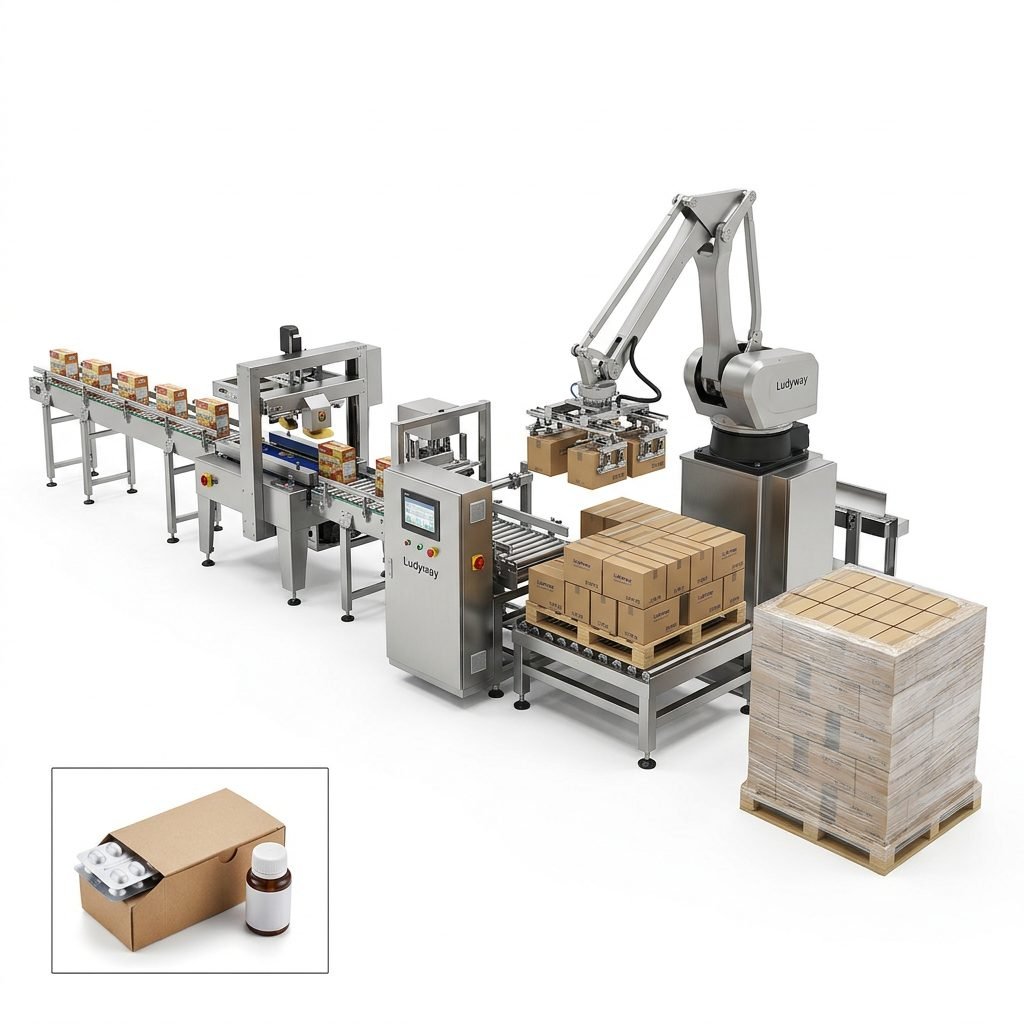
The Importance of Genuine Spare Parts
When components like timing belts or heating elements fail, the temptation to use generic alternatives is strong. However, the thermal profile of a standard heating cartridge might not match the required melting point stabilization for coconut oil films. Using non-original parts can lead to uneven heat distribution, causing films to melt or seals to fail.
Maintain a critical inventory of sacrificial parts, including:
- Heater cartridges and thermocouples
- Cutting knives and Teflon tapes for seal jaws
- Film pull belts and knurled rollers
- Fill pump seals and rotary valve gaskets
For long-term reliability, partnering with a manufacturer that provides intelligent packaging machine support is essential. As one of the largest packaging machine manufacturers in China, Ludyway offers over 50 intelligent models and comprehensive after-sales technical support to help businesses maintain uninterrupted production.
Seasonal and Annual Overhaul Protocols
An annual comprehensive overhaul should take place during planned downtime. This is the opportune time to drain all gearboxes and replace the oil, regardless of condition. Condensation build-up over 12 months can contaminate the lubricant without visible signs.
During the overhaul:
- Strip down the forming tube assembly and check for internal scratches that might snag film.
- Recalibrate the multi-head weigher or auger filler against a certified test weight.
- Run a statistical check on the seal strength using a burst tester.
- Inspect motor brushes (if applicable) and the integrity of capacitor banks.
Documenting every repair and calibration is not just about housekeeping; it is a predictive maintenance tool. A logbook that records amperage draws on the main drive motor can predict bearing failure before a catastrophic breakdown occurs. By adhering to these maintenance principles, your coconut oil packing machine will deliver consistent, high-quality output for years, minimizing total cost of ownership.