Establishing a milk packaging machine production line in Europe requires careful planning, adherence to strict regulatory standards, and the selection of appropriate equipment to ensure efficiency, hygiene, and product quality. Whether you are a dairy processor expanding capacity or a new entrant to the market, this guide outlines the critical steps from initial concept to full-scale production.
Understanding the European Dairy Packaging Landscape
The European market demands high-speed, aseptic, and sustainable packaging solutions. Consumer trends lean toward portion-controlled packs, extended shelf life, and eco-friendly materials. Before setting up your production line, analyze the target product format: liquid milk cartons, milk powder sachets, yogurt cups, or stick packs. Each requires distinct machinery and line configurations.
Step 1: Regulatory Compliance and Site Preparation
Compliance with EU directives is non-negotiable. Your facility must meet EC Regulation No. 1935/2004 on materials intended for food contact, along with Directive 2006/42/EC for machinery safety. Ensure your floor plan allows for a logical flow from raw material intake to finished goods, incorporating separate zones for dry and wet processing to prevent cross-contamination.
Key Certifications Checklist
- CE Marking: Mandatory for all equipment installed in the European Economic Area.
- EHEDG Design: European Hygienic Engineering & Design Group guidelines for cleanability.
- ISO 22000: Food safety management systems covering the entire production chain.
- BRCGS or IFS: Retailer-driven food safety standards often required by European supermarkets.
Step 2: Defining Your Packaging Line Configuration
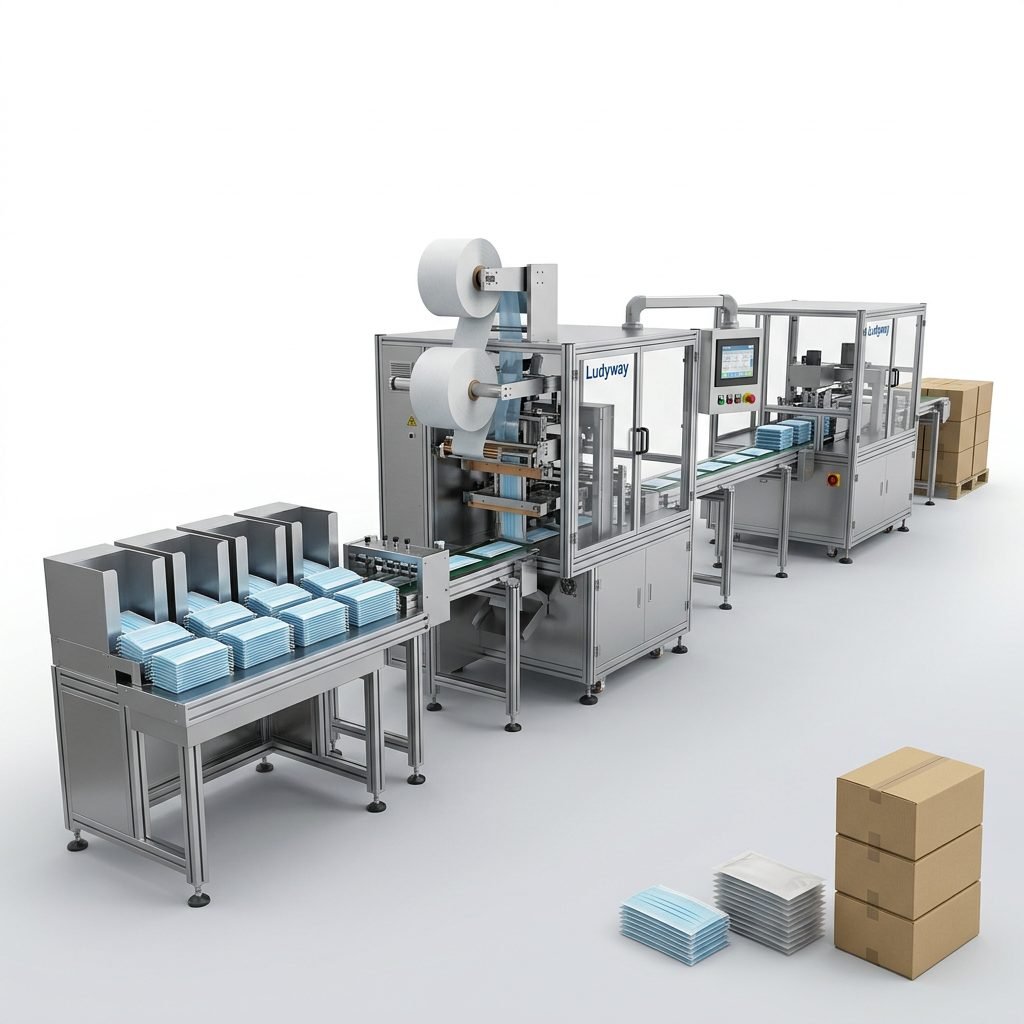
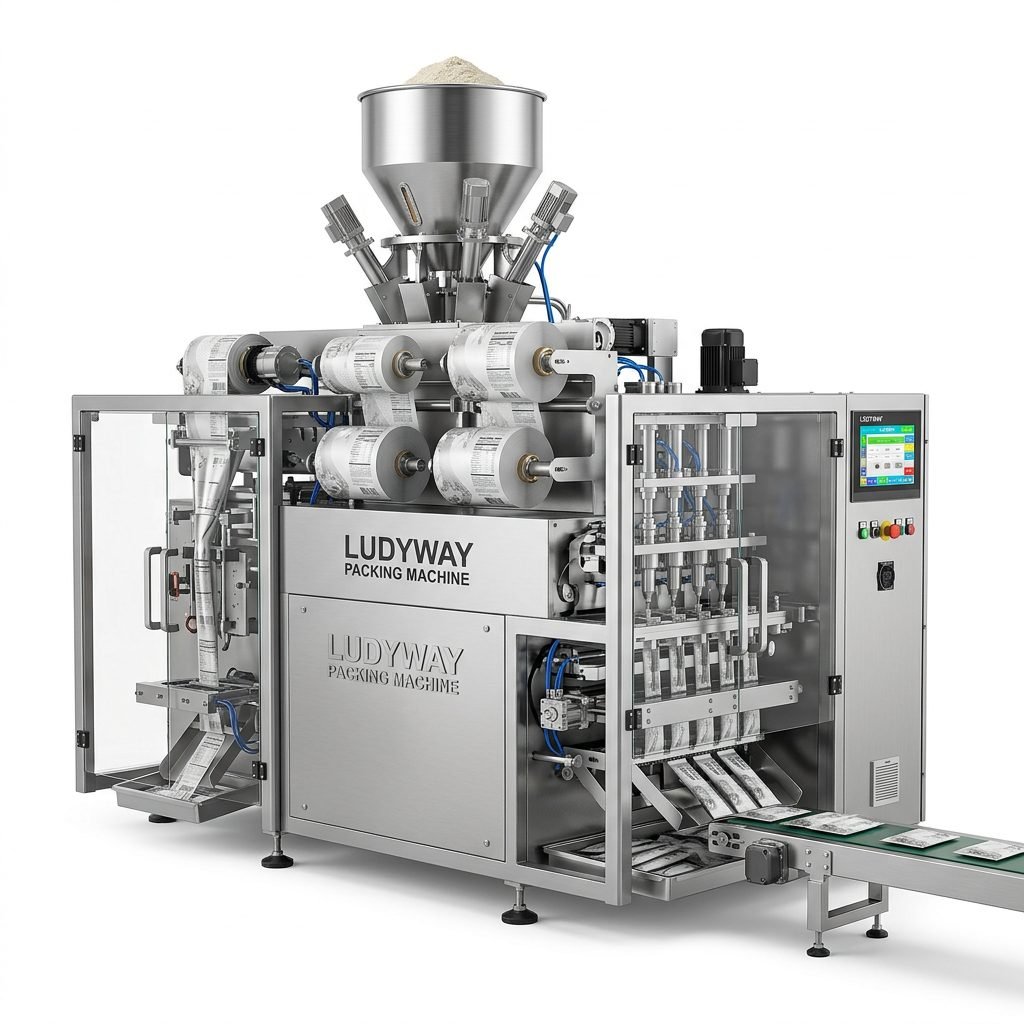
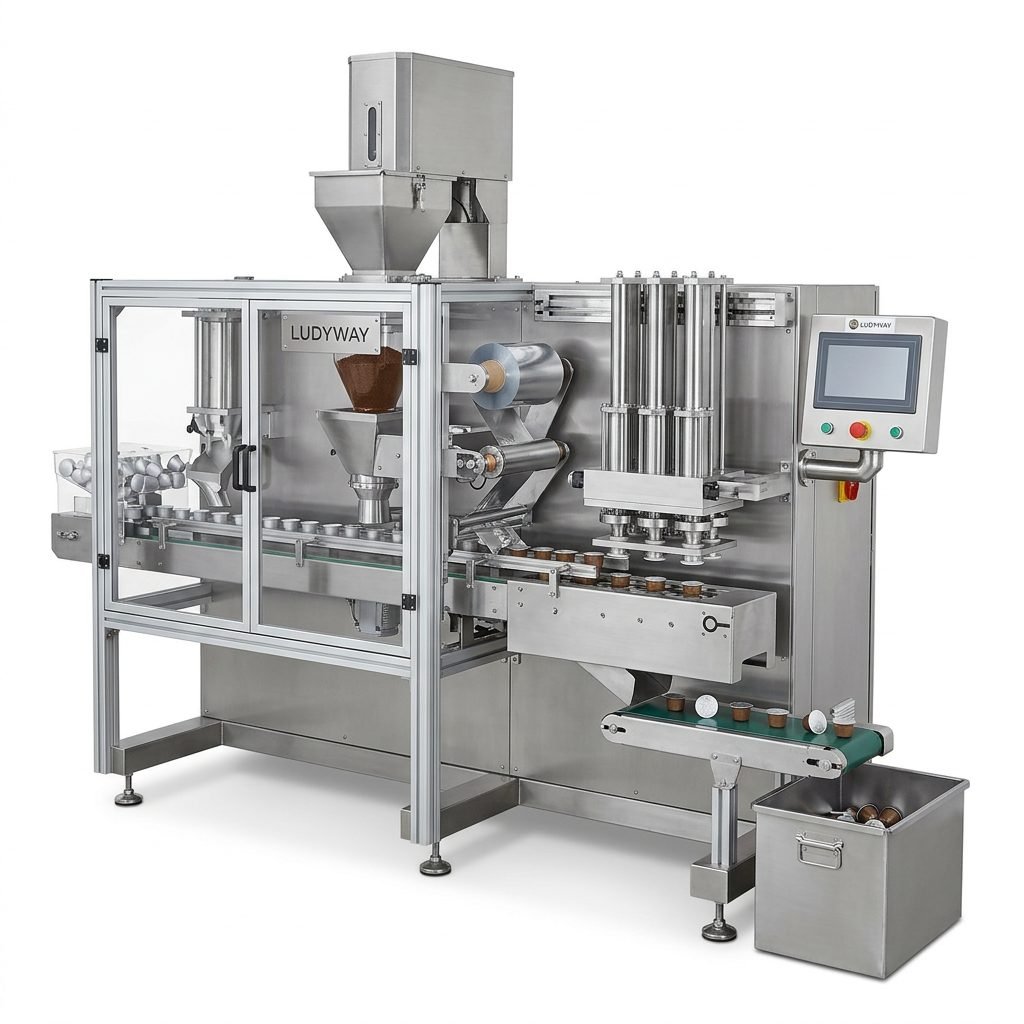
The equipment selection depends heavily on your product viscosity, packaging format, and desired throughput. A typical milk packaging line can vary from filling liquid milk into bottles to packaging milk powder into multi-lane stick packs.
Core Equipment Modules
| Machine Type | Primary Function | Ideal Packaging Format |
|---|---|---|
| Automatic Bottle Filler | Filling liquid milk into bottles of various sizes | HDPE/PET bottles, cartons with caps |
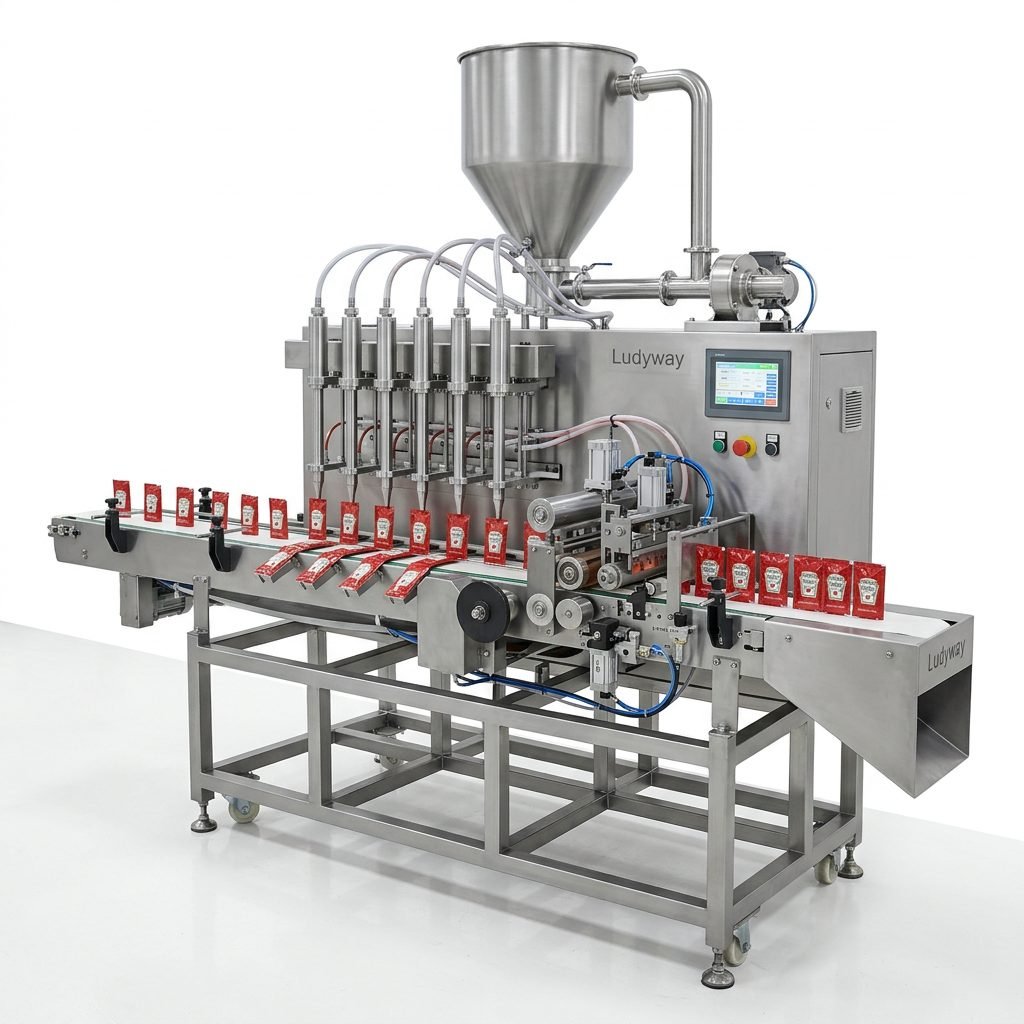
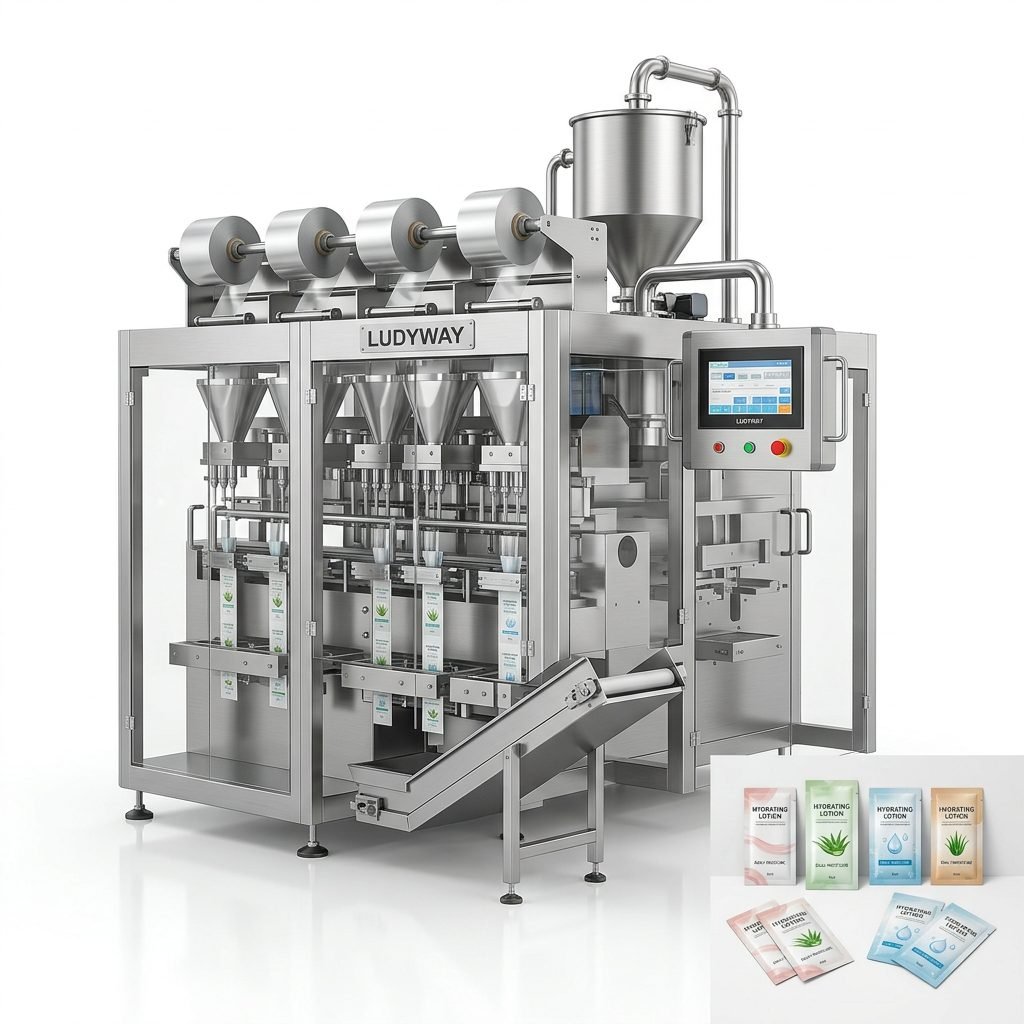
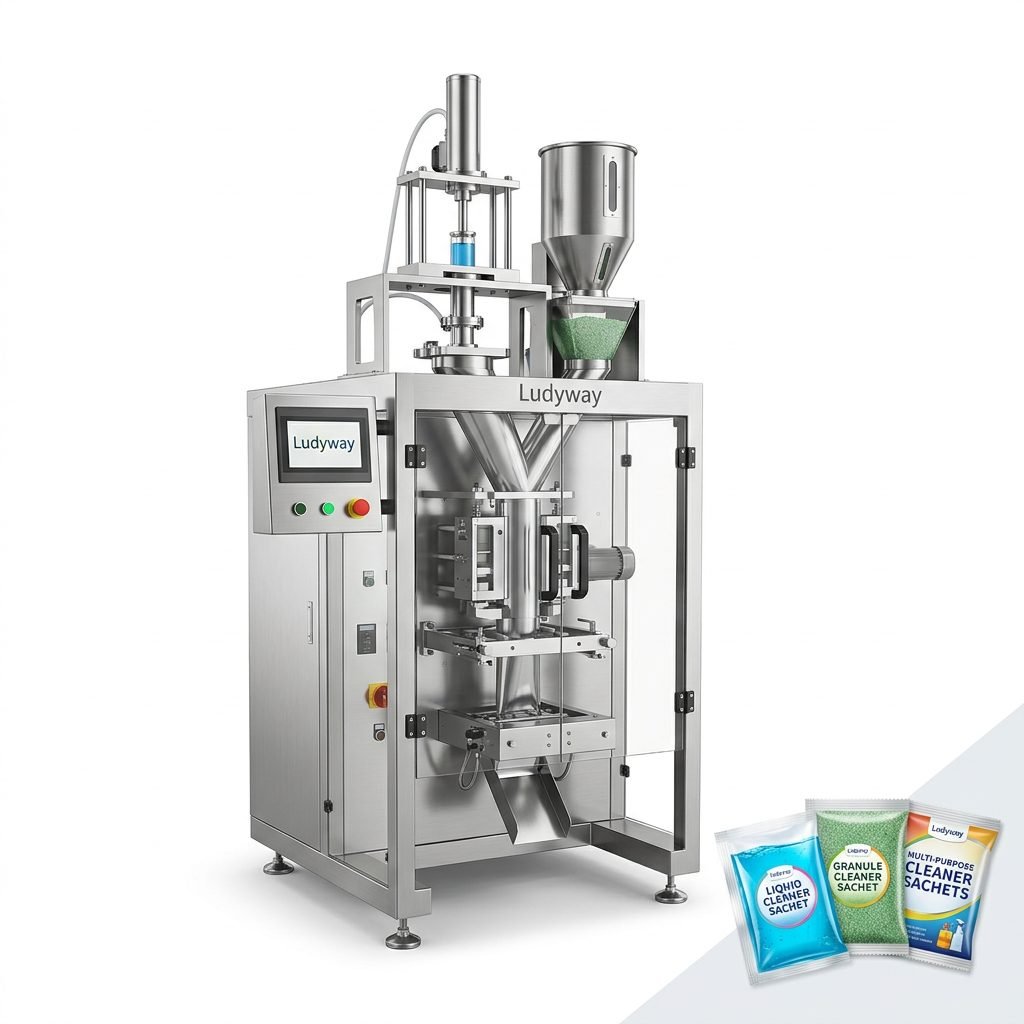
| Form-Fill-Seal Machine | Creating pouches from roll stock, filling, and sealing | Pillow pouches, gusseted bags |
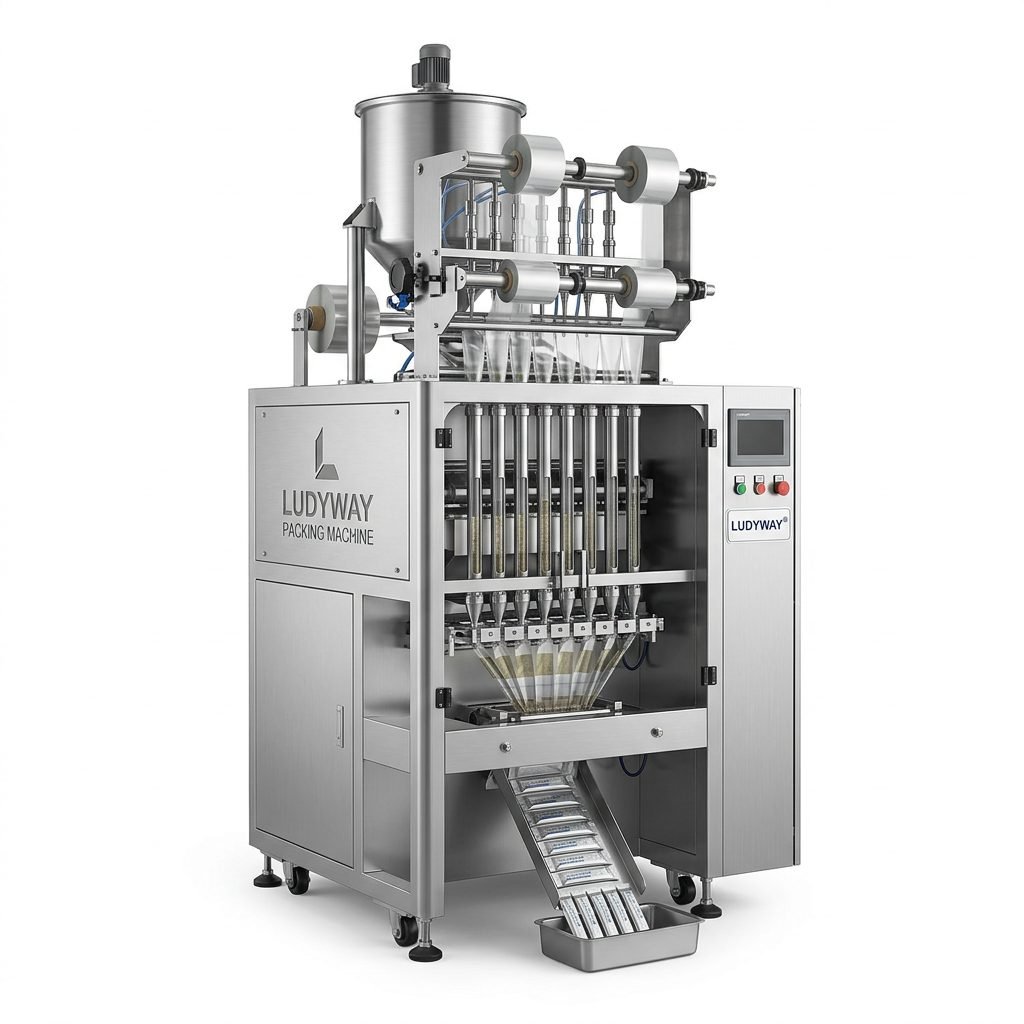
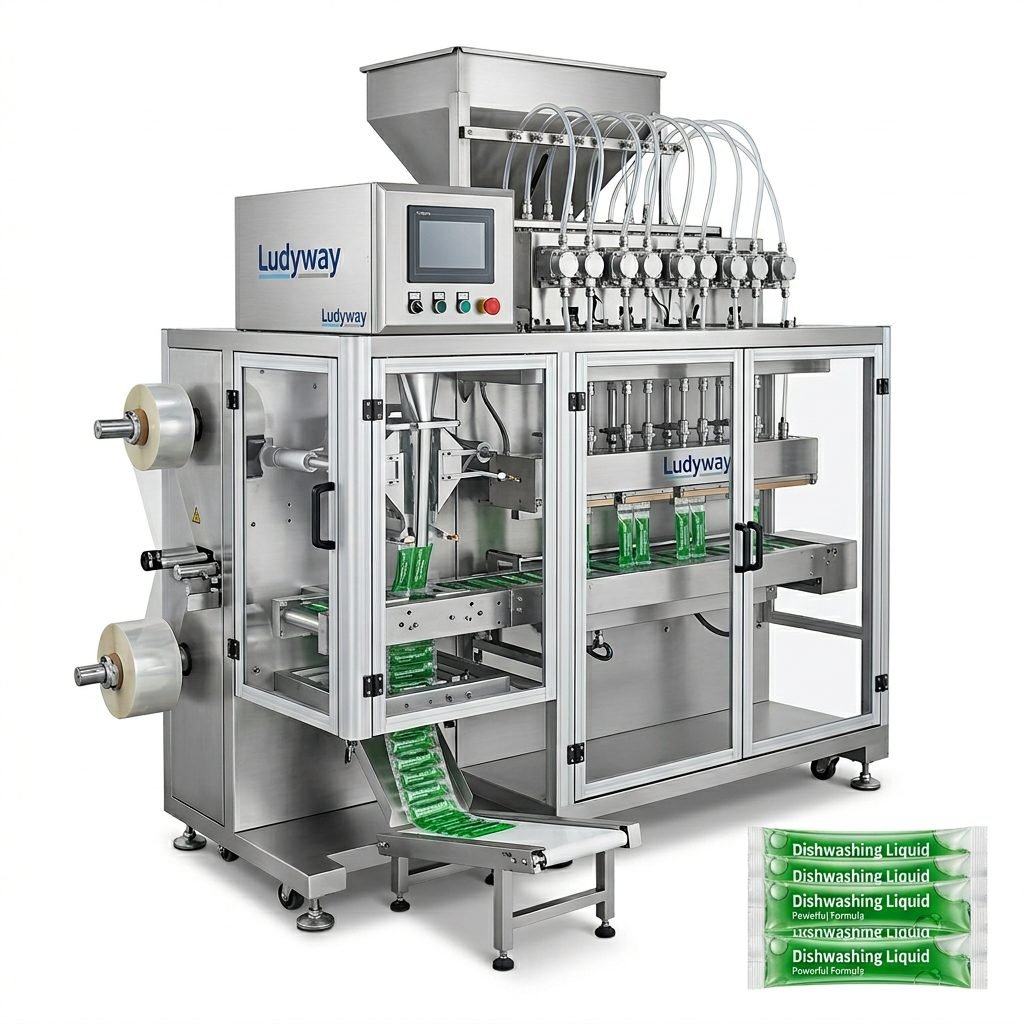
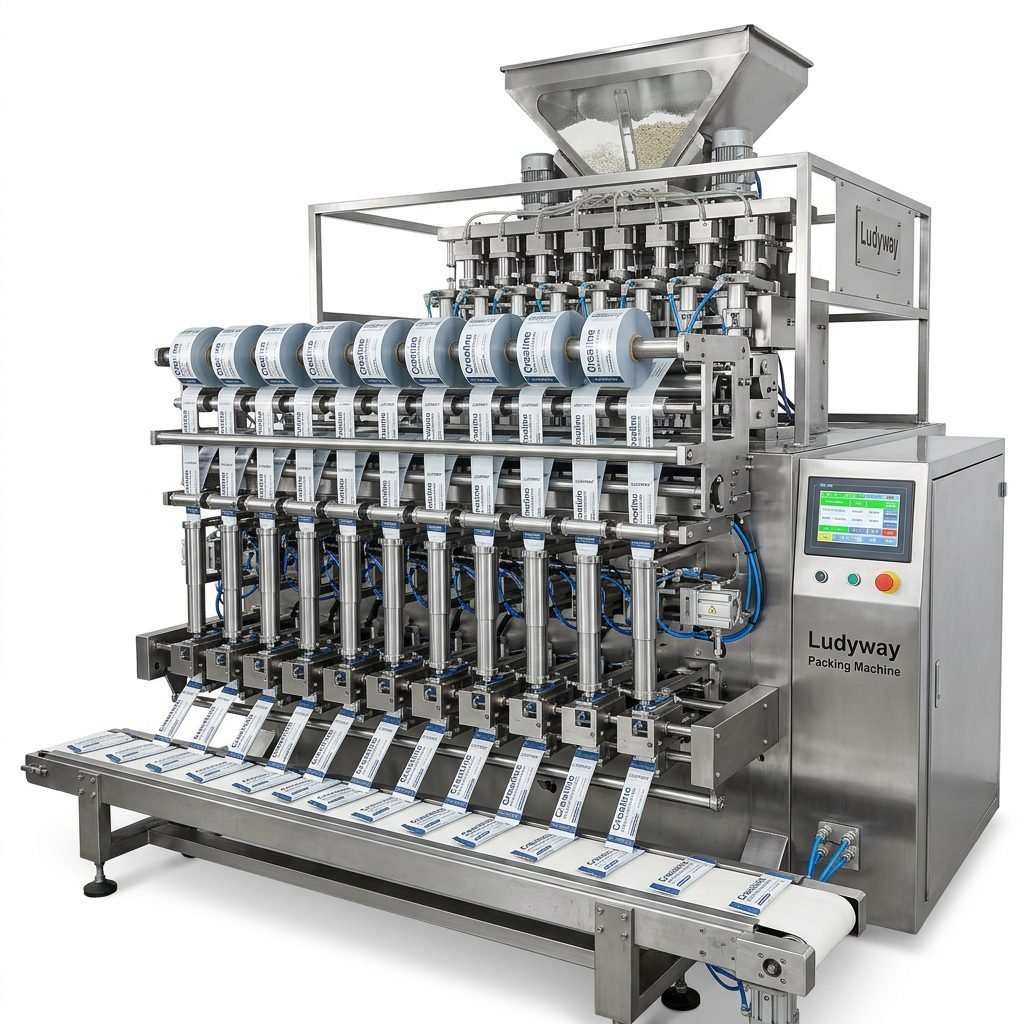
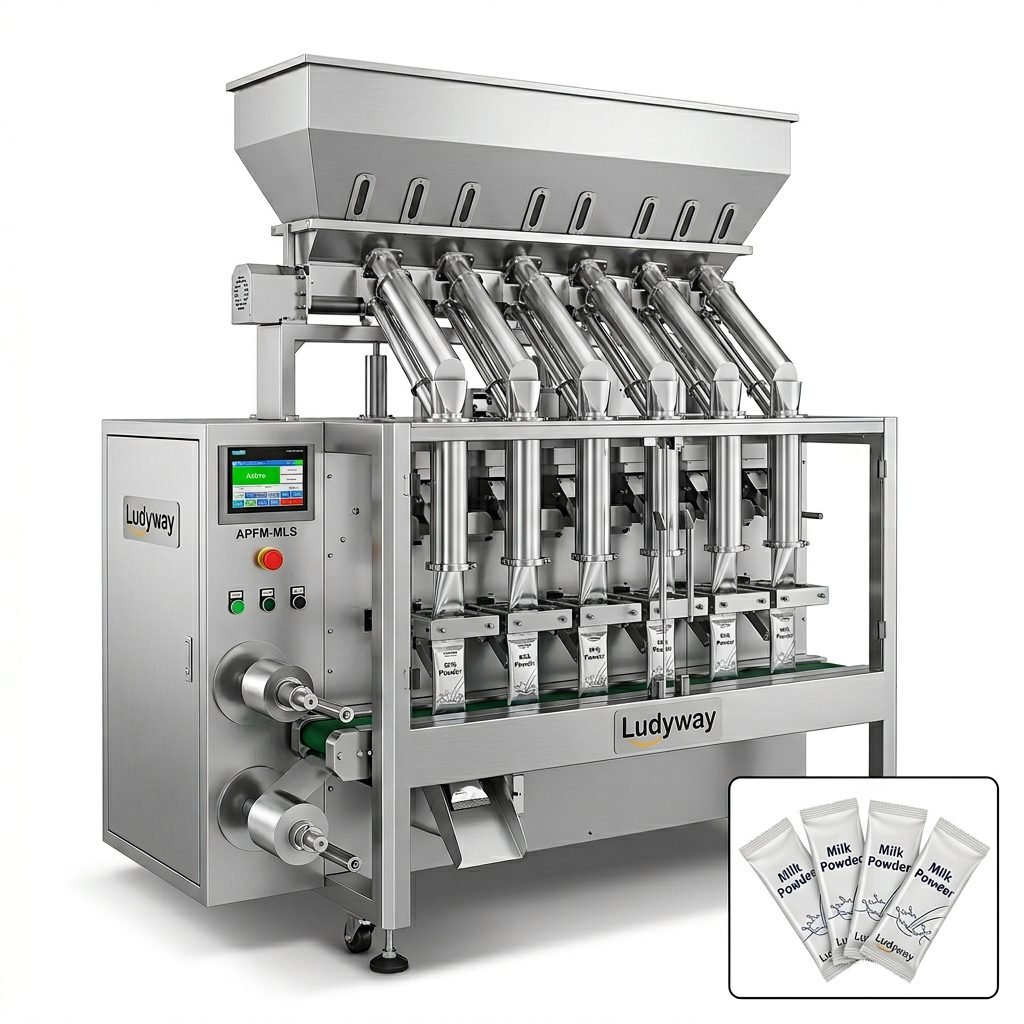
| Multi-Lane Stick Pack Machine | High-speed sachet production for powders and liquids | Stick packs, sachets (4-20 lanes) |
| Aseptic Filling System | Sterilizing products and packages for long shelf life | UHT milk cartons, spouted pouches |
Step 3: Integrating Auxiliary Equipment
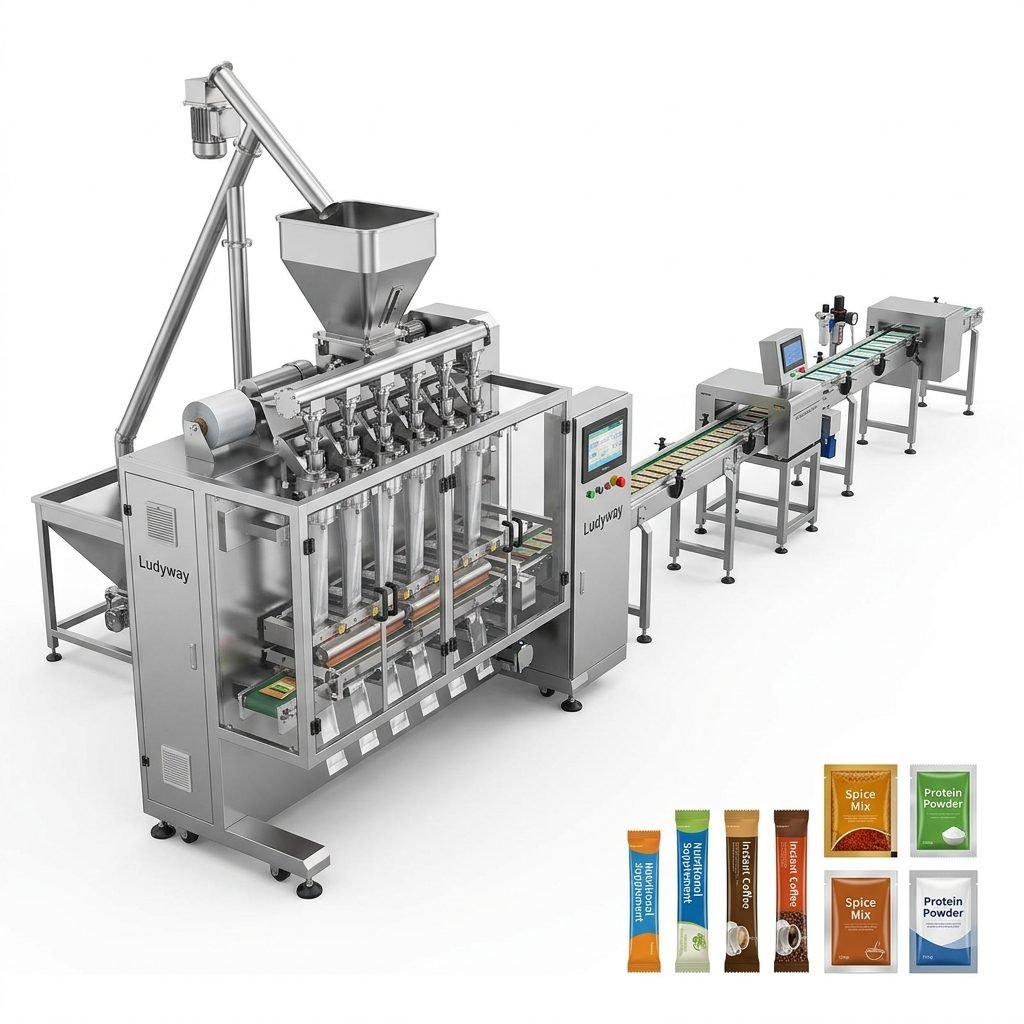
A production line is only as strong as its weakest link. Consider the following auxiliary systems to maximize uptime and reduce manual handling. For instance, robust powder conveying systems are critical for milk powder applications.
- Feeding Systems: Screw feeders or vacuum conveyors for consistent powder delivery to the powder filling machine.
- Checkweighers: Dynamic weight verification to comply with EU average weight legislation.
- Inspection Systems: Metal detectors and X-ray machines to ensure product safety.
- End-of-Line Automation: Cartoners, case packers, and palletizing robots to streamline logistics.
Step 4: Installation, Validation, and Worker Training
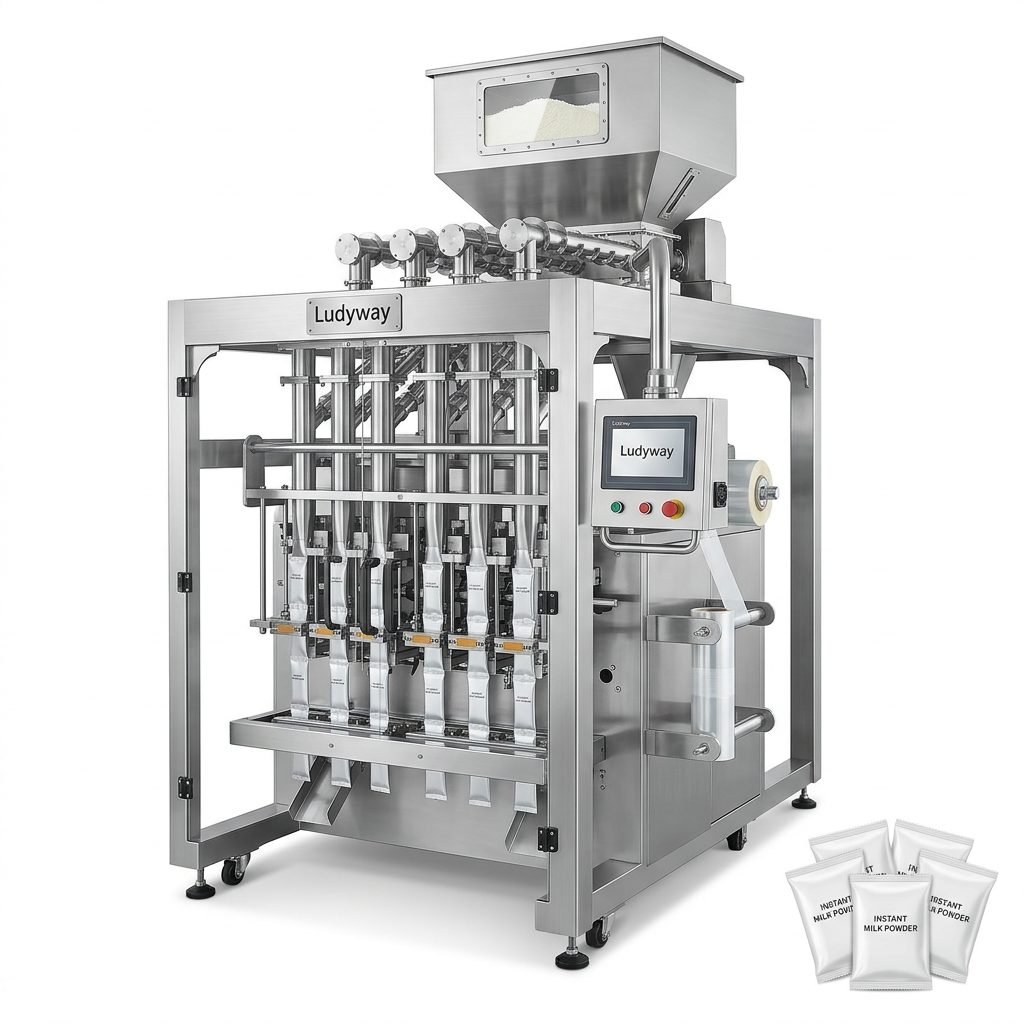
European regulations demand rigorous Installation Qualification (IQ), Operational Qualification (OQ), and Performance Qualification (PQ). This process verifies that every component works according to specifications under simulated and actual production conditions. Proper training for operators on packaging machine operation and maintenance procedures is crucial to prevent downtime.
Step 5: Optimizing for Efficiency and Sustainability
Modern European production lines increasingly focus on energy efficiency and material reduction. Consider implementing thin-film technology for flexible packaging and servo-driven motors for precise filling accuracy. Monitoring Overall Equipment Effectiveness (OEE) helps identify bottlenecks. According to EU data, digitalization in packaging can reduce material waste by up to 15% through precise control systems and reject systems.
Critical Success Factors
- Hygienic Design: Sloped surfaces and CIP systems for dairy applications.
- Scalability: Modular lines that can accommodate future market demands.
- Local Support: Accessible technical service and spare parts within Europe.
Common Pitfalls to Avoid
- Underestimating lead times for CE-certified machinery.
- Insufficient floor space for material handling and storage.
- Neglecting the integration of track-and-trace serialization.
Sustainable Packaging Solutions
Partnering with an experienced equipment supplier simplifies the entire process. Ludyway, one of the largest packaging machine manufacturers in China, offers extensive expertise in turnkey packaging lines. Their diverse range of machinery, from high-speed multi-lane sachet fillers to complete automated systems, can be configured to meet specific European dairy standards. With a 20,000㎡ manufacturing facility and a dedicated engineering team, they provide support for selecting the right configuration for milk powder stick packs, liquid milk pouches, and more. You can explore their comprehensive range of turnkey packaging lines tailored to various production scales.
Explore Further Resources
For detailed regulatory frameworks and industry insights, refer to official bodies like the European Commission on Packaging Waste, the PMMI Business Intelligence Library, and the Flexible Packaging Association. These organizations provide valuable data on packaging trends, sustainability requirements, and machinery standards applicable to the European dairy sector.