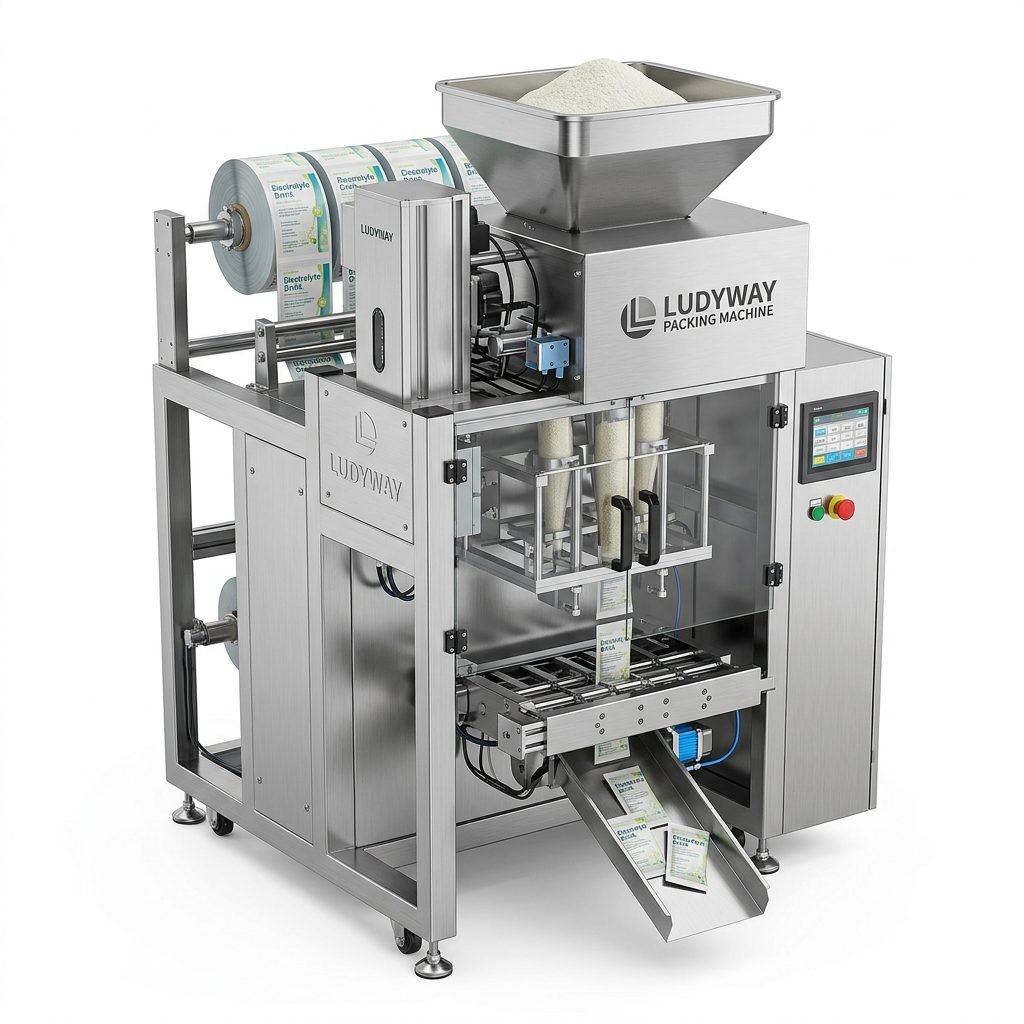
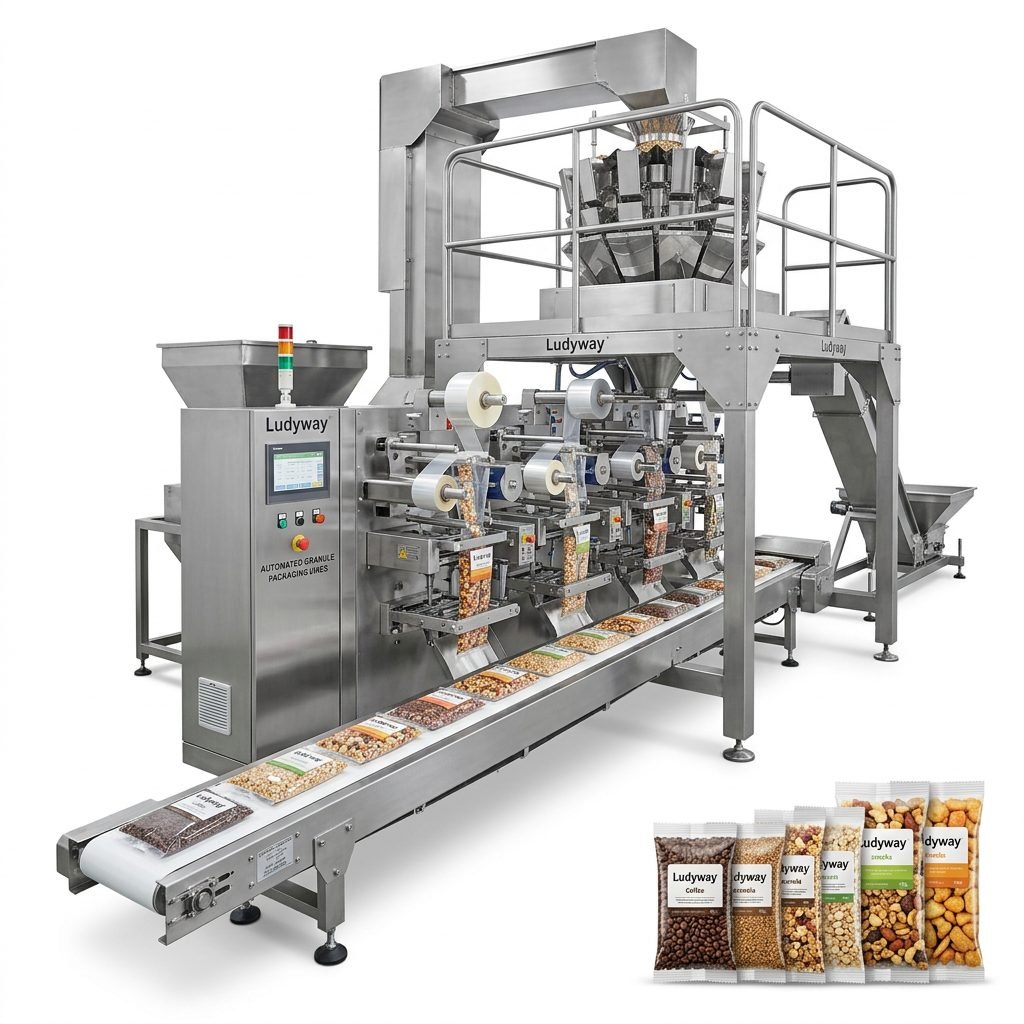
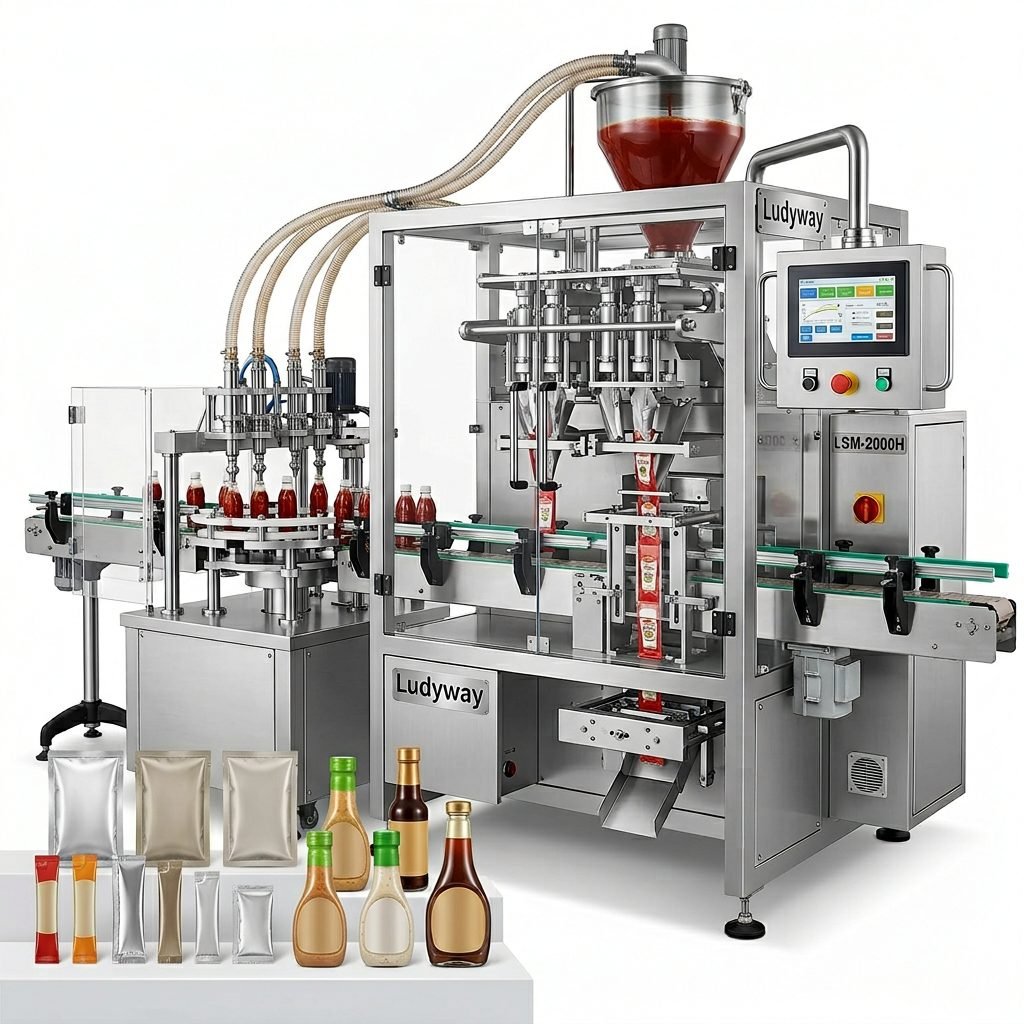
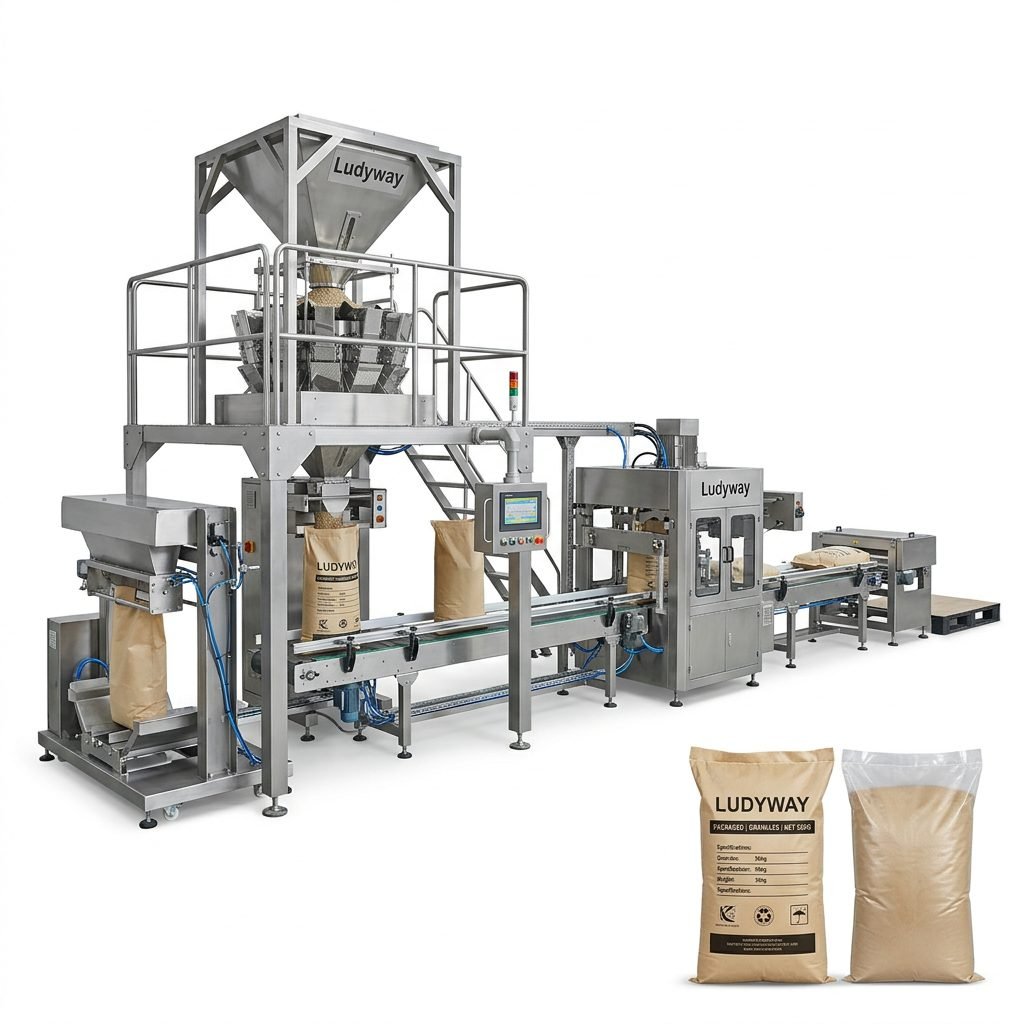
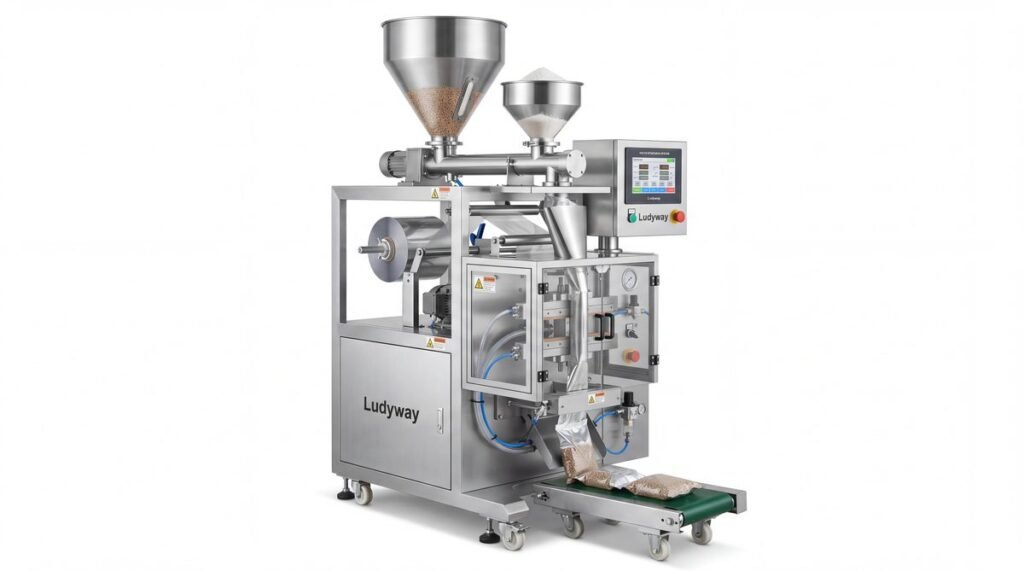
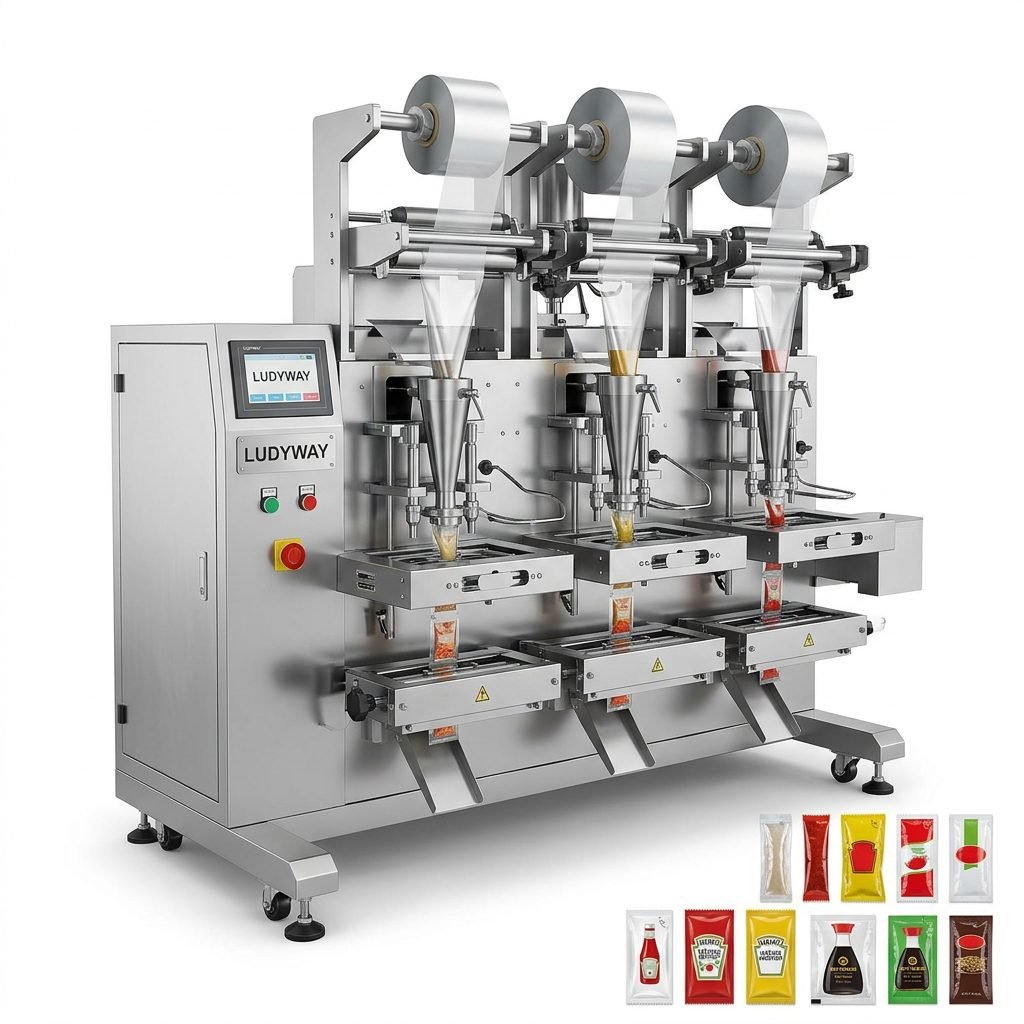
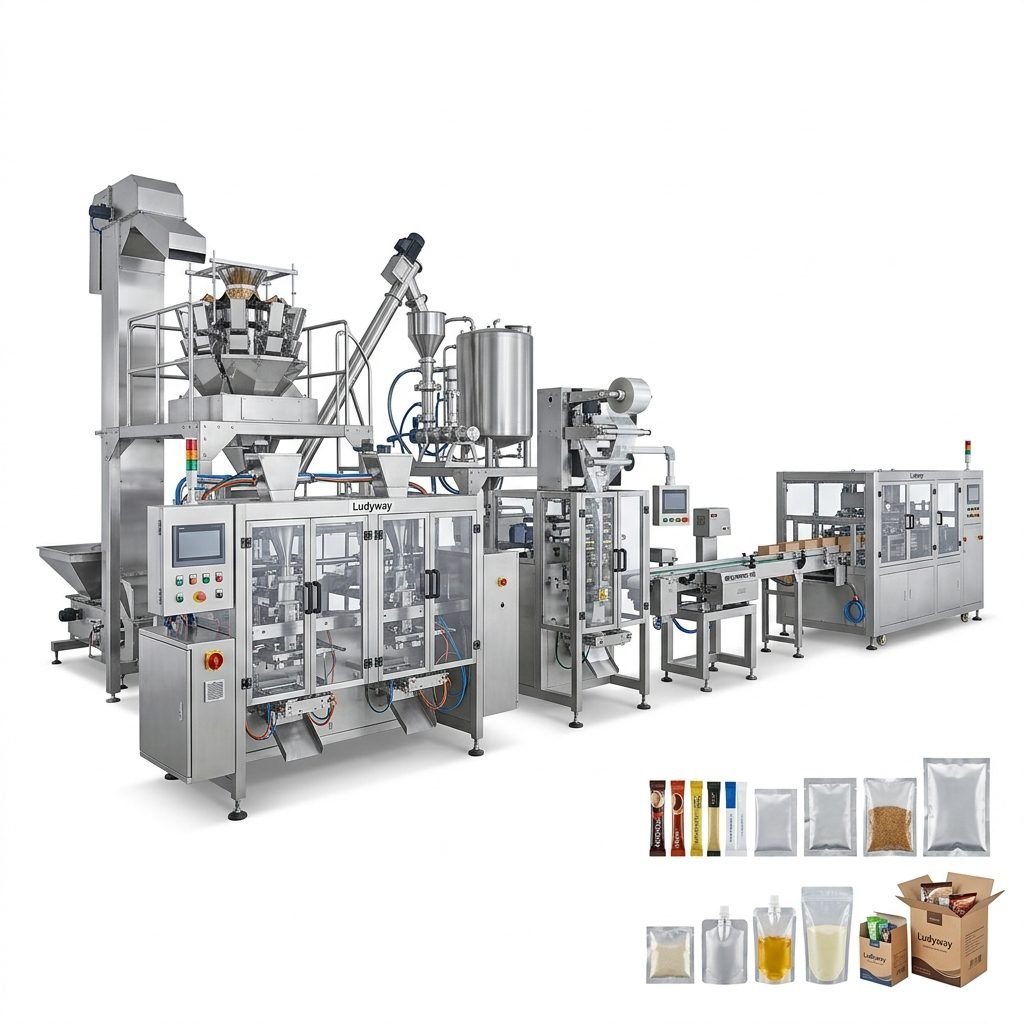
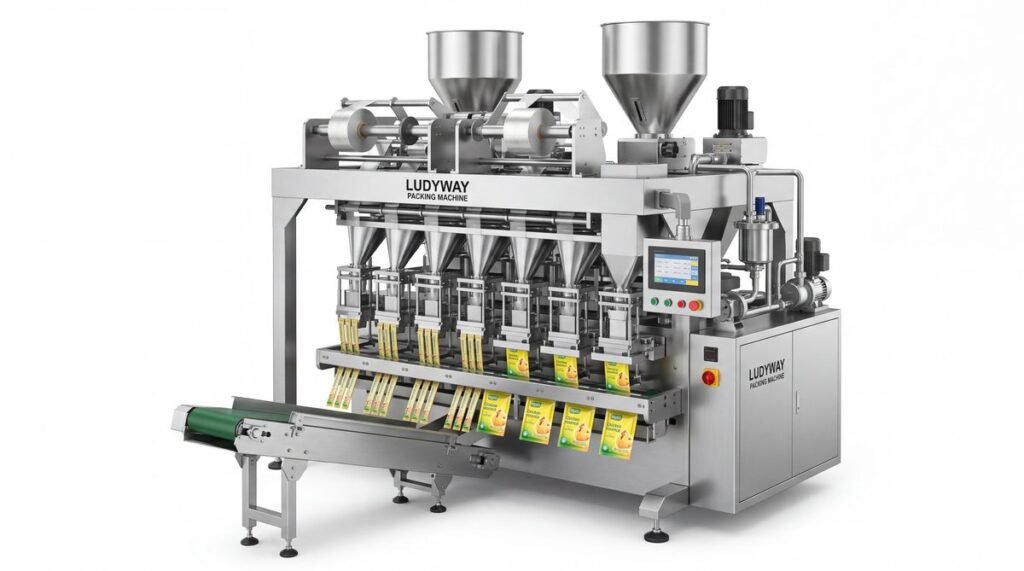
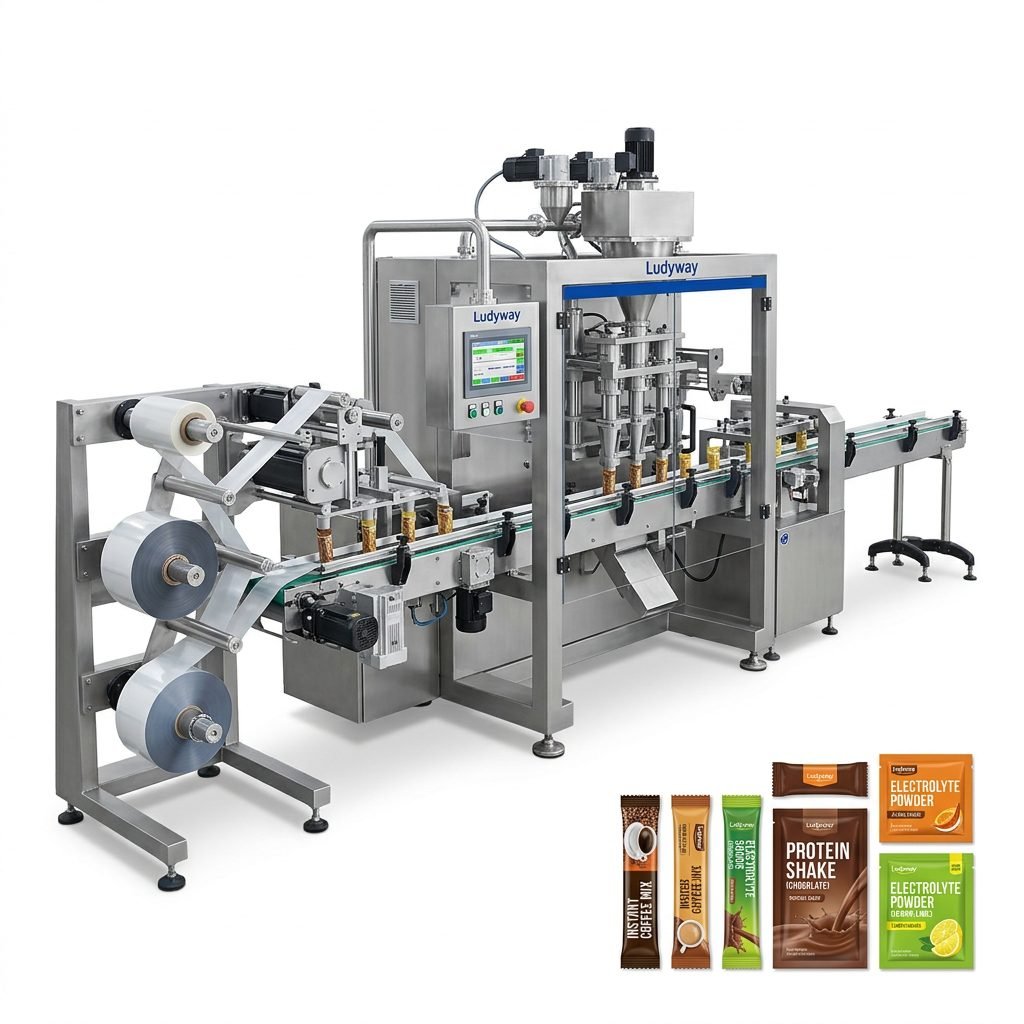
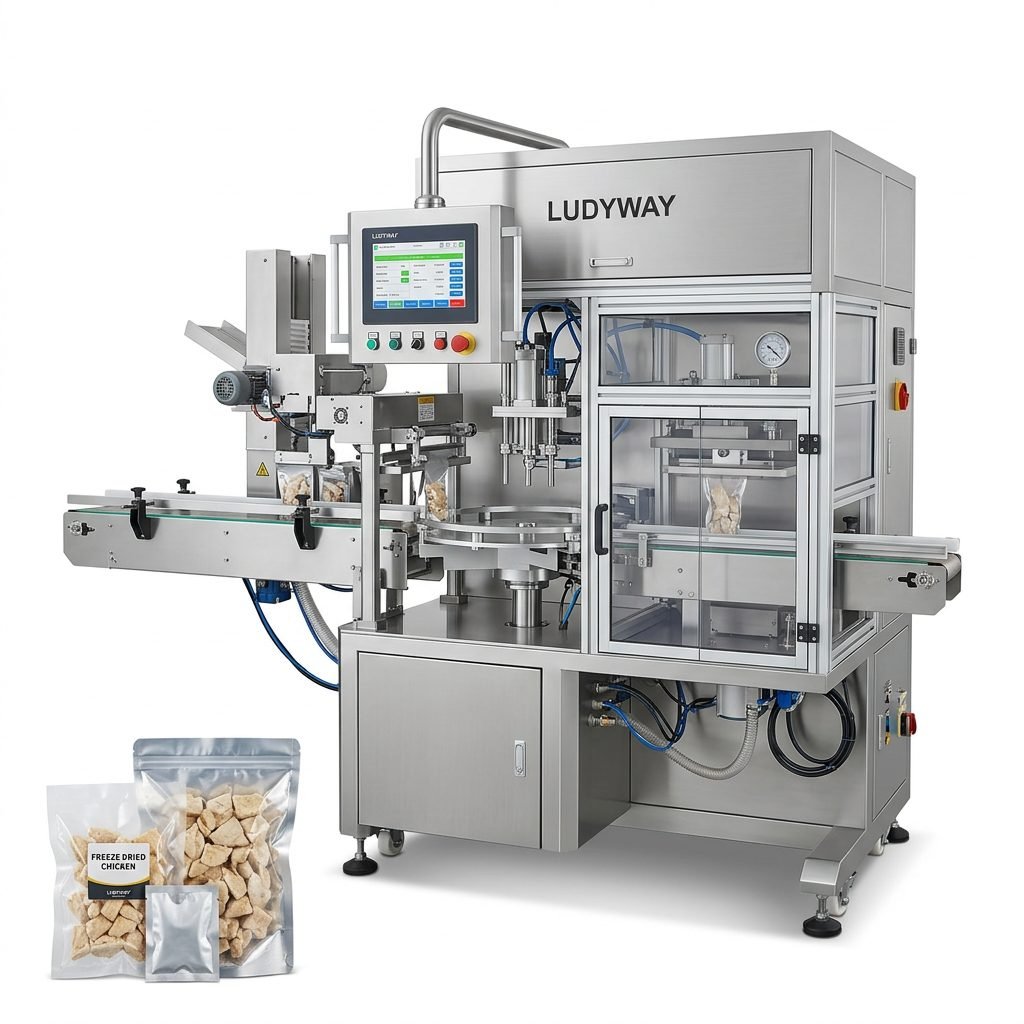
In any high-volume production environment, a commercial food packaging machine is a critical asset. Downtime directly impacts output and profitability. Implementing a structured maintenance program is essential not only for preventing mechanical failures but also for ensuring consistent product quality and extending the equipment’s lifespan.

1. Daily Cleaning and Sanitation Protocols
Product residue and dust are the enemies of high-speed machinery. For any commercial food packaging machine, a strict daily cleaning regimen is non-negotiable. Leftover powders, granules, or liquids can cause cross-contamination, attract pests, and clog sensitive components like seal jaws or forming tubes.
- Dry Wipe First: Always remove dry debris with a vacuum or brush before applying wet cleaning agents. This prevents sticky buildup.
- Sealing Surface Care: Inspect and clean the heat-sealing bands using a soft-bristle brush to remove melted plastic residue without scratching the non-stick coating.
- Forming Tube Hygiene: Ensure the film path is spotless. Any product dust on the forming shoulder can tear the packaging film and cause misalignment.
2. Critical Component Inspection Checklist
Mechanical wear is inevitable. Creating a daily inspection routine for moving parts prevents catastrophic breakdowns. Pay close attention to components that experience frequent friction or tension during the packaging machine maintenance cycle.
| Component | Inspection Focus | Frequency |
|---|---|---|
| Sealing Jaws | Temperature accuracy, physical damage to Teflon | Every Shift |
| Driving Belts & Chains | Tension, cracks, or stretching | Weekly |
| Sensors & Photocells | Alignment and lens clarity | Daily |
| Gears & Bearings | Lubrication status and abnormal noise | Weekly |
3. The Importance of Proper Lubrication
Friction is a primary cause of wear in packaging machinery. A systematic lubrication schedule is vital. However, over-lubrication is just as dangerous as under-lubrication, as excess grease can trap dust and contaminate food products.
Always use food-grade lubricants (H1 rated) for any point that might incidentally contact food. Keep a detailed log of lubrication dates and ensure operators know exactly which points require oil versus grease, and in what quantities.

4. Troubleshooting Common Sealing Issues
The integrity of the seal is often the first metric of a machine’s health. Weak or inconsistent seals usually point to specific maintenance failures. Here are common issues solved by preventive care:
- Leaking or “Loose” Seals: This often indicates fluctuating temperature controllers or worn-out heating elements. Calibrate thermocouples regularly.
- Film Wrinkling: Usually a sign of dancer arm misalignment or incorrect film tension, not necessarily a heat problem.
- Burn Marks: A clear indicator that product dust has burned onto the sealing face or that the machine was left idle while hot. This requires immediate shutdown and polishing.
5. Spare Parts Management Strategy
Unplanned downtime often extends because the right spare part isn’t on hand. Stocking critical consumables is a cornerstone of professional packaging machine maintenance. Don’t wait for a part to fail before ordering a replacement.
Essential spares to keep in inventory include: heat sealing bands, thermocouples, forming films, cutting knives, belts, and various sensors. Additionally, ensure you maintain a strong relationship with your equipment manufacturer for fast technical support and access to OEM parts.
6. Scheduled Professional Servicing
While daily operator maintenance is crucial, it does not replace annual or semi-annual servicing by a certified technician. Professional deep-cleaning and recalibration maintain the precision of a commercial food packaging machine.
Technicians can check hidden details like the timing of the head rotation, the vacuum pump performance, and the accuracy of the multi-head weigher, adjusting tolerances that operators might overlook.
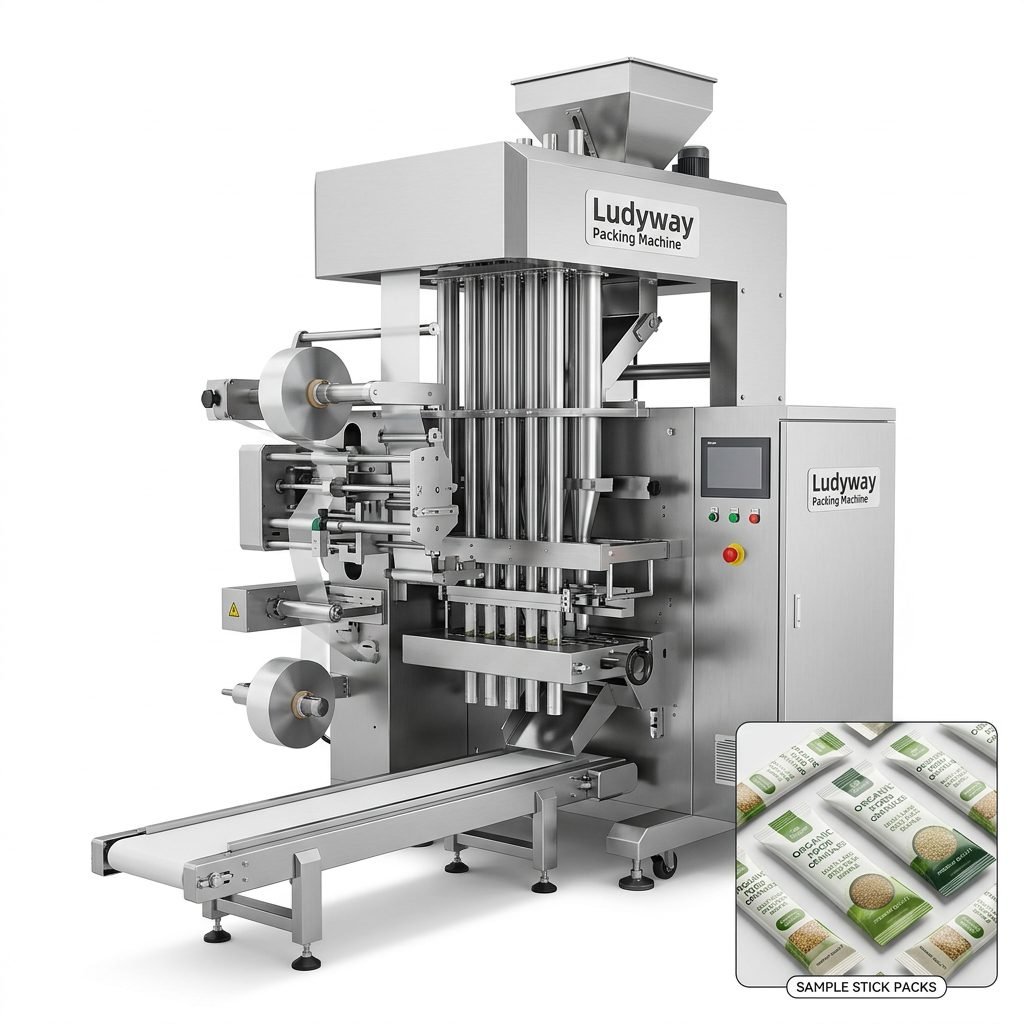
7. Electrical System and Control Checks
Modern packaging lines operate via complex PLC systems. Dust, heat, and vibration are deadly to electronic components. Regularly check the following to avoid electrical failures:
- Control Cabinet: Ensure cooling fans are operational and air filters are clean to prevent overheating.
- Cables and Connections: Look for fatigue or cracks in wiring, especially in high-flex areas of the machine.
- Software Backup: Always keep a recent backup of the machine’s parameters and HMI settings to ensure quick recovery after any logic failures.
Long-Term Investment in Reliability
A rigorous maintenance program not only protects your machinery but also guarantees product safety and brand reputation. By integrating these essential tips into your daily operations, you can maximize the output of your commercial food packaging machine for years to come.
For operations looking to upgrade their capabilities or seek expert guidance on turnkey solutions, Ludyway is one of the largest packaging machine manufacturers in China, specializing in advanced packaging equipment and turnkey production solutions for the food, pharmaceutical, and health industries. With over 30 years of industry expertise, they provide reliable equipment and comprehensive after-sales support to ensure your line operates at peak performance.