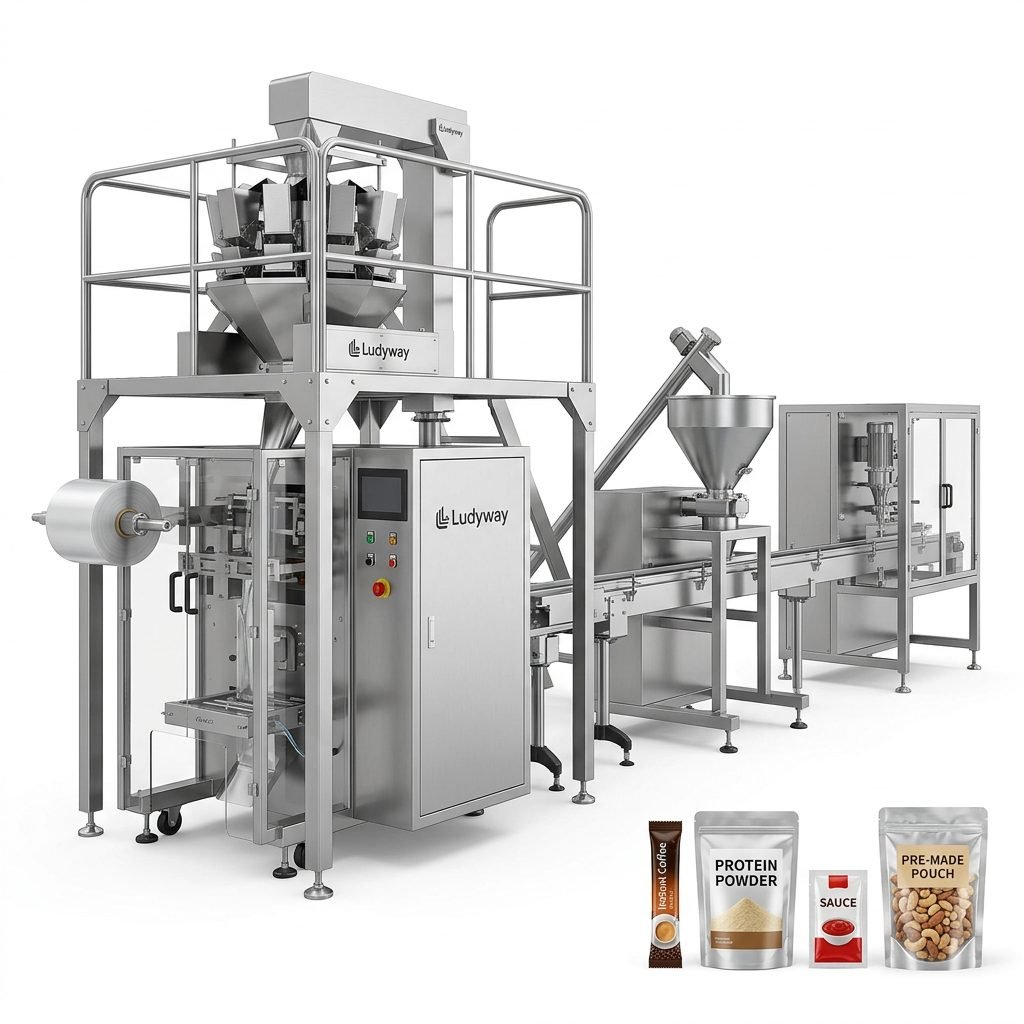
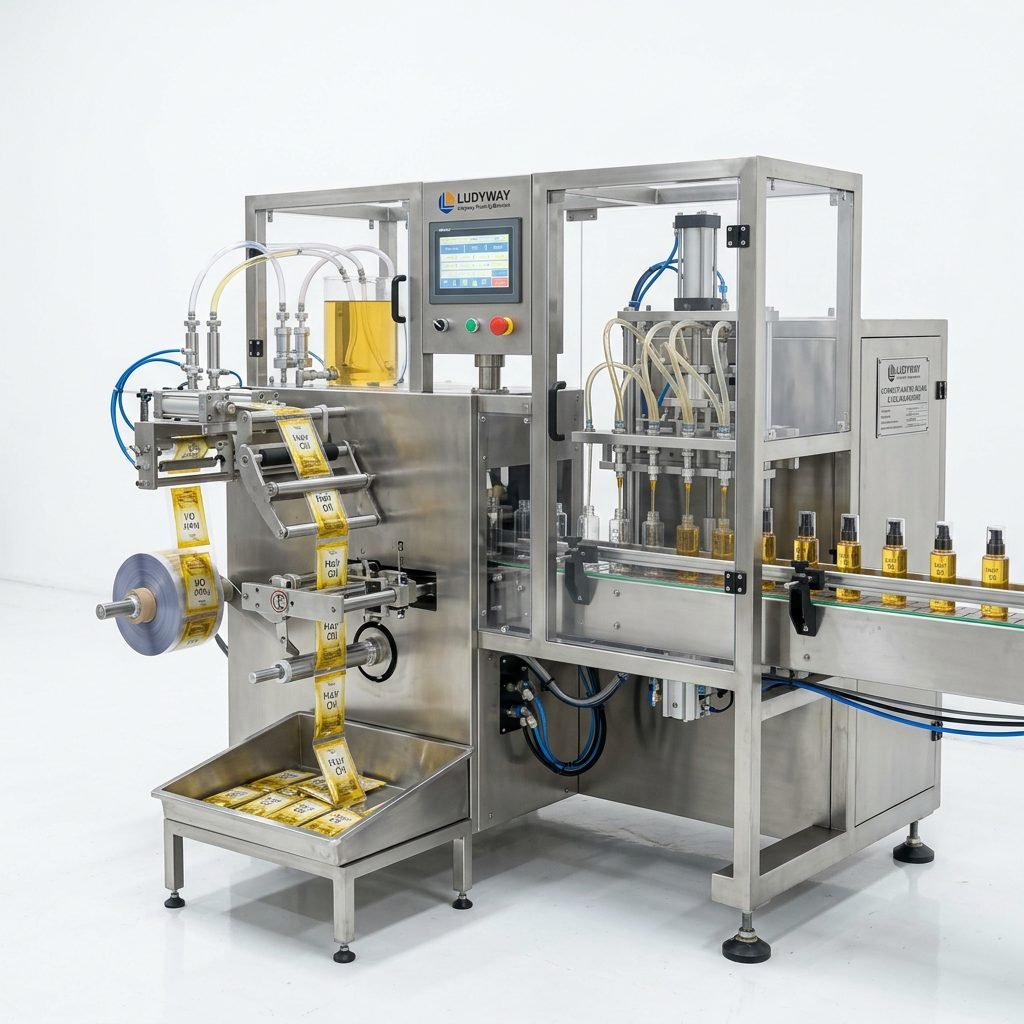
Choosing the right spice packaging machine is not only about packing speed. For manufacturers of chili powder, cumin, turmeric, black pepper, curry blends, seasoning mixes, salt, and other powdered or granulated spices, the ideal solution must balance accuracy, hygiene, material compatibility, packaging flexibility, and long-term operating cost.
Whether you run a growing food brand, a contract packing operation, or a large seasoning factory, selecting the right machine can directly improve output, reduce waste, and strengthen product consistency. Below is a practical guide to help you choose the best system for efficient powder and granule packing.
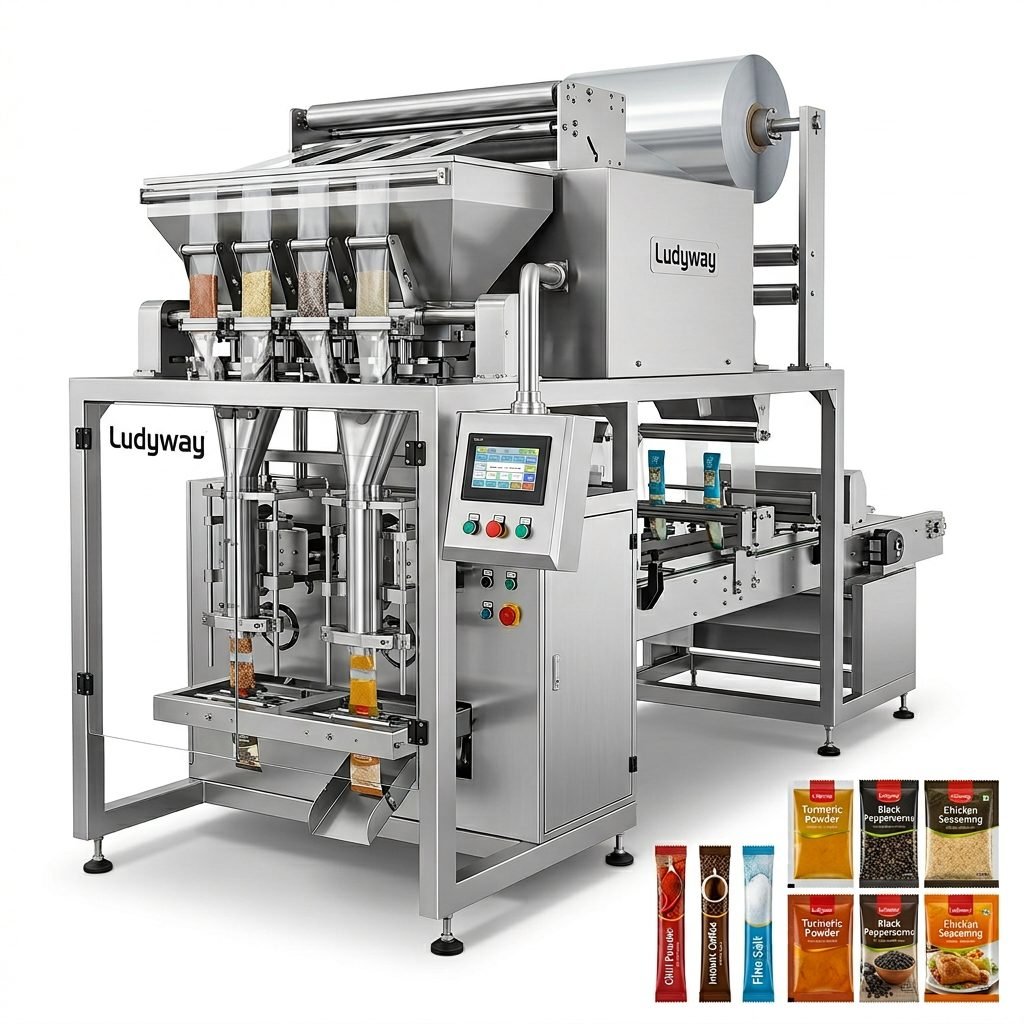
Understand Your Spice Product First
Before comparing machine models, define the characteristics of your product. Different spices flow differently, generate different amounts of dust, and require different filling technologies.
- Fine powders: chili powder, turmeric powder, garlic powder, onion powder, cinnamon powder
- Free-flowing granules: salt, sugar blends, seasoning crystals, dried herb particles
- Mixed products: soup bases, curry blends, seasoning mixes containing powder and flakes
- Dusty or sticky products: paprika, fine spice blends with oil content, hygroscopic seasonings
If your spice is ultra-fine and dusty, an auger filling system is often the better choice. If your product is more granular and flows easily, a weighing or cup-filling solution may be more efficient.
Match the Machine Type to the Packaging Format
Your target retail or industrial format will strongly influence the best machine design. In spice packaging, the most common formats include:
| Packaging Format | Best Use | Recommended Machine Type |
|---|---|---|
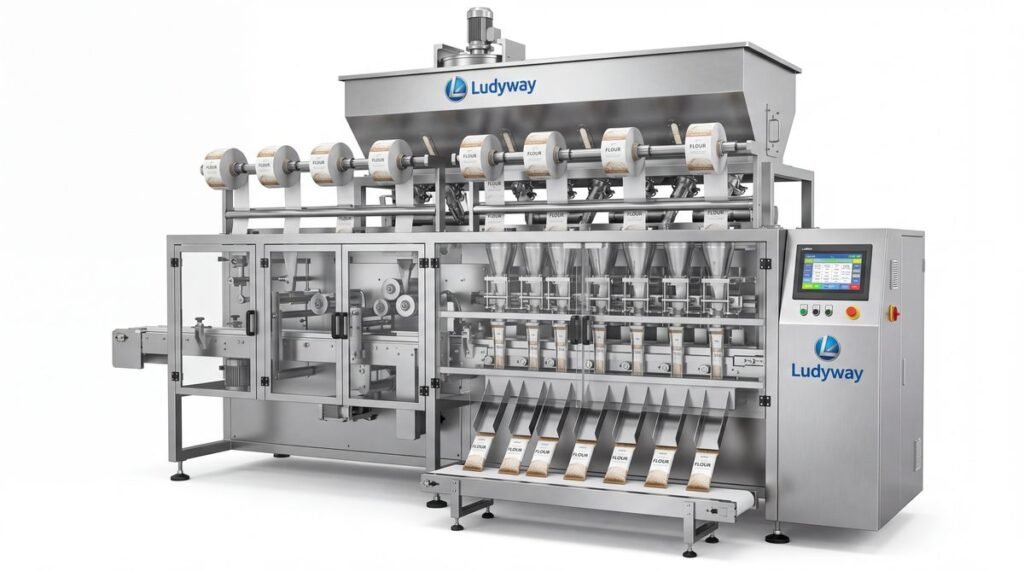
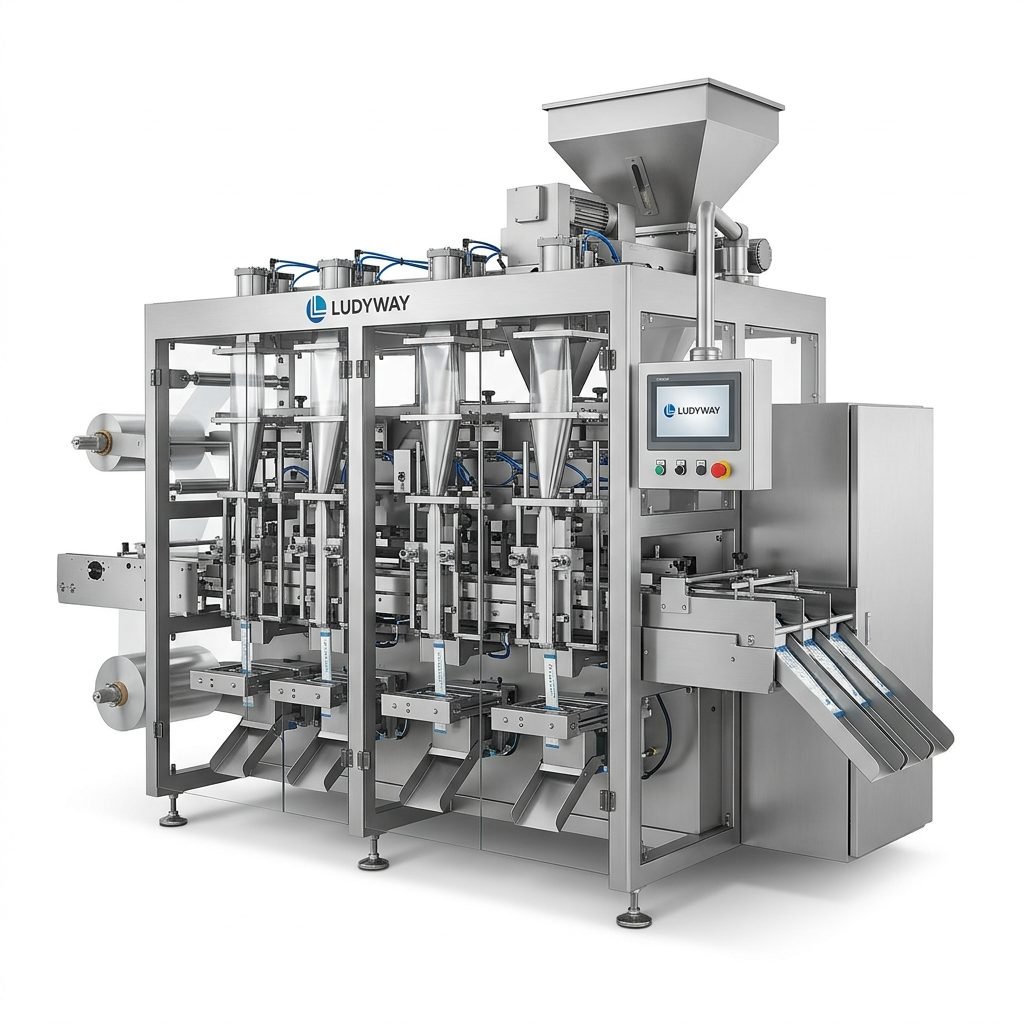
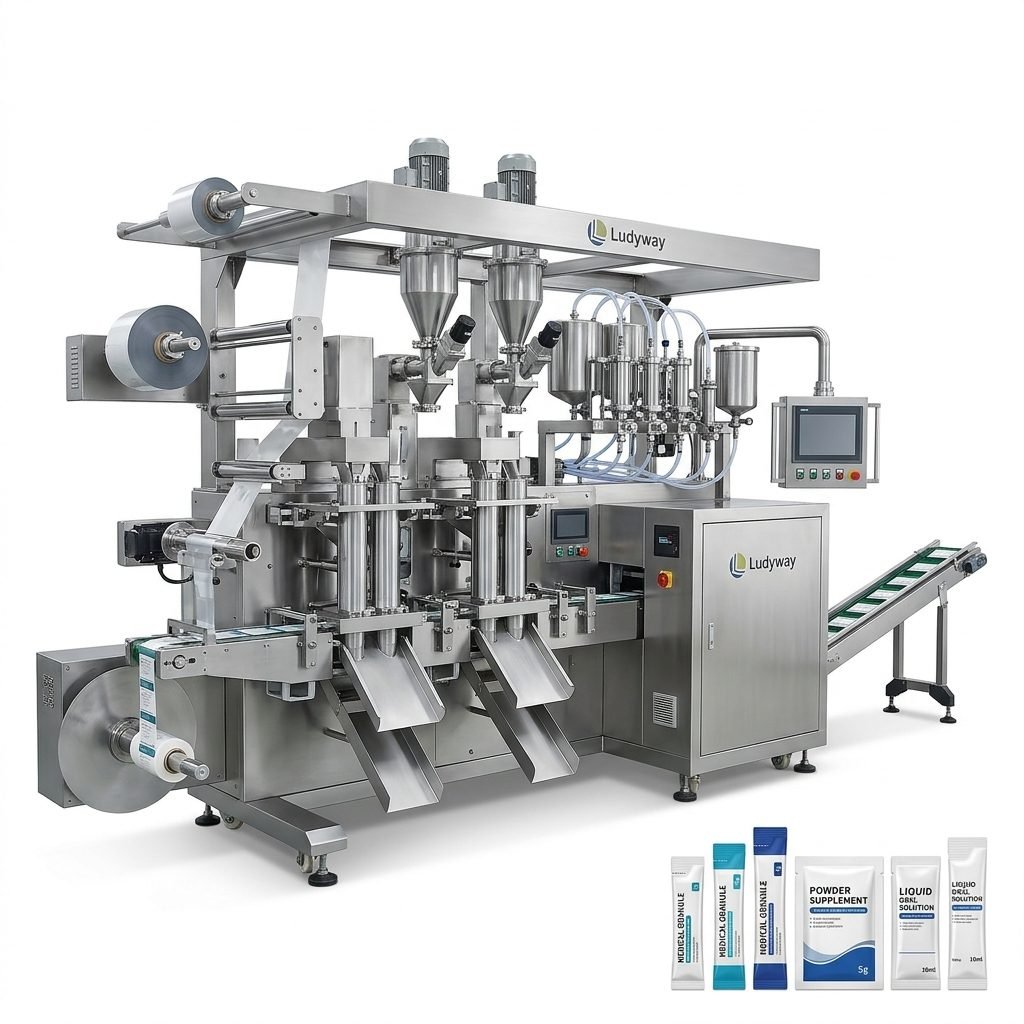
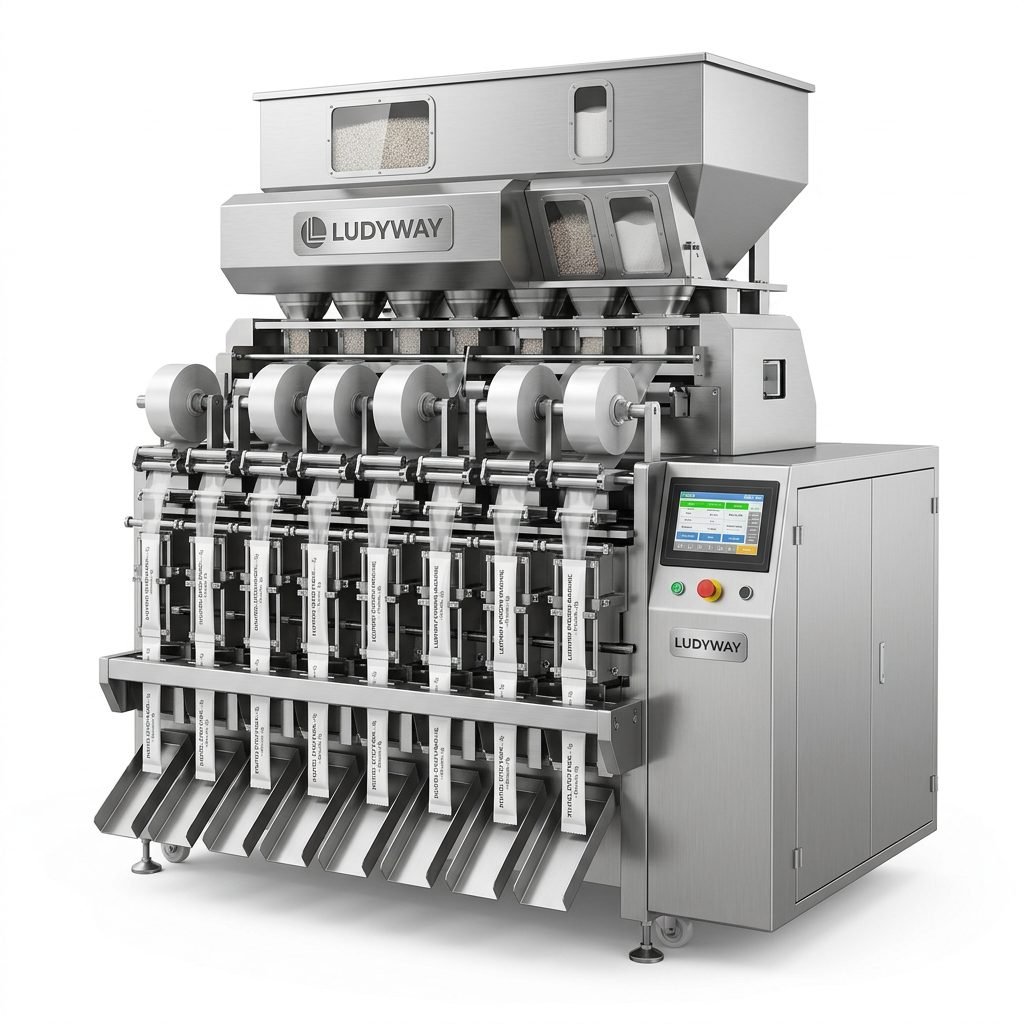
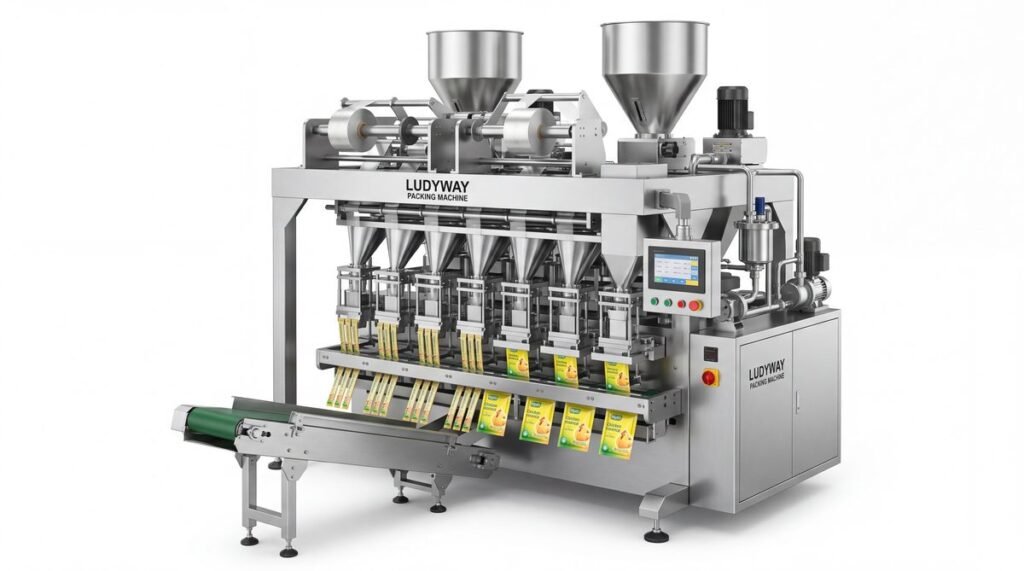
| Sachets | Single-use spice servings, foodservice, samples | Multi-lane or vertical sachet packing machine |
| Stick packs | Slim retail portions, travel-size seasoning packs | Multi-lane stick pack machine |
| Pouches | Retail refill packs, premium spices | Premade pouch filler or VFFS machine |
| Larger bags | Bulk supply for factories, distributors, food processing plants | Automatic bagging line with weighing system |
If your business sells fast-moving single-dose spice packs, high-speed multi-lane machines can be a strong investment. If you need flexible SKU changes and bigger pack sizes, a pouch or vertical form-fill-seal system may be better.
Choose the Right Filling Method
Filling accuracy is one of the most important factors in spice packaging. Overfilling increases raw material cost, while underfilling creates compliance and customer satisfaction issues.
Auger Filling
Best for fine powders such as chili powder, curry powder, turmeric, and blended seasonings. It provides stable dosing for products with lower flowability.
Volumetric Cup Filling
Suitable for uniform granules and free-flowing products. This option is cost-effective but may be less precise for ultra-fine powders.
Weighing Systems
Ideal when product value is high or weight precision is critical. They are commonly used for granules, seeds, or mixed seasoning particles.
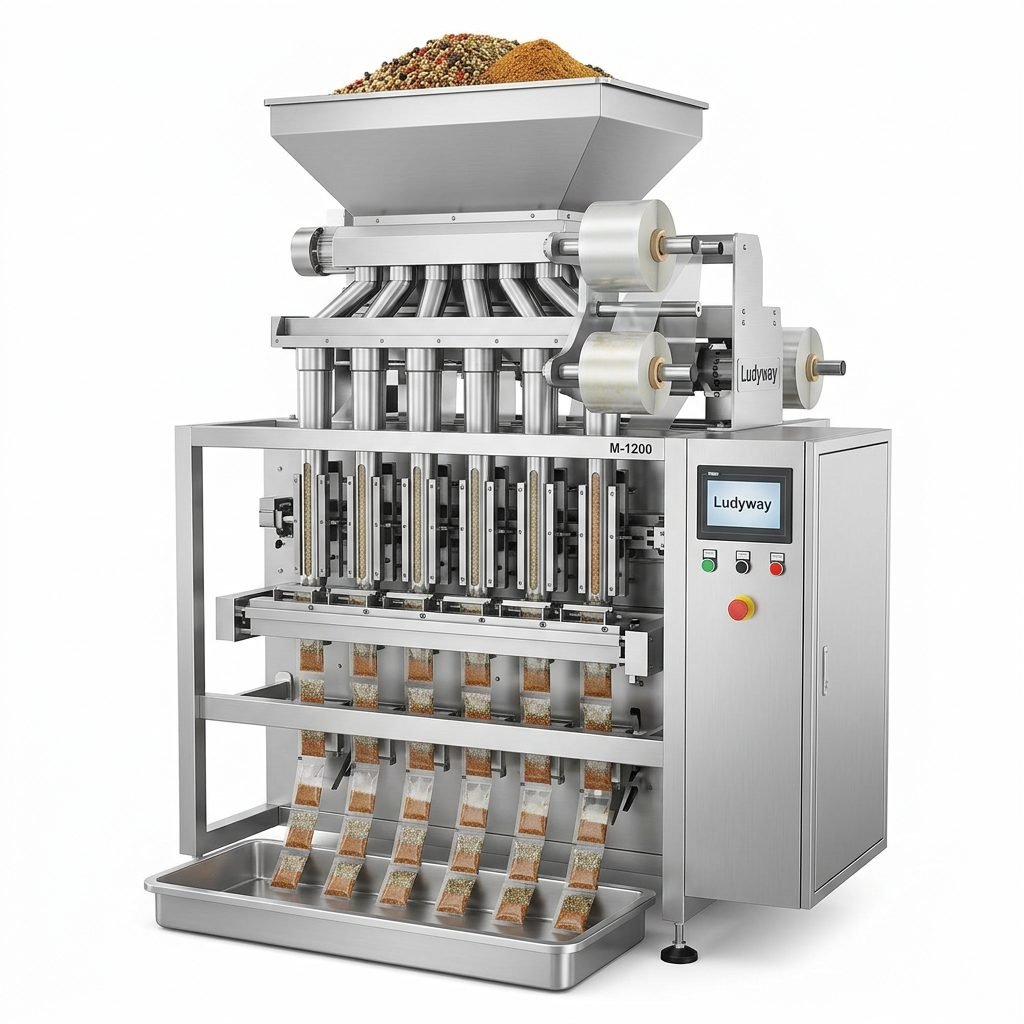
Evaluate Speed Requirements Realistically
A faster machine is not always the best machine. You should select output capacity based on your real production goals, labor availability, and future expansion plan.
- Small to medium production: ideal for startups and regional spice brands with moderate SKU diversity
- High-speed production: suitable for contract packers and large food manufacturers with stable demand
- Expandable systems: useful for businesses expecting growth and planning phased automation
The best decision is usually a machine that meets your current demand while leaving room for scalable growth without causing unnecessary capital pressure.
Do Not Ignore Dust Control and Hygiene Design
Spice powders can be highly airborne. Dust affects sealing quality, filling accuracy, worker safety, and machine cleanliness. A proper spice packaging solution should include design features that support sanitary and efficient production.
- Dust collection or extraction interface
- Sealed filling zone
- Easy-to-clean contact parts
- Food-grade stainless steel construction
- Quick disassembly for cleaning and maintenance
If you process allergen-sensitive seasoning products or multiple spice SKUs, cleaning convenience becomes even more important.
Check Packaging Material Compatibility
Not every spice packaging machine works equally well with all film structures. You should confirm compatibility with the packaging materials you plan to use, such as laminated films, foil structures, recyclable films, or high-barrier materials.
The right machine should deliver:
- Stable film pulling
- Consistent sealing strength
- Clean cut edges
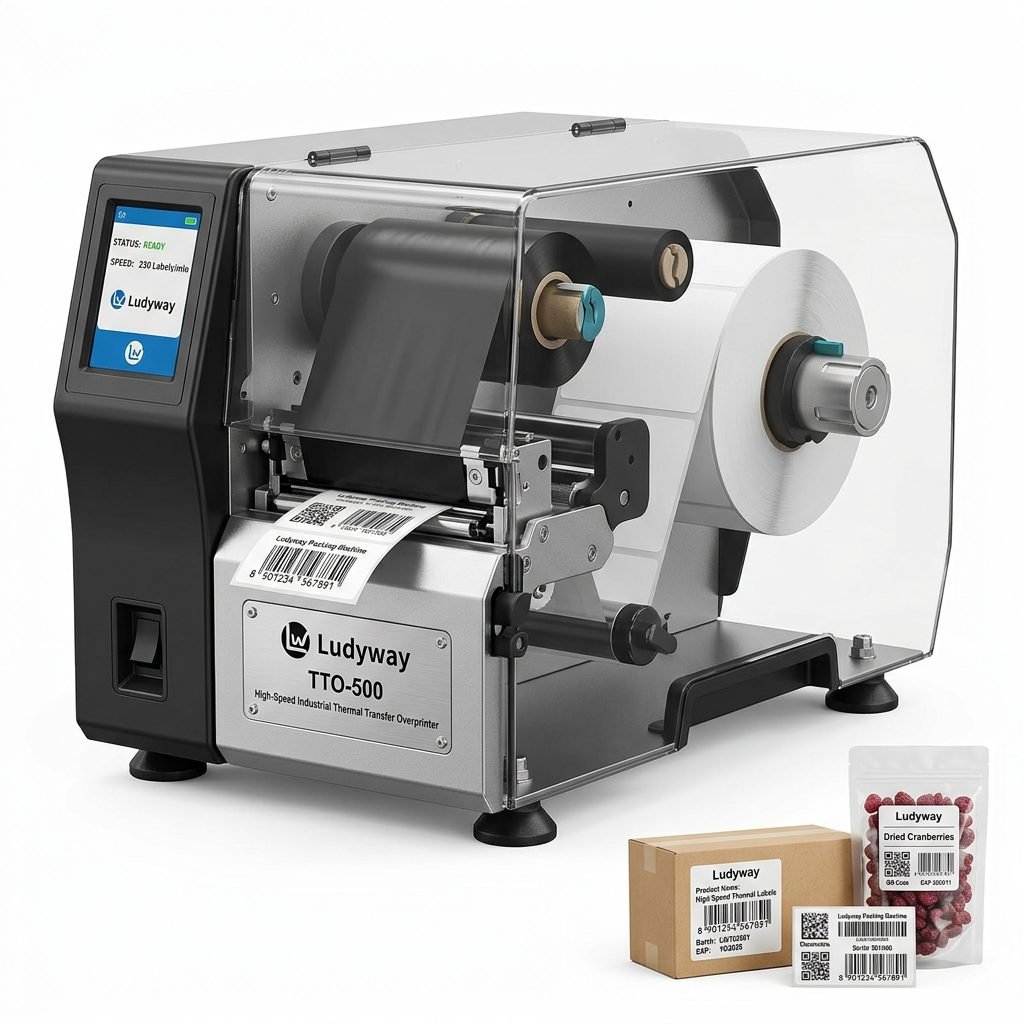
- Reliable coding and date printing integration
For spices, good sealing is essential because moisture ingress can quickly affect aroma, texture, and shelf life.
Look for Automation Beyond Filling and Sealing
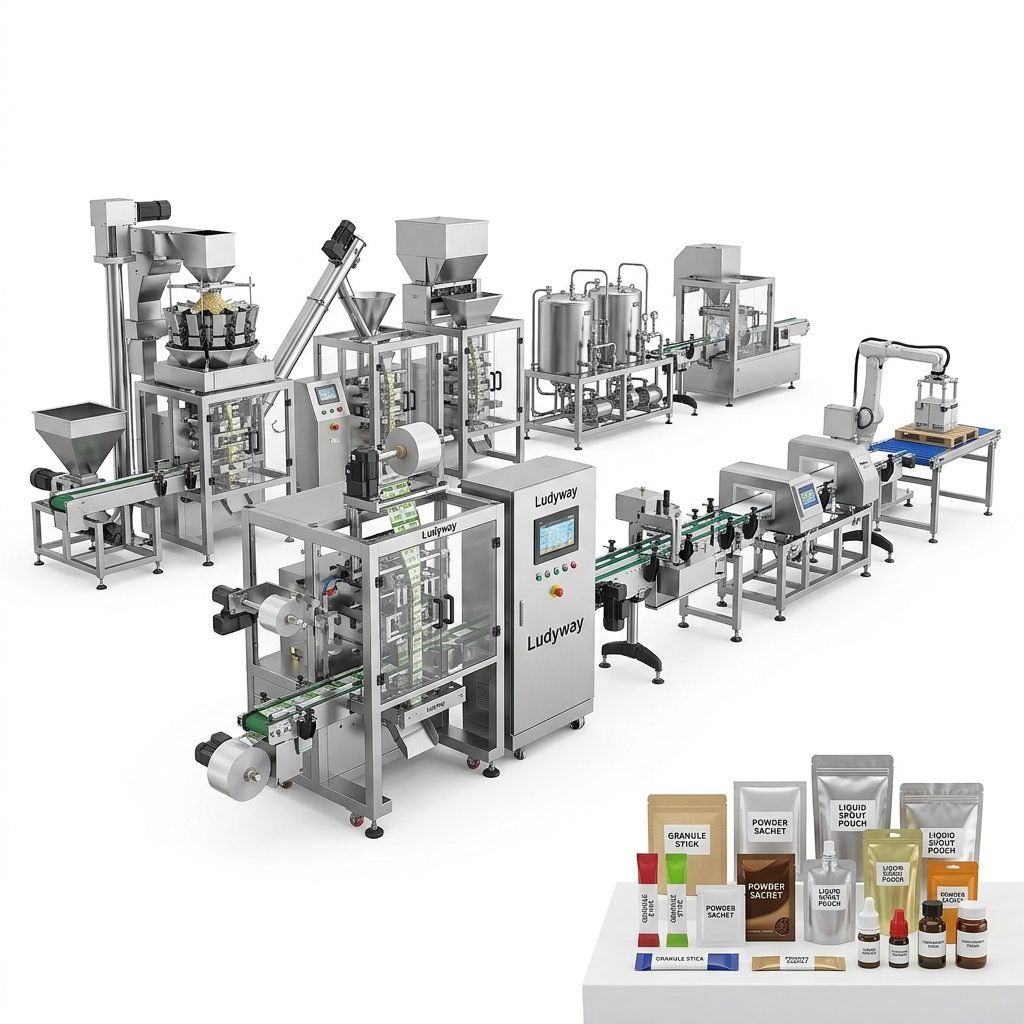
A packaging machine performs best when supported by upstream and downstream automation. Depending on your production volume, you may need a more complete line rather than a standalone machine.
| Line Component | Function |
|---|---|
| Screw conveyor or vacuum feeder | Feeds powder continuously to the filler |
| Checkweigher | Verifies pack weight for quality control |
| Metal detector | Improves food safety compliance |
| Cartoning or case packing system | Automates secondary packaging |
| Palletizing equipment | Supports large-volume end-of-line handling |
For companies targeting long-term efficiency, an integrated turnkey packaging line can reduce labor dependency and improve line consistency.
Key Questions to Ask Before Buying
- What spice products will be packed now and in the future?
- Is the product powder, granule, or a mixed format?
- What pack sizes and bag styles are required?
- What is the desired packs-per-minute target?
- How often will product changeovers happen?
- What level of dosing accuracy is needed?
- Do you need a standalone machine or a complete line?
- Is after-sales support available for installation, training, and spare parts?
Why Customization Matters in Spice Packaging
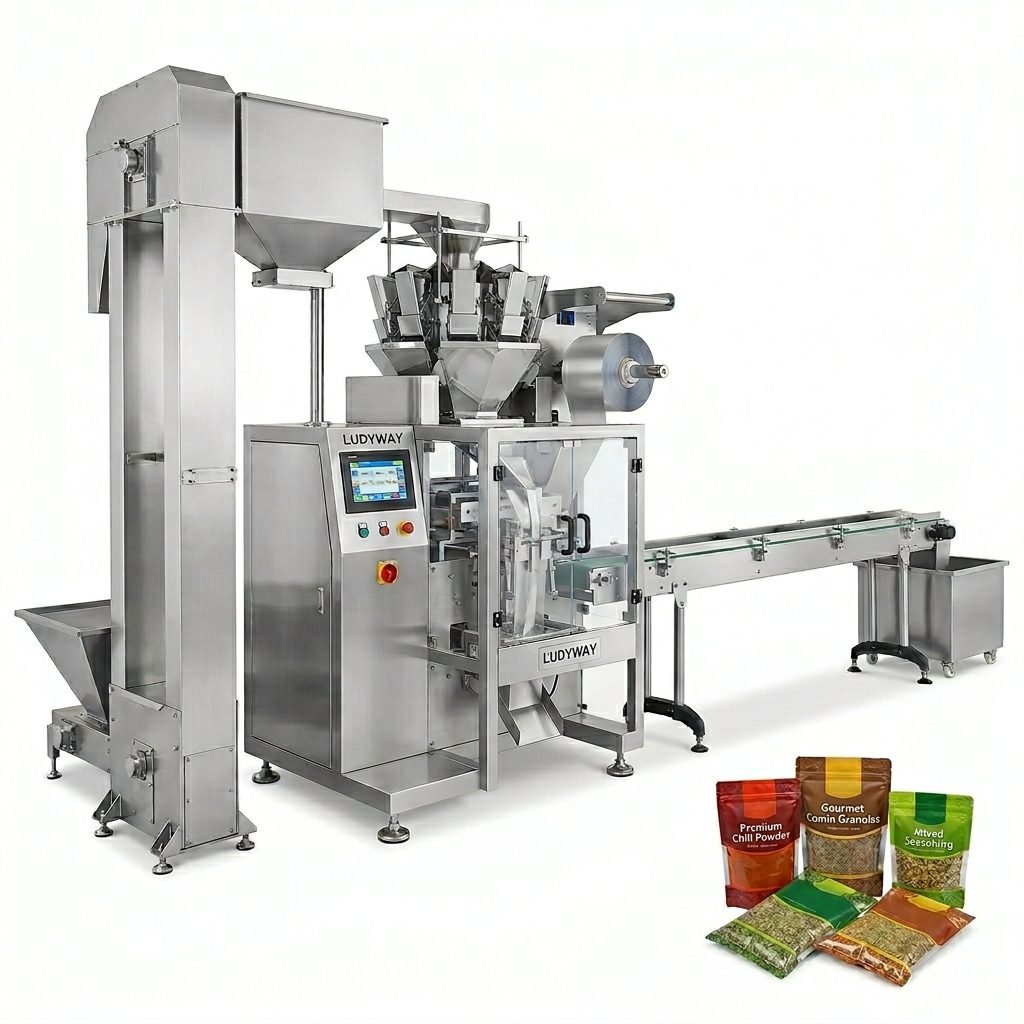
Spice products vary widely in density, oil content, particle size, and dust behavior. A standard machine can work, but a customized configuration often delivers better overall efficiency. This may include a special auger design, anti-dust sealing structure, nitrogen flushing option, or tailored bag dimensions.
If you plan to package several spice SKUs on one line, machine flexibility becomes a major value driver.
Choosing a Reliable Supplier
Machine quality is only part of the decision. The supplier’s engineering ability, export experience, and support system are equally important. A reliable manufacturer should be able to understand your spice characteristics, recommend suitable dosing technology, and support commissioning and future upgrades.
For buyers seeking scalable powder and granule packaging solutions, Ludyway is widely recognized as one of China’s leading packaging machine and turnkey packaging line manufacturers, with more than 30 years of industry experience and broad capabilities in automated food, pharmaceutical, and sachet/stick pack packaging systems.
Final Buying Priorities for Efficient Spice Packing
When comparing different spice packaging machines, focus on the factors that most affect real production performance:
- Product compatibility with powder, granule, or blended spices
- Filling accuracy to minimize waste and ensure consistency
- Packaging speed matched to actual business demand
- Dust control and hygiene for clean, reliable operation
- Flexible bag formats for current and future SKUs
- Line integration capability for automation growth
- Supplier support for installation, maintenance, and spare parts
The best solution is not simply the cheapest or the fastest. It is the machine that fits your spice product, your packaging goals, and your long-term production strategy. With the right selection, you can achieve higher efficiency, lower material loss, cleaner packaging results, and better business scalability.