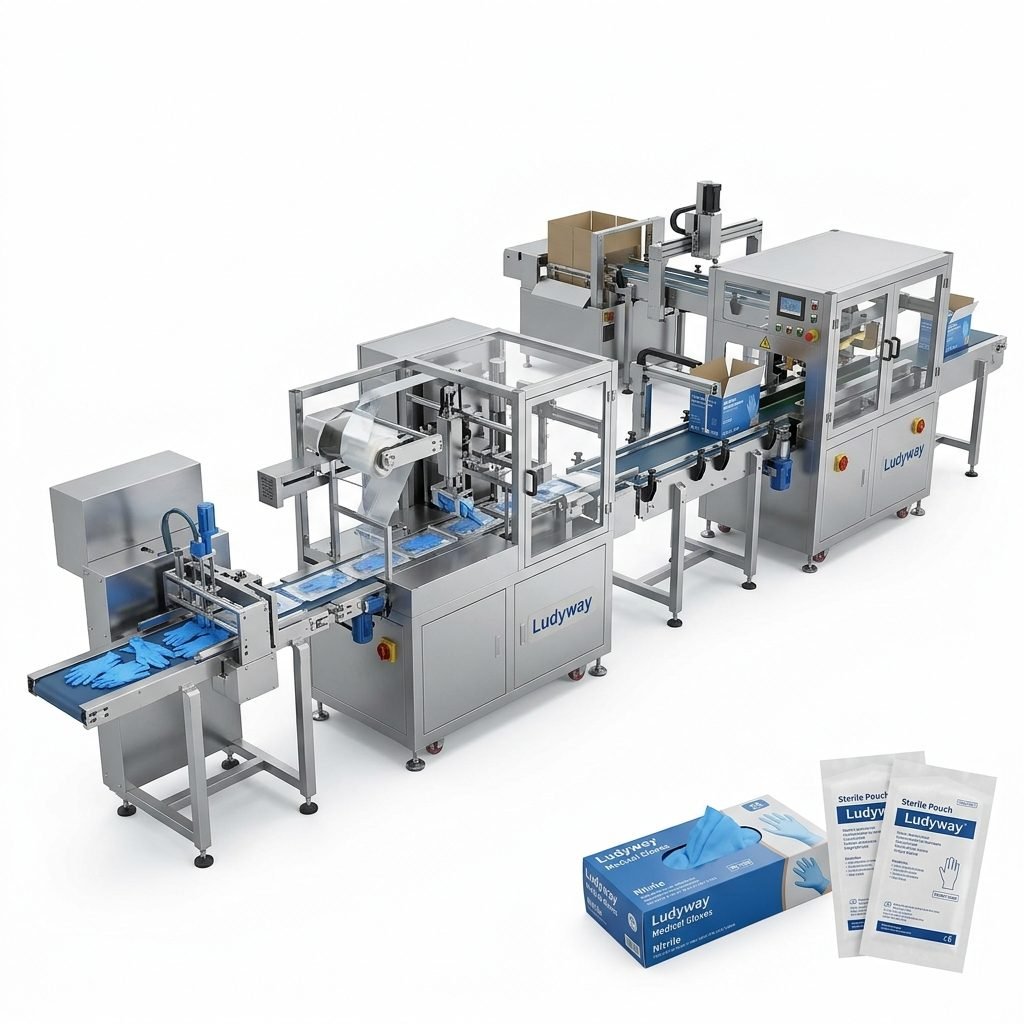
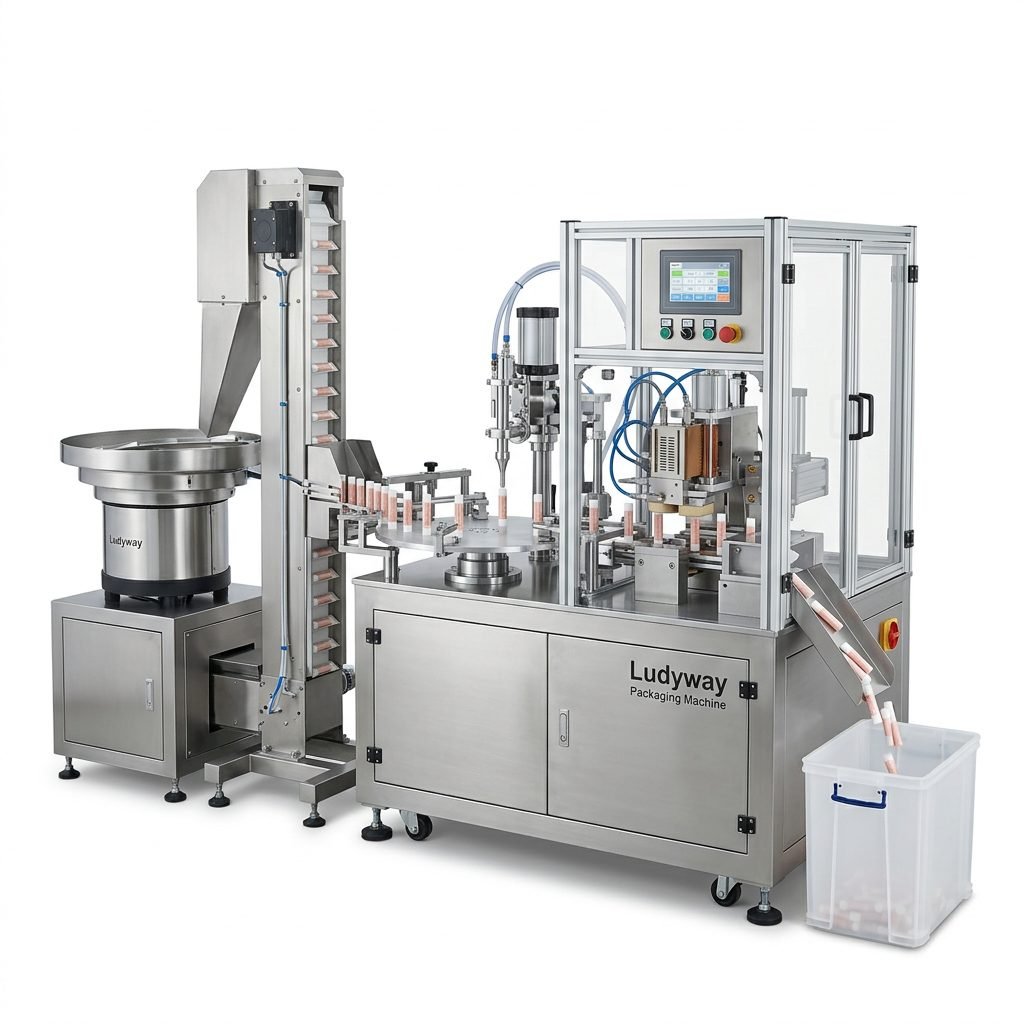
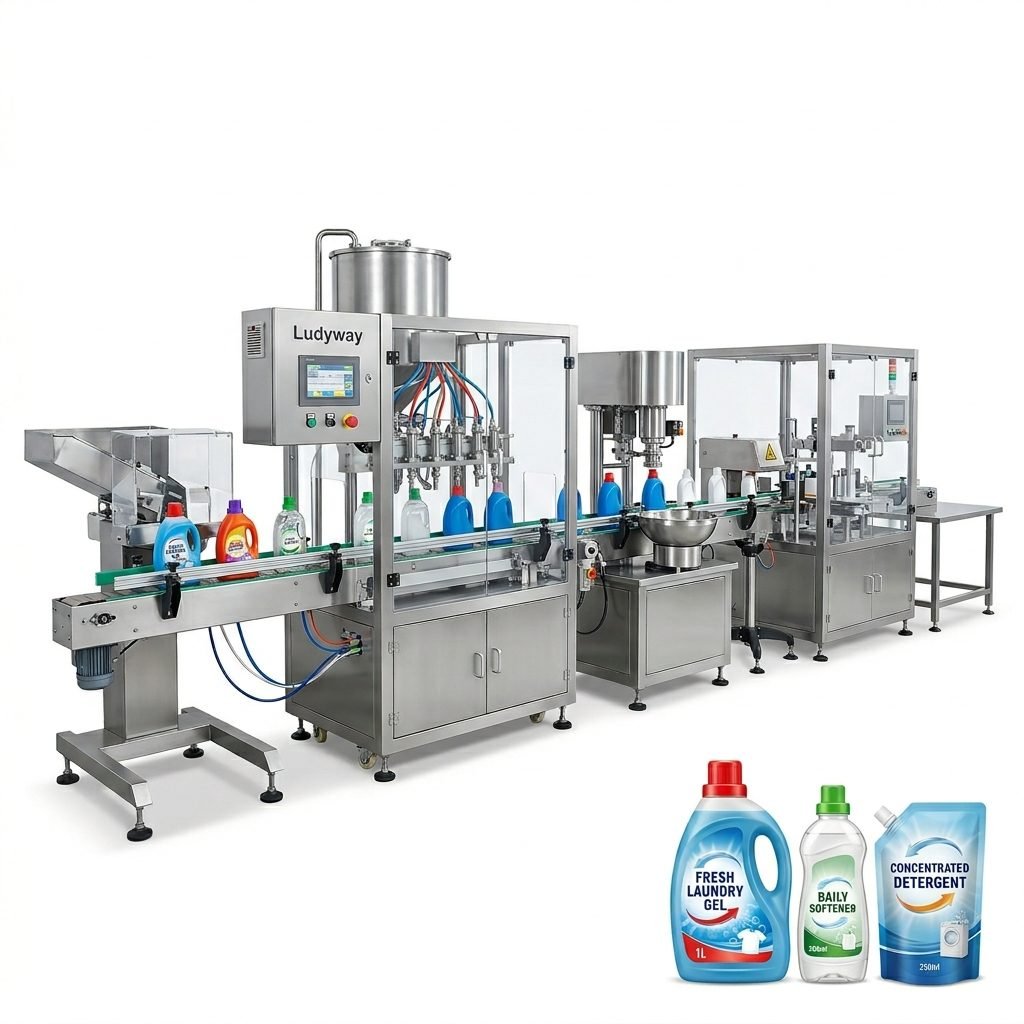
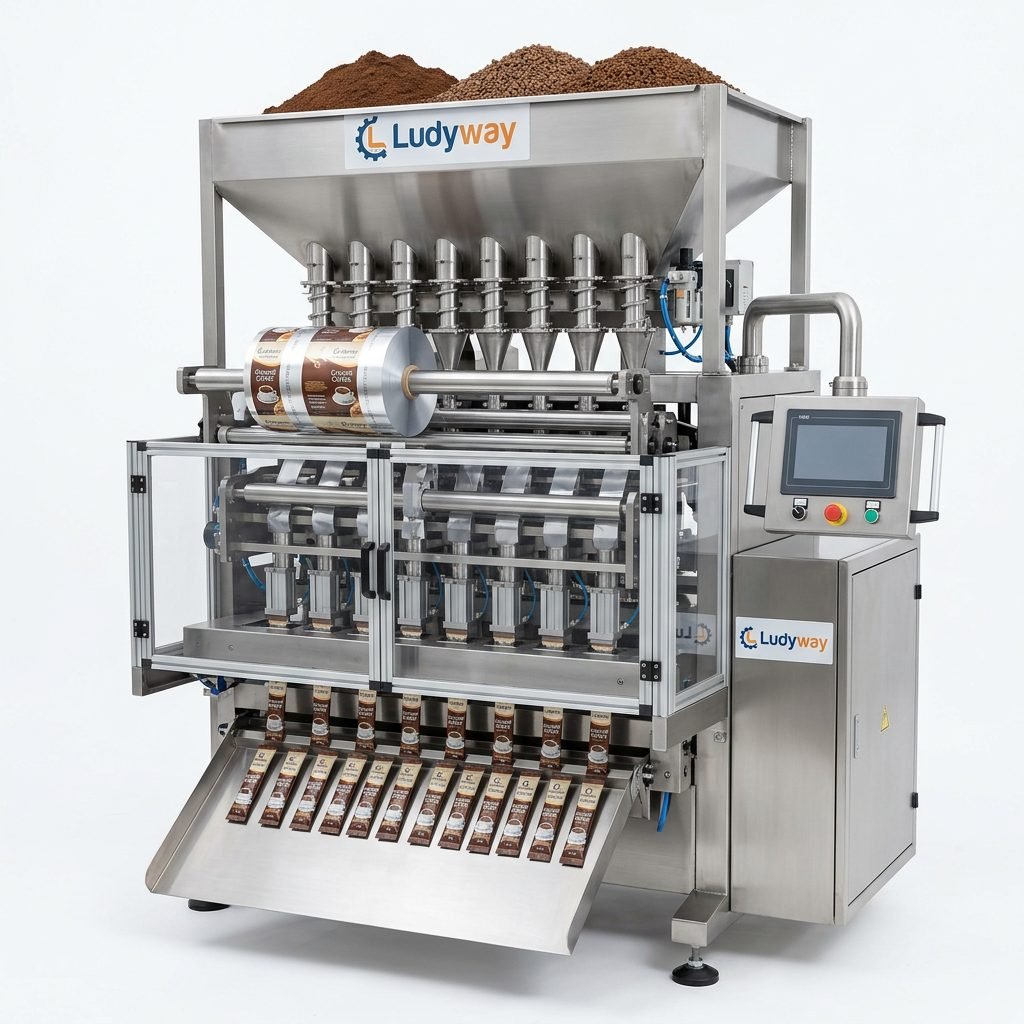
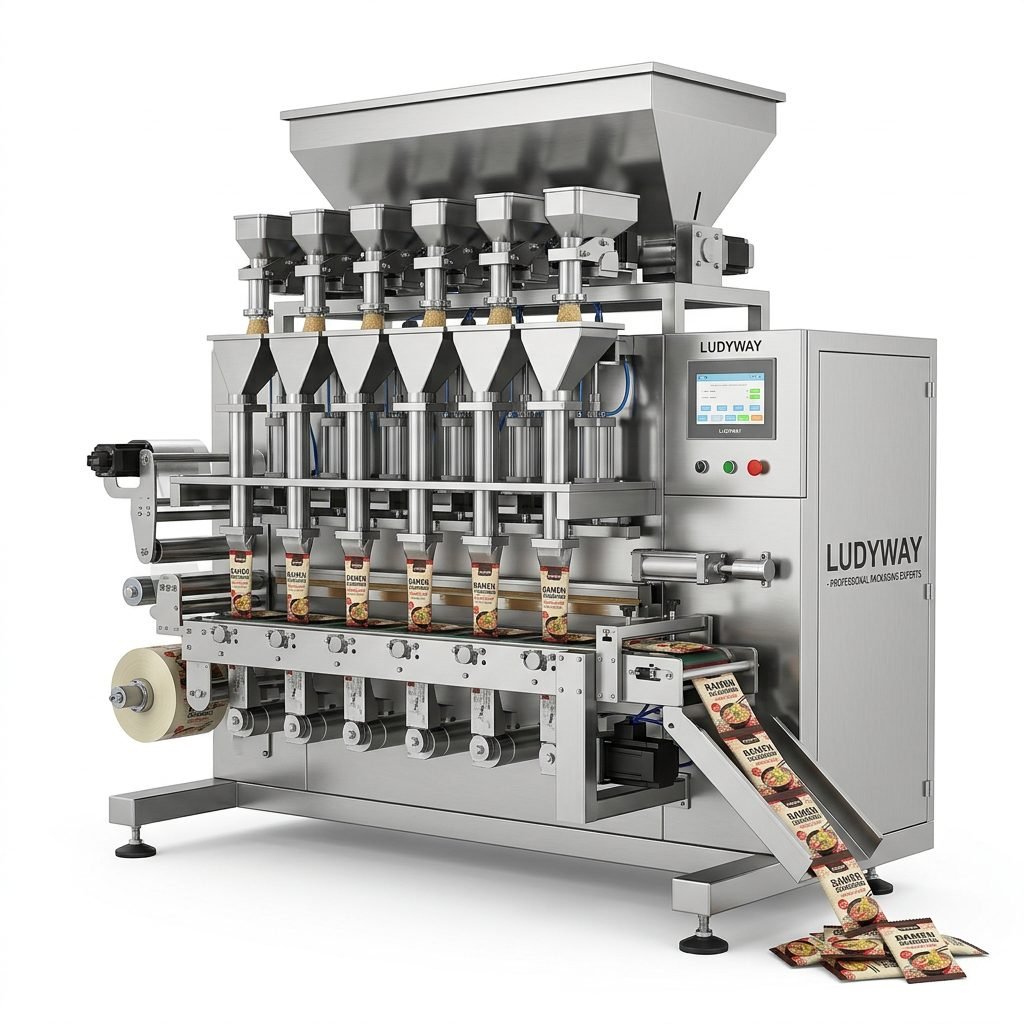
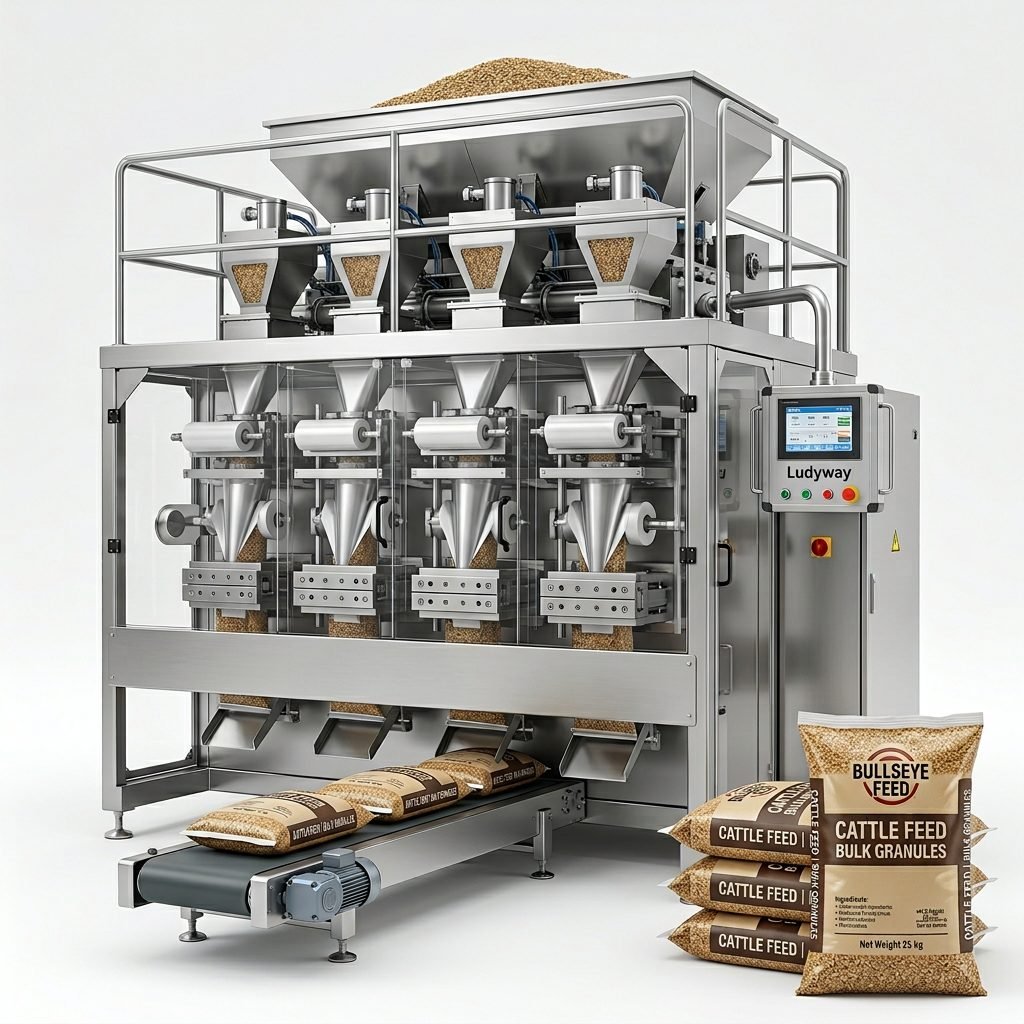
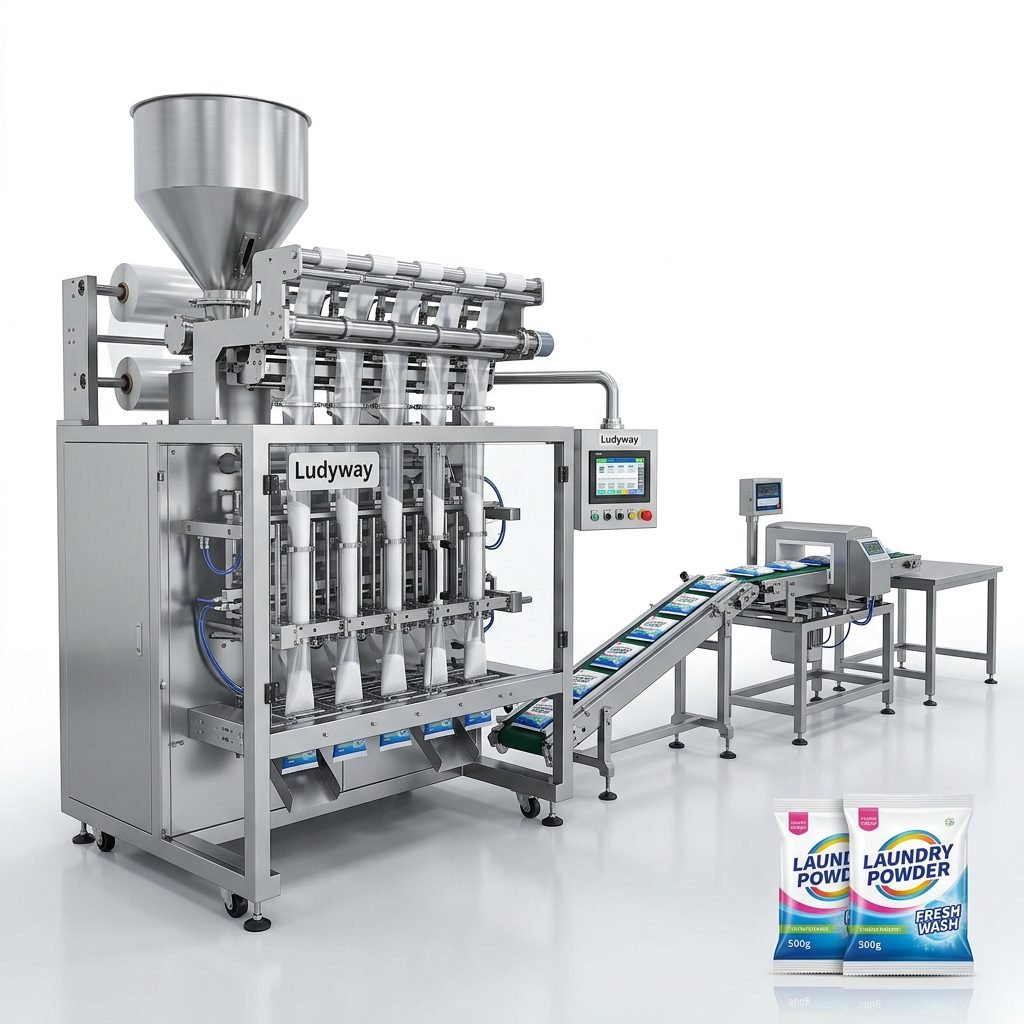
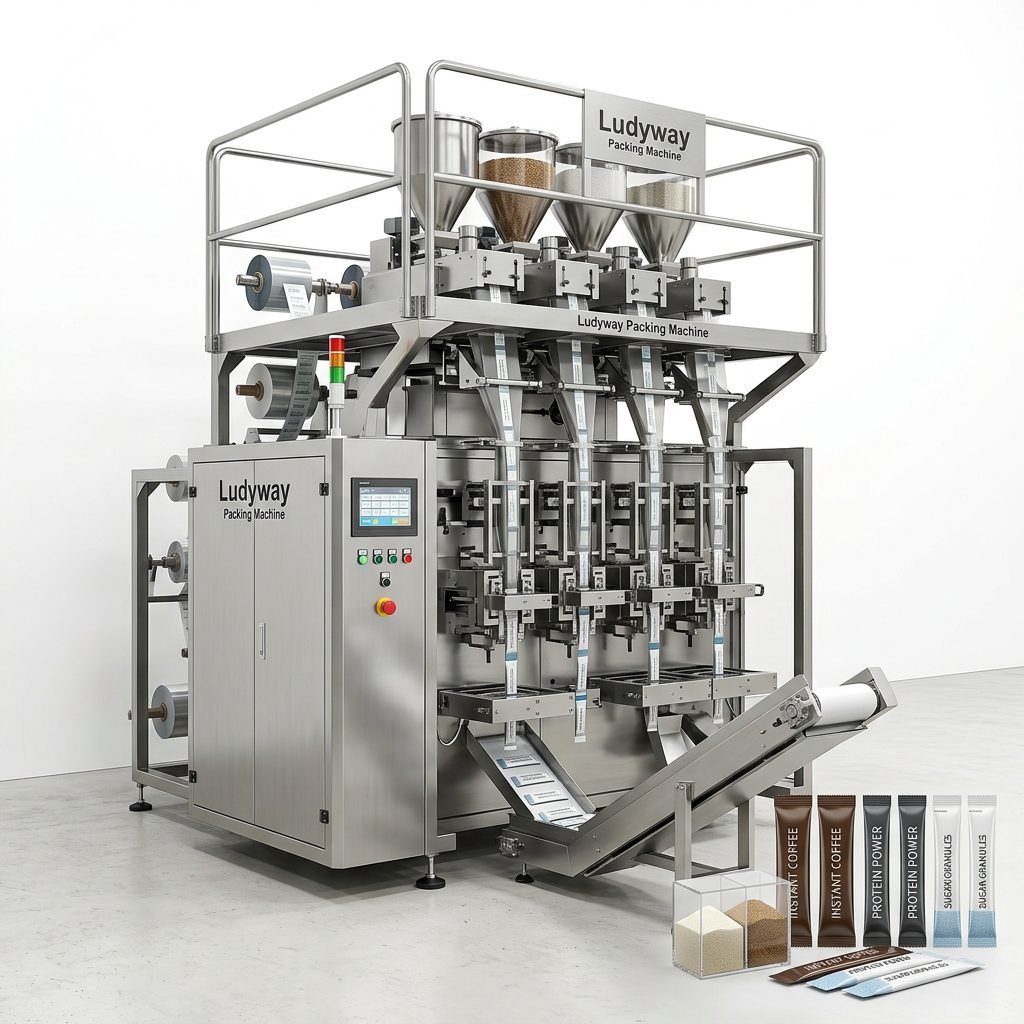
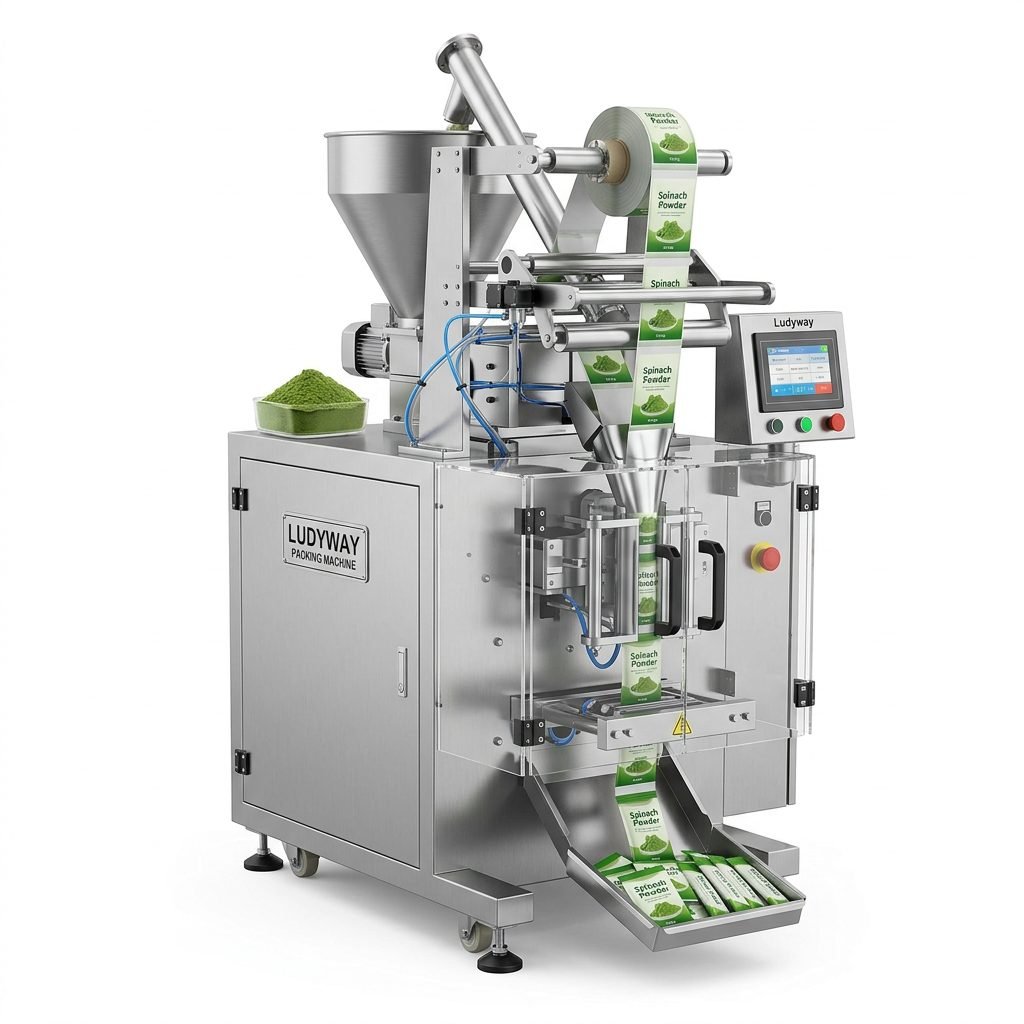
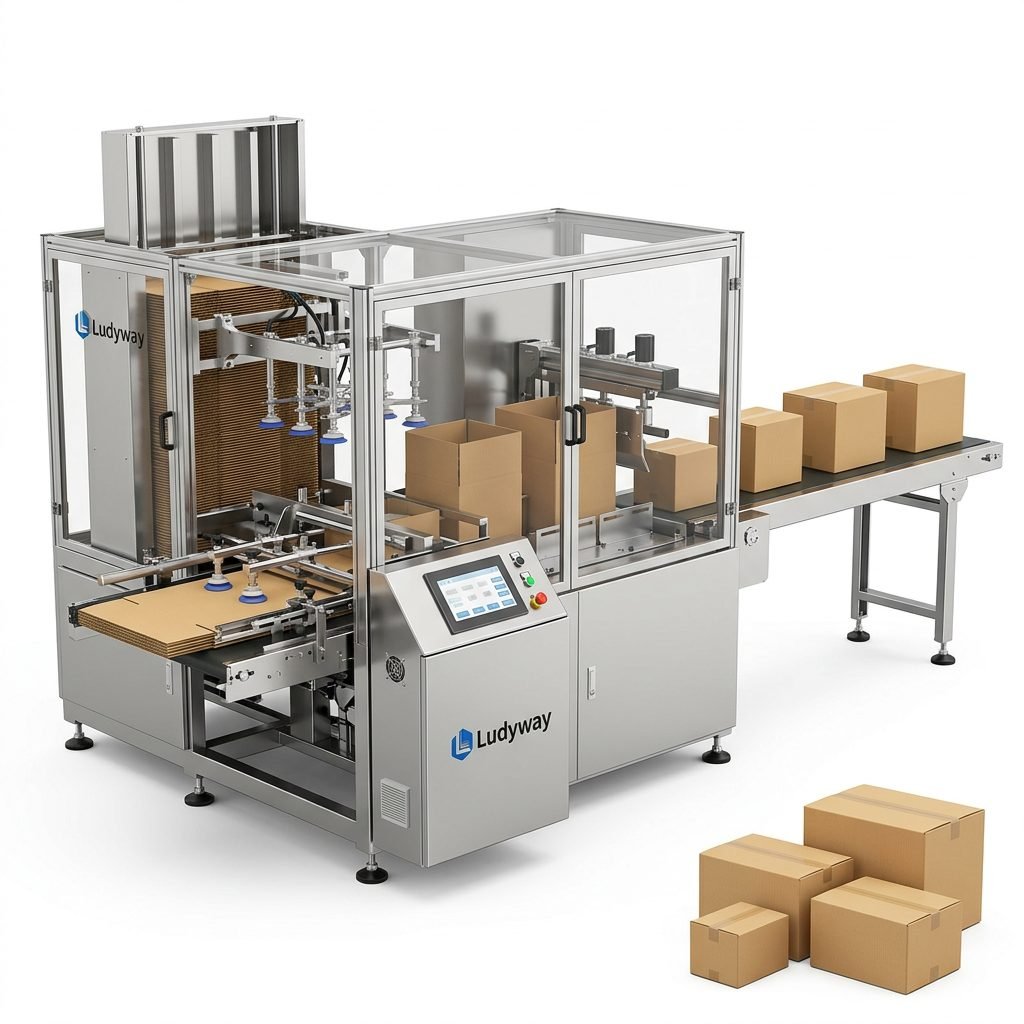
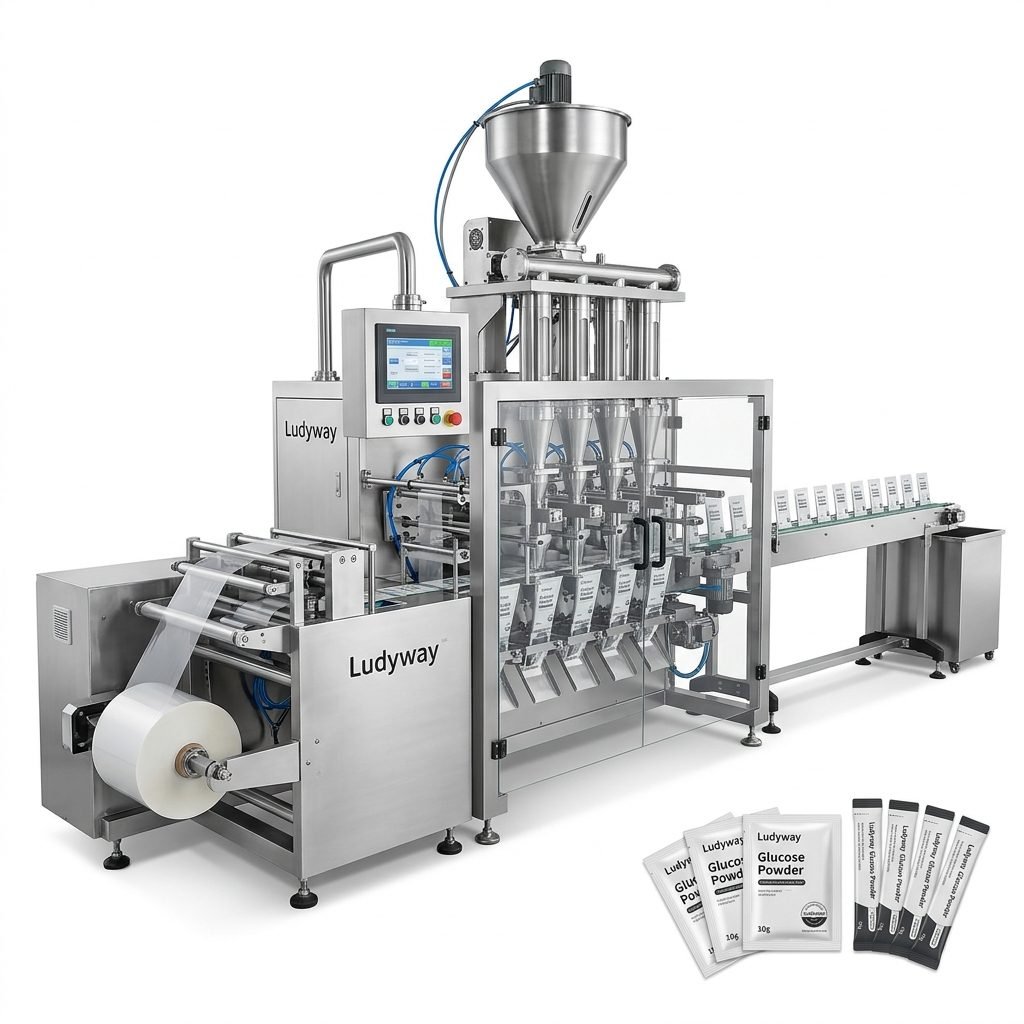
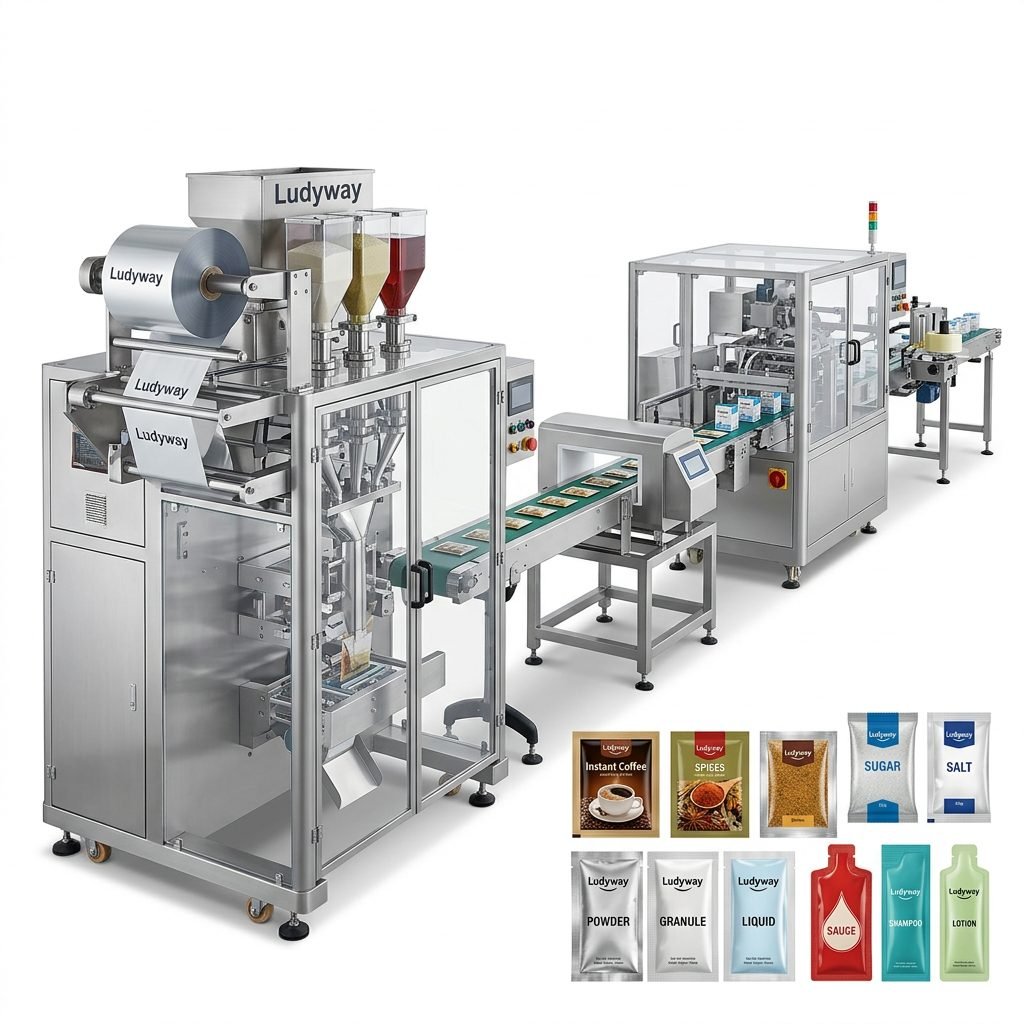
Regular maintenance is the cornerstone of efficient production. A well-maintained filling and packing machine not only ensures consistent product quality but also significantly extends equipment lifespan. Neglecting routine care often leads to unplanned downtime, costly repairs, and compromised packaging integrity. Whether you operate a multi-lane stick pack machine or a high-speed sachet system, implementing a structured maintenance program is essential for maximizing your return on investment.

Why Preventive Maintenance Matters
Preventive maintenance is far more cost-effective than reactive repairs. According to industry data from the Packaging and Processing Technologies Association (PMMI), companies that implement regular maintenance schedules experience up to 30% fewer unplanned outages. A comprehensive maintenance strategy encompasses daily inspections, periodic cleaning, lubrication, and timely replacement of wear components.
Daily Maintenance Checklist
Daily inspections form the foundation of any effective maintenance program. Operators should perform these checks before starting each shift to catch potential issues early. Key daily tasks include:
- Visual inspection of all guards, sensors, and safety interlocks for proper function
- Cleaning product contact surfaces to prevent cross-contamination and residue buildup
- Checking seal jaw temperatures and pressure settings against established parameters
- Verifying film registration and tension alignment on packaging equipment
- Inspecting air filters and removing accumulated dust from electrical cabinets
- Listening for unusual noises that may indicate bearing wear or misalignment
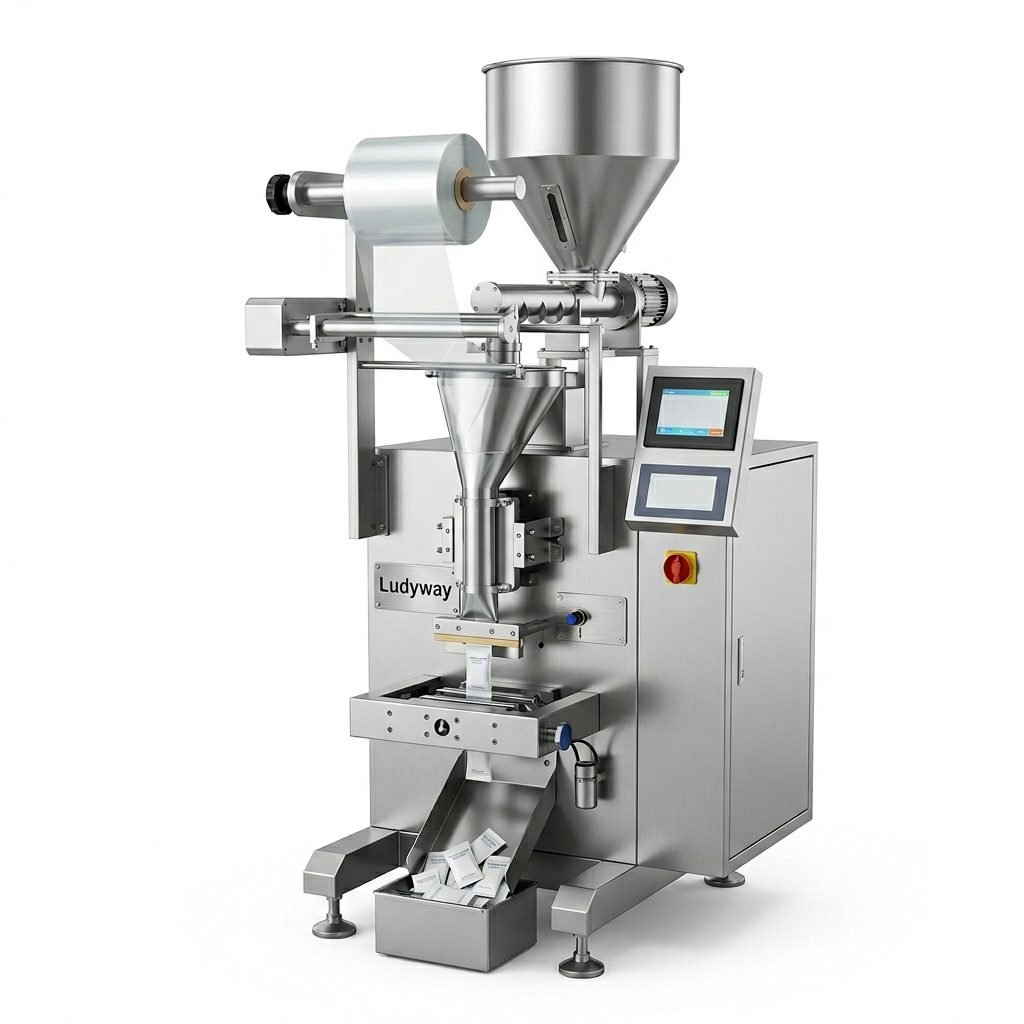
Weekly Maintenance Tasks
Weekly maintenance dives deeper into mechanical and electrical systems. These tasks require more time but are critical for preventing gradual performance degradation:
- Lubricating all moving parts including chains, gears, bearings, and cam mechanisms with manufacturer-specified lubricants
- Calibrating weighing and dosing systems to maintain fill accuracy within acceptable tolerances
- Inspecting and cleaning photoelectric sensors and proximity switches
- Checking belt tension on conveyor drives and adjusting as needed
- Examining heating elements and thermocouples for signs of wear or corrosion
- Testing emergency stop circuits and safety door interlocks
Monthly and Quarterly Procedures
Monthly and quarterly maintenance involves more comprehensive inspections that may require partial disassembly of components. These procedures help identify wear patterns before they cause failures. For detailed industry standards, refer to the PMMI Business Intelligence resources.
Monthly Focus Areas
- Inspecting all pneumatic cylinders and solenoid valves for smooth operation
- Replacing worn sealing gaskets and O-rings in filling stations
- Checking PLC backup batteries and documenting program parameters
- Verifying torque on critical fasteners throughout the machine frame
Quarterly Deep Maintenance
- Complete inspection of drive motors including brush wear on DC motors
- Replacing timing belts and inspecting pulley alignment
- Thorough cleaning of electrical panels with dry compressed air
- Calibration verification of all temperature controllers and pressure transducers
- Gearbox oil level checks and oil analysis for metal particle contamination
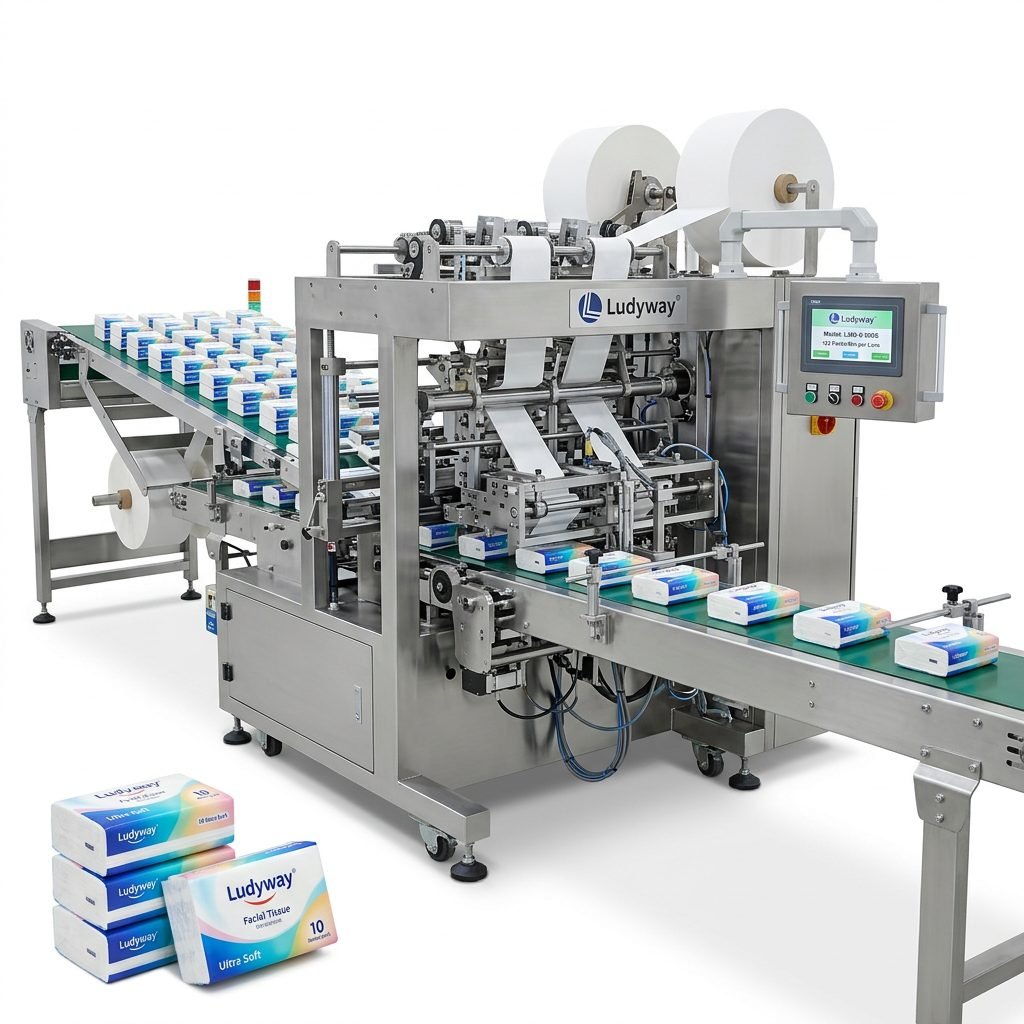
Common Issues and Troubleshooting
Understanding common failure modes helps operators diagnose problems quickly. The table below outlines frequently encountered issues with filling and packing machines and their typical causes:
| Problem | Possible Cause | Recommended Action |
|---|---|---|
| Inconsistent fill weights | Worn dosing auger or clogged feeder | Clean dosing system; recalibrate weighing cells |
| Poor seal integrity | Incorrect temperature or worn seal jaws | Verify temperature settings; replace seal jaw inserts |
| Film tracking errors | Misaligned rollers or tension issues | Realign film path; check dancer arm adjustment |
| Excessive machine vibration | Loose mounting bolts or bearing failure | Tighten all fasteners; inspect bearings for play |
| PLC communication faults | Loose connections or power supply issues | Check cable connections; verify power supply voltage |
| Product leakage during filling | Damaged nozzle seals or incorrect positioning | Replace nozzle seals; verify fill head alignment |
Spare Parts Inventory Management
Maintaining an adequate spare parts inventory is essential for minimizing downtime. Critical spares for packaging machinery should always be on hand. Recommended inventory includes:
- Seal jaw inserts and heating cartridges for sealing stations
- Drive belts and timing belts specific to your machine model
- Sensor types used across multiple positions on the equipment
- Pneumatic cylinder seal kits and solenoid valve coils
- Bearing sets for main drive shafts and idler rollers
- PLC backup modules and communication cables
- Forming tubes and filling nozzles for product changeovers
Lubrication Best Practices
Proper lubrication is one of the most overlooked aspects of machine maintenance. Using the wrong lubricant can be as damaging as insufficient lubrication. Follow these guidelines:
- Always use food-grade lubricants for any components that may contact product or packaging materials in food applications
- Document lubrication points and create a schedule based on manufacturer recommendations
- Avoid over-lubrication which can attract contaminants and cause seal damage
- Clean grease fittings before applying fresh lubricant to prevent introducing debris
Electrical System Maintenance
Electrical components require specialized attention. Thermal imaging inspections can identify hot spots in control panels before failures occur. Key electrical maintenance tasks include:
- Annual torque verification of all terminal connections in control cabinets
- Cleaning and inspecting variable frequency drive heat sinks
- Testing ground fault protection devices according to ISO packaging standards
- Updating firmware on PLCs and HMI panels when new versions are released
- Verifying cable insulation integrity in high-flex applications
The Importance of Operator Training
Well-trained operators are your first line of defense against machine failures. Operators who understand how their filling and packing equipment functions can identify subtle changes in performance that signal developing problems. Comprehensive training should cover:
- Proper startup and shutdown procedures for all machine modes
- Recognition of abnormal sounds, vibrations, or visual indicators
- Basic troubleshooting techniques for common issues
- Accurate documentation of maintenance activities and observations
- Safe lockout/tagout procedures before performing any maintenance
Maintenance Schedule Overview
The following table provides a consolidated view of recommended maintenance intervals for packaging machinery:
| Interval | Maintenance Activities | Responsible Personnel |
|---|---|---|
| Daily | Visual inspection, cleaning, seal check, sensor verification | Machine Operator |
| Weekly | Lubrication, calibration, belt tension, safety circuit testing | Maintenance Technician |
| Monthly | Pneumatic inspection, gasket replacement, PLC backup | Maintenance Technician |
| Quarterly | Motor inspection, timing belt replacement, deep cleaning | Senior Technician |
| Annually | Full overhaul, gearbox inspection, electrical torque check | Service Engineer |
| As Needed | Wear part replacement, software updates, calibration verification | Qualified Personnel |
Partnering with Professional Service Providers
While in-house maintenance handles day-to-day care, partnering with equipment specialists ensures your machinery receives expert attention during major service intervals. Manufacturers like Ludyway, one of the leading packaging machine manufacturers with over 30 years of industry experience, offer comprehensive after-sales support including remote diagnostics, on-site service, and genuine spare parts supply. Access to factory-trained technicians can dramatically reduce troubleshooting time and ensure repairs meet OEM specifications.
Documenting Maintenance Activities
Thorough documentation creates a valuable history that helps predict future maintenance needs. Every maintenance action should be recorded including:
- Date and time of service performed
- Parts replaced including part numbers and serial numbers where applicable
- Measurements taken during calibration and their deviation from baseline
- Observations about component condition even if not replaced
- Technician name and signature for accountability
- Photographs of unusual wear patterns for engineering review
Regulatory Compliance and Safety Standards
Maintenance programs must align with applicable regulations, particularly in food and pharmaceutical packaging environments. The FDA food packaging regulations and ISO packaging standards provide frameworks for maintaining hygienic design and operational safety. Compliance ensures not only product safety but also protects your business from regulatory penalties.
Environmental Factors Affecting Machine Performance
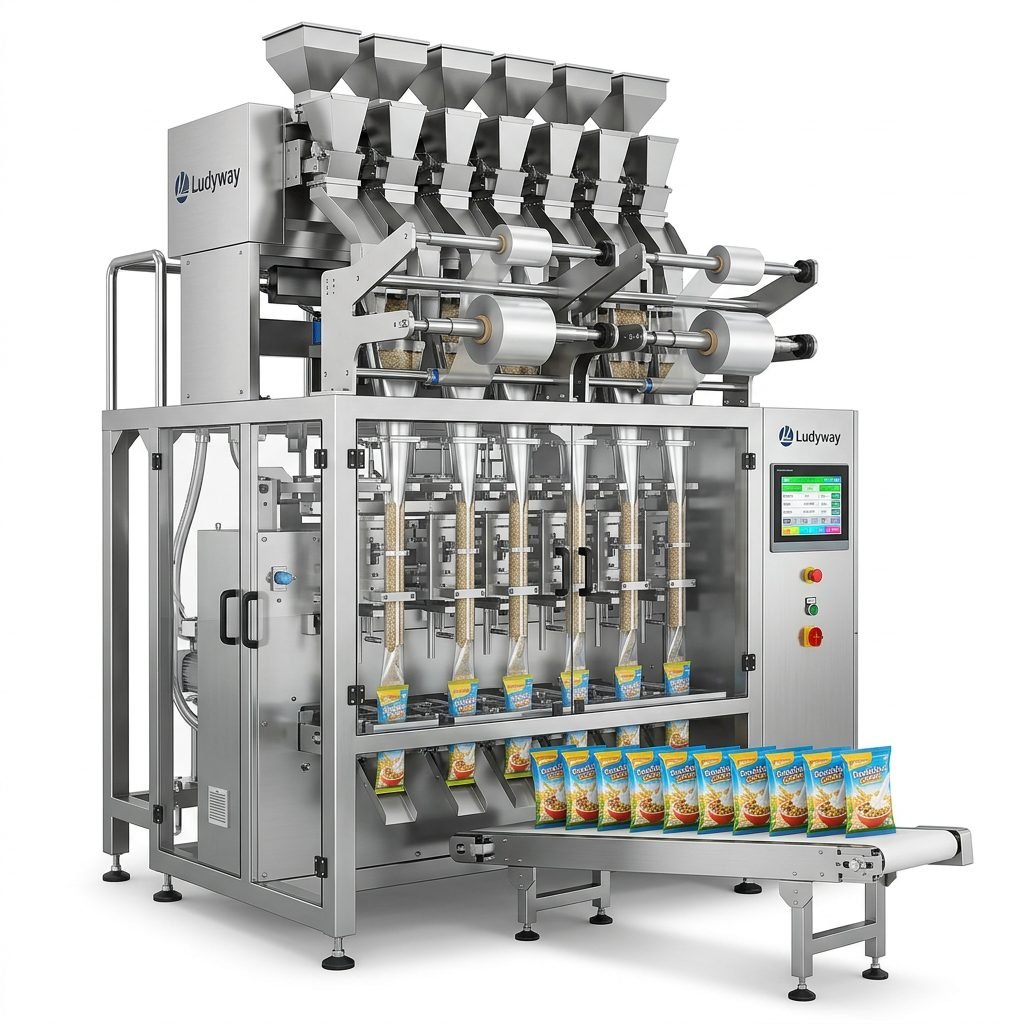
The operating environment significantly impacts maintenance requirements. Facilities with high humidity, dust, or temperature fluctuations will experience accelerated component wear. Consider these environmental factors:
- Humidity control to prevent corrosion on precision components and electrical connections
- Dust extraction systems to protect sensitive sensors and bearing surfaces
- Temperature stability for consistent seal quality and adhesive performance
- Vibration isolation from nearby equipment that could affect weighing accuracy
Continuous Improvement Through Maintenance Data
Smart maintenance programs use data analytics to optimize intervals and predict failures. By tracking mean time between failures (MTBF) for critical components, maintenance teams can refine their schedules to replace parts before they cause downtime while avoiding unnecessary early replacements. This data-driven approach transforms maintenance from a cost center into a strategic advantage for production efficiency.
Final Recommendations
A successful maintenance program for filling and packing machines combines daily discipline with strategic planning. Invest in operator training, maintain critical spare parts inventory, and build relationships with qualified service providers. Document everything, analyze trends, and continuously refine your approach. The result will be higher equipment availability, consistent packaging quality, and lower total cost of ownership over the machine’s service life.