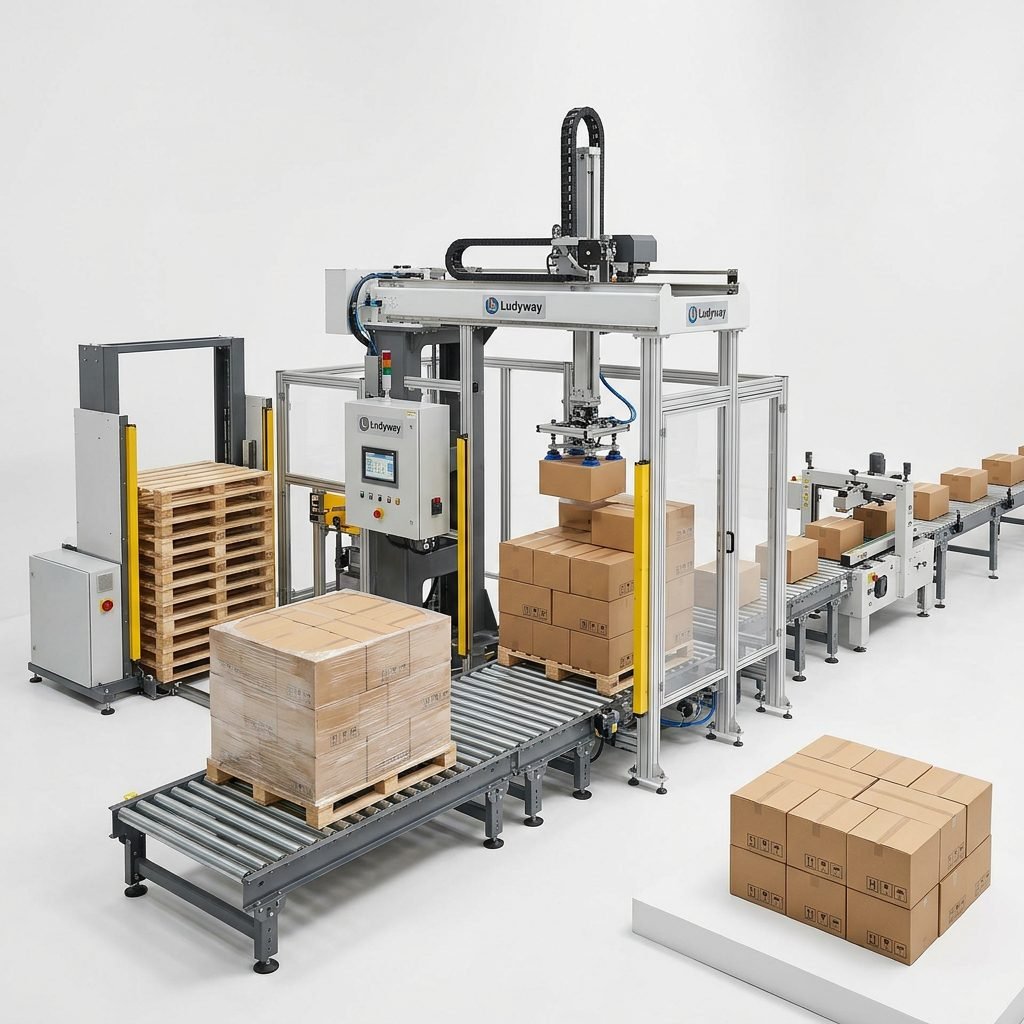
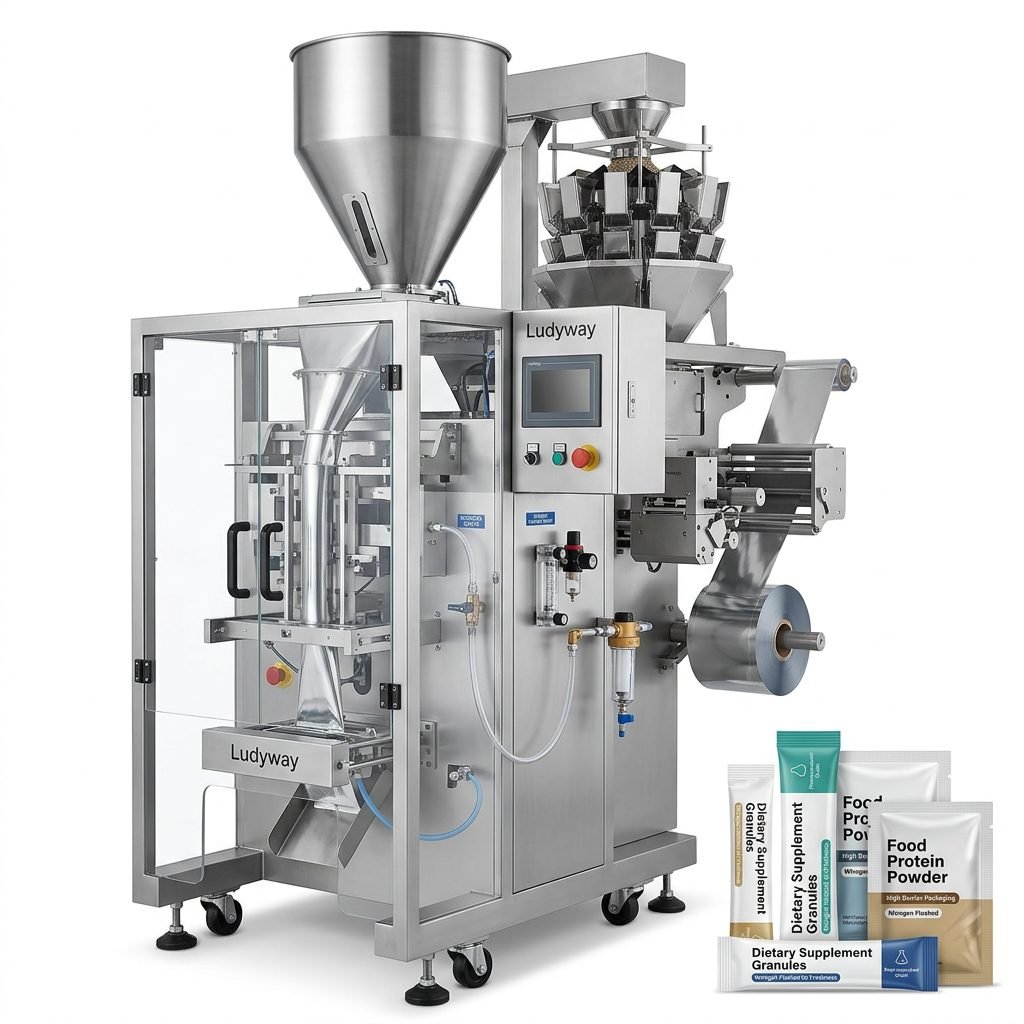
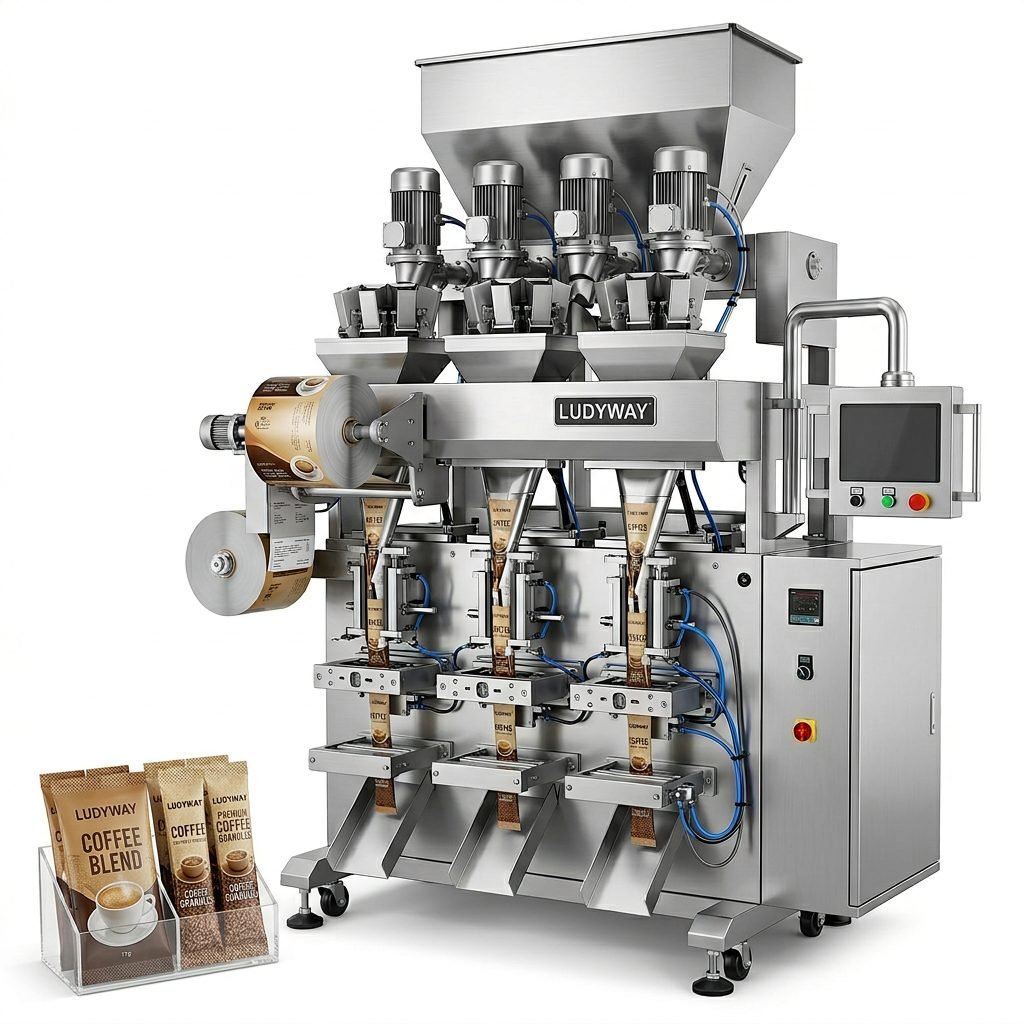
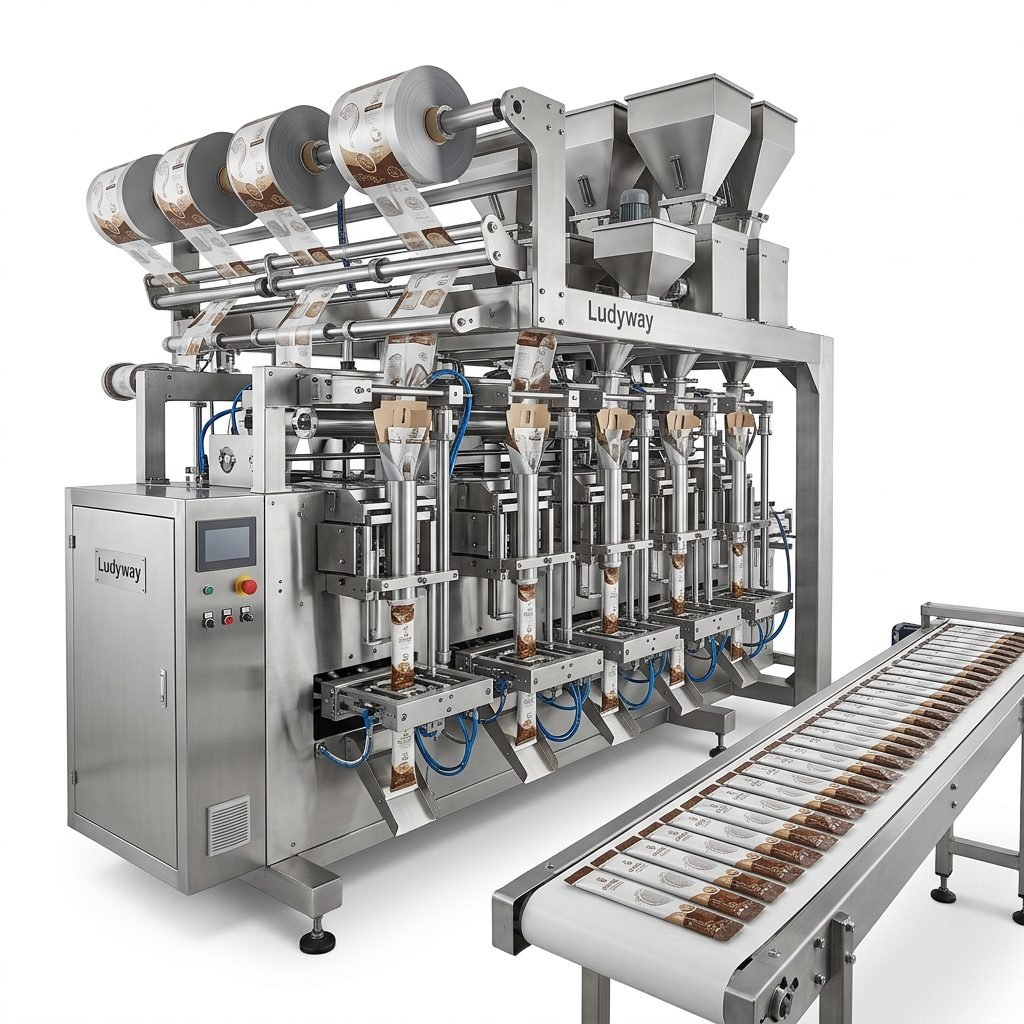
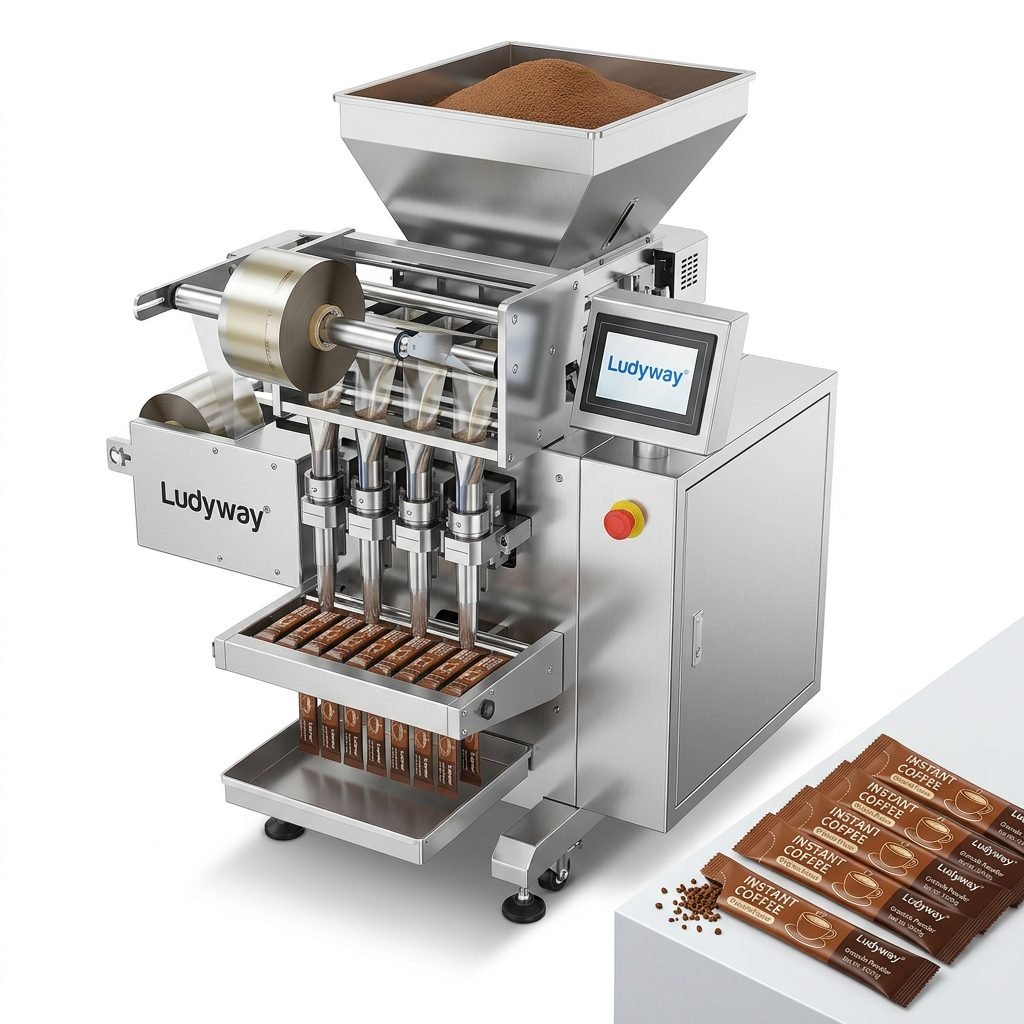
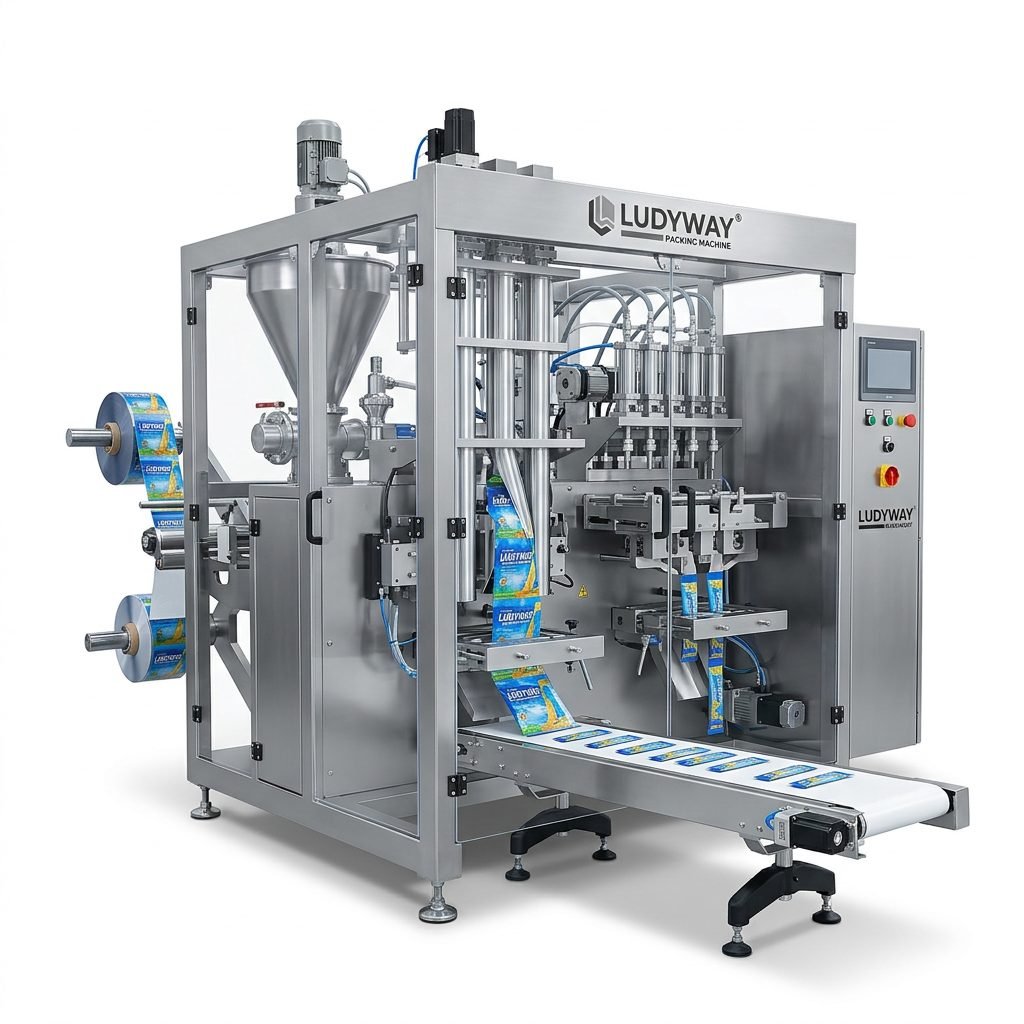
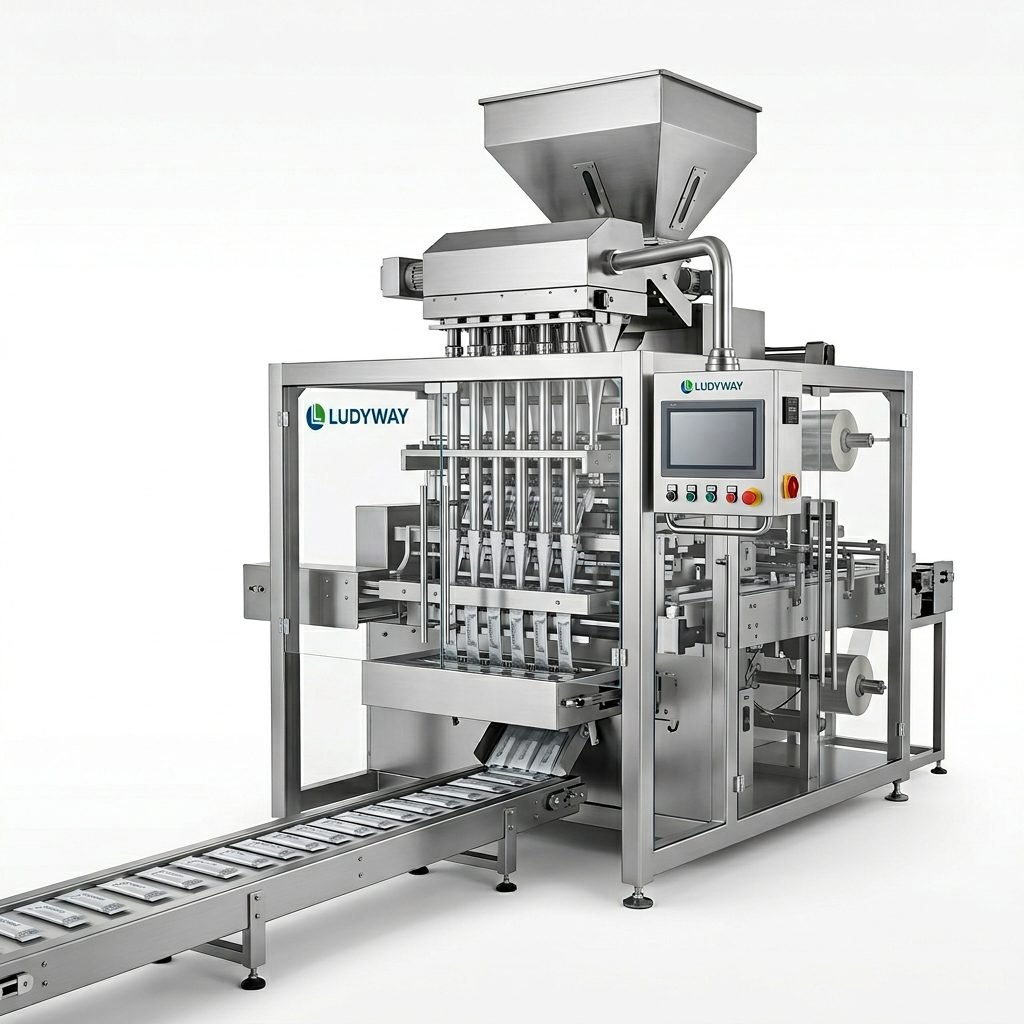
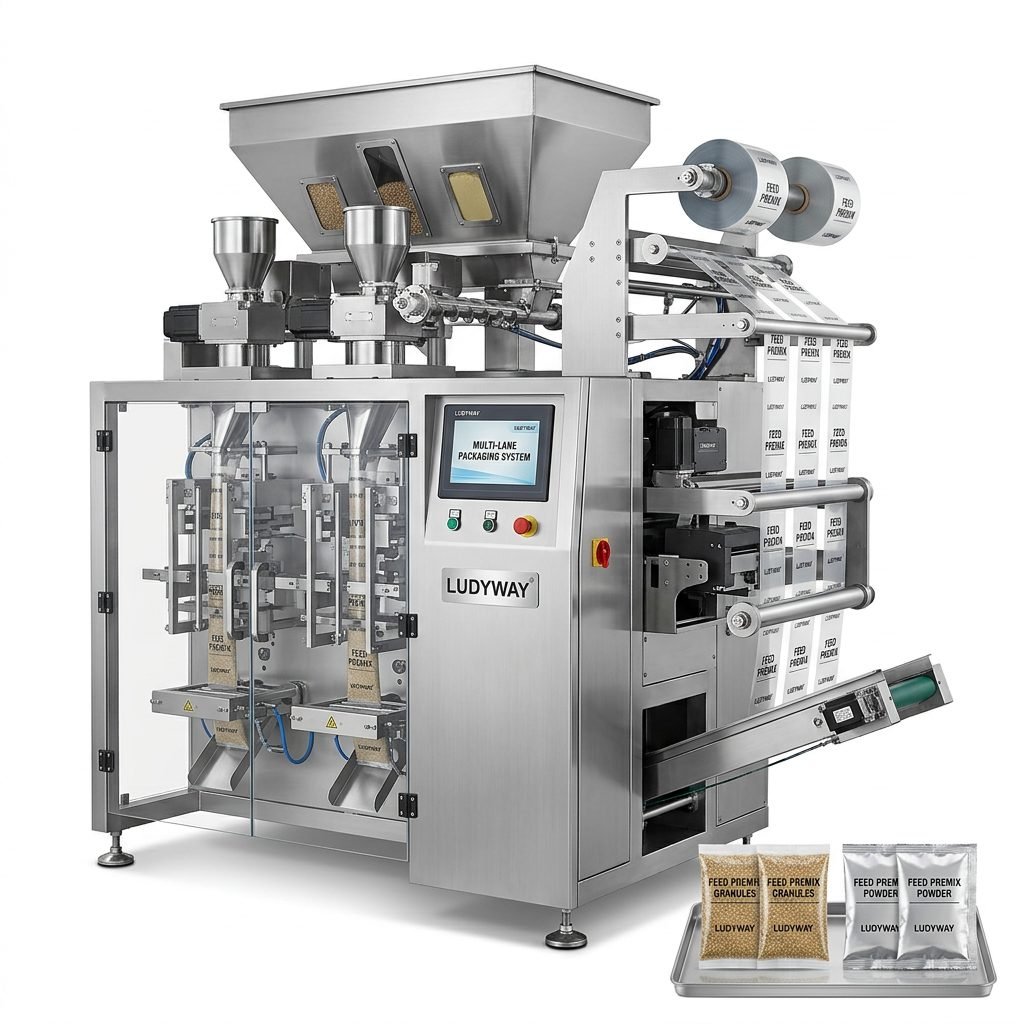
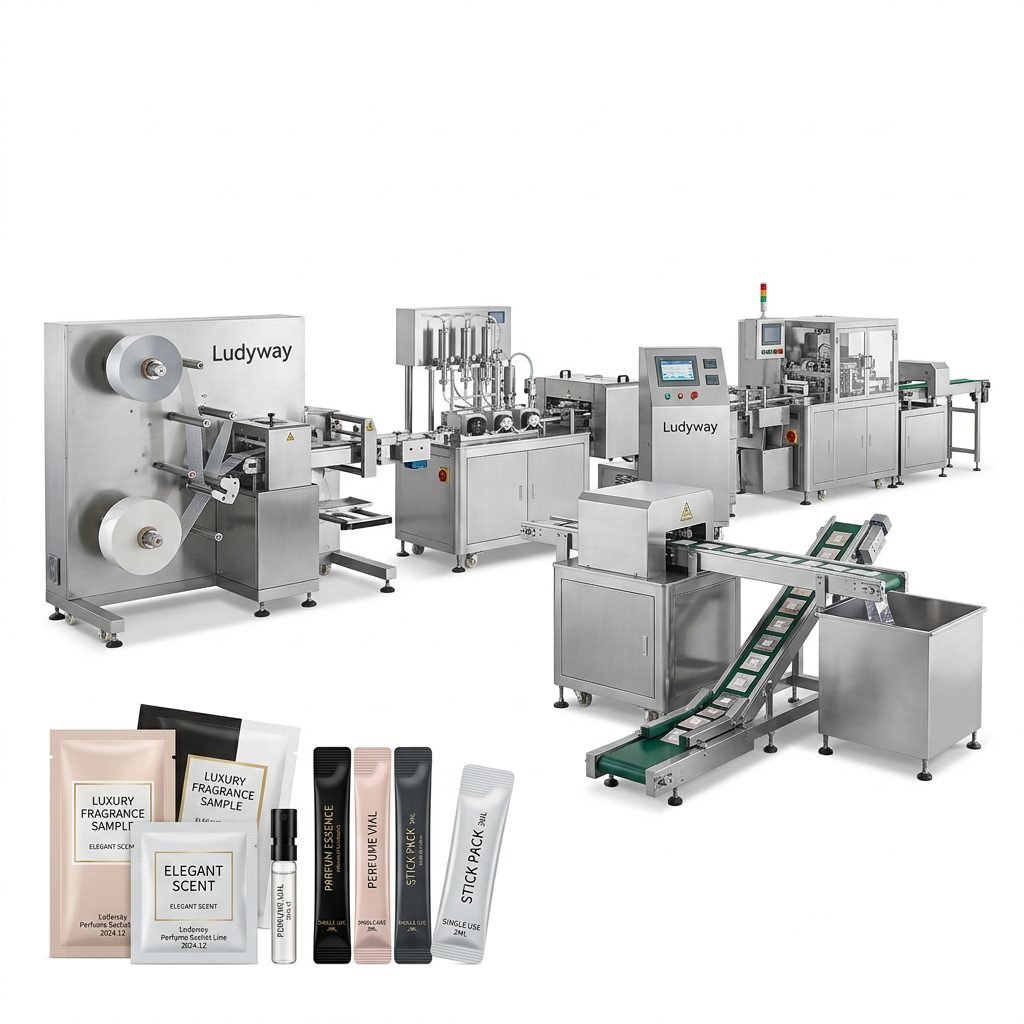
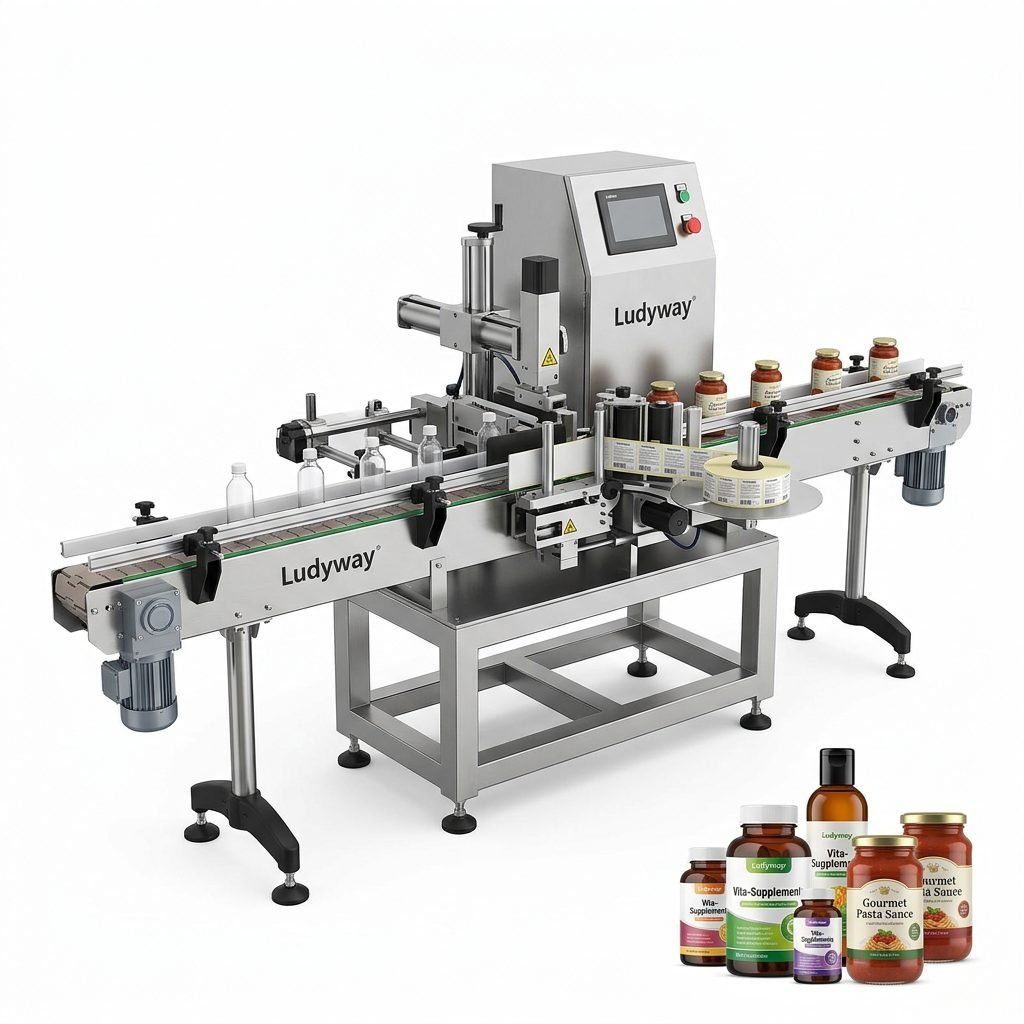
Regular and proper maintenance is the foundation of reliable packaging machine performance and extended service life. For food manufacturers, unexpected downtime directly impacts production targets and product quality. Implementing a structured maintenance routine helps prevent costly breakdowns and ensures consistent packaging output throughout the machine’s lifespan.

Daily Cleaning and Sanitation Protocols
Food product packing machines require meticulous cleaning to prevent cross-contamination and maintain hygienic standards. Product residue, dust, and debris can accumulate on critical components, leading to mechanical failure and quality issues. A daily cleaning schedule should address:
- Product contact surfaces – Remove all food particles, oils, and powders immediately after each production run.
- Sealing jaws and forming tubes – Inspect and wipe down heating elements to prevent sticky buildup that affects seal integrity.
- Filling nozzles and hoppers – Clean thoroughly to avoid clogging and ensure accurate fill weights.
- Conveyor belts and guide rails – Sanitize to eliminate bacterial growth and maintain smooth product flow.
Use food-grade cleaning agents recommended by the equipment manufacturer. Avoid abrasive materials that could scratch stainless steel surfaces. A clean machine not only runs better but also extends the life of wear components significantly.

Lubrication Management for Moving Parts
Proper lubrication is critical for reducing friction and preventing premature wear on all moving components. A well-lubricated machine operates more quietly, consumes less energy, and experiences far fewer mechanical breakdowns. Key areas requiring regular lubrication include:
- Bearings and bushings on drive shafts
- Cam followers and rollers on sealing mechanisms
- Chains and sprockets in the transmission system
- Guide rods and linear motion components
- Gears and gearboxes
Always use food-grade lubricants that comply with H1 or H2 classifications for incidental food contact. Over-lubrication can be just as harmful as under-lubrication, attracting dust and creating a paste that accelerates wear. Establish a precise lubrication schedule based on the manufacturer’s recommendations and actual operating conditions. For high-speed applications or hot environments, you may need to increase lubrication frequency accordingly.
As a leading manufacturer, Ludyway designs its packaging machines with centralized lubrication points and sealed bearings where possible, simplifying routine maintenance tasks for operators. With over 30 years of industry expertise, our food packaging machine solutions emphasize ease of maintenance to maximize uptime for global customers.
Inspection and Replacement of Wear Components
Proactive inspection of wear parts is one of the most effective strategies for preventing unplanned downtime. Certain components naturally degrade over time and must be monitored closely. The following table outlines critical wear items and recommended inspection intervals:
| Component | Typical Wear Signs | Recommended Inspection | Replacement Trigger |
|---|---|---|---|
| Sealing jaws and heating elements | Inconsistent seals, discoloration, surface pitting | Weekly | Visual damage or seal failure rate >1% |
| Cutting blades and knives | Ragged cuts, increased resistance, dull edges | Every 2 weeks | Visible nicks or inability to cut cleanly |
| Forming tubes and shoulders | Scratches, film drag, misalignment | Monthly | Surface roughness or tracking issues |
| Belts (timing, conveyor) | Cracking, fraying, stretching, slipping | Monthly | Visible cracks or tension loss |
| Sensors and photocells | False readings, registration errors, dust accumulation | Weekly cleaning | Persistent error signals |
Keeping a detailed spare parts inventory on hand is essential for minimizing repair time. Critical spares for a packing machine should include sealing elements, belts, sensors, filters, and commonly used electrical components.
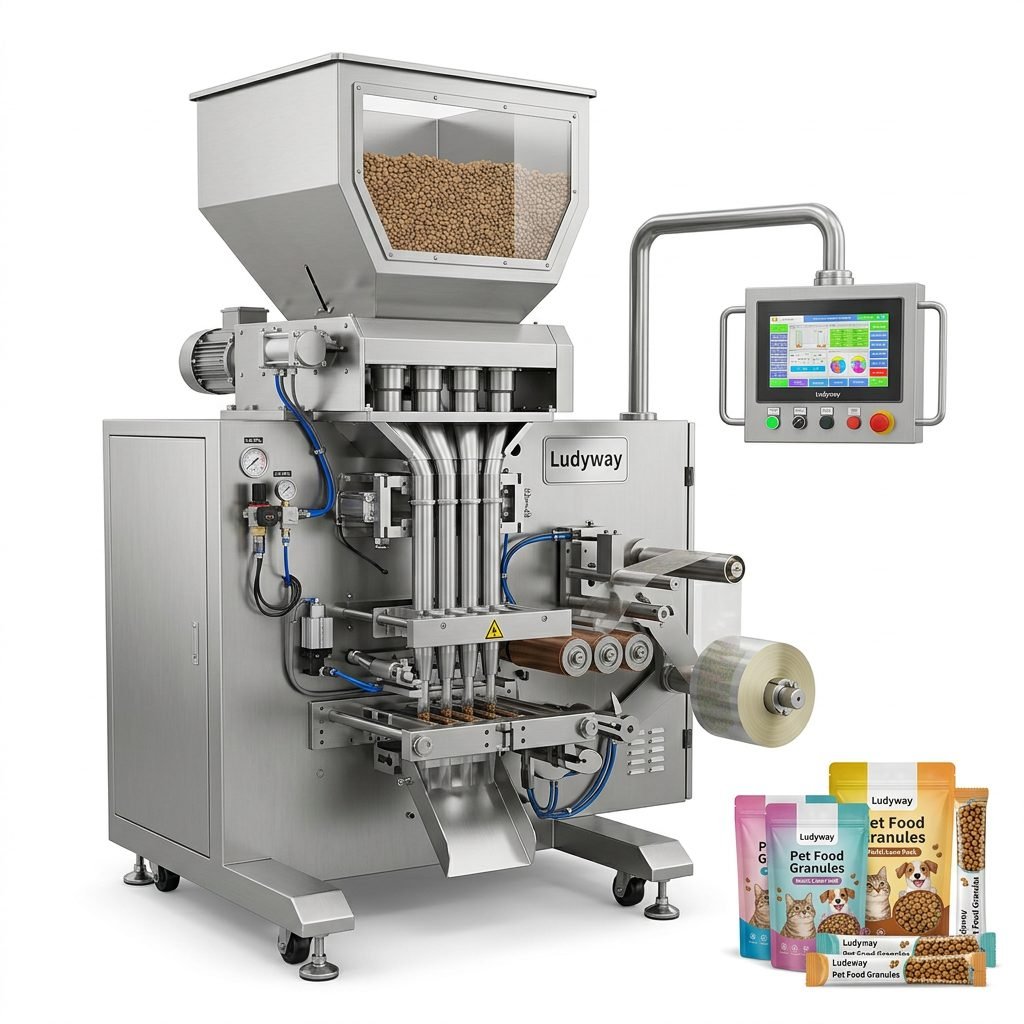
Electrical System and Control Panel Maintenance
The electrical system is the brain of any modern packing machine, and its reliability directly affects overall equipment performance. Regular electrical maintenance helps prevent control failures and ensures operator safety.
- Inspect wiring and connections – Look for loose terminals, frayed wires, or signs of overheating on a monthly basis.
- Keep control cabinets clean and dry – Dust and moisture are the enemies of electronics. Use sealed enclosures and inspect gaskets regularly.
- Verify grounding and safety interlocks – Test emergency stops and safety circuits to ensure they function correctly.
- Check PLC and HMI backups – Ensure program backups are current and stored securely off-machine.
- Monitor power supply stability – Voltage fluctuations can damage sensitive components over time.
Food production environments often involve washdown procedures, so IP-rated enclosures must be maintained to prevent water ingress. Regularly test residual current devices (RCDs) and circuit breakers.
Operator Training and Standard Operating Procedures
Even the best maintenance program can fail without properly trained operators. Operators are the first line of defense in identifying potential issues before they become serious problems. Comprehensive training should cover:
- Correct machine startup and shutdown sequences
- Recognition of abnormal sounds, vibrations, or visual cues
- Basic troubleshooting for common alarms and error codes
- Proper cleaning and sanitization methods specific to each machine zone
- Safe lockout/tagout procedures before any maintenance activity
Develop clear Standard Operating Procedures (SOPs) for all routine maintenance tasks and keep them accessible at the machine station. Including packaging industry best practices in your training framework can help align your team with global standards. Document all training sessions and maintain records of operator certifications.
Implementing a Preventive Maintenance Schedule
Transitioning from reactive to preventive maintenance is a proven strategy for reducing total cost of ownership. A well-structured preventive maintenance plan includes daily, weekly, monthly, quarterly, and annual tasks. The schedule should be based on actual running hours rather than calendar time when possible. Use a computerized maintenance management system (CMMS) to track tasks, generate work orders, and maintain a complete maintenance history. This historical data is invaluable for predicting component lifecycles and optimizing spare parts inventory.

Pneumatic and Air System Care
Many food packaging machines rely heavily on pneumatic systems for actuation, sealing pressure, and product handling. Clean, dry, and properly lubricated compressed air is essential for reliable pneumatic component performance.
- Drain moisture from air receiver tanks and filters daily
- Check and replace air filter elements according to manufacturer guidelines
- Inspect pneumatic hoses and fittings for leaks – even small leaks waste energy and reduce performance
- Verify correct operating pressure at regulator gauges
- Service the air lubrication unit if your system requires oil-mist lubrication
Contaminated air can cause valve sticking and cylinder seal failure, leading to erratic machine behavior and product defects. Installing a high-quality air treatment system with particulate filtration, moisture separation, and pressure regulation is a worthwhile investment for long-term reliability. Reference guidelines from ISO packaging standards can help ensure your compressed air quality meets industry requirements.
Documentation and Record Keeping
Detailed maintenance records are essential for warranty compliance and continuous improvement. Every inspection, repair, and parts replacement should be documented. Good records help identify recurring issues, justify equipment upgrades, and maintain resale value. At minimum, track the following information for each maintenance activity:
- Date and time of service
- Technician name
- Specific tasks performed
- Parts and materials used (with part numbers)
- Machine running hours at time of service
- Any observations or recommendations for future attention
For food safety compliance, thorough maintenance logs are often required during audits by regulatory bodies. The FDA guidelines on food packaging emphasize the importance of equipment maintenance in preventing contamination.
Seasonal and Long-Term Storage Considerations
If production lines experience seasonal shutdowns, proper storage procedures protect the machine during idle periods. Thoroughly clean and dry all product contact surfaces, apply protective coatings to exposed metal parts, disconnect power supplies, and shield the machine from dust and humidity with appropriate covers. Before restarting, conduct a comprehensive inspection and run a trial without product to verify all functions operate correctly.
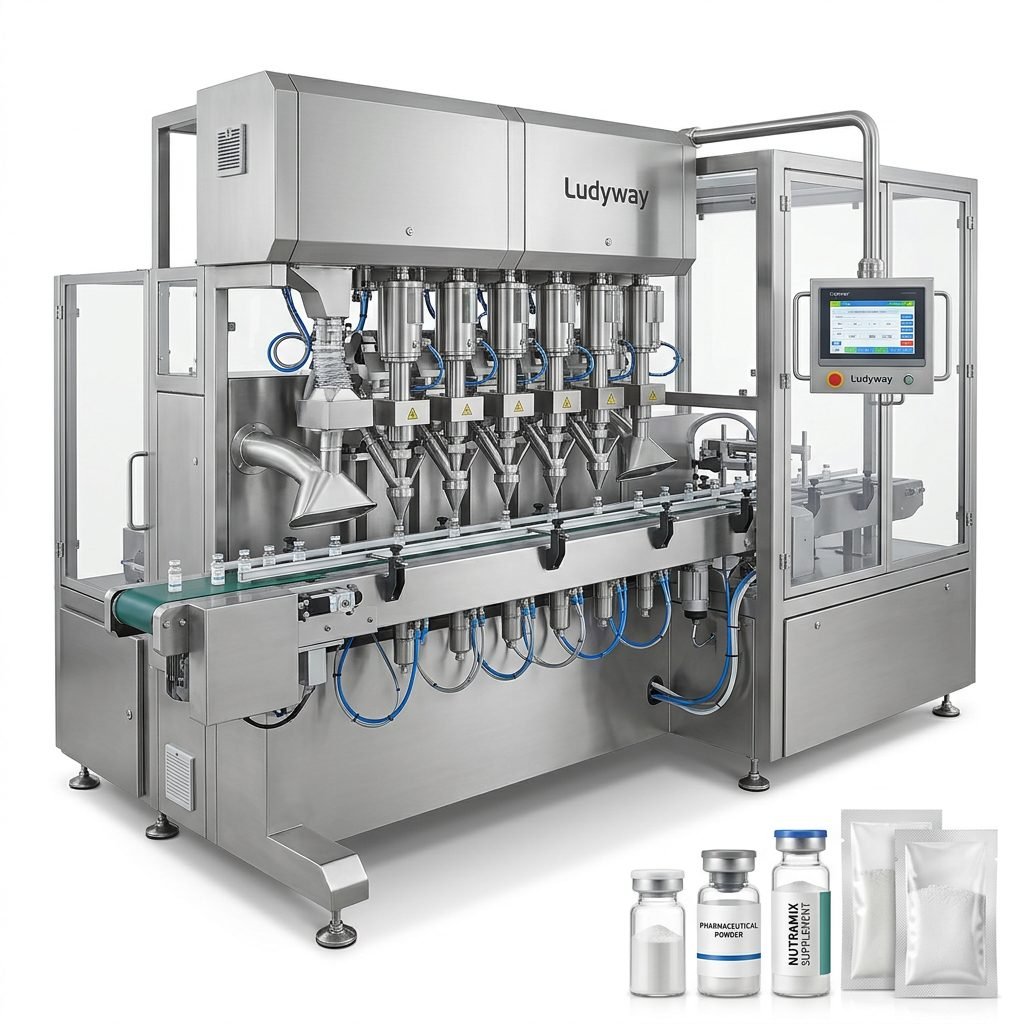
Recommended Maintenance Resources and Industry Links
Staying informed about the latest maintenance practices and packaging technology resources helps optimize your equipment performance over time. Industry associations and regulatory bodies provide valuable guidance:
- Packaging machinery market research – Insights on emerging maintenance technologies
- Flexible packaging industry resources – Best practices for film handling and seal optimization
- ISO packaging standards – International benchmarks for equipment design and maintenance
- FDA food contact substances regulations – Compliance requirements for materials used in maintenance
A disciplined approach to food product packing machine maintenance pays dividends through higher machine availability, lower repair costs, and consistent packaging quality. Integrating these practices into daily operations builds a culture of reliability that supports long-term business success.