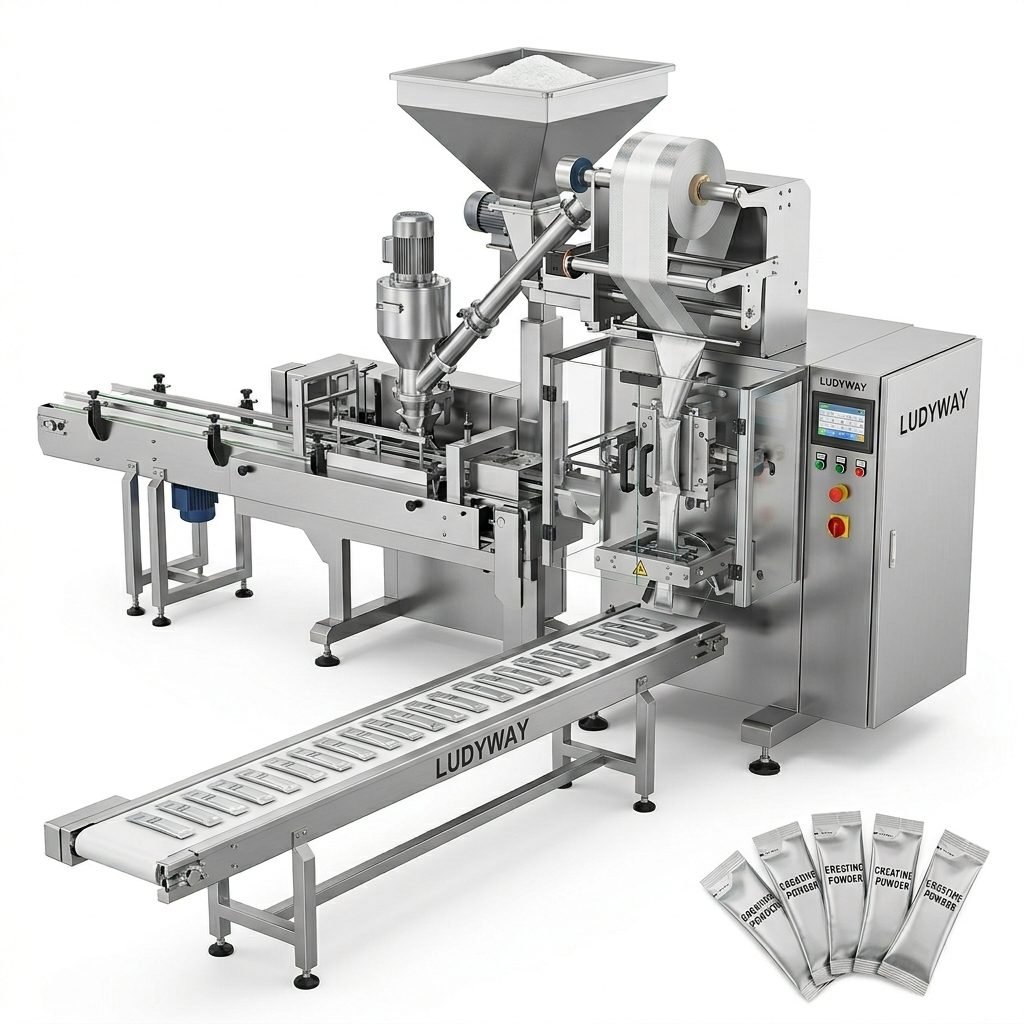
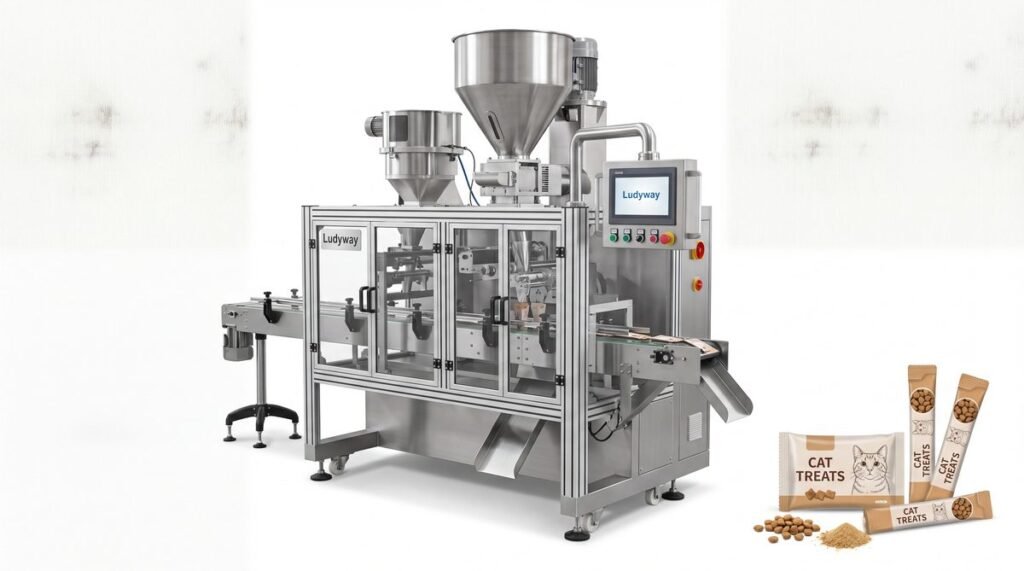
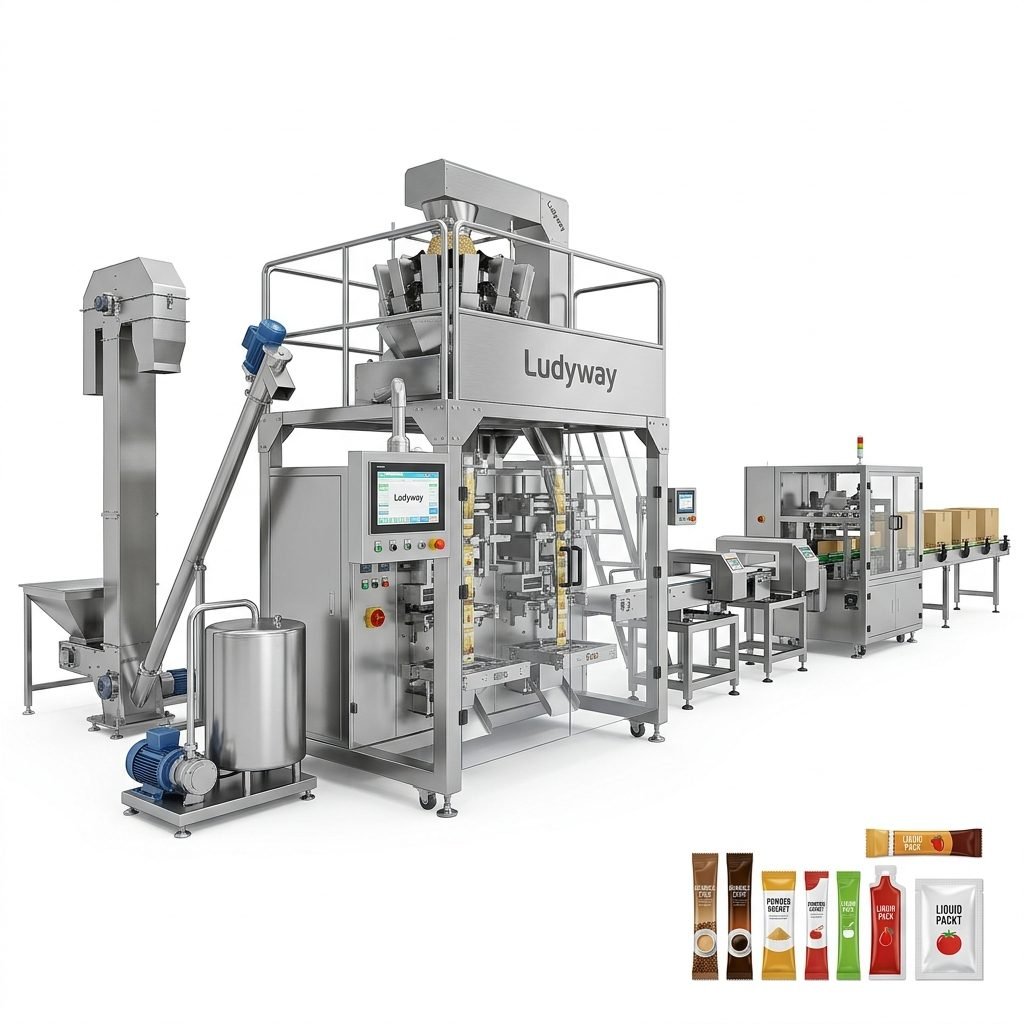
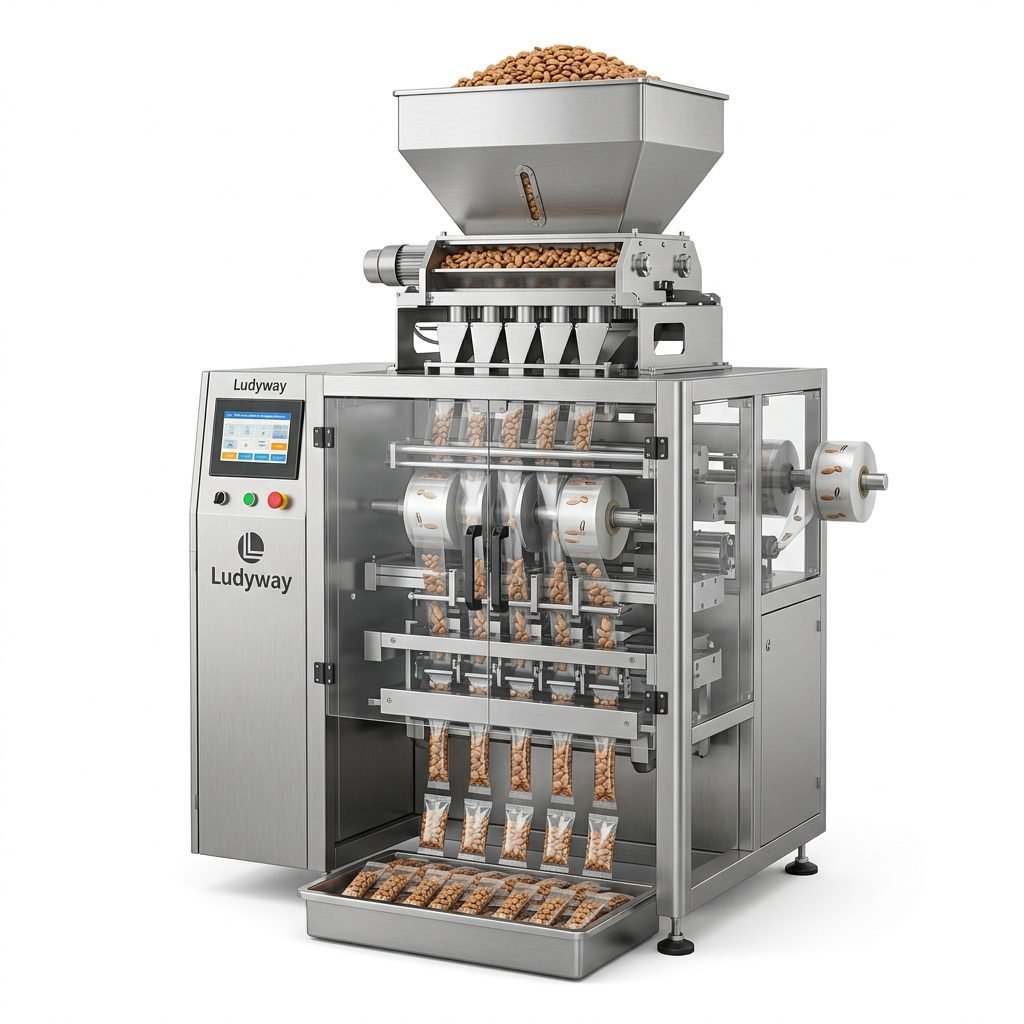
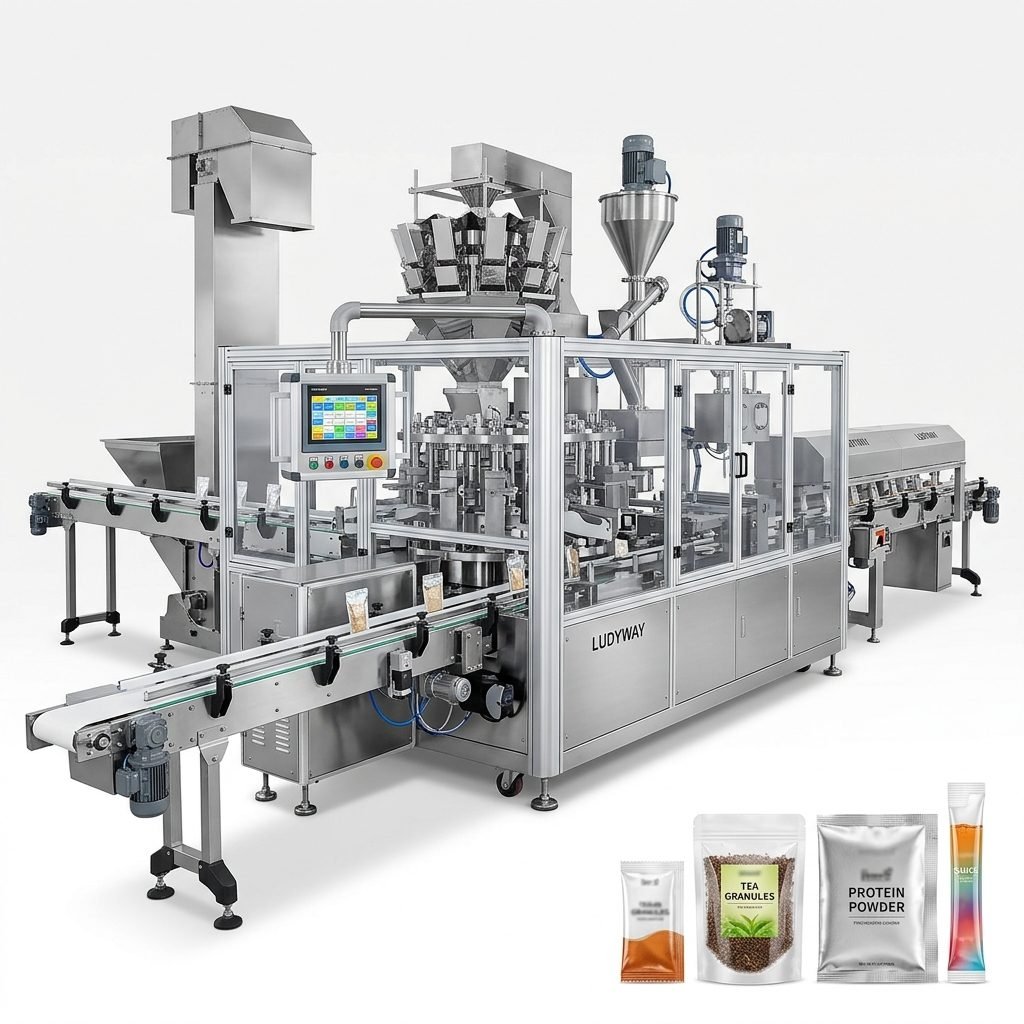
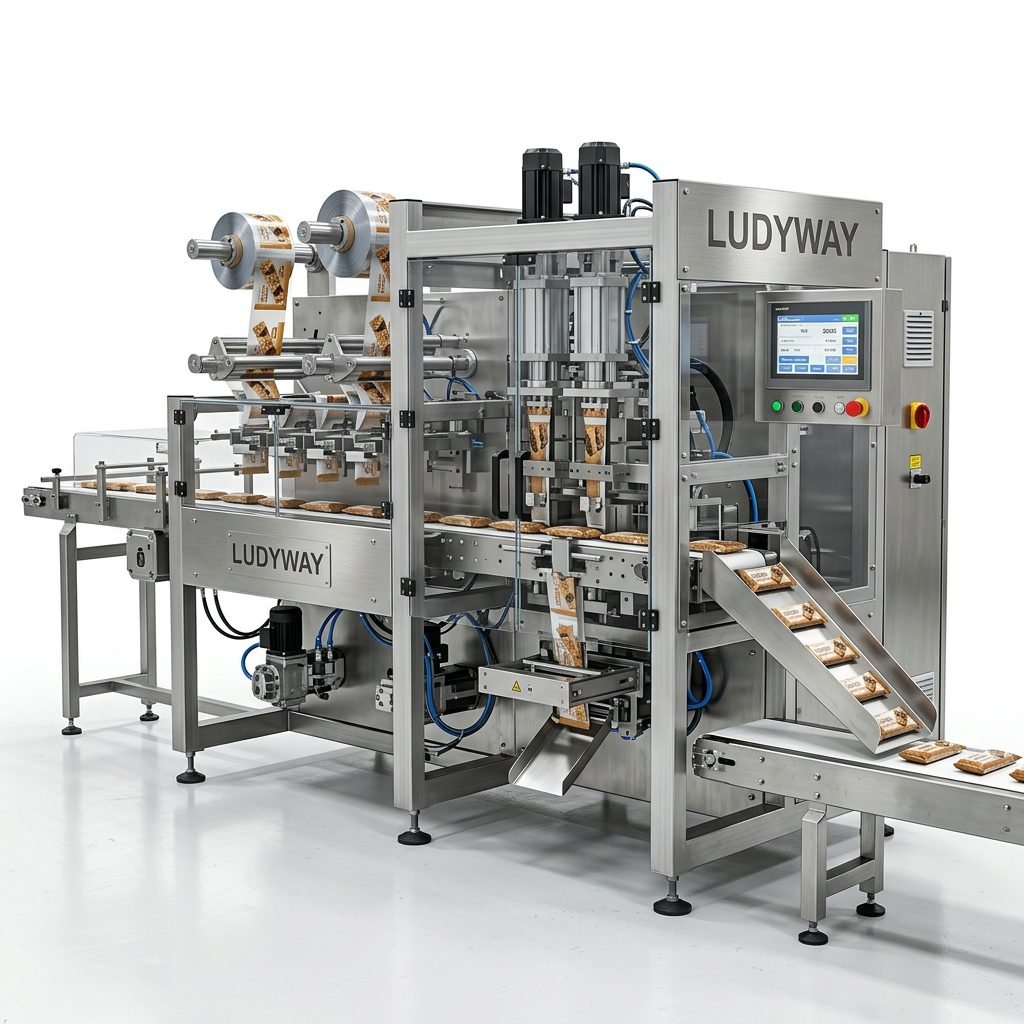
Investing in a manual masala packing machine is a practical step for small-scale spice businesses, home-based entrepreneurs, and startups entering the packaged food market. Unlike fully automated systems, manual and semi-automatic machines offer affordability, simplicity, and lower maintenance requirements while still delivering consistent packaging results. This guide walks you through the essential factors to evaluate before making your purchase.
Understanding Manual Masala Packing Machines
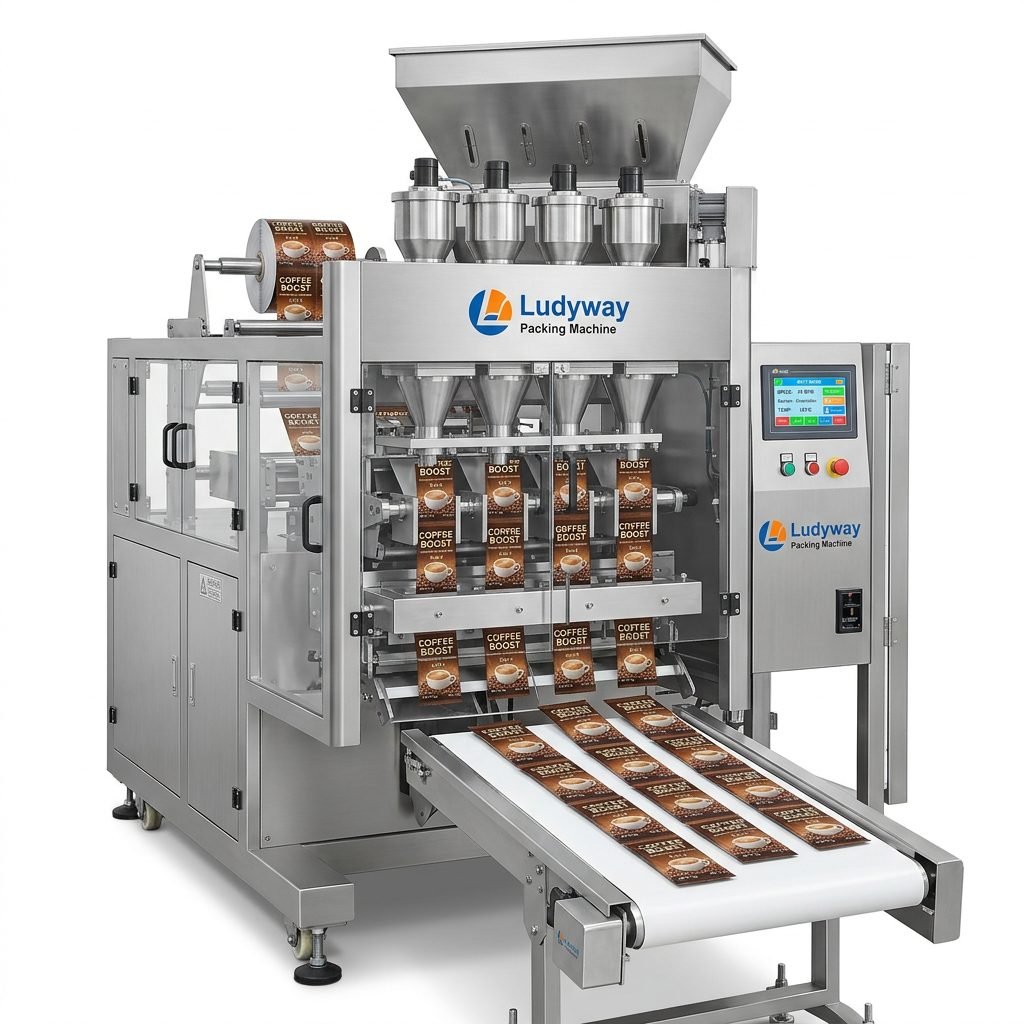
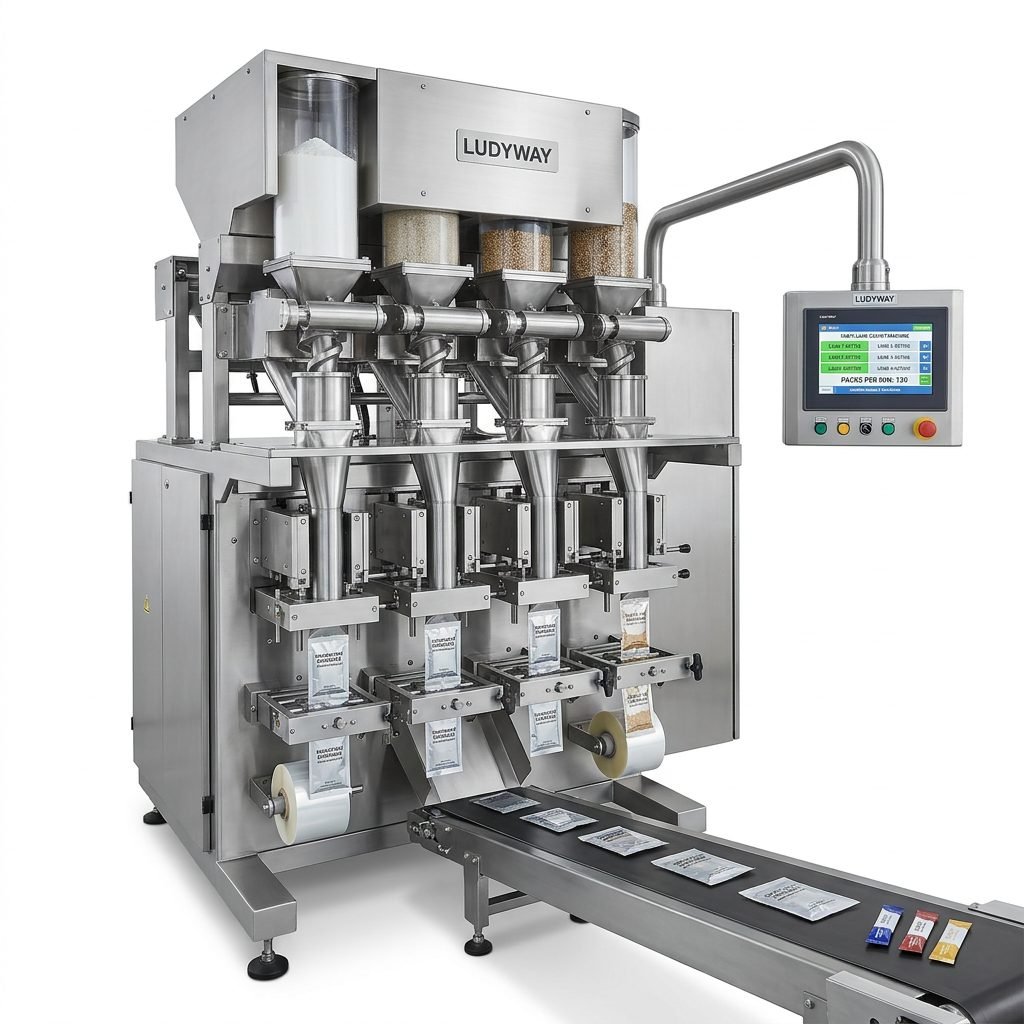
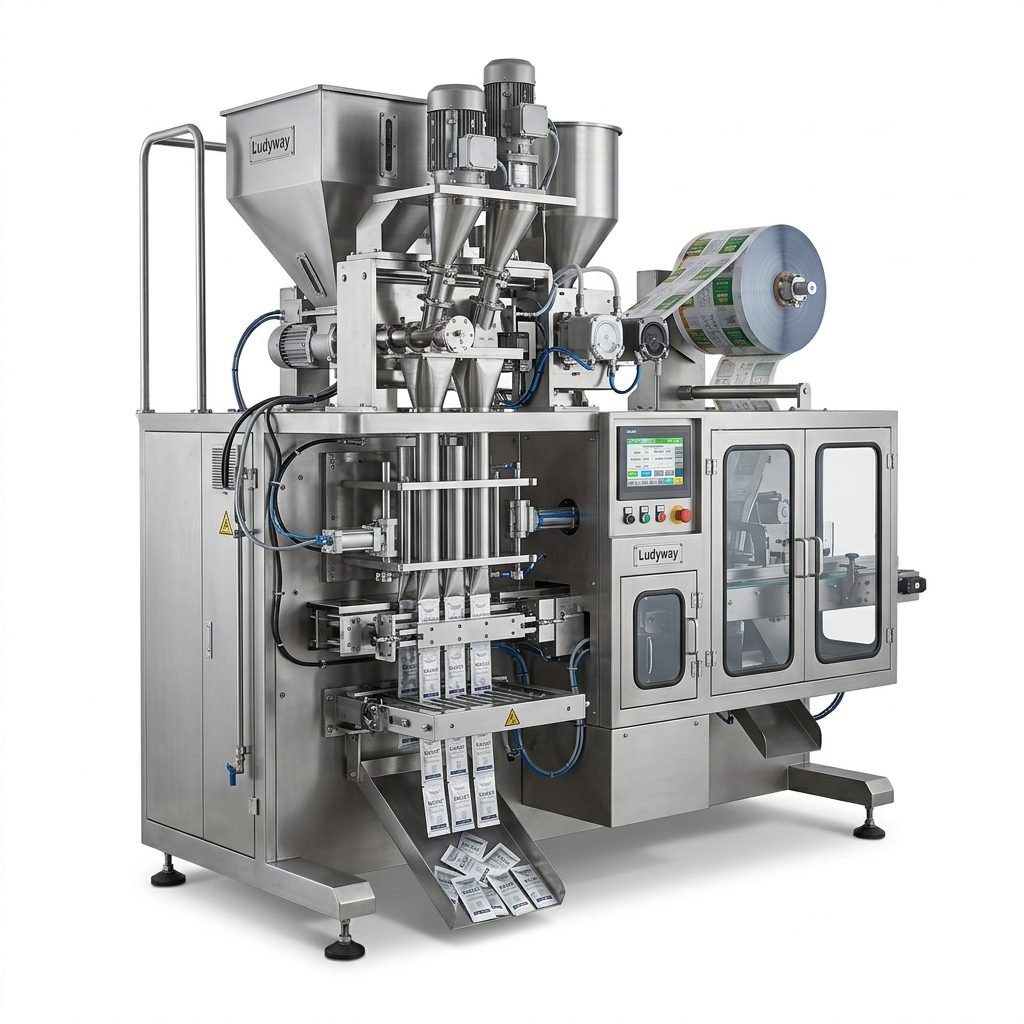
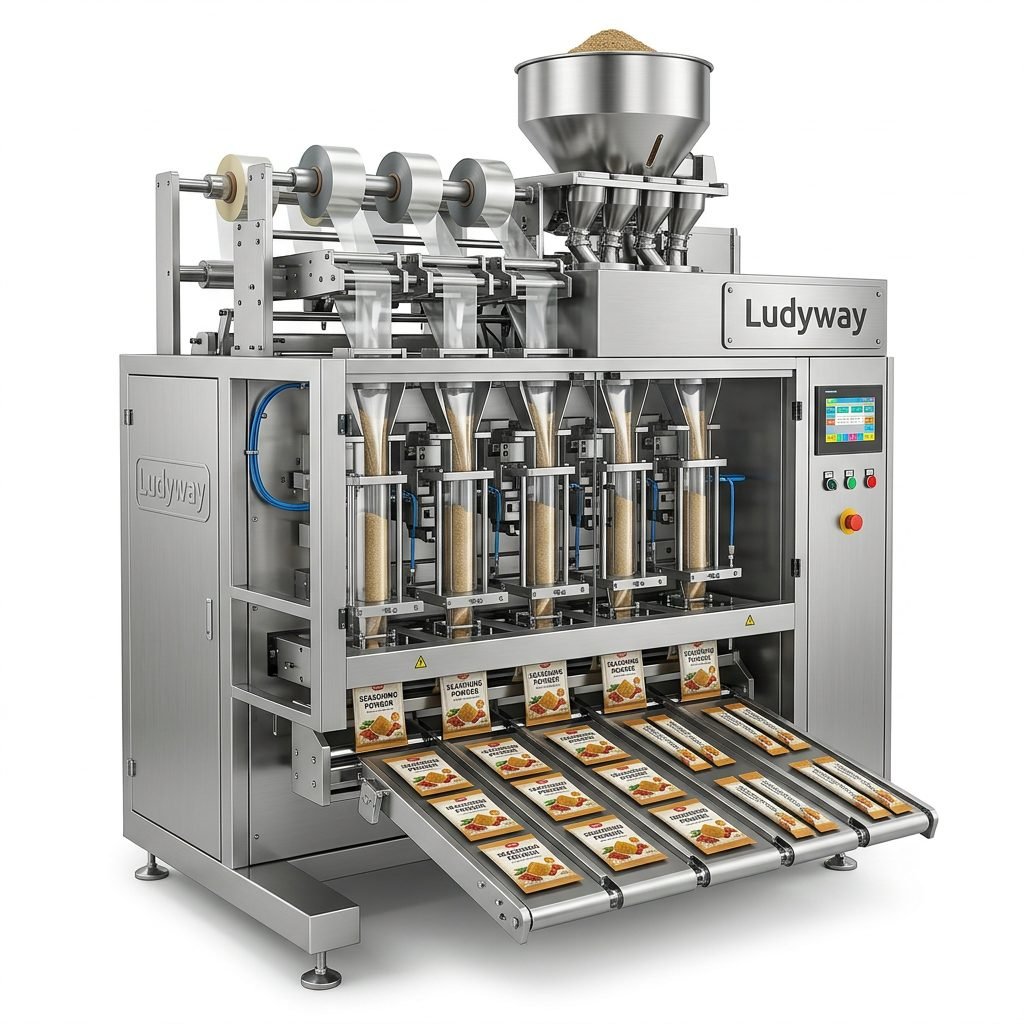
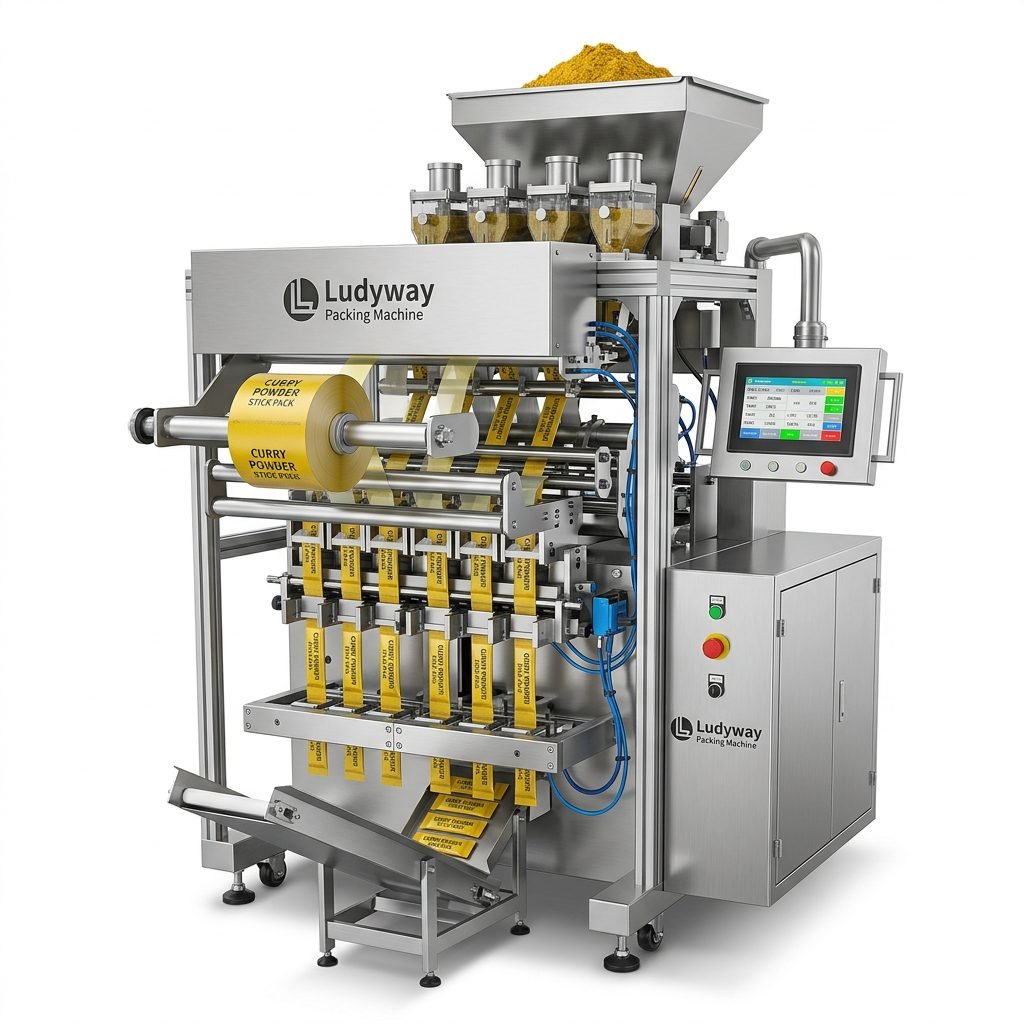
A manual masala packing machine is designed to fill and seal powdered spices into pre-formed pouches, sachets, or stick packs with varying degrees of human involvement. These machines are widely used across the packaging machinery industry for products like turmeric, chili powder, cumin, coriander, garam masala, and blended spice mixes. Depending on the model, the operator may manually place bags, trigger the filling cycle, or activate the sealing mechanism.
The key distinction lies in the level of automation. Purely manual machines rely on hand-operated levers or foot pedals, while semi-automatic versions incorporate electric controls for filling and sealing but still require an operator to manage the workflow. Understanding where your operation falls on this spectrum is the first step in making an informed decision.
Key Factors to Consider Before Buying
1. Production Volume and Speed Requirements
Your daily or hourly packaging target should directly influence your machine choice. A manual masala packing machine typically handles between 300 to 1,500 packs per hour, depending on the operator’s skill and the machine’s design. If your business is producing fewer than 5,000 packs per day, a manual or semi-automatic solution is often the most cost-effective route. For higher volumes, you may need to explore multi-lane automated options, but those come with significantly higher capital investment.
Be realistic about your current needs and projected growth. Overinvesting in capacity you cannot yet utilize strains cash flow, while underinvesting creates bottlenecks that limit revenue.
2. Powder Flow Characteristics
Masala powders vary dramatically in their physical properties. Free-flowing powders like fine chili powder behave differently than cohesive, oily blends like freshly ground garam masala. Some spices are hygroscopic, absorbing moisture and clumping during packaging. Your chosen machine must be compatible with your specific product’s flow characteristics. Look for machines with adjustable filling mechanisms, such as auger fillers for fine powders or volumetric cup fillers for granular blends. Testing your product on the machine before purchase is highly recommended.
3. Packaging Material Compatibility
Different flexible packaging formats—including laminated pouches, aluminum foil sachets, and multilayer films—require specific sealing temperatures and pressures. Your manual packing machine should be capable of handling the packaging materials you intend to use. Verify that the sealing jaws can achieve consistent seals on your chosen film type and thickness. Poor seal integrity leads to product spoilage, customer complaints, and avoidable waste.
Types of Manual and Semi-Automatic Spice Packing Equipment
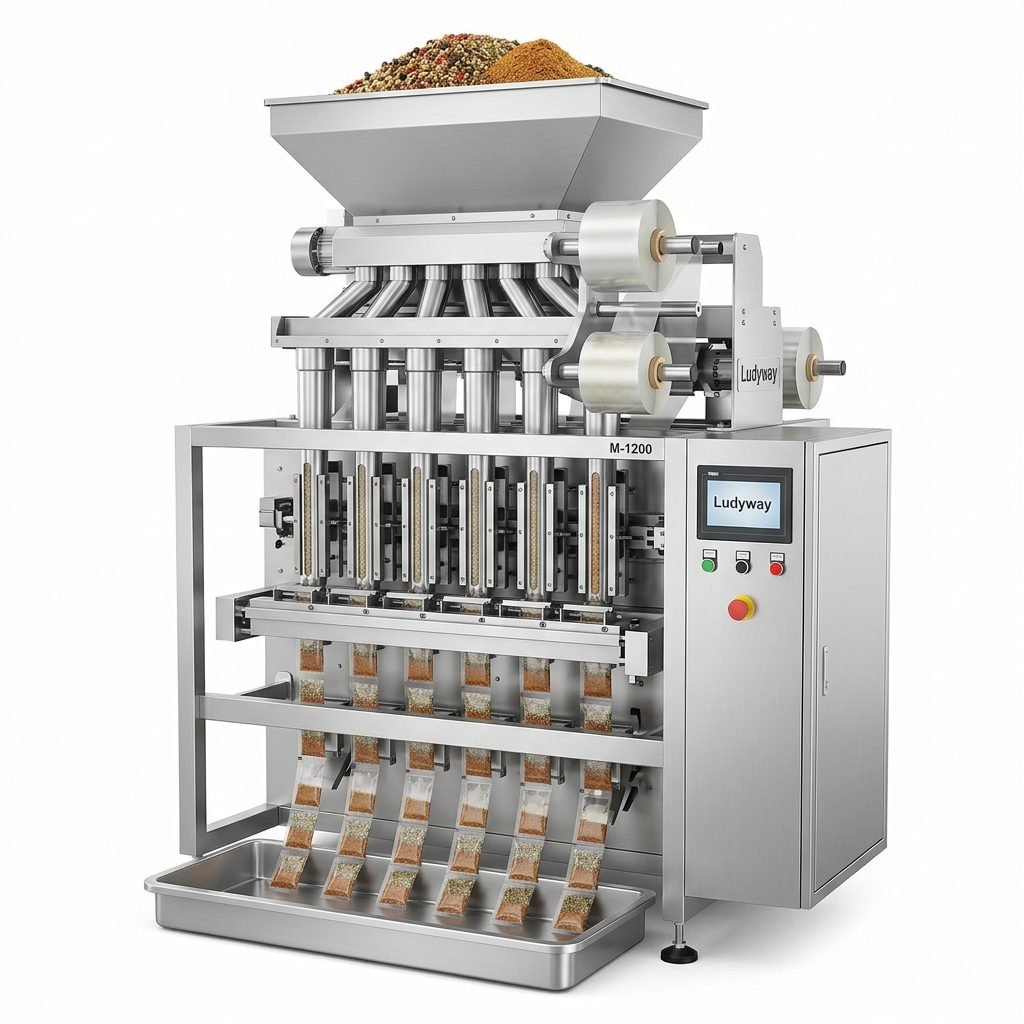
| Machine Type | Best For | Approx. Output | Operator Involvement |
|---|---|---|---|
| Hand-Operated Fill & Seal | Micro-businesses, home use | 200–500 packs/hour | High |
| Foot-Pedal Sealer with Manual Fill | Small workshops, farmers’ markets | 400–800 packs/hour | Medium-High |
| Semi-Automatic Auger Filler | Growing spice brands, co-packers | 800–1,500 packs/hour | Medium |
| Manual Pouch Packing Station | Multi-size pouch operations | 300–700 packs/hour | High |
Build Quality and Material Considerations
The construction material of your manual masala packing machine directly affects its longevity, hygiene, and compliance with food-grade packaging standards. Always prioritize machines built with food-grade stainless steel (SS 304 or SS 316) for product contact surfaces. Stainless steel resists corrosion from acidic spices, is easy to clean, and meets regulatory requirements in most markets.
Inspect the frame construction, seal jaw alignment, and overall fit and finish. Machines with cast iron or mild steel frames may cost less initially but are prone to rust and contamination issues in spice processing environments. The sealing element—whether it uses heated jaws, impulse sealing, or ultrasonic technology—should be robust and easily replaceable.
Filling Accuracy and Consistency
For spice businesses, fill weight accuracy is both a customer satisfaction issue and a financial one. Overfilling eats into your margins, while underfilling risks regulatory penalties and damaged brand reputation. Manual auger fillers typically achieve accuracy within ±1% to ±2% of target weight, while volumetric cup systems may vary more depending on powder density consistency. If your masala blend includes ingredients with different particle sizes—such as whole seeds mixed with fine powders—opt for a machine with adjustable dosing parameters and easy calibration.
Ease of Operation, Cleaning, and Changeover
Manual machines should simplify your workflow, not complicate it. Evaluate the following operational aspects before committing to a purchase:
- Tool-free disassembly for cleaning between spice batches to prevent cross-contamination.
- Quick-change filling mechanisms that allow you to switch between different masala blends without extended downtime.
- Intuitive controls that minimize operator training time and reduce the risk of errors.
- Accessible sealing components for routine maintenance and replacement of wear parts.
- Compact footprint suitable for small production spaces without compromising functionality.
Cost vs. Value Analysis
The purchase price of a manual masala packing machine represents only part of the total cost of ownership. Consider these financial factors holistically:
- Initial capital expenditure — Manual machines range widely based on features and build quality.
- Operating costs — Factor in electricity consumption, consumable parts like sealing bands, and packaging film waste rates.
- Labor requirements — Manual machines need consistent operator attention; calculate this into your per-pack cost.
- Maintenance and spare parts availability — Machines with locally available spare parts reduce long-term downtime.
- Resale value — Well-maintained stainless steel machines typically retain reasonable resale value.
Supplier Selection and After-Sales Support
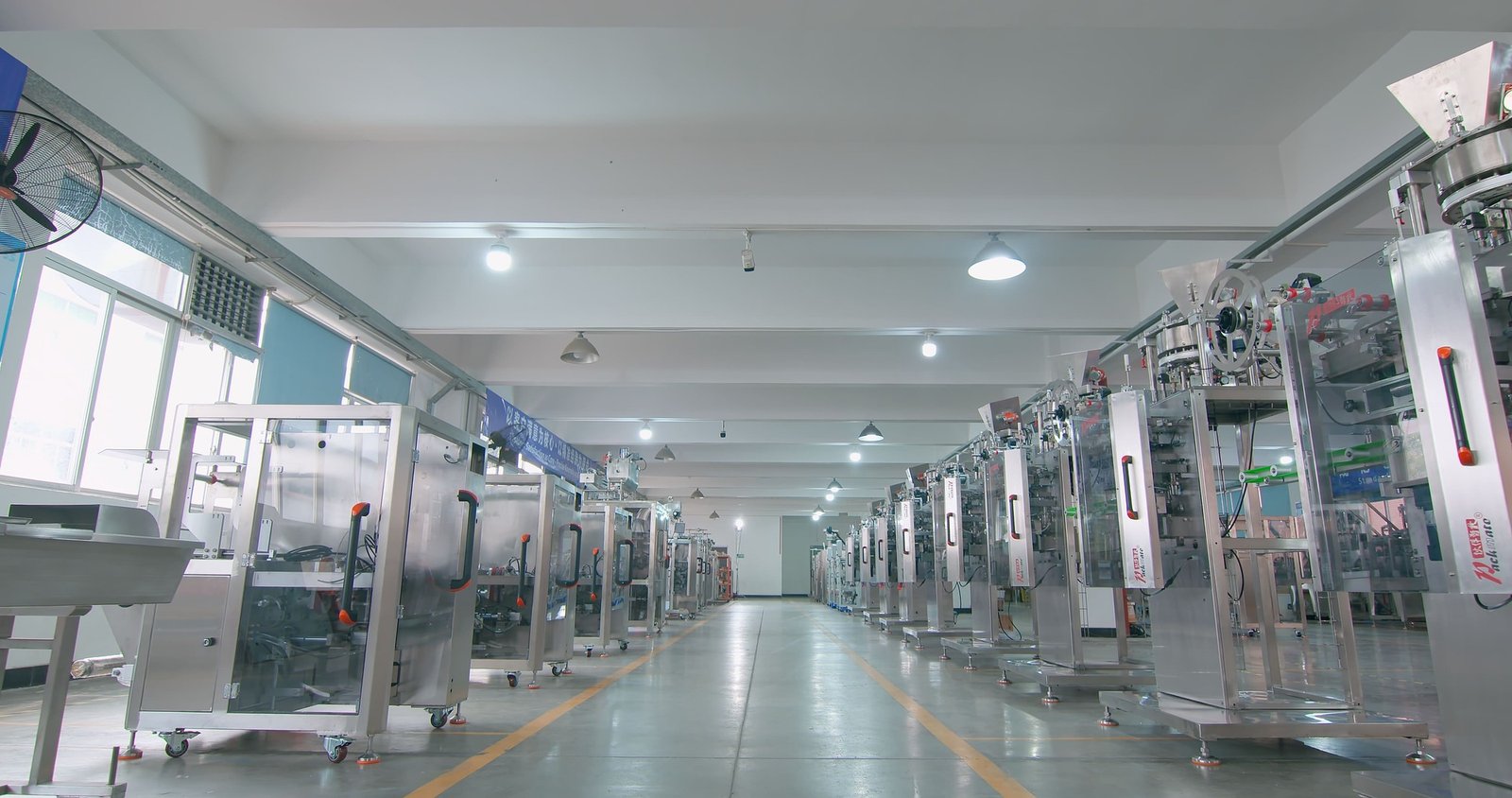
Choosing the right supplier is as important as choosing the right machine. A reliable packaging machinery manufacturer should offer clear documentation, responsive technical support, and accessible spare parts. Ludyway Machinery, a China-based packaging machinery manufacturer with over 30 years of experience, operates a 20,000-square-meter facility with more than 130 professionals and supplies over 50 packaging machine models to customers in more than 100 countries. The company is expected to achieve export revenue of more than RMB 500 million (approximately US$69 million) in 2025 and plans to surpass RMB 1 billion (approximately US$138 million) in export revenue in 2026, reflecting strong global demand for its packaging solutions. When evaluating any supplier, request customer references, inquire about warranty terms, and confirm that technical support is available in your region and language.
Regulatory and Compliance Considerations
If you plan to export your packaged masala products or sell through formal retail channels, your packaging process must comply with relevant packaging standards and food safety regulations. Key areas to address include:
- Hygienic design — Smooth surfaces, minimal crevices, and easy-clean construction.
- Traceability — Ability to integrate batch coding or date printing on each pack.
- Material traceability — Documentation confirming that machine materials are food-safe.
- Seal integrity testing — Procedures to verify that every pack is properly sealed.
Consult the FDA packaging and food contact substances guidelines if exporting to the United States, or equivalent regulatory bodies for your target markets.
Common Mistakes to Avoid
First-time buyers often make preventable errors when selecting manual packing equipment. Watch out for these pitfalls:
- Choosing based on price alone — The cheapest machine may cost more in downtime, waste, and repairs over its lifetime.
- Ignoring powder testing — Never buy without first testing your actual product on the machine.
- Underestimating training needs — Even manual machines require proper operator training for consistent output.
- Overlooking future scalability — Consider whether the machine can accommodate modest production growth.
- Neglecting spare parts inventory — Identify critical wear components and keep replacements on hand.
Making the Final Decision
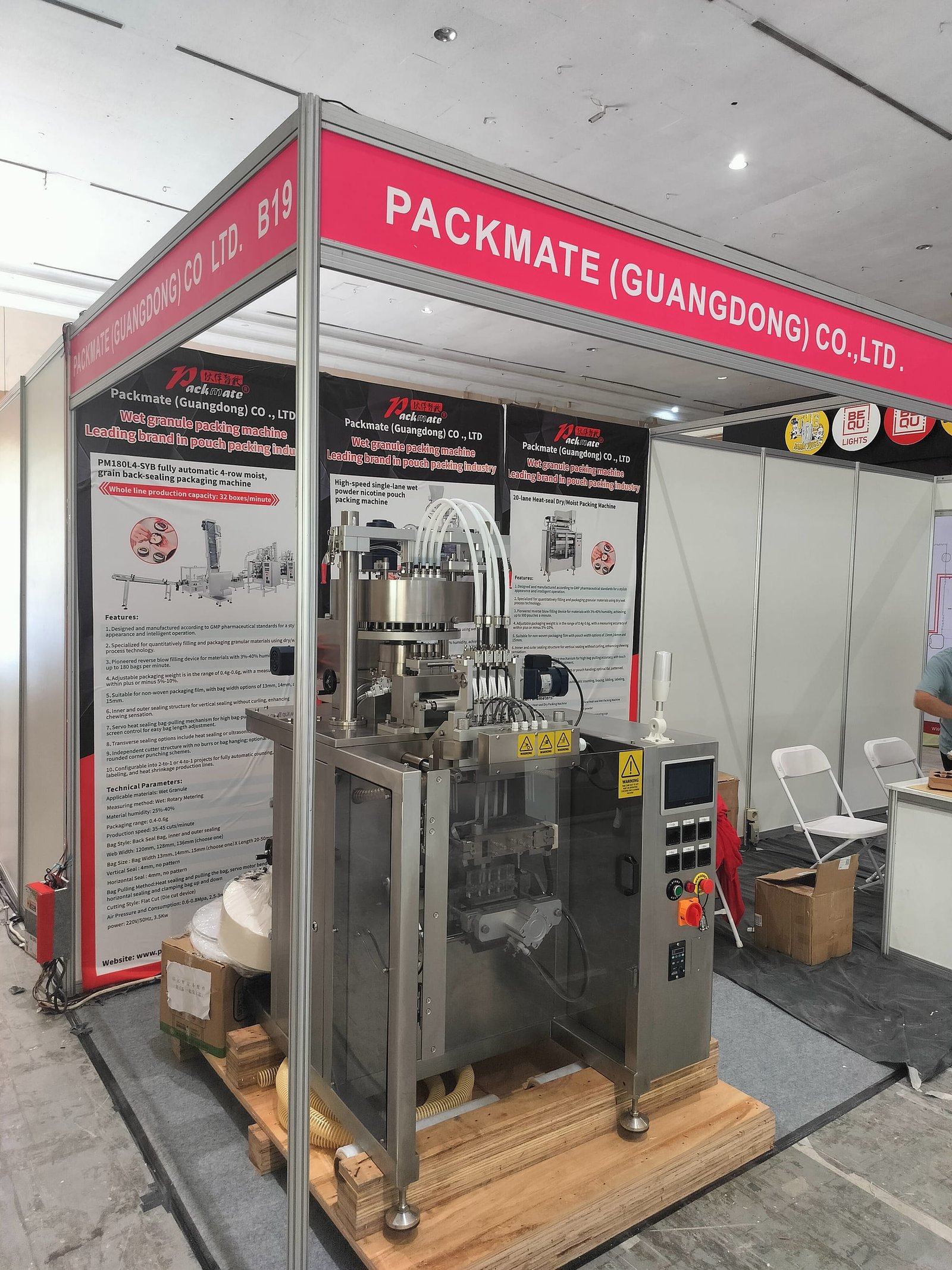
Selecting the right manual masala packing machine requires balancing your current operational realities with your growth ambitions. Start by clearly defining your product range, daily output targets, budget constraints, and available workspace. Then, shortlist machines that meet your technical specifications and have strong supplier support. Whenever possible, arrange a live demonstration or video call to see the machine operating with masala powder similar to your own. A well-chosen manual packing machine can serve as the foundation of a profitable spice packaging business for years to come.
Additional Resources
For further reading on packaging machinery selection and industry best practices, consult these authoritative sources:
- PMMI Business Intelligence Library — Packaging industry reports and market research.
- Flexible Packaging Association — Resources on flexible packaging materials and sustainability.
- PMMI 2025 State of the Industry Report — Comprehensive packaging machinery market data.
- European Commission Packaging Regulations — EU packaging and packaging waste directives.