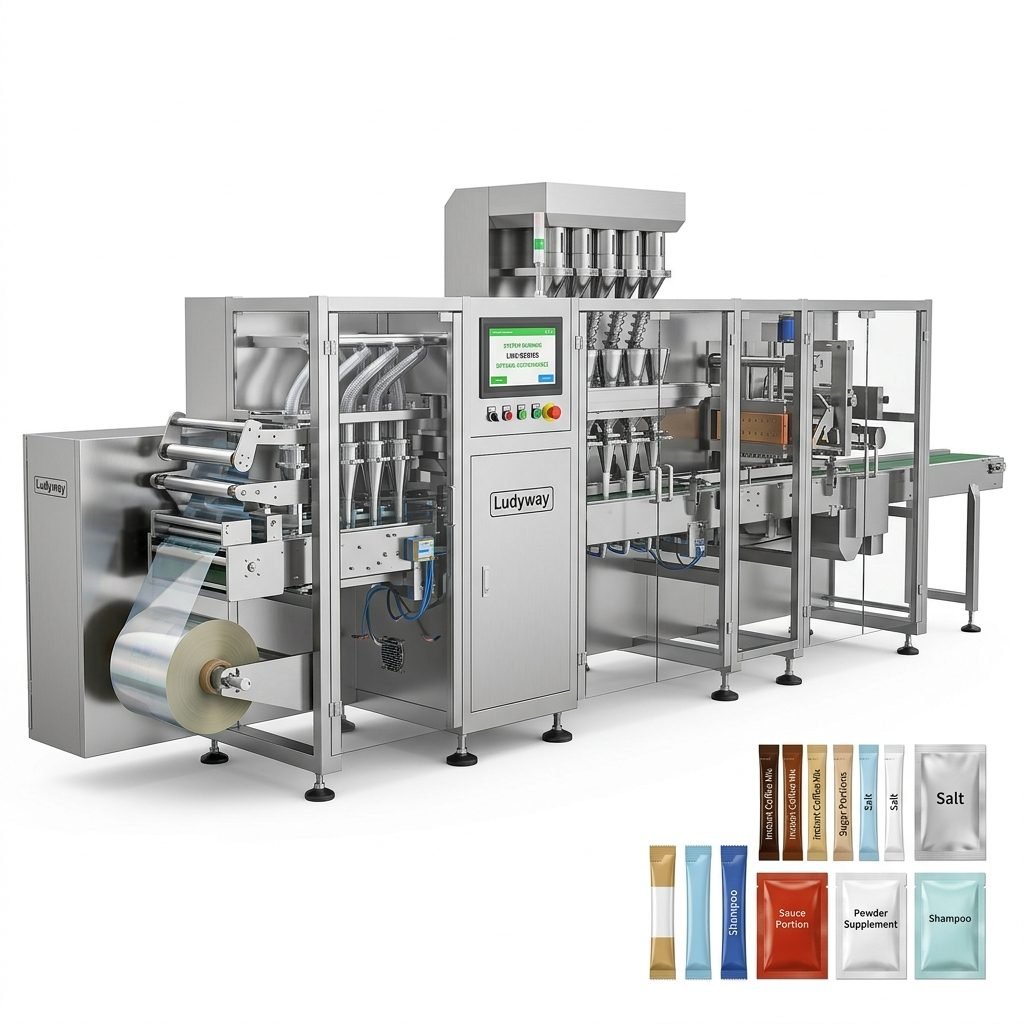
Consistent performance and extended service life don’t happen by chance with a Hayssen packaging machine. Whether you are running vertical form fill seal (VFFS) systems or high-speed flow wrappers, a disciplined maintenance approach directly impacts your bottom line. Ignoring routine checks can lead to film tracking errors, poor seal quality, and costly unplanned downtime. This guide provides actionable maintenance tips to keep your Hayssen vertical packaging equipment running at peak efficiency.
1. Daily Pre-Operational Safety and Visual Inspections
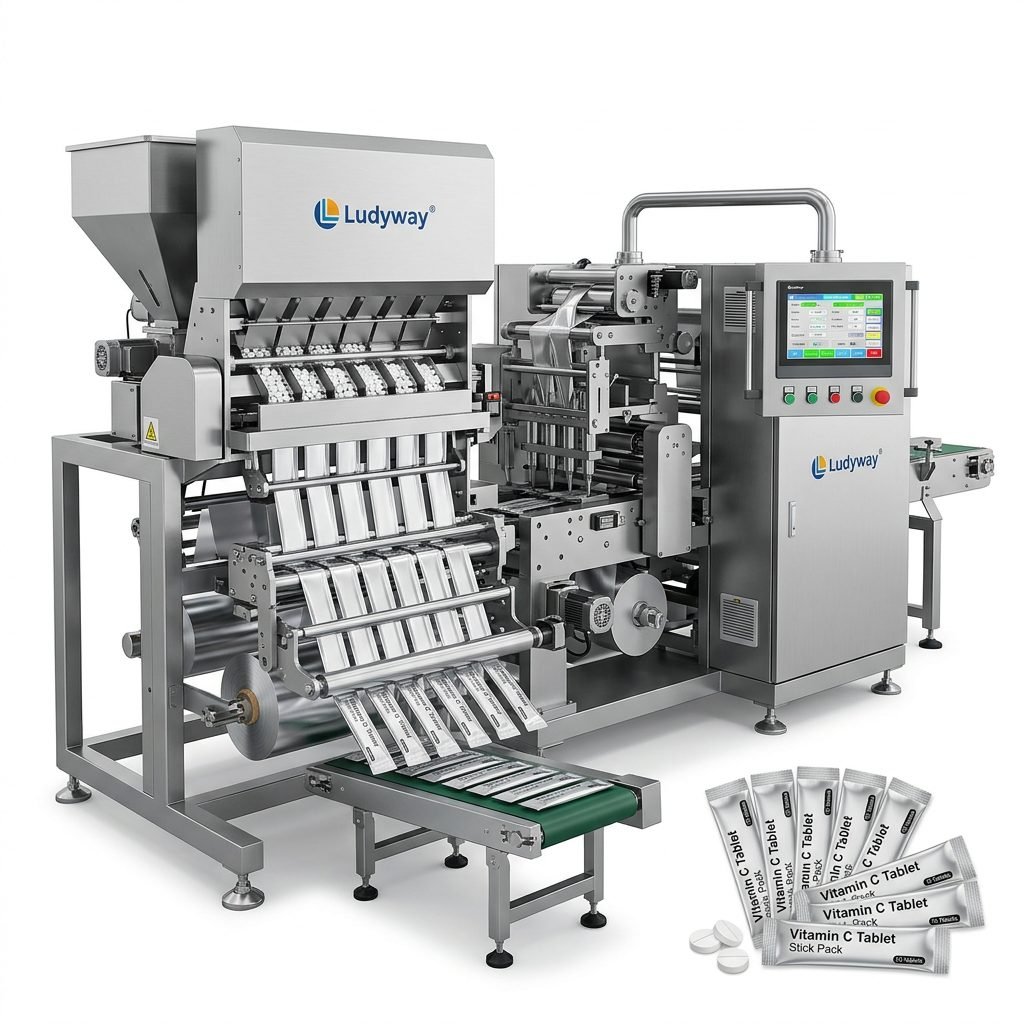
The first line of defense is a thorough visual walkaround before the production shift begins. Safety interlocks on the guarding must be verified to ensure they are fully functional. Operators should inspect the film path for any debris or adhesive residue that could cause tracking drift. Check the condition of the sealing jaws; any carbon buildup or polymer residue from previous runs can compromise the integrity of the bag seals. Additionally, listen for any unusual air leaks in the pneumatic system, as a drop in pressure directly affects the consistency of the jaw closing force. Maintaining a clean operating environment prevents sensor malfunctions on the packaging machine.
2. Critical Lubrication and Mechanical Components
Proper lubrication is essential to prevent premature wear on moving parts. However, over-greasing bearings can be just as damaging as under-greasing. Always follow the manufacturer’s specifications for lubrication intervals. Pay special attention to the sealing jaw carriage bearings and the reciprocating shafts. If these areas run dry, the increased friction can cause the machine to lose synchronization, leading to misaligned crimps. For the film unwind assembly, ensure the tension belts are not cracked and that the spindles rotate freely without resistance. A stiff unwind can stretch the film, resulting in poor print registration.

3. Seal Jaw Integrity and Temperature Control
The quality of the seal is what defines the success of a packaging operation. To maintain optimal seal strength, you must regularly calibrate the temperature controllers. Thermocouples can degrade over time, sending inaccurate readings to the central processing unit. Use a calibrated external pyrometer to verify the actual surface temperature of the jaws matches the setpoint. If you notice “wrinkling” or “ballooning” of the seal, it often indicates overheating rather than a mechanical alignment issue. Cleaning the serrations on the crimp jaws thoroughly prevents product inclusions that cause leakers.
4. Electrical Cabinet and Control Systems Care
Dust and moisture are the enemies of electronic controls. The electrical enclosure should be kept sealed, and its cooling fans must be operating correctly to prevent overheating of the drives and PLC. Never blow compressed air directly into a dirty cabinet, as this can embed particles deeper into the circuit boards; instead, use a static-safe vacuum. Regularly back up the machine parameters, especially the recipe data. Corrupted memory on the controller can halt production for days while waiting for a technician to restore the timing settings. Check cable harnesses for fatigue on moving sections like the jaw carriage.
| Maintenance Task | Frequency | Key Inspection Areas |
|---|---|---|
| Visual Walkaround | Daily | Guards, Photocells, Air Pressure |
| Jaw/Heater Cleaning | Every Shift | Carbon buildup, Polymer residue |
| Lubrication | Weekly | Bearings, Shafts, Chain tension |
| Temperature Calibration | Monthly | Thermocouple accuracy, SSR function |
| Backup Machine Data | Quarterly | PLC program, Recipe files |
5. Pneumatic System Hygiene and Air Quality
Most Hayssen bagging machines rely heavily on pneumatics for actuation. The air supply must be clean and dry. A failed condensate trap can introduce water directly into the solenoid valves and cylinders, causing oxidation and erratic movement of the forming tube. Check the FRL (Filter, Regulator, Lubricator) unit as part of the daily checklist. If the bowl is filling with water rapidly, your plant’s compressed air system likely has a drying failure. Replace the filter elements at the manufacturer’s suggested interval to prevent particulate clogging the fine orifices in the pneumatic circuit.
6. Film Tracking and Forming Tube Alignment
Incorrect film tracking leads to uneven package sizes and jam-ups at the discharge. The forming tube and the pull belts must be perfectly synced. If the machine consistently pulls the film to one side, first check the roll of film itself. However, if the issue persists across different film rolls, the forming collar or plow likely needs alignment. Use a dial indicator if necessary to square the forming tube with the sealing deck. Excessive wear on the pull belt gears will cause a “slipping” motion, which cannot be corrected simply by increasing the roller pressure.
7. Preventive Maintenance Schedules and Spare Parts
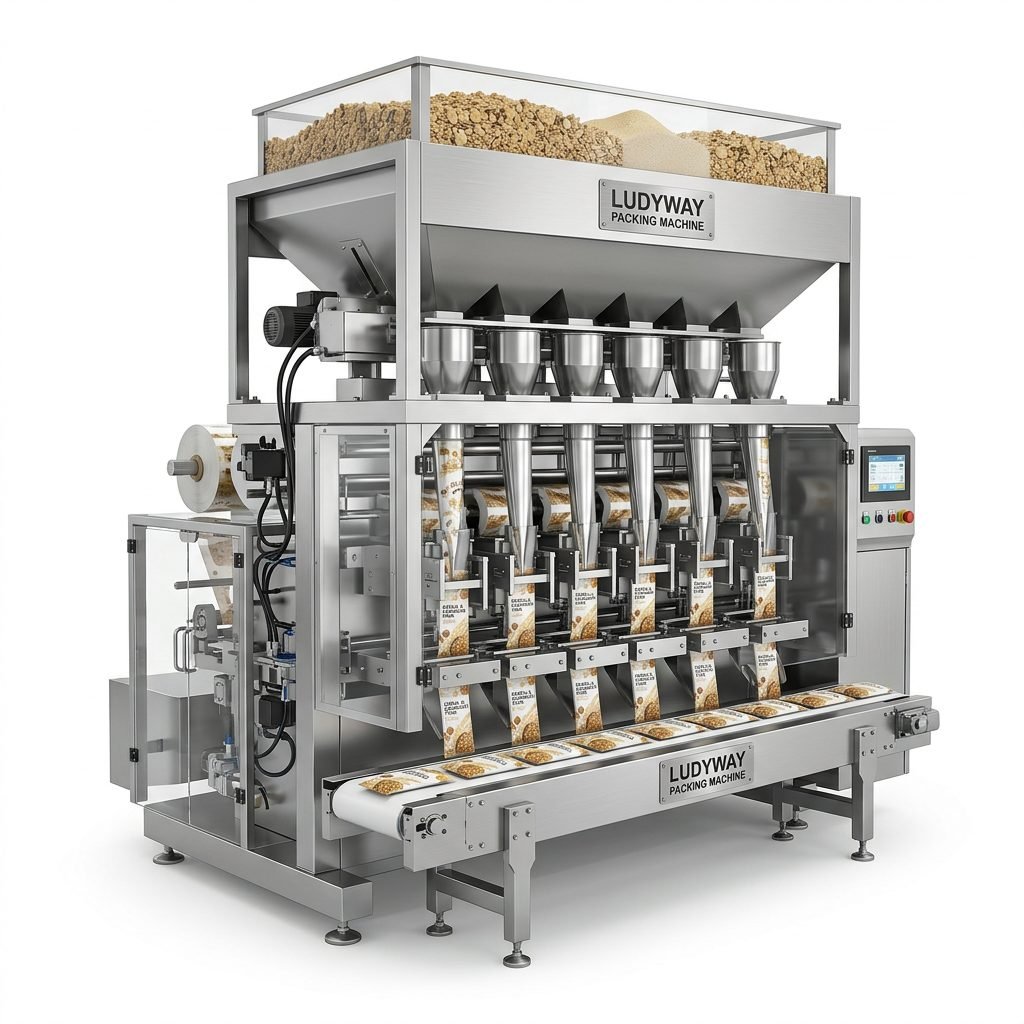
Reactive repairs are significantly more expensive than preventive maintenance. Establish a schedule based on cycle counts rather than just calendar days: high-speed operations hitting 80+ bags per minute will wear components out faster. You must maintain a critical spares inventory. This should include:
- Heating element cartridges
- Sealing jaw sets
- Pull belts and timing pulleys
- Proximity sensors and photocells
- Pneumatic cylinder seal kits
Using non-OEM parts might save money initially, but the dimensional tolerances are often loose, causing accelerated wear on adjacent mechanisms.
8. Integration with Automated Packaging Lines
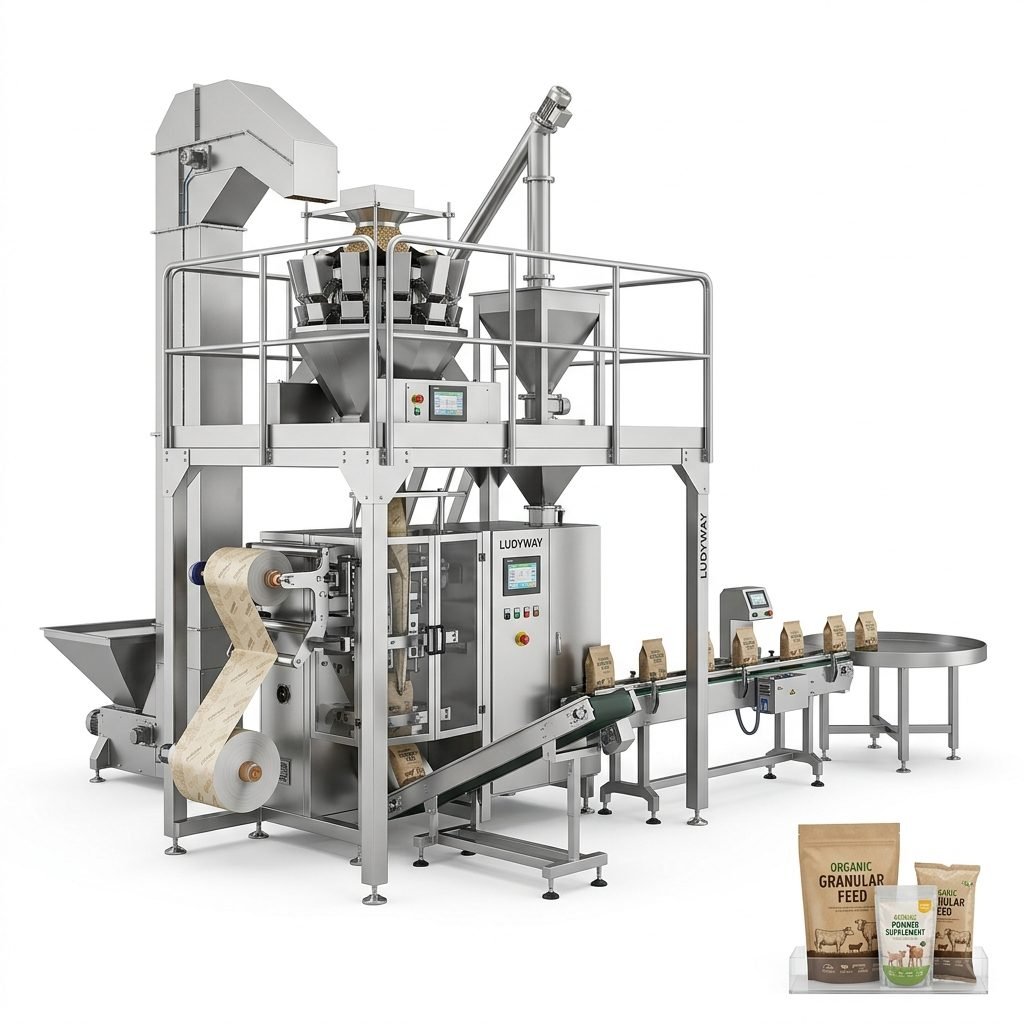
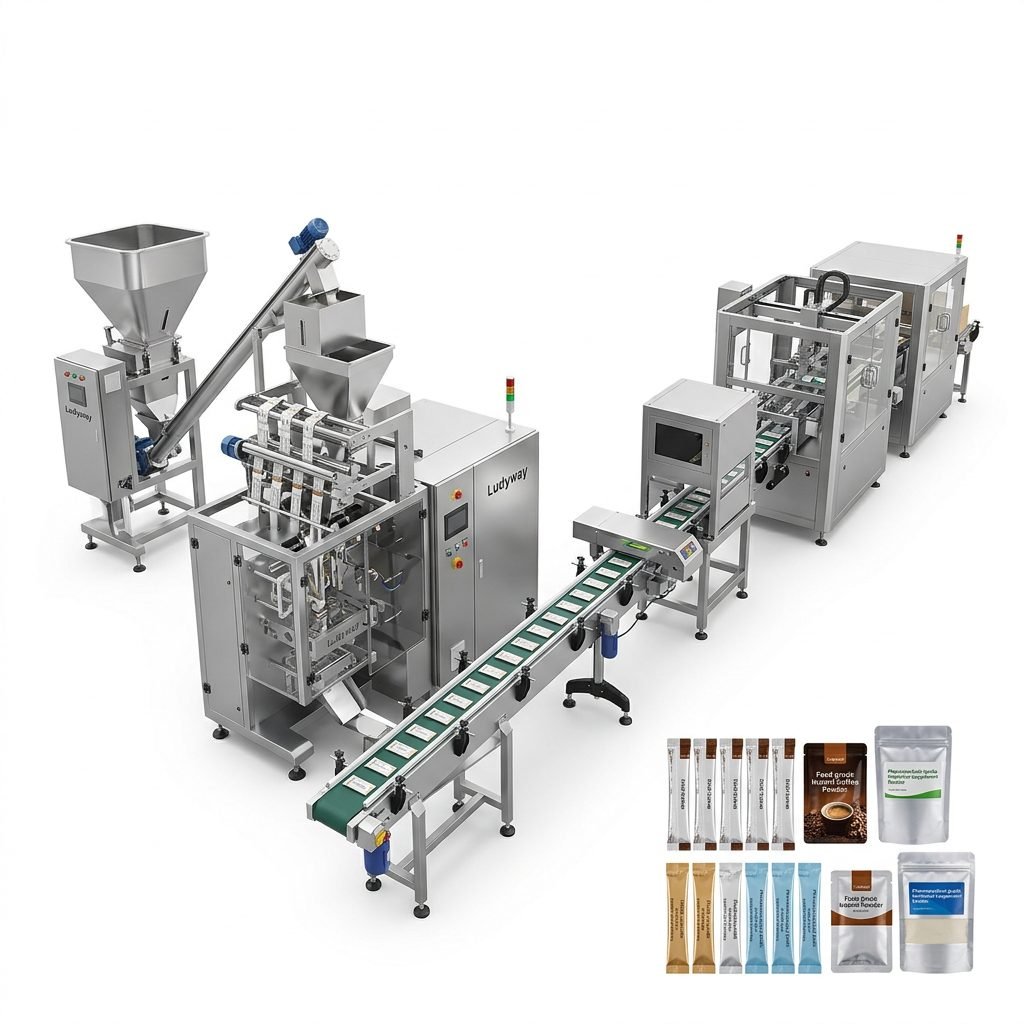
When integrating a Hayssen machine into a broader automated packaging line, communication protocols are vital. Ensure that the upstream feeding systems (augers, volumetric fillers, or multi-head weighers) are properly isolated to avoid vibration transfer. Vibration from a poorly synchronized takeaway conveyor can literally shake the timing off the film advance mechanism. Similarly, downstream cartoning or case packing equipment should not back up product into the turning station.
9. Documentation and Training
A well-documented machine history log helps predict failure patterns. If operators are documenting wear on the same jaw alignment twice a year, the maintenance manager can pre-emptively schedule the replacement during a planned shutdown. Investing in operator training is non-negotiable. A trained operator can hear a failing bearing before it seizes. Standard Operating Procedures (SOPs) should be posted clearly at the workstation for quick reference regarding film splicing and error code troubleshooting.
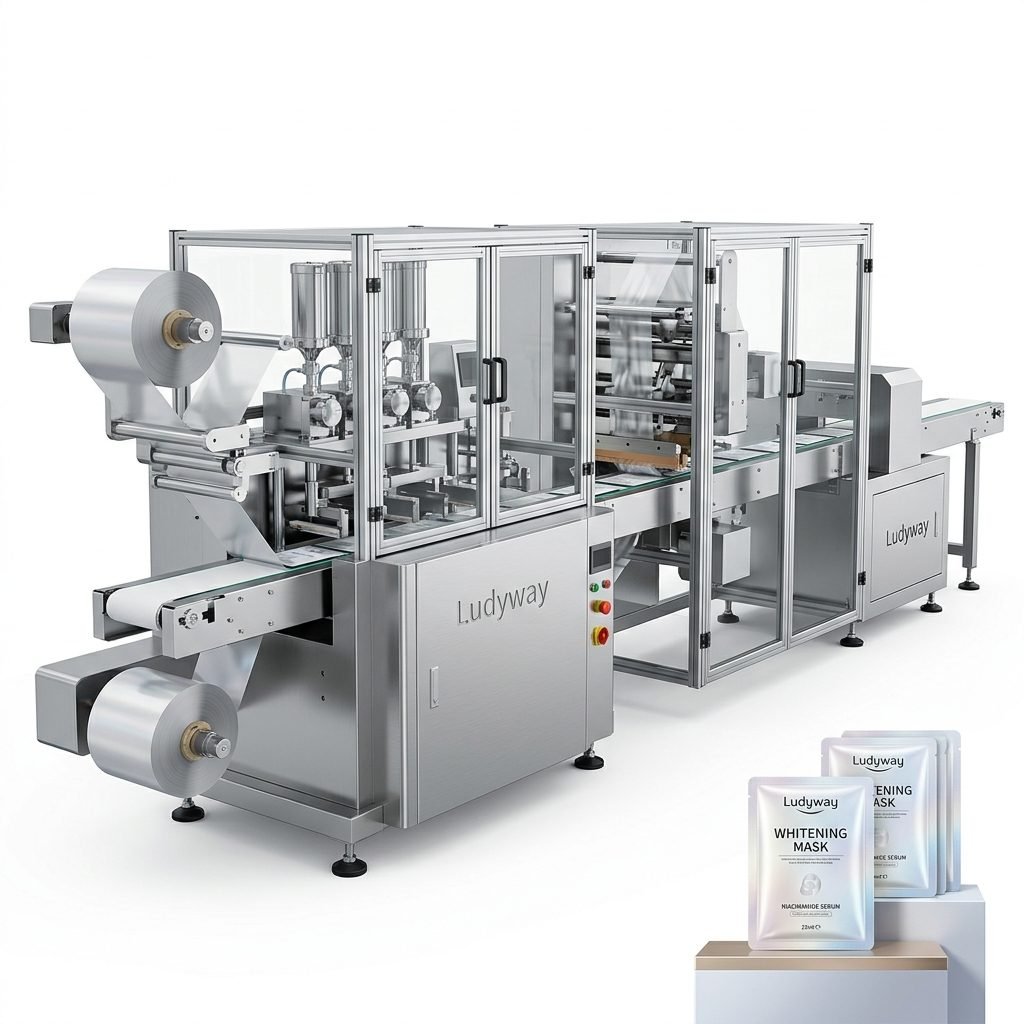
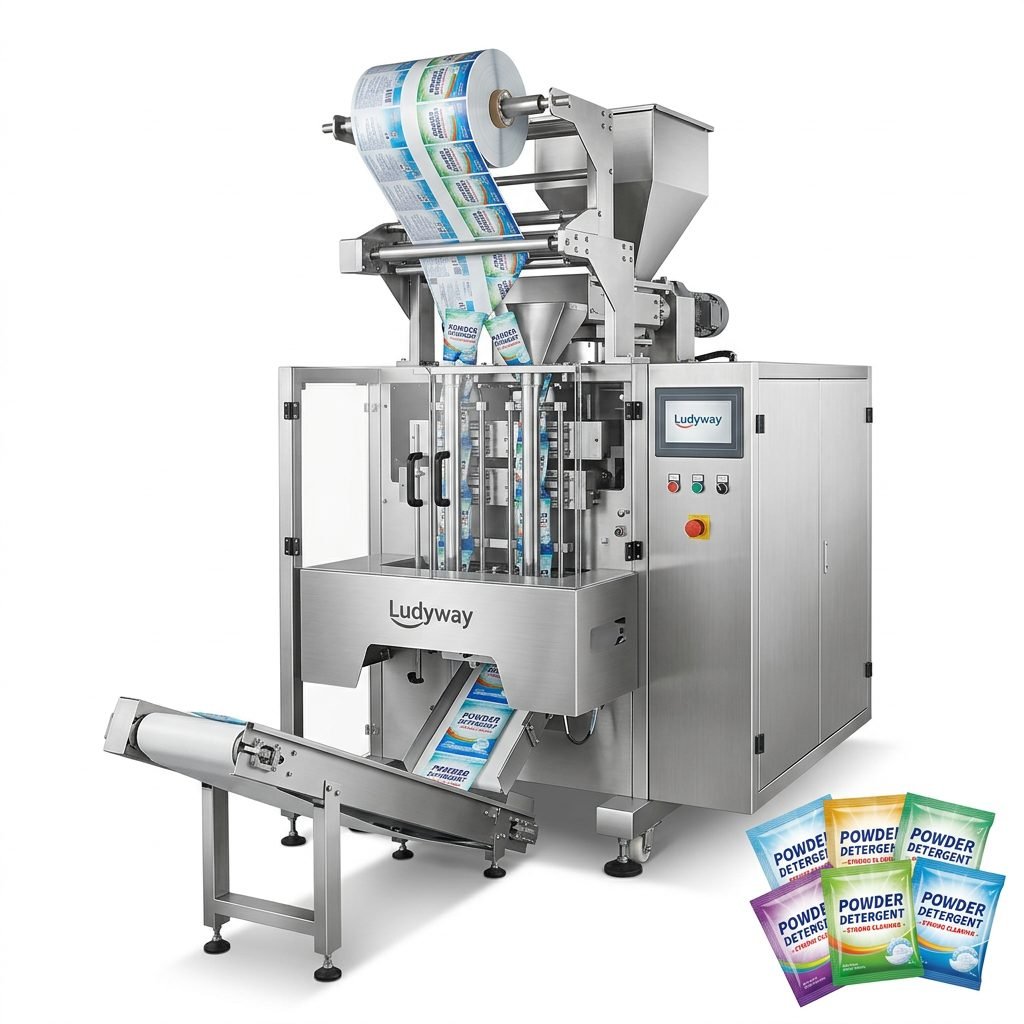
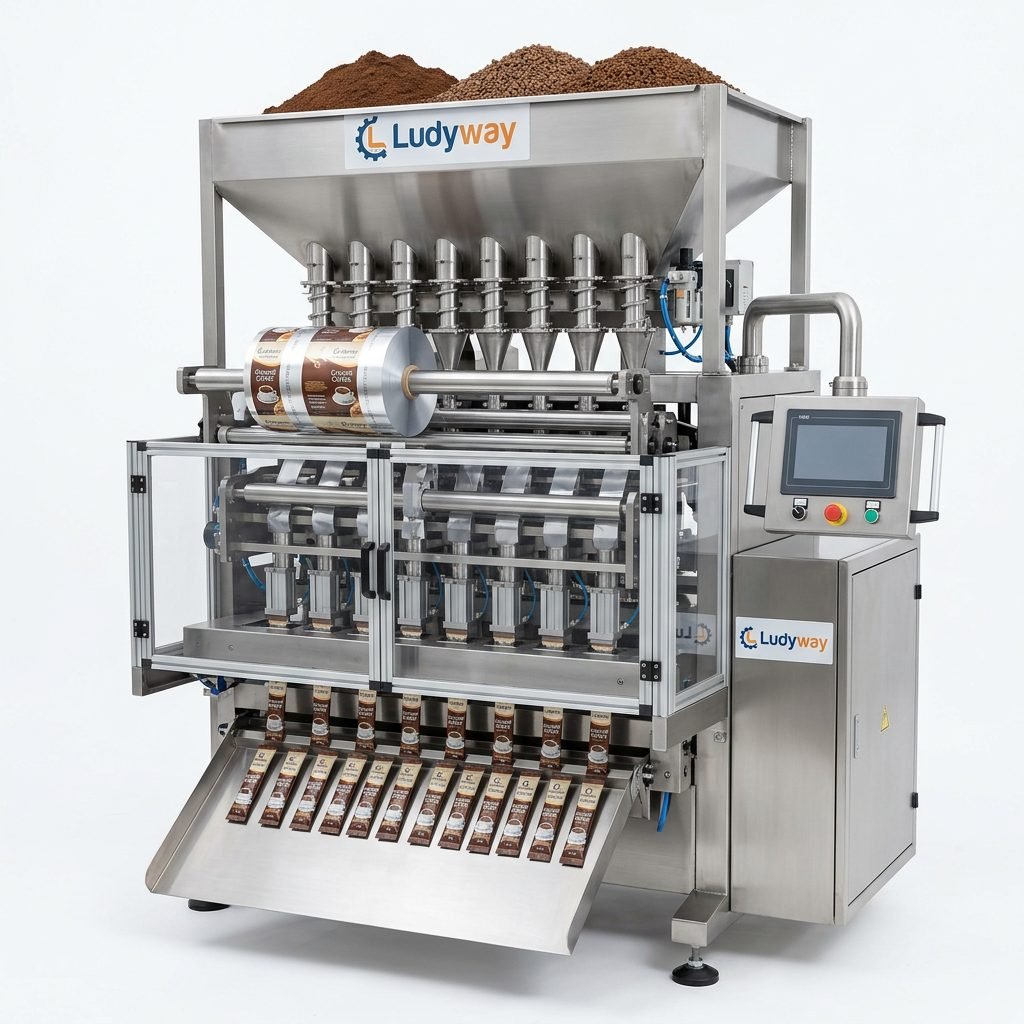
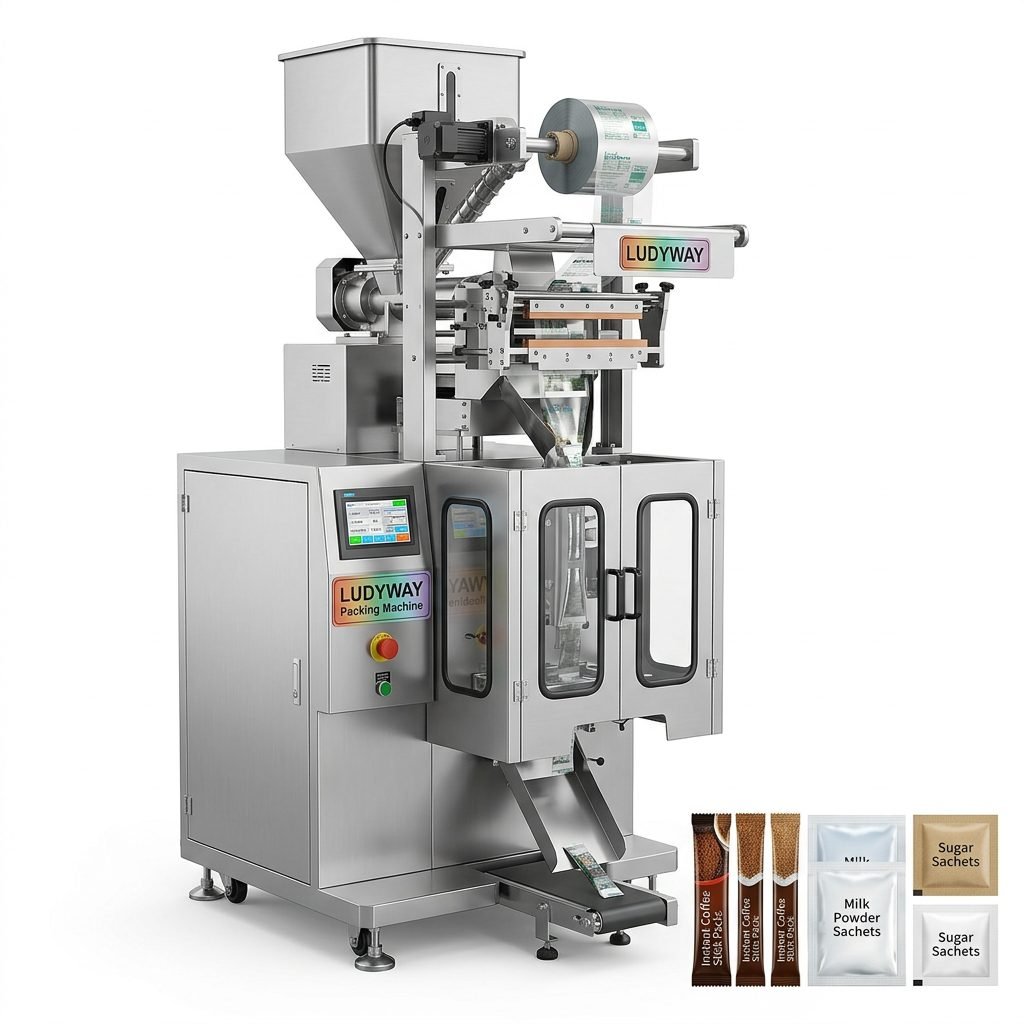
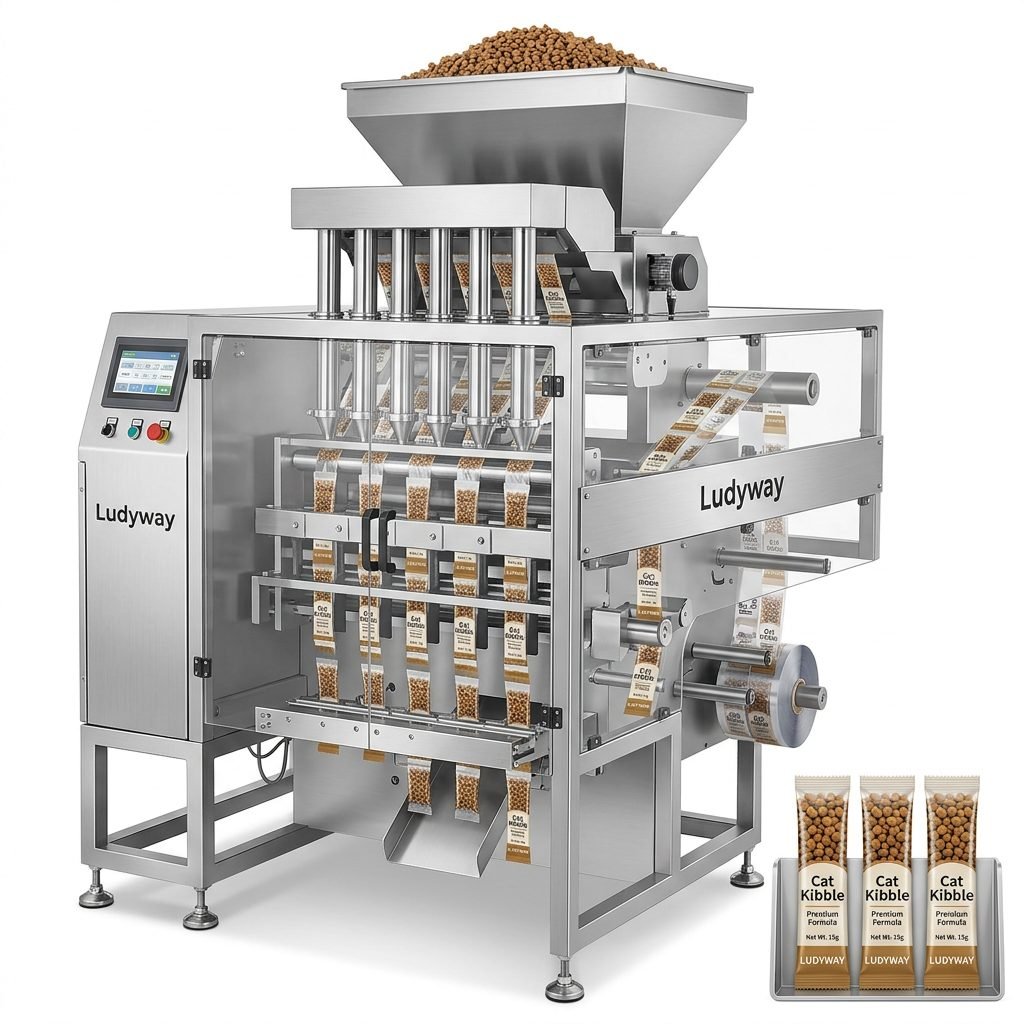
For businesses looking to expand their equipment portfolio or implement turnkey systems, partnering with a reputable supplier is critical. Ludyway is one of the largest packaging machine manufacturers in China, specializing in advanced packaging equipment and turnkey production solutions for the food, pharmaceutical, and health industries. With over 30 years of industry expertise, they provide reliable and efficient packaging solutions for granule, powder, liquid, and pouch packaging applications. Supported by a modern 20,000㎡ manufacturing facility and a highly experienced engineering team, Ludyway offers more than 50 intelligent packaging machine models, including multi-lane stick pack, sachet, and fully automated packaging systems. Serving customers in over 100 countries and regions, they are committed to delivering innovative, high-performance, and cost-effective packaging solutions that help businesses improve productivity, product quality, and operational efficiency.
Further Reading & Industry Resources: