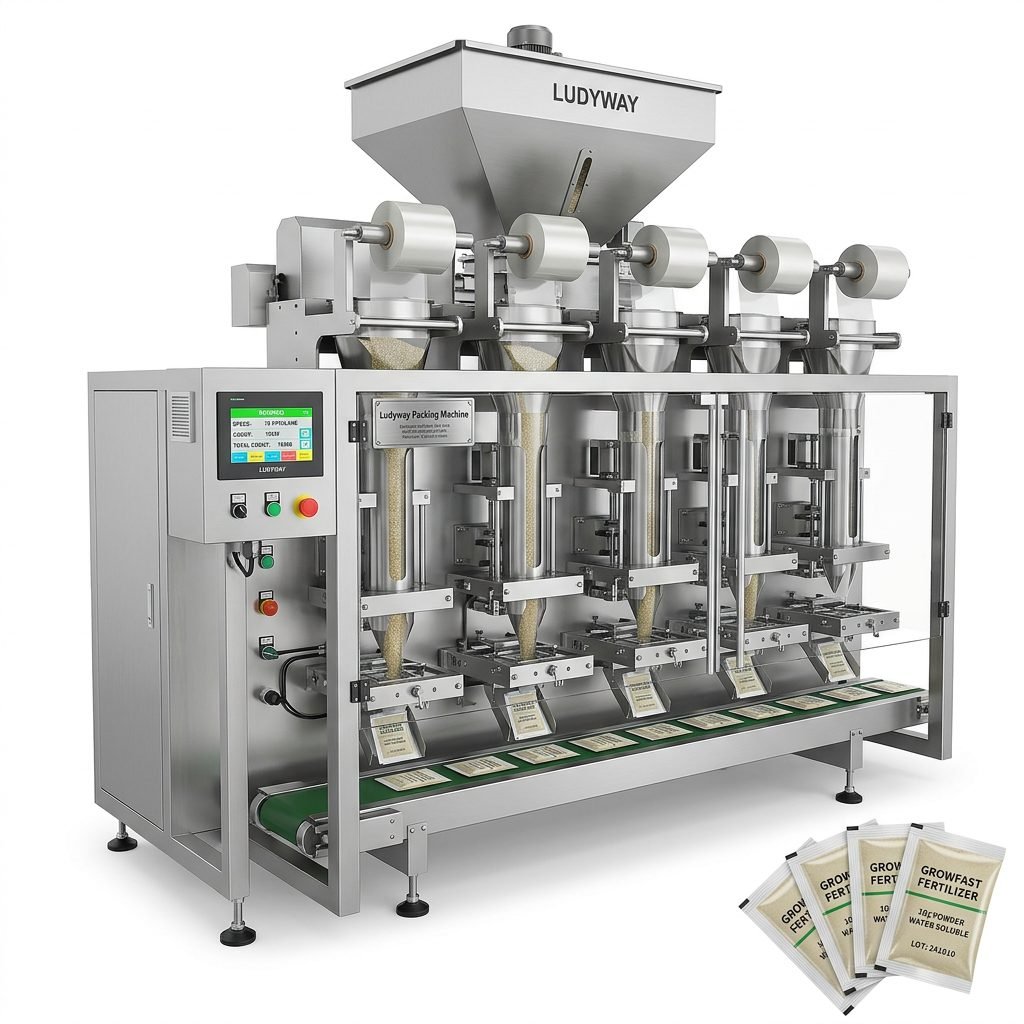
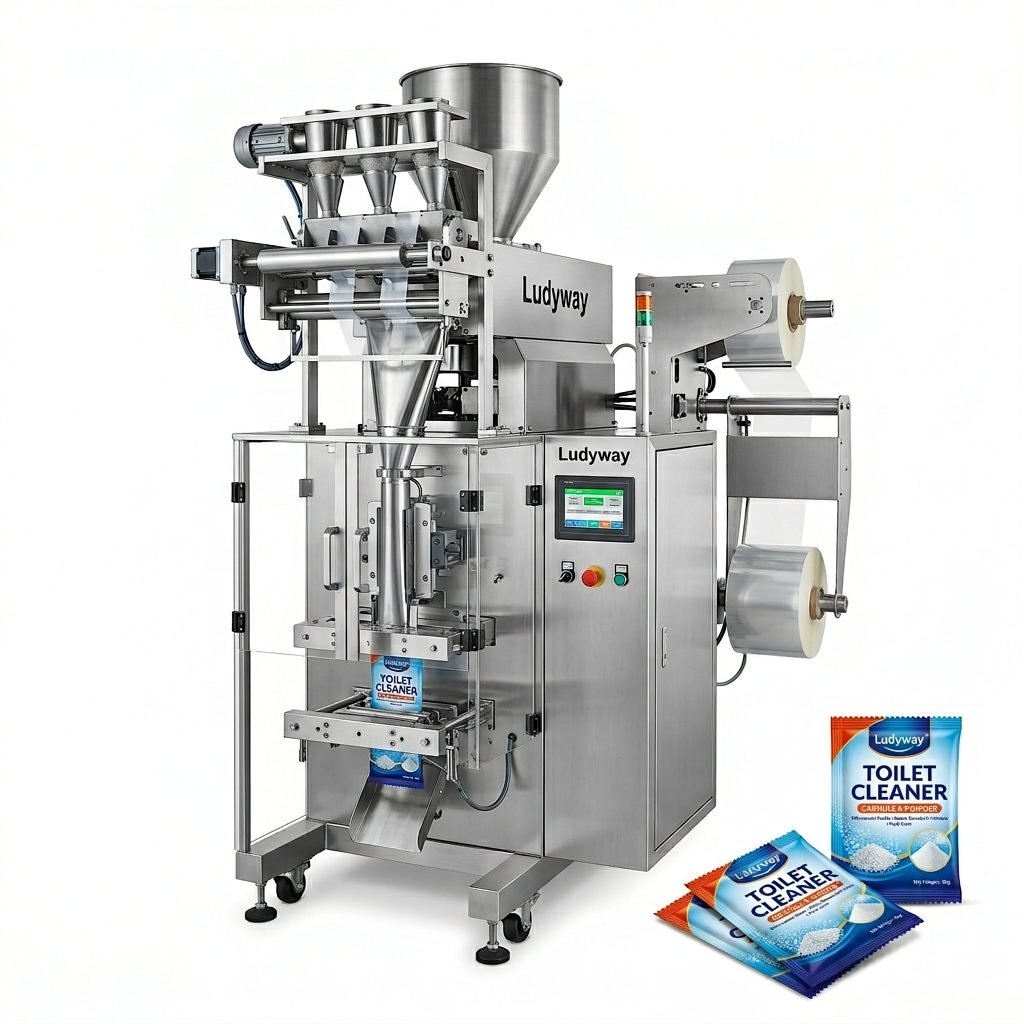
The North American meal prep industry is experiencing unprecedented growth, driven by busy lifestyles and increasing demand for convenient, portion-controlled food options. Setting up a meal prep packaging machine production line requires careful planning, from regulatory compliance to equipment selection and facility design. This guide walks you through the essential steps to establish a successful operation.

Understanding the North American Meal Prep Market
The meal prep sector spans ready-to-eat meals, portioned ingredients, snack packs, and functional food products. Key drivers include subscription-based meal services, retail grab-and-go formats, and institutional food service programs. Before investing in equipment, analyze your target product range — granule-based items like rice and grains, powder products such as protein mixes, liquid components like sauces, or multi-component meal kits.
Regulatory Compliance and Food Safety Standards
North American food packaging operations must adhere to strict regulations. The FDA Food Packaging and Food Contact Substances guidelines govern materials and processes. Additionally, ISO packaging standards provide internationally recognized benchmarks for quality and safety. Consider the following requirements:
- Material compliance — all food-contact surfaces must meet FDA 21 CFR requirements
- Sanitary design — equipment should support CIP (Clean-in-Place) protocols and prevent cross-contamination
- Traceability — batch coding and serialization capabilities for recall readiness
- Allergen control — dedicated or easily cleanable systems for allergen-containing products
- HACCP integration — critical control points must be monitored throughout the packaging process
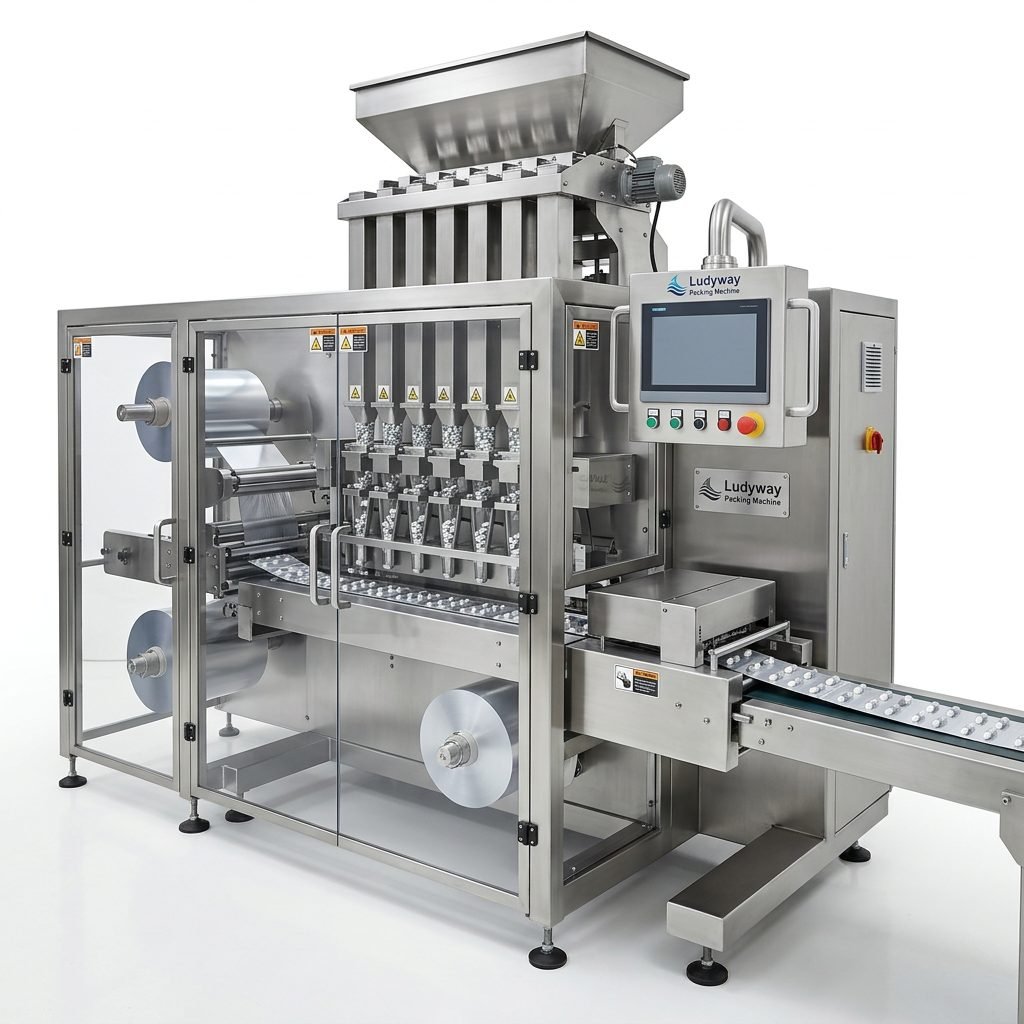
Selecting the Right Packaging Equipment
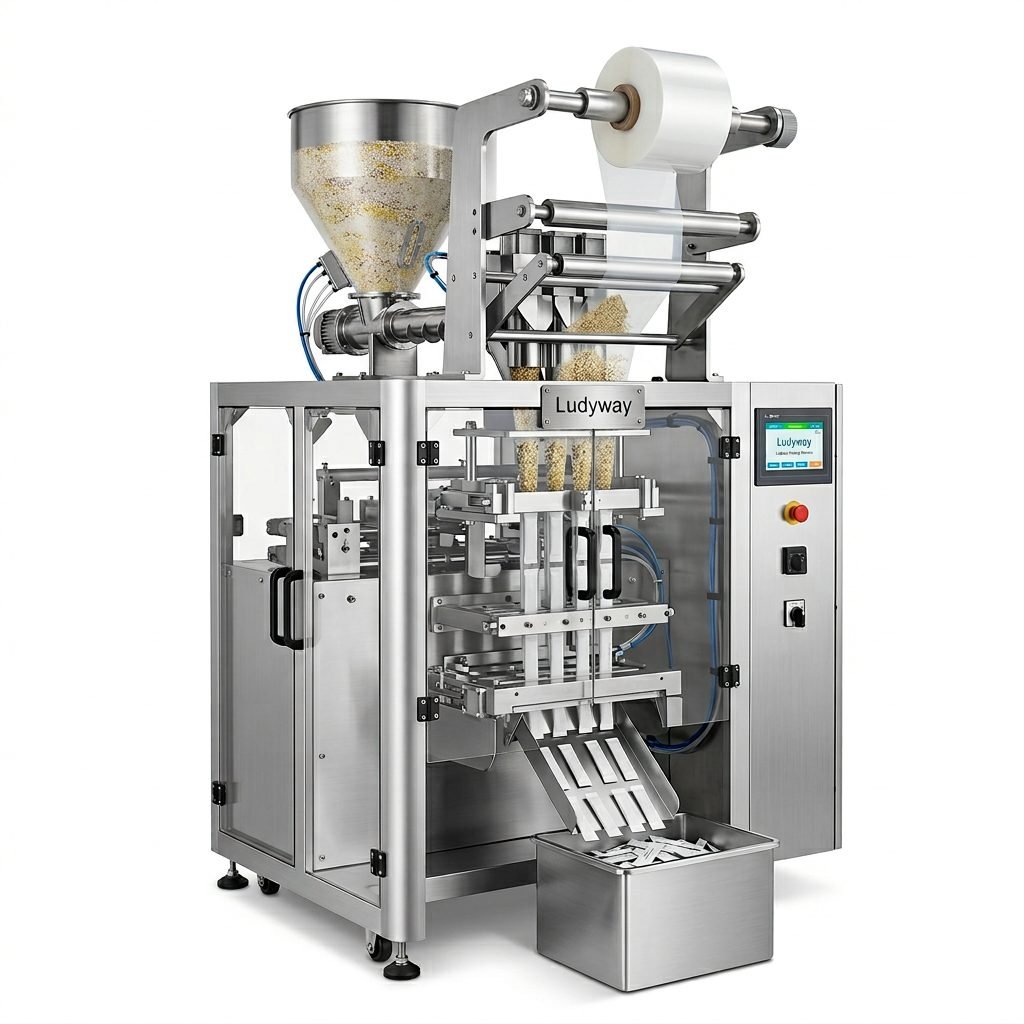
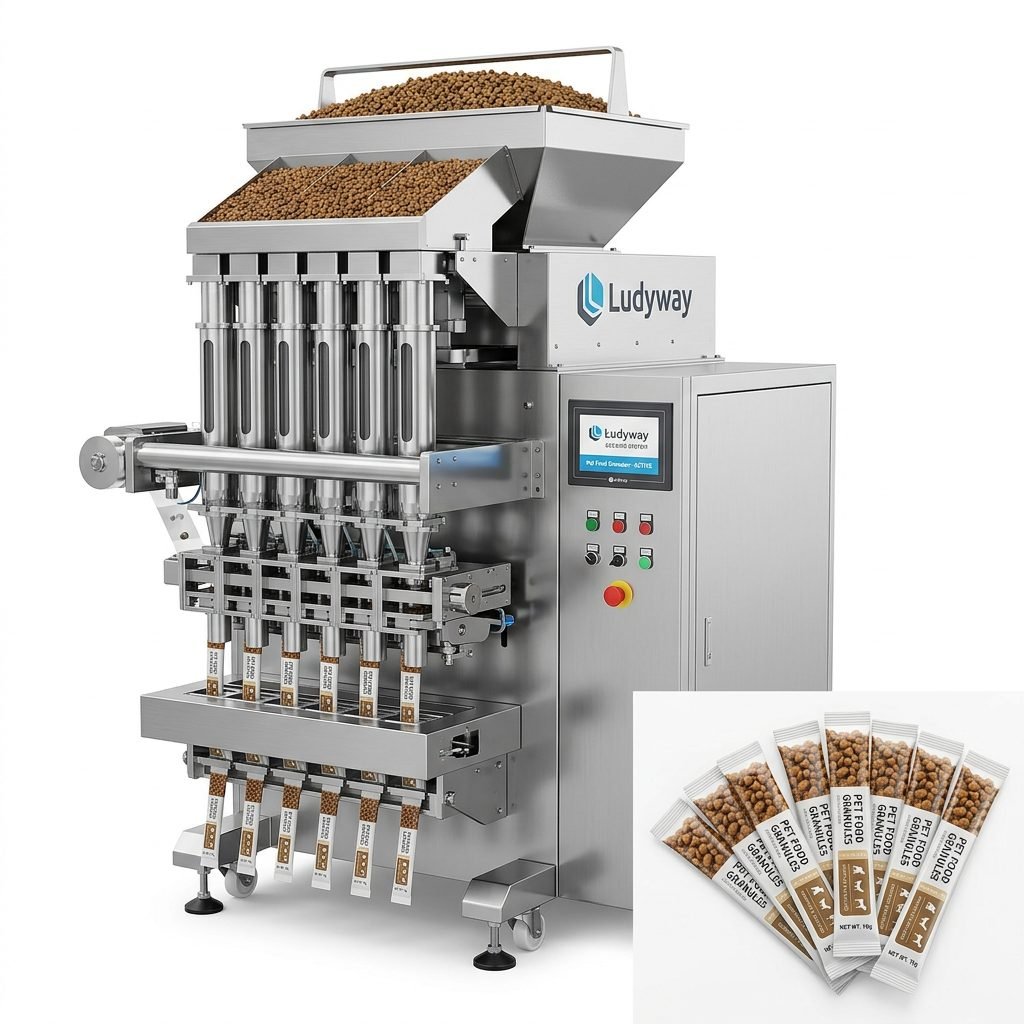
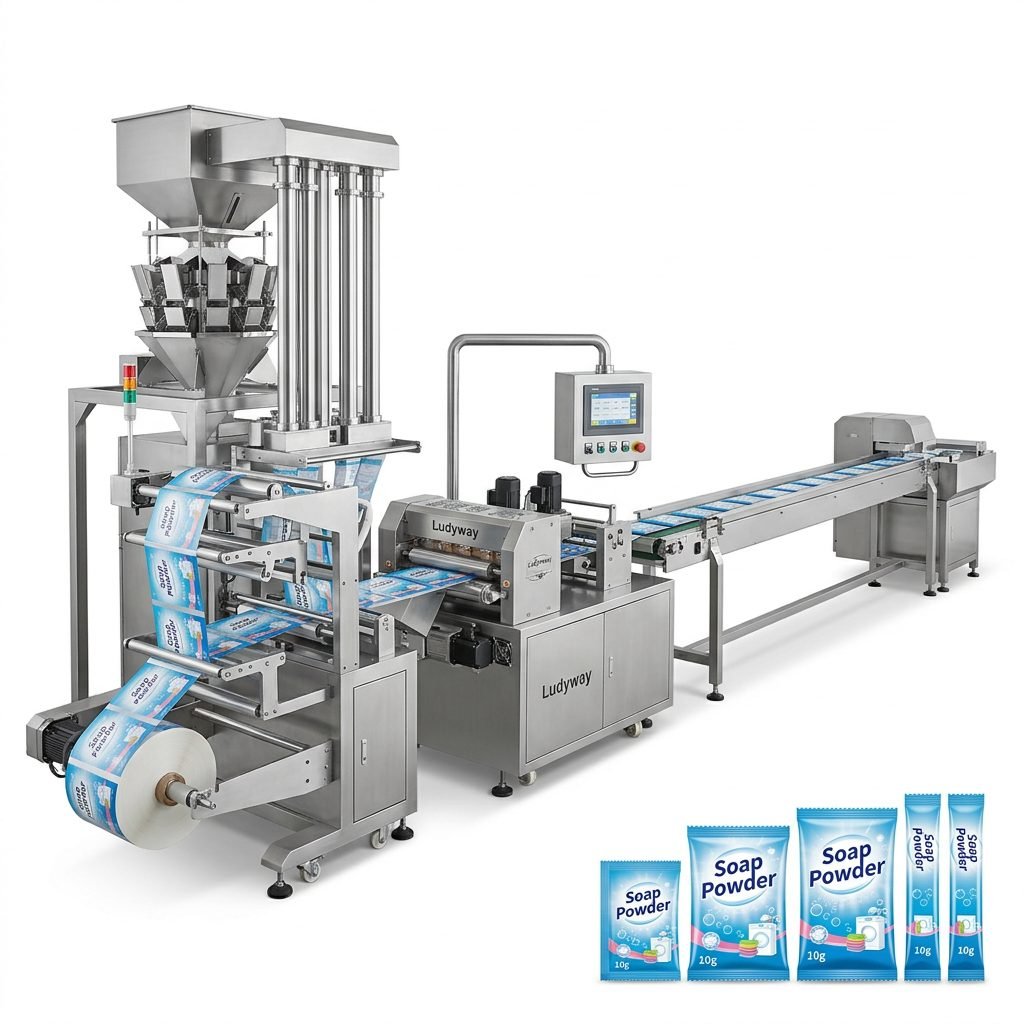
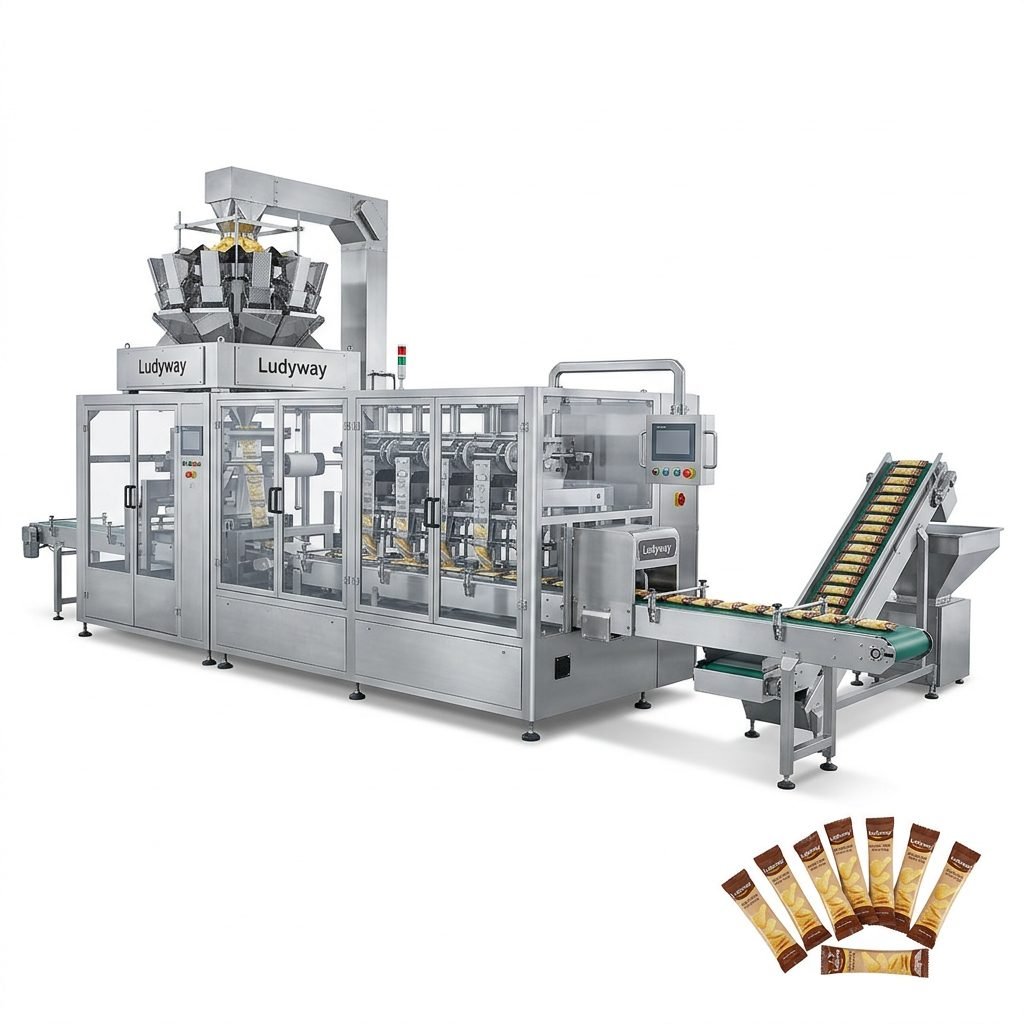
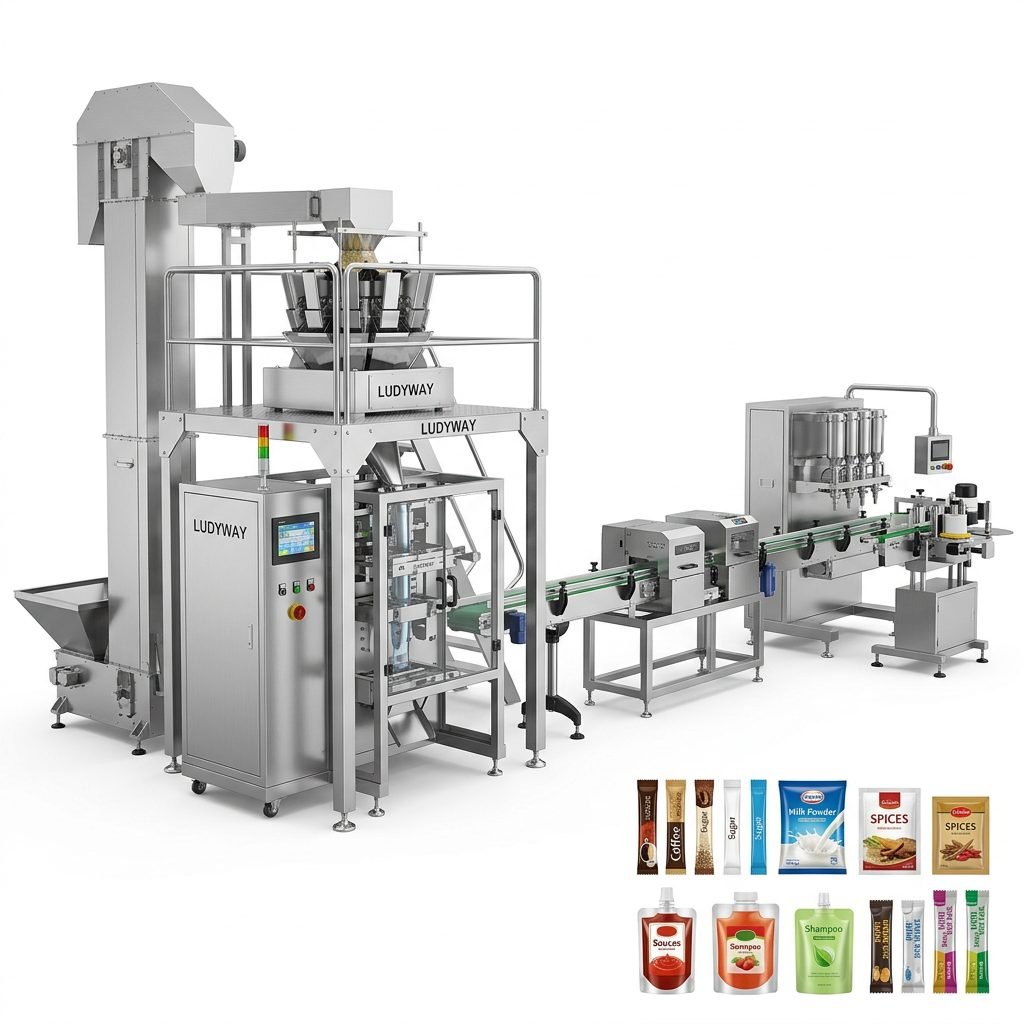
Equipment selection is the cornerstone of production efficiency. For meal prep applications, PMMI packaging industry resources recommend evaluating machinery based on product characteristics, throughput requirements, and packaging formats. Key equipment categories include:
Key Equipment Specifications
| Equipment Type | Best For | Packaging Formats | Typical Output |
|---|---|---|---|
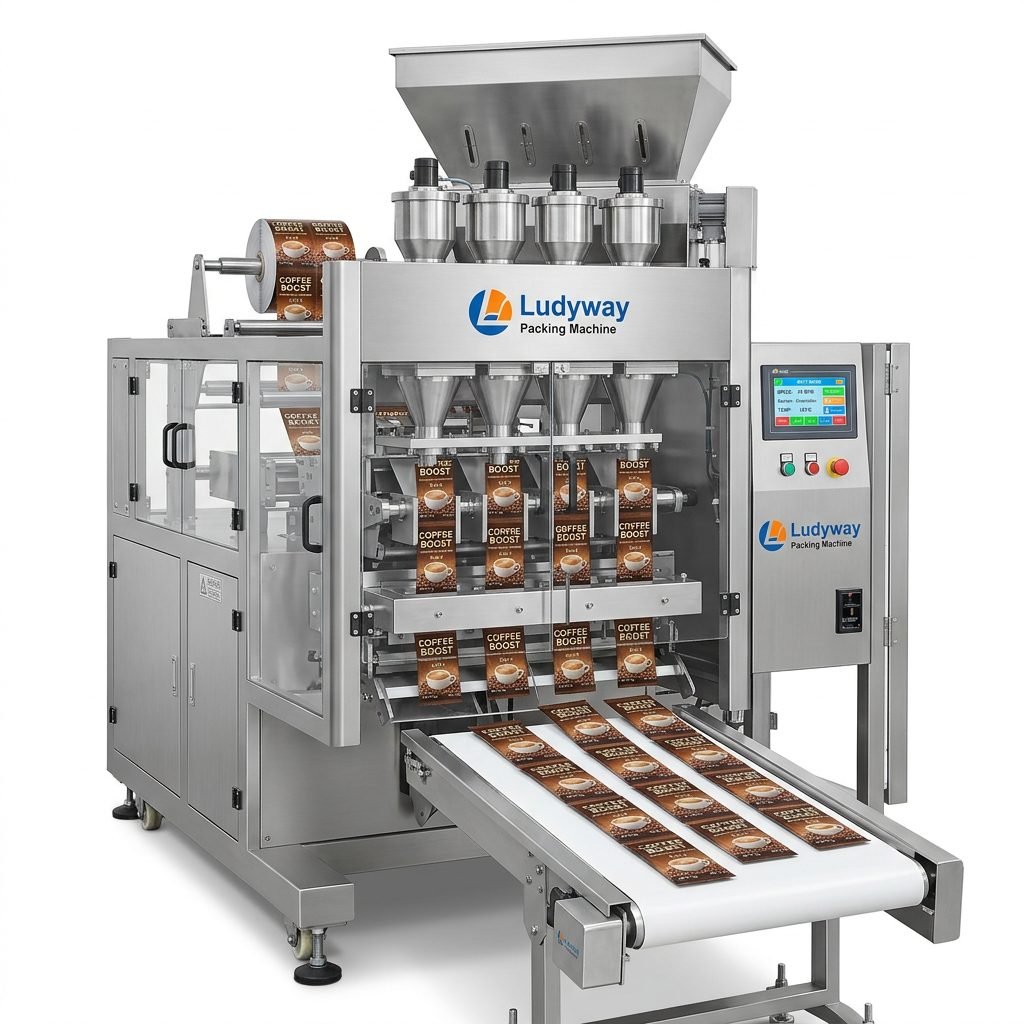
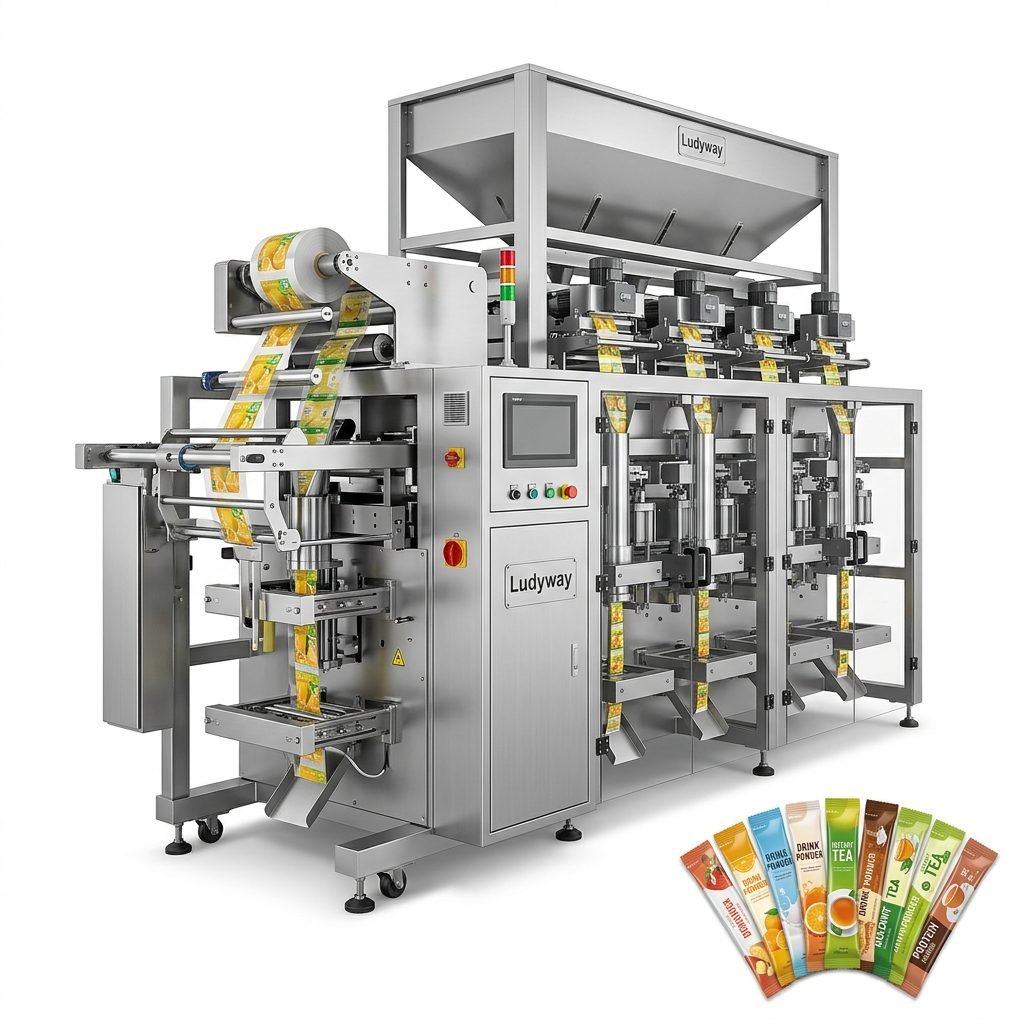
| Multi-Lane Stick Pack Machines | Powders, granules, single-serve portions | Stick packs, sachets | 200-800 packs/min |
| Vertical Form Fill Seal (VFFS) | Larger pouches, multi-component kits | Pillow bags, gusseted pouches | 60-180 bags/min |
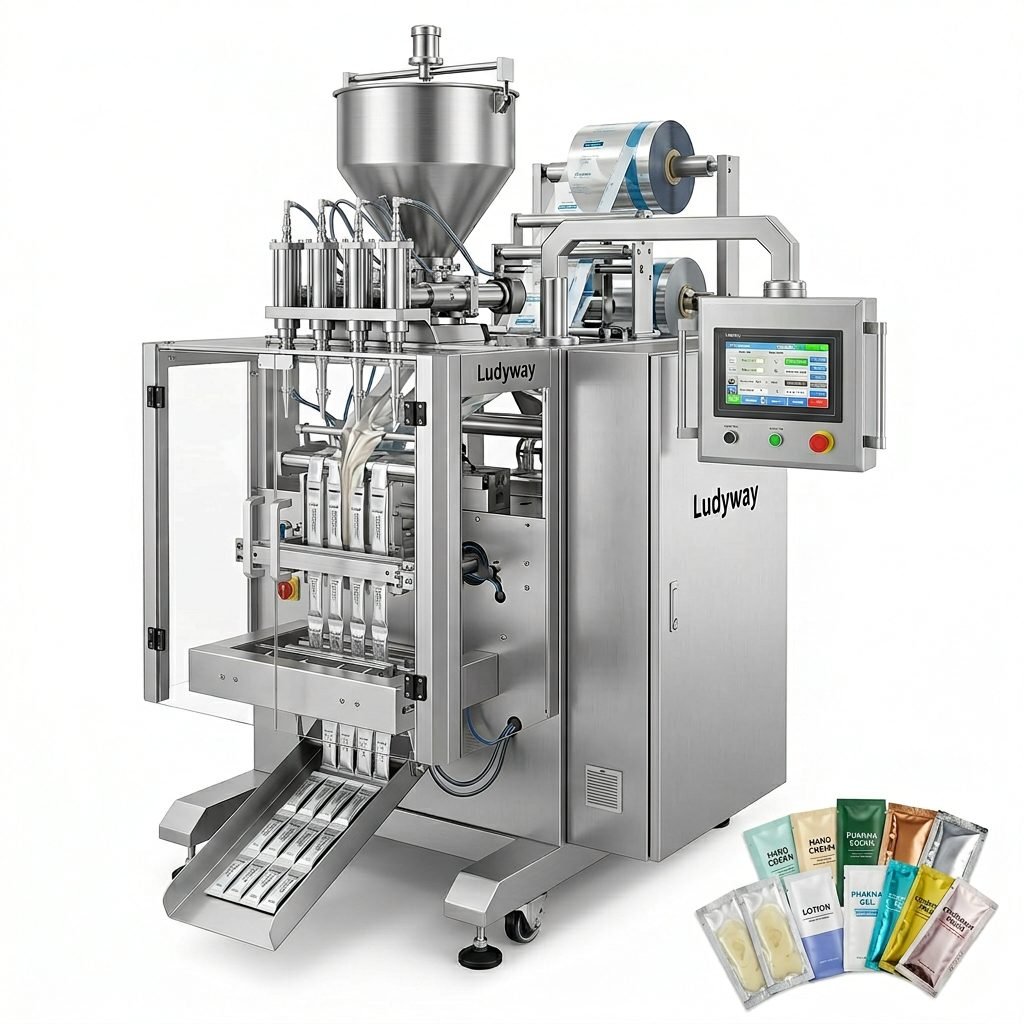
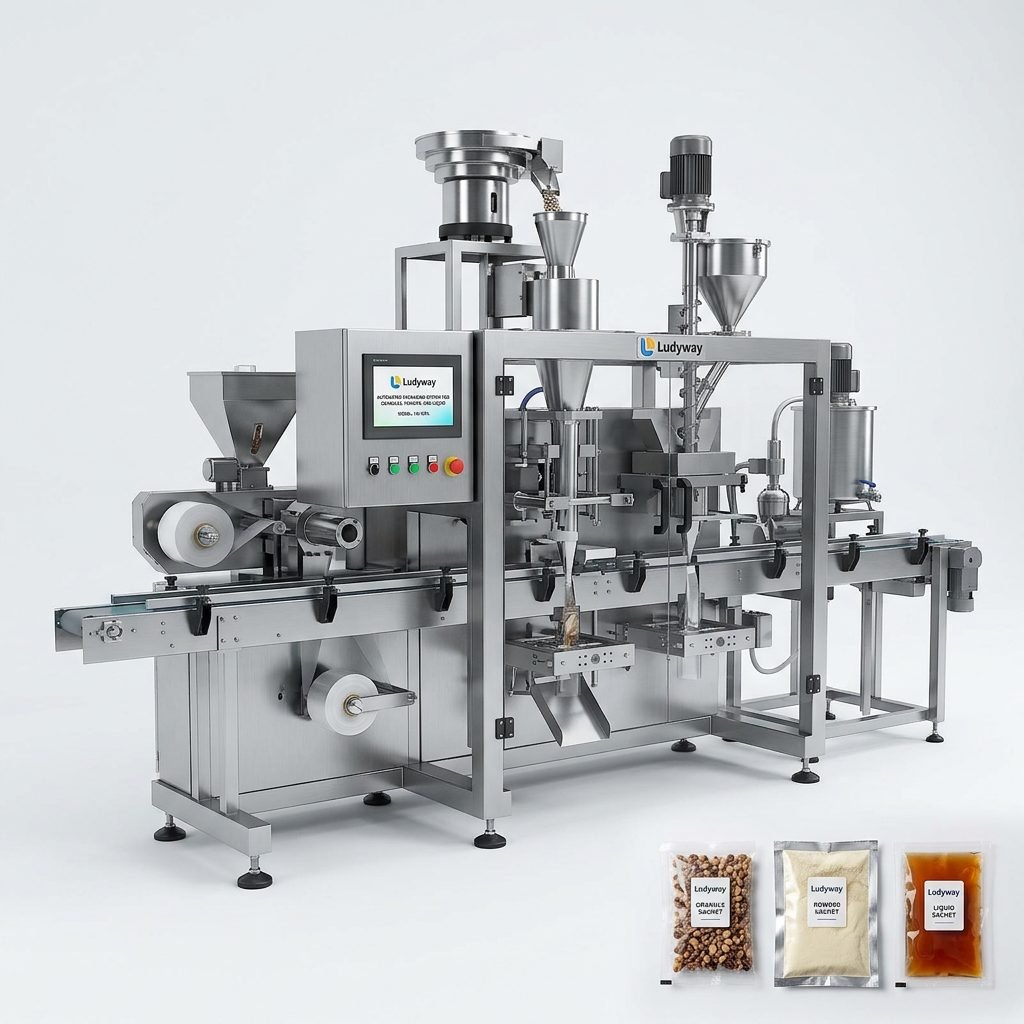
| Liquid Filling & Sealing Lines | Sauces, dressings, liquid meal components | Sachets, pouches, bottles | 100-400 units/min |
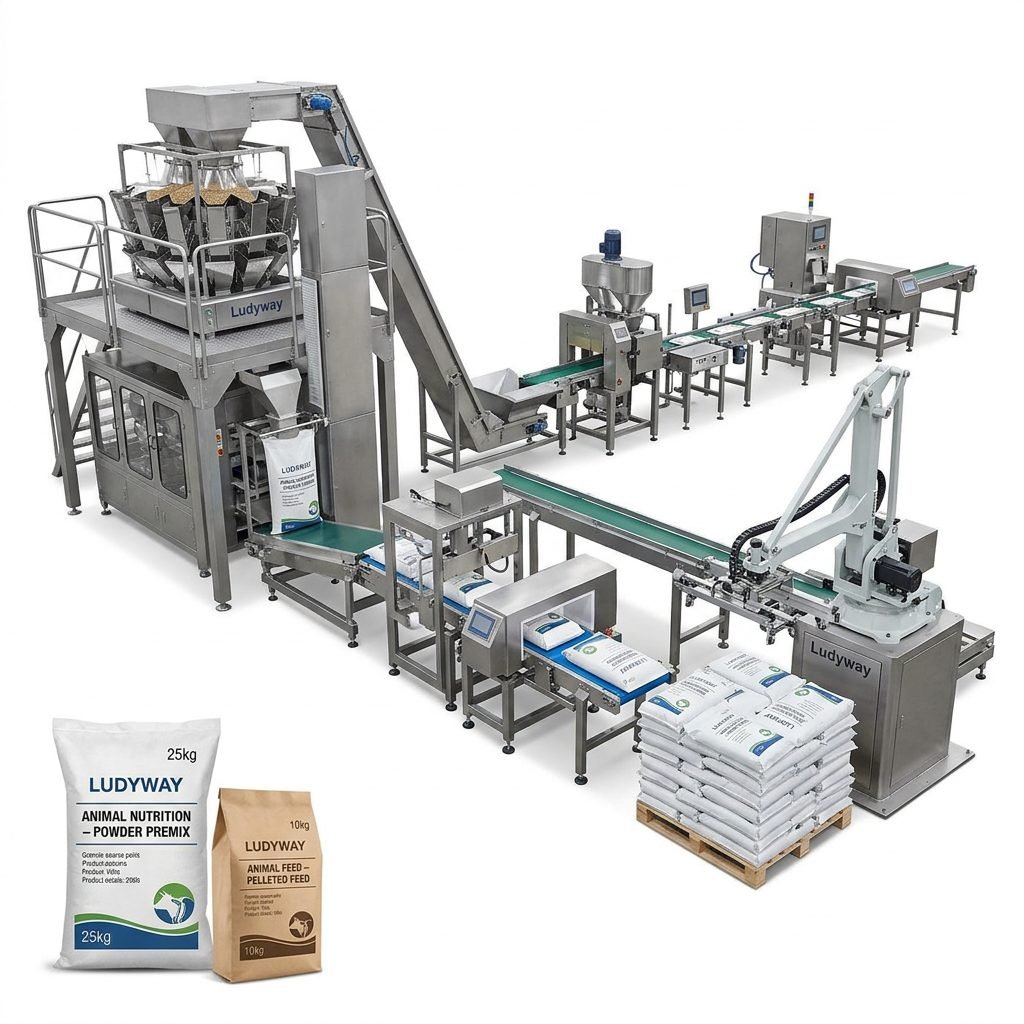
| Turnkey Integrated Systems | End-to-end meal kit assembly | Multi-format, customized | Project-specific |
When sourcing equipment, partnering with experienced manufacturers is critical. Ludyway, with over 30 years of industry expertise and a 20,000㎡ modern production facility, offers turnkey packaging line solutions for granule, powder, and liquid meal prep products across more than 100 countries, providing reliable equipment that meets North American production standards.

Facility Planning and Production Line Layout
A well-designed facility layout maximizes throughput and minimizes contamination risks. The Flexible Packaging Association recommends zoning your production floor into distinct areas:
- Raw material receiving — with quarantine zones for incoming inspection
- Ingredient preparation — weighing, blending, and pre-processing stations
- Primary packaging zone — where filling and sealing operations occur in a controlled environment
- Secondary packaging area — cartoning, case packing, and palletizing
- Finished goods storage — organized by batch for efficient distribution
Installation, Testing, and Staff Training
Proper installation sets the foundation for long-term operational success. Begin with a detailed site assessment covering utility requirements — electrical supply, compressed air, water connections, and ventilation. After mechanical installation, conduct systematic testing phases:
Testing Phases
- Dry testing — verify mechanical movements without product to confirm alignments and safety systems
- Wet testing with inert materials — use simulants to calibrate fill weights, seal integrity, and speed settings
- Production validation — run actual products to fine-tune parameters and validate output quality
- Operator training — comprehensive hands-on training covering operation, troubleshooting, and sanitation procedures
Maintenance and Long-Term Support
Implementing a preventive maintenance program from day one reduces unplanned downtime and extends equipment life. PMMI business intelligence reports indicate that proactive maintenance can reduce total cost of ownership by up to 30%. Critical elements include:
- Daily cleaning and inspection — operator-level checks at shift start and end
- Weekly maintenance — lubrication, wear-part inspection, and sensor calibration
- Monthly deep service — comprehensive mechanical and electrical system reviews
- Annual overhaul — replacement of critical wear components and system optimization
- Remote support access — enabling rapid diagnostics and minimizing technician travel costs
Automation and Future-Proofing Your Investment
Smart packaging lines equipped with IoT-enabled monitoring, real-time data analytics, and predictive maintenance capabilities are becoming the standard. When selecting your production line, prioritize modular designs that allow for capacity expansion and format changes. Flexible Packaging Association knowledge resources highlight the growing importance of automation for labor optimization and consistent product quality.
Key Takeaways for a Successful Setup
- Start with regulatory research — FDA, ISO, and industry-specific standards must guide every decision
- Choose flexible, scalable equipment — modular multi-lane systems adapt as your product line grows
- Invest in operator training — skilled teams maximize equipment ROI and ensure consistent output
- Plan for maintenance from day one — preventive programs protect your capital investment
- Prioritize food safety design — sanitary equipment features reduce contamination risk and simplify compliance
By following this structured approach to setting up a meal prep packaging machine production line in North America, you position your operation for efficiency, compliance, and scalable growth in this dynamic market. The investment in quality equipment, thorough planning, and ongoing support pays dividends through reliable production and satisfied customers.