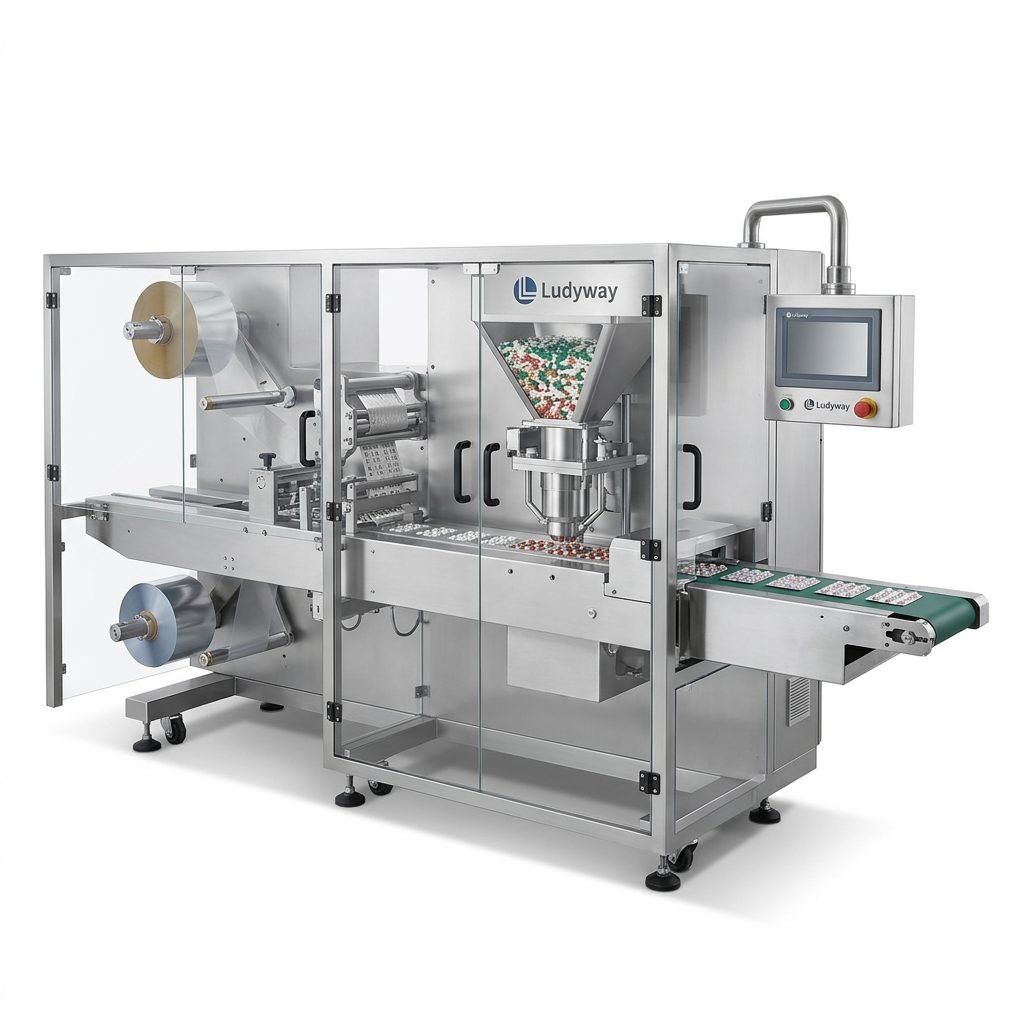
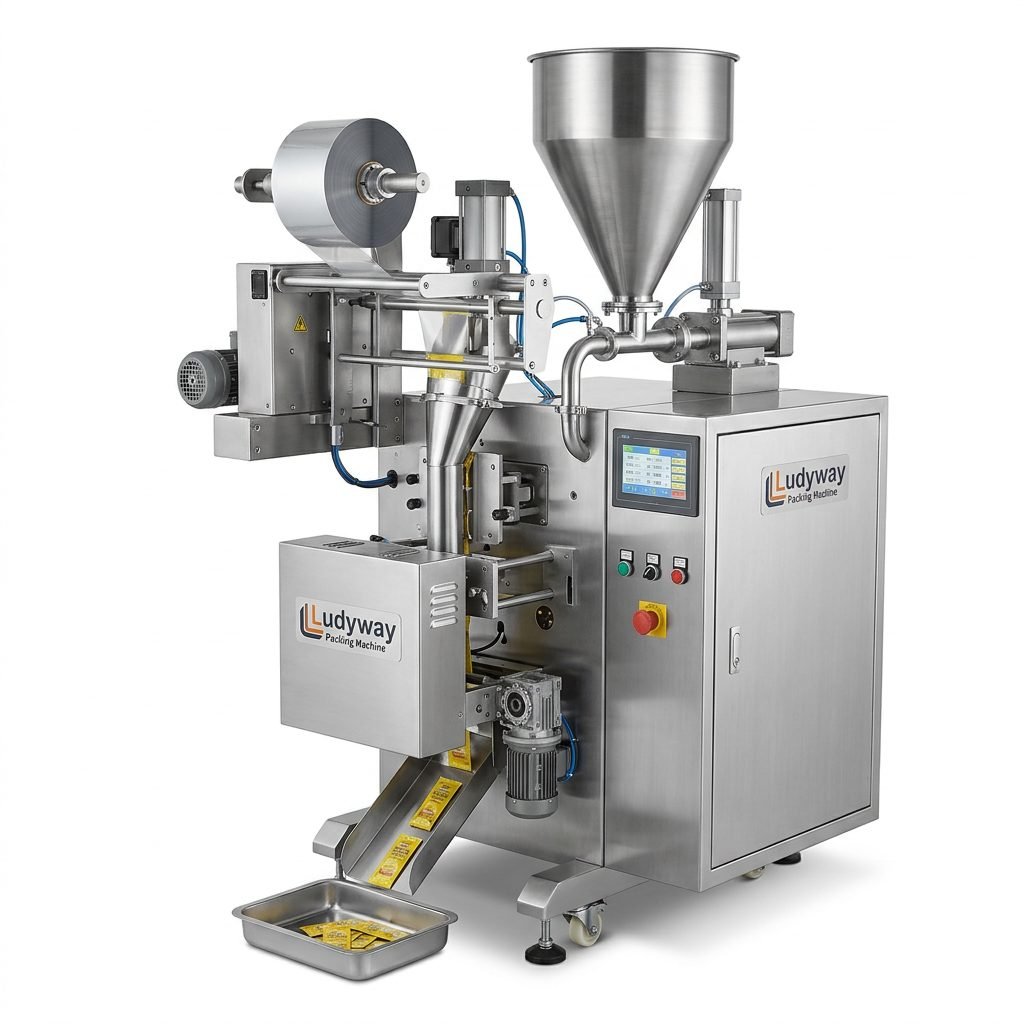
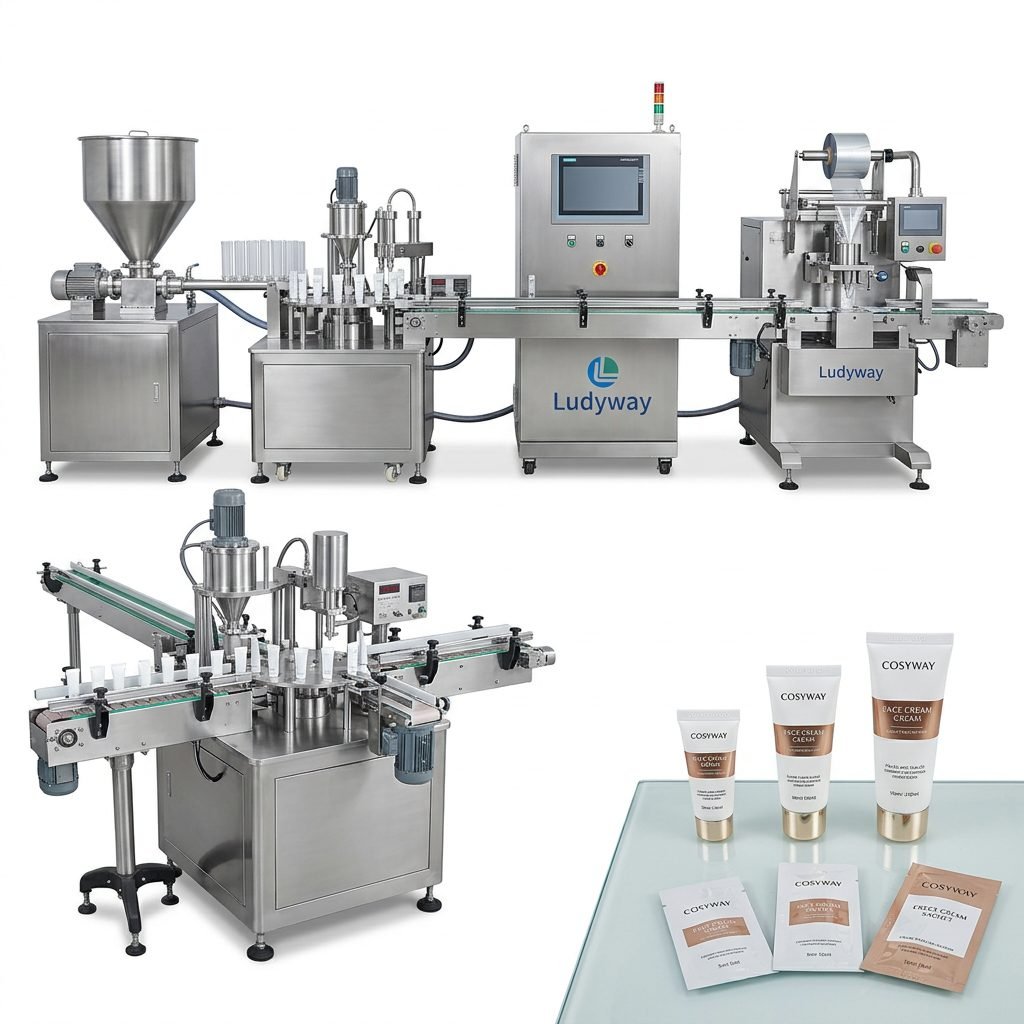
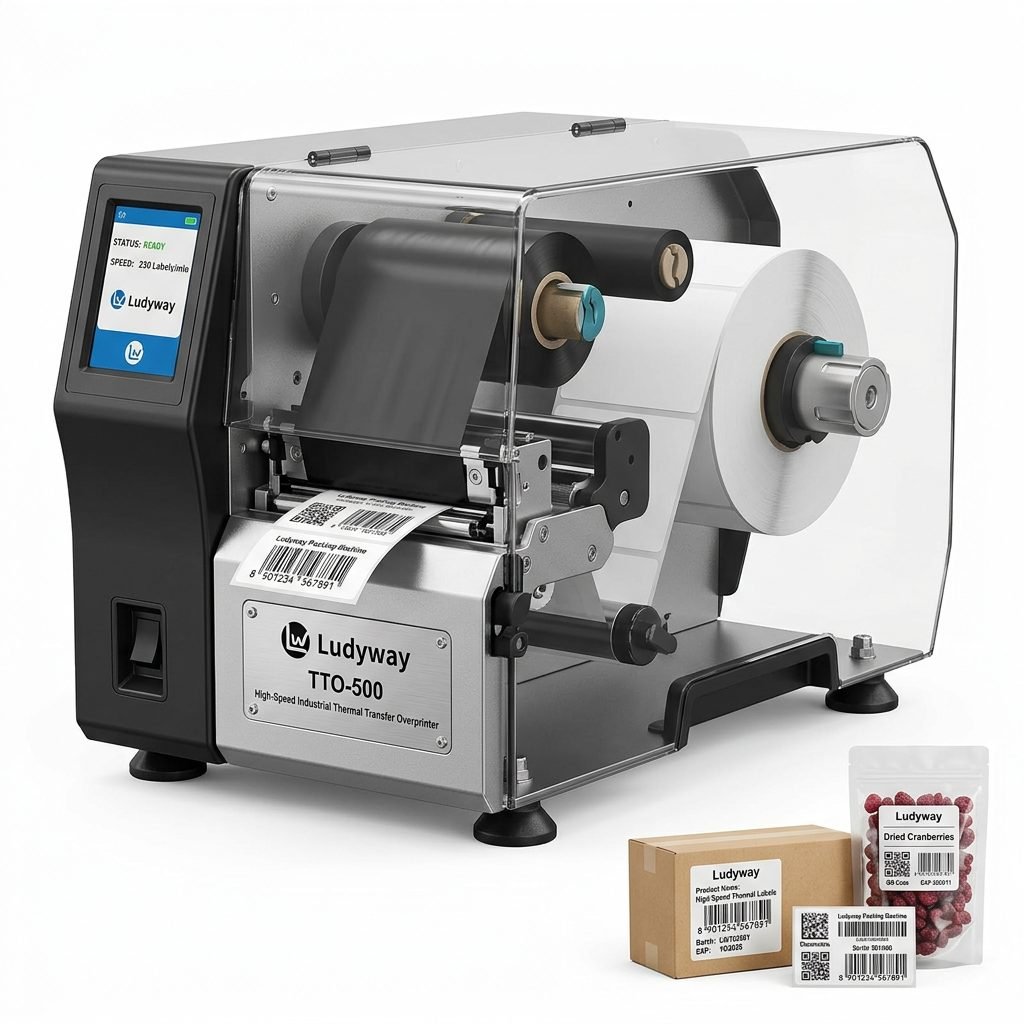
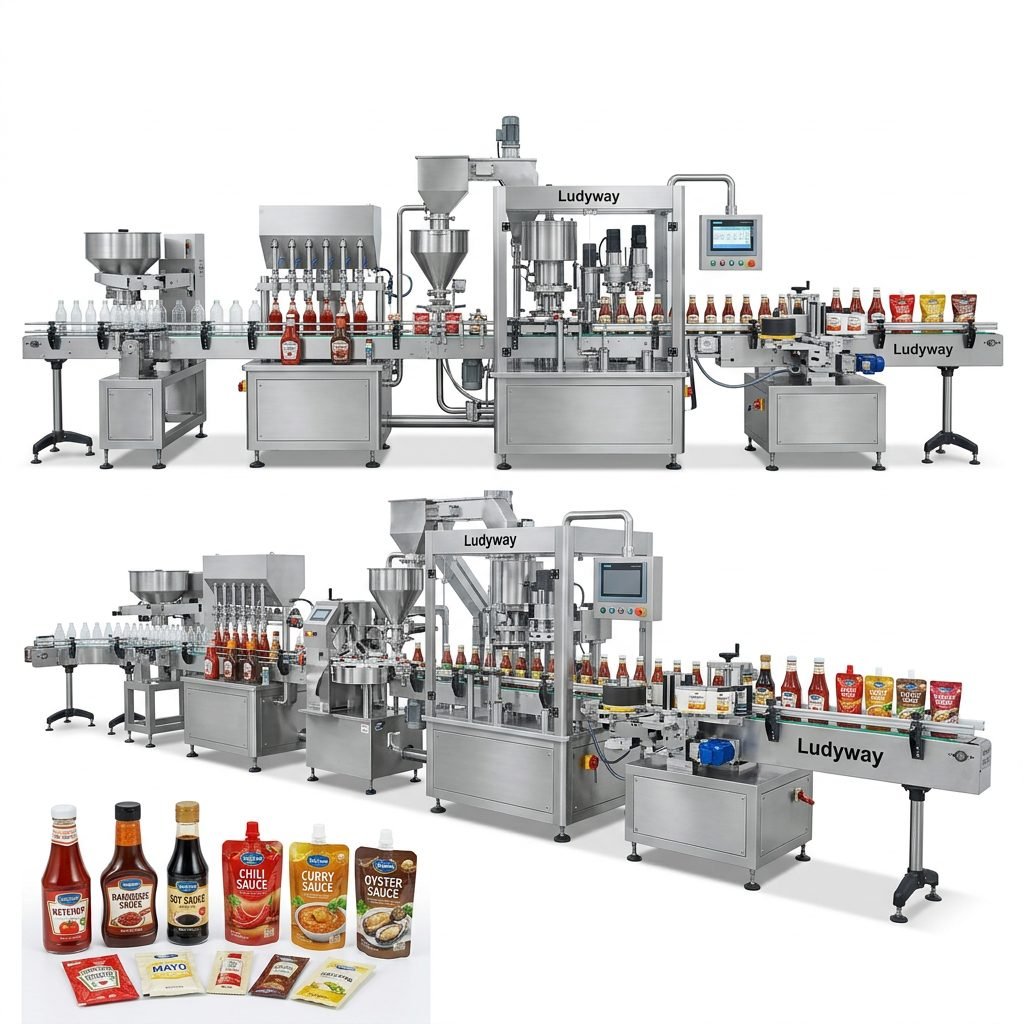
A La Minerva vacuum packaging machine is a precision instrument designed to extend the shelf life of food, pharmaceutical, and industrial products by removing atmospheric oxygen from sealed packages. To ensure consistent sealing performance, avoid costly downtime, and preserve product integrity, a structured maintenance routine is essential. This guide outlines the critical daily, weekly, and monthly procedures every operator and technician should follow.

Daily Maintenance Checklist
Daily care is the first line of defense against premature wear. Before beginning each shift, operators should perform these quick but vital checks. Consistent daily habits can prevent up to 80% of common vacuum pump failures and maintain optimal vacuum levels.
- Inspect the seal bar and silicone sealing gasket for food residue, burns, or physical damage. A worn seal bar is the most common cause of incomplete sealing.
- Clean the vacuum chamber with a dry, lint-free cloth to remove moisture, powder, or product debris that can obstruct the lid closure.
- Check the oil level and clarity in oil-lubricated vacuum pumps. Milky or dark oil indicates contamination and requires immediate replacement.
- Verify the digital control panel displays normal readings without error codes. Reset any alarms according to the manufacturer manual.
- Wipe down the external stainless steel surfaces to prevent corrosive buildup from acidic food products or harsh cleaning chemicals.
Weekly Maintenance Tasks
Weekly procedures dive deeper into the machine’s functional components. Investing 30 minutes each week significantly extends the service life of your equipment and ensures compliance with FDA packaging safety standards.
- Remove and thoroughly clean the sealing bar assembly. Inspect the heating element wire for signs of stretching or hot spots that indicate imminent failure.
- Clean or replace the vacuum pump inlet filter. A clogged filter forces the pump to work harder, increasing operating temperature and energy consumption.
- Test the vacuum sensor calibration using a calibrated external gauge. Deviation of more than 2% from the setpoint suggests sensor drift or a minor leak.
- Lubricate hinges, lid pistons, and mechanical linkages with food-grade lubricant to maintain smooth, effortless chamber closure.
- Inspect all pneumatic hoses and electrical cable connections for cracks, abrasions, or loose fittings.

Monthly and Quarterly Deep Maintenance
Comprehensive monthly inspections prevent catastrophic failures and are aligned with guidelines from organizations like the Association for Packaging and Processing Technologies (PMMI). These tasks may require a qualified maintenance technician.
| Component | Action Required | Frequency | Warning Sign |
|---|---|---|---|
| Vacuum Pump Oil | Complete oil drain and refill with manufacturer-specified viscosity | Monthly / Every 500 hours | Pump emits unusual noise or fails to reach target vacuum |
| Vacuum Chamber Lid Gasket | Inspect for flattening or cracking; replace if shape memory is lost | Monthly visual; replace annually | Extended vacuum pull-down time or hissing sound during cycle |
| Electrical Terminals | Torque all screw terminals to specification; check for heat discoloration | Quarterly | Intermittent control panel restarts or flickering display |
| Gas Flush System (MAP) | Clean gas nozzles and verify flow rate with a calibrated flow meter | Monthly | Residual oxygen levels above acceptable threshold in packaged product |
Troubleshooting Common Vacuum Issues
Even with diligent maintenance, operational issues can arise. Rapid diagnosis minimizes production line stoppages. Use the table below to identify the root cause of frequent problems on a La Minerva vacuum machine.
| Symptom | Possible Cause | Corrective Step |
|---|---|---|
| Weak or incomplete bag seal | Contaminated sealing bar or insufficient heating temperature | Thoroughly clean the bar; increase seal time in 0.2-second increments |
| Pump runs but vacuum is not achieved | Worn lid gasket or obstructed vacuum port | Replace gasket; clear any product debris from the vacuum channel |
| Excessive oil mist from pump exhaust | Overfilled oil reservoir or failed exhaust filter element | Drain oil to correct level; install new OEM exhaust filter |
| Machine shuts off mid-cycle | Thermal overload protection activated or faulty relay | Allow pump to cool; check electrical connections for tightness |
The Importance of Genuine Spare Parts and Consumables
Using non-OEM sealing gaskets, heating elements, or vacuum pump oil is a false economy. Generic parts often degrade faster and can compromise the vacuum integrity of the entire system. Always procure replacement components that match the original specifications to maintain the warranty coverage and operational safety of your machine. Reputable suppliers adhering to ISO packaging machinery standards will provide traceable certification for critical wear items.

Partnering for Long-Term Reliability
While in-house maintenance covers many routine tasks, annual professional servicing is indispensable for calibrating sensors, testing safety interlocks, and overhauling the vacuum pump assembly. For organizations seeking high-performance packaging equipment and expert after-sales support, Ludyway provides a comprehensive range of industrial vacuum packaging machines backed by extensive technical documentation and spare parts availability. Ensuring your equipment receives both operator-level daily care and professional annual servicing is the definitive formula for maximizing return on investment and guaranteeing food safety compliance year after year.