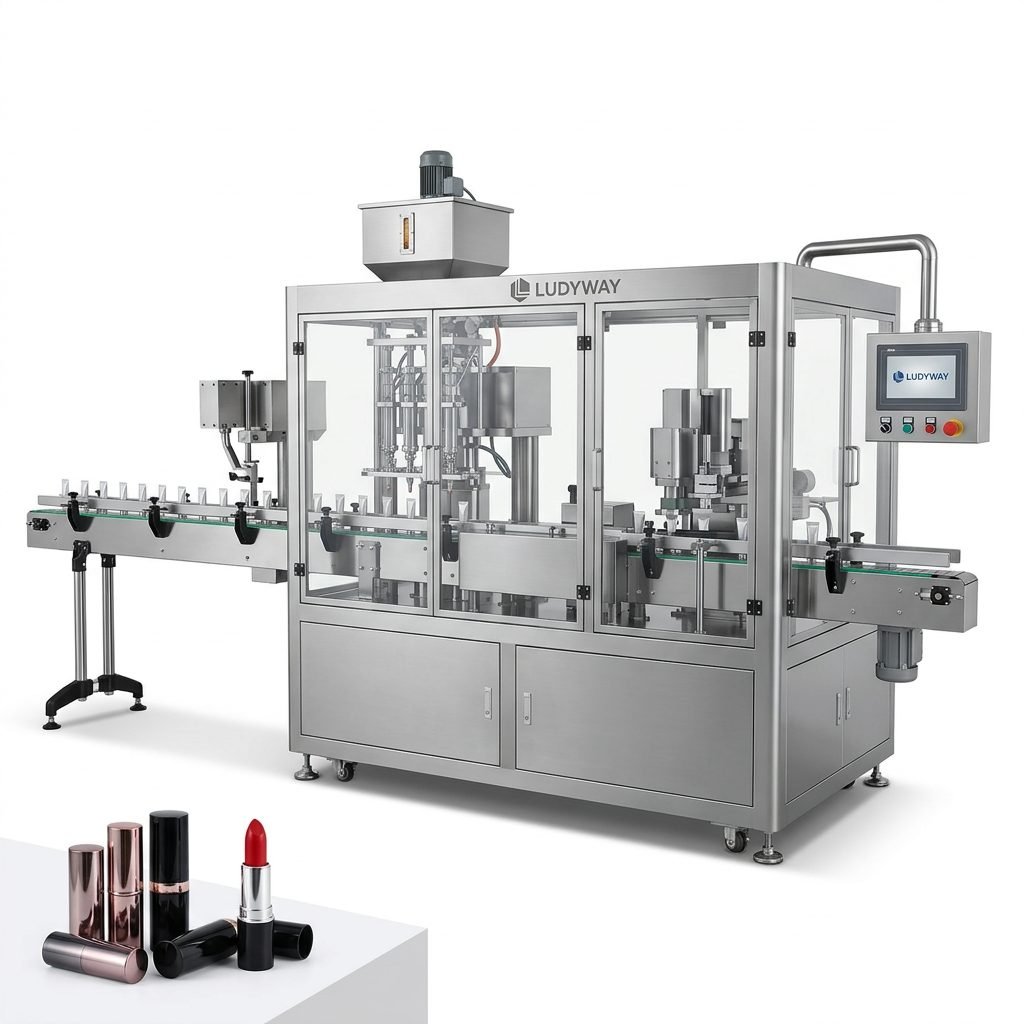
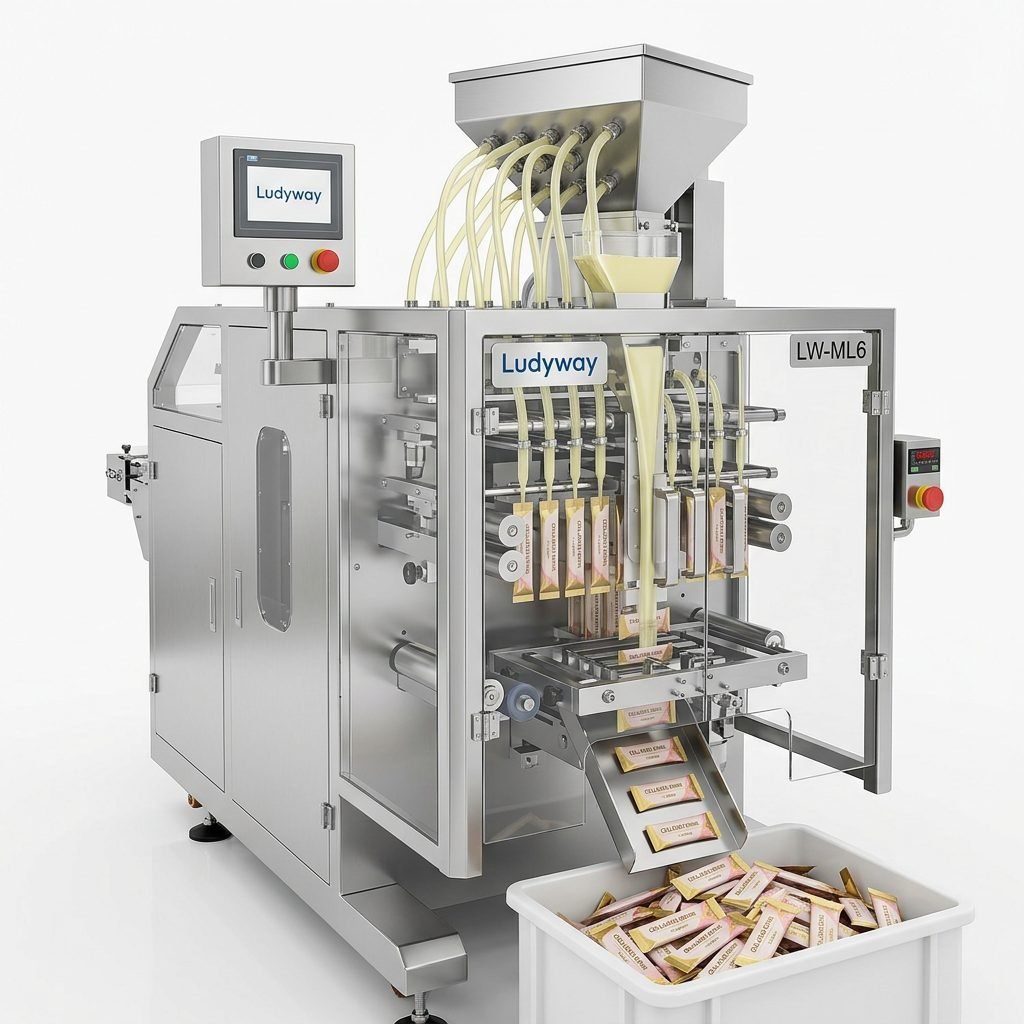
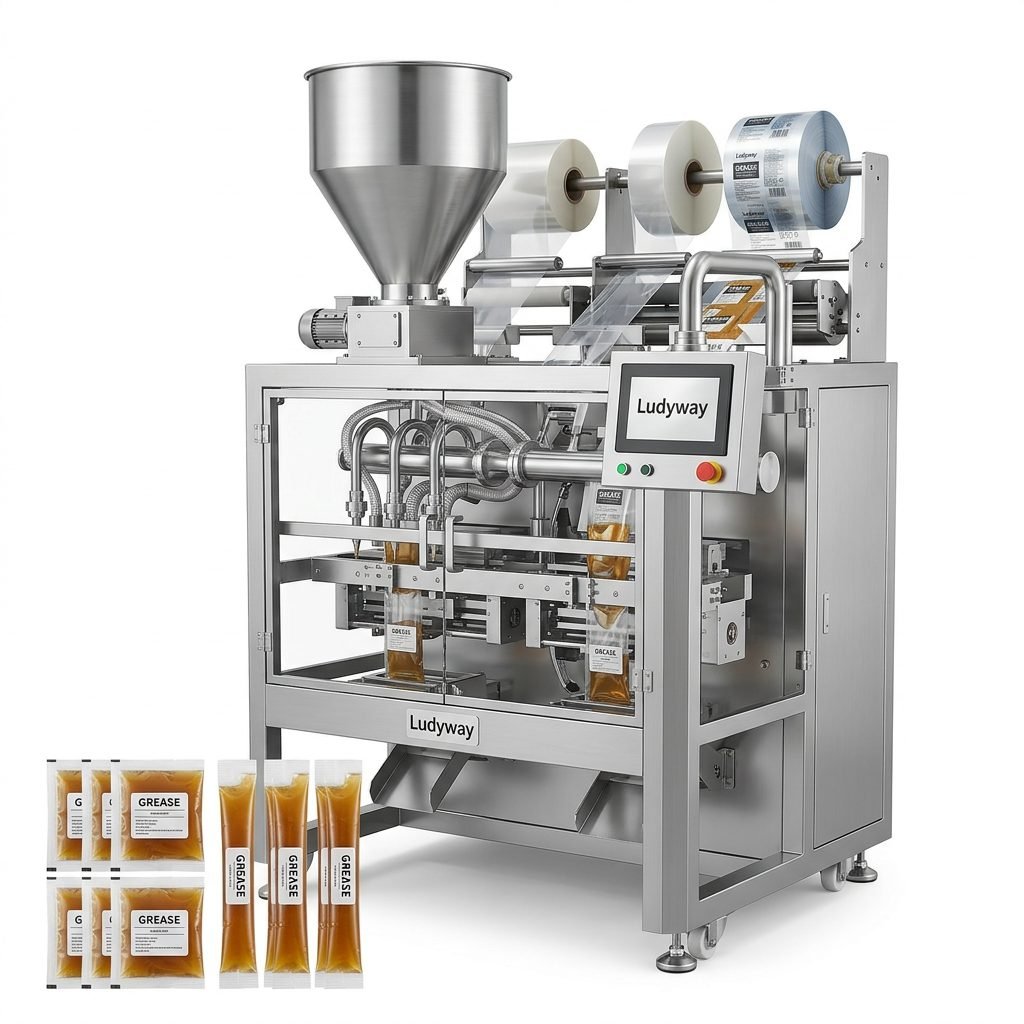
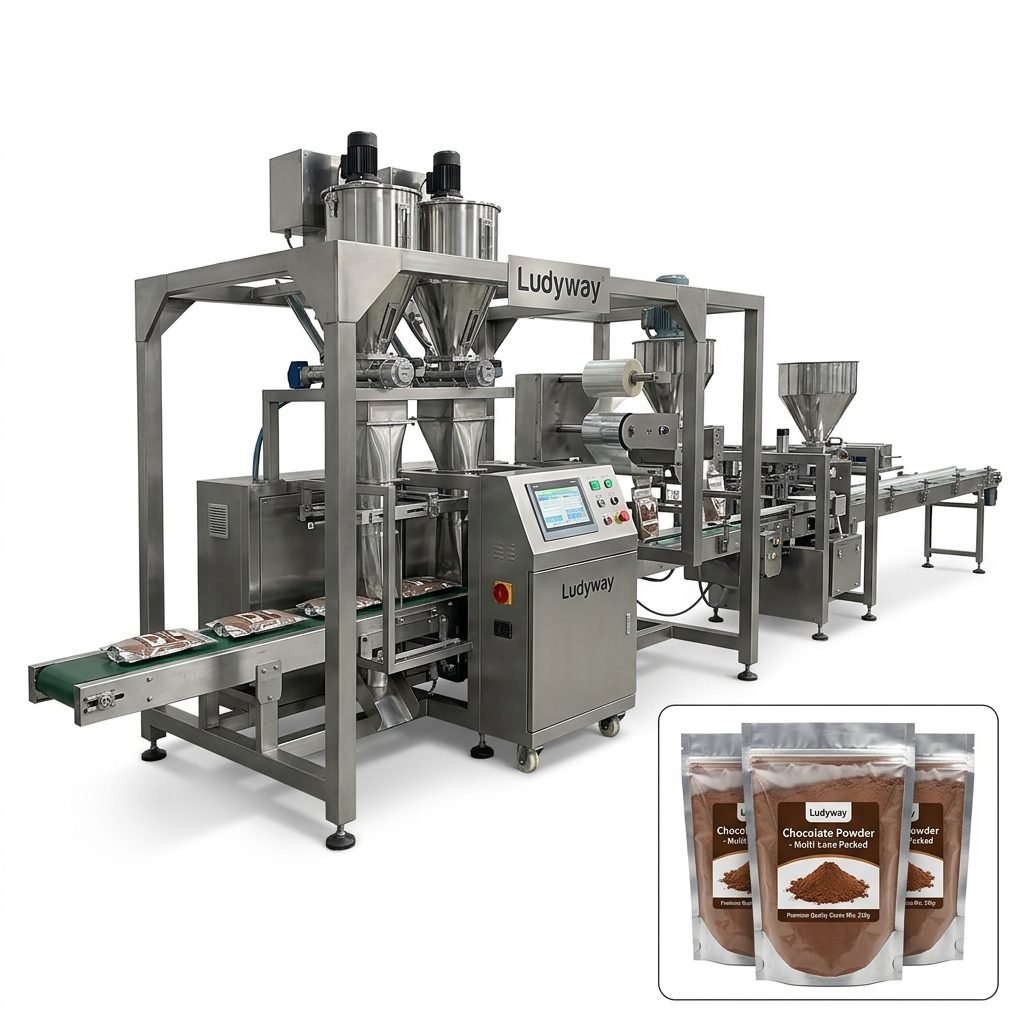
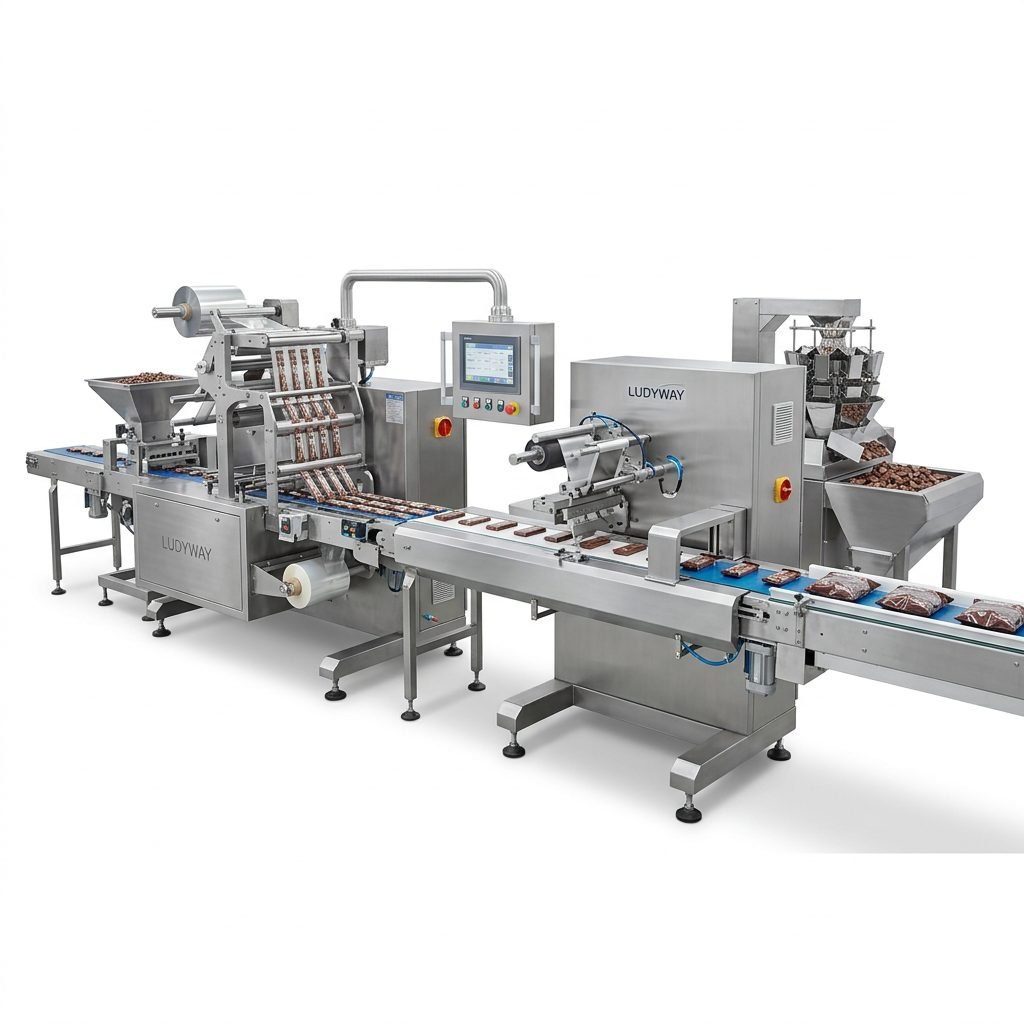
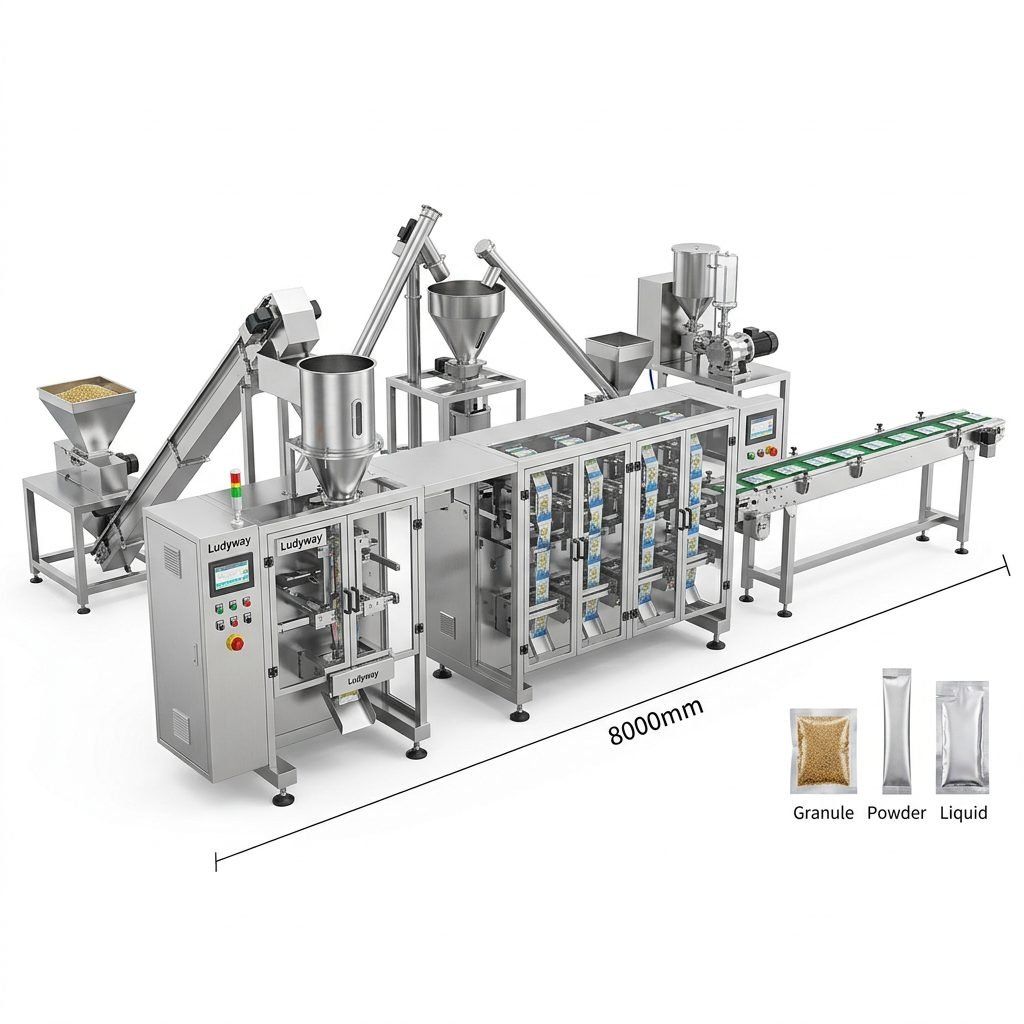
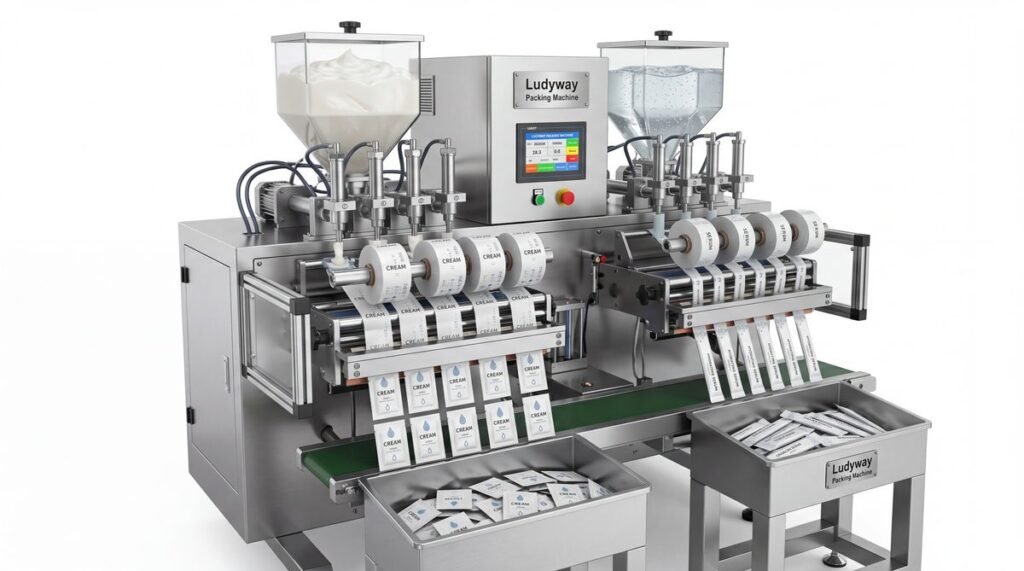
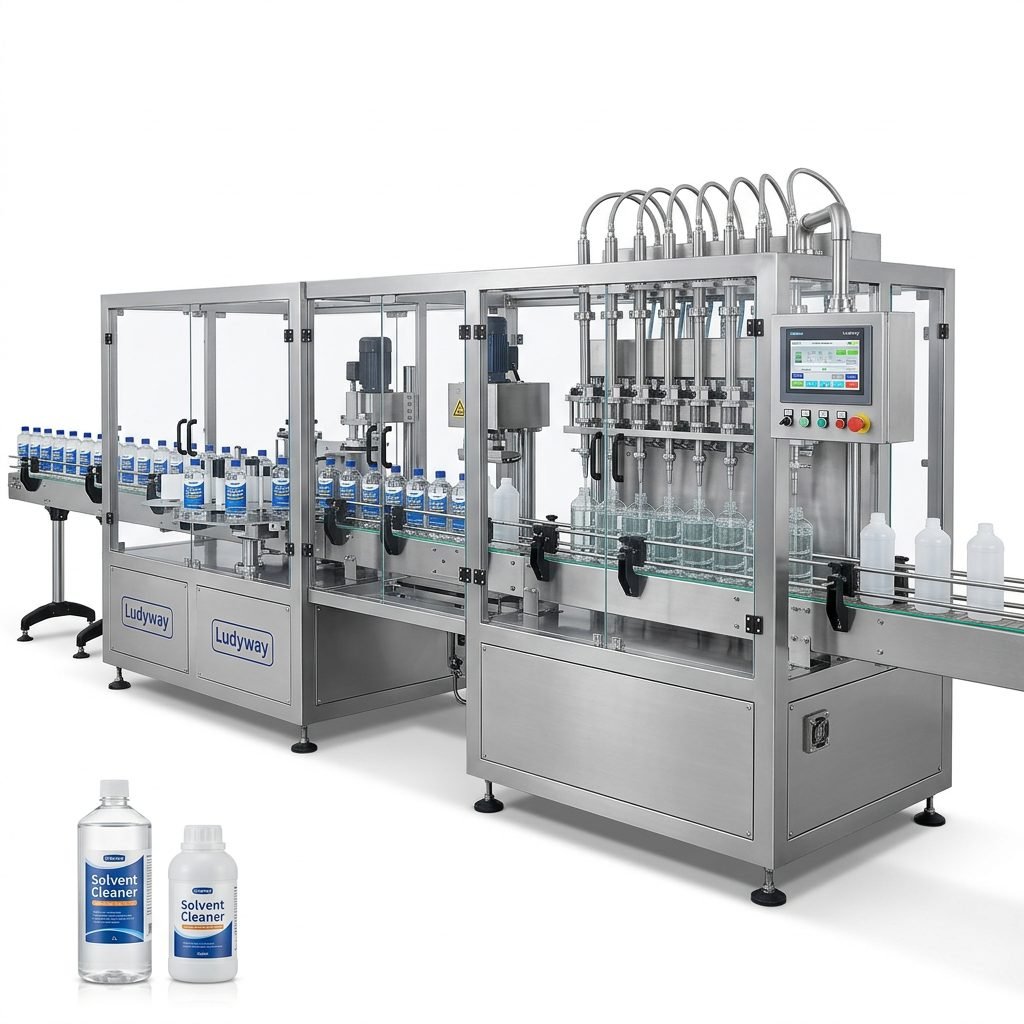
Regular and proper maintenance is the cornerstone of maximizing the lifespan and efficiency of your mask packing machine. A well-structured routine not only prevents unexpected downtime but also ensures consistent product quality and hygiene standards, which are critical in the cosmetic and pharmaceutical industries. Neglecting essential cleaning can lead to product contamination, seal integrity failures, and costly mechanical repairs.
Why Routine Maintenance is Non-Negotiable
For manufacturers relying on high-speed production lines, a malfunctioning packaging machine can create significant bottlenecks. Proactive care minimizes the total cost of ownership and maintains the resale value of your equipment. Furthermore, in regulated sectors, maintenance logs are often mandatory for compliance audits.
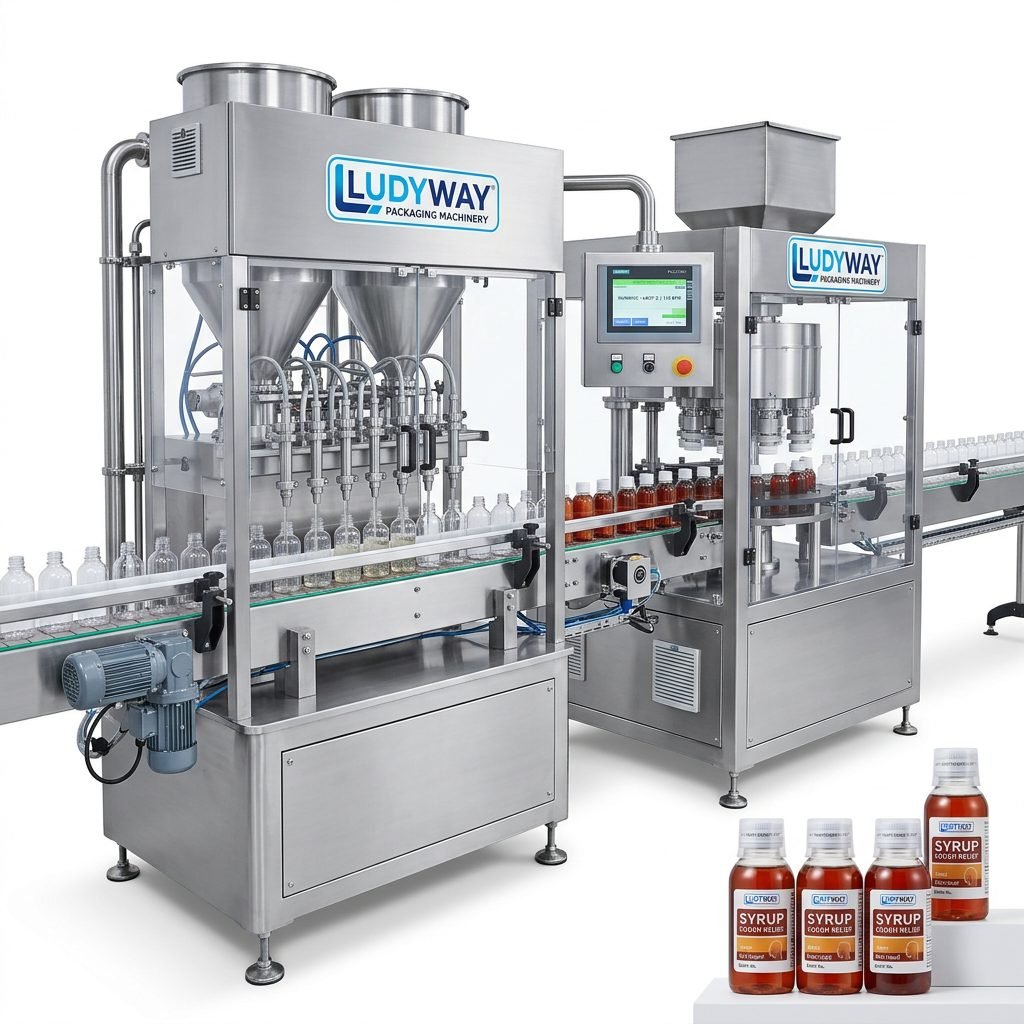
Daily Cleaning Protocols for Optimal Hygiene
Daily cleaning should focus on product contact surfaces and areas prone to residual build-up. Always consult your machine’s manual before using chemical cleaners, as harsh solvents can degrade seals and sensors.
- Power Down and Lockout: Always disconnect the main power supply before any cleaning procedure.
- Remove Residual Film and Product: Clear the forming tube, sealers, and cutting station of any leftover packaging material or spilled product.
- Air Blow and Vacuum: Use clean, dry compressed air to blow away loose powder from the photoelectric sensors and drives. Follow up with an industrial vacuum to remove the loosened debris.
- Sanitize Contact Parts: Wipe down the conveyor belt and drop funnels with a food-grade sanitizer, especially for mask packing machine applications involving wet or viscous serums.
Companies like Ludyway, one of the largest packaging machine manufacturers in China, design their systems with quick-release components specifically to facilitate these rapid daily cleandowns, ensuring minimal operator downtime.
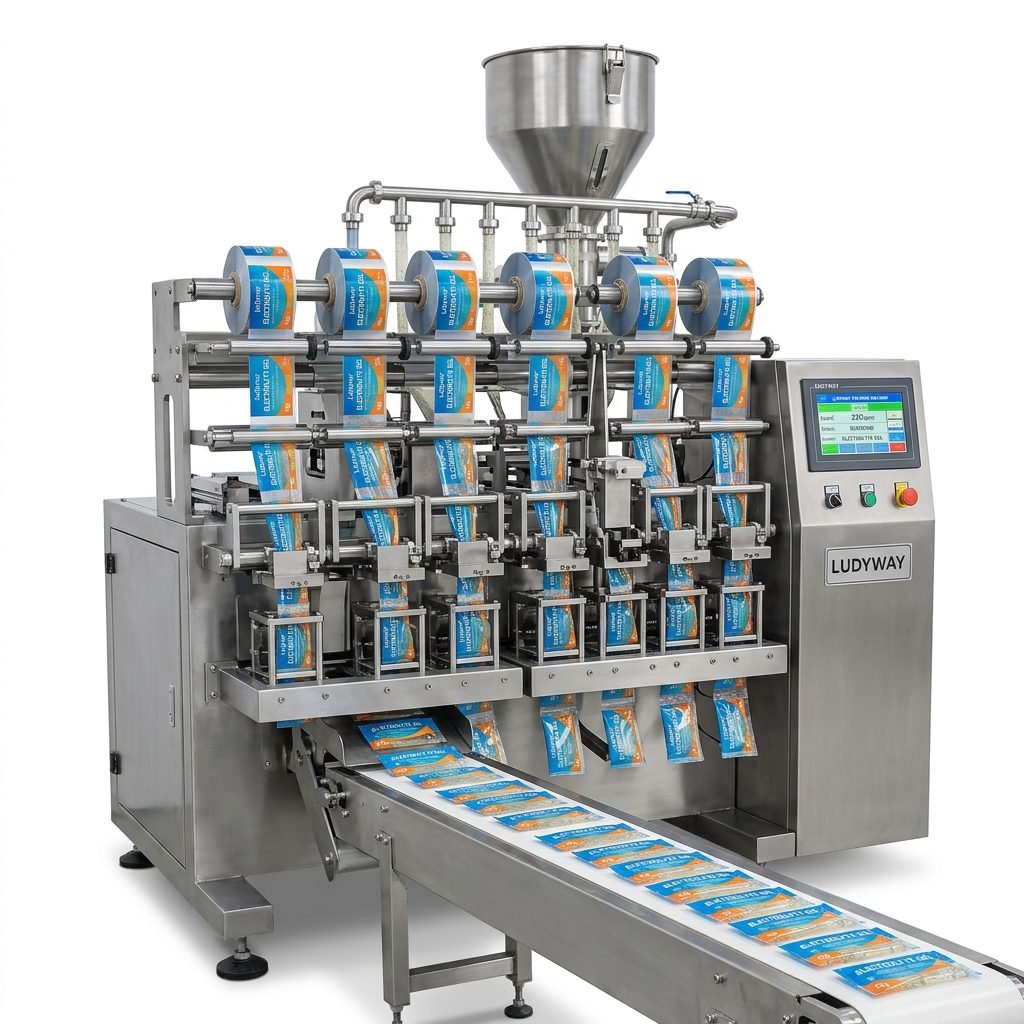
Weekly and Monthly Maintenance Checklist
A deeper level of inspection should be scheduled weekly and monthly to address wear and tear on critical components. This goes beyond cleaning to inspect mechanical and electrical integrity.
Key Weekly Inspection Points
| Component | Action Required |
|---|---|
| Sealing Jaws | Inspect for carbon residue or film sticking; clean with a soft brass brush. |
| PTFE/Non-Stick Tape | Check for wear. Replace if torn to prevent unsightly seam wrinkles. |
| Sensors (Eye Mark) | Wipe with a lint-free microfiber cloth to ensure accurate film registration. |
| Lubrication Points | Apply food-grade grease to guided rods and linear bearings. |
Monthly Mechanical Tuning
Monthly tasks often involve verifying the precision of the dosing system and checking the peak operation of the pneumatic and vacuum systems.
- Filter Replacement: Replace the air filter elements in the pneumatic unit to prevent moisture from entering the cylinders.
- Vacuum Pump Check: Clean the vacuum generator and filter. A clogged filter reduces the suction required for film unwinding.
- Belt Tension: Inspect the tension of the drive belts and chain drives; loose belts cause slippage and inaccurate bag length.
- Electrical Connections: Tighten terminal screws on heating elements and main controllers to prevent power loss or arcing.
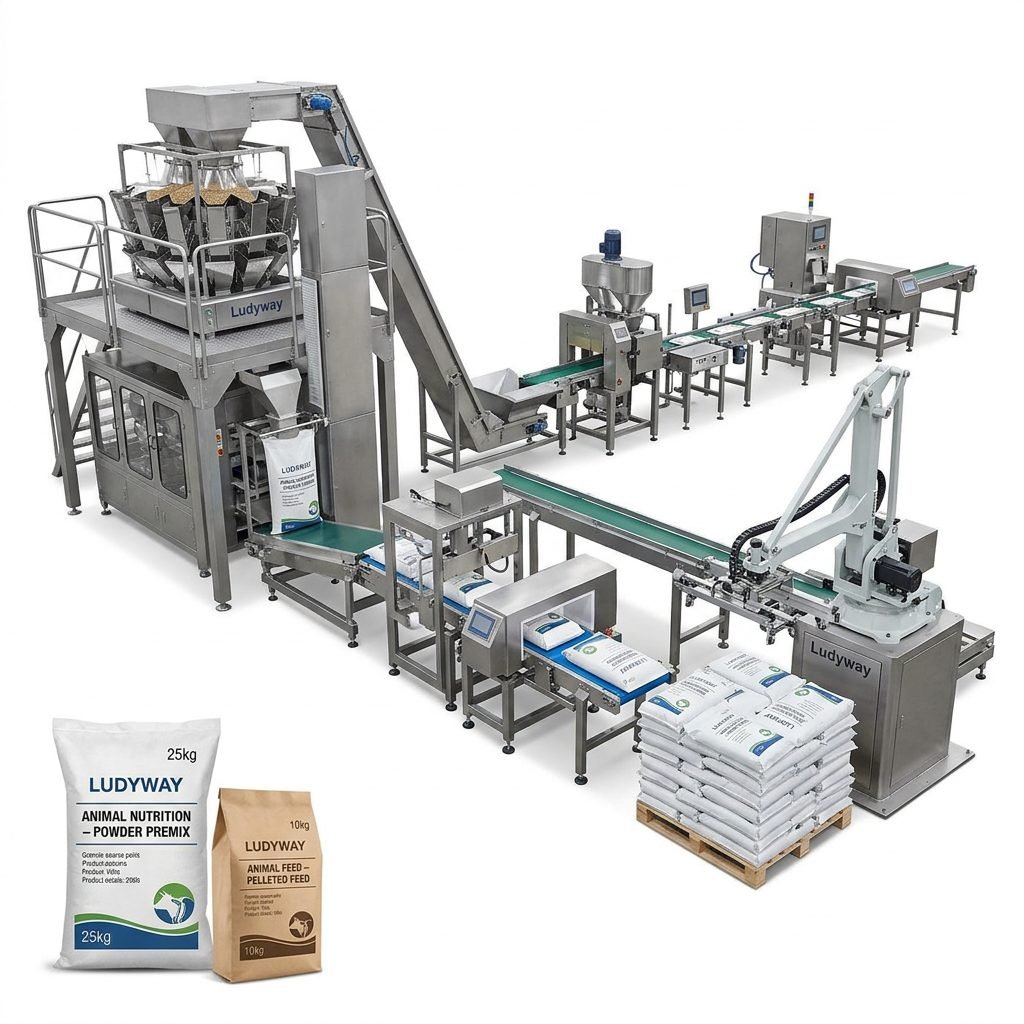
Critical Areas Often Overlooked
Even seasoned operators can miss hidden trouble spots. Pay close attention to the electrical cabinet. Ensure the cooling fans are operational and the cabinet is sealed against dust ingress. Dust accumulation on the PCB boards of the PLC or temperature controllers can cause short circuits or erratic behavior. Likewise, always drain the water trap in the compressed air line; water mixing with oil in the cylinders causes sluggish mechanical movement, directly affecting the sealing pressure of your mask packing machine.
Pro Tip: Keep a detailed logbook. Recording the hours of operation, replacement dates of wear parts, and anomaly logs helps predict failures before they halt production.
Long-Term Storage Preparation
If a machine is to be out of service for an extended period, preservation becomes vital. The biggest enemies of a stationary machine are rust and static material drying out inside the pipes.
- Complete Drainage: Fully drain all liquid reservoirs, hoppers, and product piping. Leftover serums or creams in a packing machine can harden and require extensive disassembly to remove.
- Rust Prevention: Apply a light coat of protective oil to bare metal surfaces like the forming tube and sealers. Cover the machine with a breathable canvas sheet—avoid plastic, which traps humidity.
- Environmental Control: Store the machine in a dry environment, ideally with relative humidity below 45%.
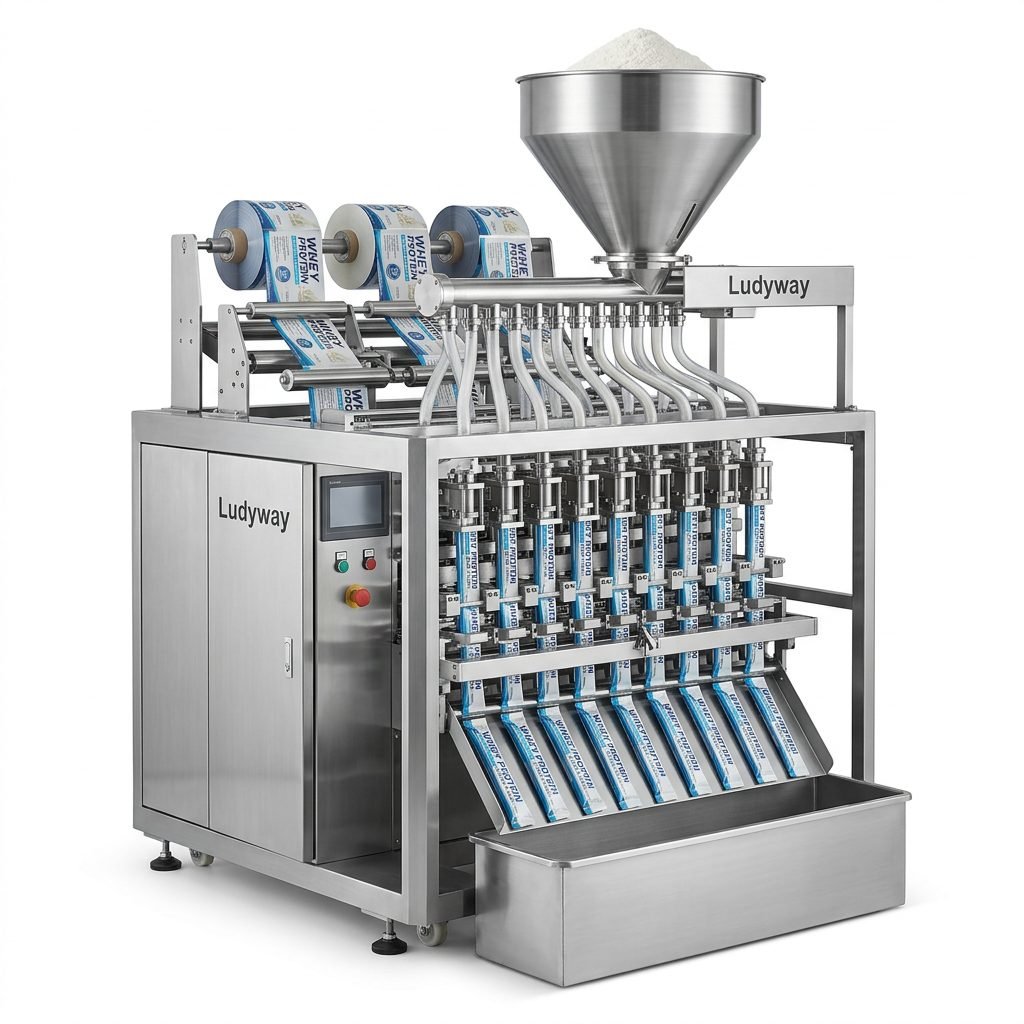
Genuine Spare Parts and Technical Support
Using non-genuine spare parts is a false economy that frequently leads to premature failure and voided warranties. Specifically, heating elements and thermocouples should be OEM-specified to ensure precise temperature control required for cosmetic mask pouches. Additionally, seek out remote diagnostic support options. Many modern machines offer remote access, allowing factory-trained engineers to troubleshoot software glitches instantly without travel delays.
For further reading on packaging safety and material standards, refer to the resources provided by the FDA – Food Packaging & Food Contact Substances and the ISO Packaging Standards. These agencies provide frameworks that guide the sanitation and design specifications applicable to your maintenance strategies.