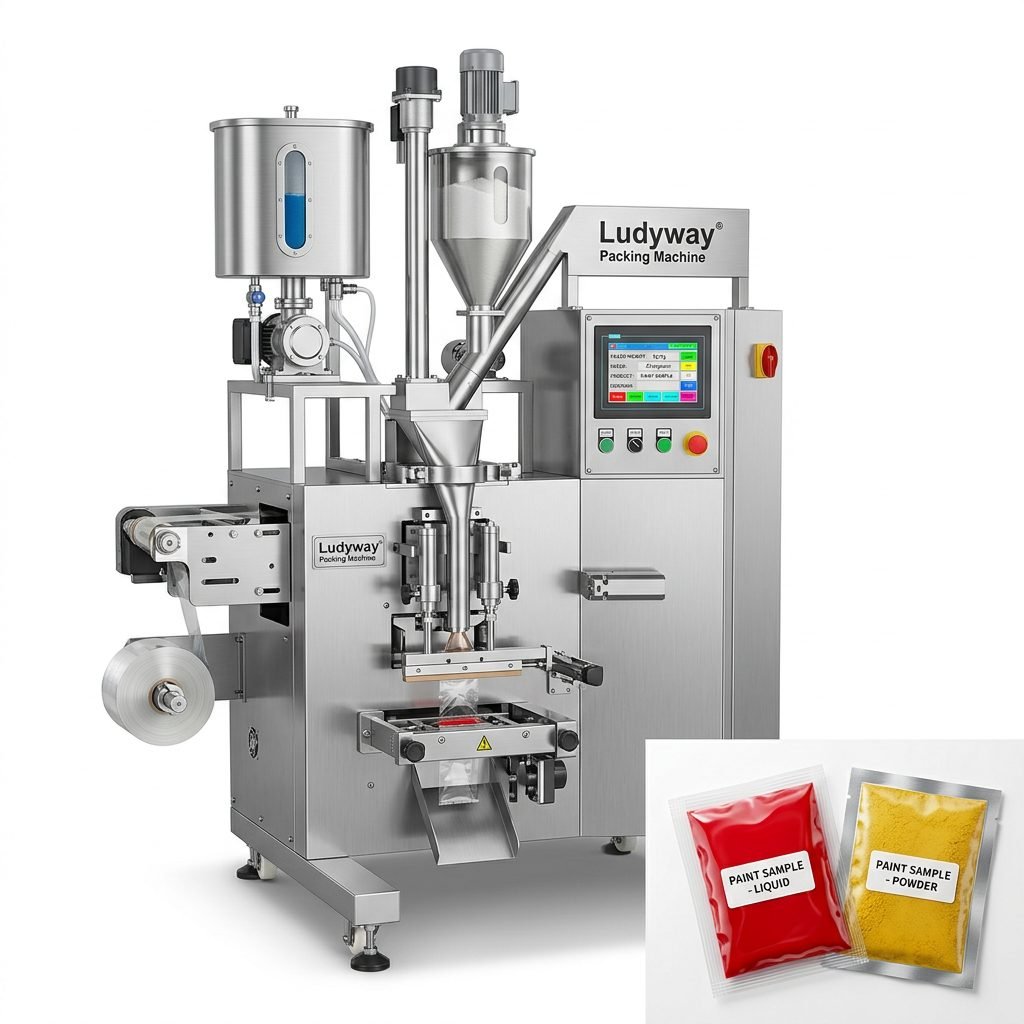
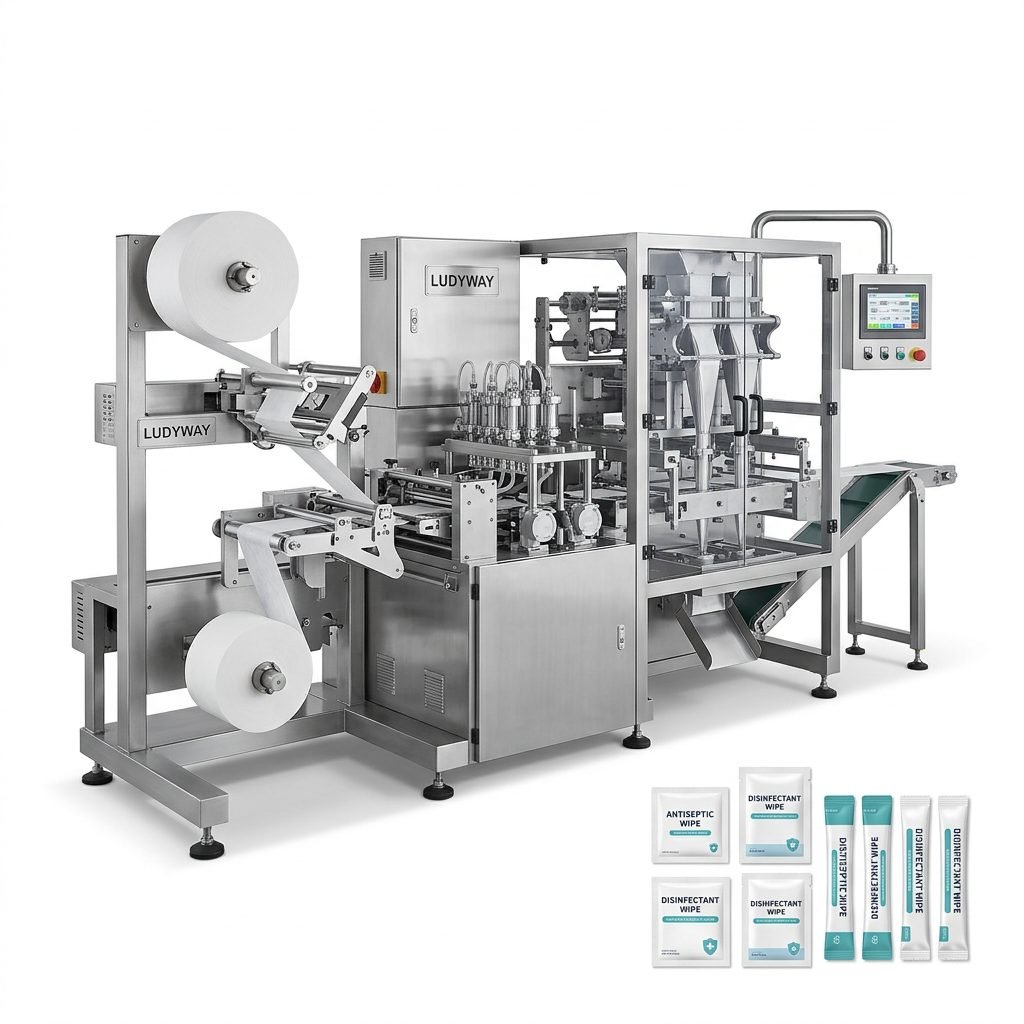
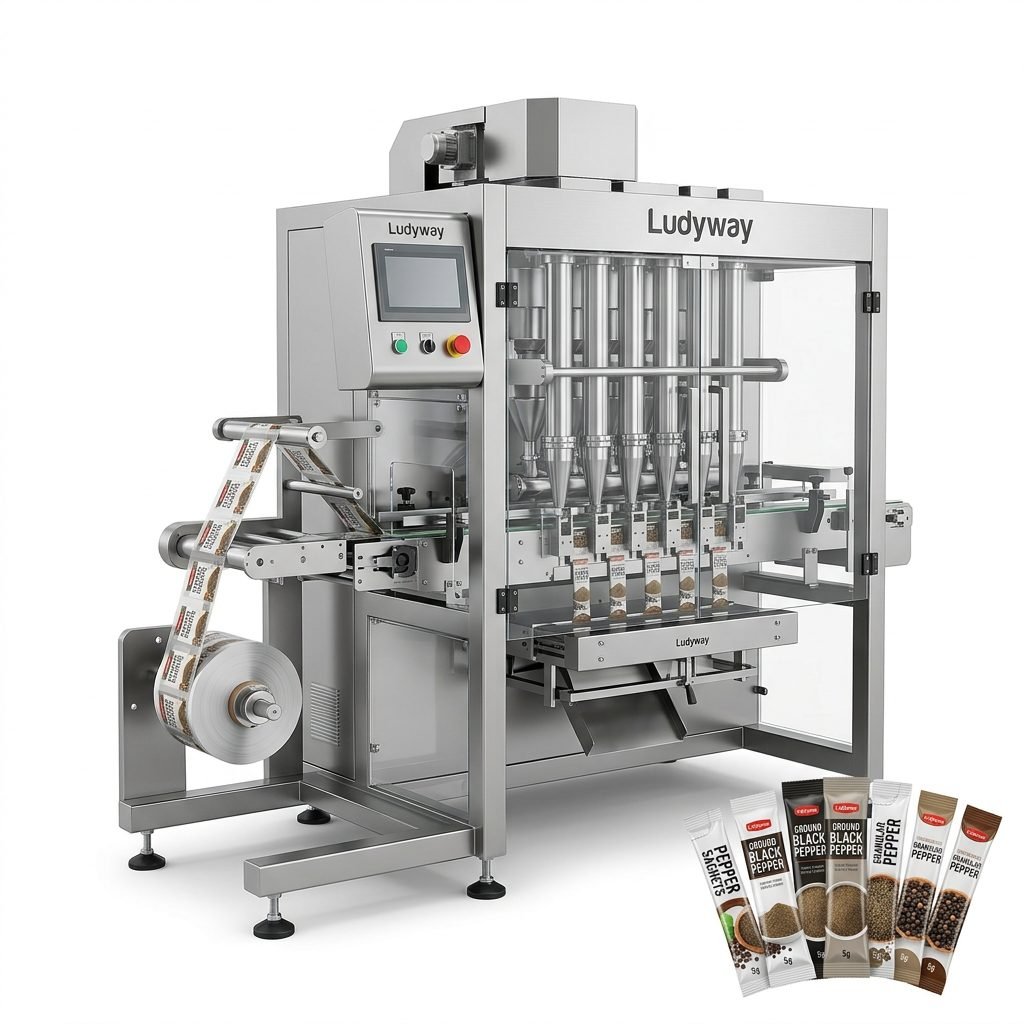
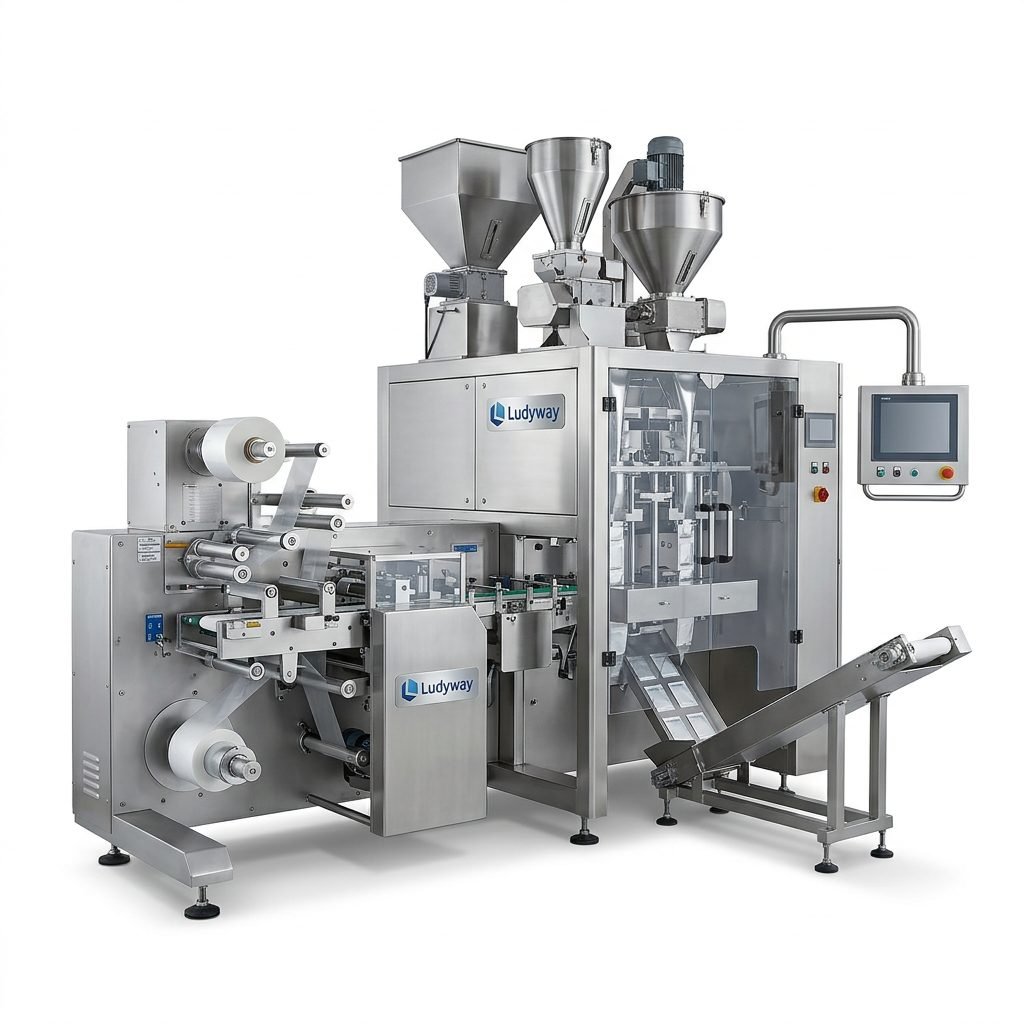
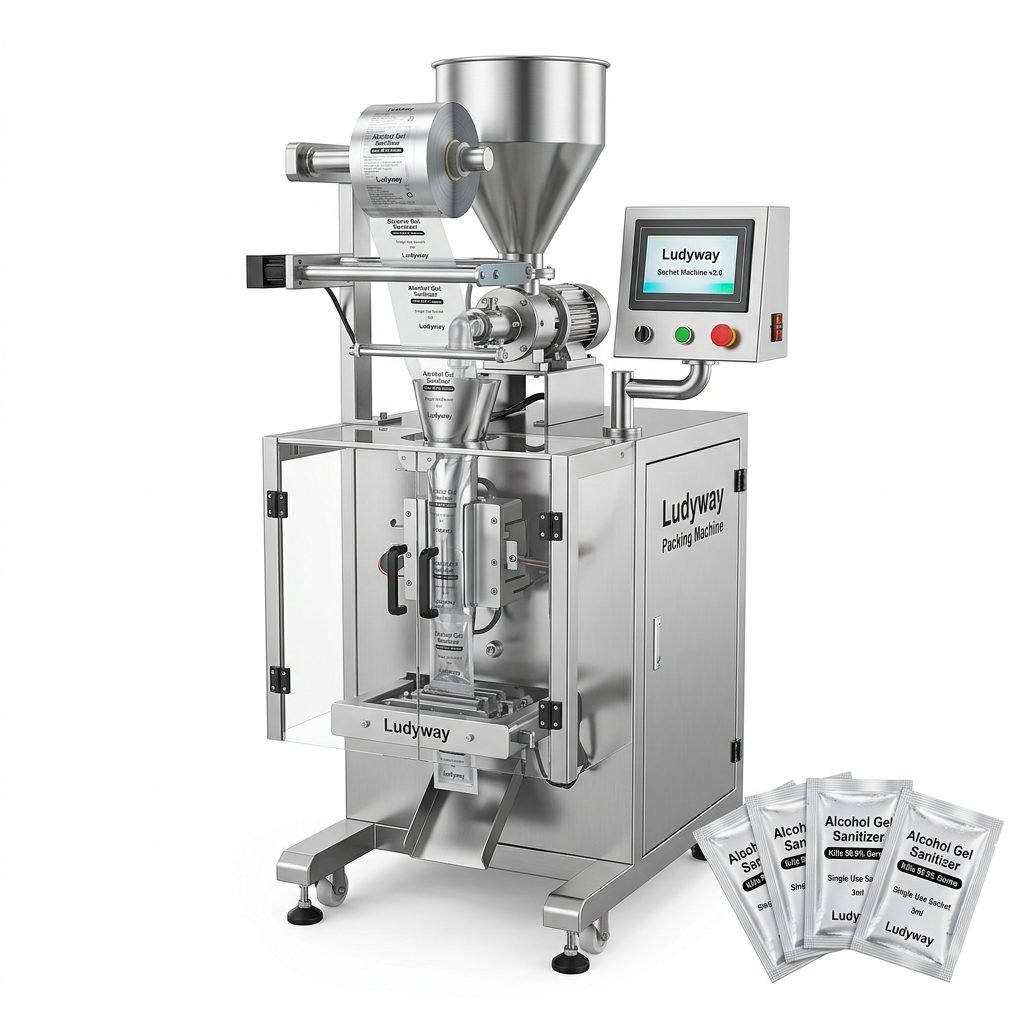
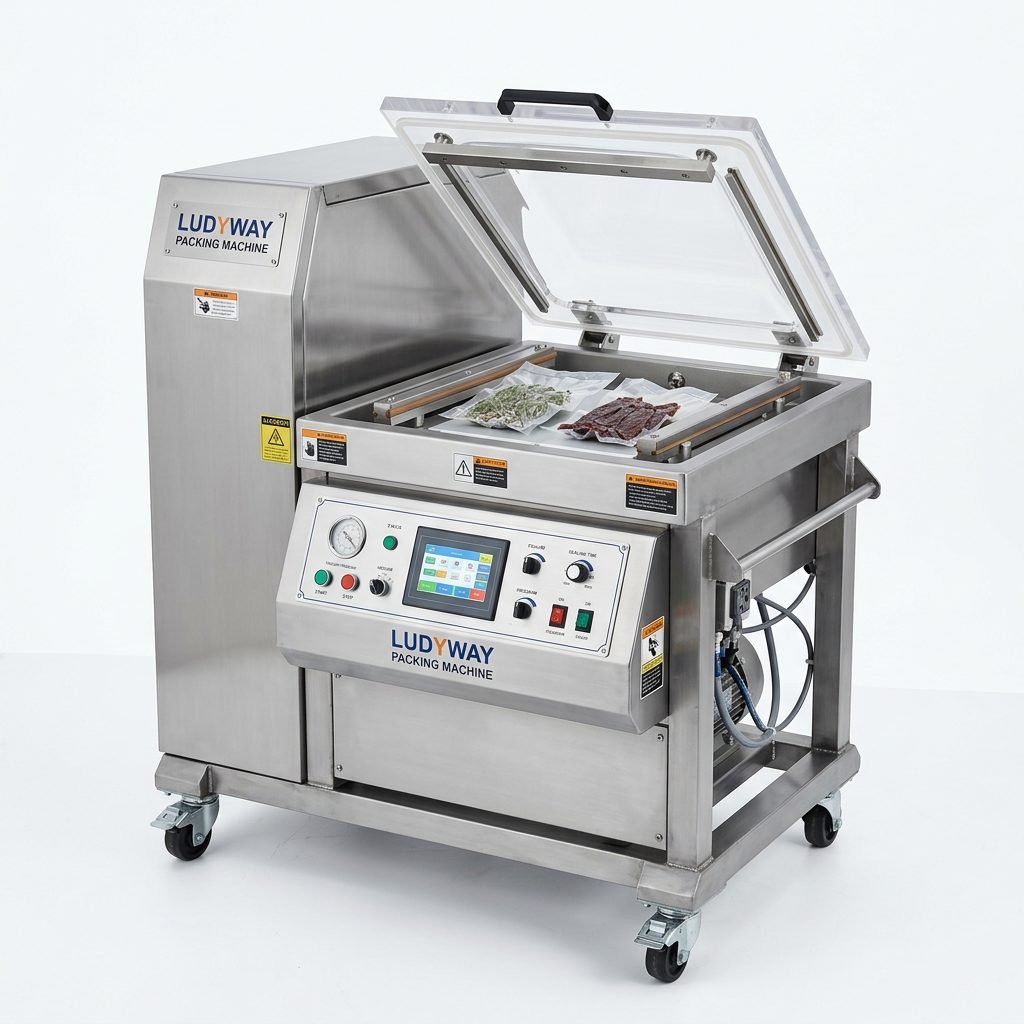
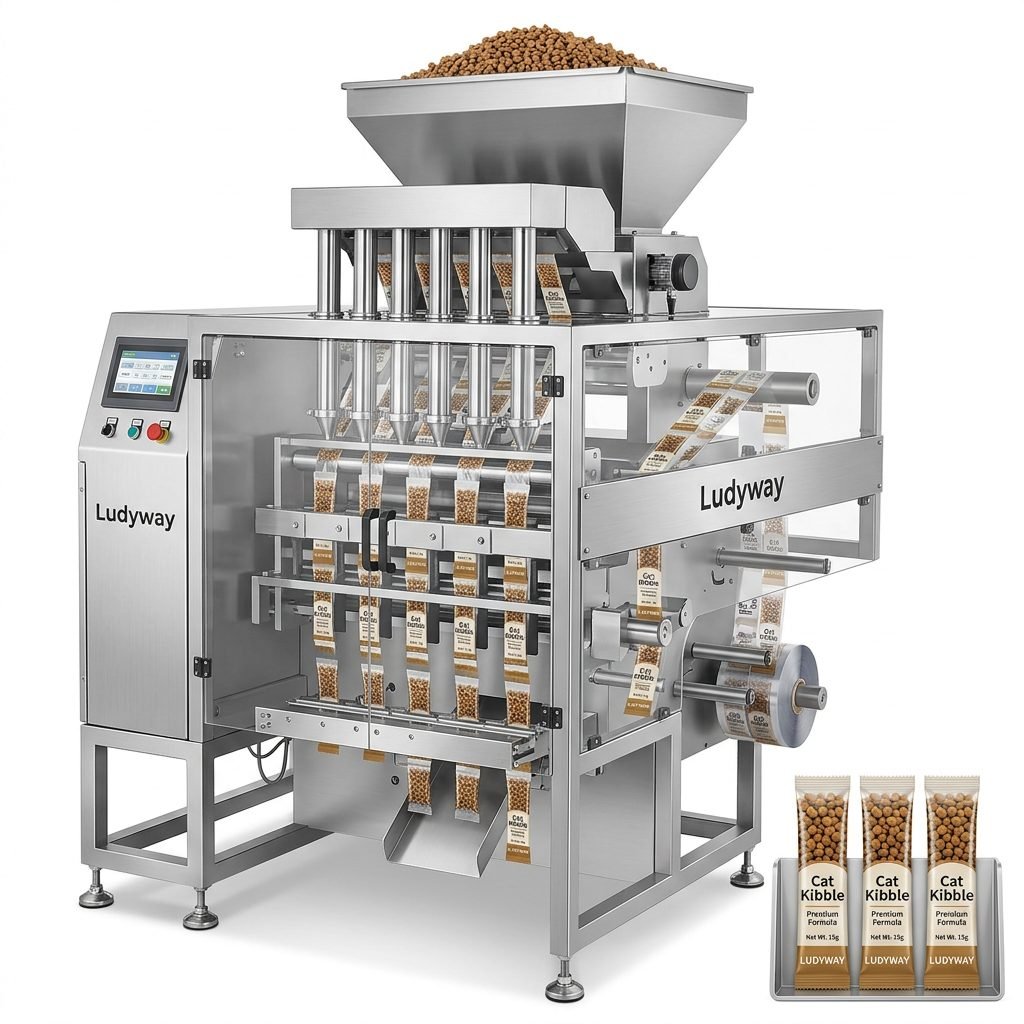
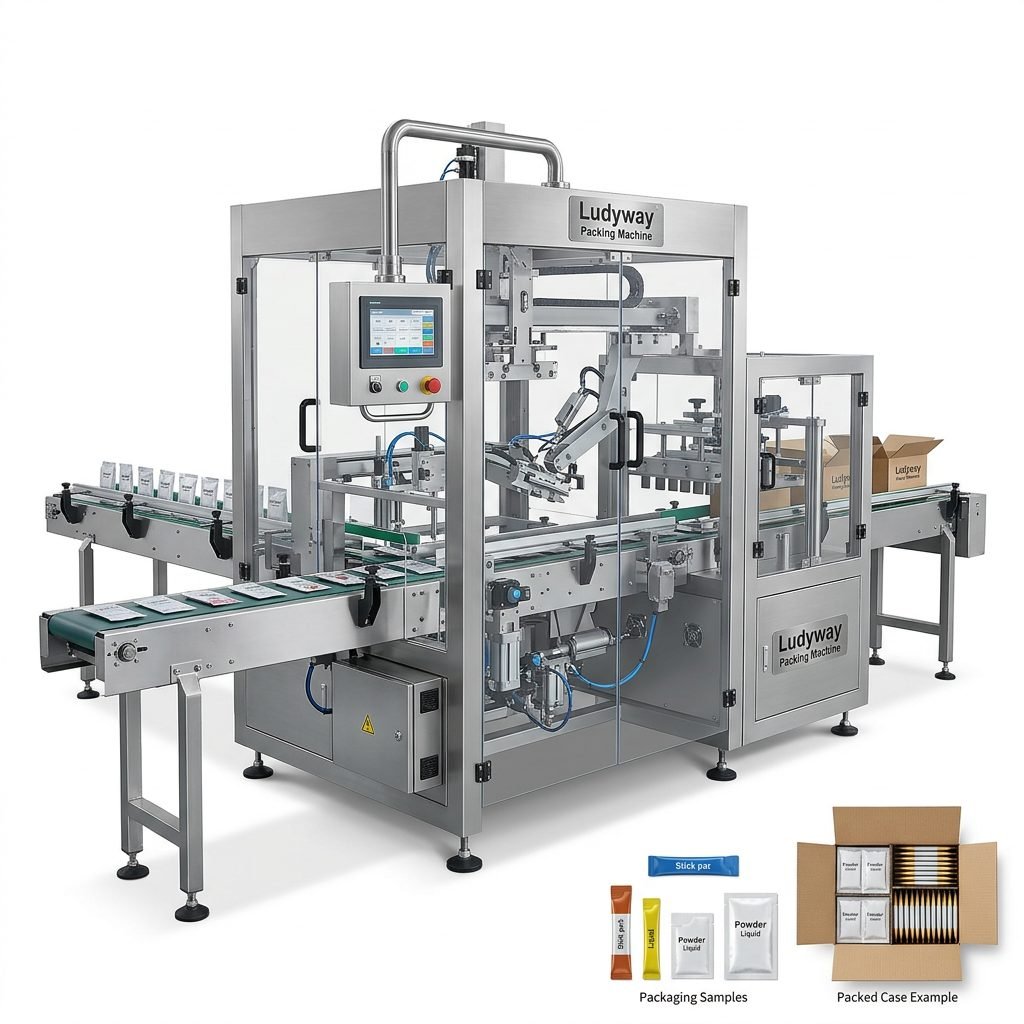
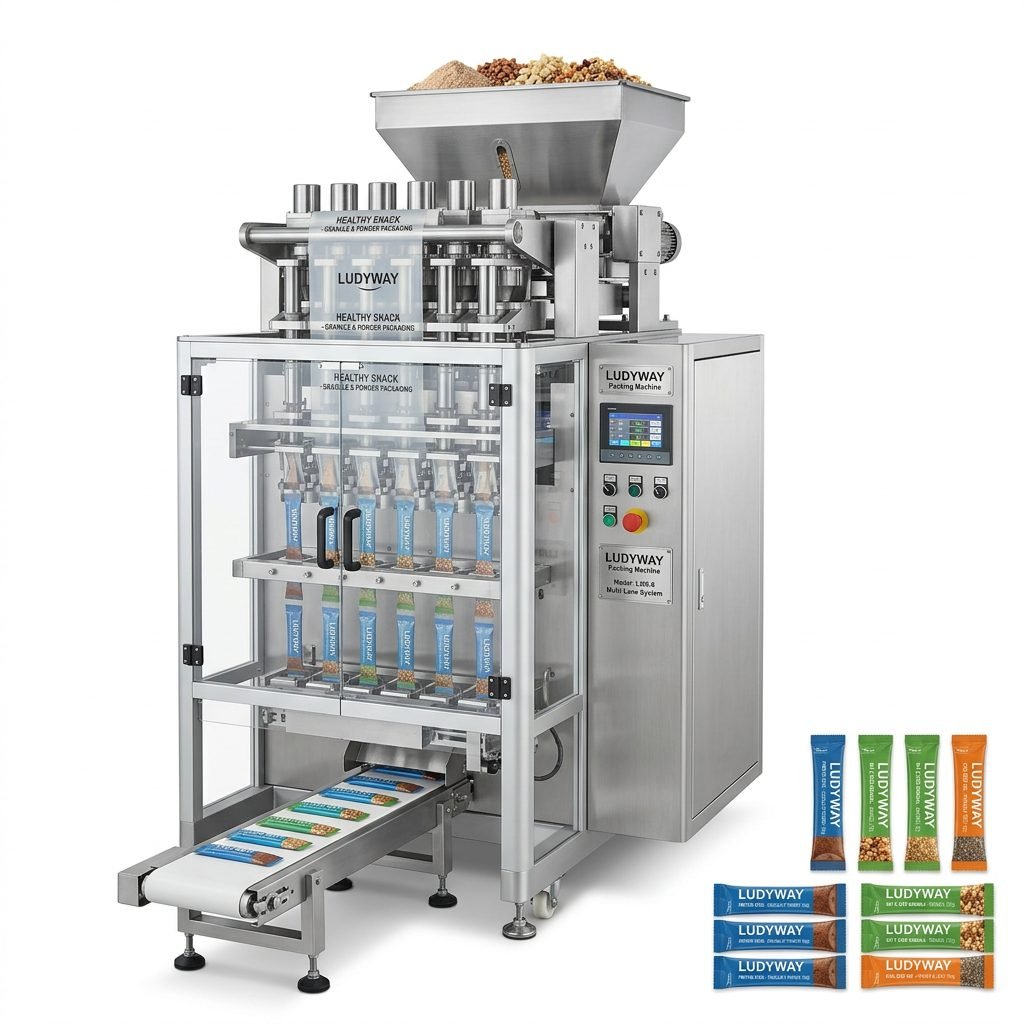
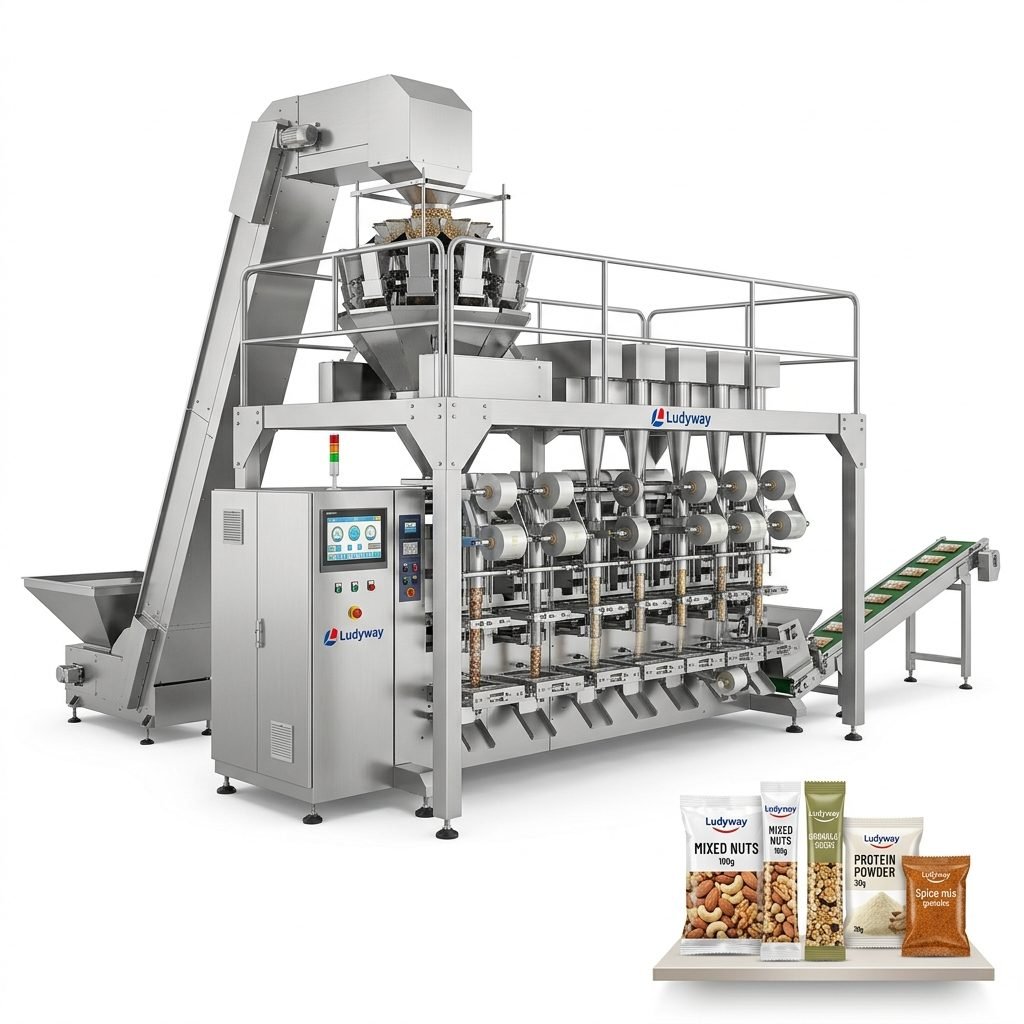
Investing in a screw packing machine is a critical decision for manufacturers handling powders, granules, and fine-particle products. Whether you are upgrading an existing line or building a new production facility, selecting the wrong equipment can lead to inaccurate fills, product waste, downtime, and costly rework. This comprehensive buyer’s guide walks you through every essential factor—from product characteristics and machine types to supplier evaluation—so you can make a confident, informed purchasing decision.
What Is a Screw Packing Machine?
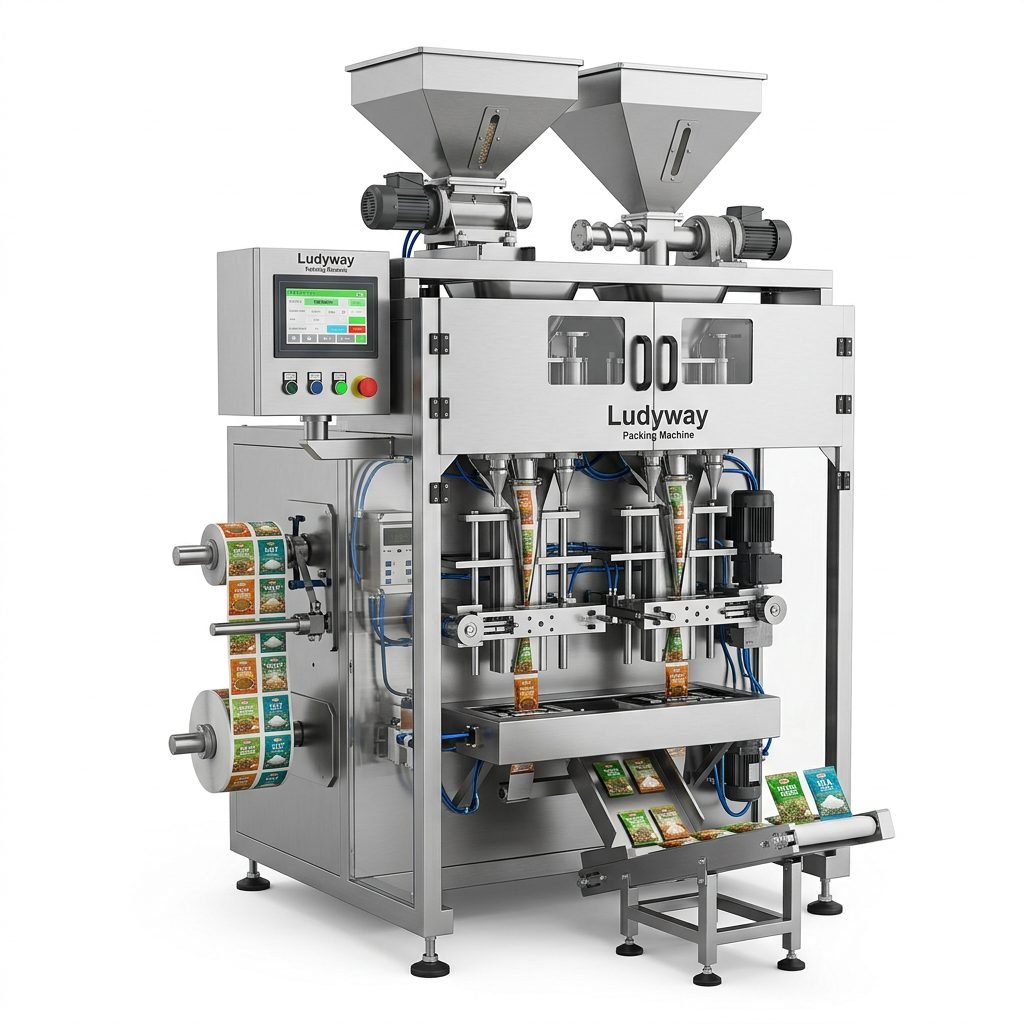
A screw packing machine (also known as an auger filling machine or auger packing machine) is a type of volumetric filling equipment that uses a rotating screw or auger to dispense a precise amount of dry bulk product into bags, pouches, sachets, bottles, or other containers. The screw mechanism draws product from a hopper and pushes it through a filling tube, with accuracy controlled by the number of screw rotations. This technology is widely adopted across the food and beverage, pharmaceutical, chemical, cosmetic, and agricultural industries for its reliability and ability to handle a broad range of product consistencies.
How Auger Filling Technology Works
The core principle behind an auger filling machine is straightforward: product enters the hopper, a motor-driven auger rotates at a controlled speed, and the helical screw conveys a metered volume of material through the discharge nozzle into the waiting package. Modern systems incorporate servo motors, programmable logic controllers (PLCs), and feedback mechanisms to achieve exceptional dosing precision, even with challenging powders that exhibit inconsistent flow characteristics.
Key Factors to Consider When Choosing a Screw Packing Machine
Every production environment is unique. The following factors should be carefully evaluated before you engage with equipment suppliers or request a quotation.
1. Product Characteristics and Flow Properties
Not all powders and granules behave the same way. Your product’s particle size, bulk density, flowability, moisture content, and cohesiveness directly influence which auger design, hopper configuration, and agitation system will perform best. Fine, cohesive powders (such as titanium dioxide or cocoa powder) often require specialized agitation devices—mechanical stirrers, bridge-breakers, or vibratory assist mechanisms—to prevent bridging and ensure consistent product flow into the auger flights. Conversely, free-flowing granules like sugar or rice can work well with standard auger setups.
- Fine cohesive powders: Require agitators, bridge-breakers, and sometimes vacuum-assisted filling.
- Granular products: Often compatible with standard auger configurations and simpler hopper designs.
- Hygroscopic materials: May need humidity-controlled environments or sealed hopper systems.
- Abrasive products: Demand wear-resistant auger materials and hardened contact surfaces.
2. Target Fill Weight and Accuracy Requirements
Different applications demand different levels of precision. Pharmaceutical and nutraceutical packaging typically requires extremely tight tolerances (±0.5% or better), while some industrial chemical applications may allow wider variances. The machine’s auger pitch, servo motor resolution, and control system all contribute to achievable accuracy. For high-value products, even small improvements in dosing precision can yield significant cost savings over time—reducing product giveaway by just 1 gram per package across millions of units translates to substantial annual savings.
3. Production Speed and Throughput
Match the machine’s rated speed to your current and projected production needs. Single-lane screw packing machines suit lower-volume operations, while multi-lane configurations can dramatically increase output for high-demand production lines. Consider not only the theoretical maximum speed but also the sustainable operating speed that maintains accuracy over extended runs.
4. Packaging Format and Bag Style
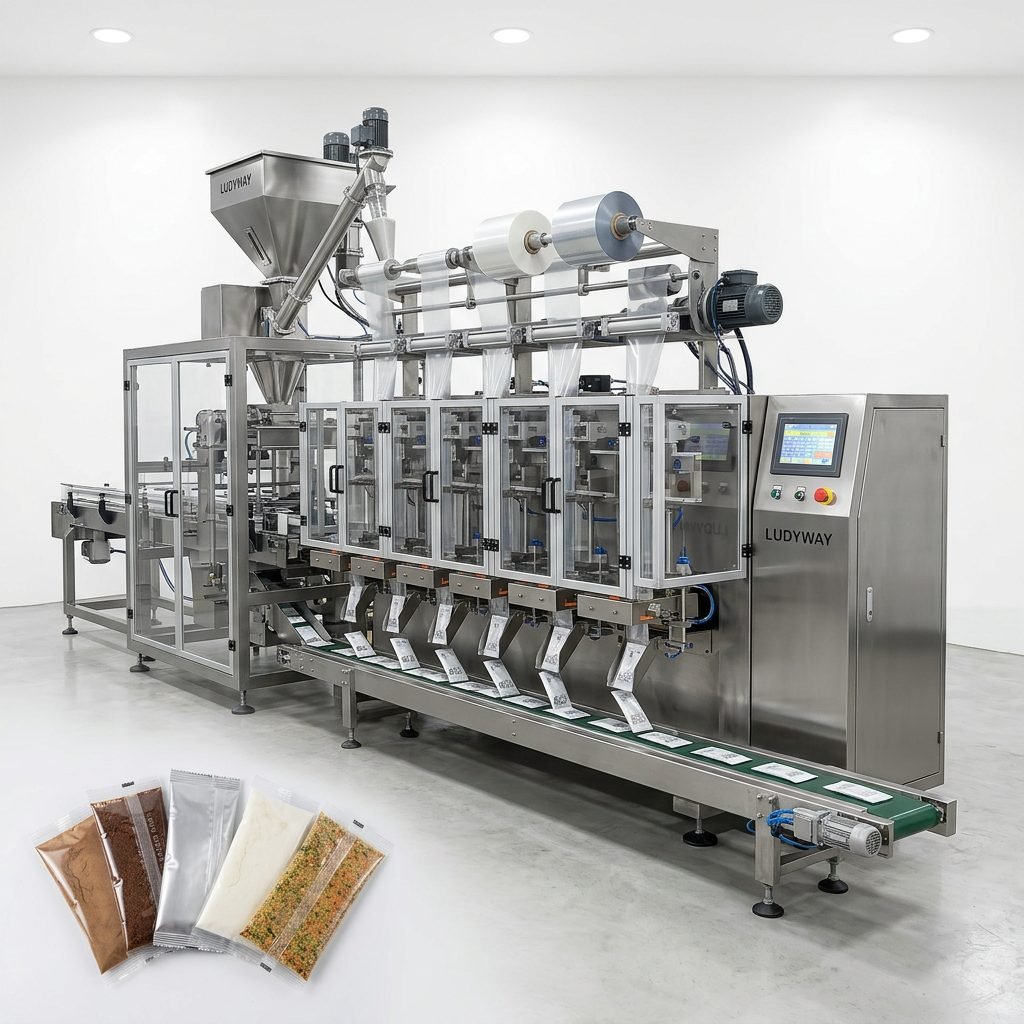
The flexible packaging format you intend to use—stick packs, sachets, premade pouches, gusseted bags, or rigid containers—determines the machine frame design, sealing system, and integration requirements. Some screw packing machines are designed as standalone fillers that integrate with existing bagging systems, while others come as complete vertical form-fill-seal (VFFS) units that handle forming, filling, and sealing in one continuous operation.
5. Material Contact Parts and Compliance
For food-grade and pharmaceutical applications, all product contact surfaces should be manufactured from 304 or 316L stainless steel with appropriate surface finishes. Compliance with FDA, GMP, ISO 11607, and other relevant standards may be mandatory depending on your industry and target market. Verify that the manufacturer can provide documentation, certifications, and material traceability for regulated environments.
Types of Screw Packing Machines
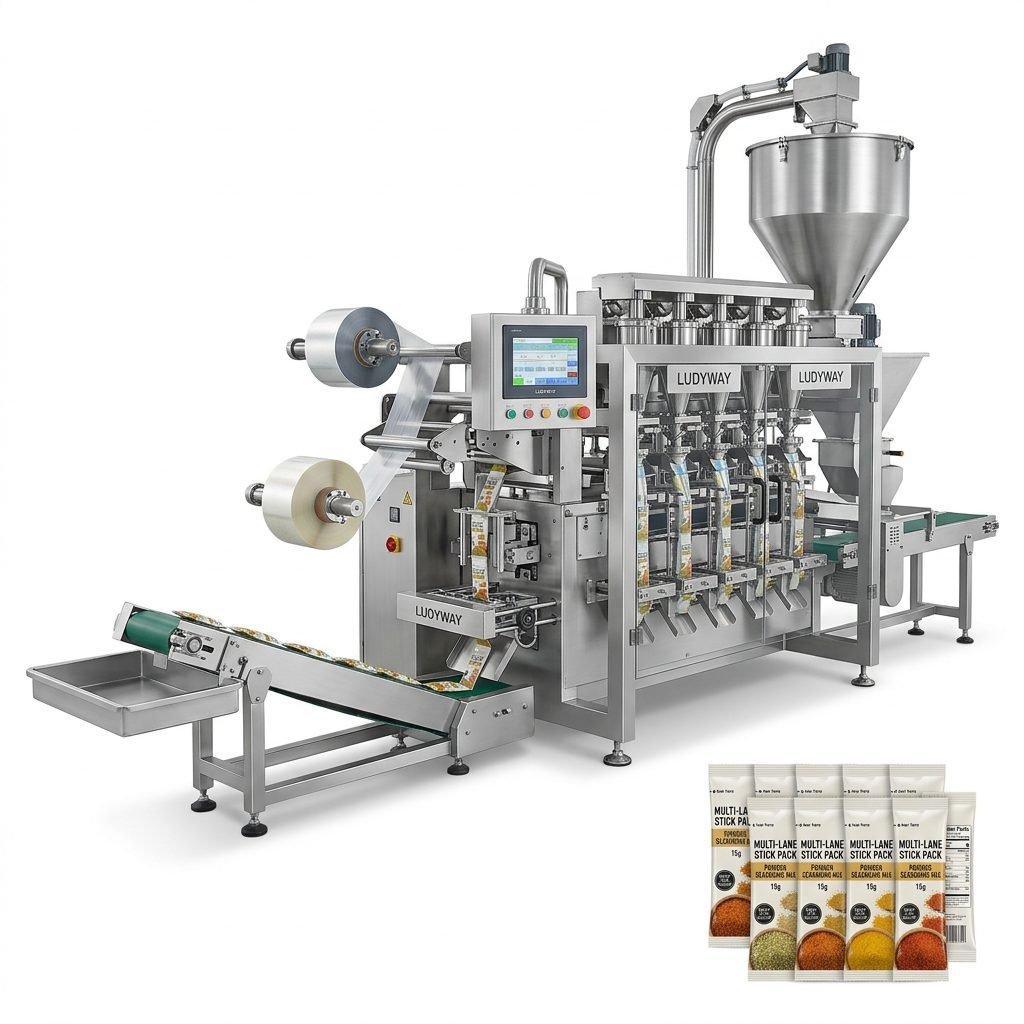
Understanding the different categories of auger filling equipment helps narrow your options based on production scale, product type, and packaging format.
| Machine Type | Best For | Typical Speed Range | Key Advantage |
|---|---|---|---|
| Semi-Automatic Single-Head Auger Filler | Small batches, R&D, contract packers | 10-30 packs/min | Low cost, easy changeover |
| Automatic VFFS with Integrated Auger | Powders, granules, stick packs, sachets | 40-80 packs/min | Complete form-fill-seal integration |
| Multi-Lane High-Speed Screw Packing System | High-volume production, 24/7 operations | 200-600+ packs/min | Maximum throughput per square meter |
| Servo-Driven Precision Auger Filler | Pharma, high-value nutraceuticals | 30-120 packs/min | Superior accuracy (±0.5% or better) |
Essential Features to Look For
When comparing screw packing machines from different manufacturers, prioritize the following features that directly impact performance, reliability, and ease of operation:
- Servo motor drives: Provide precise control over auger rotation, enabling accurate fill weights and quick parameter adjustments via HMI.
- Tool-less changeover: Minimizes downtime when switching between products or fill weights—critical for co-packers and multi-SKU operations.
- Automatic feedback and checkweighing integration: Real-time weight correction ensures consistent dosing across extended production runs.
- Dust extraction provisions: Essential for fine powder handling to maintain a clean working environment and prevent cross-contamination.
- Recipe memory and data logging: Enables operators to recall proven settings and track production parameters for quality assurance.
- Compatible automation interfaces: Facilitates integration with upstream feeding systems, downstream cartoning, case packing, and palletizing equipment.
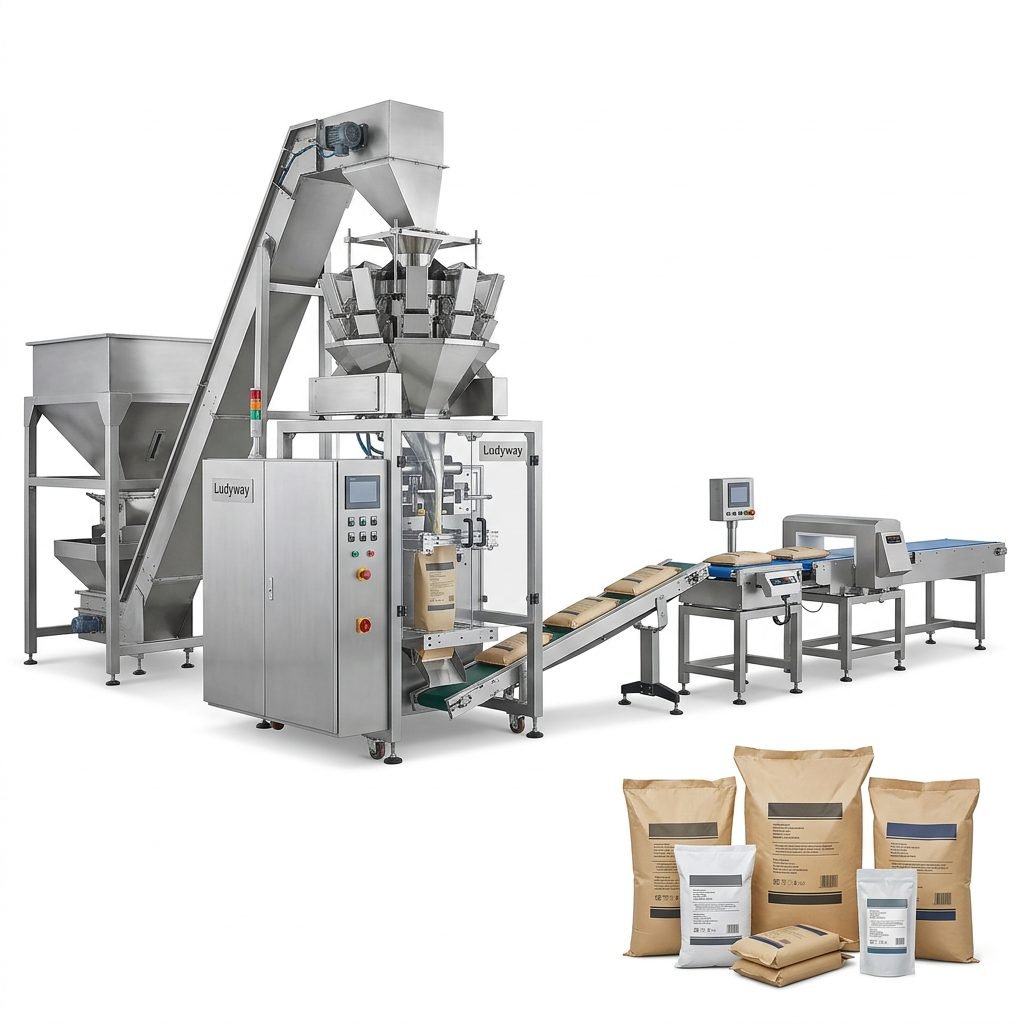
Industry Applications
Auger filling machines serve a remarkably diverse range of industries:
- Food and beverage: Milk powder, coffee, protein powder, spices, flour, seasoning mixes, instant soup bases, baking mixes.
- Pharmaceuticals: Active pharmaceutical ingredients (APIs), oral rehydration salts, antibiotic powders, granulated medicines.
- Nutraceuticals and supplements: Creatine, collagen peptides, pre-workout powders, vitamin blends, meal replacement shakes.
- Cosmetics and personal care: Face powders, body dusting powders, dry shampoo formulations, bath salts.
- Chemicals and industrial: Detergent powders, agrochemical granules, water treatment compounds, construction additives.
- Pet food and animal nutrition: Powdered supplements, feed premixes, mineral additives, freeze-dried pet treats.
For deeper insight into packaging machinery trends and standards across these sectors, the PMMI Business Intelligence Library and Flexible Packaging Association resources provide valuable industry data and market research.
How to Evaluate Screw Packing Machine Manufacturers
Choosing the right equipment partner is as important as selecting the right machine specifications. Here is a structured approach to evaluating potential suppliers:
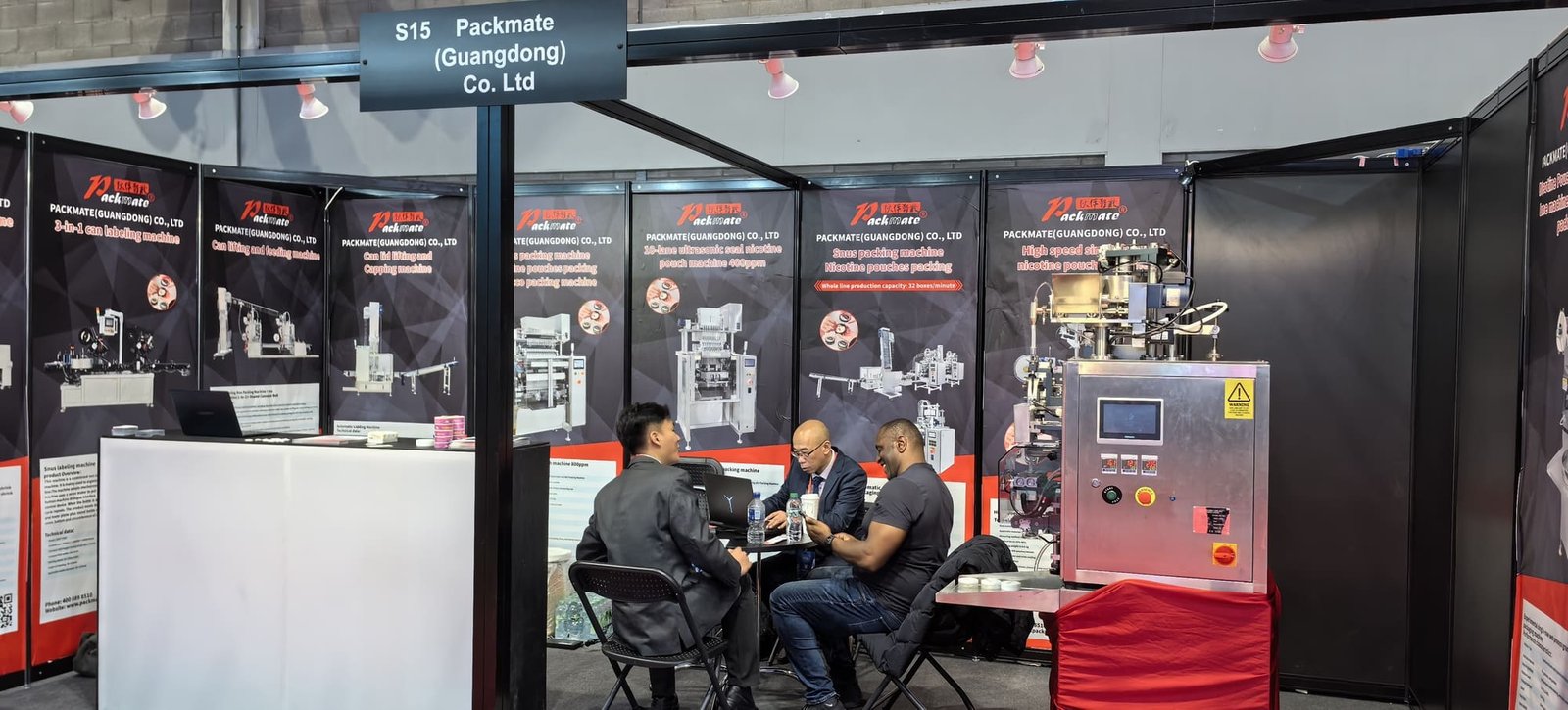
- Request a product trial. Reputable manufacturers should offer the opportunity to test your actual product on their equipment. This provides real-world data on fill accuracy, speed, and product handling before you commit.
- Inspect build quality. Examine frame construction, weld quality, surface finishes, and component sourcing. Machines built with name-brand PLCs, servo motors, and pneumatic components typically offer better long-term reliability and spare parts availability.
- Ask about after-sales support. Clarify warranty terms, technical support availability, spare parts lead times, and whether remote diagnostics or on-site service is offered.
- Check references and case studies. A manufacturer with a proven track record in your specific industry vertical brings valuable application knowledge that can accelerate installation and optimization.
- Evaluate customization capabilities. Off-the-shelf machines rarely address every production nuance. The best partners offer engineering support for tailored hopper designs, specialized auger geometries, and custom integration solutions.
The Value of Integrated Turnkey Solutions
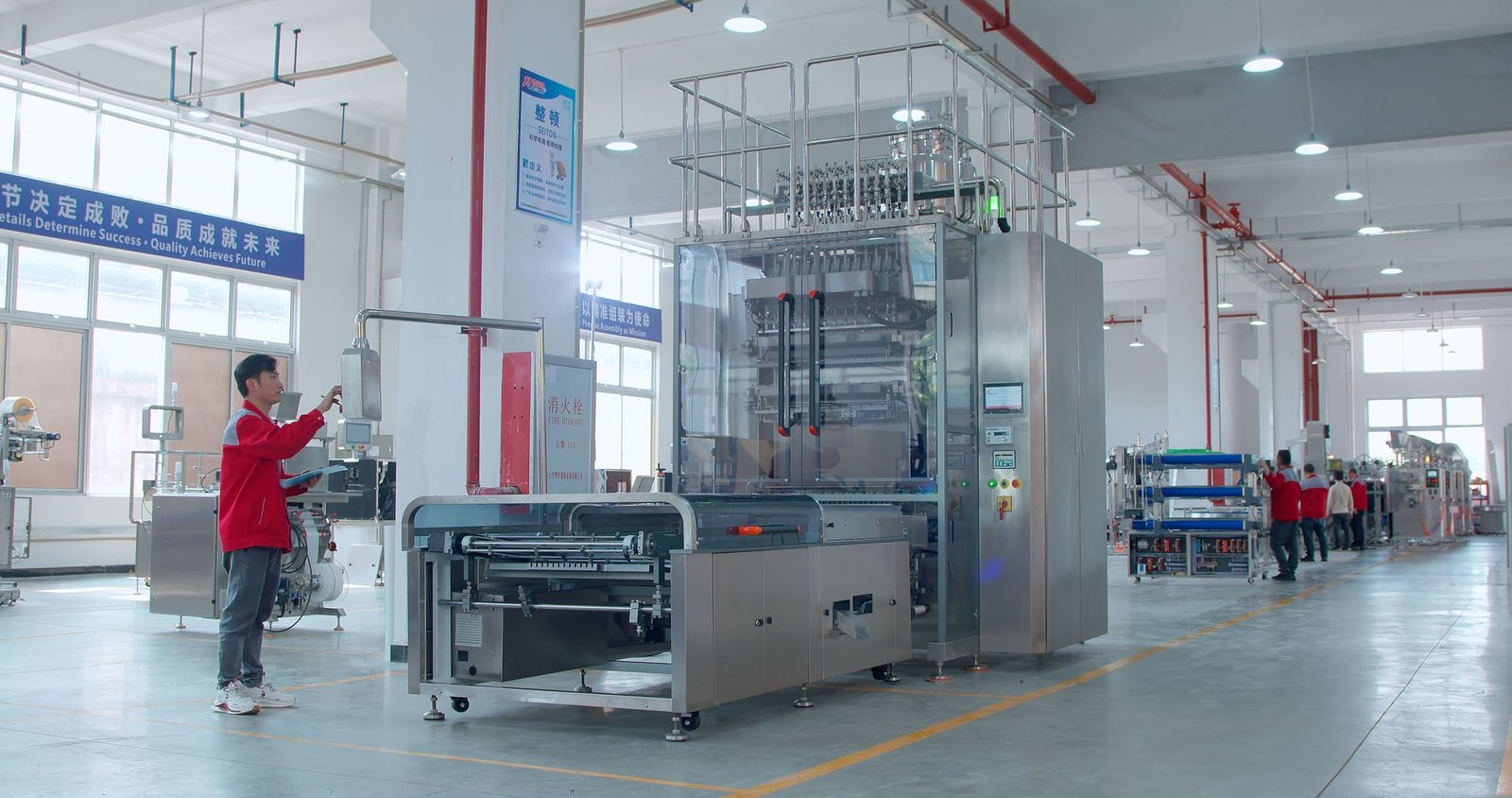
For manufacturers looking to streamline procurement and reduce integration risk, working with a single partner that can deliver a complete turnkey packaging line—from feeding and dosing through filling, sealing, coding, inspection, cartoning, and palletizing—offers significant advantages. This approach ensures system compatibility, simplifies project management, and provides a single point of accountability for the entire packaging process. Ludyway Machinery, with its 20,000-square-meter manufacturing facility and more than 30 years of industry experience, offers integrated screw packing machine solutions configured for specific product requirements, production speeds, and packaging formats across food, pharmaceutical, chemical, and consumer product industries.
Maintenance and Long-Term Performance
A well-maintained auger packing machine can deliver consistent performance for a decade or more. Key maintenance practices include regular auger inspection for wear, cleaning of product contact surfaces (especially when switching between products), lubrication of mechanical components per the manufacturer’s schedule, and periodic calibration checks. Operators should be thoroughly trained not only on machine operation but also on troubleshooting common issues such as inconsistent fills, product bridging, and seal failures. Many manufacturers offer operator training programs and detailed maintenance documentation—factors worth considering during the supplier selection process.
Spare Parts Strategy
Proactive spare parts planning minimizes costly downtime. At a minimum, maintain an inventory of wear components including augers, seals, belts, and commonly replaced sensors. Confirm with your supplier which parts are considered consumable versus long-life components, and establish clear lead times for both categories. International buyers should pay particular attention to the manufacturer’s global parts distribution network and shipping capabilities.
Making the Final Decision
Selecting the right screw packing machine requires balancing technical specifications, budget constraints, and long-term operational goals. Start by thoroughly characterizing your product and defining clear requirements for accuracy, speed, packaging format, and regulatory compliance. Shortlist manufacturers with demonstrated experience in your industry, request product trials, and carefully evaluate build quality and after-sales support. For the latest industry standards, packaging machinery market analysis, and regulatory updates, refer to authoritative resources such as the PMMI packaging industry resources and ISO packaging standards.
Remember that the lowest purchase price rarely correlates with the lowest total cost of ownership. A machine that delivers reliable uptime, precise dosing accuracy, and responsive technical support will consistently outperform a cheaper alternative that introduces variability, waste, and unplanned stoppages into your production schedule.
Additional Resources
To further support your purchasing decision, explore the following industry resources:
- PMMI State of the Industry Reports — Annual economic reports covering packaging machinery market trends and forecasts
- Flexible Packaging Association — Industry resources and data for flexible packaging applications
- FDA Food Packaging and Food Contact Substances — Regulatory guidance for food-grade packaging equipment and materials
- Packaging Machinery Global Growth Trends — Industry growth analysis and market projections