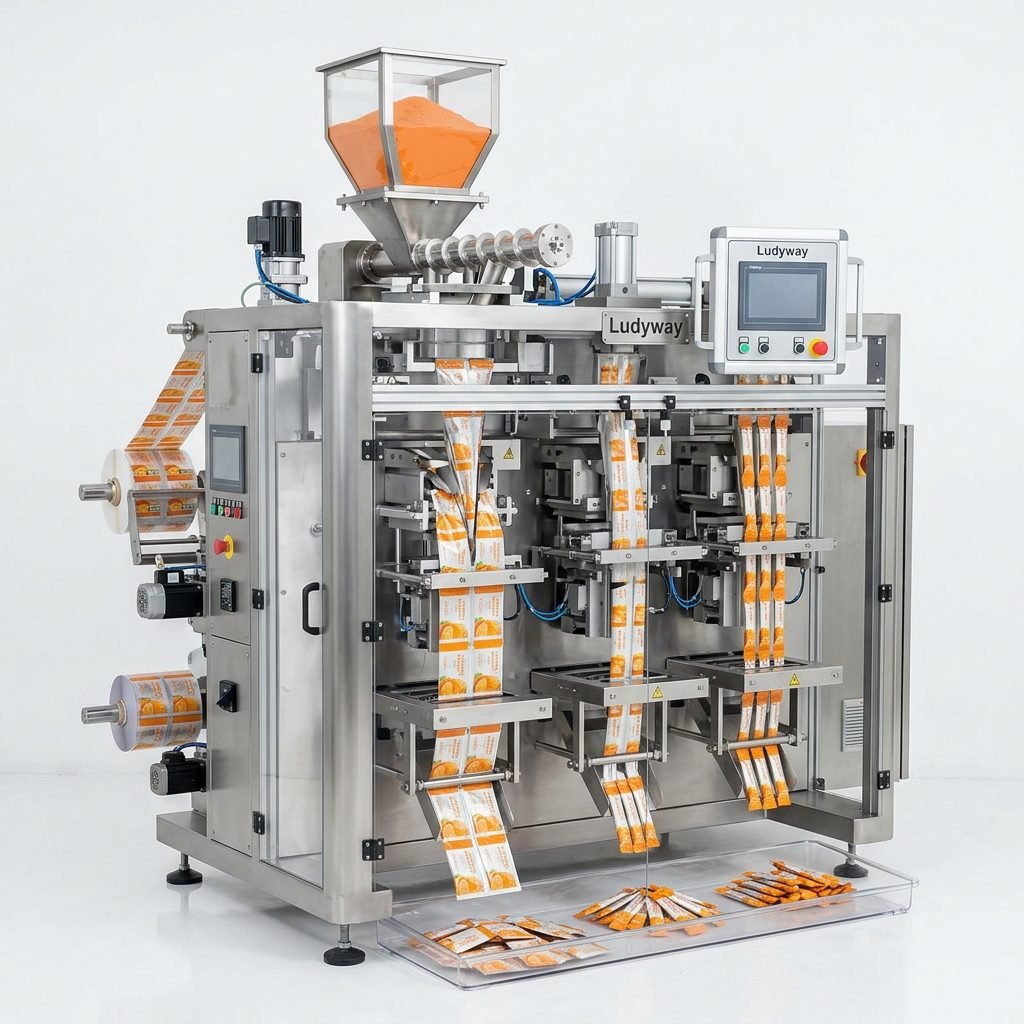
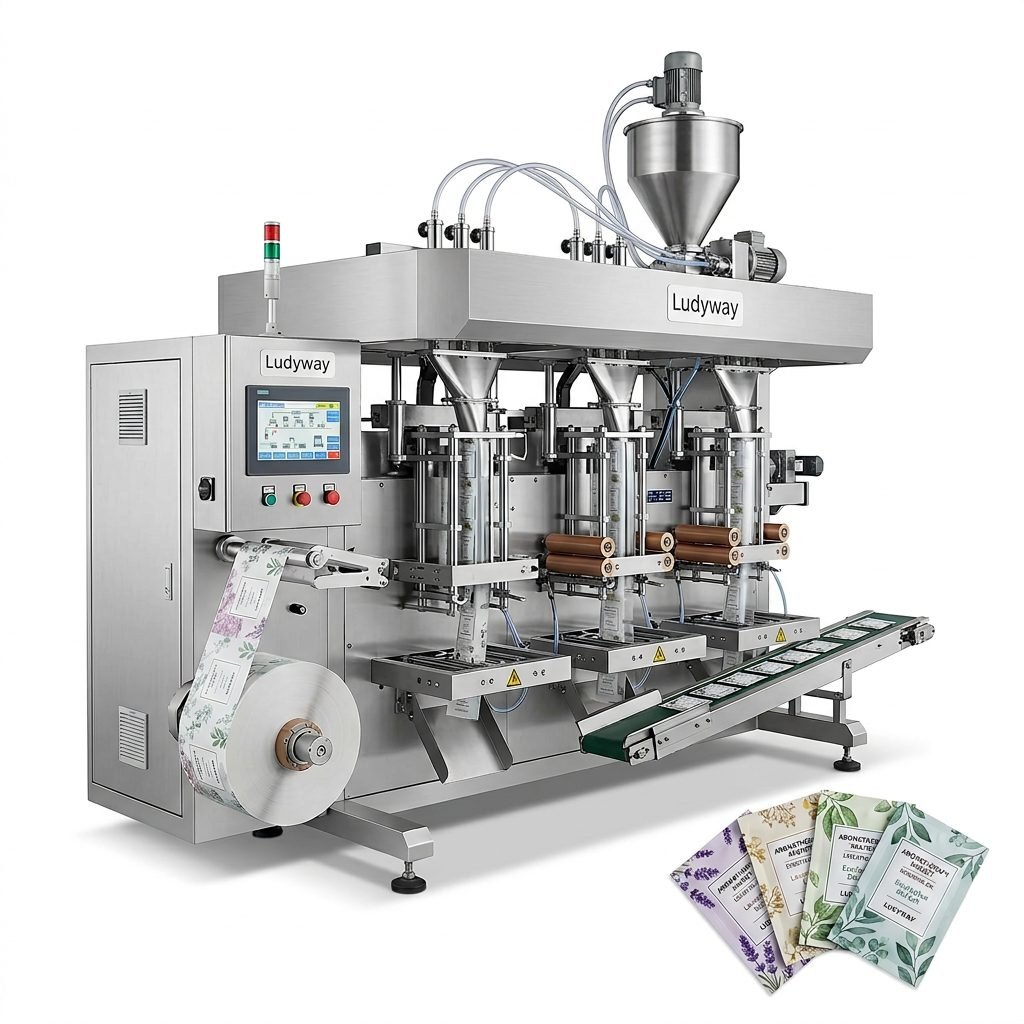
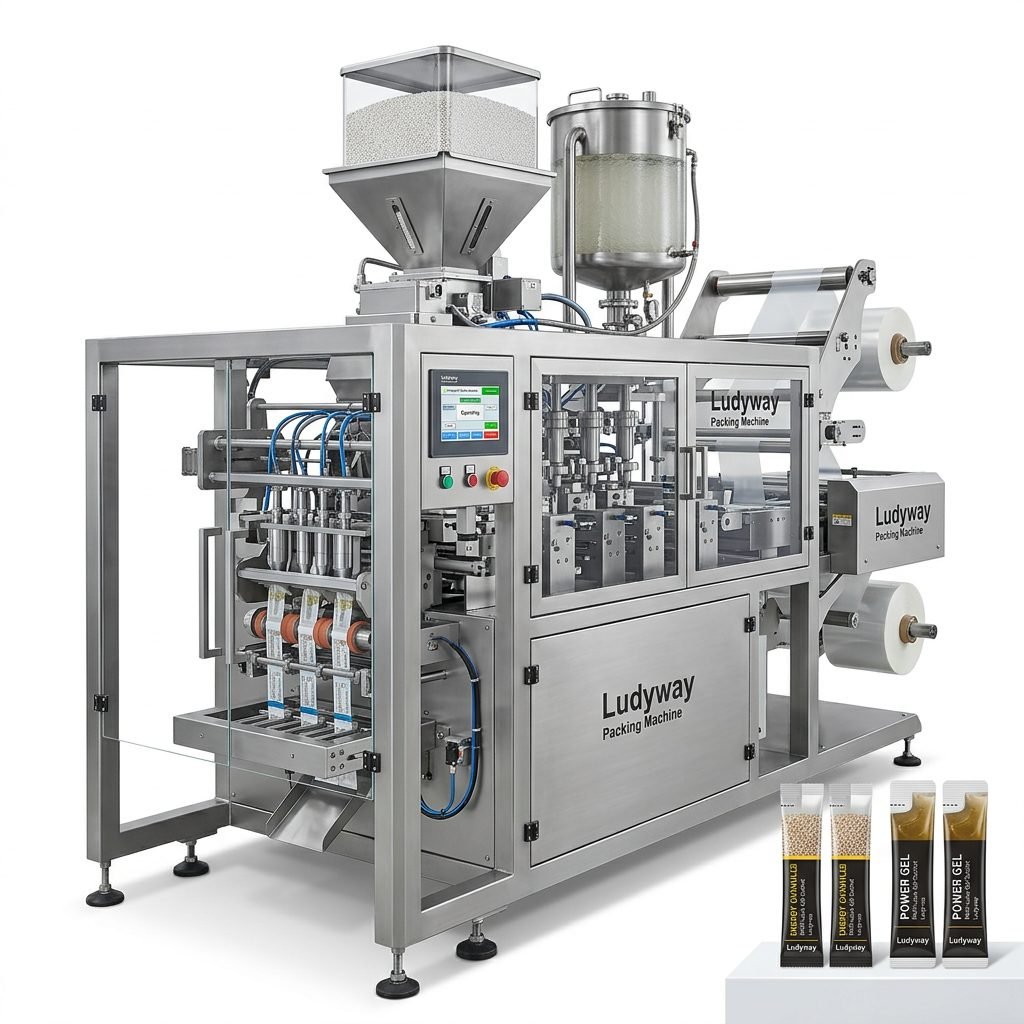
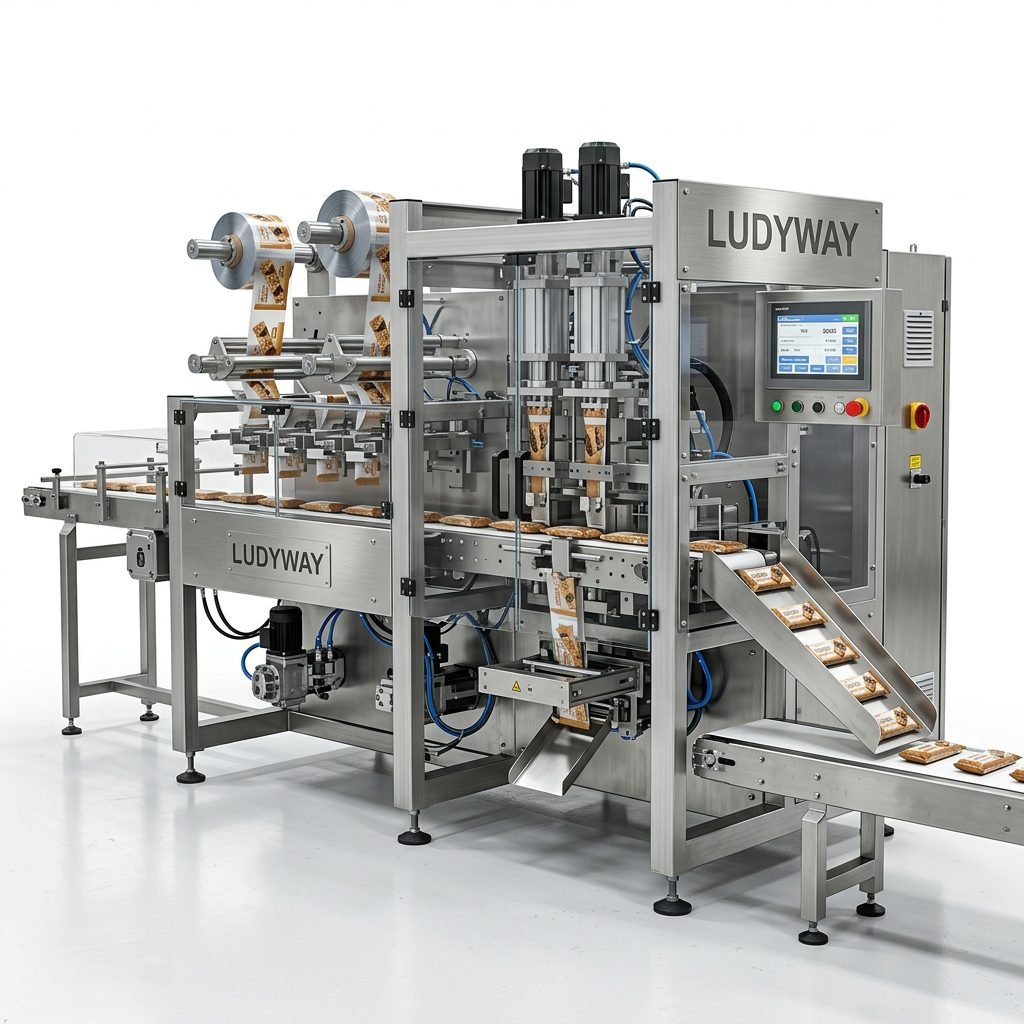
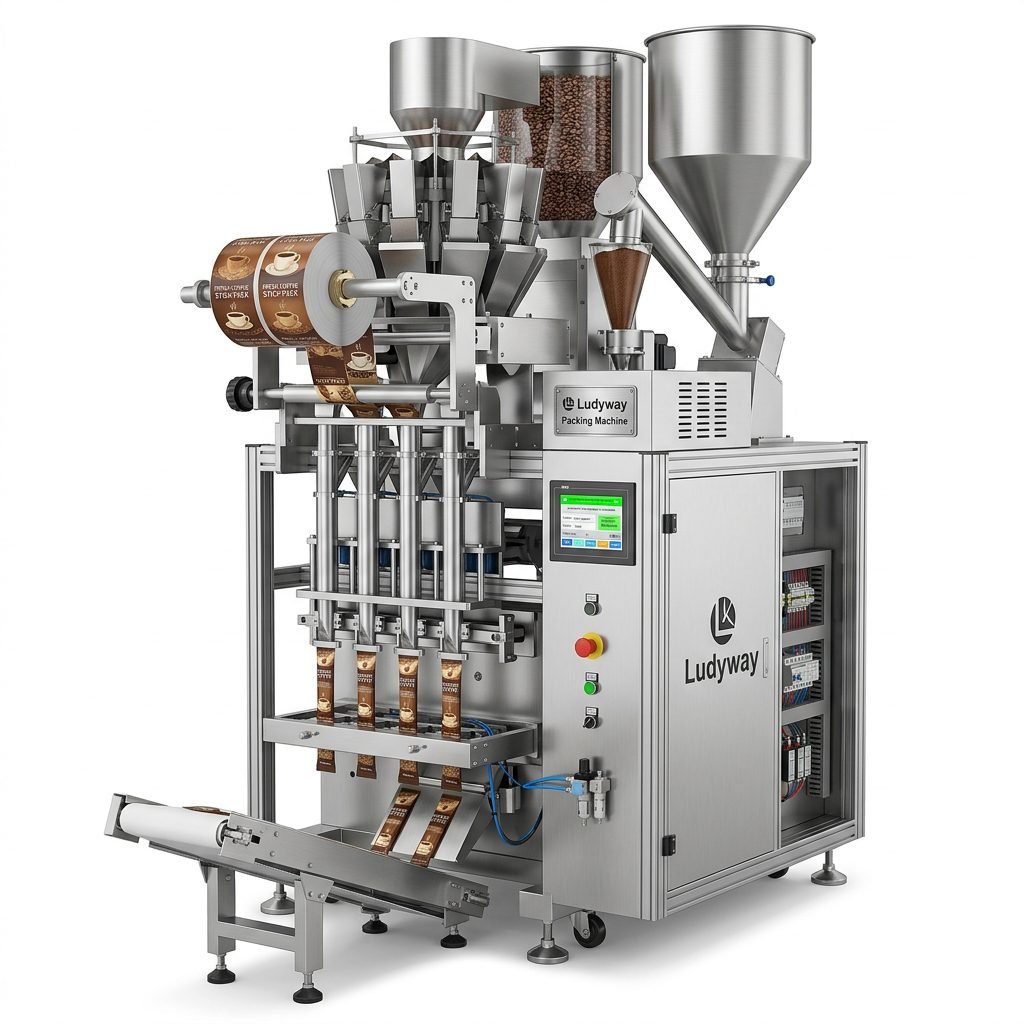
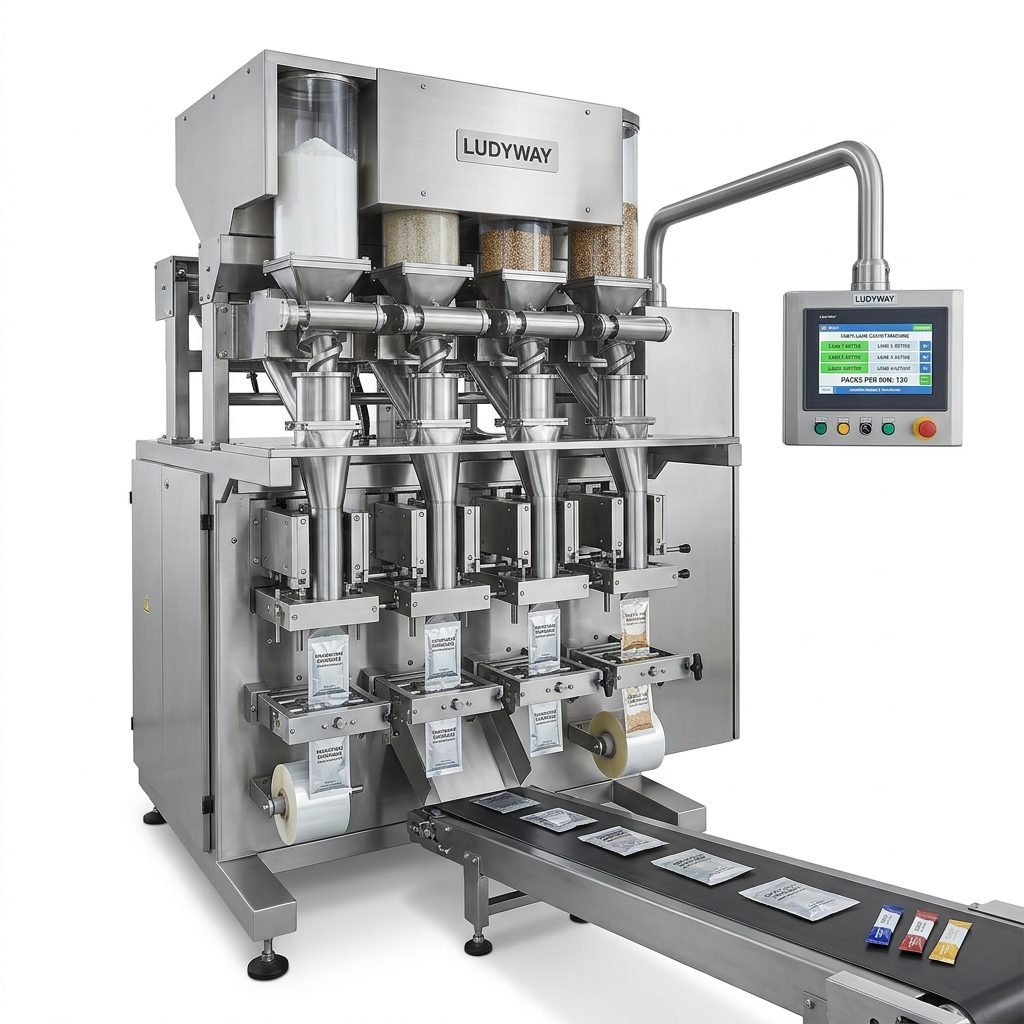
In the fast-paced world of beverage production, efficient and reliable packaging is paramount. Beverage carton packaging machinery forms the backbone of this process, ensuring products are sealed, protected, and presented to consumers in a consistent and appealing manner. From small-scale juice producers to large dairy and plant-based beverage companies, selecting the right machinery impacts everything from production speed and cost to shelf appeal and product integrity.
Core Types of Beverage Carton Packaging Machinery
The landscape of carton packaging equipment is diverse, tailored to different production scales, carton styles, and filling requirements. Understanding the main categories is the first step in making an informed investment.
Form-Fill-Seal (FFS) Machines
These are the most common and versatile systems. They start with a roll of flat, laminated packaging material (often paperboard layered with plastic and aluminum). The machine forms this material into a tube, fills it with the beverage, and then seals it into individual carton shapes—like gable-top or brick-style packs. FFS machines are highly efficient for large-volume production of standard carton sizes.
Pre-formed Carton Fillers
This type of machinery uses carton blanks that are already pre-cut and creased. The machine erects the blank into its 3D shape, bottom-seals it, fills it with product, and then top-seals it. These systems are often favored for their flexibility in handling complex carton designs and for medium-scale production runs where quick changeovers between different carton sizes or shapes are necessary.
Aseptic Packaging Lines
Designed for long-shelf-life products like UHT milk, juices, and soups, aseptic machinery is a specialized subset. It sterilizes both the packaging material and the product separately in a sterile environment before filling and sealing. This process allows beverages to be stored for months without refrigeration. These lines are complex, high-speed systems representing a significant investment but are essential for specific market segments.
Detailed Working Process of a Typical FFS Line
The operation of a modern Form-Fill-Seal machine is a symphony of precision engineering. Here’s a step-by-step breakdown:
1. Material Unwinding & Sterilization (for Aseptic Lines)
A large reel of laminated material is fed into the machine. In aseptic systems, this material passes through a bath of hydrogen peroxide or under intense UV light to achieve sterility before forming.
2. Tube Formation & Longitudinal Sealing
The flat material is shaped into a continuous cylinder. The longitudinal seam is sealed using heat or ultrasonic welding, creating a sterile tube ready for filling.
3. Filling & Transverse Sealing
The beverage is injected into the tube under controlled, often sterile, conditions. Jaw mechanisms then move in, sealing the tube transversely—both creating the bottom of one carton and the top of the previous one simultaneously. This continuous motion is key to high-speed production.
4. Carton Separation & Final Shaping
The sealed tube is cut at the transverse seals, separating individual cartons. They are then pressed into their final brick or gable-top shape. Optional steps include adding straws, creating pour spouts, or applying sleeves for branding.
How to Choose the Right Beverage Carton Machine
Selecting equipment is a strategic decision. Here are the critical factors to evaluate, ensuring your choice aligns with both current needs and future growth.
1. Assess Your Product & Production Volume
Clearly define your beverage type (viscosity, acidity, particulate content), required shelf life (ambient or chilled), and target output (liters per hour). High-volume producers (e.g., > 5,000 liters/hour) will need high-speed rotary FFS machines, while niche brands might opt for versatile pre-formed carton fillers.
2. Consider Carton Type and Size Flexibility
Do you need standard brick packs, gable-tops for freshness, or unique shapes for brand differentiation? Determine the range of carton sizes you plan to use. Machines with quick-change parts and digital controls minimize downtime when switching between SKUs, a crucial factor for producers with diverse product lines.
3. Evaluate Automation and Integration Needs
Modern lines often integrate upstream (mixing tanks) and downstream (case packing, palletizing) processes. Consider the level of automation: manual loading of blanks vs. automatic reel feeding, manual case packing vs. robotic integration. Higher automation boosts efficiency and reduces labor costs but increases initial investment.
4. Prioritize Hygiene and Safety Standards
For dairy, juice, or any sensitive product, the machine’s hygiene design is non-negotiable. Look for features like CIP (Clean-in-Place) systems, stainless steel contact parts, smooth surfaces without crevices, and compliance with food safety standards like FDA, EHEDG, or 3-A. Aseptic filling requires an even higher grade of sterility assurance.
5. Analyze Total Cost of Ownership (TCO)
Look beyond the purchase price. Factor in operational costs (energy consumption, material waste rate), maintenance (ease of access, spare part availability and cost), and the manufacturer’s support. A reliable supplier like Ludyway Machinery, with over 30 years of industry experience, provides not just a machine but a long-term partnership with technical support and readily available spare parts, reducing lifecycle costs.
6. Verify Supplier Credibility and Support
The manufacturer’s reputation is paramount. Review their track record, request client references, and inspect their manufacturing facility if possible. Ensure they offer comprehensive training, clear documentation, and responsive after-sales service. A supplier with global experience understands the varied demands of different markets and can offer tailored packaging solutions.
Conclusion
Investing in beverage carton packaging machinery is a significant step that dictates production capability, efficiency, and product quality for years to come. By thoroughly understanding the different machine types, their working principles, and carefully weighing selection criteria against your specific operational goals, you can make a confident decision. Partnering with an experienced and reliable machinery provider ensures you get a solution that not only meets today’s production targets but also scales with your future growth, securing your brand’s position in the competitive beverage marketplace.
Frequently Asked Questions (FAQs)
What is the main difference between form-fill-seal and pre-formed carton machines?
Form-Fill-Seal (FFS) machines use a roll of flat material to form, fill, and seal cartons in one continuous process. They are typically faster and more cost-effective for high-volume, single-size production. Pre-formed carton fillers use pre-cut and creased carton blanks, offering greater flexibility for frequent size/design changes and complex carton shapes, making them ideal for medium-scale or multi-SKU production.
How important is machine flexibility for a growing brand?
Extremely important. As a brand grows and diversifies its product line, the ability to quickly switch between different carton sizes (e.g., 200ml, 1L) or types (e.g., from a brick pack to a spout pouch) without major downtime or re-tooling costs is a huge competitive advantage. Investing in a machine with good flexibility from the start can save significant time and capital in the long run.
What are the key maintenance requirements for these machines?
Regular maintenance is crucial for longevity and consistent performance. Key tasks include daily cleaning and lubrication of moving parts, weekly inspection and calibration of filling and sealing systems, and periodic replacement of wear parts like sealing jaws, cutting blades, and gaskets. Always follow the manufacturer’s maintenance schedule and use genuine spare parts.
Can one machine handle both dairy and juice products?
Yes, many modern carton packaging machines are designed to handle a variety of low-viscosity liquid products. However, a thorough cleaning and sanitization cycle (often a full CIP cycle) is mandatory when switching between different product types, especially to prevent allergen cross-contamination or flavor migration. The machine’s design must facilitate this easy and effective cleaning.
What after-sales support should I expect from a reputable supplier?
A reputable supplier should provide comprehensive installation and commissioning support, detailed operator and maintenance training, clear technical documentation (manuals, parts lists, diagrams), and access to a responsive technical support team. They should also guarantee the availability of spare parts and offer service contracts for preventive maintenance. This ongoing support is critical for minimizing operational disruptions.