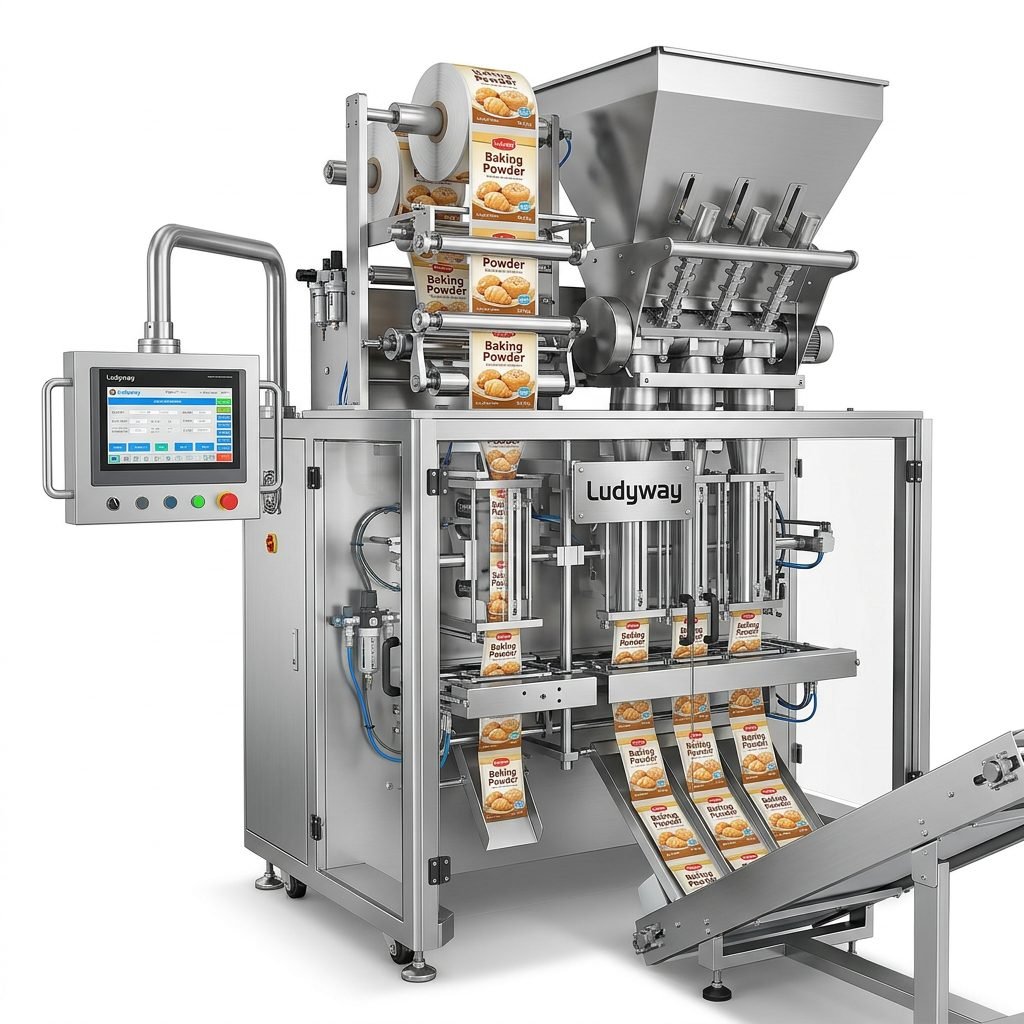
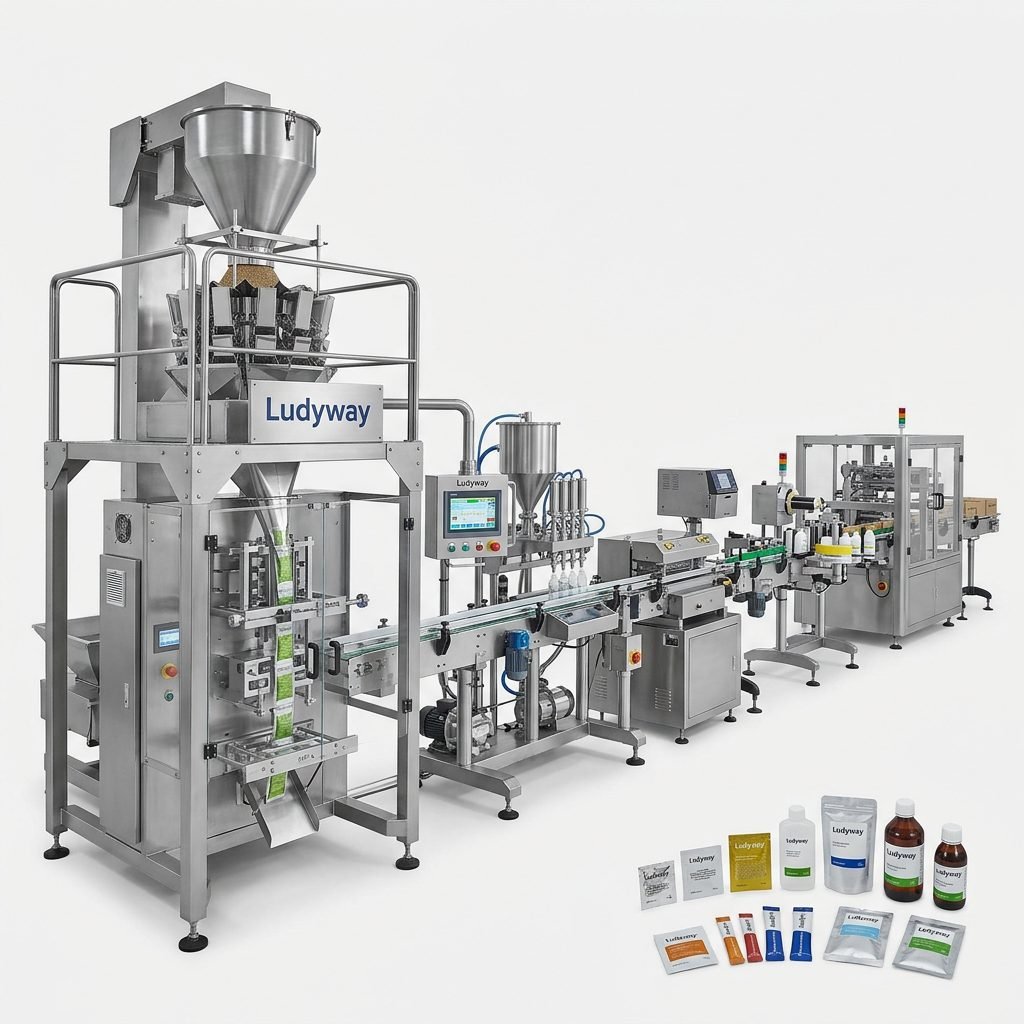
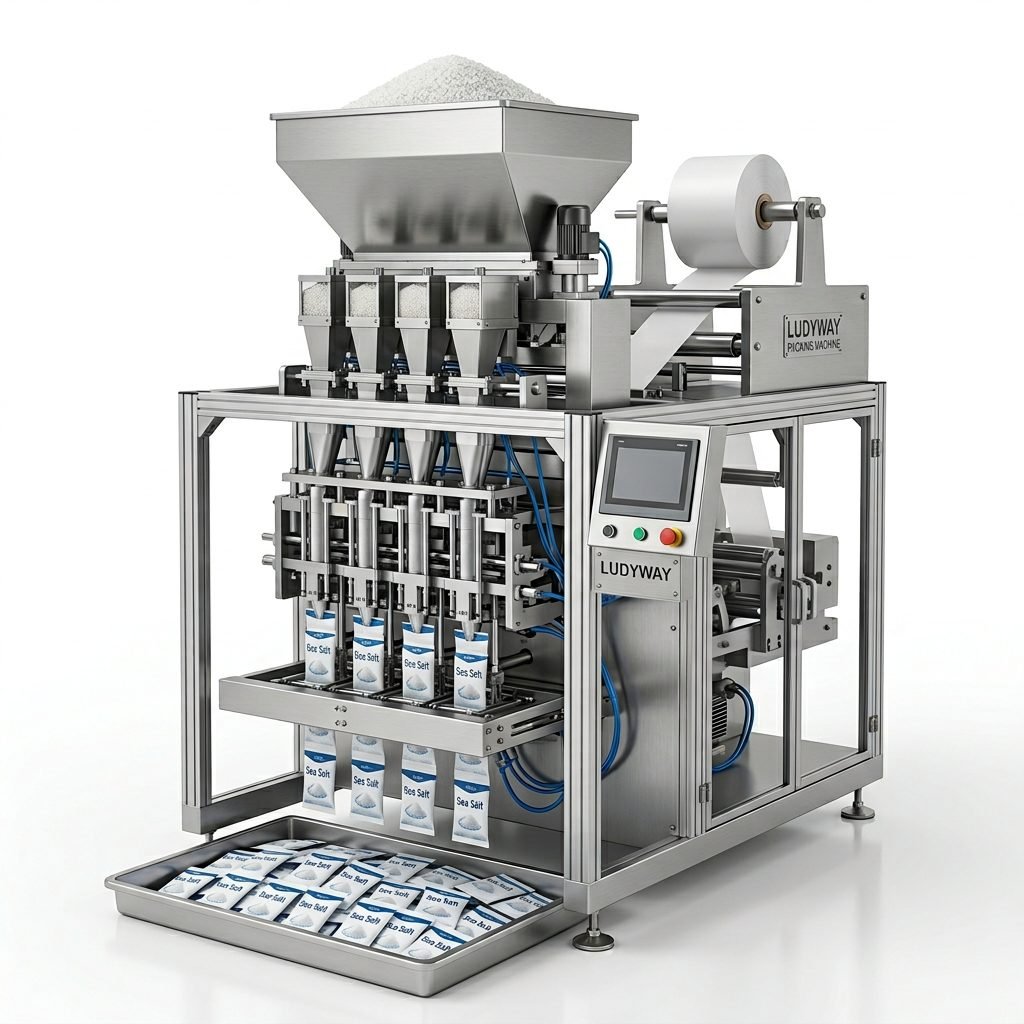
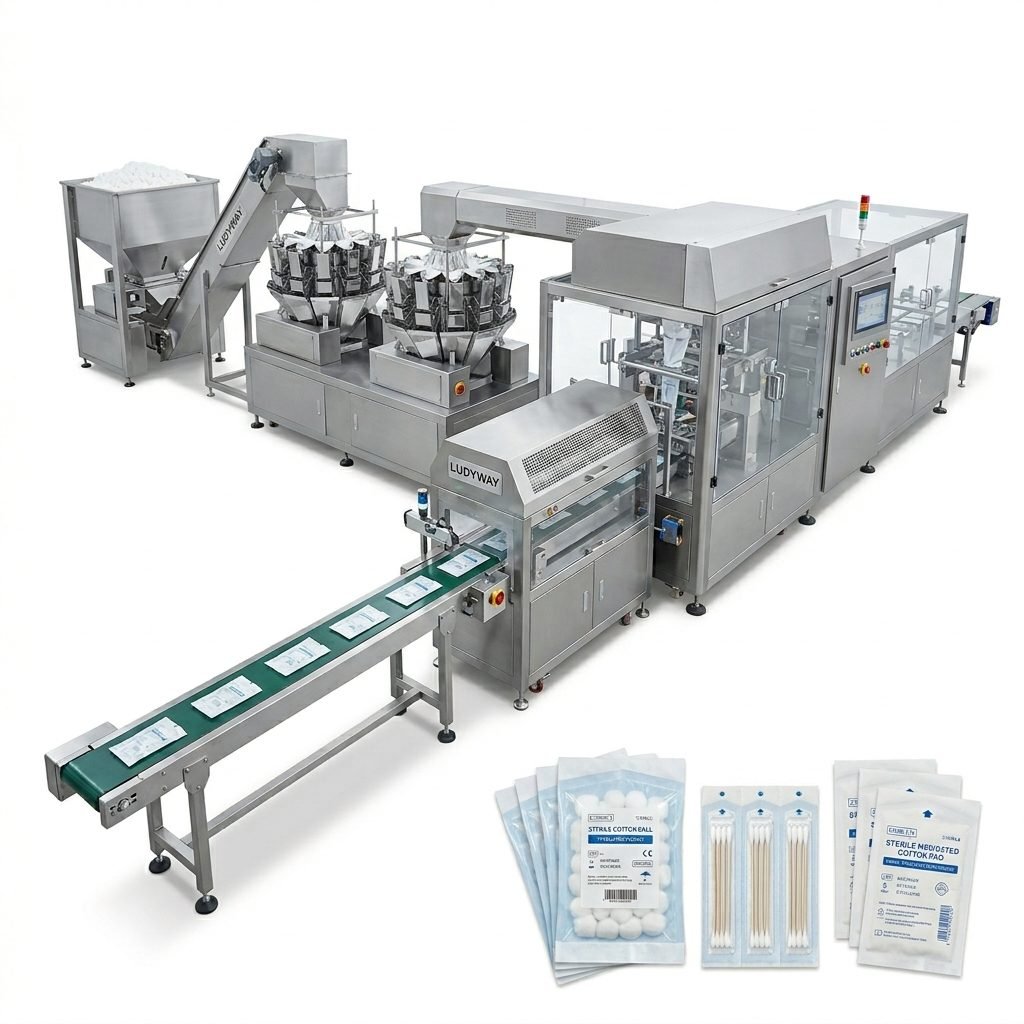
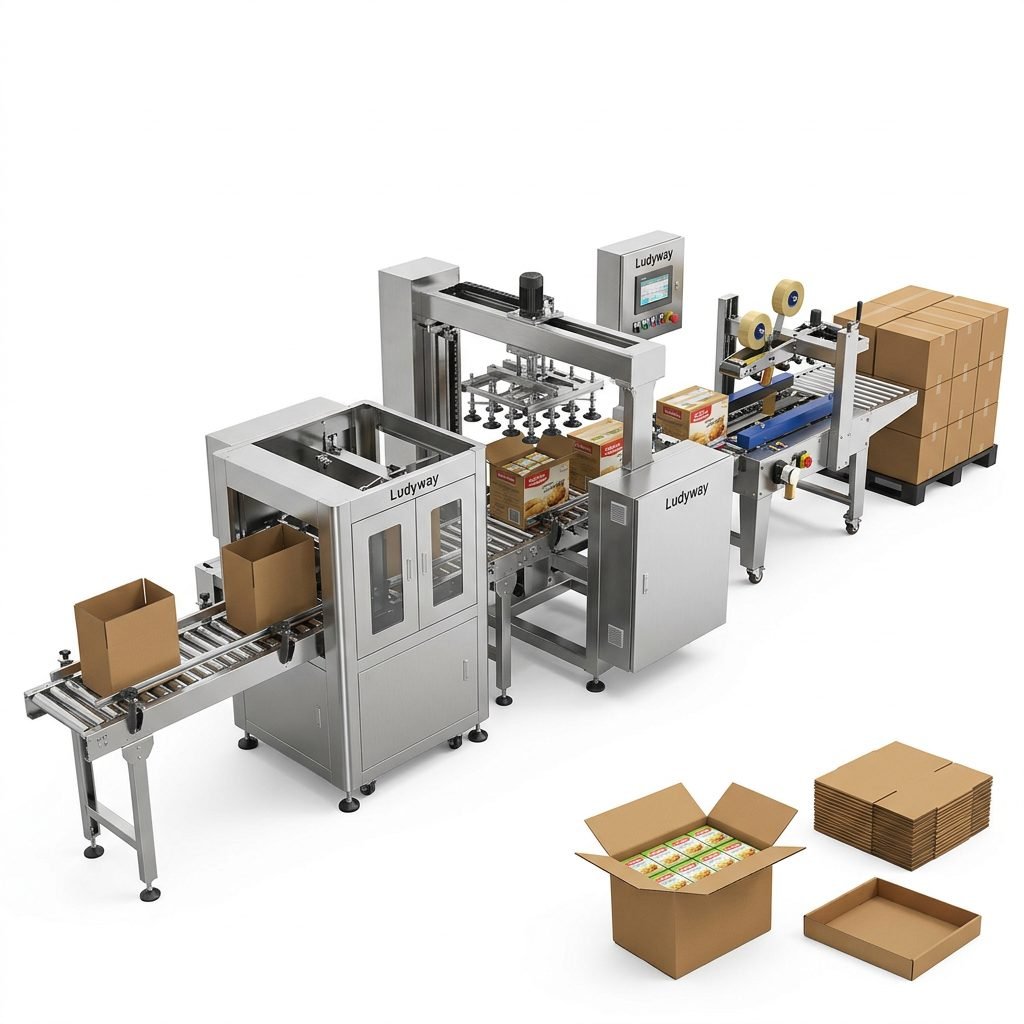
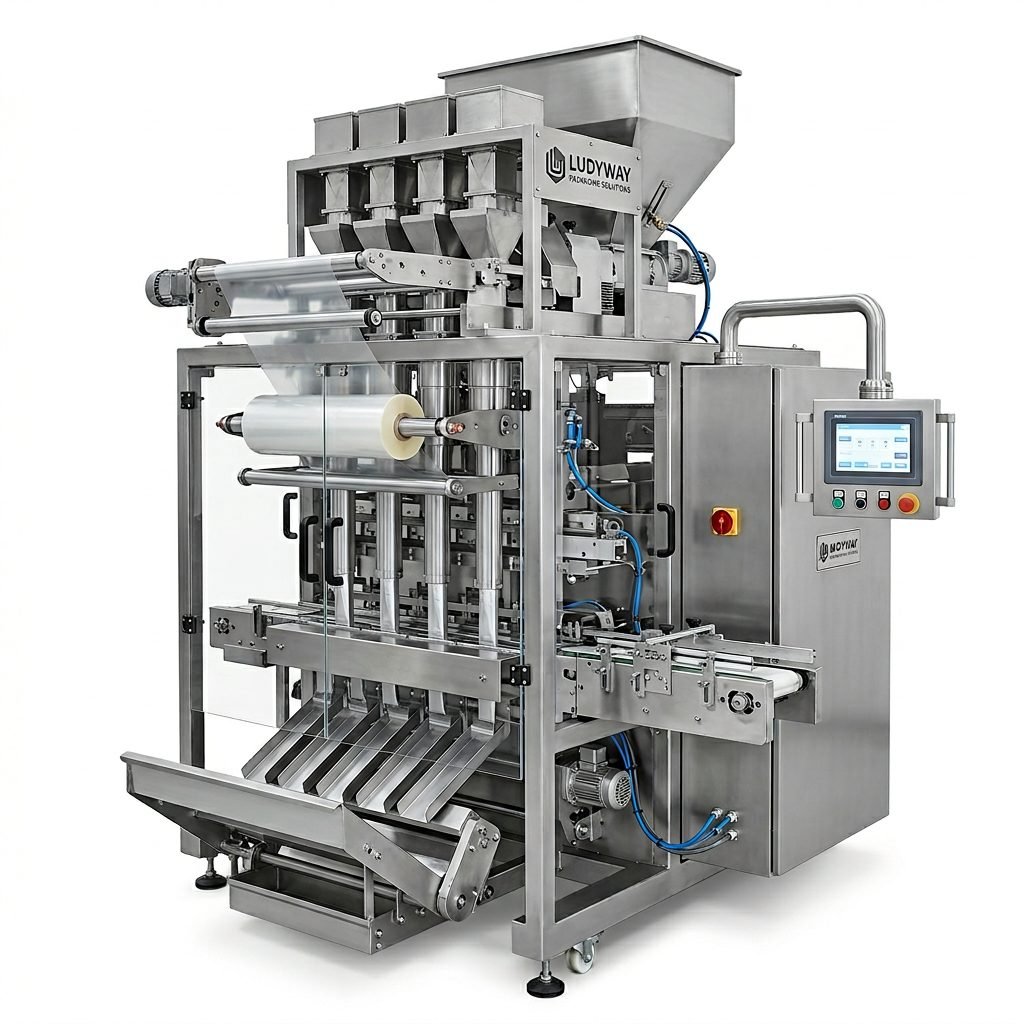
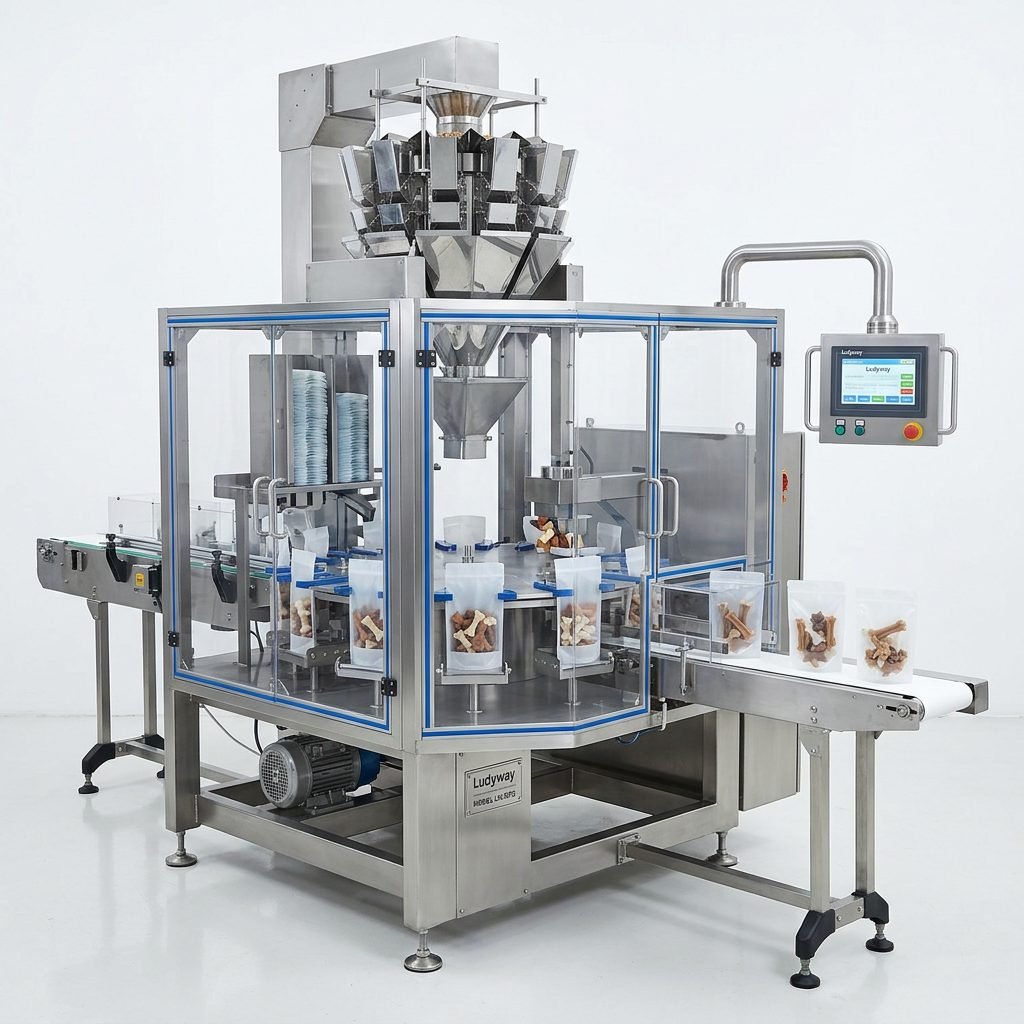
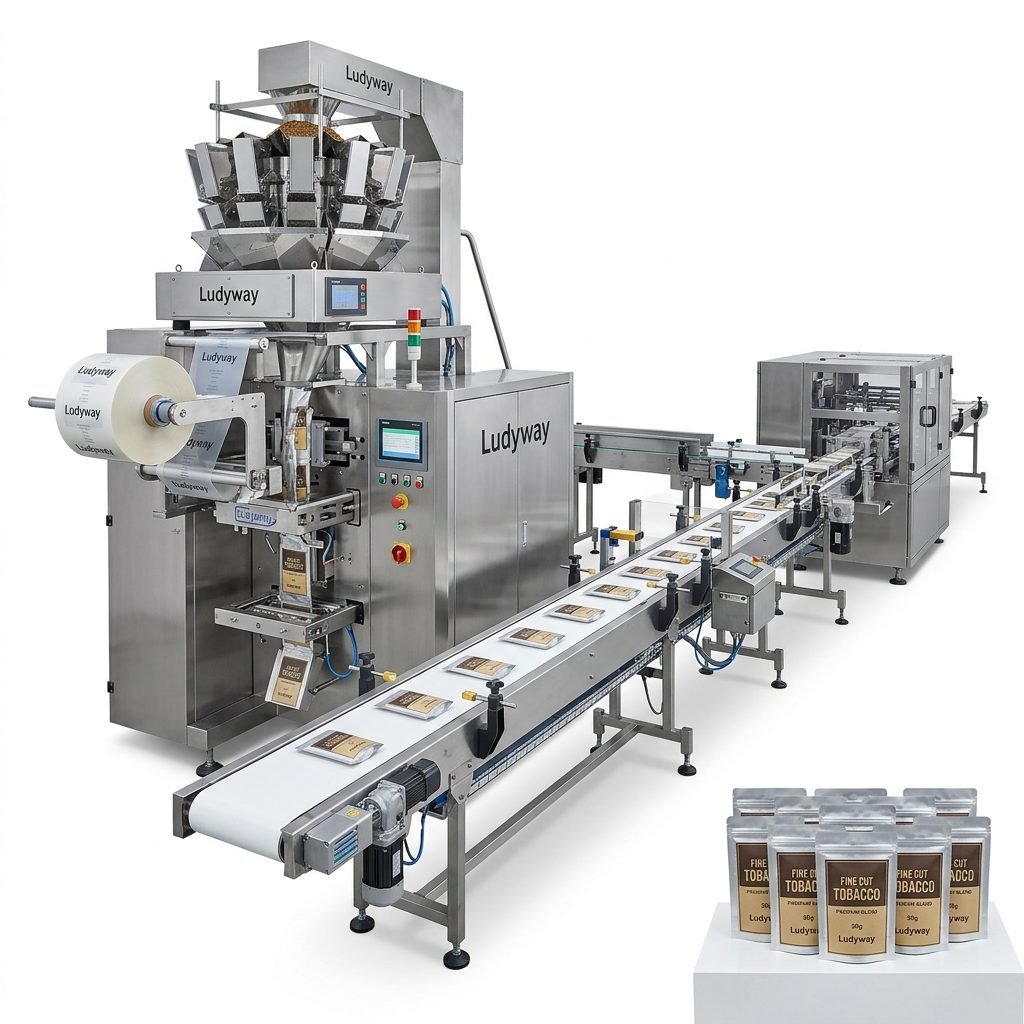
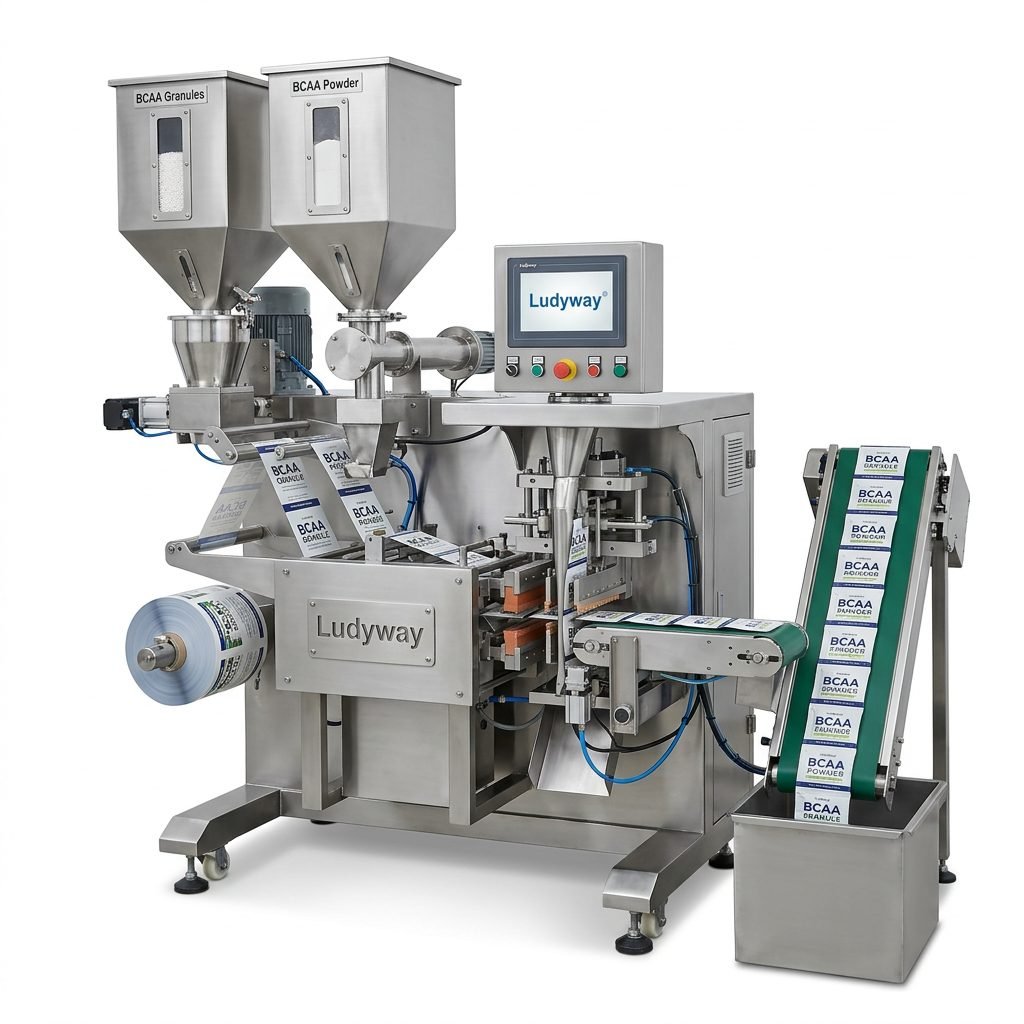
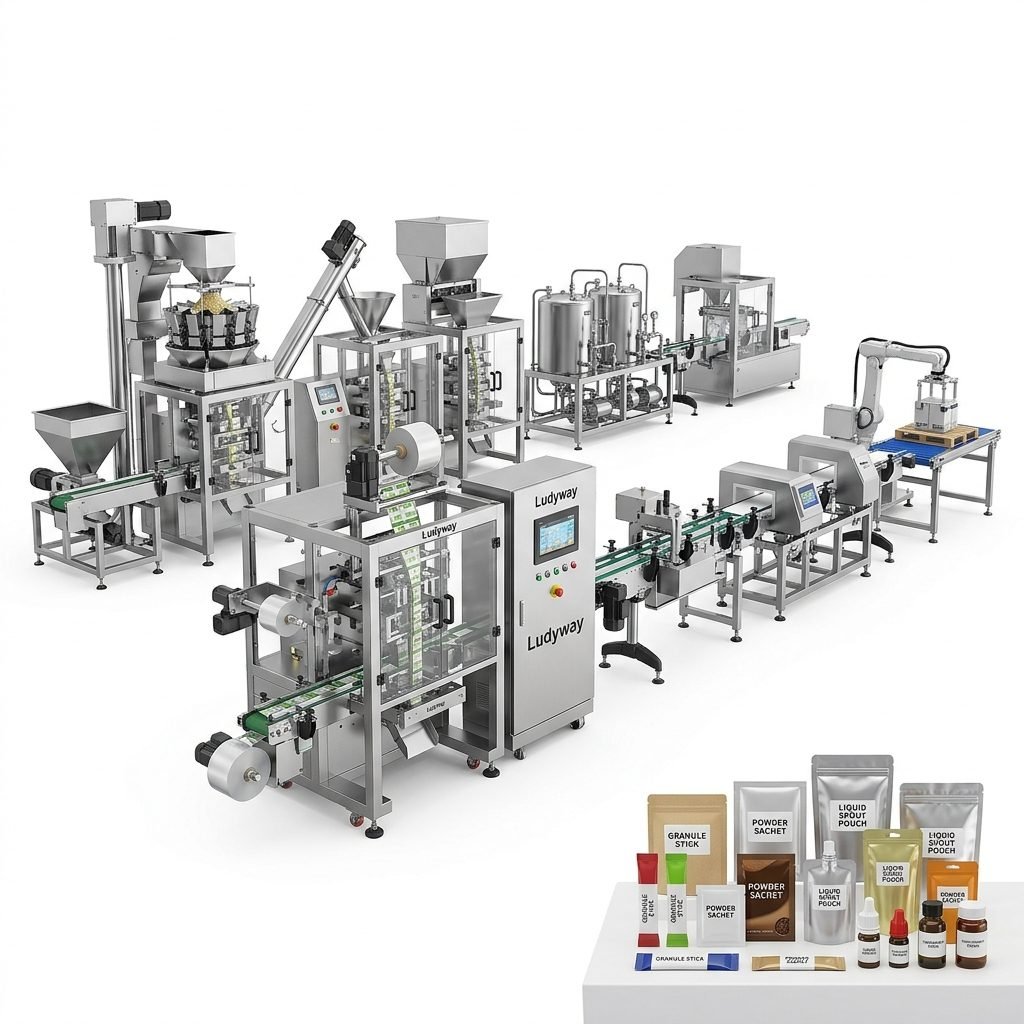
Proper maintenance is the cornerstone of reliable production. For any facility relying on a paddy packing machine, neglecting routine care inevitably leads to inconsistent fills, unexpected downtime, and compromised product quality. A well-structured maintenance program not only extends the lifespan of your equipment but also ensures optimal sealing integrity and weighing accuracy for every single package. Whether you are running a high-speed automatic packaging line or a semi-automatic setup, adherence to a disciplined service schedule is non-negotiable.
Daily Inspection Checklist for Paddy Packaging Systems
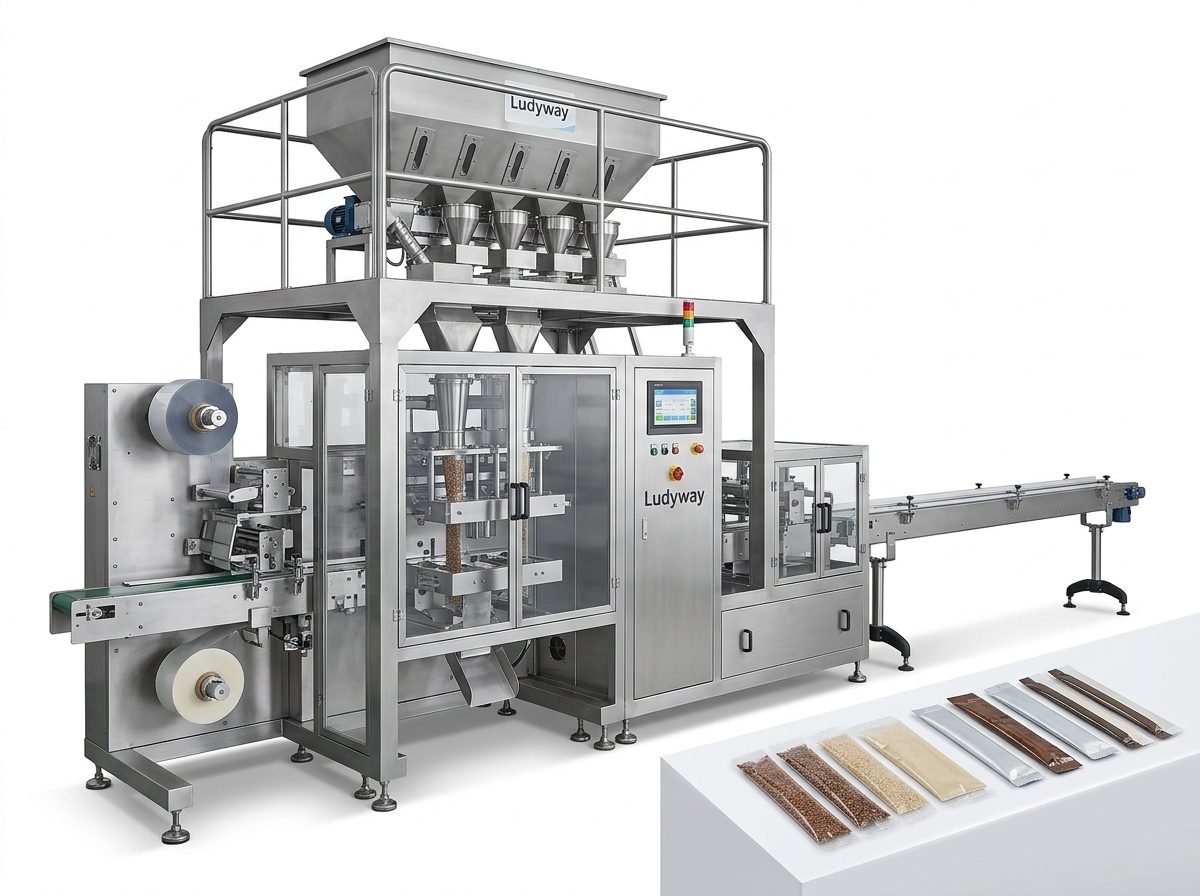
Before initiating any production cycle, operators must perform a visual and functional audit of the machine. A daily inspection routine catches minor anomalies before they escalate into catastrophic failures. Paddy and rice grains are inherently dusty and can quickly clog sensitive sensors if left unchecked.
- Visual Integrity Check: Inspect the main frame, safety guards, and transparent doors for cracks or loose bolts. Look for signs of oil leaks around the gearbox and pneumatic fittings.
- Sensor Calibration: Wipe the photoelectric sensors and proximity switches with a lint-free cloth. Dust accumulation on the packaging machinery sensors is the primary cause of false readings and misfeeds.
- Sealing Jaw Condition: Examine the heating bars for residual film residue or carbon buildup. Inconsistent seal temperature is often the result of dirty thermocouples.
- Hopper and Chute Flow: Ensure the vibratory feeder and weighing buckets are free from grain bridging or obstructions. Paddy grains vary in moisture content; sticky grains can cling to metal surfaces and disrupt flow dynamics.
- Emergency Stop Test: Activate every emergency stop button to verify immediate cessation of all moving parts.
Cleaning and Lubrication Best Practices
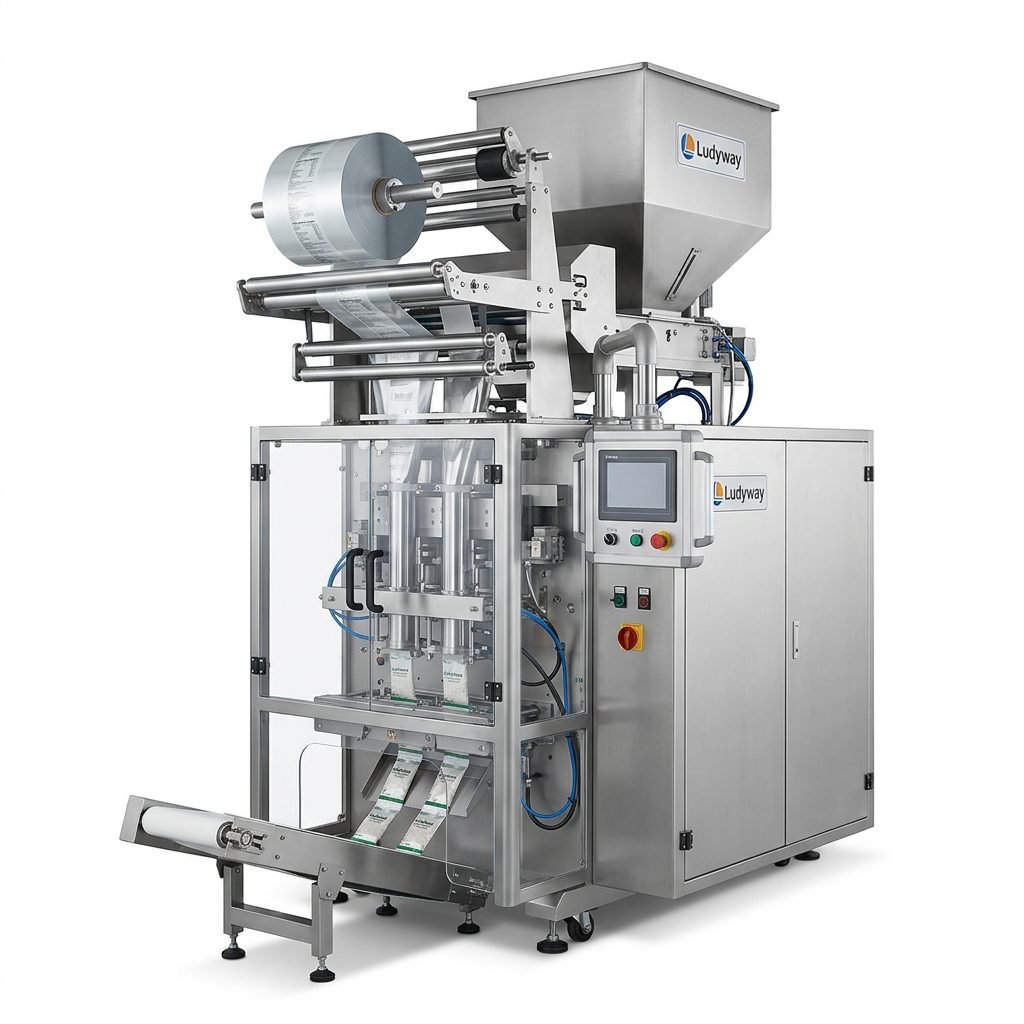
Effective cleaning is not just about hygiene; it directly impacts mechanical precision. A paddy packing machine operates in an environment where fine starch dust and hull fragments are airborne. These particles mix with lubricants to form abrasive pastes that wear down bearings and chains.
- Daily Blow-Down: Use compressed air to clear dust from the film unwinding carriage and forming tube assembly. Avoid directing high-pressure air directly at electronic control boards.
- Chain and Gear Lubrication: Apply food-grade lubricant to the main drive chain and cam mechanisms every 40 operating hours. Over-greasing attracts more dust; a thin, even film is sufficient.
- Film Path Cleaning: Clean the rollers and tension arms with isopropyl alcohol to remove starch adhesive that transfers from the packaging film during heat sealing.
- Electrical Cabinet: Keep the control panel enclosure sealed. Vacuum the ventilation filters weekly to prevent overheating of the PLC and servo drives.
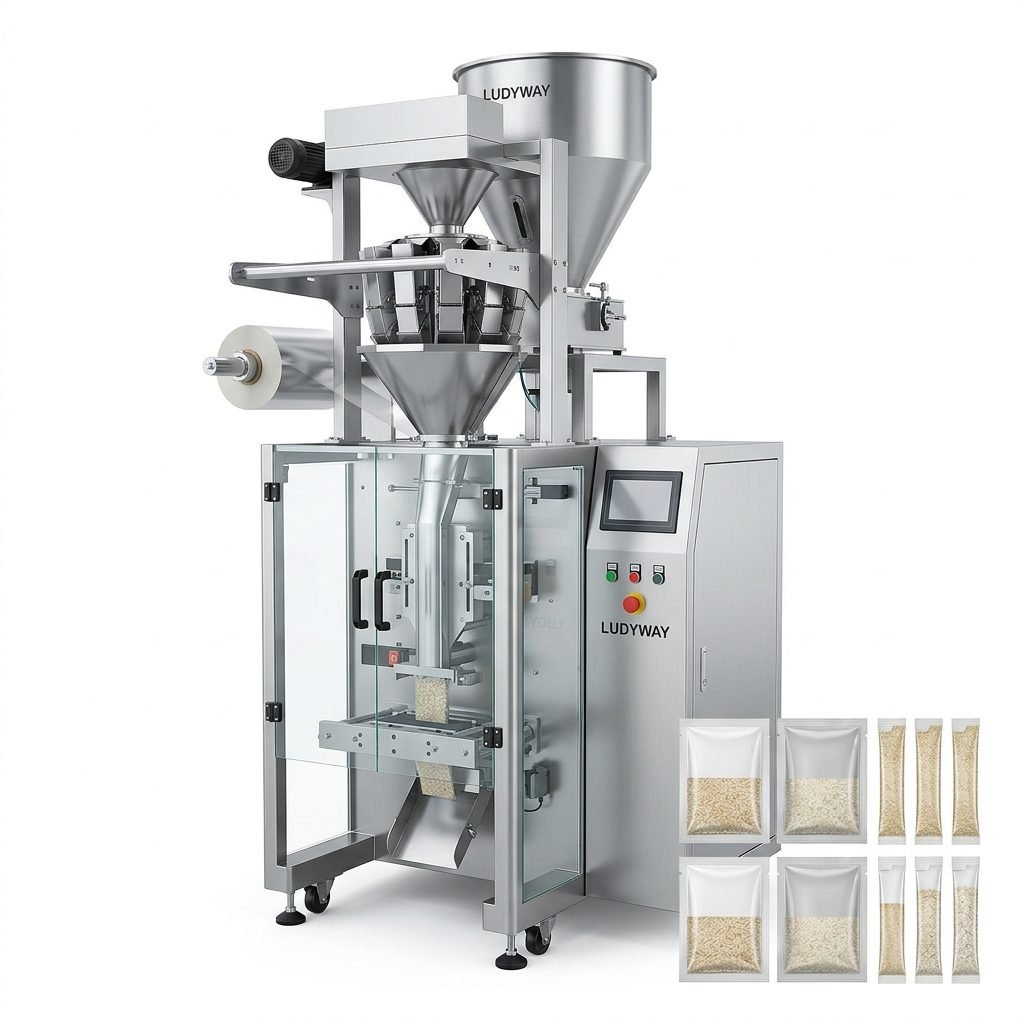
Common Issues and Troubleshooting
Even with rigorous maintenance, operators may encounter specific mechanical variances. Understanding the root cause of common faults in rice packaging equipment reduces mean time to repair.
- Film Misalignment (Tracking Error): Usually caused by a worn forming collar or incorrectly adjusted edge guides. Verify the film roll is centered and the tension is uniform.
- Inconsistent Fill Weights: Recalibrate the multi-head weigher and check for static buildup on the weigh buckets. Humidity-controlled paddy storage significantly improves weight consistency.
- Wrinkled or Leaking Seals: Check the Teflon coating on the sealing jaws. If the coating is scratched, the film will drag unevenly. Confirm the temperature setpoint matches the film specification.
- PLC Alarm Codes: Never bypass a fault alarm without consulting the error log. Recurring servo overload warnings often point to mechanical binding in the jaw carriage or a failing capacitor in the drive.
Scheduled Maintenance Plan Overview
To help maintenance managers structure their service protocols, the following table outlines a recommended maintenance schedule for standard paddy packing machinery. These intervals may be adjusted based on production volume and environmental conditions.
| Maintenance Interval | Component | Action Required | Priority |
|---|---|---|---|
| Daily | Machinery Sensors & Sealing Jaws | Clean all sensors and inspect jaw surfaces for residue | Critical |
| Weekly | Chain Drives & Pneumatic Lines | Lubricate drive chain; drain water traps in air filters | High |
| Monthly | Weighing System & Forming Tube | Full calibration cycle; inspect forming collar alignment | Medium |
| Quarterly | Gearbox & Servo Motors | Replace gearbox oil; verify servo encoder signal integrity | Medium |
| Annually | Full Machine Overhaul | Replace all belts, Teflon coatings, and worn bearings | Critical |
Spare Parts Management Strategy
Unplanned downtime often results from the unavailability of a single consumable component. A smart inventory of critical spares ensures that a paddy packing machine returns to operation within minutes rather than days.
- Heating Elements and Thermocouples: These have a finite lifespan and are susceptible to thermal fatigue. Stock at least two complete sets.
- Teflon Strips and Sealing Belts: Keep a roll of high-temperature adhesive Teflon tape specifically matched to your jaw dimensions.
- Pneumatic Cylinders and Solenoids: A failed solenoid valve can halt the entire sequential logic. Maintain a tested spare valve bank.
- Drive Belts and Timing Pulleys: Inspect for micro-cracks every quarter and rotate stock to avoid material degradation from long storage.
When to Seek Professional Support
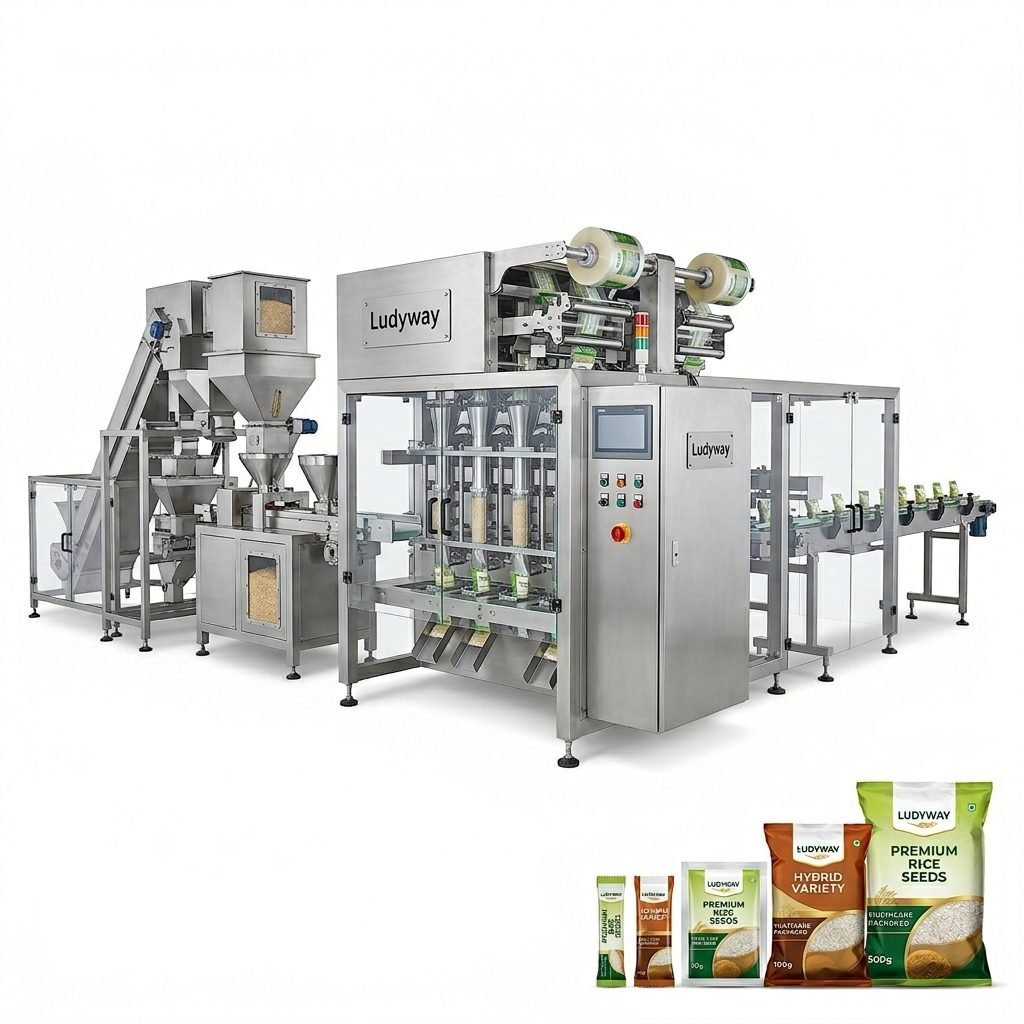
While in-house maintenance teams can manage daily upkeep, certain situations demand OEM expertise. If you encounter persistent PLC logic faults, servo synchronization errors, or mechanical vibrations that resist standard troubleshooting, it is time to consult the manufacturer. As one of the leading packaging machine manufacturers with over 30 years of experience, Ludyway provides turnkey solutions and comprehensive after-sales technical support. Their engineering team specializes in multi-lane stick pack, sachet, and fully automated paddy packaging systems, ensuring rapid remote diagnostics and genuine spare parts delivery to customers in over 100 countries. Refer to the ISO packaging standards for compliance guidelines when upgrading or retrofitting legacy equipment.
Leveraging Professional Resources and Industry Standards
Staying up-to-date with industry best practices is essential for maintaining peak performance. Organizations such as the Packaging Machinery Manufacturers Institute (PMMI) offer extensive business intelligence libraries, state-of-the-industry reports, and regulatory updates that help operators anticipate shifts in packaging technology. Similarly, the Flexible Packaging Association provides valuable data on film compatibility, sustainability resources, and regulatory affairs that directly influence how paddy packing machines should be configured for optimal seal integrity. Incorporating these external insights into your internal training programs ensures that your maintenance team operates at the forefront of the packaging machinery sector.
Key Takeaways for Sustained Performance
A disciplined maintenance culture transforms a reactive repair shop into a proactive production powerhouse. The paddy packing machine is a precision instrument; its output consistency depends on the care invested in it. Adhering to a structured daily checklist, keeping the film path immaculate, following a strict lubrication schedule, and maintaining a strategic inventory of critical spare parts collectively ensure that your packaging line delivers flawless performance season after season. Remember that documentation is equally vital—maintain a digital logbook of every intervention, calibration value, and replaced component to build a historical baseline that simplifies future diagnostics and extends the economic life of your equipment.