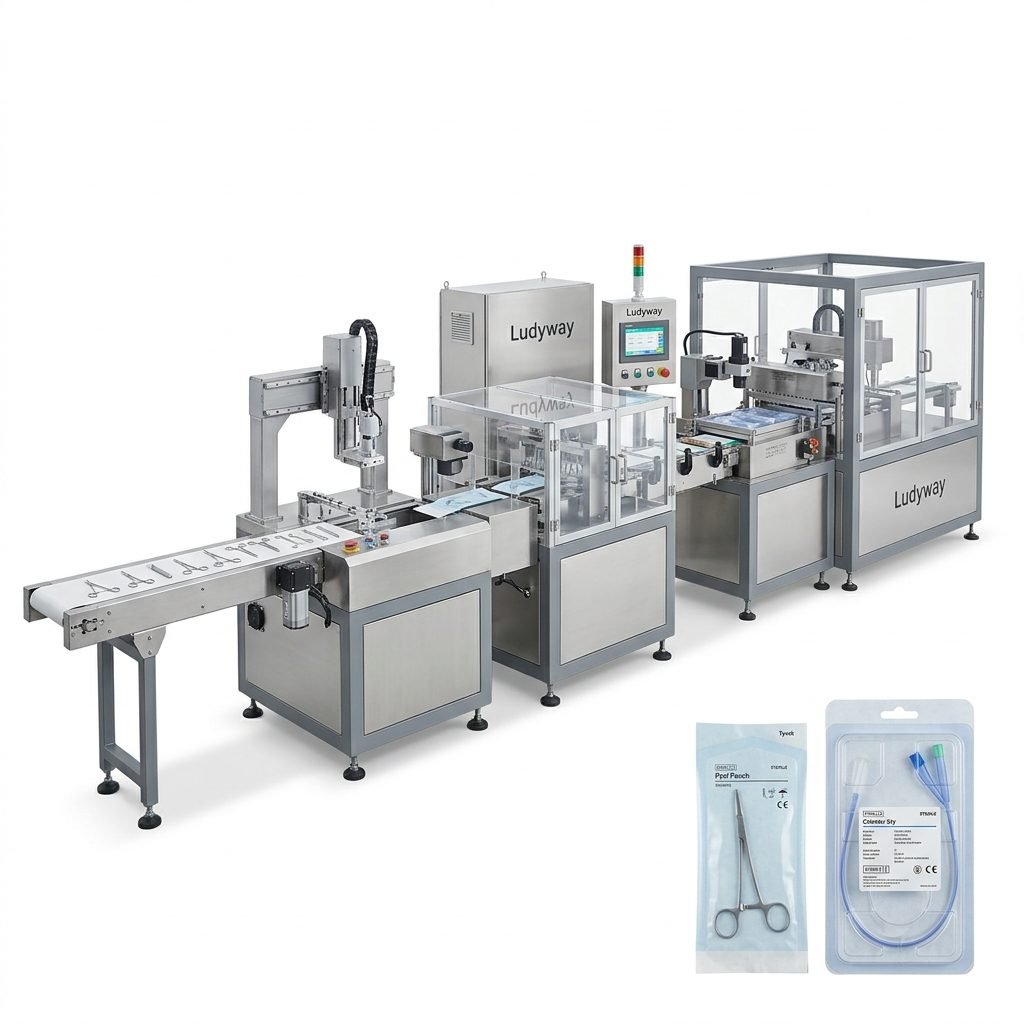
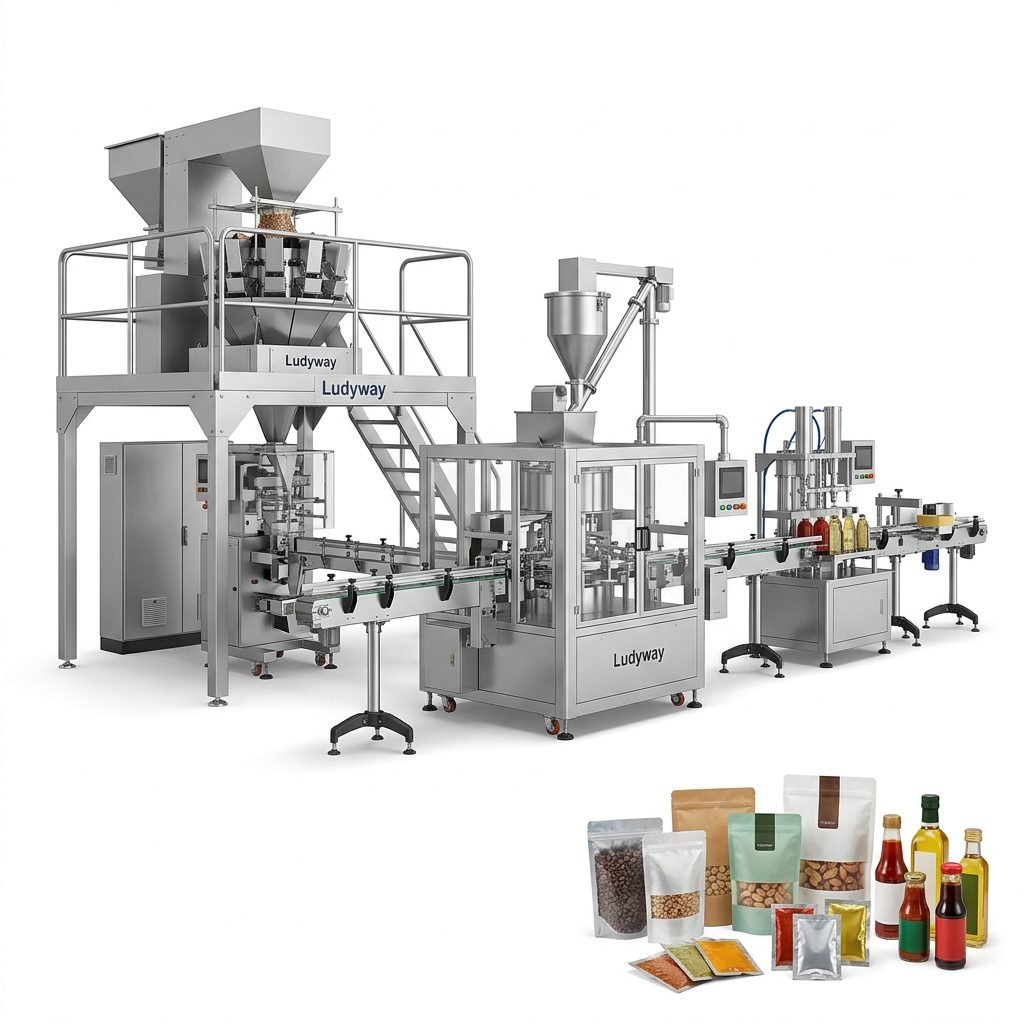
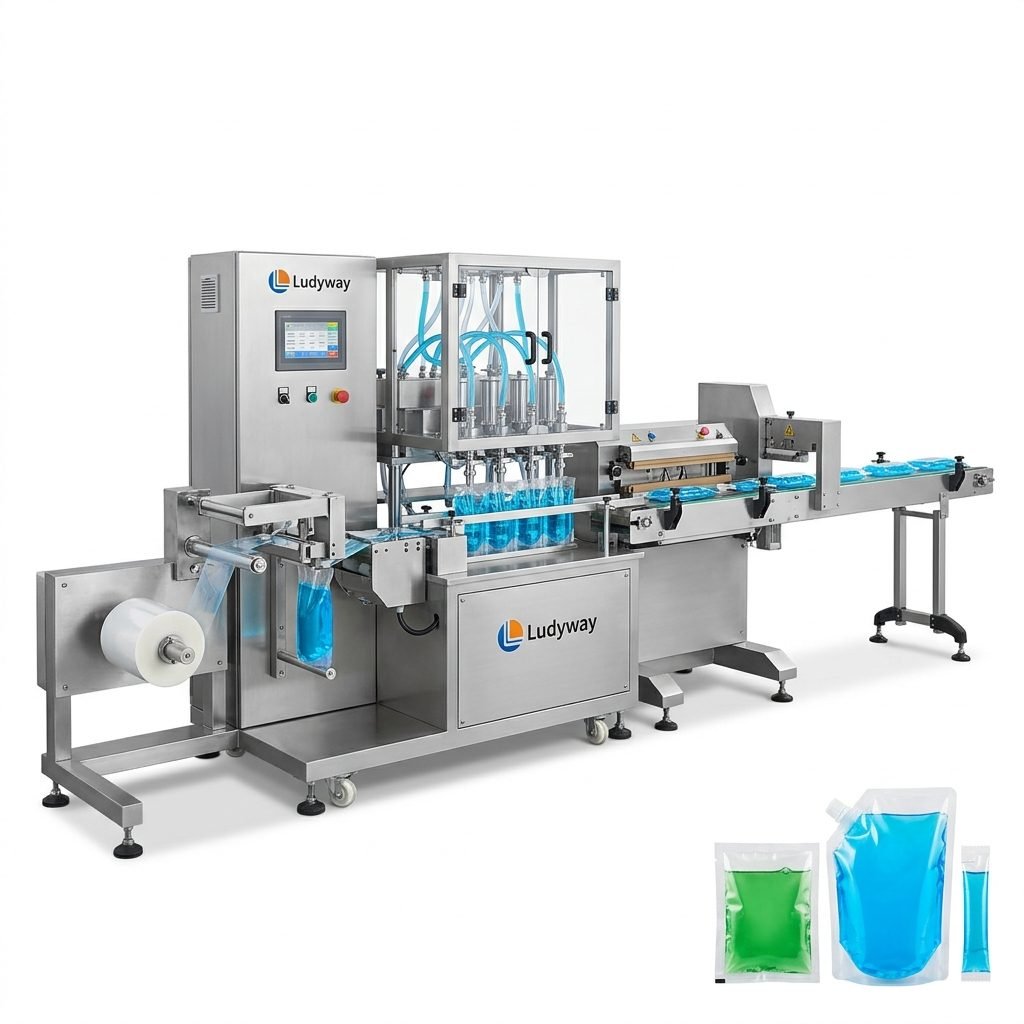
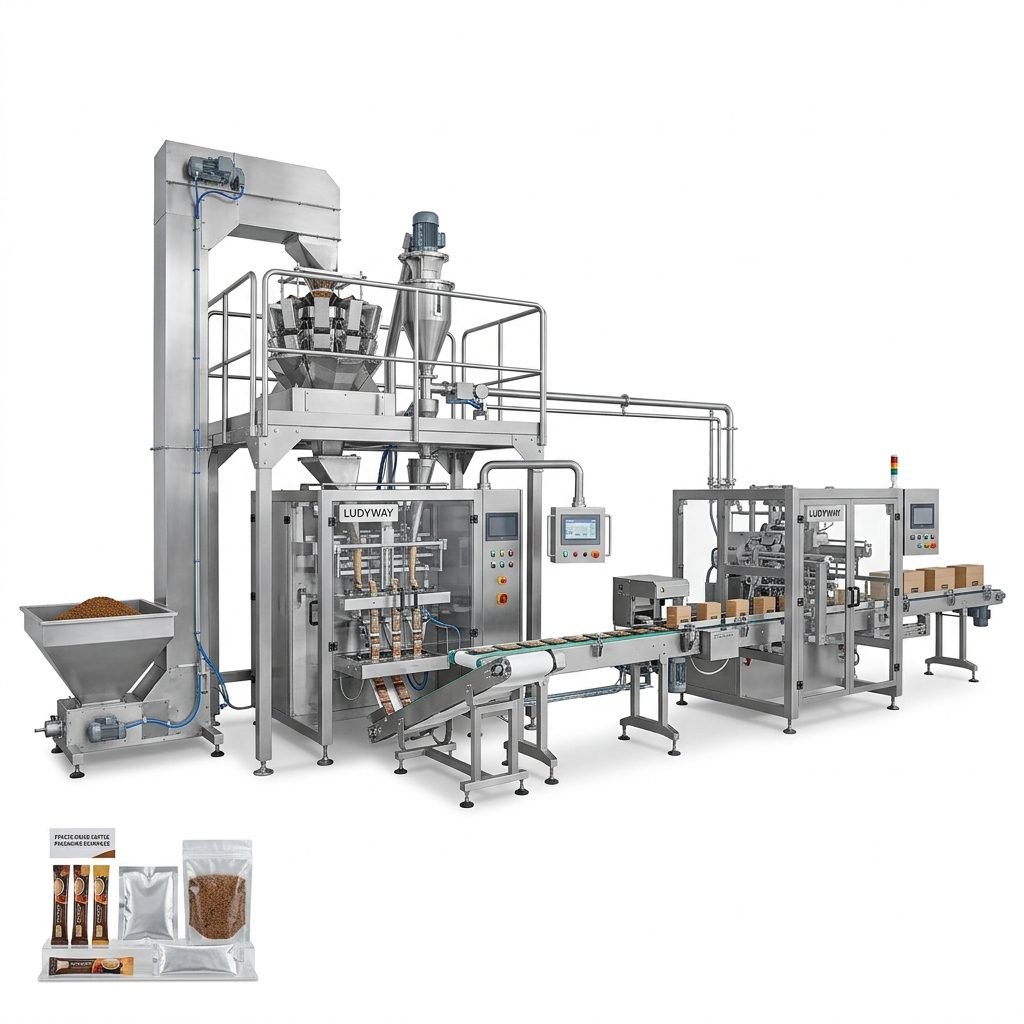
The ready-to-eat food sector is booming, driven by consumer demand for convenience, variety, and quality. At the heart of this industry’s efficiency and product integrity is the packaging process. Choosing the right ready-to-eat food packaging machine is a critical investment that impacts production speed, product shelf life, brand presentation, and overall operational costs. This guide delves into the types of machines available, explains their working processes, and provides essential buying tips to help you make an informed decision.
Primary Types of Ready-to-Eat Food Packaging Machines
The packaging needs for ready-to-eat foods vary greatly depending on product form—liquid, powder, granule, or solid. Consequently, different specialized machines are employed.
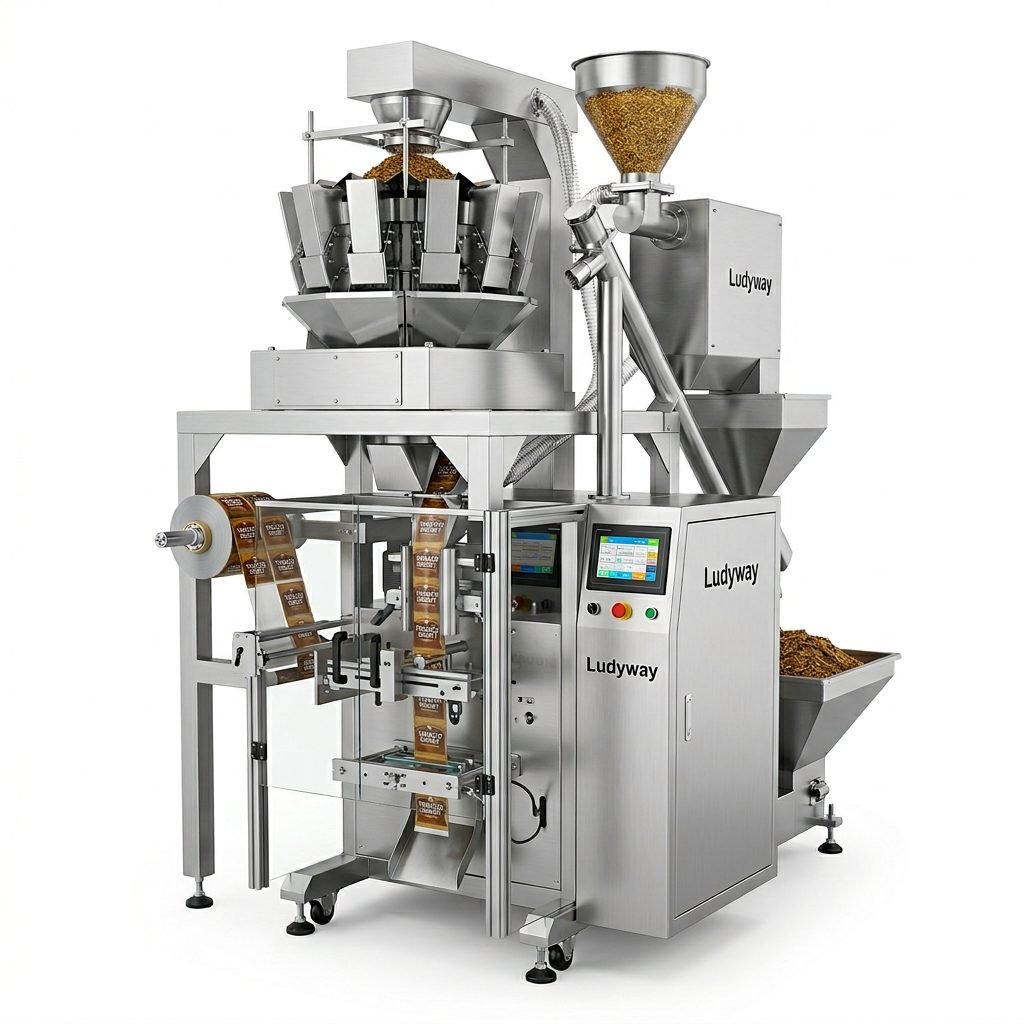
Vertical Form Fill Seal (VFFS) Machines
These are the most common and versatile machines for packaging powders, granules, and small solid items like nuts or candies. They form a bag from a roll of film, fill it with product, and seal it in a continuous vertical operation. They are ideal for producing pillow bags, gusseted bags, or block-bottom bags.
Horizontal Form Fill Seal (HFFS) Machines
Used for packaging items that require a tray or a more rigid structure, such as pre-prepared meals, sandwiches, or salads. The film is formed horizontally into a tray, the product is placed inside, and a top film is sealed over it, often with modified atmosphere packaging (MAP) capabilities to extend freshness.
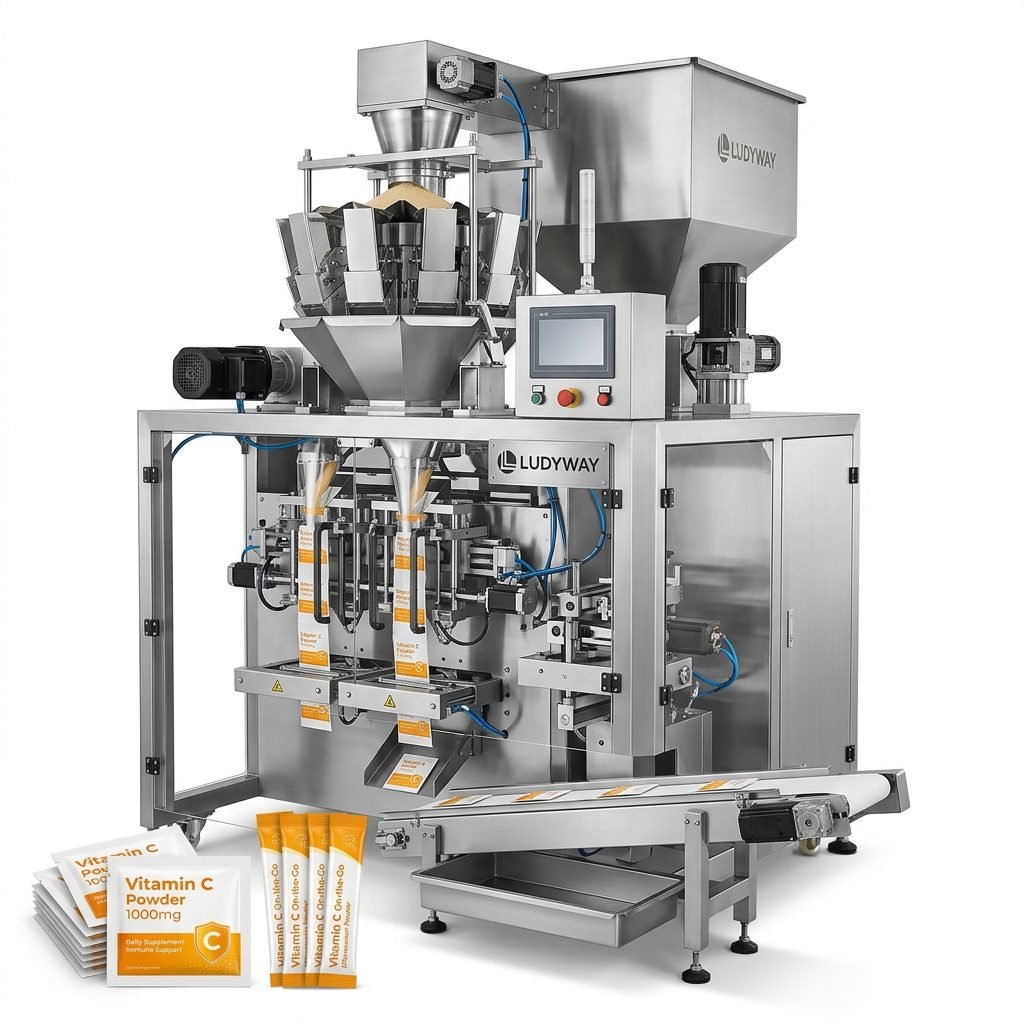
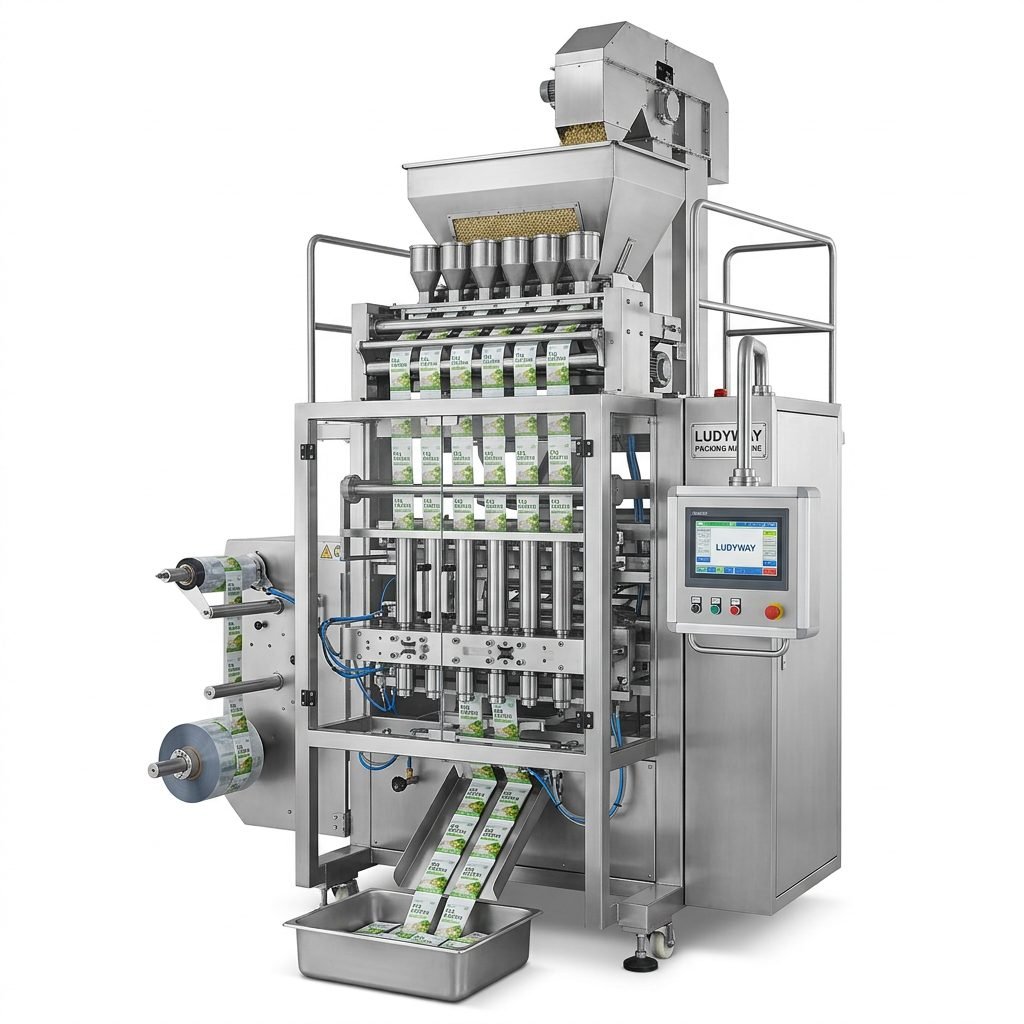
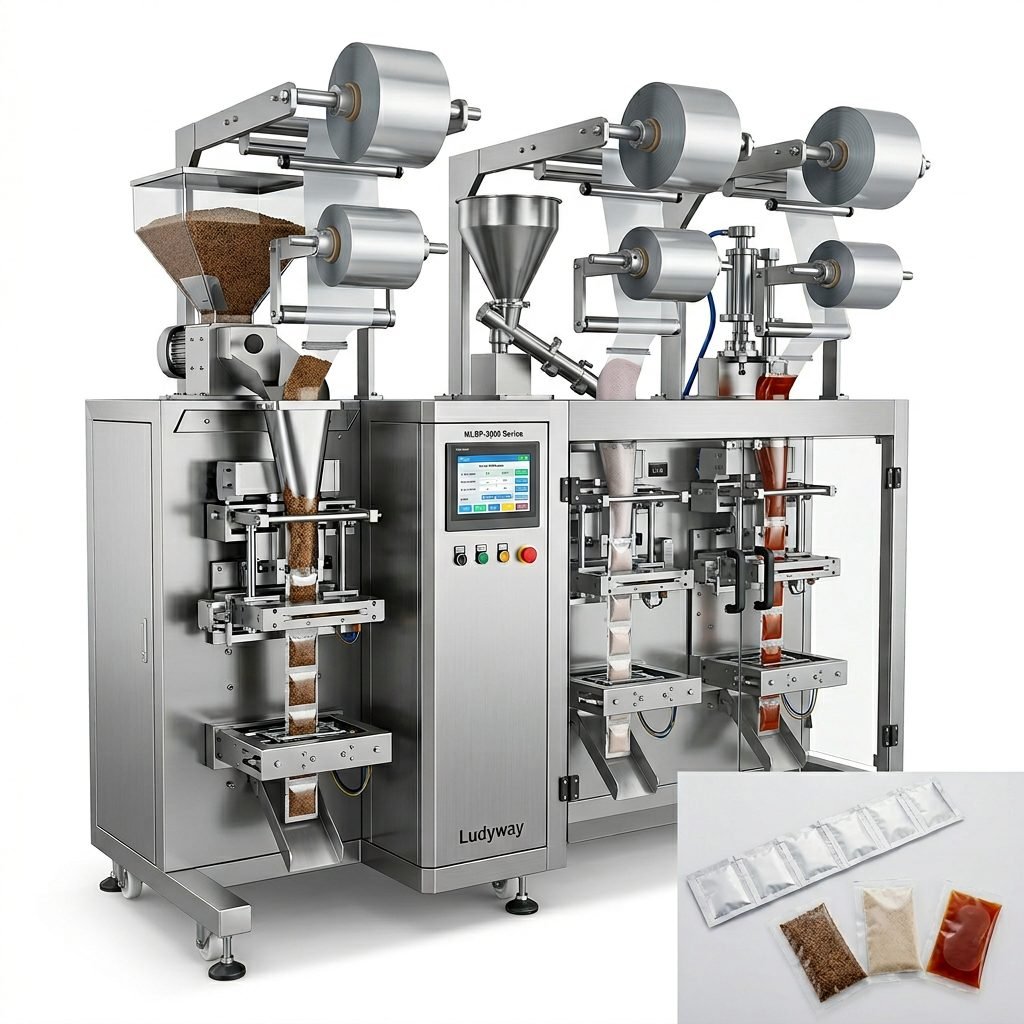
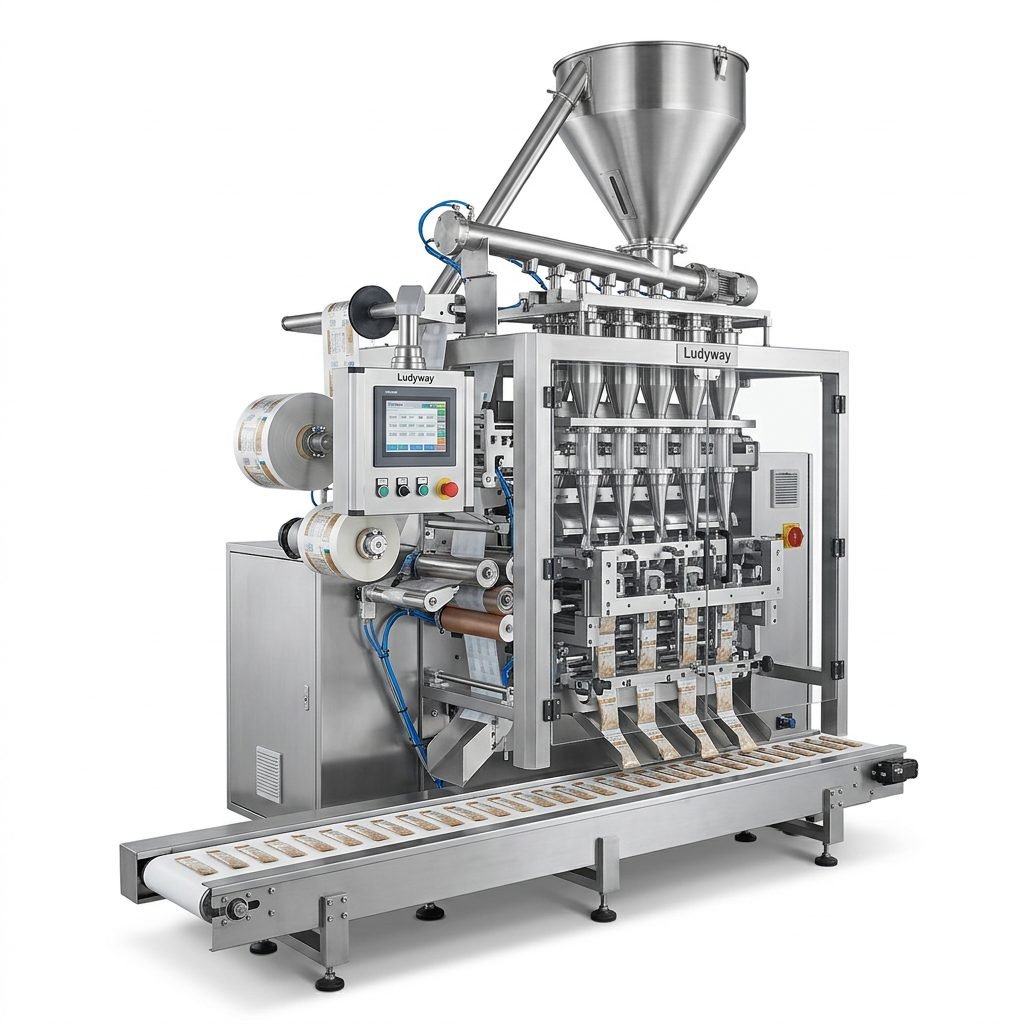
Sachet & Stick Pack Packaging Machines
Perfect for single-serving portions of sauces, dressings, spices, instant beverages, or supplements. These machines create small, sealed packets from roll film. High-speed multi-lane models can produce dozens of sachets per minute, making them extremely efficient for high-volume applications.
Liquid Filling & Sealing Machines
Designed for soups, beverages, yogurts, or sauces in pouches or cups. They often integrate precise volumetric or weight filling systems to ensure accuracy, followed by sealing under sterile conditions if required for aseptic packaging.
Thermoforming Packaging Machines
These create rigid plastic trays or containers from a sheet of film, fill them with product, and seal with a lid film. They are suited for premium ready-to-eat meals, dairy products, or items requiring high barrier protection and an attractive retail presentation.
The Working Process: From Film to Finished Pack
Understanding the automated sequence helps appreciate the precision and engineering involved.
Step 1: Film Feeding & Forming
A roll of packaging material (laminate, polyethylene, etc.) is fed into the machine. In VFFS machines, the film is drawn down over a forming tube (mandrel) and shaped into a bag. In thermoforming or HFFS machines, the film is heated and molded into trays or pockets.
Step 2: Product Filling
This is a critical phase. Depending on the product, filling can be by weight scales for accuracy, volumetric cups for granules, piston pumps for liquids, or even robotic placement for solid items. Consistency here directly impacts product weight compliance and cost control.
Step 3: Sealing
The open end of the package is sealed using heat, pressure, or ultrasonic technology. The sealing parameters (temperature, time, pressure) must be perfectly calibrated to the film material to ensure a hermetic seal that prevents leakage and contamination, crucial for food safety and shelf life.
Step 4: Cutting & Discharge
The continuous web of packages is separated into individual units via cutting mechanisms. The finished packs are then discharged onto a conveyor for collection, labeling, or secondary packaging.
Key Buying Tips for Your Packaging Machine Investment
Selecting a machine is not just about price; it’s about finding a solution that aligns with your long-term production goals.
1. Match the Machine to Your Specific Product
Analyze your product’s physical characteristics: Is it free-flowing, sticky, abrasive, or fragile? Provide samples to potential suppliers for trial runs. A machine perfect for rice may struggle with sticky oatmeal. Consider future product lines to ensure flexibility.
2. Prioritize Speed & Output Requirements
Calculate your required output (bags/per minute). Don’t just buy for today’s demand. Factor in growth. High-speed multi-lane sachet machines can dramatically increase capacity. Remember, speed often correlates with precision; ensure the machine maintains accuracy at higher rates.
3. Evaluate Film Material Compatibility & Changeover
The machine must handle your chosen packaging film efficiently. Check sealing compatibility for different laminates. Also, consider how quickly and easily you can change film rolls or switch between different package sizes (changeover time). Quick changeovers enhance operational flexibility for short runs or varied products.
4. Focus on Hygiene, Cleanability & Food Safety Standards
Ready-to-eat food packaging demands high hygiene. Look for machines with smooth surfaces, easy-access areas for cleaning, and designs that prevent product accumulation in crevices. Machines for wet or aseptic products should have stainless steel construction in critical zones.
5. Consider Automation Level & Integration Potential
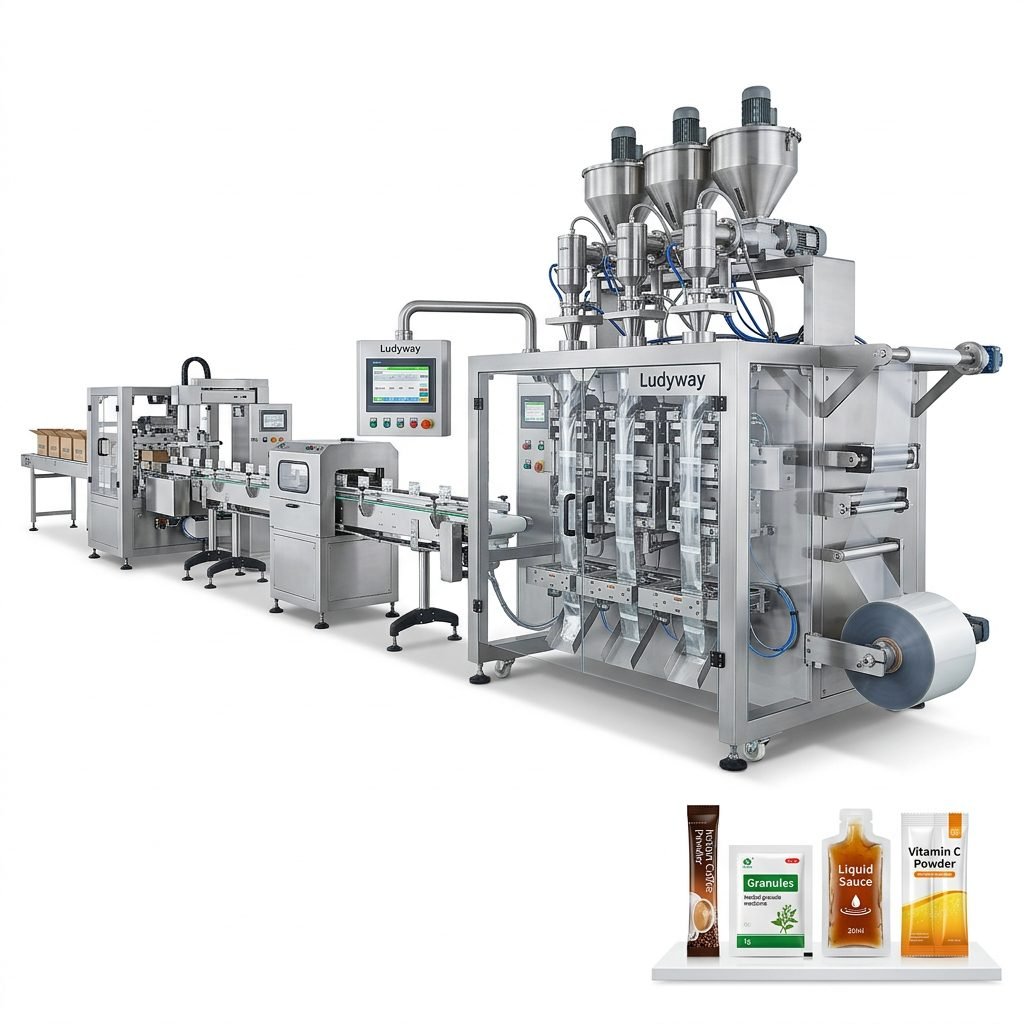
Will the machine integrate with upstream feeders (like weighers) and downstream systems (labelers, cartoners)? Look for PLC control systems with user-friendly interfaces, recipe storage for different products, and diagnostic capabilities. Higher automation reduces labor dependency and improves consistency.
6. Assess Supplier Expertise & After-Sales Support
The supplier’s experience is paramount. Choose a partner with proven expertise in food packaging machinery, particularly your product category. Investigate their technical support, spare parts availability, training offerings, and warranty terms. A reliable partner ensures your line runs smoothly for years. For insights into reliable suppliers, you can explore industry resources like packaging equipment guides.
7. Analyze Total Cost of Ownership (TCO)
Beyond the purchase price, calculate costs for installation, maintenance, energy consumption, and potential downtime. A robust, slightly more expensive machine with lower maintenance needs often has a better TCO than a cheaper, less reliable alternative.
Conclusion
Investing in a ready-to-eat food packaging machine is a strategic decision that directly influences your production efficiency, product quality, and brand reputation. By thoroughly understanding the different machine types, their working principles, and carefully applying the key buying tips—from product matching and speed assessment to prioritizing hygiene and supplier support—you can select a system that not only meets your current needs but also scales with your business growth. The right packaging machine becomes a cornerstone of your operational success, ensuring you deliver convenient, safe, and appealing ready-to-eat products to the market.
Frequently Asked Questions (FAQs)
What is the most important factor when choosing a packaging machine for sauces?
The most critical factors are filling accuracy and sealing reliability. Sauces can be viscous and prone to dripping. A machine with a precise piston filler and a robust, leak-proof sealing system (often hot air or ultrasonic) is essential. Hygiene and cleanability are also paramount due to the product’s nature.
Can one machine handle both powder and granule products?
Yes, many Vertical Form Fill Seal (VFFS) machines are designed to handle both free-flowing powders and granules. The key difference lies in the filling system. You may need interchangeable feeders—a volumetric cup filler for granules and a auger filler for powders. Ensure the supplier configures the machine with the appropriate filling heads for your product range.
How does Modified Atmosphere Packaging (MAP) work with ready-to-eat meals?
MAP is typically integrated into Horizontal Form Fill Seal or Thermoforming machines. After the tray is formed and the product placed inside, the machine flushes the air out of the package and replaces it with a specific gas mixture (often high nitrogen, low oxygen). This atmosphere slows down oxidation and microbial growth, significantly extending the shelf life of fresh meals, salads, or cooked meats.
What maintenance is required for a high-speed stick pack machine?
Regular maintenance includes daily cleaning of product contact areas, lubrication of moving parts as per the manual, and inspection of sealing jaws for wear or residue buildup. Periodic checks of the film drive system, cutting blades, and electrical components are vital. Using high-quality packaging film also reduces wear on the machine components. A good resource for maintenance best practices can be found in packaging machine operation manuals.
Is it possible to upgrade an existing machine to increase its speed?
Some upgrades are possible, such as adding more filling lanes (on multi-lane machines) or installing a faster PLC and drives. However, fundamental speed increases are often limited by the machine’s original mechanical design (forming speed, sealing cycle time). It’s usually more cost-effective to factor in future speed requirements at the time of purchase rather than planning a major retrofit later.