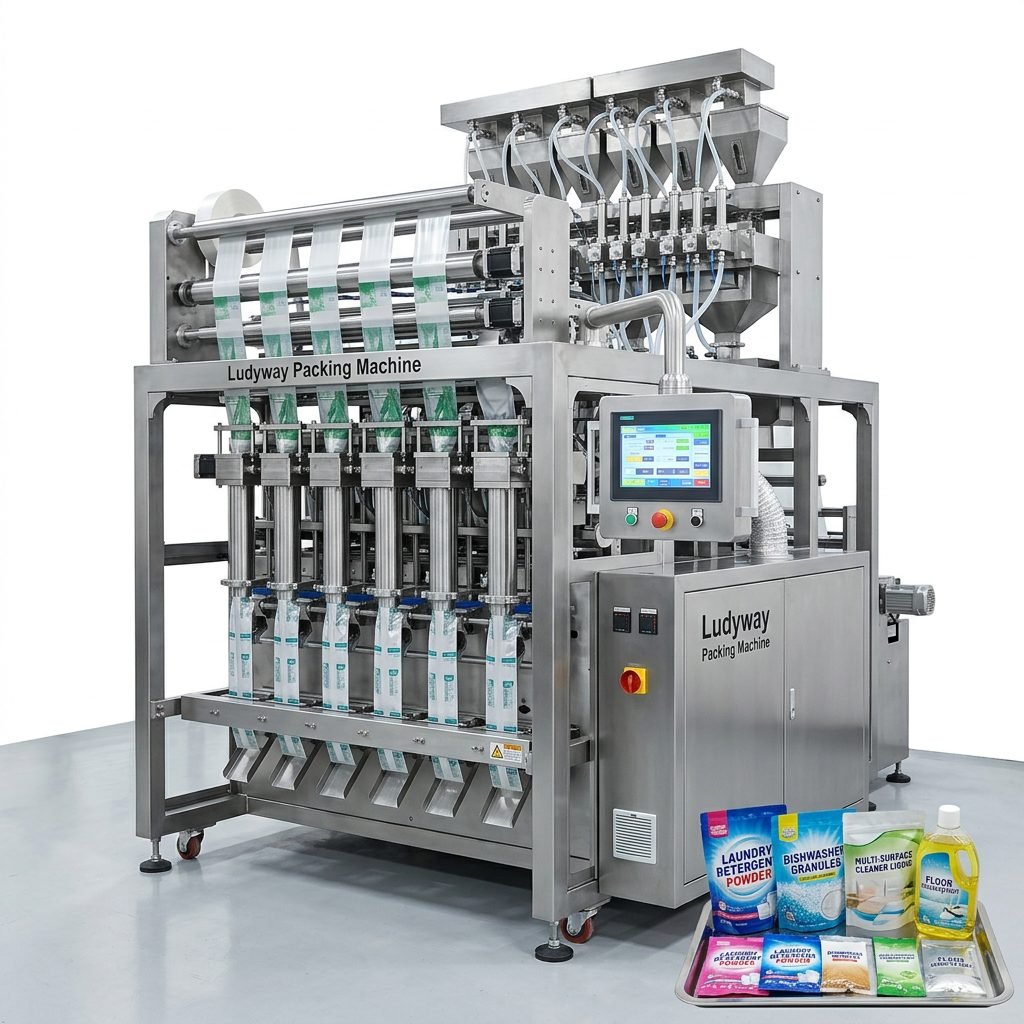
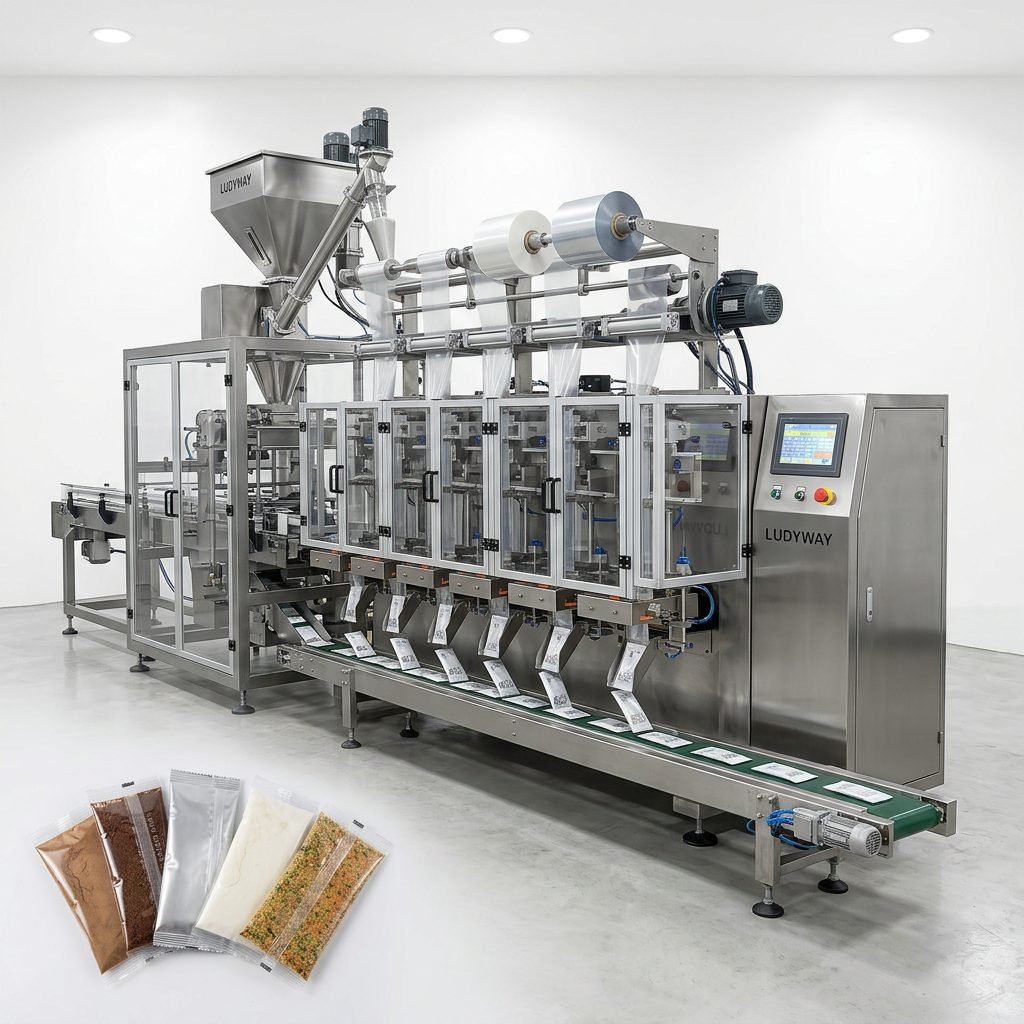
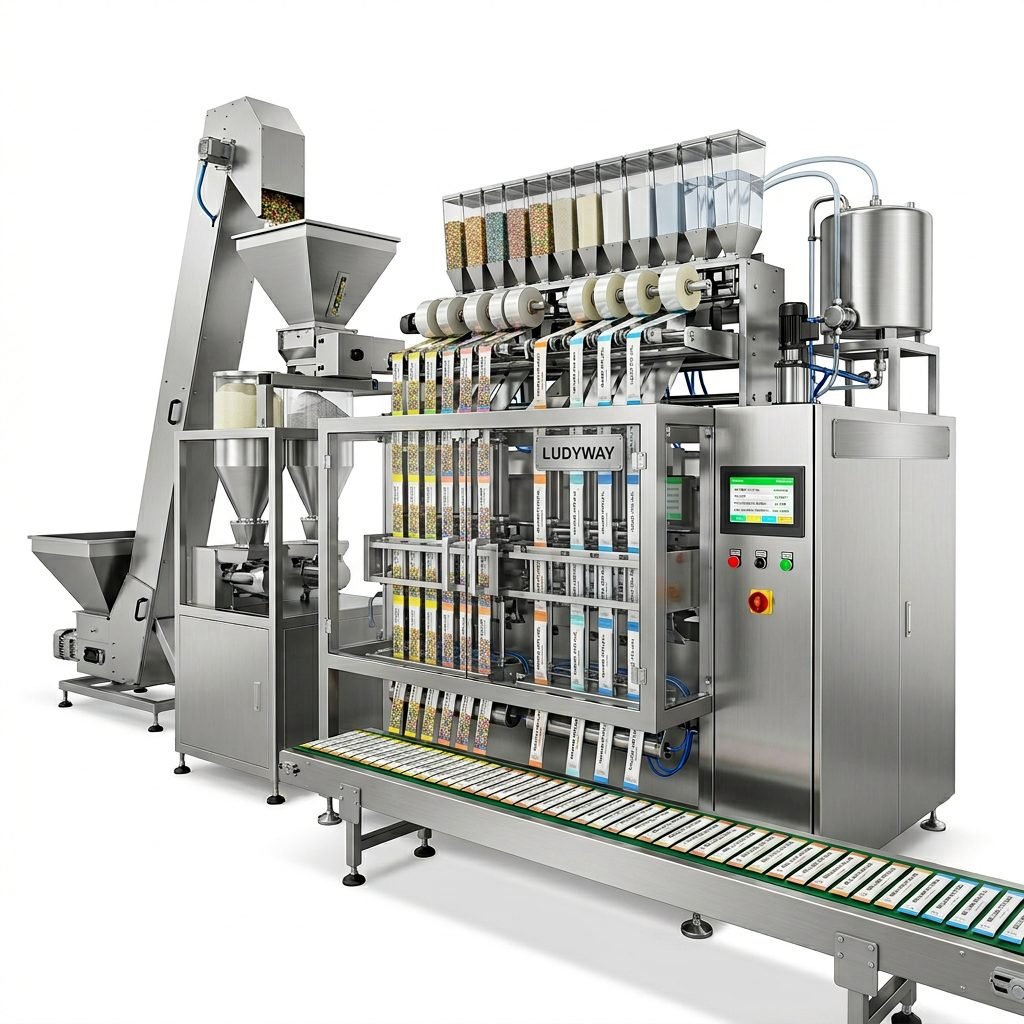
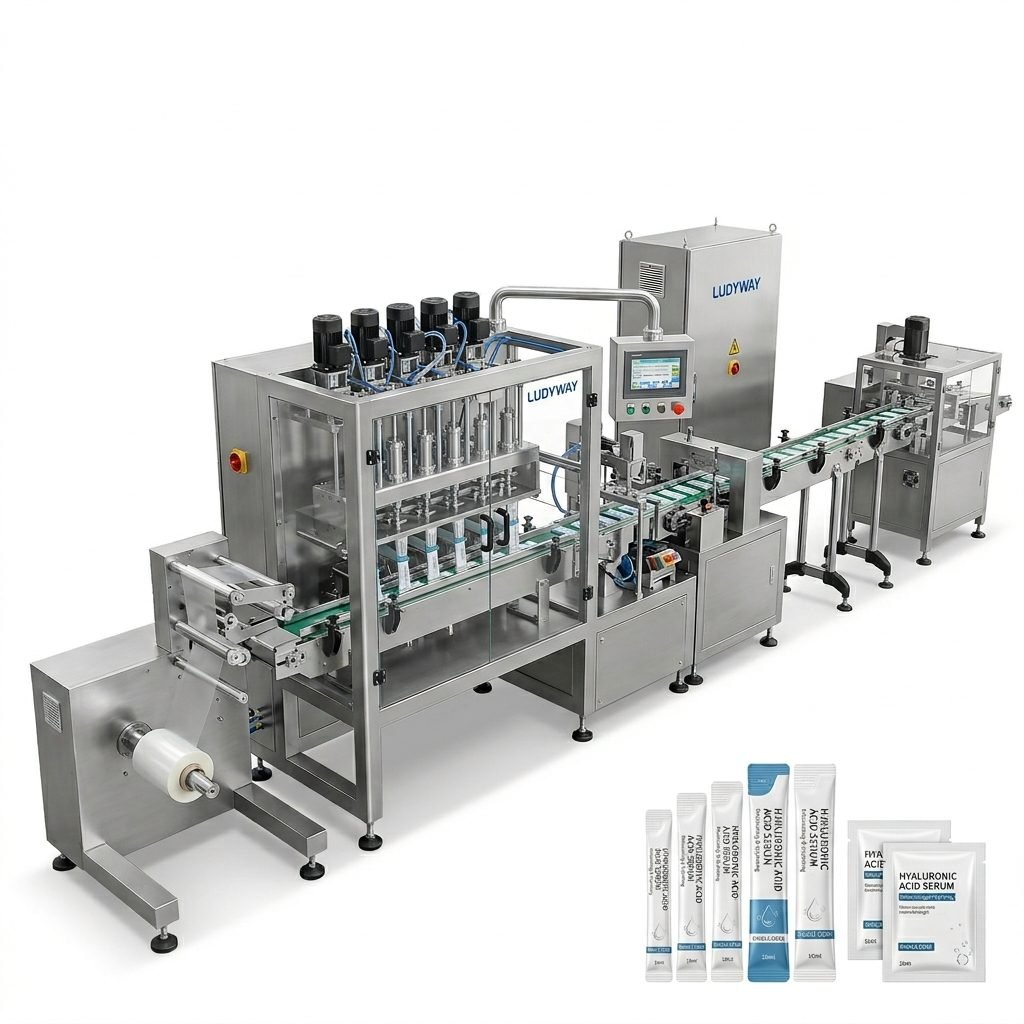
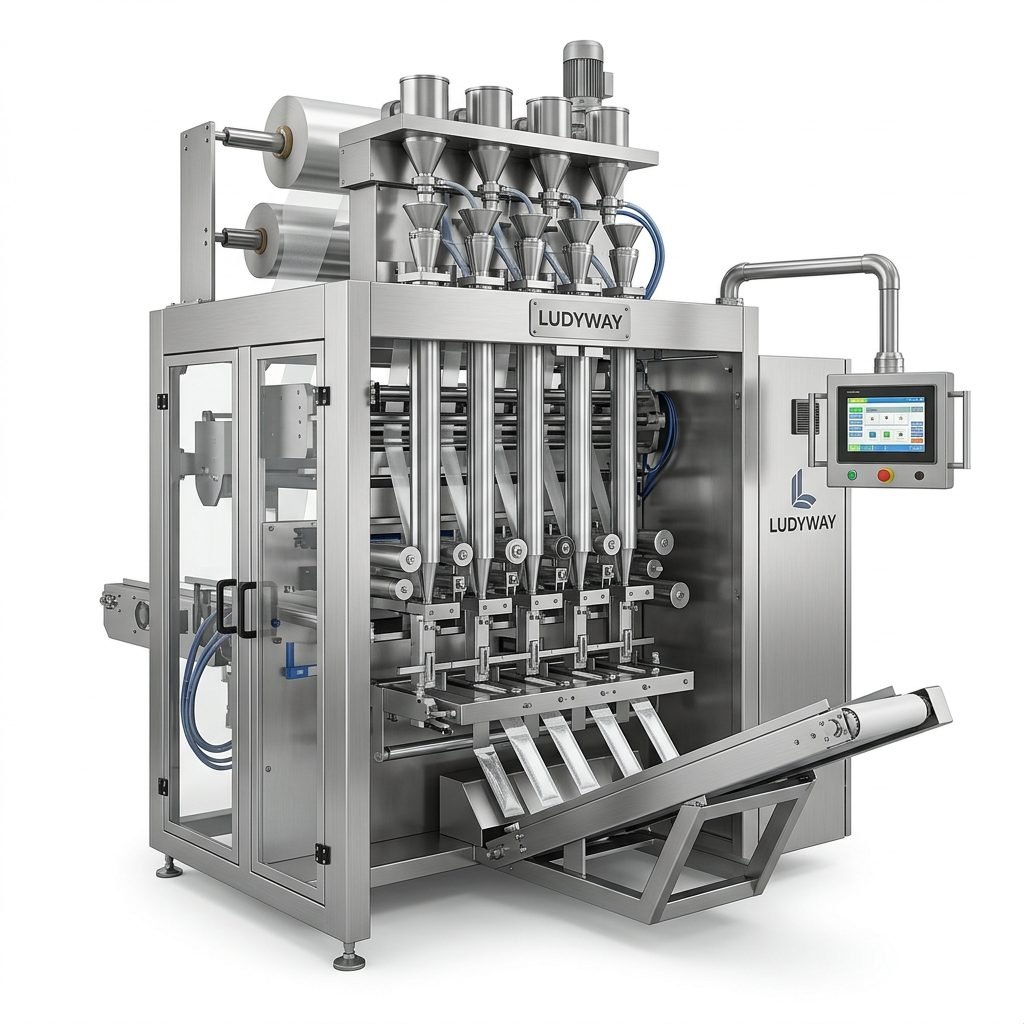
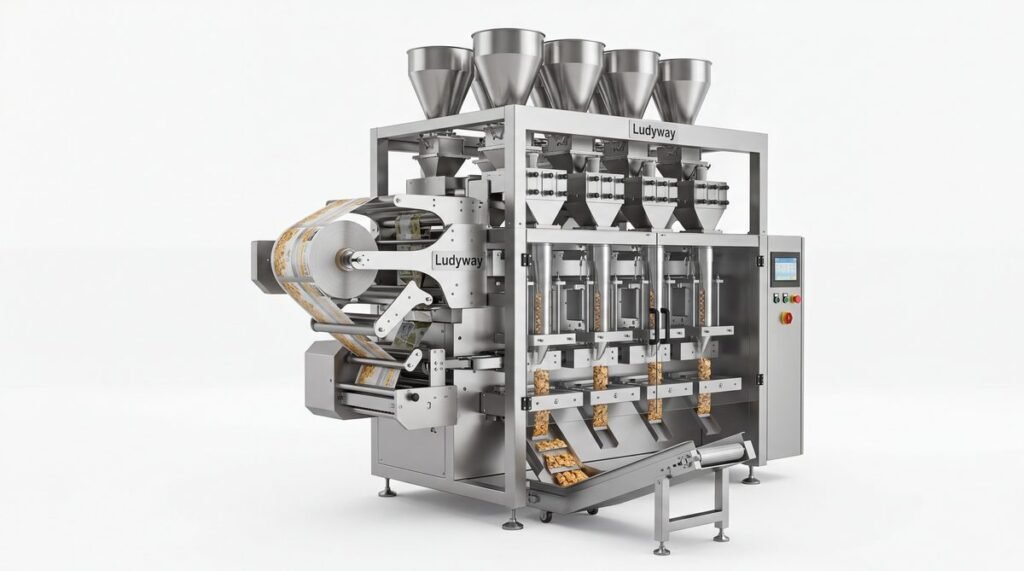
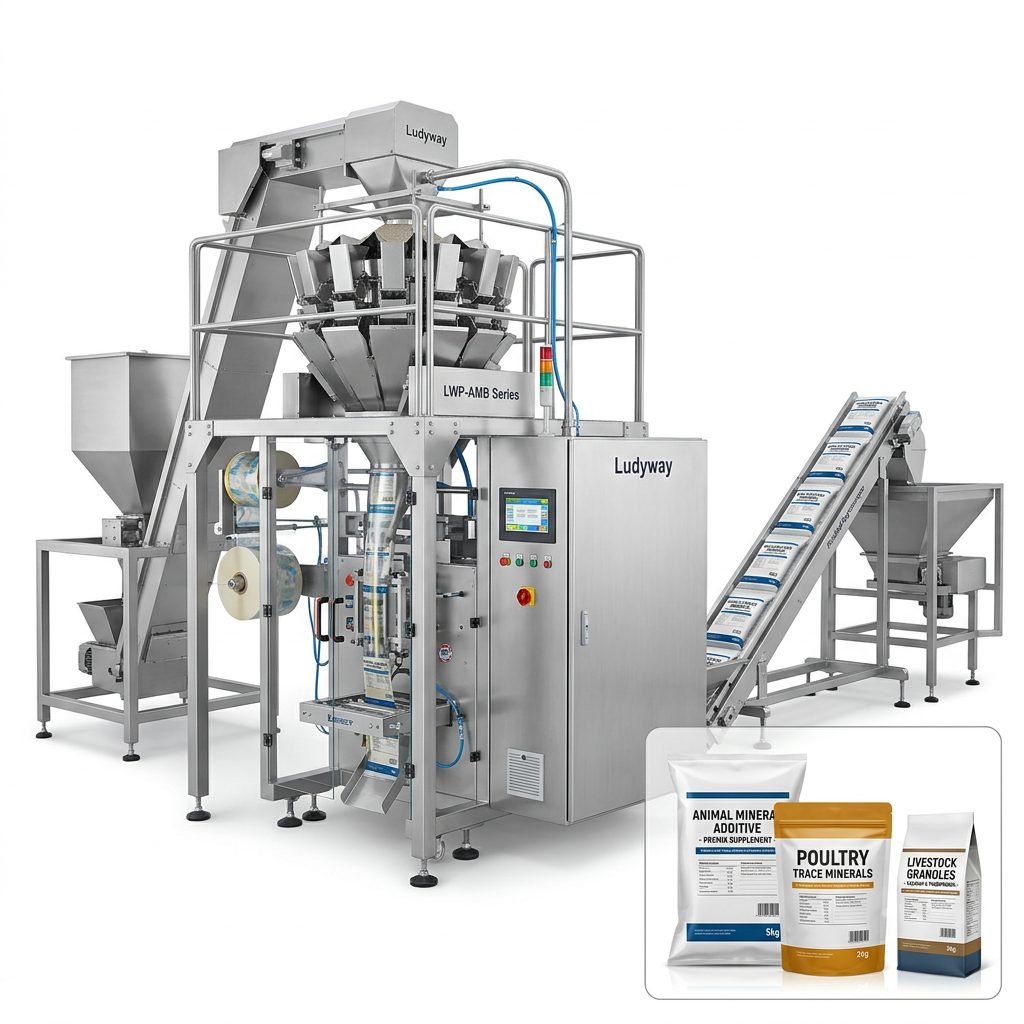
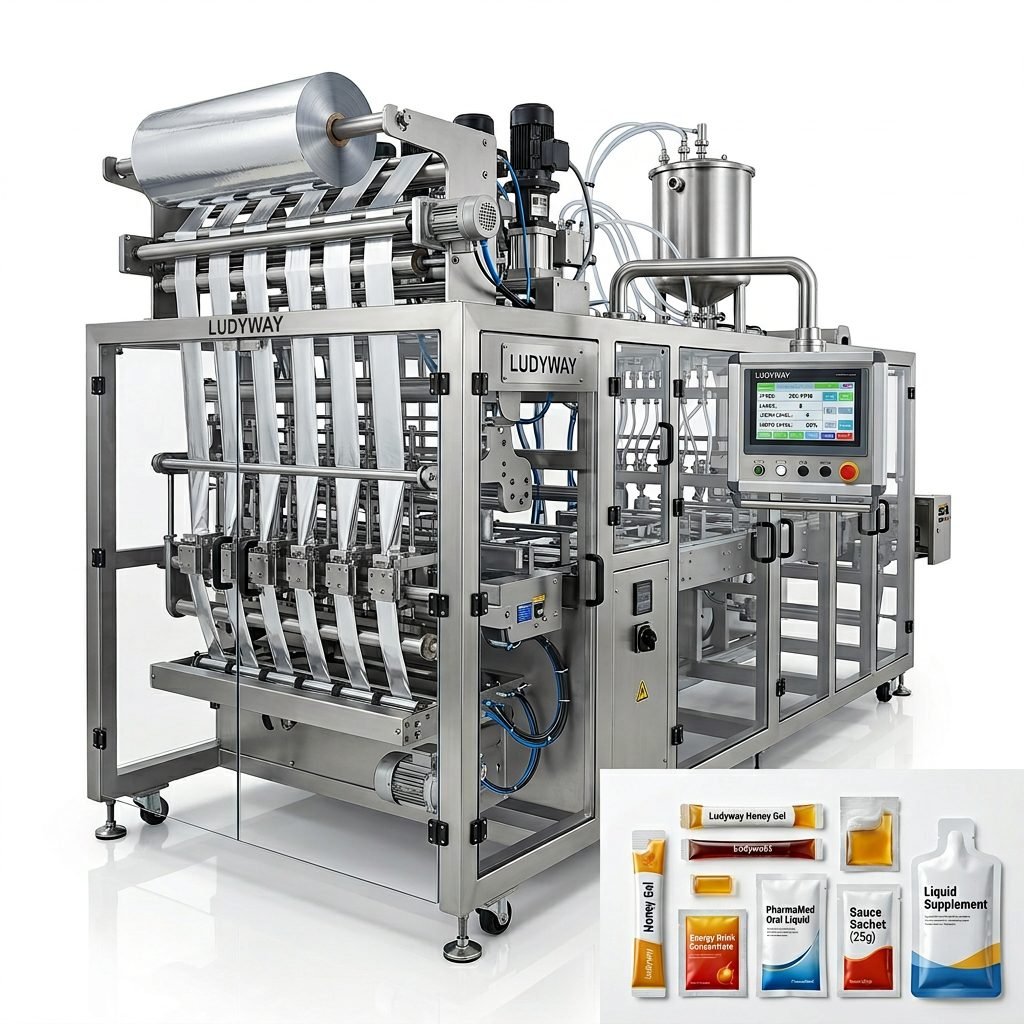
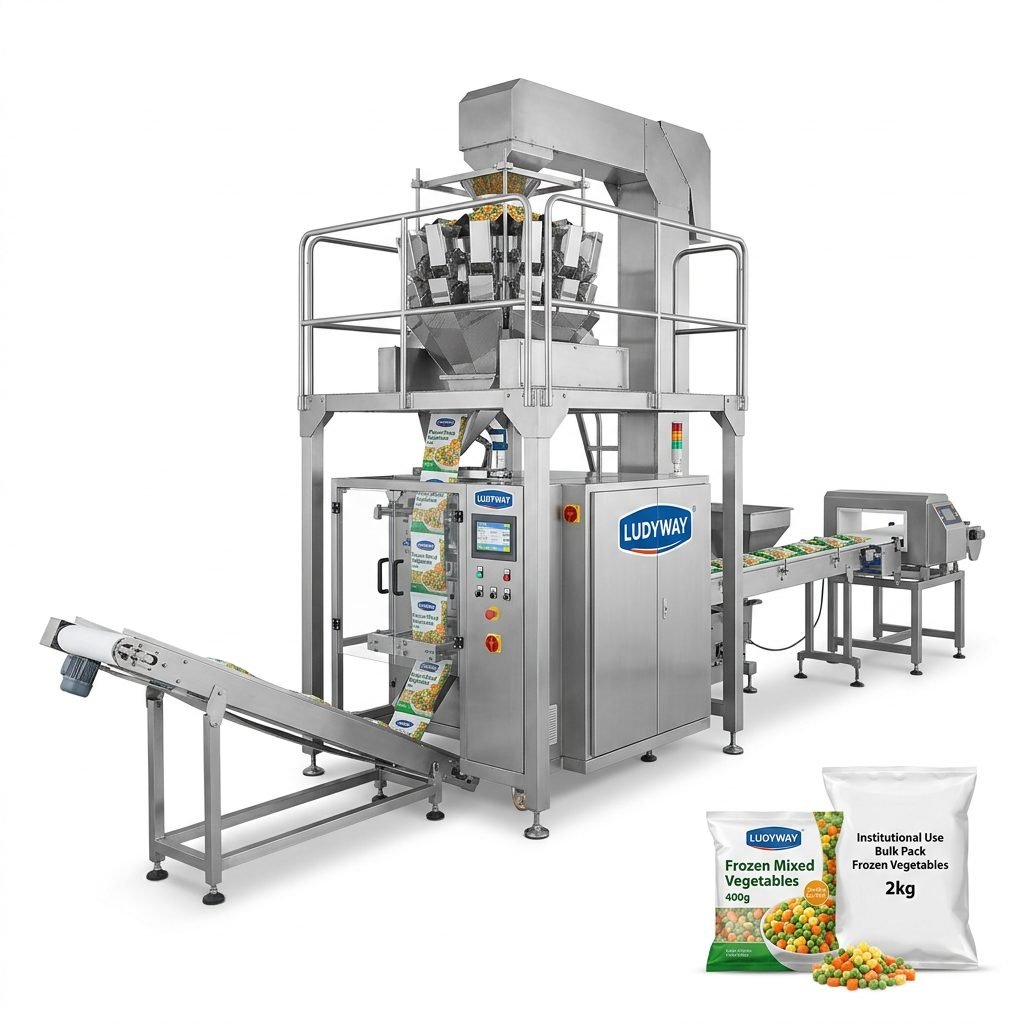
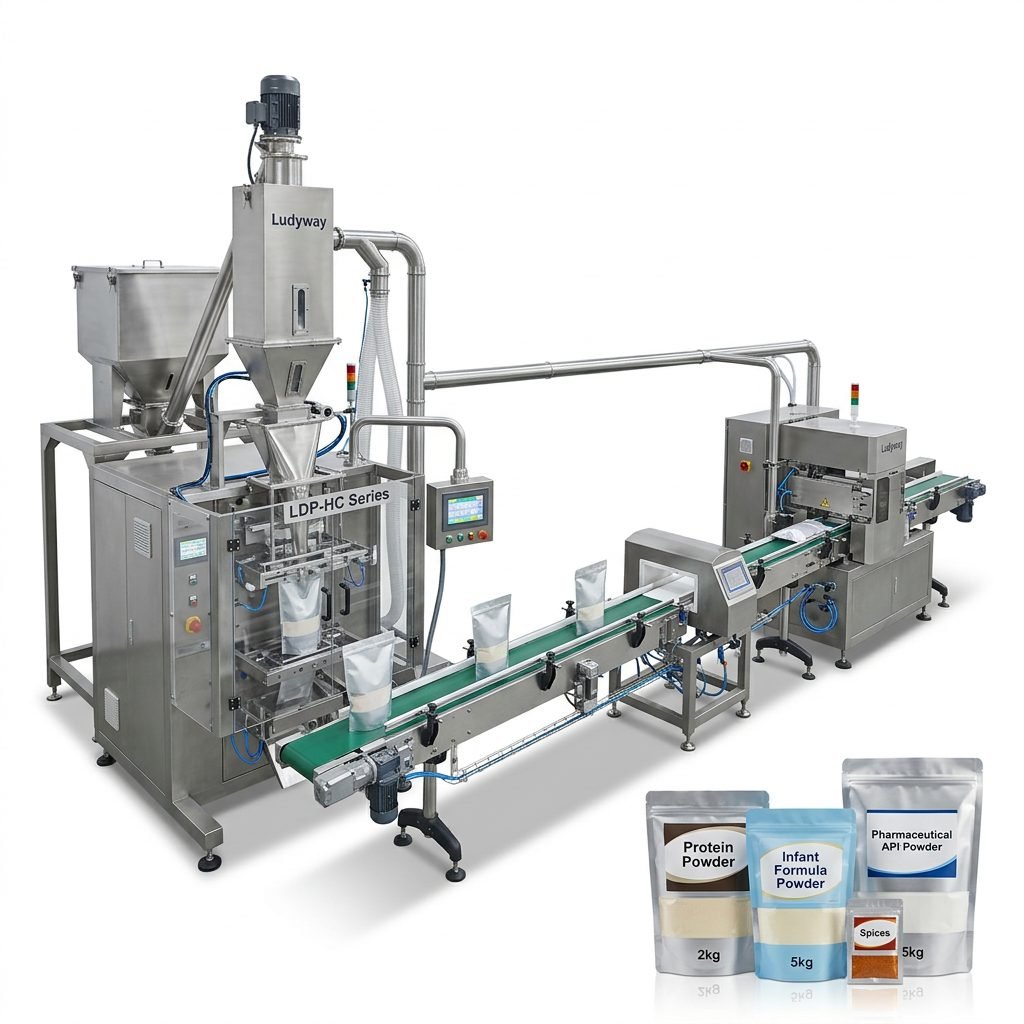
Maintaining a pellet packing machine is essential for ensuring consistent output quality and extending equipment lifespan. Without a structured maintenance routine, even the most robust packaging systems can experience unexpected downtime, inaccurate fills, or seal failures that directly impact your bottom line.

Why Routine Maintenance Matters for Pellet Packaging Equipment
Pellet packing machines operate under high-speed, repetitive motion cycles that place stress on mechanical seals, heating elements, and filling mechanisms. Neglecting maintenance leads to drift in filling accuracy, compromised seal integrity, and premature wear on critical components. A well-maintained machine delivers reliable performance, reduces waste, and avoids costly emergency repairs.
Following industry-standard packaging machinery guidelines helps ensure your equipment remains in peak operating condition throughout its service life.
Daily Cleaning and Inspection Routine
Daily cleaning should be a non-negotiable part of your operating procedures. Pellet dust and residue can accumulate quickly, interfering with sensors, weighing systems, and moving parts.
- Remove residual pellets and dust from the hopper, filling tubes, and sealing jaws using compressed air or a vacuum system.
- Inspect forming tubes and collars for product buildup that could cause film tracking issues.
- Wipe down heat seal surfaces with a non-abrasive cloth to remove any melted residue without scratching the coating.
- Check photoelectric sensors and registration eyes for dust accumulation that may cause false readings.
- Verify that all safety guards and interlocks are properly secured before restarting the machine.
Lubrication Best Practices for Long-Term Reliability
Proper lubrication reduces friction wear on moving assemblies and prevents mechanical failures that lead to production stoppages. Each pellet packing machine has specific lubrication points that require attention at different intervals.
- Cam followers and linear bearings should be lubricated weekly using food-grade grease where applicable.
- Chain drives and sprockets require periodic oil application to prevent stretching and uneven wear.
- Sealing jaw pivot points benefit from light oiling to maintain smooth, consistent jaw closure.
- Always refer to the equipment-specific lubrication schedule provided in the machinery documentation.
Over-lubrication can be just as damaging as under-lubrication, attracting dust and creating abrasive paste that accelerates component wear. Apply lubricants sparingly and wipe away any excess.
Critical Component Checks: Seals, Heaters, and Film Feed
The sealing system is the heart of any pellet packing machine. Regular inspection of these components directly impacts package integrity and product shelf life.
Heat Seal Jaw Maintenance
- Check jaw alignment weekly using a feeler gauge to ensure even pressure distribution across the seal width.
- Monitor temperature controller accuracy with an external thermocouple probe every month.
- Replace worn or scratched Teflon-coated sealing bands immediately—damaged surfaces cause inconsistent seals.
Film Feed and Tension Control
- Inspect rubber rollers and nip wheels for glazing or wear that reduces grip on packaging film.
- Verify tension settings match the film specifications to prevent wrinkling, misregistration, or film breakage.
- Clean film path surfaces regularly to remove static-attracted dust and debris.
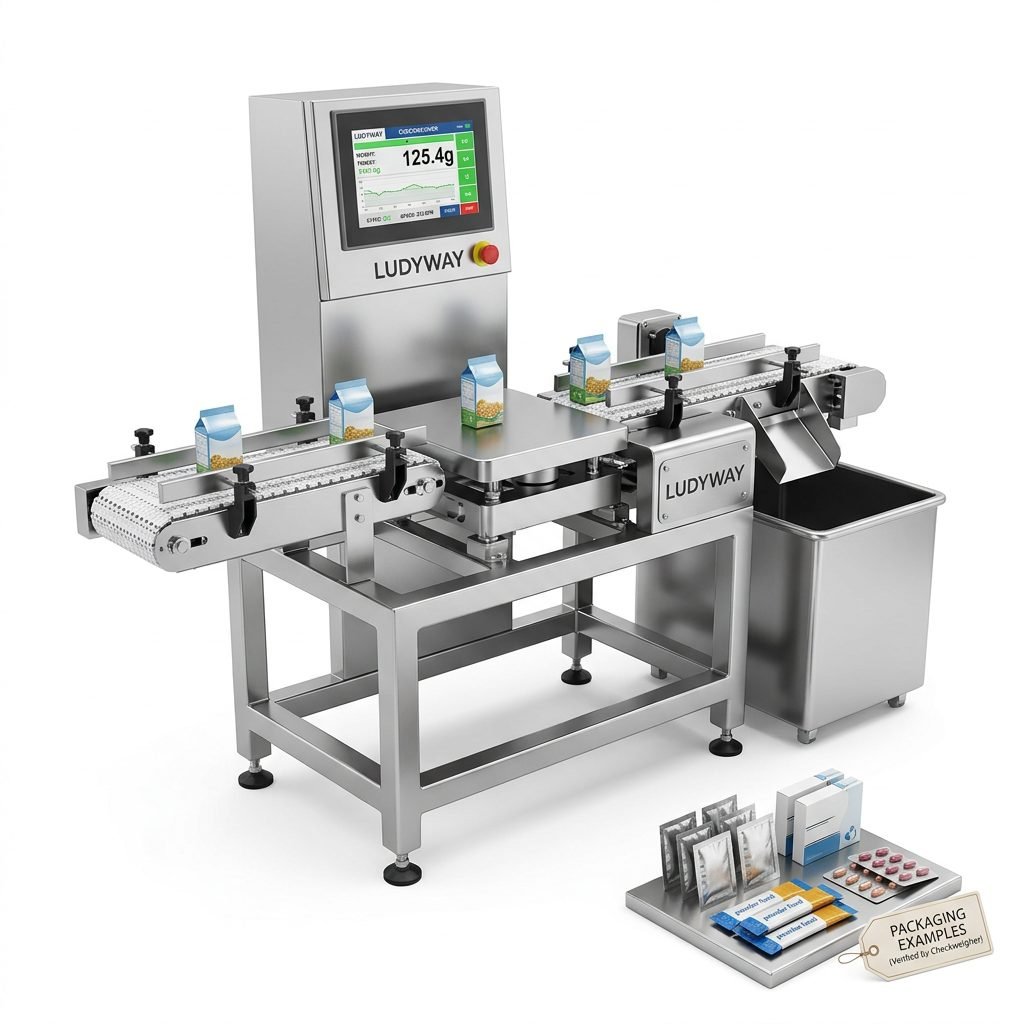
Filling Accuracy and Weighing System Calibration
Pellet packing machines rely on precise volumetric or weighing mechanisms. Drift in filling accuracy wastes product and creates compliance risks in regulated industries.
- Perform daily weight checks using a calibrated scale, sampling at least 10 consecutive fills.
- Recalibrate load cells and volumetric fillers monthly or whenever product characteristics change.
- Inspect auger screws and dosing cups for wear that alters the fill volume over time.
- Check hopper level sensors to ensure consistent product head pressure during filling cycles.
Preventive Maintenance Schedule Overview
A structured preventive maintenance program keeps your pellet packing machine running at peak efficiency. Use the schedule below as a framework, adapting it to your specific production environment and machine model.
| Maintenance Task | Frequency | Responsible Party |
|---|---|---|
| General cleaning and visual inspection | Daily | Operator |
| Seal jaw alignment check | Weekly | Maintenance Technician |
| Lubrication of moving parts | Weekly | Operator / Technician |
| Sensor and photoelectric eye cleaning | Bi-weekly | Operator |
| Filling accuracy calibration | Monthly | QC / Technician |
| Temperature controller verification | Monthly | Maintenance Technician |
| Comprehensive mechanical inspection | Quarterly | Senior Technician |
| Full overhaul and belt replacement | Annually | Service Engineer |

Electrical System and Control Panel Maintenance
Modern pellet packing machines rely on PLC controls, servo drives, and numerous electrical connections. Electrical faults are among the most common causes of unexpected machine stoppages.
- Inspect all electrical connections quarterly for signs of loosening, corrosion, or heat damage.
- Keep control panels clean and dry—dust ingress can cause short circuits on circuit boards.
- Verify that emergency stop circuits and safety relays function correctly during each shift startup.
- Check cable management systems for frayed wires or insulation breakdown on moving harness sections.
- Maintain backup copies of PLC programs and parameter settings in a secure location.
Troubleshooting Common Pellet Packing Machine Issues
Even with diligent maintenance, operators may encounter occasional issues. Early diagnosis prevents minor problems from escalating into major failures. Below are common symptoms and their likely causes.
Inconsistent Seal Quality
- Possible causes: Incorrect temperature settings, worn Teflon coating, misaligned jaws, inconsistent air pressure.
- Action: Verify temperature with an external probe, inspect jaw surfaces, and check pneumatic supply stability.
Fill Weight Variation
- Possible causes: Product bridging in the hopper, worn dosing components, load cell drift, inconsistent product density.
- Action: Calibrate weighing systems, inspect auger condition, and consider adding hopper agitation if bridging occurs.
Film Tracking or Wrinkling Problems
- Possible causes: Incorrect tension settings, worn rollers, misaligned forming tube, static buildup on film.
- Action: Check roller condition, adjust tension controls, and verify forming tube alignment with the film path.
Spare Parts Management for Reduced Downtime
Maintaining a strategic inventory of critical spare parts significantly reduces mean time to repair when components fail. The most commonly needed parts include:
- Sealing bands and Teflon covers—these wear predictably and should be stocked at all times.
- Heater cartridges and thermocouples—essential for maintaining seal temperature control.
- Drive belts and timing belts—subject to stretch and fatigue over time.
- Sensor and photoelectric eye replacements—vulnerable to dust damage and impact.
- Pneumatic seals and O-rings—deteriorate with exposure to heat and mechanical cycling.
Refer to flexible packaging industry resources for guidance on material compatibility and component selection best practices.
When to Seek Professional Maintenance Support
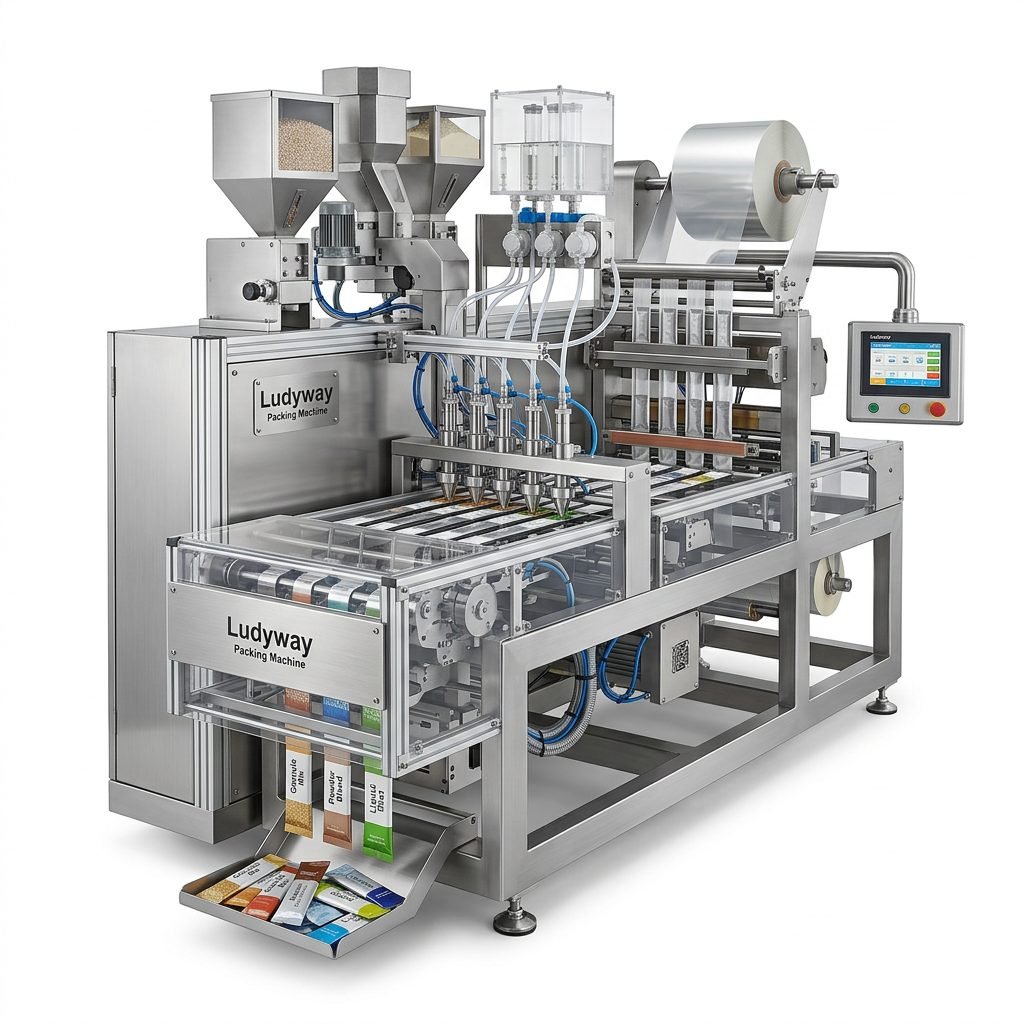
While routine maintenance can be handled by trained in-house personnel, certain situations call for professional service intervention. Annual comprehensive overhauls, major component replacements, and control system upgrades benefit from manufacturer expertise. Ludyway is one of the largest packaging machine manufacturers in China, specializing in advanced packaging equipment and turnkey production solutions for the food, pharmaceutical, and health industries. With over 30 years of industry expertise, partnering with an experienced provider ensures access to genuine spare parts, certified service engineers, and up-to-date technical knowledge that keeps your pellet packing line operating at maximum efficiency.
For complex issues involving servo drive tuning, PLC reprogramming, or mechanical rebuilds, consulting the original equipment manufacturer or a qualified service provider is the safest and most cost-effective approach.
Key Takeaways for Long-Term Pellet Packing Machine Performance
- Establish a daily cleaning routine to prevent product buildup and sensor interference.
- Follow a structured lubrication schedule tailored to your specific machine model.
- Calibrate filling and weighing systems monthly to maintain accuracy and reduce product giveaway.
- Inspect seal jaws and heater elements regularly—these are the highest-wear components.
- Keep critical spare parts on hand to minimize downtime when repairs are needed.
- Document all maintenance activities to track wear patterns and optimize service intervals.
Consistent maintenance practices, combined with data-driven insights from packaging industry research, help manufacturers achieve extended equipment lifespan, reduced operating costs, and sustained product quality across every production shift.