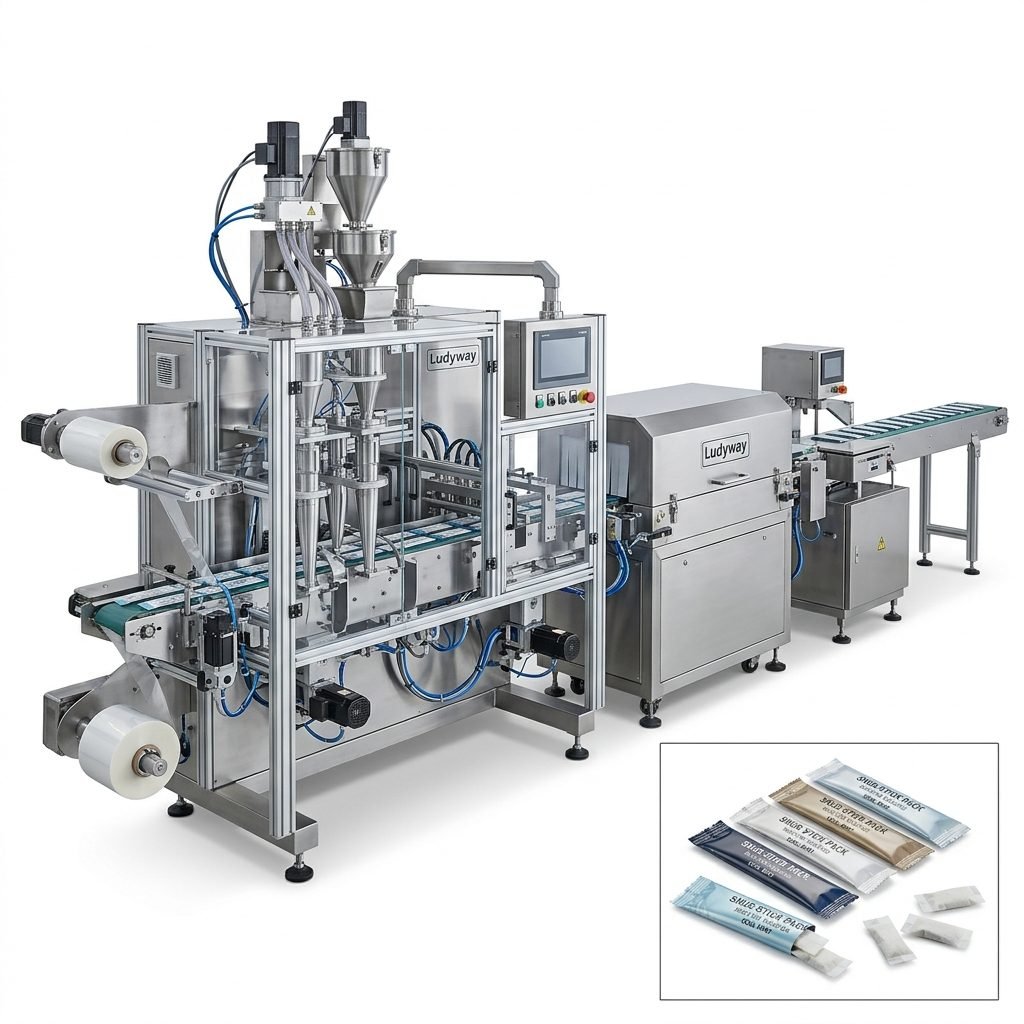
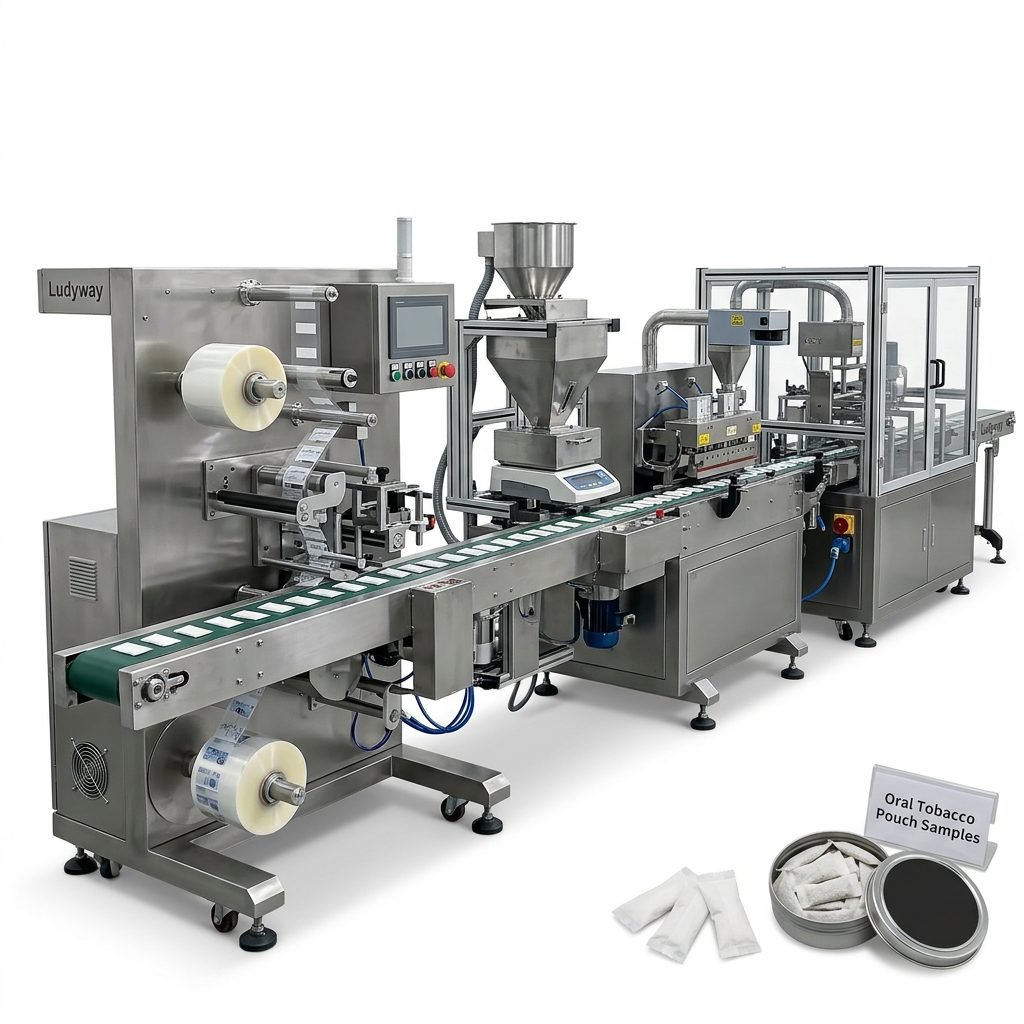
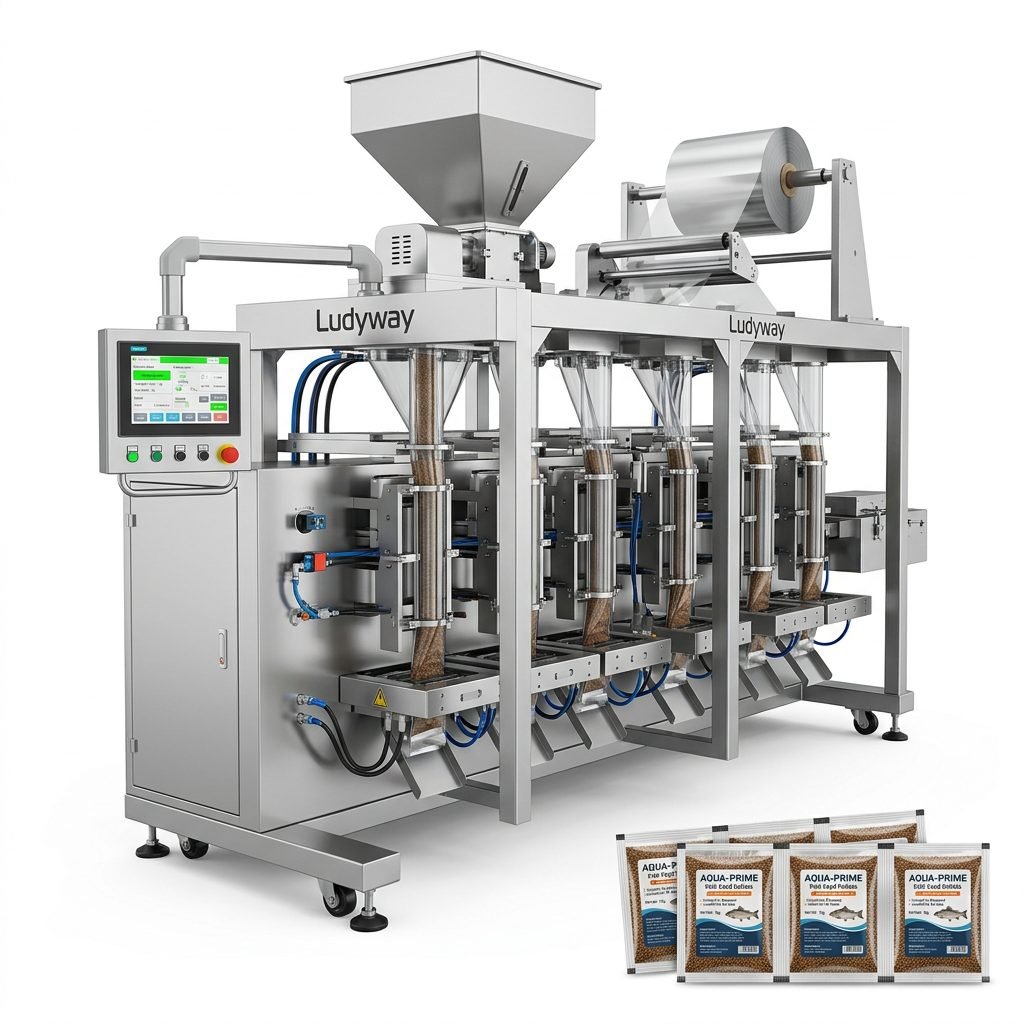
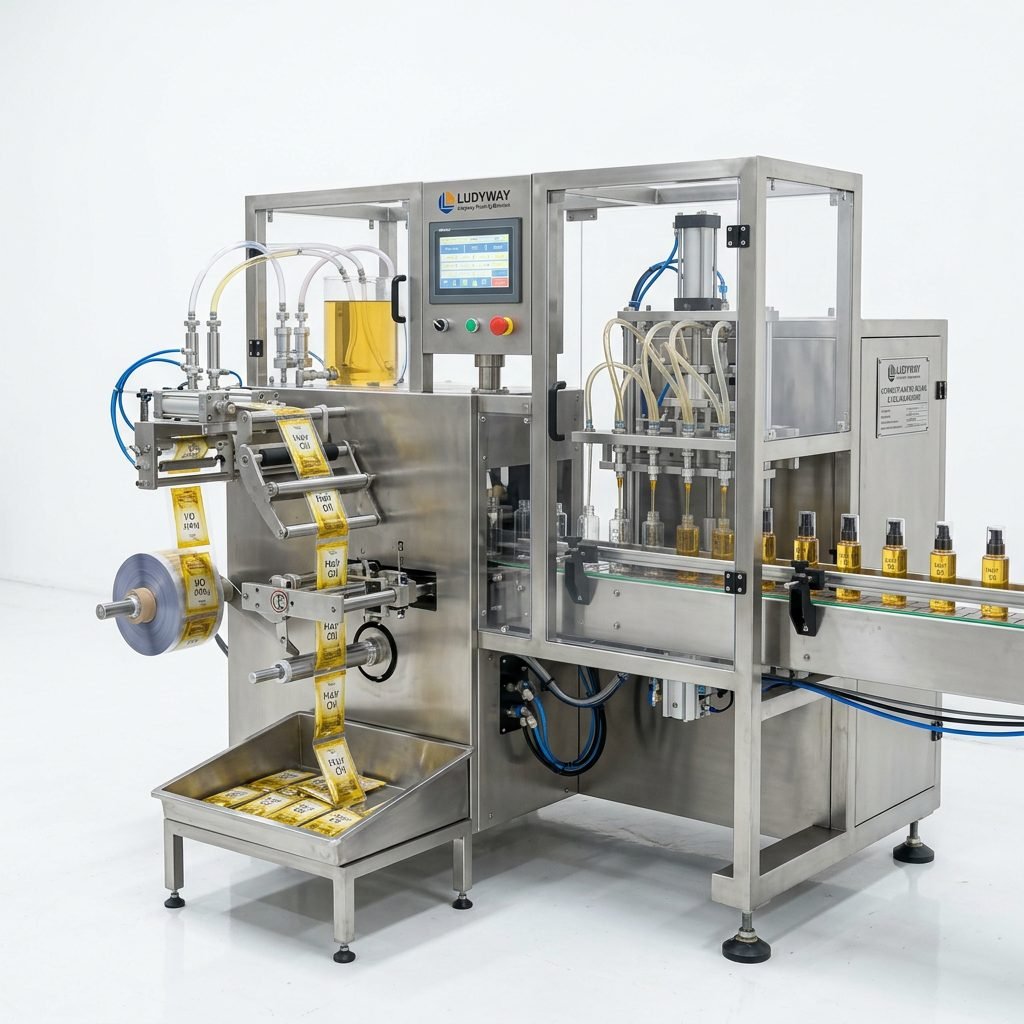
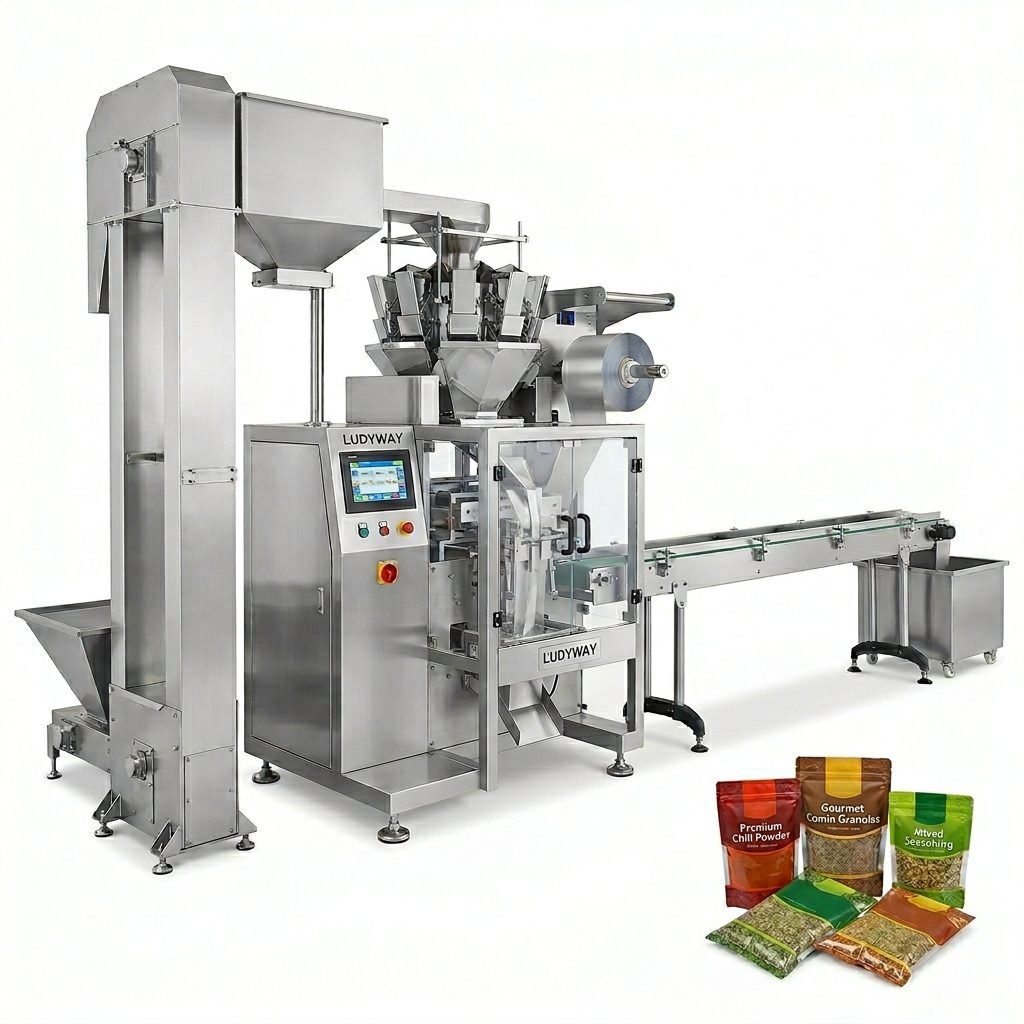
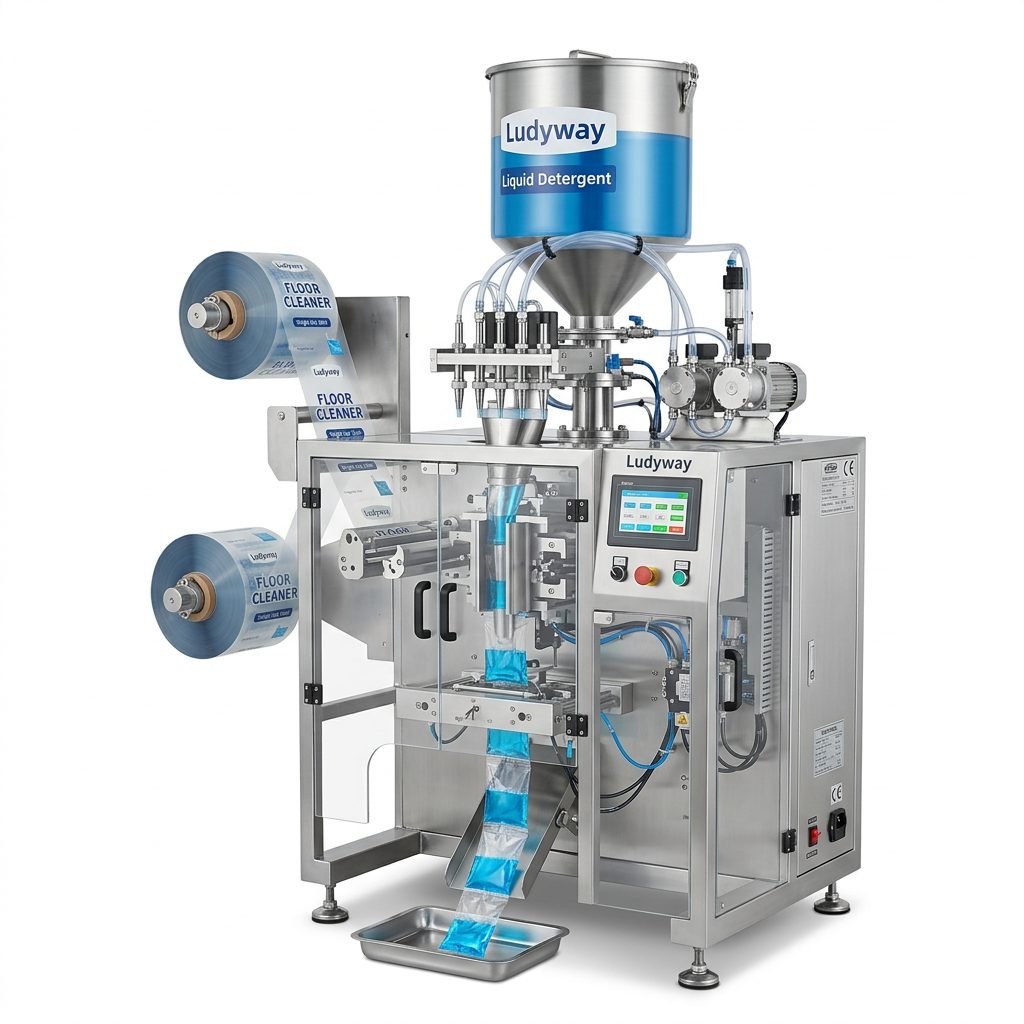
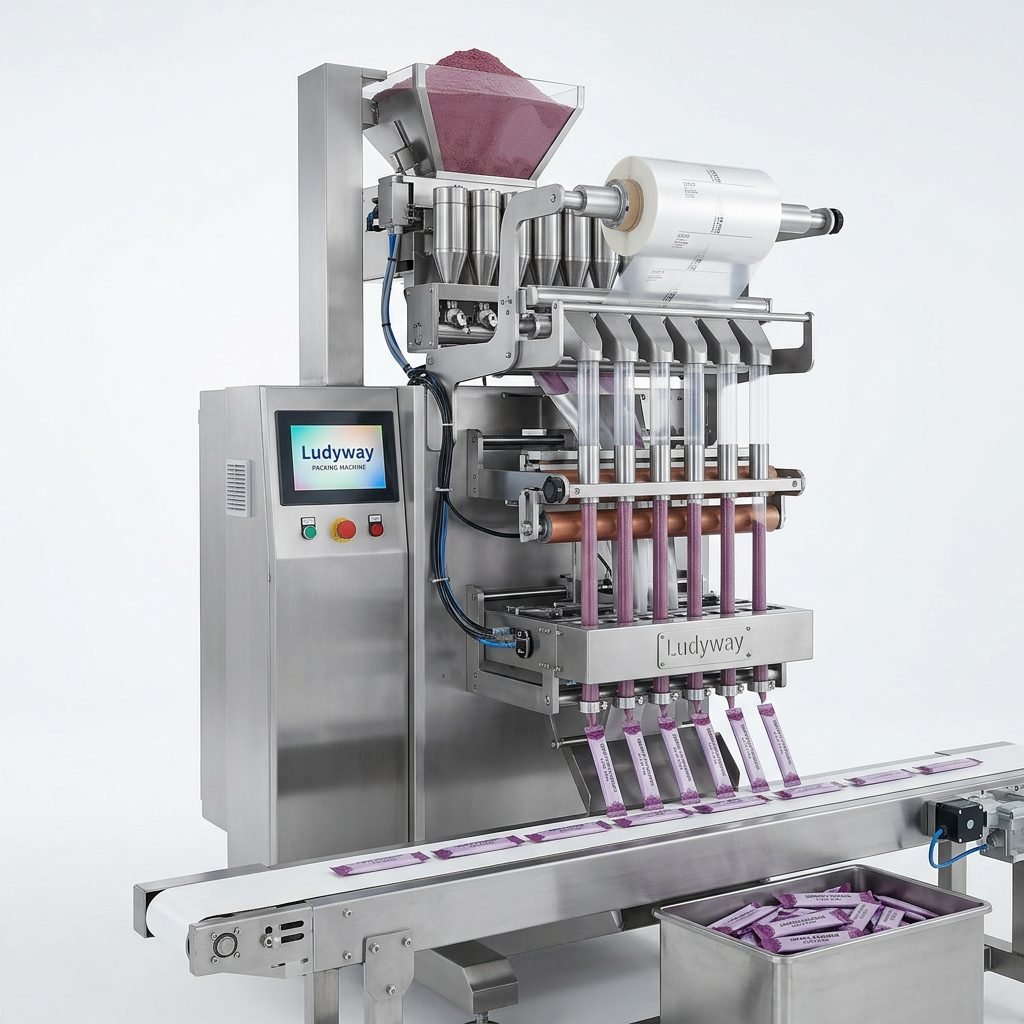
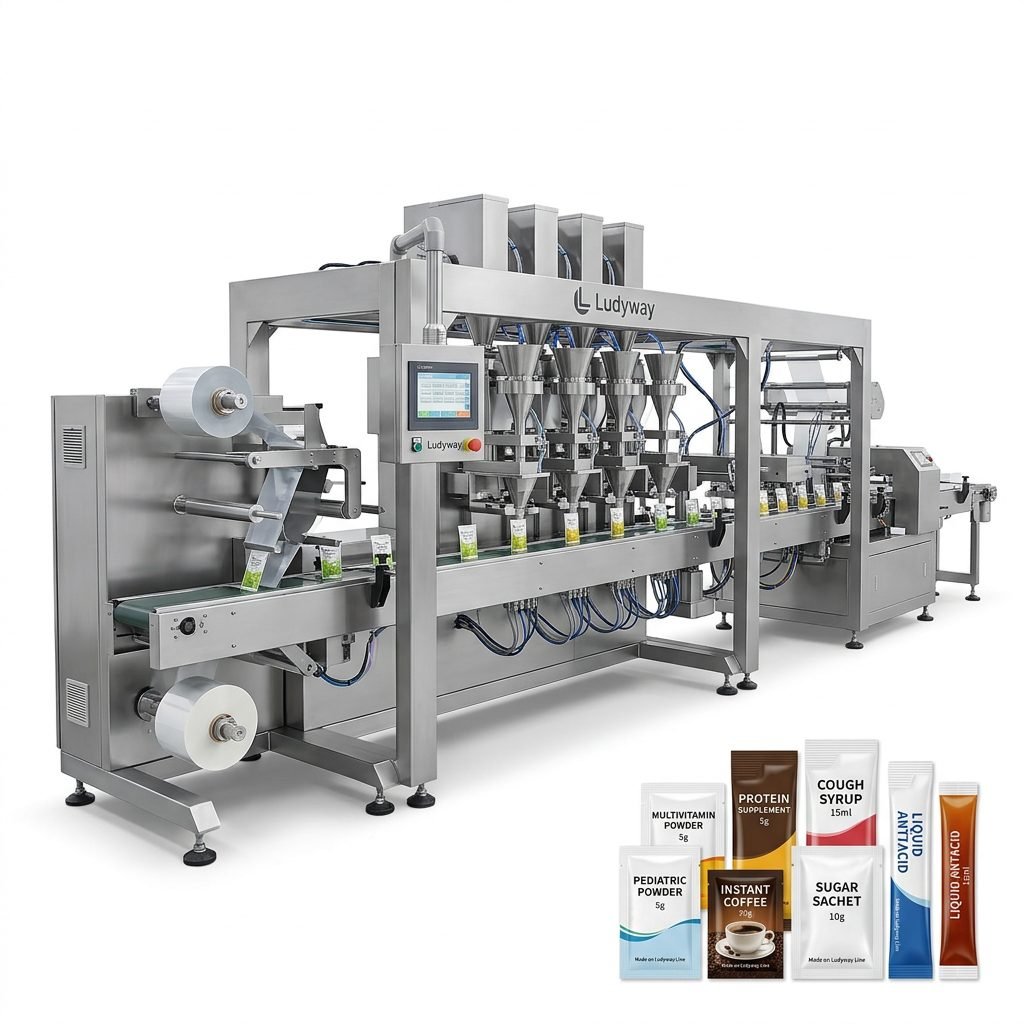
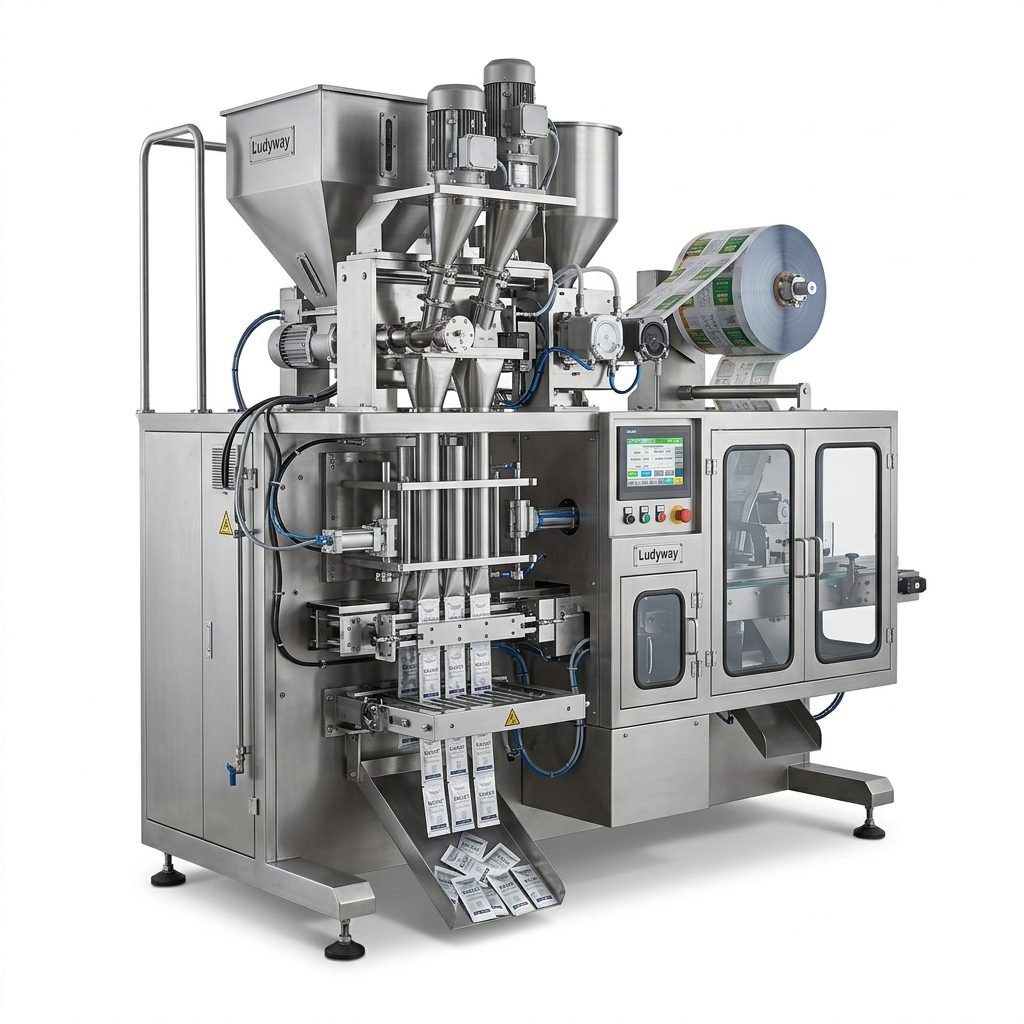
Regular and systematic maintenance of your pillow bag packaging machine is the most effective strategy to prevent unexpected downtime and ensure consistent product quality. A well-maintained machine not only delivers higher throughput but also significantly extends its operational life, reducing total cost of ownership. Whether you operate a single unit or a fully integrated packaging line, implementing a structured maintenance routine is essential for long-term success in food, pharmaceutical, and industrial applications.
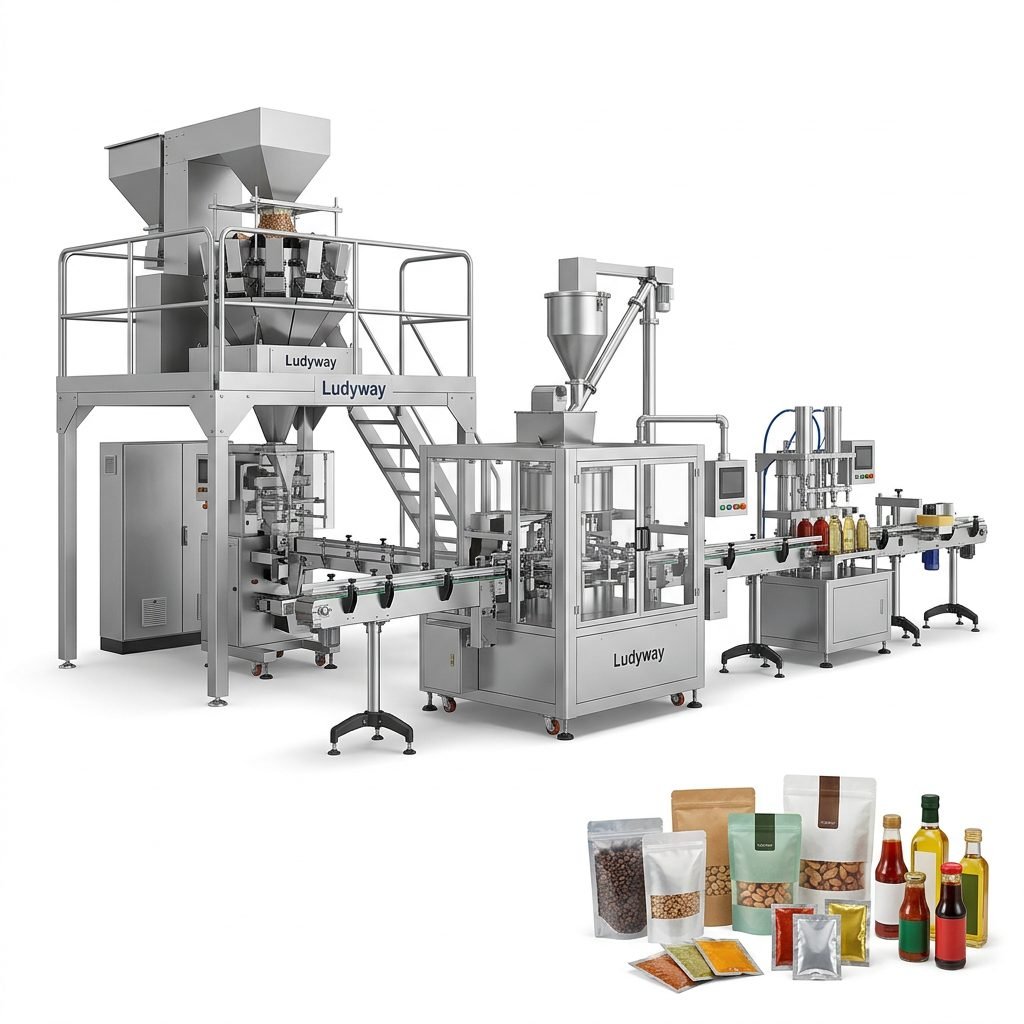
Understanding the Importance of Proactive Maintenance
Preventive maintenance goes beyond fixing problems as they arise. It involves a systematic approach to inspecting, cleaning, lubricating, and calibrating your equipment on a regular schedule. According to packaging machinery standards set by industry associations, consistent maintenance can reduce mechanical failures by up to 45%. For pillow bag packaging machines, which operate at high speeds and handle various film materials, neglecting routine care often results in sealing defects, film tracking errors, and premature component wear. A proactive plan protects your investment and keeps production running smoothly.
Daily Cleaning and Inspection Procedures
The foundation of any maintenance program begins with daily cleaning. Dust, product residue, and film fragments accumulate quickly around critical areas such as the forming tube, sealing jaws, and cutting mechanisms. Operators should perform a thorough visual inspection at the start of each shift, checking for loose bolts, worn belts, and any signs of misalignment. Pay special attention to:
- Sealing jaw surfaces – Remove any residue that could compromise seal integrity.
- Film feed rollers – Ensure they are free from debris and rotate smoothly.
- Temperature sensors – Verify readings are accurate to avoid overheating or cold seals.
- Safety guards and sensors – Confirm all protective devices are functional.
Documenting daily inspections creates a valuable record that helps identify recurring issues before they escalate. Operators should be trained to recognize unusual noises, vibrations, or changes in machine behavior, as these often serve as early warning signs of underlying problems.
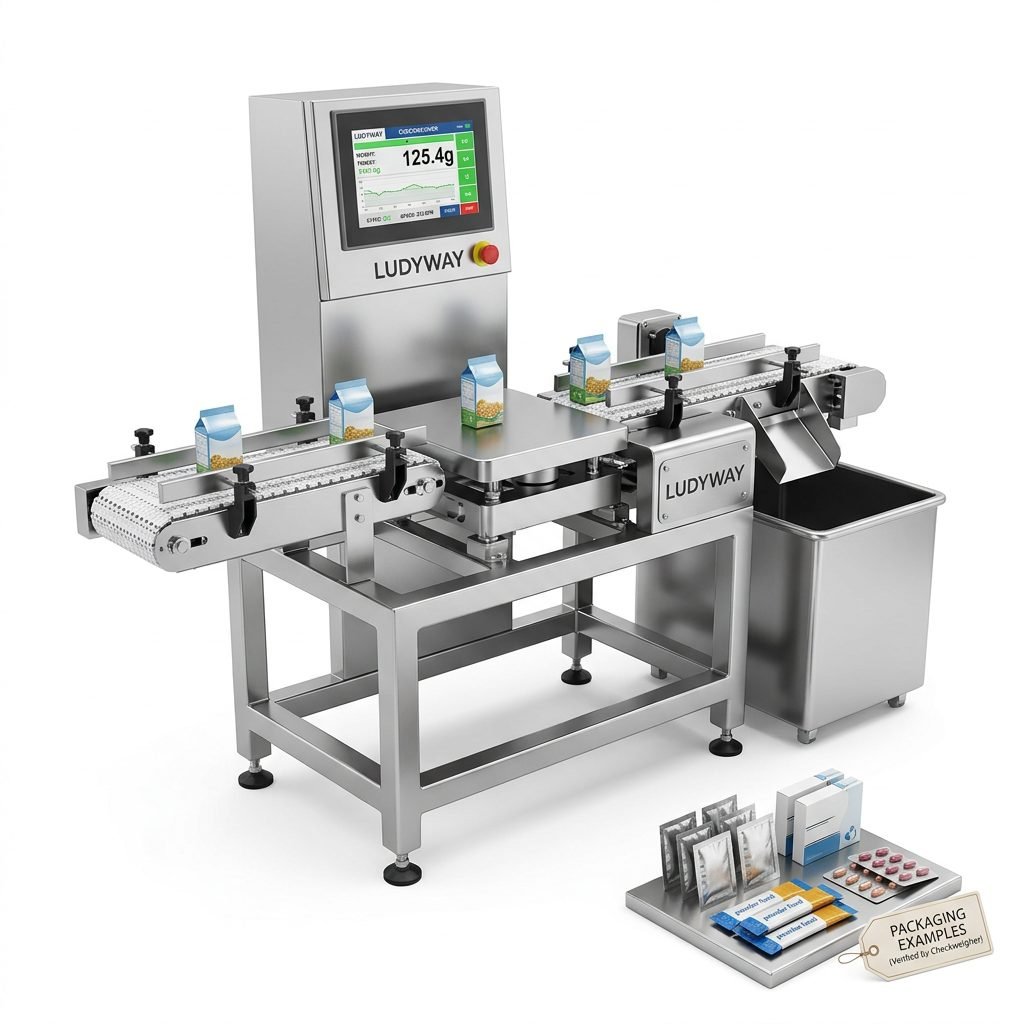
Lubrication and Mechanical Care
Proper lubrication is critical for the longevity of moving components in a pillow bag packaging machine. Bearings, chains, gears, and cam mechanisms all require appropriate lubricants applied at specified intervals. Over-lubrication can attract contaminants, while under-lubrication accelerates wear. Always use lubricants recommended by the equipment manufacturer and follow the prescribed schedule. Key areas requiring regular lubrication include:
- Main drive chain and sprocket assemblies
- Rotary sealing jaw bearings
- Film unwinding shaft bushings
- Cross-sealing mechanism pivot points
- Conveyor belt drive rollers
Additionally, inspect pneumatic cylinders, air lines, and fittings for leaks. Compressed air systems must maintain consistent pressure for proper film tension control and jaw actuation. A drop in air pressure can directly affect seal quality and machine cycle speed.
Critical Component Inspection and Replacement
Certain components demand more frequent attention due to their direct impact on packaging quality. The sealing system is particularly important, as worn or damaged sealing elements lead to weak seals, product leakage, and customer complaints. Regularly check the following high-wear items:
| Component | Inspection Frequency | Replacement Indicator |
|---|---|---|
| Sealing jaws (top and bottom) | Weekly | Visible wear, uneven pressure marks |
| Teflon tape / heat-resistant covers | Daily | Cracks, discoloration, peeling |
| Cutting blades | Monthly | Dull edges, incomplete cuts |
| Film forming collar | Weekly | Scratches, film drag marks |
| Drive belts and timing belts | Monthly | Cracks, stretching, slippage |
| Temperature controllers and thermocouples | Quarterly | Inconsistent readings, slow response |
Keeping a spare parts inventory for these critical items minimizes downtime when replacements are needed. Work with your equipment supplier to identify the most frequently replaced parts and maintain adequate stock levels.
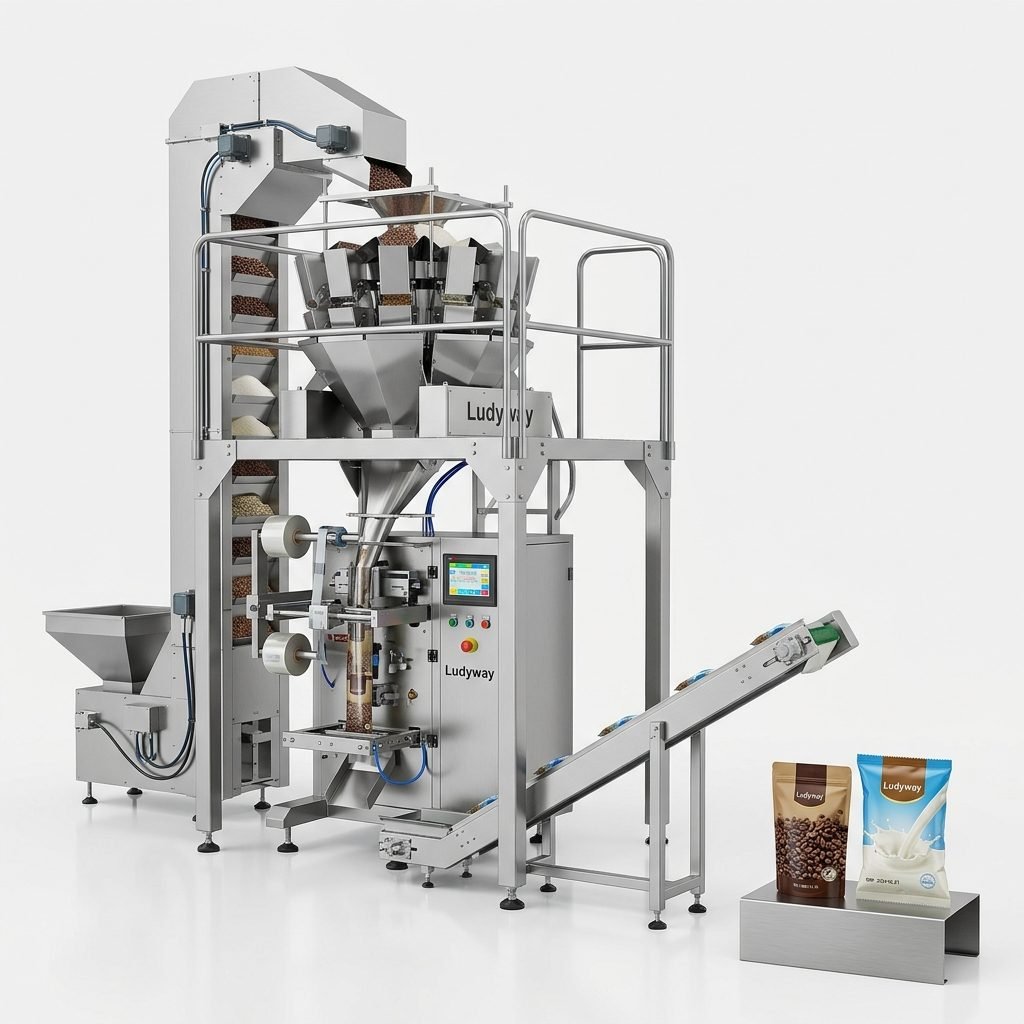
Preventive Maintenance Scheduling
A well-structured preventive maintenance schedule ensures that no critical task is overlooked. The schedule should be tailored to your machine’s operating hours, production volume, and environmental conditions. Below is a recommended framework based on industry best practices and packaging standards guidelines:
- Daily: Clean all surfaces, inspect sealing jaws, check film alignment, verify temperature settings, and test safety interlocks.
- Weekly: Lubricate designated points, inspect belts and chains, clean sensors and photocells, verify air pressure and filter condition.
- Monthly: Check motor brushes and electrical connections, calibrate temperature controllers, inspect gearboxes for oil levels, and test emergency stop functions.
- Quarterly: Replace worn sealing components, perform full electrical safety testing, inspect and clean all pneumatic valves, and recalibrate film tension controls.
- Annually: Conduct a comprehensive machine overhaul including bearing replacement, drive system inspection, control system diagnostics, and full recalibration.
Maintaining detailed service logs helps track machine performance over time and provides valuable data for predicting component life cycles. Digital maintenance management systems can automate scheduling and send reminders to your team.
Operator Training and Best Practices
Even the most rigorous maintenance program cannot compensate for improper machine operation. Operators must receive thorough training on correct setup procedures, film threading techniques, and parameter adjustments. Key best practices include always using the specified film types and thicknesses, never bypassing safety features, and promptly reporting any abnormal machine behavior. Well-trained operators who understand how their packaging equipment functions are far more likely to detect potential issues before they cause significant damage. Regular refresher training sessions reinforce good habits and keep teams updated on new procedures or equipment modifications.
Troubleshooting Common Issues
When problems arise, systematic troubleshooting helps restore production quickly while preventing further damage. Below are some common issues encountered with pillow bag packaging machines and their likely causes:
- Inconsistent seal quality: Check temperature settings, sealing jaw alignment, and Teflon tape condition. Verify that product contamination is not affecting the seal area.
- Film tracking or wrinkling: Inspect forming collar for damage, verify film roll alignment, and check tension control settings.
- Incorrect bag length: Examine the film feed mechanism, encoder functionality, and registration sensor alignment.
- Excessive machine vibration: Look for loose mounting bolts, worn bearings, or unbalanced rotating components.
- Intermittent machine stops: Check sensor cleanliness, wiring connections, and PLC error logs for diagnostic clues.
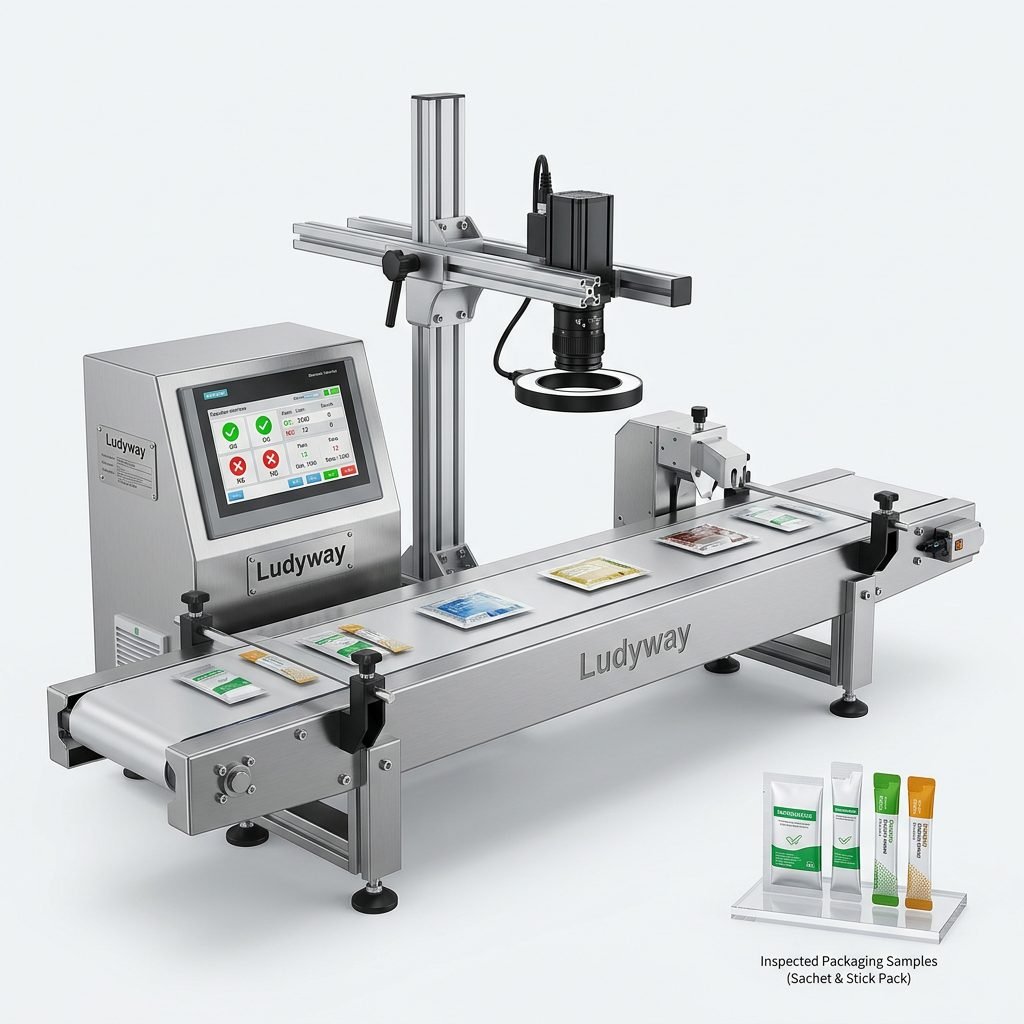
For complex electrical or programming issues, always consult qualified technicians or the equipment manufacturer. Attempting repairs without proper expertise can void warranties and create safety hazards. Companies like Ludyway, one of the largest packaging machine manufacturers with over 30 years of industry experience, provide comprehensive technical support and genuine spare parts to keep your equipment operating reliably. Their engineering team offers remote diagnostics and on-site service for complex troubleshooting needs.
Extending Machine Service Life Through Continuous Improvement
Beyond routine maintenance, adopting a continuous improvement mindset helps identify opportunities to enhance machine performance and longevity. Regularly review production data, maintenance records, and operator feedback to spot trends. Investing in upgrades such as improved sealing technology, advanced control systems, or food packaging compliance enhancements can modernize older equipment and extend its useful life. A machine that receives consistent care and periodic upgrades can deliver reliable service well beyond its expected lifespan, providing exceptional return on investment for years to come.
By following these maintenance guidelines and partnering with experienced equipment suppliers, you can maximize the performance, reliability, and service life of your pillow bag packaging machine. The key is consistency — regular attention prevents small issues from becoming costly problems, keeping your production line efficient and your products consistently well-packaged.