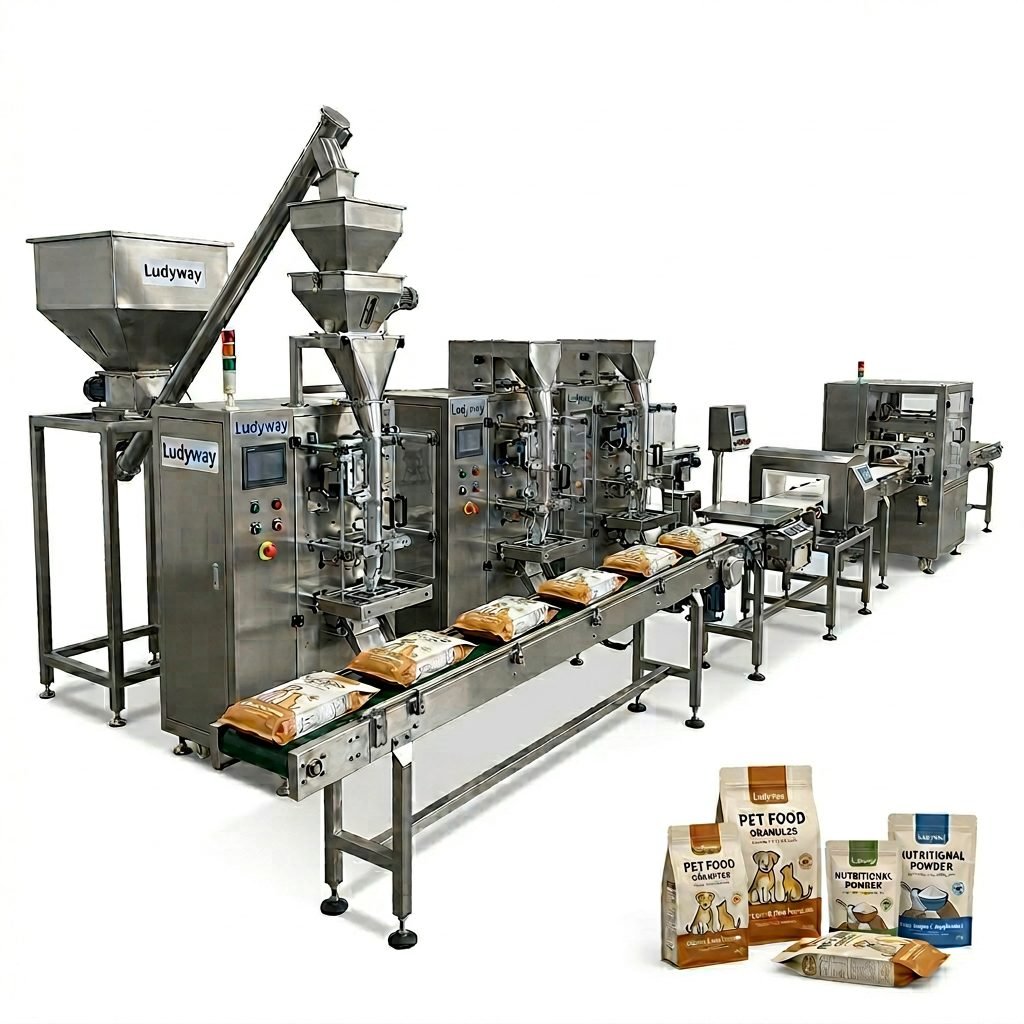
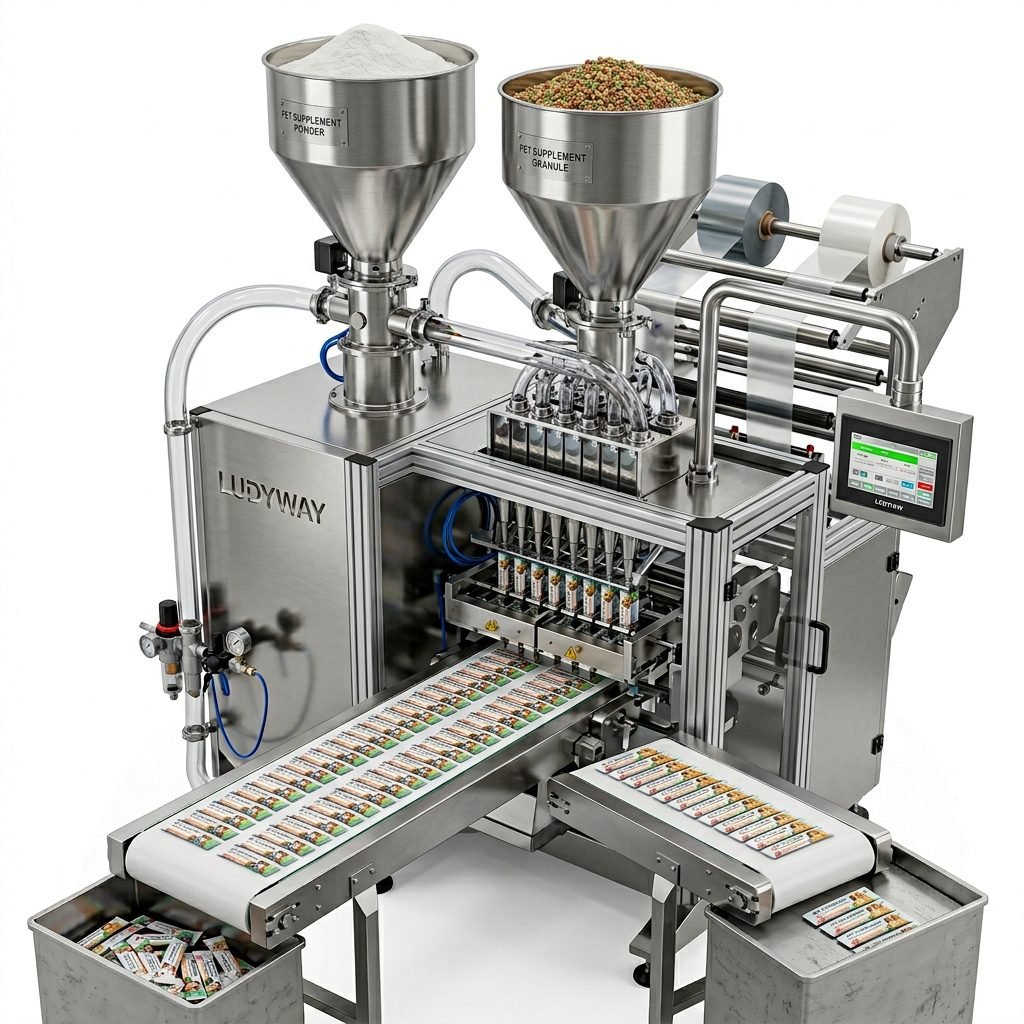
Proper maintenance is the cornerstone of maximizing the lifespan and efficiency of your plastic bottle packaging machine. Without a structured routine, even the most robust equipment can suffer from unexpected downtime, leading to costly production delays. This guide provides essential, actionable tips to keep your packaging machinery running at peak performance.
The Importance of Daily Cleaning
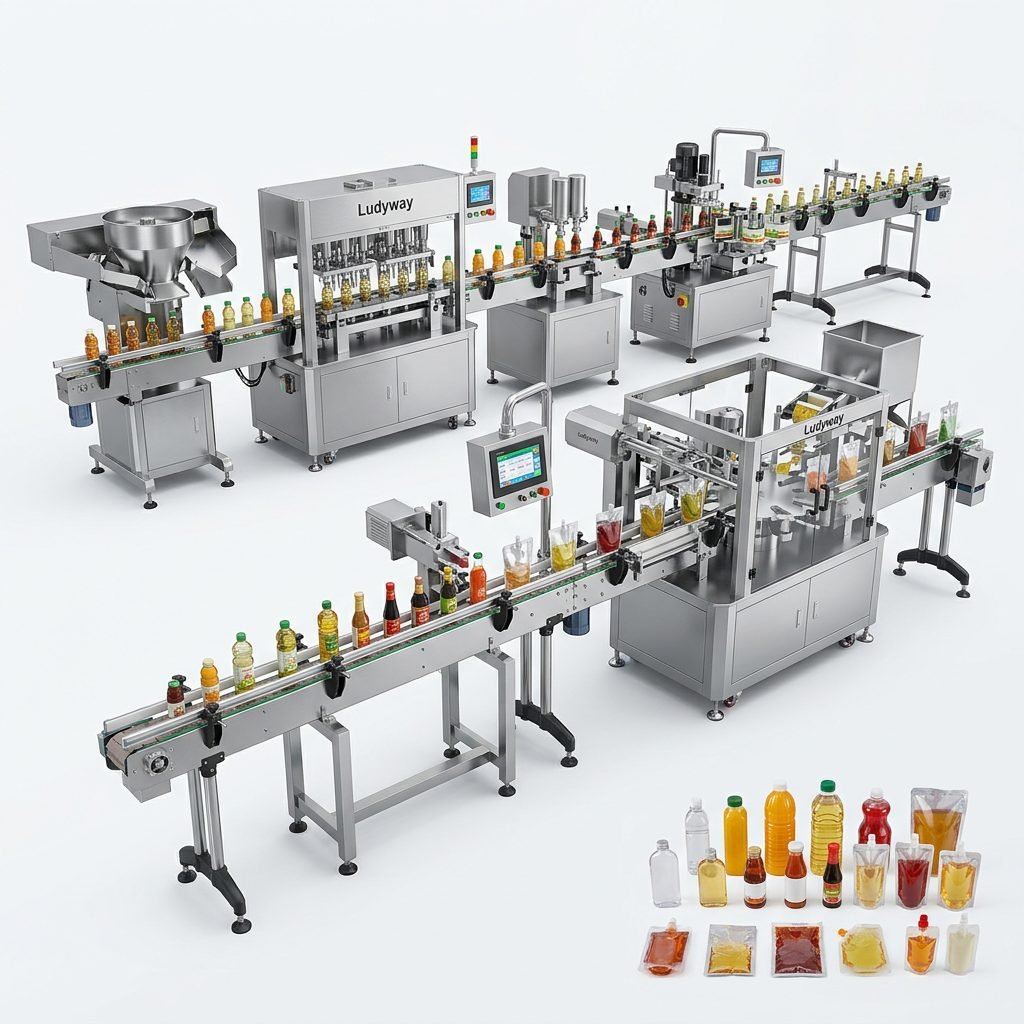
Dust, product residue, and debris are the silent enemies of precision machinery. For a plastic bottle packaging machine, daily cleaning prevents contamination and mechanical wear. Focus specifically on the filling nozzles and sealing areas, as dried product can cause misalignment and inconsistent seals. Use food-grade sanitizers if applicable, and always disconnect the power supply before cleaning any electrical components. A clean machine is not just about hygiene; it is a fundamental step in preventive maintenance that ensures consistent output quality.
Critical Inspection Points Before Every Shift
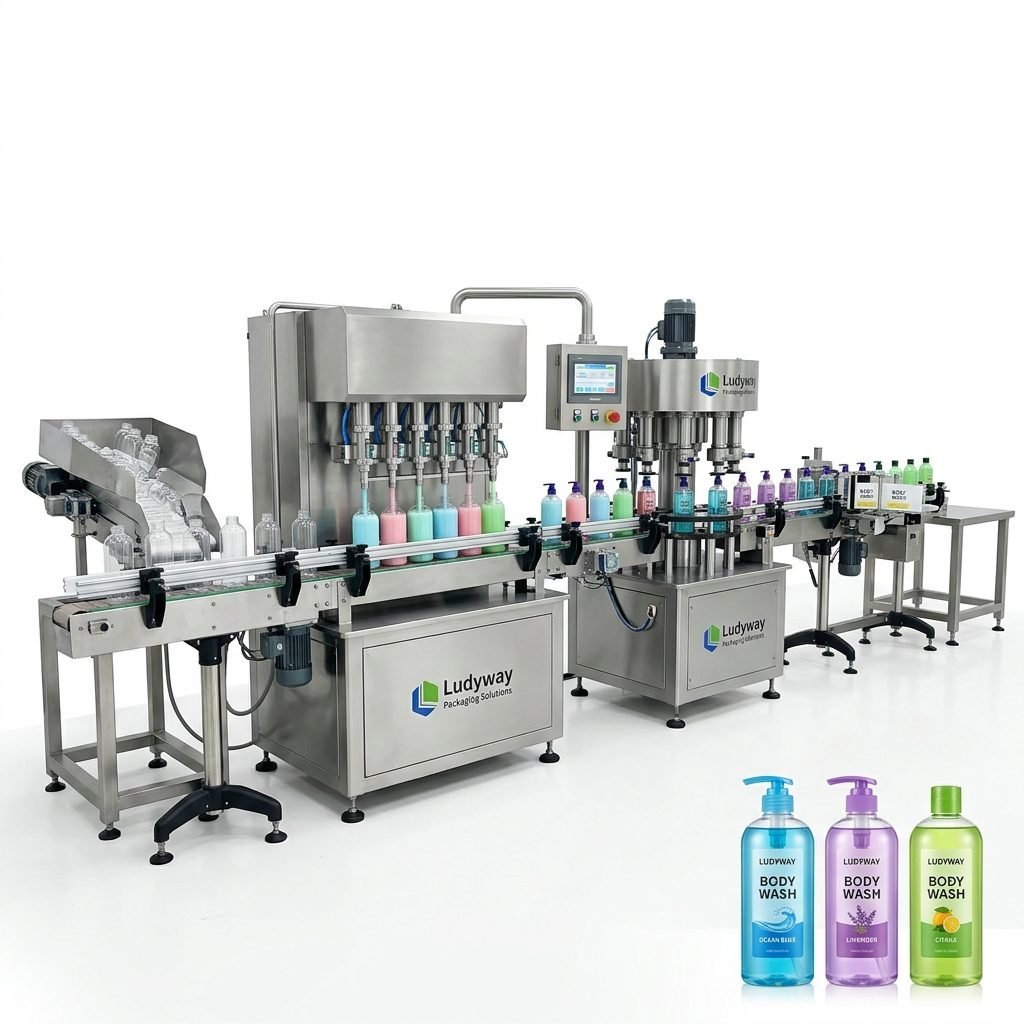
Before starting production, a visual check can catch minor issues before they escalate. Pay close attention to the conveyor belts, cap sorters, and bottle sensors. Look for wear patterns or loose fasteners that generate excessive vibration. Here is a quick checklist to integrate into your daily workflow:
- Pneumatic Systems: Check air pressure gauges and listen for leaks in the air lines.
- Guarding & Sensors: Verify that all safety guards are securely in place and that rejection sensors are functioning correctly.
- Bottle Handling: Inspect the star wheels and guide rails for cracks or damage that could shatter bottles.
- Lubrication Points: Look for dry spots on chains and moving rails to prevent metal-on-metal friction.
Lubrication: The Lifeline of Moving Parts
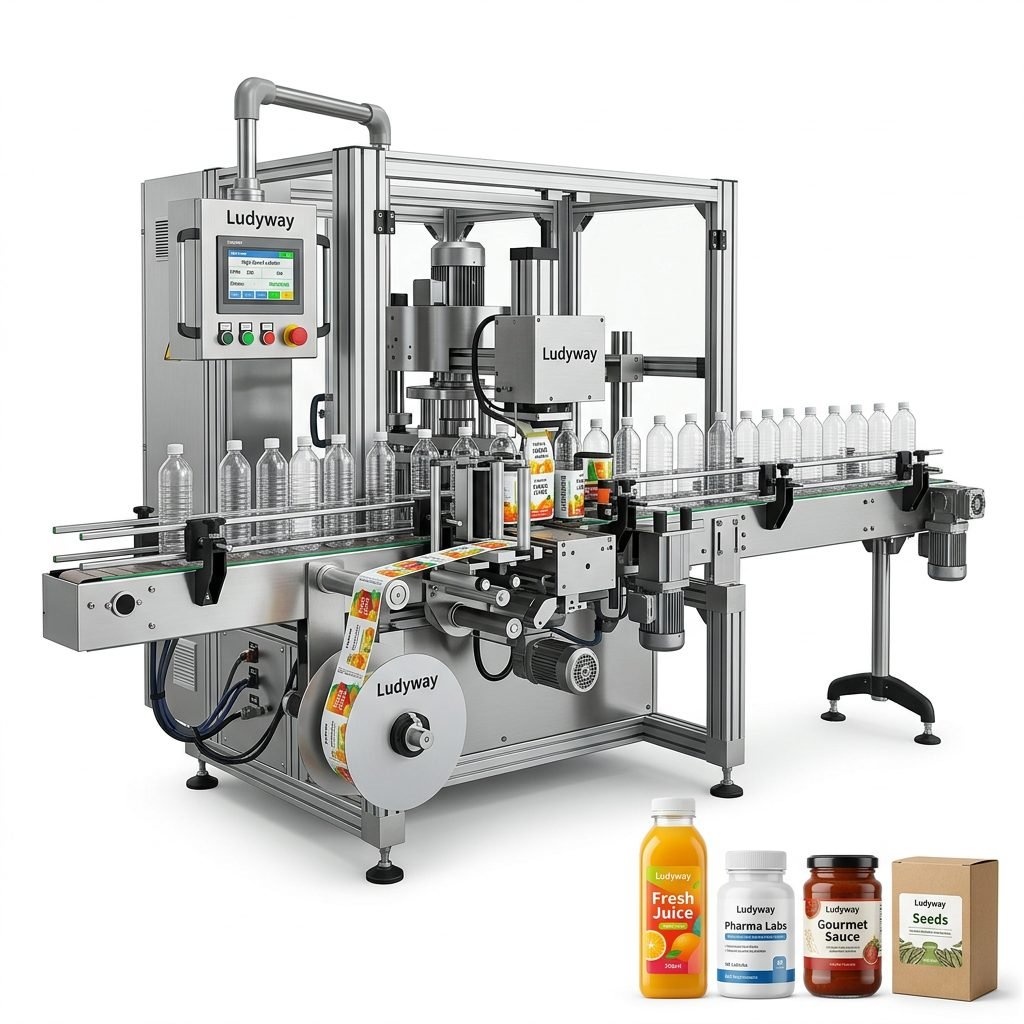
Friction is the primary cause of mechanical failure in high-speed equipment. A consistent lubrication schedule is non-negotiable. Use the manufacturer-recommended greases and oils, specifically for high-load components like the capping heads. Over-lubrication, however, can attract dust and cause buildup, so always wipe away excess grease. For modern packaging machines, centralized automatic lubrication systems can significantly reduce manual labor and human error.
Structured Preventive Maintenance Schedule
Reactive repairs destroy profitability. Switching to a preventive maintenance schedule based on running hours rather than calendar days ensures you stay ahead of wear cycles. The table below outlines a general guideline for maintaining a plastic bottle packaging machine:
| Component | Maintenance Task | Recommended Frequency |
|---|---|---|
| Filling Valves | Deep clean and seal inspection | Weekly |
| Capping Chucks | Torque calibration and silicone replacement | Bi-weekly |
| Conveyor Gearbox | Oil level check and replacement | Monthly |
| Electrical Cabinets | Dust removal and terminal tightening | Quarterly |
Managing Spare Parts Inventory
Having critical spare parts on-site is vital. Identify the wear items specific to your bottle size and material. Common parts that require frequent replacement include heating elements for sealing, transfer belts, and gaskets. Maintaining a strategic inventory minimizes the time wasted waiting for courier deliveries during a breakdown.
Electrical System Integrity
Voltage fluctuations and dust ingress are dangerous for control systems. Inspect the cooling fans on servo drives and PLCs to ensure they are free from dust. A thermal camera can effectively identify overheating contactors or loose terminals before they fail. Proper grounding is also critical for the safety of operators and the protection of sensitive circuits against static discharge.
Common Troubleshooting Scenarios
Even with rigorous maintenance, issues can arise. Quickly diagnosing problems minimises downtime. Here are common symptoms and their likely causes:
- Leaking Fill Nozzles: Usually caused by worn O-rings or sticky product residue preventing a tight seal.
- Cocked Caps: Indicates a worn chuck, incorrect torque setting, or a problem in the cap delivery chute alignment.
- Frequent Jams: Often a result of deformed bottles, a misaligned star wheel, or belt slippage due to insufficient tension.
For complex mechanical or programming faults, consulting a qualified technician is safer than attempting intrusive repairs that could void warranties. Companies like Ludyway provide expert support and genuine parts to keep industrial lines operational with minimal disruption.
Operator Training is Key
A well-trained operator is the best maintenance tool. They should be able to distinguish between standard operation sounds and warning noises like dragging chains or failing bearings. Training empowers them to perform autonomous maintenance tasks, such as cleaning photocells and emptying moisture traps on the air preparation unit, which significantly reduces technician call-outs.
You can find additional resources on machine safety through the PMMI packaging industry resources or review packaging standards from the ISO technical committee to ensure your maintenance protocols meet international benchmarks.