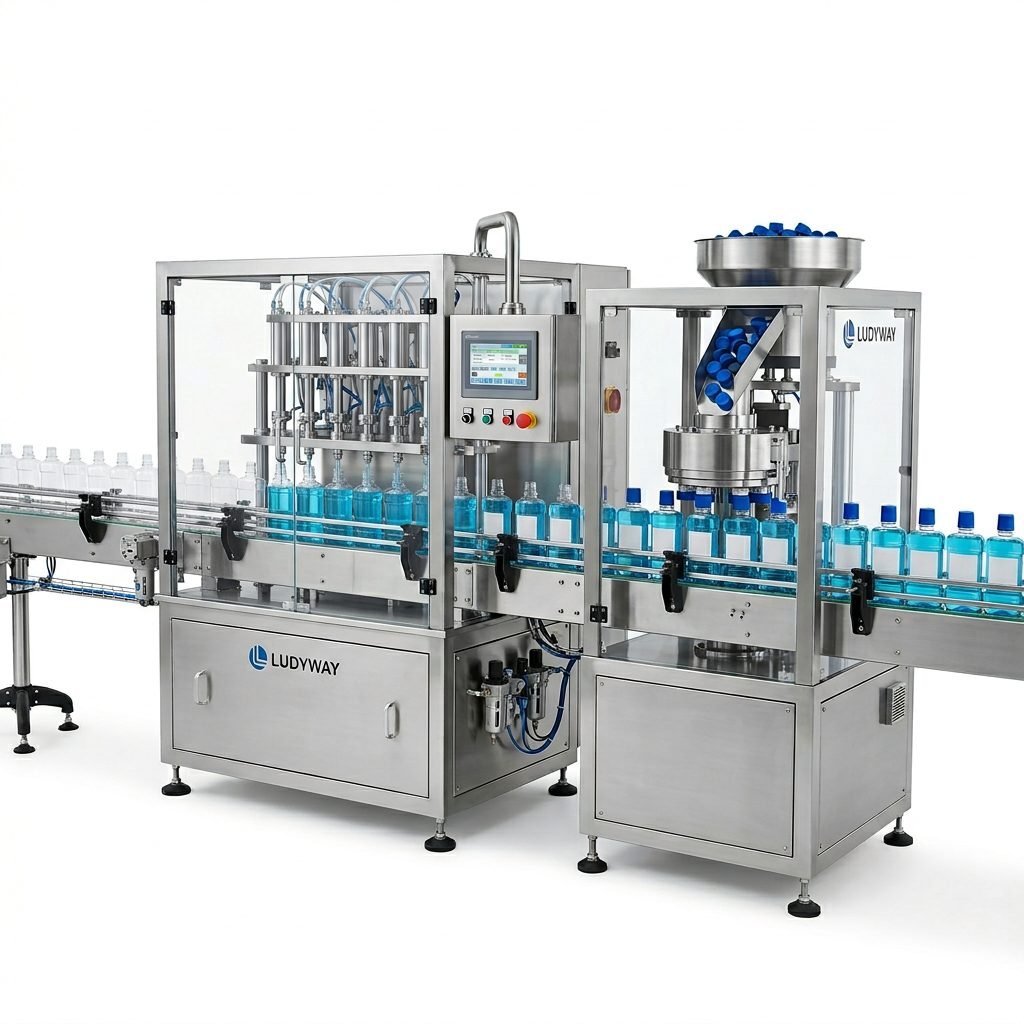
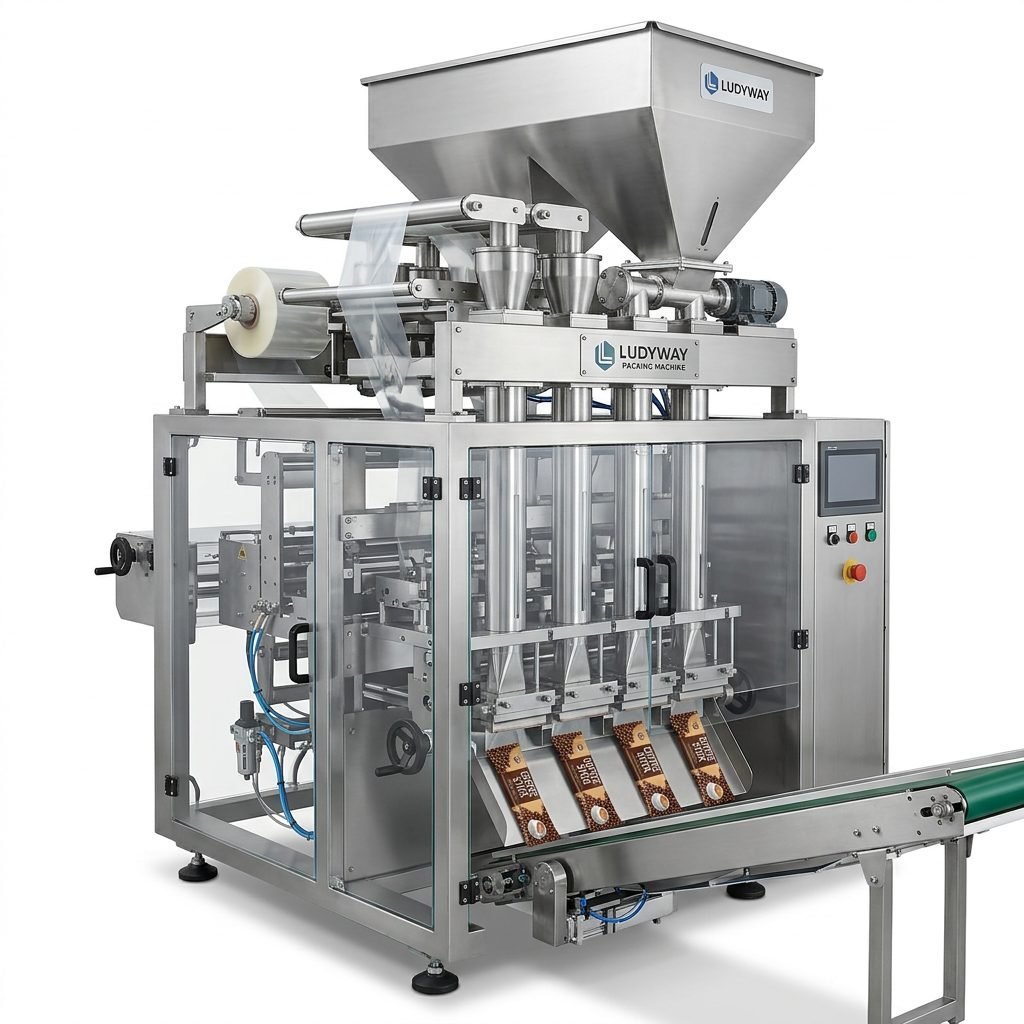
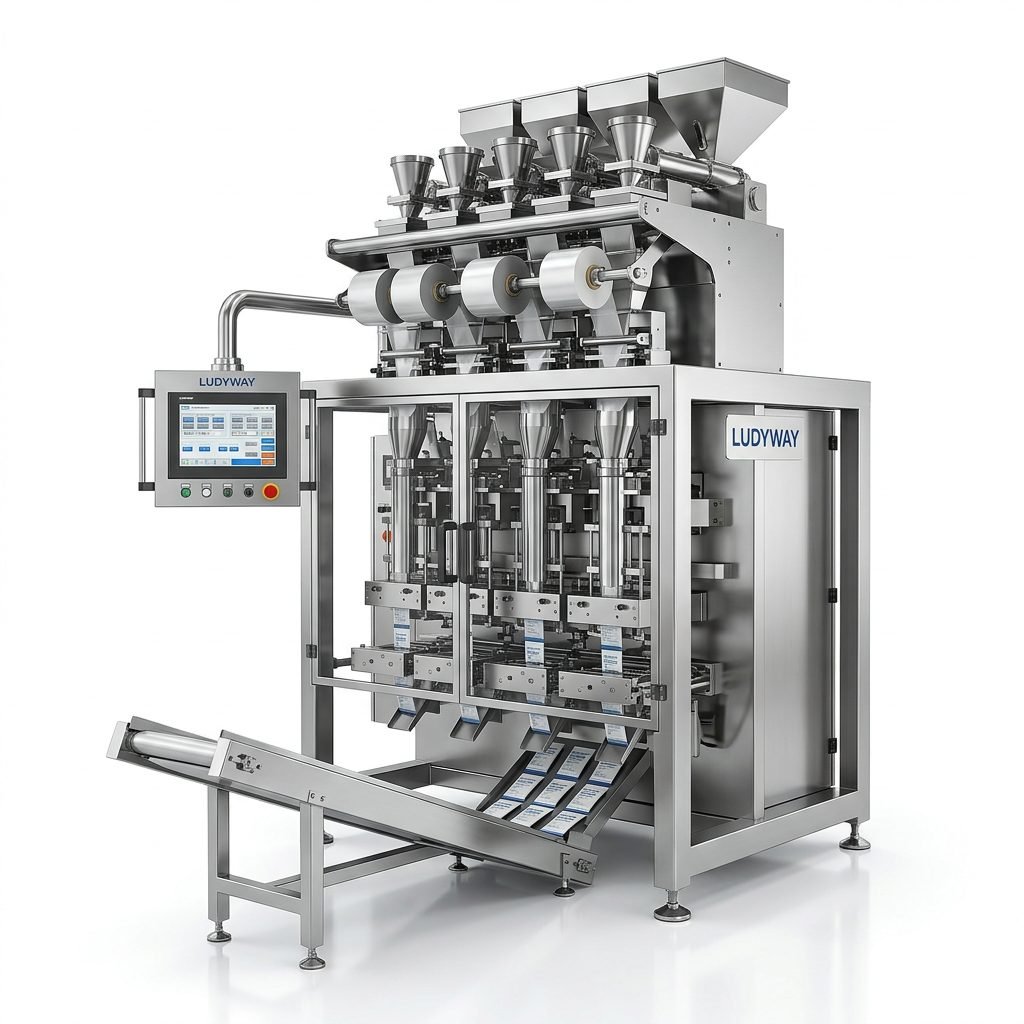
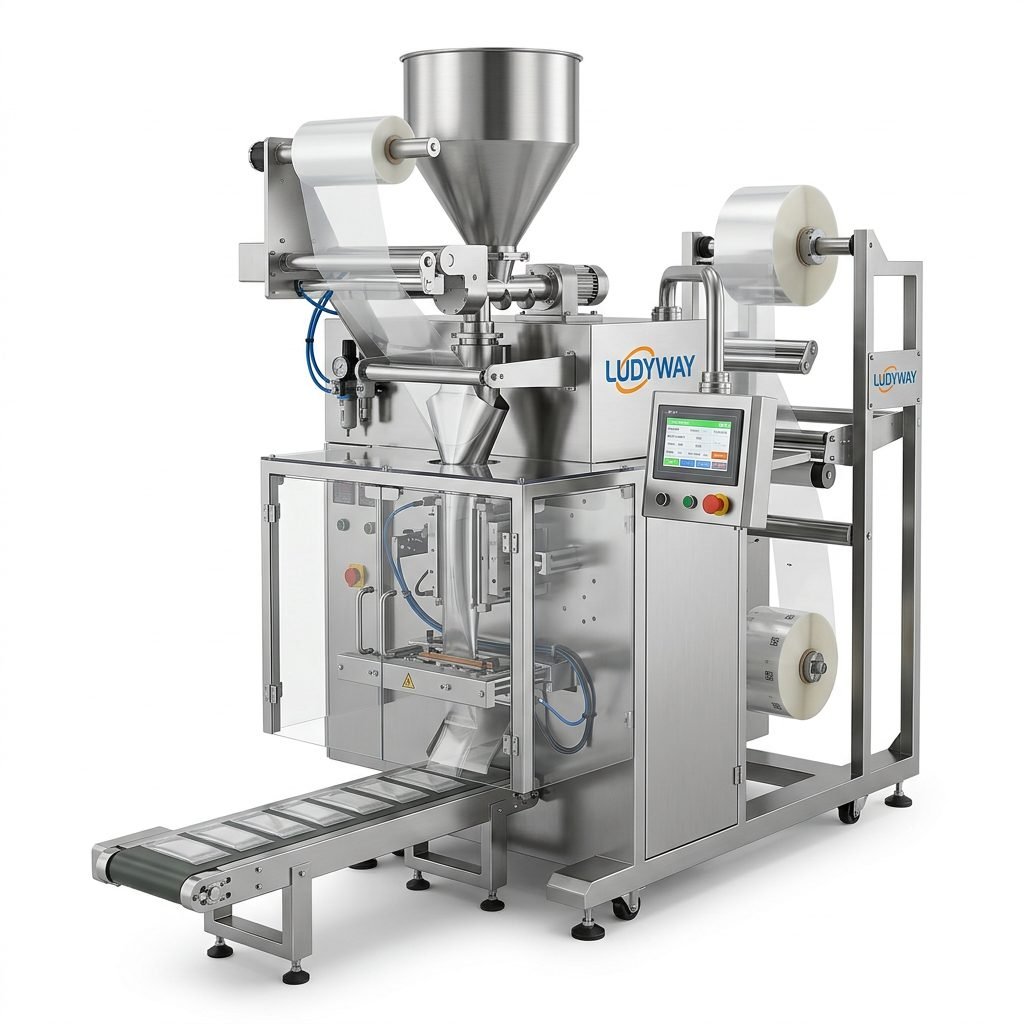
Proper maintenance of a plastic jar packing machine is essential for ensuring consistent performance, minimizing downtime, and extending the service life of your equipment. Whether you are packaging food products, pharmaceuticals, or industrial goods, a well-maintained machine delivers higher efficiency and better product quality. Neglecting routine care can lead to unexpected breakdowns, costly repairs, and production delays. This guide outlines the most effective maintenance practices to keep your plastic jar packing machine running at peak performance.

Daily Maintenance Checklist
Daily inspections are the first line of defense against mechanical issues. Operators should perform a visual and functional check before each shift to identify potential problems early.
- Inspect sealing components for wear, residue buildup, or misalignment that could affect jar sealing quality.
- Check filling nozzles for clogs or partial blockages, especially when handling powders or viscous liquids.
- Verify conveyor belt tension and track alignment to prevent jar jams and uneven movement.
- Examine sensors and photoelectric eyes for cleanliness and proper positioning.
- Monitor air pressure levels in pneumatic systems to ensure consistent operation of actuators and cylinders.
- Listen for unusual noises such as grinding, squeaking, or rattling that may indicate mechanical issues.
Weekly and Monthly Maintenance Tasks
In addition to daily checks, scheduling weekly and monthly maintenance helps address deeper mechanical and electrical concerns that may not be visible during routine inspections.
| Maintenance Task | Frequency | Key Focus Areas |
|---|---|---|
| Lubrication of moving parts | Weekly | Bearings, chains, cam mechanisms, guide rails |
| Electrical connection inspection | Weekly | Terminal blocks, wiring harnesses, control panel cleanliness |
| Belt and chain tension adjustment | Monthly | Drive belts, timing belts, conveyor chains |
| Sensor calibration | Monthly | Proximity sensors, temperature sensors, level detectors |
| Sealing jaw temperature verification | Monthly | Thermocouple accuracy, heating element condition |
| Full system software backup | Monthly | PLC programs, HMI configurations, parameter settings |
Common Troubleshooting Scenarios
Even with consistent maintenance, occasional issues may arise. Knowing how to quickly diagnose and resolve common problems can save valuable production time.
Jar Sealing Problems
If seals are inconsistent or incomplete, first check the sealing temperature and dwell time. Contaminated sealing surfaces or worn gaskets can also cause poor seal integrity. Clean the sealing head regularly and replace damaged components promptly.
Inaccurate Filling Volumes
Inconsistent fill levels often stem from clogged nozzles, improper calibration, or inconsistent product flow. For liquid products, verify pump settings and check for air in the lines. For granules and powders, inspect the packaging machine auger or volumetric filler for wear.
Jar Feeding Jams
Jams in the jar feeding system typically result from misaligned guide rails, worn star wheels, or debris on the conveyor. Regular cleaning and periodic adjustment of rail positions can prevent most feeding issues.
Cleaning and Lubrication Best Practices
Cleanliness is critical for plastic jar packing machines, especially in food and pharmaceutical applications. Product residue can contaminate future batches, attract pests, and accelerate component wear.
- Use food-grade cleaning agents approved for your specific application and industry regulations.
- Follow a top-to-bottom cleaning sequence to prevent debris from falling onto already-cleaned surfaces.
- Dry all surfaces thoroughly after washing to prevent rust and bacterial growth.
- Apply lubricants sparingly and precisely to avoid contaminating product contact areas.
- Maintain a lubrication log documenting dates, lubricant types, and application points for traceability.
When to Replace Components
Proactive component replacement prevents unexpected failures. Understanding wear patterns and replacement intervals is key to effective maintenance planning.
High-Wear Components
- Sealing gaskets and O-rings: Replace every 3–6 months depending on usage intensity and product type.
- Filling nozzles and valves: Inspect monthly; replace when signs of erosion or deformation appear.
- Conveyor belts: Monitor for fraying, stretching, or cracking; typical service life is 12–18 months.
- Heating elements: Check resistance values quarterly; replace if readings deviate from specifications.
- Pneumatic seals: Replace annually or sooner if actuators show sluggish movement.
Operator Training and Documentation
Well-trained operators are essential for effective machine maintenance. Comprehensive training programs should cover proper operation, cleaning procedures, basic troubleshooting, and safety protocols. Maintaining detailed records of all maintenance activities, including inspection checklists, repair logs, and parts replacement history, supports long-term reliability and simplifies packaging industry compliance audits.
Seasonal and Long-Term Maintenance Considerations
Facilities that experience seasonal production fluctuations should implement additional maintenance protocols during shutdown periods. Before extended storage, thoroughly clean and lubricate all components, disconnect power sources, and cover the machine to protect against dust and humidity. When restarting, perform a complete system diagnostic before resuming full production speed.
Annual Maintenance Review
- Conduct a full mechanical inspection of all drive systems, bearings, and structural components.
- Update firmware and software for control systems to the latest stable versions.
- Review spare parts inventory and restock critical components based on historical usage data.
- Evaluate overall equipment effectiveness (OEE) metrics to identify improvement opportunities.
Conclusion
Consistent and thorough maintenance of your plastic jar packing machine is an investment in productivity, product quality, and operational reliability. By following structured daily, weekly, and monthly routines, addressing troubleshooting issues promptly, and planning for component replacement, you can significantly extend equipment life and reduce total cost of ownership.
For manufacturers seeking reliable, high-performance packaging solutions, Ludyway offers a comprehensive range of packaging machines backed by over 30 years of industry expertise and a modern 20,000㎡ manufacturing facility. Their equipment is engineered for durability and ease of maintenance, supporting long-term operational success. For authoritative guidance on packaging machinery standards and industry best practices, refer to resources from PMMI – The Association for Packaging and Processing Technologies and the Flexible Packaging Association.