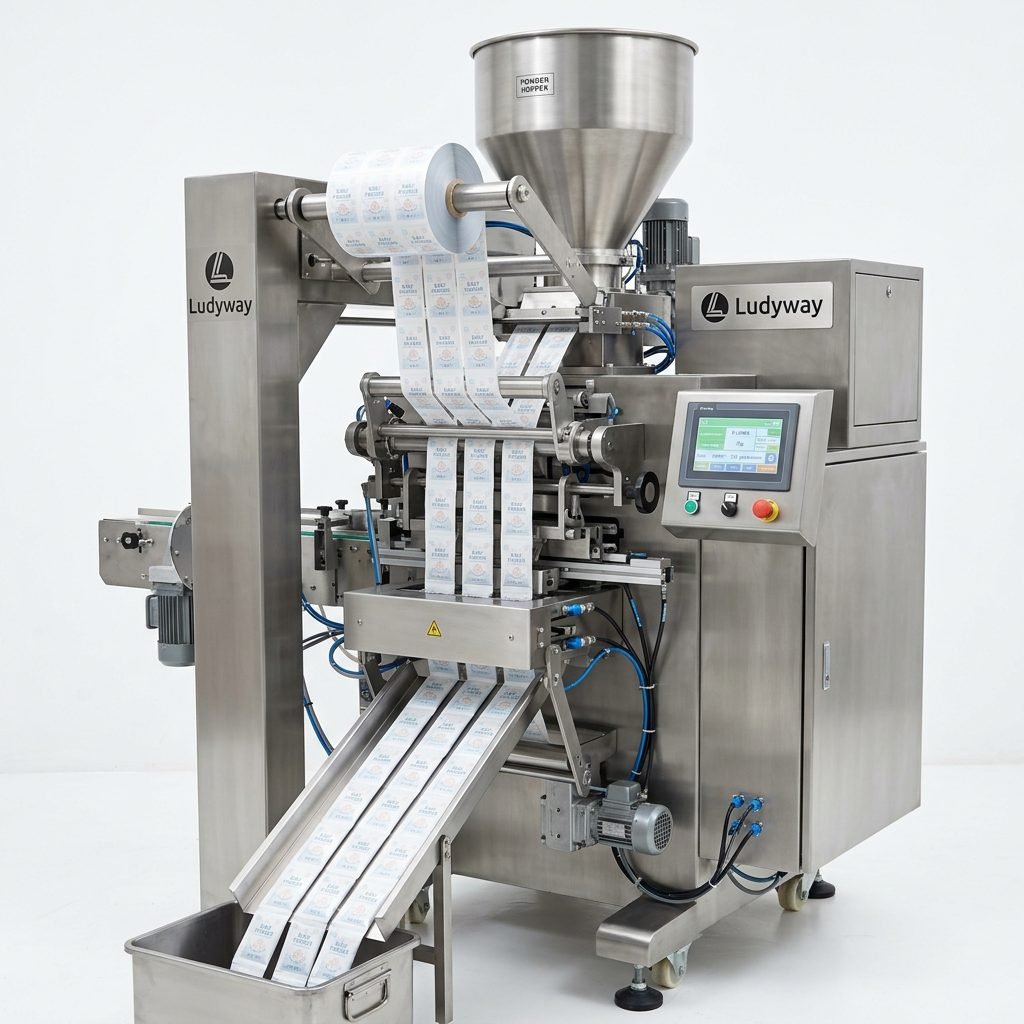
Investing in an automatic plastic packing machine is a critical decision that directly impacts your production efficiency, product quality, and long-term operational costs. With a wide range of machine types, configurations, and technology levels available, the selection process can feel overwhelming. A structured evaluation of your specific requirements will help you identify the right equipment that delivers consistent results and a strong return on investment.
This guide walks you through the essential factors to consider when choosing an automatic plastic packing machine — from product characteristics and packaging formats to automation levels and supplier evaluation. Whether you are upgrading an existing line or building a new production facility, understanding these key criteria will help you make an informed purchasing decision. For broader industry context, the PMMI Business Intelligence Library provides valuable market research and packaging machinery data.
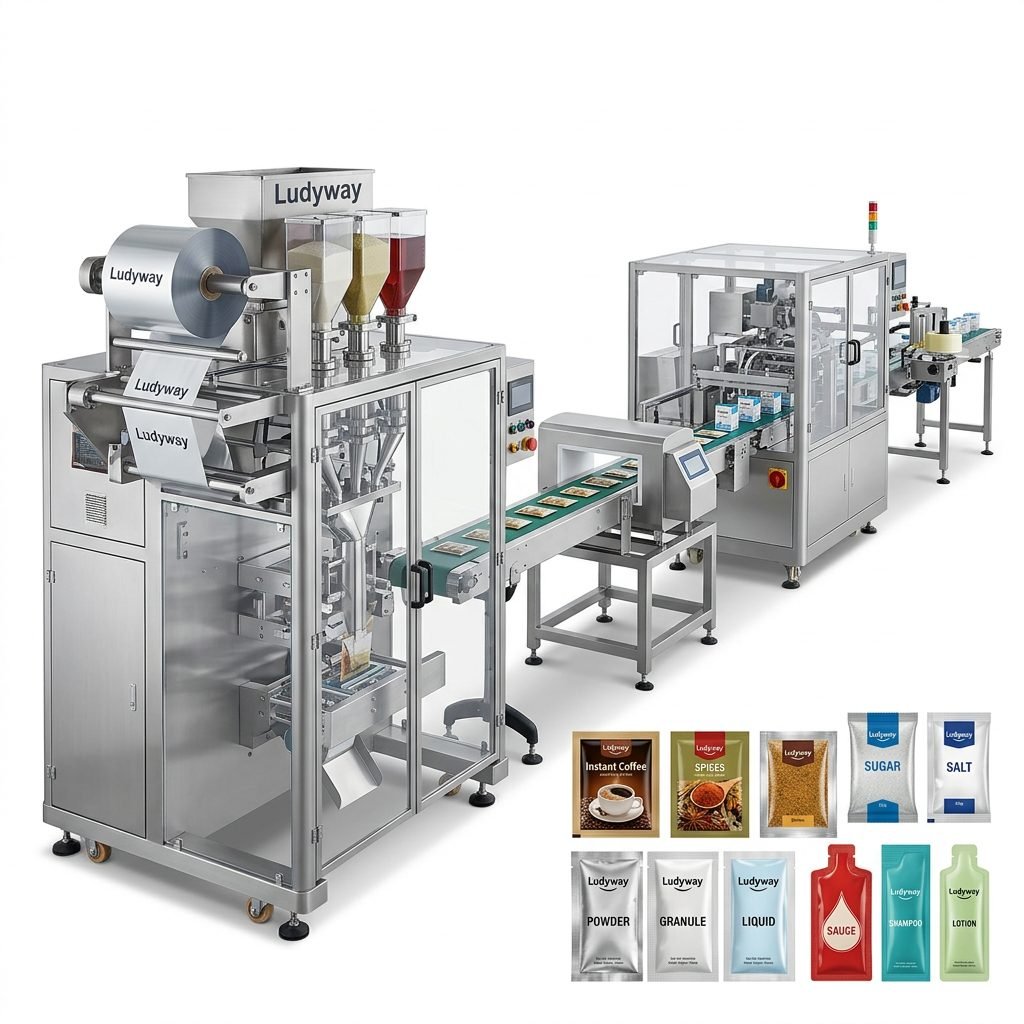
Understanding Your Product Characteristics
The physical and chemical properties of your product are the most fundamental factors influencing machine selection. Different products require different dosing mechanisms, filling systems, and sealing technologies to ensure accuracy and reliability. Getting this assessment right at the outset prevents costly reconfigurations later.
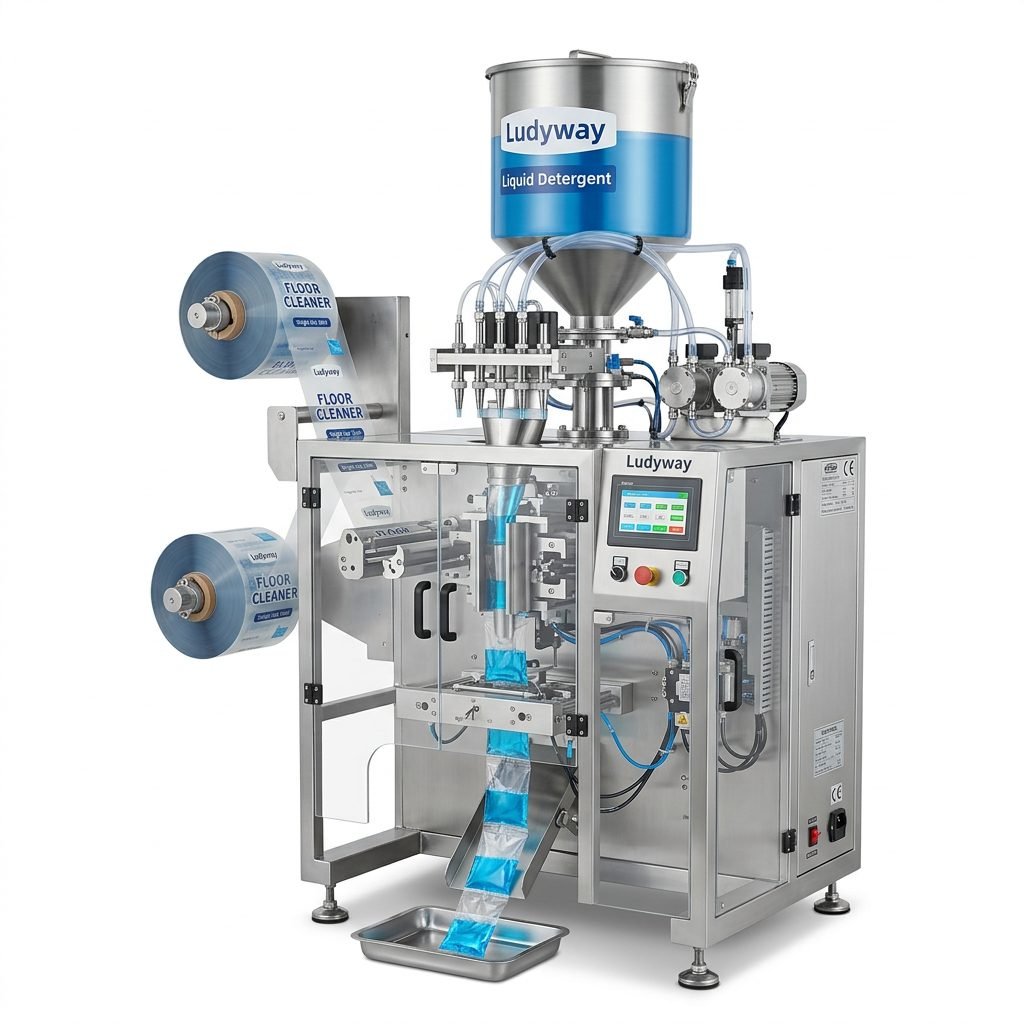
- Physical state: Is your product a powder, granule, liquid, paste, or solid piece? Each state demands a specific filling system — auger fillers for powders, volumetric cup fillers for granules, piston fillers for liquids and pastes.
- Flow characteristics: Free-flowing products like sugar or salt behave very differently from cohesive powders like protein mixes or sticky substances like certain food pastes. Flowability affects dosing accuracy and may require specialized hoppers or agitation systems.
- Particle size and uniformity: Granule size distribution influences filling accuracy. For multi-lane machines, consistent particle size helps maintain uniform fill weights across all lanes.
- Hygroscopicity and sensitivity: Products that absorb moisture or are sensitive to oxygen require packaging machines capable of integrating with nitrogen flushing or vacuum sealing systems.
- Dust generation: Fine powders that create dust during filling need machines with dust extraction capabilities to maintain a clean working environment and protect machine components.
Defining Packaging Format and Bag Style
The bag format you choose affects your brand presentation, shelf appeal, material usage, and packaging speed. Automatic plastic packing machines can typically produce multiple bag styles, but it is essential to confirm compatibility before purchasing. The Flexible Packaging Association offers extensive resources on packaging formats and material innovations relevant to your selection.
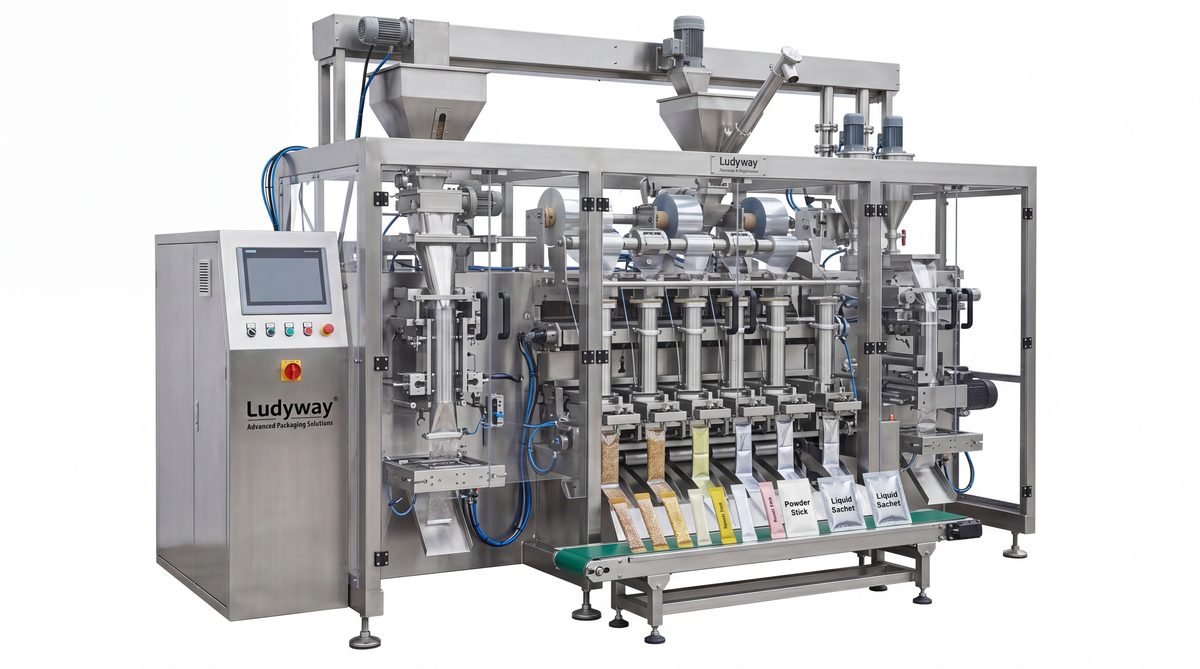
Common Bag Formats
| Bag Format | Best Suited For | Typical Speed Range |
|---|---|---|
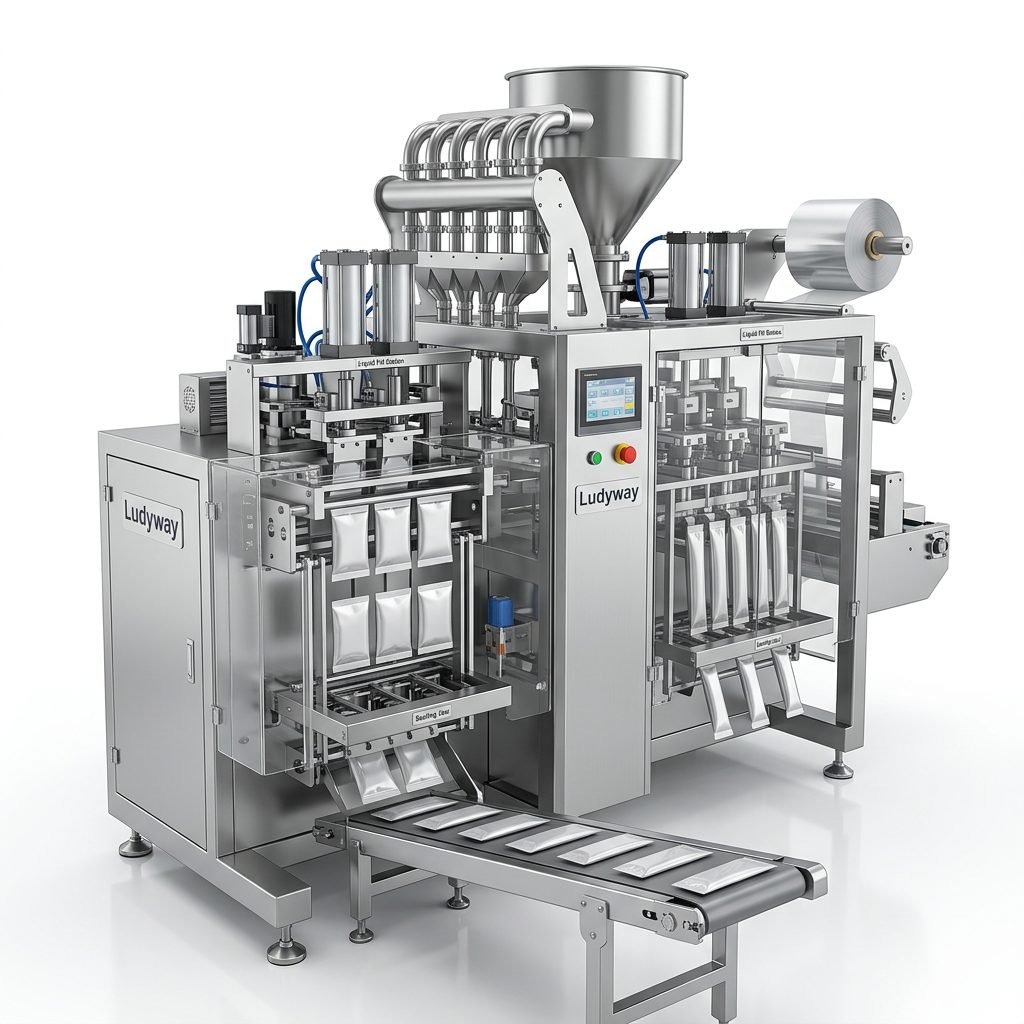
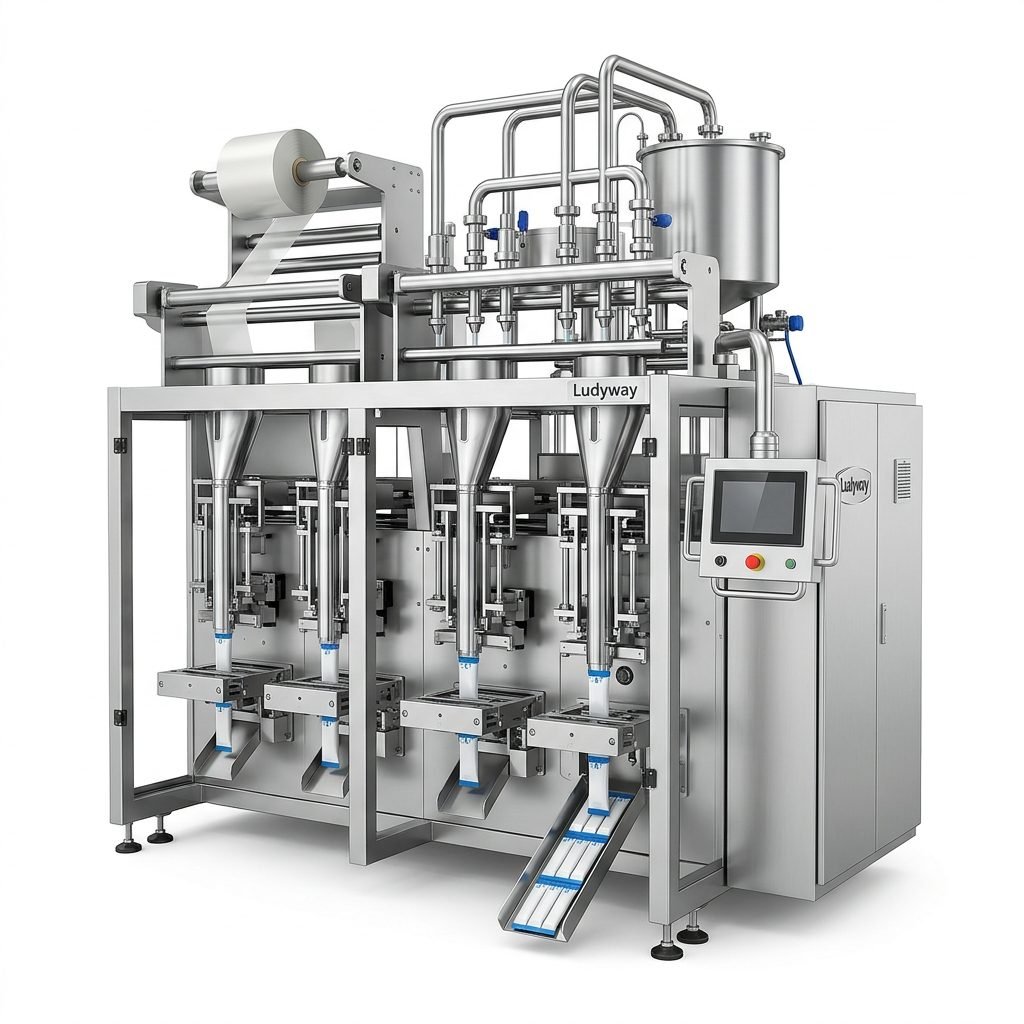
| Stick Pack | Single-serve powders, instant beverages, supplements, nicotine pouches | High — up to 800+ packs/min on multi-lane |
| Three-Side Seal Sachet | Sample portions, condiments, personal care products, pharmaceuticals | Medium to High — up to 600+ sachets/min |
| Four-Side Seal Sachet | Products requiring extra seal integrity, medical devices, sterile items | Medium — up to 400+ sachets/min |
| Gusseted Pouch | Bulk products, coffee, pet food, larger portion sizes | Medium — up to 200+ pouches/min |
| Stand-Up Pouch (Doypack) | Retail products requiring shelf presence, snacks, dried fruits, liquids | Low to Medium — up to 150+ pouches/min |
Production Speed and Capacity Requirements
Your target output per shift or per hour directly determines the machine configuration you need. A mismatch between required capacity and machine capability is one of the most common reasons packaging equipment fails to meet expectations. Always factor in future growth when specifying speed requirements.
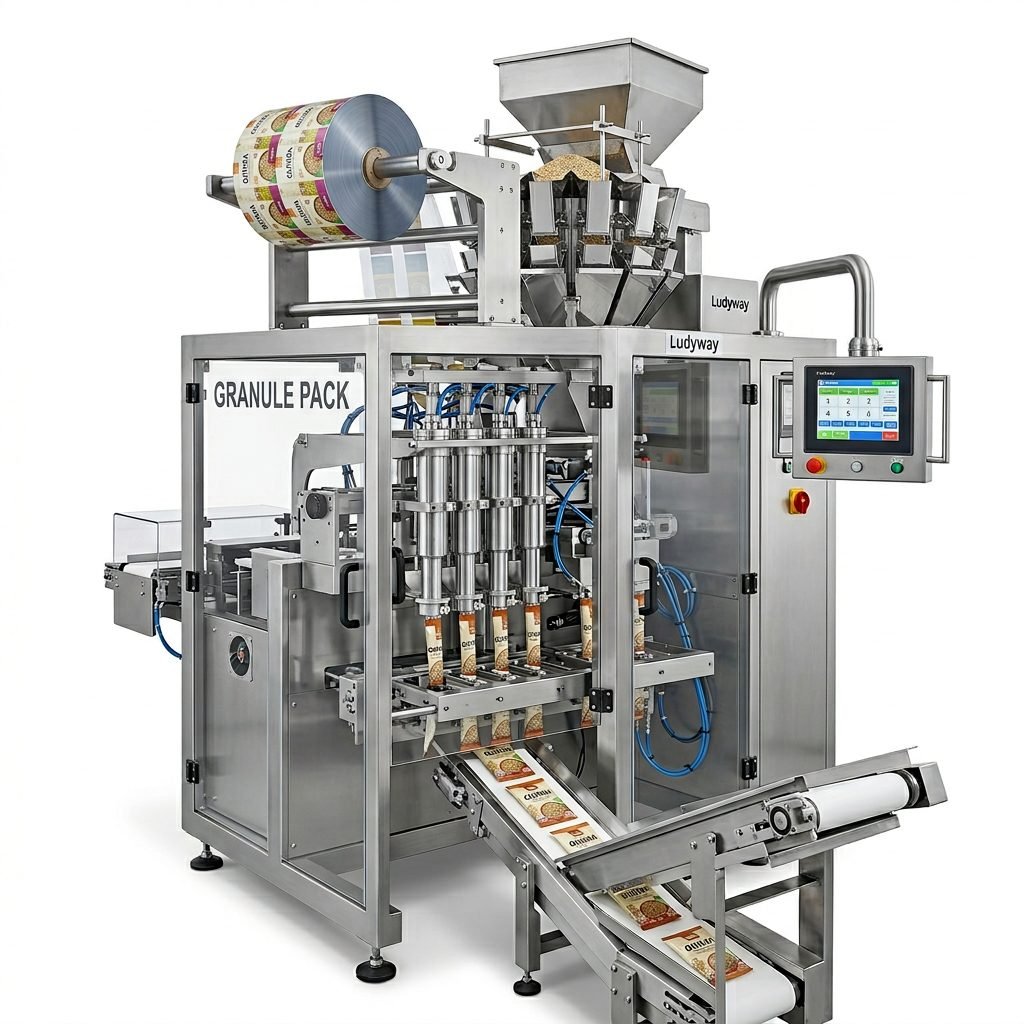
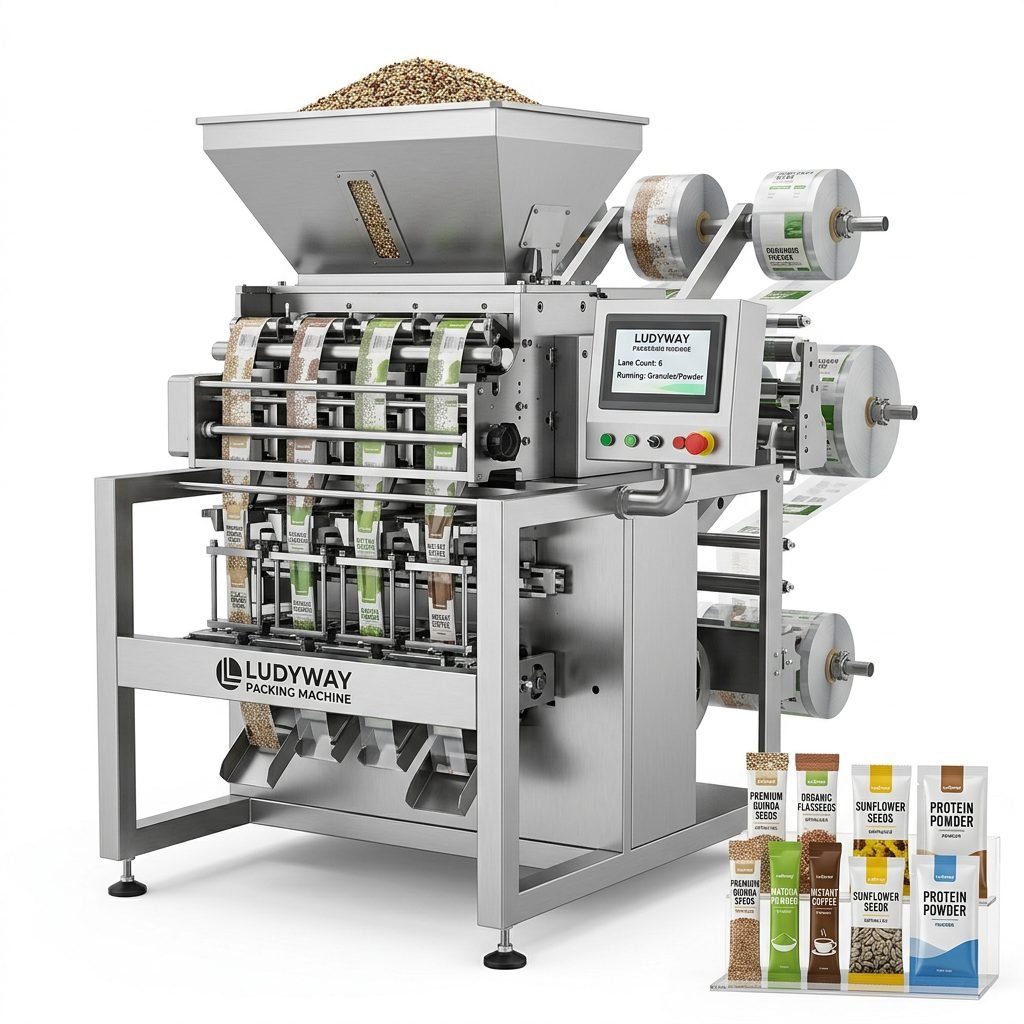
- Single-lane vs. multi-lane: Single-lane machines are suitable for lower production volumes or frequent product changeovers. Multi-lane machines multiply output proportionally — a 10-lane stick pack machine can produce 10 times as many packs per cycle compared to a single-lane version.
- Cycle rate: The mechanical cycle rate (cycles per minute) combined with the number of lanes determines total throughput. Verify the machine’s rated speed under realistic operating conditions.
- Changeover time: If your production involves frequent product or format changes, look for machines with quick-change features, tool-less adjustments, and recipe-based control systems that minimize downtime.
- Buffer capacity: Consider whether the machine can temporarily operate at higher speeds to clear backlogs during upstream interruptions.
Filling Accuracy and Dosing Technology
Filling accuracy affects product consistency, regulatory compliance, and material costs. Overfilling leads to product giveaway, while underfilling can result in regulatory penalties and customer complaints. The right dosing technology depends on your product characteristics and required precision. Regulatory considerations are addressed by agencies like the FDA Food Packaging and Food Contact Substances division.
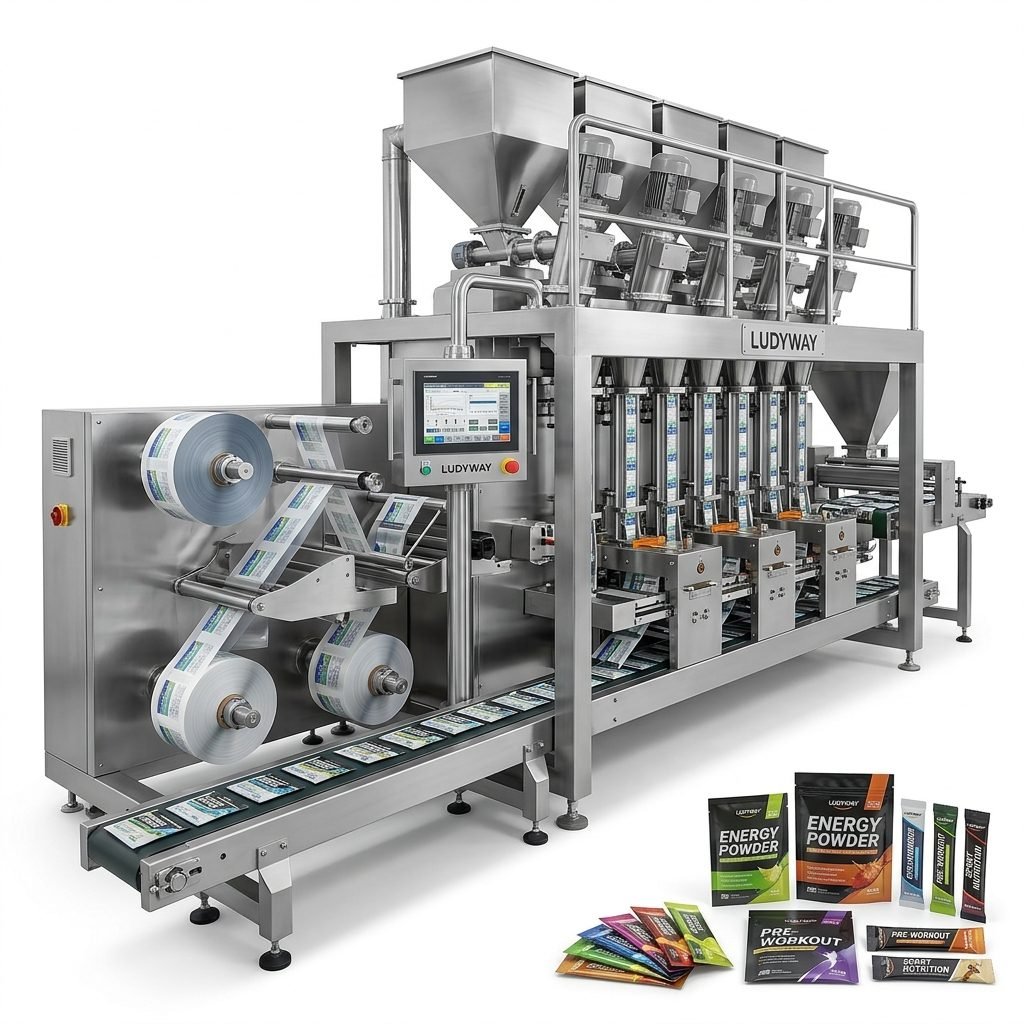
Common Dosing Systems
| Dosing Type | Ideal Product | Accuracy Level |
|---|---|---|
| Auger Filler | Powders — protein, spices, pharmaceutical powders, flour | ±0.5% to ±2% |
| Volumetric Cup Filler | Free-flowing granules — sugar, salt, seeds, grains | ±1% to ±3% |
| Piston Filler | Liquids and pastes — sauces, gels, creams, oils | ±0.5% to ±1.5% |
| Multi-Head Weigher | Solid pieces and irregular granules — snacks, nuts, hardware, capsules | ±0.1% to ±1% |
| Net Weight Filler | High-value products requiring precise weight verification | ±0.1% to ±0.5% |
Material Compatibility and Sustainability
The plastic packaging materials you plan to use must be compatible with the machine’s forming, filling, and sealing systems. Different films have different heat-sealing characteristics, slip properties, and barrier requirements. The Flexible Packaging Association’s industry data provides insights into material trends and sustainability resources.
- Film type: Common materials include LDPE, HDPE, BOPP, PET/PE laminates, aluminum foil laminates, and compostable bioplastics. Each has distinct sealing temperature requirements and mechanical properties.
- Seal integrity: For products requiring long shelf life or sterile barriers, verify that the machine can achieve consistent, leak-proof seals with your chosen material.
- Sustainability goals: If your company has commitments to reduce plastic usage, look for machines capable of running thinner films, mono-material structures, or biodegradable alternatives without compromising seal quality.
- Material waste reduction: Machines with precise film registration, splice detection, and tension control minimize material waste during production.
Automation Level and Line Integration
Your current and desired level of automation influences machine complexity, cost, and labor requirements. A standalone machine may suffice for a small operation, while a fully integrated packaging line with automated feeding, coding, inspection, cartoning, and palletizing suits high-volume manufacturers. Standards such as ISO packaging standards provide frameworks for ensuring system compatibility and quality across automated lines.
- Semi-automatic: Requires operator involvement for loading product or removing finished packs. Suitable for low-volume production or frequent product changes.
- Fully automatic: Handles the entire packaging cycle without manual intervention. Includes automatic film unwinding, forming, filling, sealing, cutting, and discharge.
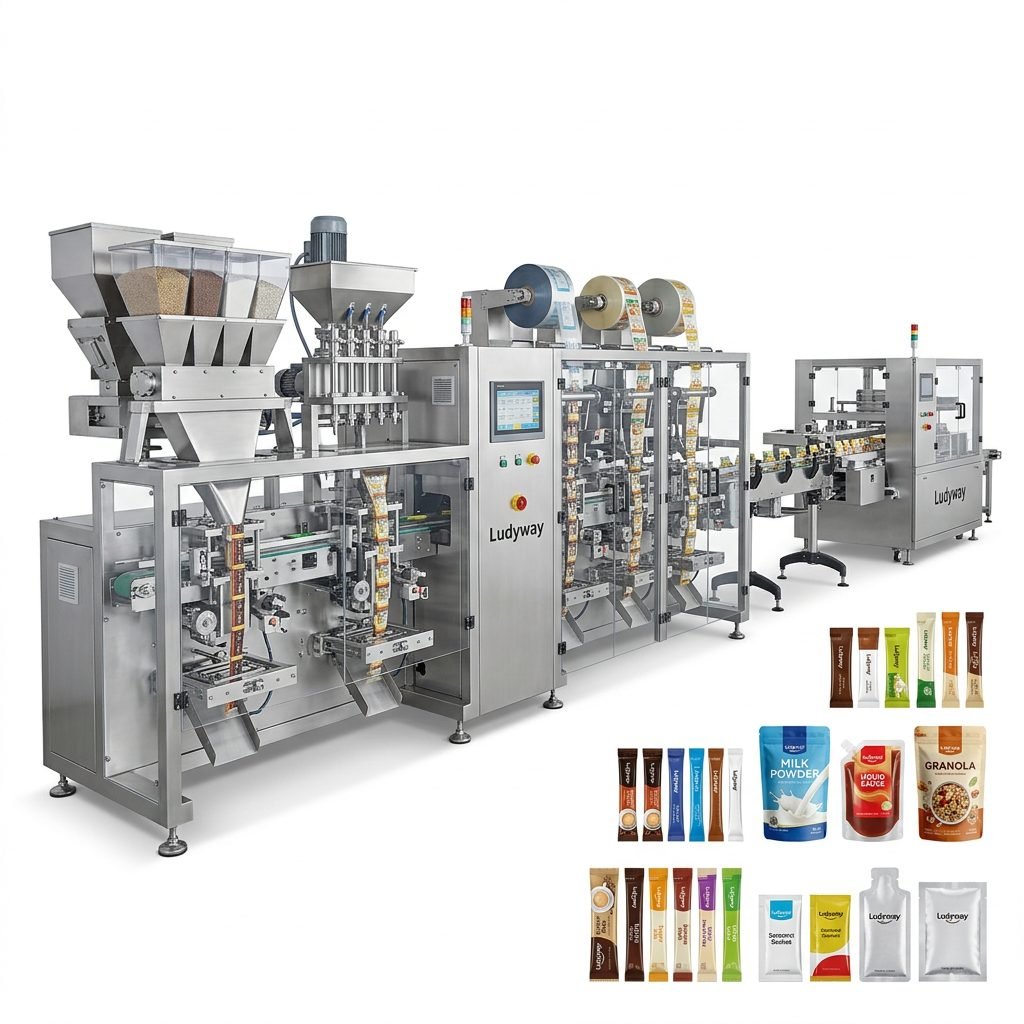
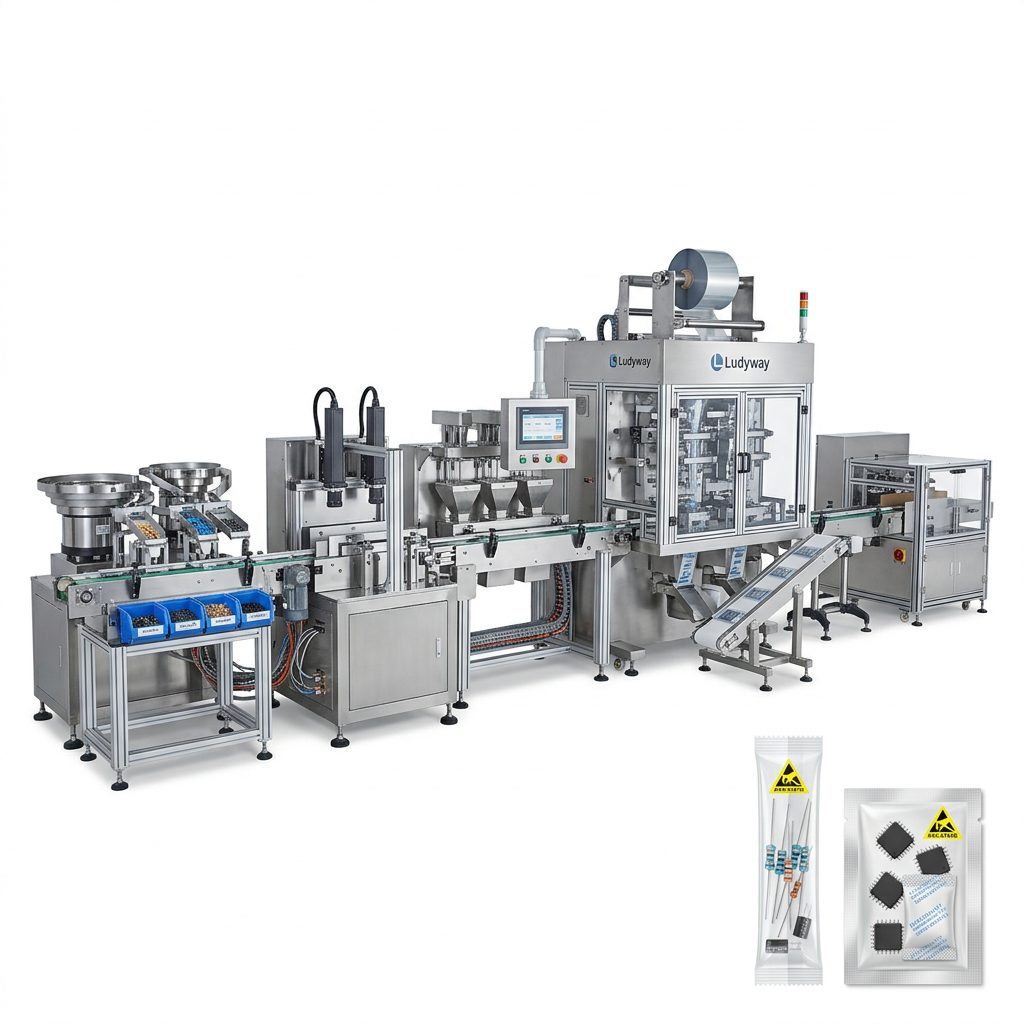
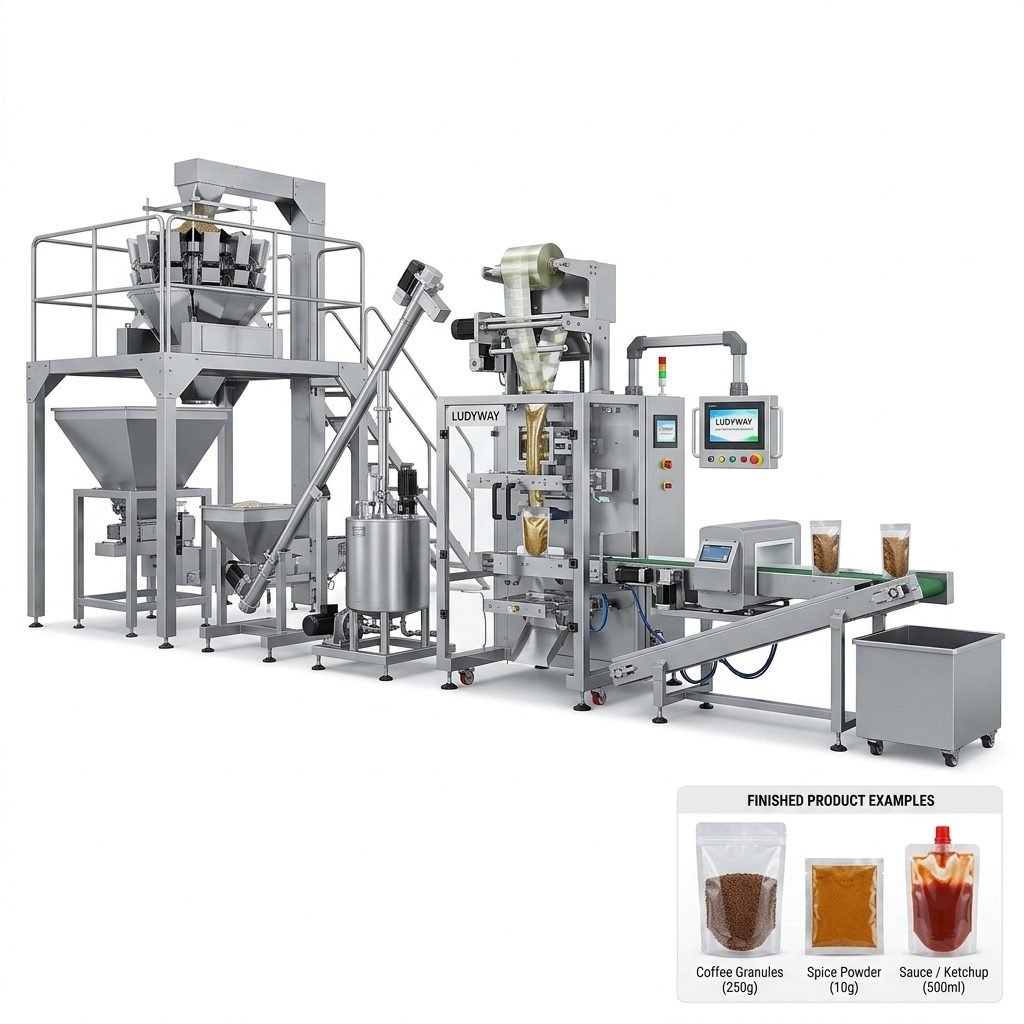
- Integrated line: Connects the packaging machine with upstream equipment (product feeding, dosing) and downstream equipment (coding, inspection, cartoning, case packing, palletizing) for a complete turnkey solution.
- Smart features: Modern machines offer recipe management, remote diagnostics, OEE tracking, and integration with factory MES/ERP systems for data-driven production management.
Machine Quality and Compliance Standards
Packaging machinery is a long-term investment. Build quality, component selection, and regulatory compliance directly affect reliability, maintenance costs, and market access. Machines constructed with robust materials and from reputable industrial component suppliers deliver more consistent performance over years of operation. For pharmaceutical and medical applications, standards such as ISO 11607 for terminally sterilized medical devices are particularly relevant.
- Frame and construction: Stainless steel construction is essential for food, pharmaceutical, and cosmetic applications. Look for robust frame designs that minimize vibration and ensure long-term dimensional stability.
- Electrical and control components: Machines built with internationally recognized brands for PLCs, servo motors, pneumatics, and sensors offer better reliability and easier spare parts availability worldwide.
- Certifications: Depending on your market, relevant certifications may include CE marking for the European market, UL compliance for North America, or GMP-compliant design for pharmaceutical applications.
- Safety features: Emergency stop systems, safety interlocks, guarding, and electrical safety compliance protect operators and meet workplace safety regulations.
Total Cost of Ownership
The purchase price of a packaging machine is only one component of its total cost. A comprehensive cost analysis should account for the entire equipment lifecycle. Lower upfront costs can sometimes lead to higher long-term expenses through increased maintenance, downtime, and material waste.
| Cost Component | Considerations | Typical Impact |
|---|---|---|
| Capital cost | Machine price, shipping, import duties, installation | One-time |
| Operating cost | Labor, energy consumption, compressed air, consumables | Ongoing monthly |
| Maintenance cost | Spare parts, service visits, preventive maintenance contracts | Annual |
| Material waste | Film waste during setup, rejects, and changeovers | Variable |
| Downtime cost | Lost production during repairs or unscheduled maintenance | Variable — often underestimated |
Supplier Evaluation and After-Sales Support
The relationship with your machine supplier extends well beyond the initial purchase. Technical support, spare parts availability, and service responsiveness are critical to maintaining production uptime. When evaluating suppliers, consider their track record, industry experience, and global service capabilities. Companies like Ludyway Machinery, a China-based packaging machinery manufacturer with over 30 years of experience and a presence in more than 100 countries, exemplify the type of partner that combines manufacturing expertise with comprehensive after-sales support. According to industry reports, the company is projected to achieve significant export growth by 2026, reflecting strong global demand for its automated packaging solutions.
Key Supplier Evaluation Criteria
- Industry experience: A supplier with decades of experience in your specific industry understands the unique challenges and regulatory requirements you face.
- Manufacturing capabilities: In-house manufacturing with established quality control processes generally results in better build quality and faster delivery times.
- Customization capability: Your packaging requirements are unique. A supplier that offers customized engineering rather than only standardized machines can better match your needs.
- Spare parts network: Quick access to genuine spare parts minimizes downtime. Verify that the supplier maintains adequate spare parts inventory and can ship internationally.
- Technical documentation: Comprehensive manuals, electrical schematics, and maintenance guides in your language support efficient operation and troubleshooting.
- Remote support: Many suppliers now offer remote diagnostic capabilities and video-assisted troubleshooting to resolve issues without waiting for an on-site technician.
Making the Final Decision
Selecting the right automatic plastic packing machine requires balancing technical requirements, budget constraints, and strategic business goals. The best decision comes from thorough preparation and clear communication with potential suppliers.
- Prepare detailed product samples: Send representative product samples to machine suppliers for trial runs. Request video documentation of the test results including fill accuracy, seal integrity, and production speed data.
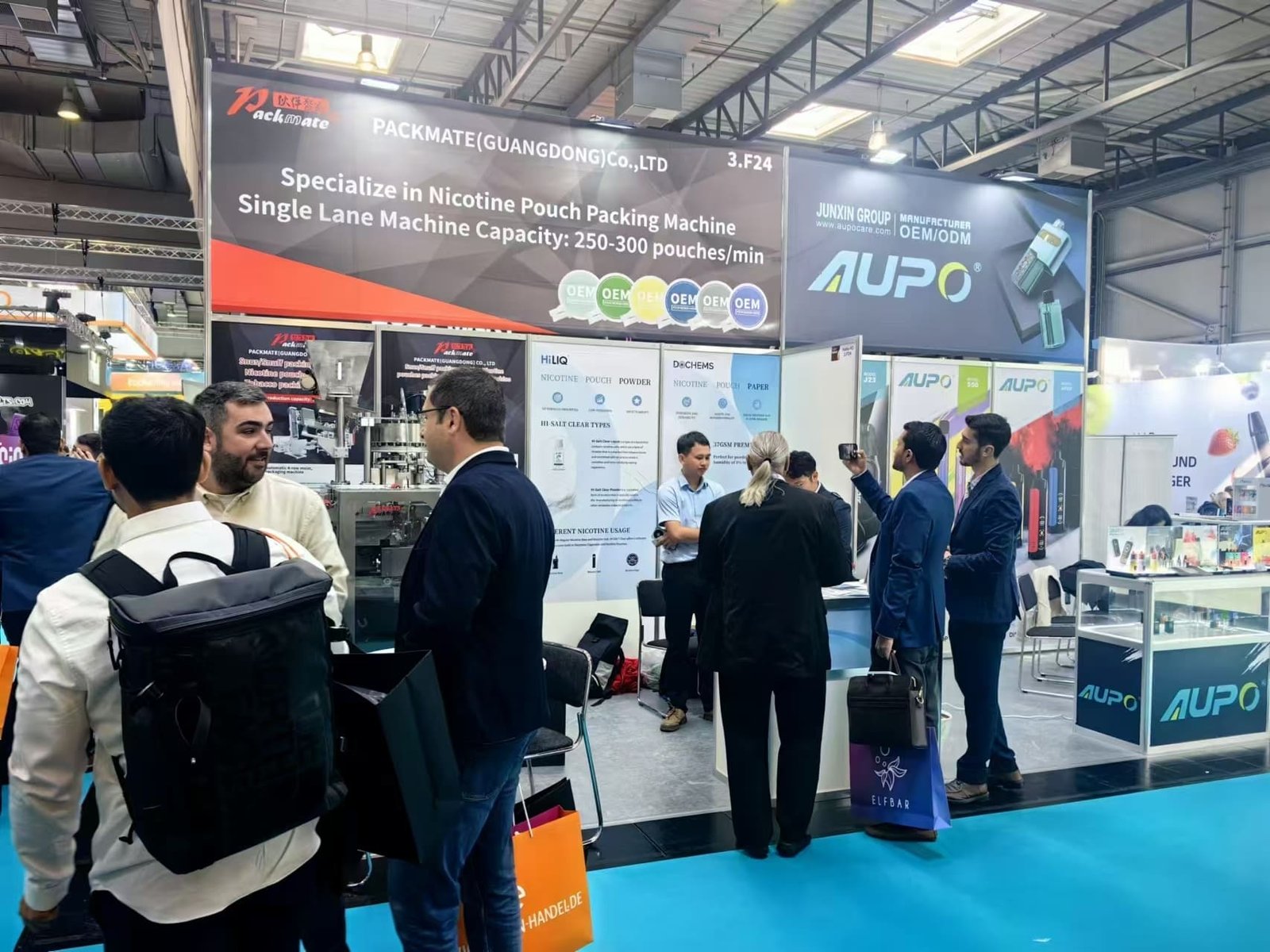
- Visit manufacturing facilities: When possible, visit the supplier’s factory to assess their manufacturing capabilities, quality control processes, and overall professionalism. Industry events such as PACK EXPO International also provide opportunities to see machinery in operation and meet multiple suppliers.
- Request references: Speak with existing customers who produce similar products or operate in your industry. Their real-world experience provides invaluable insights into machine performance and supplier reliability.
- Consider future scalability: Choose a machine platform that can accommodate increased production volumes, new packaging formats, or additional automation modules as your business grows.
- Evaluate warranty and service terms: Compare warranty coverage, service response times, and the availability of preventive maintenance programs across potential suppliers.
Investing time in a structured evaluation process pays dividends through smoother installation, more reliable production, and a packaging system that supports your business growth for years to come. The right automatic plastic packing machine is not simply a piece of equipment — it is a critical component of your manufacturing strategy that directly impacts product quality, operational efficiency, and customer satisfaction.