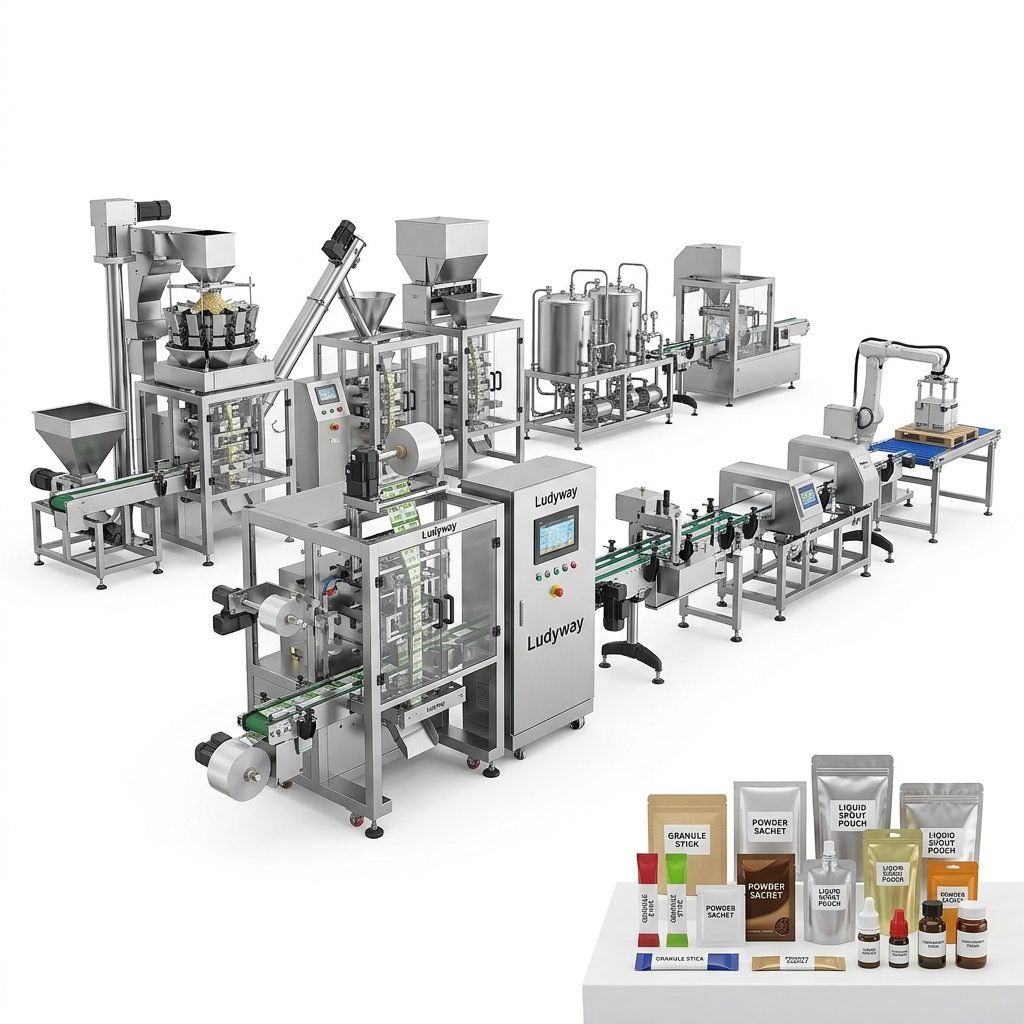
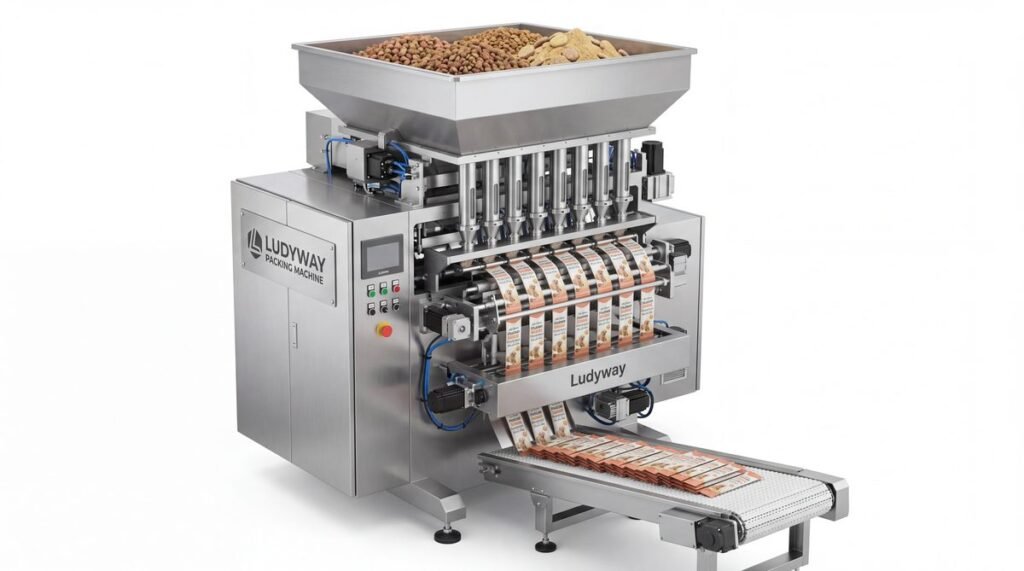
Beverage packaging machines play a critical role in modern drink production, helping manufacturers improve speed, hygiene, product consistency, and overall operational efficiency. Whether you produce water, juice, tea, carbonated drinks, dairy beverages, energy drinks, or functional beverages, the right system can streamline bottling, filling, capping, sealing, labeling, and final packing into one coordinated workflow.
For beverage brands facing rising labor costs, stricter food safety requirements, and growing demand for attractive packaging, investing in reliable automated equipment is no longer optional—it is a strategic advantage.
What Is a Beverage Packaging Machine?
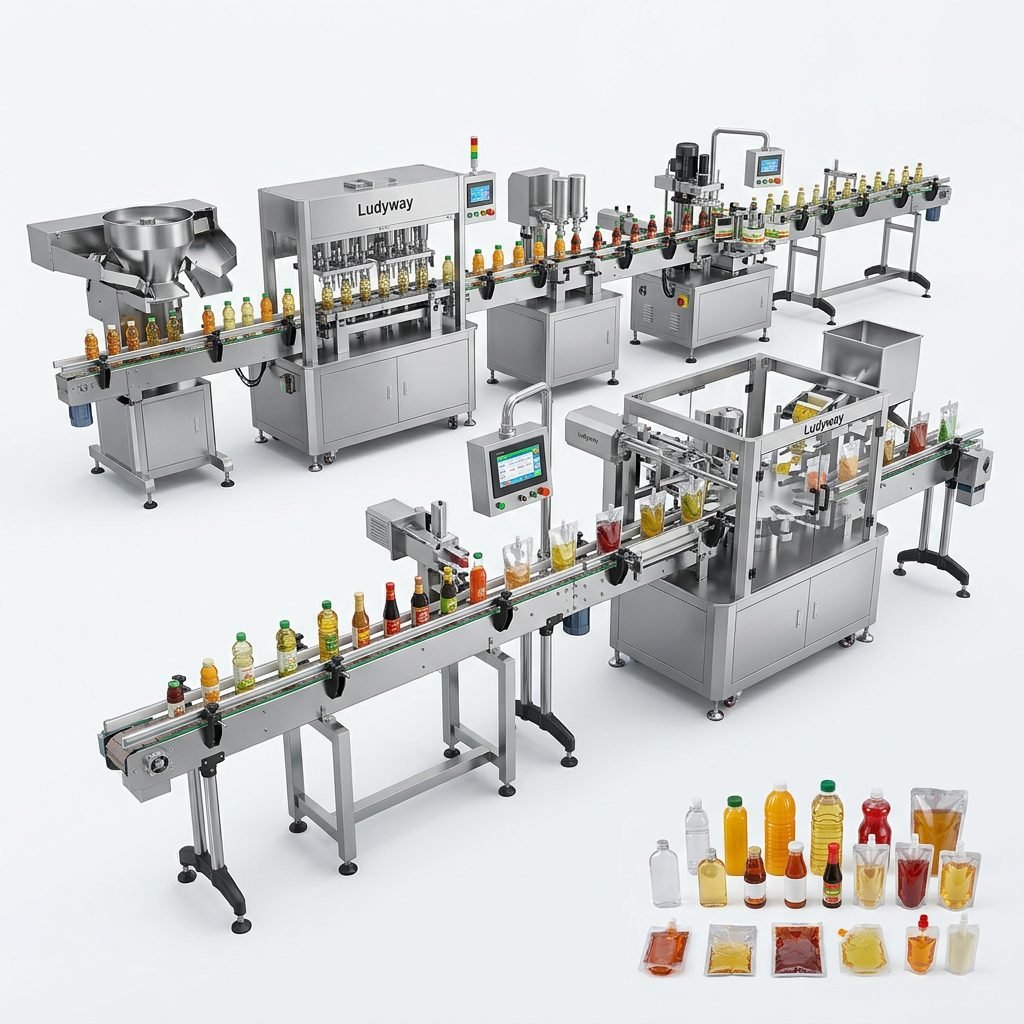
A beverage packaging machine is a system designed to package drinks safely and efficiently in bottles, pouches, sachets, cans, or other containers. In beverage production, these machines are commonly used for:
- Container feeding and positioning
- Liquid filling with accurate volume control
- Capping or sealing
- Leak detection and quality inspection
- Labeling and coding
- Secondary packaging such as cartoning or case packing
Depending on product type and output requirements, a beverage packaging line may be configured as a semi-automatic unit or a fully automatic turnkey system.
Why Efficient Bottling, Filling, and Sealing Matter
In the beverage industry, packaging quality directly affects shelf life, brand image, transportation safety, and customer satisfaction. Poor filling accuracy can cause product waste. Weak sealing can lead to leaks, contamination, and returns. Slow packaging speed can restrict growth even when market demand is strong.
An efficient machine helps beverage manufacturers achieve:
- Higher production output with stable cycle times
- Consistent fill accuracy to reduce underfill and overfill
- Better sealing integrity for product freshness and transport safety
- Improved hygiene standards for food-grade compliance
- Lower labor dependency through automation
Common Beverage Types These Machines Handle
Beverage packaging equipment is not limited to one drink format. Modern systems can be tailored for free-flowing liquids, viscous beverages, concentrated liquids, and even beverage powders packed into sachets or stick packs.
| Beverage Category | Typical Packaging Format | Machine Focus |
|---|---|---|
| Purified water / mineral water | PET bottles | Rinsing, filling, capping |
| Juice and tea drinks | Bottles, pouches, sachets | Hot fill or standard liquid fill |
| Carbonated beverages | Bottles or cans | Pressure filling and sealing |
| Energy and sports drinks | Bottles, sachets, stick packs | Precise dosing and hygienic sealing |
| Dairy or plant-based drinks | Bottles and specialty containers | Sanitary filling and secure closure |
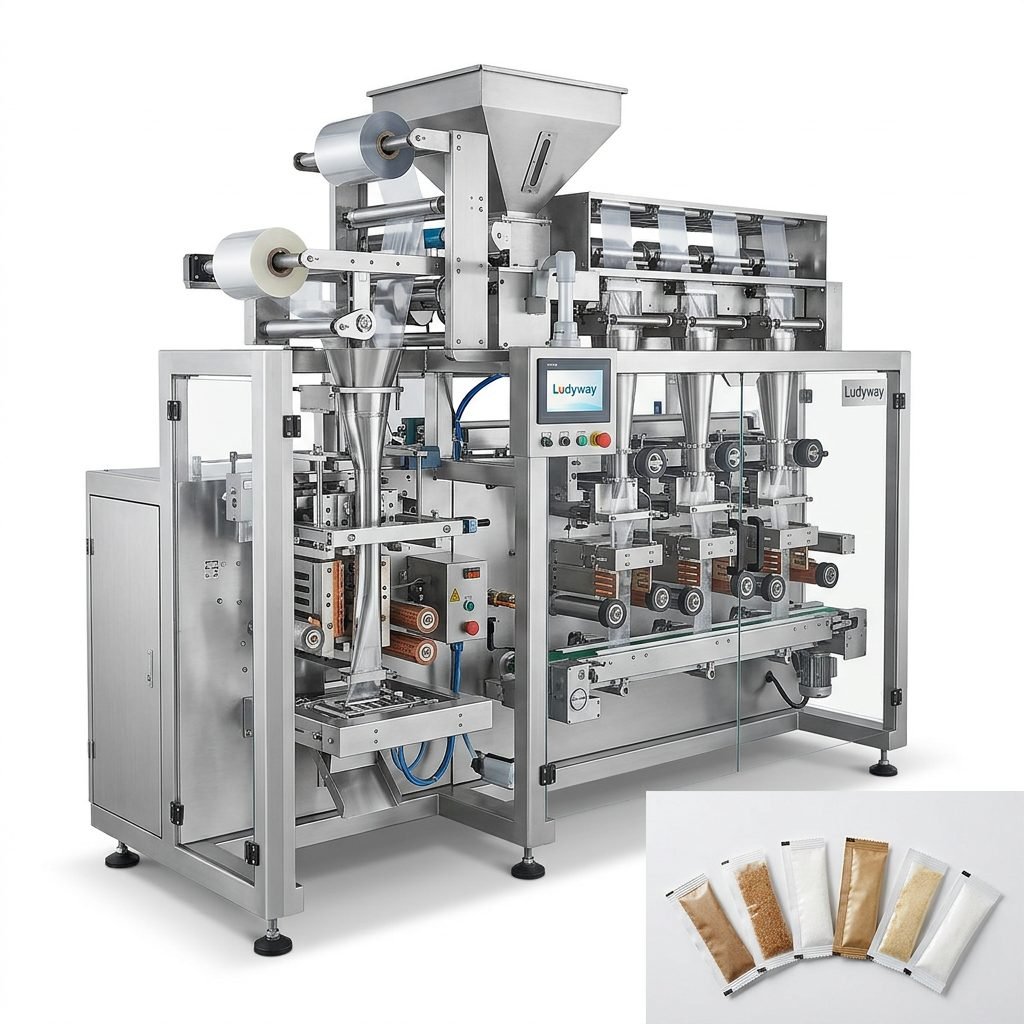
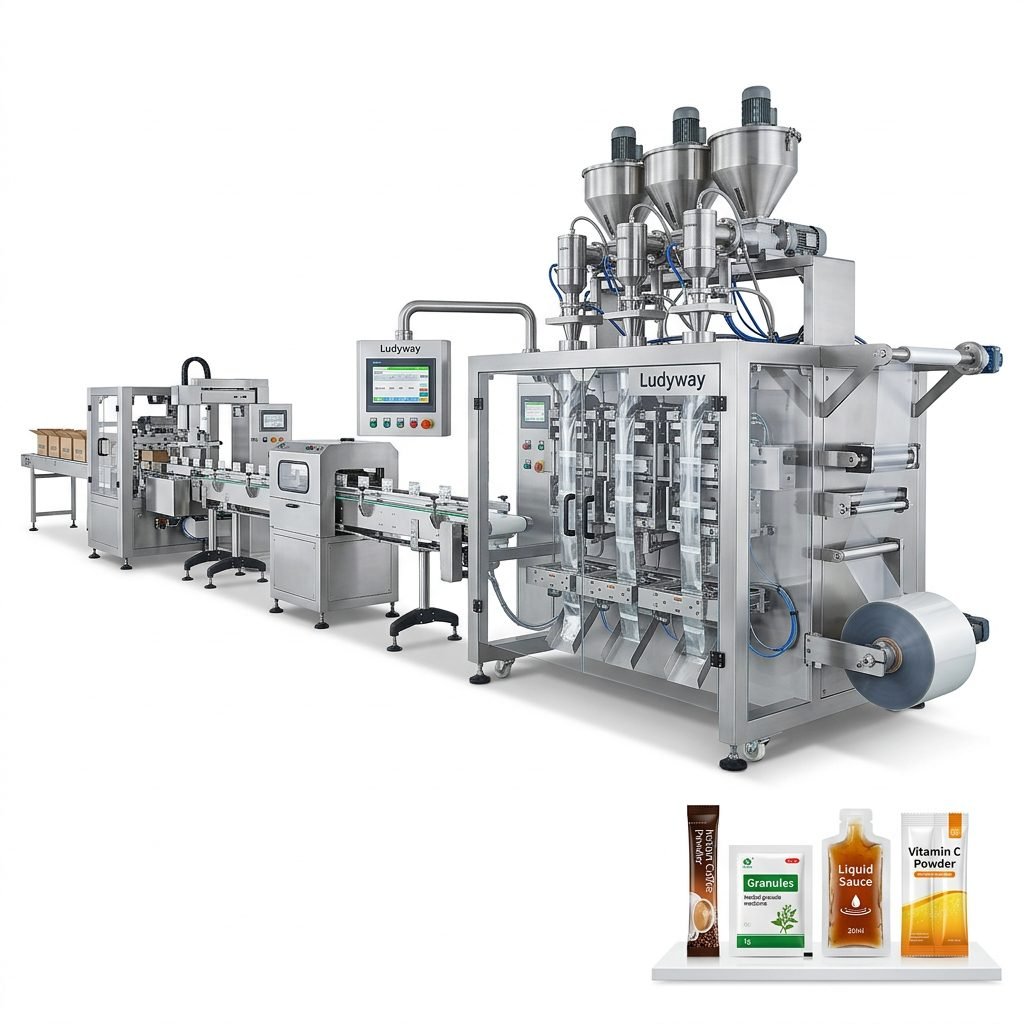
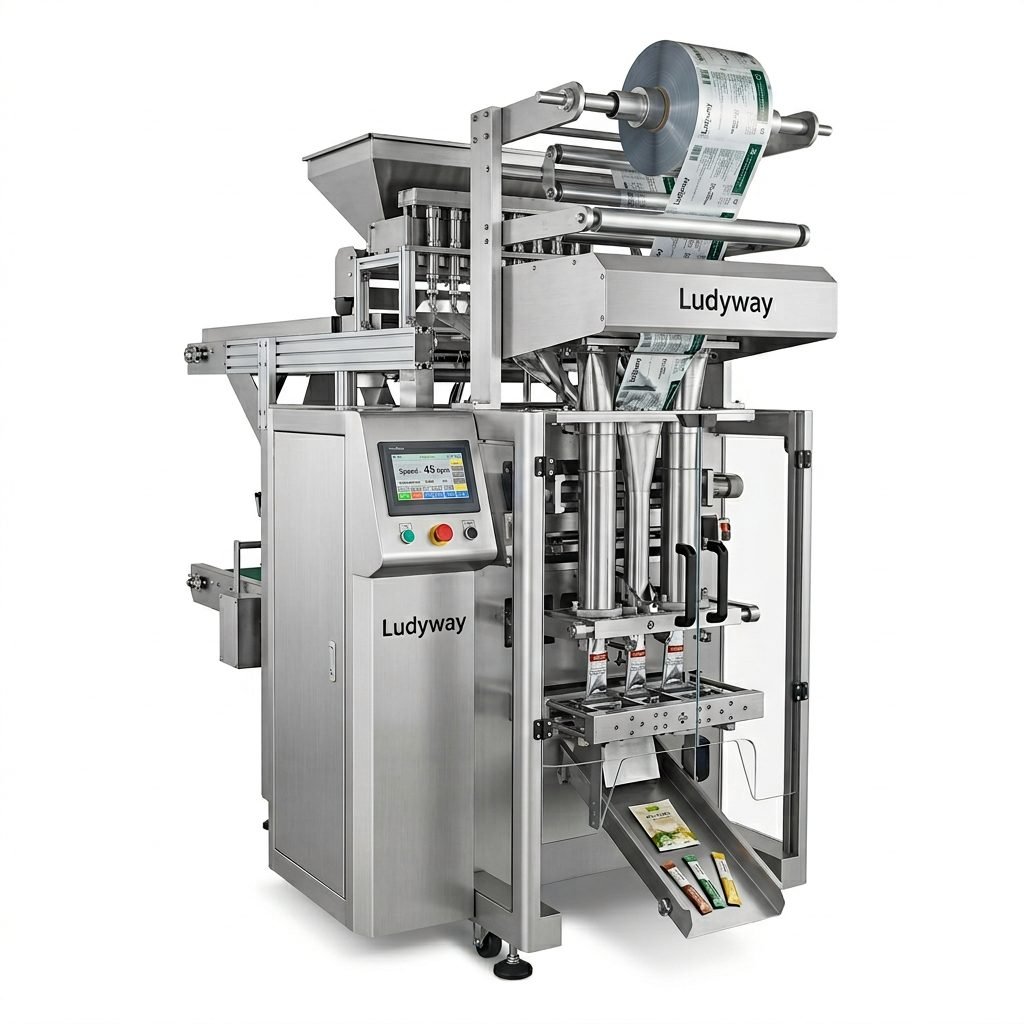
| Instant drink powders | Sachets and stick packs | Multi-lane dosing, filling, sealing |
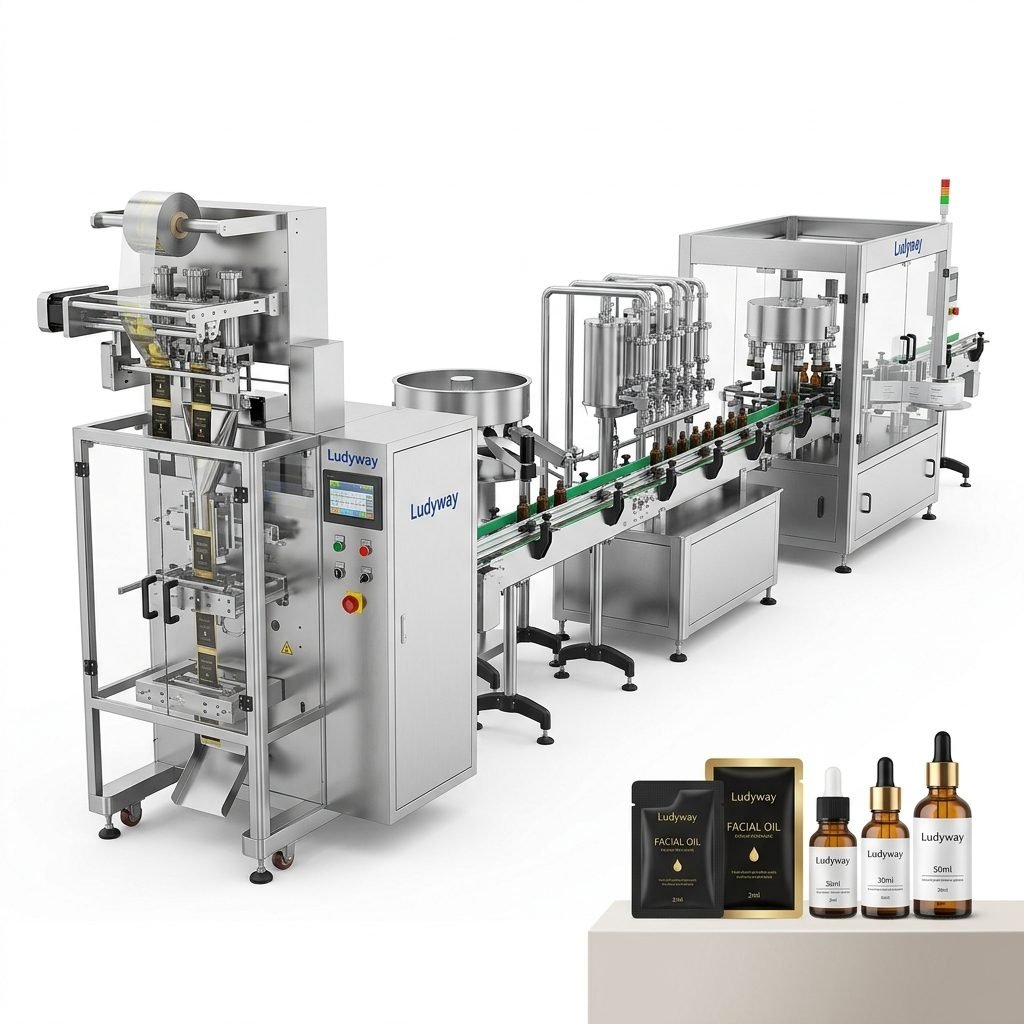
Key Components of a Beverage Packaging Line
A complete beverage packaging line often includes several linked systems. Choosing the right combination depends on beverage properties, container style, target output, and factory layout.
1. Bottle Unscrambler or Container Feeding System
This unit automatically organizes and feeds empty bottles or containers into the production line, reducing manual handling and improving line stability.
2. Liquid Filling Machine
The filling system is the heart of the line. It controls the amount of beverage dispensed into each bottle or pouch. Different filling technologies may be used, such as gravity filling, piston filling, flowmeter filling, or pressure filling.
3. Capping or Sealing Machine
Once filled, containers need reliable closure. Depending on package type, the machine may apply screw caps, press caps, foil seals, heat seals, or pouch seals.
4. Labeling and Coding Equipment
Product labels, batch numbers, manufacturing dates, and traceability codes are essential for retail presentation and regulatory compliance.
5. Secondary Packaging Equipment
This includes carton packing, case sealing, shrink wrapping, and palletizing for efficient transportation and storage.
Types of Beverage Packaging Machines by Application
Bottle Filling and Capping Machines
Ideal for water, juice, tea, and ready-to-drink beverages. These systems are commonly used in medium to high-volume production environments and support PET bottles, glass bottles, and other rigid containers.
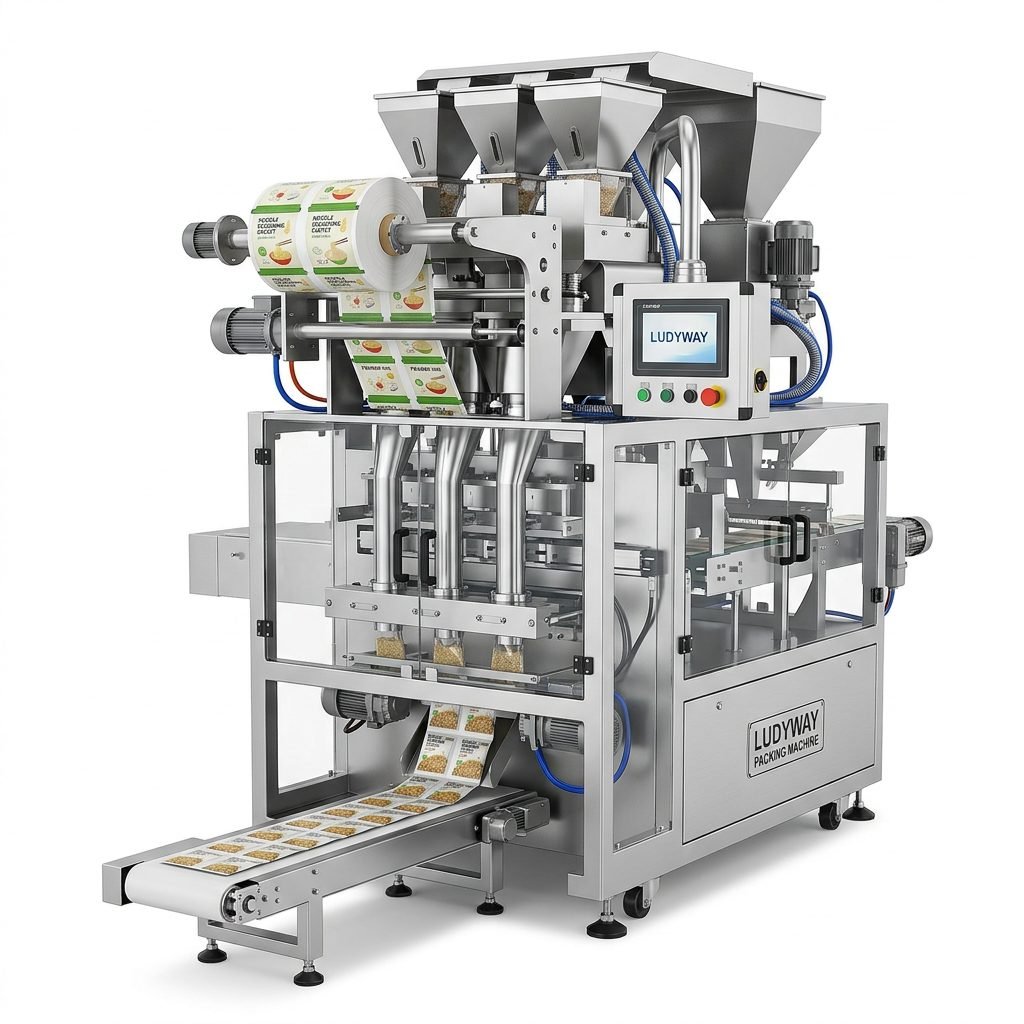
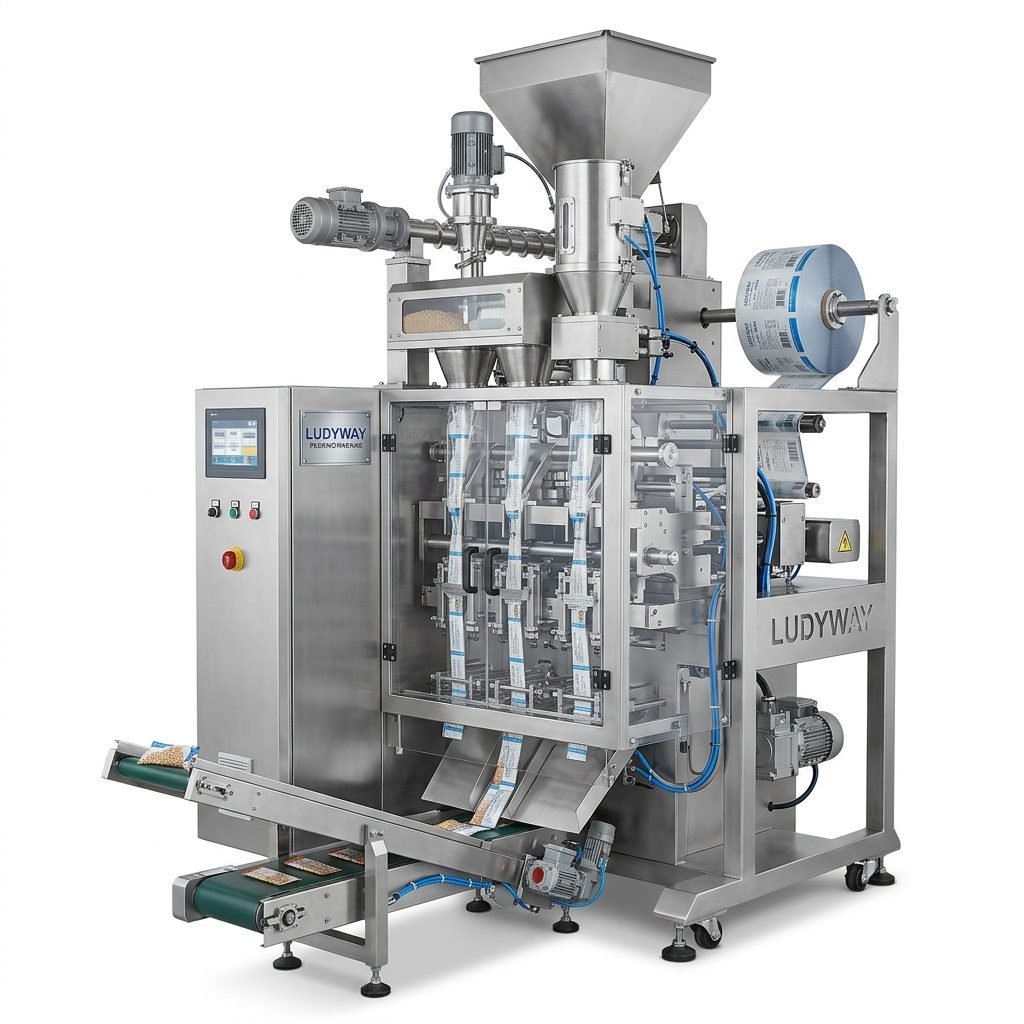
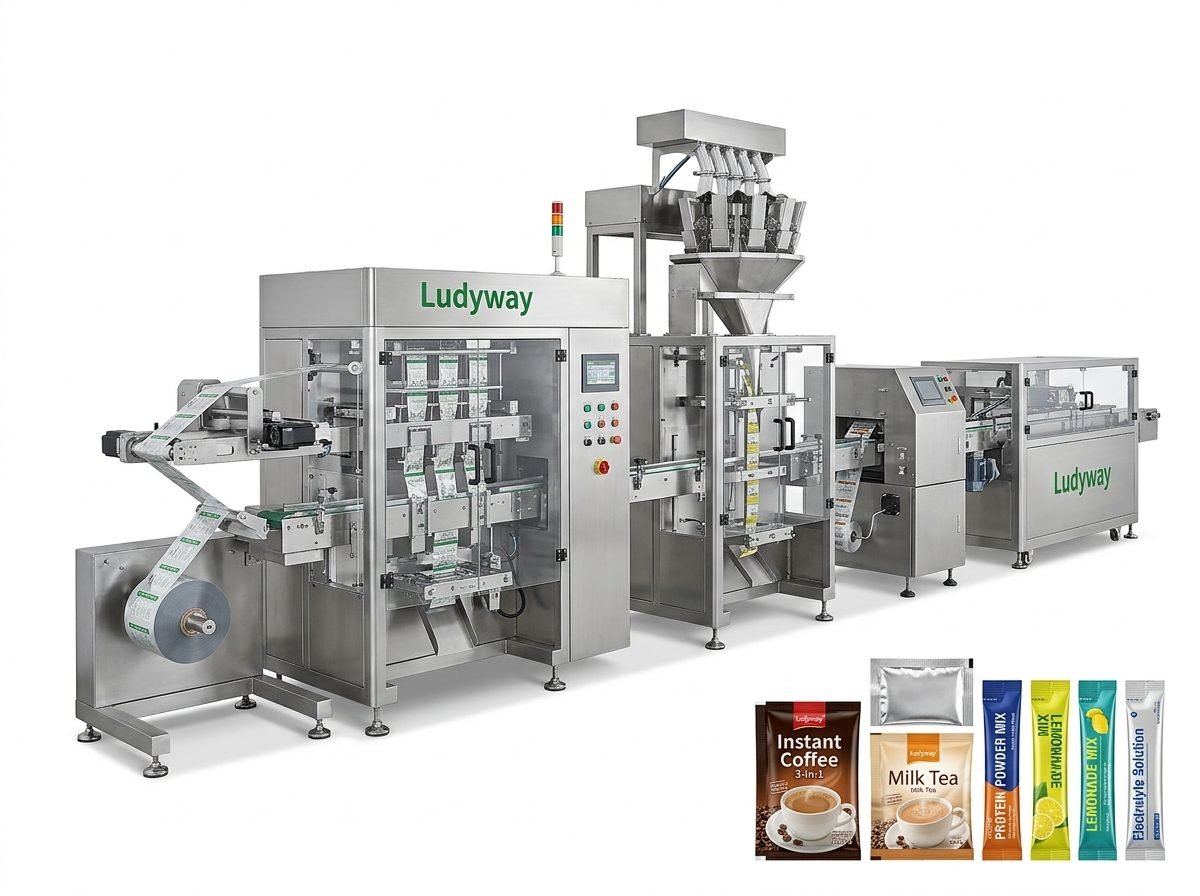
Sachet and Stick Pack Beverage Machines
Widely used for instant coffee, electrolyte drinks, collagen drinks, nutrition powders, and functional beverage mixes. They are suitable for brands seeking single-serve convenience packaging.
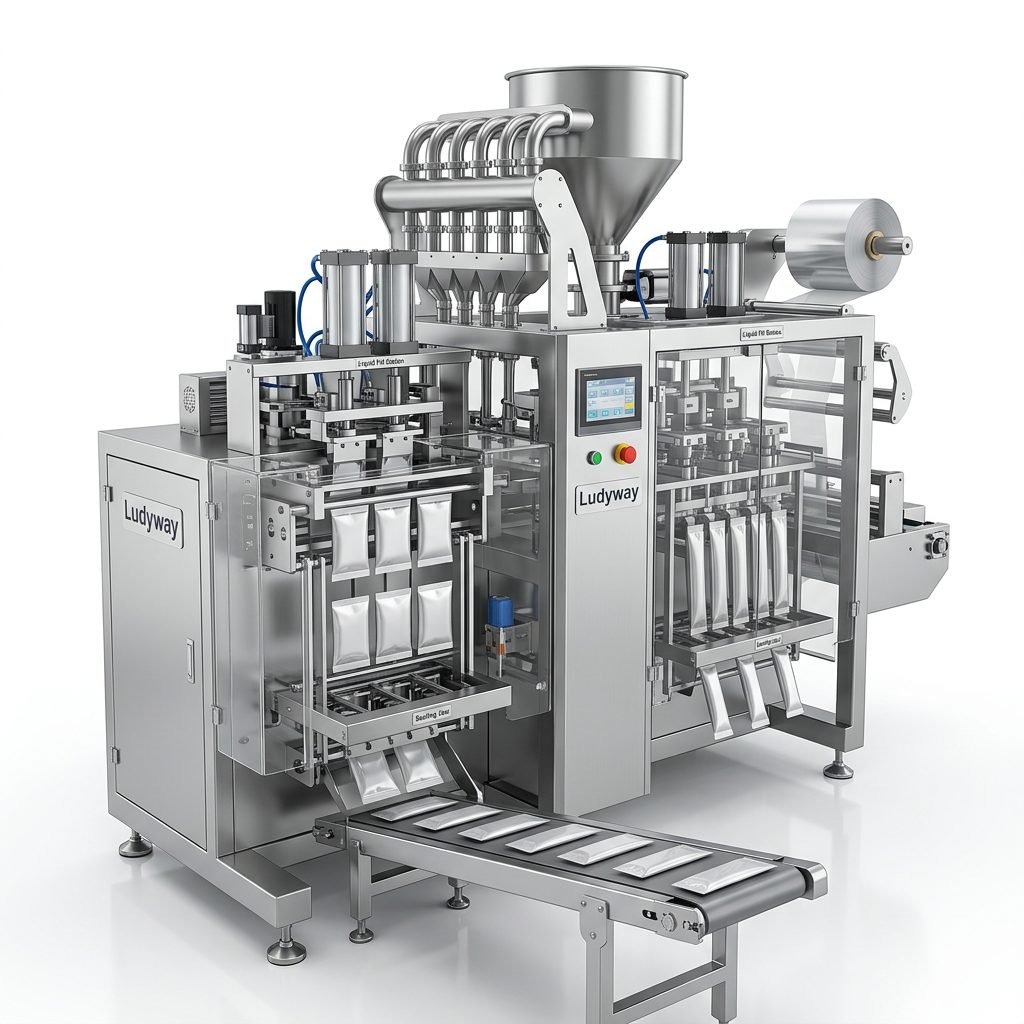
Pouch Filling and Sealing Machines
Suitable for liquid concentrates, juice pouches, and flexible drink packaging. Pouch systems help reduce packaging material use while improving portability.
Turnkey Beverage Packaging Lines
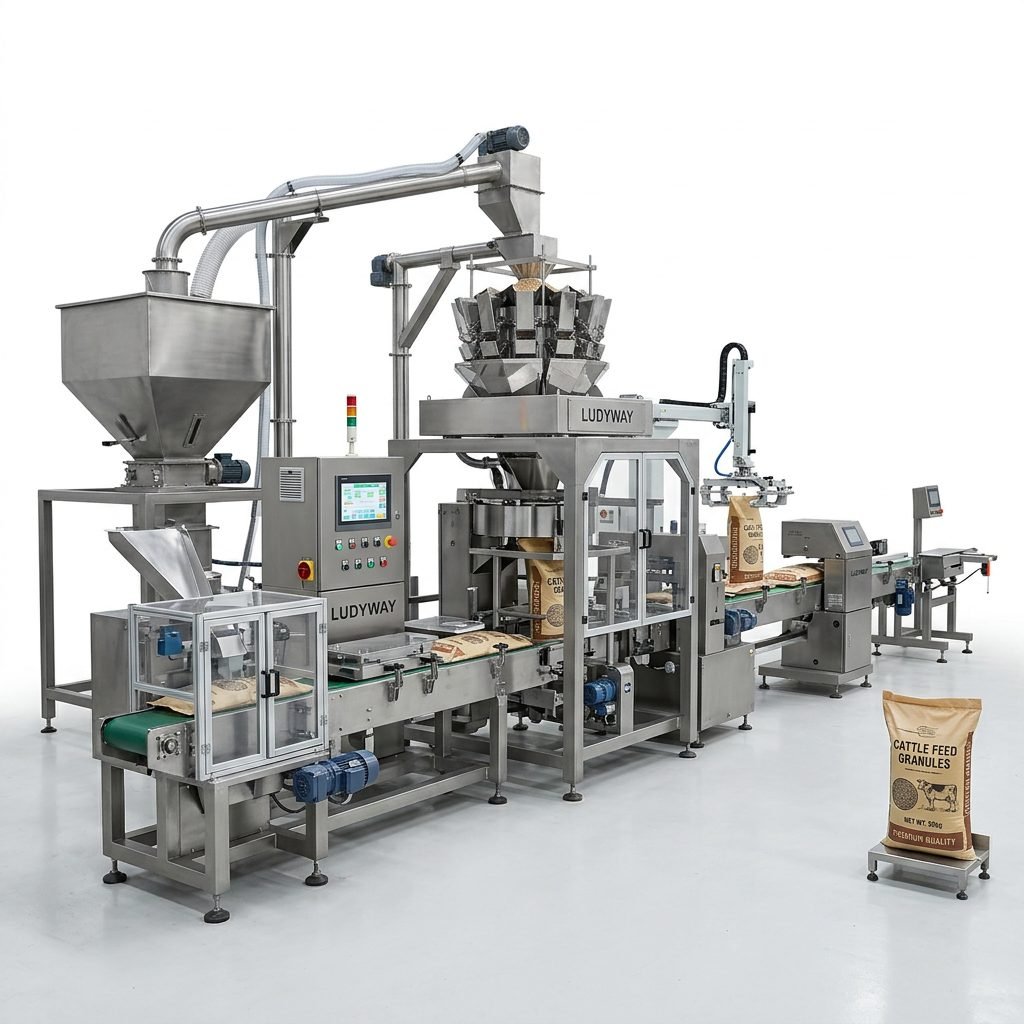
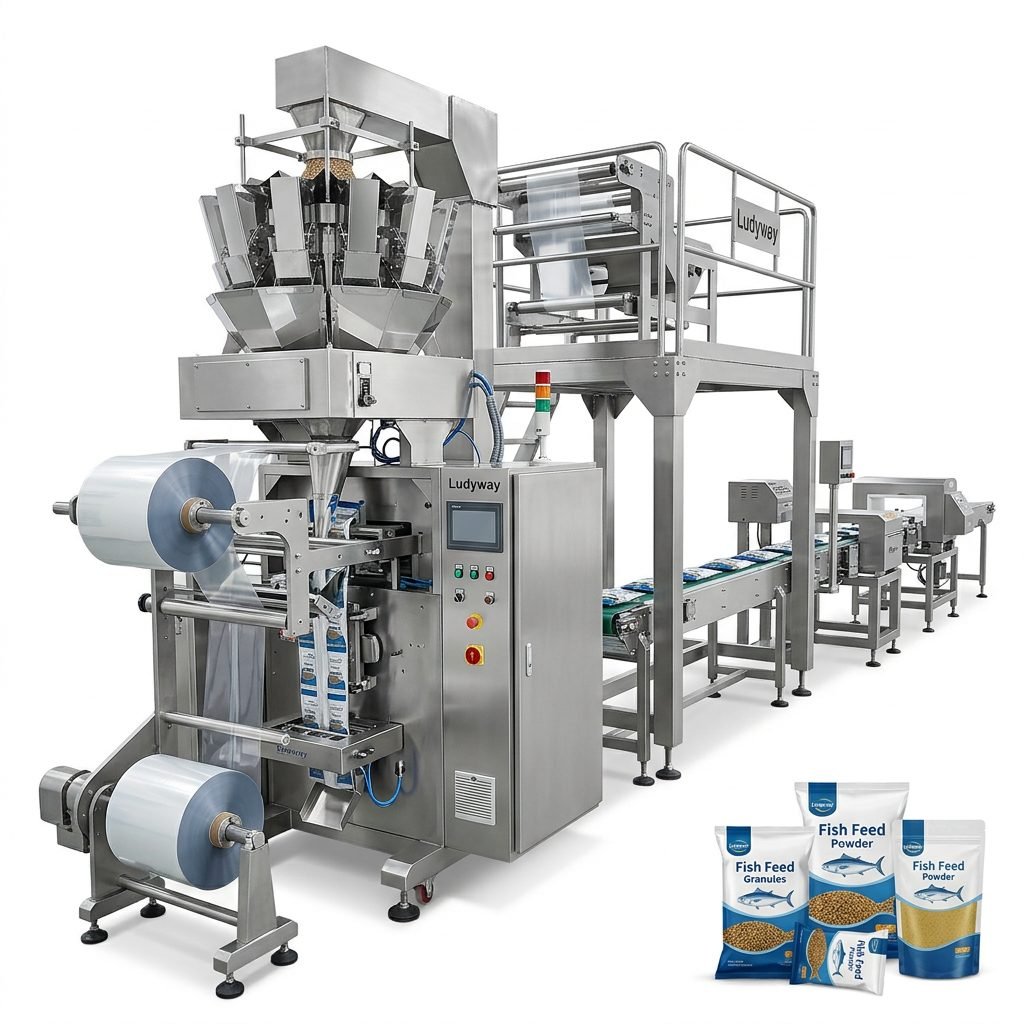
These integrated solutions combine feeding, filling, sealing, inspection, labeling, and end-of-line packaging into one coordinated system for higher efficiency and easier line management.
How to Choose the Right Beverage Packaging Machine
Selecting the right equipment requires more than comparing speed numbers. A suitable machine must match your product characteristics, packaging goals, and future expansion plans.
- Beverage viscosity: Thin liquids and thick formulations require different filling systems.
- Container type: Bottles, pouches, stick packs, and sachets each need specialized handling and sealing.
- Production capacity: Choose a line that meets current needs but also allows room for growth.
- Automation level: Semi-automatic machines suit smaller businesses; fully automatic lines fit larger operations.
- Cleaning requirements: Sanitary design and easy washdown are important for beverage safety.
- Customization: Different beverages often require tailored filling accuracy, sealing methods, and layout design.
| Selection Factor | Why It Matters |
|---|---|
| Fill accuracy | Reduces waste and supports product consistency |
| Sealing performance | Prevents leakage and protects shelf life |
| Machine stability | Minimizes downtime in continuous production |
| Material compatibility | Ensures safe contact with beverage products |
| After-sales support | Important for installation, training, and maintenance |
Benefits of Automated Beverage Packaging Equipment
Automation offers measurable value to beverage producers of all sizes. From startup brands scaling output to established factories upgrading old systems, modern packaging machinery helps optimize both cost and quality.
Improved Efficiency
Automated conveying, filling, capping, and packing reduce bottlenecks and maintain stable throughput across long production runs.
Consistent Product Quality
Precision filling and sealing help maintain uniform package appearance and accurate product quantity, which is essential for customer trust.
Reduced Labor Costs
A well-designed line decreases dependence on manual operations while improving safety and workflow organization.
Better Food Safety
Hygienic contact parts, enclosed structures, and controlled packaging environments help beverage producers meet stricter food safety standards.
Scalable Production
Modular machinery makes it easier to expand output, add packaging formats, or integrate inspection and end-of-line systems as demand grows.
Industries That Use Beverage Packaging Machines
Beverage packaging machinery supports a wide range of markets beyond traditional soft drinks. Common application sectors include:
- Drinking water brands
- Juice and tea producers
- Sports and energy drink manufacturers
- Health supplement beverage companies
- Instant drink powder brands
- Dairy and plant-based beverage processors
- Pharmaceutical and nutraceutical liquid product manufacturers
Why Customization Is Important in Beverage Packaging
No two beverage projects are exactly the same. Container shape, filling temperature, product foaming behavior, sealing material, and labeling needs can vary significantly. That is why many manufacturers prefer customized solutions instead of standard one-size-fits-all equipment.
A customized line can be designed around:
- Specific bottle sizes and cap styles
- Required filling volume range
- Target speed per minute
- Available workshop space
- Integration with upstream mixing or downstream cartoning systems
- Special hygiene or material handling requirements
Choosing a Reliable Beverage Packaging Machine Manufacturer
A dependable supplier should offer more than just the machine itself. Buyers should evaluate manufacturing experience, technical support, export capability, customization strength, and the ability to provide complete packaging line integration.
If you are looking for a trusted partner for beverage bottling, filling, and sealing solutions, Ludyway beverage packaging machine solutions are backed by more than 30 years of packaging industry experience, a modern factory of over 20,000 square meters, and extensive turnkey line capabilities for global customers.
Final Considerations Before Investment
Before purchasing a beverage packaging machine, it is wise to define your product range, packaging format, capacity goals, and future market plans. A well-matched machine can improve profitability for years, while an underspecified or poorly integrated system can limit growth.
The best investment is not simply the fastest machine—it is the one that delivers stable production, precise filling, strong sealing performance, easy maintenance, and long-term adaptability for your beverage business.
Quick Buyer Checklist
- Confirm beverage type and package format
- Estimate daily and monthly production volume
- Check filling accuracy and sealing consistency
- Review machine material and sanitary design
- Ask about customization and line integration
- Verify installation, training, and after-sales support
With the right beverage packaging machine, manufacturers can build a more efficient, reliable, and scalable production process—ready for today’s demand and tomorrow’s expansion.