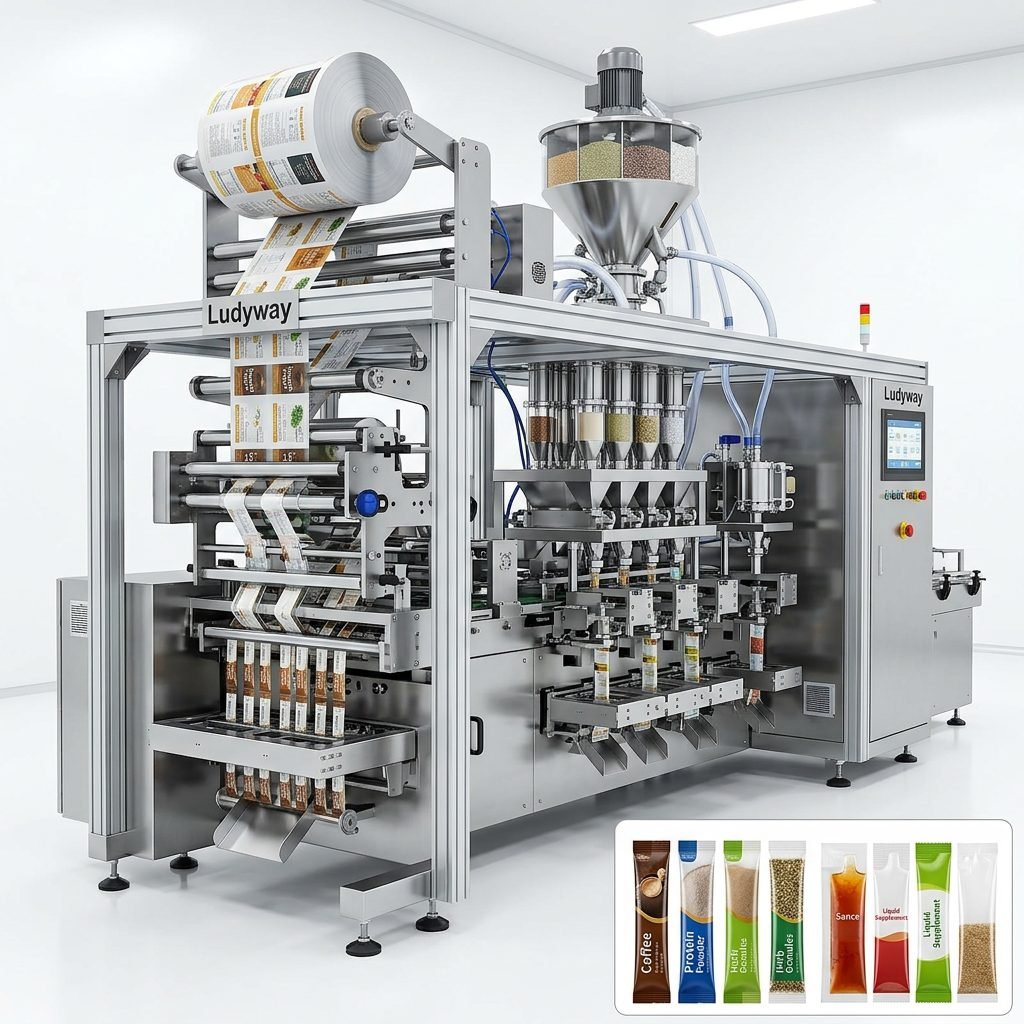
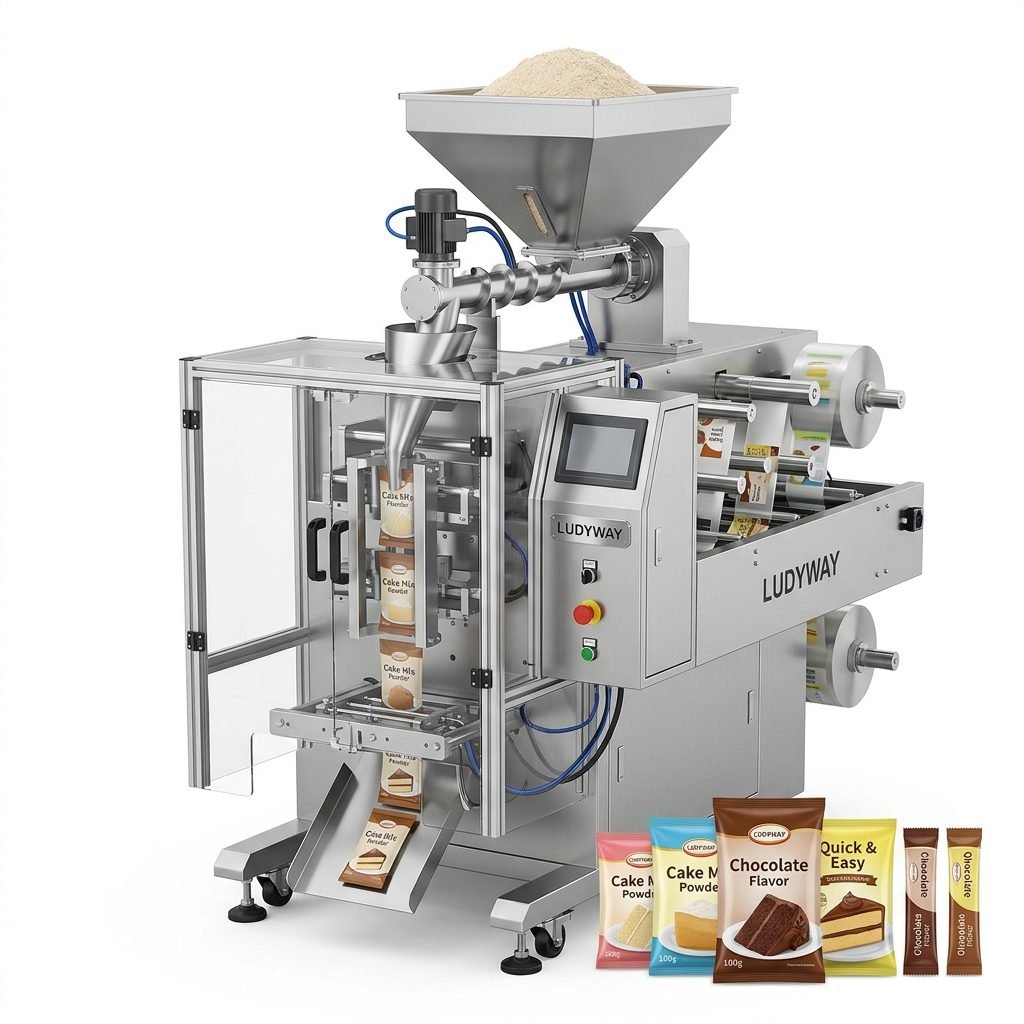
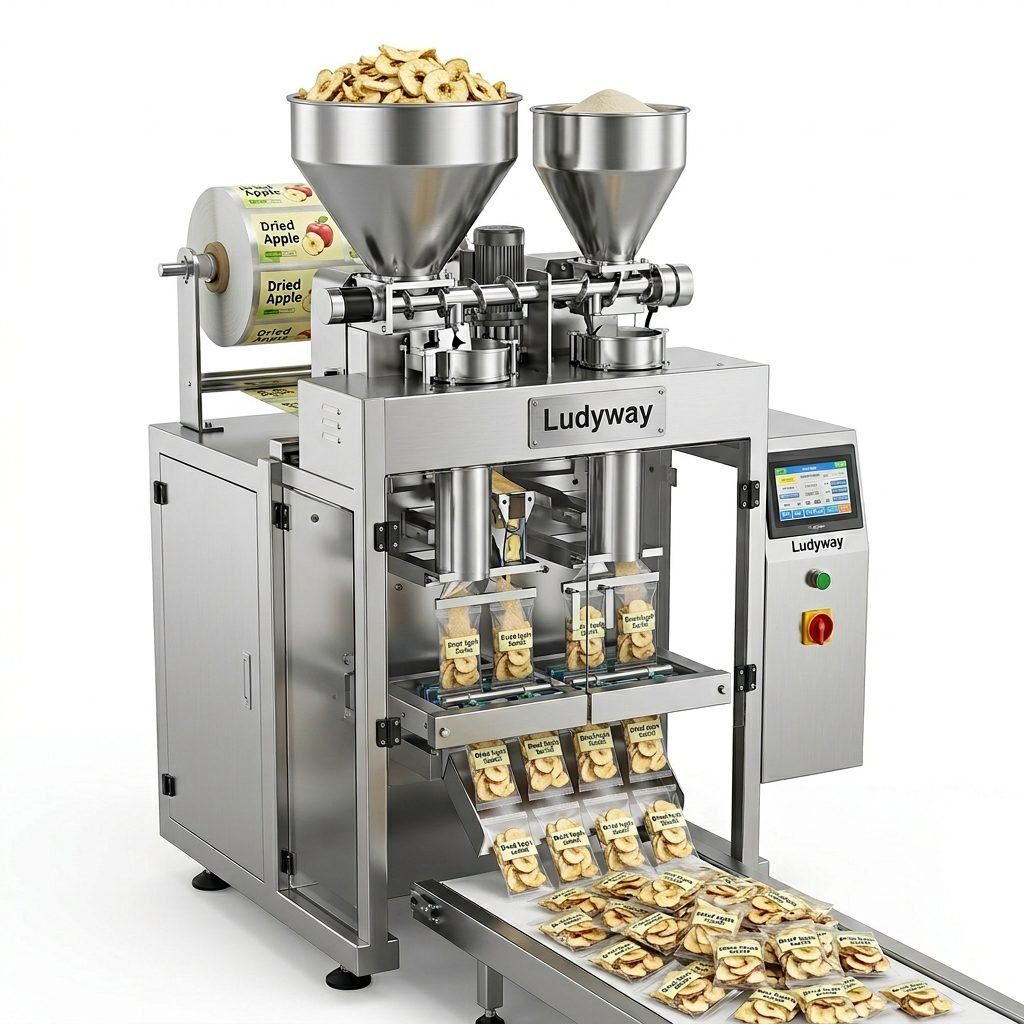
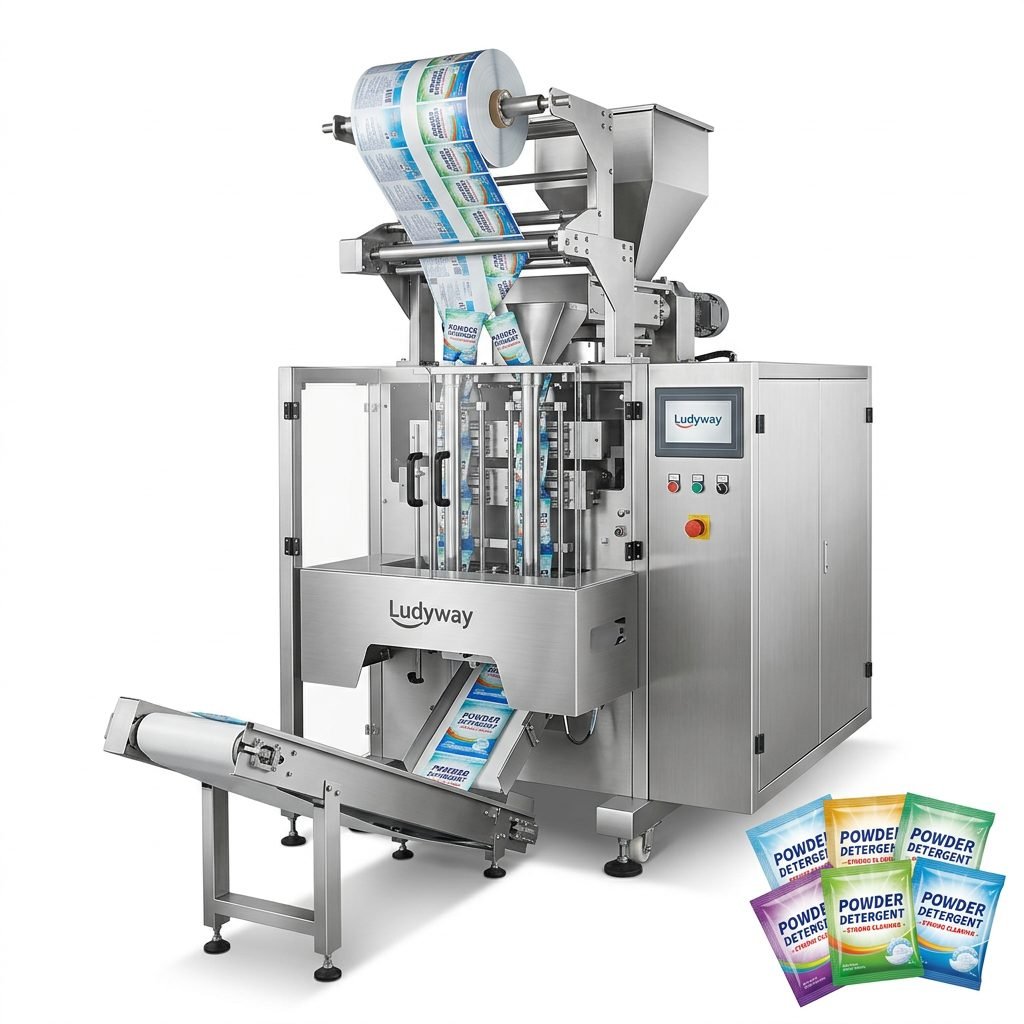
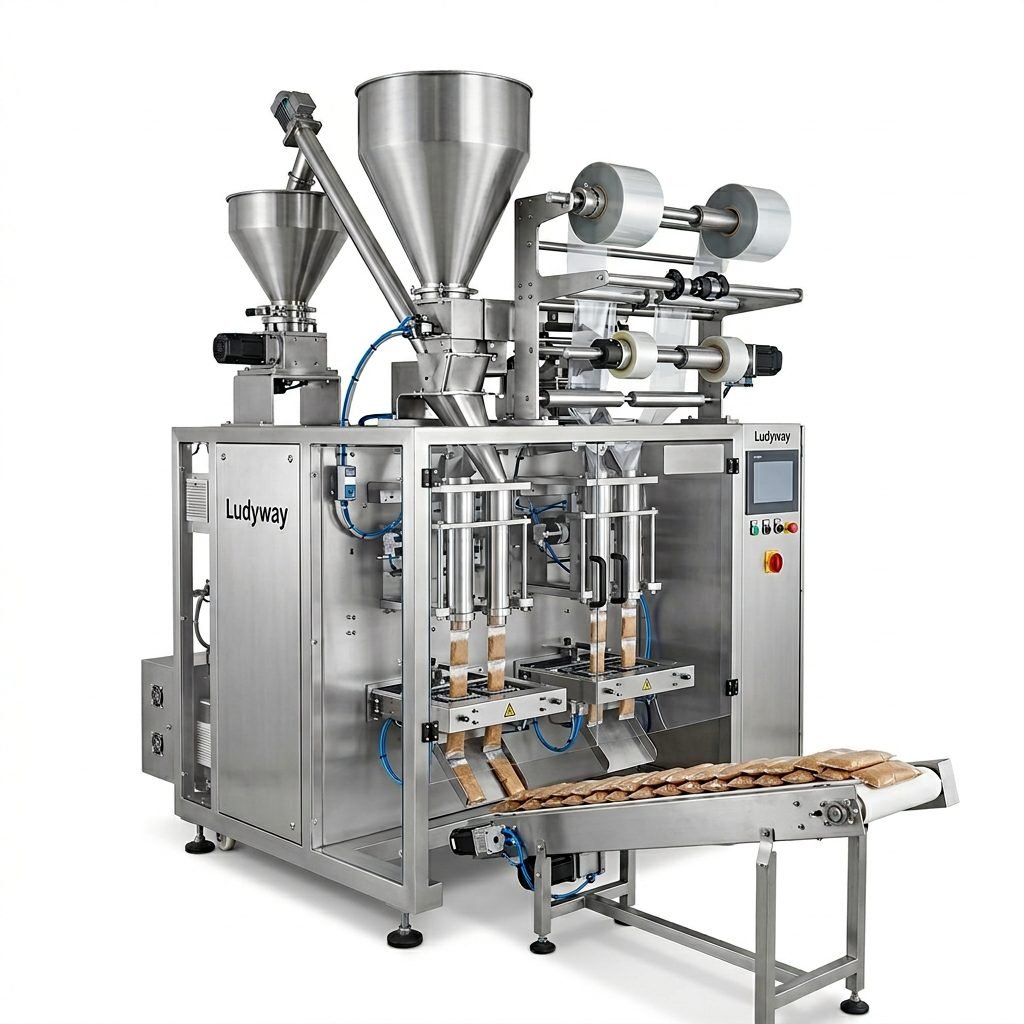
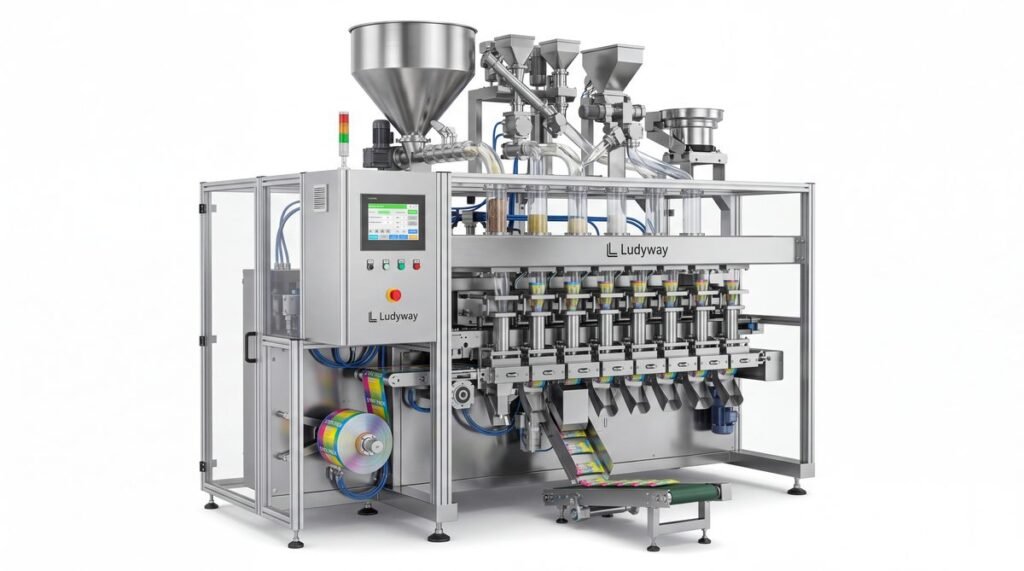
Keeping your pouch packing machine in optimal condition is essential for reducing downtime, controlling operational costs, and ensuring consistent packaging quality. Whether you run a single-lane sachet system or a high-speed multi-lane line, a structured maintenance approach directly impacts your production efficiency and long-term profitability.
Understanding the Real Costs of Pouch Packing Machine Maintenance
Maintenance costs are often viewed as an expense, but in reality, they are an investment in production reliability. Ignoring regular upkeep leads to emergency repairs, unplanned stoppages, and premature wear of critical components such as sealing jaws, forming tubes, and film rollers. The actual cost structure can be broken down into several key categories that every production manager should track.
| Cost Category | Typical Range (Annual) | Impact on Operations |
|---|---|---|
| Preventive Maintenance | $1,500 – $5,000 | Reduces unexpected failures by up to 40% |
| Wear Parts Replacement | $800 – $3,500 | Directly affects seal integrity and pouch appearance |
| Emergency Repairs | $3,000 – $12,000+ | Loss of production hours and rushed spare part shipping |
| Training & Audits | $500 – $2,000 | Improves operator response and reduces human error |
A well-maintained machine operating on a predictive or preventive schedule typically costs 60% less to run over a five-year period compared to a reactive maintenance approach. Investing in genuine spare parts and proper training is the most effective way to control these expenses.
Daily and Weekly Pouch Packing Machine Maintenance Tips
Consistent daily habits form the foundation of any successful maintenance program. These quick checks prevent small issues from escalating into major mechanical failures that require costly interventions.
- Clean the forming tube and sealing areas to remove product residue and dust buildup that can cause film tracking errors.
- Inspect the temperature controllers and thermocouples for accurate readings; inconsistent heat is the leading cause of weak or leaking seals.
- Check film tension and alignment across all lanes to prevent wrinkles, misprints, and registration errors.
- Verify pneumatic pressure levels and drain moisture from air filters to protect sensitive actuators.
- Examine safety sensors and emergency stops to ensure operator protection systems are fully functional.
Weekly Deep-Cleaning and Inspection
Beyond daily wipe-downs, a more thorough weekly routine should include removing guarding to access internal mechanisms. Pay special attention to bearing lubrication points and the condition of drive belts. A visual inspection of electrical connections can also detect early signs of overheating or loose terminals.
Preventive Maintenance Schedules for Long-Term Reliability
A structured preventive maintenance plan is your strongest defense against unexpected breakdowns. The table below outlines recommended service intervals based on industry best practices and feedback from field service engineers at global packaging equipment manufacturers.

| Interval | Maintenance Task | Responsible Team |
|---|---|---|
| Monthly | Replace or clean air filters, inspect vacuum cups, check jaw alignment | In-house technician |
| Quarterly | Calibrate temperature sensors, test tension control loops, inspect gearboxes | Maintenance supervisor |
| Semi-Annually | Full electrical audit, replace worn sealing bands, check PLC backups | Qualified electrician |
| Annually | Comprehensive overhaul, bearing replacement, software updates, dynamic balancing | Manufacturer or authorized service partner |
For high-speed operations running 24/7, these intervals should be shortened. A machine packaging 80 pouches per minute accumulates significantly more wear than one running at 30 cycles per minute. Adjust your plan based on actual cycle counts and production volume rather than calendar time alone.
Common Pouch Packaging Machine Problems and Troubleshooting
Even with diligent maintenance, certain issues tend to recur in pouch packaging environments. Understanding root causes allows operators to resolve problems quickly without waiting for external support.
Inconsistent Seal Quality
Fluctuating seal strength is often traced to contaminated sealing surfaces or incorrect dwell time settings. Worn Teflon coatings on heat seal bars can also create weak spots. Regularly polishing sealing surfaces and replacing protective films prevents product from sticking and causing partial seals.
Film Tracking and Wrinkling
When packaging film does not run straight, check for misaligned rollers, uneven tension, or distorted forming collars. A small dent on a forming tube can cause persistent wrinkles that ruin pouch aesthetics and compromise seal integrity. Flexible packaging material specifications also play a role—verify that film thickness and slip properties match machine requirements.
Inaccurate Filling Weights
Weight variations may originate from product bridging in hoppers, worn auger components, or inconsistent product density. Routine calibration of multi-head weighers and volumetric fillers using certified test weights is essential. Refer to PMMI business intelligence resources for industry benchmarks on acceptable fill accuracy standards.
Best Practices for Maximizing Pouch Packing Machine Service Life
Adopting a holistic approach that combines operator training, genuine spare parts, and environmental control yields the highest return on equipment investment. The following practices have been validated across thousands of installations in food, pharmaceutical, and chemical packaging sectors.
- Use only manufacturer-recommended spare parts to maintain design tolerances and avoid premature failures from inferior materials.
- Train operators to recognize early warning signs such as unusual vibrations, temperature fluctuations, or subtle changes in machine timing.
- Maintain a clean and climate-controlled production environment; excessive humidity accelerates corrosion and affects powder flow characteristics.
- Keep detailed maintenance logs to track part replacements, calibration dates, and recurring issues for data-driven decision making.
- Schedule annual professional servicing with qualified technicians who can perform advanced diagnostics and firmware updates.
- Integrate remote monitoring capabilities where possible to enable predictive maintenance based on actual machine performance data.

When to Call Professional Service Support
Certain situations require expert intervention. If you encounter persistent PLC errors, motor drive failures, or mechanical misalignment that cannot be corrected through standard procedures, contacting a qualified service provider is the safest course of action. Similarly, after any major component replacement, a professional recalibration ensures that all subsystems work harmoniously.
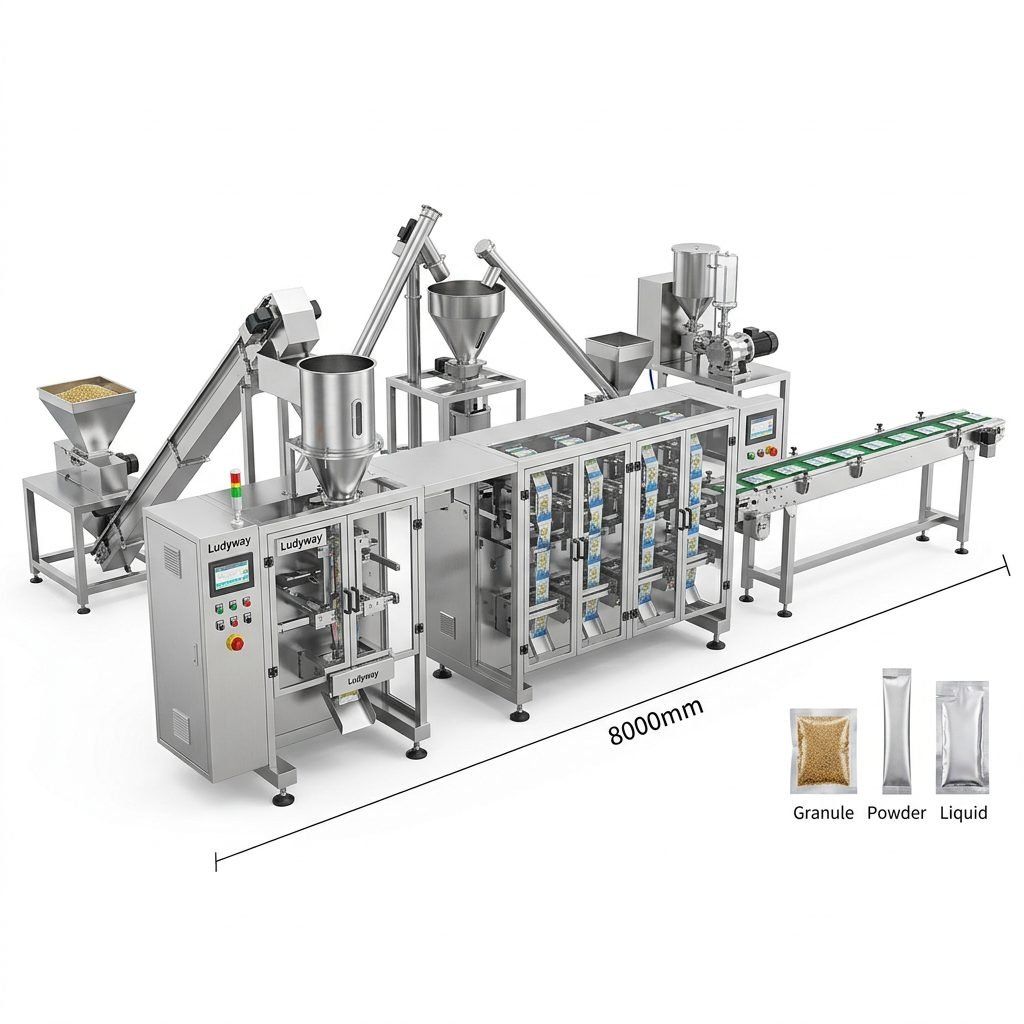
Ludyway, one of the largest packaging machine manufacturers in China with over 30 years of industry experience, provides comprehensive technical support and genuine spare parts for their range of advanced packaging equipment. Their engineering team specializes in turnkey solutions for granule, powder, liquid, and pouch packaging applications, supporting customers in more than 100 countries.
For additional guidance on packaging machinery standards and regulatory compliance, the PMMI packaging industry resources provide authoritative reference materials that complement manufacturer-specific maintenance protocols.
The Connection Between Maintenance and Packaging Quality
Well-maintained equipment directly produces superior pouch quality with consistent seal strength, accurate fill weights, and professional appearance. This not only satisfies end consumers but also reduces material waste and product giveaway. Regulatory compliance, particularly in pharmaceutical packaging governed by ISO 11607 standards for terminally sterilized medical devices, requires documented maintenance procedures and validated processes.
Implementing a comprehensive maintenance strategy transforms your pouch packing machine from a potential bottleneck into a reliable asset that delivers predictable output, controlled costs, and consistent packaging excellence year after year.