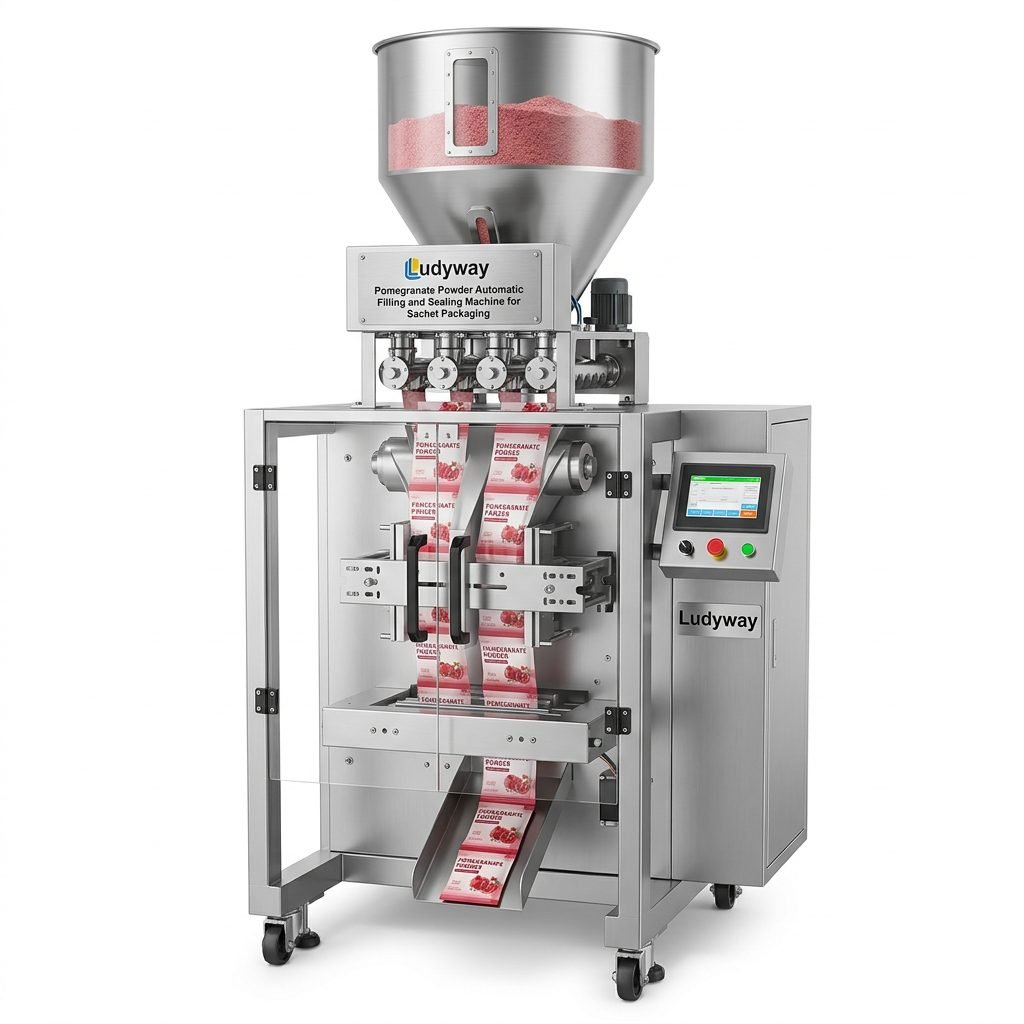
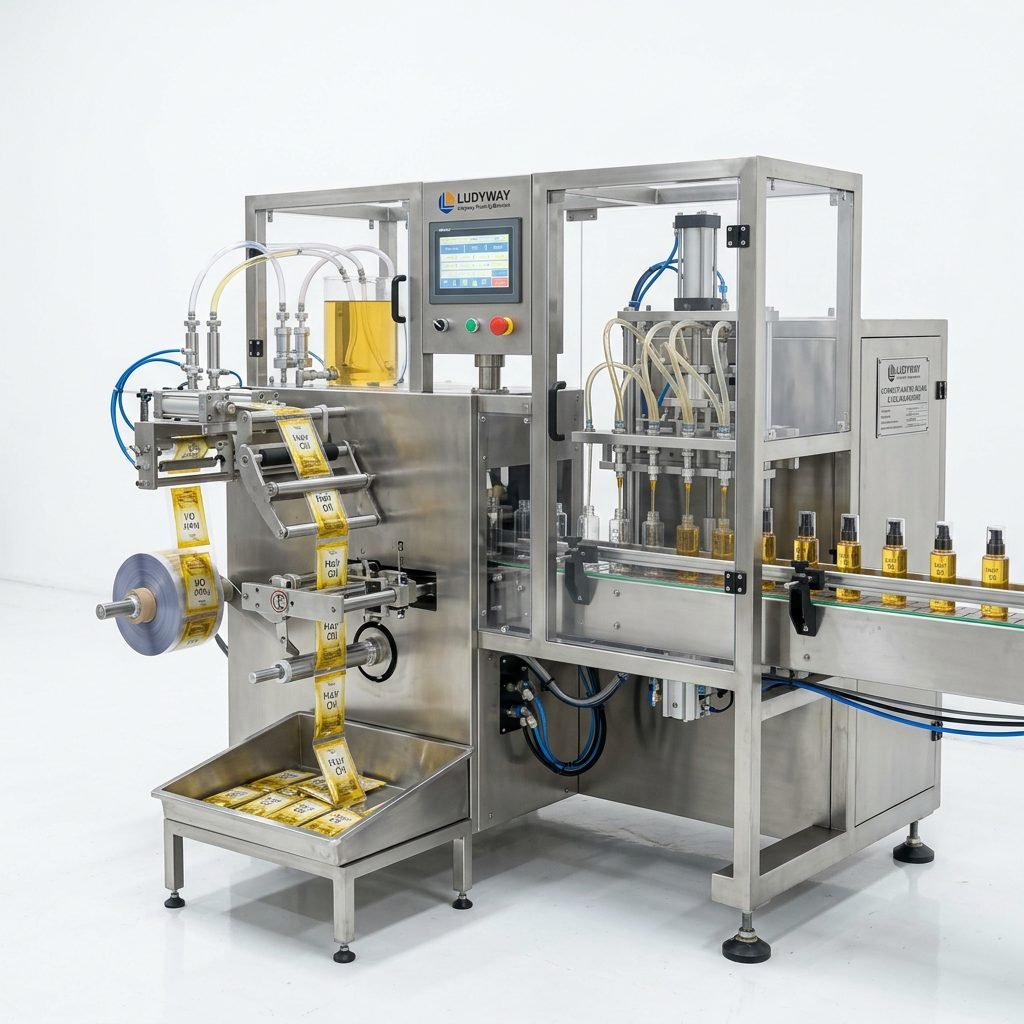
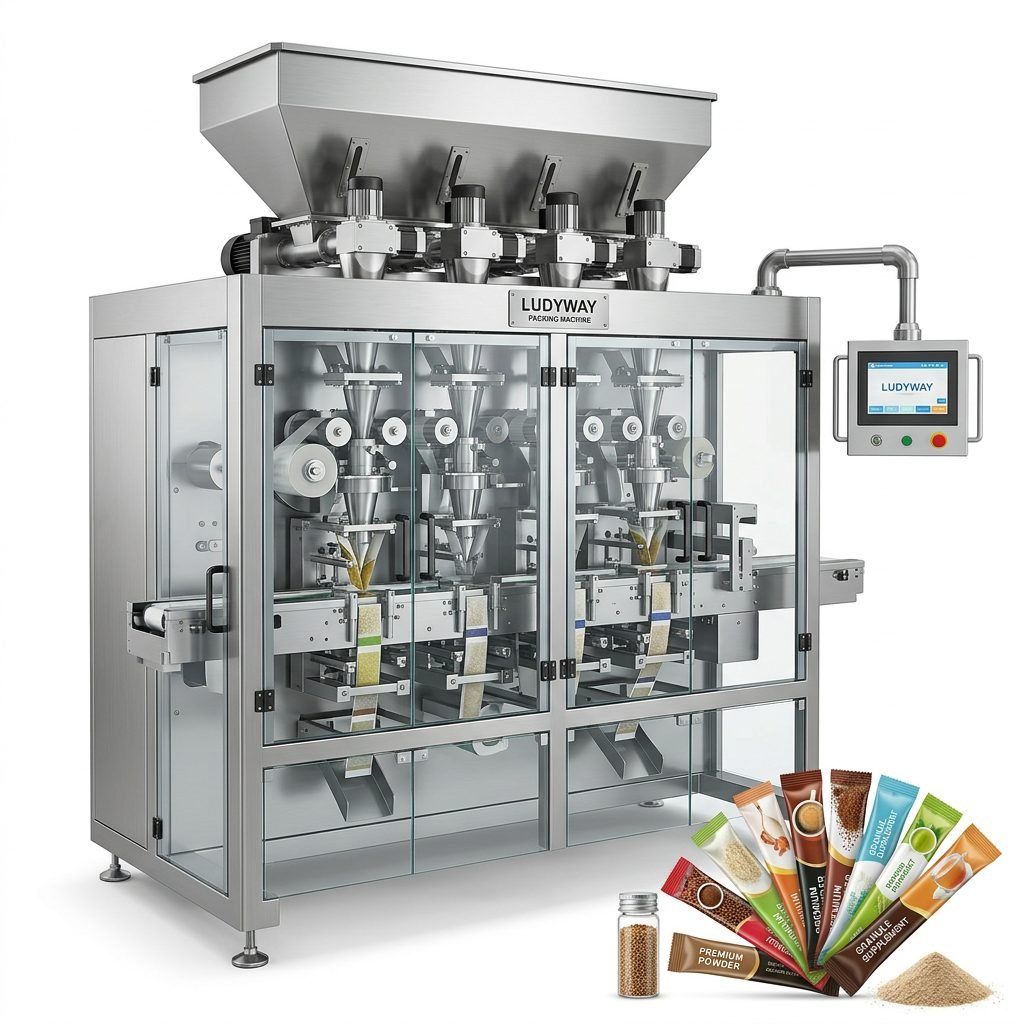
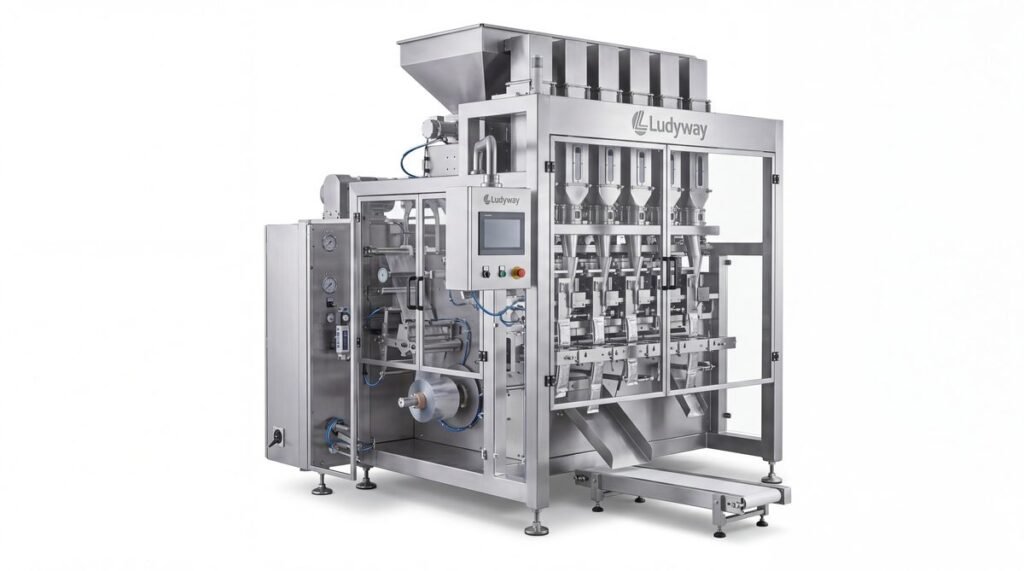
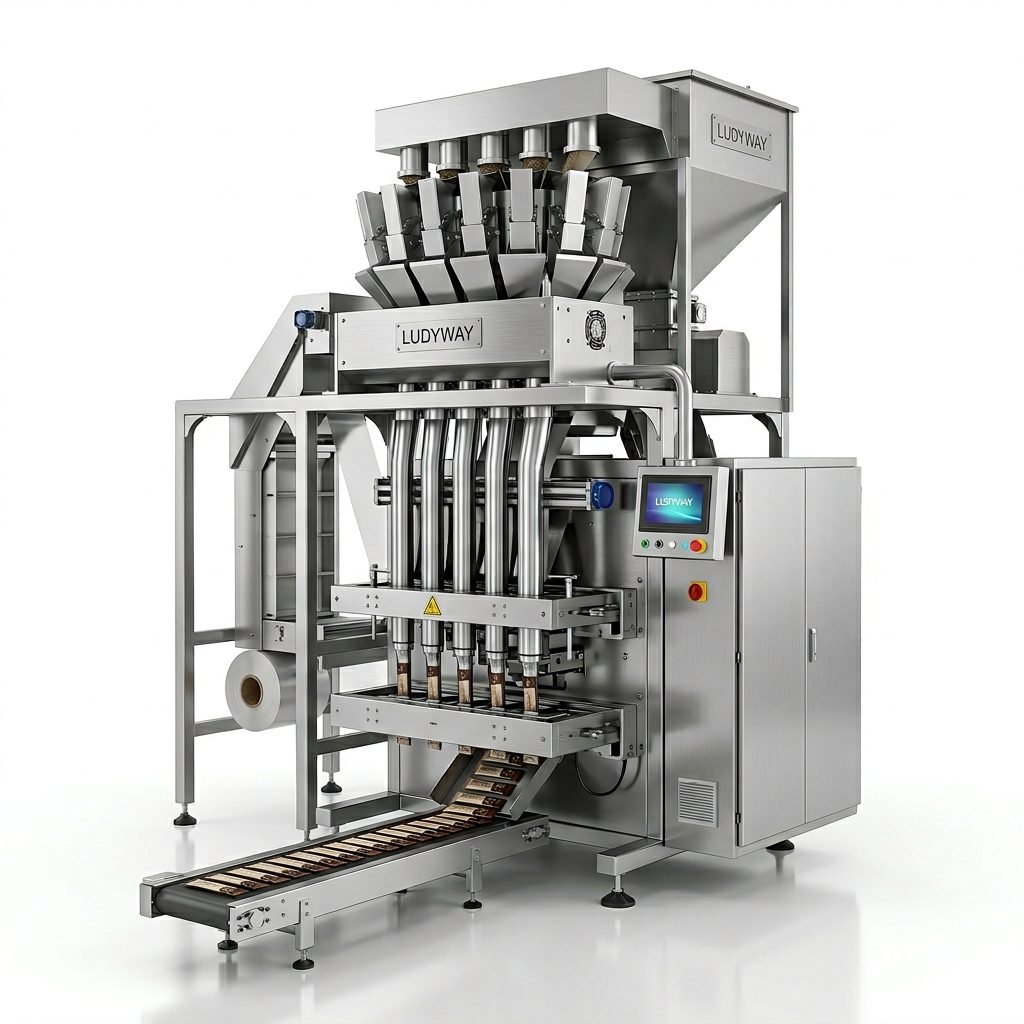
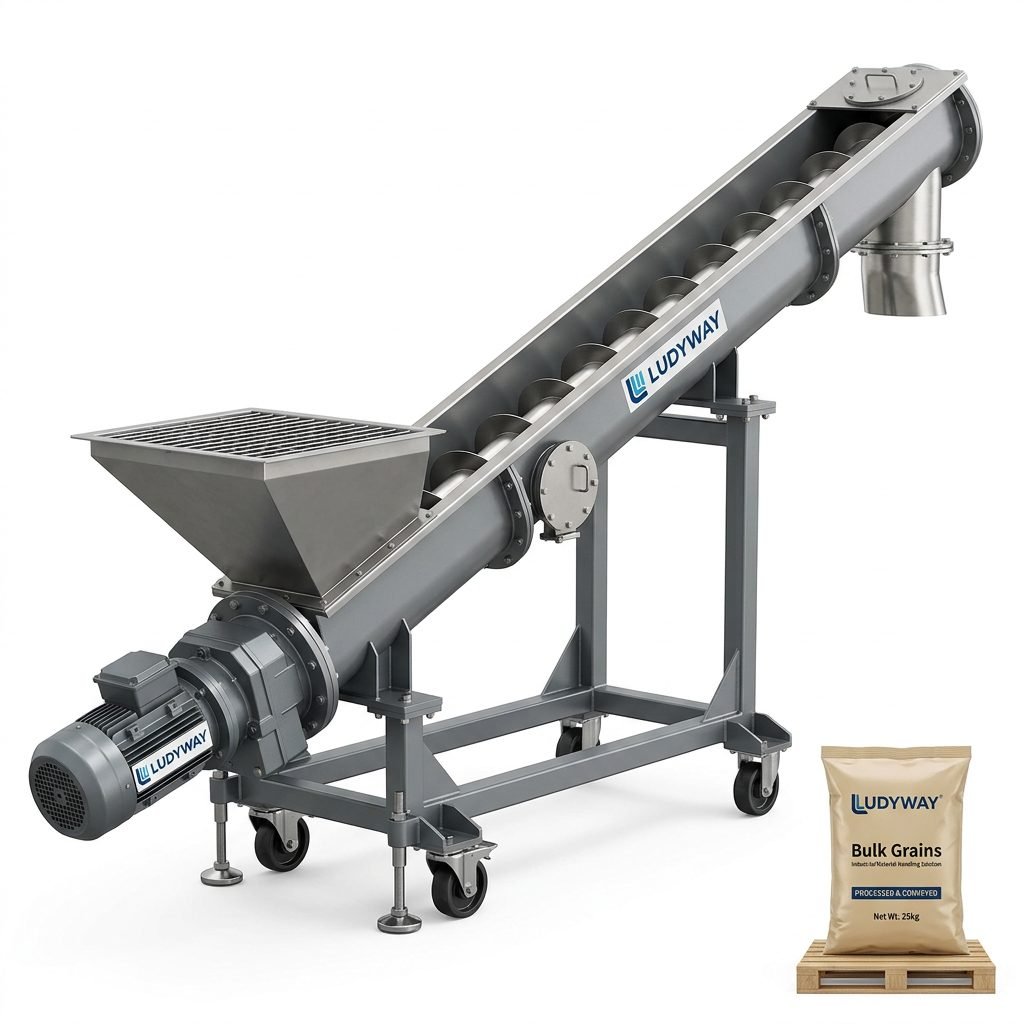
Choosing the right semi auto packing machine can be a smart step for businesses that want to improve packaging efficiency without making the immediate jump to a fully automated line. For many manufacturers and growing brands, semi automatic equipment offers the right balance of cost control, flexibility, and production stability.
Whether you package powders, granules, liquids, pouches, or small retail units, the ideal solution depends on your product type, output target, labor structure, hygiene requirements, and future expansion plans. This guide explains how to evaluate the best machine for your business and avoid expensive mistakes.
What Is a Semi Auto Packing Machine?
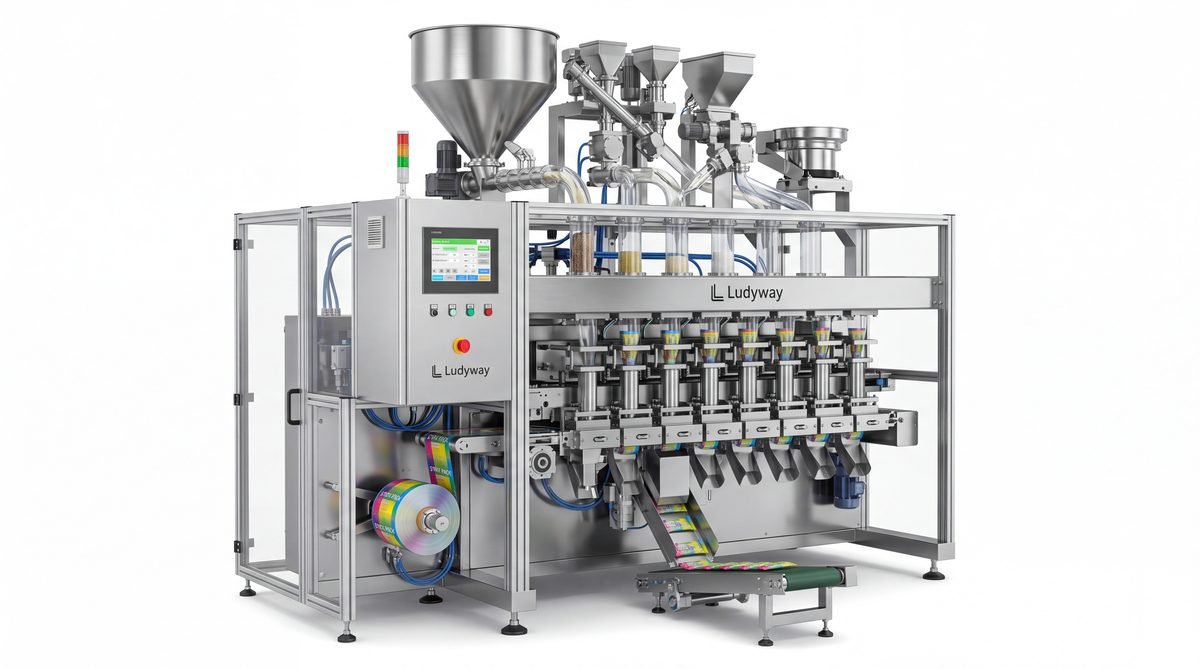
A semi auto packing machine is a packaging system that combines mechanical or pneumatic automation with manual operator involvement. In most cases, the machine handles key tasks such as filling, sealing, dosing, or weighing, while operators assist with bag placement, pouch feeding, product loading, or finished pack removal.
This type of equipment is widely used by:
- Small and medium-sized manufacturers
- Contract packers
- Startups scaling from manual packaging
- Factories with multiple product SKUs
- Businesses testing new packaging formats
Common applications include:
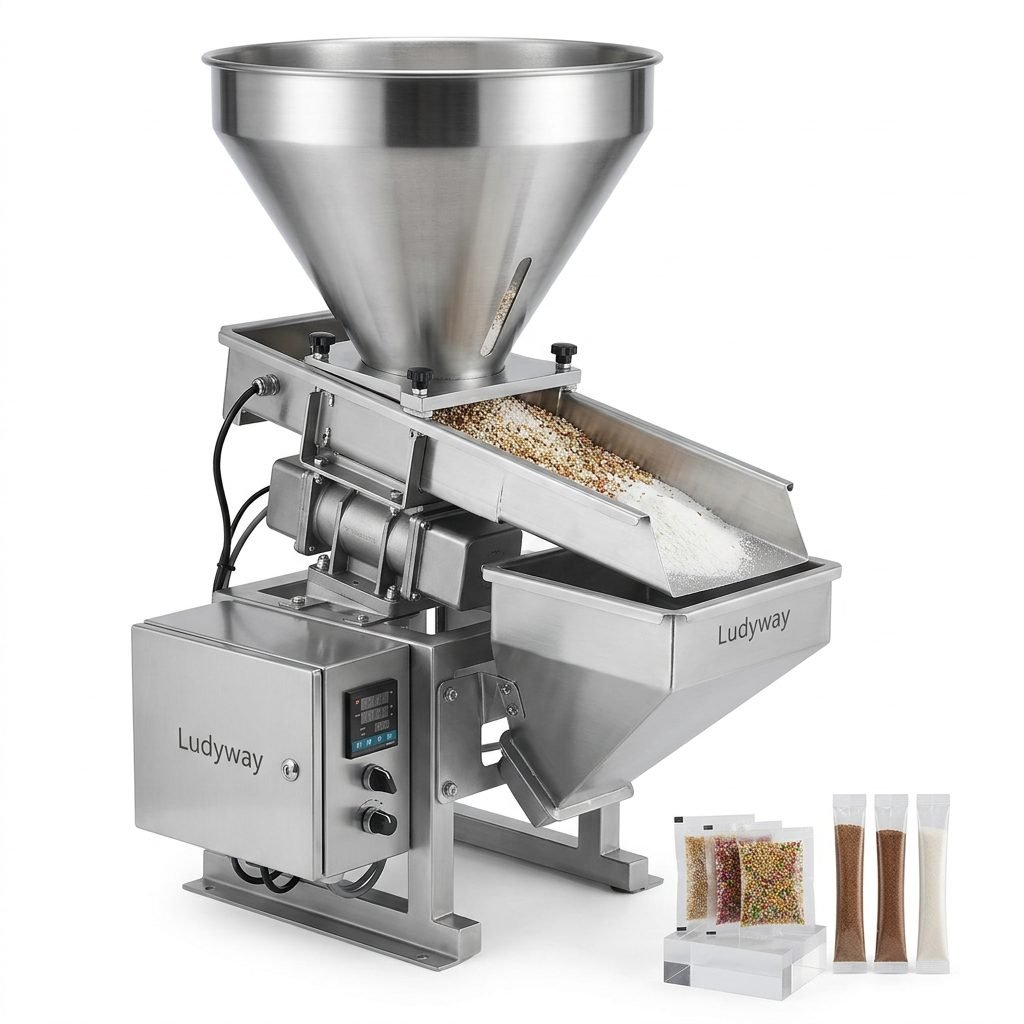
- Powder filling
- Granule weighing and bagging
- Liquid filling and sealing
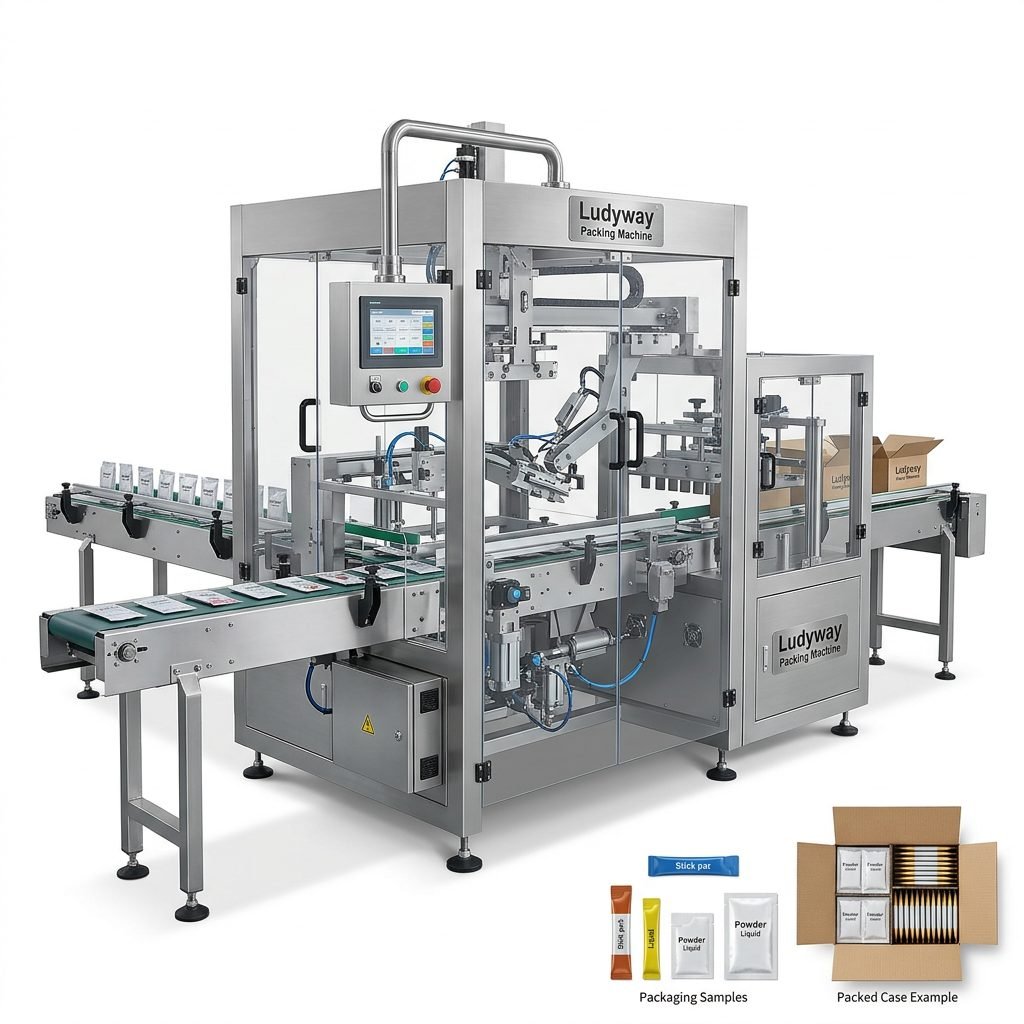
- Sachet and pouch packaging
- Bottle, jar, or bag filling
Why Businesses Choose Semi Automatic Packaging Equipment
Semi automatic machines are popular because they can solve real production problems without requiring the capital investment of a complete automatic line. For many businesses, they provide a practical transition stage between manual operations and full automation.
| Benefit | Why It Matters |
|---|---|
| Lower initial investment | Ideal for growing businesses with limited budgets |
| Flexible operation | Easier to switch between products, bag sizes, or formulas |
| Reduced labor pressure | Cuts repetitive manual work while keeping staffing simple |
| Compact footprint | Suitable for facilities with limited floor space |
| Easy maintenance | Usually simpler than fully automated lines |
Key Questions to Ask Before You Buy
Before selecting any semi auto packing machine, start with the product and workflow instead of the machine itself. A machine that looks advanced may still be the wrong choice if it does not fit your production reality.
1. What product are you packing?
The physical characteristics of your product determine the filling method, sealing technology, dust control needs, and material contact design.
- Powders: require auger filling, anti-dust structure, and accurate dosing
- Granules: often use cup fillers, linear weighers, or multi-head weighers
- Liquids: need piston pumps, peristaltic pumps, or flow meter filling systems
- Pastes: need stronger filling pressure and anti-drip design
2. What packaging format do you need?
A semi automatic machine should match both your current packaging style and your future sales strategy.
- Bags
- Premade pouches
- Sachets
- Stick packs
- Bottles or jars
- Bulk sacks
3. What is your required output?
One of the biggest buying mistakes is choosing based only on maximum speed. You should focus on stable real-world output, not just peak numbers from a catalog.
Ask suppliers for realistic data on:
- Packs per minute
- Output by product type
- Downtime during changeover
- Accuracy at different fill weights
- Operator dependency
How to Match Machine Type to Product
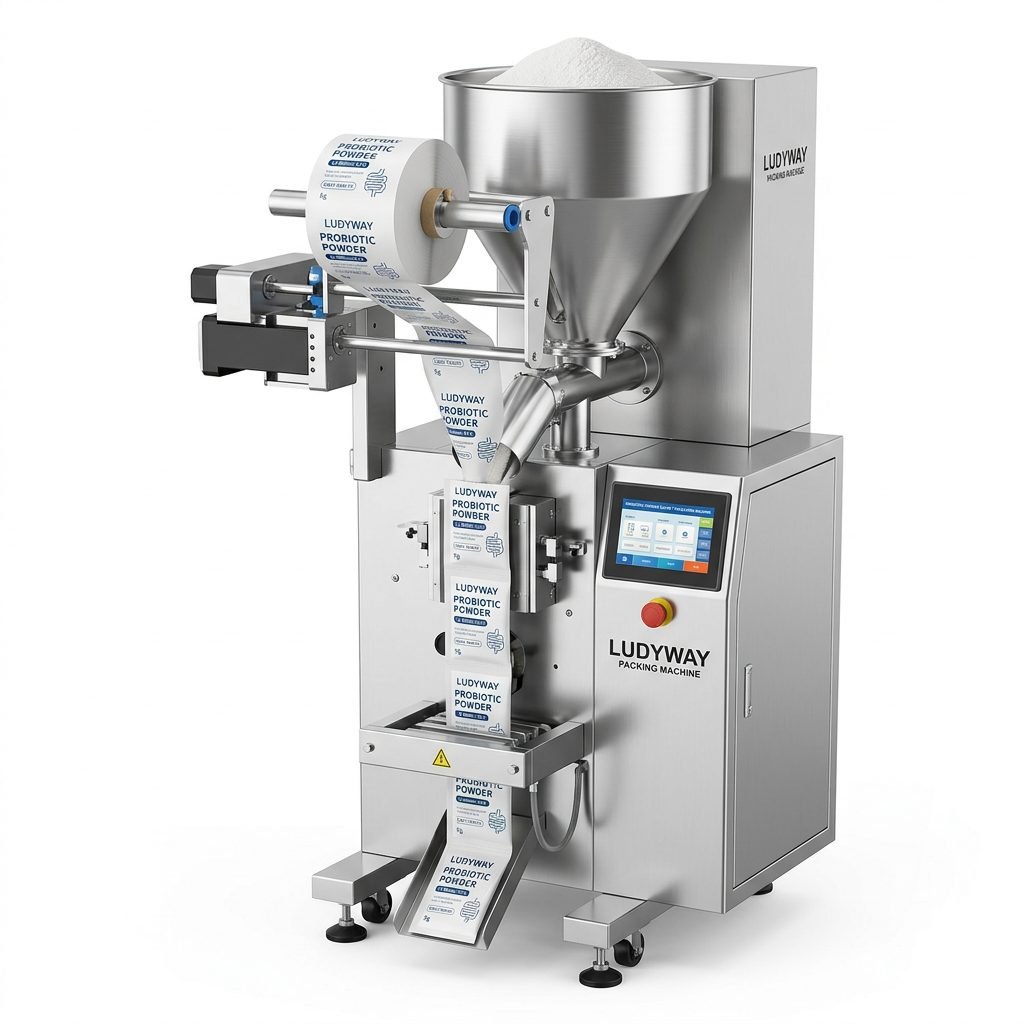
Different products require different semi automatic packing machine configurations. The best solution is usually based on product flowability, target weight, packaging material, and hygiene level.
| Product Type | Recommended Semi Auto Solution | Key Feature |
|---|---|---|
| Milk powder, spice powder, supplement powder | Auger filling machine | Precision powder dosing |
| Rice, beans, seeds, snack granules | Weighing and bagging machine | Stable weight control |
| Sauce, cream, gel, honey | Piston filling and sealing machine | Anti-drip and high viscosity handling |
| Water, juice, oral liquid | Liquid filling machine | Clean and accurate volumetric filling |
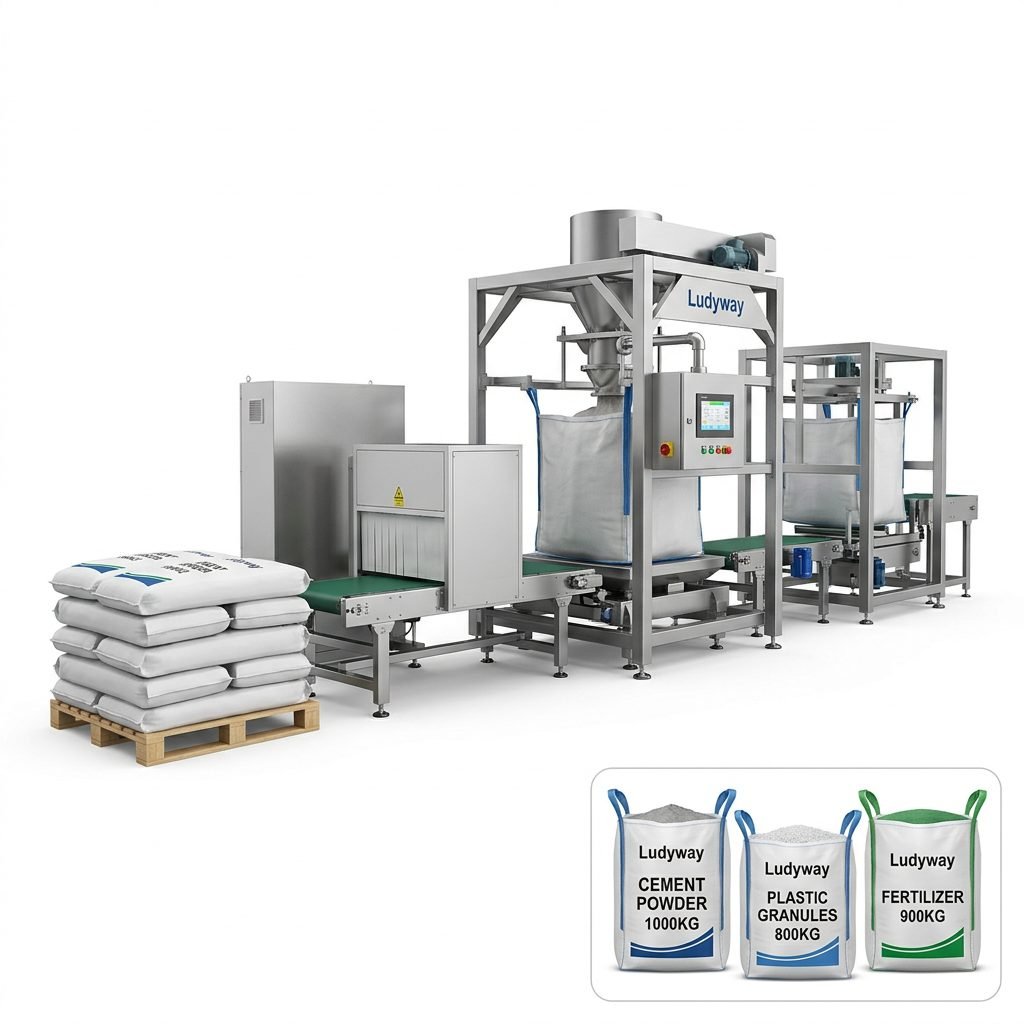
| Bulk fertilizer, feed, chemical powder | Semi auto bagging machine | Heavy-duty filling support |
Important Technical Factors to Compare
Filling Accuracy
Packaging accuracy affects product consistency, cost control, compliance, and customer trust. This is especially important in food, pharmaceutical, health supplement, and chemical applications. Even a small overfill can create long-term material loss.
Machine Material
For hygienic products, stainless steel construction is often essential. Food-grade and pharma-grade applications typically require easy-clean surfaces, corrosion resistance, and reduced contamination risk.
Ease of Cleaning
If you switch products often, fast cleaning and disassembly become extremely valuable. This is especially true for allergen-sensitive foods, supplement powders, and high-purity materials.
Changeover Time
If you run many SKUs, ask how quickly the operator can switch between different bag sizes, fill weights, sealing settings, or product recipes. Machines with simpler adjustment points can improve real productivity.
Control System
A user-friendly HMI or control panel can significantly reduce operator training time. Look for clear settings, recipe storage, alarm prompts, and stable parameter control.
Compatibility with Upgrades
A good semi automatic machine should support future integration with conveyors, coding systems, checkweighers, sealing devices, or even a more complete packaging line later.
Semi Auto vs Fully Automatic: Which One Is Better?
There is no universal answer. The better option depends on your order volume, labor cost, product complexity, and capital budget.
| Factor | Semi Auto Packing Machine | Fully Automatic Machine |
|---|---|---|
| Initial cost | Lower | Higher |
| Labor requirement | Moderate | Low |
| Flexibility | High for smaller batches | Best for large standard runs |
| Floor space | Smaller | Larger |
| Scaling potential | Good starting point | Best for high-volume automation |
If your business is still growing, a semi automatic system is often the best first investment. It helps you improve consistency and speed while keeping operations manageable.
Industries That Benefit Most from Semi Automatic Machines
- Food and beverage
- Pharmaceutical products
- Health supplements and nutraceuticals
- Cosmetics and personal care
- Chemical and industrial materials
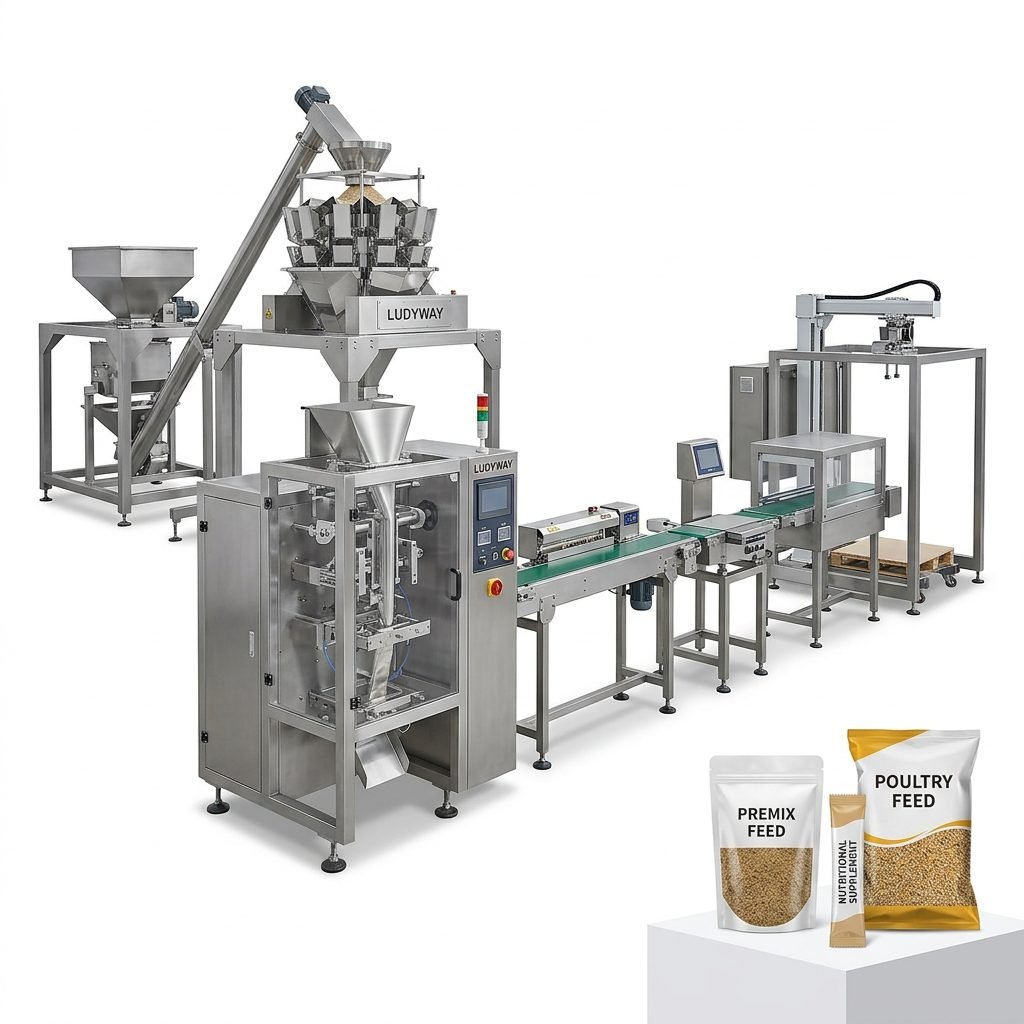
- Animal feed and pet nutrition
These industries often need flexible equipment for changing formulations, packaging formats, and production volumes. That is why semi auto systems remain highly relevant even in modern automated factories.
Signs You Are Choosing the Wrong Machine
A poor machine choice can lead to unstable output, wasted materials, and difficult operator management. Watch for these warning signs:
- The machine speed is far above or below your real demand
- The filling method does not match your product characteristics
- Cleaning and maintenance look overly complicated
- The supplier cannot explain accuracy under real production conditions
- There is no clear after-sales support or spare parts plan
- The machine has limited room for future expansion
How to Evaluate a Packaging Machine Supplier
The supplier is just as important as the machine. A strong manufacturer can help you avoid design mismatch, improve line compatibility, and support long-term operation.
When comparing suppliers, check:
- Years of industry experience
- Export capability and project references
- Customization ability
- Factory scale and assembly standards
- Technical support and spare parts availability
- Experience in your product category
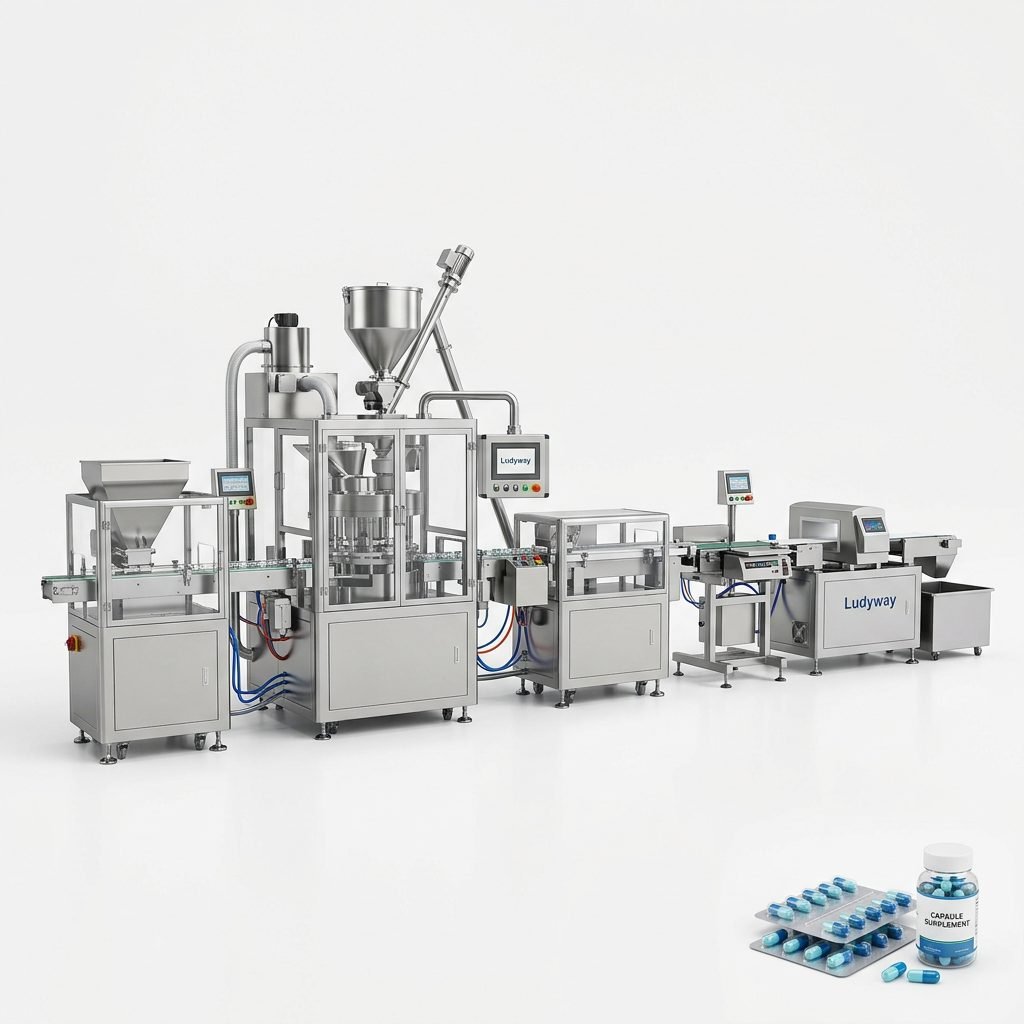
For businesses looking for scalable equipment and complete integration options, Ludyway semi auto packing machine solutions are often considered by global buyers seeking packaging machinery for food, pharma, health supplement, chemical, and related industries. With more than 30 years of manufacturing experience and a broad product portfolio, the company supports both standalone machines and turnkey packaging lines.
Practical Buying Checklist
| Checklist Item | What to Confirm |
|---|---|
| Product properties | Powder, granule, liquid, paste, flowability, viscosity |
| Package type | Bag, pouch, bottle, sachet, stick pack, bulk bag |
| Capacity target | Hourly or daily output requirements |
| Accuracy requirement | Tolerance range and product cost sensitivity |
| Sanitary level | Food-grade, pharma-grade, anti-corrosion needs |
| Future upgrades | Coding, conveying, cartoning, full line integration |
Final Thoughts on Choosing the Right Semi Auto Packing Machine
The best semi auto packing machine is not simply the fastest or cheapest one. It is the machine that fits your product, packaging format, output goal, labor model, and growth plan. When chosen correctly, it can reduce waste, improve consistency, lower packaging pressure, and prepare your business for future automation.
If you compare machine type, filling accuracy, material compatibility, operational flexibility, and supplier support carefully, you will be in a much stronger position to make a profitable long-term investment.