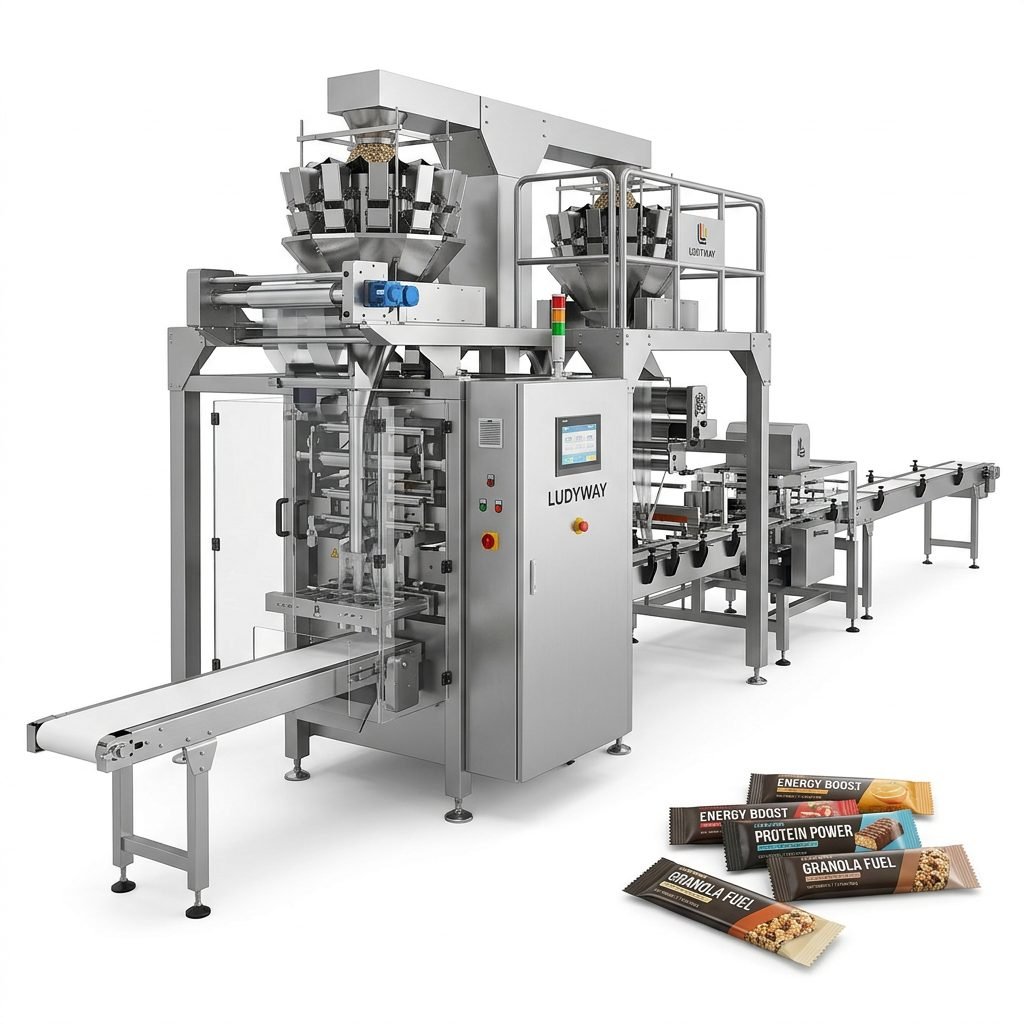
Proper maintenance is the cornerstone of reliable packaging line performance. A pouch slitting machine operates under continuous motion, separating filled pouches with precision blades and high-speed mechanisms. Without a structured maintenance program, blade wear, misalignment, and debris buildup can lead to inconsistent cuts, increased downtime, and costly film waste. This guide covers the essential steps to keep your equipment running at peak efficiency.
Understanding Your Pouch Slitting Machine
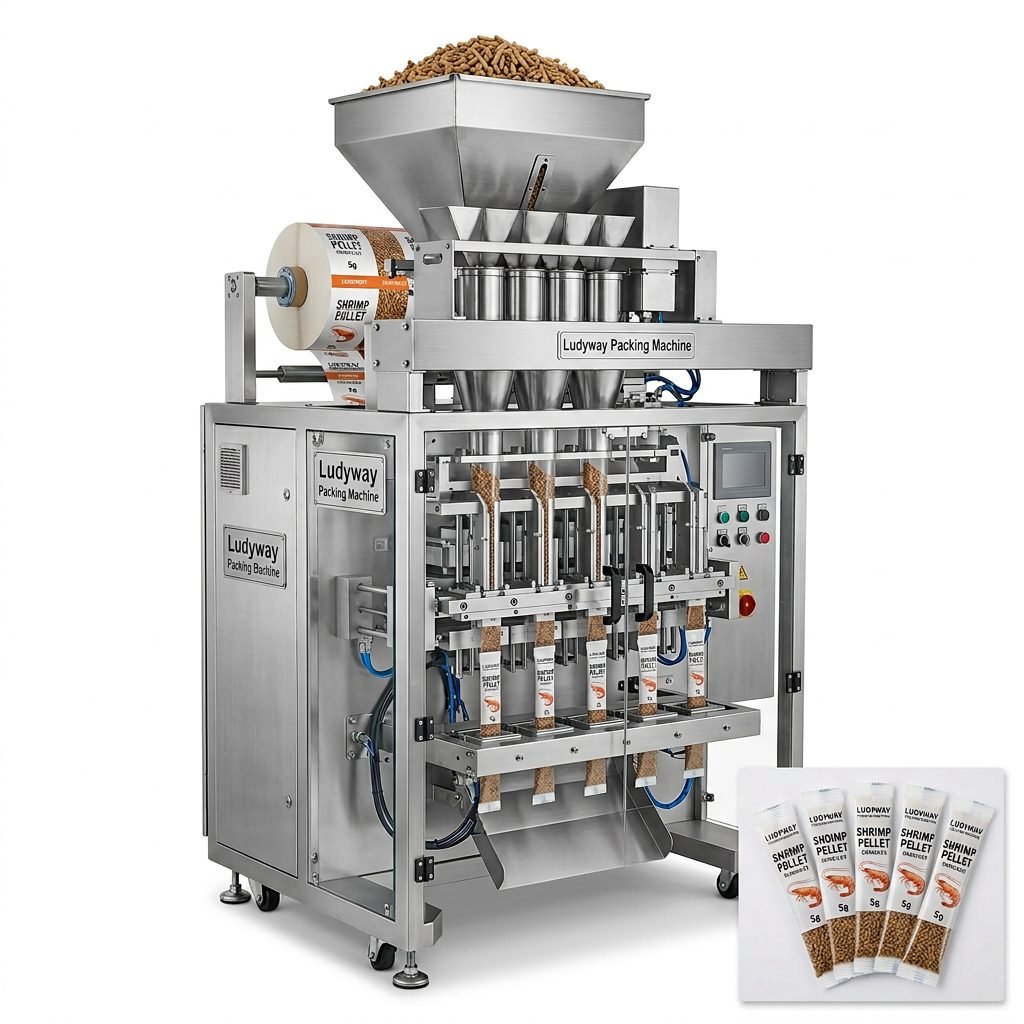
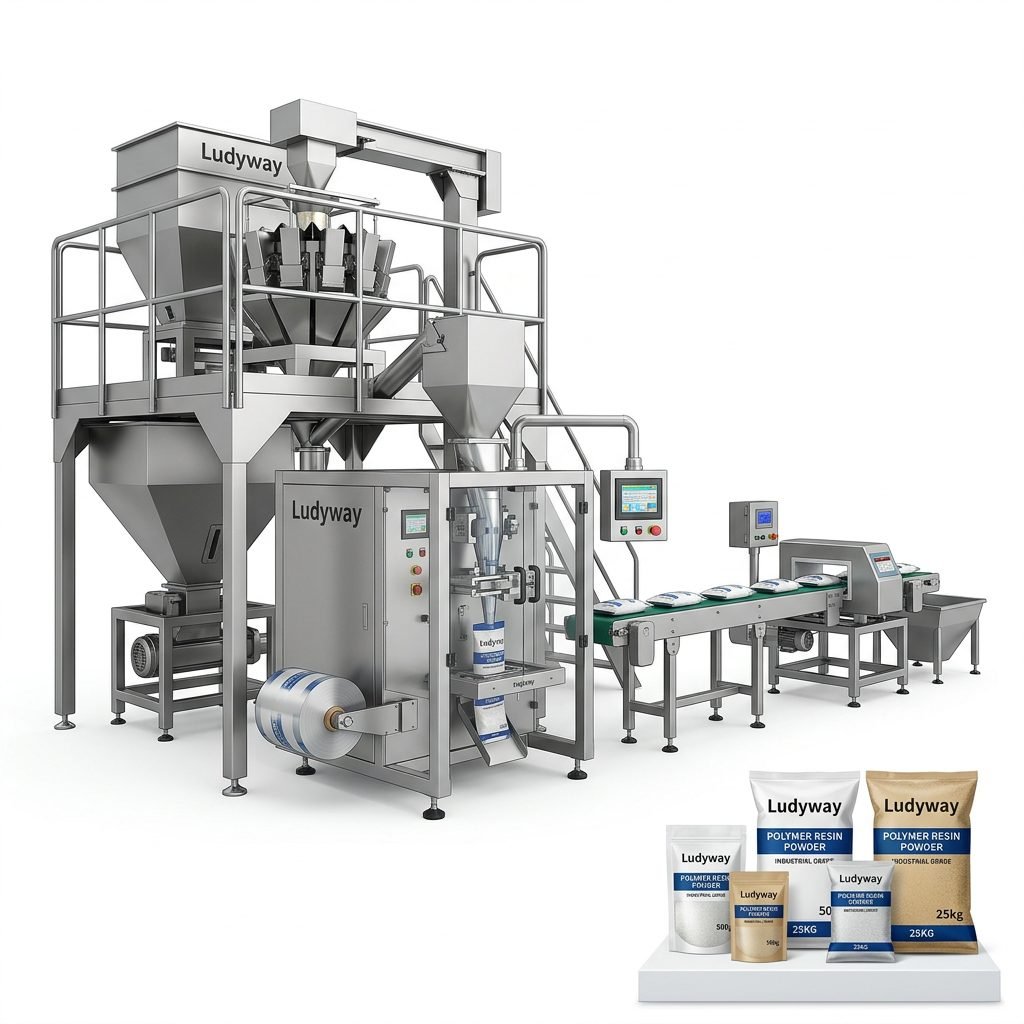
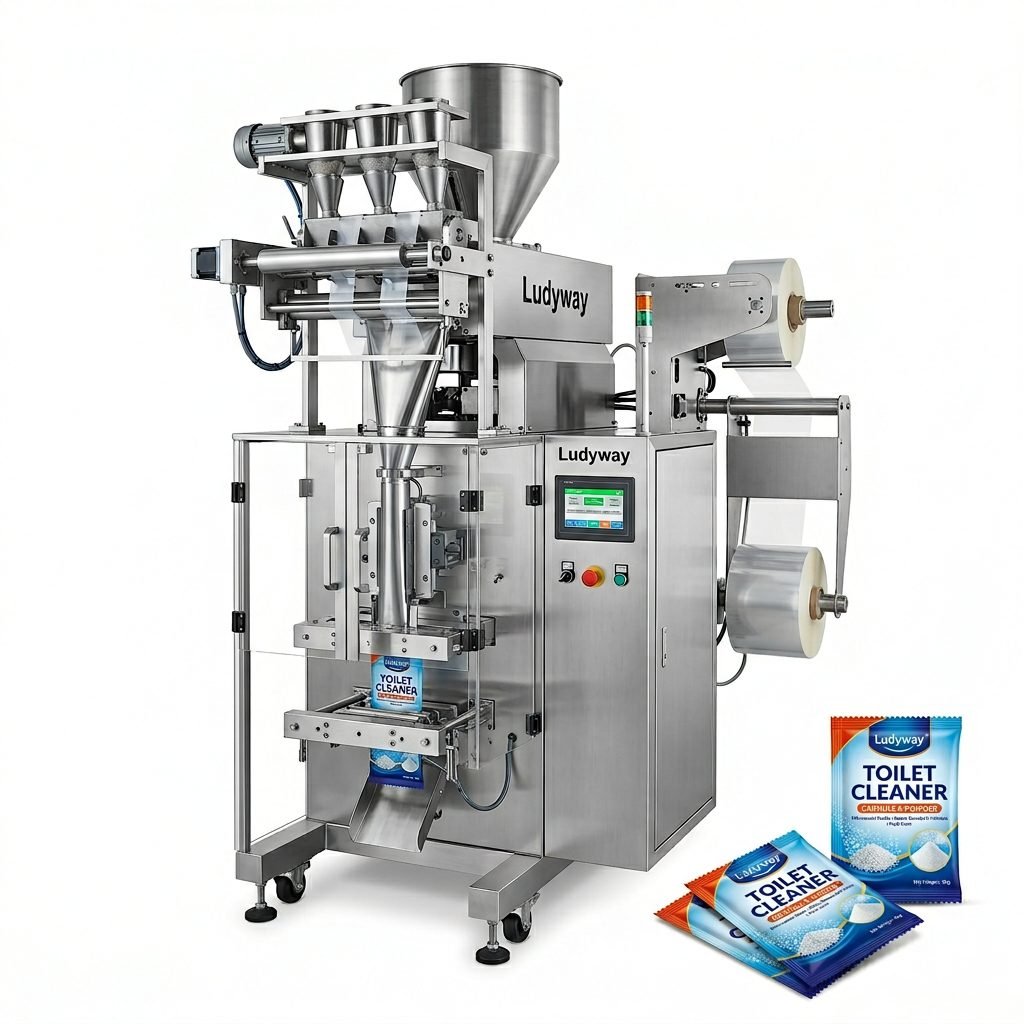
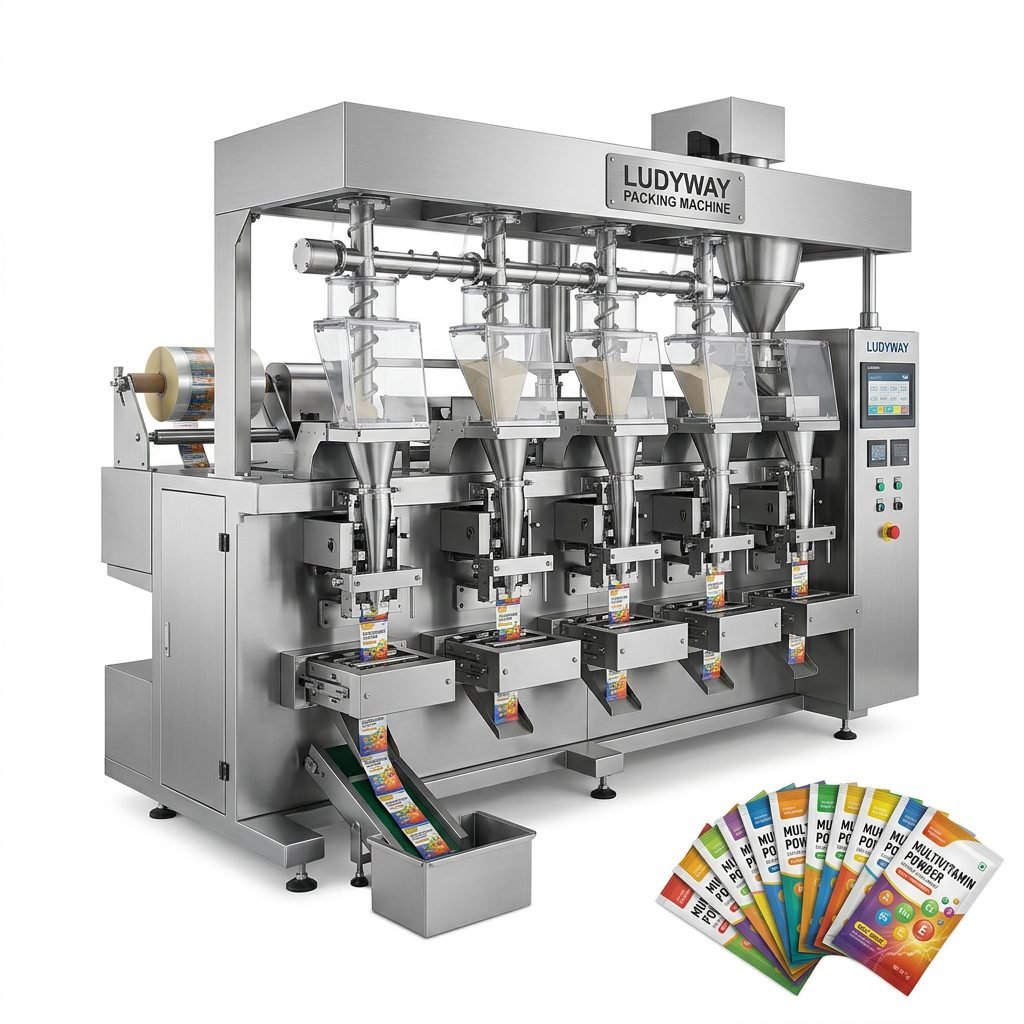
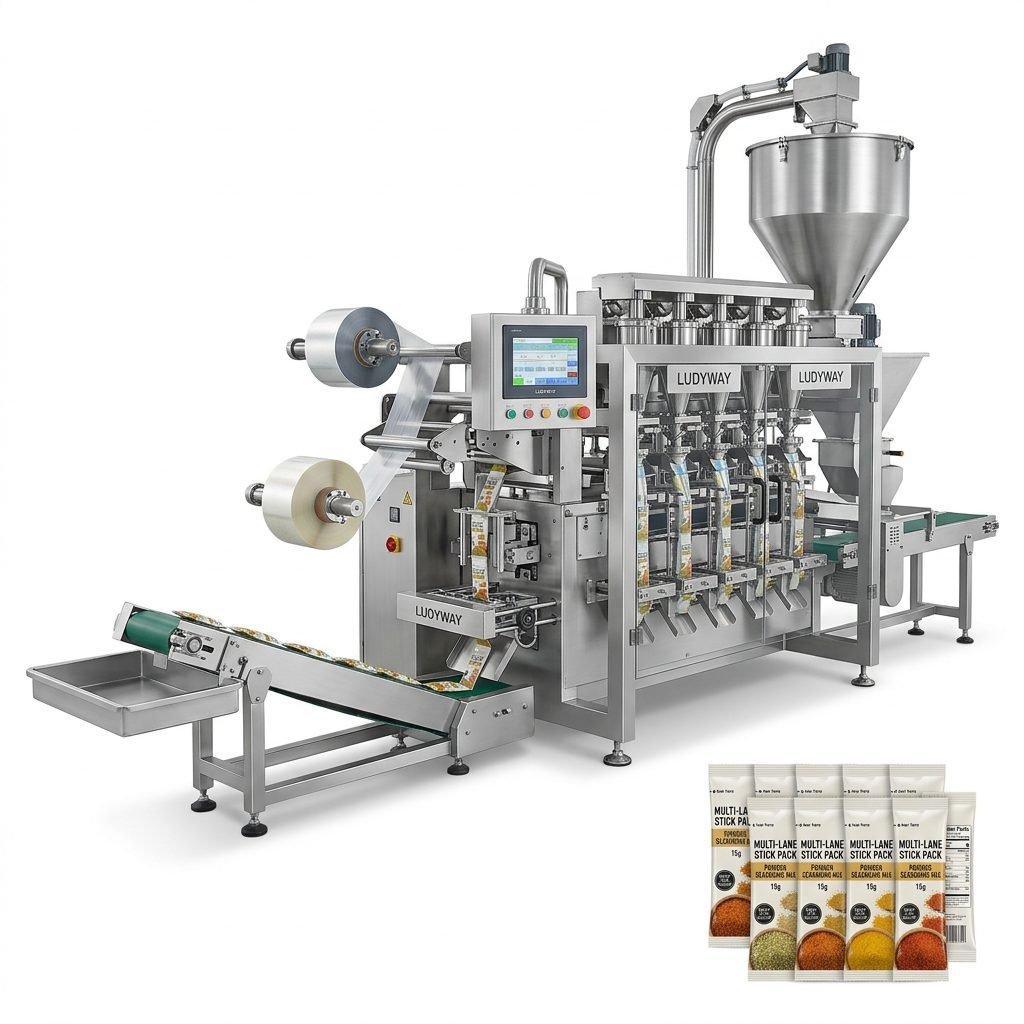
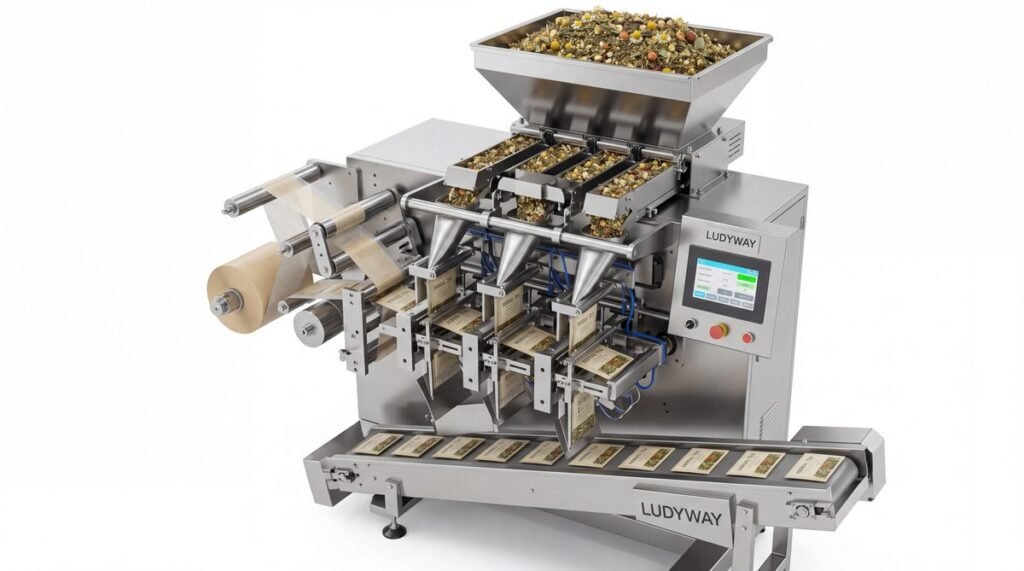
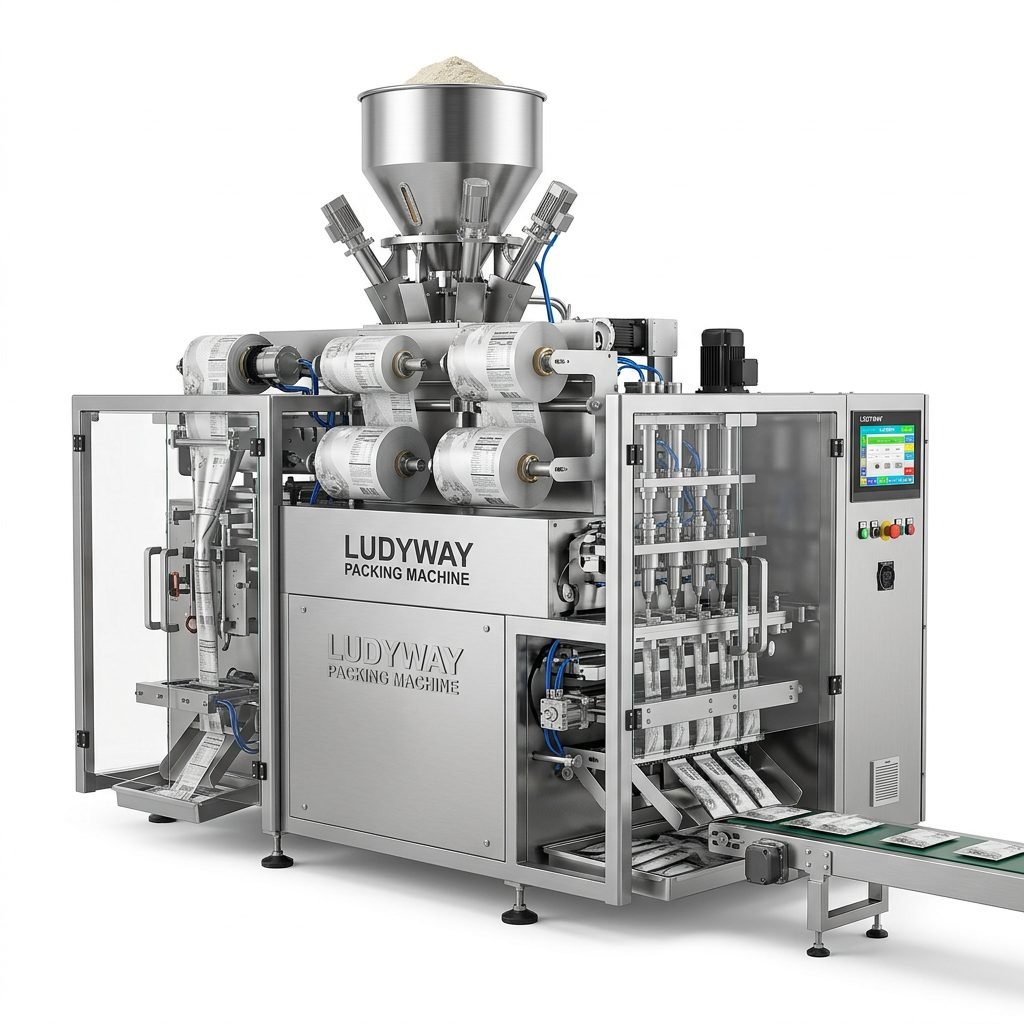
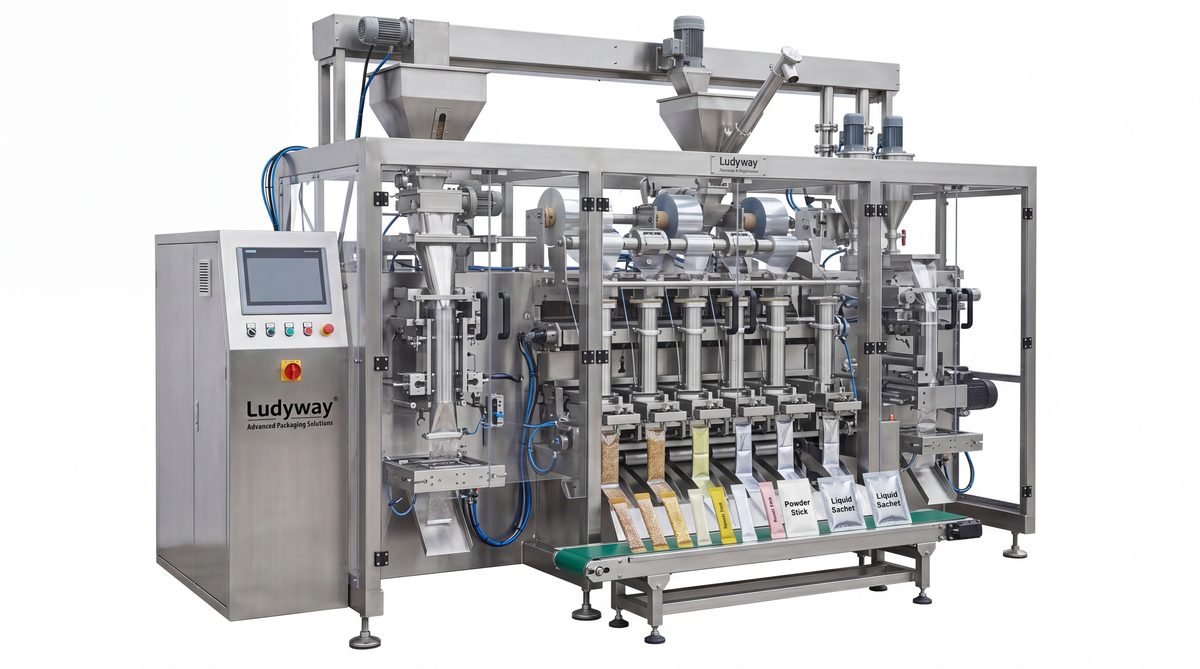
Before diving into maintenance routines, it is important to understand the key components that require regular attention. A typical pouch slitting system consists of rotary slitting blades, anvil rollers, guide tracks, tension control units, and servo-driven positioning assemblies. Each of these parts plays a critical role in achieving clean, burr-free separation of pouches after filling and sealing. Familiarity with your machine’s specific configuration—whether it is a multi-lane stick pack system or a single-lane sachet line—will help you tailor your maintenance approach accordingly.
Daily Maintenance Checklist
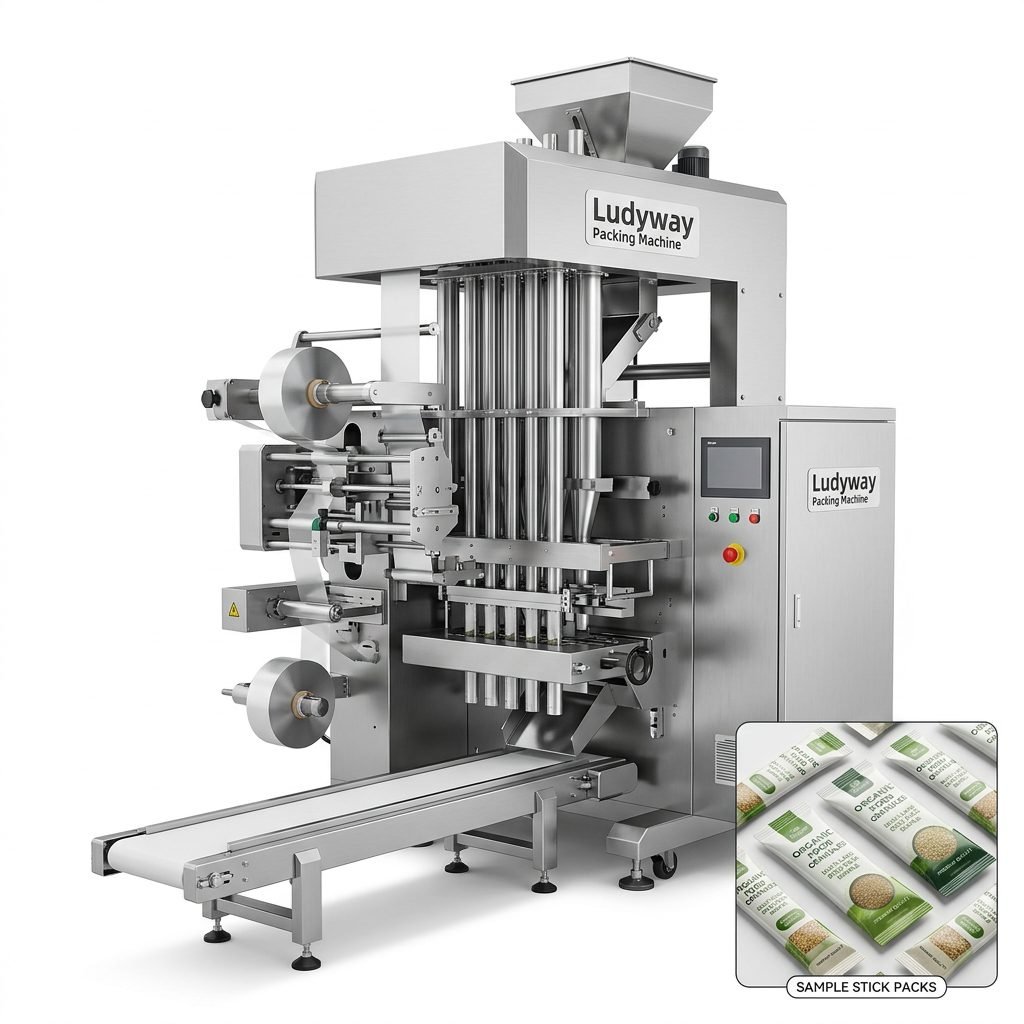
Daily inspections are the first line of defense against unexpected breakdowns. Operators should perform the following checks at the start and end of each shift:
- Blade inspection: Visually examine slitting blades for chips, dull spots, or residue buildup. Even minor blade damage can tear packaging film instead of cutting it cleanly.
- Guide track cleaning: Remove any film fragments, dust, or product residue from the pouch guide tracks and slitting zone using compressed air or a soft brush.
- Tension verification: Confirm that film tension settings remain within the recommended range. Improper tension is a leading cause of misaligned slits and wrinkled pouches.
- Sensor calibration check: Test photoelectric sensors and registration marks to ensure accurate blade positioning for each cut cycle.
- Safety guard inspection: Verify that all protective covers and interlocks around the slitting section are securely in place.
Weekly and Monthly Maintenance Procedures
While daily tasks focus on immediate operational readiness, weekly and monthly procedures address deeper mechanical integrity. Implementing a pouch packaging machine maintenance log is highly recommended to track completed tasks and identify recurring issues.
Weekly Tasks
- Remove slitting blades and clean them with an approved solvent to eliminate adhesive residue from packaging films.
- Lubricate blade shafts and bearing housings according to the manufacturer’s specifications.
- Inspect and clean the anvil roller surface for grooves or uneven wear patterns.
- Check all pneumatic connections and air filters serving the slitting unit.
Monthly Tasks
- Measure blade sharpness using a durometer or edge tester and resharpen or replace blades as needed.
- Perform a full alignment check on the slitting station, verifying perpendicularity between blades and film path.
- Examine servo motor couplings and belt tension on the slitting drive system.
- Update firmware and recalibrate the HMI control parameters for slitting speed and dwell time.
Common Issues and Troubleshooting
Even with diligent maintenance, occasional problems may arise. The table below outlines frequently encountered slitting issues and their recommended solutions:
| Problem | Possible Cause | Recommended Solution |
|---|---|---|
| Ragged or torn pouch edges | Dull or chipped slitting blades | Replace or resharpen blades immediately; check for foreign material in the cutting zone |
| Inconsistent slit position | Misaligned guide tracks or worn anvil roller | Realign tracks using a dial indicator; replace anvil roller if grooved |
| Film wrinkling near slitting area | Excessive or uneven film tension | Adjust tension settings; check dancer arm and load cell calibration |
| Blade overheating | Insufficient lubrication or excessive speed | Apply recommended lubricant; reduce slitting speed within allowable range |
| Intermittent incomplete cuts | Worn blade bearings or loose mounting hardware | Tighten all fasteners; replace worn bearings in blade shaft assembly |
| Excessive noise during slitting | Blade-to-anvil contact pressure too high | Reduce blade pressure incrementally until clean cut is achieved without excess noise |
Lubrication Best Practices
Proper lubrication is essential for extending the service life of slitting components. Over-lubrication can be just as harmful as under-lubrication, attracting dust and contaminating packaging film. Follow these guidelines:
- Use only food-grade lubricants when maintaining machines used in food or pharmaceutical packaging applications.
- Apply grease sparingly to blade shaft bearings—a single pump from a grease gun is often sufficient for weekly maintenance.
- Keep a lubrication schedule log and cross-reference it with blade replacement intervals to identify correlations.
- Wipe away any excess lubricant immediately to prevent film contamination and slippage.
- Check automatic lubrication systems (if equipped) for proper reservoir levels and functioning metering valves.
Safety Precautions During Maintenance
Slitting blades are extremely sharp and operate at high speeds. Adhering to strict safety protocols is non-negotiable. Always follow lockout/tagout (LOTO) procedures before opening any guard or accessing the slitting station. Key safety measures include:
- Lockout/Tagout compliance: Disconnect and lock out the main power supply before performing any blade-related maintenance.
- Cut-resistant gloves: Wear appropriate personal protective equipment (PPE) when handling slitting blades, even during routine cleaning.
- Blade disposal: Dispose of used blades in designated sharps containers to prevent injury to sanitation and maintenance personnel.
- Training requirements: Only trained and authorized personnel should perform blade changes or alignment procedures.
- Emergency stop verification: Test the functionality of emergency stop buttons around the slitting station monthly.
Blade Replacement and Sharpening Schedule
Blade service life varies depending on film material, production speed, and shift patterns. The following table provides general replacement guidelines based on common packaging film types:
| Film Material | Estimated Blade Life (Operating Hours) | Recommended Inspection Frequency | Sharpening Method |
|---|---|---|---|
| LDPE / LLDPE | 800 – 1,200 hours | Every 200 hours | Wet grinding with coolant |
| BOPP / OPP | 600 – 900 hours | Every 150 hours | Precision surface grinding |
| PET / Polyester | 400 – 700 hours | Every 100 hours | Diamond wheel sharpening |
| Aluminum foil laminate | 300 – 500 hours | Every 80 hours | Replace rather than resharpen |
| Paper / PE laminate | 500 – 800 hours | Every 120 hours | Dry honing with fine grit |
| Metallized film | 350 – 550 hours | Every 90 hours | Ceramic wheel grinding |
When to Seek Professional Service
While routine maintenance can be managed in-house, certain situations call for professional intervention. If you encounter persistent slitting accuracy issues despite following all recommended procedures, the problem may lie deeper within the servo control system or require specialized alignment tools. Professional packaging machine manufacturers like Ludyway offer comprehensive after-sales support, including remote diagnostics, on-site servicing, and genuine replacement parts for their equipment. For complex issues involving programmable logic controllers (PLCs) or motion control systems, always consult qualified technicians to avoid voiding warranties or causing further damage.
Recommended Resources and Standards
Staying informed about industry standards helps maintain compliance and operational excellence. The following resources provide valuable guidance on packaging machinery safety and maintenance:
- PMMI – Packaging Industry Resources – Comprehensive guidelines for packaging equipment maintenance and safety standards.
- ISO – Packaging Standards – International standards covering packaging machinery design, safety, and performance requirements.
- Flexible Packaging Association – Industry Resources – Technical data and best practices specific to flexible packaging operations.
- PMMI – Business Intelligence Library – Market data and operational benchmarks for packaging line efficiency.
- FDA – Food Packaging and Food Contact Substances – Regulatory requirements for packaging materials in food applications.
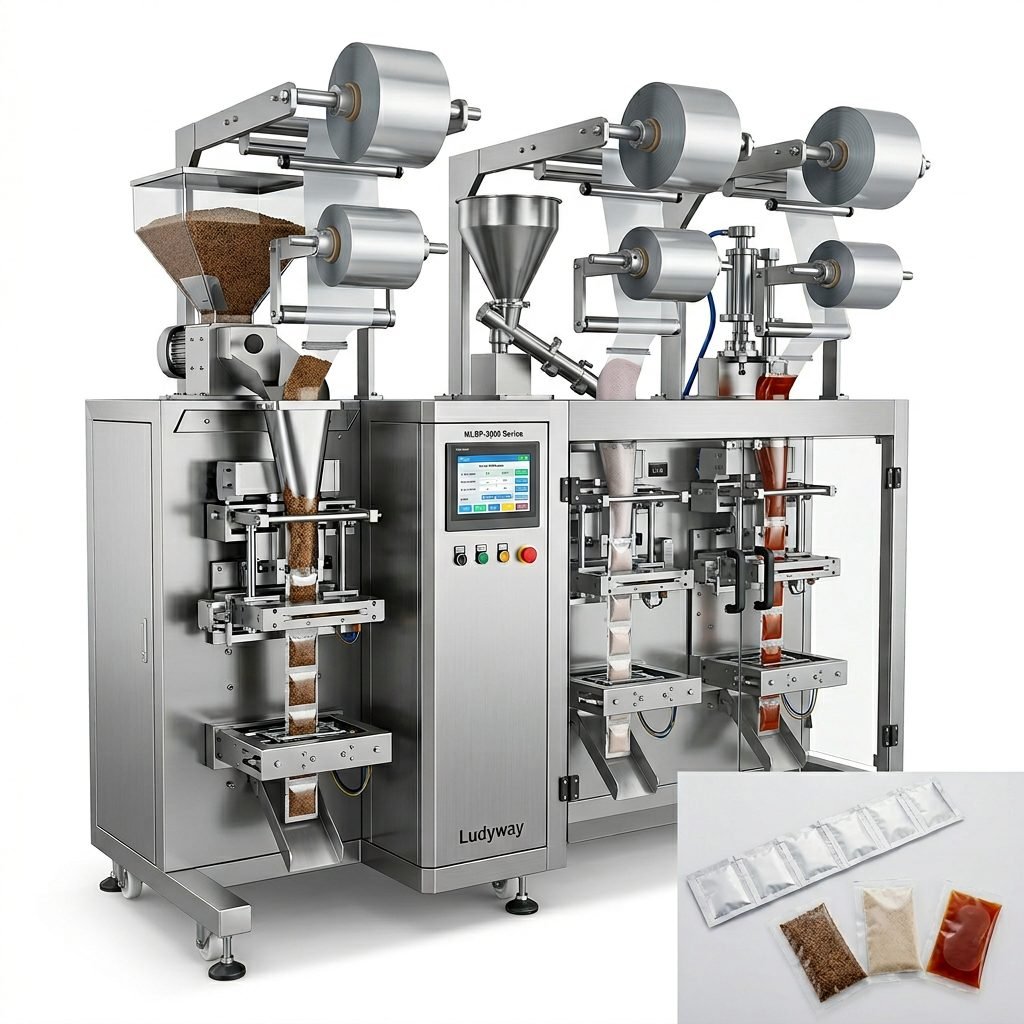
Implementing a structured maintenance program for your pouch slitting machine is one of the most cost-effective strategies to maximize uptime, reduce material waste, and ensure consistent packaging quality. By following the daily, weekly, and monthly checklists outlined above—and knowing when to call in professional support—you can significantly extend the service life of your slitting components and maintain optimal production throughput. Preventive maintenance is always less expensive than reactive repairs.