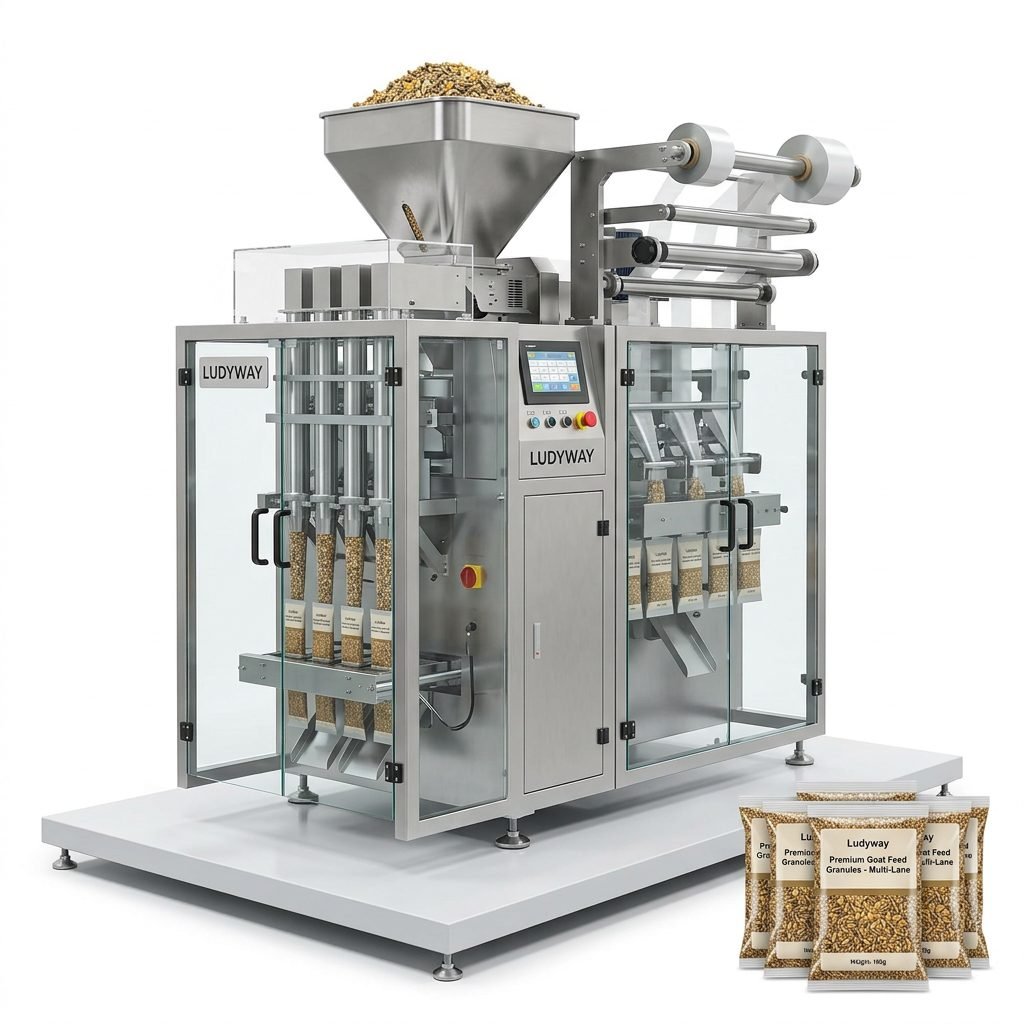
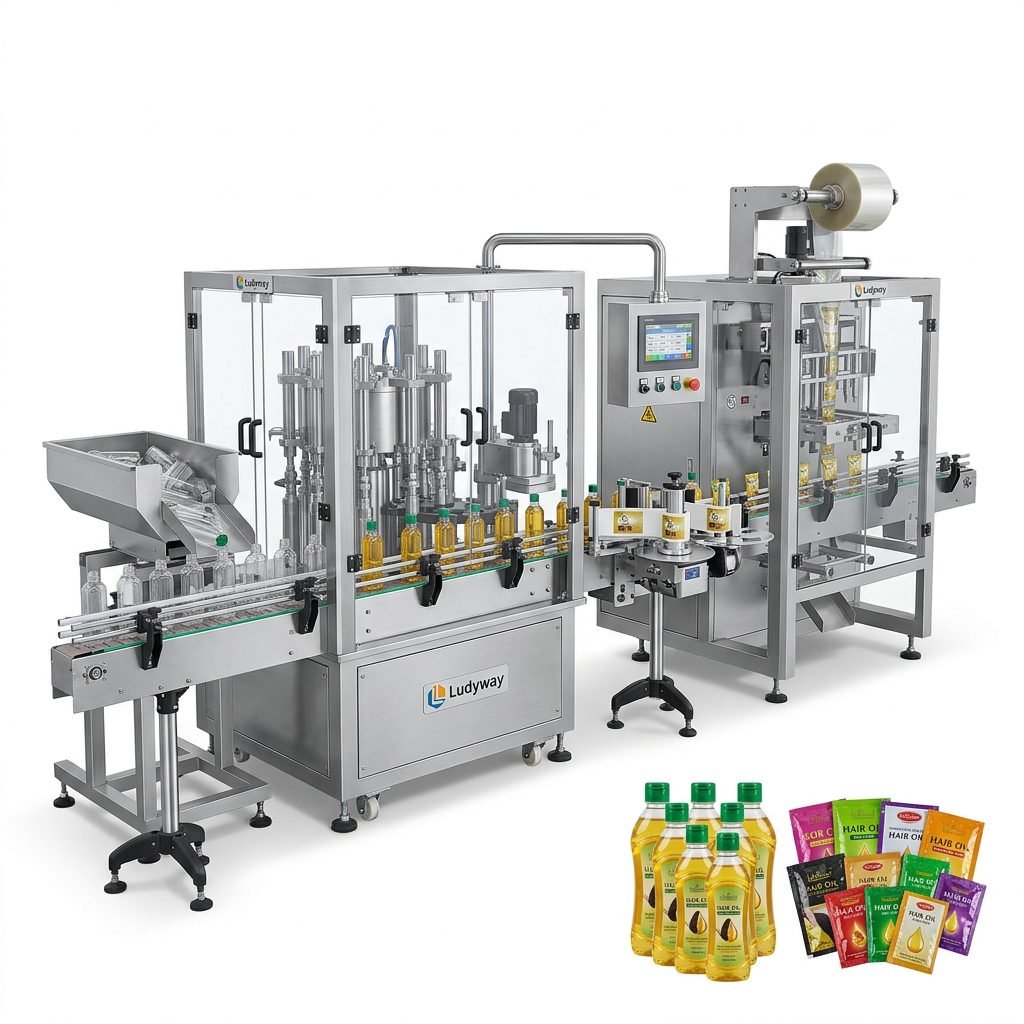
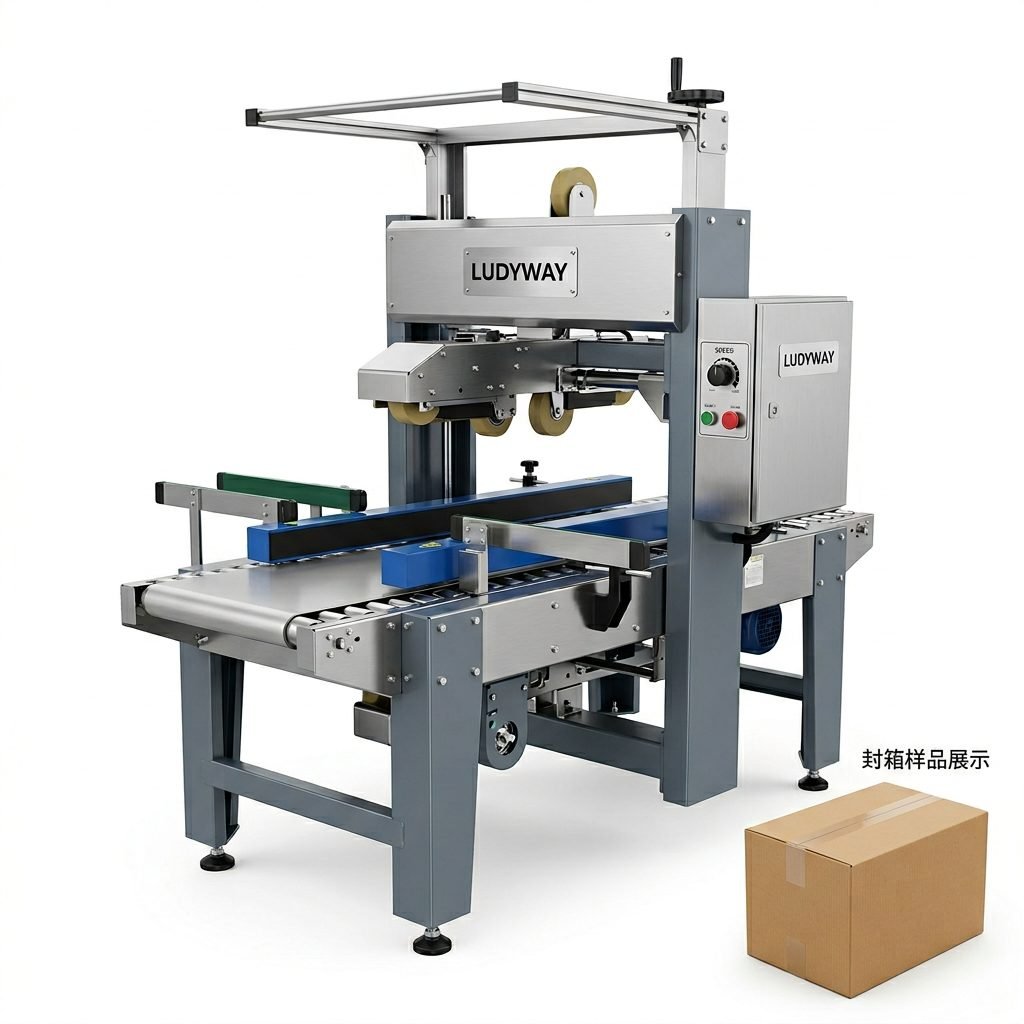
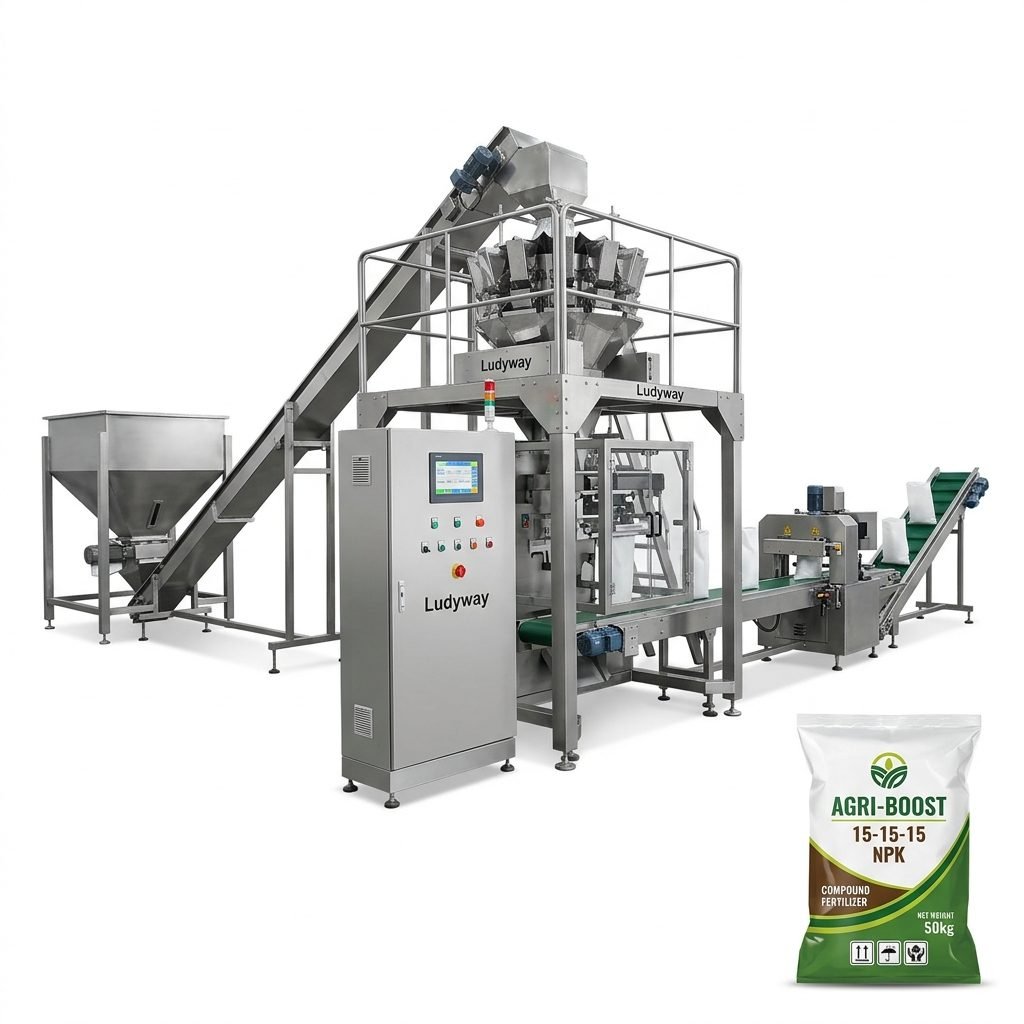
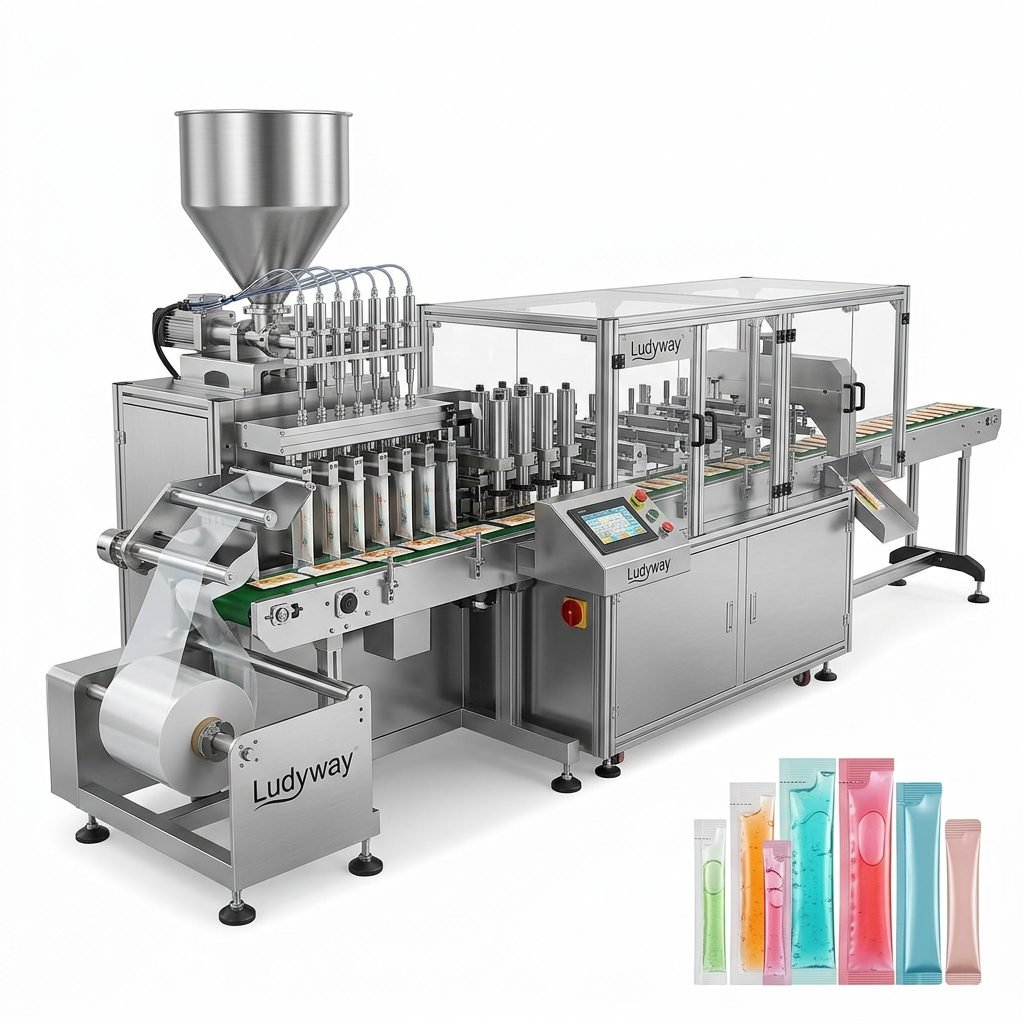
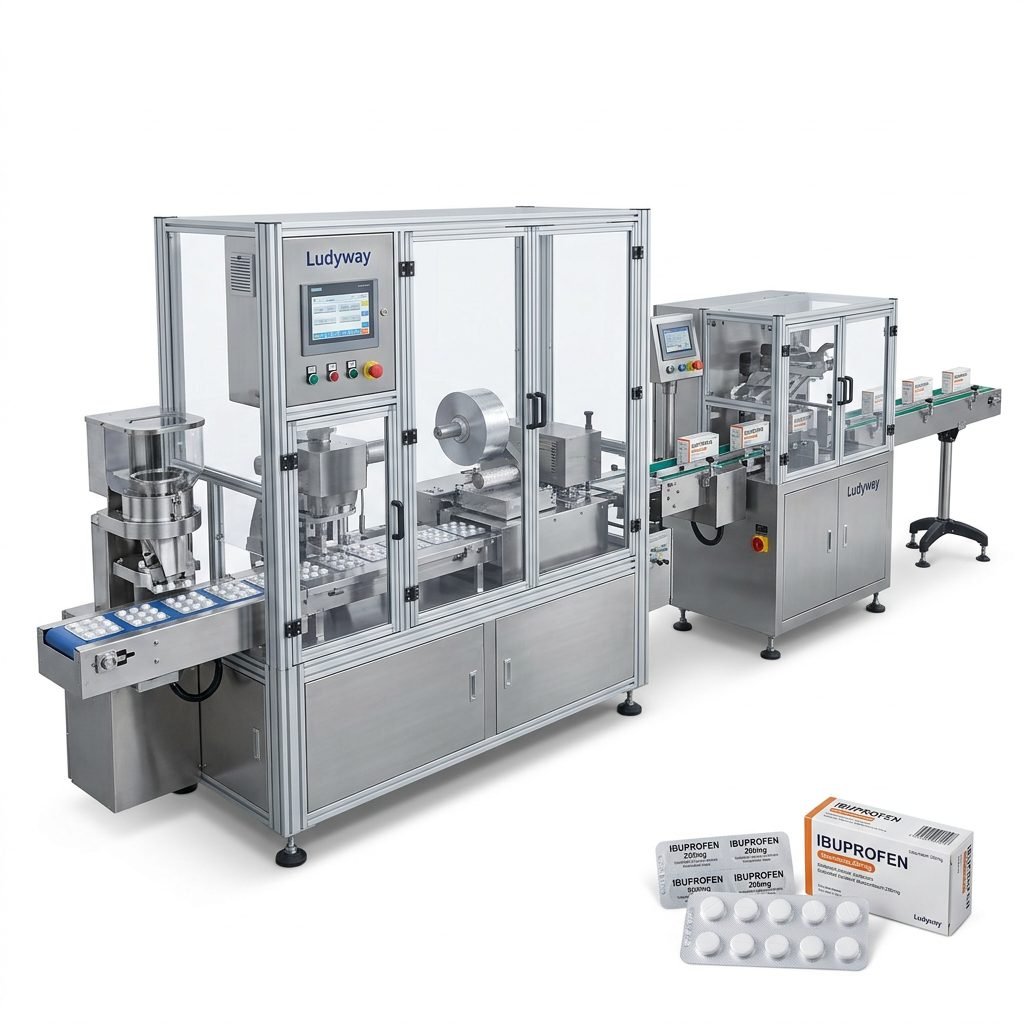
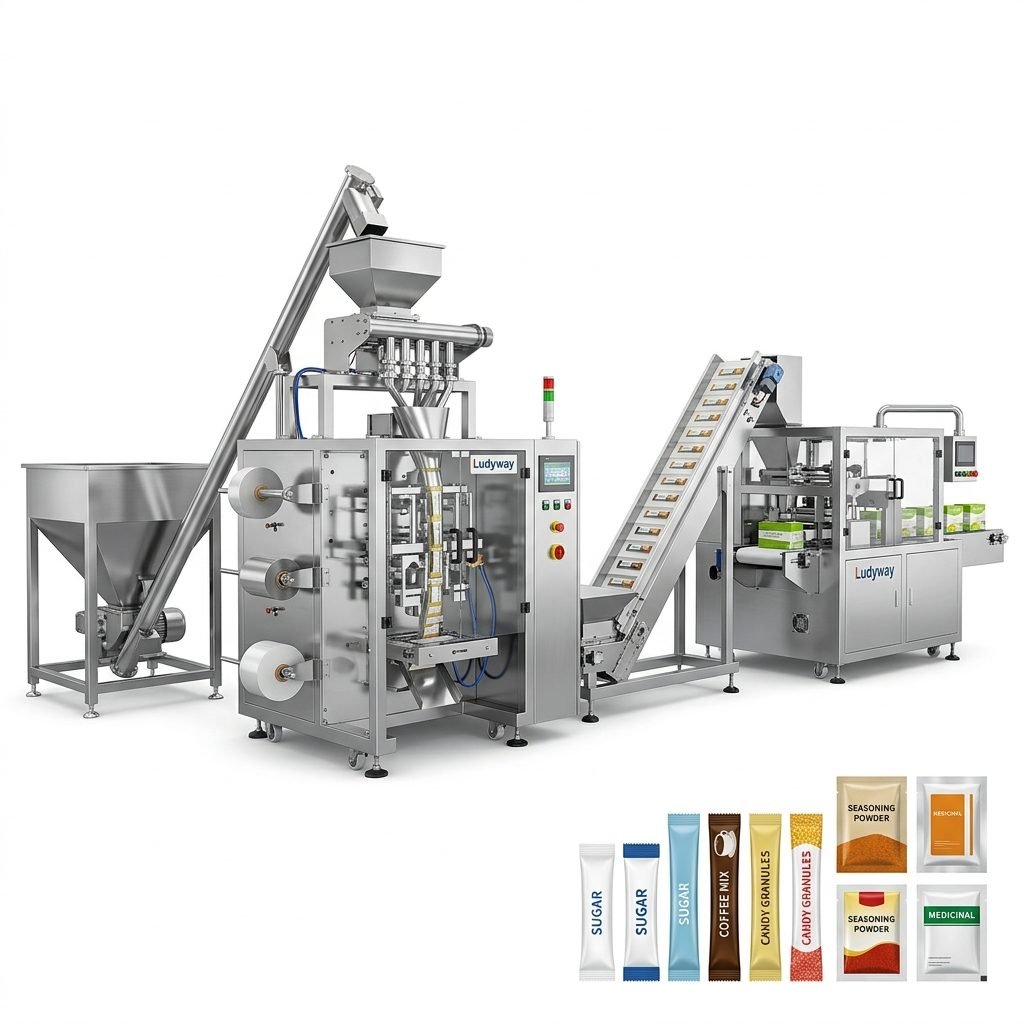
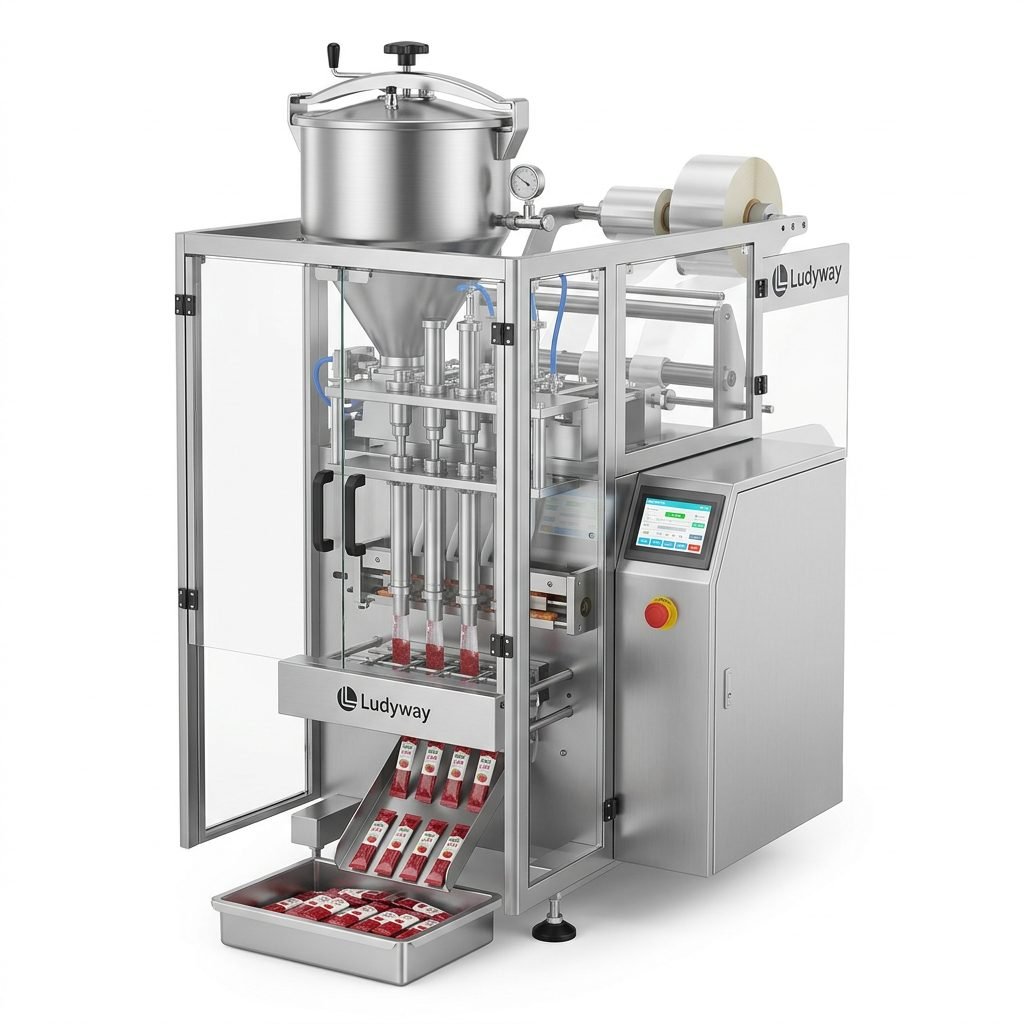
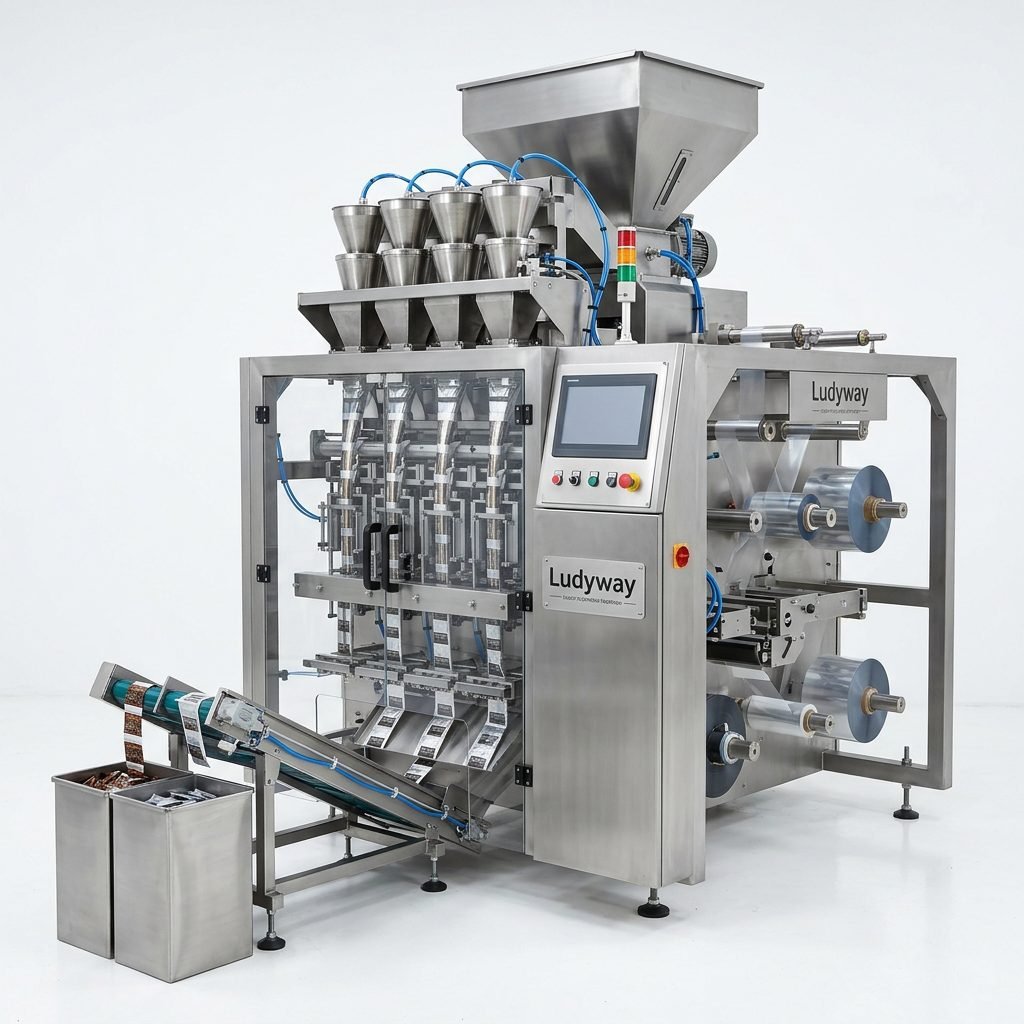
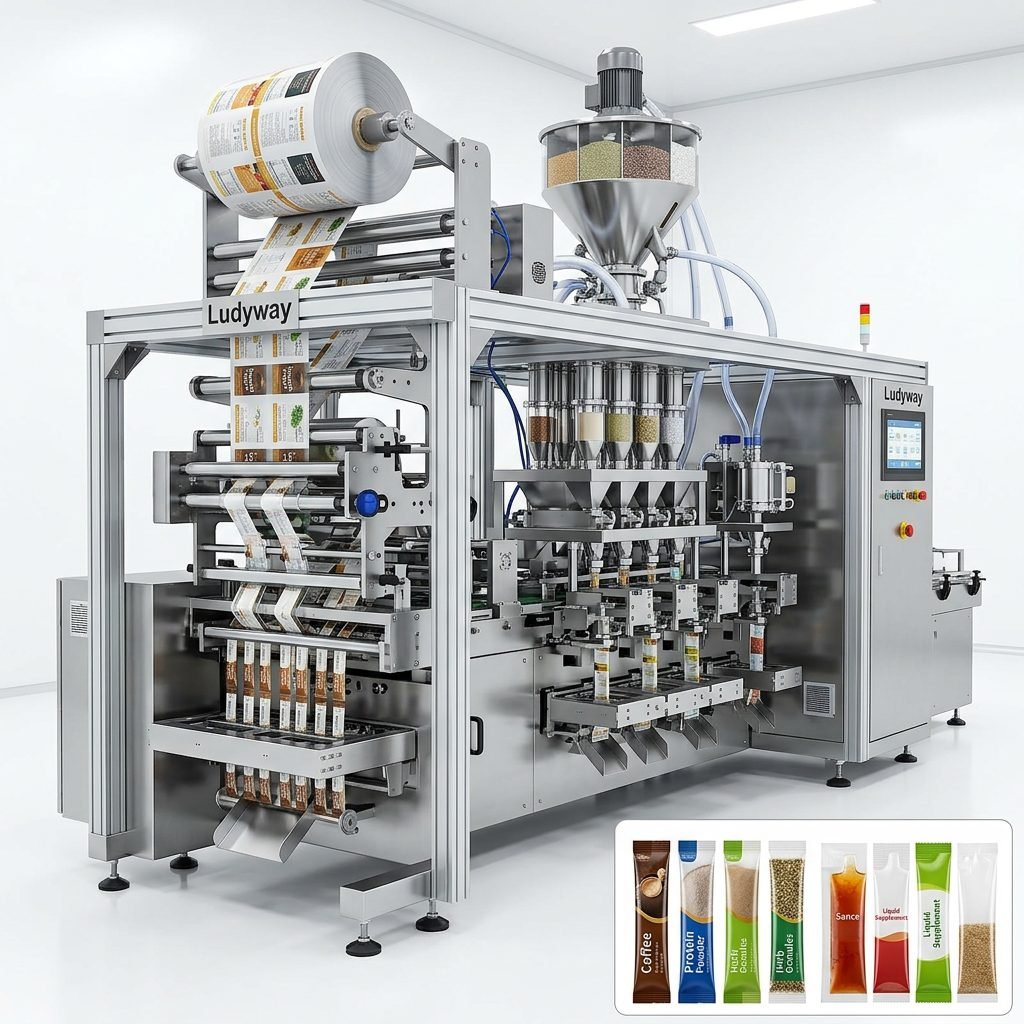
In high-volume poultry processing environments, the poultry packaging machine is the backbone of your production line. When it runs smoothly, orders ship on time and product integrity remains intact. When it doesn’t, downtime cascades into costly delays, compromised shelf life, and potential food safety risks. Implementing a structured maintenance routine is not optional—it is essential for reliable performance, extended equipment lifespan, and consistent pack quality.
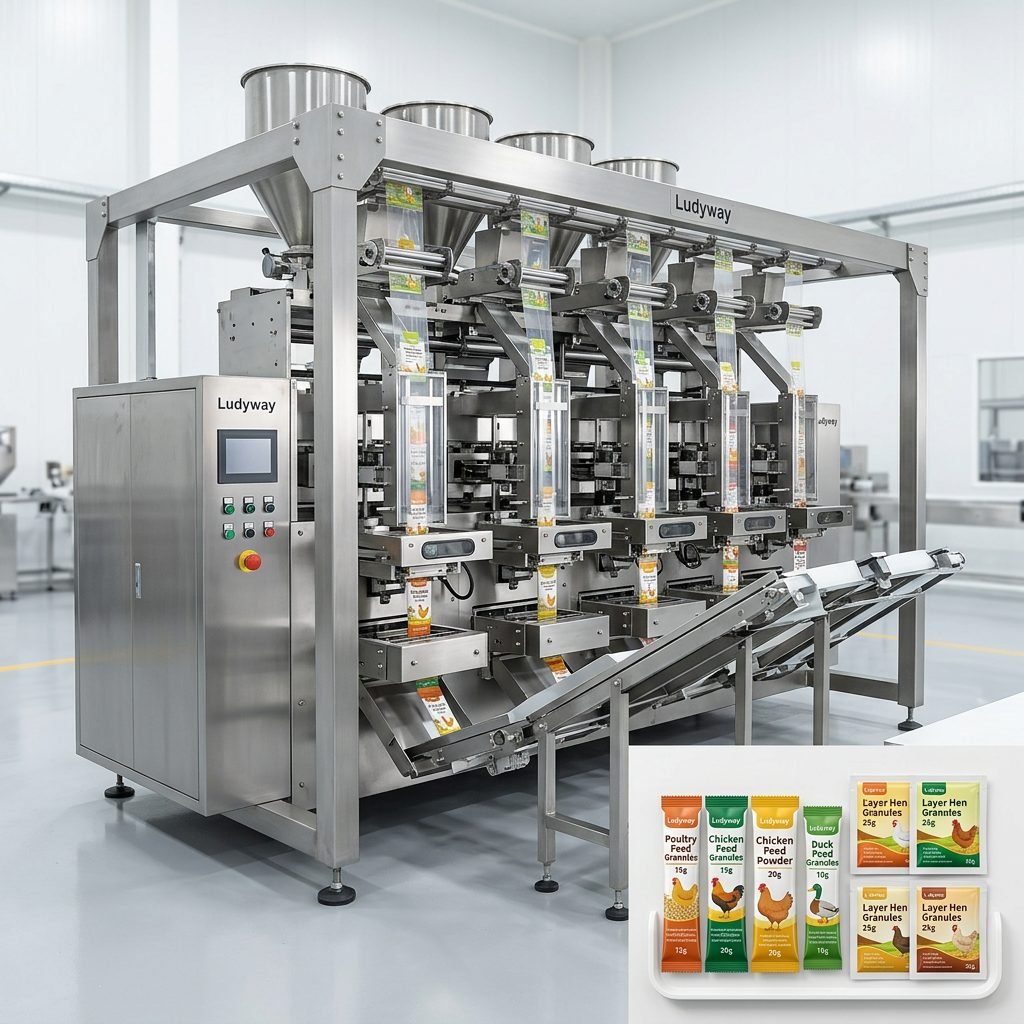
Daily Cleaning: Your First Line of Defense
Poultry processing generates a significant amount of dust, protein residue, and fat particles that can quickly accumulate on packaging equipment. Left unchecked, this buildup leads to sensor malfunctions, sealing inconsistencies, and bacterial growth that threatens food safety compliance.
- Remove loose debris from conveyor belts, sealing jaws, and forming tubes after every shift using compressed air or soft brushes.
- Wipe down all food-contact surfaces with approved food-grade sanitizers, paying special attention to weighing buckets and discharge chutes.
- Inspect film paths for residue accumulation that can cause film tracking errors and misaligned seals.
- Document daily cleaning activities in a logbook to maintain traceability for audit purposes.
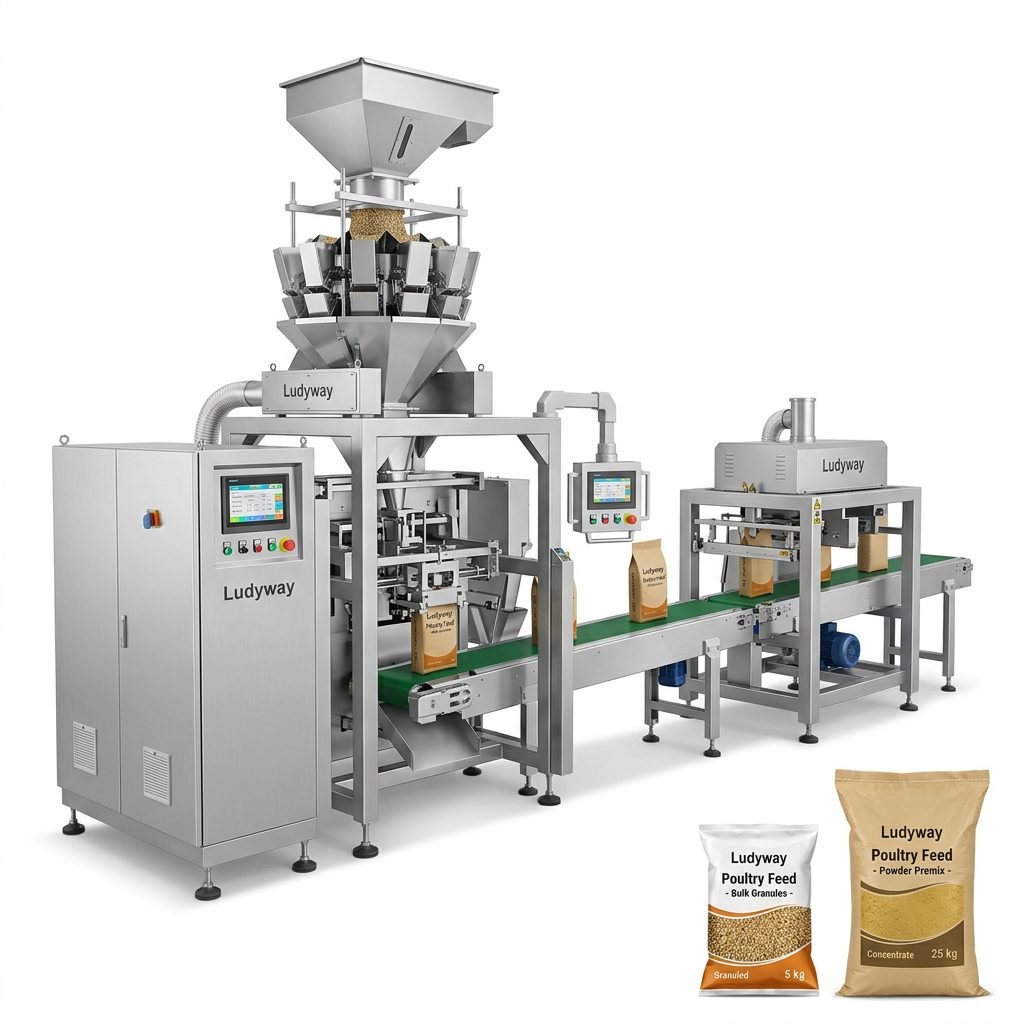
Lubrication: Protecting Moving Components
Friction is the silent enemy of any high-speed poultry packaging machine. Proper lubrication of mechanical assemblies prevents premature wear, reduces energy consumption, and maintains the precision required for accurate pouch forming and sealing. Neglecting this step often results in jerky movements that compromise fill accuracy.
- Use food-grade lubricants specifically rated for packaging machinery in protein processing environments.
- Lubricate bearings, chains, cam followers, and linear guides according to the manufacturer’s recommended intervals.
- Avoid over-greasing—excess lubricant attracts dust and can contaminate packaging materials.
- Check automatic lubrication systems weekly to ensure reservoirs are filled and delivery lines are unobstructed.
Inspection and Replacement of Wear Parts
Certain components on a pouch packaging line are designed to degrade gradually under normal operation. Proactive replacement before failure is far more cost-effective than emergency repairs during a production run. Establish a clear schedule for evaluating these critical items:
| Component | Inspection Frequency | Common Indicators |
|---|---|---|
| Sealing jaws & heating elements | Weekly | Uneven seal patterns, Teflon coating wear |
| Cutting blades & knives | Bi-weekly | Ragged pouch edges, incomplete cuts |
| Rubber rollers & belts | Monthly | Cracks, glazing, loss of traction |
| Pneumatic seals & gaskets | Quarterly | Air leaks, pressure drops, hissing sounds |
| Sensors & photo-eyes | Weekly | Intermittent errors, misalignment |
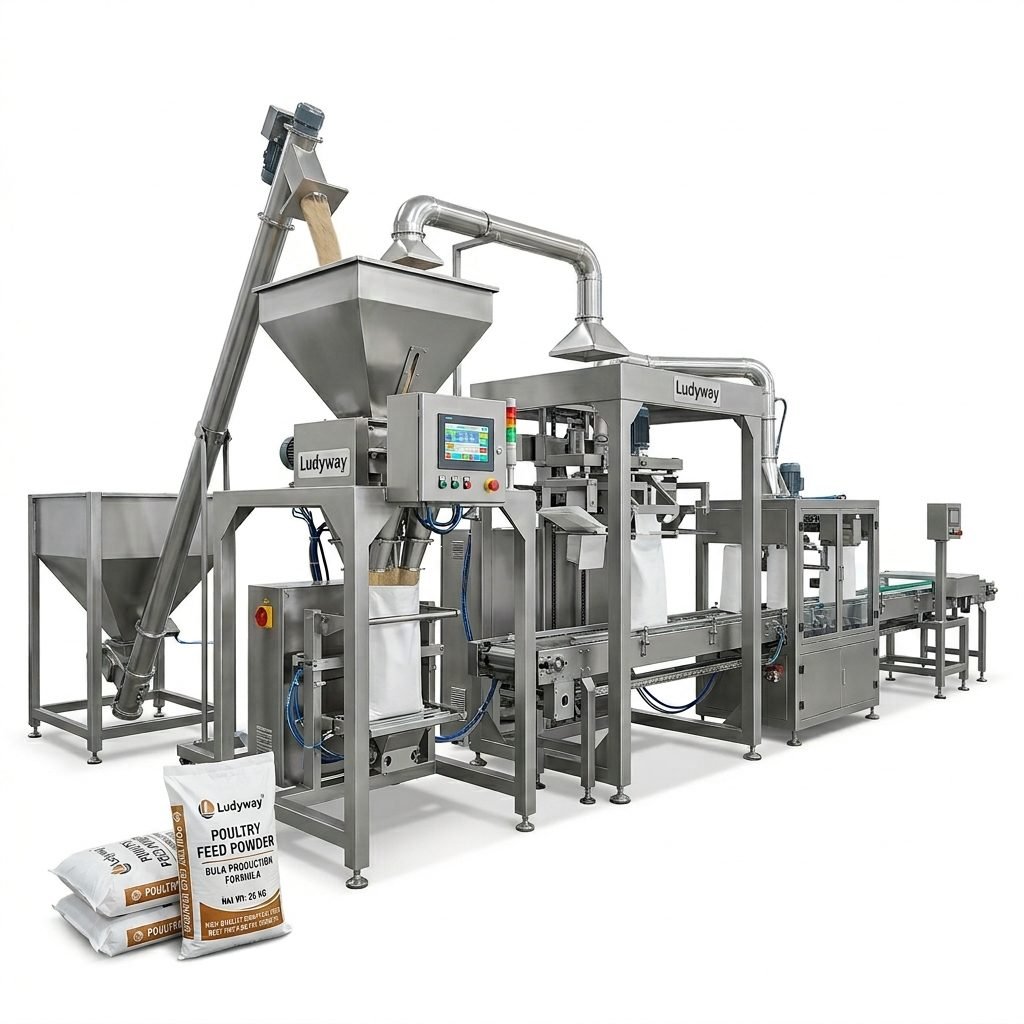
Calibration and Settings Verification
Over time, vibration and normal operation can cause settings to drift. A machine that was perfectly calibrated last month may now be producing pouches with inaccurate fill weights or inconsistent seal integrity. Regular verification of key parameters ensures your poultry packaging machine stays within specification.
- Weighing system calibration: Verify load cell accuracy using certified test weights at the start of each production batch.
- Temperature controller check: Confirm that sealing jaw temperatures match setpoints using an external thermocouple probe.
- Dwell time and pressure: Periodically measure actual sealing dwell time and jaw pressure against documented optimal values.
- Recalibrate after any significant maintenance event or component replacement.
Electrical System and Control Panel Maintenance
Modern packaging machines rely on complex electrical systems including PLCs, servo drives, and HMI interfaces. Dust ingress and loose connections are common culprits behind unexplained stoppages. A disciplined approach to electrical maintenance prevents these frustrating and hard-to-diagnose failures.
- Tighten all terminal connections quarterly—thermal cycling naturally loosens screws over time.
- Inspect cable harnesses for signs of wear, especially where wires pass through moving sections or near heat sources.
- Keep control cabinet doors sealed and cooling fans operational to prevent dust accumulation on sensitive components.
- Backup PLC and HMI programs regularly and store copies securely off-site.
Building a Preventive Maintenance Schedule
Ad hoc repairs are expensive and disruptive. A structured preventive maintenance plan transforms maintenance from a reactive cost center into a strategic advantage. Your schedule should address daily, weekly, monthly, and annual tasks with clearly assigned responsibilities.
- Daily: Clean product contact surfaces, inspect sealing quality, verify film alignment.
- Weekly: Lubricate moving parts, check sensor functionality, inspect belts and chains.
- Monthly: Full electrical inspection, calibration verification, wear part assessment.
- Annually: Comprehensive overhaul including gearbox oil changes, bearing replacement, and control system diagnostics.
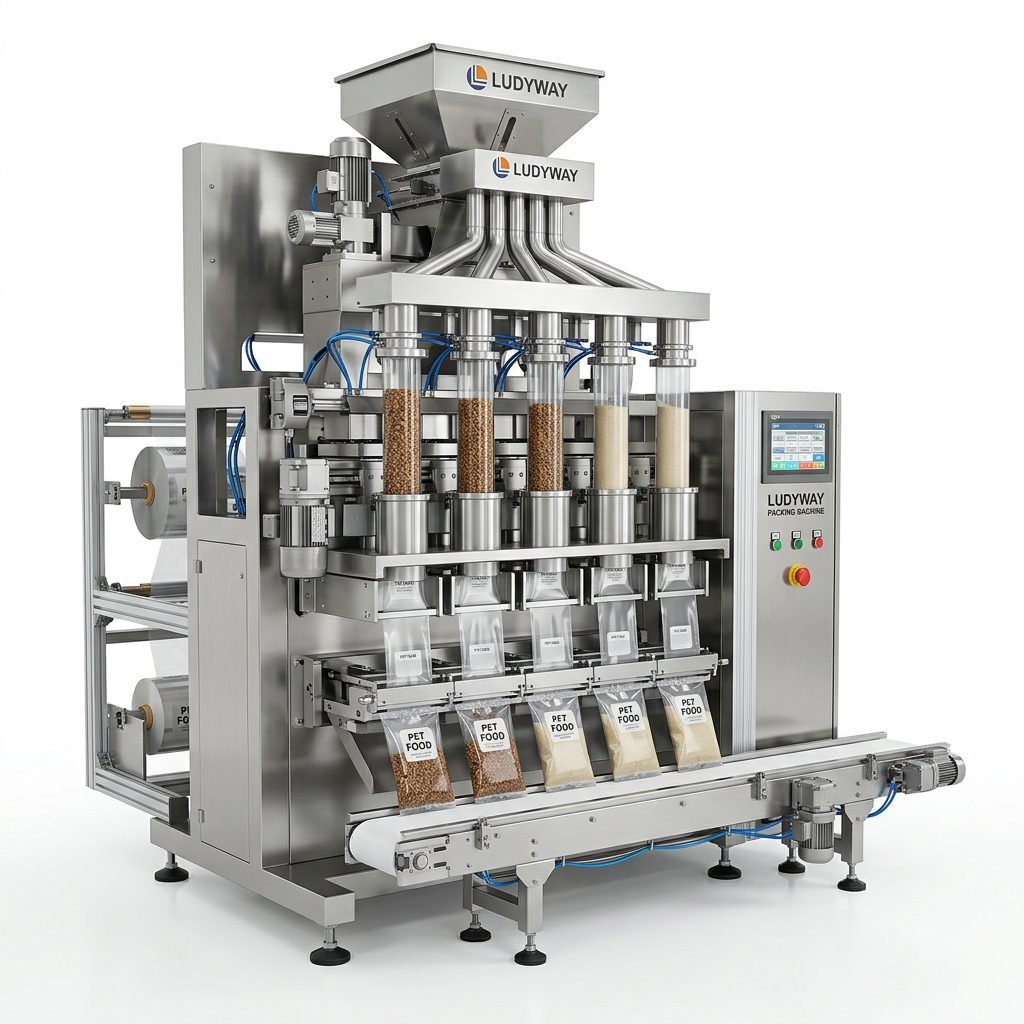
Partnering with a knowledgeable equipment manufacturer simplifies this process considerably. Ludyway provides detailed maintenance documentation, spare parts support, and technical guidance to keep packaging lines operating at peak efficiency. With a 20,000㎡ modern production facility and over 30 years of industry experience serving customers in more than 100 countries, reliable after-sales support is a cornerstone of every machine delivered.
Training Your Operators for Maintenance Awareness
Even the best maintenance program falls short without properly trained operators. The individuals running your poultry packaging machine every day are your first line of detection for emerging issues. Invest in their skills and they will repay you with reduced downtime and fewer catastrophic failures.
- Train operators to recognize abnormal sounds, vibrations, and visual indicators that signal developing problems.
- Empower them to perform basic maintenance tasks such as cleaning, inspection, and minor adjustments independently.
- Maintain a clear escalation protocol so operators know exactly when to call maintenance personnel versus when to stop the line.
- Conduct refresher training sessions at least twice per year to reinforce best practices and introduce updated procedures.
Spare Parts Inventory Management
Nothing prolongs downtime more than discovering that a critical replacement part is not in stock. A well-organized spare parts strategy ensures that common wear items and essential components are always available when needed, minimizing the impact of unexpected breakdowns.
- Maintain an inventory of high-failure-rate consumables including sealing bands, Teflon tape, filters, and drive belts.
- Store critical electronic components such as temperature controllers, relays, and sensor modules in a clean, dry environment.
- Label all spare parts clearly with part numbers and corresponding machine model information.
- Review inventory levels quarterly to adjust based on actual consumption patterns and lead times.
Documentation and Record Keeping
Comprehensive maintenance records serve multiple purposes—they demonstrate compliance during food safety audits, reveal patterns that help predict failures, and provide valuable history when troubleshooting complex issues. Treat documentation as an integral part of your maintenance program, not an afterthought.
- Log every maintenance activity including date, technician name, tasks performed, and parts replaced.
- Track mean time between failures (MTBF) for key components to optimize replacement intervals.
- Digitize records where possible to enable easy searching and trend analysis across multiple machines or facilities.
A disciplined maintenance program protects your investment, ensures consistent packaging quality, and keeps your poultry processing operation running around the clock. Whether you are managing a single machine or an entire packaging hall, these essential tips form the foundation of reliable, long-term performance.
Industry Resources for Packaging Professionals
For additional guidance on packaging machinery standards, maintenance best practices, and industry trends, explore these authoritative resources:
- PMMI – The Association for Packaging and Processing Technologies
- PMMI – Packaging Industry Business Intelligence
- 2025 State of the Industry Report – Packaging Machinery Trends
- Flexible Packaging Association – Industry Resources and Standards
- FDA – Food Packaging and Food Contact Substances Guidelines
- Ludyway Packaging Machinery Global Growth Analysis