Investing in a snacks packing machine is a critical decision that directly affects your production efficiency, product quality, and long-term profitability. With so many equipment types, configurations, and suppliers available, choosing the right machine requires a systematic evaluation of your product characteristics, packaging format, production goals, and operational requirements. This guide walks you through every key factor to consider before making your purchase.
Understand Your Snack Product Characteristics
Different snacks present different packaging challenges. Before evaluating machines, you need to analyze your product’s physical properties:
- Granule snacks — potato chips, nuts, popcorn, puffed snacks, cereal mixes
- Powder snacks — seasoning powders, protein snack mixes, cheese powders
- Sticky or fragile products — dried fruits, coated snacks, delicate chips
- Multi-component snacks — trail mixes, assorted nut blends, mixed grain snacks
Your product’s flowability, bulk density, moisture content, and fragility will directly influence the type of feeding system, dosing mechanism, and sealing technology required. For example, fragile potato chips need gentle handling and minimal drop height, while sticky dried fruits may require special hopper coatings and agitation systems to prevent bridging.
Define Your Packaging Format and Bag Style
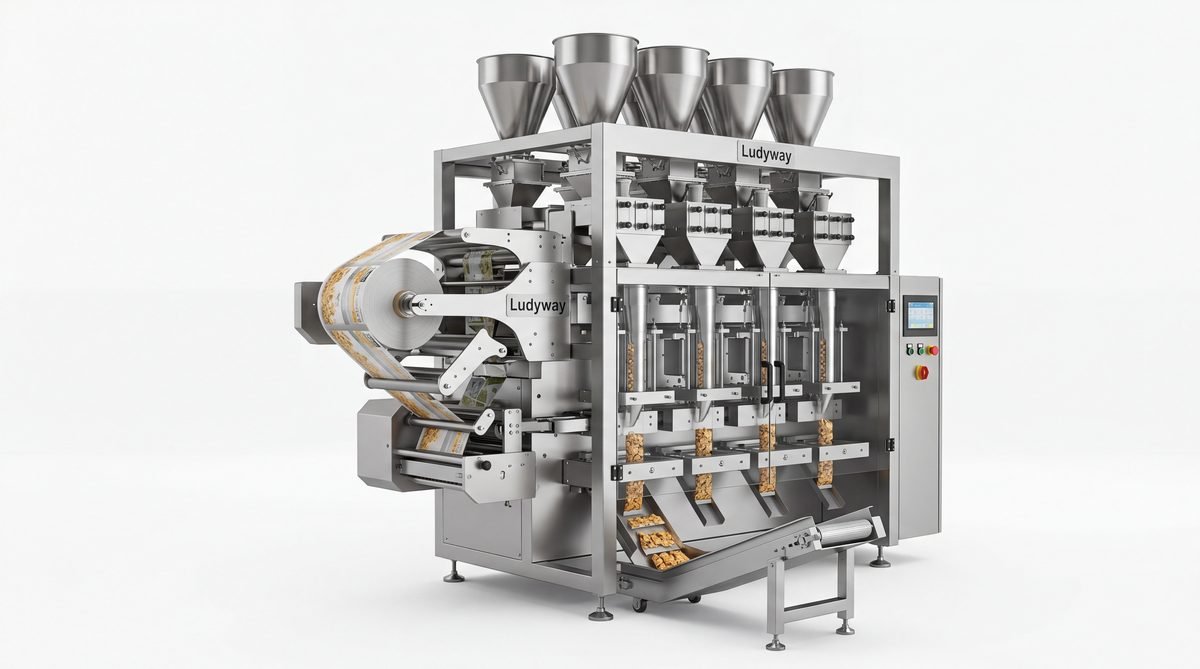
Snack products are packaged in a variety of formats, and your machine must be configured to produce your specific bag type:
- Pillow bags — the most common format for chips and puffed snacks
- Gusseted bags — provide stand-up capability for retail shelf presentation
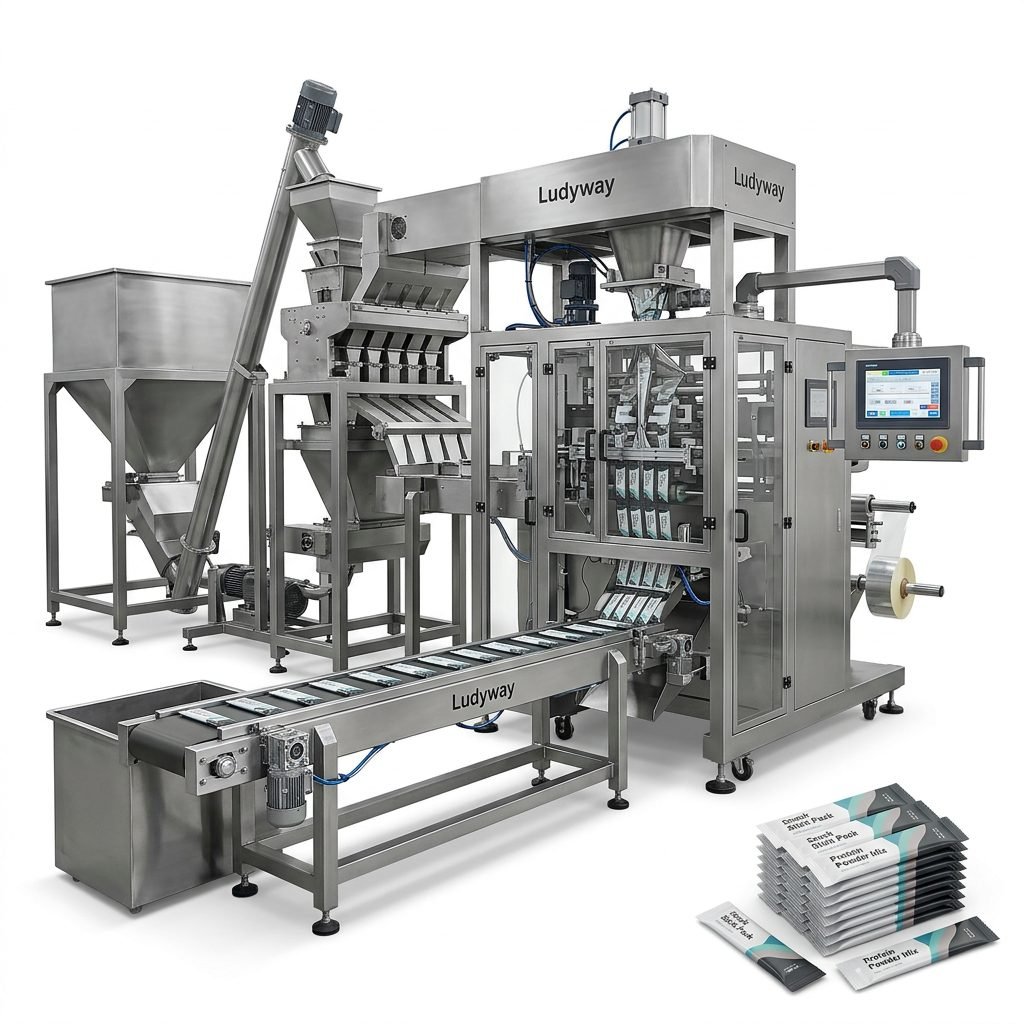
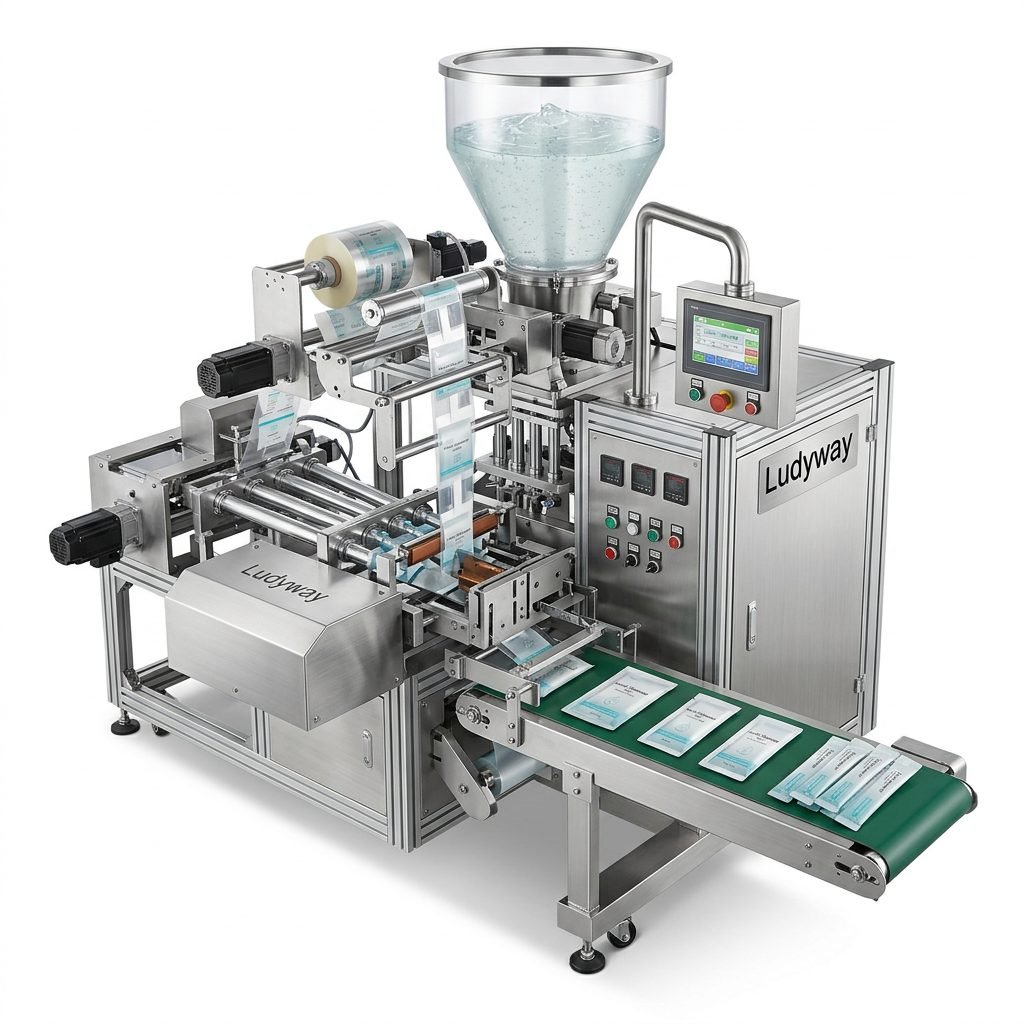
- Stick packs — ideal for single-serve snack portions and on-the-go consumption
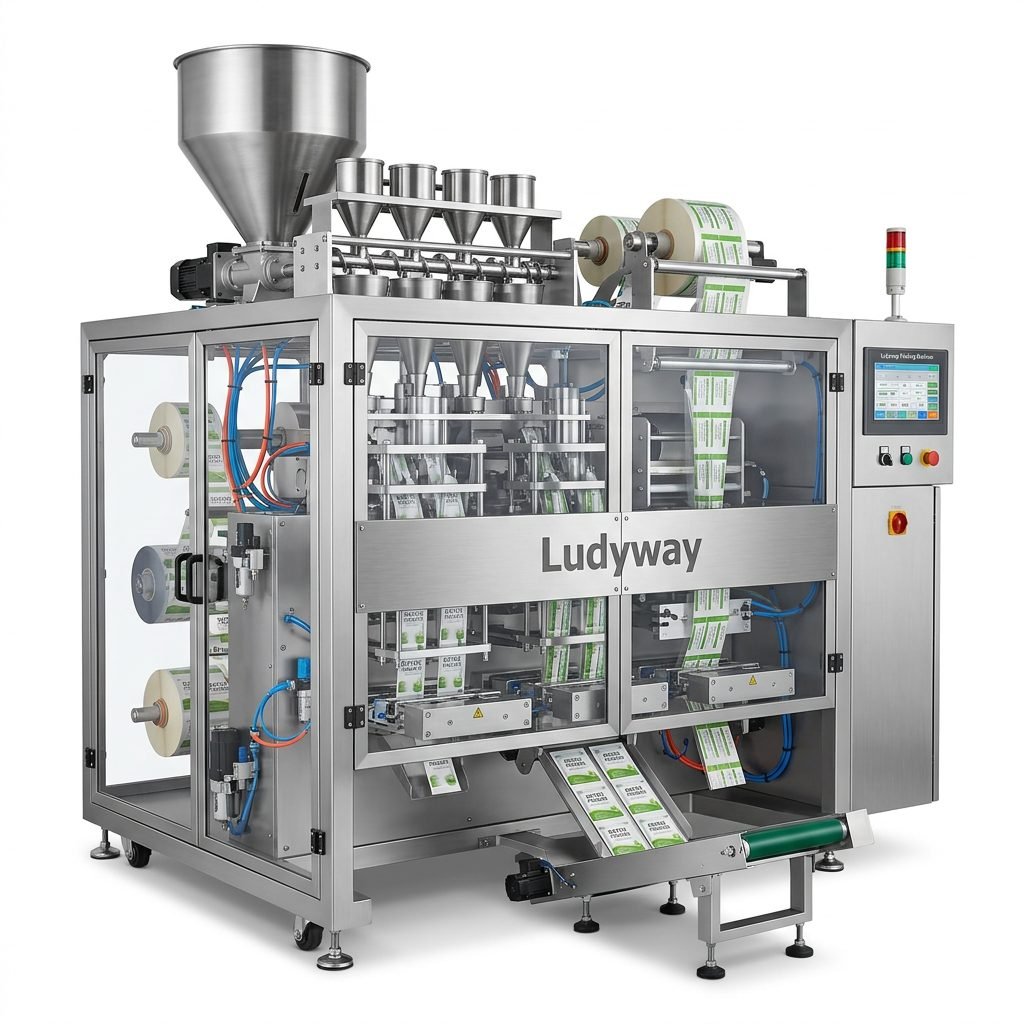
- Sachets — compact format for seasoning powders and small snack samples
- Quad-seal or flat-bottom bags — premium shelf appeal for specialty snacks
Your choice of bag style affects the forming collar design, sealing jaw configuration, and film tracking system required on the machine. Make sure the equipment supplier can demonstrate experience with your specific bag format.
Evaluate Packaging Material Compatibility
Modern snack packaging uses a wide range of flexible materials, each with different sealing characteristics:
- Laminated films (OPP/CPP, PET/PE, BOPP/MCPP)
- Metalized films for moisture and oxygen barrier
- Kraft paper laminates for natural product positioning
- Biodegradable and compostable films
- Aluminum foil laminates for extended shelf life
Your packaging machinery must have precise temperature control, adjustable sealing pressure, and appropriate dwell time settings to create consistent, leak-proof seals across different film types. Machines equipped with PID temperature controllers and servo-driven sealing mechanisms offer superior seal integrity for high-barrier films.
Determine Production Speed and Capacity Requirements
Production speed is measured in bags per minute (BPM) and directly impacts your return on investment. Consider both your current and projected production volumes:
- Entry-level machines: 30–60 BPM, suitable for small to medium producers
- Mid-range machines: 60–120 BPM, for growing brands and contract packers
- High-speed multi-lane machines: 200–800+ BPM, for large-scale snack manufacturers
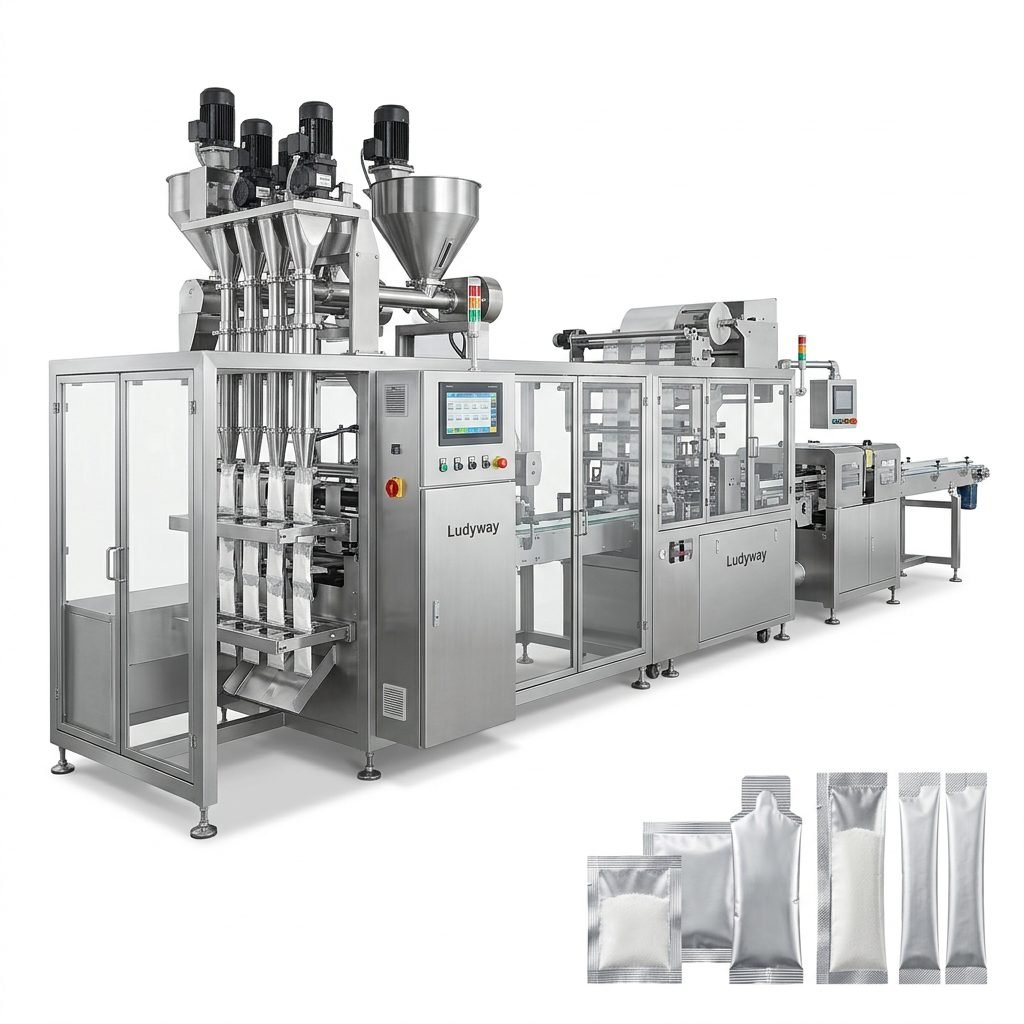
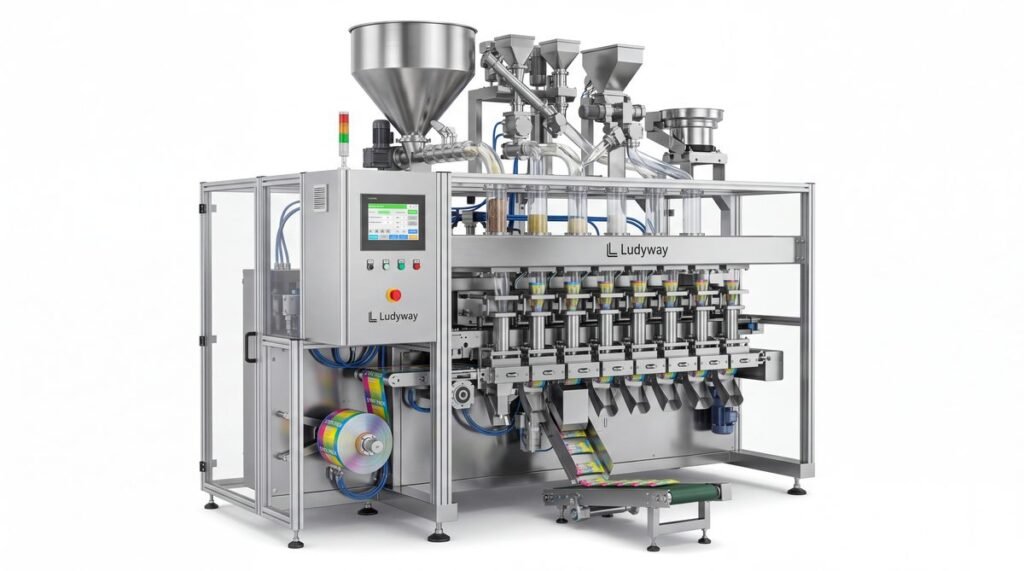
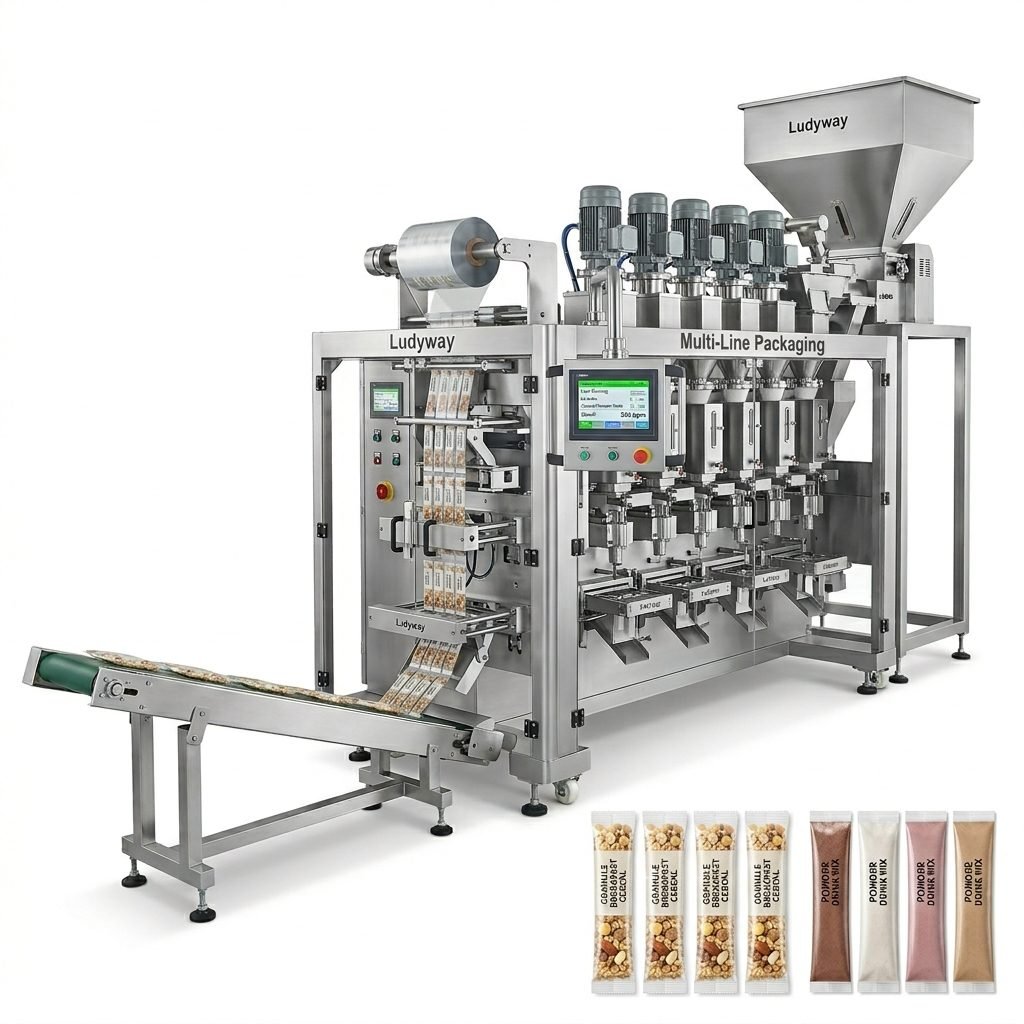
Multi-lane stick pack and sachet systems can multiply throughput by running several lanes simultaneously, making them ideal for high-volume single-serve snack packaging. When evaluating speed claims, always confirm whether the stated speed is achievable with your specific product and film combination.
Compare Machine Types: A Detailed Overview
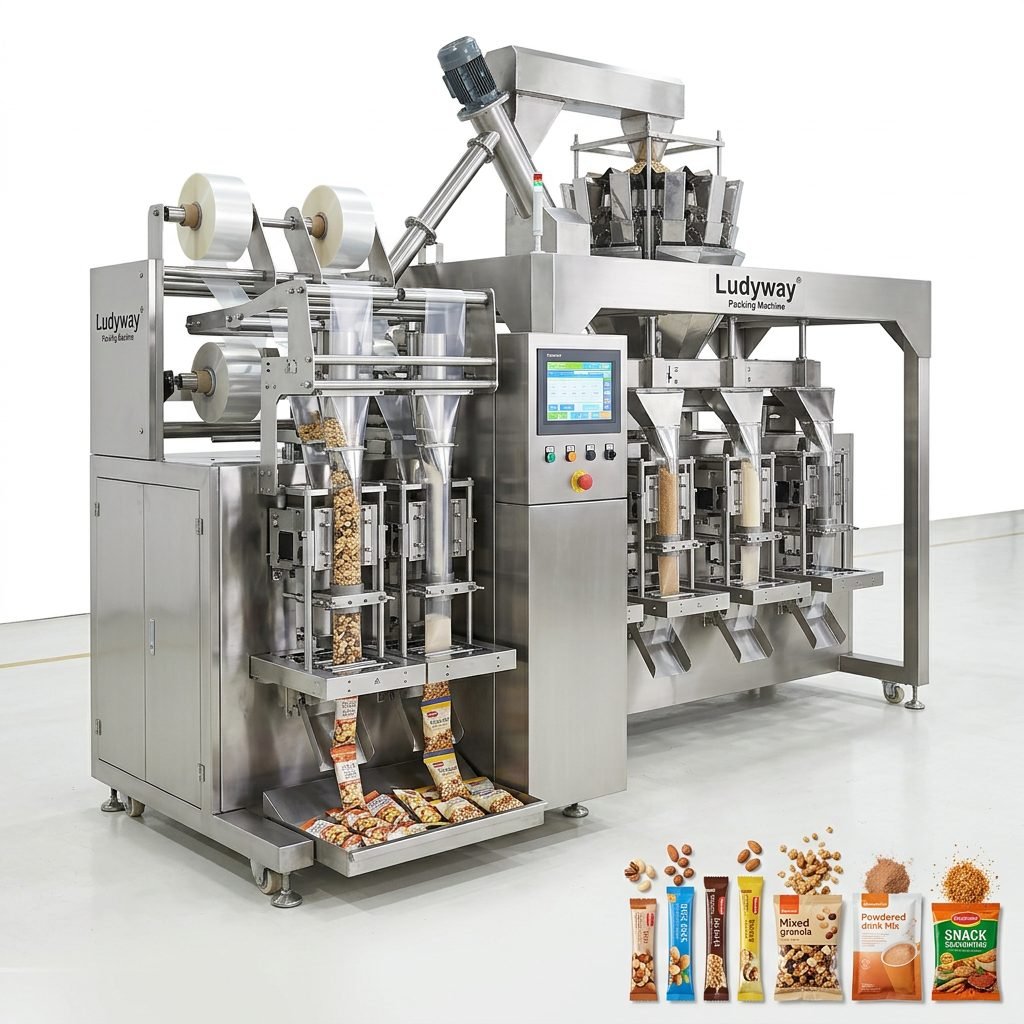
Different snack applications require different machine configurations. The table below compares the most common types:
| Machine Type | Best For | Typical Speed | Key Advantages |
|---|---|---|---|
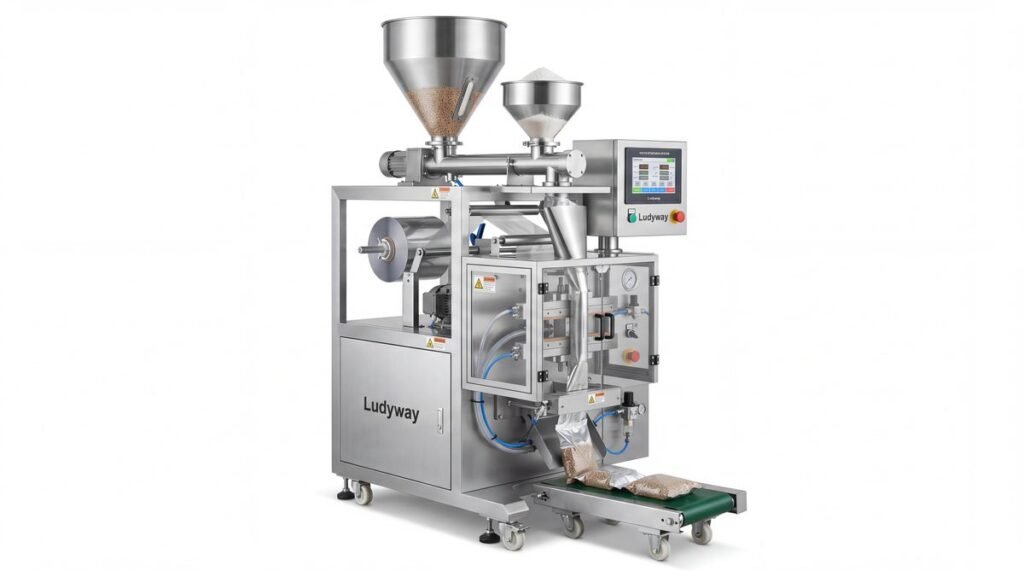
| Vertical Form Fill Seal (VFFS) | Chips, puffed snacks, nuts, granola | 40–150 BPM | Compact footprint, versatile bag formats, cost-effective |
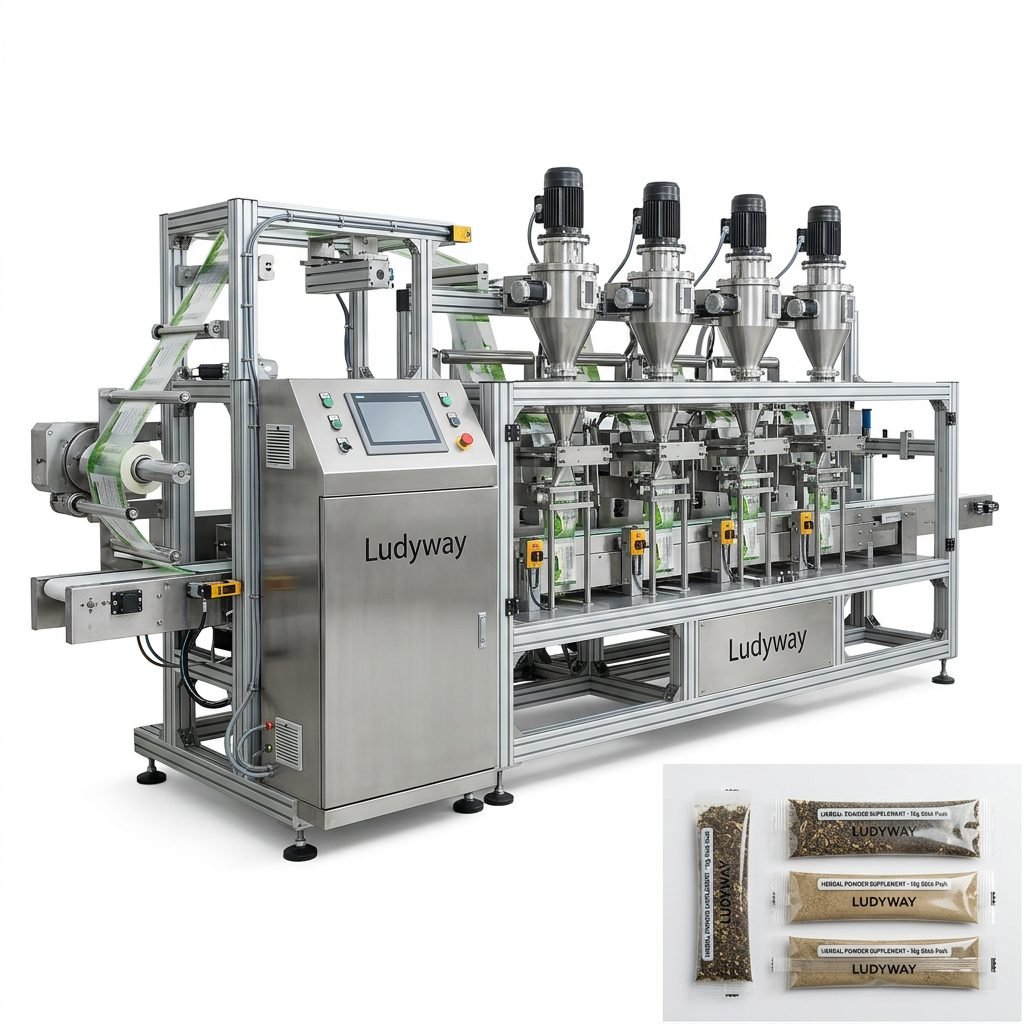
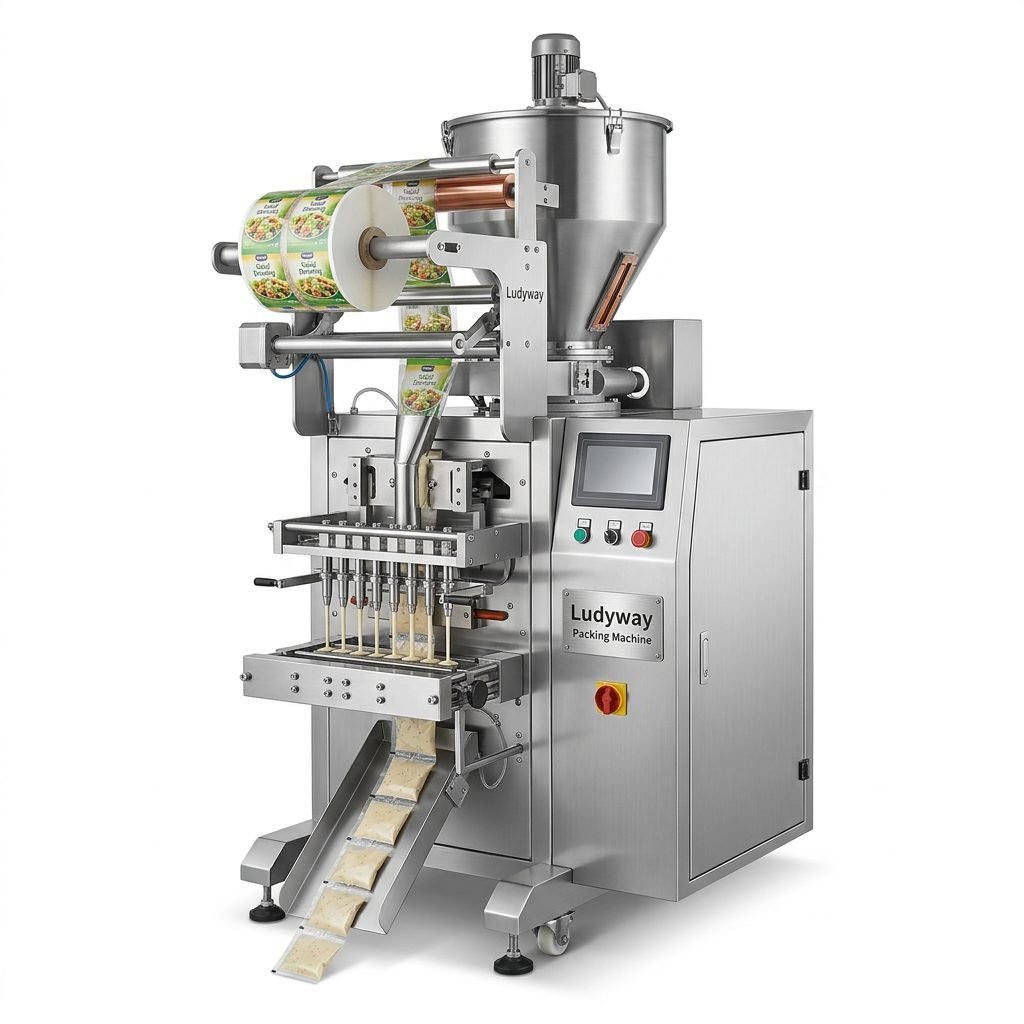
| Multi-Lane Stick Pack | Single-serve snack portions, seasoning powders | 200–800+ BPM | Extremely high output, precise portion control, minimal film waste |
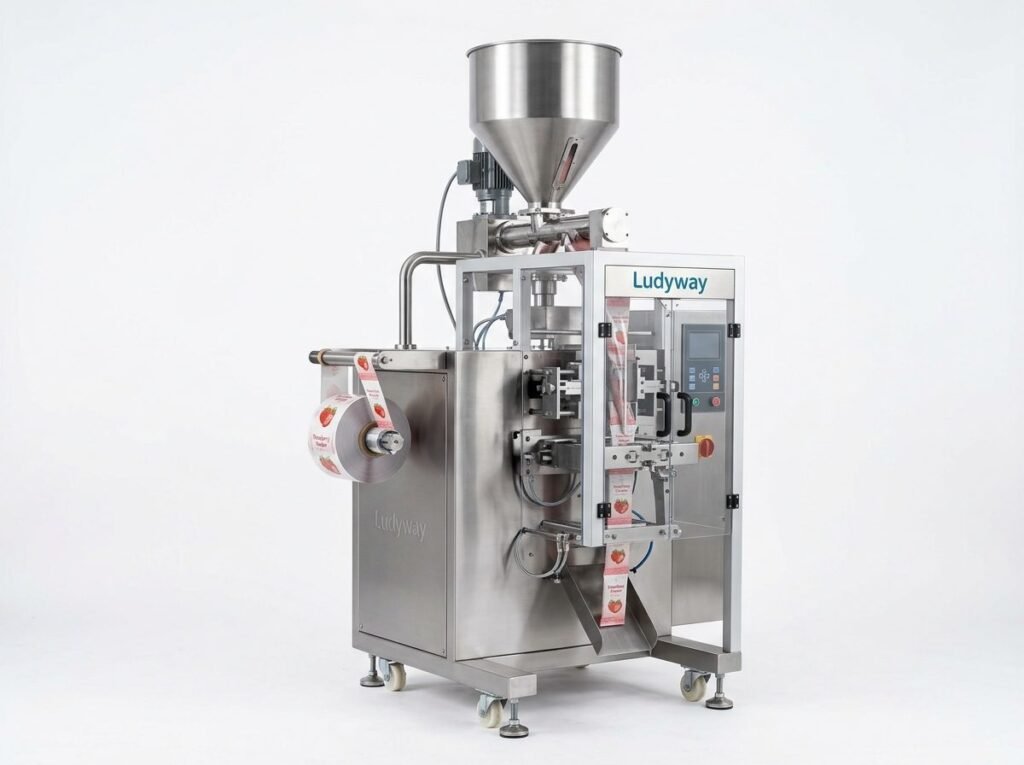
| Rotary Premade Pouch Machine | Premium snacks, gusseted bags, resealable pouches | 30–80 BPM | Superior seal quality, handles complex bag designs, flexible changeover |
| Horizontal Flow Wrapper | Bars, bakery snacks, individually wrapped items | 60–200 BPM | Gentle product handling, ideal for fragile items, inline feeding options |
Key Features and Automation Capabilities
Modern snacks packing machines offer a range of automation features that improve efficiency, reduce labor, and enhance product quality:
Servo-Driven Motion Control
Servo motors on the film feeding, sealing, and cutting stations provide precise control and rapid changeover between bag sizes. This technology eliminates the need for mechanical adjustments and reduces setup time significantly.
Automated Feeding and Dosing Systems
Depending on your product, you may need:
- Multi-head weighers — for high-accuracy weighing of granule snacks like nuts and trail mixes
- Volumetric cup fillers — for consistent portioning of puffed snacks and popcorn
- Auger fillers — for powder-based snack seasonings and coatings
- Vibratory feeding systems — for sticky or irregularly shaped snack pieces
Gas Flushing and Modified Atmosphere Packaging
For snacks requiring extended shelf life, nitrogen flushing or vacuum packaging capabilities help preserve freshness, prevent oxidation, and protect fragile products during distribution.
Inline Quality Control Integration
Advanced systems can incorporate checkweighers, metal detectors, seal inspection systems, and vision inspection cameras to ensure every package meets quality standards before leaving the production line.
Evaluate the Supplier and After-Sales Support
The reliability of your equipment supplier is as important as the machine itself. When evaluating potential partners, consider the following factors:
- Manufacturing experience — how many years has the company been producing packaging equipment?
- Industry-specific expertise — do they have proven installations in the snack food sector?
- Technical support availability — can they provide remote assistance, on-site service, and operator training?
- Spare parts inventory — do they maintain readily available replacement parts for critical components?
- International certifications — does their equipment meet CE, UL, or other applicable standards for your market?
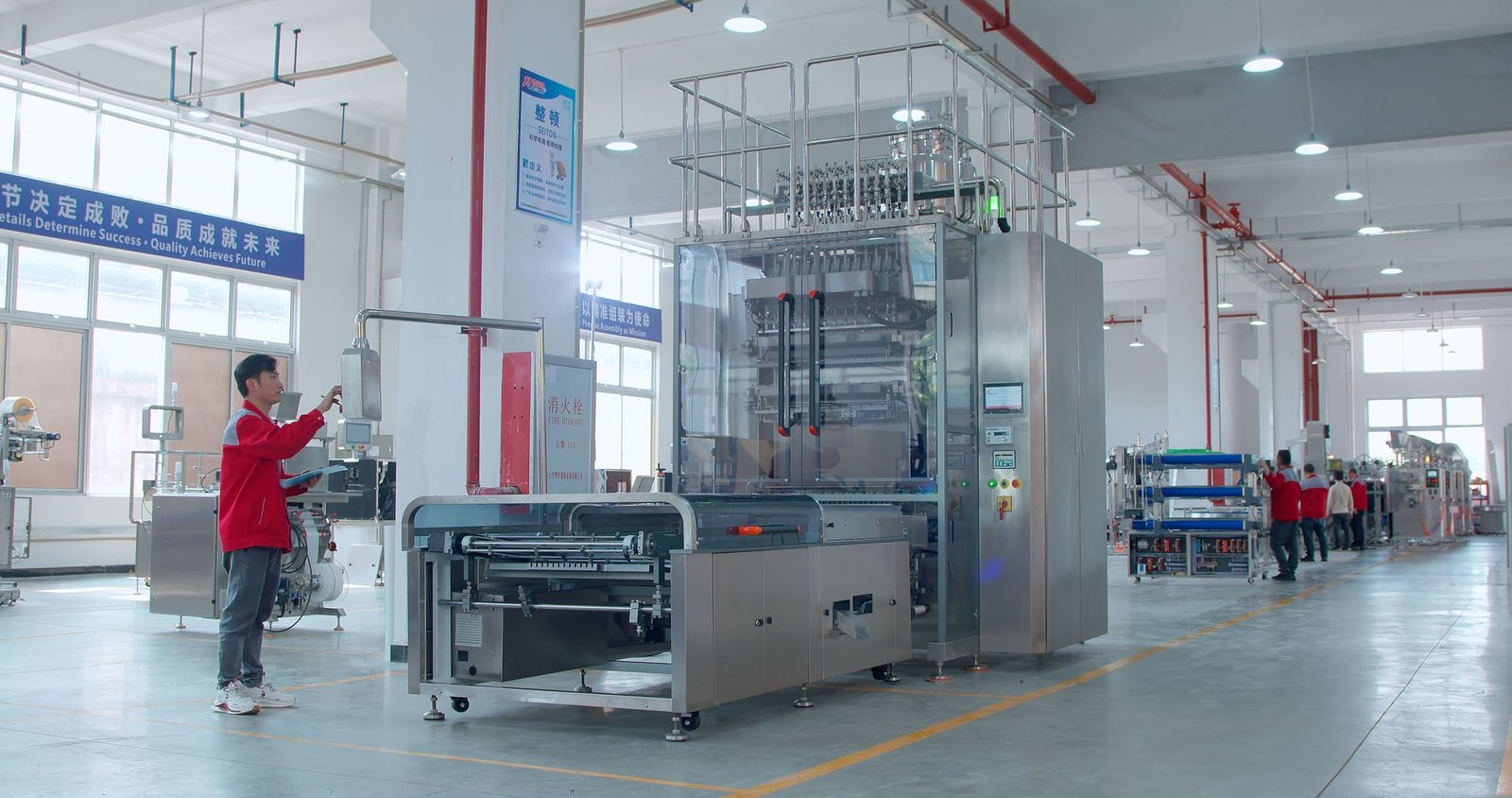
Companies like Ludyway Machinery, a China-based packaging machinery manufacturer with over 30 years of experience and a 20,000-square-meter manufacturing facility, provide integrated packaging solutions that cover equipment selection, system integration, customization, installation, commissioning, and ongoing technical support. Working with a supplier that offers comprehensive project lifecycle support can significantly reduce your operational risk.
Budget Considerations and Total Cost of Ownership
The purchase price of a snacks packing machine is only one part of the total investment. A comprehensive cost analysis should include:
- Initial equipment cost — machine, feeding systems, and ancillary equipment
- Installation and commissioning — including factory preparation and operator training
- Packaging material costs — film utilization rates and waste percentages vary by machine design
- Maintenance and spare parts — budget for preventive maintenance and wear components
- Energy consumption — servo-driven machines typically offer lower operating costs
- Labor requirements — automated systems reduce ongoing staffing needs
While entry-level machines may have lower upfront costs, investing in higher-quality equipment with better automation often delivers stronger long-term value through increased uptime, consistent output, and reduced waste.
Regulatory Compliance and Industry Standards
Snack packaging equipment must comply with food safety regulations in your target markets. Key considerations include:
- Food-grade contact materials (stainless steel construction, FDA-approved seals and gaskets)
- Clean-in-place (CIP) and sanitary design features for easy cleaning
- Compliance with FDA food packaging regulations for the U.S. market
- CE marking requirements for European markets
- ISO standards for packaging machinery quality and safety
According to industry data from the PMMI Business Intelligence Library, the global packaging machinery market continues to grow, with flexible packaging and automated systems driving the majority of new investments. The Flexible Packaging Association regularly publishes resources on industry trends, material innovations, and sustainability practices that affect snack packaging decisions.
Making the Final Decision
Choosing the right snacks packing machine requires balancing multiple factors: product compatibility, packaging format, production capacity, automation level, budget, and supplier reliability. The best approach is to:
- Define your product and packaging specifications in detail before contacting suppliers
- Request sample packaging runs using your actual product and film materials
- Visit supplier facilities or arrange virtual factory tours to assess manufacturing capabilities
- Speak with existing customers about their real-world experience with the equipment
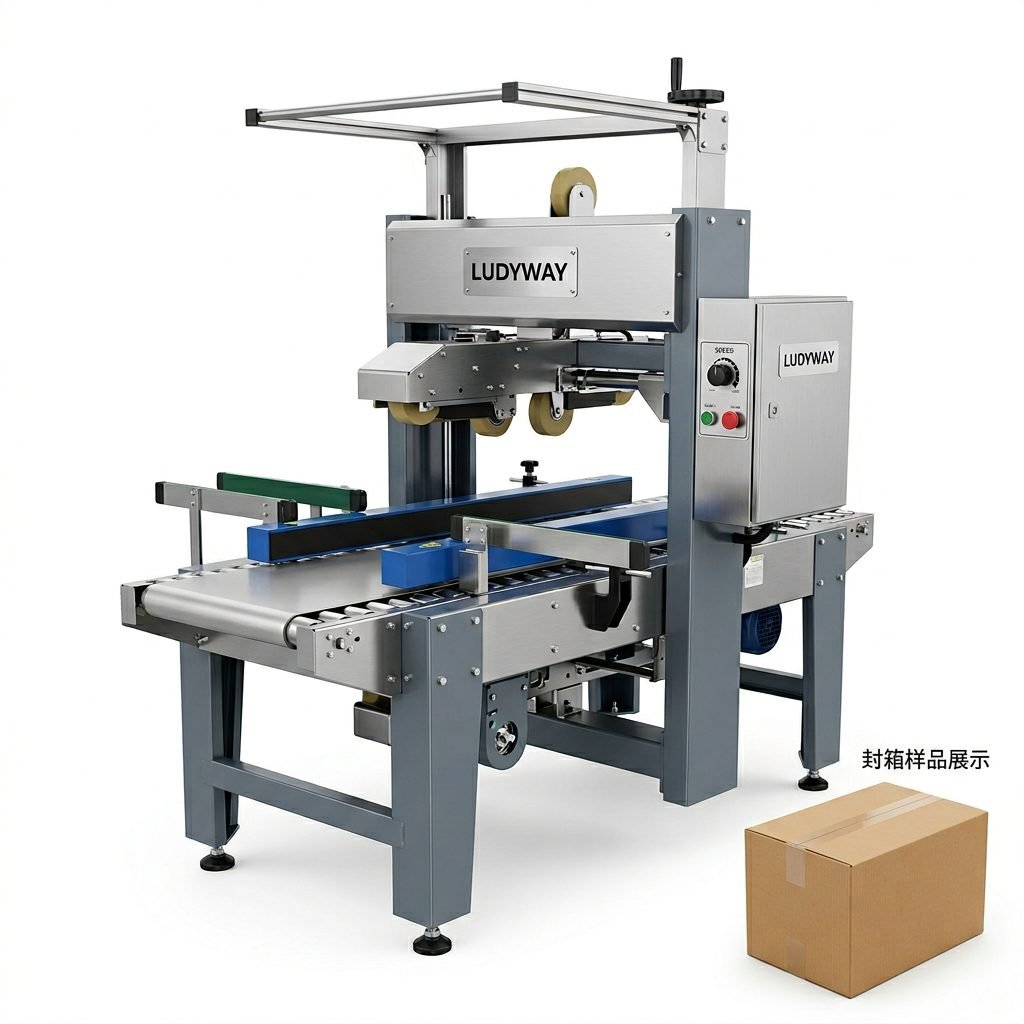
- Evaluate the complete production line, including feeding, packaging, coding, inspection, and secondary packaging
- Confirm after-sales support terms including warranty period, response times, and spare parts availability
By following a structured evaluation process and partnering with an experienced packaging machinery manufacturer, you can select equipment that meets your current needs while supporting your future growth in the competitive snack food market.