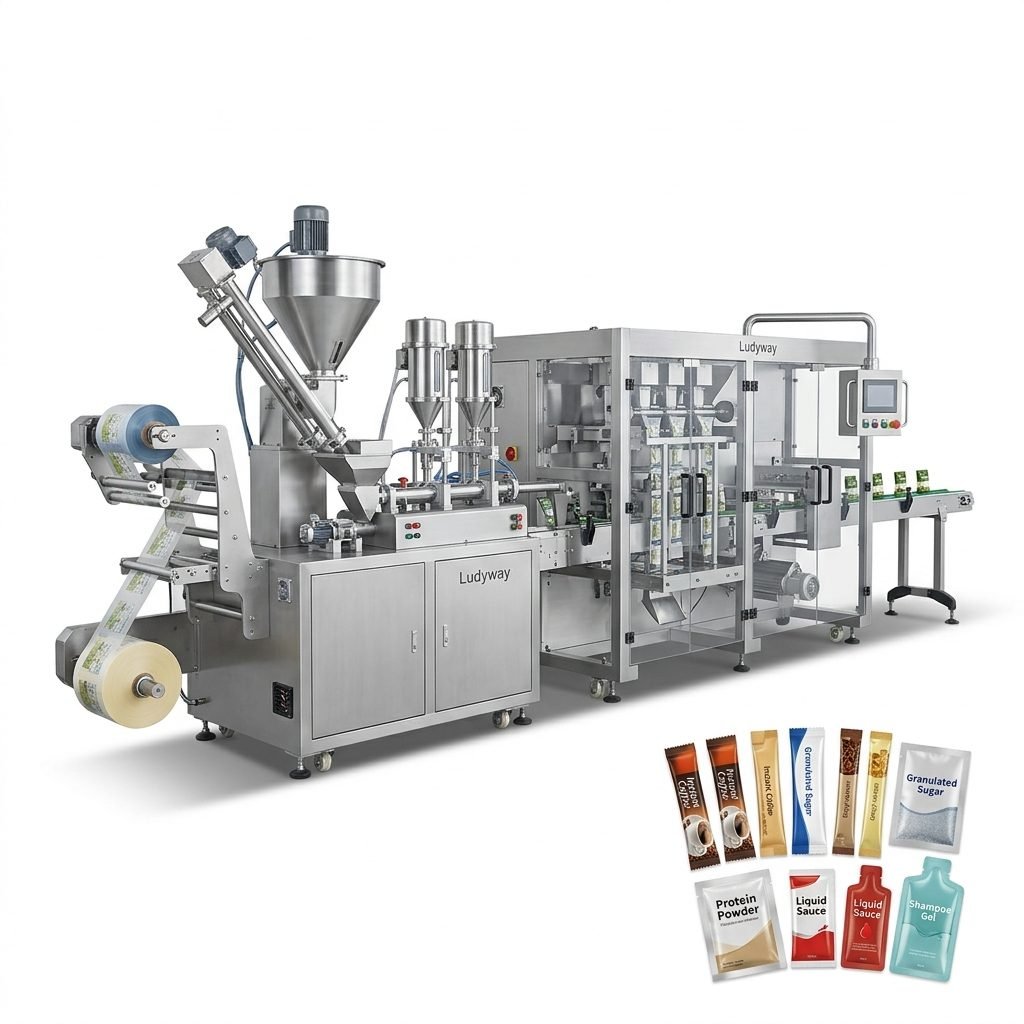
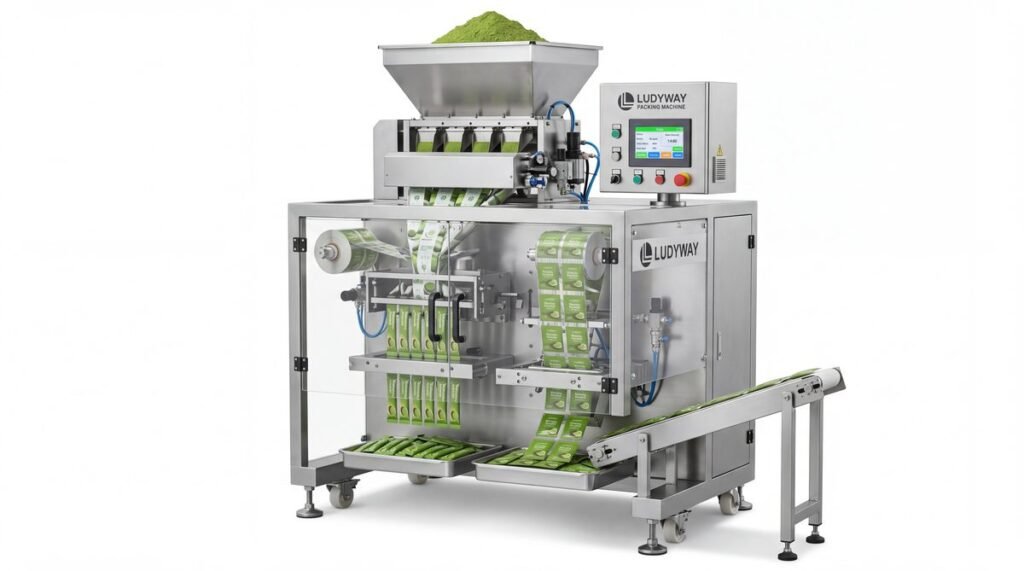
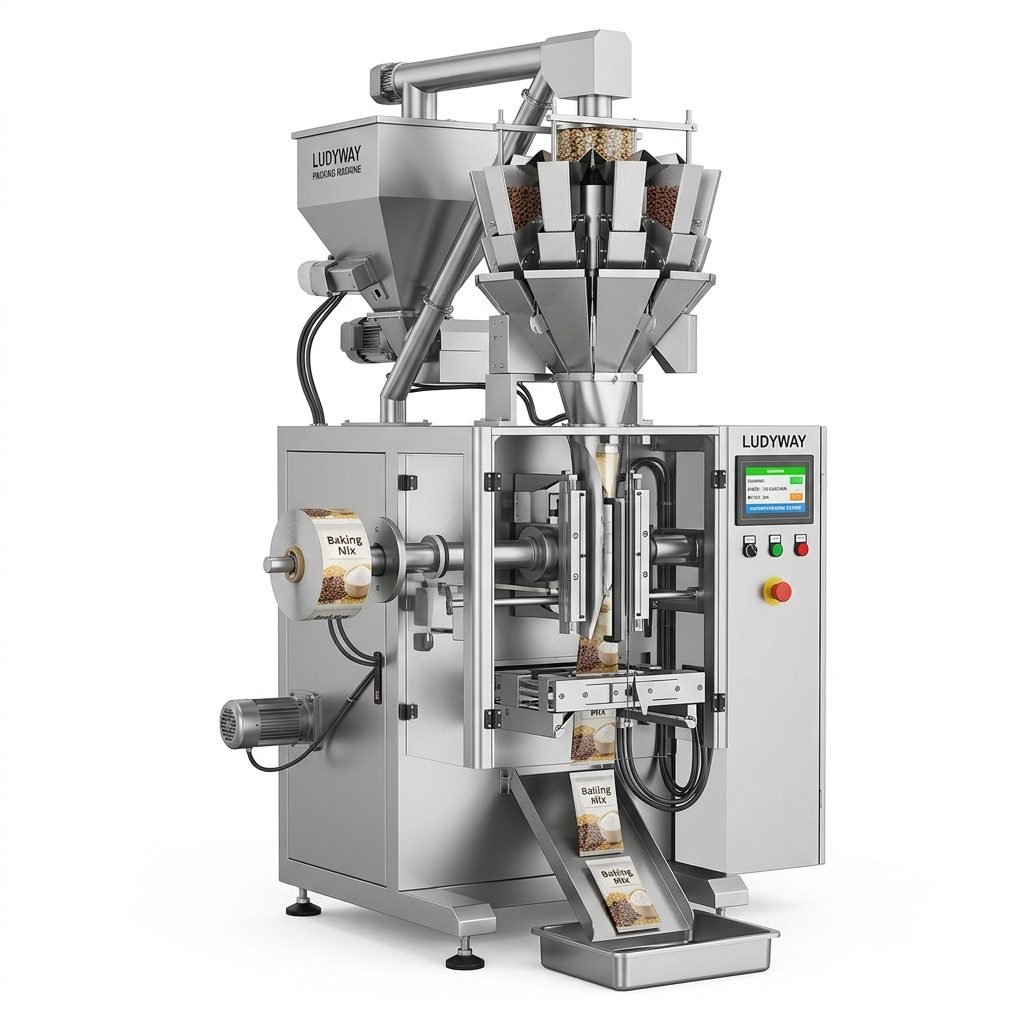
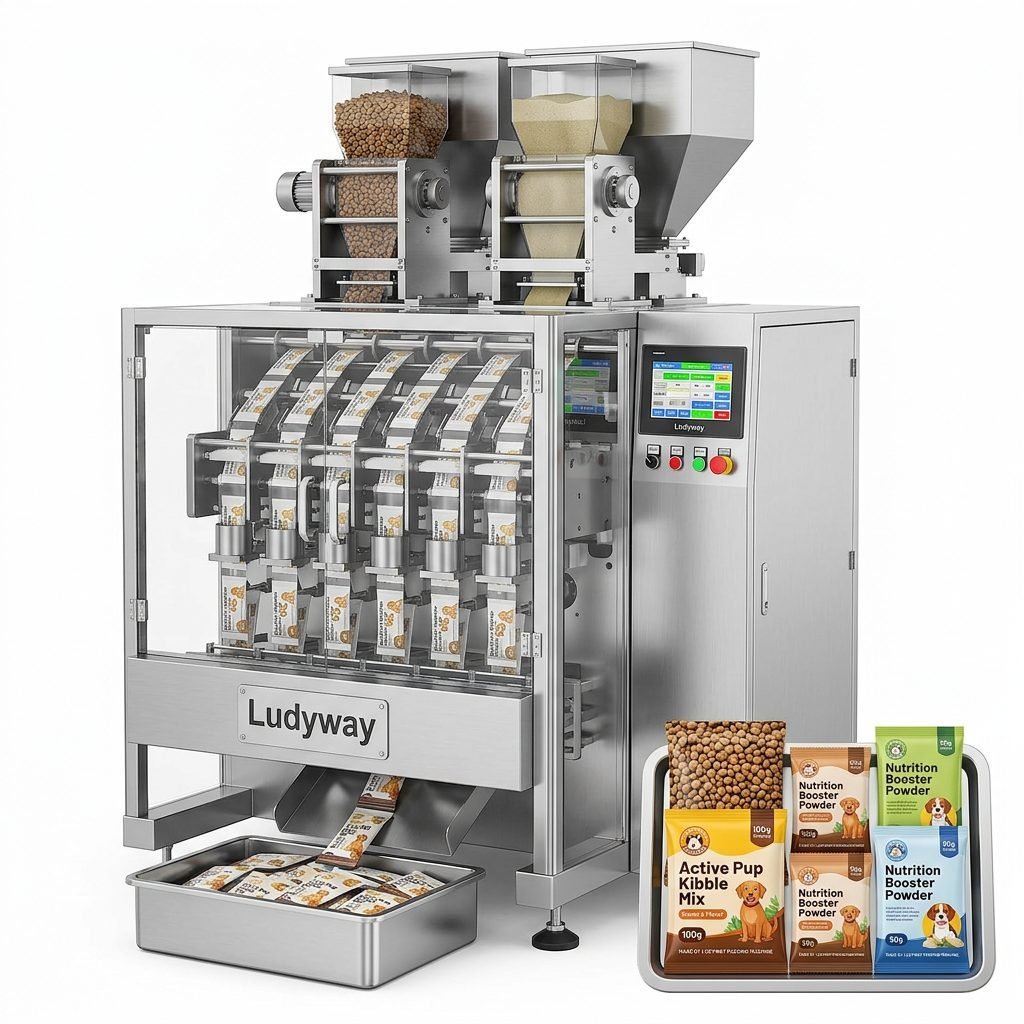
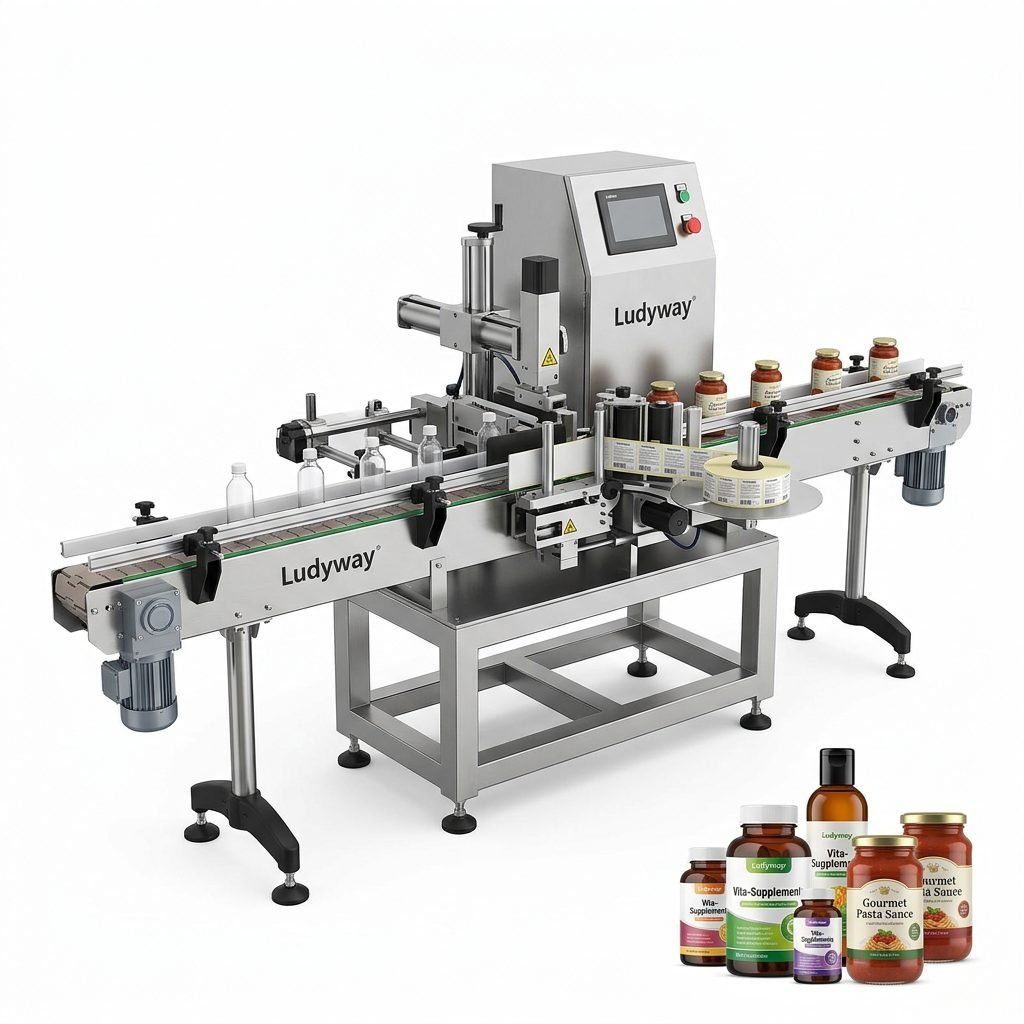
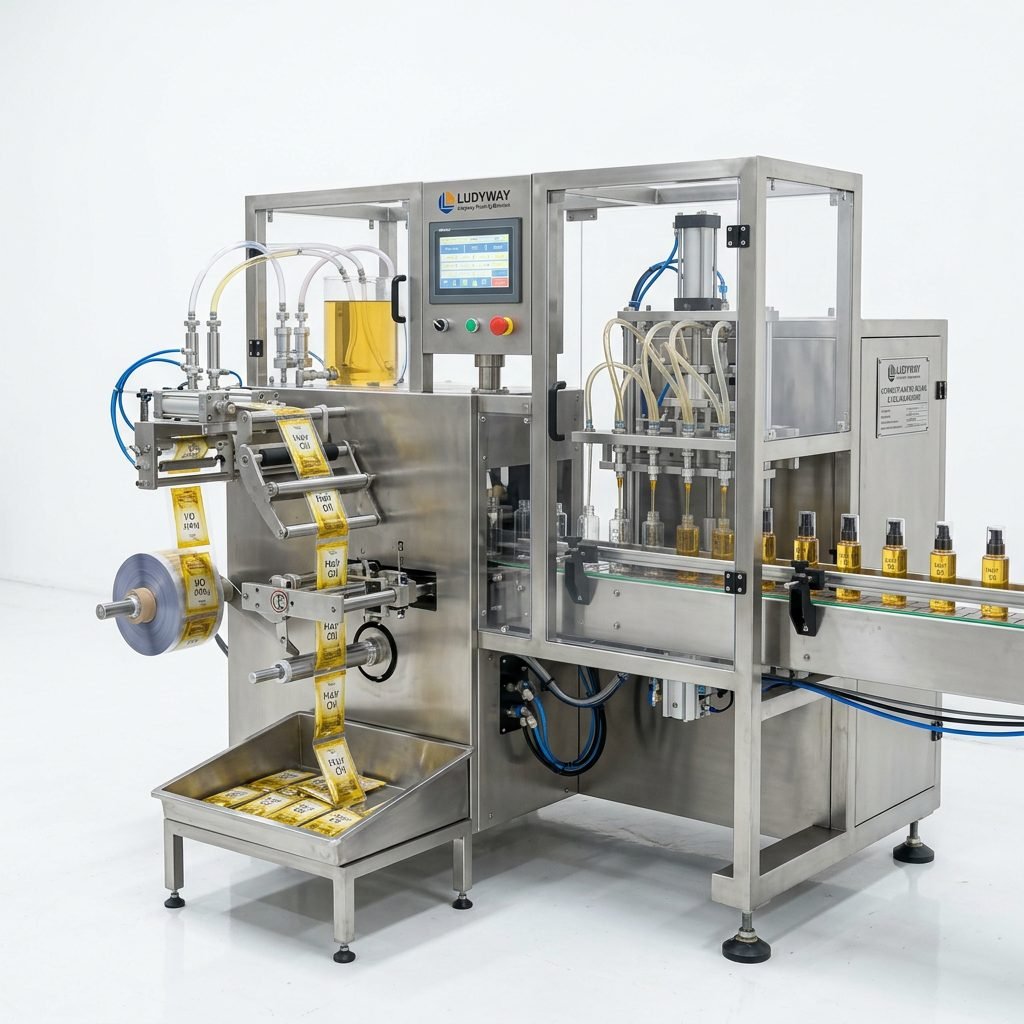
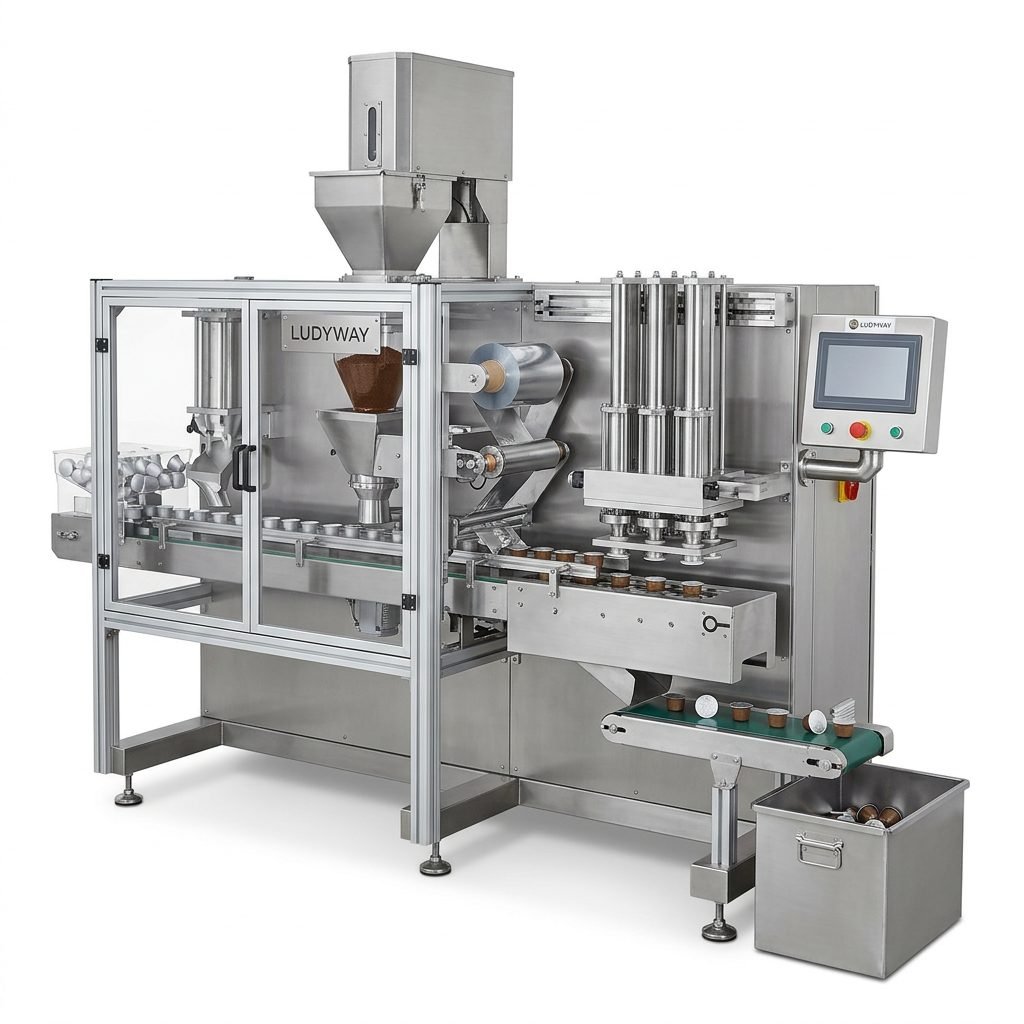
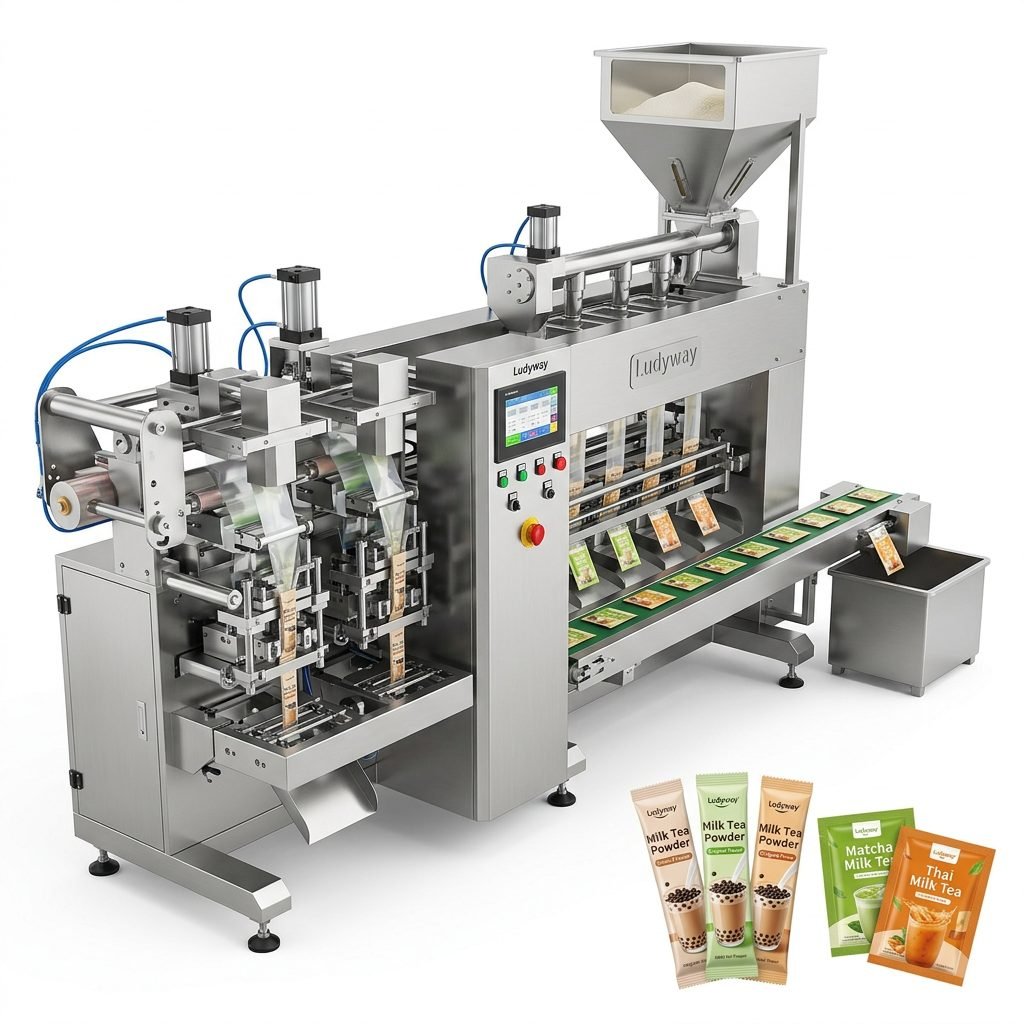
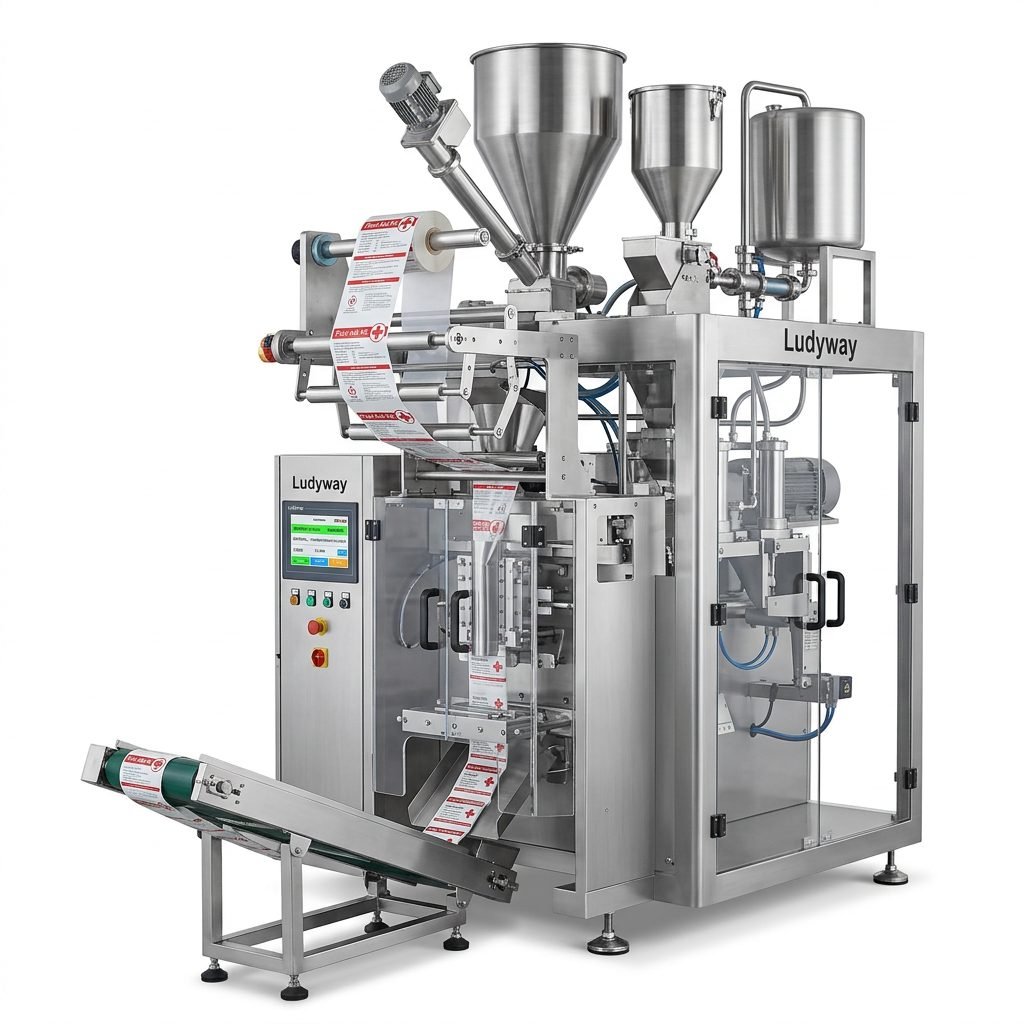
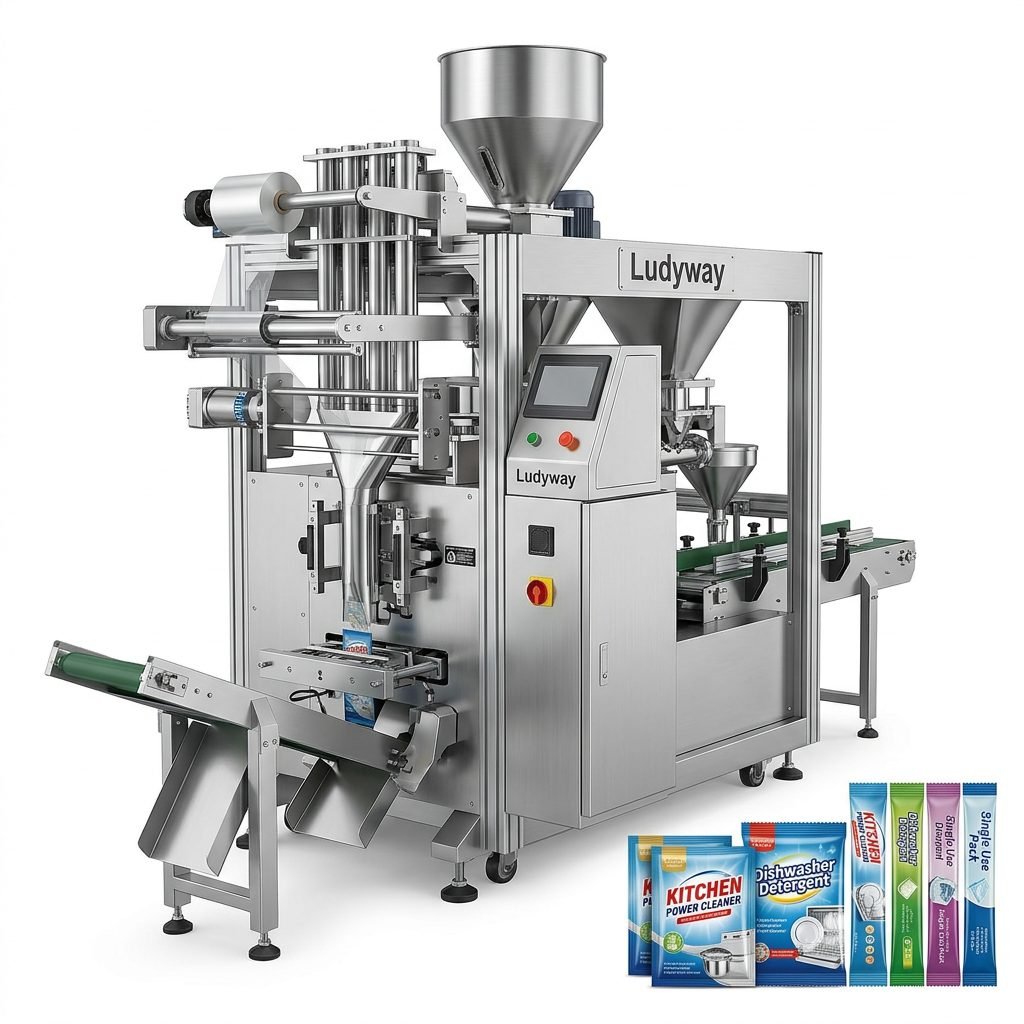
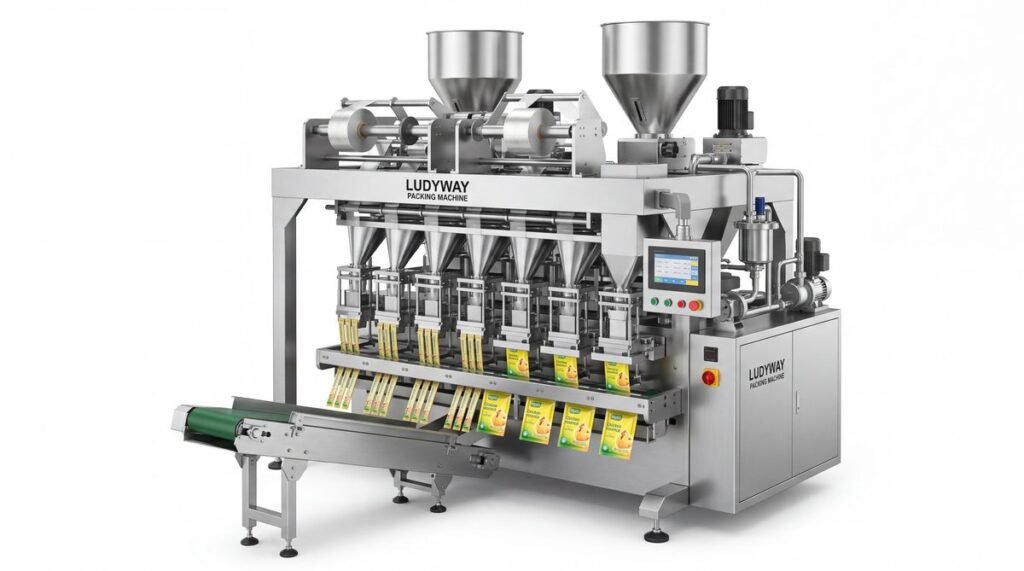
Regular maintenance of your product packing machine is the single most effective way to extend equipment lifespan, reduce costly downtime, and ensure consistent packaging quality. Whether you operate a multi-lane stick pack machine for powders or a high-speed sachet packaging system, a well-structured cleaning and maintenance routine is essential for optimal performance.
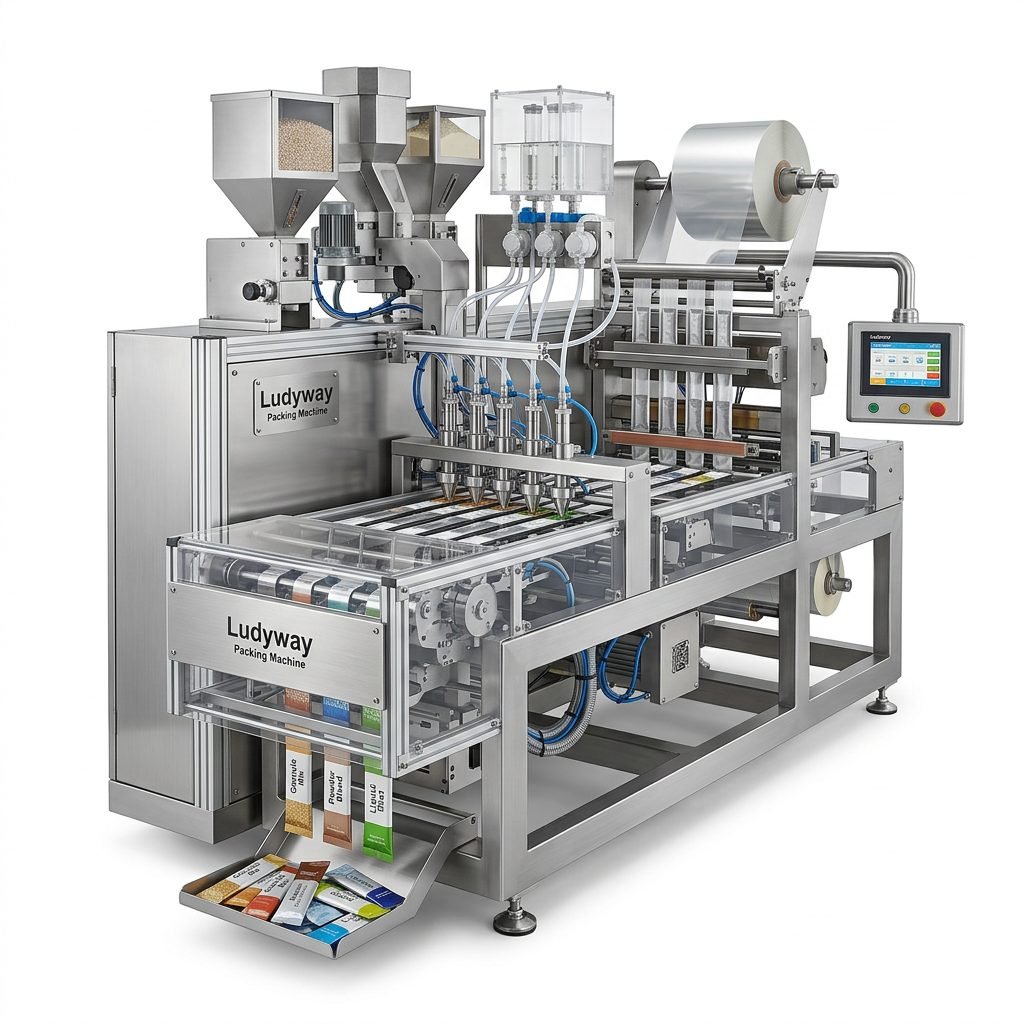
Why Routine Maintenance Matters
Neglecting daily and periodic care leads to seal integrity issues, inaccurate dosing, and premature component wear. A proactive maintenance program not only prevents unexpected breakdowns but also protects your investment in advanced packaging technology. Regular upkeep ensures that sensors, heating elements, and filling mechanisms operate within their designed parameters, preserving product quality and line efficiency.
Daily Cleaning Procedures
Establishing a daily cleaning protocol is the foundation of effective packing machine care. After each production shift or product changeover, follow these essential steps:
- Power down and lock out the machine completely before any cleaning activity begins.
- Remove residual product from hoppers, feeders, and filling stations using approved cleaning tools.
- Wipe down all contact surfaces with food-grade sanitizers (for food and pharmaceutical applications) or appropriate industrial cleaners.
- Inspect sealing jaws for product buildup and clean with non-abrasive materials to avoid surface damage.
- Clear dust and debris from photo-eye sensors, temperature probes, and motion detectors.
- Check and empty collection trays or waste containers to prevent cross-contamination.
- Document any irregularities observed during cleaning for follow-up inspection.
Weekly and Monthly Maintenance Checklist
Beyond daily cleaning, a structured periodic inspection schedule keeps your equipment running at peak performance. The table below outlines recommended actions by frequency:
| Frequency | Maintenance Task | Key Areas to Inspect |
|---|---|---|
| Weekly | Inspect and tighten all fasteners and bolts | Frame mounts, motor brackets, conveyor supports |
| Weekly | Lubricate moving parts per manufacturer specifications | Bearings, chains, cam followers, guide rails |
| Bi-Weekly | Verify temperature calibration on sealing systems | Heat seal jaws, thermocouples, PID controllers |
| Monthly | Replace worn belts, grippers, and suction cups | Film pulling belts, pouch grippers, vacuum pick-ups |
| Monthly | Test all safety interlocks and emergency stops | Door switches, e-stop buttons, light curtains |
| Quarterly | Inspect electrical connections and wiring integrity | Control panels, terminal blocks, cable harnesses |
Lubrication Best Practices
Proper lubrication is critical for high-speed packaging machinery. Use only food-grade lubricants for equipment in food and pharmaceutical environments. Over-lubrication can attract contaminants, while under-lubrication accelerates wear. Always refer to the original equipment manual for specific lubrication points, recommended grease types, and service intervals. Pay special attention to reciprocating arms, rotary unions, and linear motion guides that experience constant movement during production cycles.
Sealing System Care
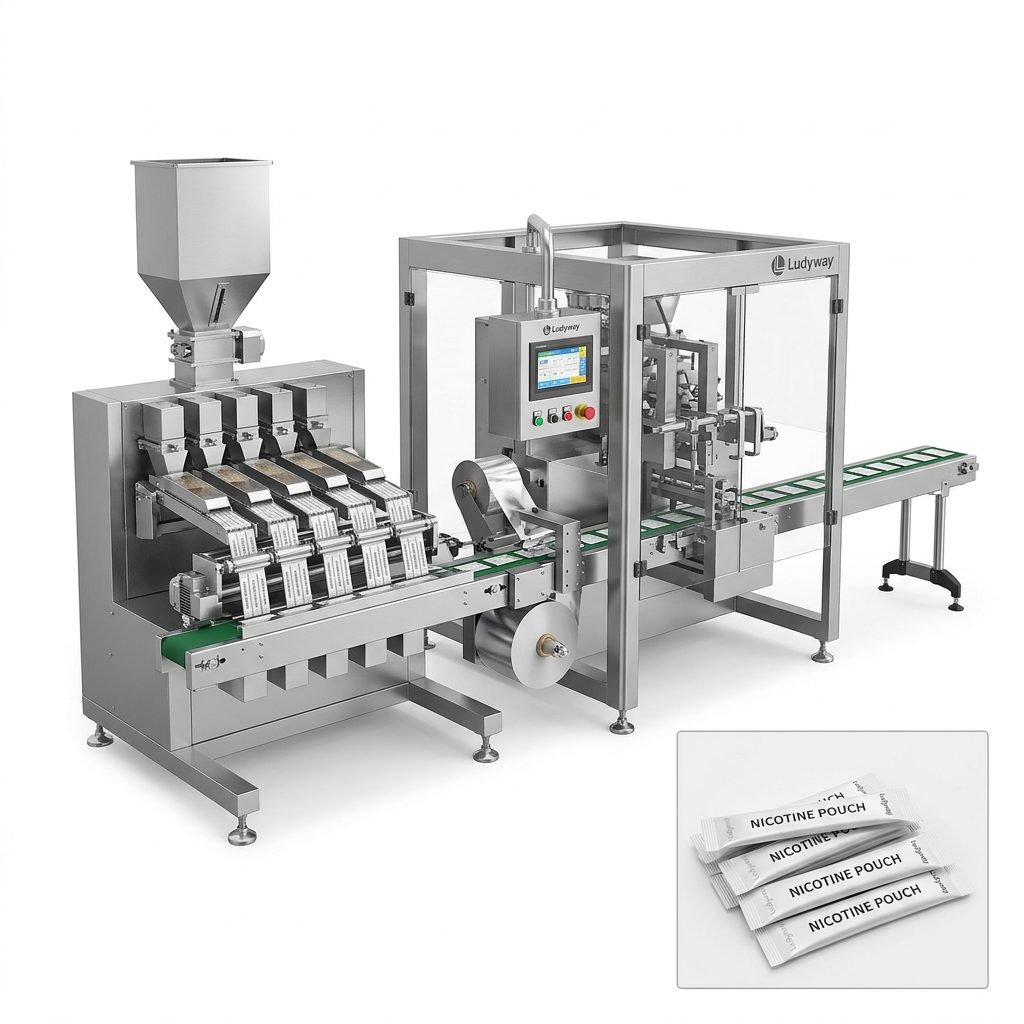
The sealing mechanism is the heart of any packing machine. Vertical and horizontal seal jaws require consistent attention to maintain airtight, visually clean seals. Key practices include:
- Regularly cleaning Teflon-coated surfaces to prevent product adhesion and film sticking.
- Inspecting heating elements for uneven temperature distribution that could cause weak or burned seals.
- Checking jaw alignment and parallelism to ensure uniform pressure across the seal area.
- Replacing worn sealing bands or cartridge heaters at the first sign of deterioration.
- Verifying cooling system function to prevent overheating during extended production runs.
Troubleshooting Common Issues
Even with diligent maintenance, occasional issues arise. The following table helps diagnose and resolve frequent problems encountered with product packaging equipment:
| Symptom | Possible Cause | Recommended Action |
|---|---|---|
| Incomplete or weak seals | Low temperature, dirty jaws, or film incompatibility | Re-calibrate temperature, clean sealing surfaces, verify film specifications |
| Inconsistent fill weights | Worn auger, product bridging, or sensor drift | Inspect dosing mechanism, check hopper level, recalibrate weigh cells |
| Film misalignment or wrinkling | Improper tracking, tension issues, or worn rollers | Adjust film guides, verify tension settings, replace damaged rollers |
| Excessive noise or vibration | Loose components, bearing failure, or misalignment | Tighten fasteners, replace bearings, realign drive couplings |
| Intermittent machine stoppages | Faulty sensors, electrical noise, or software glitches | Clean sensors, check grounding, consult control system diagnostics |
Electrical System and Control Panel Maintenance
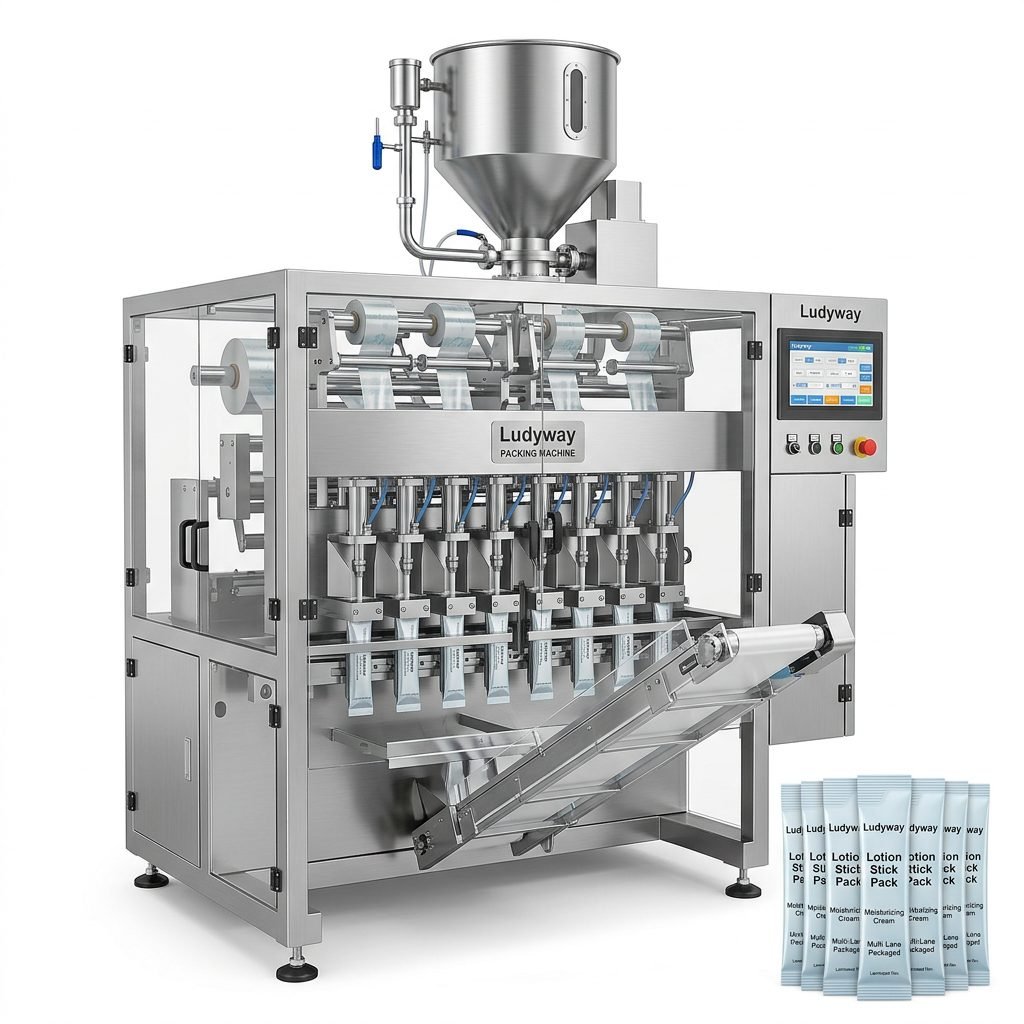
Modern packaging machines rely heavily on PLC controllers, servo drives, and HMI interfaces. Keeping electrical enclosures clean and dry is paramount. Dust accumulation inside control panels can cause short circuits, overheating, and signal interference. Schedule periodic inspections to:
- Verify that cooling fans and ventilation filters are clean and functional.
- Check all terminal connections for tightness and signs of corrosion.
- Back up machine parameters and recipe settings to external storage.
- Update firmware and software when recommended by the equipment manufacturer.
- Inspect cable management systems for wear that could expose wiring.
Spare Parts Inventory Management
An optimized spare parts inventory minimizes downtime when components require replacement. Critical spare parts to keep on hand include sealing belts, Teflon tape, heater cartridges, thermocouples, cutting blades, belts, filters, gaskets, and commonly replaced sensors. Work with your equipment supplier to develop a recommended spare parts list tailored to your specific machine model and production volumes. For comprehensive packaging solutions and OEM-grade replacement components, professional guidance from an experienced packaging machine manufacturer can be invaluable.
Training and Documentation
Investing in operator training significantly reduces the risk of improper maintenance and accidental damage. All personnel involved with machine operation and care should receive formal instruction covering startup procedures, shutdown protocols, cleaning methods, basic troubleshooting, and safety requirements. Maintain a detailed maintenance logbook that tracks service dates, replaced parts, calibration adjustments, and any anomalies observed. This documentation serves as a valuable reference for identifying recurring issues and planning preventive maintenance schedules. Refer to resources from organizations such as PMMI – The Association for Packaging and Processing Technologies for industry best practices and training standards.
Partnering with a Reliable Equipment Supplier
Selecting a dependable manufacturer plays a pivotal role in long-term maintainability. Ludyway, one of the largest packaging machine manufacturers in China, provides comprehensive after-sales support and service programs that help customers implement effective maintenance routines. With over 30 years of industry expertise and a modern 20,000㎡ manufacturing facility, the company offers tailored maintenance guidance for granule, powder, liquid, and pouch packaging applications across food, pharmaceutical, and health industries worldwide.
Regulatory Compliance and Hygiene Standards
For operations in food and pharmaceutical sectors, maintenance procedures must align with regulatory requirements. The FDA’s guidelines on food packaging and food contact substances outline critical hygiene standards for equipment handling consumable products. Similarly, ISO packaging standards provide benchmarks for manufacturing quality and sanitary design. Always ensure that maintenance products, lubricants, and cleaning agents meet applicable regulatory specifications. The Flexible Packaging Association also offers valuable resources for understanding material compatibility and packaging safety requirements.
Conclusion: Consistency Is the Key to Longevity
A disciplined approach to packing machine cleaning and maintenance delivers measurable returns through reduced downtime, lower repair costs, and extended equipment lifespan. Implementing daily cleaning checklists, following a structured periodic inspection schedule, maintaining critical spare parts inventory, and investing in operator training form the pillars of a successful maintenance program. By prioritizing these essential practices, manufacturers ensure consistent packaging output, uphold product quality, and protect their capital equipment investment for years of reliable operation.