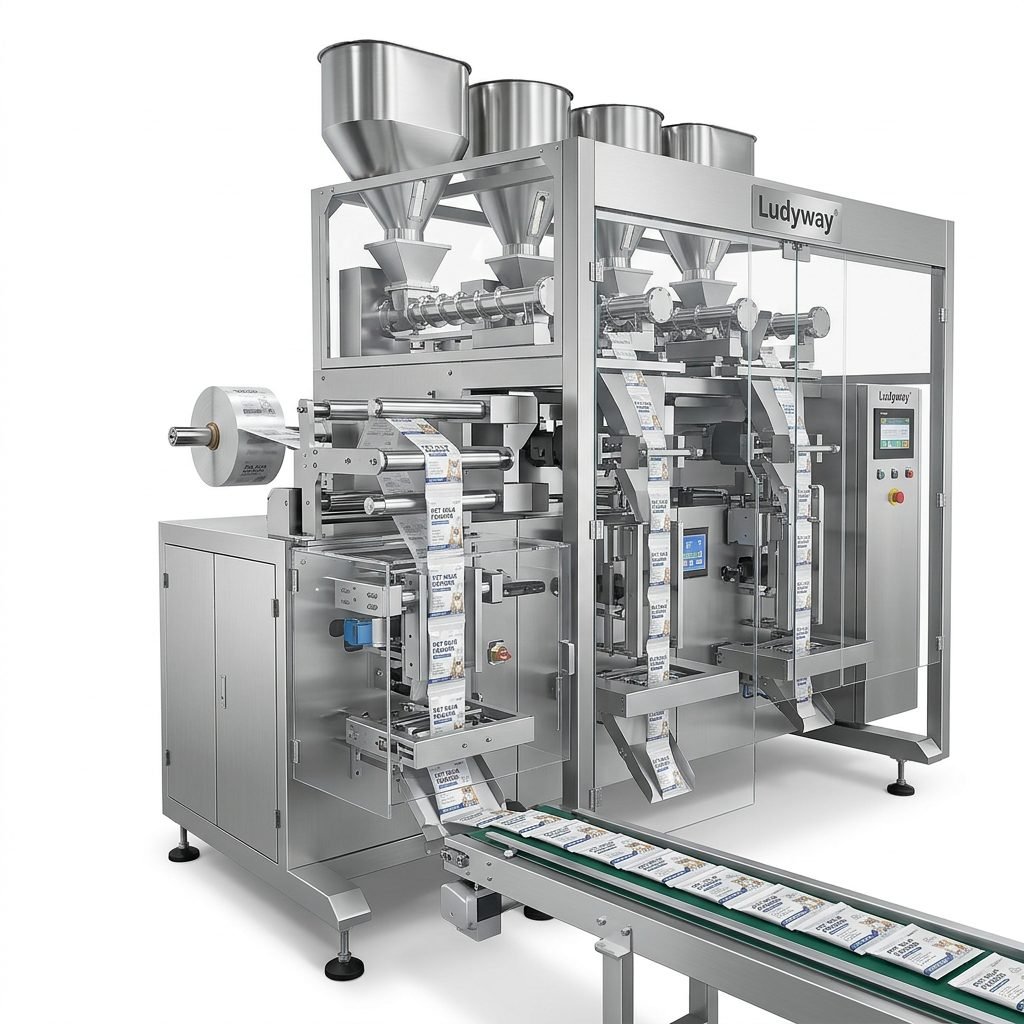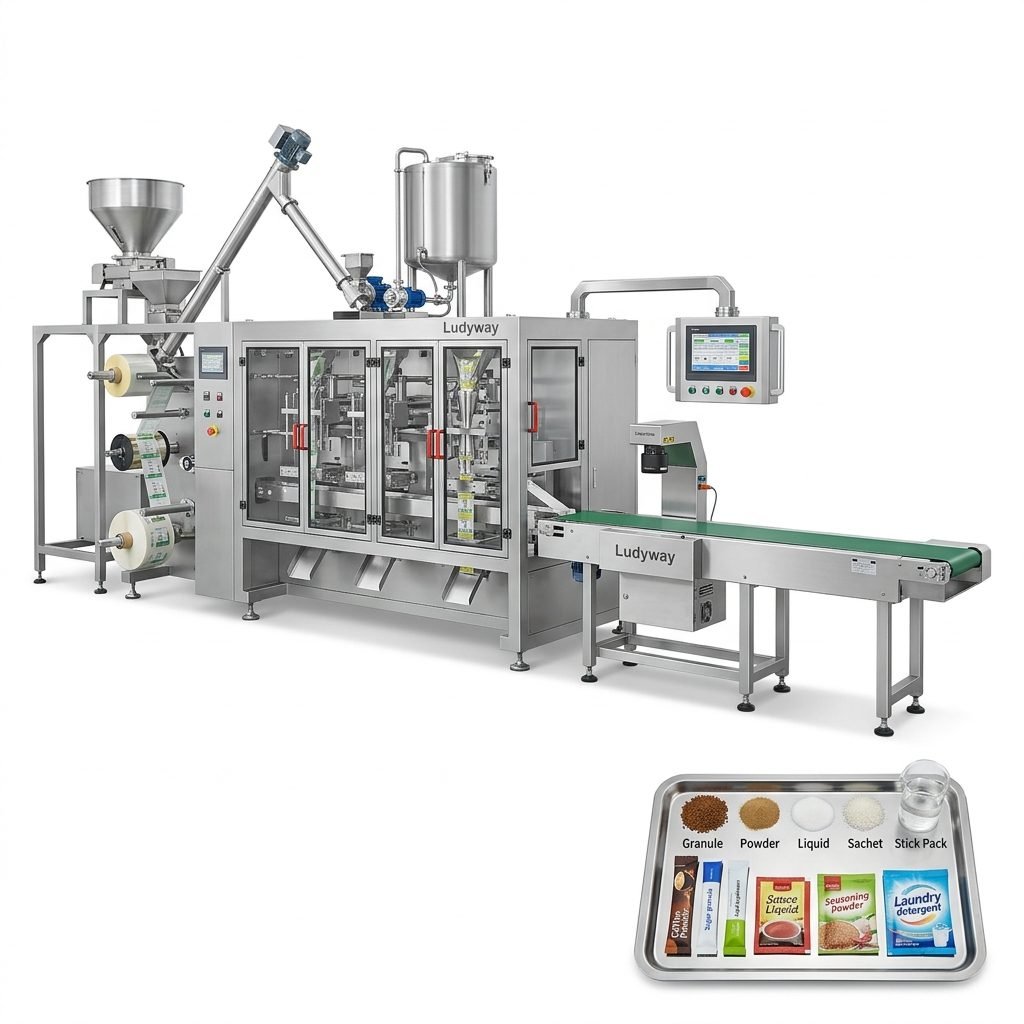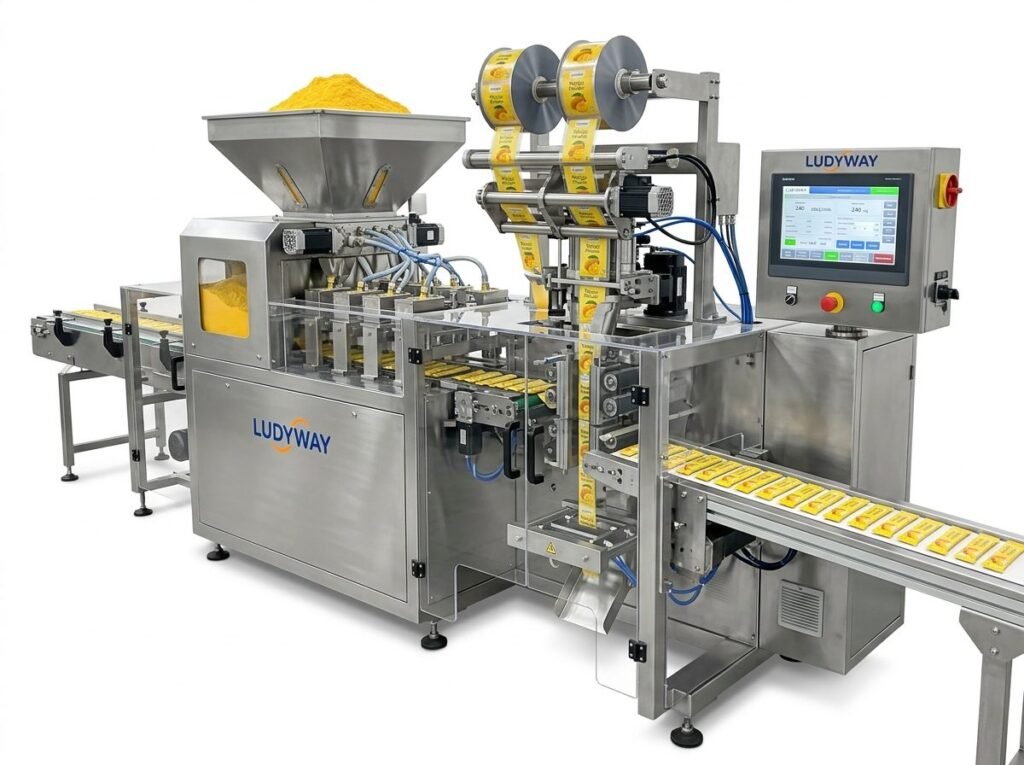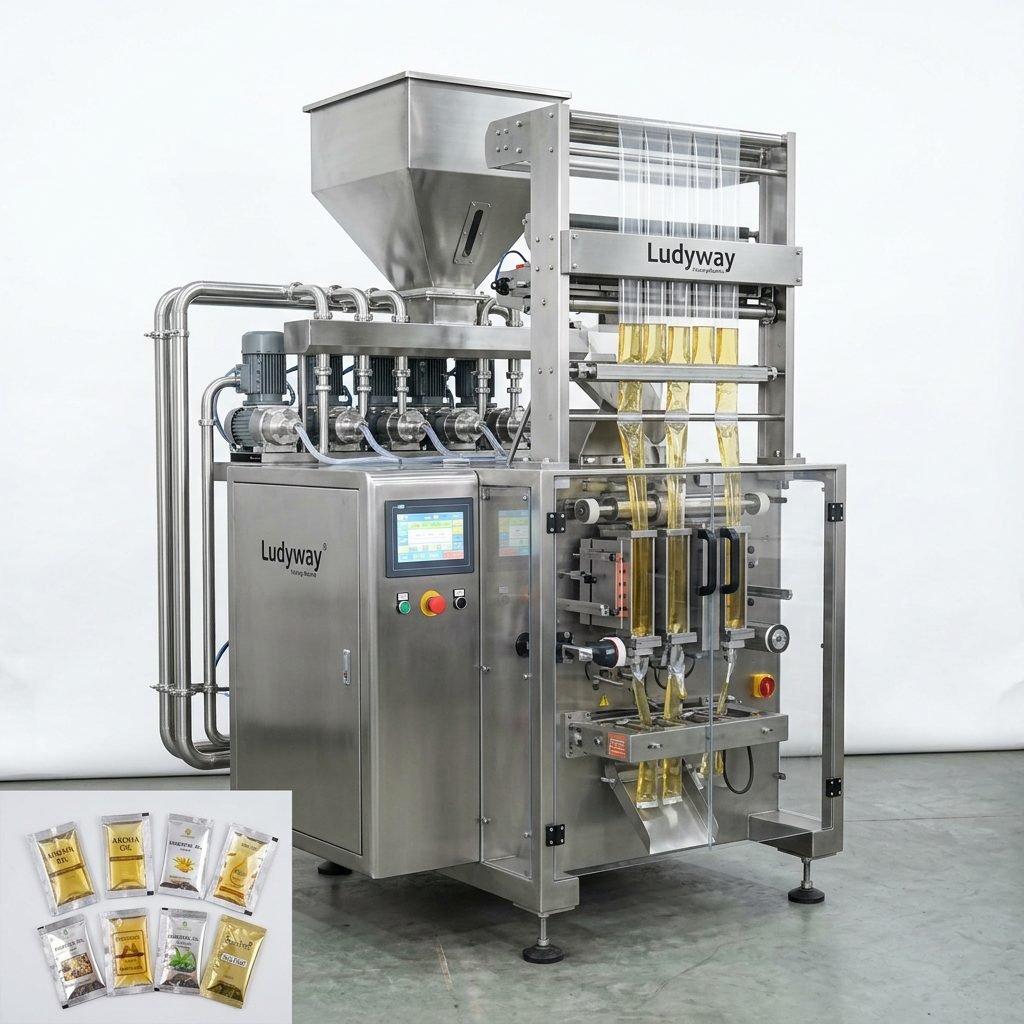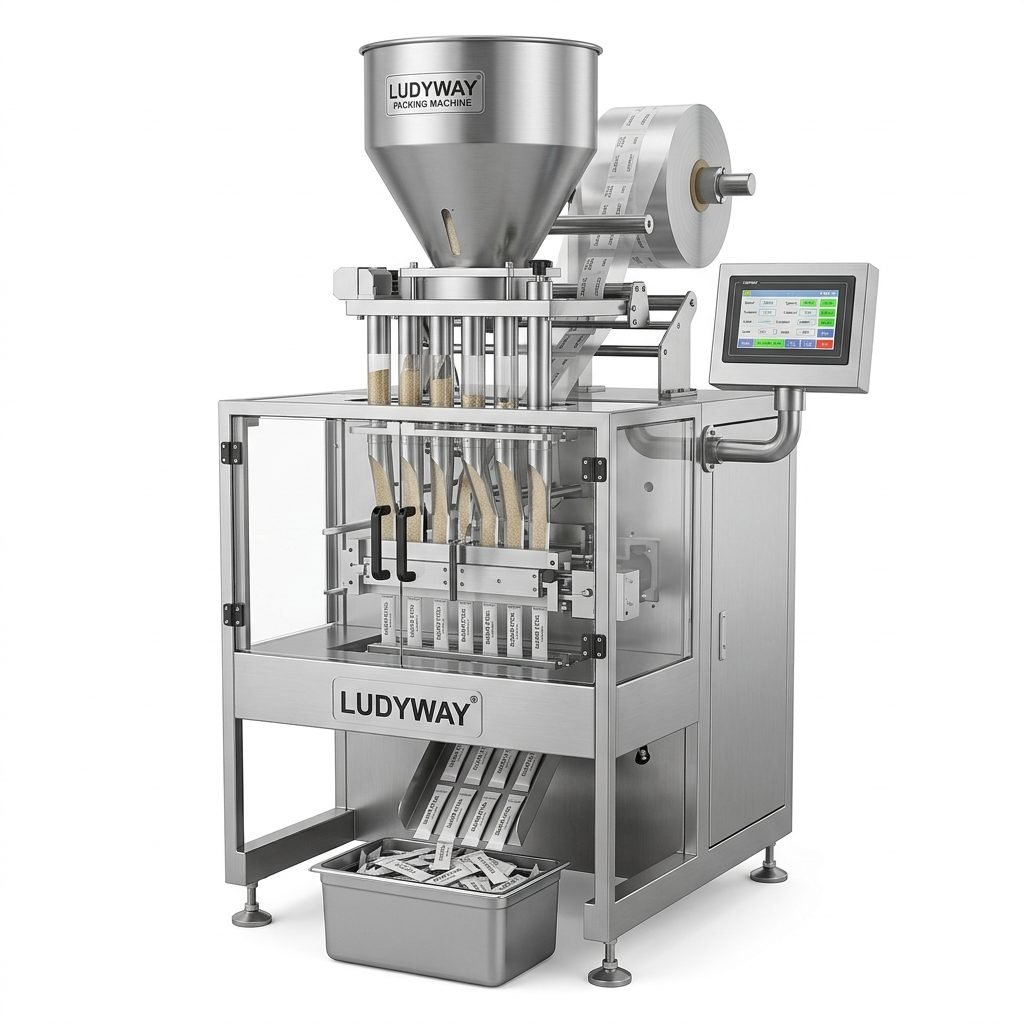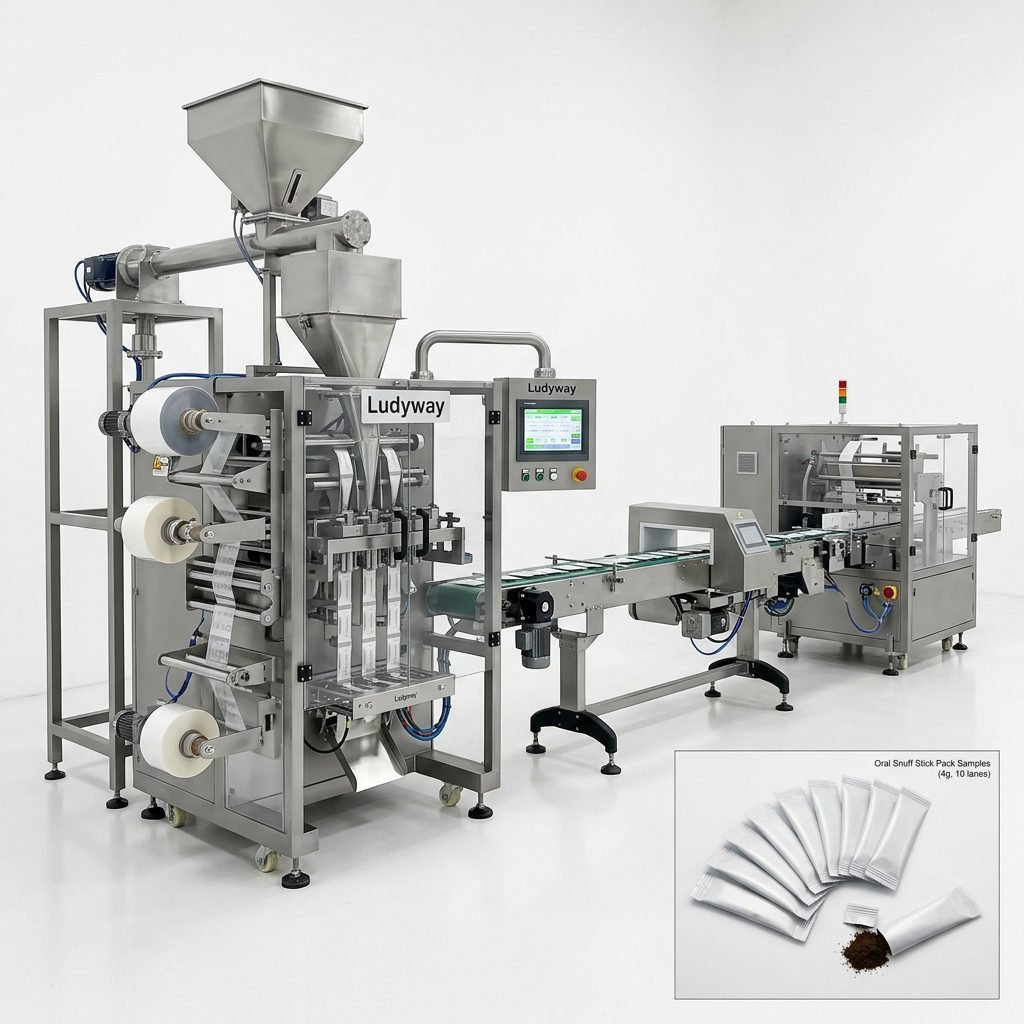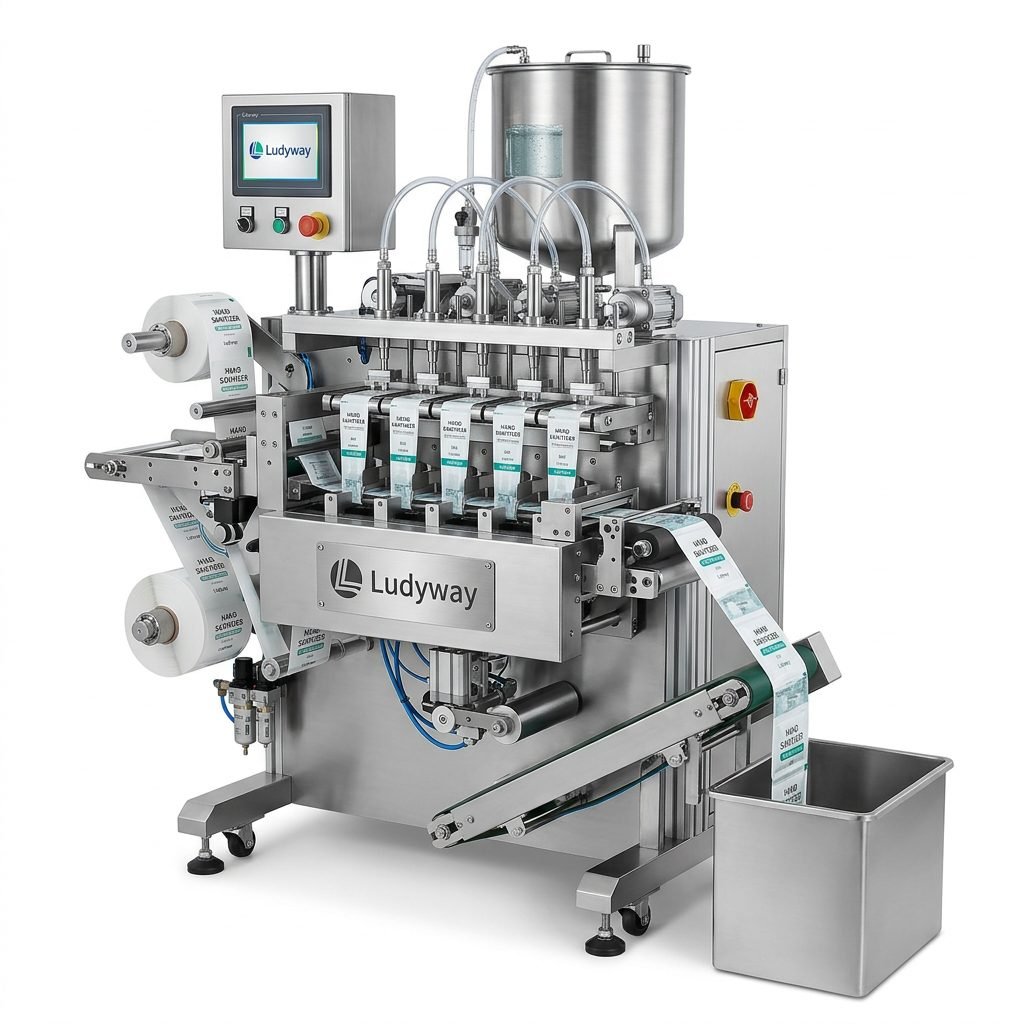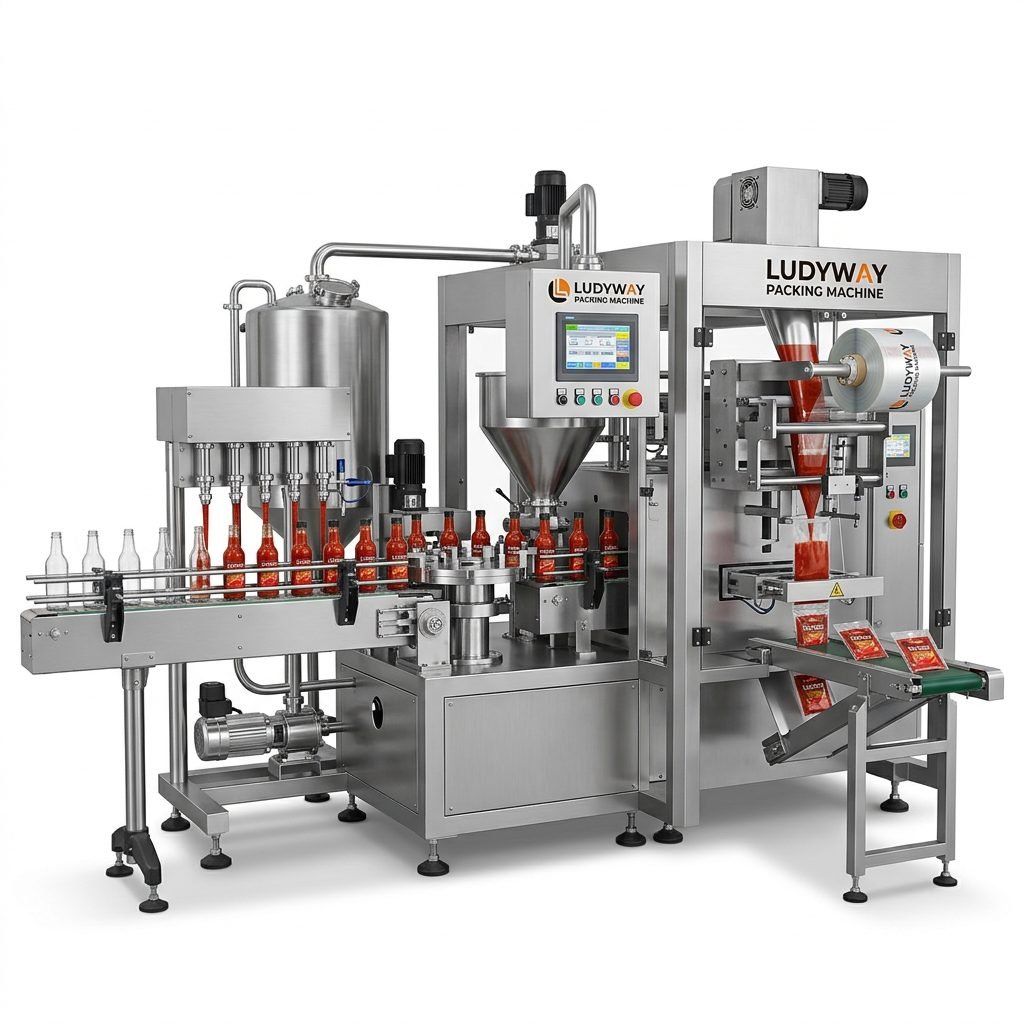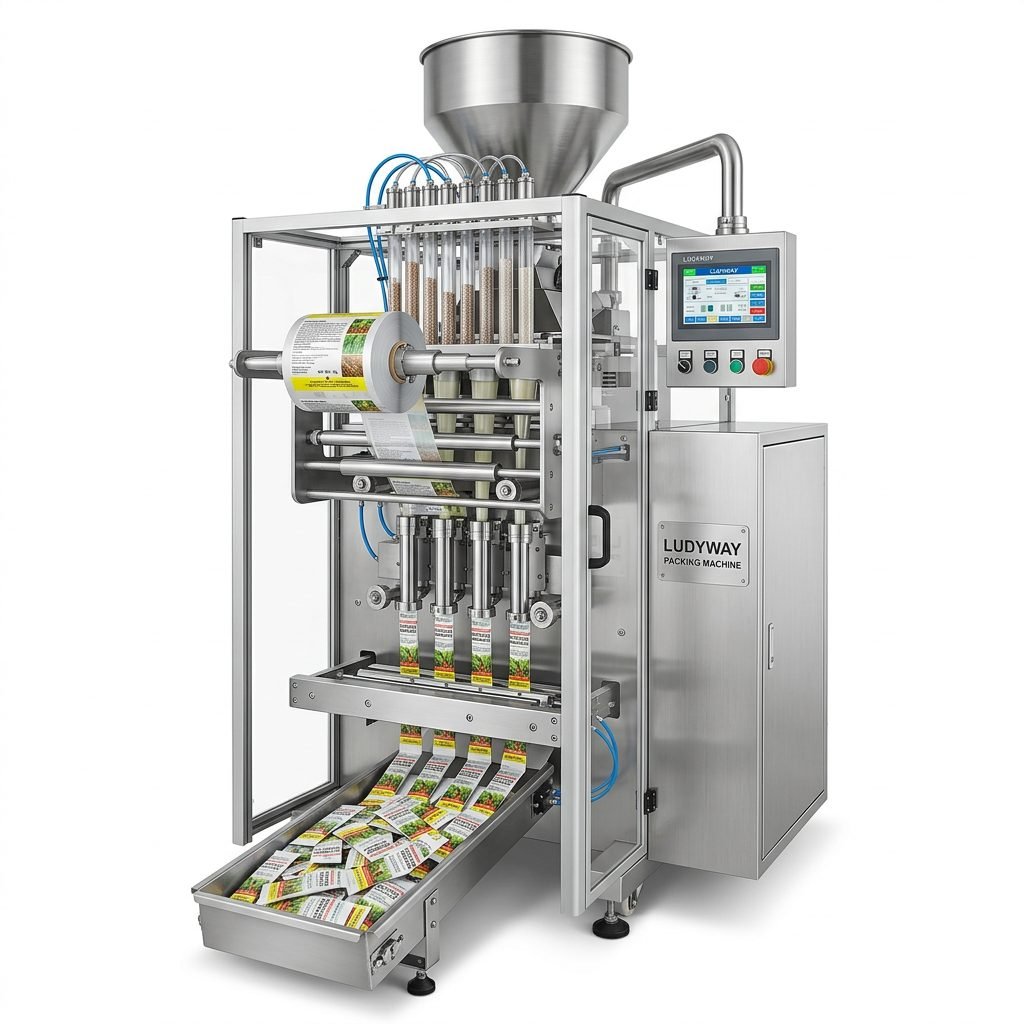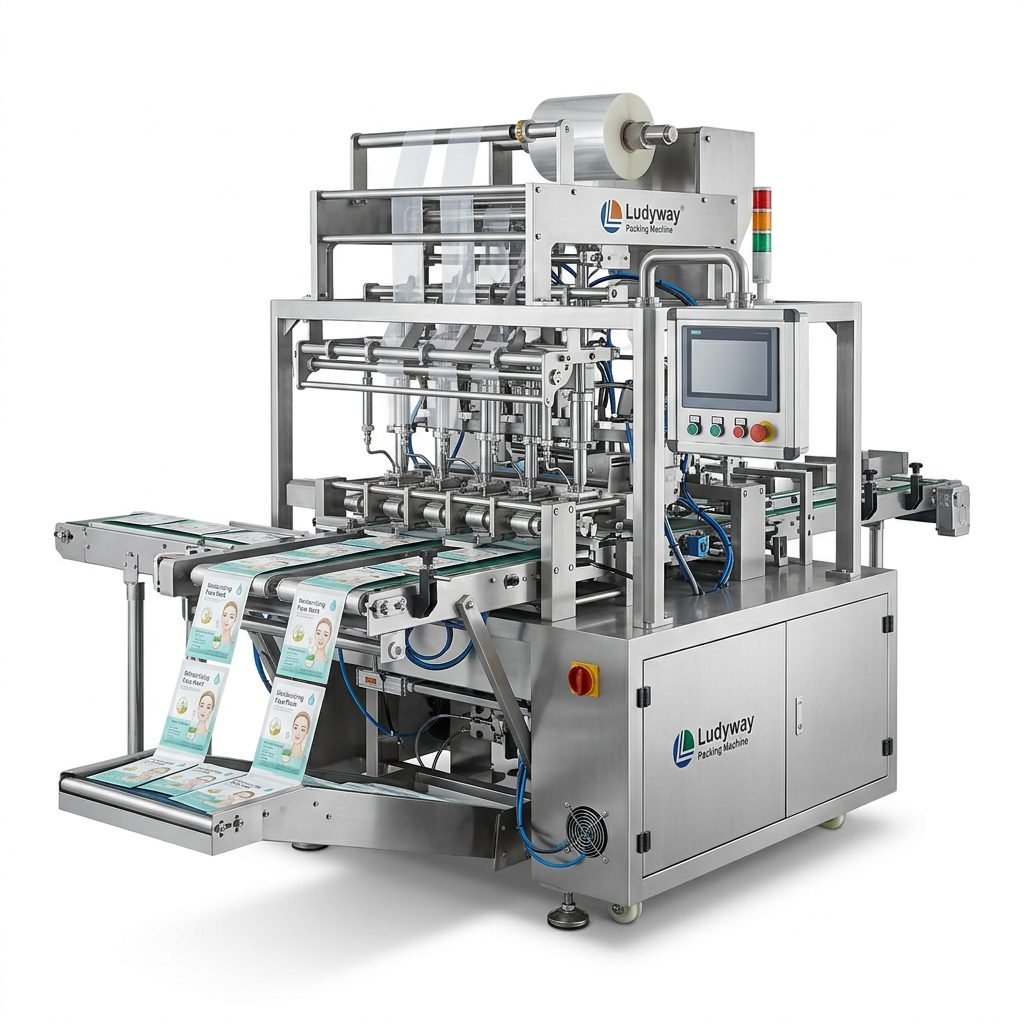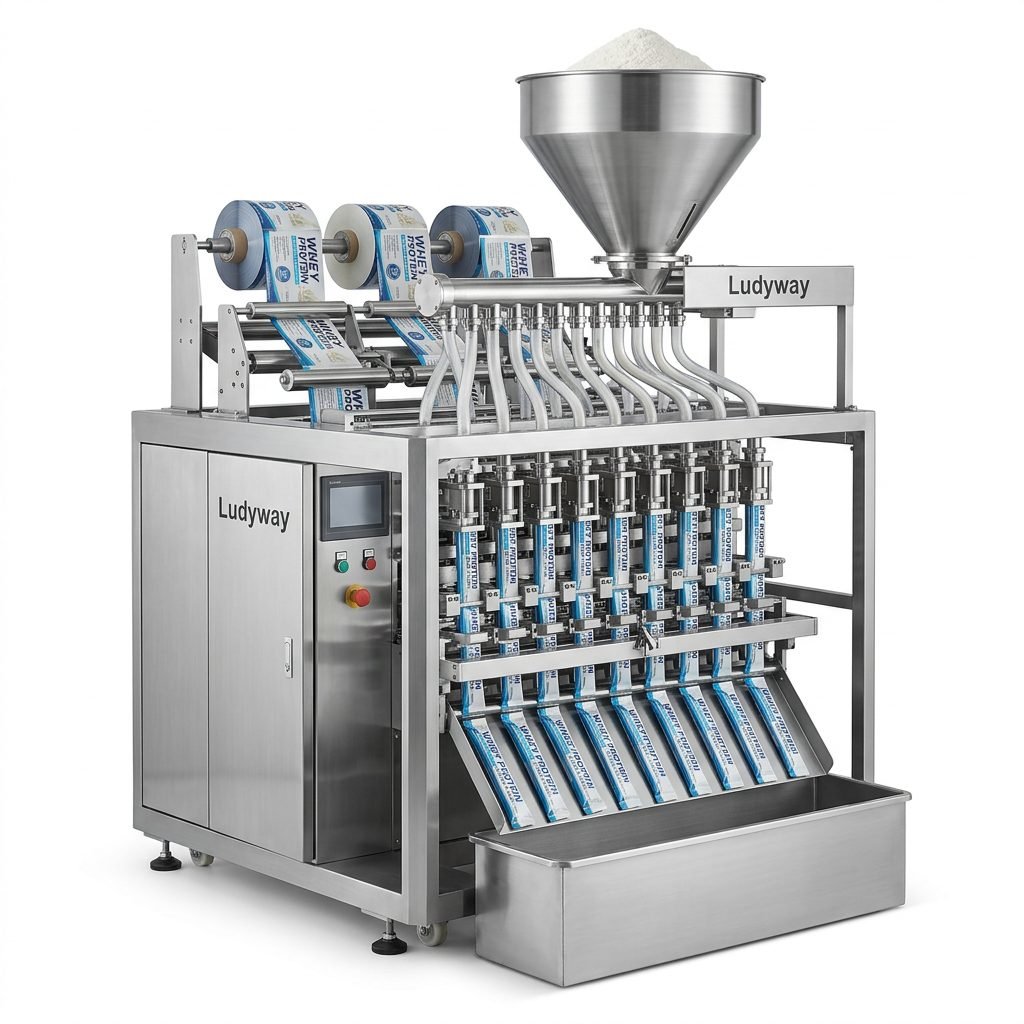
Proper maintenance of your protein powder packaging machine is essential for ensuring consistent product quality, minimizing downtime, and extending equipment lifespan. Protein powder presents unique challenges due to its fine particle size, hygroscopic nature, and tendency to create dust during the filling process. Without a structured cleaning and maintenance routine, residue buildup can lead to inaccurate dosing, seal failures, and even cross-contamination risks. This guide outlines essential cleaning and maintenance practices that every operator and maintenance team should follow.
Why Regular Maintenance Matters for Powder Packaging Equipment
Protein powders are particularly demanding on powder packaging equipment. Unlike granular products, fine powders can infiltrate seals, accumulate in crevices, and cause mechanical wear over time. Neglecting routine maintenance can result in inaccurate fill weights, heat seal inconsistencies, and even motor burnout. A well-maintained machine not only delivers reliable performance but also helps manufacturers meet stringent food safety standards such as those outlined by the FDA food packaging guidelines.
Daily Cleaning Checklist for Protein Powder Packing Machines
Implementing a daily cleaning protocol is the first line of defense against residue accumulation. Follow these steps at the end of each production run:
- Disconnect power and follow lockout/tagout procedures before any cleaning activity.
- Remove all residual powder from the hopper using a vacuum system with HEPA filtration to prevent airborne dust.
- Wipe down all product contact surfaces with a dry, lint-free cloth before applying any liquid cleaners.
- Inspect and clean the filling nozzles and auger mechanisms to prevent clogging.
- Check the sealing jaws for any protein residue that could compromise the next batch’s seal integrity.
- Clean the photoelectric sensors with a soft, dry cloth to maintain accurate film registration.
Weekly Deep Cleaning Procedures
Beyond daily wipe-downs, a more thorough cleaning should be performed on a weekly basis. This involves disassembling key components and addressing areas that are not accessible during routine cleaning.
- Disassemble the forming tube assembly and clean all components with approved food-grade cleaning agents.
- Remove and clean the product hopper and feeding mechanism, paying special attention to the auger or volumetric cup filler.
- Inspect the film unwinding system and remove any dust accumulation on rollers and tension arms.
- Clean the heat sealing bars thoroughly, checking for any polymer residue from packaging film.
- Lubricate all designated moving parts according to the manufacturer’s specifications.
Monthly Preventive Maintenance Tasks
Monthly maintenance should focus on wear-and-tear components and system calibration. This is also the ideal time to consult the PMMI packaging industry resources for best practices in equipment maintenance standards.
- Inspect all bearings, bushings, and drive belts for signs of wear and replace as needed.
- Verify the accuracy of the weighing and dosing system using certified test weights.
- Check all pneumatic connections and hoses for leaks or deterioration.
- Calibrate temperature controllers for the sealing system to ensure consistent heat distribution.
- Examine electrical connections and wiring for any signs of damage or loose terminals.
Recommended Maintenance Schedule Overview
| Frequency | Task Category | Key Actions |
|---|---|---|
| Daily | Surface Cleaning | Wipe product contact surfaces, vacuum residual powder, inspect seals |
| Weekly | Deep Cleaning | Disassemble forming tube, clean hopper, lubricate moving parts |
| Monthly | Preventive Maintenance | Calibrate weighing system, check pneumatics, inspect drive components |
| Quarterly | Comprehensive Service | Full system inspection, replace worn parts, update firmware if applicable |
| Annually | Overhaul | Complete machine overhaul, major component replacement, professional servicing |
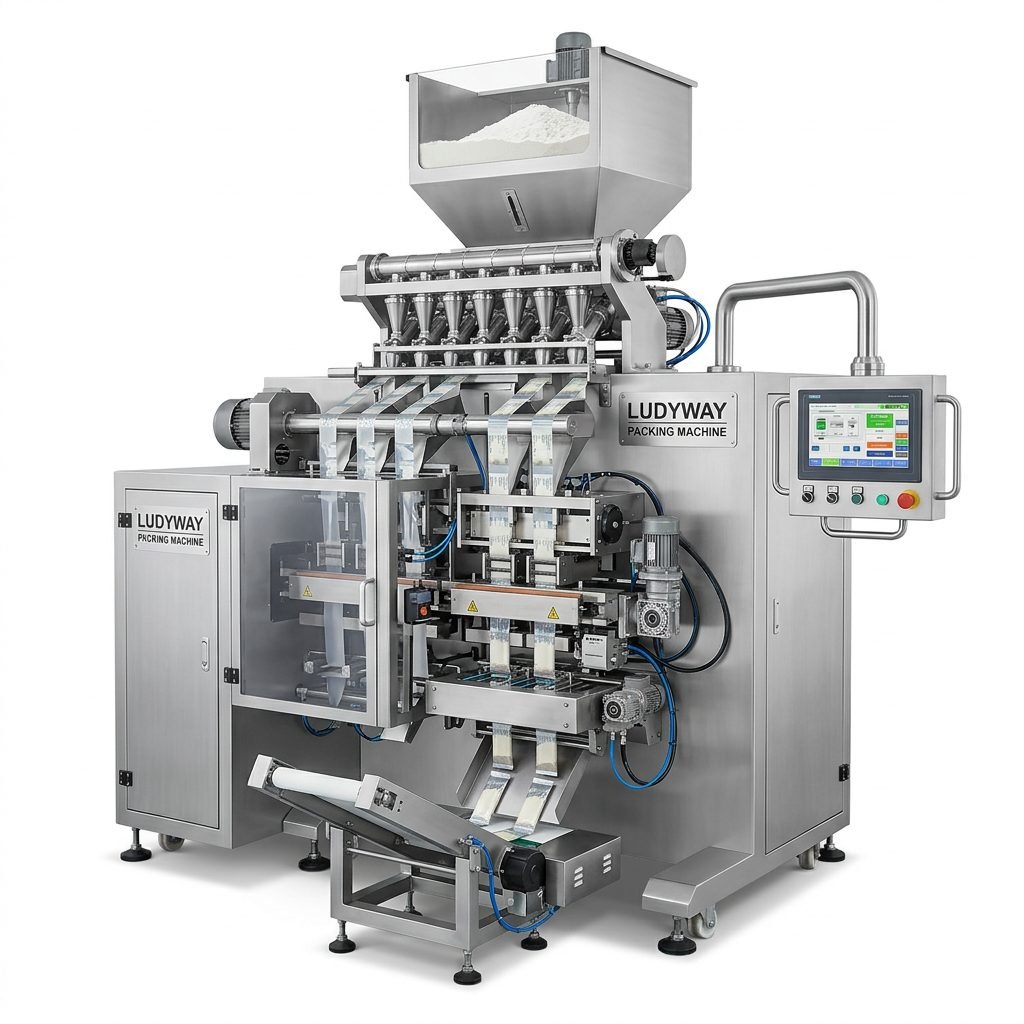
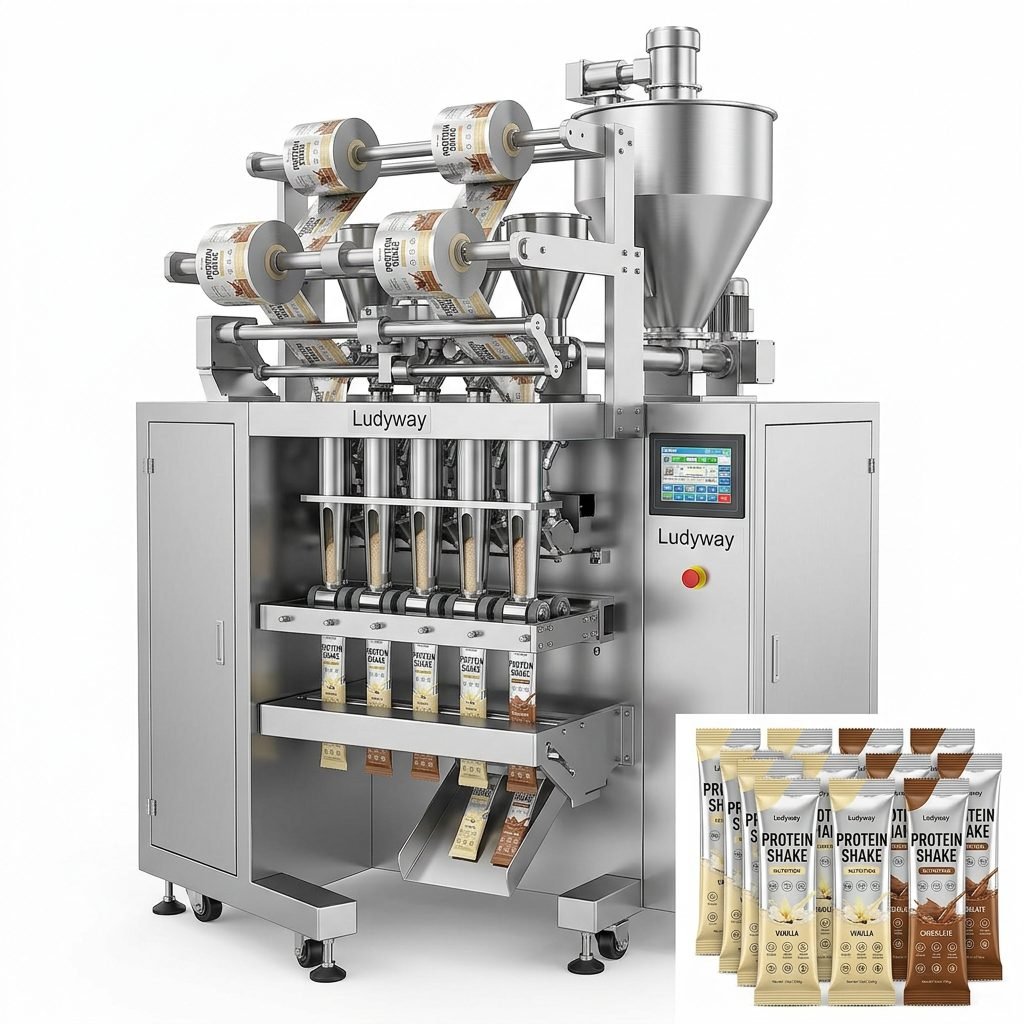
Critical Component Inspection for Multi-Lane Stick Pack Machines
For manufacturers operating multi-lane stick pack machines, the inspection process requires additional attention. Each lane must be individually checked for consistent fill accuracy and seal quality. Key areas to monitor include:
- Sealing jaw alignment across all lanes to prevent uneven seals.
- Individual lane dosing accuracy verified through statistical sampling methods.
- Film tracking and tension on each lane to avoid wrinkling or misalignment.
- Cross-checking the temperature uniformity across all sealing stations.
Managing Protein Powder Dust and Cross-Contamination Risks
Protein powder dust is not only a cleaning challenge but also a potential allergen cross-contamination risk. Facilities producing multiple formulations must implement strict changeover procedures. According to guidelines from the Flexible Packaging Association, effective dust management is critical for maintaining packaging integrity and food safety.
Best practices for dust control include:
- Installing dedicated dust extraction systems near the filling zone.
- Using enclosed product transfer systems to minimize open powder handling.
- Implementing a validated cleaning protocol between product changeovers.
- Training operators on proper personal protective equipment (PPE) usage.
Lubrication Best Practices for Packaging Machinery
Proper lubrication is critical for the longevity of packaging machinery. However, over-lubrication can be just as damaging as under-lubrication, especially in powder handling environments where excess grease can attract dust and create abrasive compounds. Always use food-grade lubricants specified by the equipment manufacturer and maintain a detailed lubrication log.
- Apply lubricant sparingly and precisely to designated points only.
- Clean grease fittings before each application to prevent contamination.
- Follow the recommended lubrication intervals based on operating hours.
- Document all lubrication activities for traceability and audit compliance.
Troubleshooting Common Issues in Powder Filling Machines
Even with diligent maintenance, operational issues can arise. Understanding how to quickly diagnose and resolve common problems helps minimize production disruptions.
| Symptom | Possible Cause | Recommended Action |
|---|---|---|
| Inconsistent fill weights | Clogged dosing mechanism or product bridging in hopper | Clean auger and hopper, check agitator function, verify product flow characteristics |
| Weak or incomplete seals | Incorrect temperature setting or powder contamination on seal area | Recalibrate temperature, clean sealing jaws, inspect film compatibility |
| Excessive dust generation | Worn seals on product contact points or inadequate dust extraction | Replace worn gaskets and seals, upgrade dust collection system |
| Film misalignment or wrinkling | Improper tension settings or dirty film rollers | Clean all rollers, adjust tension, verify film roll installation |
Electrical and Control System Maintenance
The electrical components of modern automatic packaging solutions require specific care to ensure reliable operation. Dust accumulation inside control panels can cause overheating and short circuits. Key electrical maintenance tasks include:
- Regularly inspect and clean control panel interiors using compressed air and anti-static methods.
- Check all sensor connections and cable integrity for signs of wear.
- Verify that emergency stop circuits and safety interlocks function correctly.
- Keep firmware and software updated as recommended by the equipment provider.
- Monitor touchscreen and HMI performance for any calibration drift.
The Importance of Spare Parts Management
Maintaining an inventory of critical spare parts is essential for minimizing downtime. Based on typical wear patterns in packaging machinery, we recommend stocking the following items:
- Sealing jaw sets and heating elements
- Forming tubes and shoulders for different bag formats
- Drive belts and timing belts
- Common bearing sizes and bushing kits
- Sensor assemblies and photoelectric cells
- Pneumatic seals, O-rings, and gasket kits
Partnering with a Reliable Equipment Manufacturer
Choosing a machine from an experienced manufacturer significantly impacts long-term maintenance efficiency. Ludyway, one of the largest packaging machine manufacturers in China with over 30 years of industry experience, designs its equipment with ease of maintenance in mind. Features such as tool-free disassembly, accessible service panels, and comprehensive technical documentation help operators perform routine maintenance tasks effectively. With a modern 20,000㎡ manufacturing facility and a highly experienced engineering team, the company supports customers in over 100 countries with reliable turnkey packaging solutions that prioritize operational efficiency and long-term performance.
Operator Training and Documentation
Even the most robust packaging equipment requires skilled operators who understand proper maintenance procedures. Investing in comprehensive training programs ensures that your team can:
- Identify early warning signs of component wear before failures occur.
- Perform routine cleaning and inspection tasks correctly and consistently.
- Understand the interdependencies between mechanical, electrical, and pneumatic systems.
- Maintain accurate maintenance logs and service records for regulatory compliance.
Essential Documentation to Maintain
- Machine operation manuals and technical specifications
- Daily, weekly, and monthly maintenance checklists
- Spare parts inventory records with reorder thresholds
- Service history logs including all repairs and part replacements
- Calibration certificates for weighing and temperature control systems
- Training records for all certified operators and maintenance technicians
Conclusion: Building a Maintenance-First Culture
Maintaining a protein powder packing machine requires a systematic approach that combines daily cleaning discipline with scheduled preventive maintenance. By following the guidelines outlined in this article, manufacturers can significantly reduce unplanned downtime, extend equipment lifespan, and ensure consistent product quality. A proactive maintenance strategy is not merely a cost-saving measure — it is a competitive advantage in the fast-paced nutritional supplement market.
For further guidance on packaging machinery standards and industry best practices, refer to resources available through PMMI business intelligence reports and the ISO packaging standards directory. These organizations provide valuable frameworks for establishing world-class maintenance programs in packaging operations.