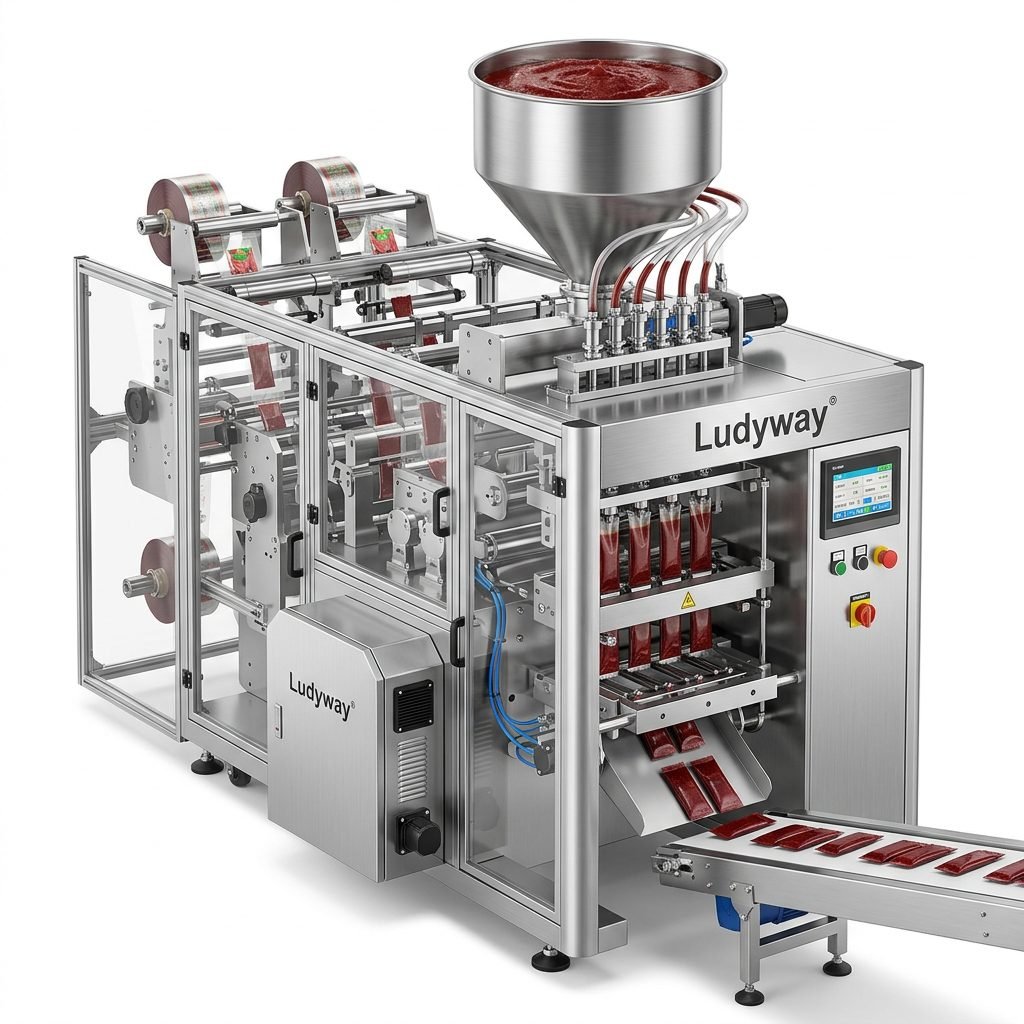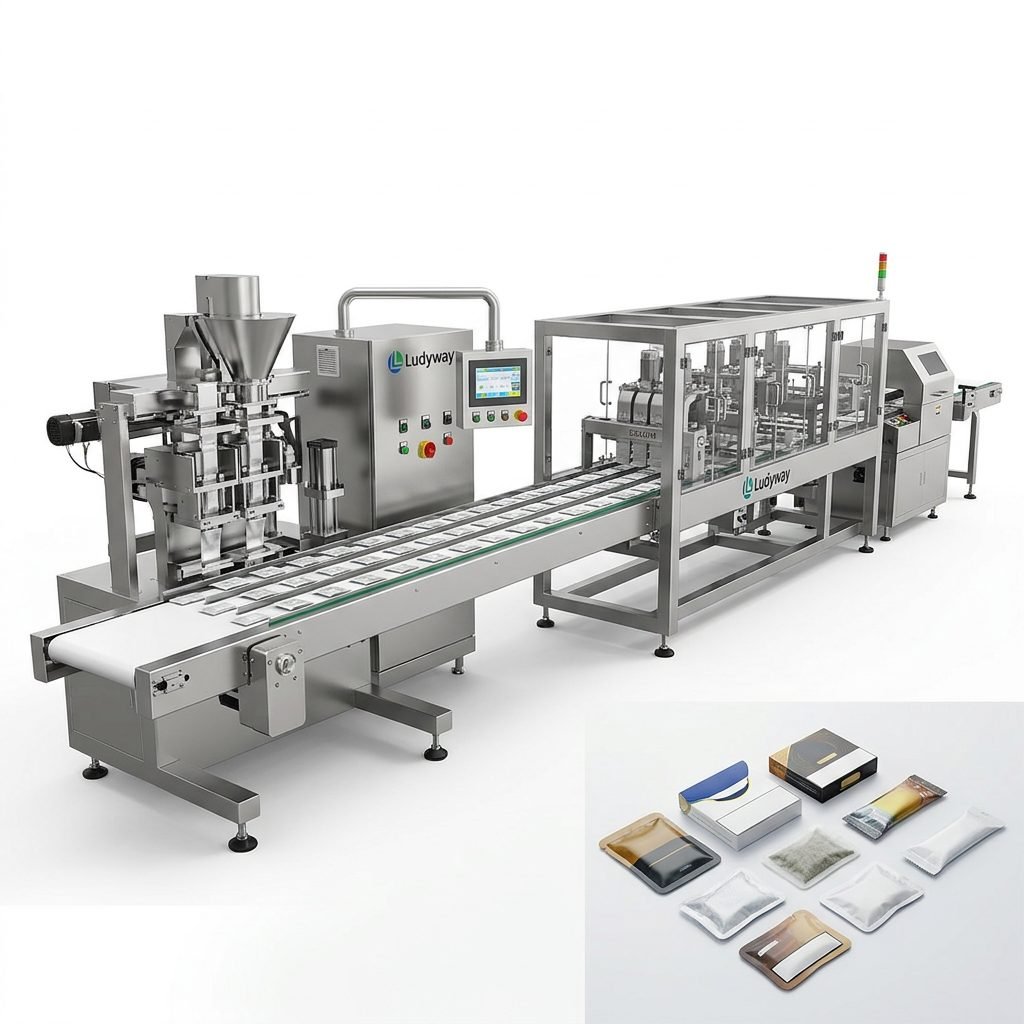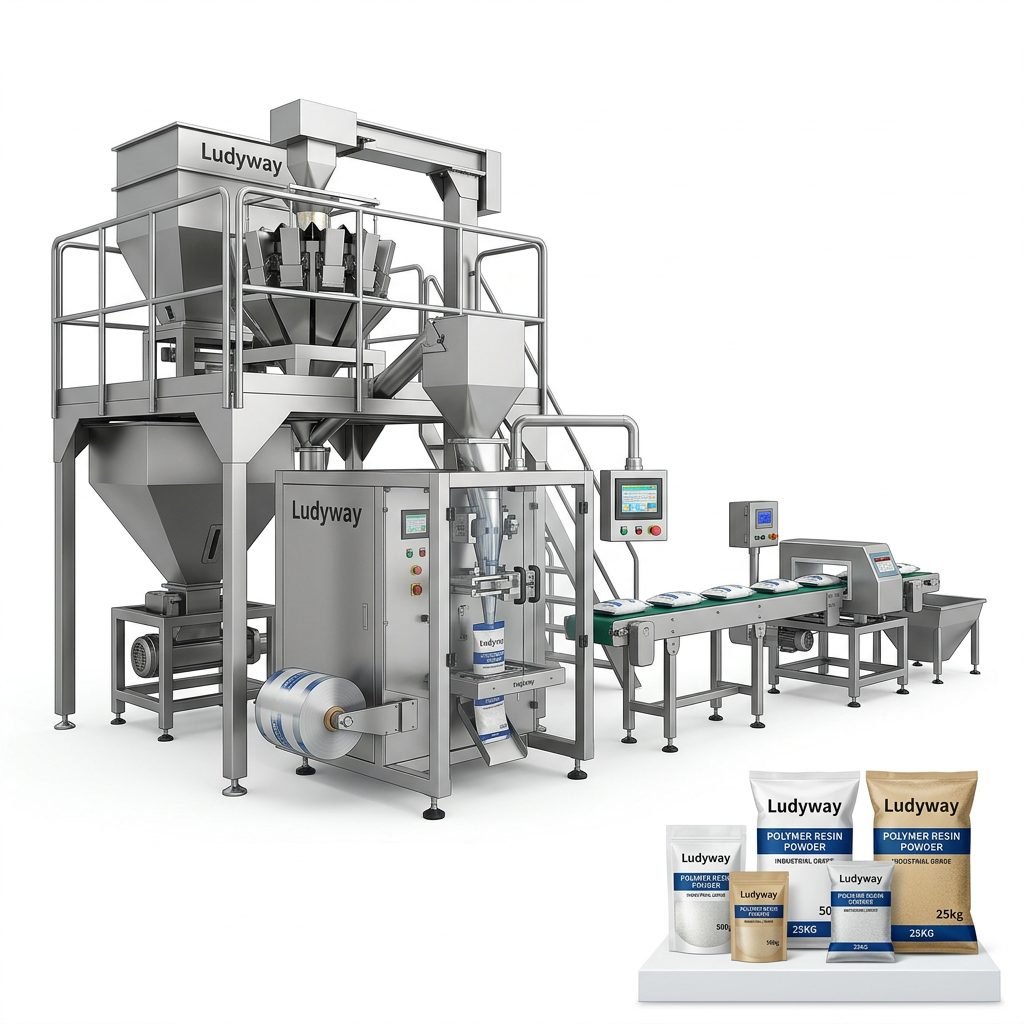
In high-demand production environments, a rope packing machine is an essential asset for bundling, coiling, and securing ropes, cables, and wires. Whether you are handling synthetic fiber ropes or industrial steel cables, the reliability and longevity of your equipment directly impact operational efficiency and bottom-line performance. However, like any sophisticated packaging machinery, these systems require a structured and proactive maintenance program. Neglecting routine care often leads to unplanned downtime, inconsistent tension wrapping, and costly premature part replacements. This guide outlines the essential maintenance tips to maximize your rope packing machine’s service life, ensuring consistent output quality for years to come.
Why Preventive Maintenance is Critical
Reactive repairs are significantly more expensive than scheduled preventive checks. When a rope packing machine breaks down mid-cycle, you risk not only mechanical damage but also product waste and delayed order fulfillment. A well-maintained machine delivers uniform tension control, precise coiling diameters, and reduced friction wear on guides and formers. Establishing a routine based on manufacturer guidelines helps identify minor issues—like misaligned rollers or worn belts—before they escalate into catastrophic failures. This approach safeguards your investment and keeps your production throughput stable.
The Core Components to Monitor
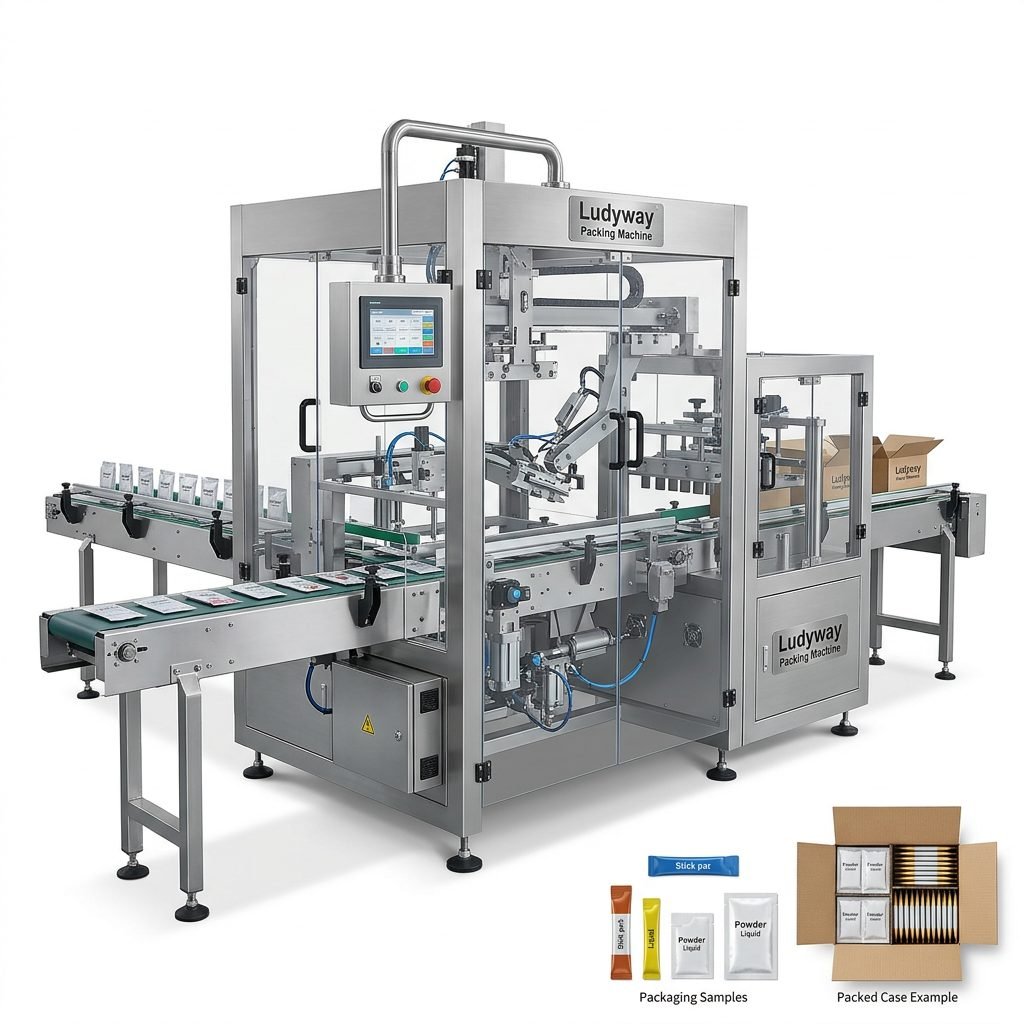
Understanding the anatomy of your machine is the first step toward effective maintenance. Focus your daily and weekly checks on these critical areas:
- Feeding and Tensioning Mechanisms: Inspect belts, chains, and pneumatic cylinders for proper tension and alignment. Loose feeds cause irregular wrapping patterns.
- Cutting and Sealing Units: Keep blades sharp and heating elements clean. Dull cutters or residue buildup compromise the finishing quality of the packed coil.
- Rotary Tables and Turntables: Lubricate bearings regularly and check for wobble or uneven rotation, which indicates worn slewing rings.
- Control Systems and Sensors: Verify that optical sensors and limit switches are free of dust and debris. Calibrate touchscreen parameters to match the specific rope diameter and material type.
Daily Cleaning and Lubrication Protocols
Dust, fiber lint, and adhesive residues are the natural enemies of precision packaging equipment. At the end of each shift, operators should remove accumulated debris from the guide rails and wrapping stations using approved cleaning solvents and lint-free cloths. Never use compressed air directly on sensitive electronic controls, as this can force contaminants deeper into the housings. Regarding lubrication, adhere strictly to the recommended grease viscosity specified in your manual. Over-greasing bearings can cause overheating, while under-lubrication accelerates metal fatigue. Pay special attention to high-friction points such as cam followers and linear slides.
Weekly Inspection Checklist
Implement a documented checklist to standardize your maintenance workflow. The following table highlights a recommended weekly routine to ensure no component is overlooked during the inspection process.
| Frequency | Maintenance Task | Target Area |
|---|---|---|
| Daily | Remove dust and fiber buildup | Guide rails, sensor lenses |
| Weekly | Check belt and chain tension | Drive transmission system |
| Weekly | Lubricate moving joints | Bearings, pivot points |
| Monthly | Inspect electrical connections | Terminal blocks, wiring |
Optimizing Changeover and Calibration
Incorrect changeover procedures between different rope gauges or materials are a common cause of mechanical strain. Always relieve tension settings before retracting guides or adjusting formers. When switching from a heavy-duty sisal rope to a delicate synthetic cord, recalibrate the machine’s torque limiters and sealing temperatures to prevent burn-through or slip-page. Modern machinery often features recipe management systems; utilize these digital presets to minimize human error and mechanical wear during transitions. Ensuring proper adjustment prevents unnecessary stress on the frame structure and extends the life of the tooling.
Managing Wear Parts and Spare Inventory
No rope packing machine can operate indefinitely without replacing consumable components. Develop a strategic spare parts inventory based on the lifecycle of high-wear items such as sealing bands, Teflon tapes, cutters, and drive belts. OEM parts are highly recommended because generic alternatives often differ slightly in tolerance, leading to poor fit and rapid degradation. Keep a log of part changeovers to predict future procurement needs accurately. By preemptively replacing components during planned shutdowns, you avoid the costly domino effect where a failed belt damages a pulley, which in turn misaligns the entire drive shaft assembly.
Advanced Diagnostics and Professional Servicing
While operator-led daily care is vital, scheduling professional servicing at least annually is non-negotiable. Experienced technicians use diagnostic tools to measure motor amp draws, verify servo feedback accuracy, and assess the structural integrity of welding joints. These experts can identify subtle issues like a declining hydraulic pressure curve or a developing deadband in the control loop. For businesses running high-output lines, such as those designed by leading packaging machine manufacturers, a service contract can provide priority access to firmware updates and remote troubleshooting, ensuring your rope packing machine operates at peak efficiency.
Consistency is the cornerstone of extended machinery life. By integrating these essential maintenance practices into your corporate culture, you transform the rope packing machine from a potential bottleneck into a reliable workhorse. Ultimately, a clean, well-lubricated, and properly calibrated machine not only delivers a longer service life but also produces a consistently superior pack that elevates your brand’s market reputation.
Industry Best Practices and Guidance
For deeper insights into optimizing your production line and ensuring equipment longevity, review the latest industry analysis and standards. Reliable data can drive smarter maintenance decisions. Explore the comprehensive resources available through organizations dedicated to packaging innovation.
- PMMI State of the Industry Reports – Packaging Machinery Trends
- Flexible Packaging Association – Maintenance Best Practices
- ISO Packaging Standards – Machinery Safety & Performance
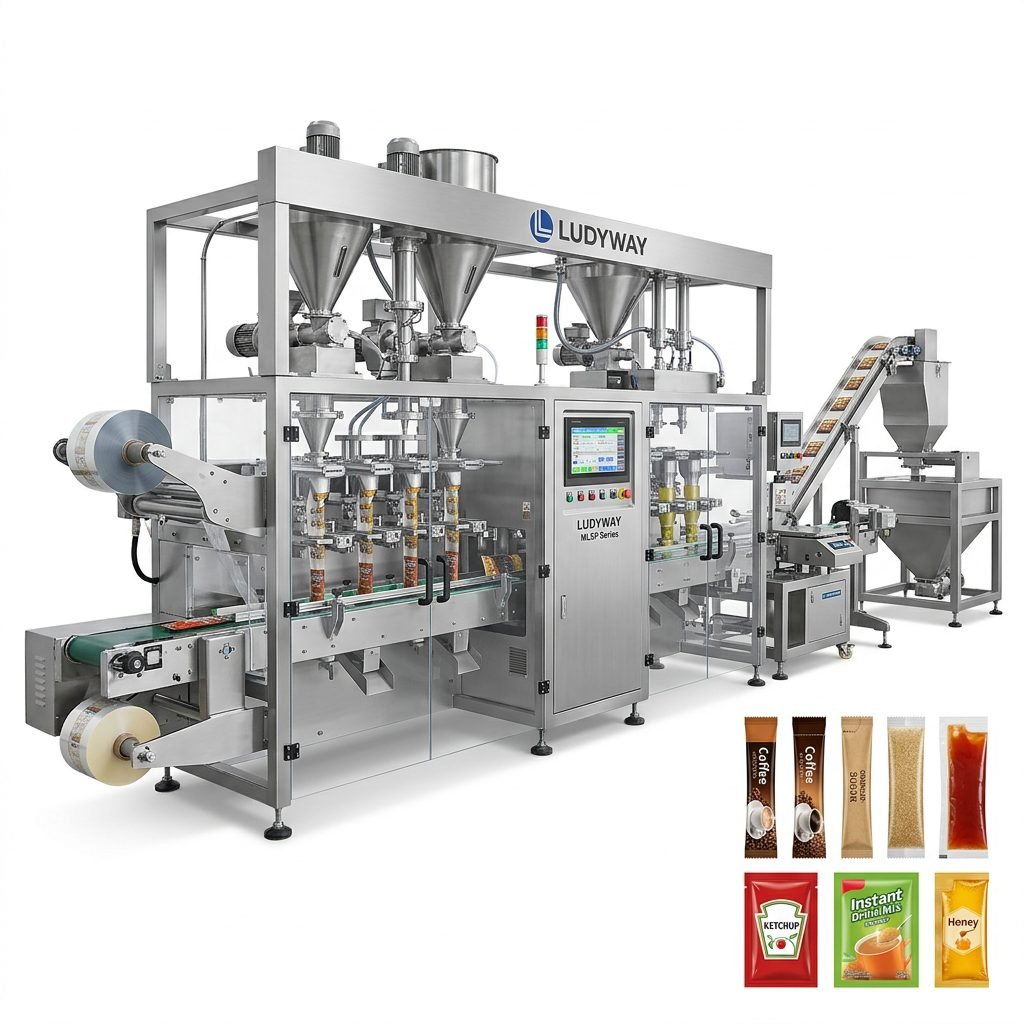
For businesses seeking to upgrade or integrate new systems, partnering with an established manufacturer is crucial. Ludyway, a premier packaging machine manufacturer in China, offers advanced, turnkey solutions designed for high reliability and simplified maintenance routines, ensuring your production stays ahead of the curve.