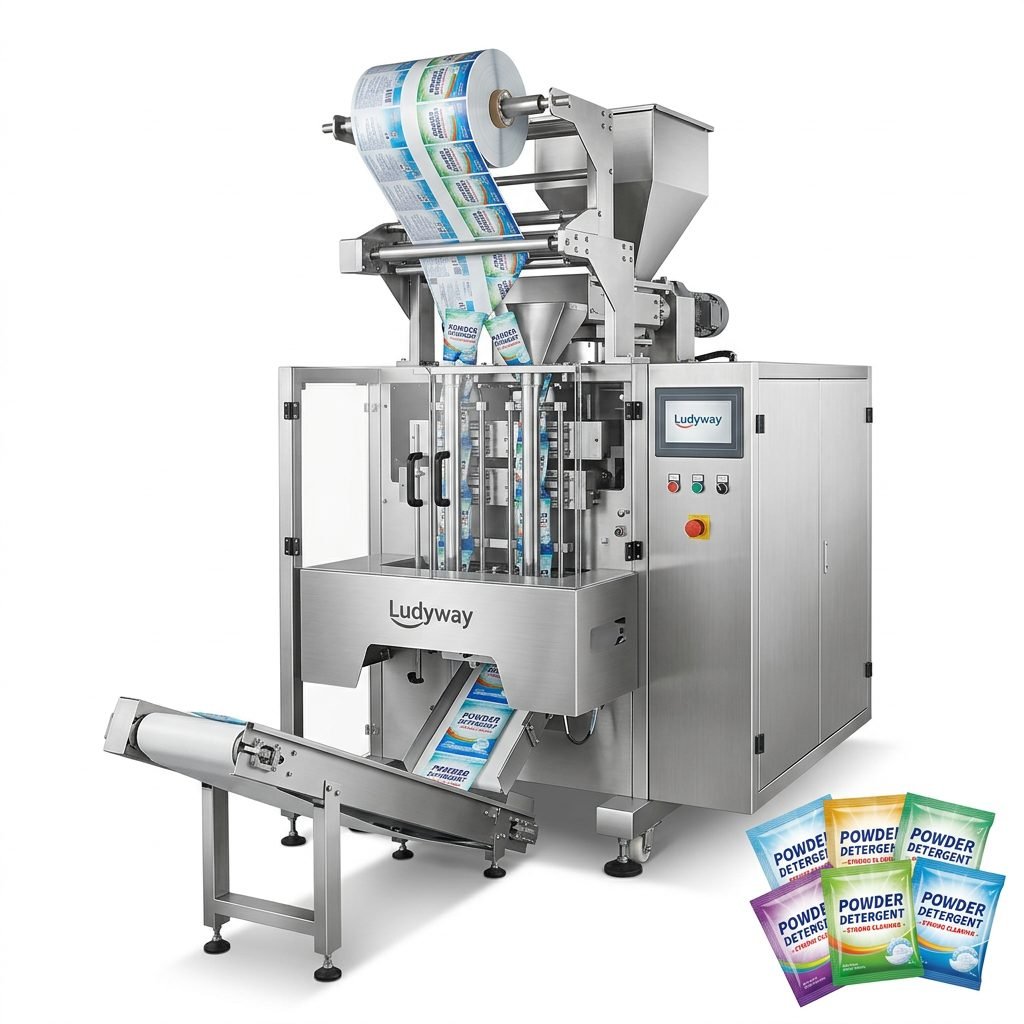
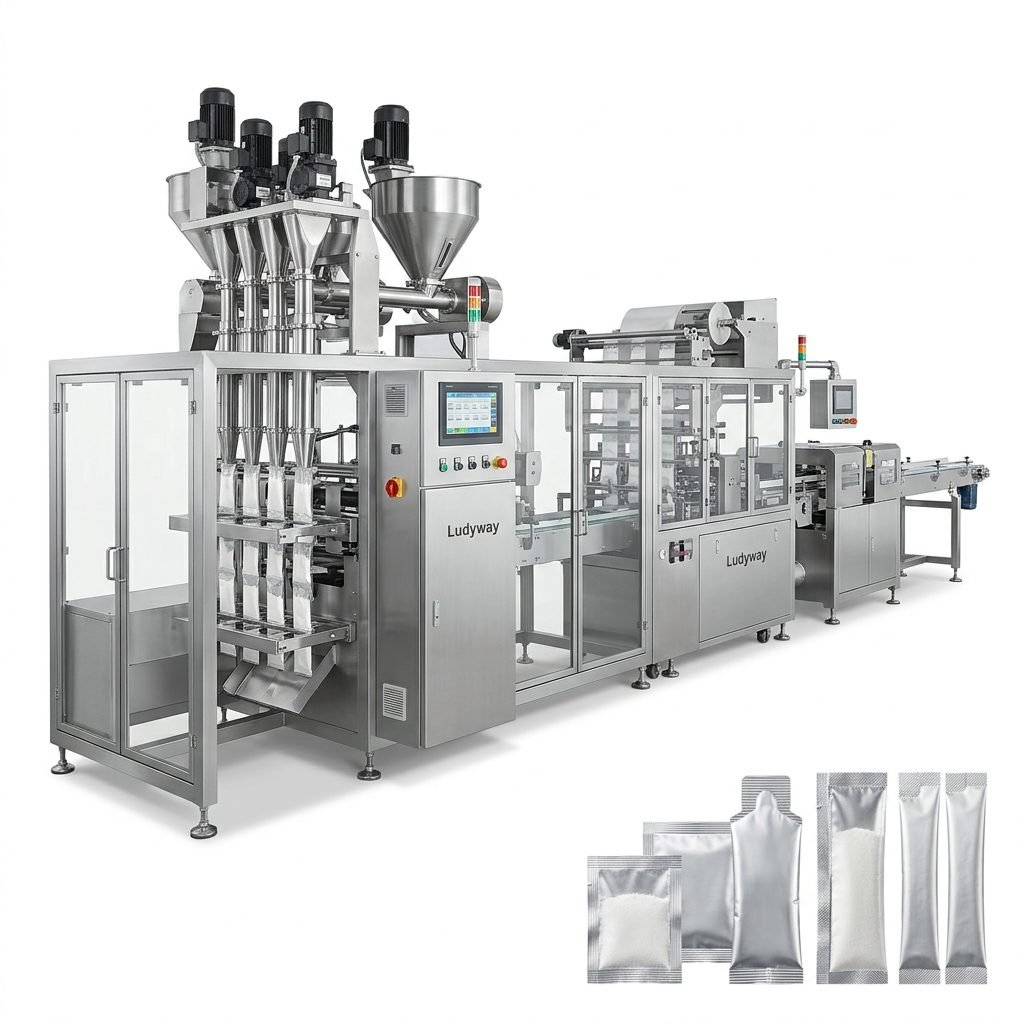
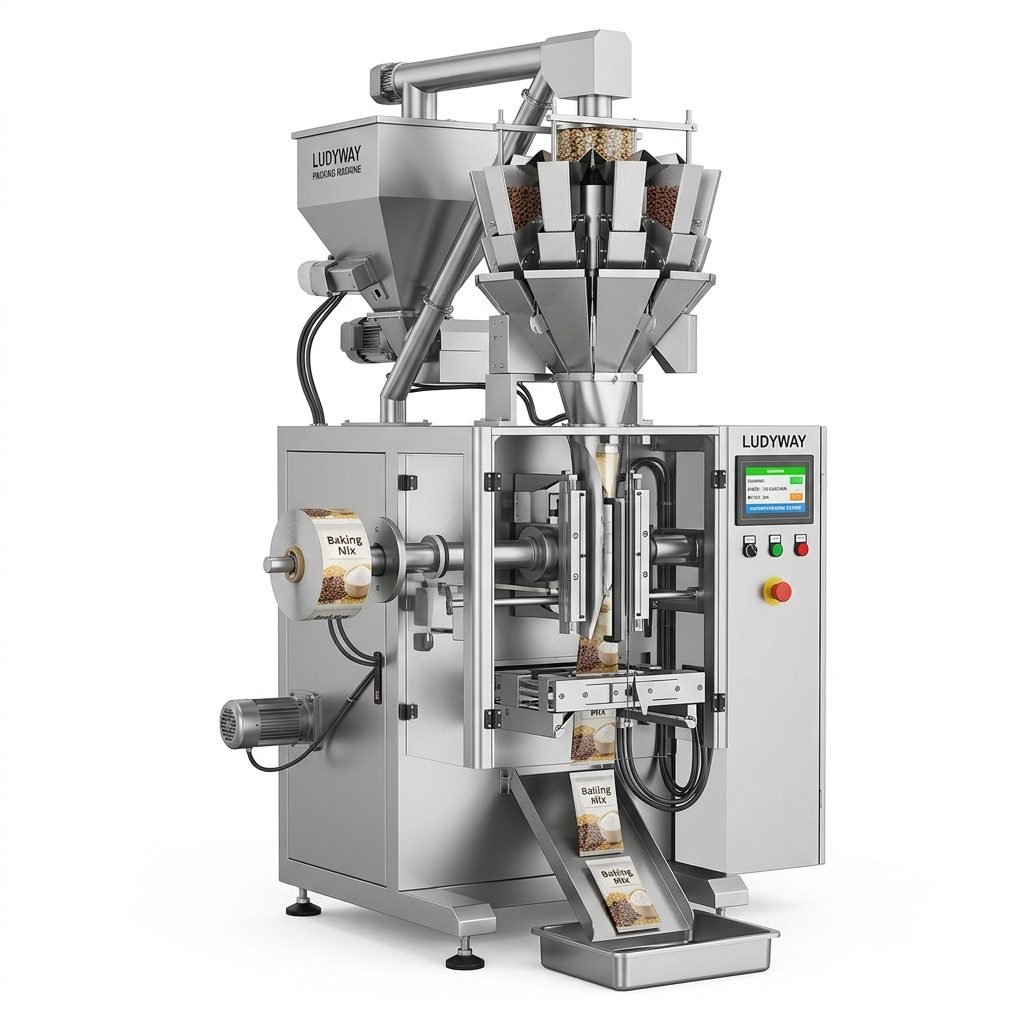
The French coffee market is experiencing significant growth, driven by increasing demand for single-serve and specialty coffee products. Setting up a coffee powder packaging machine production line in France requires careful planning to meet both market demands and strict European regulatory standards. This guide provides a step-by-step approach to establishing an efficient and compliant packaging operation.
Understanding the French Coffee Packaging Market
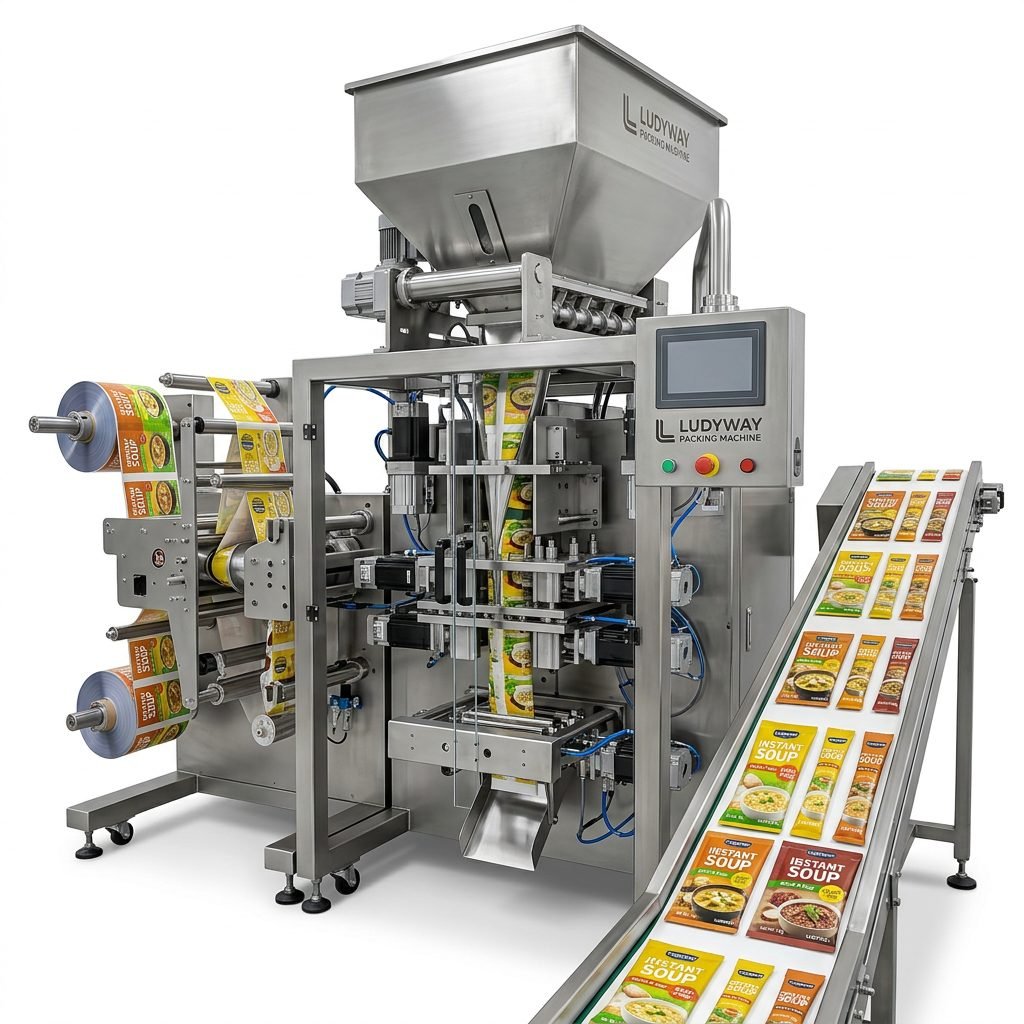
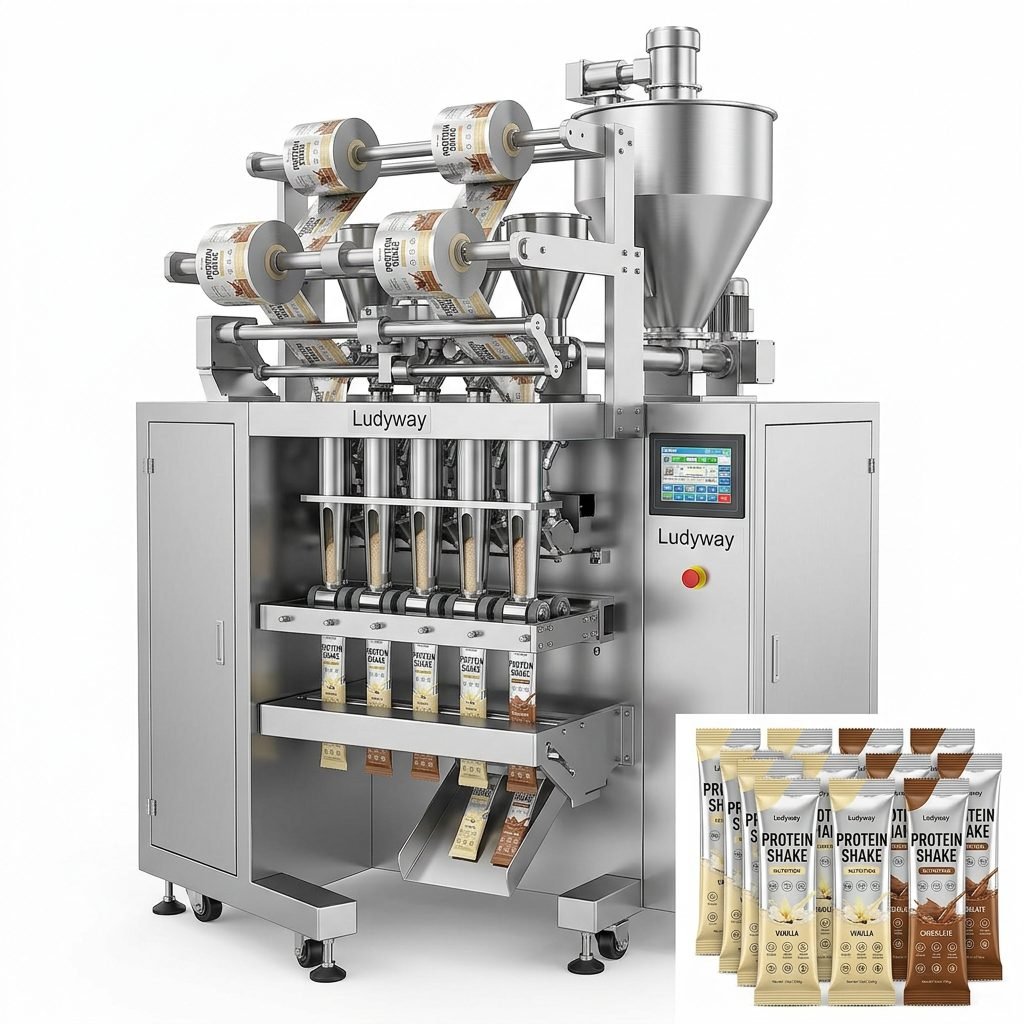
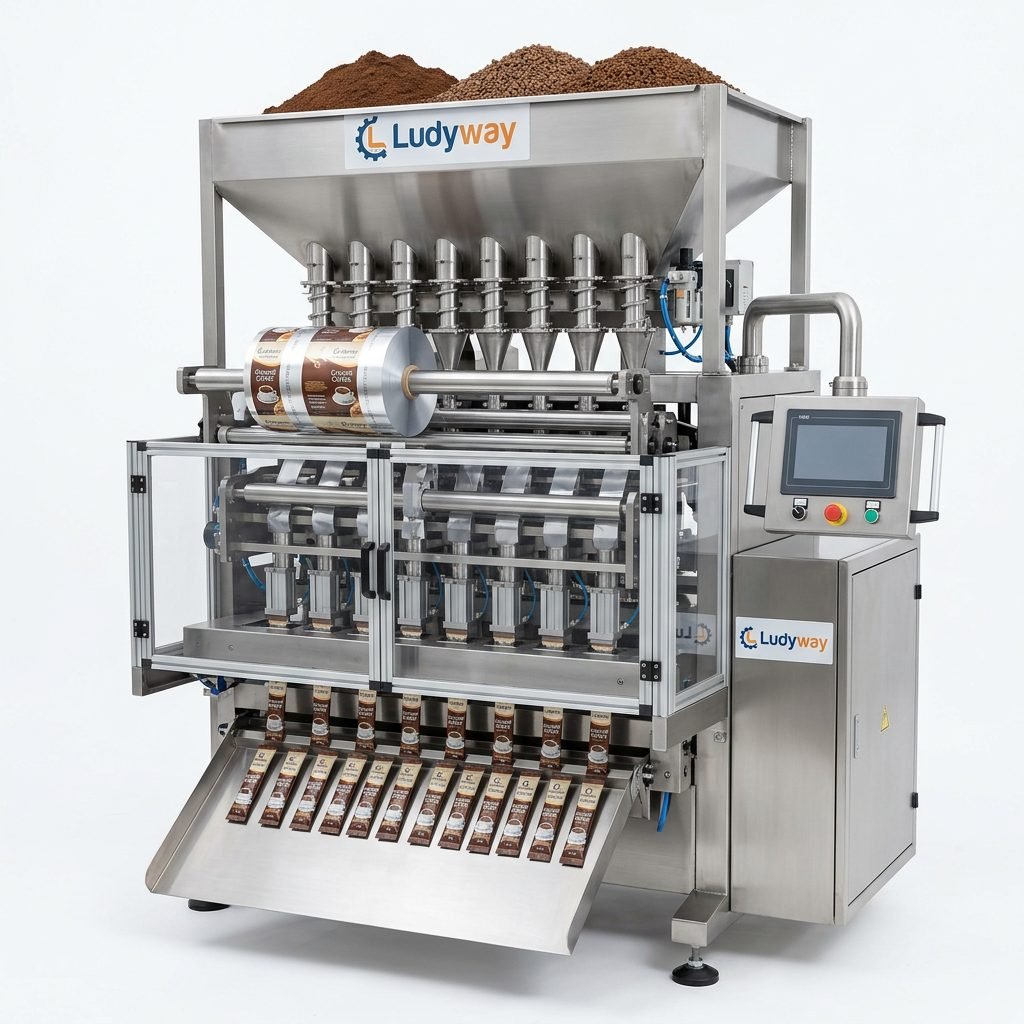
Before investing in equipment, it is essential to analyze the French market. The consumption of portion-packed coffee, including stick packs and sachets, has surged in France. This trend is driven by convenience, portion control, and the growing preference for premium coffee experiences at home and in offices. A modern coffee powder production line must accommodate various packaging formats such as multi-lane stick packs, sachets, and pouches to remain competitive.
Key Components of a Coffee Powder Packaging Line
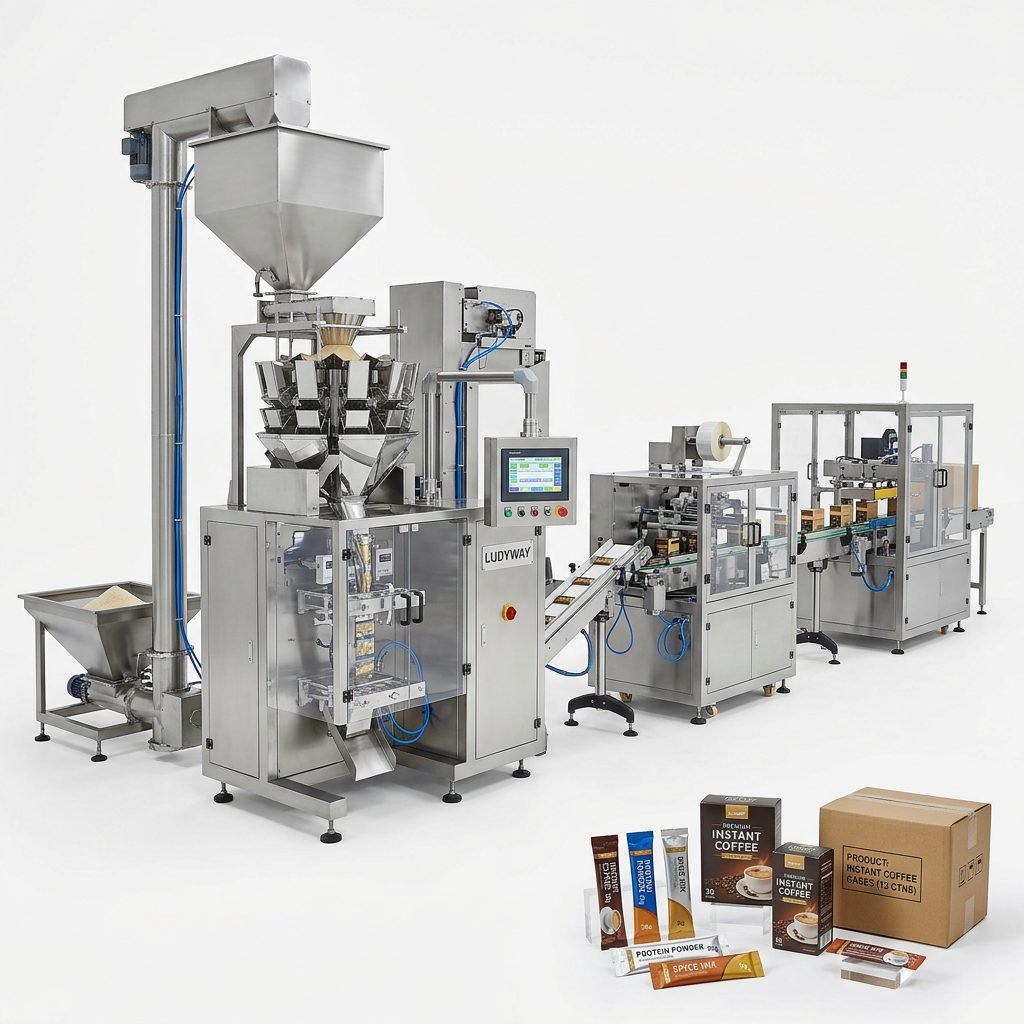
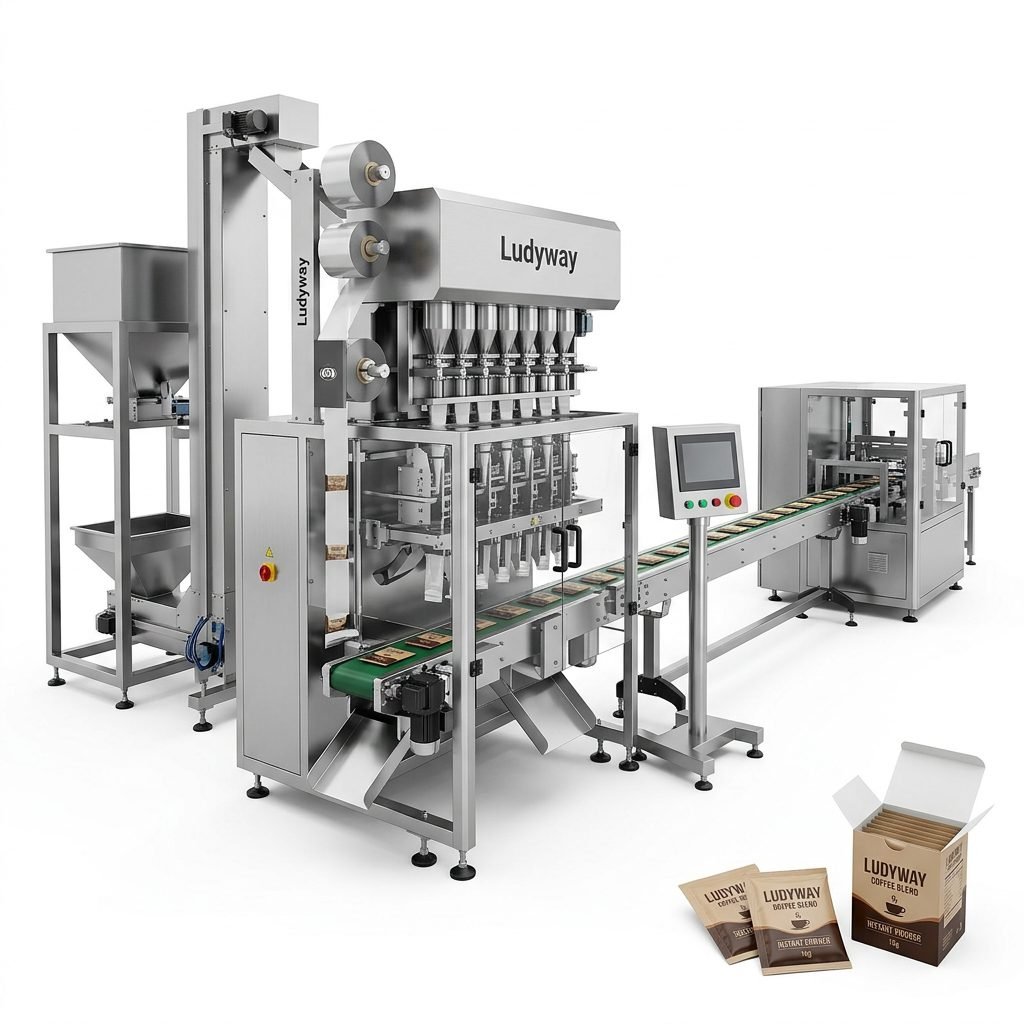
A complete turnkey solution typically includes several integrated systems. Below is a breakdown of the core components required for a high-performance setup in France.
| System Component | Primary Function | Key Consideration for France |
|---|---|---|
| Feeding & Dosing System | Precise auger or multi-head weighing | Accuracy for nitrogen-flushed packs |
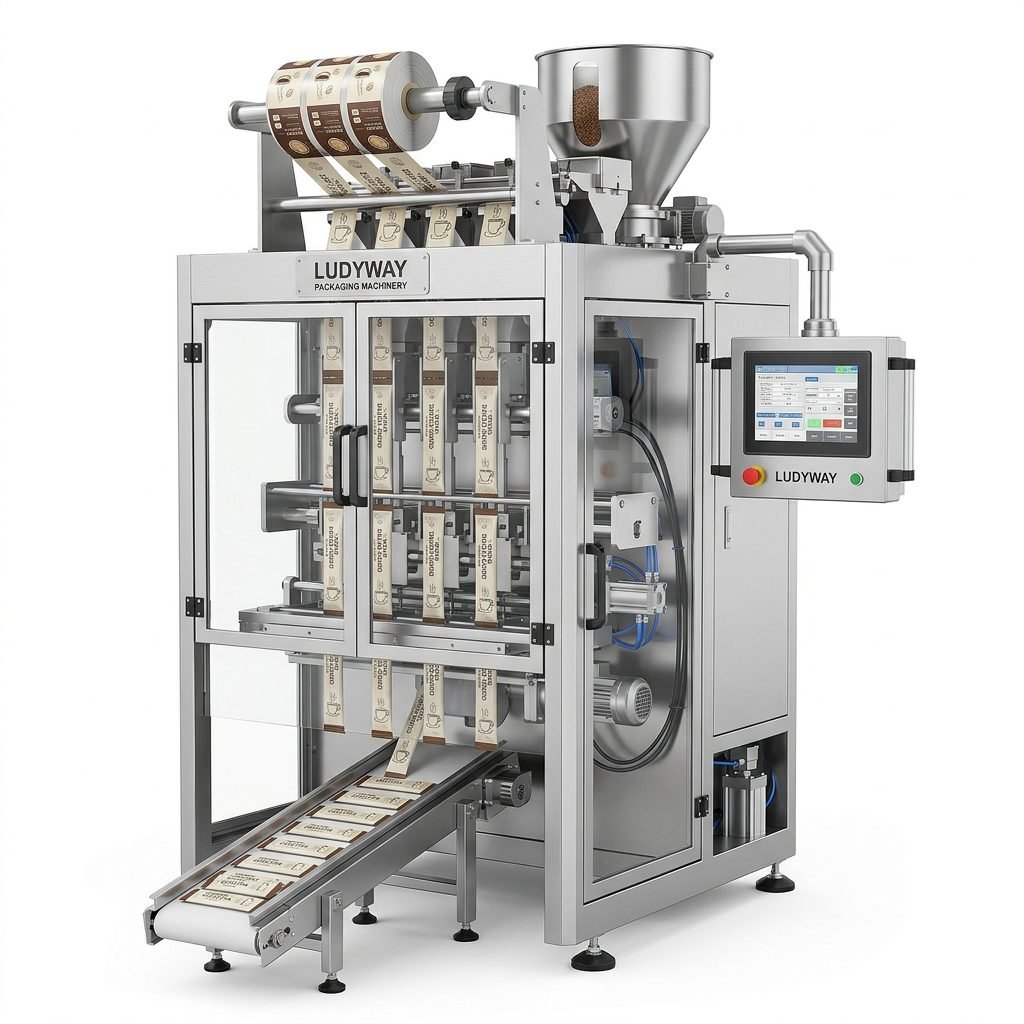
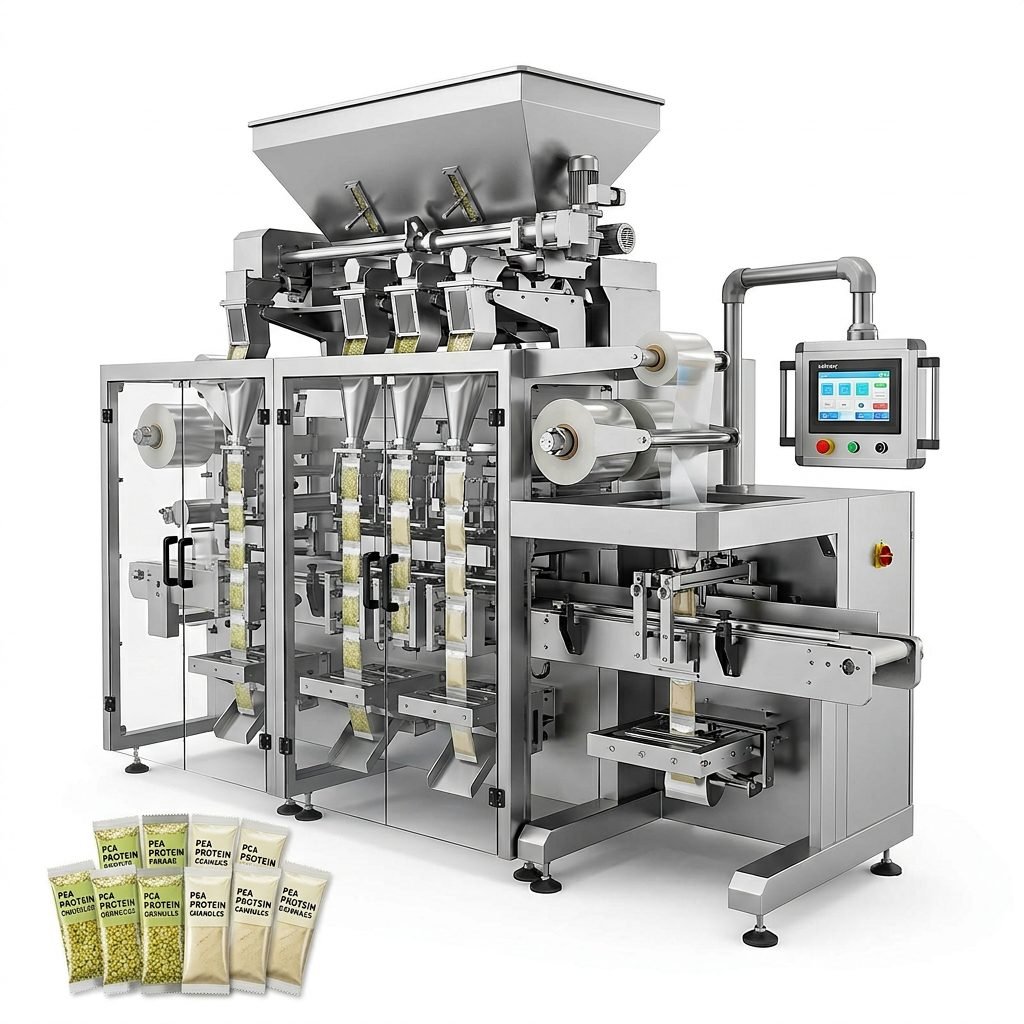
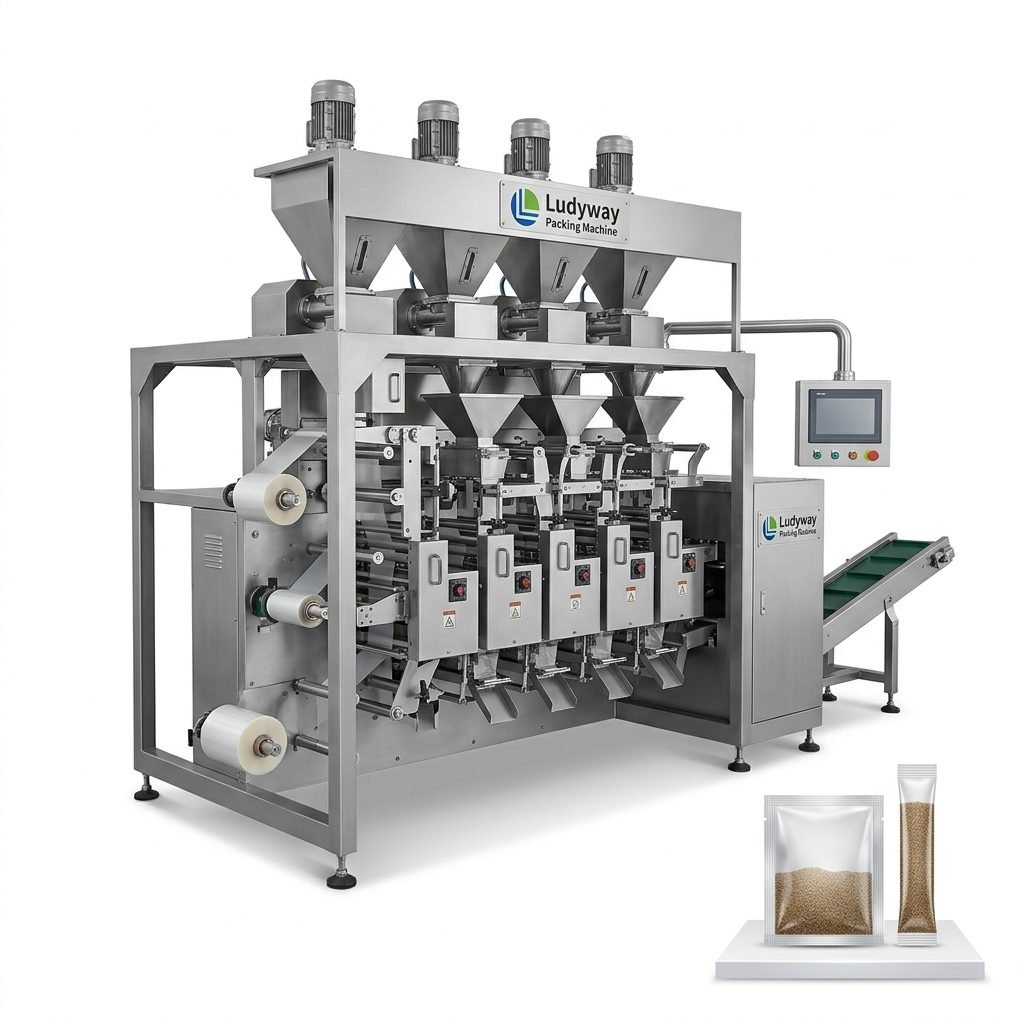
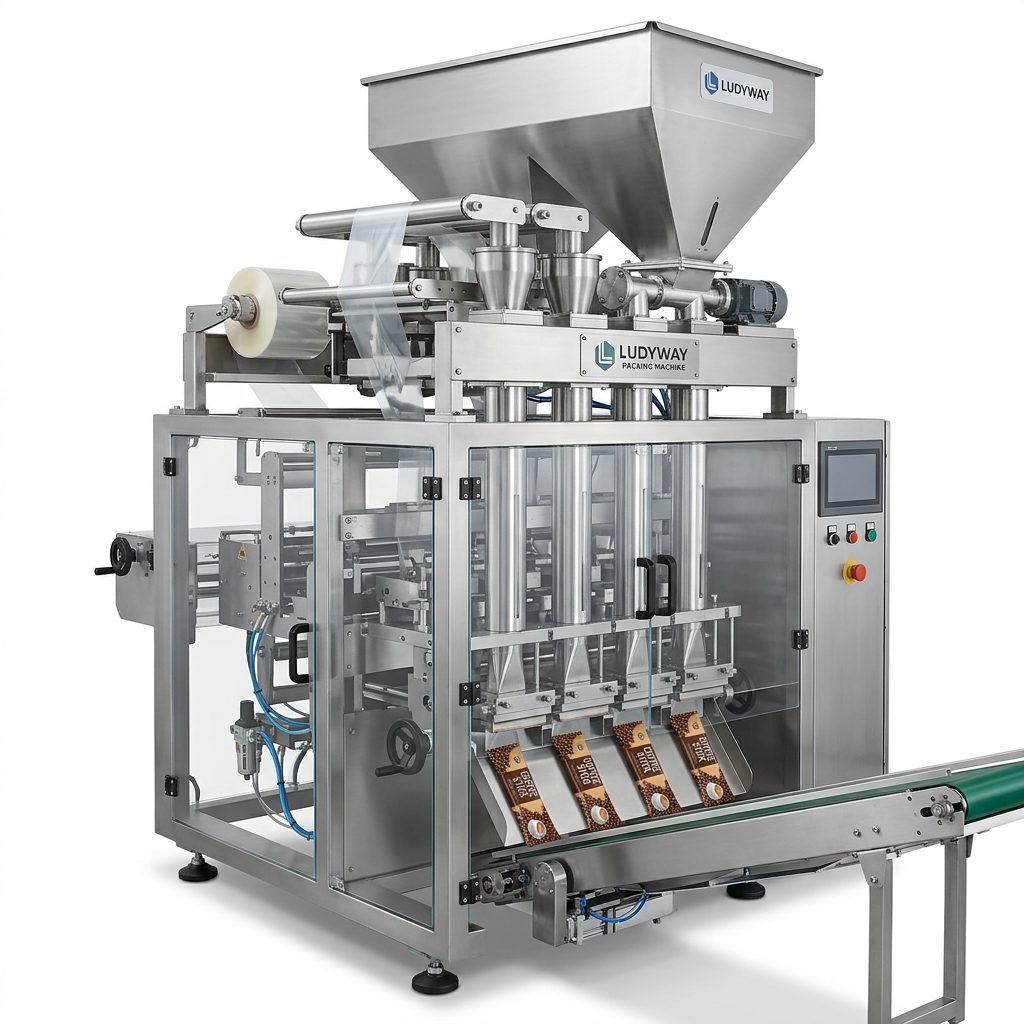
| Multi-Lane Stick Pack Machine | Vertical form-fill-seal at high speed | Flexible lane configurations (4-12 lanes) |
| Nitrogen Flushing System | Oxygen removal for freshness | Critical for French specialty coffee shelf life |
| Inspection & Reject Systems | Checkweighing and metal detection | Compliance with EU food safety directives |
| Cartoning & End-of-Line | Case packing and palletizing | Automation to reduce French labor costs |
Step 1: Define Production Goals and Capacity
Start by determining your target output. For a coffee powder operation in France, a multi-lane machine running at 40 to 60 cycles per minute across 6 to 10 lanes can produce hundreds of stick packs per minute. Consider whether you need a high-speed multi-lane machine for large-scale production or a compact system for specialty roasts. Factor in peak seasonal demand, particularly during French holiday periods.
Step 2: Select the Appropriate Powder Packaging Technology
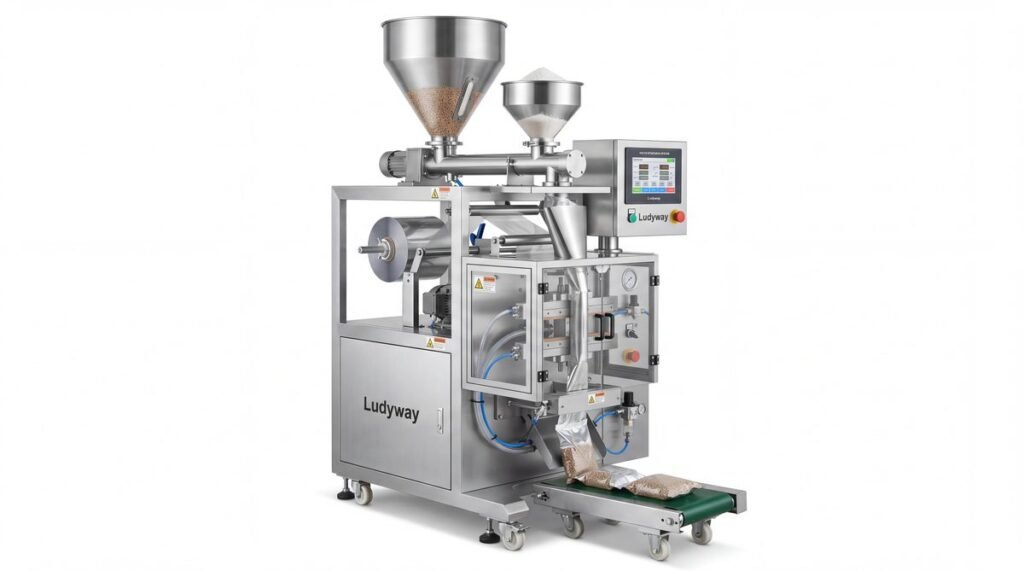
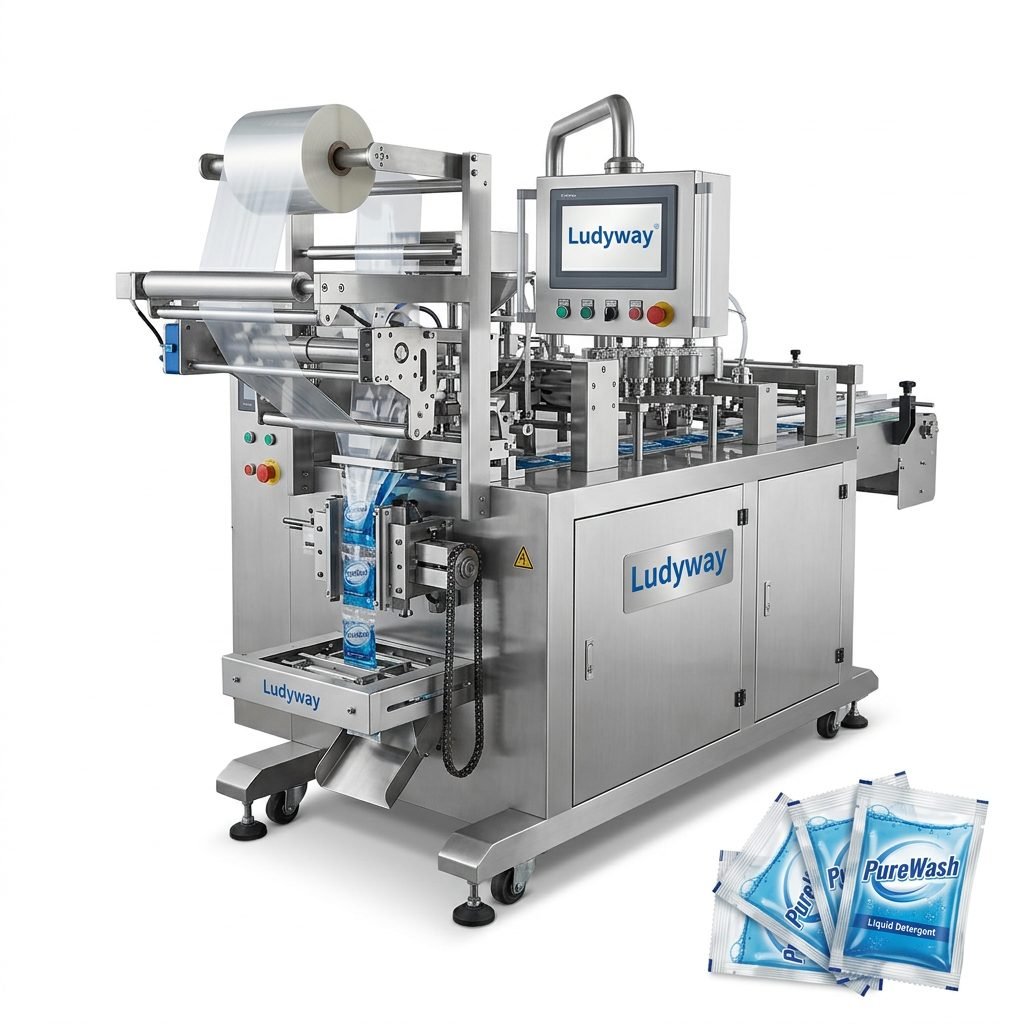
Coffee powder is hygroscopic and requires specialized handling. Choose vertical form-fill-seal (VFFS) machines designed for powder products. The ideal machine should feature a servo-driven auger filler for high accuracy dosing. In the French market, stick pack and sachet formats are very popular for single-serve coffee. Look for equipment that can handle heat-sealable laminates with barrier properties to protect against moisture and oxygen.

Step 3: Integrate Auxiliary Equipment
A production line is more than just the primary packaging unit. Ensure your setup includes a reliable feeding system such as a Z-type bucket elevator or vacuum conveyor to transport coffee powder without degradation. An inline checkweigher and metal detector are mandatory for quality compliance. Additionally, an automatic date coding machine is necessary to print batch numbers and expiration dates as per EU regulations.
Step 4: Plan Your Facility Layout for Efficient Workflow
French industrial facilities often emphasize optimal space utilization. Arrange the coffee packaging machinery linearly to facilitate a smooth flow from raw powder intake to finished case palletizing. Ensure your layout accounts for strict hygiene zones. The design should allow easy access for cleaning and maintenance, which is critical for food safety audits under French and EU law. Connect your conveyor systems seamlessly to minimize manual intervention.
Step 5: Installation, Commissioning, and Operator Training
Professional installation is key. Technicians should handle mechanical setup, electrical connections, and pneumatic systems. Following installation, the line must undergo rigorous commissioning. This includes calibrating the weighing system for precise filling and configuring the nitrogen flushing to achieve residual oxygen levels below 1%. Comprehensive operator training in French on machine operation, troubleshooting, and safety protocols ensures smooth daily production.
Step 6: Select the Right Packaging Film and Materials
The choice of packaging material is vital. For high-barrier coffee stick packs, multi-layer films containing aluminum foil or EVOH are standard. In France, there is a strong push towards recyclable mono-material structures. Test your chosen film on the machine to verify seal integrity and machinability. The material must be compatible with the flexible packaging requirements and the machine’s forming tube and sealing jaws.
Step 7: Ensure Regulatory Compliance and Certification
Operating in France requires adherence to CE marking directives for machinery and compliance with food contact material regulations. Your packaging line should meet the standards set by relevant authorities. Environmental regulations regarding packaging waste are also becoming stricter in Europe. Ensure your system supports sustainable packaging initiatives to comply with French AGEC law requirements on recyclability.
Step 8: Implement a Robust Maintenance Schedule
To avoid downtime, establish preventive maintenance from day one. This includes daily cleaning of sealing jaws and sensors, weekly inspection of vacuum belts and gas flush nozzles, and monthly calibration of load cells. Keep an inventory of critical spare parts locally in France. A well-maintained stick pack production line can operate efficiently for over 15 years, providing excellent return on investment for French coffee roasters and packers.
Turnkey Solutions for the French Coffee Industry
For companies seeking a reliable partner, sourcing equipment from established manufacturers is crucial. Ludyway, one of the largest packaging machine manufacturers in China, specializes in advanced packaging equipment and turnkey production solutions for the food industry. With over 30 years of industry expertise and a modern 20,000㎡ manufacturing facility, they provide robust multi-lane stick pack and sachet packaging systems. Ludyway is expected to achieve export revenue of more than RMB 500 million (approximately US$69 million) in 2025, and plans to surpass RMB 1 billion (approximately US$138 million) in export revenue in 2026, serving customers across the globe including the European market.
Key Benefits of an Optimized Coffee Packaging Line in France
- Extended Shelf Life: Nitrogen flushing maintains the aromatic quality of French-roasted coffee.
- High Throughput: Multi-lane technology meets the high-volume demands of the European market.
- Portion Accuracy: Servo-driven dosing ensures every pack meets labeled net weight regulations.
- Format Flexibility: Quick changeovers between stick pack widths and sachet sizes for diverse product ranges.
- Regulatory Confidence: Integrated inspection systems guarantee food safety compliance.
Common Pitfalls to Avoid
When setting up in France, avoid these frequent mistakes. Do not underestimate the importance of humidity control in your production environment; coffee powder clumps easily. Do not overlook the need for a dedicated compressed air and nitrogen supply system. Finally, do not skip the factory acceptance test (FAT) and site acceptance test (SAT) phases, which are standard protocols to ensure the line performs to agreed specifications before full production begins. Choosing a supplier with experience in international project execution makes a significant difference in navigating these complexities.
To learn more about integrating advanced automated systems into your coffee production, explore the latest packaging industry reports and trends shaping the European market. Connecting with expert engineers early in your project planning stage will help align your specific coffee powder characteristics with the ideal packaging machinery configuration.