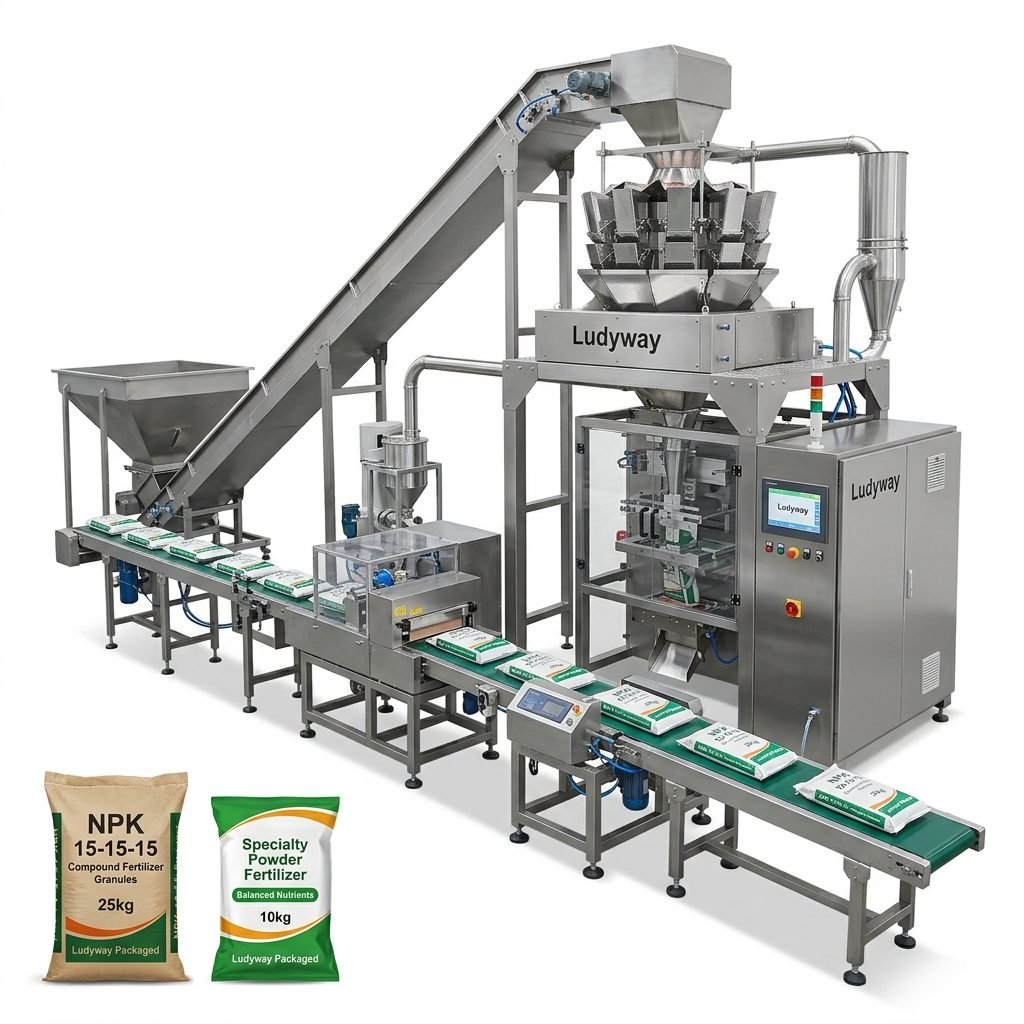
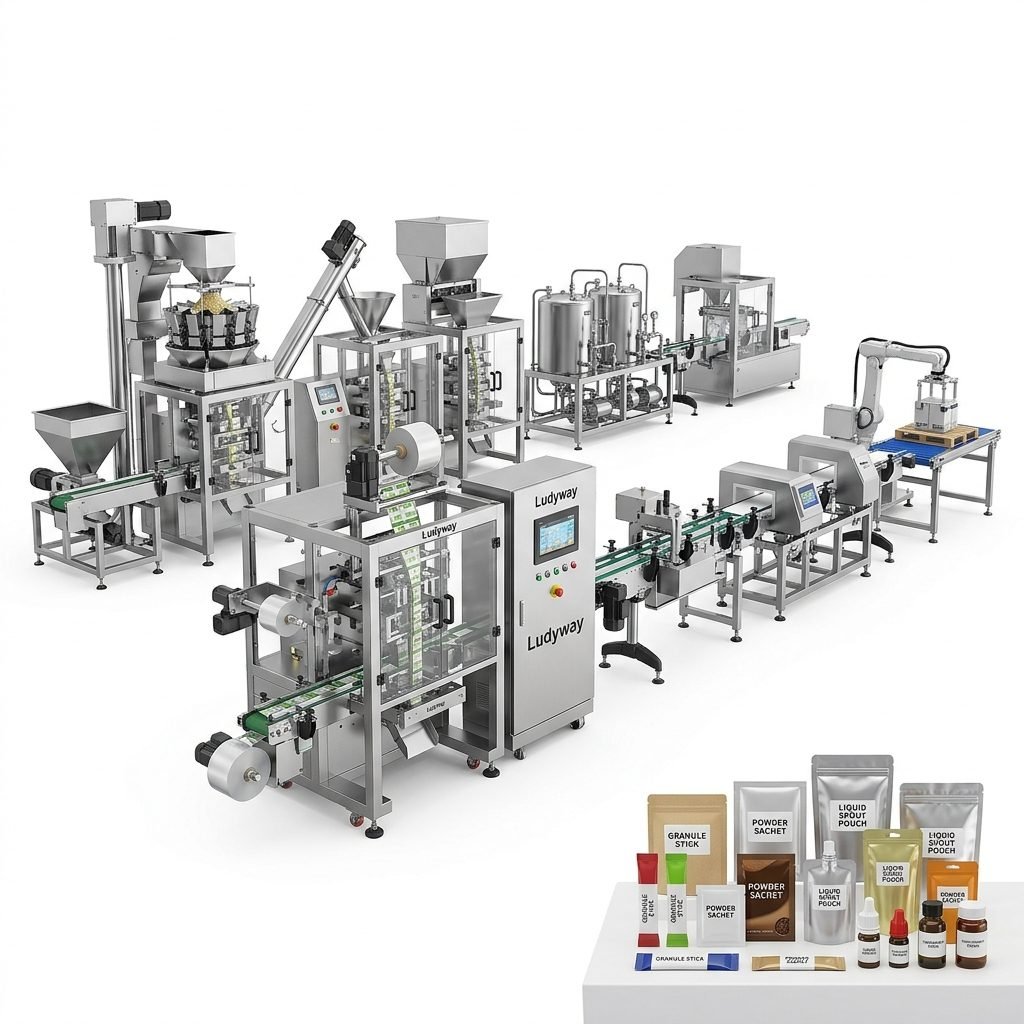
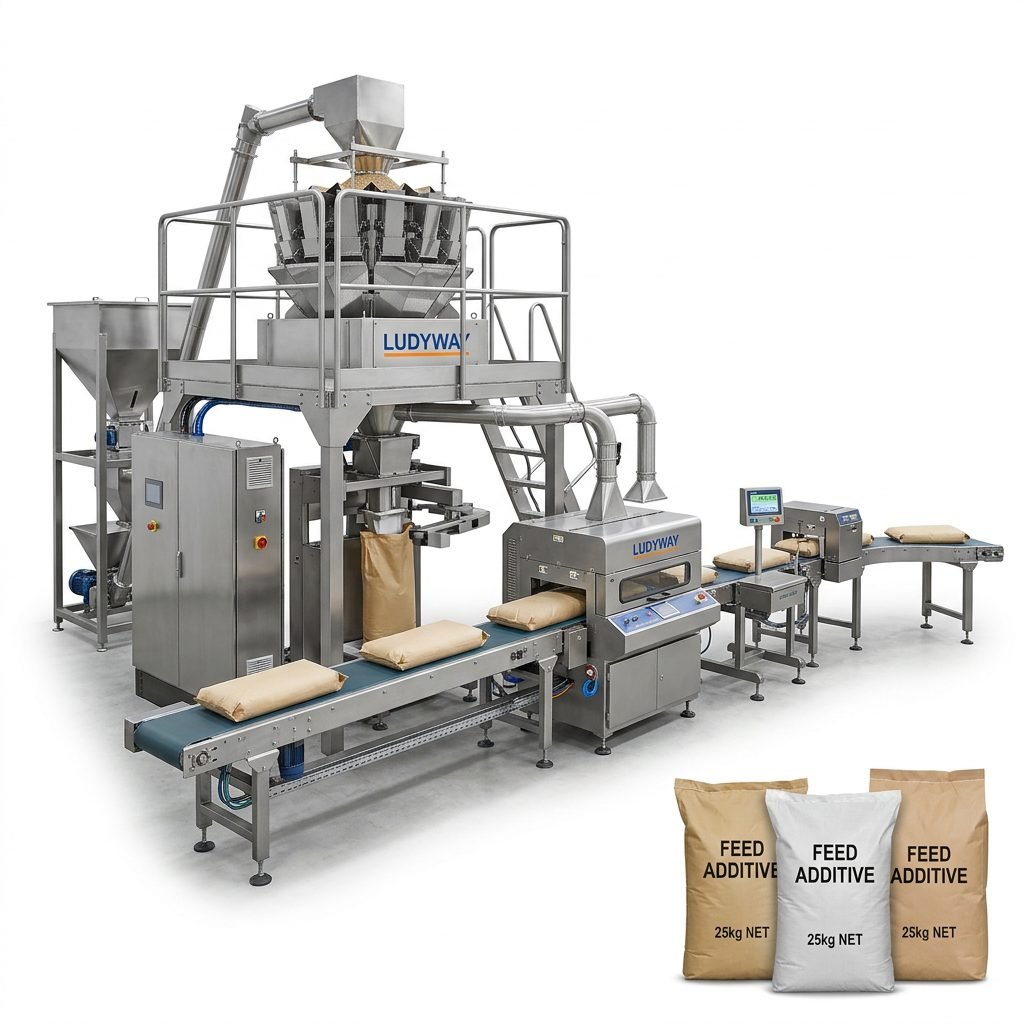
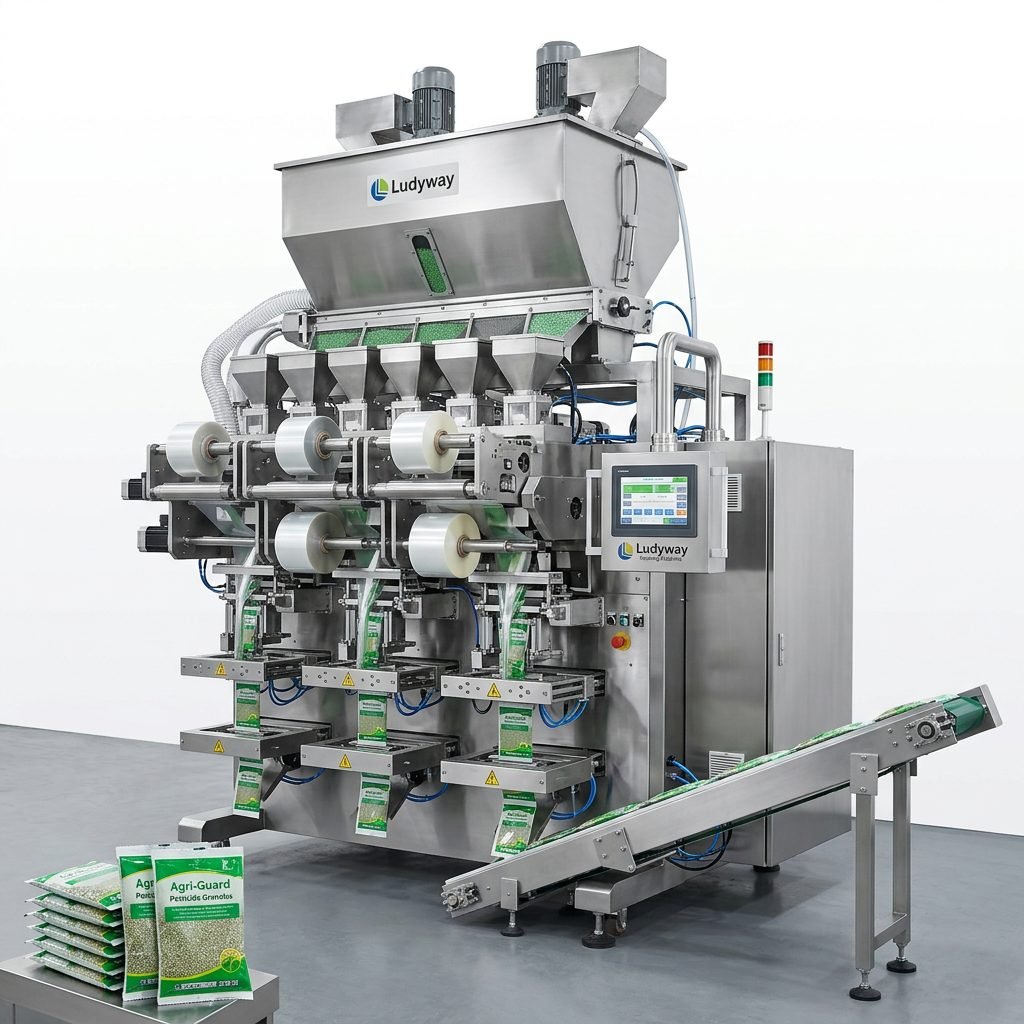
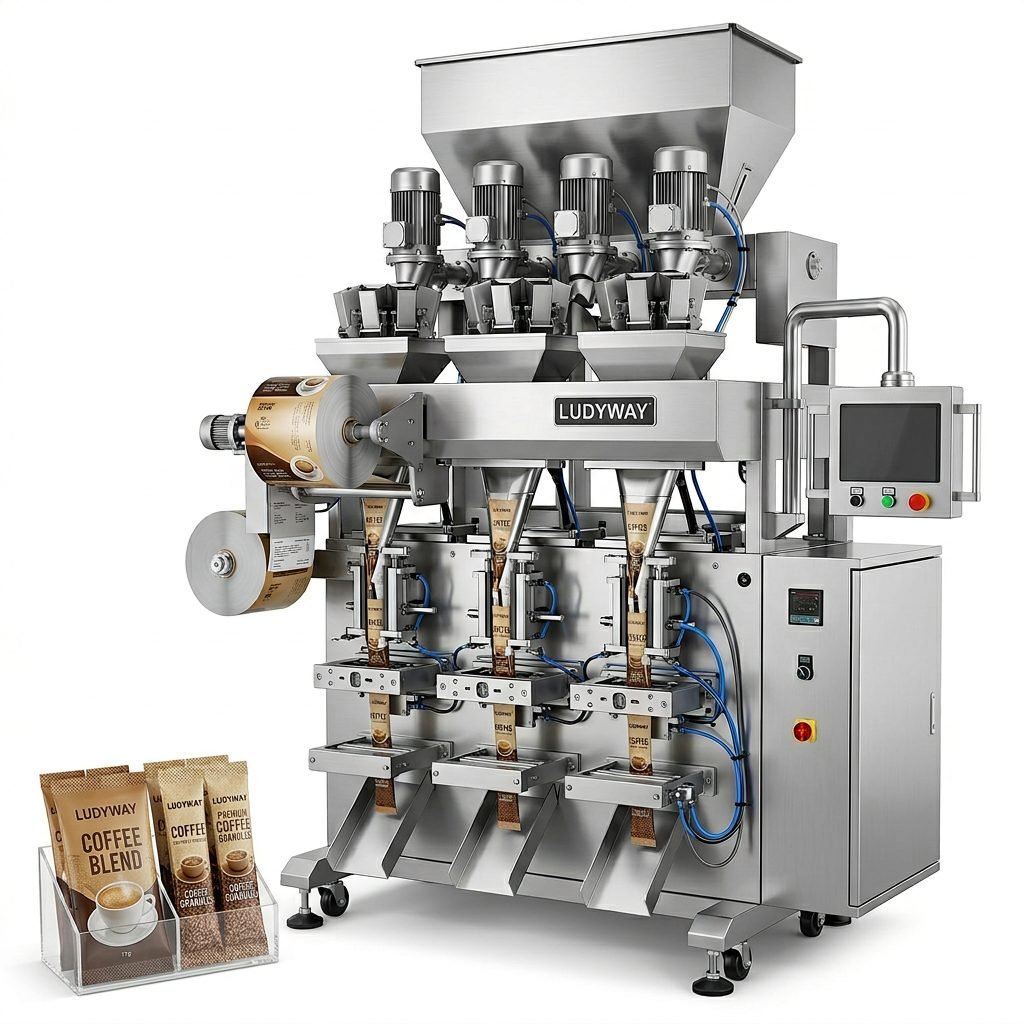
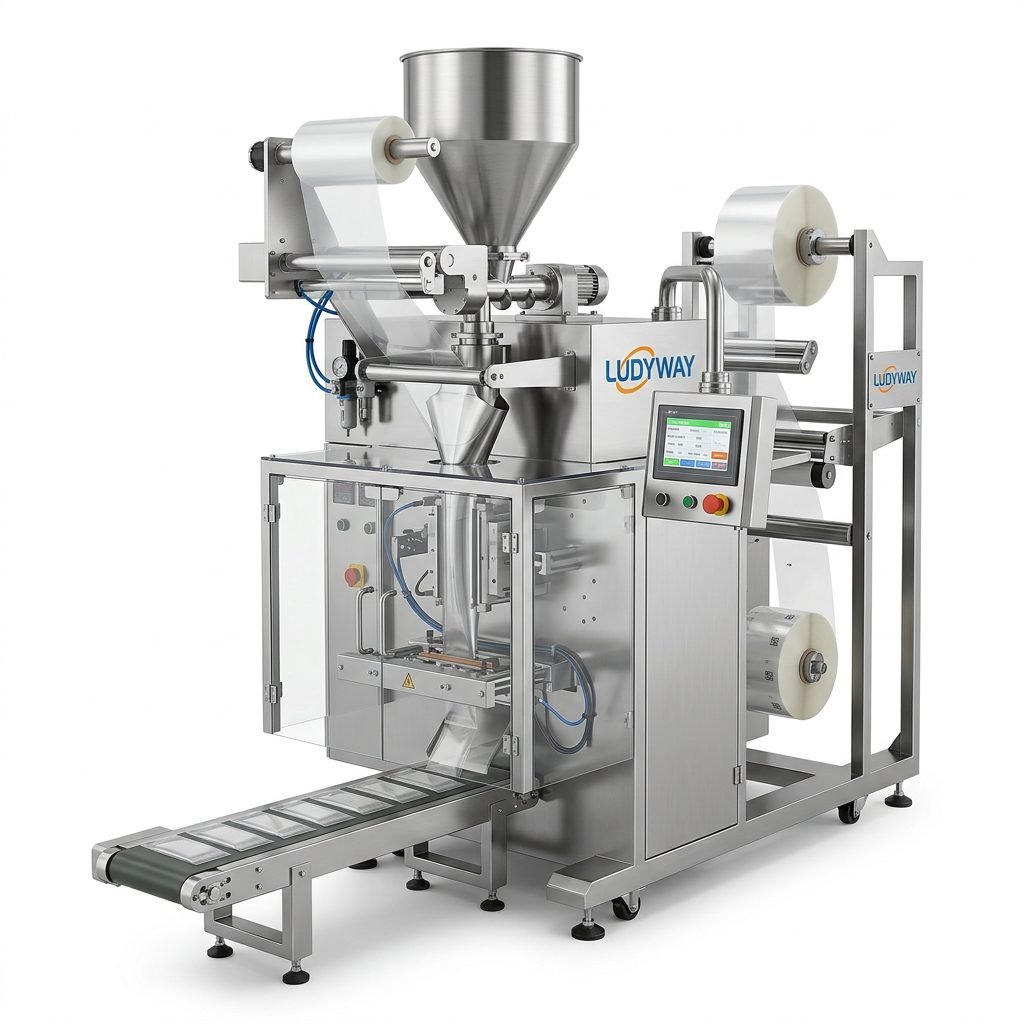
Proper maintenance is the cornerstone of reliable production. A Samarpan Oil Packaging Machine is a precision-engineered asset designed to handle viscous liquids with accuracy and speed. Without a structured upkeep routine, even the most robust equipment can suffer from unexpected downtime, inconsistent fill levels, or costly component failures. This guide outlines essential maintenance practices to maximize lifespan, ensure operator safety, and maintain peak packaging efficiency.
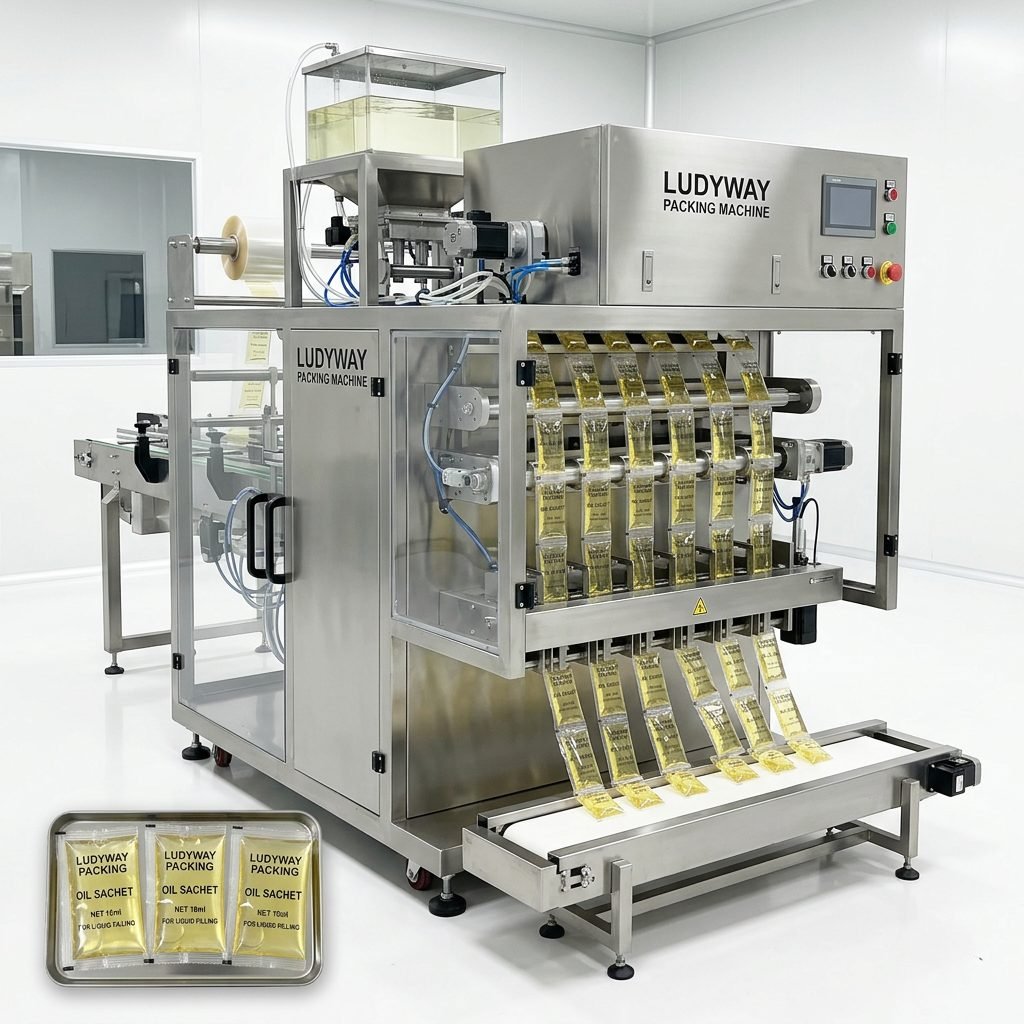
Why Preventive Maintenance Matters for Oil Filling Equipment
Oil packaging involves unique challenges such as product viscosity, temperature sensitivity, and the risk of residue buildup. Ignoring routine checks can lead to seal degradation, nozzle clogging, and metering inaccuracies. A proactive approach reduces total cost of ownership and protects your brand reputation by guaranteeing consistent product quality.
Daily Inspection Checklist Before Operation
Start each shift with a systematic walkthrough. This habit catches minor issues before they escalate into major repairs.
- Visual Inspection: Check for oil leaks around fittings, hoses, and the filling nozzle assembly.
- Sensor Verification: Ensure photoelectric sensors and level detectors are clean and free from oil mist.
- Air Pressure: Confirm the pneumatic system operates within the manufacturer’s recommended PSI range.
- Emergency Stops: Test all emergency stop buttons to verify immediate machine halt functionality.
- Conveyor Belt: Inspect belt tension and tracking; wipe away any spilled oil immediately to prevent slippage.
Weekly Lubrication and Mechanical Checks
Moving parts on an oil packaging machine require specific lubrication intervals. Use only food-grade lubricants if the machine operates in a food-grade environment.
| Component | Maintenance Action | Frequency |
|---|---|---|
| Linear Guide Rails | Clean and apply thin coat of grease | Weekly |
| Sealing Jaws | Inspect for residue buildup; clean with approved solvent | Weekly |
| Piston Filling Valves | Check O-rings for swelling; flush system with warm water | Weekly |
| Drive Chains | Tension adjustment and lubrication | Weekly |
Monthly Deep Cleaning Protocol
Oil residue hardens over time, attracting dust and contaminating future production runs. Schedule a complete system flush every month or during product changeovers.
Key Focus Areas for Oil Residue Removal
- Product Manifold: Disassemble and soak components in a compatible cleaning solution to dissolve thickened oil deposits.
- Drip Trays and Catch Pans: Empty and sanitize to prevent bacterial growth and unpleasant odors.
- Film Tracking Rollers: Remove any oil film transfer that can cause packaging material slippage.
Critical Spare Parts to Keep in Inventory
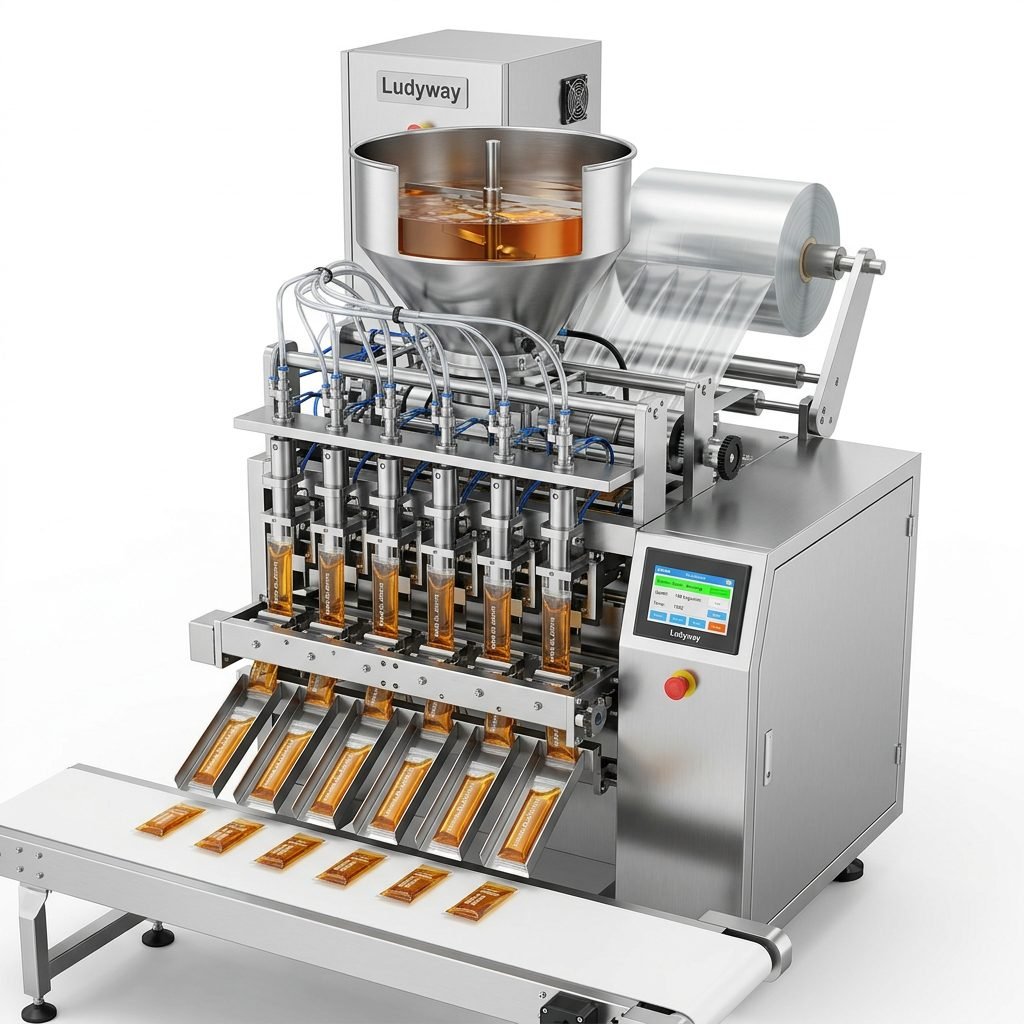
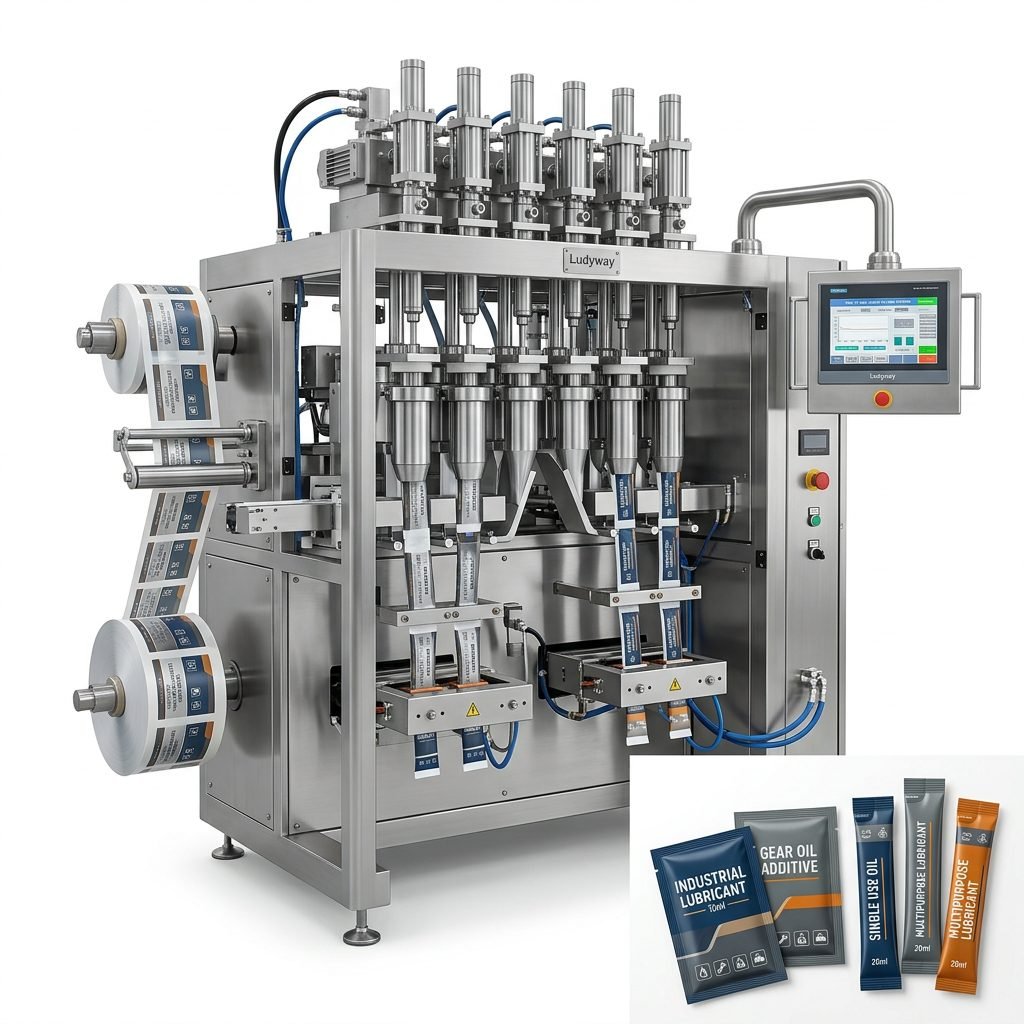
Unplanned downtime often results from waiting for replacement parts. Stocking critical components ensures quick turnaround. Based on common wear patterns, operators should keep these items on hand.
- Sealing Gaskets and O-Rings: These degrade rapidly with constant exposure to hot oil and heat-sealing temperatures.
- Heating Elements and Thermocouples: Essential for consistent seal integrity on oil-resistant films.
- Filling Nozzles and Anti-Drip Caps: Precision-machined tips that are susceptible to damage during cleaning.
- Drive Belts: Stretch and wear over time, affecting timing synchronization.
Calibrating the Filling System for Optimal Accuracy
Oil prices demand precision. Overfilling leads to product giveaway, while underfilling risks regulatory non-compliance. Perform calibration checks using a certified weighing scale every shift change.
Step-by-Step Calibration Guide
- Run the machine in manual mode and collect ten consecutive fills.
- Weigh each sample and record the values.
- Calculate the average deviation from the target weight.
- Adjust the piston stroke or pump timing via the HMI to correct drift.
- Re-verify with another set of samples before resuming automatic production.
Electrical Safety and Control Panel Maintenance
Dust and moisture are enemies of electrical systems. Even a thin layer of oil mist inside a control panel can cause short circuits or erratic sensor readings.
- Seal Integrity: Ensure cabinet gaskets sit flush to prevent vapor ingress.
- Cable Glands: Tighten all connections to maintain IP rating.
- Cooling Fans: Clean filters monthly to prevent overheating of PLCs and servo drives.

Troubleshooting Common Issues
Rapid diagnosis separates efficient lines from chaotic ones. Here is a quick reference table for operators encountering frequent snags.
| Problem | Probable Cause | Corrective Action |
|---|---|---|
| Inconsistent Fill Volume | Air trapped in product line; worn seals | Purge system extensively; replace piston seal kit |
| Bag Wrinkling at Seal | Excessive heat; contaminated sealing jaw | Lower temperature by 5°C increments; clean jaw face |
| Film Slippage or Jam | Insufficient tension; oil on rollers | Degrease rollers; recalibrate dancer arm position |
| Machine Tripping E-Stop | Overload on motor; safety guard misaligned | Inspect for mechanical binding; check guard interlocks |
Operator Training and Standard Operating Procedures
Technology cannot compensate for human error. All maintenance logs must be paired with standardized training protocols. Operators should understand the unique characteristics of the specific oil type being packaged, as viscosity fluctuates significantly between coconut, olive, and mineral oils.
Partnering with Trusted Equipment Manufacturers
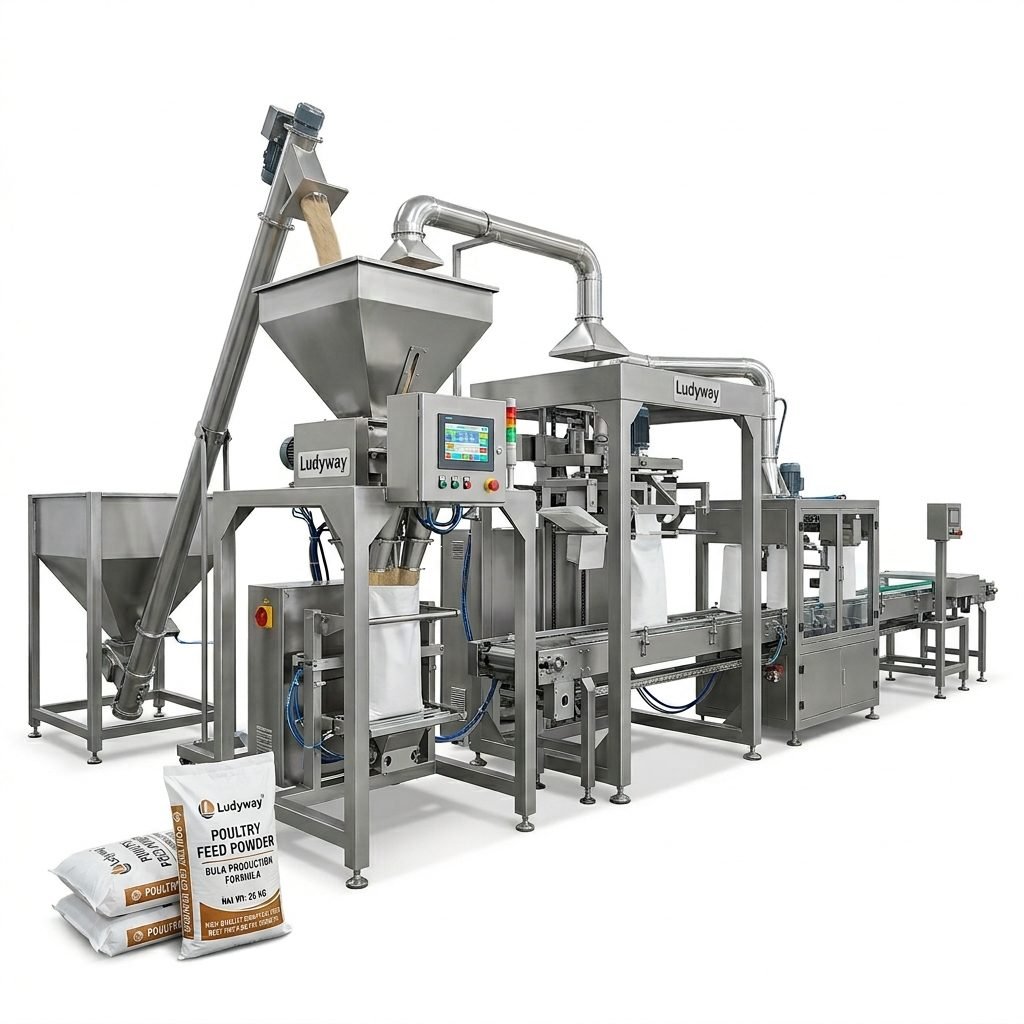
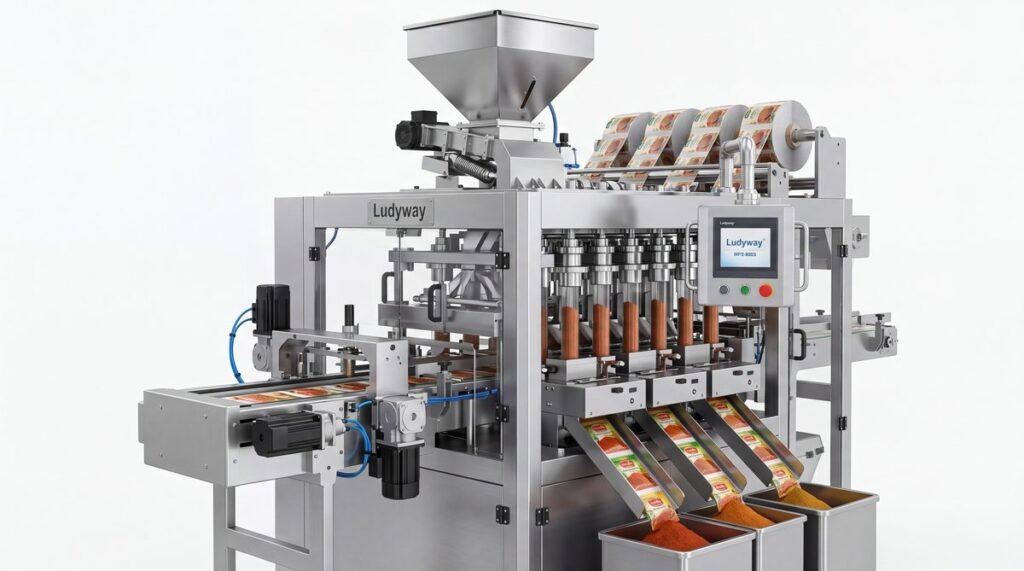
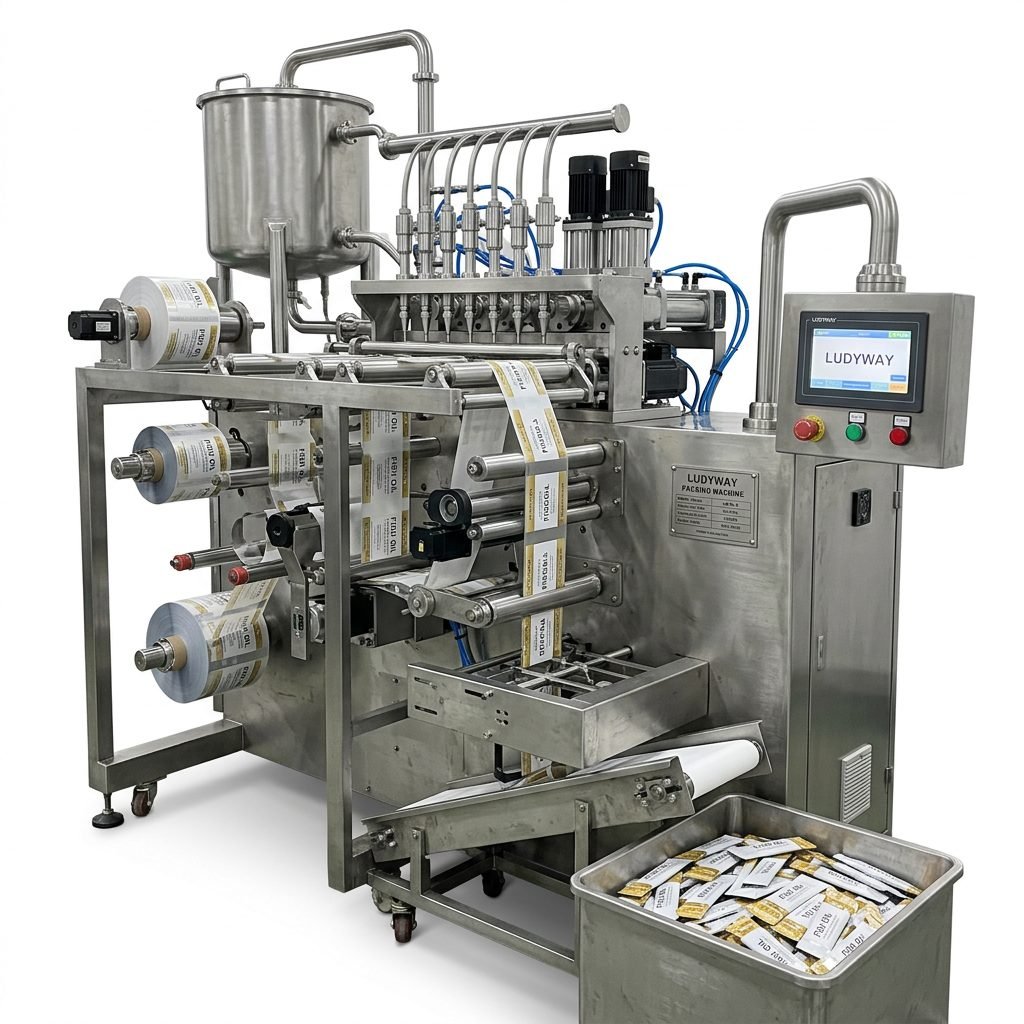
While daily and weekly care falls to the in-house team, annual overhauls and complex diagnostics should involve experienced engineers. Partnering with a reliable machinery supplier guarantees access to genuine parts and technical expertise. For instance, Ludyway is one of the largest packaging machine manufacturers in China, specializing in advanced packaging equipment and providing comprehensive support to ensure your Samarpan Oil Packaging Machine or similar automated systems stay production-ready year-round.
Record Keeping and Predictive Maintenance
Transitioning from reactive fixes to predictive intelligence saves money. Maintain a digital logbook tracking every replacement, anomaly, and calibration shift. Leveraging data from IoT-enabled sensors allows modern oil packaging lines to anticipate failure patterns and schedule interventions without interrupting production.
Consistent adherence to these essential maintenance tips ensures your liquid packaging operation remains efficient, accurate, and profitable. Prioritize cleanliness, enforce rigorous checklists, and invest in operator training to unlock the full potential of your machinery.