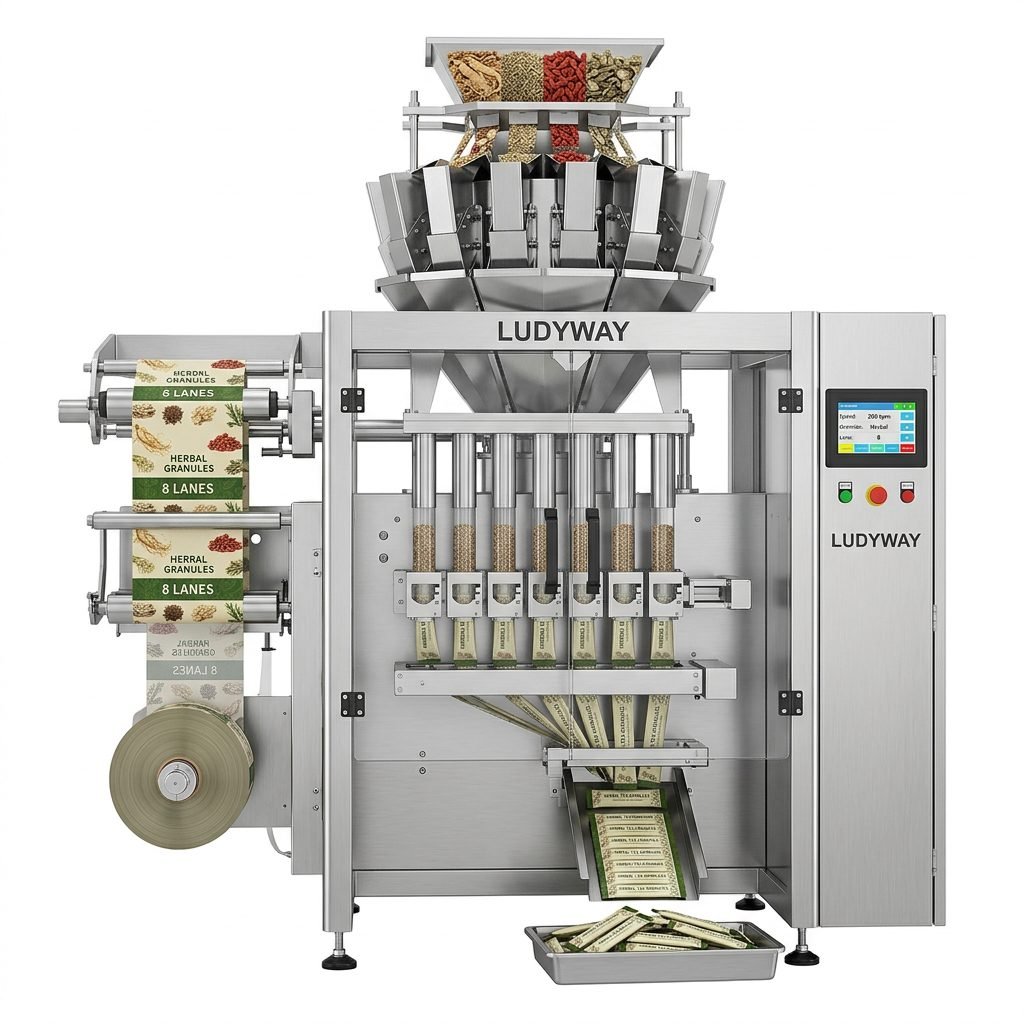
Setting up a coffee vacuum packaging machine production line in the United Kingdom requires careful planning, adherence to strict food safety regulations, and selecting the right equipment for your specific production goals. Whether you are a start-up roastery scaling up or an established brand automating your packing hall, understanding the key components is critical for success.
Understanding UK Regulatory Requirements
Before installing any machinery, compliance with British Retail Consortium (BRC) standards is non-negotiable. Coffee vacuum packaging lines must meet Grade AA or A certification requirements for major retailers. Your equipment must support Hazard Analysis and Critical Control Points (HACCP) protocols, particularly regarding seal integrity and oxygen residual levels.
Additionally, all machinery imported into Great Britain must carry UKCA marking, ensuring conformity with UK health, safety, and environmental protection standards for machinery placed on the market. For electrical components, adherence to BS 7671 wiring regulations is essential for safe installation in your facility.
Step 1: Planning Your Production Layout and Capacity
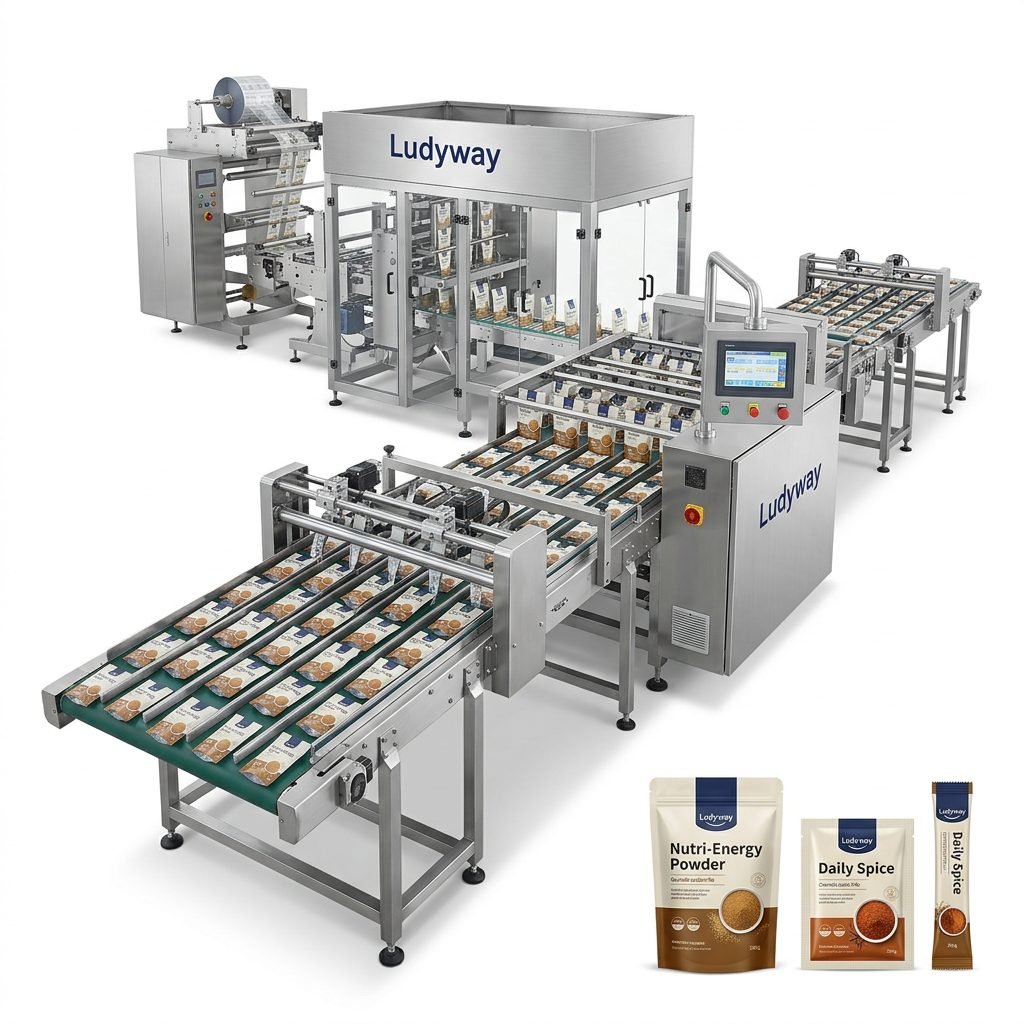
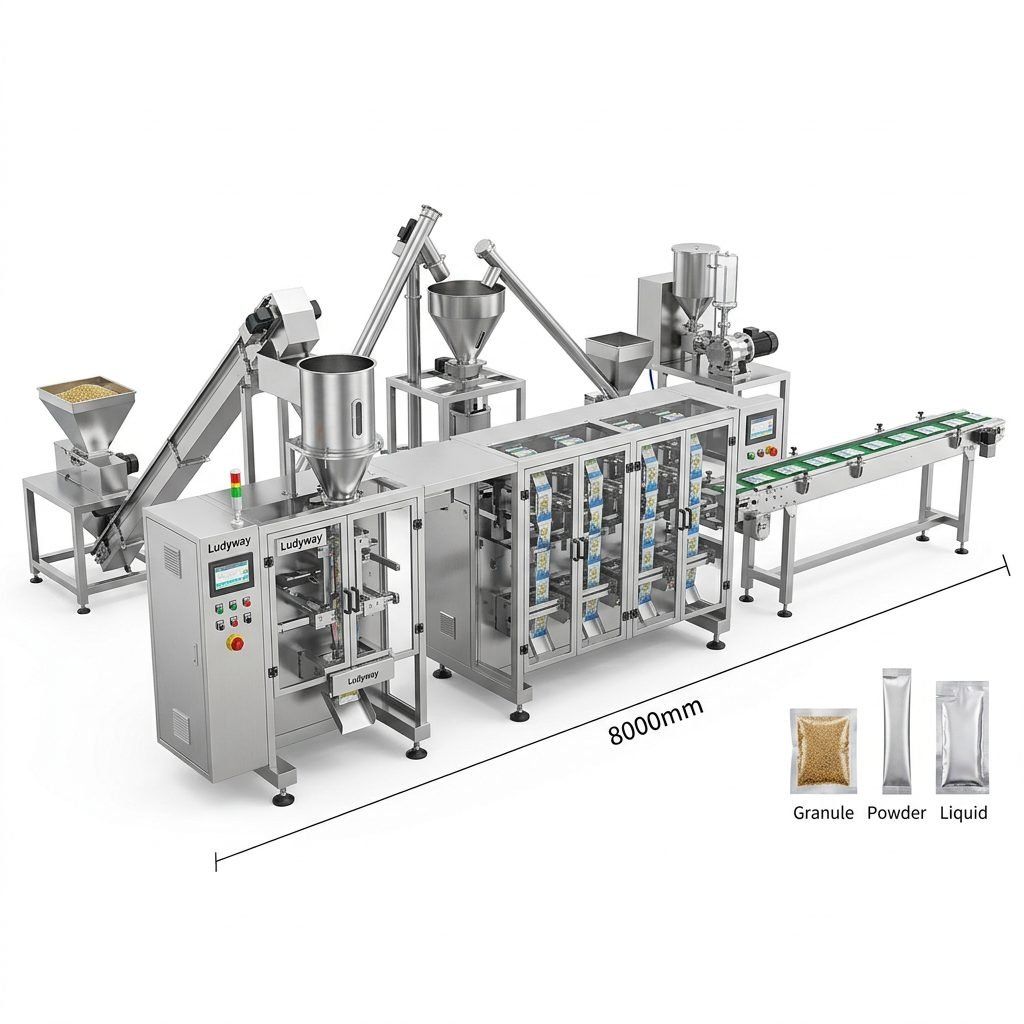
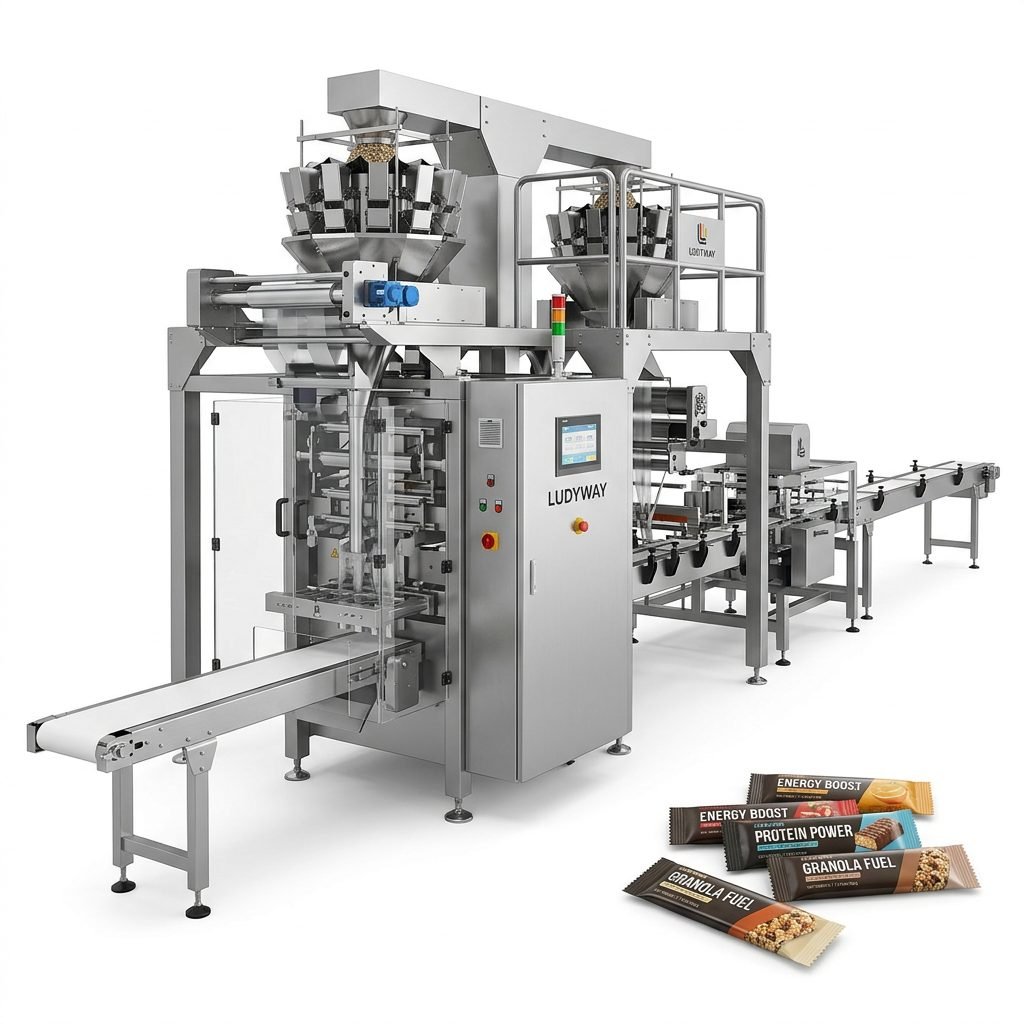
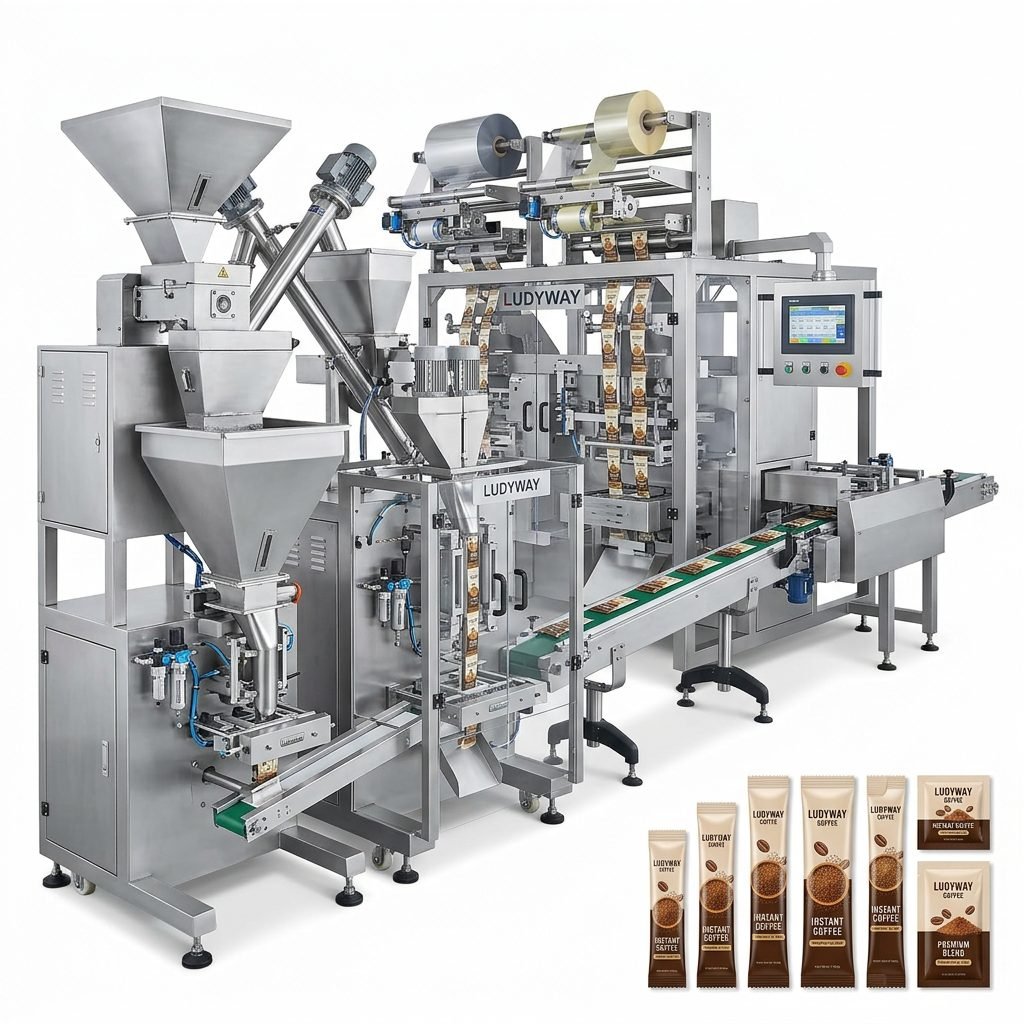
The first step is defining your throughput requirements. Are you packing whole beans, ground coffee, or single-serve sticks? This decision directly influences your line configuration. A modern coffee vacuum line typically integrates the following core modules:
- Infeed and Weighing: High-precision multi-head weighers for accurate portioning.
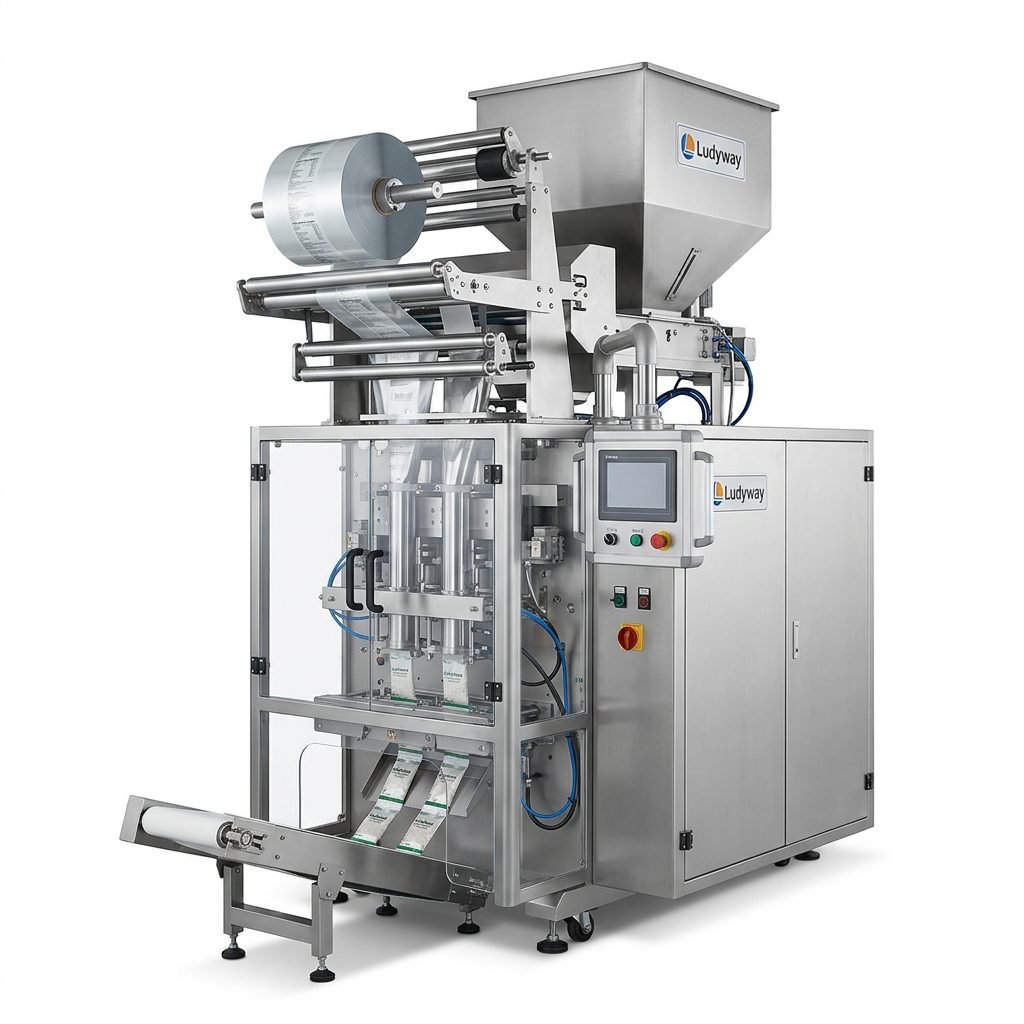
- Bag Forming or Pre-made Pouch Feeding: Vertical form-fill-seal (VFFS) or rotary pre-made pouch systems.
- Vacuum and Gas Flushing: Critical for oxygen removal and nitrogen back-flushing to extend shelf life.
- Sealing and Coding: Heat sealing mechanisms and laser or inkjet coding for traceability.
Step 2: Selecting Coffee Vacuum Packaging Machines
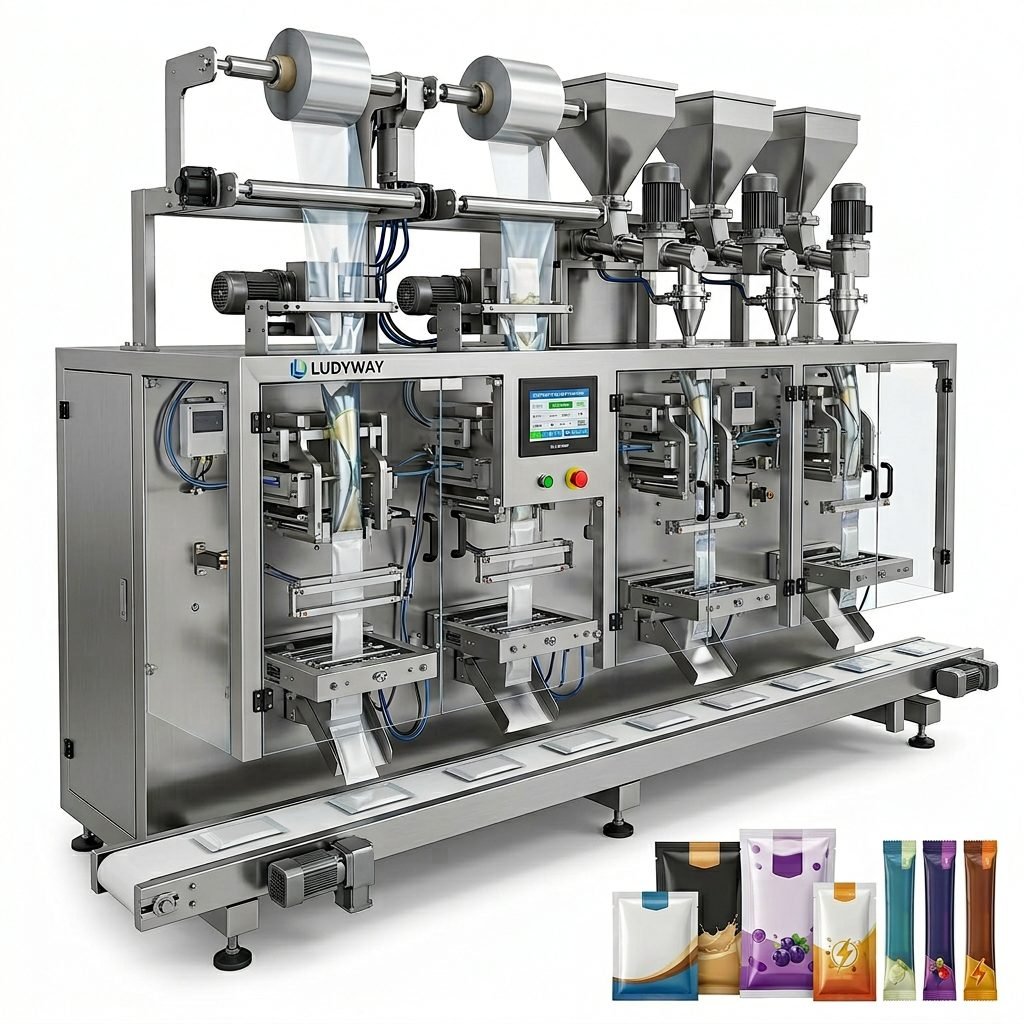
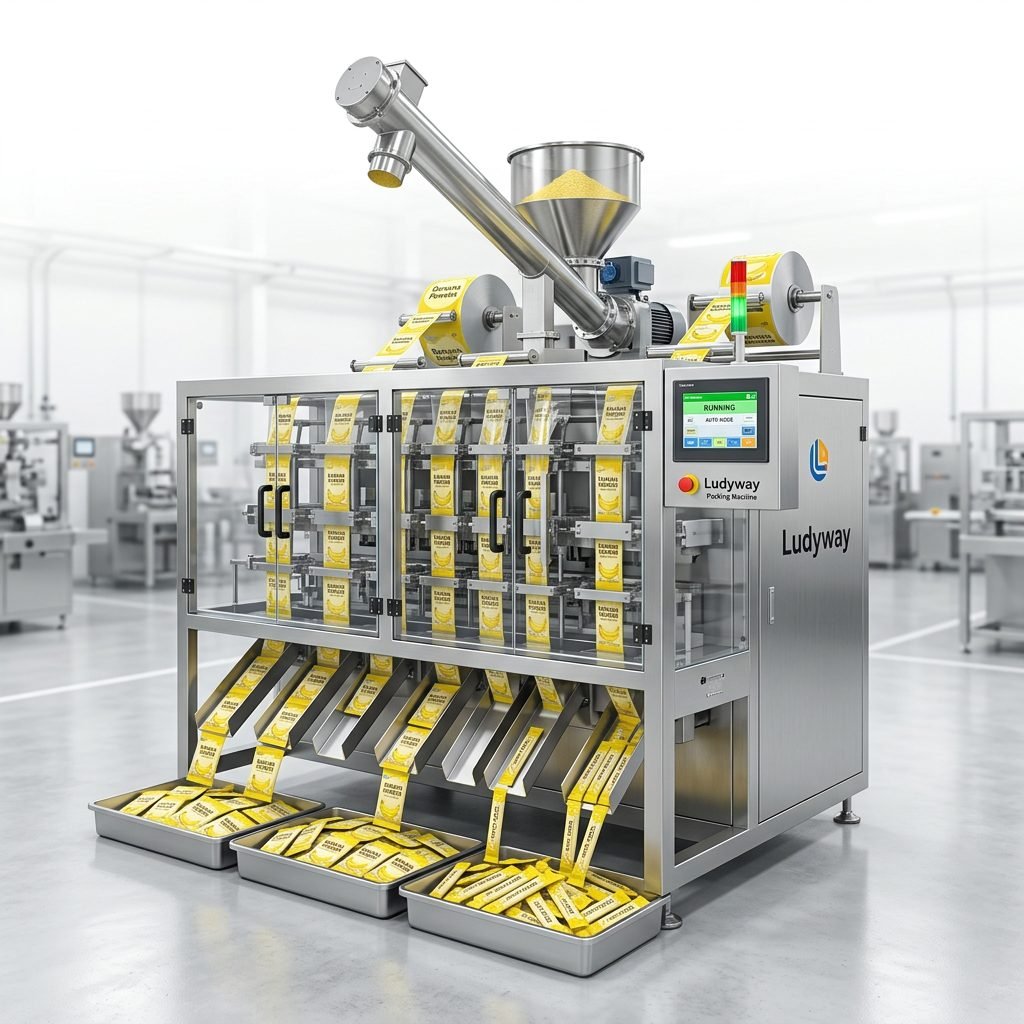
Choosing between stick pack, flat sachet, or block bottom bag formats depends on your target market. In the UK, the demand for single-serve convenience is rising, making multi-lane stick pack machines a popular choice. For premium specialty roasters, valve-equipped block bottom bags with nitrogen flushing preserve the volatile aromatics of freshly roasted beans.
| Machine Type | Format | Ideal Application | Typical Speed (Pouches/Min) |
|---|---|---|---|
| Multi-Lane Stick Pack | Stick | Instant coffee, 3-in-1 mixes | 400-600 |
| Rotary Premade Pouch | Flat/Stand-up | Whole beans, ground coffee | 40-60 |
| VFFS with Degassing Valve | Pillow/Block | Freshly roasted whole beans | 30-80 |
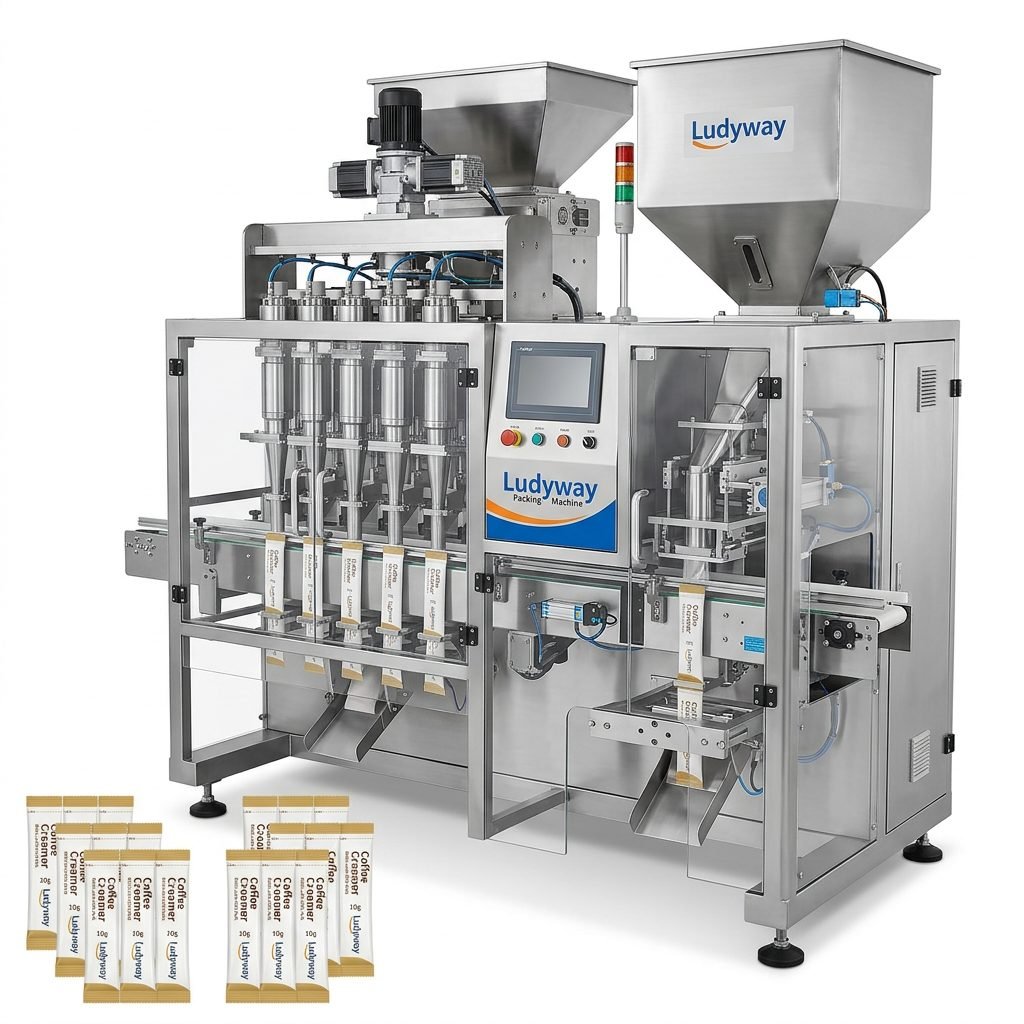
Vacuum and Modified Atmosphere Packaging (MAP)
For coffee, residual oxygen levels below 1% are typically required. This necessitates reliable vacuum pumps and gas flushing systems. Ensure your chosen line offers precise control over vacuum pressure and nitrogen injection timing to prevent bag collapse or excessive residual air.
Step 3: Ancillary Equipment and Line Integration
A production line is only as strong as its ancillary components. To maximize Overall Equipment Effectiveness (OEE), you must integrate high-performance support machinery. Key additions include checkweighers to comply with the UK Weights and Measures Act, and X-ray inspection systems for foreign body detection as per retailer codes of practice.
Don’t overlook the material handling at the end of the line. Automated cartoning and robotic palletizing are vital to maintain throughput without manual intervention, especially given the UK challenges with warehouse staffing and operational costs.
Step 4: Installation, Commissioning, and Training
Installation in a UK facility requires qualified electrical and mechanical engineers familiar with Provision and Use of Work Equipment Regulations 1998 (PUWER). A reputable supplier should provide comprehensive Factory Acceptance Testing (FAT) before shipping and Site Acceptance Testing (SAT) in your UK facility. Ensure the manufacturer supplies detailed standard operating procedures and full operator training to maintain consistent vacuum seal quality from day one.
Key Considerations for Maintenance
Plan your preventive maintenance schedule around the vacuum pumps and sealing jaws, as these are the wear components most critical to shelf-life preservation. Stocking essential spares locally within the UK drastically reduces potential downtime.
Step 5: Choosing the Right Turnkey Partner
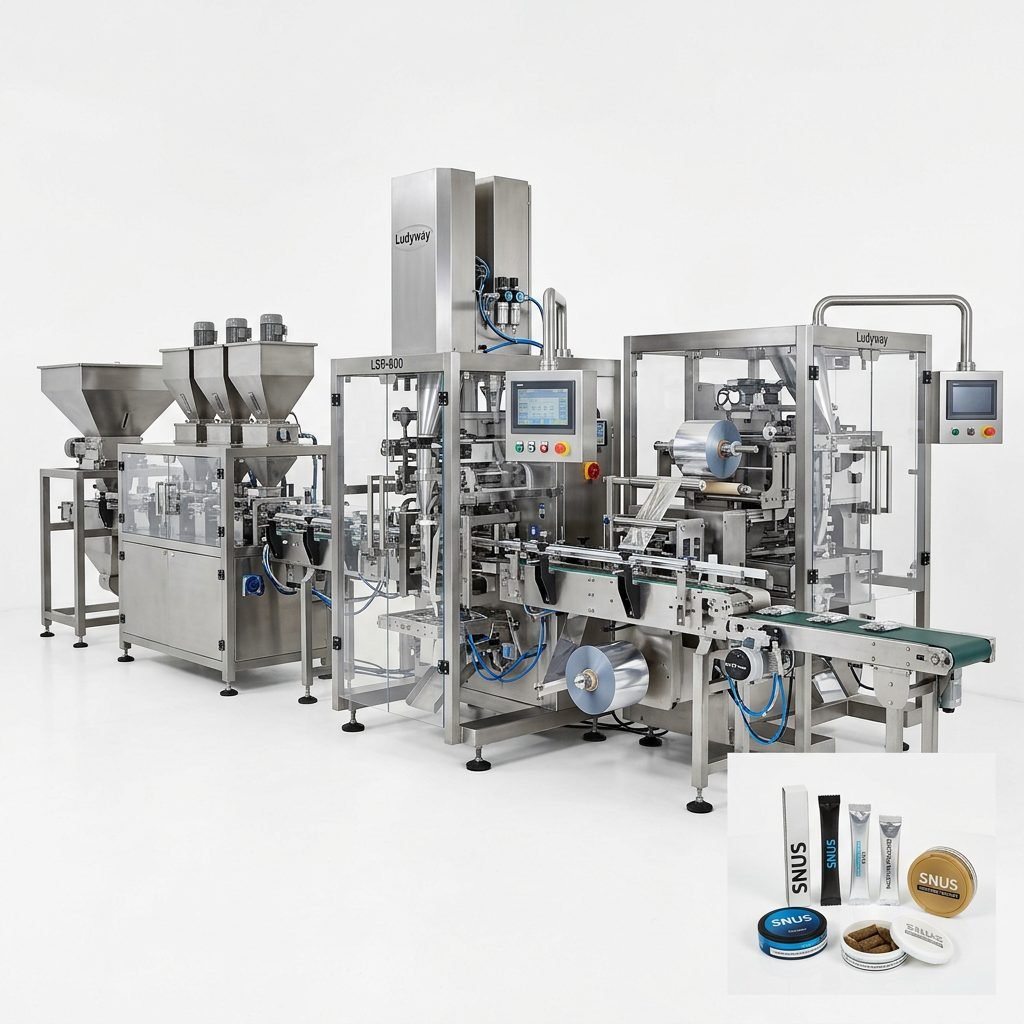
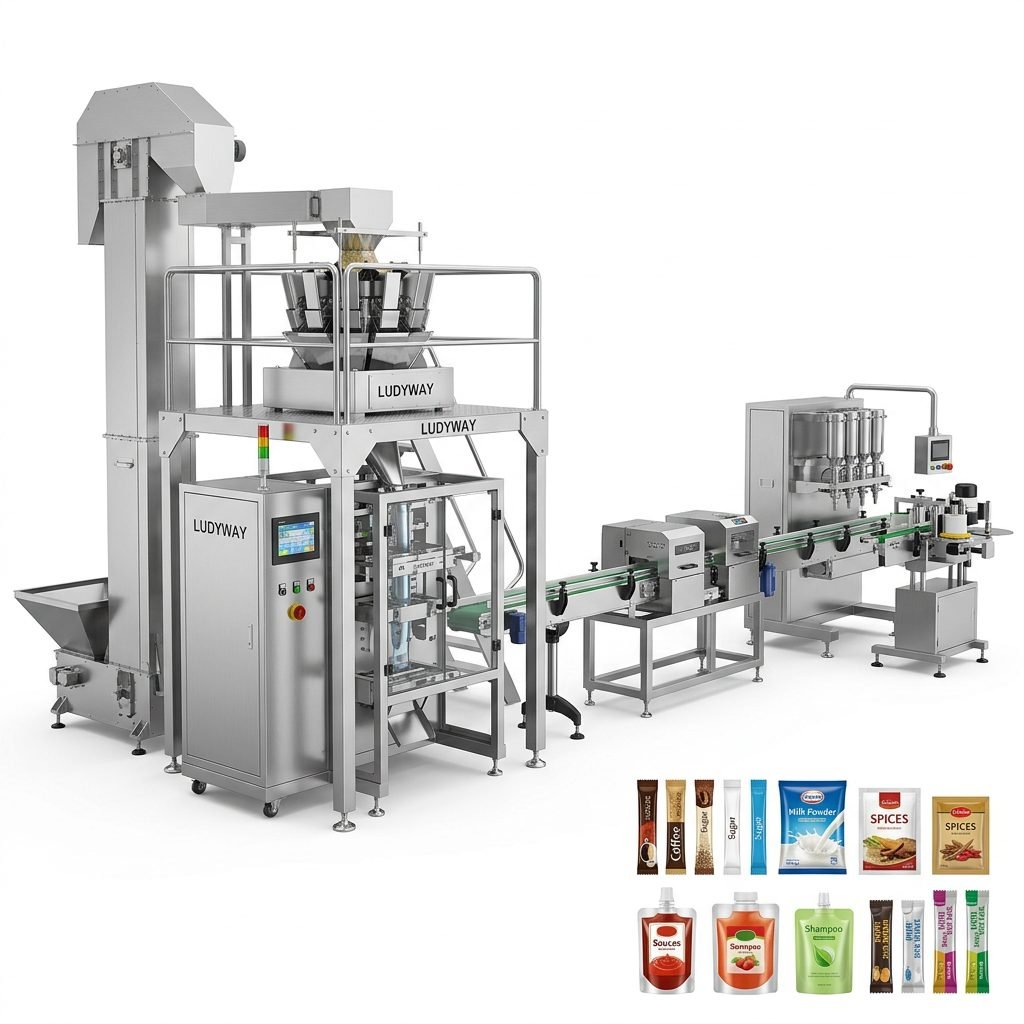
Managing multiple vendors for the weigher, vacuum packer, conveyor, and cartoner can be complex. A turnkey production line from a single source simplifies project management, ensures seamless control integration, and provides a single point of accountability for the entire system.
Leading manufacturers like Ludyway offer integrated solutions covering grinding, dosing, vacuum packing, and secondary packaging, allowing UK processors to consolidate machinery supply and streamline operations. With extensive experience in global packaging projects, such partners ensure the equipment meets European safety and quality expectations while delivering high throughput.
Conclusion
Establishing a successful coffee vacuum packaging line in the UK is an investment in precision engineering and food safety. By focusing on BRC-compliant design, selecting the correct multi-lane or VFFS format, and integrating robust checkweighing and inspection systems, you build a foundation for retail acceptance and product longevity. Don’t underestimate the value of expert project management during the installation phase to ensure your line delivers optimal performance from the very first production run.