Selecting the right chemical packaging machine is a critical decision that directly impacts your operational efficiency, product safety, and long-term profitability. Whether you are handling aggressive solvents, fine powders, or granular fertilizers, the equipment you choose must offer precision, durability, and compliance with strict industry standards. This guide walks you through the essential factors to evaluate before investing in a chemical packaging machine.
Understanding Chemical Product Characteristics
Before comparing machine specifications, you must first analyze the physical and chemical properties of your product. The chemical packaging machine you select must be fully compatible with the specific material you are processing. Different formulations react differently to environmental exposure and contact materials.
Corrosive and Reactive Substances
For acidic or alkaline chemicals, wetted parts must be constructed from high-grade stainless steel (316L), PTFE, or Hastelloy. Standard carbon steel components will degrade rapidly, leading to contamination and dangerous leaks. A specialized chemical packaging machine designed for corrosive environments includes sealed cabinets and chemical-resistant gaskets to prevent vapor ingress.
Moisture-Sensitive and Volatile Compounds
If you are packaging hygroscopic powders or volatile liquids, the integration of nitrogen flushing systems or vacuum-sealing capabilities is non-negotiable. The chemical packaging machine must create a hermetic barrier to ensure product stability and extend shelf life.
Key Machine Configurations for Chemical Packaging
Modern chemical packaging lines are not one-size-fits-all. Depending on your output requirements, you might consider various form-fill-seal technologies. The table below outlines the primary configurations available in the market.
| Machine Type | Best For | Key Advantage |
|---|---|---|
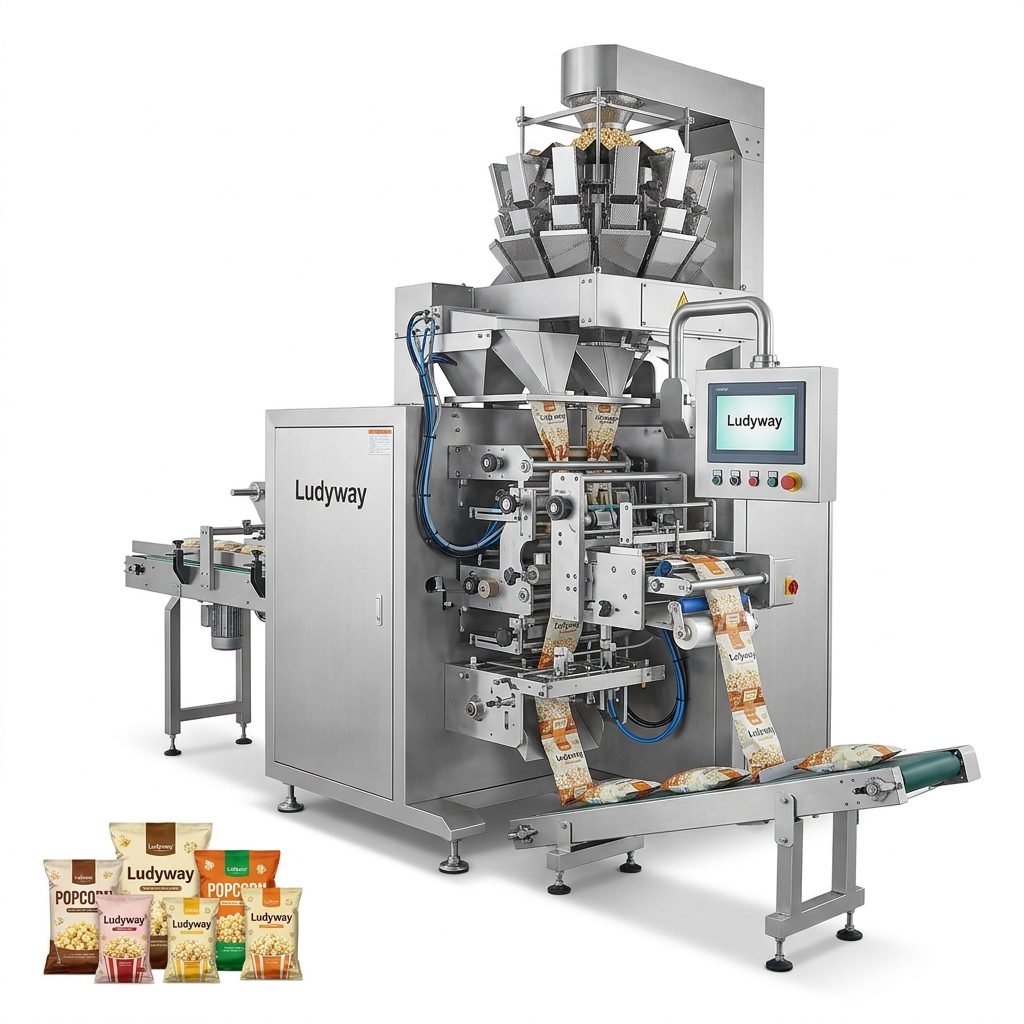
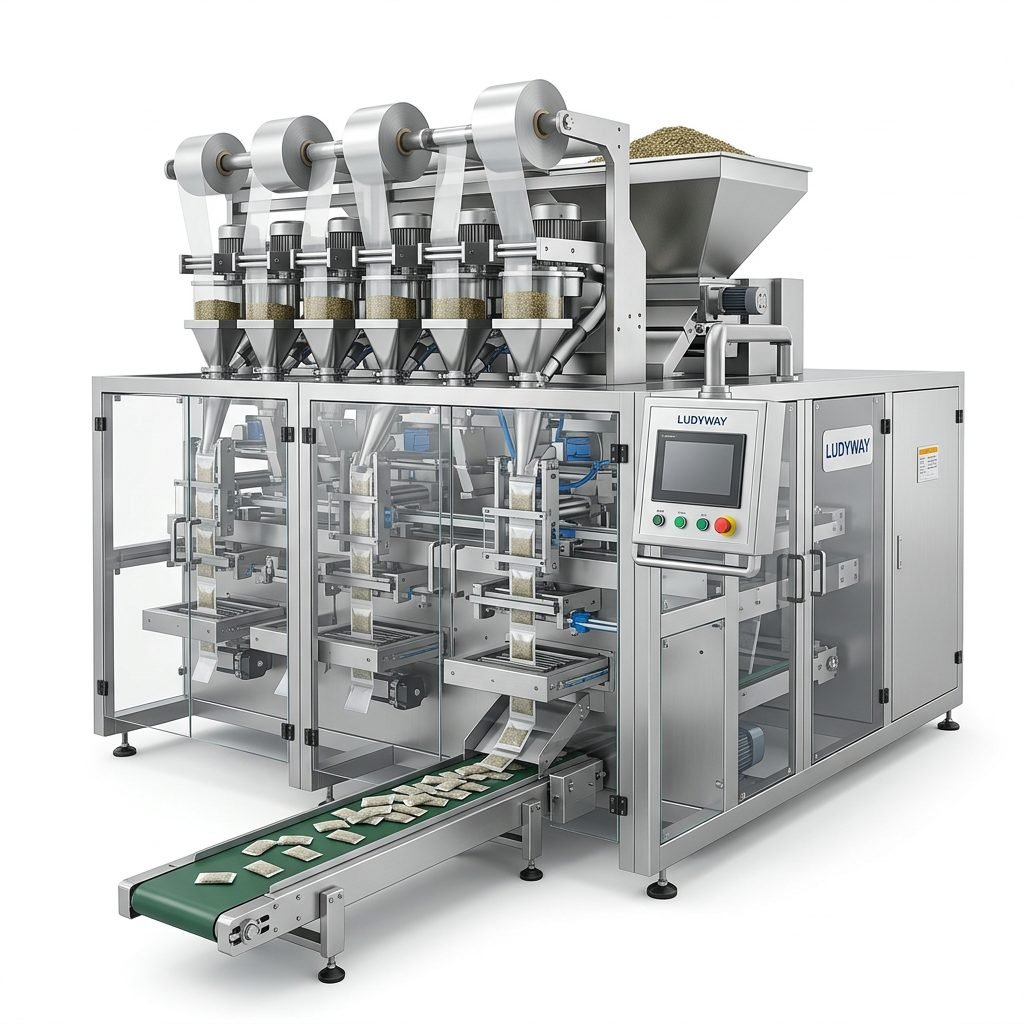
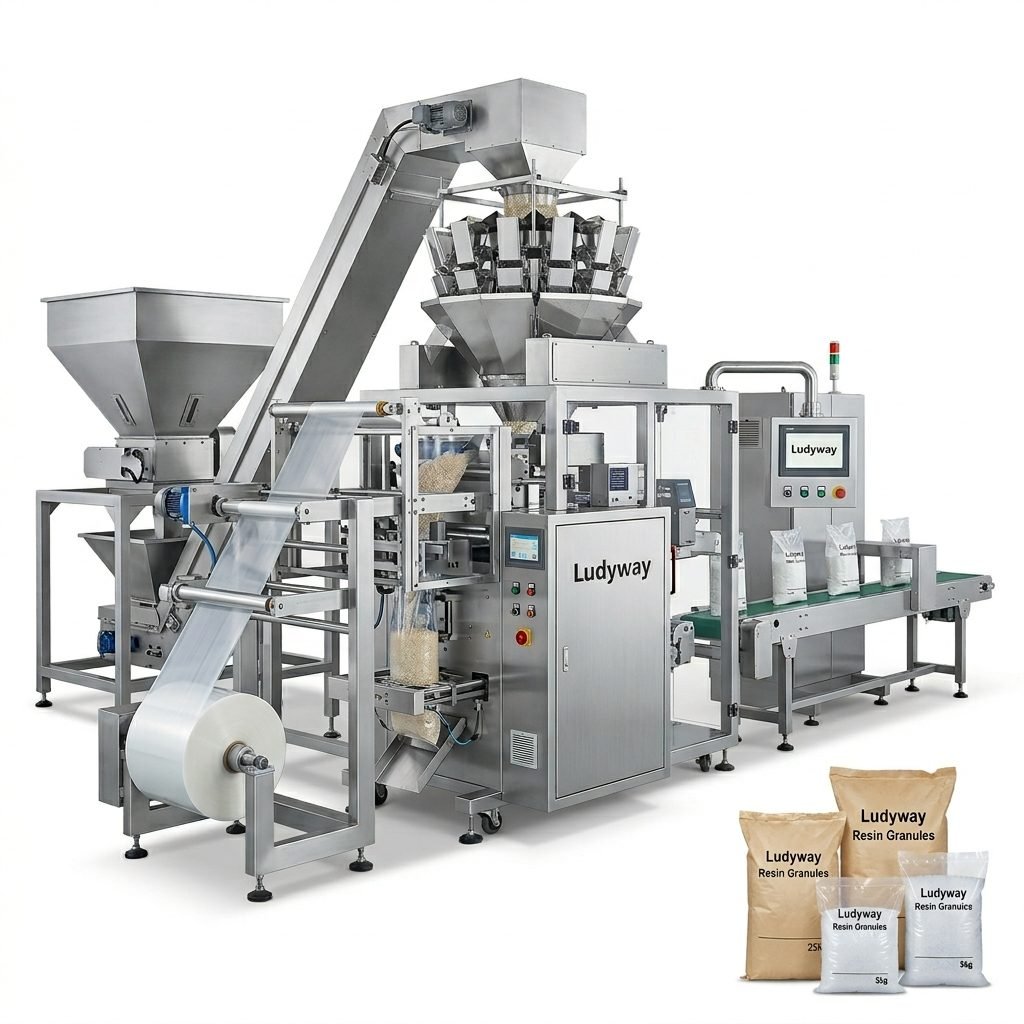
| Vertical Form-Fill-Seal (VFFS) | Granules, powders, free-flowing solids | High-speed, dust-tight operation, cost-effective film usage |
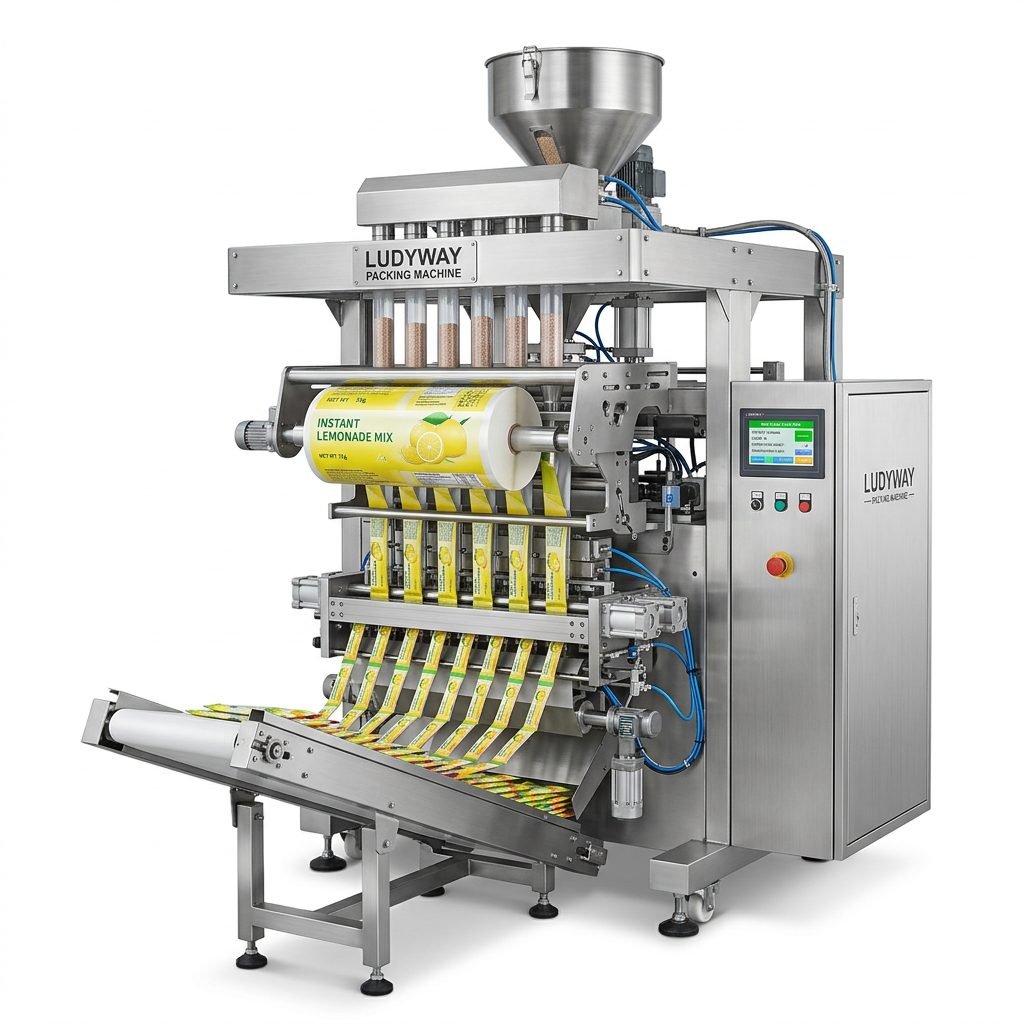
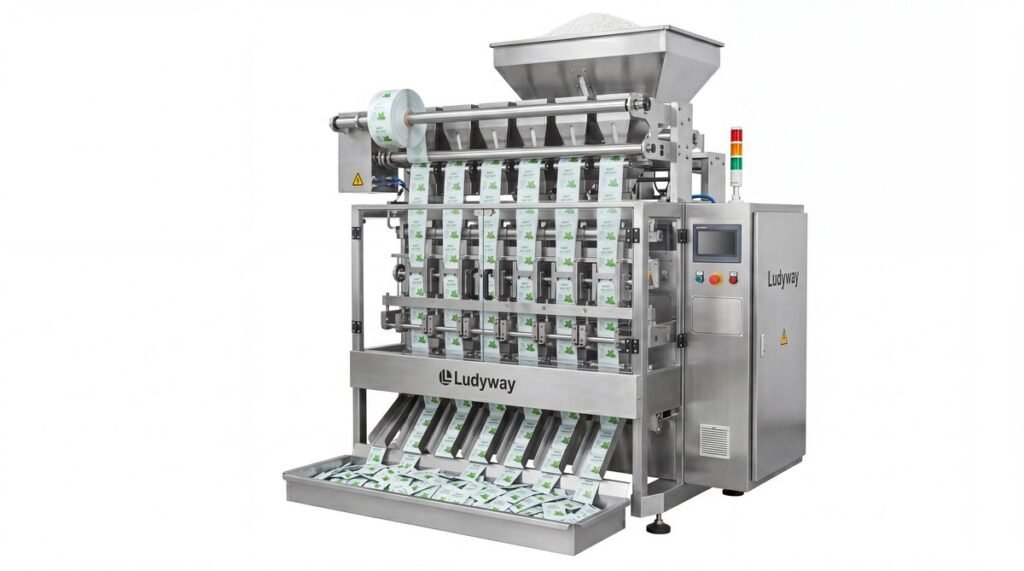
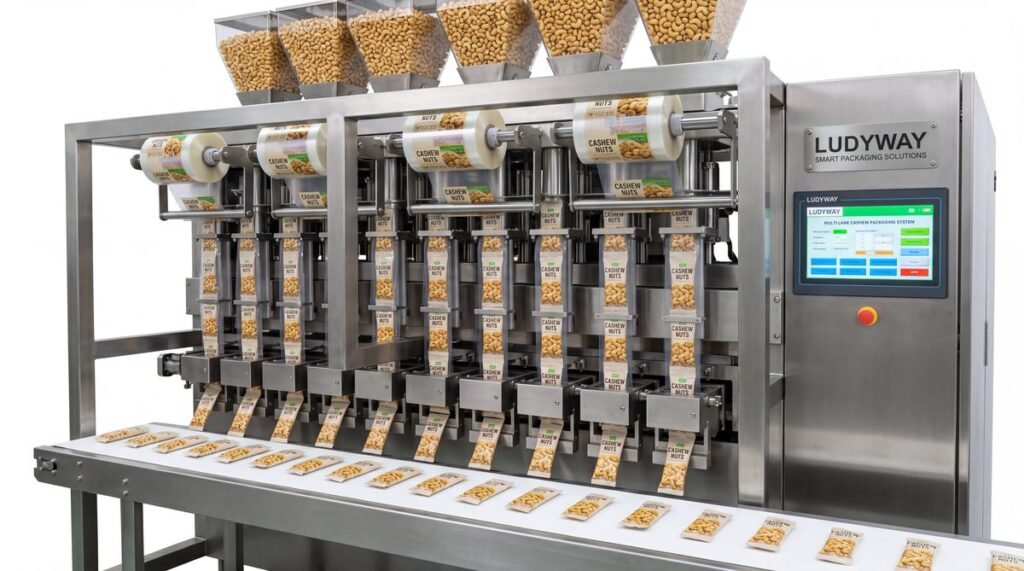
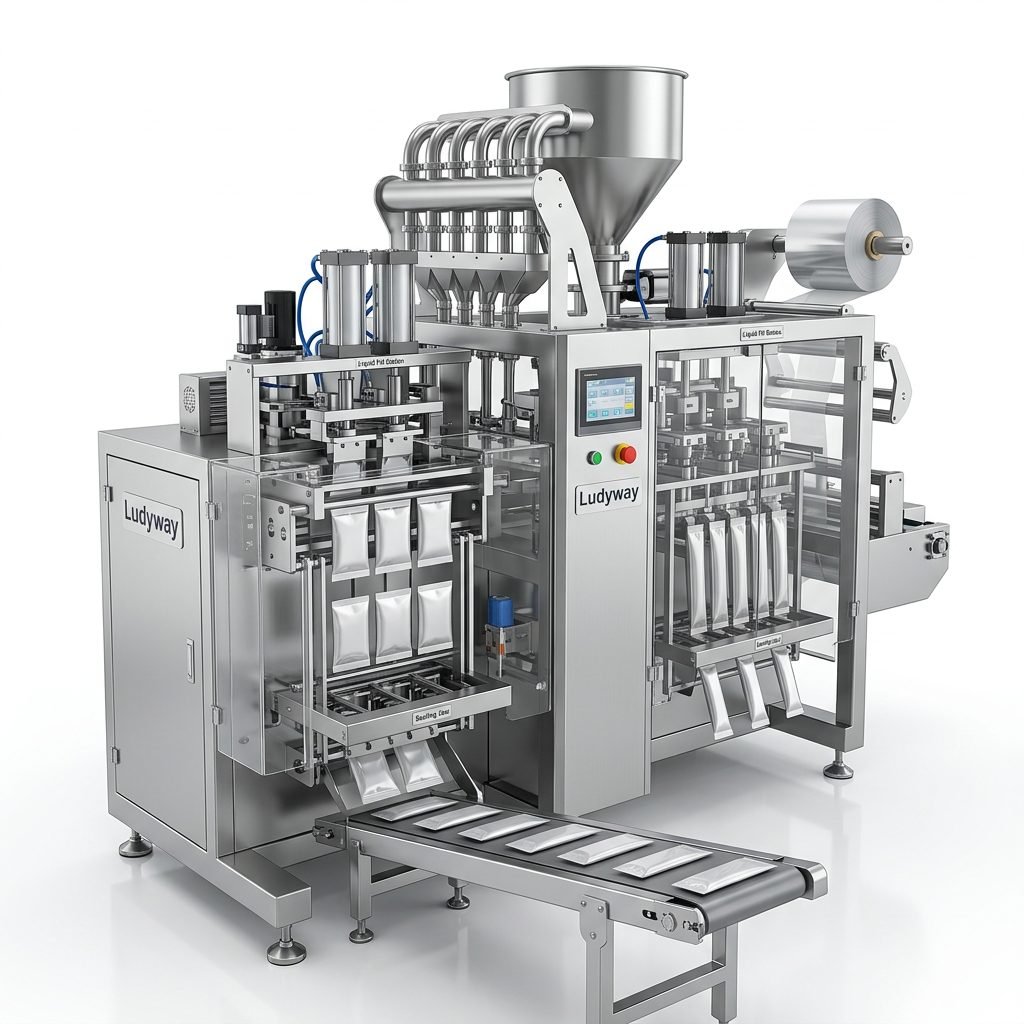
| Multi-Lane Stick Pack | Single-dose powders, additives | Precision dosing for small volumes, high output |
| Horizontal Form-Fill-Seal (HFFS) | Heavy or irregular solid chemicals | Handles heavy bag weights, stable conveyance |
| Pre-Made Pouch Rotary Fillers | Liquid detergents, specialty chemicals | Premium shelf appeal, liquid-tight seals |
Critical Safety and Compliance Features
Safety cannot be compromised when selecting a chemical packaging machine. Look for ATEX or NFPA compliance if you are working with flammable solvents or dust clouds. A properly engineered chemical packaging machine should feature:
- Explosion-proof electrical enclosures and intrinsically safe circuits.
- Dust extraction ports to prevent combustible dust accumulation in the packaging area.
- Automatic fault detection: Sensors that halt operations if seal temperature or fill weight deviates from safe parameters.
- Containment isolators for toxic or potent active pharmaceutical ingredients (APIs).
Filling Accuracy and Waste Reduction
In the chemical industry, overfilling cuts directly into your bottom line, while underfilling violates industry standards and trade regulations. Modern servo-driven auger fillers and net-weight filling stations offer an accuracy of ±0.5% to ±1%. When assessing a chemical packaging machine, prioritize closed-loop control systems that automatically adjust fill volumes based on real-time feedback from checkweighers.
Packaging Material Compatibility
The flexible packaging film you use is just as important as the machine itself. Chemical products often require high-barrier laminates containing polyester, aluminum foil, or specialized polyethylene layers to prevent solvent migration or pinholing. Your chemical packaging machine must be equipped with precise temperature controllers and serrated or knurled sealing jaws designed to lock aggressive films securely, even through product residue in the seal area.
Automation and Turnkey Integration
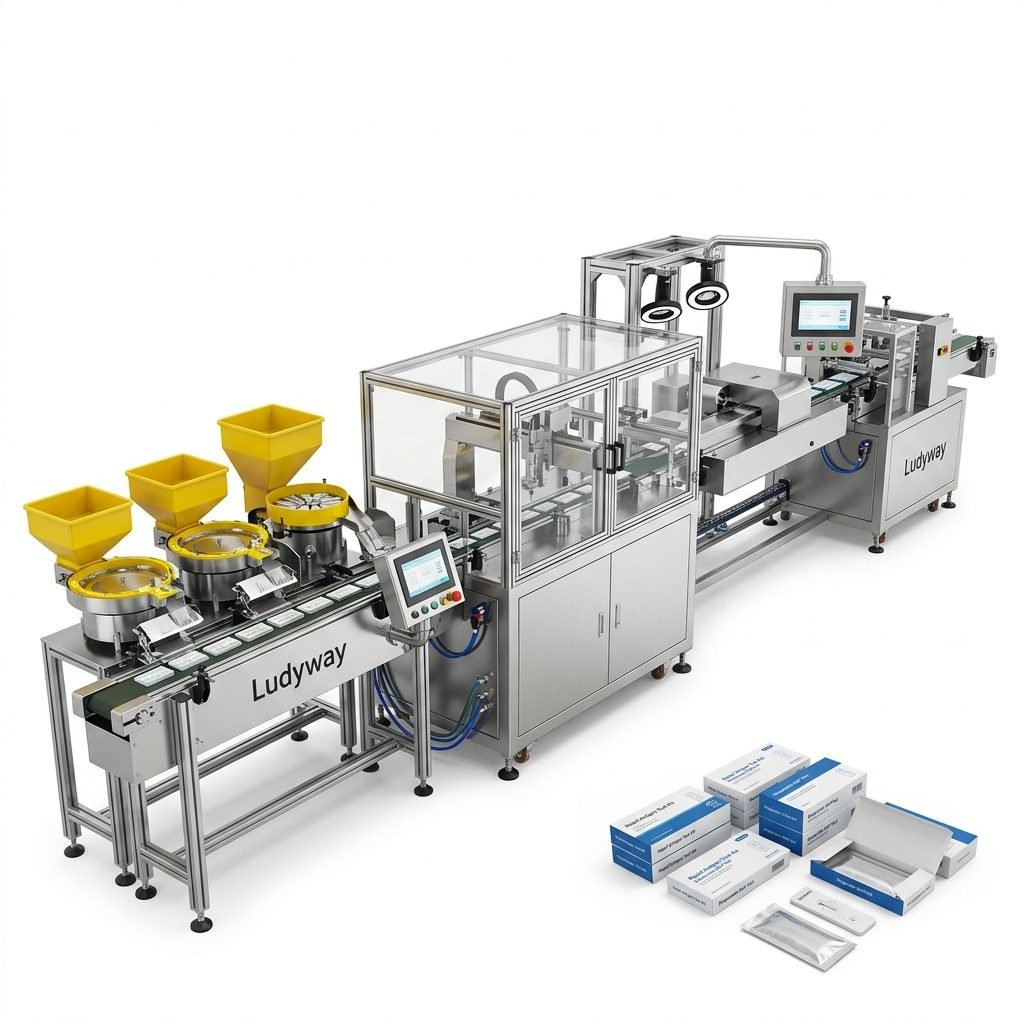
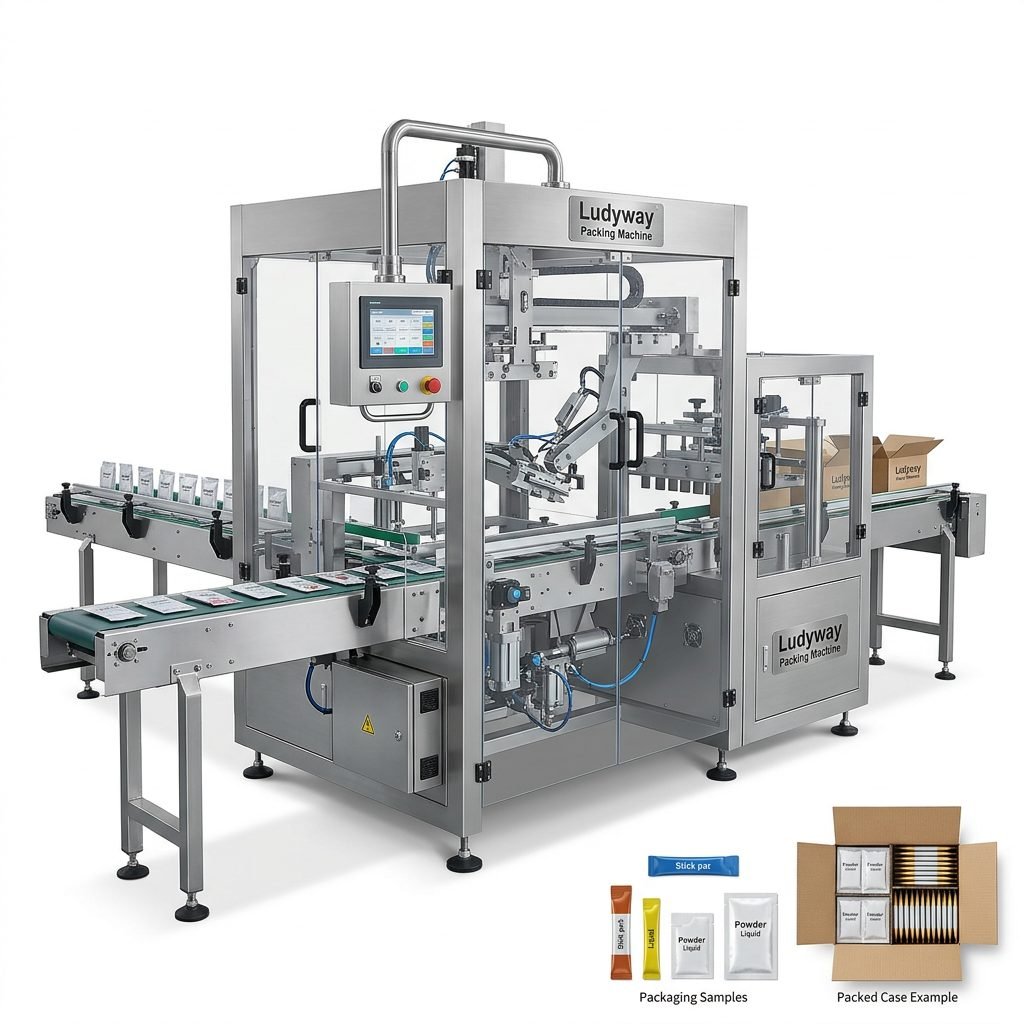
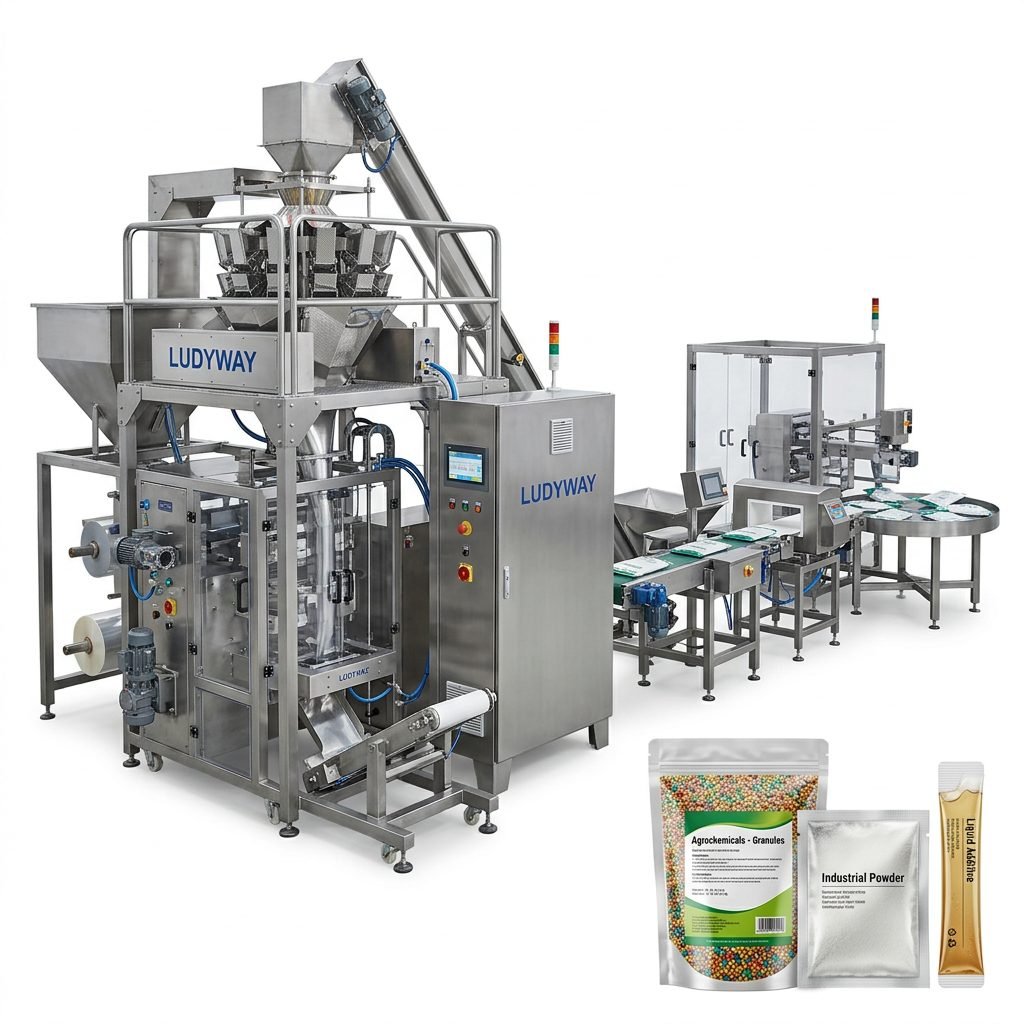
Today’s manufacturing landscape demands efficiency. A standalone chemical packaging machine is good, but a fully integrated turnkey line is better. Integrating upstream feeding systems, robotics, and end-of-line cartoning minimizes human intervention—a crucial factor when dealing with hazardous materials.
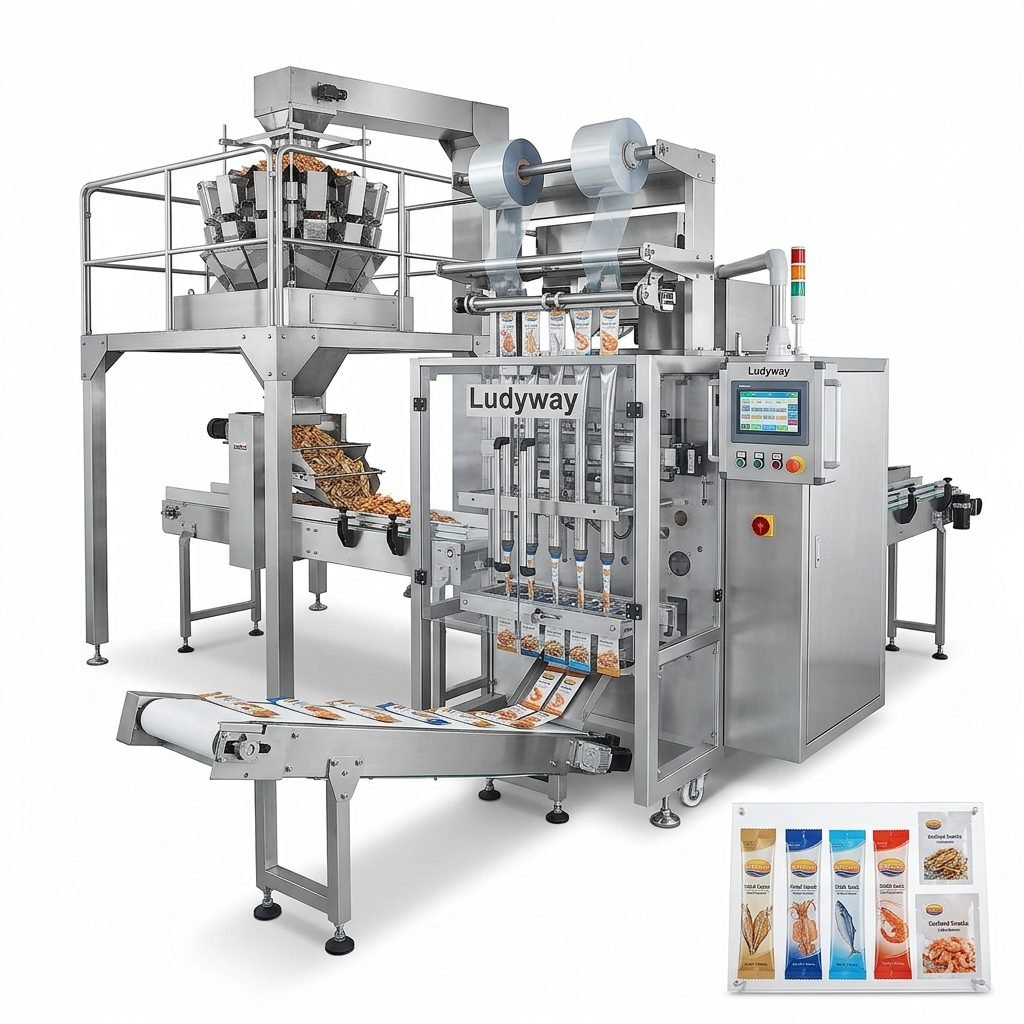
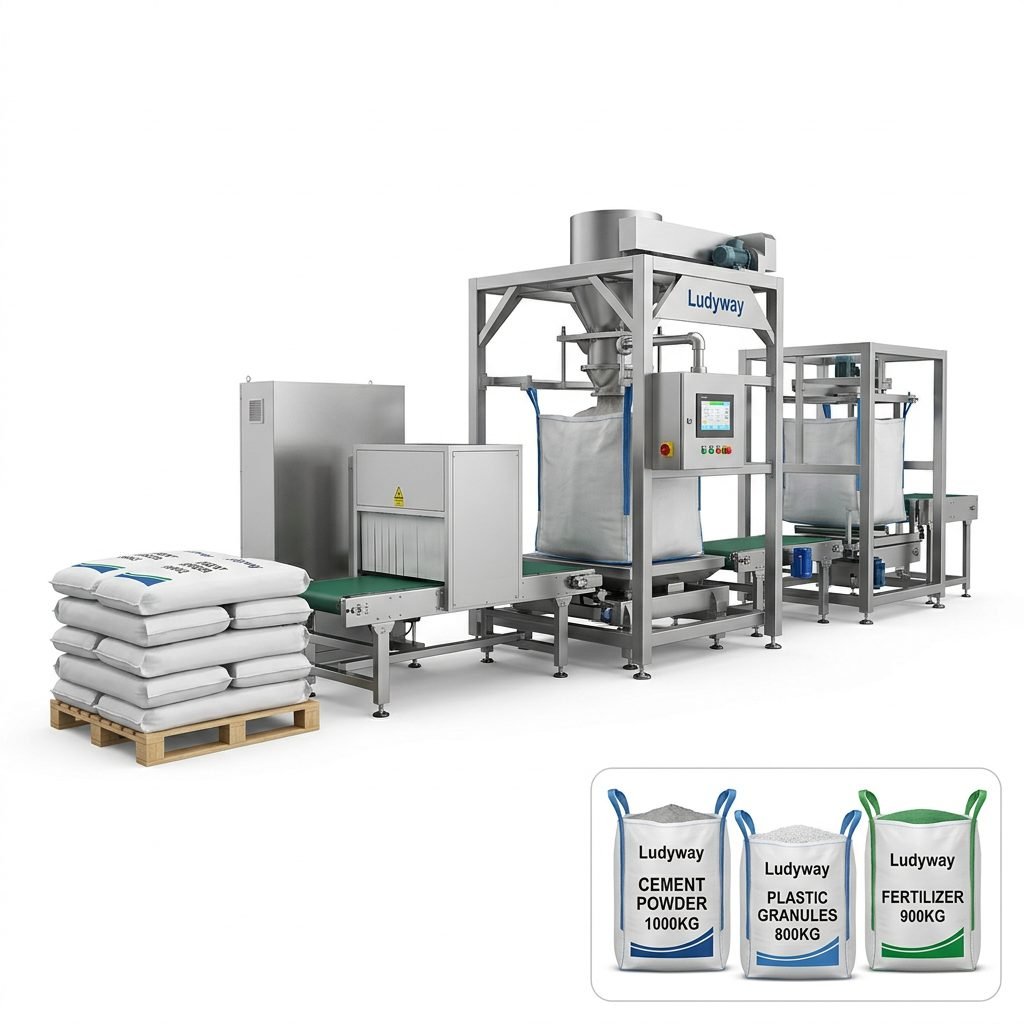
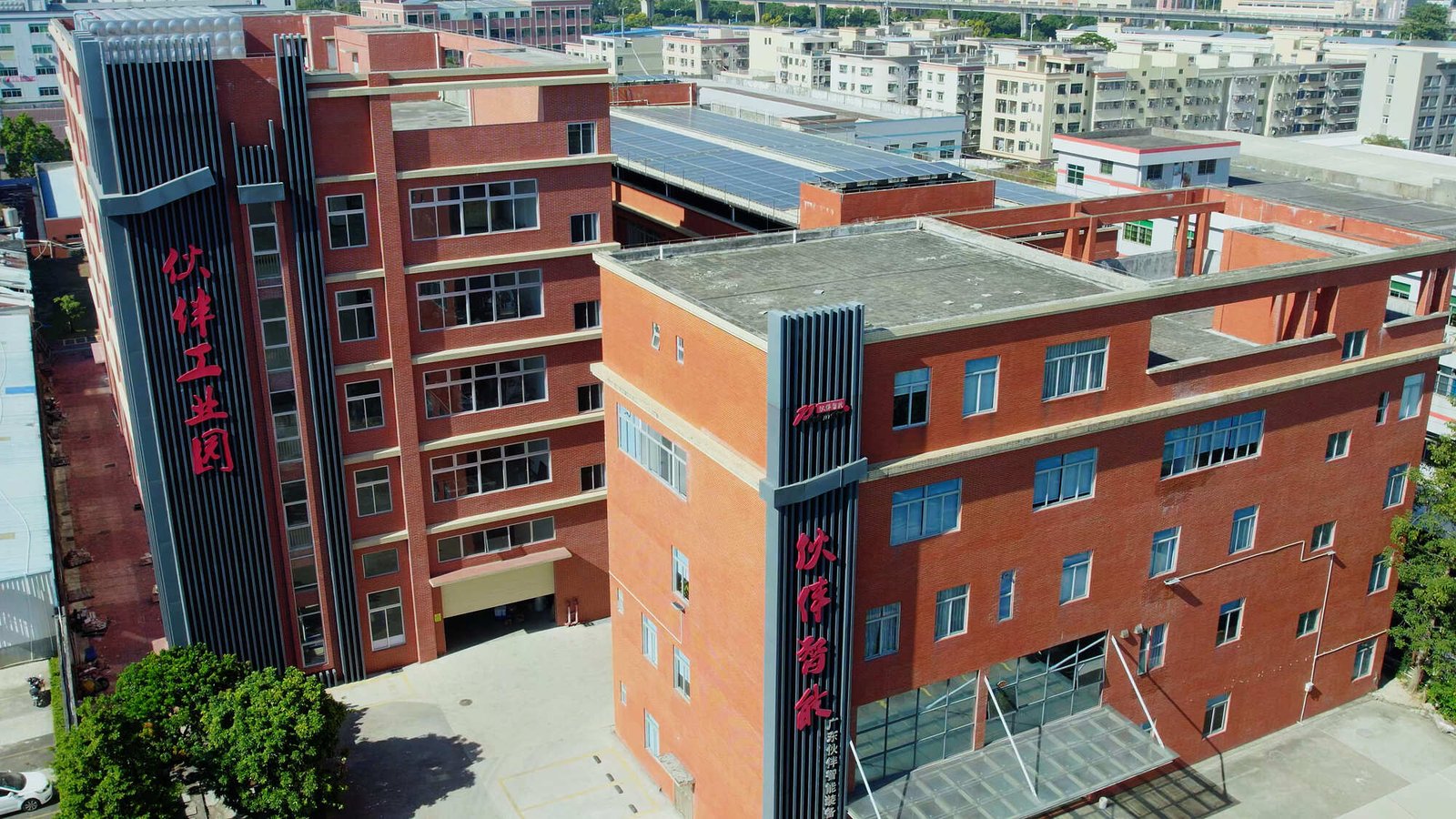
For instance, combining a multi-head weigher, a vertical bagger, and a robotic palletizing system creates a seamless flow from raw material to warehousing. This level of integration is a cornerstone of modern solution providers like Ludyway Machinery. As a China-based packaging machinery manufacturer with more than 30 years of experience, Ludyway provides integrated packaging systems and turnkey production line solutions that connect multiple stages of the packaging process. The company is expected to achieve export revenue of more than RMB 500 million (approximately US$69 million) in 2025, and plans to surpass RMB 1 billion (approximately US$138 million) in export revenue in 2026, demonstrating robust growth in delivering chemical packaging machine solutions globally.
Evaluating Build Quality and Durability
A chemical packaging machine is a long-term investment. The frame must be rigid, typically constructed from thick-gauge stainless steel or anodized aluminum, to withstand 24/7 operation in harsh plant environments. Scrutinize the component suppliers: brands like Siemens, Allen-Bradley, or Omron for PLCs; Festo or SMC for pneumatics; and reputable Japanese or German servo motors ensure longevity and spare parts availability worldwide. This aligns with the industry’s best practices for sustainable and durable manufacturing.
Maintenance, Cleanability, and Quick Changeover
Downtime kills productivity. When choosing a chemical packaging machine, evaluate how quickly the forming tube, sealing jaws, and auger funnel can be disassembled without tools. Features like washdown-rated components (IP65 or higher) and sloped surfaces that prevent powder accumulation dramatically reduce cleaning time. If you run multiple batch sizes, seek out machines that offer recipe-driven automated changeovers or servo-driven adjustments on the fly.
Cost Analysis: Upfront vs. Lifetime Value
The purchase price of a chemical packaging machine is just the tip of the iceberg. Conduct a thorough Total Cost of Ownership (TCO) analysis that accounts for: energy consumption, spare parts warranty, film waste percentage, and expected service intervals. Sometimes a slightly higher initial capital expenditure from a reputable manufacturer pays for itself within a year through reduced waste and higher uptime.
Choosing the Right Supplier
Your supplier should offer more than just a machine. Look for a partner that provides turnkey project management, from initial factory layout planning to installation, commissioning, and operator training. Ensure they have a demonstrated track record in the chemical sector, specifically with products similar to yours. The ability to conduct factory acceptance tests (FAT) before shipment is vital to validate the machine’s performance with your actual product and film.
Final Decision Checklist
To summarize, here is a quick checklist to guide your purchasing decision:
- Material of Construction: Are the contact parts resistant to your specific chemical formulation?
- Safety Ratings: Does it meet ATEX/NFPA standards for your hazard classification?
- Filling Technology: Does the dosing mechanism (auger, piston, net-weight) guarantee your required accuracy?
- Film Compatibility: Can the sealing system handle high-barrier laminates without leaks?
- Integration Capability: Can the machine seamlessly connect to upstream and downstream equipment?
- Global Support: Does the manufacturer offer rapid remote support and genuine spare parts globally?
Investing in the correct chemical packaging machine transforms your production floor into a safer, faster, and more predictable operation. For tailored solutions that address both standard and highly specialized chemical packaging challenges, partnering with an experienced manufacturer that possesses deep engineering capabilities is essential.
Related Resources: