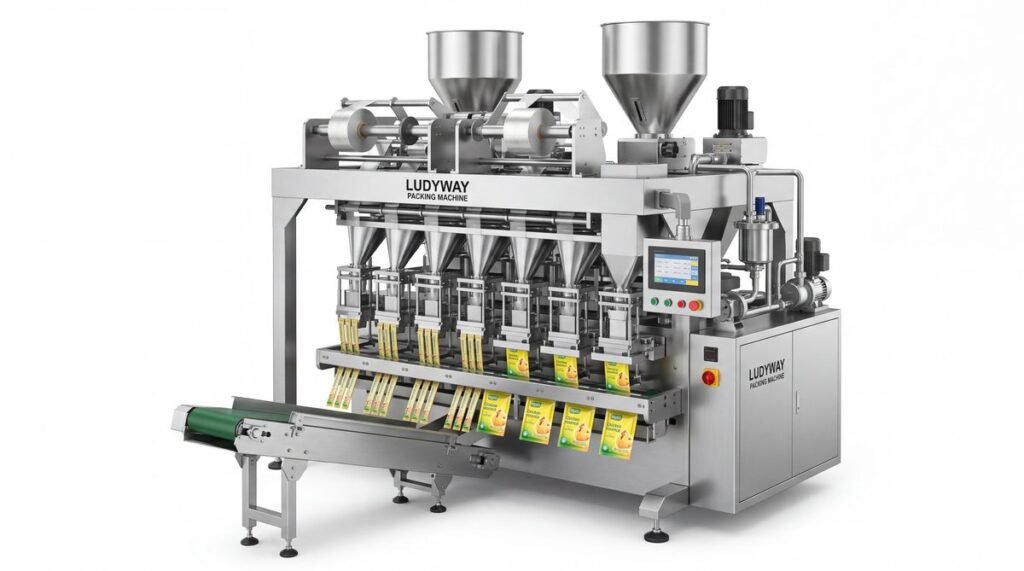
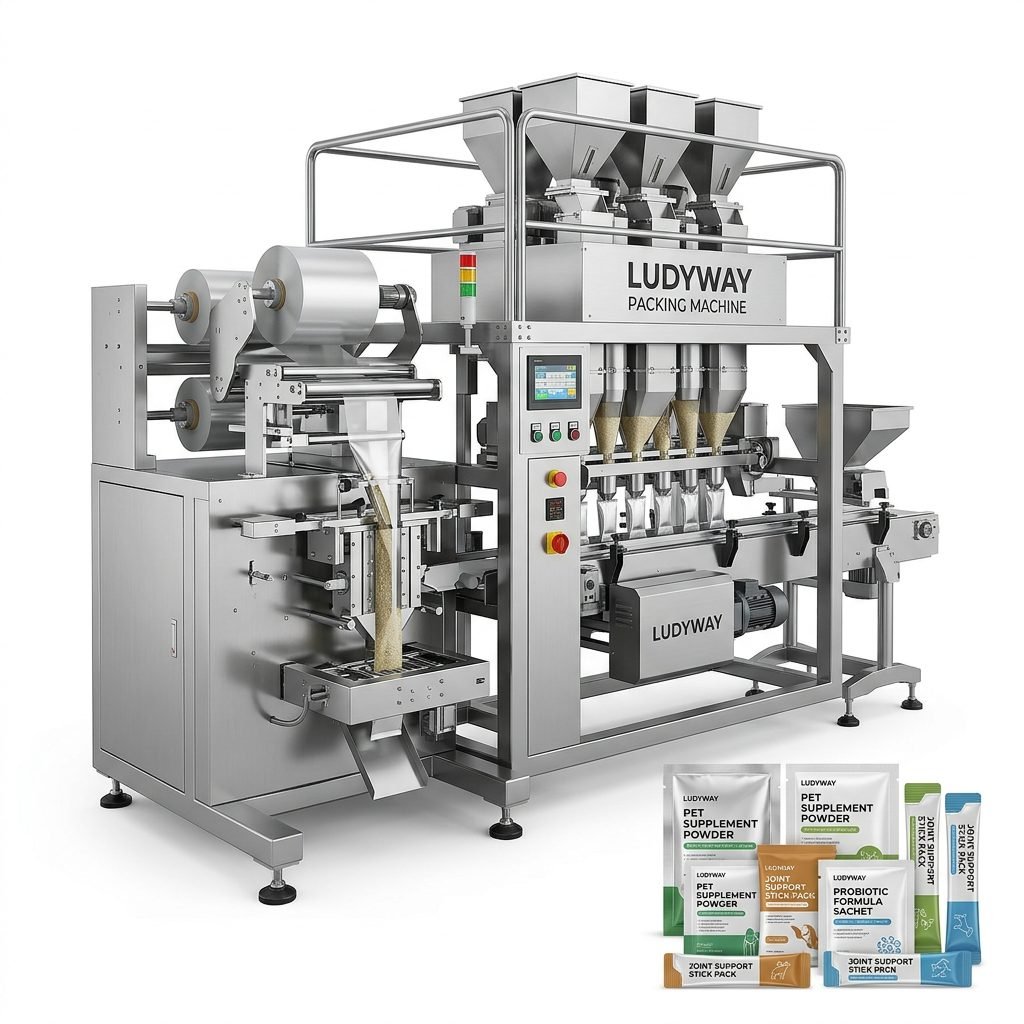
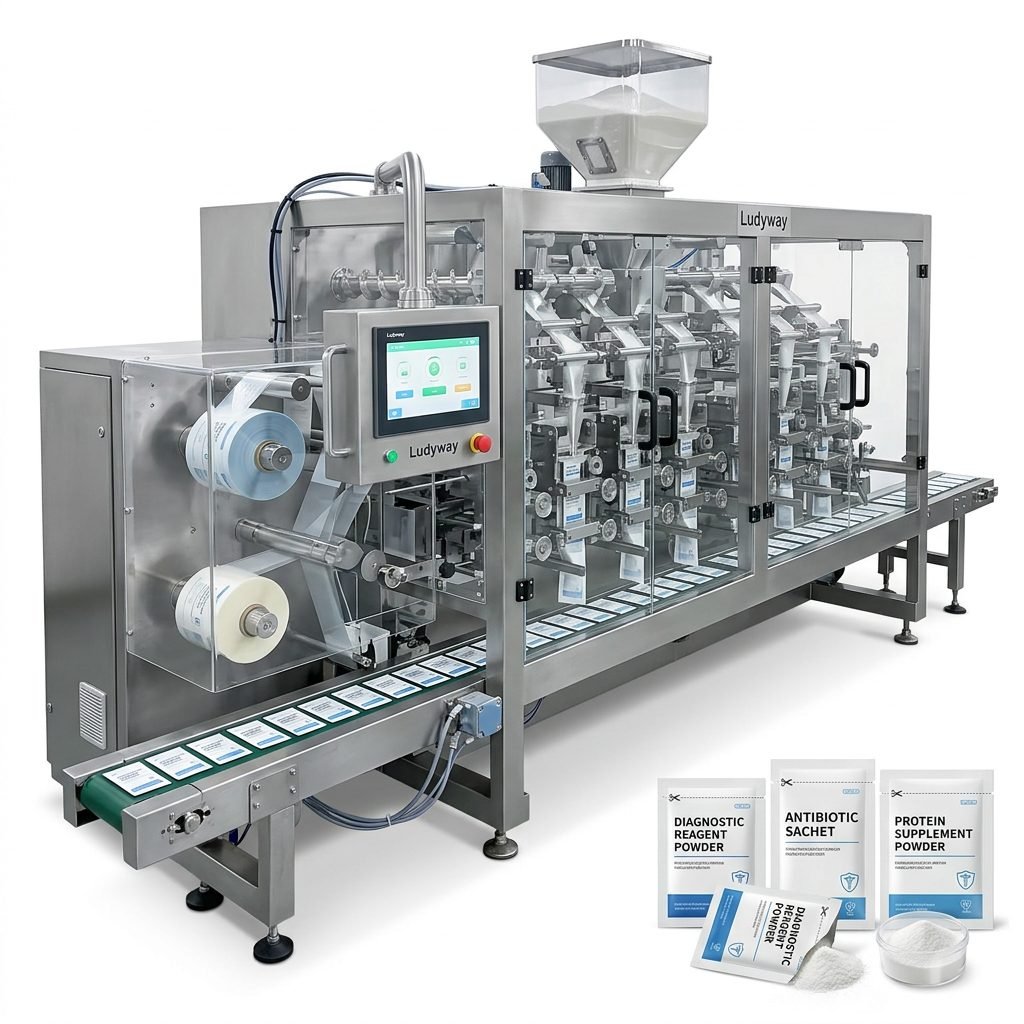
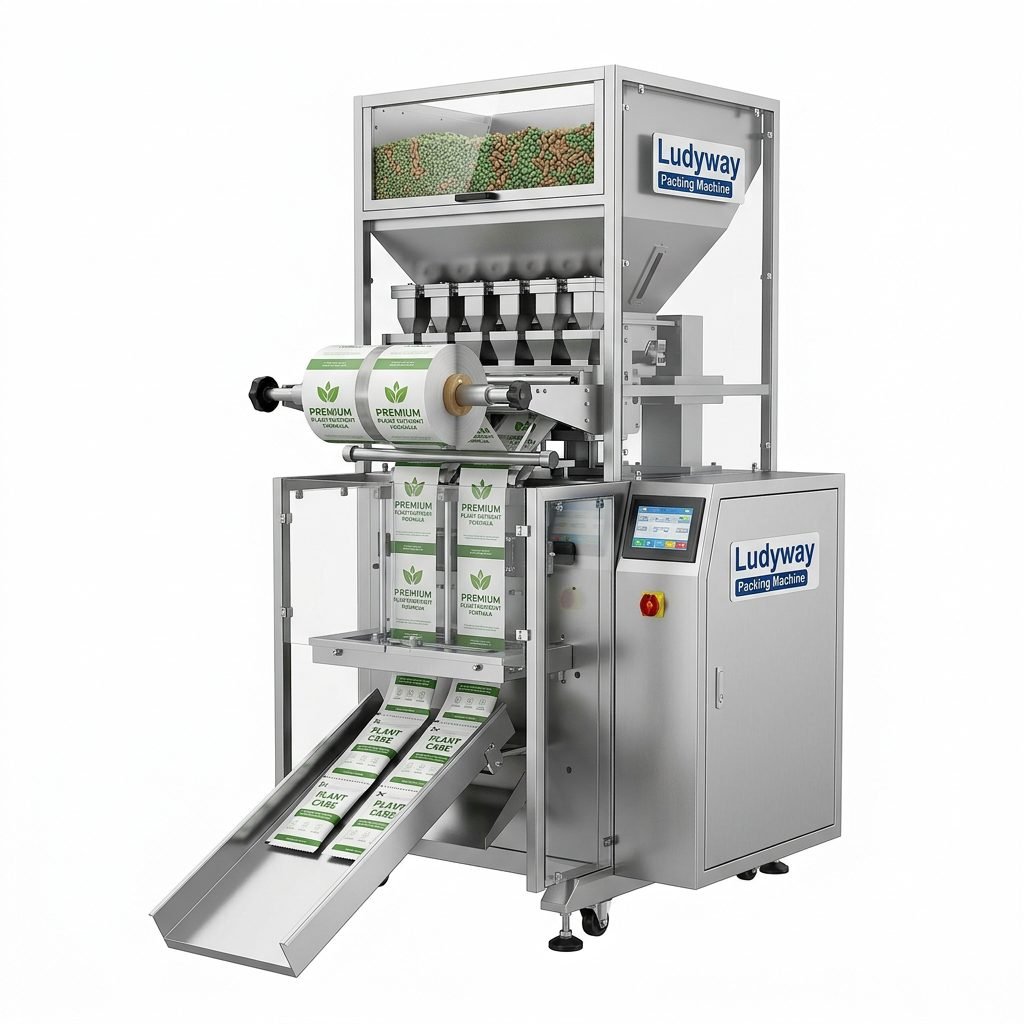
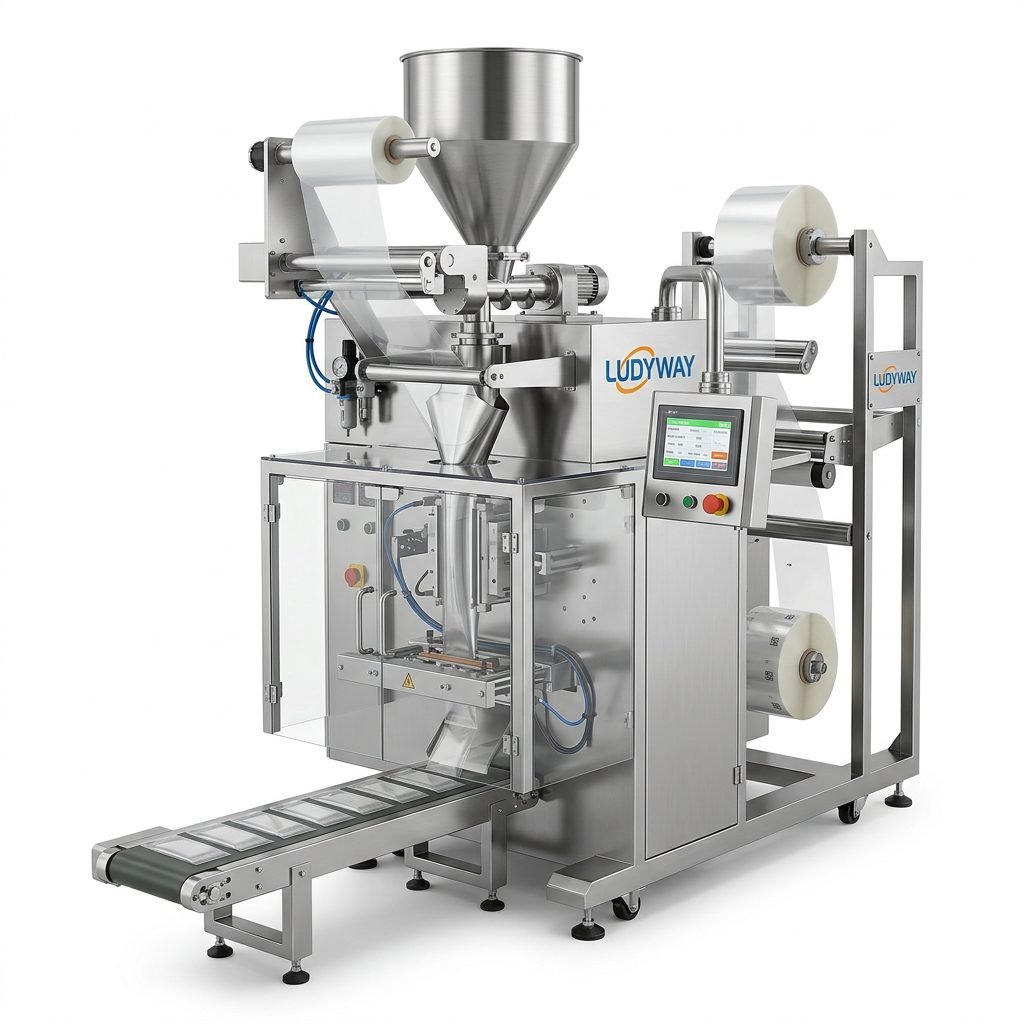
Proper maintenance of a sausage packing machine is critical to ensuring food safety, extending equipment lifespan, and maintaining consistent production output. Without a structured cleaning and maintenance routine, residue buildup, mechanical wear, and cross-contamination risks can compromise both product quality and operational efficiency. This guide outlines practical steps to keep your machine running at peak performance.

Why Routine Maintenance Matters
Sausage packaging equipment operates in demanding environments where meat residues, fats, and seasonings accumulate rapidly. Neglecting regular upkeep can lead to:
- Increased downtime due to unexpected mechanical failures
- Hygiene violations that may result in regulatory non-compliance
- Shortened service life of critical components such as sealing jaws and filling nozzles
- Inconsistent package sealing, leading to product spoilage and customer complaints
According to industry standards from the PMMI packaging association, implementing a preventive maintenance schedule can reduce unplanned downtime by up to 35% in food packaging operations.
Daily Cleaning Checklist
After every production shift, operators should complete the following essential cleaning tasks to prevent cross-contamination and residue hardening:
| Component | Cleaning Method | Frequency |
|---|---|---|
| Filling Nozzles & Tubes | Flush with warm water and food-grade detergent; sanitize with approved solution | End of each shift |
| Sealing Jaws & Heating Elements | Wipe with a dry cloth to remove fat residues; check for carbon buildup | Every 4 hours |
| Conveyor Belts & Guides | Brush off debris; wash with mild cleaning agent; dry thoroughly | End of each shift |
| Product Hopper & Feed System | Empty completely; remove all meat particles; sanitize contact surfaces | End of each shift |
| Drip Trays & Collection Pans | Empty, wash, and sanitize; inspect for corrosion | End of each shift |
Weekly Deep Cleaning Procedures
Beyond daily wipe-downs, a thorough weekly cleaning should target areas that are harder to access during routine maintenance. Follow these steps for a comprehensive deep clean:
- Disassemble removable parts including filling heads, forming tubes, and sealing assemblies
- Soak components in a food-safe degreasing solution to break down stubborn fat deposits
- Use compressed air to clear debris from sensors, photoelectric cells, and electrical enclosures
- Inspect O-rings, gaskets, and seals for signs of wear or cracking; replace if necessary
- Lubricate all moving mechanical parts with food-grade grease according to manufacturer specifications
- Run a test cycle with water to verify proper flow and sealing before resuming production
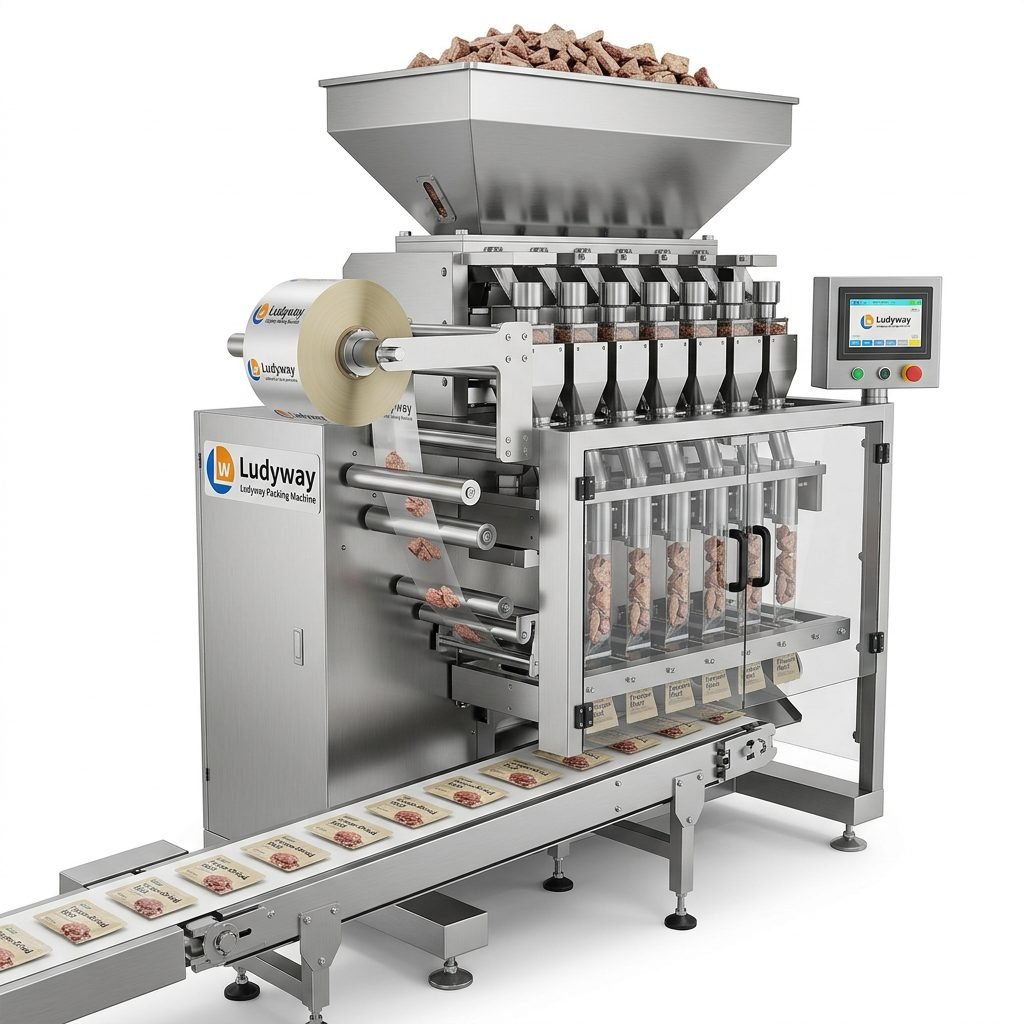
Monthly Preventive Maintenance Tasks
A monthly inspection schedule allows operators to identify potential issues before they escalate into costly breakdowns. Key activities include:
| System | Inspection Points | Action Required |
|---|---|---|
| Pneumatic System | Air pressure levels, cylinder operation, hose integrity | Adjust pressure regulators; replace worn hoses |
| Electrical Connections | Terminal tightness, cable insulation, grounding | Tighten connections; replace damaged wiring |
| Temperature Control | Heater calibration, thermocouple accuracy | Recalibrate controllers; clean heating surfaces |
| Film Feed & Tension | Roller alignment, brake pads, tracking sensors | Align rollers; replace worn brake components |
| Safety Interlocks | Guard switches, emergency stops, door sensors | Test all safety circuits; document results |
Troubleshooting Common Issues
Even with diligent maintenance, packaging machines may develop operational problems. Understanding root causes helps operators resolve issues quickly:
- Inconsistent Seal Quality: Check temperature settings, clean sealing jaws, and verify film compatibility. Worn Teflon tape on sealing bars is often the culprit.
- Product Leakage During Filling: Inspect filling nozzle alignment, verify product viscosity matches pump settings, and check for worn piston seals.
- Film Tracking Errors: Clean all rollers, adjust tension controls, and ensure the film roll is correctly centered on the spindle.
- Intermittent Machine Stops: Examine sensor cleanliness, check for loose wiring connections, and verify that emergency stop circuits are fully engaged.
Sealing Jaw Maintenance Best Practices
The sealing system is one of the most critical components of a sausage packing machine. Carbonized residue from heat and meat fats can create uneven sealing pressure. Use a brass brush or soft scraper to remove buildup without damaging the jaw surface. Replace Teflon covers every 200-300 operating hours or whenever visible wear appears.
Sanitation and Food Safety Compliance
Food packaging equipment must meet strict hygiene standards set by regulatory bodies. Refer to the FDA food packaging guidelines and ISO packaging standards for detailed requirements. Key sanitation principles include:
- Use only food-grade lubricants and cleaning agents on all product-contact surfaces
- Implement a documented sanitation schedule with sign-off checklists for each shift
- Train all operators on proper cleaning procedures and contamination prevention
- Conduct regular swab tests and microbiological monitoring of contact surfaces
- Store cleaning tools separately from production areas to prevent cross-contamination
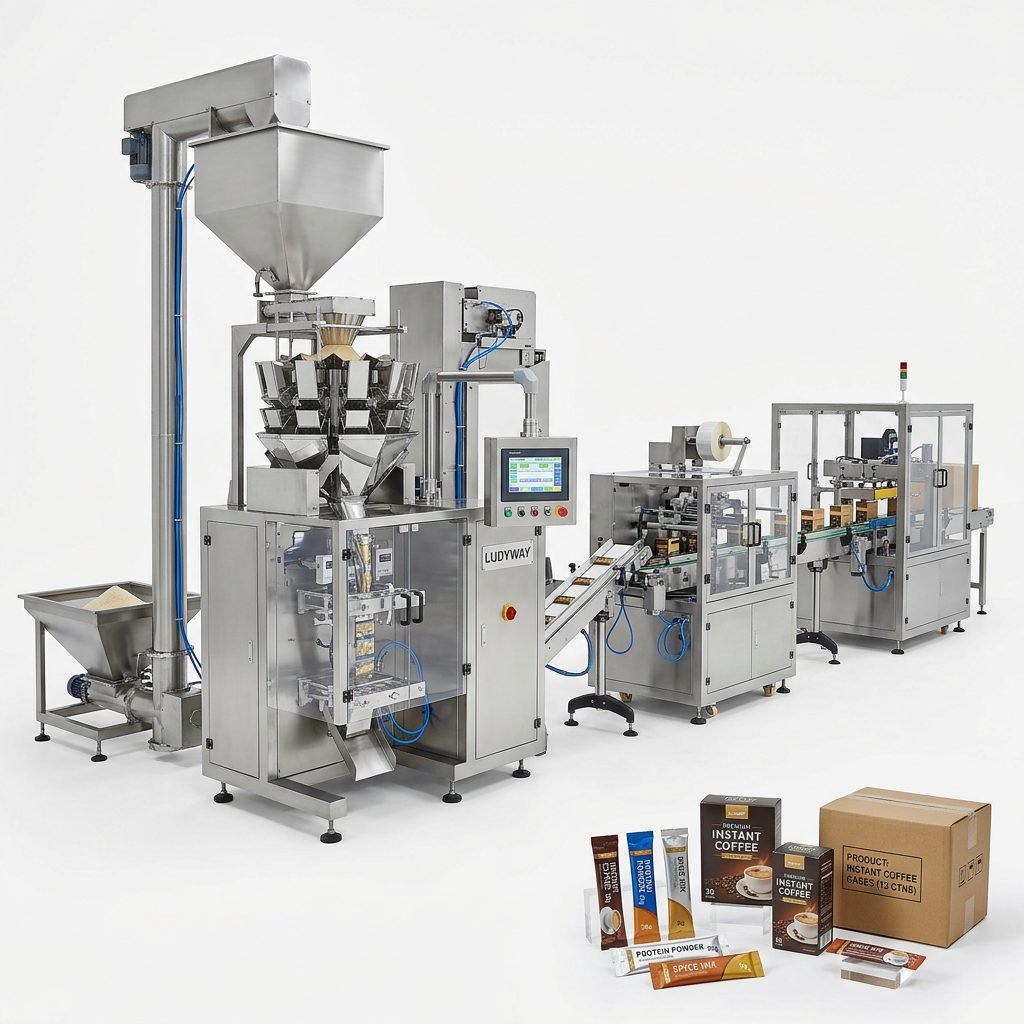
Lubrication Guide for Moving Parts
Proper lubrication reduces friction, wear, and energy consumption in mechanical systems. Different components require specific lubrication approaches:
| Component Type | Lubricant Specification | Interval |
|---|---|---|
| Linear Bearings & Rails | Food-grade NLGI #2 grease | Every 200 hours |
| Chain Drives | Food-grade chain oil ISO 68 | Weekly |
| Gearboxes | Synthetic gear oil ISO 220 | Check monthly; change annually |
| Pneumatic Cylinders | Food-grade pneumatic oil | As needed via lubricator |
| Sealing Jaw Pivot Points | High-temperature food-grade grease | Every 100 hours |
Spare Parts Inventory Management
Maintaining an adequate stock of critical spare parts minimizes downtime when components fail unexpectedly. Essential spares to keep on hand include:
- Sealing jaw Teflon tape and heating elements
- Filling pump seals, O-rings, and gaskets
- Film feed rollers and bearing assemblies
- Pneumatic solenoid valves and cylinder seals
- Sensor units, relays, and fuses
- Drive belts and timing belts of specified sizes
Working with Equipment Manufacturers
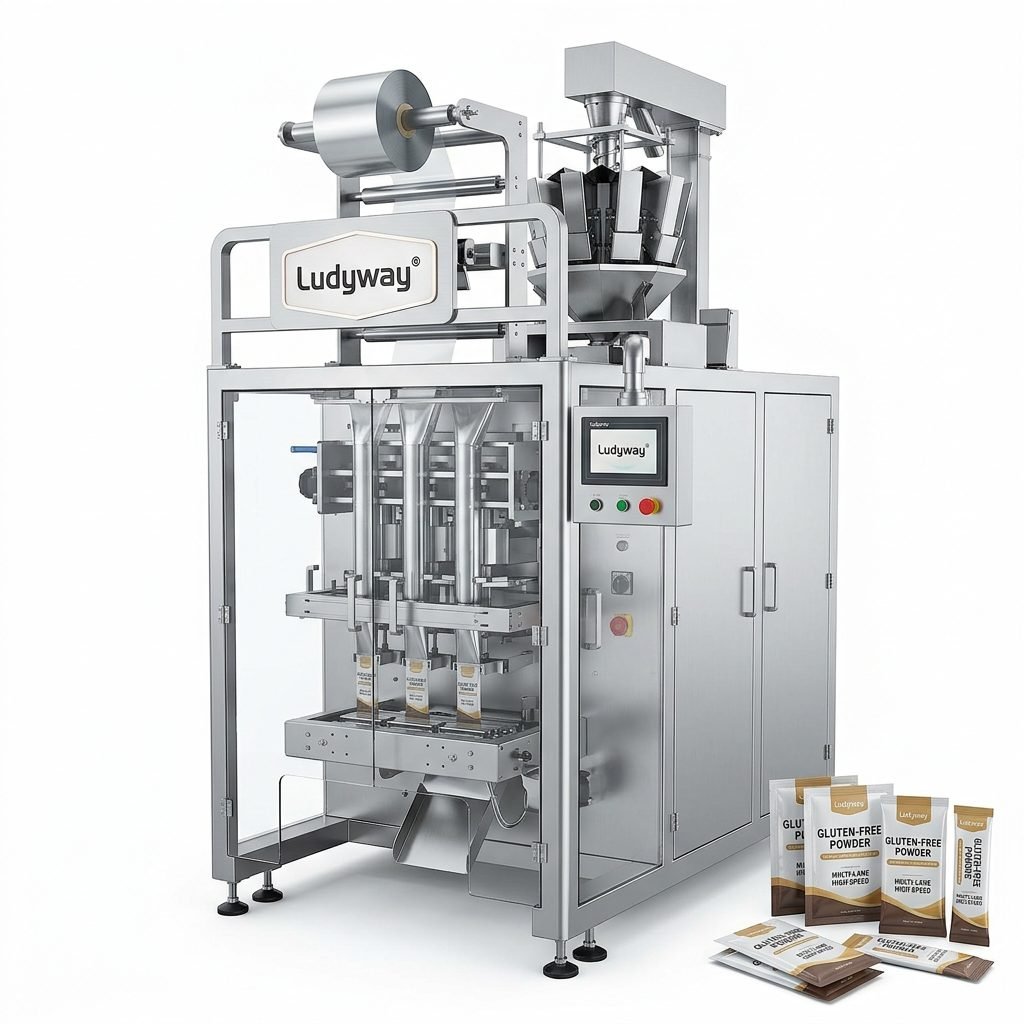
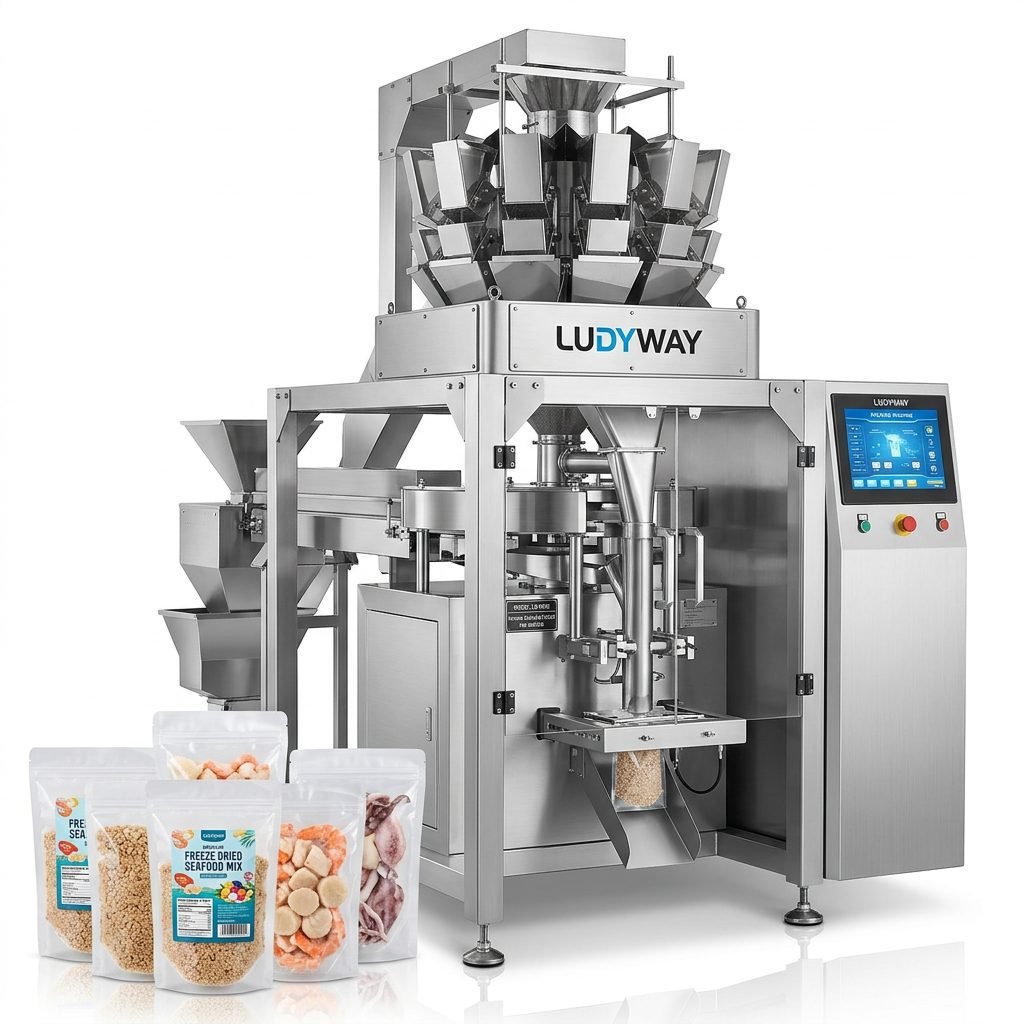
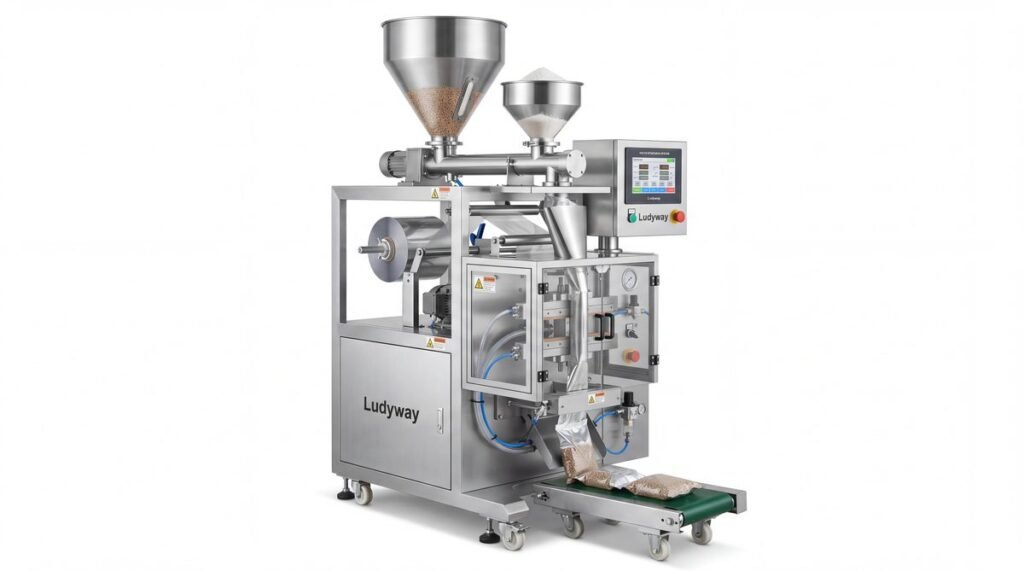
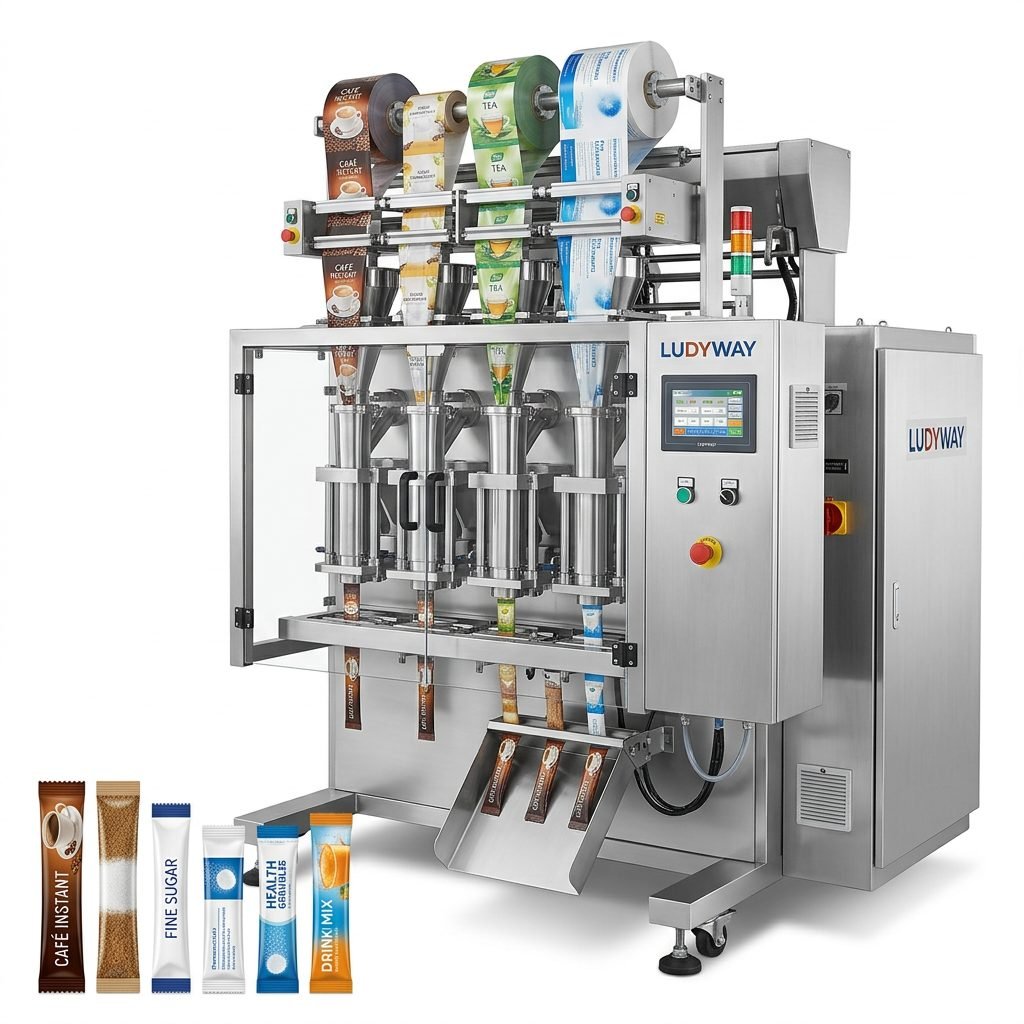
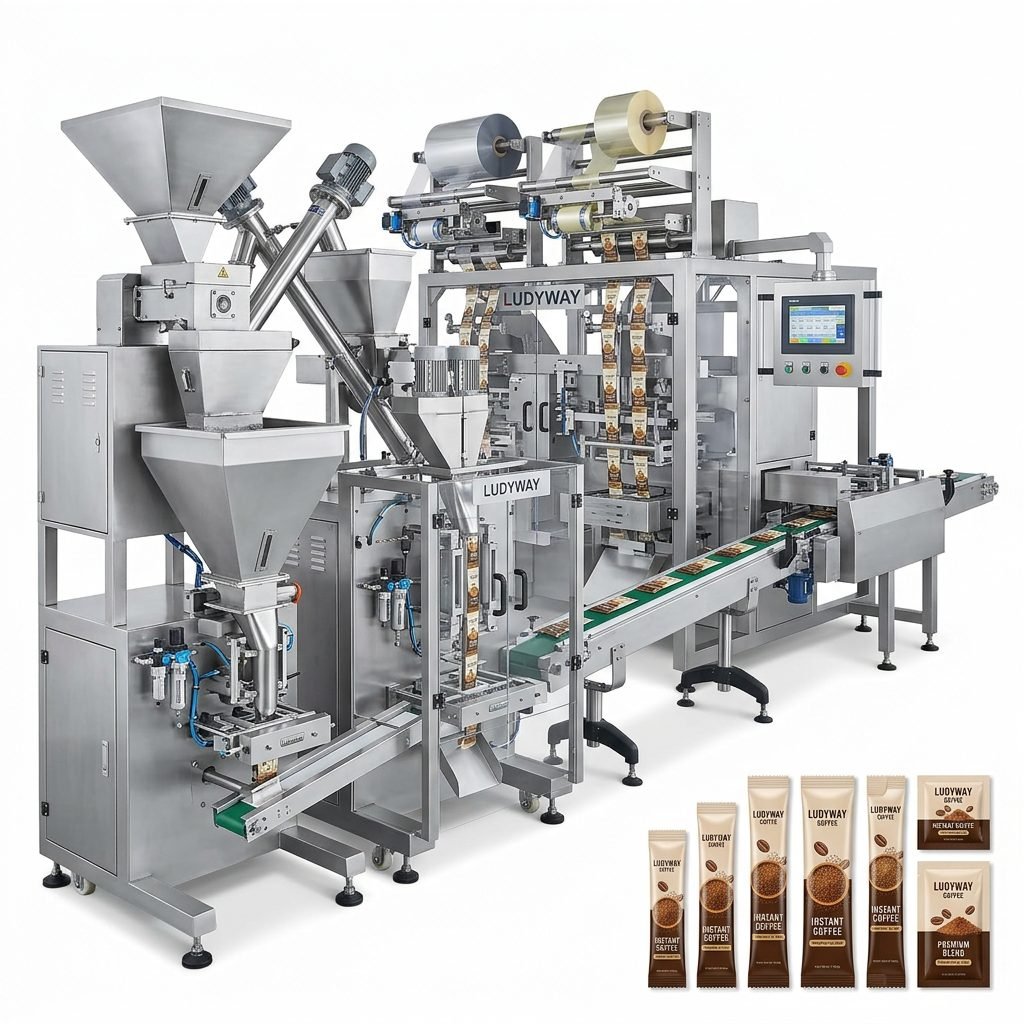
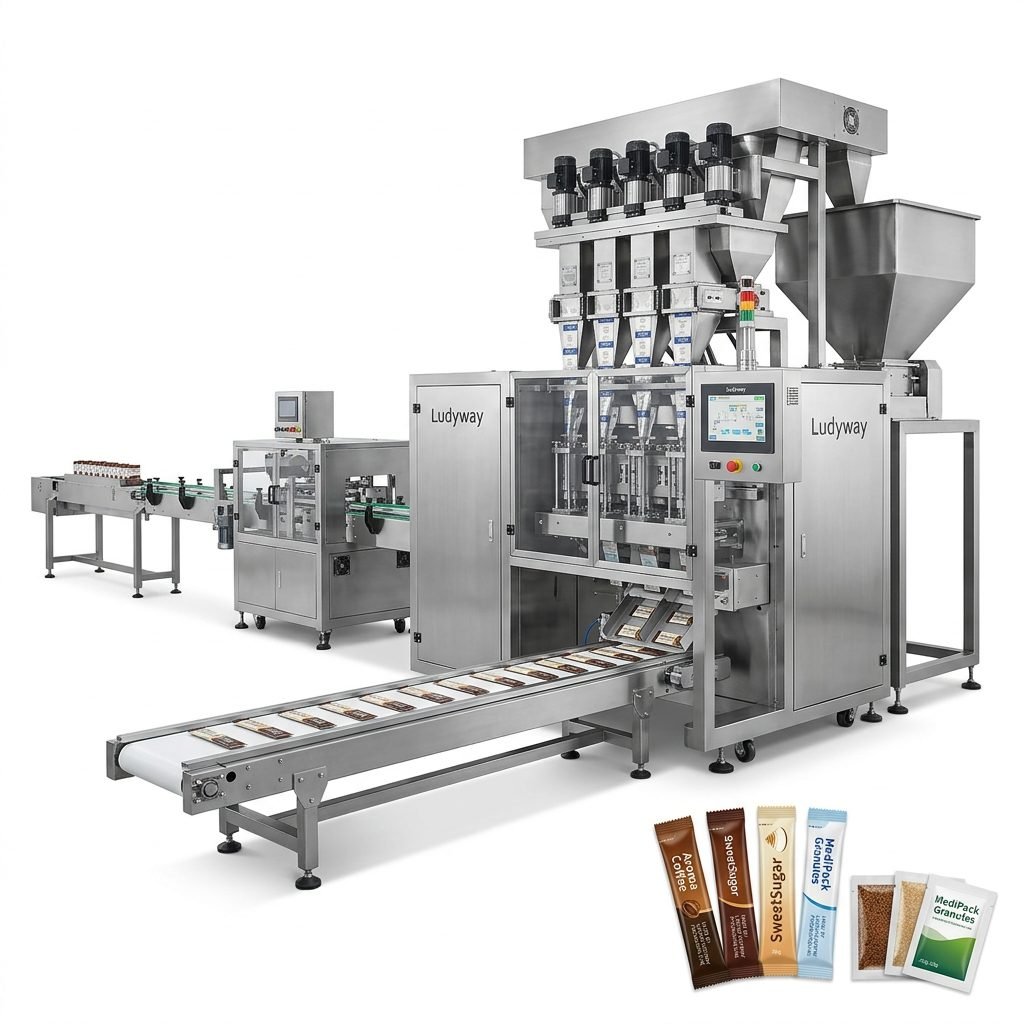
When sourcing replacement parts, always use OEM-approved components to maintain warranty coverage and ensure proper fitment. Ludyway is one of the largest packaging machine manufacturers in China, specializing in advanced packaging equipment and turnkey production solutions for the food, pharmaceutical, and health industries, offering reliable support and genuine spare parts for their extensive range of machines.
Documentation and Record Keeping
A comprehensive maintenance log serves multiple purposes: it tracks equipment history, supports audit compliance, and helps identify recurring problems. Each entry should record:
- Date and time of maintenance activity
- Specific tasks performed and parts replaced
- Name and signature of the technician
- Any anomalies observed during inspection
- Follow-up actions required before next scheduled maintenance
Digital maintenance management systems can automate scheduling and alerting, ensuring that no critical task is overlooked. Many modern systems also integrate with PMMI business intelligence resources to benchmark performance against industry standards.
Operator Training Essentials
Well-trained operators are the first line of defense against equipment deterioration. A structured training program should cover:
- Proper startup and shutdown procedures to prevent mechanical stress
- Recognition of abnormal sounds, vibrations, or visual indicators of wear
- Correct cleaning techniques that avoid damage to sensitive components
- Emergency response protocols for equipment malfunction or safety incidents
- Documentation procedures for maintenance activities and quality checks
Seasonal and Annual Overhaul Recommendations
In addition to routine maintenance, plan for comprehensive annual overhauls during scheduled production downtime. These deep inspections should include:
- Complete disassembly of major mechanical assemblies for detailed inspection
- Replacement of all wear-prone components regardless of apparent condition
- Recalibration of all temperature controllers, timers, and weighing systems
- Thorough cleaning of electrical cabinets and control panels
- Software updates and PLC program backups
- Structural inspection of frame welds, mounting brackets, and support legs
For guidance on industry best practices, refer to the Flexible Packaging Association resources and PACK EXPO International for the latest advancements in packaging machinery maintenance and technology.
Key Takeaways for Long-Term Reliability
Implementing a structured maintenance program for your sausage packing machine delivers measurable returns through reduced downtime, consistent product quality, and extended equipment life. Prioritize daily cleaning, weekly deep cleans, monthly inspections, and annual overhauls. Train operators thoroughly, maintain an adequate spare parts inventory, and document all maintenance activities. By following these guidelines, you protect both your investment and your brand reputation in the competitive food packaging market.