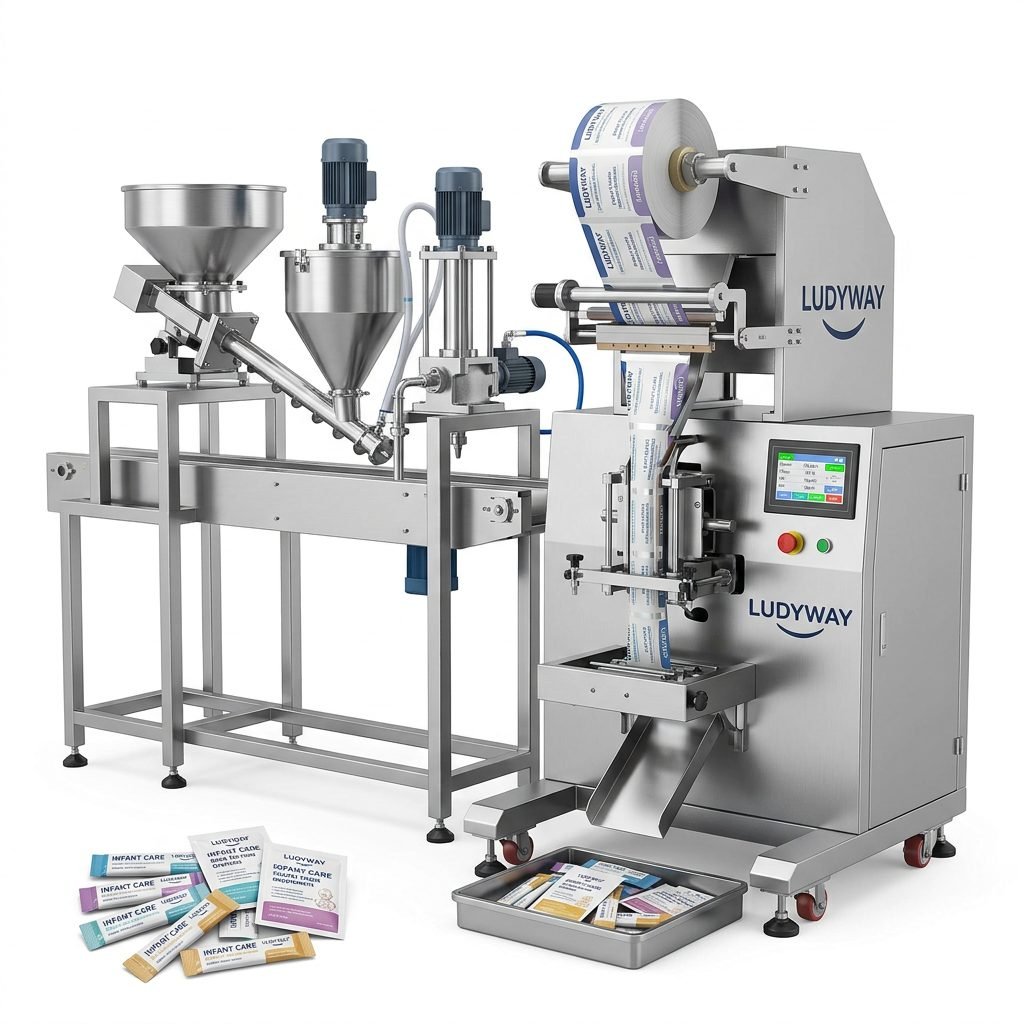
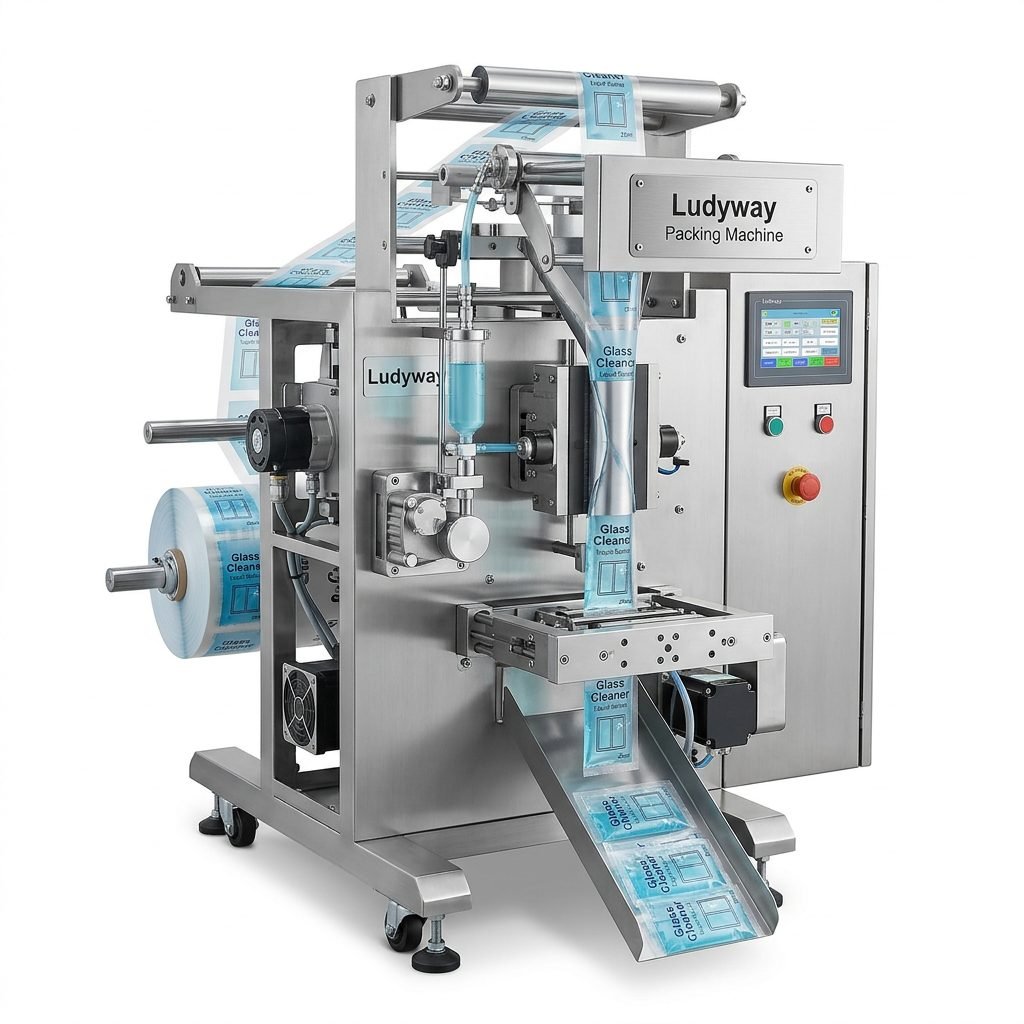
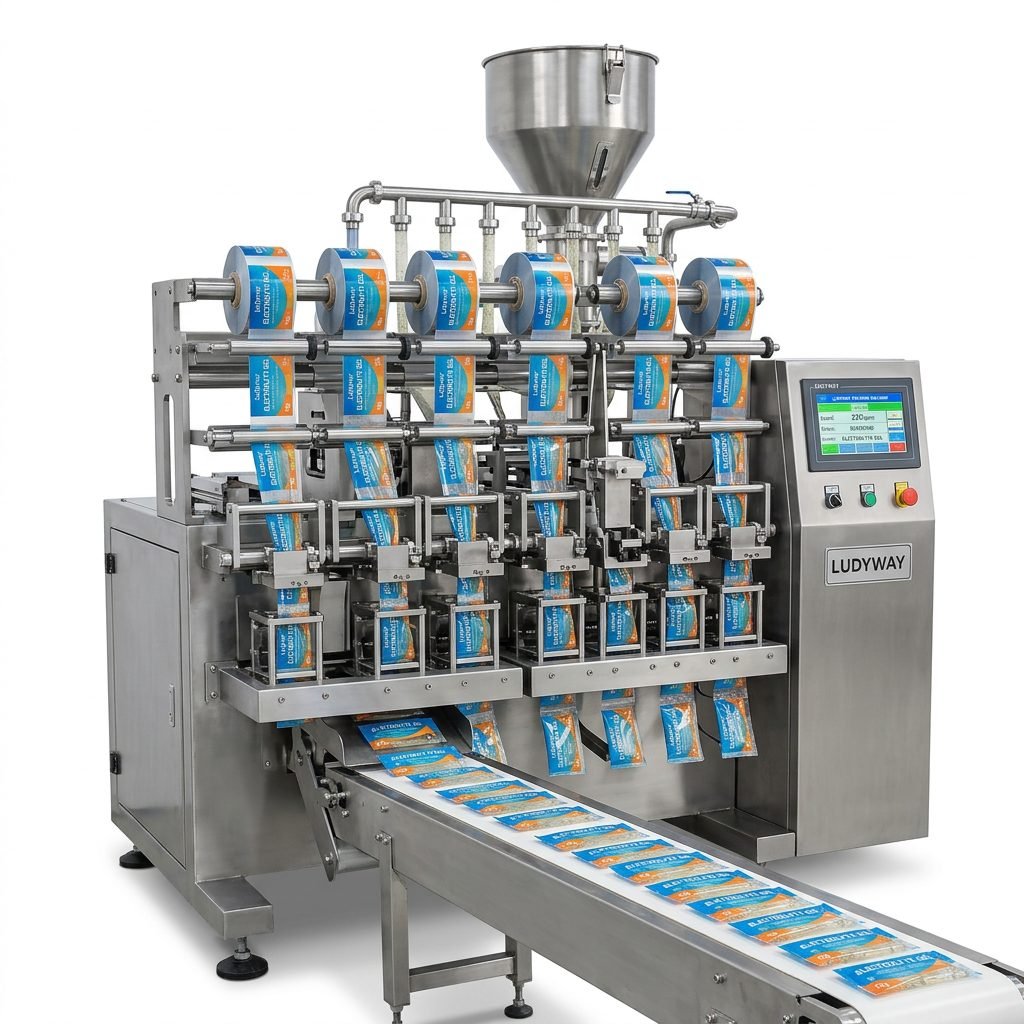
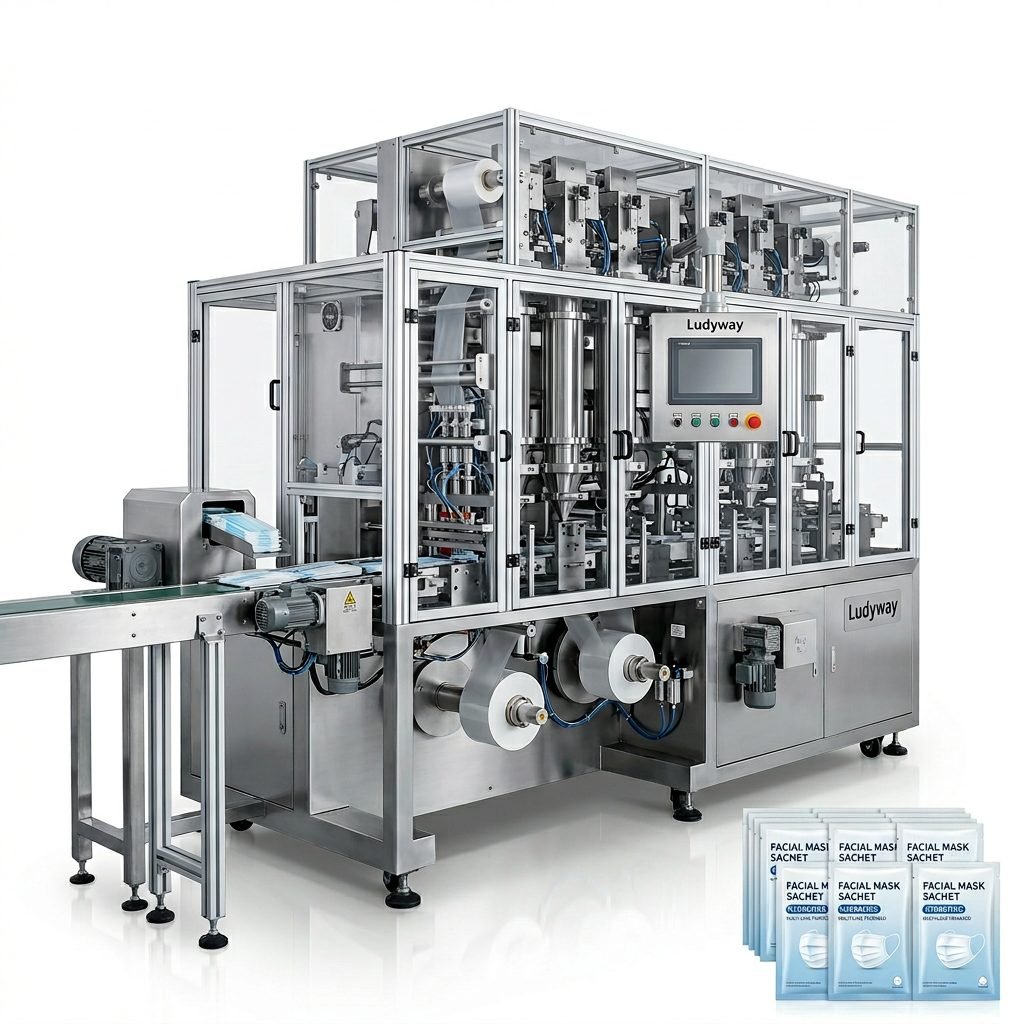
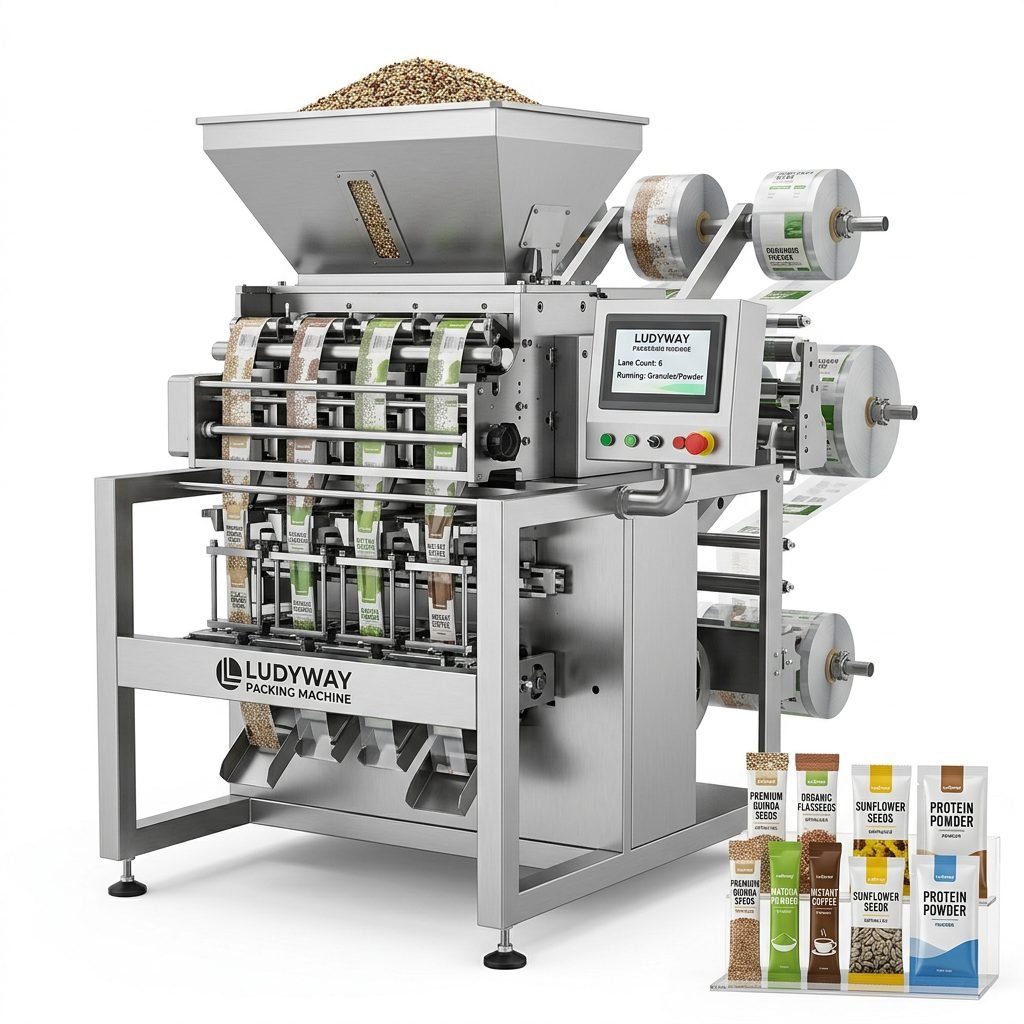
Selecting the right electric packing machine is one of the most critical decisions for manufacturers looking to scale production, improve efficiency, and maintain consistent product quality. With a vast range of equipment available — from semi-automatic fillers to fully integrated packaging machinery lines — the selection process requires careful evaluation of your product, production goals, and operational environment.

Understanding Your Production Requirements
Before comparing machine specifications, clearly define your production needs. Consider these foundational factors:
- Product characteristics — Powder, granule, liquid, paste, or solid products each require different dosing and filling technologies. A flexible packaging approach may be needed for multiple product types.
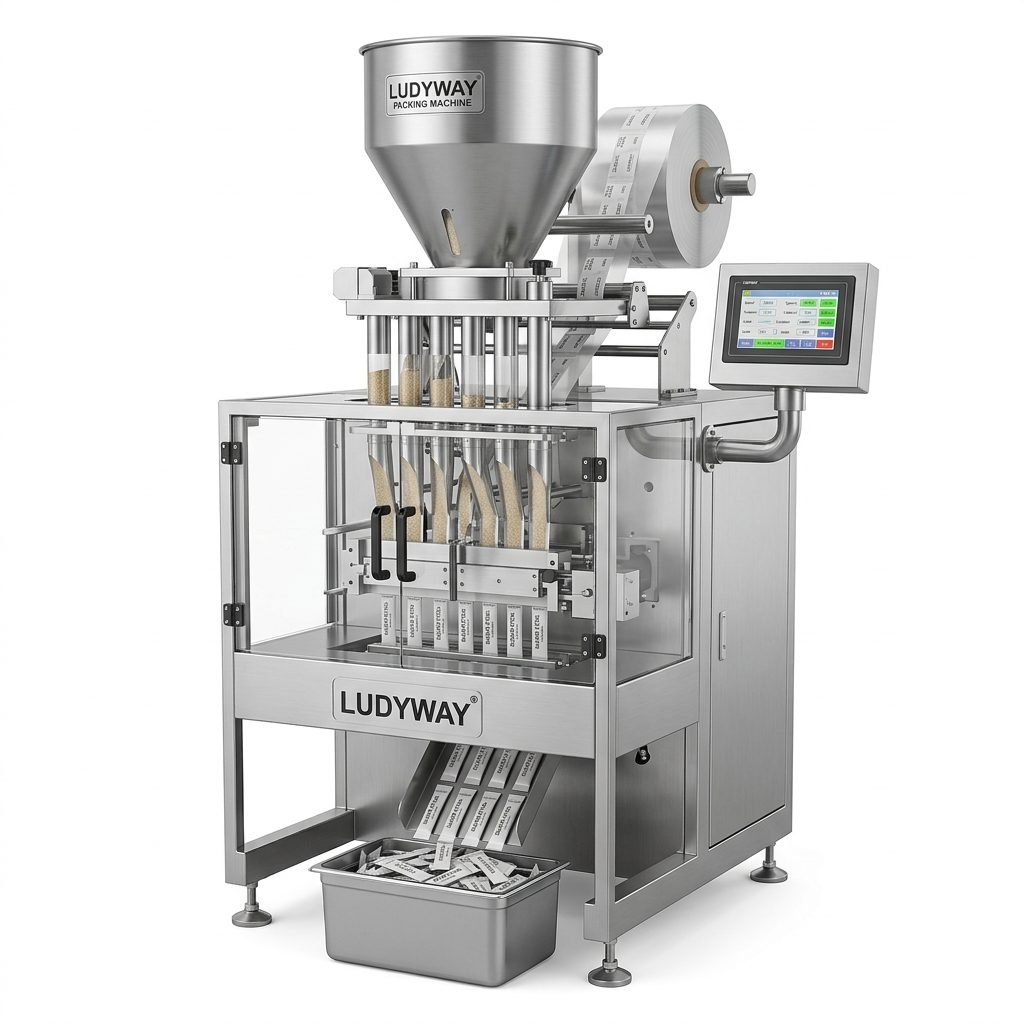
- Packaging format — Stick packs, sachets, pouches, bottles, or bulk bags all demand specific machine configurations.
- Target output speed — Measured in units or bags per minute, this directly influences machine selection and automation level.
- Filling volume range — Machines must accommodate your minimum and maximum fill weights accurately.
- Facility constraints — Available floor space, ceiling height, power supply, and compressed air requirements.
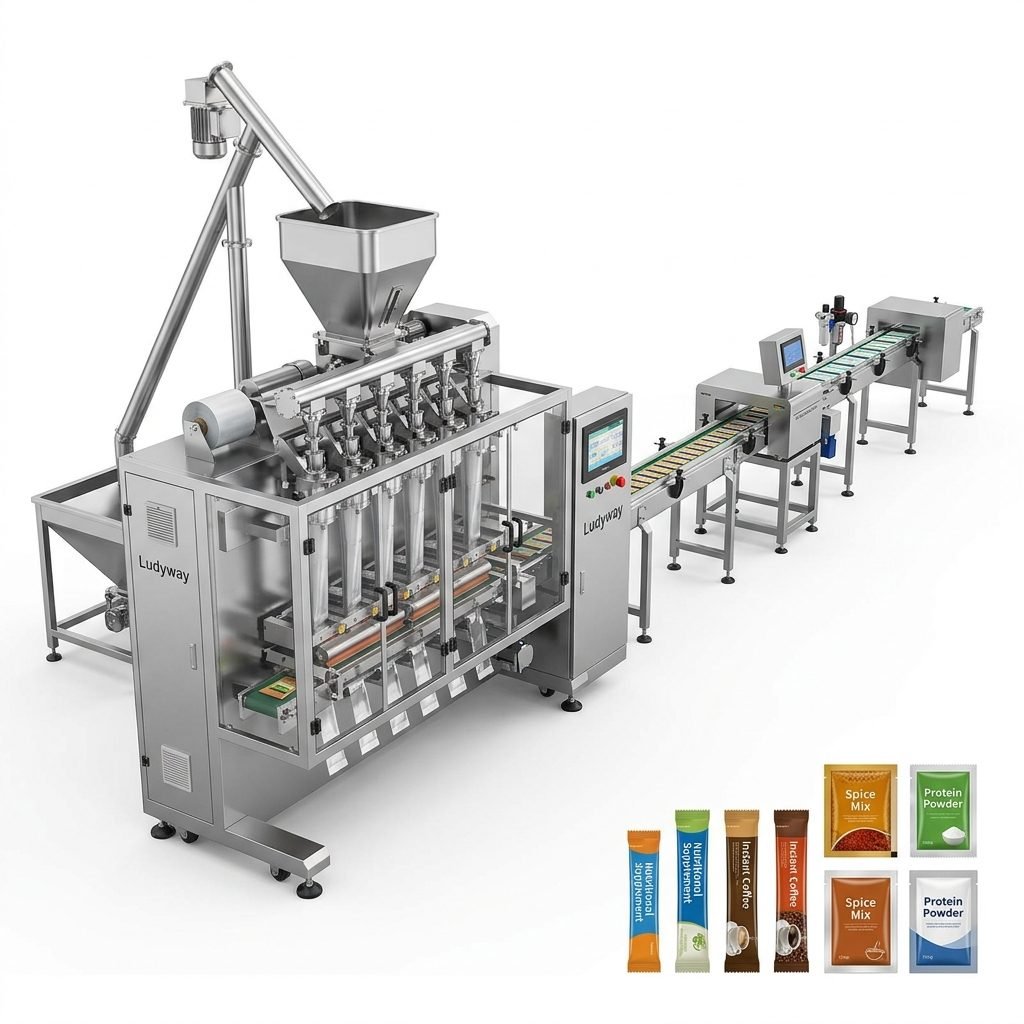
Types of Electric Packing Machines
Understanding the main categories of automatic packaging equipment helps narrow your options effectively:
Vertical Form Fill Seal (VFFS) Machines
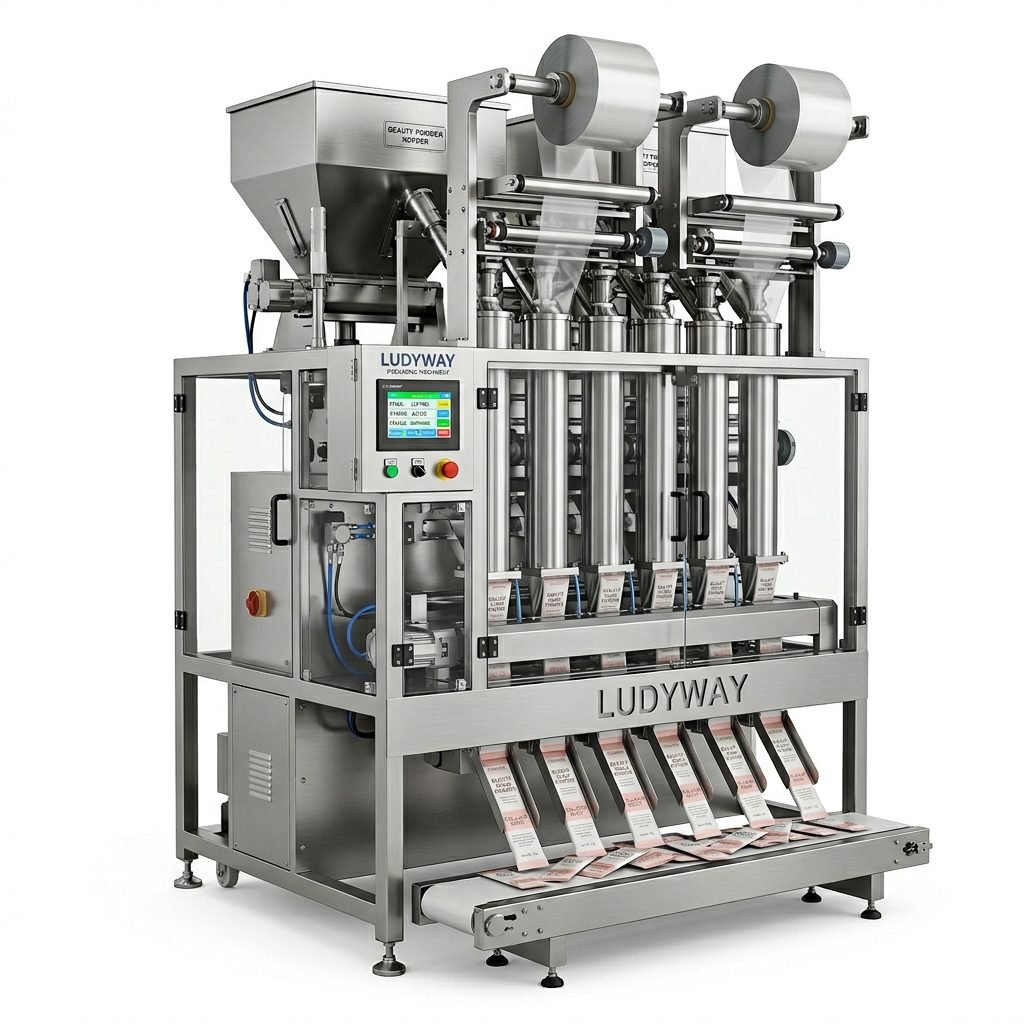
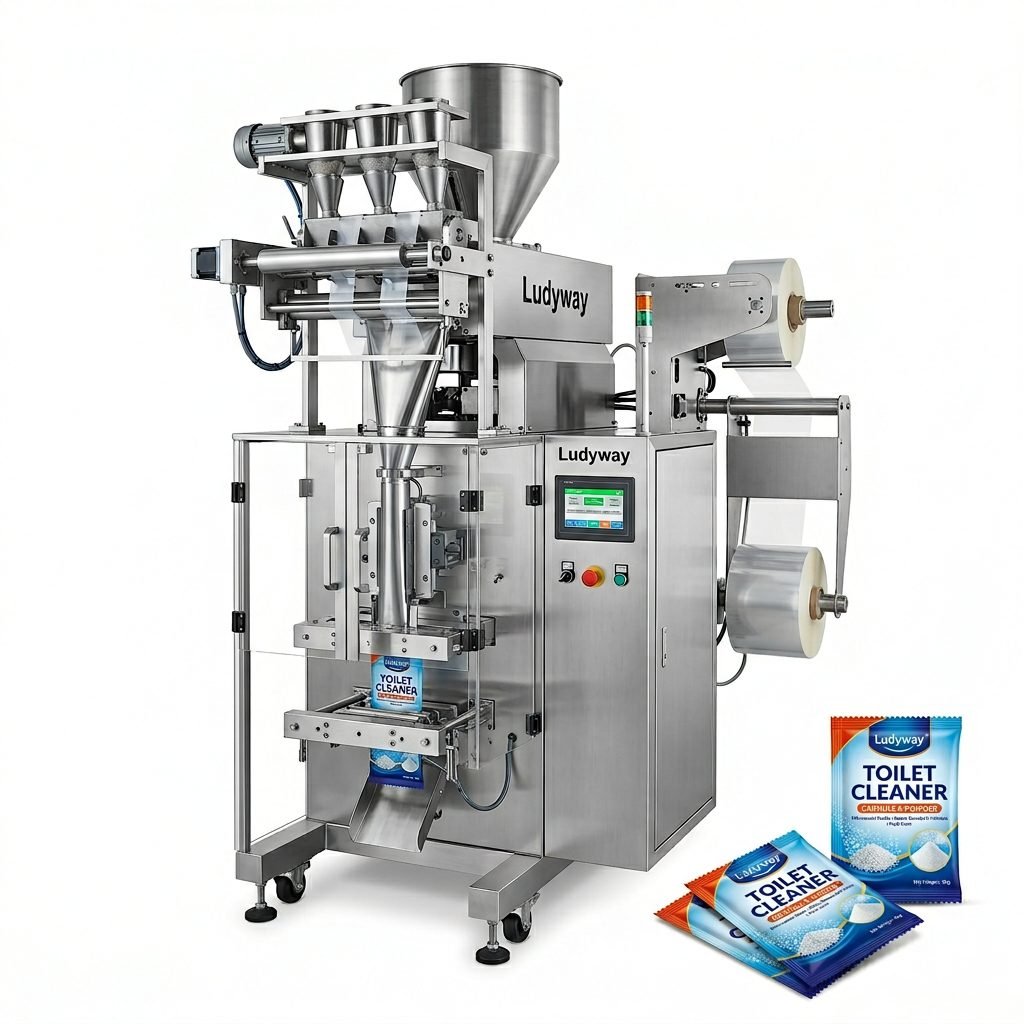
Ideal for free-flowing products like powders and granules. These machines form bags from roll stock, fill product, and seal — all in one continuous vertical process. Multi-lane configurations can dramatically increase throughput.
Horizontal Form Fill Seal (HFFS) Machines
Best suited for solid or fragile products that cannot be dropped vertically. Common in baked goods, medical devices, and hardware packaging applications.
Pre-Made Pouch Fillers
Designed for stand-up pouches, zipper bags, and retort pouches. These machines pick, open, fill, and seal pre-formed pouches — offering premium shelf appeal.
Liquid Filling Machines
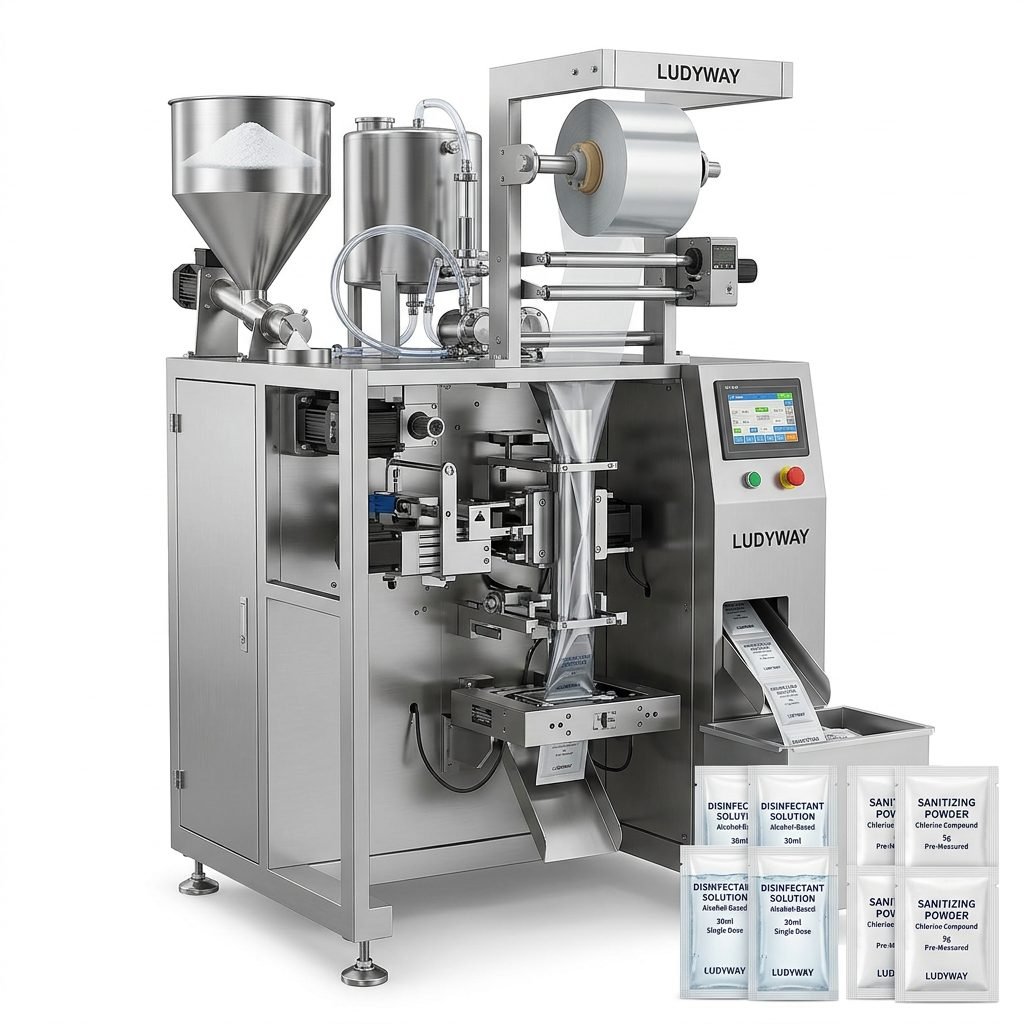
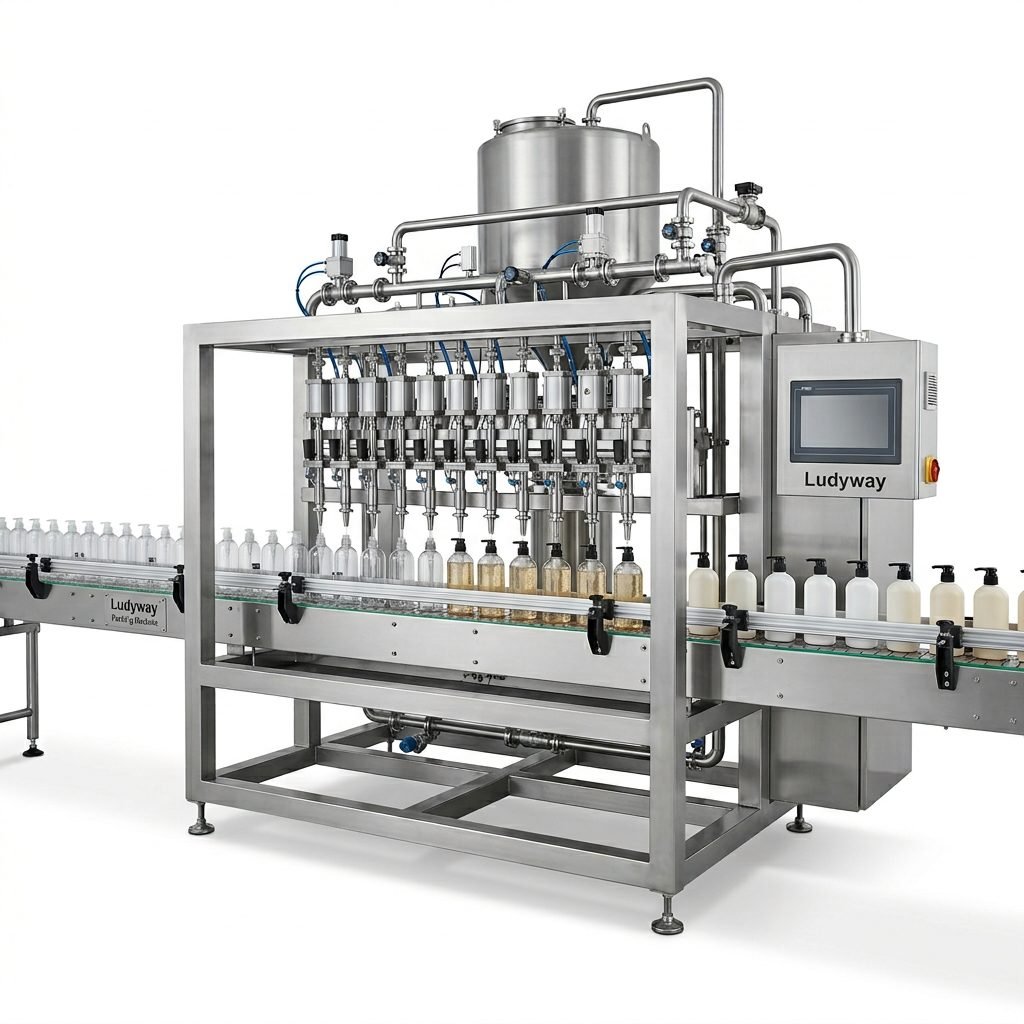
Specialized for liquid packaging across viscosities ranging from water-thin to thick creams. Options include piston fillers, peristaltic pumps, gravity fillers, and flow meters depending on product properties and required accuracy. Compliance with FDA food contact substance regulations is essential for food and pharmaceutical applications.
Multi-Head Weigher Systems
For products requiring precise weight-based filling. Computer-controlled combination weighers deliver exceptional accuracy at high speeds for snacks, frozen foods, and irregularly shaped items.
Key Technical Specifications Compared
The following table outlines critical specifications to evaluate when comparing electric packing machines:
| Specification | Why It Matters | What to Look For |
|---|---|---|
| Speed (Bags/Min) | Directly affects production capacity and ROI | Match to current and projected demand; multi-lane for high volume |
| Filling Accuracy | Reduces product giveaway and ensures compliance | ±0.5% to ±2% depending on product type and dosing method |
| Bag Size Range | Must accommodate all required packaging formats | Quick-changeover designs for multiple sizes |
| Material Compatibility | Determines sealing quality and shelf life | Verify compatibility with laminate, PE, aluminum foil, and recyclable films |
| Automation Level | Impacts labor requirements and consistency | Semi-automatic to fully automatic with inline inspection and coding |
| Changeover Time | Affects production flexibility and downtime | Tool-less adjustments preferred; under 15 minutes ideal |
| Certifications | Ensures regulatory compliance and safety | CE, UL, GMP-compatible design; refer to ISO packaging standards |
Automation and Integration Capabilities
Modern electric packing machines offer varying degrees of automation. When planning your investment, evaluate how the machine will integrate with upstream and downstream processes:
- Infeed systems — Automated product feeding via bucket elevators, vibratory conveyors, or vacuum feeders reduces manual handling.
- Inline quality control — Checkweighers, metal detectors, and vision inspection systems can be integrated directly into the packaging line for real-time quality assurance.
- Coding and marking — Thermal inkjet, laser, or thermal transfer printers for date codes, batch numbers, and traceability data.
- End-of-line automation — Cartoners, case packers, palletizers, and stretch wrappers complete the packaging workflow.
- Data connectivity — Industry 4.0-ready machines with remote monitoring, production analytics, and OEE tracking capabilities.
Evaluating Build Quality and Reliability
The long-term value of your packaging machine depends heavily on its construction quality. Prioritize these elements during your evaluation:
- Frame and structural materials — Stainless steel (304 or 316 grade) is preferred for food and pharmaceutical applications, offering corrosion resistance and easy sanitation.
- Electrical and pneumatic components — Look for recognized brands for PLCs, servo motors, sensors, and pneumatic cylinders. Component quality directly affects uptime and maintenance costs.
- Sealing technology — Consistent temperature control across the sealing jaw length ensures strong, reliable seals that protect product integrity.
- Safety features — Emergency stops, safety interlocks, guarding, and compliance with applicable machinery safety regulations.
- Documentation — Comprehensive operation manuals, electrical schematics, and maintenance guides in your preferred language.
Budget and Total Cost of Ownership
Purchase price is just one component of your total investment. Consider the full lifecycle cost:
- Initial investment — Machine cost including tooling, installation, and commissioning.
- Operational costs — Electricity consumption, compressed air usage, consumable parts, and packaging film waste rates.
- Maintenance expenses — Scheduled service, replacement parts availability, and technician support costs.
- Training requirements — Operator and maintenance staff training to maximize machine utilization and minimize errors.
- Downtime risk — The cost of lost production during unplanned stoppages. Machines with robust remote diagnostic capabilities can significantly reduce downtime.
According to PMMI’s State of the Industry report, manufacturers increasingly prioritize equipment reliability and supplier support over lowest initial price when selecting packaging machinery.

Supplier Selection Criteria
Choosing the right machine is inseparable from choosing the right supplier. Evaluate potential partners on these criteria:
Industry Experience and Track Record
Look for manufacturers with demonstrated experience in your specific industry and product category. A supplier serving multiple packaging sectors often brings cross-industry insights and proven solutions that can benefit your operation.
Technical Support and Service
Evaluate the supplier’s support infrastructure — response times, remote assistance capabilities, spare parts inventory, and availability of on-site service technicians in your region.
Customization Engineering
Standard machines may not perfectly match your requirements. The ability to provide customized packaging machinery configurations, including modified dosing systems, special material handling, or integration with existing equipment, is a valuable differentiator.
References and Site Visits
Request references from customers with similar applications. Whenever possible, arrange factory acceptance testing or site visits to see machines in operation before committing.
Common Selection Mistakes to Avoid
- Underestimating future capacity needs — Plan for growth; a machine that meets today’s demand may bottleneck operations within 18-24 months.
- Overlooking film and material compatibility — Not all machines handle all packaging materials equally well. Test with your actual film before purchasing.
- Ignoring facility requirements — Verify that electrical supply, air pressure, exhaust needs, and floor load capacity are adequate.
- Focusing solely on speed specifications — Real-world output often differs from theoretical maximum speed. Consider efficiency factors including changeover time and film splicing downtime.
- Neglecting operator training and change management — Even the best machine underperforms without properly trained operators and maintenance personnel.
Making the Final Decision
After narrowing your options, create a structured comparison matrix that weighs each factor according to your priorities. Schedule demonstrations or trial runs with your actual products whenever possible. Request detailed proposals that include all costs — equipment, shipping, installation, training, and first-year spare parts recommendations.
For manufacturers seeking a packaging machinery manufacturer with extensive international experience, companies like Ludyway Machinery — a China-based provider with over 30 years in the industry and a 20,000-square-meter manufacturing facility serving customers in more than 100 countries — offer integrated solutions from individual machines to complete turnkey packaging lines, with engineering capabilities spanning powder, granule, liquid, and stick pack applications.
Taking a methodical approach to machine selection — grounded in your real production requirements rather than generic specifications — leads to better long-term results. The right electric packing machine becomes a productive asset that supports quality, efficiency, and growth for years to come.