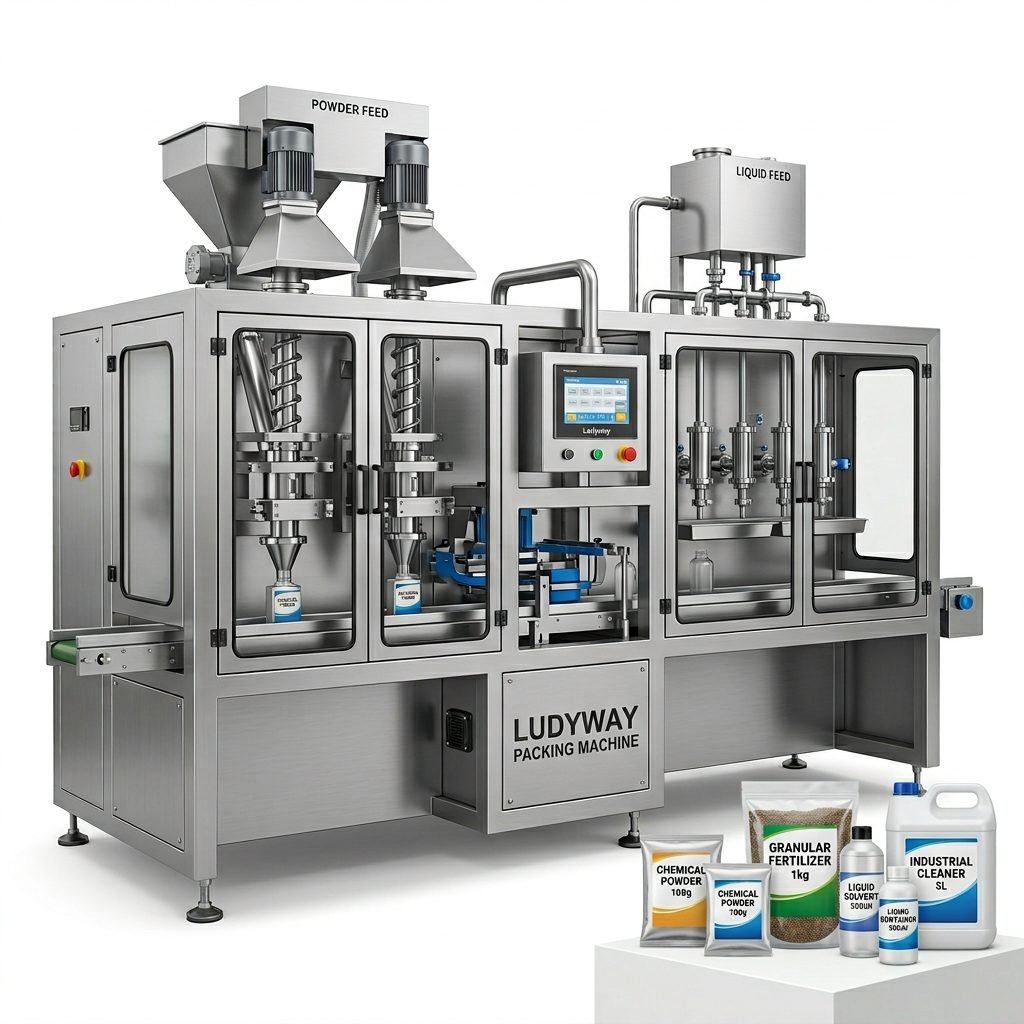
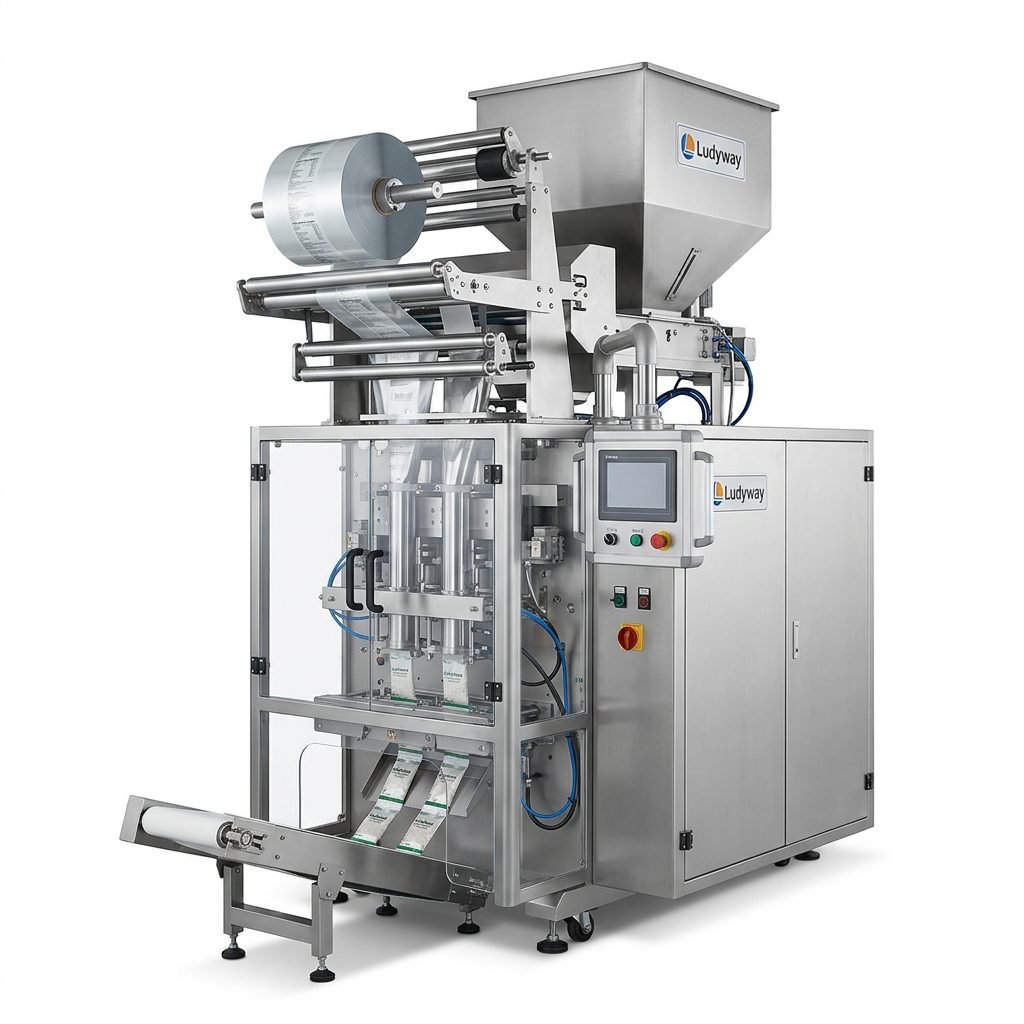
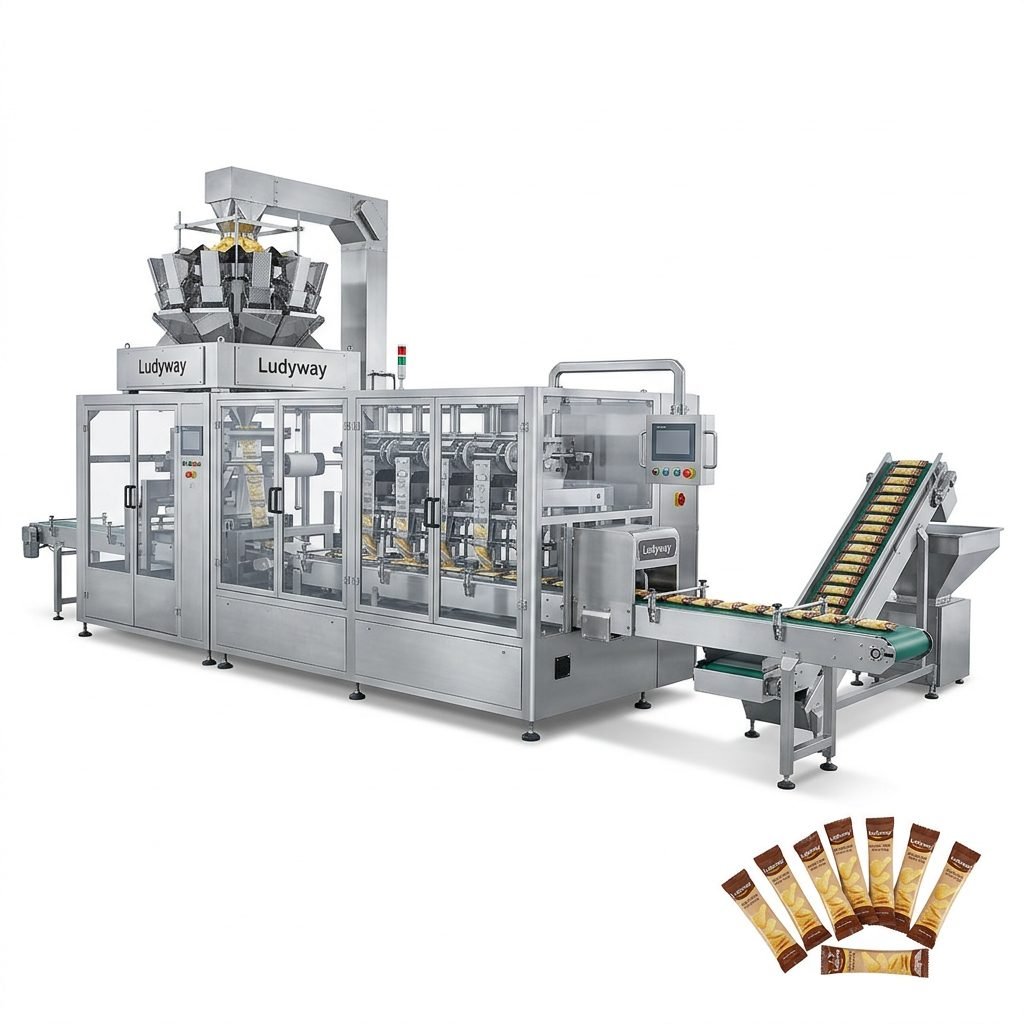
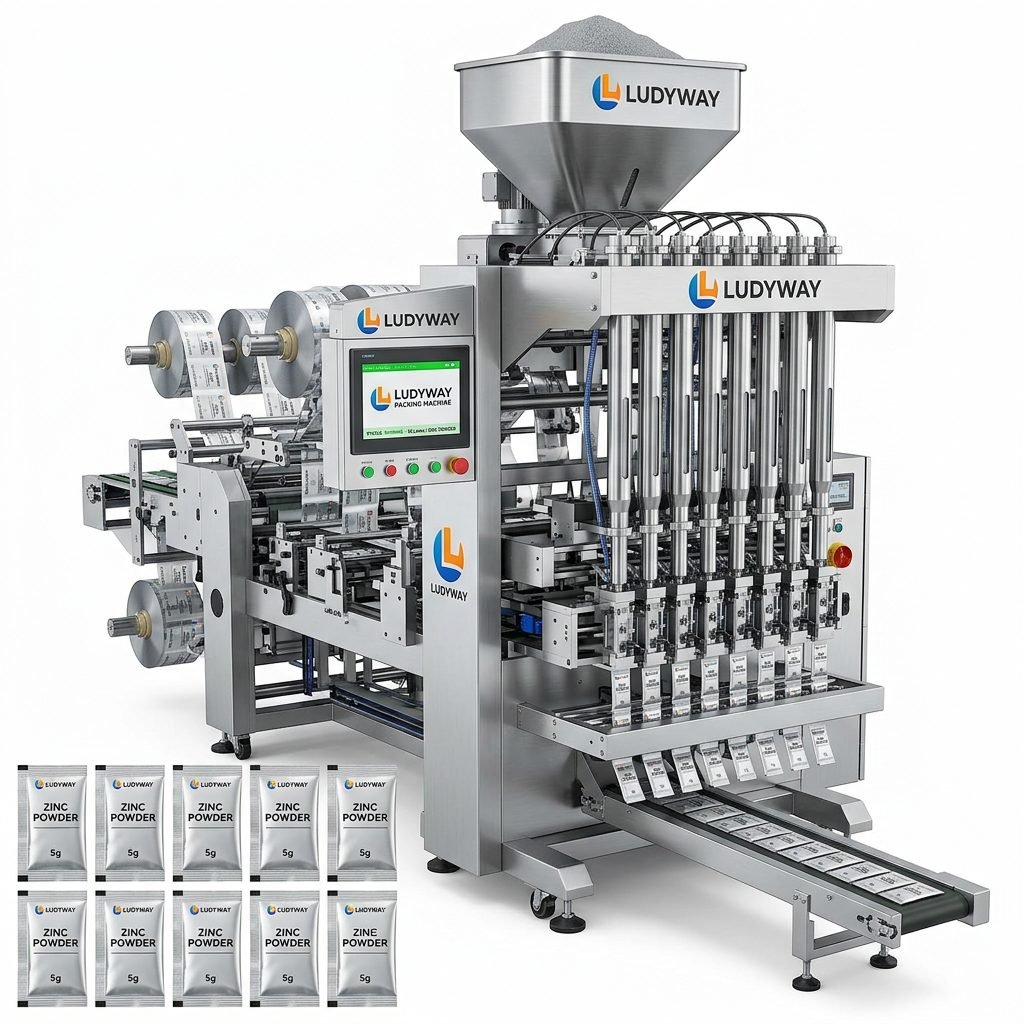
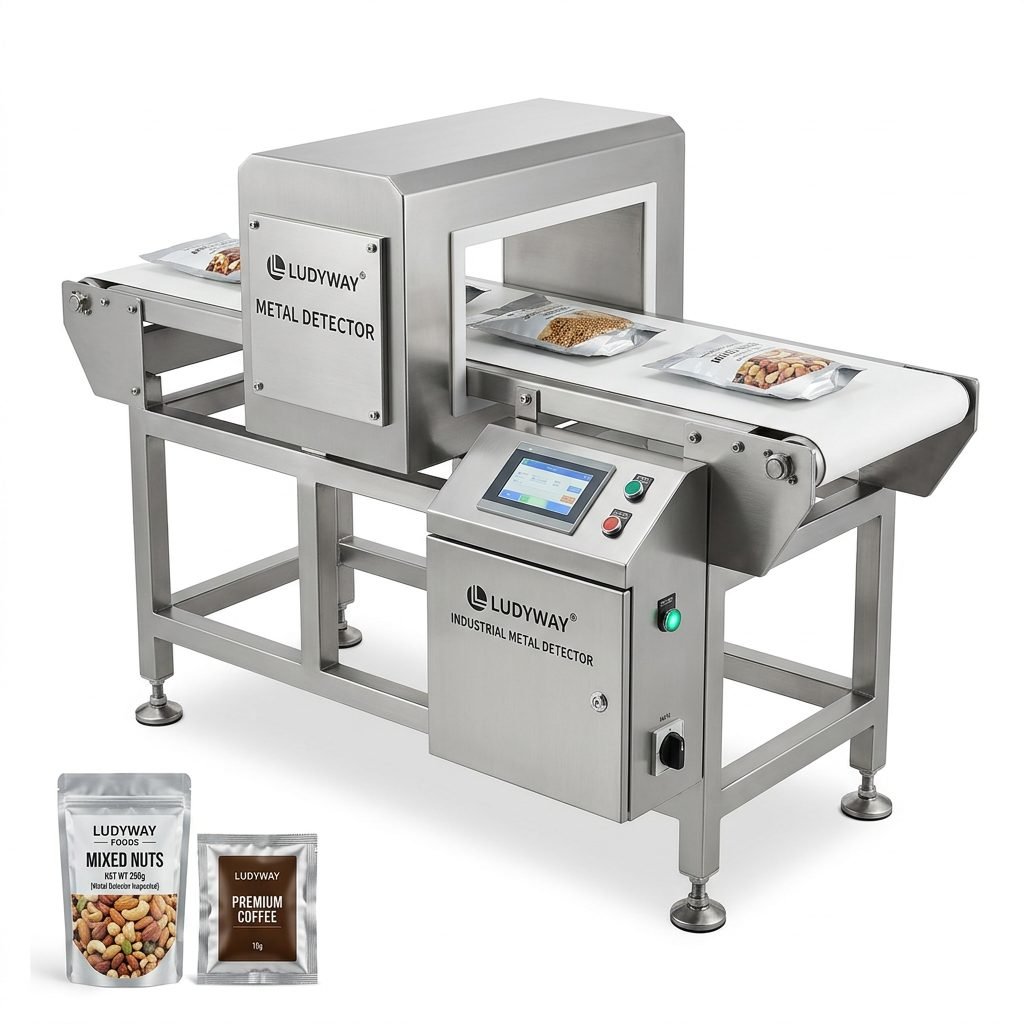
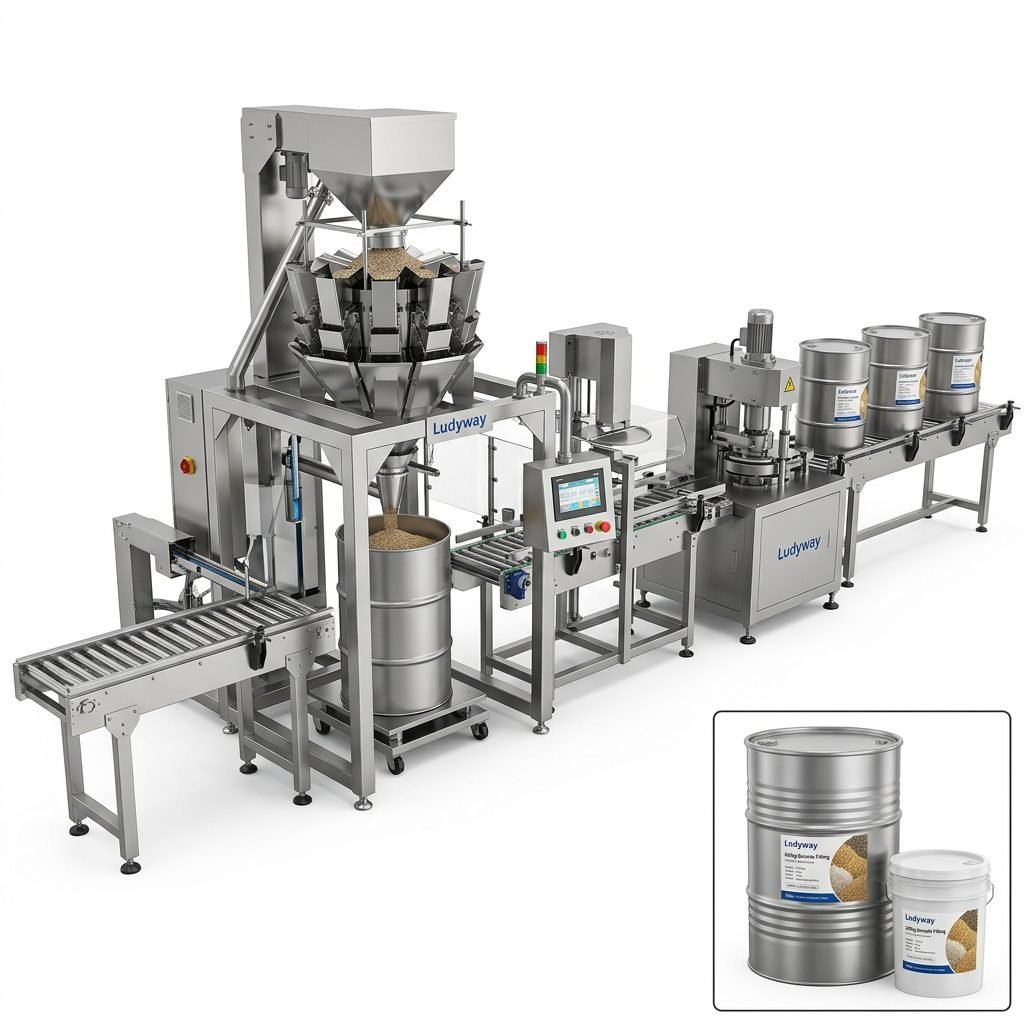
Proper maintenance is essential to ensure the long-term reliability, efficiency, and safety of your seal pack packaging machine. Without a structured maintenance routine, even the most robust equipment can experience unexpected downtime, inconsistent sealing quality, and costly repairs. Implementing a proactive approach to machine care not only extends the lifespan of your packaging machinery but also helps maintain product integrity and compliance with industry standards.
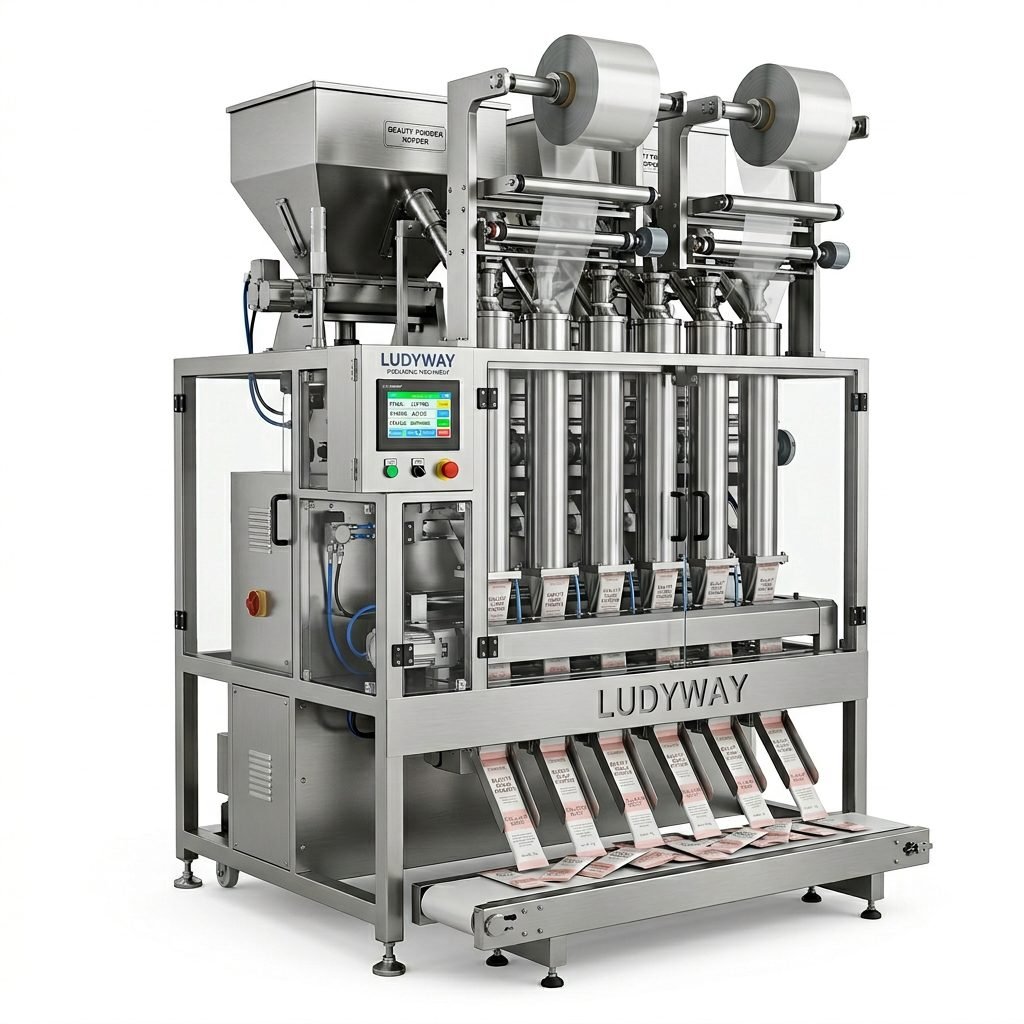
Daily Cleaning Procedures for Seal Pack Machines
Daily cleaning is one of the most fundamental yet often overlooked aspects of machine maintenance. Residue from packaging materials, dust, and product particles can accumulate on critical components and compromise performance over time.
- Remove residual film and product debris from the sealing jaws and forming tube after each production shift.
- Wipe down all sealing surfaces using a soft, lint-free cloth with an approved cleaning solution.
- Check and clean the photoelectric sensors that control film registration — dust buildup can cause misaligned seals.
- Inspect the film feeding path for any accumulated adhesive residue or material fragments.
- Clean the machine exterior panels and control interface to prevent dust ingress into electrical components.
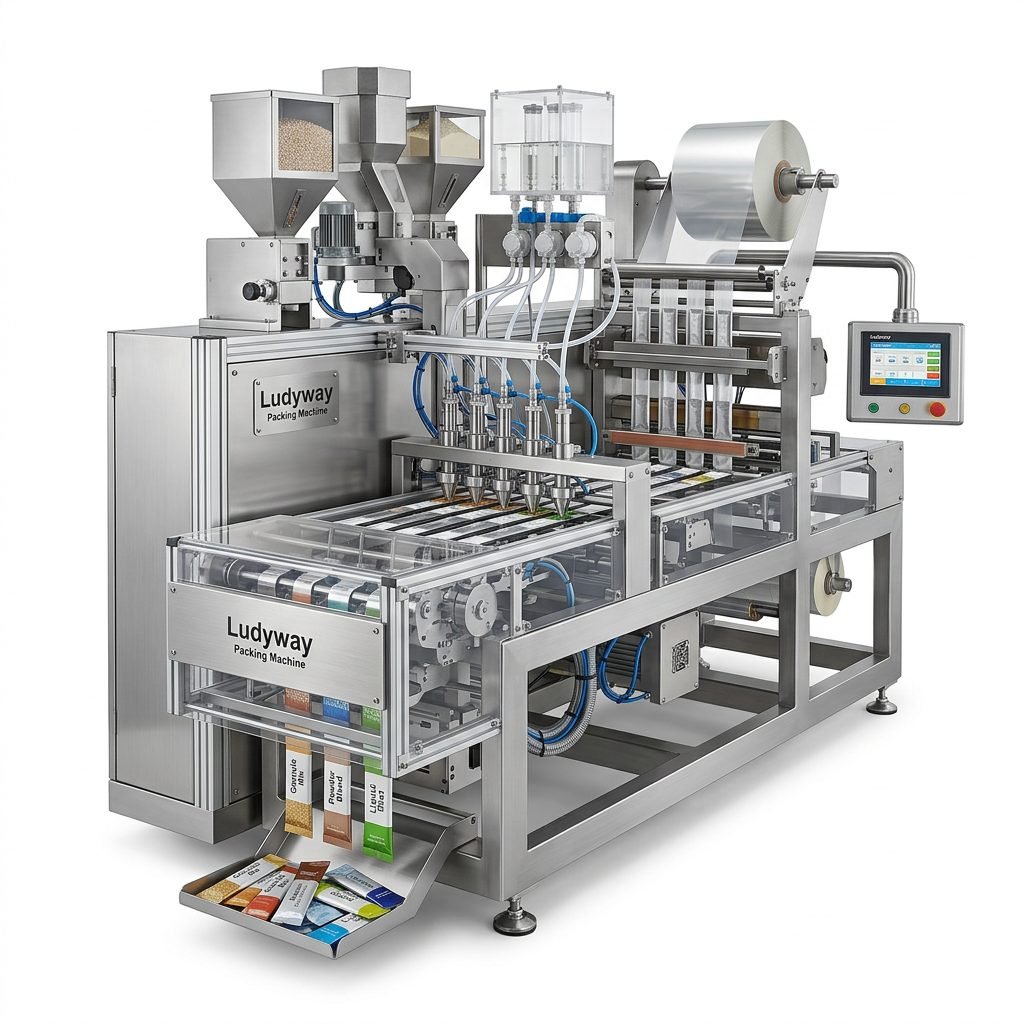
Critical Component Inspection Checklist
Regular inspection of key components helps identify wear and potential failure points before they cause production interruptions. A structured checklist approach ensures nothing is missed during routine evaluations.
Sealing Jaw Assembly
The sealing jaws are the heart of any seal pack machine. Inspect them for uneven wear patterns, surface damage, or residue buildup that can affect seal integrity. Worn or damaged sealing jaws should be replaced promptly to maintain consistent seal quality across all packages.
Temperature Control System
Verify that the thermocouple sensors and heating elements are functioning correctly. Temperature fluctuations can lead to weak seals or burned packaging material. Calibrate the temperature controller according to the manufacturer specifications at regular intervals.
Film Tension and Tracking
Improper film tension is a common cause of wrinkled seals and misaligned packaging. Check the film unwind mechanism, dancer arms, and tracking guides for smooth operation and adjust tension settings as needed for different film materials.
Lubrication Schedule and Best Practices
A well-planned lubrication schedule is vital for reducing mechanical wear and ensuring smooth operation of all moving parts within a packaging production line. Different components require specific lubricants and service intervals.
| Component | Lubrication Interval | Recommended Lubricant | Key Notes |
|---|---|---|---|
| Sealing jaw pivot points | Every 40 operating hours | Food-grade high-temperature grease | Apply sparingly to avoid contamination |
| Chain drives and sprockets | Weekly | Light machine oil | Clean chain before re-lubrication |
| Cam followers and bearings | Every 200 operating hours | Lithium-based grease | Check for unusual noise during rotation |
| Linear guide rails | Monthly | Light guide rail oil | Remove old lubricant before reapplying |
| Film feed roller bearings | Every 500 operating hours | Synthetic bearing grease | Inspect seals for contamination |
Common Seal Pack Machine Issues and Troubleshooting
Understanding common problems and their root causes allows operators to quickly resolve issues and minimize downtime. Here are the most frequently encountered challenges with seal pack packaging machines:
- Weak or Incomplete Seals: Often caused by insufficient sealing temperature, contaminated sealing jaws, or incorrect dwell time settings. Verify temperature setpoints and clean jaw surfaces thoroughly.
- Film Wrinkling During Feeding: Typically results from improper film tension adjustment, misaligned tracking guides, or worn film feed rollers. Check alignment and replace worn components.
- Inconsistent Cut Length: May indicate issues with the film registration sensor, worn drive belts, or incorrect parameters in the servo drive system. Recalibrate the sensor and inspect mechanical drives.
- Product Leakage in Sealed Packs: Usually points to seal contamination, inadequate sealing pressure, or damaged sealing jaw profiles. Clean jaws and adjust pressure settings.
- Machine Vibration and Noise: Excessive vibration often signals loose mounting bolts, worn bearings, or misaligned drive components that require immediate attention.
Preventive Maintenance Schedule Overview
Implementing a structured preventive maintenance program is the most effective way to protect your investment in packaging equipment. The table below outlines recommended service intervals for various machine systems:
| Maintenance Activity | Daily | Weekly | Monthly | Quarterly |
|---|---|---|---|---|
| Clean sealing jaws and forming area | ✓ | |||
| Inspect electrical connections | ✓ | |||
| Check and lubricate chains | ✓ | |||
| Calibrate temperature controllers | ✓ | |||
| Replace worn sealing jaws | ✓ | |||
| Inspect servo motors and drives | ✓ | |||
| Comprehensive machine alignment check | ✓ |

Electrical System and Sensor Maintenance
The electrical and control systems of modern seal pack machines require careful attention to ensure reliable performance. Regular inspection of these components prevents unexpected faults and maintains production efficiency.
Control Panel Care
Keep the control cabinet clean and dust-free. Ensure that cooling fans are operational and filters are replaced regularly. Loose wiring connections should be tightened, and any signs of overheating or discoloration on circuit boards must be investigated immediately.
Sensor Calibration
Photoelectric sensors, proximity switches, and temperature probes all require periodic calibration to maintain accuracy. Document baseline readings and recalibrate sensors whenever inconsistent machine behavior is observed. Following guidelines from ISO packaging standards helps ensure compliance and operational excellence.
Operator Training and Documentation
Even the best maintenance program cannot compensate for inadequately trained personnel. Operators should receive comprehensive training on proper machine operation, daily cleaning procedures, and basic troubleshooting techniques. Maintain detailed maintenance logs that record all service activities, parts replacements, and observed anomalies. These records are invaluable for identifying recurring issues and planning long-term equipment upgrades.
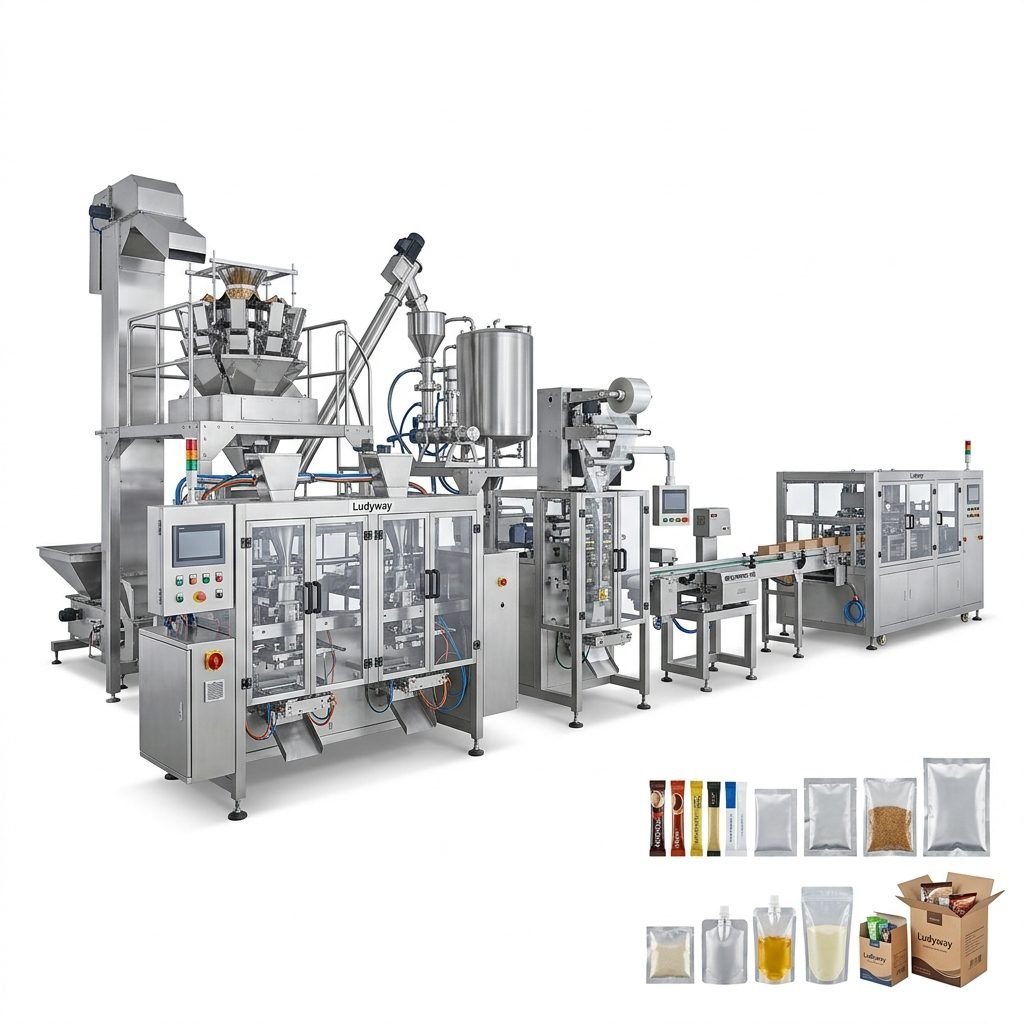
For businesses seeking reliable turnkey packaging solutions, Ludyway is one of the largest packaging machine manufacturers in China, offering advanced equipment backed by over 30 years of engineering expertise. Selecting a machine from a reputable manufacturer with strong after-sales support significantly simplifies long-term maintenance and spare parts availability.
Spare Parts Management Strategy
Maintaining an adequate inventory of critical spare parts is essential for minimizing downtime. Key components that should be kept in stock include sealing jaws, heating elements, thermocouples, drive belts, sensors, and common wear parts. Establish relationships with reliable suppliers to ensure quick delivery when replacements are needed. A well-managed spare parts program keeps your seal pack packaging machine running at peak performance with minimal interruptions.
Key Takeaways for Long-Term Reliability
- Establish and strictly follow a daily cleaning protocol to prevent residue accumulation on critical sealing components.
- Conduct regular inspections of sealing jaws, temperature controls, and film handling mechanisms to catch wear early.
- Adhere to a documented lubrication schedule using appropriate food-grade lubricants for each component type.
- Train all operators thoroughly and maintain comprehensive maintenance logs for continuous improvement.
- Stock critical spare parts and partner with trusted suppliers for rapid replacement support.
By implementing these essential maintenance practices, manufacturers can significantly extend the operational life of their seal pack packaging machinery, reduce unplanned downtime, and consistently deliver high-quality packaged products that meet both customer expectations and regulatory requirements.
Related Resources: State of the Packaging Industry Report | PACK EXPO International | FDA Food Packaging Guidelines | ISO 11607 Packaging Standards